Student Success

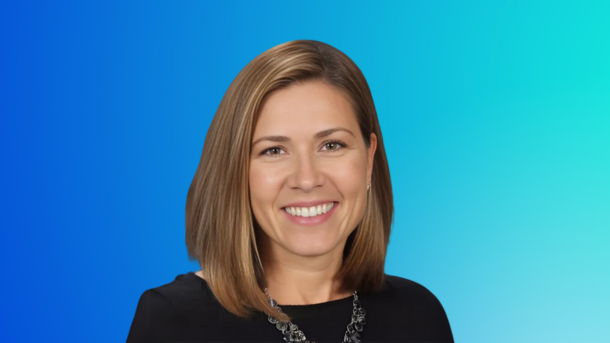
Michelle Gauthier – Principal of Frank Ryan Catholic Intermediate School and Principal of English as a Second Language Programs for the Ottawa Catholic School Board

Michelle Gauthier – Principal of Frank Ryan Catholic Intermediate School and Principal of English as a Second Language Programs for the Ottawa Catholic School Board
About Michelle Gauthier

Michelle Gauthier is the Principal of Frank Ryan Catholic Intermediate School and Principal of English as a Second Language Programs for the Ottawa Catholic School Board.  She has been an educator for 30 years in a variety of roles.  She began her teaching career as an ESL and Special Education teacher before completing a Master’s Degree in Counselling and beginning her work as a high school counsellor.  
Her experience supporting students with complex needs led her into administration where she continues to advocate to bring wellness, equity and inclusion to the forefront.  Michelle’s guiding principle remains that educators (administration, teachers, support staff – everyone in the building) must work to provide a safe, welcoming and inclusive environment where students feel loved and part of a community.  Once students feel cared for and safe, they are better prepared to take risks, embrace challenges, learn, and thrive.

As Principal, not only does Michelle make wellbeing and community building a priority for students but she also recognizes the importance of these for staff.  She works hard to ensure her staff feels supported and appreciated, providing an environment in which they feel inspired to bring their best to work each day.  Michelle is grateful for the opportunity to work with staff and students to create a community where young people can grow into their best selves.  She appreciates this privilege and recognizes the gift that she is given in her role as Principal.

Connect with Michelle Gauthier: Email | Twitter

Listen Now

Listen to the episode now on Apple Podcasts, Spotify, or on your favourite podcast platform.

Resources Mentioned

Frank Ryan Catholic Intermediate School

Ottawa Catholic School Board

The Transcript

**Please note that all of our transcriptions come from rev.com and are 80% accurate. We’re grateful for the robots that make this possible and realize that it’s not a perfect process.

Sam Demma
Welcome back to another episode of the High Performing Educator podcast. This is your host, Sam Demma. Today we are joined by Michelle Gauthier, the principal of Frank Ryan Catholic Intermediate School. She is someone that I met, and I’m excited to have her back on the podcast, or have her on the podcast and see her again. Michelle, please take a moment to introduce yourself.

Michelle Gauthier
All right.

Michelle Gauthier
Well, it’s good to see you again, Sam. I have to tell you, when you invited me to do this, I was really honored. When you came to Frank Ryan, I didn’t really know entirely what to expect, but your energy and the way you interacted with our students was so vibrant. And I just I feel really honored to be here today. So, yeah, I don’t I didn’t really know what to expect, but I’m really honored that you invited me.

Sam Demma
Well, the energy in your school was just as palpable for me. And there’s something special about the community you’ve cultivated with the staff and the students. What are some of the key values or characteristics you strive to embed within your school culture and community?

Michelle Gauthier
Well, Frank Ryan’s a pretty special place.

Michelle Gauthier
So we’re an intermediate school, but only grades seven and eight. And it’s the last one in our school board that’s a standalone intermediate school. So the students are here; they’re not mixed with elementary kids, they’re not mixed with high school kids—it’s just for them. So it’s a really cool opportunity for us to help them develop their leadership skills. And for me, it’s a pretty special place because I went here.

Oh, wow.

Yeah, the kids get a kick out of that when I tell them. I say, “Yeah, I went here as a student,” and then when I tell them what year I graduated, I think all their jaws drop. So I graduated in 1984 from here. And even some of their parents, I don’t think, were born by then. So it’s a special place—Frank Ryan has a great history. But, you know, I feel really privileged to be in this role as a principal because I can impart what’s most important to me in a school. And I have that ability to decide, “This is what I want to focus on. This is what I want our staff to focus on.”

So to answer your question, what’s most important to me is that kids want to come to school, that they feel happy—not just the students, but the staff. I was just talking with my vice principal this morning and just saying, you know, if we can make sure staff feel good and they’re happy, then that’s going to translate to the students in their classrooms. So a big part for me is a real focus on community and people feeling like this is a home, this is a place where they belong and are cared for.

Sam Demma
What do you think makes a young person want to show up to school?

Michelle Gauthier
For me, it’s that we know them, that they’re known. And that’s, again, some of our schools are getting so big that students can get lost. So it’s a real challenge. We have some high schools right now, grades 7 to 12, that are sitting at 2,500 students. So I feel pretty blessed here that we have, we just have just under 500 students.

For us to be able to stand at the door every morning and say, “Good morning, welcome back,” and be able to say their names, and that they feel known—it’s like a home for them, you know. And that’s what I want from the teachers as well is that they’re greeting the kids at the door, they take an interest, you remember, you know, if they told you something about, you know, going for grandpa’s dinner on the weekend, then on Monday maybe say, “How was dinner?” Just that they really feel like they’re, you know, acknowledged as people.

Sam Demma
You started in counseling and you have a degree in counseling. Did you know you were going to end up in administration in the school or like how did your own pathway unfold as you were growing up?

Michelle Gauthier
Wow, that’s a good question because I don’t think I was ever one of those people that was saying, “This is exactly what I want to do,” or “This is exactly where I want to be.” I started university in math, and then that wasn’t working. So I had—my mom was a math teacher. My dad was an actuary. So math was a big part of our home. And—but I always had private tutors all through school.

So when I went off to university, it was like, “Okay, maybe this isn’t my passion.” And it took me a bit to find it. But in hindsight, it was always there. And I think I’m very close to my dad, and I think it was always clear to him. But second year university, I was really struggling with what my concentration would be, and I finally—my dad said, “You know what, you need to get into education. You know, you were always the one, like the cousin who would take care of the little cousins or the one to babysit.”

And I was a lifeguard, and I taught swimming, and he saw it in me. I don’t know that I was, you know, mature enough to see it in myself. But he encouraged me, and I joined the education department, and I just flew from there. All of a sudden, I was, you know, I loved school, I loved learning, I loved that whole area that I was studying in, and I was lucky to get a job right away. And I just love working with kids.

The counseling has always been there. So I had a bit of a different degree. I went to McGill University in Quebec. Their education program is a bit different. It’s a four-year program. My degree was in teaching English as a second language. And when I came back to Ontario, I got a job as an ESL teacher right away, which was really curious. But the way it works in Ontario back then was you are like a resource teacher, like a special education teacher. So I was the ESL teacher; that’s kind of the realm that I was in.

And what that became was really that support, that advocate for students. So the advocate, you know, as a special education teacher, which I was as well. So I started as an ESL teacher advocating for my newcomer students. Then I moved into special education and advocating for, you know, students with special needs.

I did my master’s in counseling and went into guidance counseling. Did I think I was going to go into admin? No. But I think as I moved through guidance, I realized the role of an administrator—there’s a lot of counseling that happens. And the work that we do with parents and families, reassuring them, supporting them, helping them through some difficult times—I felt I was really well-positioned with my skills of supporting newcomers, supporting families, and students with special needs as a guidance counselor.

So now as an administrator, I really get to help those families and use a lot of my counseling skills. It was a big decision for me to leave counseling and go into administration because I loved what I did. I had an opportunity to fill in for a vice principal who was off for a bit. And during that little term, I realized, “Wow, I’m using—probably my counseling skills were one of my number one skills to use in administration, whether it’s family, students, or staff.”

All those skills were so transferable. So now I get to, in a sense, lead the school. I decide on the direction. And for me, knowing that what’s most important to me is a school where people feel welcome, I really feel privileged that I can steer that boat.

Sam Demma
Young people and humans, in general, are carrying so much in their backpacks these days when it comes to struggles or challenges or changes in the world. How do you counsel well? How do you provide counsel to somebody? Or if they’re going through a challenge, how do you be there for them from the perspective of a counselor?

Michelle Gauthier
Yeah. You really have to be a good listener. And again, it comes down to making a person feel heard and cared for. Often people, you know, you go to counseling and think, “Okay, this person’s going to give me the answer.” And that’s not the case. That’s not what good counseling is. Good counseling is helping someone find their own answers.

So, for me, it’s number one—the fact that students share with you means they trust you. And so you’re there to just understand them, not to try to put your own understandings on them, but really give them the time and jump into their shoes.

Because the reality is, I grew up in the 80s and 90s, and my reality is very different from theirs. I can’t begin to understand what they’re going through. I can, you know, I can do my best to empathize, but they need to teach me. So a good counselor is someone who really listens to make that person feel like, “Okay, share with me.” And as they’re sharing, they’re often coming to their own answers.

So, you know, that’s, I think, the best way to approach it.

Sam Demma
You support the staff, which supports the students, but I know from being in your school that you are in the building running around everywhere nonstop, appearing in classrooms, being a part of the assembly programs. Where did your leadership principles develop from? Did you have some really solid mentors, or have you learned over the years from your experiences? Where did you form your own principles?

Michelle Gauthier
And my leadership style, I guess, is what you’re looking at. So sometimes—and I’ve told this to some of my former mentors—you see people wearing the bracelets. You know, sometimes you’ll have a bracelet that says, “What would Jesus do?” or that type of thing. And that’s—my number one mentor would be, you know, just that whole idea of Jesus Christ as servant leader and servant leadership. I’m here to serve.

But I have other bracelets that I wear, and there are former principals that I’ve—you know, I sometimes think, “What would Steve do?” Oh, sorry, there’s our bell. You know, “What would Steve do?” or “What would Greg do?” or “What would Norma do?” And so, those people who—you know, I’ve worked with lots of different administrators, and I take bits from all of them that meant a lot to me. And I wear their bracelets on my wrist, and they help me when I’m in a difficult situation trying to think, “What’s the best approach here?”

And all leaders have different styles and personalities. So I’ll pull on each one of those when I know—“I know Norma would be able to deal with this well,” or “I know what Steve would do.” So that’s, yeah.

Sam Demma
I had a three-year experience with a coach in my life. His name’s Chris Cummins. And we would talk every Tuesday for about an hour and a half, and I would bring to him all of my problems and challenges in my professional pursuit. And he would bring to me questions that would help me uncover the answers I needed to hear—good counseling.

And you can’t see it, but off to the left of my office is a document on the wall that says “The Cummins Commandments.” And I actually created this as a gift to him when our coaching experience ended. And it was the principles that, from our three years of conversation, are things that I would carry forward in my life as a result of the time we had spent.

When you talk about Greg and Norma and Jesus, it makes me think of the time that I shared with Chris. And so I appreciate you sharing that. I think that learning from others is one of the best ways to form our own thoughts and ideas and principles.

One of the experiences that I think of the most in terms of my own education as a student was teachers who made me feel really special, who listened very well. And some of those experiences I had with those educators—they’re things that I’ll remember for the rest of my life. Can you think of any experiences recently where a student has been recognized or celebrated and you think, “Gosh, this is going to be a moment that this young person remembers for the rest of their life”?

Michelle Gauthier
Absolutely. And there’s a few of them, and I have so many memories too. So I’ll just tell you one little story about—I was at a Starbucks, this was a number of years ago, maybe 10 years ago. And this young man stopped me, and he goes, “Miss Gauthier?”

And I’m like—and I’ve taught so many kids over the years. And he introduced himself, and he goes, “You might not remember me, but you taught me grade eight. And I used to like the environment. And you brought me a little flyer that you saw in the Body Shop. And you said it made you think of me, and you gave it to me, and you influenced me to go into environmental sciences.”

And I was like, “Oh my gosh.” We never know the tiny little things we do, the impact they have.

But to answer your question a little bit more about something more recent, I have a student—so I had an opportunity about three weeks ago. The principal of our Safe Schools program reached out to a few principals and said—“We have this opportunity to recognize a student who exemplifies kindness, leadership, and joy. Do you have a student in mind?”

And I was like, “Yes.”

And it was not hard for me to think of who. And it’s this young girl in our school. Her name is Favour. And, you know, she has made it her mission this year to bring joy. And I have to say, it’s been our focus at Frank Ryan on just building character and how important it is and the elements of character.

She’s in grade eight now, so it’s her second year. And she came to me early in the year and she asked, “Miss Gauthier, can I do the joke of the week?” Because we had—she loves jokes.

And I said, “Sure.”

And so she was putting jokes on our daily announcements. And then one day, I was walking through the hall and, geez, Favour is telling me a joke every day. And I asked her, “You know, Favour, you must really like jokes.”

And she said, “I do. Jokes make people happy and make people laugh. And I think that’s really important. And I want to make people laugh.”

So I wrote that up in that little quick blurb to the Safe Schools principal, who sent it to the police, and she was chosen for the bike.

And it was so sweet. When we went to the police station on the weekend—the Ride to Remember is just a ride that police officers across the province of Ontario do to remember fallen officers. And they ride all the way from Thunder Bay to Ottawa, and they stop along the way.

At each stop, they were going to gift a youth with a bike. So here we are on Saturday, and Favour was our chosen student for Ottawa. Her dad was there, her sister was there, and they’re not a family that has a lot.

And just the pride on their faces—the pride of her dad wanting to have his picture with her and the officer. When they did the presentation, they said a little bit about why she was chosen, that she likes to say jokes. And so they gave her an opportunity. She wasn’t shy at all, and she had a joke for the chief of police.

So here’s this grade eight student ready to tell the chief of police a joke. And she said, “What do you call a bike that can’t stand?”

And he looked at her, and she said, “Any guesses?”

And she’s so confident with him—I was so proud of her. And he’s like, “No.”

And she said, “Too tired.”

Michelle Gauthier
And everybody just laughed.

It was so perfect. But that is something I think she will remember. I will remember for sure. That’ll bring her forward, and we’re celebrating that as a community. We took pictures of her, and we put it on our daily announcements, celebrating her as a role model for the other students as well.

Just be a good person, and the world will work in your favour, you know. So, yeah, that was a really sweet, sweet memory that I’ll have for a long time, and I think she will too.

Sam Demma
The Starbucks experience is one that I think a lot of teachers can resonate with. And this story about Favour is one that I’ll also remember for a long time. While you were sharing it, it made me think of students’ pathways in life.

And maybe Favour will be a comedian in the future. If jokes are something that she is extremely passionate about, you just never know. I think it’s so important to give young people platforms to explore the things that make them excited. And maybe “Joke of the Week” becomes “Joke of the Day” if she has that much comedy or jokes to share.

Hearing that the family showed up and how happy, excited, and confident she was is such a beautiful story. So I appreciate you for sharing that on the show.

Michelle Gauthier
My pleasure.

Sam Demma
I know that there are likely many educators tuning in who are needing a little bit more joy and laughter in their life. If there’s an educator listening who’s feeling a little burnt out, and the start of the school year has been a little bit challenging, what advice would you share with them or words of support?

Michelle Gauthier
So I think the big one for me is to remember why you’re here. You’re here for the kids.

Find the joy, you know, find the joy in the kids. It’s been an intense start for us at Frank Ryan—just a lot going on, all good, but a lot going on. And last week, there was a moment where I was a little bit overwhelmed and feeling stuck in my office.

And I just said, “I gotta get out.”

And I went out, and I just—I went to the cafeteria where all the grade sevens—so 250, you know, 11- and 12-year-olds gathered in one room. You can imagine the chaos that that is. And I just stood in the middle of it.

And one of the teachers said to me, “Are you looking for someone?”

And I’m like, “No, no, I just needed to be here. I just needed to be in the middle of this chaos of these beautiful kids and just reconnect to the joy and reconnect to why we’re here.”

And all these kids, it may seem chaotic and crazy, but they’re all smiling. They’re having fun. And I think, you know, when we’re getting overwhelmed, it’s just to sit back and remember why we’re here.

These kids are just precious, and it’s not an easy road, especially pre-adolescence and intermediate school. It’s not an easy task. I’m not sure I’d want to go back to grade seven and eight. So just to remember that we are privileged to be educators, and we have a real privilege to be able to make a difference for these kids and help them when life is hard.

Life is not easy for kids these days when we look at all that they’re facing. So what a gift we have to bring joy. And when you’re feeling a bit depleted, find the kid that brings you joy.

Sam Demma
That’s such good advice. Thank you so much for taking the time to come on the show, Michelle, and share some of your ideas around counseling, being a good listener, your leadership style, some of the stories of impact in your schools, the importance of wellbeing, and supporting the staff in the building.

It’s been a privilege chatting with you. Keep up the amazing work, keep up the laughter and the joy in the building, and I look forward to crossing paths again very soon.

Michelle Gauthier
Yeah, we hope to have you back soon, Sam. Thank you so much for this opportunity.

Join the Educator Network & Connect with Michelle Gauthier

The High Performing Educator Podcast was brought to life during the outbreak of COVID-19 to provide you with inspirational stories and practical advice from your colleagues in education.  By tuning in, you will hear the stories and ideas of the world’s brightest and most ambitious educators.  You can expect interviews with Principals, Teachers, Guidance Counsellors, National Student Association, Directors and anybody that works with youth. You can find and listen to all the episodes for free here.
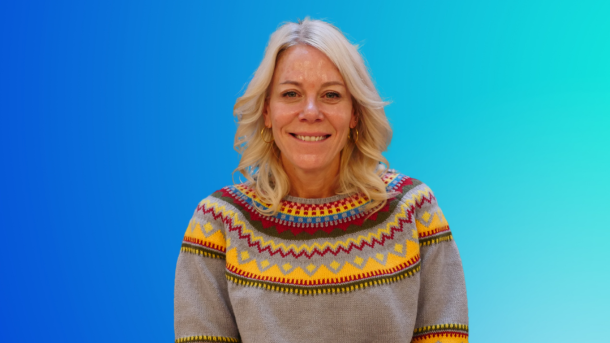
Danielle Desjardins – Principal at St. Thomas of Villanova High School

Danielle Desjardins – Principal at St. Thomas of Villanova High School
About Danielle Desjardins

Dr. Danielle Desjardins is the Principal at St. Thomas of Villanova High School and a sessional instructor at The University of Windsor. Throughout her 26 years in education, she has explored many roles including high school teacher, instructional coach, vice principal, and safe and equitable schools principal.

Dr. Desjardins’ research and professional passions are rooted in critical, emancipatory theory and practices. She has dedicated much time and interest in working with underrepresented communities in challenging policies and practices that pose barriers. Her current research interest is in policies and practices that impact the educational trajectories of newcomer students with interrupted or limited formal education. She is currently a member of Windsor Pride Board of Directors and has dedicated much time and interest in advocating for 2SLGBTQI+ needs and education in secondary schools.

Connect with Danielle Desjardins: Email

Listen Now

Listen to the episode now on Apple Podcasts, Spotify, or on your favourite podcast platform.

Resources Mentioned

St. Thomas of Villanova High School

The University of Windsor

The Transcript

**Please note that all of our transcriptions come from rev.com and are 80% accurate. We’re grateful for the robots that make this possible and realize that it’s not a perfect process.

Sam Demma
Welcome back to another episode of the High Performing Educator Podcast. This is your host, Sam Demma, and today, we are joined by a very special guest, Danielle Desjardins. Danielle is the principal of Saint Thomas of Villanova High School in Windsor, Ontario, and she’s a friend of mine. She is trailblazing the way. She never stops educating herself and learning. She loves school so much that she recently finished some more education. Danielle, why don’t you take a moment to introduce yourself?

Danielle Desjardins
Hi, Sam. Thanks for having me here. I’m an administrator, currently a high school principal. I was born in 1997 and worked as an English teacher, English second language, teaching multilingual learners, department head, and a consultant for differentiated instruction. Then I became a principal of Safe Schools and Equity, and later a vice principal and principal. For the past six years, I finished a PhD, which was on my bucket list. And I’m currently also an instructor at the University of Windsor.

Sam Demma
What keeps you driven and moving forward and pursuing more and learning more?

Danielle Desjardins
I think I’m just an inquiry-based approach. When you work with so many different people from all different backgrounds and lived experiences, and you see youth who are full of hope and often facing barriers, I’m a problem solver. I want to learn more about the nature of those barriers. I want to hear more stories. I want to explore maybe new ways of thinking or approaching and working with community to find solutions. So, I’m just an inquisitive person, I suppose.

Sam Demma
What questions are you asking yourself right now in regards to young people and supporting them?

Danielle Desjardins
Yeah, I think I’ve always been a critical analyst or critical theorist, and so I’m very interested in populations that are historically disadvantaged and kind of emancipatory frameworks. We have the responsibility as educators to be problem solvers and creative thinkers, aligning with 21st-century learning that we’re espousing for these youth. So, collaborating, listening to stories, checking our own biases, and challenging ourselves to imagine walking in someone else’s shoes. You spoke about this before, Sam, for sure.

And also to work with community members who might have a better understanding through their own lived experiences to guide us through that ally process. I’ve done a lot of work. For instance, I’ve been on the board of directors of Windsor Pride, supporting 2SLGBTQI+ youth facing barriers in educational systems.

Sam Demma
Do you think about all these questions when you leave the school building? Is it like a non-stop thing that runs through your head?

Danielle Desjardins
Yes, I do. I think about it and try to expose myself to others who have those same passions and curiosities. That’s why I love teaching at night, joining in book talks, or reading scholarly journals to see what the latest research is. It’s a global academic conversation. What are people doing in other countries and places in the world? I was just speaking with a leader from Mexico who ran a school based on SEL (social-emotional learning). The school’s core curriculum was SEL, and everything else was layered out from there. That makes sense to me because what we want is someone who can look at a problem with a knowledge foundation and say, “No problem is too big.” It’s about believing you can solve it and using resources in a world that’s becoming even smaller and more accessible.

Sam Demma
I asked if you think about it outside the school building because your passion is so obvious. You can hear it, you can feel it through the podcast. When you’re walking through the school hallways of Villanova and talking to students or engaging with teachers, what are some of the challenges they tell you they’re currently experiencing or facing?

Danielle Desjardins
I often hear from students that they struggle to balance the expectations placed upon them from various sources. They internalize these expectations and adopt them as their own, which makes them lose sight of what they truly want. Sam, I know you’ve expressed this to our students before. That’s why you’re celebrated—you’re right on. Our students are saying things, and we’re focusing this year on managing stress and strategies. We’ve created a committee to identify and name emotions beyond “I feel sad” or “I feel happy.” We’re identifying the sources of stress and implementing quick strategies in all our classes. It might be meditation, breathing exercises, square breathing, or visualizing. We’re doing this in math, science, history—it’s not curriculum-specific.

Danielle Desjardins
We’ve also realized that some students face external pressures, like having to contribute to family income or excel at extracurriculars to secure scholarships. Social media also weighs heavily on them. They wonder, “Do I look the right way? How do people perceive me?”

Sam Demma
A teacher recently shared a line with me that stuck: “Teachers aren’t just supposed to teach the curriculum; they’re supposed to teach character.” It’s hard to figure out how to help young people solve these challenges. How do we teach empathy or help them unpack the burdens they carry in their metaphorical backpacks? What are some initiatives at Villanova that you’re excited about and anticipating cool results from?

Danielle Desjardins
Every school does fundraisers and gives back to the community, but what makes it enriching is ensuring inclusivity. We run a fantastic Best Buddies program to ensure all students are included in school activities. Recently, we noticed tension in the junior class. To address this, we called upon all grades to facilitate a fun day, ensuring representation from art-focused students, STEM-focused students, music, and tech. We also have initiatives that combine different departments, like building structures for charity events. For example, we’re planning a “Canstruction” event at the local mall. It requires engineering, artistry, and collaboration among robotics teams, tech, and art students. This breaks down silos, allowing students to explore new areas and appreciate diversity. We also started a course this year on positive media communication. Students promote their peers through social media and other mediums, ensuring no voices are left out. It’s been exciting to see how this course unfolds.

Sam Demma
That’s awesome. There’s so much happening at Villanova this year. Thank you for sharing some of the initiatives and your thoughts on wellness. You’ve mentioned a lot about students, but educators’ well-being is equally important. What do you do to make sure your cup is full so you can show up for others?

Danielle Desjardins
Great question, Sam. I think educators often neglect themselves. As a leader, I prioritize creating opportunities and safe spaces for teachers to express their needs. I ensure they feel valued and listened to, even if an idea doesn’t seem feasible at first. I challenge myself to say, “I don’t know that it won’t work.” Flexibility and recognizing when someone’s having a tough day go a long way. Sometimes, it’s as simple as our demeanor and openness. We also do fun activities, like participating in student events. For example, during Fun Day, staff joined students on the slip-and-slide. It’s about building community through shared experiences. Personally, I find wellness in volunteering and spending time with students outside formal settings. For example, last weekend, I volunteered at a community event with students, which left me feeling great. I also run and model the importance of balance for students, joining them on cross-country runs or simply being visible and approachable.

Sam Demma
That’s awesome. I think it’s so important for students to see teachers as human beings—laughing, playing, and participating alongside them. It builds a community that can’t be replicated. Thank you so much for taking the time to share your insights, Danielle. From the bottom of my heart, I hope this academic year is filled with impactful moments and meaningful experiences.

Danielle Desjardins
Right back at you, Sam. Thank you for this opportunity. I’m humbled to participate, and our students still talk about your presentations. We’ll definitely get you back.

Sam Demma
Thank you so much, my friend.

Danielle Desjardins
Take care.

Sam Demma
Take care. See you soon.

Join the Educator Network & Connect with Danielle Desjardins

The High Performing Educator Podcast was brought to life during the outbreak of COVID-19 to provide you with inspirational stories and practical advice from your colleagues in education.  By tuning in, you will hear the stories and ideas of the world’s brightest and most ambitious educators.  You can expect interviews with Principals, Teachers, Guidance Counsellors, National Student Association, Directors and anybody that works with youth. You can find and listen to all the episodes for free here.
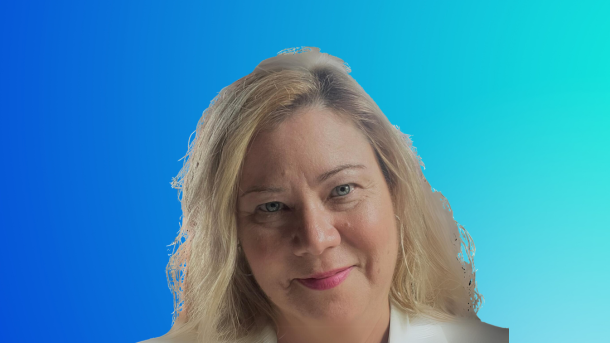
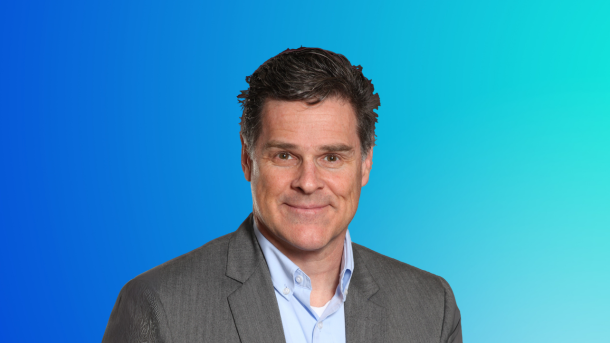
Brian Robson – Executive Director of the Ontario Tech Student Union (OTSU) at Ontario Tech University 

Brian Robson – Executive Director of the Ontario Tech Student Union (OTSU) at Ontario Tech University
About Brian Robson

Brian Robson is the Executive Director of the Ontario Tech Student Union (OTSU) at Ontario Tech University in Oshawa, Ontario, where he leads a team of full-time, part-time and student staff who strive to enhance the campus experience for nearly 11,000 students. At the OTSU, Brian steward policies, mentors student executives, oversees elections, oversees numerous services, programs and events as well as over 100 Clubs & Societies, liaises with University Senior Leaders, and charts long-term strategic planning.

Prior to joining OTSU in late 2023, Brian was a Director of Training Programs and Business Development at Toronto Metropolitan University (TMU) for several years. There, he directed the action-research teams leading entrepreneurship and skills-training programs at local, provincial and national levels. He has presented papers on this work at international and national conferences. Prior to TMU, Brian served in previous roles in Financial Services, education and non-profit organizations. He earned a PhD in Systematic Theology from the University of Toronto, and an MBA (Globalization) from the Ted Rogers School of Management at TMU. His passion is shaping emerging leaders and diverse teams for the future of work in a changing economy.

Connect with Brian Robson: Linkedin

Listen Now

Listen to the episode now on Apple Podcasts, Spotify, or on your favourite podcast platform.

Resources Mentioned

Ontario Tech Student Union (OTSU)

Ontario Tech University

Toronto Metropolitan University (TMU)

Ted Rogers School of Management

The Transcript

**Please note that all of our transcriptions come from rev.com and are 80% accurate. We’re grateful for the robots that make this possible and realize that it’s not a perfect process.

Sam Demma
Welcome back to another episode on the High Performing Educator Podcast. This is your host, Sam Demma, and today we are joined by Brian Robson. Brian is the Executive Director of the Ontario Tech Student Union for the Ontario Tech University in Oshawa. It is the university of the Durham region, and that’s where I’m from. Brian, it’s so awesome to have someone on the show today that’s basically from the backyard. How are you?

Brian Robson
Good, thank you. You’re my homie here today.

Sam Demma
It’s good. Yeah, man. Did you grow up in the Durham region or where is home for you?

Brian Robson
I did not. I actually grew up out west. I’ve lived in three different provinces in Canada, four different city centers, but I have been in Durham region for a number of years now. I bought my first house out here and still here, and I’ve lived in Pickering, Whitby, Ajax. So, it has been home now for a long time.

Sam Demma
Did you know when you were growing up, living in different provinces or different cities that one day you would work in education? Or what brought you here in your own career pathway?

Brian Robson
Yeah, that’s a great question. I didn’t know what I wanted to do, but I did get a sense of that, I guess, sort of mid to late teens. Mid to late teens, just with some stuff that I was involved in, kind of like you, I discovered that I was good at public speaking. And so I had a chance to use that and to be involved in different things where I had a chance to do that. People would say to me, they say, “You’re a teacher. That’s kind of your thing. You’re a teacher kind of guy.” And I sort of stuck and I realized, yeah, I guess that’s kind of what I am. So then when I started my post-secondary education journey, which has been long, I kind of realized that that is where I would like to be, is in the post-secondary space. I don’t want to be a high school teacher, elementary school teacher. I want post-secondary. So I went on then to earn several degrees, including a PhD from the University of Toronto with the intention of being a professor. So that was my goal, that was my career objective. But the reason I wanted to become a professor is because I didn’t want to just be a subject matter expert and I didn’t want to just teach a subject. I wanted to shape students. So my tagline for a long, long time has been empowering or emerging leaders. So I wanted to build leaders. I wanted to educate and empower emerging leaders. And I thought I would do that in the classroom. Now, long story short, that’s actually not how it turned out, but I am doing that. I’m just doing it now outside the classroom in a university context rather than inside the classroom. So things took a turn from where I thought they would go, but I did end up meeting the same objective that I had set out to do.

Sam Demma
That’s awesome. It’s interesting that you’ve kind of discerned the age group you wanted to work with while you were still going through school on who you wanted to serve. Why leadership? Why developing leaders? Was there something about your upbringing or childhood that made that a central theme for you?

Brian Robson
Oh man, that’s a really good question. Off the top of my head, I can’t think of anything explicit, but I was aware, I am aware, I’ve always been aware, all of us are shaped by who our leaders are, right? So whether it’s our parents, or whether it’s our bosses at work, or whether it’s in the school context, whatever, we’re all shaped by our leaders for better or for worse. Even though there’s a trillion books on leadership and all kinds of literature and courses and workshops and resources, we still have, I think, a dearth of really good leaders in our society. And so it’s up to the emerging generations to kind of take up that mantle and to learn how to do it right. And so to learn what true, you know, effective, empowering leadership is really all about. I just sort of knew from, I guess, in my own educational journey that the power of education is where you can do that. It’s a great context for shaping people, not just academically with their courses and with their knowledge, with their academic programs, but way beyond that into sort of more people-building, cultivating values and principles, and finding your place in the world, right?

Sam Demma
When you think of good leaders or great leaders, what are some of the things you think they do differently? Or they do that other not-so-effective leaders might not be doing? I ask it from a personal perspective because, for the first time in my life, I find myself leading others in my own work, and I want to improve myself. I want to become a better leader myself.

Brian Robson
That’s another fantastic question. I think that it’s sort of a mindset and a perspective. What differentiates great leaders from mediocre leaders or poor leaders is really having the right mindset regarding what leadership is. Leadership is not about power or wielding power or having authority over other people. It is about empowerment. There’s a very common term that’s very prevalent in leadership literature, and it’s been around for a long time—even since ancient times. It’s called servant leadership, right? So true, really good leaders are servants. They’re not masters. They are humble, not arrogant. Somebody once asked me—it was actually in a job interview process for a post-secondary school position—they asked me a great question: “What’s the best leadership advice you’ve ever received?” And something came to me quickly. The best leadership advice I ever got was: Don’t own it. What he meant by that was, it’s not actually yours. You have to separate yourself from the thing that you are leading. Great leaders don’t own it because leadership is temporary. You’re going to be replaced someday. You’re not going to be leading that group of people, organization, or company forever. It’s temporary. So don’t own it; instead, see it as something you are stewarding for a while. When you adopt that mindset, it puts you in a better state to treat people well, make the right decisions, avoid selfishness, think big picture, and build things the right way.

Sam Demma
As a leader, you have conversations with so many people every day, and you want to equip them to succeed, move things forward, and feel supported. Sometimes, naturally, you have difficult conversations. How do you approach those as a leader with the people you serve?

Brian Robson
Yeah, that’s another very good question. For me, it’s a lifelong journey. Leadership is a journey, for sure. I’ll be honest—by nature, I hate conflict. As a fifth-generation Canadian, I avoid conflict by instinct. So difficult conversations, the ones you just described, go against the grain of my personality. But you approach them with wisdom. Again, you do it from the perspective that you’re not defending your turf or trying to win a battle for the sake of winning. It’s about doing what’s best for the organization and the person you’re in conflict with. You approach these conversations with humility. It’s not about winning but about reaching a better place in the situation. Listening is crucial. My academic background has trained me to reason and connect the dots with facts. That’s my approach—stick to the facts. Avoid getting personal or emotional, and focus on reasoning through the situation. When you have a conflict, let the facts win. If I’m wrong, the facts will prove it. If the other person is wrong, the facts will show it. And ideally, both of us can come to a shared understanding based on the truth.

Sam Demma
That’s such a great perspective. I ask because I’ve noticed in myself, when I’m having challenging conversations, I sometimes feel the need to win or defend my turf. But I’m recognizing that and trying to improve. So, I really appreciate your insights. You’re clearly passionate about serving students. Although Ontario Tech has a smaller student population, I imagine that creates a lot of beautiful, intimate opportunities. Tell me a little about the school and why you love it so much.

Brian Robson
Yeah, so we talked a little bit off-air about this, but you’re familiar with Durham Region and how multicultural it is. The university reflects that diversity. We’re located in Oshawa, with two campuses: North Oshawa and downtown. It’s largely a commuter school, so most students live off-campus and commute to class. We do have some out-of-province and international students, but the majority are local—people from Durham, East GTA, or York Region. Our student body is incredibly diverse—culturally, academically, and religiously. We’re branded as a STEM university, but we also emphasize “Tech with a Conscience,” which reflects our focus on ethical and social responsibility in technology. As the student union, we serve everyone, meeting them where they are and supporting their unique needs and interests. That’s what makes this role so fulfilling.

Sam Demma
Before your time at Ontario Tech, you were at TMU. What was the difference in your roles of service at each of these universities?

Brian Robson
Very different. TMU is a larger school, also a commuter school, and similarly diverse with many first-generation students. I loved working with both TMU and Ontario Tech students because they’re trailblazers—grateful, hardworking, and not entitled. At TMU, I had various roles, but my focus was on programs for specific populations. These included skills-building and entrepreneurship programs for groups like newcomers, women, Black youth, and students aged 15 to 29. Some programs were federally funded, so we partnered with universities across Canada to deliver them nationally. Here at Ontario Tech, my role is more centralized, focused on serving the entire student body through the union. Both experiences are rewarding but very different in scope and focus.

Sam Demma
Have you always been passionate about entrepreneurship, business, and STEM, or is that just how your career unfolded?

Brian Robson
That’s just how the career unfolded. It wasn’t intentional, but it all fits under my personal mission of empowering emerging leaders. Entrepreneurs are leaders, so it aligned perfectly with my goal of shaping future leaders, even though it happened outside the classroom.

Sam Demma
What are you most excited about this academic year?

Brian Robson
We’ve had the largest first-year class in Ontario Tech’s history, which is exciting. Their energy and enthusiasm are infectious, and we want to build on that momentum. This is my first year seeing a class come in, and I’m looking forward to watching them grow and develop over the next four or five years. They’re the next leaders of the student union, and it’s exciting to be part of their journey.

Sam Demma
Education shapes humans and the future. The work you’re doing is so important. If someone listening wants to connect or ask a question, what’s the best way to reach you?

Brian Robson
LinkedIn is probably the best place to start. I included my LinkedIn profile in the bio I sent you. From there, I’m happy to share my email and connect further.

Sam Demma
Brian, my Oshawa homie, thank you so much for taking the time to share your experiences, insights on leadership, and passion for education. I hope this academic year is one of the best yet. Keep up the great work, and I’ll talk to you soon.

Brian Robson
Thank you so much for having me, Sam. This has been great—I’ve really enjoyed it. Keep it going!

Join the Educator Network & Connect with Brian Robson

The High Performing Educator Podcast was brought to life during the outbreak of COVID-19 to provide you with inspirational stories and practical advice from your colleagues in education.  By tuning in, you will hear the stories and ideas of the world’s brightest and most ambitious educators.  You can expect interviews with Principals, Teachers, Guidance Counsellors, National Student Association, Directors and anybody that works with youth. You can find and listen to all the episodes for free here.
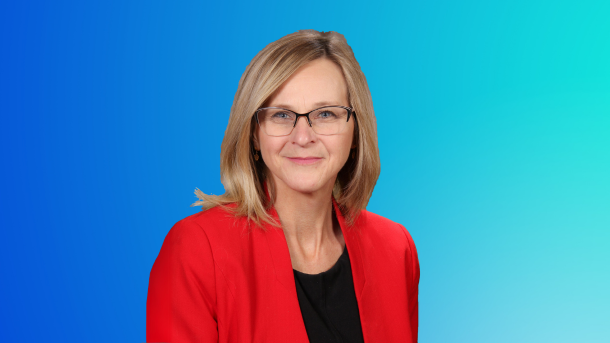
Laura Beltran – Principal at St. Joseph’s Catholic High School

Laura Beltran – Principal at St. Joseph's Catholic High School
About Laura Beltran

Laura Beltran is the Principal of St. Joseph’s Catholic High School in Windsor, Ontario. She has worked for the Windsor-Essex Catholic District School board for the past 31 years. She started her career at Holy Names High School and then moved to a permanent position at St. Joseph’s for the next 12 years. She moved into administration as a vice principal in 2010 and was appointed principal of St. Thomas of Villanova High School in 2021.

She strives to meet the board’s vision of “empowering, inspiring, and knowing her students”. Being kind to one another is a regular part of her daily announcements and reminders to students and staff. She believes that the school can be an example for the larger community of what peace and kindness can do to show young people a world where they are valued and cared for. She coaches a Hockey4Youth program for young women who face the financial challenge of not being able to play hockey or learn to skate. She also loves every opportunity to hold her benevolence cafe where she treats the students to hot chocolate or lemonade while getting to know them. She has a passion for creating a school environment that focuses on equity and inclusion where all students can meet success.

Connect with Laura Beltran: Email | Facebook | Instagram

Listen Now

Listen to the episode now on Apple Podcasts, Spotify, or on your favourite podcast platform.

Resources Mentioned

St. Joseph’s Catholic High School

Windsor-Essex Catholic District School

Hockey4Youth

The Transcript

**Please note that all of our transcriptions come from rev.com and are 80% accurate. We’re grateful for the robots that make this possible and realize that it’s not a perfect process.

Sam Demma
Welcome back to another episode of the High Performing Educator Podcast. This is your host, Sam, and today we are joined by a very special guest, Laura Beltran. Laura and I met after doing an engagement at her high school, and I have to tell you, the moment you walk in the doors of St. Joseph’s High School, the energy is palpable. It is something that staff, students, and herself have cultivated. Laura, it’s such a pleasure to have you on the show here today. Thank you so much for taking the time.

Laura Beltran
Thanks, Sam, I appreciate it. Looking forward to it.

Sam Demma
So where does your energy come from? Because out of all the principals I’ve crossed paths with or people in education, you got this magnetic energy that doesn’t seem to expire. Where does it come from?

Laura Beltran
I don’t know, I guess it’s my sense of purpose and knowing that this is what I was meant to do. And I have joy every single day I come to work because it’s not like I have a job. I have a vocation that I am absolutely privileged to be able to do and to work with young people. I feed off of their energy and enthusiasm every single day.

Sam Demma
Did you know when you were a student yourself that one day you would be in education, or what brought you down this pathway?

Laura Beltran
No, I absolutely did not. My path was very zigzag in the way that it looked. I always wanted to be a pediatrician. And so I graduated high school, I was a Canadian biology scholar, and that was my pathway, the only pathway I ever thought of. Then I didn’t like the competitive nature of the program. I moved on to sociology, found it interesting but a little too easy. I moved into criminology. From there, I wanted to be a police officer. I applied to Teachers College thinking, well, maybe there is something in there for me. I got into Teachers College, which was highly competitive at the time. I came out as a primary junior teacher teaching little kids and got called to the director’s office within six months of coming out of Teachers College. They said, “We need someone to teach OAC Law and you’re the only one, so are you a good teacher?” I looked at him and said, “I’m a great teacher.” I know that because when I get up in the morning, I want to come to work.

Sam Demma
When you think about great teachers you’ve had in your life or the amazing educators in your own building, what do you think makes a great teacher?

Laura Beltran
Great human beings make great teachers. Those that really care for the students entrusted to them. They get to know them, want to know who these individuals are, and want to help them succeed. They want them to choose pathways of success and go above and beyond every single day, whether in the classroom, outside the classroom, or through extracurricular activities. Those opportunities allow students to really fulfill their purpose in life, be happy in their own lives, feel joy, and achieve success.

Sam Demma
I think going above and beyond and also taking care of your own well-being is important. Because it’s such a challenge when you have this heart of service and want to give, give, give. Sometimes we give so much that we have no health left for ourselves. How do you balance that?

Laura Beltran
That is really true, and I see that with my staff. One thing we do with our staff is always look out for the well-being of others, especially our students, but also ask, what are we doing for ourselves? How do we take those breaks and really take care of ourselves? Sometimes during professional development days, we will take opportunities for mindfulness activities or allow staff to be in one another’s company to revitalize and remember why we do this work every day. Taking those opportunities is really, really important.

Sam Demma
When I was at your school, a lot of the initiatives were student-led. Even the organizing of the entire event, the creation of graphic images, the introductions, the thank-yous, it was all student-led. Where did that perspective or philosophy of making sure students are as involved as possible come from in your educational ideas?

Laura Beltran
I always tell my students that this is their home away from home. Many of our students feel this is the only place that is safe, comfortable, and free from stress or some of the challenges they deal with in their lives. If they can take ownership of this school, it becomes a home, not just a building or a facility. When they know their voice matters and have opportunities to lead activities within the school, you’ll see them rise, shine, and bring out the best part of themselves. That is what we want to see in our kids; then we know we’re successful.

Sam Demma
Do you have an example in your mind of a student who was shy or introverted and, through a leadership opportunity, really saw themselves shine or embrace their skills?

Laura Beltran
I do. I have a story that I will never forget. This was back when I was teaching in a classroom. I found out the day before that I was moving into administration, so I had to tell my students I was leaving and wouldn’t be their classroom teacher anymore. After everyone said their goodbyes, one student stayed behind. This student rarely spoke in class. She said, “I want to thank you because my mom talks about how negative her job is at dinner every night, and it stresses me out. I want to be happy. I see you come into work every day, so joyful, and that’s what I want for me.” This student helped me with a project we did called the Veterans Memory Project. We interviewed local veterans, wrote a book, and presented it to the Windsor Historical Society, the War Museum in Ottawa, and our local legions. She said, “I know my purpose. I won’t waste time finding a job that doesn’t make me happy because every moment counts. You taught me that.” This was a student who didn’t really participate in class, and then you realize the profound effect we have on kids.

Sam Demma
It’s so true. There was one occasion where I delivered a presentation, and a student faced the wall instead of the stage. I thought he wasn’t paying attention. But that night, he emailed me, sharing how much he needed to hear those stories. I created this entire story in my head, feeling annoyed and frustrated, but he was actually connecting deeply. So many teachers pour their hearts and energy into students, wondering if it’s making a difference, but it is. Your story is a beautiful reminder to educators that words, actions, and even our energy matter. In your case, it was the joy you brought to work. Speaking of that, how do you think we best support young people today?

Laura Beltran
There are a few things we do that we’re proud of. First, we provide mental health supports at our school with child and youth workers, psychotherapists, and mental health and addiction nurses. We do Lunch and Learns where our child and youth worker and psychotherapist collaborate on topics that help students, serving them lunch and discussing subjects like productivity and stress management. Additionally, every Friday, we host “Hot Chocolate with Ms. Beltran,” or in warmer weather, “Lemonade with Ms. Beltran.” The kids love it. They line up, and yes, it’s free. We chat, I get to know their names, and I absolutely love it. I wear an apron that says “Hot Chocolate with Ms. Beltran,” and every Friday becomes the Beltran Cafe.

Sam Demma
I’m sure you get some of the best ideas or feedback from students in those spaces.

Laura Beltran
I do. It’s casual, one-on-one, and informal. They bring their friends, we chat, and I get to know them better. I think they understand through that experience that I’m available to them, that there’s no barrier to talking with the principal. Often, they offer to pour their own drink, and I say, “I know you can, but I want to do this for you.”

Sam Demma
In leadership, it’s often said that being visible and accessible—spending time in the school rather than staying in the office—is key. Who has inspired or supported you on your own journey as a leader?

Laura Beltran
I’ve been very fortunate to have colleagues who mentored me and educators who excel in their work. Reflecting on the most effective teachers I had, they were individuals who showed that they loved what they did. There was humor, laughter, and fun activities. I’ve always carried that with me.

Sam Demma
The joy piece is so important. But I imagine there are days where, like anyone, you have to choose joy despite challenging circumstances. How do you center yourself to ensure you show up for people?

Laura Beltran
When I’m having one of those days, I’ll go for a walk around the building or spend time in the hallways, seeking out students. I’ll visit students on spare, kids involved in activities, or go to my life skills area to chat with kids. That grounds me. It reminds me why I’m doing this, gives me a breather, some laughs, and allows me to refocus.

Sam Demma
Do conversations with students help shift your emotional state in those moments?

Laura Beltran
Absolutely. That’s why we got into this—to interact and build relationships with kids. Through those everyday conversations, I learn so much about who they are, what they carry, what they love, and even how they feel about their school and what we could improve. I’ll ask, “How was the game last night? I know you didn’t win, but you played great.” I also try to attend all team games, at least once or twice each season.

Sam Demma
Nice. How’s the team looking out there?

Laura Beltran
They work really hard. And I always tell them, “It’s not about the score but how you carry yourself on the field.”

Sam Demma
A friend of mine told me once, “We’re not just teaching curriculum; we’re teaching character.” And that has stuck with me.

Laura Beltran
Absolutely.

Sam Demma
When dealing with challenging situations, how do you approach difficult conversations with students?

Laura Beltran
It’s important to show them that you’re human, that you don’t expect perfection, and that mistakes are part of growth. We make mistakes, I make mistakes, and young people will make mistakes too. It’s about acknowledging the mistake, discussing how to make it right, and considering what we’ll do differently next time. Discipline is only one part of the process; the educational component is where growth truly happens.

Sam Demma
I made a mistake in grade seven or eight, and a friend got blamed for it instead of me. At home, I started crying. My dad took me back to the school, I confessed, and the principal handled it with restorative questions, giving me an in-school suspension. If my dad had gone straight to punishment, I wouldn’t have learned from it as I did. So it’s wonderful that you focus on humanity and solutions in those moments.

Laura Beltran
Absolutely. I appreciate that you mentioned restorative practices. Sometimes, we bring students together in peer mediation, and they realize the impact of their actions on each other. It’s amazing to witness those “aha” moments, where they truly understand how they’ve affected someone else.

Sam Demma
Empathy is a challenging thing to teach, especially when the brain is still developing. But when a student understands, it makes the work even more fulfilling.

Laura Beltran
It does, and it brings a sense of hope. I tell our students every day, “Be kind to one another, take care of one another.” We can be an example to the larger community of how to treat one another and create peace and hope.

Sam Demma
For an educator listening who might feel burnt out, nervous, or new to the profession, what advice would you give?

Laura Beltran
Don’t give up. Reach out. There are so many educators with experience to share. This is my 31st year, and time flies. The first years are the hardest, but that’s okay. Nobody needs to reinvent the wheel—ask for help, and don’t be afraid to lean on others.

Sam Demma
If someone wanted to connect with you or ask a question, what’s the best way to reach you?

Laura Beltran
You can reach me by email (laura_beltran@wecdsb.on.ca) or on Instagram (@fastballcoachlaura) and Facebook (@lauratillie).

Sam Demma
Laura, this has been such a lovely conversation. Thank you for sharing your beliefs about education, and how giving students time and energy helps them grow. I appreciate it. Wishing you all the best with the school year and coaching. Talk to you soon.

Laura Beltran
Thanks so much, Sam. Take care.

Join the Educator Network & Connect with Laura Beltran

The High Performing Educator Podcast was brought to life during the outbreak of COVID-19 to provide you with inspirational stories and practical advice from your colleagues in education.  By tuning in, you will hear the stories and ideas of the world’s brightest and most ambitious educators.  You can expect interviews with Principals, Teachers, Guidance Counsellors, National Student Association, Directors and anybody that works with youth. You can find and listen to all the episodes for free here.

Rhae-Ann Holoien — Superintendent of Schools for the Battle River School Division

Rhae-Ann Holoien — Superintendent of Schools for the Battle River School Division
About Rhae-Ann Holoien

Rhae-Ann has over 30 years of experience as an educator and is in her second year as superintendent in the Battle River School Division. She is passionate about fostering educational excellence, supporting staff and students, and ensuring all students have access to high-quality learning opportunities. In addition to her professional role, Rhae-Ann is a dedicated mom, wife, daughter, sister, and grandma.

Connect with Rhae-Ann: Email | Instagram | Facebook | Twitter

Listen Now

Listen to the episode now on Apple Podcasts, Spotify, or on your favourite podcast platform.

Resources Mentioned

Battle River School Division

The Transcript

**Please note that all of our transcriptions come from rev.com and are 80% accurate. We’re grateful for the robots that make this possible and realize that it’s not a perfect process.

Sam Demma
Welcome back to another episode of the High Performing Educator Podcast. Today we have a very special guest, Rhae-Ann Holoien. And I go back, I want to say a few years now. She is a ball of energy. She is someone who, if you speak to her long enough, you’ll want to run through a couple, not just one, but a couple of brick walls. She is passionate about education and has been serving young people and educators for a good amount of time now. Brianne, take a moment and just introduce yourself. Thank you, Sam.

Rhae-Ann Holoien
So I’ve been in education for 31 years and you are extremely kind in your introduction of me. I do try to ensure that I have a thought always on my mind that it’s about the students. It’s like that’s our end result. What kind of journey, what kind of experiences do our students have? And I think when you say people will join me, I think those of us in education, we always want to reflect back on that. And that’s why people join us on that journey so we can make it great for students in our schools.

Sam Demma
Did you grow up playing teacher to a dollhouse as a kid and knowing that you wanted to work in education?

Rhae-Ann Holoien
No, but I did grow up, I did a lot of coaching, I did swimming lessons, kind of all of those other things, but I thought I would be a lawyer. Yeah, it kind of changed in my post-secondary journey that I really decided that I loved being teaching and supporting students and being someone who could make a difference in somebody’s life.

Sam Demma
What changed for you in post-secondary that had you alter your pathway?

Rhae-Ann Holoien
Maybe some life experiences, and knowing that we need great people in the classroom, and I’m very fortunate to work in a school division. We have great people in the classroom, but that was something that really kind of made my decision for me. I wanted to be one of those people that really stood up for all students and ensured that everyone had great opportunities in schools.

Sam Demma
I think the idea of making sure that every student feels like they belong, like they’re supported and advocated for is so important. Absolutely.

Rhae-Ann Holoien
I think having my own children made me a little more humble. It kind of opened up my experiences as well because I’ve had to advocate for my own children as well and I think I know the education system and sometimes it’s difficult navigating and knowing where the answers are where the support can be so I think I really appreciate that we need to be that person for all the students in our schools and those students in our classrooms. We have to support them so they have those great opportunities to succeed and let the parents know how to advocate and how to ensure their kids are being successful.

Sam Demma
One of the things I observed with you and your team is you’re always looking for ways to improve student well-being and support the students in the classroom. It seems like every conversation you have relates to that and involves data and making the best possible decisions for young people. What drives that passion?

Rhae-Ann Holoien
What drives that mission? You know, and that has been something I can say that even prior to the pandemic, I have been very focused on ensuring we take care of ourselves, that we’re healthy. I come from a background where I was a student athlete and a university athlete. I’ve raised my kids to be healthy and think of their overall well-being. There’s not just one aspect of well-being. And I think, again, some of the things that I know I want to translate and support so all our students and staff can be healthy and ensure there’s positive well-being in our entire division. If we look after our staff, we obviously look after our students, but there’s some things that we can do along the way. And, you know, hopefully we make a big impact in that.

Sam Demma
You and I were just chatting before we started the podcast about some of the things we strive to do each day to make sure we can show up to the best of our abilities. I was telling you about blocking out lunch and making sure I honor that time on the calendar and having the humility to ask for help when you know you need it, but might not want to ask for it. What are some of the practices you put in place in your own life as a leader to ensure that you can show up at full capacity and to the best of your abilities?

Rhae-Ann Holoien
I appreciate that question because last year I tried to do a few things and now I’m more intentional this year. So I wake up an hour early this year and I go for a walk. I’m trying to ensure that I can have a decent break and have that lunch or that reflection time as well. I like to, you know, a mentor once told me, we carry our weather. It’s leaders. People look at us. They look to you to see how a meeting is going to go or how you’re approaching. And so the quote is, we carry our weather. So before I enter the room, I like to check myself. We carry our weather. I want to be positive. I want people to know that we’ve got this. We’re a great team. We can support each other. And I hope when I go into the room, that’s the perception of the people in the room, that we’re supporting each other. And so, that is something that I do.

Sam Demma
I love that quote. I also was thinking, I had a young person walk up to me after a presentation recently at a school in Richmond Hill, and he said this quote to me. He said, “The way the world sees us is the way we see the world.” And you have such a positive outlook on the world and you have such an optimistic outlook on the world that I’m certain when people are perceiving you, they’re looking at you in the same way you’re looking at the world. So yeah, I have no doubt that every room you walk in, the perception is awesome.

Rhae-Ann Holoien
Well, again, that is very kind because I do see the world as a very positive place. I feel that we can overcome our challenges and sometimes we just need a little more support to be able to do that, but I also believe we’re not alone in that. And as educators, as a leader in the school division, I honestly believe I can support people to overcome their challenges to be successful.

Sam Demma
And that’s really the role of a great leader, is to remove those obstacles from the people you serve, whether it’s the students or the teachers. How do you manage people effectively? What are some things you keep top of mind when dealing with other humans?

Rhae-Ann Holoien
Well, one, I think deep in our hearts we have to value all the work that people do. People work very hard in our school division. I’m very proud of the work we do. I continue with the message that it’s every student every day of success. That’s the vision of Battle River School Division. And that’s honestly the message that I carry forward. We need to think of every student every day. So, part of it is just ensuring that people are valued, people are respected. If you’re having a conversation, sometimes they are tough conversations that we need to have, but it’s ensuring that people feel that we’re listening, we hear them, and we’ll work together for the best end result we can have.

Sam Demma
You have been in many different positions in education, in a few different school boards. What are some of the moments in your career that were pivotal for you? Maybe it was a mentor you’ve had or a change in a role that opened up your eyes to some new opportunity for impact and to be of service. Is there any pivotal moments in your educational journey that you think about?

Rhae-Ann Holoien
You know, I do have some amazing mentors that have been very positive and supportive and, you know, made me reflect and maybe do things a little bit differently. And so it’s great to know there’s other, there’s great adults out there that are looking after our students. But some of the pivotal moments are with the kids. And when the students notice that they can make a difference and they want to share that with us, and they want to share their learning and share celebrations of success, those are the pivotal moments that I know we are making a difference.

Sam Demma
When you think about students and the pivotal moments when they approach you or a teacher and share passionately their interests or their curiosities or their ability to make an impact, are there any students, and you don’t have to name any of them, but are there any student examples that really come to the forefront of your mind of a young person who maybe was really struggling and through education found a new beginning or made some great improvements?

Rhae-Ann Holoien
Absolutely. I can think of a number of students who, and they might not have approached me, but they might have approached a teacher, a principal, an EA, a bus driver, and you hear those students, you hear that story. And it fills our hearts that somebody has made such a difference that they now feel successful, they now feel that they’re able to learn or able to go to school without a challenge. And someone has been there to support them, absolutely. I have a list of students who I’m so proud of the work staff have done to work with our students.

Sam Demma
What do you think some of the opportunities or challenges are that exist right now in education?

Rhae-Ann Holoien
I think opportunities are, you know, the career pathways that students have. I reflect back to when I was graduating from school, and I’m not sure we were directed, you know, into all the various things that one could possibly, you know, do when they grow up. There’s so many opportunities for our students to be successful in life, and there’s different learning, different travel, different volunteerism, different ways to fill one’s heart to be successful for the rest of their life. And I think that’s a great opportunity for our students. I’m very positive about the future. I think we have great students in our schools, great student leaders, great teachers working with them, and I’m just very positive for the next generation of leaders and people in our world to take care of what’s going to happen.

Sam Demma
I think the challenges are also opportunities if you look at them as obstacles to be overcome. Are there any challenges that you think are prevalent today with young people or education?

Rhae-Ann Holoien
Well, one of the challenges, you know, will be mental health. I think, you know, although I might see the world through rose-colored glasses, I think right now we’re living in a time where people need additional support and there’s probably not the support needed for mental health in our system. And hopefully we’re addressing it, hopefully we’re supporting our students, hopefully they know when they transition to adulthood, they know where to go to obtain support of the ways people need to be aware of to navigate life successfully.

Sam Demma
Yeah, it’s so true. And I think if people started thinking about their physical wellness the same way, thinking about their mental wellness and mental health the same way they do their physical health, we would have so many more conversations about those challenges and how we could improve that aspect of our lives. And you’re doing a great job with Stephen and the team to work on those things. And what are some of the things you’re excited about this school year with the Bow River School Division?

Rhae-Ann Holoien
Oh, I am excited about the learning opportunities for our students. Last year, we revised our three-year education plan. So we are diving into well-being. That’s one of our priorities. So, I’m really excited about that. And supporting our team to be able to support our students in our schools under that well-being priority is great. Our other priority is student success for all, which is great because we continue, as you say, to look at data, make decisions based on where our gaps and where our weaknesses celebrate our successes. And our other priority is enhanced learning and working environments. And I’m very excited about that as well. We didn’t just want it to be the learning environment. We have so many schools and facilities that we also want a positive working environment. So then the adults know that that’s very important as well. So I’m excited about all of those things moving forward into this year. It’s some great work we are doing.

Sam Demma
That’s awesome. I’m excited to hear about the improvements and iterations to programming, but also the physical spaces that students and staff and teachers are using. When you think about resources that have been helpful to you among your journey, I know you mentioned mentors have been pivotal. Has there been any resources that have also been really instrumental in your own learning or development that you’d like to share with others?

Rhae-Ann Holoien
Absolutely, there have been some resources. Some of the same resources across our province, which is generally very supportive for collaboration. But a couple things that are near and dear to my heart, I have this book with me, it’s Beyond Monet, and it talks about pedagogy and high yield instructional strategies. And I’ve been probably using that book for 15 years. And that’s near and dear to my heart. We always want to talk about engaging students in the classroom and we talk about what is going to make a difference for each and every student. So that’s kind of a book I have near and dear but we do talk about other resources for engaging students in the classroom which is so very important to me.

Sam Demma
One of the things I remember is when I was with you and Stephen and we were doing some work, you enjoy every opportunity you have to visit the schools. What are those experiences like when you do step into the school buildings?

Rhae-Ann Holoien
So positive. I really like to get back to what are we about, we’re about the kids. So when I am in schools, I like to visit with students. I visit with staff. I ask them about like right now What are they excited about for the school year? What’s happening in their schools? How was summer? So that positive energy It makes it, you know, kind of goes back to I’m not just somebody working in an office, but I have the ability to impact all of these students and I like that. They know who I am. I like that they can have a conversation with me about the great things that are happening in the schools or what should we do differently. So I have already been up and out in our schools and talking to students and, you know, seeing what’s going to be exciting for them this year.

Sam Demma
Lots of exciting stuff going on this year? Or who you got?

Rhae-Ann Holoien
I believe that in this office, I need to cheer for the Oilers because we have a lot of Oiler fans. We have a couple of brave Calgary flame fans and I give them lots of credit for wearing their flames jersey on the Jersey days. But my son probably wouldn’t forgive me either if I don’t say yay, Oilers.

Sam Demma
Thank you so much for sharing a little bit about the year ahead, some of your journeys and steps through education, the resources that have been helpful. If there is an educator listening to this right now who’s feeling a little bit burnt out, they are uncertain about the future or doubting their own abilities to make a difference, what words of advice would you share with them as we wrap up today’s conversation?

Rhae-Ann Holoien
I would say to reflect and think about why they got into education in the first place and how can they make a difference in each student’s life because when you’re in the classroom, when you’re driving the bus, when you’re working with kids, there are some challenging things. But when we think that we have the ability to impact students every moment, every day, for all of their school career, we’re really making a difference, the work that we do. And they need to sometimes step back and enjoy those small moments of success.

Sam Demma
Brilliant. Thank you so much for coming on the show. I hope you have a phenomenal year ahead.

Rhae-Ann Holoien
You too, it’s been great chatting. I think you’re such a spark of positive energy that I always appreciate talking to you so I can get back to reflecting what’s important in our work and you help spread that message. So thanks, Sam.

Join the Educator Network & Connect with Rhae-Ann Holoien

The High Performing Educator Podcast was brought to life during the outbreak of COVID-19 to provide you with inspirational stories and practical advice from your colleagues in education.  By tuning in, you will hear the stories and ideas of the world’s brightest and most ambitious educators.  You can expect interviews with Principals, Teachers, Guidance Counsellors, National Student Association, Directors and anybody that works with youth. You can find and listen to all the episodes for free here.

David Kelly, Ed.D — Principal at Nixa High School

David Kelly, Ed.D — Principal at Nixa High School
About David Kelly

David Kelly has spent the past 20 years in secondary education serving students across multiple districts in Southwest Missouri. He received his Bachelor’s of Science Degree in Social Studies Education in 2005 and began a teaching career in the Dallas County R-1 school district. Following a three-year stint there, he began teaching social studies at Nixa High School in Nixa, Missouri.

In 2012, Dr. Kelly earned a Master’s Degree in Educational Leadership from Evangel University. That fall, he accepted his first administration position as an assistant principal at Hollister High School in Hollister, Missouri. In the fall of 2013, he returned to Nixa Public Schools, where he served as assistant principal.

Dr. Kelly earned his Doctoral Degree in Educational Leadership in Curriculum, Instruction, and Technology at Evangel University in August of 2018. Since 2019, he has served as the Principal of Nixa High School. During his tenure, Nixa High School was named a Missouri Gold Star school and was awarded a National Blue Ribbon by the US Department of Education.

Dr. Kelly has been named the Missouri Administrator of the Year by both the Missouri Interscholastic Press Association in 2021 and the Speech and Theatre Association of Missouri in 2022. He was just named the Southwest Missouri Principal of the Year by the Southwest Missouri chapter of the Missouri Association of Secondary School Principals (MoASSP) and will move forward as a nominee for Missouri Principal of the Year.

In addition to his role as principal, Dr. Kelly works with new administrators as a mentor and facilitator with the Missouri Leadership Development System. He is passionate about developing teachers and creating a climate where students maximize their potential. He currently resides in Nixa, Missouri, with his wife, and two-time Evangel graduate, Dr. Morgan Kelly, and their three children, Addison, Ansley, and Grayson.

Connect with David Kelly: Email | Facebook | Linkedin | Twitter

Listen Now

Listen to the episode now on Apple Podcasts, Spotify, or on your favourite podcast platform.

Resources Mentioned

Nixa High School
Evangel University
Missouri Leadership Development System

The Transcript

**Please note that all of our transcriptions come from rev.com and are 80% accurate. We’re grateful for the robots that make this possible and realize that it’s not a perfect process.

Sam Demma
Welcome back to another episode of the High Performing Educator Podcast. This is your host, Sam. And today we are joined by David Kelly. I met David maybe a year ago at Nixa High School and just heard that their football team has kicked off the season this year with two wins. They have a 2-0 record.

Sam Demma
David, how is that making the school culture shift? And please take a moment to introduce yourself.

David Kelly
Yeah, so I am David Kelly. I’m a principal of Nixa High School in Nixa, Missouri. We’re located in the southwest part of the state. There are approximately 2,000 kids in our school and we serve a community of about 30,000 people. But yeah, we thought we were going to have a pretty good football team.

David Kelly
We had our first test last Friday and ended up beating a team that has won, I believe, it’s 16 state championships since 2000, so they’re always good, always competitive. And we beat them 55-21, and so a pretty good gauge on where our year is going to go, barring any major injuries or anything. But in the United States, anytime your football team is off to a good start, it just helps the whole culture of your building. It helps your community. It’s something everybody can rally around and get excited about.

Sam Demma
So it’s a lot of fun. Sports and actually not even just sports, but extracurricular activities students can get involved in, have such a tremendous impact on your character building, on your leadership development. Why do you think extracurricular activities in sports are pivotal for young people, especially students to get involved in?

David Kelly
So I think for most kids, the teenage years for a lot of kids are years where they’re very self-centered and I don’t blame teenagers for that. I just think it’s where they’re at developmentally, and sports clubs, extracurricular activities, band, choir, whatever it may be, it becomes about more than just yourself and I think it helps you learn that there is more out there than just you, and the world is a bigger place than just you. It makes you accountable to other people, so your decisions now aren’t only impacting you, they’re also impacting your team or your organization. Those students also understand, like, when they go somewhere, their team is represented on their chest. And so, it’s not just about the team, it’s also about their community, and the way that they act, the way that they behave says something about their community when they have it, you know, written across the front of their chest. So yeah, I think honestly here it’s probably one of the best at-risk programs we have and just as a way to keep kids engaged, keep them excited about school. And you know, those kids we have found here, over 70% of our students are involved in some sort of club or extracurricular activity. Their GPA on a 4.0 scale is usually around 3.4.

David Kelly
Their attendance rates are better, higher ACT scores. So there’s a direct correlation that we can provide the evidence of that kids that are involved just do better. But I think it’s about realizing that there’s more to this world, there’s more to this community than just me. And it helps them to be more empathetic, more responsible. And those are character traits that we want all of our kids to graduate from and carry

Sam Demma
with them into the world. You don’t know this, but I did a presentation for a conference in Idaho. No, this one was in Arkansas. And at the event, I wore the red Nixa shirt on stage. And people were asking, did you see these photos? I wore the merch proudly. And everyone was asking me afterwards if I went to this school and where it came from. And I said, I got this shirt from where Jason Bourne is from.

David Kelly
That’s right, that’s right. So the birthplace of Jason Bourne. So yeah, no, I actually saw a post that you had put on Facebook, I believe. And I was like, oh man, he’s wearing our shirt. So anyway, yeah, that’s awesome. Very proud, very proud.

Sam Demma
Tell me about your journey into education. Did you know you always wanted to work in education?

David Kelly
So here’s the deal. I actually love telling this story because I think it’s a lot of young people, it’s kind of their path. My mom is an educator. She was an elementary teacher. She did it for over 40 years, which is a long time. I went to college and majored in accounting. And between my sophomore and junior year, I was sitting in a baseball game and I ran into my high school principal. And it just happened. I had a younger brother playing. And so I went and watched my younger brother play. My high school principal was there. He had a son playing. And we talked for two hours from before the game all through the game. But the gist of our conversation was he asked me, he goes, what are you majoring in?

David Kelly
And I said accounting. And he goes, oh, my goodness, that is the boring thing that I’ve ever heard of. And he goes, you’re going to be so bored in that profession. He goes, what are you doing? And he just, he kind of was just giving me a hard time. And I go, what, you have a better idea? And he goes, yeah. He goes, you need to be a teacher and a coach. And I go, man, I’ve thought about it. And I said, but he goes, let me guess. He goes, you don’t want to be poor. And I said, well, honestly, that’s probably the number one reason. Like, teachers don’t make much money. I’ve heard accountants make decent money. Um, and, uh, he goes, he told me at that time, he goes, money doesn’t buy happiness. And, uh, anyway, long story short, we had a two-hour conversation about it. Um, this was between my sophomore, junior year.

David Kelly
I went back that fall, changed my major, um, to education. And so that’s how I, that is really how I got into education. I had always thought about it. Um, had always been a direction I wanted to go, but it was just, I could never commit to it, um, until I had that conversation with him. So, uh, it’s kind of neat that my high school principal is the one that, uh, set me on this path. Um, and then now here I am as a high school principal. So it’s kind of a neat, neat transition for me. Um, but really I got into, I really wanted to coach. I was an athlete. I played college baseball. I like any kid in America, or anywhere in the world, you know, you want to play professional sports. And I thought I had, that was the dream. And I had two injuries in college that made it very obvious that wasn’t going to be the path for me. And so I decided coaching would be where it was at, but I quickly fell in love with the classroom and with teaching because on the coaching side, you really get to know one type of kid, but on the teaching side, you get to know all kids. And every kid has a story, and every kid deserves a chance. And that’s what really built the passion for education in this career and me was working with kids across all spectrums. So I need to take a drink of water real quick.

Sam Demma
Yeah, you know, it was so obvious that you had this passion for education when I came and visited the school because every hallway we walked down, every student knew your name, you knew every student’s name. It was such a cool thing to witness. How do you build strong relationships with young people?

David Kelly
So I think that’s the whole key to this whole thing. And it really speaks to our why though. And I just, I mean, I think we just have to, if you built relationships with kids, they will walk through a wall for you. They’ll do about anything for you. And, but part of it is just showing that you care. And, you know, I know that there’s kind of an old mindset of kids should just respect us because we’re older than them. And that’s just not the way the world works, to be honest. And a lot of kids, if you just treat them with respect, they’re going to show respect back to you. So I think a big component of it is modeling. You model the behaviors that you want to see, and you model the expectation that you want to see. And when you set a really high bar for kids, they will live up to that expectation. And I’ve seen that over and over again, but I think it’s just showing compassion to kids, being real with kids. They need to see us as people and not just educators. And I think the more that you can do that, the more moments that you can have with kids. Where they’re just seeing you be a person, being a human, and the way that you carry yourself is something then that they see and they’re like, you know, this guy does, he does care about me. He doesn’t just say it. But when I see him in the halls, he says hi.

David Kelly
Um when I when i’ve had issues I and i’ve i’ve been able to talk to him and he listens and um, I think those are things that you know, I think over time i’ve been I mean I am fortunate i’ve been here for Uh, this is my 15th year in this district. So i’ve had a lot of time here. So i’ve had siblings i’ve had um I actually this is crazy, but one of the girls that I, when I first started teaching here, she actually has a daughter that’s a freshman this year. So anyway, so I, it’s, it’s a little early, but I am in that point in my career where that’s starting to happen. I also have a daughter now here that’s a freshman. So, so I know some of her friends, but it’s just, I think it’s just about how we carry ourselves and how we approach each situation and recognizing that each kid’s unique, each kid has a story to tell and we can’t treat them all the same because they are all different and carrying.

Sam Demma
Different things in their backpacks. I appreciate the pulling of the metaphor and analogy. What are some of the resources that have been pivotal in your own development or things that have inspired you to continue to grow and evolve as a leader yourself?

David Kelly
So I think for me, I do like to, so I wish I was an avid reader, but I’m like a cliff notes guy. So like I like to find the synopsis of the book and then that leads me to the main point. And so I do read a lot. I love leadership stuff, anything about leadership. And I think you can take leadership concepts and you can apply them to the classroom. And every teacher is a leader, whether that’s in their classroom, whether that’s in amongst their colleagues. But a lot of those principles that we have that you can learn through those books are things that you can carry with you no matter where you’re at in your life. So I will tell you one of my favorite stories, and really it’s my why, and that’s something that I try to. Convey to teachers all the time, is what is your why? Why do you do what you do? Because, you know, you may love math, but at the end of the day, to be a great math teacher, you also have to have a passion for kids and for them being successful.

David Kelly
So, one of my favorite stories on my why and why I think it impacted me to the point that I carry it with me every day. I had a student my first year, I was teaching in a very rural school, honestly it was a high poverty district, and they had great kids, they worked hard, most of their families were hard workers, but it was just in one of those depressed areas of the country. And there was a kid and this kid would come to school every day. He worked really hard, he played football. He wanted to play basketball, that wasn’t really his sport, but he played baseball. And so I knew him from coaching, but I also knew him as a student in my class. And one day I noticed that he was sleeping through my class and he was a high energy kid and that just wasn’t normal. It was a Monday morning. And so after class, I just pulled him out in the hallway. I’m like, man, I said, everything okay? You know, are you doing all right? And he goes, you know, he said, Coach Kelly, he said, I’ve been, he said, this weekend was kind of rough. And I was like, well, tell me about it. I said, you know, cause you’re not gonna sleep through the whole day here at school. Like you got stuff you gotta do. You got practice after school. And he said, well, he said, we ran out of food over the weekend and he said when we ran out of food, he said all we had was a bowl of sugar in the house. And he goes, so for starting for lunch on Saturday, I got a spoonful of sugar for lunch. And he said he had three siblings. He said my mom, my dad and the siblings, we all got a spoon and we got one spoonful of sugar for each of the meals and I’m like oh my goodness I’m like Dustin I can’t even imagine man and I said are you I said what what do you need obviously you need food I said let’s go get you some food I’m gonna find you some right now so he’d gotten breakfast that morning at school but we got him with the counselors we got him some food he honestly was a kid that he he always kind of you know he wasn’t all he was never dressed the nicest, but his clothes never looked awful. We were able to get him on a backpack program where we were able to supply food through the weekends. A couple of weeks later, one of our football coaches, because I let all the coaches know at that point, like, hey, we need to keep our eye on this kid. His circumstance is not good. And so one of the football coaches is driving home from practice and sees him walking. And he was about five miles from the school. And so he pulls over. He’s like, man, Dustin, what are you doing? He’s like, well, I’m walking home. My parents said, if I want to play, I have to find my own ride home. And nobody would give me a ride home. And we were like, man, you’re not going to walk home ever again. Like we’re going to rally around you. So we came up with a schedule. So there was a different player that drove him home. Unfortunately, his house was a ways out of the way for everybody. But we got him a ride home every day after school. We made sure he was fed on the weekends. If the team did anything that cost money, we made sure he didn’t have to pay for any of it. And that kid, he was a freshman that year and I left after my his junior year I came to Knicks.

David Kelly
After his junior year but like that kid I still stay in contact with that kid and that kid is a he is a like a middle manager for a company here in Springfield which is the the big town close to us and he he made something out of himself and he broke that cycle of poverty for him and his family and like that is my why. You know I love finding those kids and just finding a way and really doing everything we can to make sure that those kids are successful because you know that kid had he not I don’t know I don’t know how his story ends but had he not been falling asleep in my class on that that Monday morning and I don’t take the time to take him outside the classroom and talk to him, like we have no idea. And eventually you hope somebody would have caught it, but you also never know. And so him and I are still in contact. He has a, he actually has a couple of little girls now.

David Kelly
And it’s awesome because he’s not living a life, he’s not living the life that he grew up in. And to me, that’s what a public educator is all about, is taking kids and breaking that cycle for them. And in the United States, we’re so lucky. We’re so lucky that we have public education, because without it, that kid, just that cycle just continues to repeat for that kid. And he’s living a life that he probably never imagined that he would have lived. And it’s not me. It was the school that rallied around him. But it was an educator that took just two seconds out of the day to take him outside and be like, man, you don’t normally sleep through class, what’s going on? And from that point forward, really take some steps to rally around him and change a kid’s life. And to me, that’s what it’s all about. And that happened, where I’m fortunate as an educator, I feel like, is that happened to me my first year of teaching. Some educators, it takes their whole life before they have a story like that. And I’m just, I feel like it’s such a blessing. Like that kid, I know, and he’s told me before that I’ve been a blessing to him, but I’m like, no man, you’ve been a blessing to me. Because I, like telling that story right now, I get goose bumps thinking about it. And it gets me fired up.

Sam Demma
The thing I think about often is the students who, we have no idea how much they’re going through and the way an educator is showing up is making a difference and the educator has no idea. So sometimes you don’t get that story, but the way you show up every single day has an impact. Regardless of if you find out what’s going on in the life of that student. And of course, the goal is to always get to know your students, but even the students in other classrooms that you don’t teach, that you walk past in the hallway and you smile and give them a compliment or ask them a genuine question for you. It may seem insignificant, but for that person, it could be this little moment in their day that they remember for the week or that they talk about later that evening and you go home not even thinking about it, but it was a meaningful moment for them and yeah, I think that’s what education is.

Sam Demma
All about. It’s like creating these meaningful moments in the lives of young people that help them see their potential and move forward and building better humans. Like that’s really what school is. And I just, I wanna say thank you. For the way that you show up and all of the staff at NXA. There may be an educator listening to this right now so inspired and just covered in goosebumps and they wanna connect with you. What would be the best way for them to get in touch or reach out or ask a question?

David Kelly
So, I found out like I think this year’s been the year I’m kind of getting old. So, unfortunately, I’m going to say this answer, you’re going to be like, you’re old. But anyways, honestly, email is probably the best way. And that’s davidkelly@nixaschools.net. And Kelly is just K-E-L-L-Y. There’s no E and it’s not E-Y. That’s a mistake a lot of people make. But that’s probably the best way. I do have a Facebook, I have a Twitter. DavidKelly10 is the Twitter handle. But I actually love talking to educators. I love sharing stories. Because one thing that I’ve found is a lot of educators have a story also. And so, so here and there a while. So that energy just feeds off one another and really builds.

Sam Demma
Capacity for what we do. Thank you so much, David, for taking the time to share some of your philosophies around building better relationships with young people, supporting students, making a difference in their lives. I hope that things continue to progress well with the football team this season.

David Kelly
Yeah, absolutely. Keep up the amazing work. It’s inspiring. Yeah, well, thank you, and I appreciate you having me on and giving me a chance to share some wisdom but also share that story because it is a story worth telling, and there’s hundreds of those across our country and educators everywhere, but I think anybody can make an impact on kids, and I just always tell myself, too, a lot of times we pick on the next generation, but this generation. Is truly going to change the world. They are going to change the world. They’re a great group of kids. Their vision, their mindset, I really believe they’re going to change the world for the better, but they need good adults in their life that are going to be positive role models and help drive that change and build in them the desire and the power to make the changes happen.

Sam Demma
You and I share that belief, and I think you’re at the forefront of leading the change.

David Kelly
So keep up the great work, and we’ll talk again soon. So keep up the great work, and we’ll talk again soon. All right, sounds good, thank you.

Join the Educator Network & Connect with David Kelly

The High Performing Educator Podcast was brought to life during the outbreak of COVID-19 to provide you with inspirational stories and practical advice from your colleagues in education.  By tuning in, you will hear the stories and ideas of the world’s brightest and most ambitious educators.  You can expect interviews with Principals, Teachers, Guidance Counsellors, National Student Association, Directors and anybody that works with youth. You can find and listen to all the episodes for free here.

Jeff Bradbury — ISTE award-winning and globally recognized digital learning strategist, educational broadcaster, public speaker, and entrepreneur

Jeff Bradbury — ISTE award-winning and globally recognized digital learning strategist, educational broadcaster, public speaker, and entrepreneur
About Jeff Bradbury

Jeff Bradbury (@TeacherCast) is a Technology Integration Specialist in New Jersey and the creator of the TeacherCast Educational Network.  With a background in Music Education, Jeff began performing in front of live audiences at a very early age and grew to love the opportunities he had working with others.  This led him to earn his Bachelor of Science in Music Education in 2001 and eventually his Masters in Music Performance in Orchestral Conducting in 2010.

After several years of being a Music Director for both Orchestra’s and Opera Companies in the New York / Philadelphia region, including an opportunity to perform at Carnegie Hall he left the musical stage and began work on building the TeacherCast Educational Network.

Created as a passion project to assist teachers in understanding educational technology, Jeff recorded the first TeacherCast Podcast in the summer of 2011.  Since then the TeacherCast Network has been accessed in almost 180 countries and has amassed a following of more than 50,000 followers on Social Media.  With more than 1,000 audio and video podcasts recorded featuring more than 500 EdTech Companies and thousands of educators, TeacherCast is rated as one of the top 50 educational websites.

In 2018, Jeff created the TeacherCast Tech Coaches Network to support Instructional Technology Coaches and EducationalPodcasting.com, a learning portal to teach educators how to infuse podcasting into their curriculum.

Jeff Bradbury is a Google for EDU Certified Innovator & Trainer, Microsoft Innovative Educator Expert & Trainer, and a TEDx Speaker.  In 2012, he was recognized as one of the Top 50 Educators Using Social Media at the inaugural Bammy Awards and was nominated three times in the category of Innovator of the Year.

Sought after as a professional development presenter, Jeff Bradbury, co-founder of Edcamp New Jersey, has presented at the ISTE & FETC and Podcast Movement Conferences, presented Keynote Addresses for Pearson, Podcast Mid-Atlantic Conference, and Columbia University’s Teacher College.

Jeff is married to Jennifer and is the father of an amazing set of triplets.

Connect with Jeff: Email | Instagram | LinkedIn | Twitter | Facebook

Listen Now

Listen to the episode now on Apple Podcasts, Spotify, or on your favourite podcast platform.

Resources Mentioned

TeacherCast Educational Network

Bachelor of Music in Music Education Programs – West Chester University

Masters in Music Performance in Orchestral Conducting – West Chester University

Carnegie Hall

TeacherCast Podcasts

Google Certified Innovator Program

Microsoft Innovative Educator Expert (MIEE) Program

TEDx

Edcamp New Jersey

International Society for Technology in Education (ISTE)

Future of Education Technology Conference (FETC)

Pearson Education

Podcast Mid-Atlantic Conference

Columbia University’s Teacher College

The Transcript

**Please note that all of our transcriptions come from rev.com and are 80% accurate. We’re grateful for the robots that make this possible and realize that it’s not a perfect process.

Sam Demma
Welcome back to another episode of the High Performing Educator podcast. Today, we have a very special guest, Jeff Bradbury. Jeff is an ISTE award-winning and globally recognized digital learning strategist, educational broadcaster, professional speaker, and entrepreneur whose powerful message has impacted thousands of educators through his TeacherCast educational network. He’s also a musician and soon to be author of another book. Jeff, please take a moment and introduce yourself and tell us about impact standards.

Jeff Bradbury
Sam, it is great to see you again. Thanks so much for having me on. My name is Jeff Bradbury. I’m from Connecticut and I’ve been an educator for the last 20 years, father of the amazing Edu Triplets. They’re now 10 years old, going on 11. I can’t believe it. They’re going to be in fifth grade soon. And I’m looking forward to a great summer, and I’m looking forward to working with a lot of great teachers. My new book is coming out soon. It’s called Impact Standards, talking about how can we use the ISTE standards for digital learning to really make a difference in the classroom, and how can we set our teachers and students up for success so that way individualized professional learning can be attained.

Sam Demma
One of the challenges of the human experience is determining where to invest your energy. You are someone with multiple skill sets in so many different things. How did you decide serving educators and education was your pathway?

Jeff Bradbury
It’s funny, you ask a lot of teachers that same question. Many of them say, it just hit me. I don’t ever remember growing up a day that I said I want to be a teacher. It’s just always something. I’ve been a performer ever since I was two, three years old. Getting up on stage was just second nature, which lent myself to becoming a musician, and then becoming a music director, and an orchestra conductor, and an opera conductor. And then just being in front of people has just been always natural to me. So being able to share what I love, share my passions with others, that is essentially being a teacher. And so I’ve been in the classroom now between orchestra and technology for the last 20 years. And it’s been absolutely a blast.

Sam Demma
That’s amazing. Where did your educational journey begin? And when you were finishing it up, where did it wrap?

Jeff Bradbury
You know, I grew up in a suburb of Philadelphia and the school district had like a thousand people per graduating class. My orchestra was huge. So always, always living in the music room, always living in the band room. I was one of those kind of kids and had a fantastic time as an undergrad. Got a chance to really experience what it was like to work with others. I had amazing student teaching experiences working in some fantastic schools. And then just really getting that first job and having a good time and really seeing the smiles on kids’ faces and working with adults in the last 10, 12 years or so, it’s just rewarding. And getting a chance to, as the book says, having an impact on others has been an amazing journey.

Sam Demma
When in your educational journey did digital learning become a huge focus of your work?

Jeff Bradbury
So I was a music director for about 15 years or so, and then at some point in time, my school district started asking me to give professional development sessions. That led me to figure out, okay, how do I do this? Where do I find the information? Which led me to creating the podcast. And then through the podcast, I got known in the technology circles. I made some connections at some pretty big companies. And next thing you know, I’m an instructional coach, which an instructional coach is somebody who goes in and works with teachers. And it’s basically that in the classroom, hand-on-hand professional learning. My job is to help that teacher use technology to its finest in the classroom. And then it really just grew from there. Instead of working with teachers, you’re working with coaches, and then you become an administrator and you’re working with school districts. And then when you go to some of these big conferences, now you’re working with district leaders, and you’re working with ed tech companies. And I’ve had the opportunity to work with the world’s largest companies out there and really do my best to make a difference in this world. And I’ve had an amazing ride. It’s been fantastic. And now I’m seeing my kids are starting to do that too. And they’re getting a chance to make videos and make podcasts and create websites and record themselves reading. It’s been pretty awesome.

Sam Demma
I have a speaking friend named Tom Pache. He also is a middle school teacher. He FaceTimed me recently. And while FaceTiming me, he was in his grade six classroom after their students had just watched a video on YouTube. And he was holding a microphone and he was walking around the room, putting the mic in front of students and they were sharing what they learned from watching this video. He quite literally turned his classroom into a performance, into a stage, into an auditorium. It was a really cool call. And it made me think about how when we use technology efficiently, it amplifies the experience in the classroom. What are some of the things that teachers can do to create better experiences in their classrooms leveraging and using technology?

Jeff Bradbury
You know, I was talking about this earlier. As a teacher, you only have one job, and it is to inspire. And how do we do that depends on the student, but I like to do my best to open their eyes up a little bit. You know, in my current position, I started in this school district in January of this year. And you could tell right away that my class or the class that I was creating was just a little bit different than what they were used to. And it took a little bit of time for them to get used to me, my energy and my, you know, sense of teaching and the way that I present lessons and stuff like that. But the students who really took to it, it was amazing to see their transformation. When they walked in, they were ready to go and they’re looking for different models and projects and you name it, and they were becoming creators in just the short amount of time that we had. It was a semester course.

Jeff Bradbury
So I always try to help teachers and students figure out ways to inspire others. I’m just of that belief, it’s not my job to teach, it’s your job to learn. But the only way to do that is by inspiring them to want to be able to do that. And that goes back to being a music director. You’re the only one on stage not making a sound. What’s your function? Your function is to get all of these minds together that can do this without you and get them on the right page and try to set the example for this is what the music should look like, this is what the composer intended, and here’s how we can work together to make that work. If not, it’s 50 people all trying to play the same thing, but they’re doing it differently. You have to set that example for this is the way that we move forward, and then hopefully you inspire everybody to move in that direction.

Sam Demma
An image of Whiplash, the movie, just came to mind, and they’re on stage and he’s beating the drums. 

Jeff Bradbury
And we said this in the music world, it’s the illusion of power. Just because you have a stick doesn’t mean anything. Just because you’re the one standing up with the paycheck in the classroom doesn’t mean anything. You need to get them to inspire. And you do the same thing. You get a chance to work with teachers and students, and you get a chance to travel all around the country. Your job is to inspire them. And I know you do a great job at that. I gotta ask you, what is it like seeing that inspiration on their faces when you’re working with them?

Sam Demma
That’s the work that keeps you coming back. Those are the moments that remind you that the things you’re doing matter. For me, it’s the aha moments when people are nodding their heads in the crowd or approaching you afterward to share a personal story about how something you said impacted them. And crazy enough, it’s things that I’m not even thinking are impactful are connecting the most with certain people because we don’t know what they’re going through or what their experiences are like and how they’re making connections with their own personal examples. Exactly. You have a big conference coming up. Tell us a little bit about it and what you hope to share with the audience.

Jeff Bradbury
You know, the big EdTech conference, called ISTE, I-S-T-E, happens every single summer. I’ve been doing this for the last 12 years or so. Essentially, 20,000 educators overtake a city and they do it in the name of how can we better help our students? And so when you have probably, you know, the equivalent of eight football fields worth of vendor floor, and you have thousands of sessions and panels and keynotes and forums happening all at the same time, magic happens every single year. And I love the opportunity to get out there, not only just to learn, but also to meet people who listen to the show and have a chance to read all the content. It’s great to get to network, but really the best part is just taking a breath. It’s still a business trip, not a vacation. It is that opportunity to get out and just to meet people and to see what is happening in other classrooms and then to bring those ideas back to your school district.

Sam Demma
I’ve met many educators who talk about having a side passion, hobby, or project along with their job. Not many that have done such a phenomenal job creating a project like that, like yourself. What are some of the things you think help you manage both the work as an instructional coach and digital strategist with building the business?

Jeff Bradbury
I have an amazing wife. And it always starts there. This doesn’t happen by itself. And if it does happen by itself, then more often than not, you are by yourself, right? But you need to have a good partner in this world that allows you to be, to do all of this craziness at all hours of the day. And I mean, all hours of the day. But really, you have to have a vision. This is what I’m looking for. It has to also be personal. I’m always the first to say, the work that’s on TeacherCast I’m always the first to say, the work that’s on TeacherCast is for everybody. I’m bringing you on a show, as I did, and we’re gonna have a conversation, and hopefully somebody learns from that. Hopefully somebody, you know, reaches out to you. Maybe somebody’s inspired. Maybe they send it to their kid, and they’re like, I wanna fill my backpack too. But to be honest, the whole project is also very self-serving. The reason it started is because people were asking me questions I didn’t have the answers to. So I created a podcast and I brought you on to it. And I did that again and I did that again. So on one hand, it is my backpack. On one hand, it is my resource hub that if I ever say I need to learn about X, Y, and Z, where do I find the answers? Well, it’s my website. And if I’m creating something that’s useful for me that hopefully is useful for other people. And I always say, if I can help out one teacher, I’m helping 30 students. If I can help out one principal, I’m helping 30 teachers. If I help out a superintendent, I’m helping 30 buildings. And when you get a chance to work in educational technology, you’re helping out 30 states. And it’s that connection of, the smallest ripple in the water always expands. And again, as you mentioned, you never know where that ripple is gonna go.

Sam Demma
The idea of the ripple effect, starting from the superintendent to the principal to the teachers, the student, is such an impactful way to think about serving more people. There’s a lot of teachers I’ve interviewed who talk about making the jump to administration because of that desire to serve. Where did that desire to serve come from in you personally?

Jeff Bradbury
I always look forward and I always try to get to that next level of things because again, you have a bigger audience and you have a new challenge. And, OK, you’ve done this. Well, what else can you do or how many other ways can you do it? And to have the opportunity to serve teachers and mentor and work with, that’s an amazing opportunity. And also it’s a challenge. You’ve got a lot of personalities, you have a lot of egos, you have a lot of policies, you’ve got a lot of challenges, you’ve got all those different things all wrapped up in one. For me, that’s fun. For me, that’s inspiring. And to have the opportunity to then send all that knowledge back and share it with my own kids at the end of the day, that’s pretty cool. When you think of the folks who have mentored you

Sam Demma
When you think of the folks who have mentored you that have played an instrumental role in your life, who are some of those people and what did they do for you that had a really big impact?

Jeff Bradbury
Well, I like the pun for instrumental, first of all. And you know, when I look at that particular term, you know, don’t let people stop you. Right. You can go back 250 years or so. Beethoven was deaf and he still wrote a massive symphony. Don’t let anything around you stop you from doing what you want. Many, many years ago, you know, she wasn’t my wife at the time, but we were at her college, and we were in a studio, and I saw this cup, and the cup said on it, if you think you can or can’t, you’re probably right. And it was a quote from Henry Ford. And for whatever reason, that stuck with me and stuck with me. And that just kind of became that thing. I’m also from Philadelphia, so I always have that chip on my shoulder. Like, you know, don’t don’t don’t tell me that we can’t do this. We’re going to do this right. And it’s always next year. So this whole concept of if you think you can go ahead and do this, you can. And so if you think that you can leave your nest of being an orchestra teacher and head into a completely different career, do it. If you think you can talk to a superintendent and look at them eye to eye and say, this is my thought on how you can run your school district, do it. If you think you can handle having triplets, do it. And if you think you can go work for Microsoft, do it. And I’ve had an opportunity to really, you know, put myself out there and say, here’s what I think. You can take it or you leave it. Some people have taken it, some people have left it, but at the same time, as you’re the example, what do you want to say to the world? Everybody here has a voice and every voice has, you know, substance behind it to matter.

Sam Demma
It sounds like Henry Ford was an inspiration. I noticed you had a quote from him in your TEDx talk. What does it mean to have a spark of innovation?

Jeff Bradbury
At the end of all of my shows, I always end with the following, you know, keep up the great work in your classrooms and continue sharing your passions with your students. And I say that at the end of my talks, I say that at the end of my classes, I say that, and it’s just this idea that no matter where you are, keep sharing something about yourself. Somebody is gonna pick it up and run with it. Somewhere that spark is gonna then create a flame. And you don’t know if that’s somebody’s kids, your kid, a PD session, you never know. When you’re a conductor, you perform, you turn around, and hopefully they’re clapping for you and then everybody goes home. What you don’t know is maybe there’s a three-year-old in the audience that’s going to pick up the violin tomorrow because they saw you. Or what you don’t realize is that, you know, there is somebody who was inspired by that performance to come up and say, hey, I’d like to be in that orchestra. I’d like to try out for your group. You never know where these things are. In technology, it’s even harder. You do a show, you hit the publish button, and you forget about it. There is no audience, there is no applause, and Google stats are, let’s face it, cold. But when you’re at a conference, or when you get an email from somebody, and they say, hey I listened to it and they’re like that got me moving and I’ll give you a quick story about this, you know many many many six or seven years ago at this point. I did a particular show on a particular topic and then three or four years later I was at ISTE and somebody walks up I listen to that and it inspired me to create this conference in Buffalo and because of that And you just see the ripple effect. I had clearly no idea that all this was going on, but when somebody walks up and goes, that was the reason why, and it all just, kind of cool.

Sam Demma
Yeah, spark of innovation. You create those by sharing pieces of yourself with the world. What is a piece of yourself that you have not shared, or a project you’re working on that not many people know about, or something that you think teacher listening might benefit from hearing? Those are three questions in one. Choose which one you like most.

Jeff Bradbury
Take advice, but don’t always listen. You know, everybody has an opinion. So it’s okay to ask for people’s advice. But at the end of the day, you’re the one that’s going around the sun. And so you need to make those decisions. And it’s easy and cliche to go back to, remember that freshman day one, look to the left, look to the right. One of you is not gonna be that speech. I don’t like that. My philosophy is look to the left, look to the right, don’t make their mistakes. I’m never gonna wish that the guy next to me is not here, right? Look around you to see what’s not working. When I, for example, make websites, I have 20 sites up in front of me. I’m learning from all of that information. When I’m writing a blog post, I have all the blog, you know, the high-end bloggers up in front of me, all their content, trying to figure out what’s an intro, what’s a middle, what’s a closing, what’s all of that stuff. Learn from what’s happening around you. Always keep your eyes open because you never know when you’re the one that people are going to be asking. Before coming on this show, I just got two emails saying, would you like to be on a panel at this conference? Yeah, because that’s an amazing opportunity and what an honor to be asked to do all those different things. So always look around you and you never know when you’re the one that’s gonna have the opportunity to inspire others.

Sam Demma
I have a question about some advice from you and I will listen. What are your favorite tech tools that you use that teachers might benefit from learning about or exploring? 

Jeff Bradbury
I’ll throw the question back at you. What’s the one thing that nobody can give you but you always want to have? And the answer is time. And so because of that, when people ask me that question of what’s your favorite, what should they have, or what’s the best, my answer is always, remember, these are all tools. What is going to give you the opportunity to reflect yourself but save you time? I’ll give you an example.

Jeff Bradbury
Movie creating, right? You’re going to, you’re recording this podcast, you’re going to edit this podcast, you’re going to produce this podcast. I’m sure there was a reason for you selecting each of those pieces of technologies. For myself, I’ve chosen my toolbox for no reason other than I memorized the keyboard shortcuts. Doesn’t mean that it’s a better product, a worse product or whatever. If you ask me what my favorite video editor is, I’m gonna give you an option and say, but I don’t use that. You’re gonna say, why not? Well, because I’ve already memorized the keyboard shortcuts over here for this one. So I can do a quicker product over here, even though this one’s got, you know, full and AI and it’s all wonderful and it’s brand new and all that stuff. I’m still using my 10 year old product because I can get through it in five minutes and then I can go be dad. So for me, the best products that are out there are the ones that allow you to express yourself to the best of your abilities and give you the most time back in return. Very vague answer, I get it, but. It’s a helpful answer, though.

Sam Demma
It’s a helpful answer, though. It sounds like step one is to figure out the end result. So for you it was produce and publish a podcast, and then the second question is how can I do that in the quickest way possible, and then you use the tools that drive that efficiency up. 

Jeff Bradbury
My job is not to edit video. My job is to give and get hugs.

Sam Demma
Ah, I love that. Now, how long did it take you to write your new book? I’m sure that was a laborous process. 

Jeff Bradbury
13 years. The book officially started off as a, I’d like to make a book teaching others how to podcast. 13 years ago and nobody picked it up. And so that then turned into, I’d like to make a book about audio and video recording. Nobody wanted that. And then that turned into, let’s do a book about instructional coaching. There was a lot of those coming around. And so I just kept trying and trying and trying and trying and trying. And eventually you find somebody And so I just kept trying and trying and trying and trying and trying. And eventually you find somebody that’s going to answer the door. And eventually it’s OK. This is what it is. And then you get some more ideas and you get some more ideas. And so ninety seven thousand words later we are ready to go. And I have a cover and I’m just I’m at the end of the ballgame here. And it’s just a matter of it’s a time game right now. But again, if you think you can go do something, go do it. And I’m just that person. I’m not going to let anybody tell me no. So there are companies that did turn me down three times. I gave them book A. I gave them book B. I gave them book C. And they’re like, nope, sorry, nope, nope, not, mm-mm, not, mm. And I, okay. But after each one of those, I always had the conversation, why not? What do you look for in a book? And so if you go through and read my manuscript, what you don’t realize is that you’re actually reading six or seven publishers full of advice and information and how to and what not and all those other things. That’s amazing. When can people expect the book? My hope is holiday season. I don’t have an exact date yet, but hopefully by the holidays. I don’t know, but you can always find out. If you follow everything over at teachercast.net, you’ll get the information.

Sam Demma
So people can follow you at teachercast.net. Where else on the internet can they find you?

Jeff Bradbury
Basically everything that says TeacherCast, I’m attached to my LinkedIn is teachercast.net/LinkedIn/teachercast.net/Twitter/Facebook/Instagram/you name it its all. It’s all short links. 

Sam Demma
Jeff you’re a lighthouse man. I really appreciate you spreading some of it on the show here today. Keep up the amazing work you’re doing, enjoy the conference this summer, the book release and I look forward to staying in touch and reading your words.

Join the Educator Network & Connect with Jeff Bradbury

The High Performing Educator Podcast was brought to life during the outbreak of COVID-19 to provide you with inspirational stories and practical advice from your colleagues in education.  By tuning in, you will hear the stories and ideas of the world’s brightest and most ambitious educators.  You can expect interviews with Principals, Teachers, Guidance Counsellors, National Student Association, Directors and anybody that works with youth. You can find and listen to all the episodes for free here.
Claire Kelly (OCT) — Assistant Head of School: Student Life at Appleby College, an independent grades 7-12 school in Oakville, Ontario

Claire Kelly (OCT) — Assistant Head of School: Student Life at Appleby College, an independent grades 7-12 school in Oakville, Ontario
About Claire Kelly

Claire Kelly (@ClearGreenDay) serves as Assistant Head of School: Student Life, at Appleby College, an independent grades 7-12 school in Oakville, Ontario. Her responsibilities include leading a portfolio of outstanding student-centric experiences in Arts, Athletics, Service, Student Leadership, and Boarding Life, supporting coaching and leadership development experiences for faculty and students, and facilitating opportunities for student growth and school culture.

Claire teaches English and AP Capstone Research, where she has supervised over 70 academic Research studies, an array of which have been published in external peer-reviewed journals. Claire earned her PhD from OISE/UT (’19), in Leadership, Higher, and Adult Education.

Her interests include leadership development and organization change, career patterns, and gender representation, and Independent school headships in Canada. Claire has co-led affinity groups for women leaders and taught the Women in Leadership module each summer since 2019 with Canadian Accredited Independent Schools (CAIS). She has written three children’s books (Rubicon) that combine her love of travel with her passion for Arts, Literature, and Social Sciences, all designed to cultivate young readers.

Claire loves to run, paddle, dance, and play sports. Her love of learning continues beyond the classroom with hobbies such as learning guitar, enjoying music, and travelling. She lives with her husband, Nicholas, also, an educator, two sons, Julian and James, and mini-Doodle, Piper, on the beautiful Appleby campus.

Connect with Claire: Email | Instagram | LinkedIn | Twitter | Facebook

Listen Now

Listen to the episode now on Apple Podcasts, Spotify, or on your favourite podcast platform.

Resources Mentioned

Appleby College

Leadership, Higher, and Adult Education – OISE/UT

Canadian Accredited Independent Schools (CAIS)

Rubicon Publishing

Student Leadership – Appleby College

The Transcript

**Please note that all of our transcriptions come from rev.com and are 80% accurate. We’re grateful for the robots that make this possible and realize that it’s not a perfect process.

Sam Demma
Welcome back to another episode of the High Performing Educator podcast. Today I’m very excited, we have a special guest, Dr. Claire Kelly. Dr. Kelly, please take a moment to introduce yourself to everyone who’s tuning in today.

Claire Kelly
Hi Sam, it’s great to be here. Please call me Claire. I am a teacher going into my 25th year of teaching, which is amazing to me. I don’t know how that happened. And I am currently an assistant head of school at Appleby College, and I’m head of student life there. So I work a lot with students and very closely with all aspects of the student experience.

Sam Demma
When did you realize in your journey as a student and young professional that you wanted to work in education?

Claire Kelly
Yeah, that’s a great question. As in like what got me into this work?

Sam Demma
Yeah, well, everyone has a very different pathway. Some people tell me they built dollhouses in their basement and taught the toys class. Some people told me that their family worked in education and they followed that pathway. What was your journey into working in schools?

Claire Kelly
Yeah, I guess, you know, ultimately, I started, I became a teacher because I love working with students, with children, with adolescents. You know, unlike many people, I love adolescents. I think they’re really amazing and they have so much to teach us. So, but yeah, going back to the start, I guess my father was a professor, my aunt was a school teacher, so I had some familial influences. However, yeah, I think, you know, teachers in high school certainly left strong impressions on me. I had some great teachers, they helped me better understand myself. I was also an athlete for much of my schooling. I spent a lot of time out of school in some ways, but a lot of time with coaches. And I loved working with people to accomplish goals, like whether it was as an athlete or as whether it was like individual athlete or on a team. I just loved being able to make those connections through sport. And I love the drama that you get from, you know, going through a game together or I was a figure skater for a long time, so like a four minute solo and all the preparation and all the people that go into making that happen. Yeah, and I think, you know, ultimately I like movement, I like variety, I love that teaching is never the same day twice. And we have this incredible ability to meet so many people, which is incredible. And I love the rhythms of the days and the years. So, yeah, I have to say I’m really happy where I am. I’m really glad I chose this. It just seemed like a natural part of – natural place I would end up.

Sam Demma
The rhythm and changes and movement as a school teacher are very vast. I’m sure it’s very similar with the role you’re in right now in student life. What does being the head of student life look like? What is the day-to-day in this position currently, what does it entail for someone who’s never been in that position or doesn’t know too much about it?

Claire Kelly
Yeah, that’s a great question. It’s an incredible role. I absolutely love it. I’ve been, this is my third year in that role. So I’m relatively new and it involves arts, athletics, service opportunities and running the co-curricular program for students, which is at our school is mandatory. So we have a very robust co-curricular program with, you know, approximately 60 different opportunities for kids. We also have a student leadership and a fantastic student leadership program with, you know, so many formalized responsibilities that are graduated really from grade 9 to grade 12. And then we have the Boarding Life program, which is, you know, our school is a day school, but it’s also a boarding school and we’re one of the only schools in North America that has mandatory boarding program for all their grade 12 students, so they move on campus and then they and then they get they stay and they live that year and understand you know a little bit more about themselves and what they need to prepare for classes and get ready in the morning and you know feed themselves and all sorts of life skills, as well as a fantastic university prep experience. So, a lot of our parents will say things like, you know, this is almost like the dress rehearsal for going off to university, which is really an incredible opportunity. So student life looks like having a sense of really getting to know students really, really well from breakfast in the morning through study in the evenings, certainly at this school, and having a good sense of what they need and what drives them to be the best they can be.

Sam Demma
I felt very honored that I was able to visit the school and tour campus when it was around Thanksgiving time and I had this beautiful potato lunch. And it was delicious. It sounds like there- I love this thing.

Claire Kelly
There’s an exo group that runs our dining hall. It’s incredible.

Sam Demma
It sounds like there are so many unique opportunities for the students, even the staff, as a part of student life on campus. One of my favorite authors is a gentleman named Jim Rohn. He talks about the seasons of life and how they can be tied to the seasons of business or just like the idea that there’s rhythms to things. And he has a phrase, he says, you know, after opportunity is always adversity in some way, shape or form. You know, with lots of opportunities, there’s also challenges. And I’m curious, what are some of the challenges that you think you’re faced with right now at school or on campus?

Claire Kelly
Yeah, that’s such a great question. How long do we have? Yeah, I mean, there are always challenges. So we could name off. There are some significant challenges that our students are facing. There’s eco-anxiety, there’s mental health, there’s DEIB, how to better integrate and have a more just world. There’s Indigenous reconciliation, especially in Canada. It’s hard not to think of that as top of mind. University admissions, that might be not as grand a scale as some of the other challenges, but it’s certainly a significant landscape for our students and it’s a very changing landscape right now and with the latest news from federal government and it will be interesting to see what that means in terms of the impact even on undergrad students and the available programming. So, kind of watching that closely. Socioeconomics, you know, it’s really hard to buy a house right now. It’s hard to buy a house anytime, but certainly it’s very challenging for any student growing up in this generation is looking at some big challenges, how to fund the life that they want to lead. You know, increasingly VUCA world every time I turn on the news. So, there are some big, big challenges.

Claire Kelly
I guess how do we deal with that? Well, you know, day by day as much as possible. We hope there’s a strategic plan of some sort. And that helps. And like ultimately, like, I guess a lot of people have seen opportunity in challenge and there is always opportunity in challenge. You know, the Dalai Lama talks about that. Whenever there’s a challenge, there’s an opportunity to face it, to demonstrate it, to develop our will and determination. I’d also say, like, as school teachers, we’re kind of right in the rhubarb. We’re dealing with some of this every day because this is the student world. And I’d say that, you know, humbly, we continue to work on these. We have time, we have space, and we have these incredible moments of dialogue that we get to sit and work with a huge collective of youth. And that’s a pretty magical place. So we learn from them, they learn from us. It’s a pretty neat thing. So and then, you know, we have these great opportunities as well, certainly at our school, where we bring in highly motivated and motivational speakers like yourself. So that was really wonderful to have. But, you know, I think, you know, I work with some really incredible people. I work with motivated, kind, talented people, and they see challenges as opportunities to do things better. That’s really the only thing we can do is try to find the opportunity in it. We think certainly for teenagers, challenge is an inherent part of being a teenager. You’re always challenging, challenging yourself, you’re challenging other people, you’re pushing boundaries, you’re trying to find that light. It’s a pretty exciting space when you think about it. It’s like that liminality, you know, you’re in the middle of something. And it’s really essential to growth. So the question is really for me is how do we tackle the challenges and how can we have impact in our school’s culture? How can we arm these kids with the skills that, you know, they have nascent within them? How do we, how do we develop those and give them to them so that they can have an impact on their larger worlds? So I don’t know if I fully answered that, but that’s kind of what we do. I try to do everything.

Sam Demma
Yeah. I love the idea of seeing opportunities within the challenges. The same author I mentioned, Jim Rohn, he always says, we can’t change the seasons, but we can change ourselves. And if we do change ourselves, everything changes. And it’s like the challenges are gonna be there, but it’s our perception of them that makes all the difference. What of the programs you ran last year, or even in the past couple of years, do you remember having a really positive impact if there are other people tuning in thinking, oh, maybe they can consider this for their school or their community as well?

Claire Kelly
Yeah, that’s a great question. Well, as I mentioned, we have a very robust co-curricular program, so that’s pretty amazing. Students can choose from, you know, participating in a sports team or joining an all-school play, or trying their hand at robotics or design or working with seniors. We have a group, or several groups, that go out actually into the community and work with seniors and work with school children and try to find time and space to work together and learn from each other. So that’s pretty neat. Other programs that were really successful, I did mention the Student Leadership Program which certainly I’m really proud of, spending a lot of time with motivated kids gives me a great deal of hope. I think, yeah, when we talk about programming, it’s really about giving students opportunities, especially I think in that early teen time, you know, that tween, pre-teens or tween time, when they don’t really know who they are, finding time, finding space, finding people who will give them something to help them think a little bit more or discover something new. So one of the things we do pretty well at our school is we have a significant breadth of opportunity and we try to offer, we offer so much. Sometimes it’s challenging to do so, but the breadth is really to really offer students an opportunity to try something new, get to know themselves, get to maybe change their mindset about things they thought they didn’t like or areas where they didn’t think they that, yeah, give them that time to really dive in. And it’s okay if you don’t like it, it’s kind of a, it’s a very low risk, very safe opportunity. But really finding those moments to, yeah, to realize that, hey, you know what, I’m not just an athlete, I really like singing, or I want to try stand-up comedy, or I want to try to see if I can plant a sustainable garden. So how are you going to spend your time? How are you going to spend your life? That’s really it in a nutshell. So we try to challenge them through opportunities to help them discover a little bit more about themselves. And it’s pretty neat to see in a teenager’s life to change from say, grade eight to grade 12. It’s sometimes it’s, well, it’s always remarkable. And sometimes it’s really, really surprising.

Sam Demma
When you think about seeing those changes in students, what does that look like? Is it a change in behavior? Is it, they start very shy or uninvolved and the time they’re graduating the school, they’re involved in everything? What does that actually tangibly look like in your experience?

Claire Kelly
Yeah, I think that’s a great question. It is all of those things. I guess it’s a change very much in confidence, and it’s that confidence to, it’s okay to be myself, it’s okay to try things, it’s okay if I’m not cool, because actually like embracing that and recognizing that you’re trying something new and there’s a chance you could fail, that makes you really brave, that makes you really cool, ironically, right? And then it’s really neat to see the shift in students, both in terms of individual but also in collectives where they’re like, oh, that is, it’s amazing what you did. It’s incredible that, you know, you want to lead the academic council. Good for you. Let’s all jump on board because you’re doing some really neat things there and I want to be part of it. And I think that’s something that comes with confidence. I think, you know, grade seven, grade eight, grade nine can be tough. Those are tough years for students. And we need to give them a lot of support. We need to remind them that they should be trying new things. They don’t know everything about the world yet and challenge them to engage. And I think as long as we can keep them engaged and keep them talking and keep them with an eye towards the future, that they can really start to thrive. Yeah, so I would say that students… I’ve seen… well, last week, let me think of an Last week I was at a karaoke show that was run by some students and we had significant participation from students in the evening, it was a fundraiser, and they had to do a little bit of preparation. And we must have had 12 acts that were coordinated, planned, choreographed, and I guess the thing that struck me, and several of the other teachers there, if I can speak on behalf of a few of us in the audience was some of the students that I saw in grade 9 who were quiet and shy and reserved and really trying to find their place. We’re up there in the middle of it all, taking the lead, feeling comfortable, really owning that stage and you know that would be, that’s a very visual example.

Claire Kelly
It doesn’t always have to be, you know, someone who seems introverted becoming an extrovert because that’s not necessarily what we want either. You know, I have a lot of time for introverts and I think being able to stand on stage and perform is not necessarily what everyone needs to do, but I do think that it was a pretty great reminder of how confidence can propel students to new heights and give them the self-awareness that hey maybe I already had that in me. I had those those really nascent performing skills or I really wanted to show off my dancing and having my friends around me doing the same thing allowed me to do that or the environment was safe and it was low risk and I could do this. And maybe it took four years to get there, but it’s a memory that they’re going to have. And I think it’s also a skill that’s going to propel them forward. So that’s really what I saw. I think about a little talent show I had when I was in elementary school and I rapped a song by Eminem with two of my friends

Sam Demma
I think about a little talent show I had when I was in elementary school and I rapped a song by Eminem with two of my friends. It was absolutely terrible but I still think about it and I remember the feeling I had personally when I walked off stage and felt so proud that I did it Knowing that I was really nervous knowing that I was really Embarrassed even a little bit about the performance, but that I still showed up anyway. And I’m sure so many students built so much confidence as a result of that event. And if you’re listening right now, thinking about doing something similar, use this as a case study. I think it provides such a unique opportunity for students and staff to introspect and reflect being a part of the experience. Something you said earlier was that students throughout school are learning so much about themselves. And I believe that all humans are consistently learning things about themselves as they go through life. And one of the greatest teachers is our own mistakes, our own learnings. And I think about myself, you know, I just organized a cross candidate trip, and I was a pretty terrible manager of others. I tried with my limited skill set managing others, and it all went well from other people’s perspectives, including the people I managed, but I learned a lot. And there’s a lot of things I would do differently if I did something like that again. I’m curious, what are some of your learnings in education as an educator that other educators tuning in might be able to learn from your experiences?

Claire Kelly
Wow, well that’s a great question, Sam. And thank you. I like your little anecdote of bringing everyone across Canada. That’s really, that sounds like an amazing trip. That was cool. I guess in terms of mistakes, I’m sure I’ve made many and probably on a daily basis. So I’m pretty comfortable with most of them, I think. I think, you know, there are always an opportunity for learning. And as educators, you know, I think we go into education because we like learning, we were lifelong learners and there’s nothing like experience. So I think like personally, yes, of course, lots of mistakes professionally. I’d say that, you know, one that comes to mind for me is in the beginning of my career, I taught English and history. I still teach English, but not history. And I teach a little bit, not as much as I used to now that I’m in an assistant head role, but in the, yeah, at the very beginning, in the first few years, I talked far too much. I just, I thought, I don’t know what I thought. I, I, I, you know, too much lecturing, too much standing in front of the class or sitting in, sitting with the class and, um, you know, too much, uh, stage on the stage behavior. And what I think I, like, I think I know why. There’s a sense, certainly when you’re starting out, you want to show these kids who you’re not that separated from age or you don’t think you are, although I think they always think, oh, she’s so old. She is as old, even though I was probably 25. I think I wanted to show that I knew what I was doing and that I belonged there. I belonged I belong there with my own classroom. And I had knowledge and yeah, I’m sure that’s where it was coming from. But certainly in the last 20 years or so, I’ve been using the Harkness method as an English teacher, certainly at our school, and it’s really changed the way I teach English. And it’s one of our certainly foundational programs at the school that we’re very proud of, but it’s really changed the way I think I do a lot of things. Harkness, I don’t know if you’re familiar with it, it’s a very constructivist and democratic sort of way of teaching, where you’re all sitting around a table and I facilitate, so I set it up, I draw maps, I keep track of who said what, and I inject things here and there just to kind of prompt and see where the conversation will go. But ultimately, it’s not about me. It’s really all about the students and how they build on each other and what they’re able to share and debate and critique and extend and all that. And I think the best conversations really happen when I’ve set the stage, but when I just sit back and listen.

Sam Demma
What a powerful lesson in teaching. I drew some parallels immediately to speaking on stage and how powerful silence is for audience members because it gives them an opportunity to digest the information you’re sharing or answer the questions you’re asking and engage with the stories. And I think there’s a cool parallel there too. I was at Crofton House in Vancouver. They had a lot of classrooms with oval shaped tables and they’d have these really cool conversations where everyone feels engaged because you’re all looking at each other. There’s a formal name for it and I’m forgetting it, but maybe you know.

Claire Kelly
Yeah, it might be like the Harkness Method. 

Sam Demma
Okay. Yeah. Yeah, so I appreciate you sharing that and I love the reflection of speaking less and allowing the students to be more involved with the content and with each other. What is something that keeps you hopeful, like keeps you motivated and keeps you showing up? 

Claire Kelly
Yeah, that’s a great question. Another great question. So, like what gets me out of bed in the morning? I think you always have to have an answer for that, right? And it’s a good reminder, especially as you get further on in your career. I think for me, this is going to sound really Pollyanna-ish, but I love my life. I love what I do. I love that, as I mentioned earlier, like every day is different. So even though I’ve been at this school, I’ve worked at two big schools in my career, and I can honestly say like every day is different. I’ve never had the same job two years in a row. Not because I keep moving around in any way, but just the job is different. It’s so dynamic to work with students and to work with children and to have, you know, we must have 150-200 interactions a day. So, what, you know, there’s the plan and then there’s the reality of the up and down and the crossfire dialogue and and all the things that happen and it’s just a, you know, it’s really an incredible experience to work in a school if you like students and I think, you know, they just have so much to offer. I love working with teenagers. Yeah, you know, also I have a family that I love. I love my husband, my kids. One of my sons goes to our school as well. He just started, so that’s been really powerful for me to see my world through his eyes and to experience a little bit more. I feel like I get the full student experience through him. And he’s new this year. He’s, I guess if our school had used those terms, he would be a freshman. He’s brand new and he’s in the first year we offer. He’s in grade seven. So he’s learning all about the rhythms of the school day, but rhythms of the year, the programming, the teachers, the other students, what to expect, what he should be striving for, what he really likes himself. So it’s been really, really, really, yeah, it’s just an incredible education for me to see that through his eyes, and I’m really looking forward to this journey together, if you will.

Sam Demma
That’s awesome. You get to hear about the impact of the structure of the school and the opportunities and the programs in student life, right in front of your own eyes with your son, which is awesome.

Claire Kelly
Absolutely, and you know he tells me if I’m wrong too, which is also really important.

Sam Demma
That’s cool. I really appreciate you taking the time just to talk a little bit about your journey, some of your beliefs around education, some of the opportunities you believe that exist right now, some of the challenges. You’re doing a phenomenal job and there’s probably educators right now listening to this thinking to themselves, wow, this, Claire’s inspiring, you know, especially those that are just starting in the journey themselves. If there is an educator listening to this thinking that and they want to reach out and ask a question or just share some gratitude after hearing this interview, what would be the best way for them to get in touch?

Claire Kelly
Oh, thanks, Sam. Those are really kind words, first of all. And yeah, I love connecting with people. So I’m always happy to answer emails or, you know, be on social media. So probably through my email is the best way, ckelly@appleby.on.ca or through LinkedIn. Yeah, those are probably my go-to’s.

Sam Demma
Awesome. Claire, Dr. Kelly, thank you so much for coming on the show. It’s been a pleasure. Keep up the amazing work and I look forward to crossing paths again soon.

Claire Kelly
Thanks so much, Sam. It was a pleasure and really nice to see you again.

Join the Educator Network & Connect with Claire Kelly

The High Performing Educator Podcast was brought to life during the outbreak of COVID-19 to provide you with inspirational stories and practical advice from your colleagues in education.  By tuning in, you will hear the stories and ideas of the world’s brightest and most ambitious educators.  You can expect interviews with Principals, Teachers, Guidance Counsellors, National Student Association, Directors and anybody that works with youth. You can find and listen to all the episodes for free here.
Charle Peck — Keynote Speaker and School Mental Health Consultant

Charle Peck — Keynote Speaker and School Mental Health Consultant
About Charle Peck

Charle Peck (@CharlePeck) is the co-creator of Thriving School Community, a revolutionary program designed for schools to improve the mental health of staff and students. She holds an MS in Education and an MS in Social Work as a 20+ year veteran in education (K-12).

As a global keynote speaker, she delivers powerful messages of hope to educators and facilitates meaningful professional development to equip adults with tools that integrate into everyday practice. Her unique lens as a high school teacher turned clinical therapist who has worked closely with adolescents and families in crisis makes her stories relevant and captivating to those struggling in today’s system.

You can purchase her book “Improving School Mental Health: The Thriving School Community Solution” on Amazon. You can also listen to Charle’s podcast “Thriving Educator” and connect with her via email charle@thrivingeducator.org, on Twitter + LinkedIn @CharlePeck.

Connect with Charle: Email | Instagram | LinkedIn | Twitter | Facebook

Listen Now

Listen to the episode now on Apple Podcasts, Spotify, or on your favourite podcast platform.

Resources Mentioned

Thriving School Community Program

Graduate Programs at Niagara University

Master of Social Work (MSW) – Wilfrid Laurier University

Improving School Mental Health: The Thriving School Community Solution

Thriving Educator Podcast

TSC Virtual Summit

The Transcript

**Please note that all of our transcriptions come from rev.com and are 80% accurate. We’re grateful for the robots that make this possible and realize that it’s not a perfect process.

Sam Demma
Welcome back to another episode on the High Performing Educator podcast. Today I am so excited. I was connected to this amazing human author and speaker through a past guest named Darren. Today’s special guest is Charle Peck. Charle, please take a moment to introduce yourself to all the educators who will be tuning in today.

Charle Peck
Hi, you guys. Sam, thank you so much for having me. It’s so nice to be connected by people who are genuinely good people like Darren. And, you know, I’m just coming to everybody from a background in education, K through 12, for the past 20 years but I taught high school for 18 years, really saw my students struggling. So I got a Master of Social Work, became a clinical therapist, and I’ve been working with schools and districts across the country to help them solve this darn youth mental health problem. So I’m coming to you with that lens. I’m also a parent. I’ve got three boys, and I just want to make sure that our educators have simple tools and strategies that they can just infuse into everyday practice to manage their own mental health and well-being and then respond effectively to their student needs. That’s what they need the most.

Sam Demma
Well, something that makes you very unique is your specialization in trauma in becoming a clinical therapist. Tell me a little bit about that journey of yours.

Charle Peck
You know, I realized that understanding that brain-body connection through a trauma lens was essential to help mitigate the problems our students are having. And by the way, our educators are coming into our buildings with these same problems that are unprocessed. So once I learned what that was all about neurologically and emotionally how people are responding with that emotional charge as a result. It helped me develop the skills and tools that could actually adapt to the classroom setting. And that’s why I love doing what I’m doing, because it does work. And it works even in crisis. I worked at a crisis unit in a hospital, Sam, and I worked with teens who were really struggling and with their parents and families. And these skills and tools work with them too. So I’m excited to roll it out.

Sam Demma
Tell me more about the tools. As someone who’s excited to hear some of the things that you’re sharing, I’m sure the educators are also.

Charle Peck
Yeah, well, I developed them with Dr. Cameron Caswell. She’s an adolescent psychologist and she and I hooked up because we knew the problems were very similar with what we were each working with. And we had to come up with something that was evidence-based, so they absolutely are evidence-based, but something that would easily be able to recall and use and have visuals that can work for not only the adults, but the kids. So they can work with kids as five years old, but also 15 years old and adults. And I’ll give you an example, Sam. So one of the problems we have is dealing with anxiety, right? Anxiety and then avoidance and so in therapeutic sessions what I would do is talk with talk with people about this and they have what’s called their own narrative now We all know what narrative is right? It’s a story that we tell ourselves And there’s lots of things that are brought into that story But oftentimes they are just a bunch a bunch of lies like we’re not basing them on facts And so we’re walking around our buildings, emotionally charged with these unresolved traumas and all of these thoughts and feelings that are triggering us throughout the day. And it’s based on a story that we’re telling ourselves. So I teach them about the story spiral and how our thoughts and emotions, our responses, or really reactions, are all linked together. And then how people are responding to us can keep a spiraling into that story. Again, that’s not based on fact. We might think somebody is upset with us or mad at us or think that we’re dumb or incompetent, but they’re not actually thinking about us. They’re thinking mostly about who? Who are they thinking about, Sam?

Sam Demma
Themselves.

Charle Peck
Yes, of course, of course. But we’re all egotistical as human beings. And so helping people reframe their thoughts and feelings, emotions around those stories. And really unraveling that story can be so helpful with anxiety, which can apply to anybody. So that’s just one little tool that we use.

Sam Demma
One of many tools that you and many other educators and speakers will be sharing at your upcoming virtual conference. Can you please tell us a little bit about the summit happening on April 16th and how educators can get involved if they’re interested in learning more

Charle Peck
Yes. Okay. So Dr. Kim and I said, listen, we’ve got to provide support to people free, virtually, easily, anything that’s accessible. We’ve got to get it out there as much as we can. And so we decided that we’re going to do a virtual summit. We’ve done it several times before. It’s been great. And so we’ve got eight awesome speakers. We’ve got a speaker talking about crisis response, like how do we respond to youth in crisis? We’ve got a speaker talking about how to manage big emotions so that it will help us as educators, but also we can translate that to parents and students easily. Also leaders are a part of this too. They need to help with that as well. And they absolutely can.

Charle Peck
And so we just, we have like one of my sessions is about how to assert your authority without being mean because we do have struggles with students in that authority position, but we still have to stay connected, Sam. And if we don’t, we’re shutting them down, shutting them out and helping create that disconnect and that divide that is not working in our education system. We need to bring people together and have trust and connection. And so the expert speakers we have are there bringing their true insight and skills and tools, but briefly. So each of them have 20 minutes to talk and share resources. We’re doing giveaways. It’s fun. Dr. Kim and I engage people and people leave with real tools that they can immediately use. And so if anybody wants to register again, it’s absolutely free. You can be a parent or an educator or leader. And if you just go to thrivingschool.org forward slash TSC summit, you can just register for free. So thanks for bringing that up because we do want to support our teachers big time.

Sam Demma
And I know it’s not the first. So there’s a lot of people that are already involved. You’re building the momentum and doing such an amazing job at providing all these resources to so many educators across the country. I think everyone listening right now should pause this recording and go and check it out. It’s a amazing experience from what I’ve heard and I’m excited to hear more about how it goes this year. Tell us a little bit about why. Like why do you do this work that you do? You’ve done a great job explaining some of the things that you do and the tools. Tell me the reason behind it all.

Charle Peck
Oh my gosh, okay. So when I got to teach, I loved what I taught. I got to teach kids about their brain. I got to teach them about their development. I got to teach them about why the heck they were feeling what they were feeling and experiencing what they were feeling and experiencing based on their developmental stage of life. And also all of those influences that they got along the way. And so what that did for them is it helped them learn about who they were, and a lot of forgiveness happened with themselves. So they weren’t carrying the weight of the guilt and the shame and pain that society has put on them, and they were able to make sense of it. And so I knew that after I became a therapist, I knew that this work had to be done on a more massive scale because the youth mental health crisis is everywhere. I mean, it’s global. It’s global.

Charle Peck
And so when I realized I had some great tools that could easily infuse into everyday practice and really work well in a classroom and support staff at the same time with their own mental health, because they’re struggling too, I knew I had to step out of the classroom and just do this work. So I do get to speak around the nation about, and internationally about these tools. One of my sessions is called SOS for School Mental Health, Strategies for Staff and Students in Crisis, because we’ve got to address it. We’ve got to give relief to the whole system. So that is my why I’ve got to do this on a massive scale and help others get the relief that I was seeing in my own students.

Sam Demma
And did you struggle with mental health growing up or have you seen it in your family? Like, I would love to hear a little bit of your personal story as well that brought you into education and even brought you here.

Charle Peck
Yeah, you know, first of all, I’m the baby of six kids. So I had some interesting experiences in the position of my family. And even we had a great, I had a great childhood and a great family system, but I felt alone a lot. And I had a lot of people around me a lot And I was involved in a lot of sports Informing my identity. I wasn’t really sure like am I Only good when I’m playing well in my sport in my I didn’t think I was a good student I could have been but I thought I was dumb and there were lots of things that went on I absolutely struggled with mental health and I think adolescence is something that I always knew I would participate in, in the learning piece there to help adolescents because it’s such a tricky time of life and I think there’s such a disservice out there that they’re not involved in understanding what’s going on with themselves. So I was always compelled to work with teens, but I also have a child development background so that I understand not only as a young child, like what’s important for us to do to support them when we’re pregnant. And I’m not afraid to say that because it’s super important that people understand how impactful it is forever. Okay. And so that’s one of the things that’s a disservice I think I’m doing by not being in a classroom again with teenagers.

Charle Peck
I don’t get to teach them every day about healthy and unhealthy relationships Because we had some really important Conversations there that I wish I would have had So that’s something else that I’m trying to do on a global scale is help Adults teach kids about these healthy and unhealthy relationships and friendships And what does that look like because I don’t want anyone else getting stuck, you know, my first year of teaching. I was not only planning sessions for my students, I was planning an escape to a women’s shelter. And I did that while I was still teaching and holding it together. But I was able to do that because I felt confident about who I was and I had a ton of supports. So yes, I struggled, but the good news is, Sam, we can prevent these problems from happening in the first place. And we can also help people manage that when they’re in it and learn to step out of wherever they are if they’ve reached their limits. I mean, there’s a way to do that and still feel good about who you are. And so that’s why I’m doing this work too.

Sam Demma
There’s the speaking, there’s the summits, and then there’s the book. Tell us a little bit about the journey of the book and what you’re hoping that resource will do in the world.

Charle Peck
Well, it’s meant to be something simple that has a framework that’s easy to relate to, especially in the education world. And so there are nine skills. And the reason there are nine is because we identified nine different areas that were contributing to the youth mental health crisis. For example, insecurity, not recognizing our own strengths and getting stuck in that. Like when I was felt like I was a poor student, I got stuck there. And so that shapes how I performed in school. I mean, I later went on and did better, but that was what I wish I had is that particular skill or polarization, right? There’s so many of us who are polarized and guess what? We can actually work and engage with others, even if we don’t like each other or believe in the same things. But there’s a way to do that, to meet our own needs in that exchange. So that’s another thing. So all of the skills are in the book that explains the rationale, but also we wanted people to walk away being able to use them immediately. So it’s kind of a reference guide that way. That’s what the book is, so anybody can use it, parents, students, but we say educators, you need this. We need to start with you because I think our schools are absolutely the keys to make any kind of change, like, in the masses.

Sam Demma
What can people listening expect from you and the team in the near future?

Charle Peck
Well, we’re doing a lot of professional development in equipping our teachers across the nation with these tools. So if anybody wants that, please, please, let’s help. Like we all need to help you. There’s something for every budget. I know budget is certainly an issue, but there’s something for every budget. And in fact, we want to promote sustainability and autonomy in the schools we work with. And so we have a program for that so that we can equip school counselors, school mental health team members, so they can roll it out. And it’s not even as big as train the trainers, Sam. That’s way too much for people to handle right now. So we know what we can provide is affordable, but also sustainable. So that’s one of the things we’re doing. And I’m also doing some keynotes.

Charle Peck
And so if anybody wants that message of hope, that’s one of the things I’m doing, but I’m really excited to share, and I haven’t said it too much yet, but I’m actually working on another book with a former principal who has a trauma lens and is a foster parent and understands the system really well too. And we’re actually talking more about behavior and how to respond to behavior and where the heck it’s coming from. So I’m excited about that because people need those tangible tools and principles to kind of go by. So yeah, that’s coming up too.

Sam Demma
And if they wanna reach out, ask a question, follow your journey online, what would be the best place for them to get in touch?

Charle Peck
They can just email me charle@thrivingeducator.org or they can just go to my website thriving educator.org. I’m on social media. You can find me @CharlePeck. Just connect. The thing is, don’t let this go. Like if you need some support, let me help you.

Sam Demma
Charlie, such a pleasure to have you on the show. Thank you for taking the time. I look forward to our paths crossing at some point in real life offline. And I’m so excited for your new book, your educator summit, everything that is yet to come.

Charle Peck
Thank you so much for all you do too, Sam, thank you. Thank you so much for all you do too, Sam, thank you.

Join the Educator Network & Connect with Crystina Cardozo

The High Performing Educator Podcast was brought to life during the outbreak of COVID-19 to provide you with inspirational stories and practical advice from your colleagues in education.  By tuning in, you will hear the stories and ideas of the world’s brightest and most ambitious educators.  You can expect interviews with Principals, Teachers, Guidance Counsellors, National Student Association, Directors and anybody that works with youth. You can find and listen to all the episodes for free here.
Pratima Burton  — Student Achievement Leader for Equity, Inclusion and Anti-Racism at the District School Board of Niagara

Pratima Burton — Student Achievement Leader for Equity, Inclusion and Anti-Racism at the District School Board of Niagara
About Pratima Burton

Pratima Burton is the K-12 Student Achievement Leader for Equity, Inclusion and Anti-Racism at the District School Board of Niagara. She has been with the DSBN for 26 years and has held a diverse array of roles that underscore her commitment to redefining excellence. Having dedicated 15 years as a secondary school English teacher, Pratima transitioned into pivotal roles such as instructional coach, secondary English consultant, and vice-principal. Her current role in equity is a testament to her dedication to creating safe and inclusive space for students and fostering a genuine sense of belonging for all.

Pratima’s dedication to equity is deeply rooted in her lived experiences, propelling her advocacy for students with diverse backgrounds and identities. While she thoroughly enjoys her current position as an administrator, Pratima fondly reminisces about her 15-year tenure as a classroom educator, where she found immense joy in inspiring student development, fostering learning, and witnessing growth. However, she also realizes the importance of the work the equity team does and the impact on building schools that are safe and inclusive spaces for all students, where their identities are affirmed in the curriculum and throughout the school, and where barriers for success are removed so all can achieve.

Connect with Pratima: Email

Listen Now

Listen to the episode now on Apple Podcasts, Spotify, or on your favourite podcast platform.

Resources Mentioned

District School Board of Niagara (DSBN)

Future Black Female

Equity, Inclusion & Anti-Racism at the DSBN

National Council of Canadian Muslims (NCCM)

The Transcript

**Please note that all of our transcriptions come from rev.com and are 80% accurate. We’re grateful for the robots that make this possible and realize that it’s not a perfect process.

Sam Demma
Welcome back to another episode of the High Performing Educator Podcast. This is your host, Sam Demma. And today we have a very special guest, Pratima Burton. Thank you so much for coming on the podcast. Please take a moment to introduce yourself to the listener.

Pratima Burton
Hi, Sam. Thank you for having me here. My name is Pratima Burton. I am a student achievement leader for equity, inclusion, and anti-racism for the District School Board of Niagara. So basically what that means is I’m a System Principal. So I guess what that comes down to is I’m a principal without a school. So I’m kindergarten to grade 12, but I don’t have my own school. So I think that’s probably the hardest thing about that role. I don’t get to engage with kids regularly, but that’s not my daily experience. But it is definitely a joy when I do get to work with kids.

Sam Demma
And the work you’re doing reaches so many young people and impacts all the schools. For someone who’s not familiar with the role, what does the day-to-day look like?

Pratima Burton
The day-to-day is very different every single day. We may have planned meetings where we’re collaborating with educators, with student groups around initiatives that they want to do. We may be working with teachers around resources for their classes. Sometimes we go into schools and work with students who want to start affinity groups. So it could be, you know, something different every single day. Sometimes we’re supporting administrators because something’s gone away that you don’t want it to go, and then we’re there to help with considerations and for teachers. So that’s some of the work. But it’s different every day, and I think we love it that way.

Sam Demma
Sometimes it’s challenging to show up. We are busy, we’re overwhelmed, and the thing that gets us through those difficult moments is our personal reason why. I’m curious, when you think about the work you do in education, why do you show up every single day? 

Pratima Burton
Oh, there’s so many ways we can go with this. I’ll tell you a little personal story. When I was in grade eight, it was that time of year where your teacher helps to decide where you’re going to go in grade nine. And back in my day, the options were basic, general, and advanced. And although I was a really, I was a bright student, I worked very hard, I thought I was going to go into academic, or sorry, advanced, as it was called back then. But the teacher recommended me for general. And I don’t know why I never asked. Culturally, my parents wouldn’t have asked because it would have been considered disrespectful, right? I had a friend who advocated for me and said, look, she can go to advanced, and then if she doesn’t do well, she can go down general, but it’s not easy to go up to advance. So although my self-esteem was impacted, I went into advanced and I did very well on a roll all the time, graduated, you know, near the top of the class with everybody, you know, with my peers. But it was something I never, ever forgot. And the interesting thing is that I came into this role four years ago, but this time it was her story. Same thing, very bright student, and at the time when she was going to grade 9, it was academic and applied, and the teacher recommended her for all academic, but except for math, which was ironically her favorite subject. So I just don’t want to see students experiencing things like that. I don’t want students to have the same experiences that are grounded in bias that maybe their families encountered. So I think that’s my motivator. I think that’s why I stay in the role. I just want to see some change. I don’t think change is gonna happen from my generation. I think adults sometimes, some adults are stuck in their ways. They just like things that are, that have always happened the way that they have. And we might not even be able to explain why they happen or why we keep doing some practices. But it’s the kids who are going to use their critical thinking skills and ask why do we do this, why hasn’t this changed. And I just want to support them in giving them the tools and strategies to ask those questions and look at things through an equity lens.

Sam Demma
Amplifying student voice is so important, and you’re a massive champion of doing just that. Can you think of a question a student asked or a recommendation a student brought up that sparked change within a classroom or a school board? There’s probably so many, but is there one in particular that maybe comes to mind when you think about that question?

Pratima Burton
Yeah, I could share with you something that’s very recent. At our school board, one of the learnings that we do for educators is something called an equity cafe. And an equity cafe is an opportunity for educators to come online and have casual conversations with my team about equity topics that are pertinent to their classrooms, to their schools, to their students. And this is where we share considerations and strategies around those topics. And it’s a great opportunity for them to ask questions.

Pratima Burton
Well, we just did our Equity Cafe for Black History Month. And what we did different this time was that we actually had students come and present. So, how did that come about? We have an organization, a community partner named Future Black Female. And I have an individual on my team who is the Black Youth Engagement Coach, and they go around to schools supporting students, starting affinity groups. And one of the common narratives that was coming up was that students felt that in some schools, Black History Month wasn’t being celebrated in a meaningful way. And they wanted to do something about that. So we got together, we did some brainstorming, and these were all your ideas, into a kit, you know, flags, balloons, banners, posters, a QR code that took you to a resource list of, you know, uplifting songs and daily announcements, a book list, videos about history. And the idea was that at the very least, this is what schools should use to celebrate the excellence, the joy, and the achievements of Black history. And, you know, we grappled with the idea of this being just performative, a checkbox item. But then we came to the conclusion that in spaces that maybe there isn’t much happening, this is a start. And we always get asked by educators for numerous topics, like, where do we start? So we’re saying with this Black History Month kit that this is where to start, at the very least.

Pratima Burton
Start here, put out an announcement, say, hey, any students, all students who want to come and be on a Black History Month committee, come, we’ll put our ideas together, we’re going to start with this kit and see where it goes. So back to the Equity Cafe, talk to educators, and it was like a panel and they answered four questions. Why is Black History Month important to you? Why is it important to celebrate Black excellence achievement and joy at school during Black History Month? Why is it important to celebrate Black excellence and joy and to affirm identities, Black identities, all year long? And finally, what do you as students want to see happening in your schools? And the students were absolutely fantastic. They just blew everybody’s minds. It was so impactful for educators. I mean, I can go on and say a lot of stuff, but when you hear it from the voice of students sharing their experiences, it just means so much more. I mean, I really think that sometimes as educators, we have an idea of how students move through our spaces, but it’s so different from the way that they actually move through school spaces. And I just want to elevate those voices so that students could share that. And at the end of that session, we used this Black History Month kit to challenge schools that the next Heritage Month, why don’t you create something like this? Get student voice, take it away, and share what you’re doing.

Sam Demma
There may be an educator listening to this thinking, oh my goodness, this is absolutely amazing. I want to do something similar with my schools. Is the Black History Month package a resource that is publicly accessible or is it just within the school board?

Pratima Burton
Actually, it’s within the school board. We just got together. We just Googled some things. What do we want on this kid? You know, we found a few things, put it together, and printed things, made sure they were accessible, packaged them up, and sent them away. I mean, who knows? Maybe it’s a possible retirement plan. Very huge month, kid. Obviously, that’s probably not the route that I’m going to go, but no, it’s the idea of just asking the students. I don’t think you need to have a pre-packaged kit. Just ask your students, because what students will ask for in one classroom or one school is going to be different than another.

Sam Demma
Fair. It’s so important to give students a seat at the table because it builds responsibility responsibility and ownership. And when they have responsibility over the outcomes and ownership of the ideas, they’re more excited to bring them back to their schools and take action on bringing them to life. The work that you’re doing to amplify student voice is so important. There is also right now in education, many opportunities and with opportunities are challenges. What do you think some of the challenges and opportunities are that exist in education right now?

Pratima Burton
I think one of the challenges are like all the competing priorities, right? There’s so many things that are looking for space, looking for time, and I think sometimes what happens is we focus on, you know, like literacy, numeracy, we have to get kids ready for post-secondary, and of course all of those things are important, but if kids don’t feel safe, they don’t feel they’re included, there isn’t a sense of belonging, then I don’t think they’re going to achieve as well as we want them to. They’re not going to reach their potential. So, I think one of the challenges would be time. And there’s always so much to do. Like for my team, time definitely is a challenge because we’re often asked by people to come collaborate. You look at this resource, can you come create a resource? And there’s five of us on our team. And we try to overcome that challenge with collaboration. I mean, you can’t do this important work dealing with equity, inclusion, anti-racism in a silo. And we try to be very efficient and very effective. You know, we call on our supports. If there are several schools asking for the same kind of resource, then instead of working with the schools individually, we bring them together. We do an equity cafe. We offer a workshop. And as I mentioned, we don’t do the work alone. We have wonderful community partners. We have Niagara College. We have Brock University.

Pratima Burton
I mentioned a local organization, Future Black Female. We do a lot of learning with Facing History and ourselves. And even within our school board, we have the Mental Health and Wellbeing Team, the Safe and Accepting Schools Team, the Indigenous Education Team, Spec Ed Team, Curriculum Teams. We have a wonderful seniors team that supports this work. So when you put all those people together, we’re able to overcome the challenges because we do need to elevate each other’s work, right? And when it comes to challenges and hard questions, I always remember advice that our former director gave us, and I think I heard this from him about 10 years ago, and he said, no matter how hard the challenge or how hard the decision is that you have to make, you’re going to get clarity when you frame it a certain way. And the framing question would be, what’s best for kids? So what can’t you overcome when you come together and you put it that way?

Sam Demma
On the other side of every challenge is also an opportunity. When you think about the opportunities that exist that align with what’s best for kids, like what opportunities come to mind?

Pratima Burton
Well, earlier you mentioned the idea of like the table, right? Coming to the table. So again, when I got into this role, one of the things my team and I tried to do was listen to students and see what they were asking for. And one of the things they asked for was like a student group, like a student council, but not at our schools, like us coming together, like the whole board. And so three years ago, we started the process to launch like a student alliance. And we’re doing it with secondary schools. And as you said, the idea of the table, we didn’t want to create an alliance, a group, something already structured, and then have the students come apply and join it. What we wanted was to build that table and have the students build it so they can sit at their table and to learn alongside with us. And so we started with focus groups. We had about four or five focus groups and we had students, secondary grades nine to 12, lots of representation come and let us know and share with us what they thought this group should look like.

Pratima Burton
They had ideas about who should be in it and what grades and when we would meet and what some of the focus would be and what the process, what the application process would be, how to make it equitable. So now we have this group of like the powerhouse of passionate kids, you know, real advocates who are really dedicated to reshaping and revitalizing their schools and their communities. There’s 50 students. And, you know, we are, as some graduate, we bring on new students, but this is our second full year, and they are really dedicated to creating inclusive spaces. And their vision is to be changemakers who represent and advocate for sovereignty speaking and equity deserving students. And, you know, when you give the students a voice, this is what can happen. And it’s almost like you give them a voice, they’re heard, they are affirmed, and then they come up with the next big idea. So this group then came up with an idea, we now call it the Inclusive Schools Poster, is what we call it. It was an activity that we did last year with the group, and we just basically said, like, let’s do some brainstorming. Let’s come up with what are all the criteria that you think a school needs to have so that it is safe and it is inclusive so everybody has a sense of belonging. And so, you know, 50 students, lots of chart paper, lots of markers, in groups, writing down all these ideas. I think we ended up with like over 300 points. It’s a lot.

Pratima Burton
And we weren’t sure at the time where this was going, but then they started chunking all the ideas into themes. We took all those themes, we narrowed them down to, you know, probably about 75, down to 50, and we ended up with 20 points. And we looked at it and we thought, this is incredible. These are 20 things that are telling us, through student voice, exactly what a school needs to be in order for it to be safe and inclusive, a place of belonging, so that now we can learn and achieve. We have a wonderful communications team who took all those 20 ideas and put them into this beautiful poster. And we did not want it to be decor. So now, it’s this group, the DSBN, and they call themselves DSBN IDEA. So it’s Inclusion, Diversity, and Equity Alliance of Students.

Sam Demma
Nice.

Pratima Burton
They love the acronym. So they are now wanting to create a video. And in the video, they are going to talk about the why, the importance, the process, which I think is very important, and how to use the poster. It’s not decor, it’s a teaching tool. It shares their values and it’s what we should all be aiming for. And some of the things on the posters are like, in an inclusive school, we do better when we know better. We are mindful of our words and their impact. We ensure everyone is safe and belongs. We question, we interrogate, and we take action on injustice. Like, these are student words. They’re not student words that adults recrafted. These are their words. And it’s pretty powerful. We’re hoping to launch the video in March. And we’re just so excited for administrators and teachers and parents, councils and students to see that this is what we believe in.

Sam Demma
What a beautiful testimony to student voice and case study for other school boards to involve their students in creating policy and ideas, guidelines and principles to live by. I am so excited to hear that your school board has put this together, and I hope that other school boards and educators tuning in are writing down these ideas to implement with their students. Did this alliance of the students also come up with the Rise Up Conference? And if so, tell us a little bit about that, that annual event.

Pratima Burton
Yes, it did. It did start from them. That’s why last year was our first one, because they had said, you know, like, can we do a conference? And I think it came up at our first meeting, which would have been in October. And these conferences take like so long to plan. We had 200 students at our first one last year. And although I hadn’t planned anything or my team hadn’t planned anything of that size, we knew it was going to take a long time. So we just got right to it. So the kids were like, let’s do this conference. You know, I’ve heard of conferences where kids come together and they do this learning, there’s presentations and activities, and we’re like, okay, let’s do it. So we started brainstorming ideas. Okay, what are the topics you want to learn about? And that’s where we started. After we got the topics, we started looking for workshop ideas and for presenters. We just put out all of our feelers, the people we know, you know, in the community and throughout the province, but at other boards and just friends and family just to tie in whoever we could to help us. And we offered students lots of opportunities to help us as well. But we were getting the sense that, you know what, they didn’t really want to be involved in the planning. And that’s okay, because you know what they wanted? They wanted something for them. They did not have that before them before. So we wanted to create something that was a celebration for them.

Pratima Burton
And although they did, you know, introduce the speakers and thank them and that kind of thing, we wanted them to come into a space and see that this was created for them, all of their accommodations met, and that they wouldn’t have to ask for anything. So this year, we are hosting it again. It’s our second annual. As you mentioned, the DSPN Student Equity Conference, Rise Up Students Leading the Change. rise up students leading the change. And the intent is to create a space where all students are going to feel valued and respected and supported. We’re going to work together. We’re going to share ideas. The idea is for them to also network with other students, so that when they go back to their own schools and they may have a social justice action plan in mind, the staff leaders that come with them could, you know, help them connect with other schools and work smarter as opposed to harder, right? Especially if they all have, if they have similar initiatives. So just to walk you through what that day looks like, you know, the students arrive this year, we have 240 students. They have a very special keynote speaker to this time, Sam. We’re so happy you’re joining us.

Pratima Burton
We have eight workshops, and we have lots of variety. We have someone talking about loving yourself and never giving them back. We have somebody coming and talking about having special education obstacles and the way that they’ve overcome them. We have Justice for Children and Youth coming because we have some students who are really interested in knowing what their rights are and how to advocate. We have our Indigenous Education team coming and they’re bringing a panel of their students, which is exciting for students to learn from students, especially in their first voices. We have future black female coming and the Canadian National, sorry, the National Council of Canadian Muslims coming to do a session as well. So we have lots of variety for students to choose from. So they get to attend two workshops and lunchtime is always fun. We call it our community mingling. So we have community partners that come and set up tables and offer students information on student-centered resources. And when we did that last year, we didn’t know how it was gonna go because the long table of community partners was what was standing between the kids and their lunch. So we thought the kids were gonna go right for the lunch, but when they saw all this table set up, they were so engaged and did not realize that there was so much available for them in their community. We’re also intentional in making sure that spaces are safe. So we have a youth counselor, social worker. We make sure that we have a multi-faith meditation room available for anybody who needs to take that time. This year, we have a dance group coming. We’re going to be doing a little bit of Bollywood and Afrobeat.

Pratima Burton
And we have somebody doing a mindful art activity. And of course, the food is always a big hit. We have an inclusive buffet. So regardless of your dietary accommodation needs, you can walk up to the table and there is plenty for you to choose from. We want students to know that we created this space for them so they wouldn’t have to ask. And I think one of my most memorable moments last year was just something I had the luck, the honor to overhear. A student said, I wish school could be like this every day.

Sam Demma
It is overwhelming to hear about the beauty of this event. It’s so obvious care, love, and collaboration was fostered in creating it with all the moving parts and pieces, the thoughtful accommodations for everybody to feel welcome and included. Again, I hope other educators are listening, taking some inspiration from this idea to see if they can create similar experiences or spaces in their schools and in their communities. You mentioned it takes a pretty long time to plan something like this. What is the planning process for an event of this size?

Pratima Burton
As soon as the last event was over, we contacted the facility and asked if we could book for this year, right? Because the space was ideal, it’s big, it’s lots of light, and just the movement throughout the day was so easy. They were wonderful in accommodating the spaces we needed and helping us set up. So a year in advance and then we start, you know, putting out our feelers and keeping our ears open for possible topics and speakers. And the first time that we have our meeting again with our group, as we did this year, we ask them, okay, who do you want this year? What do you want to learn more about? And we know that we have some students who are returning, but we’re also going to have new students. So we like to change it, change it up. I think we have almost all of our workshops are new this year.

Sam Demma
Thinking about experiences where students have been impacted by the conference or their experiences at school, can you tell me of a story where you heard of a student situation that was impacted by education or by an event? And if so, you don’t have to share that student’s name if it’s a serious story. But I’m curious, what example comes to mind for you?

Pratima Burton
So one of the first experiences I had in this role, we were asked, my colleague and I, to come to a school to talk to a group of students. They had been experiencing some discrimination and they felt that every time they were sharing what happened to them, they were having to almost justify their feelings. And so, you know, I’m South Asian, my colleague is a hijab wearing Muslim lady, and she’s a wonderful colleague. And we walked into the room where there were a couple of students. And there was, I believe, a South Asian student and a black student, two young ladies, and we walked into the space and we had our meeting, they did their sharing, we intently listened, and at the end of the meeting, one of the girls made the comment that, when you walked in, we knew that it was going to be okay.

Pratima Burton
And I think what she was expressing to us, and what she did go on to elaborate about is that by looking at us she knew that we had some experiences that would have been similar to hers. So all she had to do was just explain. She didn’t have to justify, she didn’t have to rationalize, she just had to say it and knew that we believed her. And that’s why I think representation is so important as well. So that is something that sticks with me.

Sam Demma
I really appreciate you sharing that story. I think it’s so important students can see themselves in their teachers, in their staff, not just the educators in the school building, in their peers, in the role models that are shared in the community. And I appreciate you sharing that story. It’s unfortunate that students even feel like they have to justify, you know, certain situations and stories, but in certain situations, it is the reality. I hope that happens less and less as we move forward as a result of having your poster in every single school, not only in the Niagara Board, but hopefully elsewhere in the future. If there is an educator listening to this podcast who’s felt inspired, motivated, energized, or curious based on our conversation and they wanna reach out to you and ask a question, what would be the best way for them to get in touch with you?

Pratima Burton
Well, that would be by email. It’s pratima.burton@dsbn.org. I’ll spell my name. It’s Pratima.Burton.

Sam Demma
Pratima, I look forward to seeing you in the spring. Keep up the amazing work. You’re doing a great job, and I look forward to connecting again soon.

Pratima Burton
Thank you so much for having me, Sam. And you are doing inspiring work as well, and we are so looking forward to having you join us in April.

Join the Educator Network & Connect with Pratima Burton

The High Performing Educator Podcast was brought to life during the outbreak of COVID-19 to provide you with inspirational stories and practical advice from your colleagues in education.  By tuning in, you will hear the stories and ideas of the world’s brightest and most ambitious educators.  You can expect interviews with Principals, Teachers, Guidance Counsellors, National Student Association, Directors and anybody that works with youth. You can find and listen to all the episodes for free here.