Student Success

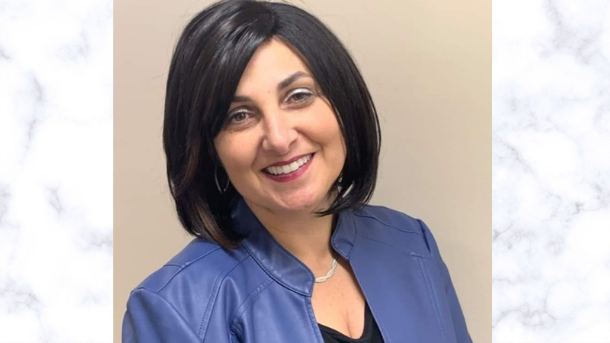
Christina Raso – Experiential Learning Consultant for Sudbury Catholic School Board

Christina Raso, Experiential Lead Learner SCDSB
About Christina Raso

Entrepreneur and Educator, Christina Raso (@Christina_Raso), shares her journey in education from a new teacher to a special education consultant to most recently Experiential Learning Consultant for Sudbury Catholic Schools.

The past academic year was most memorable for Christina as she temporarily returned to the classroom to support the teacher shortage. In her teaching time, she entered her class and St. David Elementary School in the Mindshare Technology School of the Future Contest earning third prize in the national contest. 

Connect with Christina: Email | Twitter | Linkedin

Listen Now

Listen to the episode now on Apple Podcasts, Spotify, or on your favourite podcast platform.

Resources Mentioned

The YMCA of Northeastern Ontario

Skills Ontario & Ian Howcroft

Mindshare Technology Contest

The Transcript

**Please note that all of our transcriptions come from rev.com and are 80% accurate. We’re grateful for the robots that make this possible and realize that it’s not a perfect process.

Sam Demma (00:00):
Welcome back to another episode of the high-performing educator podcast. This is your host and youth speaker, Sam Demma. Today’s guest is an entrepreneur and educator and her name is Christina Raso. She shares her journey in education from new teacher to special education consultant to most recently experiential learning consultant for Sudbury Catholic schools. The past academic year was most memorable for Christina. As she temporarily returned to the classroom to support the teacher shortage. During her teaching time, she entered her class at St. David Elementary School in the Mindshare technology school of the future contest, earning third prize in the national competition. Change is something that Christina is familiar with, especially because she also has a roots in entrepreneurship, which she talks about a little bit on this podcast as well. Anyway, I hope you enjoy this interview and I will see you on the other side…


Sam Demma (01:24):
Christina, welcome to the high-performing educator podcast. Huge pleasure to have you on the show. Why don’t you start by introducing yourself and sharing a little bit about the journey that brought you to where you are today in education?


Christina Raso (01:35):
Well, first of all, thank you, Sam, for the opportunity to share my story. My name is Christina Raso and I am the experiential learning lead for Sudbury Catholic. And I guess if we talk about my journey it started a long time ago. Believe it or not, I’ve been in education for over 20 years and it was my second career. So I think it’s important to talk about where I started and having parents that were immigrants I think is really important because they value education. Not that other people don’t value education, but they really have a sense of you know, coming to a new country work ethic and the importance of going to school and having higher education. So my dream when I was younger was to own my own business and to be an entrepreneur.


Christina Raso (02:32):
And my parents said, yeah, of course, you can do about all of that, but first you need to get an education and a degree I, I received, but I had to get one. So I did that. So while I was going to university, I knew that I wanted to be a business owner. So I started selling women’s clothes at different you know, summer events and then flea markets and things like that. So it actually paid for my university. And then when I graduated with my degree, I was able to full force and I opened up for a ladies clothing store in Sudbury. And that’s kind of where things began for me in education is that I did that for over 10 years, but in that journey, I learned a lot about life skills, right. You know, working and all the challenges that go with that.


Christina Raso (03:26):
But I met a lot of young individuals and I had a lot of students that were coming for co-ops and then the teachers were giving me a little bit more of the heart to serve students, you know, the ones that were disengaged. And then it ended up that YMCA reached out to me and said, we have, you know, a group of young adults that you know, have, have quit school, but they really need some, some work experience. So I’m wondering if you can take a group and, you know, teach them how to use a cash register sales and, and work with them. So I did that. And and then, you know, I got a lot of praise and saying, you know, you’re really good at this, you know, have you ever thought of becoming a teacher because you’re really able to work with these kids and you know, teach them some things that a lot of them were able to catch on at school and things like that.


Christina Raso (04:22):
So you know, it’s just one person mentioned that, and actually I had never thought of that. And it happened that it was the day before admissions were due registration for a teacher’s college. And I put in an application and I decided that I would only apply to one school, which was, you know, an hour and a half away because I still had my business. So I figured if it was meant to be, I’d apply, I’d get in. I could do both. And lo and behold, I got accepted and I did that. And teacher’s college at that year at that time was one year. So I finished my one year and then I knew that that’s what I wanted to do. So I started to, you know, as my leases expired I closed my business down and I went into teaching full time.


Christina Raso (05:10):
And my first my first teaching assignment was a long-term assignment in a grade five class. And I did that from September to January and then a permanent position came up in the same school, but it was a special education resource teacher. And everyone says, well, you have to apply because it’s permanent. Right. And the position you’re in is not permanent. And then I felt, you know, as teacher, you get attached to your kids and I almost felt like I’m leaving these kids, but I’m still staying in the same school. I almost feel like I’m betraying them. Well, I felt that right. So you know, my colleagues convinced me saying, you know what? You have to, you know, think of yourself and your future, you’ll see the kids, you know, and things like that. So I did apply. And at that time, obviously, I didn’t know very much about special education other than what I learned in school and the little bit on life skills that I had working with some young individuals.


Christina Raso (06:08):
So I remember starting and the first day of that assignment, it would happen right after Christmas holidays. And I didn’t really even have an opportunity to say goodbye to the other students. So anyways, that all happened. And I had a father wait for me at the front of my classroom door and he wanted to meet me. So I came out and talked to me. And obviously you had heard that I was obviously a new teacher and I think he was concerned because I was taking over the class and he asked me if I’ve ever taught a student with down syndrome and I said, well, no, actually a habit. And you know, so he said to me, well, I’m going to give you a little bit of advice and tell you a little bit about my daughter who has down syndrome.


Christina Raso (06:56):
And he says, you know she’s very, very honest and she’s either going to love you or she’s not. And wow. You know, when your dad, when you have a parent that tells you that, and then, you know, you really have to perform. But anyways I stayed in that position for five years and that’s where I learned everything about teaching, because it was like a multi grade class, right. So I was teaching grade one to grade eight and it was basic literacy and numeracy skills. And it was a variety of learners. So it was students who had intellectual disabilities, but there was also some students who had a learning disability or who were a little bit behind. And, you know, the idea was for me to work with them and to get them up to a grade level or as close as possible.


Christina Raso (07:46):
So that in those five years, like I said, it really taught me almost everything. I think that I refer to back today about learning, you know, learning styles and students. And then that prepared me for my next journey, which was, I was a special education consultant for almost 13 years. So I did that for 13 years and I, and I loved it, just, you know, I felt like now, you know, I could do more, right. I had the students, I know how to work with them, but now I was at a different level. And I really, really enjoyed that. And then with all things, you know, you need to change, you know, and I most recently, so this’ll be my third year. I switched into experiential learning and as you know, experiential learning is, you know, learning by doing and reflecting and, you know, really becoming aware of maybe what careers you may want in the future with a push on the skills trades and computer science.


Christina Raso (08:50):
And actually,
I really had a, a turning point in my career, again, this well, this academic year I I’m in well, you know, and I think this happened provincially teacher shortages, right. Especially, you know, with the smaller class sizes and then, you know, with both remote and in class being offered. So when we pivoted back to online there, I think it was close to the end of March. Was it well before Easter? Anyways? we were significant short in our board of teachers. And, you know, when you’re a team player, you know, you need to do what you need to do to, to make your organization move forward. So I I talked to my supervisor and I said, you know, put me in wherever you need. I, I don’t mind going in. And so I went into a grade one, two class. So at first, at first it’s very easy to say, Hey, boss, put me in where you want, but then when you that, then you’re like, oh my gosh, what did I get myself into right now? I haven’t been in a classroom since 2007. Right. So, and I was thinking about this the other day I was using VHS videos. Oh my goodness.


Christina Raso (10:08):
Well, no, but it really puts the stress on how things were different. I left using VHS videos and now I’m now I’m teaching a virtual classroom. Right. And I haven’t been working directly with kids for, you know what, 15, 16 years. So it was a challenge, but you know, as soon as you go in, it’s like, I never left. That’s how I felt it. Right. I felt like, yeah, I have been in education this whole time. I’ve just been doing different things. I’ve been in classrooms. I just haven’t been the person that the child sees every day to talk about. And I, you know, I really missed it. And I did that for three months until they found a new teacher. I actually wanted to stay to finish the year, but I had to go back to my job. But while I was, you know, I felt like I was there three months.


Christina Raso (11:05):
And I felt that I put in you know, the things that I’m taught or what we’re taught as experiential learning leads. I put that into action. And I think that’s really important because I I’m able to do what I said we should be doing. And it works, you know, and it was great to see kids doing that. And I also had the privilege to work in a school where your administration team is very, very supportive and you know, we had also sorts of ideas and they ran with it and we did, you know, all things that would keep our students engaged. And there was also a contest that I saw that was out by Mindshare. I don’t know if you’ve ever heard of Mindshare technologies. Well, they have a national contest every year and this year’s theme was create a under three minute video on things that teachers do to engage students.


Christina Raso (12:07):
So I entered that with my class, but not only with my class, but with the things that we did as a school in that three months. And actually we placed one of the top three schools in Canada with title of a school of the future. So yeah, so that’s one of my proudest moments. And I also feel like that was also a turning point because I’ve been out of the classroom for so long. And then I went in and we tried all these things that we know that works. And, you know, the days that we did hands-on activities where the days that we had the most enrollment like attendance, right. You know, that when kids aren’t fully engaged, they’re going to learn they’re present. So it was great. So like one day we made bird houses and you know, the students picked up the kids at school.


Christina Raso (13:00):
And then the other thing that it’s really, really important, especially during during this time with COVID is working with your community partners. Partners are invaluable at this time. So we worked with skills Ontario, and they actually taught the students and they actually provided the free bird houses for our kids. And they taught the lesson and these kids produced, you know, put together a birdhouse. And then our school principal held a contest on decorating your bird house, according to your personal identity. And you should see the beautiful artwork from these kids. So, you know it was a great opportunity and I feel humbled and I feel that kind of goes back to full circle. Right. You know, you started in a classroom and you did all this, and then you kind of ended up back in a classroom and then it makes your perspective better. Like, I feel like when I go back to work a couple of weeks I have a new insight and you know, I feel like it’s given me more of a drive and energy to continue the work in the area of experiential.


Sam Demma (14:08):
It reminds you how impactful experiential learning is. If you take those ideas into the classroom and see such a big impact, right. It’s, it’s a great reminder. And it also reminds you that the programs that you’re bringing into the schools are having a difference and an impact when you can see it firsthand with the students. I’m curious to know where, where did your entrepreneurial drive come from at such a young age? And what were your stores called? I’m just, just curious about that real quick.


Christina Raso (14:34):
You’re going to like that. Well first of all my mom, my parents split up several years after they arrived at Canada. And so my mum was a single parent and she raised me, but she became she went to college in Canada and then opened she bought a franchise of photography franchise and I worked with her for all those years. So from, I think it was 1985 to when I graduated first degree in 1993, I worked with my mom and she had four locations as well. So I ended up, you know, pretty much managing one location and she did the other three. And then I knew that that’s what I wanted to do. And a funny thing is I, I still have a business on the side, but we can talk about that later. But my businesses were called Sono Bella, because of what they’re.


Christina Raso (15:29):
So I’m beautiful because of what I wear. So I kept that email address for my personal, so that’s what I do, but yeah, and that’s, you know we worked you know, when you’re, self-employed, you can work any 12 hours of the day you pick, right. I can nine at that time, I was trying to tell my son, right. It’s different work ethic. Right. And, you know, he’s tired after working 16 hours a week and I’m like 16 hours a year age, you know, go to school, then work, it’s still do my homework and I wasn’t tired, but you know,


Sam Demma (16:00):
That’s awesome. Thank you for sharing.


Christina Raso (16:03):
No problem.


Sam Demma (16:05):
And what are some of the programs and things that you’ve brought to your schools over the past three years that you think have made a great impact and a difference, and maybe you can even talk to some of the impact that you’ve seen or heard, you know, based on a program that you’ve brought in.


Christina Raso (16:20):
So I think one of the biggest, biggest things that I was involved with was building a community partnership, especially with skills Ontario. I think if I look back in my three years and, you know, your first year you know, when, when you’re talking about my first year, it was COVID started too. Right. So even a full year, right. I, I think I started I didn’t even start in September. I think I started in November and then COVID hit in March. Right. So that year was kind of wasted and that not wasted, but it wasn’t a normal year for someone to go into a new role and to learn the position because it was completely a different position. But the biggest thing that I got from that is working with your community partners and they have so many programs and contests that engaged kids that you can’t go wrong.


Christina Raso (17:16):
So skills, Ontario, which started contests just after the pandemic kit. And we knew that students were learning remotely. So they started these contests called skills at home, and they were challenges for kids to do. And so what I was doing was I was promoting them and it was really important that I found that educators don’t always relate that some of these activities can be integrated into the curriculum. They’re not extras or add-ons, they’re things that you can do and make it part of learning. So they had all sorts of contests and our board, we had, I think we had five students place in CA in Ontario in their contests. So I was promoting those. So the last year and a half, I was promoting those contests. And then the contests, when I was a teacher in the classroom, I was pushing it.


Christina Raso (18:22):
So I’ll give you one example. So the one contest was on wacky hair. So I had a grade one, two class, and I said you know what, we are going to have some fun. We are going to work on wacky hair. And I made it into a procedural writing assignment. So I told the students that what we’re going to do is we are going to create a wacky hairdo. So we’re going to draw it. And then we’re going to write, how do you actually do that hair style? And during that week, so I did it over a week. So on Monday, you know, I read stories about you know, wacky hair, which Stephanie’s ponytail by Robert munch. And so we really did a lot of reading and writing that related to, you know, wacky hair. And then on the Friday we made it wacky hair day.


Christina Raso (19:12):
And like I said, I was very lucky to work in a school where the administration took that idea and made the entire school have a wacky hair day. Nice. So what ended up happening specifically on that one contest was we actually placed first, second and third in Ontario in one school. So I, my personal students placed first and third and then another student in the school place. Second. So it’s just something where you embrace your partnership. And again, hands-on right. Students are working hands-on and you have to see the hairdos that these students made. So the one student that plays first, she took a root beer pop bottle and put a ponytail through it and then put a cup on a headband. So her ponytail ran into the cup. So it looked awesome.


Christina Raso (20:07):
Hopefully you can cut that part out. No worries. That’s totally fine. I can cut it out. Sorry. so anyways, that’s one thing that we really worked with was the partnership, and then they provided us the bird houses, but I think a lot of things that I’m most proud of is is bringing hands-on activities to the classroom. And a lot of things are inexpensive too, right? So some of the ideas were making a bridge with marshmallows and straws. So a lot of times we feel that, you know, we don’t have the resources to make these things hands-on, or they cost too much, but, you know, when we look around, you know, we can find things that really work and engaged kids.


Sam Demma (20:53):
Yeah. I love that. I actually interviewed Ian Howcroft on the podcast as well, the director of skills, Ontario.


Christina Raso (20:59):
Awesome. Awesome. I was going to say that would be a, another guy to to invite because definitely doing a lot of things, but I feel that contests seem to really engaged our students. Like, you know, whether, whether it’s a big prize or a small prize, but it’s just a matter of you know, saying, Hey, you know, you know, we’re whether it’s a class contest or a school contest, I think that that helps us to engage kids, you know, a little bit of competition friendly, you know, is good.


Sam Demma (21:31):
And why do you think experiential learning is so important? You know, like if teachers are like, ah, yeah, I get it. But you know, we’re really busy and we have to get through the curriculum. Like, what would you say? Like why, why is this type of learning really important for life and also future aspirations?


Christina Raso (21:49):
Yeah, there’s a lot of reasons. And I think I’d start with the first one is that learning in a classroom is learning within the four walls, but not all students do well and not all students are made to go to university or college. Right. And hands-on, hands-on opportunities open the pathways to all those, right. You can be hands-on and still go to university and still go to college and still go into the trades and still go into the world of work. And I think when I think back of my experience working as a special education resource teacher, I think as some of those students that were disengaged, right, because they were having a hard time learning to read and to write. And I think if we gave them the hands-on activities we’re still meeting the curriculum because you still have to read instructions.


Christina Raso (22:42):
You’re still doing math, especially, you know, if, if you’re building something and I think that by giving students these experiential hands-on opportunities, we’re hitting a range of learners. Right. And you know, when, you know, you think of computer science, you know, it is hands-on, it is building, you know, and I think of the students that I had that, you know, a lot of them would be going to college and university, but there was also a large portion of those students that didn’t see themselves going to college or university and, you know, they were going to the world of work, or maybe they didn’t even see themselves going to the world of work. You know, maybe they thought, you know, they’d live on a disability pension, but when we’re looking at hands on activities and, you know, thinking of baking and cooking and, you know, there’s so many opportunities for our students that give them the opportunity to feel valued and needed in our community.


Christina Raso (23:42):
And I think of, you know, you know, chef helper or prep, you know, for these kids that thinking that, you know, they would just, you know, they, some of our students who have intellectual disability, you may stay at school until 21 because there’s really nothing else for them in our community. You know, we have one, you know, we’re at Northern community, so it’s not like we have all these big partnerships with companies and organizations. So we have one community partner that takes some of our students to work, but what about the other ones? So if we invest in them and they see themselves as, yeah, I, you know, I could do this, they could still get a disability pension and they still can work part time and feel valued. You know, every pathway is valued, but you know, if we can help kids see that there’s more for them and that they’re needed, especially in the skilled trades. Right. We know that we are already experiencing a shortage. Can you imagine five, seven years from now? So we really need to convince some of these kids who don’t see themselves going to post-secondary that there’s other pathways and there’s lots that they can do.


Sam Demma (24:52):
Every path is an option. Every student learner is unique, you know? I can agree with that more you yourself out of all the positions you’ve worked what are some of your favorites or not that you could rank them per se, but what are some of the roles that, you know, really stick out in your mind as like, this was such a great experience?


Christina Raso (25:16):
Well, I, I think one of the biggest things that I did and was when I was a special education consultant I ran some summer camps. The ministry of education gives us some funding to run summer camps for students who are behind in literacy and numeracy. And one thing that they really promoted was physical activity. It’s really important for our students to, to, you know exercise daily. And how can we incorporate that with summer camp, but still make, you know, literacy and numeracy the main focus of the program. So at that time my son was taking TaeKwonDo and he was doing it for a few years and he had a really, really awesome teacher as well. And TaeKwonDo, who’s actually a full-time stuck person now. Yeah. So I got him to teach our kids and he was doing just half an hour of physical activity in the morning, but it was TaeKwonDo.


Christina Raso (26:24):
So was kicking, you know kicking punching, but, you know, individual not and teaching the importance of self control at the same time. Right. and mindfulness. And we started every morning probably for a good six years with a half an hour of TaeKwonDo and mindfulness. And we felt that the students were better prepared to learn, you know, and, and, you know, and then the research does show, right? When students do exercise every morning that they’re, they become better learners. Whether they come to school then are not awake and then they become energized because they’re doing activity. So I felt that that was something that I really took away is that exercises important. And, and when I was teaching the grade one, two class most recently, you know, now we’re sitting in front of a computer for a long, long time.


Christina Raso (27:20):
And by the way, I can not teach TaeKwonDo. I did not do that, but, you know, grade one and two we got up a lot and we did a mind break, right? We needed mind breaks. And, you know, we did, you know, two or three minutes, I would say every 45 minutes an hour would be pushing it, but we would get up and we’d have a mind break. And I, I still think that if I was going back into the classroom and it was in a physical classroom, I still would incorporate that ability to get up and move because a lot of us, you know, I mean, I found it difficult to sit in front of the computer and I’m an adult. And you imagine, you know, these are little kids, like, I think of how old they are. And we’re asking them to sit in front of a computer, right.


Christina Raso (28:07):
First, really six hours, you know a day. And we’re asking them to do that. And they, they are doing it right. Like kids have stepped up to the challenge right. Of online learning whether they want to or not. So I think that that would be the other thing is incorporating physical activity, mindfulness and mind breaks into the classroom is really important. And it goes without saying the other thing that you know, I know you’re an advocate is positive reinforcement, right. And really, really motivating our students for them to be able to see themselves something great, right. Whatever they choose, they’re going to be great in life.


Sam Demma (28:50):
It’s so true. It’s so true. It reminds me, I’m working on a, and this is classified information, so don’t share it, but I’m working on a spoken word album. So it’s like 10 spoken word poems that I’m going to turn into videos as well. And one of them is called empty backpack. And the premise is that students and all humans carry around the thoughts and opinions of other people sometimes to a fault. And it weighs them down and a parts in our lives. We have to empty our metaphorical bag of the thoughts and opinions of everyone else and stop carrying it around. And yeah, I’m excited about it. It’s a, I have a six foot bag that I’m going to be bringing to schools with me and people are going to like drop it. Yeah, that’d be cool. Anyways, going on a tangent, this has been great. So if you could go back in time, Christina, and like talk to your younger self when you were in your first year, working with young people, knowing what you know now, and based on the experiences you’ve had and the learning you’ve had, what advice would you give your younger self?


Christina Raso (29:48):
My younger self. So my younger self when I first started teaching, I’m going to go back to to being a special education resource teacher. I think knowing what I know now I would have done more of the hands-on right. So I think that I would have brought in those opportunities being able to bring in those hands-on opportunities. I could see that, you know, I had a couple of boys that were really, really disengaged. And I think, you know, if I would have given them a couple of activities or a couple of assignments to say, Hey, here here’s some blocks, or here’s some things I want you to do work on this. Can you create this or give them a problem and give them, you know, some materials to figure it out, I think, and, and to promote the skilled trades. Because I think at that time, the group of students I had were really at risk of dropping out, right. Not finishing high school, there was a good percentage of them. And I think that if I would have given them more hands-on opportunities and maybe even promoted the skill traits so that they could see themselves in those roles I think that’s what I would have done know.


Sam Demma (31:04):
That’s awesome. And coming from a European family myself, all my uncles work in the trades, my dad is a plumber by trade, such a valid, an awesome career path. I couldn’t agree with that more. Oh, it’s awesome. Thank you so much for taking your time to come on the show, share your experiences or your, your ups and downs, the learnings, the journey. If another educator is listening and they just want to reach out and have a conversation, what would be the best way for them to get in touch with you?


Christina Raso (31:30):
They can email me and I think that you started a community. So I guess my email would be there and then they could reach out or they can call me and anyway, whatever they want. And it’s definitely been truly an honor, actually, to meet you and to be on your show.


Sam Demma (31:49):
I appreciate it, Christina, thank you so much. Keep up with us and work and we’ll talk soon. Thank you.

Sam Demma (32:01):
And there you have it. Another amazing guest and amazing interview on the high-performing educator podcast. As always, if you enjoy these episodes, please consider leaving a rating and review. So other educators like yourself can find this content and benefit from it. And here’s an exclusive opportunity that I mentioned at the start of the show. If you want to meet the guest on today’s episode, if you want to meet any of the guests that we have interviewed, consider going to www.highperformingeducator.com and signing up to join the exclusive network, you’ll have access to networking events throughout 2021 and other special opportunities. And I promise I will not feel your inbox. Talk to you soon. I’ll see you on the next episode.

Join the Educator Network & Connect with Christina Raso

The High Performing Educator Podcast was brought to life during the outbreak of COVID-19 to provide you with inspirational stories and practical advice from your colleagues in education.  By tuning in, you will hear the stories and ideas of the world’s brightest and most ambitious educators.  You can expect interviews with Principals, Teachers, Guidance Counsellors, National Student Association, Directors and anybody that works with youth. You can find and listen to all the episodes for free here.
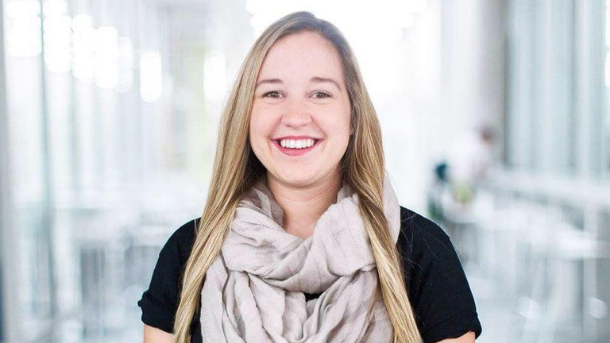
Alexandra (Allie) Raper – Signature Programs, Senior Specialist at Canadian Cancer Society

Allie Raper Youth Relay For Life, Canadian Cancer Society
About Allie Raper

A quote that has inspired Allie in all her pathways and endeavours…

“Educating the mind without educating the heart is no education at all”. – Aristotle

Allie believes that when we learn, we grow and when we learn what we love, we are cultivating culture and wisdom. Allie has completed an Honors Bachelor of Arts in Justice, Political Philosophy, and Law and a minor in Political Science at McMaster University where she grew a passion for working with youth. In her time at McMaster, she worked with hundreds of students on an annual basis in a range of fields varying from advocacy, student experience, and athletics.

Now as the Senior Specialist on the Relay For Life Youth Team at the Canadian Cancer Society, Allie works to inspire, empower, and instill leadership in post-secondary students on a National level. On stage, Allie brings an energy that is infectious, a passion that’s undeniable, and a smiling face gazing back at you. And as a young professional, Allie embraces new challenges while also motivating others around her to do the same and become the changemakers that each of us is”.

Relay for Life hosts 260 schools across Canada (annually), and they are always trying to grow that number too. To get involved please visit www.relayforlife.ca/youth

Connect with Allie: Email | Twitter | Linkedin | Instagram

Listen Now

Listen to the episode now on Apple Podcasts, Spotify, or on your favourite podcast platform.

Resources Mentioned

Candian Cancer Society

Youth Relay for Life

The Transcript

**Please note that all of our transcriptions come from rev.com and are 80% accurate. We’re grateful for the robots that make this possible and realize that it’s not a perfect process.

Sam Demma (00:03):
Allie welcome to the high-performing educator podcast. Huge pleasure to have you on the show here today. Why don’t you start by just introducing yourself and sharing a little bit about the journey that brought you into a position to working with young people today?


Allie Raper (00:16):
I definitely will. Thank you so much, Sam, for having me here today. I’m so excited to chat with you and about leadership and about relay for life and so much more that we’re going to dive into. So this is a loaded question, but for myself, it there’s a couple of different experiences that really inspired me to work with youth. But I think the one that stands out is that not too many years ago, I myself was a youth looking to get involved and to make a difference. And I think that is something that, you know, stuck with me being able to grow in leadership opportunities myself, and then being able to give that back to students as well has been a really full circle experience. And I think working with youth is so special in the sense that they can accomplish so many incredible things. And so many people unfortunately underestimate our youth, but when they put their mind to something and they’re passionate about creating change and they’re passionate about a cause what they’re able to do, the results are just incredible and so impressive. So definitely a full circle experience as to how I got to working with youth as definitely starting out as one of them. But I’ll get into a little bit more about my story. I think in some of the questions coming up.


Sam Demma (01:29):
I love that. That’s amazing. And at what age were you introduced or exposed to student leadership? Was it a high school thing for you? Like, take me back there and explain how it kind of came about for you.


Allie Raper (01:40):
So I remember even being as little as, you know, in recreational soccer teams and things like that. And my mom getting me off the field and saying, Allie, don’t boss people around on the field, or, you know, Allie, you guys are a team work together. And it’s one of those things where it has a little kid. I just always kind of loved that idea of working together and creating a team and kind of wanting to instill that sense of leadership on to other people as I, of course got older, that definitely shaped into more concrete examples. So when I was in elementary school, we had like a primary junior student council. And then I continued my involvement in high school in student council capacities. And then in university is really where my leadership journey took off. I was involved with residence life as a resident orientation advisor.


Allie Raper (02:34):
I was involved with different extracurriculars such as really for life, our student union. I was the manager at one of our student restaurants and so many more different opportunities like that. So it definitely started when I was younger, but it really, really shaped itself full circle when I was in university and came to fruition there. And I think the coolest part looking back on it as there’s a difference between being a leader and putting that hat on, you know, just to have a role or just to be in a position, but there’s a difference when you get to lead something that you are excited about. And I’ve really tried when I was in university to shape things that I was involved in into my interests. And that kind of catapulted me into the role that I am in today. Because cancer touched my life in a few different ways and it really inspired me to want to create a bigger change in leadership capacities to getting me to where we are today.


Sam Demma (03:30):
That’s amazing. And when you think back to your own educational journey, growing up, going through school, did you have teachers, educators that played a pivotal role in your development and believing in you, and maybe you can remember some of those stories or some of those individuals, and can you share something?


Allie Raper (03:48):
Of course. So I do remember my student council teacher I went to high school, might be Ontario and I had a wonderful student council advisor. And I remember being in grade 10 and a little bit nervous to take on a bigger role. I was a great liaison and didn’t know really what I wanted my role to kind of look like. And she saw something in me where I had a lot of interest in athletics. I have a lot of interest in extracurriculars and really trying to bridge that gap. And this teacher sat me down and actually together, we created a new role for student council that has been on a high school student council for 10 plus years. Now I want to say so since I’ve been out of high school and in that moment, it just kind of showed me that, wow, you know, leadership, isn’t fitting one box, it’s not checking off a few things to fit a certain mold, but it’s when someone sees something in you that they’re able to shape an opportunity together with you. And that year we were able to a lot of new things that our high school had never done before, just based on the capacity of that new role that was created. And I think the role was something along the lines of athletics communications officer, but still to this day is such a unique title in itself when you think about structures and whatnot. So pretty cool thing. And, and it was great that that teacher saw something in me that continued for years to come.


Sam Demma (05:10):
Yeah. Oh, that’s amazing. And a lot of the educators are listening to this. Sometimes they don’t even realize the impact they have. Like, you’re the perfect example of someone who was impacted as a young leader and then continue down that journey and is now doing such amazing work in the world. So for them, it’s just kind of gratifying to see it and hear it. So thanks for sharing. Yeah. And so like, tell me more about how you directly got involved with relay. So you ended university and did you know that you wanted to work for relay or how did that connection happen?


Allie Raper (05:40):
Yeah, so it kind of started when I was a little bit younger. My mum is a nurse in the ER and when I was growing up, she was always involved in different volunteer opportunities. And every year her and her coworkers would do relay for life and they would do it in the community. And I remember as a little kid, you know, going to the event with her for a couple hours and seeing people walking laps and understanding that they were fundraising for a cause, but not really understanding the bigger picture, fast forward a few years. And we had a couple of family members diagnosed with cancer. And as a little kid, I think that a lot of the time, you know, your family inevitably, it tries to shelter you from some of those serious conversations. So I knew what cancer was. I knew it was something bad and something serious when someone had it, but really didn’t know the impact that it had on someone as an individual or someone’s family and community.


Allie Raper (06:35):
So when I was in university, I saw relay for life being advertised. And I had a couple friends in first year and we were like, let’s participate. You know, it’s a great event. Let’s get involved, let’s meet some more people from the school and let’s raise money for a great cause because at the end of the day, whether indirectly or directly, we all know someone who’s been affected by cancer. And it was in that moment when I attended that event, I actually have goosebumps right now as I’m explaining this. But I went to my first event in that first year of university as a participant, I just, upon walking the laps around the track and hearing all the incredible stories of the different survivors speakers, I had this inkling that it was just something that I needed to be a bigger part of. And that same year actually I lost my grandfather to cancer.


Allie Raper (07:24):
And that was one of the first times where I was like, wow cancer really does have monumental effects that, you know, people don’t always talk about if there’s not an outlet to talk about. So that was kind of something that really inspired me to continue to be more involved. And then I was on our committee for the next couple of years. And then my final year at university, I was the head chair that led the event. And throughout those next three years, my other grandfather was also diagnosed. I had an aunt diagnosed and an uncle and a friend at university as well. So, you know, when it rains, it pours, they say, but it was definitely one of those moments where I felt like I was in the right spot at the right time and doing something that was really impacting the loved ones in my life that previously I hadn’t anticipated was going to affect me so close.


Allie Raper (08:16):
But I think that’s kind of with anything serious, you know, we all think it’s not affecting us right now. It’s not, it’s not going to, you know, we’re kind of in the clear until it happens to you. So cancer definitely has a close connection to my heart. And, and then coming out of university the gentlemen who was actually in my role previously, who worked with me as a student at McMaster kind of shoulder, tapped me upon graduation and said, Hey, Allie, you know, we’ve got some openings you should apply to work at the Canadian cancer society. And as a new grad, I’m, I’m sitting there thinking no way, I’m not qualified. I am not eligible like definitely. And a quick realization that, Nope, you, you are eligible. You are very well qualified to do this and take that jump and leap of faith and apply. And so I did, and that was just over three years ago as of last week. So it’s been three great years with the Canadian cancer society ever since.


Sam Demma (09:13):
What a story. Holy cow. Thanks for sharing.


Allie Raper (09:15):
No problem

.
Sam Demma (09:18):
So three years with the Canadian cancer society, how long running the relay program?


Allie Raper (09:24):
Yeah, so all three have been with relay on the relay for life youth team. However the difference has been I was working with high school programs up until this past June, and then since June, 2021, I’m now working with our national post-secondary program. So same concepts, just different audiences now, essentially, but the relay for life youth team for all three years.


Sam Demma (09:50):
Cool. And what is relate for people who have no idea what relay is? Maybe you can share a little bit about the impact.


Allie Raper (09:57):
Definitely. So relay is first and foremost, a fundraising event held through the Canadian cancer society. People might recognize the name from their communities from high schools, from universities and so forth. And the event is typically anywhere from six to 12 hours in a pre pandemic world. So we’ll explain a pre pandemic lens of relay first. So essentially what it is is it is an event where we come together to honor and celebrate the lives of those who’ve been affected by cancer. It’s centered around four different ceremonies. And what I love about it is that other than those four different ceremonies, every school has the ability to shape relay the way they best see fit for their school community. So the first ceremony that happens typically right at the beginning is what we call an opening ceremony. And this is where we have a cancer survivor in the community of the school or the community who comes and shares their story.


Allie Raper (10:59):
It could be a student, a staff, a parent and so forth who talks to everybody about how cancer’s impacted them shortly after that, we then go into what we call our survivor victory lap. And the idea was, this is throughout the six to 12 hours of your event. People are constantly walking the track and getting their laps in, but the survivor victory lap is the first lap of your event. So let’s imagine we are at a high school event and there’s 15 survivors. We get them yellow t-shirts to signify hope in the color of the daffodil and those 15 survivors do that first lap all by themselves while your whole school is on the sidelines, cheering them on. I can’t give it justice by just explaining it. I’m getting goosebumps again, explaining it, but it’s so powerful to see that happen. And just to see, you know, how much impact and support a school has given me survivors.


Allie Raper (11:55):
So that is the second part. Then later on in your event, probably the most signature feature of a relay is what we call the luminary ceremony. So people might otherwise know this as the white decorated paper bags, but everyone at your relay gets a luminary and they decorate on it, why they relay. So for example, mine, every year says I relay for both my grandfathers, my aunt and uncle, like I mentioned, and my friends. So that’s my personal luminary. And now picture later on lining a track with hundreds of decorated luminaries, with a little tea light in it, where later on you do a lap to a more slower song, and you’re reading the hundreds of reasons why your school is coming together and relaying it’s yeah, it’s very special and it’s, it’s incredible to really see that because no two stories are the same and, you know, we’re all connected by the same cause.


Allie Raper (12:49):
So that’s the third piece. And the last piece of the event is closing ceremonies. So what that typically looks like is a big thank you for coming to our event. And very exciting people announce what the school has raised in as their fundraising total, I’m going, it’s always great to see when schools exceed and reach their goals that they set. And then following that that’s the end of the event, but all throughout those six to 12 hours, the school can plan any form of entertainment they want to do any games, any kind of areas and so forth or different theme laps. So for example, staffer students games maybe, you know, like an arts corner maybe having a varsity sport, play a scrimmage or something like that, a talent show, the list goes on and on, and the students get to shape the whole event, which is really amazing.


Sam Demma (13:38):
That’s awesome. And how many events roughly happen per year if you keep like some stats on it?


Allie Raper (13:45):
Of course. So annually on average, you work with over 260 schools across Canada, and that we’re always trying to grow that number too. So we are working a lot more so in recent years to grow it nationally outside of Ontario. And that’s been really exciting to see other provinces and territories get really involved as well.


Sam Demma (14:03):
Awesome. And if a school is interested and wants to learn more like what would be the best way for them to do so?


Allie Raper (14:09):
So they can reach out to us via email qt relayyouth@cancer.ca so, relayyouth@cancer.ca or on our Instagram as well, which is just @youthrelay are the two easiest ways to get in touch with us.


Sam Demma (14:24):
Great. And, you know, you kind of brushed over the fact that COVID is here. So what are some of the challenges that relay has been faced with and the fundraising goals because of COVID and how are you guys striving to figure it out and still continue moving along?


Allie Raper (14:39):
Yeah. What a what a two plus years it’s been a, like, I don’t think any of us anticipated to be a miss landscape for this long, but here we are. So something I’ve been finding myself saying a lot and reflecting on has been, you know, COVID stopped and changed a lot of things, but it didn’t stop and change cancer. It didn’t stop and change leadership and it didn’t stop and change, you know, our means to be able to make a difference in an impact. Yeah. So it’s been really great to see students still rise to the occasion and just flip their mindset as to, you know, how can we still take the special parts of relay and incorporate them into a re-imagined event. So what our team did this year is we essentially took those four key parts of relay those four ceremonies and reflected on, you know, what makes relay really at its core.


Allie Raper (15:32):
How can we take those concepts and switch them into alternative methods? So this year we actually had four options for schools to choose from all across the country, depending on their restrictions. Of course, we had a restricted relay model, which was for areas who weren’t really impacted by lockdowns and didn’t have a ton of social distancing measures in place. But that was just a, yeah, it restricted relay in itself. Then we had some hybrid options as well for schools. So if they weren’t in cohorts, for example, maybe classes were taking time on their own, on their breaks to go outside and do some laps, but then you’re opening ceremonies, luminaries and so forth were all done via virtual videos that were sent out throughout the week. And then we also had a fully virtual option. So what we did in this one was we coached schools on having, you know, roughly an hour to two hour long virtual event, whether that was during school hours or after school hours, where the school’s hosted a broadcast and still had all the ceremonies and some entertainment, but just in a condensed virtual setting with the idea of going to walk in your own neighborhoods on your own time.


Allie Raper (16:42):
So it definitely was different, but something that was really cool this year, which definitely kind of inspired us, was we had a ton of new schools actually work with us this year. And it was interesting to see that because, you know, we were so nervous about asking schools to do something unknown that they’ve never done before, but schools were still so excited to take on something and seeing the resources and the options that we had outlined for them made it that much easier for them to put something into place. Yeah, so that was really, those are kind of the options.


Sam Demma (17:17):
Awesome. That’s amazing. And so for a school to get involved, do they have to pay a certain amount of money to get resources? Or how does it, what is it?


Allie Raper (17:27):
Yeah, absolutely not. So basically what it looks like is the program fully and relay in itself is student led and staff supported. And by that we mean, you know, we are giving the students and staff the tools to be successful, and we know that staff already has so much on their plates, especially in, you know, navigating to the landscape that we’re currently in, that we want students to really leverage that leadership and make relay what they want to make it. Because, you know, as a peer in high school, you’re going to be a lot more enticed to go to an event that your peers are planning as well, opposed to staff or myself planning, for example. So we actually provide schools with training resources and funding right off the bat as well. So if a school is hosting some sort of in-person or even a hybrid event in a typical year, we give schools a budget of 6% of their fundraising goal.


Allie Raper (18:24):
So it’s really nice to know that they don’t have to dip into school funds to kind of offset any event costs. And they don’t have to fundraise for the event themselves, but we want to invest in them because they’re investing in us and into the cause and into the program. So yeah, schools will set a fundraising goal and then we issue a 6% of that to them right off the bat. And then we also provide one of my favorite things actually is we provide a free leadership conference. So for high school level, we call it relay university where in a typical year, you know, we bring hundreds of people into conference centers all across the country. And they hear from survivors speakers, they network with other students and staff. They do breakouts. They go through mock ceremonies of relay and so much more, and they get a full complimentary conference day and last year to account for COVID.


Allie Raper (19:16):
We did our first ever national virtual relay university, which was really cool too. So, yeah. And then the other resource we provide to, to make things again, as easy as possible is we provide a full Google drive full of resources. So instead of having a student, you know, try to create a, to do list themselves, we’ve got a committee structure of 10 outlined or suggested roles for students to take on. They each come with a guidebook to keep them on track. They each come with resources as well. So let’s say I’m a student is a ceremonies captain for all of those ceremonies. I mentioned, we have scripts already outlined for them, and we have resources on, you know, how to have sensitive conversations and how to speak to people, living with cancer or sponsorship, for example, you know, we’ve got template letters and thank you’s that can go out to external vendors. So that way, again, students aren’t starting from scratch, but they have the resources to really then customize them and make them their own to be successful.


Sam Demma (20:15):
That’s awesome. And what keeps you motivated and inspired to continue doing this work?


Allie Raper (20:21):
I think it’s, you know, Sam, I think the easiest way to answer that is the students themselves. And when they come to me so excited to share an idea or to share a success that they had, that is why I love doing what I, what I do. You know, even the other day, I had a couple of conversations with students who did relay in high school, who have now gone on to the post-secondary level. And I was trying to see, you know, if their school, if they want to get involved through late at their school and whatnot, and they had a student text me and say, I wouldn’t miss out. I’ve already told all my friends relay was truly the highlight of my high school experience. And I want to get involved at my, at my new school. So it’s little things like that that you just kind of reflect back on.


Allie Raper (21:05):
And you’re like, you know, those conversations we had or those coaching sessions, when, you know, these students were in high school, they’ll stick with them. And the impact that they make are being able to reflect and look back and say, I ran an event that raised $80,000 at my high school. That’s not something that, you know, a lot of students can say, but for them to be able to put that on a resume and talk about that, it’s, it’s really incredible. And I think the other thing, as well as it’s rewarding, but it’s also a sensitive piece in the sense that seeing when students are able to grieve and process a loss through relay is also really special in the sense that, you know, if a school doesn’t do relay for life for having an outlet, some students, you know, maybe going through a loss in their family or in their life or undergoing a diagnosis of cancer themselves. But if they don’t have an outlet to share that with it can be really tough sometimes, but relay really unites everyone as to, you know, we’ve all been affected with, you know, one in two Canadians being affected by cancer. We truly have all been affected in our lifetimes. And when I’ve see those students kind of break out of their shell or share their personal vulnerable stories and, and be confident about that, that’s something that’s really, really special to me.


Sam Demma (22:20):
That’s awesome. This has been a phenomenal conversation, Allie, thank you so much for taking some time to chat about relay your own experience, growing up with it and what keeps you going and how schools can get involved. One more time, if anyone wants to reach out or get in touch with you, what would be the best way for them to do so?


Allie Raper (22:36):
Yeah, I’m, I’m looking forward to hopefully getting some people to reach out. So this is great. So email relayyouth@cancer.ca, that’s relayyouth@cancer.ca and Instagram @youthrelay. So @youthrelay on Instagram and either one we will reach out to you and get back to you as soon as possible. And we hope to hear from many of you.


Sam Demma (22:58):
Awesome. Thanks so much, Allie, keep up the great work and we’ll talk soon.


Allie Raper (23:01):
Awesome. Thanks so much, Sam.

Join the Educator Network & Connect with Allie Raper

The High Performing Educator Podcast was brought to life during the outbreak of COVID-19 to provide you with inspirational stories and practical advice from your colleagues in education.  By tuning in, you will hear the stories and ideas of the world’s brightest and most ambitious educators.  You can expect interviews with Principals, Teachers, Guidance Counsellors, National Student Association, Directors and anybody that works with youth. You can find and listen to all the episodes for free here.
Dulcie Belchior-Demedeiros – Principal of Student Success at the Dufferin-Peel Catholic District School Board

Dulcie Belchior
About Dulcie Belchior-Demedeiros

Dulcie Belchior (@MsDBelchior) has been in education for the past 20 years. She is currently the Principal of Student Success, Learning to 18 and Secondary Program at the Dufferin-Peel Catholic District School Board where she is able to share her passion for instructional leadership, teacher development and student success. Wife, mother, educator, and bookworm!

Connect with Dulcie: Email | Linkedin | Twitter

Listen Now

Listen to the episode now on Apple Podcasts, Spotify, or on your favourite podcast platform.

Resources Mentioned

Specialist High Skills Major Programs

Principal’s Qualification Courses

The Edwin Platform

Bee-Bot Programmable Robot

The Transcript

**Please note that all of our transcriptions come from rev.com and are 80% accurate. We’re grateful for the robots that make this possible and realize that it’s not a perfect process.

Sam Demma (00:02):
Dulcie, welcome to the high-performing educator podcast. Huge pleasure to have you on the show here today. Why don’t you start by introducing yourself and sharing a little bit behind what brought you to where you are in education today?


Dulcie Belchior (00:14):
Sure. Thank you for having me, Sam. So my name is Dulcie Belchior. I’m currently the principal of student success learning to 18 and secondary program at Dufferin-Peel Catholic district school board. And how I got here. Wow. That’s very complicated. I think sometimes when you talk to teachers in terms of how they, you know, they decide on their vocation, it’s kind of a twisty, twisty, turny path, and there’s so many different things that happened in their life that, you know, make them reflect on the fact that, you know, you know, I can, I can do this type of job. I can work with kids. I can be a teacher and for me, I think it, it did start early. And I think if you ask a lot of teachers and starts early, when you’re a small child, when I was four years old going into JK, I grew up in a family that spoke Portuguese.


Dulcie Belchior (01:16):
So I went to school, basically. I was born in Canada. I was born in Toronto, but I only spoke Portuguese. So I basically entered school as an ELL student. And what happened from there is I did, was able to learn the English language quickly. And so in JK, I became a mentor for the other ELL students by the end of the year, trying to teach them to speaking with, Hey, you say this, do this. This is how you say that. So I think I remember that experience even though I was very young because I think it was very important to how I became a teacher. And so it started very early there, I think in elementary school too. I was that student that kids could go to for help. So if you didn’t want to go, you know, some kids don’t want to ask the teacher, they want to ask a friend or student.


Dulcie Belchior (02:11):
So I was that kind of go-to student, but they knew that if you went to Dulcey, you weren’t going to get the answer. That’s not what you went to Dawson. I was like, I’m not going to give you the answer. I will show you how to do this. For me. That’s very important. I think as a teacher, as a person, you know, that old saying where if you teach a person to fish, you know, they will be able to survive their entire life. You don’t just give them a fish. And so even in elementary school, I, I would show them how to do it. This is how you do the math problem, for example. And I think that was, you know, that helped them more than just giving them an answer and them walking away. So I think that’s another as to, you know, my reflection as, so I can be a teacher.


Dulcie Belchior (03:03):
I, I think that’s a good vocation for me in grade seven and eight, I helped in the JK class, you know, yours do that volunteer work in, in junior kindergarten class. When I was in university, I took a bachelor of science. But throughout university, I, you know, I was able to be lucky enough to teach international language program. So I taught elementary school kids, Portuguese. So I was doing that, not as a teacher, but as a late person, teaching them the language working for Dufferin-Peel at the time. And and I am a student of deaf from as well. I know a lot of teachers go back to the board that they were a student at and that’s the same with me. So I’m a different field graduate and very proud of that. And also in university at that time, they still had emergency supply teachers.


Dulcie Belchior (03:53):
So I was doing that throughout university, even though I was taking my bachelor of science. And after graduating with a bachelor of science, then you decide, okay, well, what can I do with the bachelor of science? What, or where am I going to go? So I had my eyes set on probably maybe pharmacy. I did work at shopper’s drug Mart in the pharmacy as an assistant pharmacy assistant for my whole entire high school career in university career. So again, you know, you’re doing something, you know, you can do it, you fall into that. Maybe I’ll be a pharmacist. So that was a choice that, you know, and in life sometimes you have disappointments and that was a disappointment because I was never able to get into the program. So I did apply then to nursing and I applied to teaching. So I did have a choice then between teaching and nursing.


Dulcie Belchior (04:52):
And that’s, I think, you know, where you get to that point where you really truly have to reflect, this is my future. One of my best stat. And I think both of those careers, their careers, where you can help people in different ways, but you can help people. So I, you know, there was a lot of conversations with family, with my fiance. Who’s now my husband with some teachers. And I did decide that teaching was probably the best vocation for me. And so with all of that that long journey, I went into the bachelor of education program at York university. So that is my complicated story of how I got into teaching.


Sam Demma (05:34):
Oh, that’s not such an awesome story. I’ve never had someone tell me about mentoring other students in JK. So that’s such a cool, like origin for the story. Thank you so much for sharing. No problem. Like what happened after university? So you go into your bachelor’s at York, did you return directly to Dufferin-Peel and what different positions did you work in before getting into student success? Right.


Dulcie Belchior (05:57):
So after I graduated from New York with my bachelor of education, I was lucky enough to get a position as a teacher at Jefferson Peele. So I started my career teaching grade seven and eight at a school which no longer exists in the board. So it was near the airport in Mississauga, and it was actually called our lady of the airways, which I think is such a beautiful name for a school. But that school sends closed down. So I taught grade seven and eight for two years, and I was teaching science as well. So I was doing some rotation science because I was lucky enough to have that background. So that was an opportunity to share my talent and my joy, because I love science with the students there. So I did that for two years and in those two years, I decided to apply for the master’s program at Boise.


Dulcie Belchior (06:53):
So I started doing that part-time within the first two years of me starting teaching. So I got my master’s a couple of years later, curriculum teaching, learning department and specialized in teacher development. So I started that in my first couple of years of teaching. After that, I I applied for a position at St. Francis Xavier secondary school in Mississauga. So I was successful with the interview. So I became a high school teacher teaching science, which I love. So I was able to teach chemistry, biology grade nine and 10 science. And I was also trained to teach in the international baccalaureate program there. So I taught biology with the students there. So I got a lot of different types of experience there as well. I was able to help support the student council there cause I love student council because I was the president of student council at father Michael Gates when I was a high school student.


Dulcie Belchior (07:57):
So I thought, you know, I think that’s something that I can help students with. So I supported them there as well after teaching at St. Francis Xavier for many years, I decided it was time for a change time for another challenge. So I started taking my principal’s qualification courses and I got my PQP part one and part two. And I went into the interviews for a vice principal position at the board and was successful. And my first position as a vice principal was at St. Margaritaville secondary school in Brampton. So I worked there for approximately four years, and then I was a vice principal at father Michael Gates. The school that I actually graduated high school from, which was a little weird sometimes, sometimes going back as a VP within some of the teachers who were still there, but it was a great experience. So I was a VP there for years. Then I became a principal and I was a principal at St. A Dustin secondary school in Brampton for one year. And from there, I became the, my current time in the current position. Now the principal student success learning to 18 and secondary program. So that’s how, again, I found myself where I am to.


Sam Demma (09:18):
That’s awesome. What does the role entail? You know, student success and secondary programs, you know, certain educators are sitting might not be familiar with it, especially if they’re outside of Canada. So what does it, what does it entail? What does it look like and why are you passionate about it? What do you think student success means?


Dulcie Belchior (09:38):
I’m passionate about student success because my model, or, you know, what motivates me is that I want to inspire a love of learning in every student. Students need to see themselves in the learning. They need to see themselves be successful in the learning and our jobs. As teachers, as educators, is to provide the environment where they will be successful, not where they can meet, where they will be successful. And I think having this position at a system level really helps me help the principals, the administrators in the schools, and helps the teachers in the schools as well to provide professional development, to provide resources, to provide critical and culturally responsive resources for schools that will have students be able to number one, see themselves in the learning and number two, be successful at that learning. So again, that student success encompasses a lot of things that are in campuses, programs like, oh, yeah.


Dulcie Belchior (10:45):
Program programs like SHSM and even programs where students who may not have been successful in the past, I may have left school without graduating can come back and we invite them back to finish and to graduate and to get that opportunity to do that at a time in their life where they’re ready to do that. So I think there’s so many layers to this job where it it’s exciting. It’s exciting. And it’s a job where you can show people that teaching is not just filling a bucket full of knowledge. And here you go, that’s your knowledge, okay. It’s igniting a flame in students and in teachers and in all educators where everyone loves to learn, they see themselves as learners, they see themselves being successful and they can move forward and do what they are passionate about. So they have an opportunity to actually see what they’re passionate about, to experience things, different things so that they can make choices for their future, which is the most important thing.


Sam Demma (11:54):
I love that. And where did your passion for student success come from? Was it originally something that you wanted to explore and try, or did you know that it was something you were, you know, extremely passionate about?


Dulcie Belchior (12:07):
It’s something I’ve always been extremely passionate about. And as you know, when I became an administrator was an opportunity to become that instructional leader for teachers. And so when I started having that opportunity to pass on this passion, I guess, for students success for, you know, instructional leadership for assessment, for evaluation, for rich tasks, just doing a lot of great teaching whenever I had the opportunity to share that with others, I took it. And I think now in this position, it’s, it’s just a perfect place where I’d love to share different experiences, different resources, different opportunities, different types of professional development so that our educators can, you know, we’ll be able to ignite that flame in all of our students.


Sam Demma (13:05):
I love that. That’s awesome. That’s so cool. And what do you think right now are some of the challenges that we’re faced with in education and on the other coin, also some of the opportunities that these challenges may be bringing to us and, you know, a very difficult scenario.


Dulcie Belchior (13:23):
Well, I think, you know, let’s talk about the elephant in the room, which is COVID-19. And I think that’s been a huge challenge in education, especially since we’ve had to pivot sometimes on a daily basis and where educators have had to really, really change their mindset on what teaching and learning looks like. And students have had to change their mindset on what learning looks like. And, you know, going into a digital type, only learning has really pushed everyone to a new level. We really have been forced to become 21st century learners. And I think that is an opportunity in itself. So it is a great positive where we’ve learned how we can leverage digital technology as a wonderful tool to help students learn because that’s how they learn. That’s how they interact. That’s how they socialize. So it’s something they’re familiar with, which helps them be successful.


Dulcie Belchior (14:29):
Now, I don’t think that it should become the only thing that’s not what teaching and learning is about, but it is a wonderful tool that we can leverage in our classrooms. And I think so that’s been a challenge in itself, and I think it’s also an opportunity for the future. I think coming back in September, some of the challenges are going to be that, you know, students and staff, even though, and we’ve heard this before, we’ve all been in the same storm of COVID-19. People have been traveling through this storm in different vessels, different boats, sometimes a dinghy, sometimes a piece of driftwood. And now they’re coming back and we’re all going to be interacting with each other and we need to be kind, we need to be compassionate. We need to listen, and we need to understand that everyone is coming from a different place.


Dulcie Belchior (15:26):
So we are, we cannot, we cannot come back into our classrooms and expect everyone to be at the same level of learning at the same level of knowledge, at the same level of mental health and wellbeing, we are going to all be in different places. And I think so we have to come back with that understanding. And I think that’s the most important thing is to go slow, move slowly, listen, talk to students, get to know your learners, who’s in your classroom and what are the needs of every student in your classroom. We’re not going to go forward until we know what the needs of all of these students are because they’re all going to be different. And I think we have to change our mindset. We can’t think about it as a deficit. So, you know, the knowledge that they don’t bring in now because of COVID, that’s a deficit.


Dulcie Belchior (16:18):
No, we have to look at it as what are they coming in with and how can we move them forward? So how will we move them forward from where they’re at? So it’s not a deficit model, it’s a model of where are you at? We’re going to move you forward from there and we’re going to move everyone forward. And we’re going to use the best of our abilities to do that, but we have to do that with kindness and we have to do that with patients. And we have to know that it’s not going to happen in a day and it’s going to take a long time and that’s okay. That’s okay. Because we need to ensure that our students in our classrooms are healthy and that their well-being is taken care of and also our educators. Okay.


Sam Demma (17:06):
That’s amazing. The, you know, the cool thing, I think about student successes, that you have an opportunity to really impact a young person and not to not to say that, you know, every educator doesn’t have that opportunity. They all do, but when you’re focused solely on the success of the students, it’s, it’s a cool opportunity to make a big difference. Have you, you know, over the past couple of years being able to see the impact of some of the programs on the students directly and maybe you can share a story of one in particular that sticks out in your mind, and if it’s a serious individual, you can just change their name or just use Bob or something. Yeah.


Dulcie Belchior (17:45):
And, and in general, you’re right. It’s a great opportunity to see success and to see successes everywhere in the board. So it’s not just, you know, in one school it’s, if you have a, a program that you introduce, it’s how this supports a larger group of students or educators. So some of the things that we have done through program, number one, it has been we introduced the Edwin platform in our board for elementary students. So for grade seven and eight students, and what this platform did was actually provide students with one-on-one technology. So every student gets a laptop, a Chromebook, and the amazing things that I have been able to see, the amazing presentations, the research projects, just everything that’s coming out of the ability to change the mindset of learning and having students able to work together in a different way. And to have that one-to-one technology as a tool, it’s also helped the teachers change their mindset in how they teach in the classroom.


Dulcie Belchior (18:59):
And this was introduced before COVID. And I think that it benefited when we went into COVID with students already being kind of immersed in this type of learning. So it changes the way that they learn. It changes the way that they can present their ideas. You can do so many rich tasks using technology when students have it one on one. So I think that’s been great. And you see it, I see it in a large capacity, right? And students in general, families in general teachers saying how wonderful it is to have these things in their classrooms and how it has opened their minds to so many different ways of teaching and the different things that students can do. Students in JK, for example, coding, using the computers, we introduced a lot of different types of coding resources. And we, for example, the Bee-Bots, so it’s a little B that junior kindergarten students can actually code to move around a carpet or a floor.


Dulcie Belchior (20:15):
And they are learning coding at four years old, five years old. And that’s just, it’s amazing. So when you see videos that teacher’s tweaked videos, that teachers send us of their students working together in groups using these, Bee-Bots knowing that number one, they’re having fun. You can see that they’re having fun. Number two, they love to do it. And they’re learning a new language. This is a completely new language, and they’re learning it at four years old. It’s just amazing to that happening. So that was another thing that we did. I think another important thing in program that we’ve worked on is ensuring that, you know, we’re working on getting co culturally responsive and relevant resources into our secondary classrooms and our elementary libraries as well. But especially into our English classes, getting books where students can feel like they’re being represented, like they’re being reflected in the learning different characters relevant topics.


Dulcie Belchior (21:25):
And, you know, the letters that we have received from different students who were asked, here’s a book, let’s read it as a class. Give us your feedback on the book. What do you think, do you think students in your grade will like this book? Do you think it’s culturally responsive? Do you think it’s relevant to your generation right now? And the letters that I received from students saying, wow, thank you for actually asking that question. Thank you for having students involved in what we’re going to learn. You know, thank you for asking us, is this relevant to me as a student? And so again, I come back to that listening, understanding, knowing where kids are and, and asking the questions, you know, is this good for you? Will this help you learn? Will this help you love learning? Will this help you be successful? And I think that’s one of the biggest things that we’ve worked on that I find has been very rewarding. And we’re still working on that. It’s a large project obviously, and, you know, it takes time, but we’re working on it. So I think that’s been wonderful.


Sam Demma (22:37):
That’s amazing. And if you could go back in time and speak to your younger self, like, you know, first year teaching, but what the advice and knowledge you have now, what advice would you give to your younger self?


Dulcie Belchior (22:50):
I think when you’re when you’re a new teacher, and I think back when I was a new teacher, it’s almost like you’re in survival mode and you, you think, oh, I just got to get through all of this information. I just have to teach, you know, I have to ensure that everything in this book is done and the kids get it and they all understand it. And it’s all good and done. So if I’ve covered it, I’m good. I think the advice that I will give is to take it slow, to take that time, to talk to every student, to get to know every student. So get to know what they love, what they’re interested in, how they learn, what they like to learn. What’s their favorite subjects and base your whole year. Everything based on that, because you can teach whatever. It doesn’t matter what you teach, but if you are not connecting with your students, they will not learn.


Dulcie Belchior (23:48):
They will not learn. So I think taking that extra time, cause I know time is always an issue and it is time is always an issue for everyone in every career. But that is so important that time that you take initially with those students will make a difference for the rest of the year and for years to come, they’ll come back. And I think that’s the one thing that students will come back and say is you took the time to know me so that I could be successful. So that’s the advice I give to any new teacher.


Sam Demma (24:21):
Love that. Awesome. They’ll see. Thank you so much for sharing some of your stories, philosophies, perspectives. If another educator is listening right now and wants to reach out to you and bounce some ideas around, talk about cool programs, what would be the best way to get in touch?


Dulcie Belchior (24:36):
Well, they can get in touch with me on Twitter. So it’s at @MsDBelchior, or they can email me at dulcie.belchior@dpcdsb.org.


Sam Demma (24:55):
Keep up the amazing work. Thank you so much for coming on the show. Best of luck with the next school year.


Dulcie Belchior (25:02):
Thanks so much, Sam. Have a great day.

Join the Educator Network & Connect with Dulcie Belchior-Demedeiros

The High Performing Educator Podcast was brought to life during the outbreak of COVID-19 to provide you with inspirational stories and practical advice from your colleagues in education.  By tuning in, you will hear the stories and ideas of the world’s brightest and most ambitious educators.  You can expect interviews with Principals, Teachers, Guidance Counsellors, National Student Association, Directors and anybody that works with youth. You can find and listen to all the episodes for free here.