Student Leadership

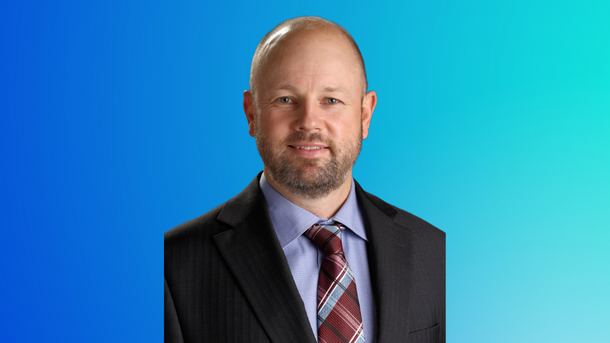
Scott Johnson – Principal at Bowmanville High School

Scott Johnson – Principal at Bowmanville High School
About Scott Johnson

Scott Johnson (@ScottJohnsonP) is the principal at Bowmanville High School. He started his career as a high school physical education teacher in Ontario and after a 2 year move to Alberta, returned home to a variety of teaching roles.

He has taught every grade other than Kindergarten and Grade 5 and has been fortunate to work in several different school communities. After working in Special Education, Scott became a vice principal and is thrilled to be back at BHS as principal. 

Scott is known for his innovative approach to teaching and for his work in integrating technology and pedagogy. Scott is passionate about equity and student success and works to ensure that all students are supported throughout the school.

Connect with Scott: Email | Linkedin | Twitter

Listen Now

Listen to the episode now on Apple Podcasts, Spotify, or on your favourite podcast platform.

Resources Mentioned

Bowmanville High School

Kawartha Pine Ridge District School Board

Ontario Institute for Studies in Education (OISE)

Cult of Pedagogy

Revisionist History with Malcolm Gladwell

Wikis, Blogs, and Podcasts: A New Generation of Web-based Tools for Virtual Collaborative Clinical Practice and Education by Applied Research Press

The Transcript

**Please note that all of our transcriptions come from rev.com and are 80% accurate. We’re grateful for the robots that make this possible and realize that it’s not a perfect process.

Sam Demma (00:00):

Welcome back to another episode of the High Performing Educator podcast.

Sam Demma (01:00):

This is your host and youth speaker, Sam Demma. Today’s special guest is Scott Johnson. Scott Johnson is the principal at Bowmanville high school. He started his career as a high school physical education teacher in Ontario, and after a two year move to Alberta returned home to a variety of teaching roles. He has taught every grade other than kindergarten and grade five and has been fortunate to work in several different school communities. After working in special education, Scott became a vice principal and is thrilled to be back at Bowmanville high school as the principal. Scott is known for his innovative approach to teaching, and for his work in integrating technology and pedagogy. Scott is passionate about equity and student success, and works to ensure that all students are supported throughout the school. I hope you enjoy this interview and I will see you on the other side. Scott, welcome to the High Performing Educator podcast. It’s a pleasure to have you on the show here today. Please start by introducing yourself.

Scott Johnson (01:58):

Thanks Sam, and, and thank you very much for for having me on the podcast. My name is Scott Johnson. I am currently the principal of Bowmanville high school in Bowmanville, Ontario. We are a 9-12 school with approximately a thousand students located right in central Bowmanville.

Sam Demma (02:18):

When did you realize in your career journey growing up that education was the field you wanted to pursue and work in?

Scott Johnson (02:26):

Well, to be honest with you, I, I would be, I, I think I’m fairly late to the game in terms of determining what I I wanted to do. I was a PHS ed student at the university of Toronto and had the opportunity towards the end of my degree to do some work in some local high schools in downtown Toronto. And really, really enjoyed the experience I got to work with. I actually played hockey at the university of Toronto and I got to work with a, a former teammate of mine who had moved on to become a teacher. And I just really enjoyed the experience and thought to myself, this might be a, a, a good career move for me. I, I really enjoyed Fette as a, as a student and played all kinds of sports growing up and thought, you know, maybe I could join the ranks of the PHED teachers of the world.

Scott Johnson (03:19):

And so that’s sort of what got me into education and lots happened between then and now sort of over the last 17 years to get me you know, into the role of principal. And I, I, I’ll be honest, I’ve, I’ve enjoyed every, every step along the way. So I think the goal was to be a PhysEd teacher. I’m not sure if I ever actually realized that because I, I was his ed teacher for a very brief period of time, but I’ve got to do a lot of interesting things in a lot of interesting places and yeah, I’ve really enjoyed all, all the steps along the way.

Sam Demma (03:52):

Let’s unpack some of that journey, the 17 year journey from the start to where you are now, what was the start? What role were you in? What school take us through the journey from then to where you are today?

Scott Johnson (04:06):

Well, it was an interesting journey. I actually went to teachers college directly after university and then took a year off after university to go play hockey over in Germany for a year. Wow. Which was a great experience. It was tons of fun. But probably three quarters of the way through that hockey season. I, I kind of got the itch to, you know, I wanted to get started on this career in teaching. And so made the decision, you know, towards the end of the hockey season that I was gonna try and pursue this, this teaching career more seriously and ended up <laugh> I ended up actually accepting, I was so excited to be a full-time PHED teacher that I applied for and took a job at a school that I, I didn’t know really what the school was. And it turned out that it was a PHED teacher job in a youth correctional facility where I worked for a year.

Scott Johnson (05:03):

And, and I, I, I, it was a, a very bizarre way to start my career in terms of just not being something that I would’ve expected, but it, it couldn’t have been a better start to my career. I learned a ton working in that setting and working with those students and that I, you know, can say quite clearly, that, that had a significant impact on helping me get to where I I am today. You know, just, just dealing with students who had obviously been in conflict with the law and, and had lots going on in all assets or all aspects of their lives and, and seeing how school could, could be a, a positive influence on their life, really, you know, set me on a, a, a, I think a good track teacher wise after that. My, my now wife and I decided to move out to Alberta for a couple of years.

Scott Johnson (05:56):

And so we moved to a very, very rural community in, in Alberta. And I actually ended up teaching at a, at a incredibly small school, K to nine 160 students in a town that didn’t have a single stoplight. And it was just another great experience, just great kids, great families got the opportunity to teach a whole bunch of different grades. And again, really enjoyed the experience after a couple years, my wife and I decided to come back and I ended up teaching grade seven, and then I taught a little bit of special education in high school. And then I taught at an alternative education school. Then I moved to a, a lead teacher of special education role, and then moved into being a vice principal at an ed school, and then vice principal at a large rural school. And then at a small rural school. And now principal here at, at one of the larger urban schools and in our school board. So it kind of bounced around a lot, a lot of it by choice, but I, I think having that varied experience has been very helpful in the role that I’m in today.

Sam Demma (07:08):

What do you think you took away from your time working at the correctional facility with students who might have been in trouble with the law? What are some of the things you learned from those experiences that maybe informed the way that you show up today and in, in the high school you work in now

Scott Johnson (07:26):

To put it in its simplest terms? I learned very clearly that every student has a story, and I can’t tell you how much that has impacted me in my teaching career. It, it, it, I just working with those students, learning, you know, you work very closely with them, you work with them every single day. And you just, you learn so much about their story and you start to understand that there’s so much more to a student than what you, you may see, or what they may present, you know, in, in a 75 minute class. And, you know, now in my role as a principal, every single student, or every single issue that that comes across my desk, I, I get, get taken right back to that sort of touch point. That is, what’s the story here there, you know, you talk about, you know, you might hear things that for every misbehavior, there’s a reason, or, or, you know, if a student’s not being successful, as we think they could be there’s, you know, peeling back the layers of the onion kind of thing, to, to try and sort out why.

Scott Johnson (08:39):

And I go back to that very first year, really starting to recognize there is a story here for every student and it’s our job to try and work with them on, on all levels to try and help them be as successful as they can. And, and that, that lesson, like I said, you know, for, for, to get that as a first year teacher, I think was, it was difficult in the moment but has served me well over the last 17 years and, and will continue to serve me well for the rest of my career.

Sam Demma (09:09):

What resources, including people have been very instrumental or helpful in your own development, professional development in this career and job, maybe it’s some people you can think of who have mentored you along the way, some books you’ve read or courses you’ve been a part of, like, what has helped you show up at your best every day at work. And obviously you’re a human being. So there’s days where you don’t feel your best, but what do you think helps you show up to the best of your ability every day?

Scott Johnson (09:39):

Well, I, I think there’s a lot of things. And, and you mentioned, you know, the human aspect of it. The one great part about teaching is that you get to see a lot of people every day. And I mean, you know, we’ve dealt with this, the COVID pandemic over the last couple of years. And I think if you talk to, to any student, any educator, anybody involved in education, or even outside of it, the thing that they miss is that human interaction. Mm. So, you know, as a principal, I love being out in the halls. I love chatting with kids. I love chatting with teachers. I love you know, having conversations with parents, sometimes those conversations with any of those groups are not the easiest conversations, but they’re, you know, we’re all working in the best interest of students. And that’s, that’s kind of what gets me to work with a smile on my face every day.

Scott Johnson (10:31):

In terms of, of long term impact. I mean, I’ll go right back. They, they, they make you do a cheesy kind of assignment back when you were in teacher’s college, talking about your, you know, the favorite teacher or the teacher that, that inspired you. And I, I can think of a couple of teachers that I had along the way, you know, my grade two teacher, Mr. Jameson, my grade six teacher, Mr. Black, just people that had significant impacts on me growing up and, and, you know, having the hope that maybe I could replicate that experience for, you know, a young person growing up was certainly part of my motivation in terms of getting to where I am today, I’ve had all kinds of people who have been incredibly helpful. I, I, from principals to teachers just people and, and I think this goes back to you, you really can’t underestimate the impact that your words can have on another person.

Scott Johnson (11:29):

You know, I can think back to one of my principals who encouraged me to be a vice principal back when I had never really thought about being a vice principal. And, and she put that in my head and I was just like, oh, and I, I just got a sense of her belief in me and, you know, the, a small conversation on her part at a, you know, a lasting and, and significant impact on my life. So those are things that, that I try and pay it forward for lack of a better term, but there’s definitely been, been tons of people along the way, who, who just through their, their words and conversations have a, have had a big impact.

Sam Demma (12:04):

You’re one of the only guests we’ve had on who pulled out a blue ye USB microphone, and sounds like a radio host. <Laugh> gonna,

Scott Johnson (12:13):

I have been told that I have a face and a voice for radio. So I’m I’m good with that.

Sam Demma (12:18):

It leads me to believe that you might listen to a few other podcasts. Is there any educational podcasts that you’ve tuned into, or people that you’ve listened to that have helped as well as a resource?

Scott Johnson (12:30):

Well, to be honest, Sam, if, if you knew me as an educator one of the things that I like to draw upon is other other areas and bring those into education. Mm-Hmm <affirmative>, I like that you know, I’ve listened to lots of, of great educational podcasts. I mean, I started, I think my first educational podcast was the cults of pedagogy which is a, you know, a wonderful series, but what I’ve really, what I’ve really tried to bring in is some more, some different parts of, of the world and how they relate to education. So you talk about a guy like Simon Sinek you know, and, and his start with why book and, and, you know, he has a podcast. Seth golden, I think has a, a lot to say about leadership that is applicable across disciplines. I mean, a lot of it’s into business and marketing, but you take that and apply some of it to a school setting.

Scott Johnson (13:34):

Those are a couple of the podcasts. I’m sure you’ve heard of revisionist history with Malcolm Gladwell in the way that he, he can look at a seemingly straightforward issue and sort of flip it on its ear and, and you kind of, wow, I never looked at it from that perspective. And those are the kinds of things that I think are important in education. I mean, we’re faced with some fairly unique problems in this day and age. And if you’ve just, you know, that old saying, if you always do what you always done, you’ll always get what you always got, sort of thing. And, and, you know, trying to do things differently, cuz these kids are growing up in a different world in a, in a world that we really haven’t seen before. And I like to, to bring those other discipline in, in just to, to try and get a fresh perspective on some of the issues that we’re facing. And, and I find those people have, have some really quality ideas that can be translated directly to the work we do each day.

Sam Demma (14:36):

I love that if you could travel back in time to your first instance of teaching in a classroom, in a school setting and tap yourself on the shoulder and say, Hey Scott, not that you need any advice right now. Not that you wanna change anything about what’s gonna happen in your future, but this is what I think would’ve been helpful for you to hear when you were just beginning your career in teaching, what advice would you have given to your younger self or another educator listening who might be just starting this work?

Scott Johnson (15:09):

Well, I’ll tell you, I, I, I don’t have to necessarily go back in time because I got that, that the piece of advice that was critical to me. Mm. I got that from another person. And the lady’s name is Dr. Kathy Bruce. And she is I don’t know her exact role at Trent university right now, but she was the Dean of education. And I had the very fortunate opportunity at my old grade eight school to be her final teacher’s college associate teacher before she ended her teaching career and moved on to the world of teacher’s college at university. And I remember Kathy is a bit of a math guru, not a bit. She is a, a definitely a math guru and, and has done lots in the, the world of mathematics. But she had tasked me with teaching a math lesson to her grade seven class.

Scott Johnson (16:03):

And the question I asked her was, okay, where’s the textbook that you use? And she said, we don’t use a textbook. And that to me, that moment, and I’ve used that moment over and over again, over, over the last couple of decades was the, the first, the, the seed that was planted that said the education for these students does not have to look the same as your education. And I think that is the piece of advice. We, most people that go into teaching go into it because they love school and they had a, a great positive experience at school. And so oftentimes we will default to the experience that we had at school and that moment, which terrified me and sent waves of anxiety through my body saying, how am I ever going to teach math to grade sevens without a textbook? Because that’s what I was used to.

Scott Johnson (17:00):

And that’s what I was comfortable with. That is the piece of advice that I needed to say. We can do things differently. And I remember, you know, I use that again, when, when will Richardson I don’t know if you know, will Richardson, but he wrote a book in the mid two thousands called Wiki’s blogs and podcasts. You know, you, you, you mentioned the microphone. And I was, I was presented that by a teacher here at the school and I immediately was like, I’m gonna do a podcast. And I, I look back to that, you know, with my students and we’re gonna start a podcast and we’re going to do those things. And we’re talking, this is back in, you know, 2008, 2009. But it was that moment with Kathy Bruce that said do things differently. It’s okay to do things differently.

Scott Johnson (17:52):

So not only did she challenge me, but it was almost like she gave me permission. It was like, oh, okay. We can bring some of these innovative ideas, you know, into the classroom. And so, you know, I don’t know, going back to my former self, listen to your elders, listen to those people who have experience. I mean, you know, they’re the people who are doing it. And there’s lots of great stuff out there. And, and I, you know, I think of if I was a new teacher starting in 2022, you know, between Twitter accounts and podcasts and you know, other social media groups and websites, there’s tons of great resources to draw on. It’s just trying to find your niche in finding those people that that can help you. And, and I was fortunate to have a couple of those people really early on in my career.

Sam Demma (18:36):

One of the things that I believe is attractive about education is impact on young minds, shaping future change makers and seeing a student progress from potentially struggling to success or some form of clarity where they have this aha moment and a breakthrough because of years of help and support from caring adults in their lives. Could you think of a moment in one of your schools that you’ve worked in, or maybe even when you were teaching where you saw a student go from serious struggle to some clarity and some success that really brought a smile to your face, and if it’s a serious story you can change their name just for the sake of privacy. And the reason I ask you to share is because I think it will remind other educators listening, why this work is so important and inspire those who haven’t got into this work yet to seriously consider it as a pot, a potential career path in the future.

Scott Johnson (19:33):

Yeah, well, I can, I can, I can share an example of one that just happened recently. And as I, I think I started off saying that my dream was to, to be a, a PhysEd teacher and, and, you know, I, I didn’t really elaborate, but I, I, I never really made it as a PhysEd teacher because I think that first experience in the, in the correctional facility led me down a path towards special education which turned into student success, where you’re often dealing with students who have stories and those stories are often, you know, incredibly challenging. They have led incredibly difficult lives and, and have overcome so much just to even be with you in front of you know, in the classroom with you each day. And so I can think of a student and I won’t mention their name, but very difficult life history.

Scott Johnson (20:36):

Very challenging. I met this student back in, I believe their grade nine year obviously had difficulties in school, but again, having that ability to recognize the story there is more to this than what you are seeing each day, and just working with that student day by day getting to know them, working with some community agencies, just reaching out and trying to be that person. And it wasn’t certainly just me. There was a whole team of people that, that got to impact this student over the course of their high school career. And I, I ended up switching schools and, and we ended up reconnecting at, at the, the new school. And again, just continuing to be patient and working with that person. And I, I actually got news just a little while ago that they had graduated high school and were starting college in January.

Scott Johnson (21:40):

And, you know, if you, that, would’ve been a tough picture to imagine way back when we met in grade nine. And I think that’s the power of education. It’s the power of you know, in, in, in my context high school is we, we get four years to work with someone and we can do a lot in those four years. It doesn’t have to all be accomplished right away. But if you look at the, the growth that all students experience, you know, coming in at grade nine at 13, 14 years old and, and leaving high school at, at 1718 we, we have the opportunity to make a significant impact and, and in a lot of cases you know, I, I think we’re able to really help students get on the trajectory that they want to get on. And, and hopefully we, we do our best to, to bring the best out of them. And again, that’s, that’s kind of why we’re here and if you’re interested in helping people out with that, then education is definitely a career that will, you’ll find very fulfilling.

Sam Demma (22:46):

If someone is listening to this inspired, wants to reach out, ask you a question, or get in touch, what would be the best way for them to get in contact with you?

Scott Johnson (22:58):

Just send me an email. I’m on Twitter @ScottJohnsonP, not as active as I once was as, as other things have, have caught up and we’ll see where things go with Twitter, given the, the recent, the news of recently, but yeah. You, you know, my email address is, is checkout Bowmanville high school. My email address is, is there along with my picture and I’d be happy to chat. You know, one of the things that got me involved in education was some chats with some people who were in the business. At the time I was fortunate to go to the University of Toronto and be close to OISE and, and know lots of people that were in education so if anyone’s interested, I’d be, be, I’d be happy to chat. It’s a, it’s a great career. It’s got its ups and downs as all careers do, but at the end of the day, I’m, I, I, couldn’t be more happy with the decision that I made way back when

Sam Demma (23:55):

Scott, it’s a pleasure to bring you on the show here today, to talk about the journey, some of the ups and downs, some of the learnings and philosophies you hold about teaching. I cannot wait to see where the next five years of your career take you and, and what you’ll be working on and doing. Keep up the great work and don’t ever hesitate to reach out again in the future and thanks again for coming on, coming on the show.

Scott Johnson (24:19):

No problem Sam. Thanks for having me and thanks for doing what you’re doing. It’s, it’s a pleasure listening to your show and, and I appreciate the opportunity.

Sam Demma (24:27):

Hey, it’s Sam again. I hope you enjoyed that amazing conversation on the High Performing Educator podcast. If you or someone, you know, deserves some extra recognition and appreciation for the work they do in education, please consider applying or nominating them for the high performing educator awards. Go to www.highperformingeducator.com/award. You can also find the link in the show notes. I’m super excited to spotlight and feature 20 people in 2022. And I’m hoping you, or someone you know, can be one of those educators. I’ll talk to you on the next episode, all the best.

Join the Educator Network & Connect with Scott Johnson

The High Performing Educator Podcast was brought to life during the outbreak of COVID-19 to provide you with inspirational stories and practical advice from your colleagues in education.  By tuning in, you will hear the stories and ideas of the world’s brightest and most ambitious educators.  You can expect interviews with Principals, Teachers, Guidance Counsellors, National Student Association, Directors and anybody that works with youth. You can find and listen to all the episodes for free here.
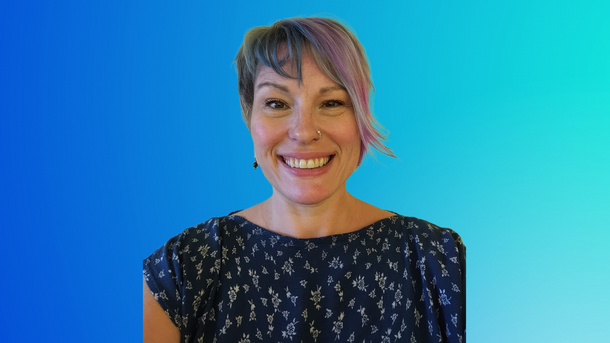

Dawn Thompson – Strait Area Regional Advisor of the Nova Scotia Secondary School Students’ Association (NSSSA)

Dawn Thompson - Strait Area Regional Advisor of the Nova Scotia Secondary School Students' Association (NSSSA)
About Dawn Thompson

Dawn (@miztee7) grew up in Scarborough, Ontario and was educated at Lakehead University in Thunder Bay, Ontario. She is an educator with over 25 years of varied teaching experience: from Grade 4 to adults, in public and private schools, day school and summer school, in Ontario, Alberta, Nova Scotia and abroad, and in English and French. Currently, she works in Antigonish, Nova Scotia, for the Strait Regional Centre for Education.

While the subject areas of her classes have varied widely over her career, the one constant has been her involvement with student leadership. Dawn has many years of experience as a school Student Council advisor but has spent the last 11 years working with student leadership outside of school in the NSSSA (Nova Scotia Secondary Schools Students’ Association). She has been the Regional Advisor for the Strait Region and the Sou’West/Valley Region, as well as the Advisor Co-ordinator for the Provincial Conference. This year, she is proud to be transitioning to the position of Provincial Advisor for the organization.

She is a mom to 3 amazing teenage boys who make her laugh every day (and sometimes make her scream in frustration). She is a reader and a writer. She sews and gardens. But her true talent lies in the kitchen . . . and not just because of the food she makes.

Connect with Dawn: Email | Twitter | Instagram

Listen Now

Listen to the episode now on Apple Podcasts, Spotify, or on your favourite podcast platform.

Resources Mentioned

Lakehead University

Strait Regional Centre for Education

NSSSA (Nova Scotia Secondary Schools Students’ Association)

NSSSA – Conferences and Events

The Transcript

**Please note that all of our transcriptions come from rev.com and are 80% accurate. We’re grateful for the robots that make this possible and realize that it’s not a perfect process.

Sam Demma (00:00):

Welcome back to another episode on the High Performing Educator podcast.

Sam Demma (01:00):

This is your host and youth speaker, Sam Demma. Today’s special guest, I had the privilege of meeting this past year in Nova Scotia. Her name is Don Thompson. Don grew up in Scarborough, Ontario and was educated at Lakehead University in thunder bay. She is an educator with over 25 years of varied teaching experience from grade four to adults in public and private schools, day school, and summer school in Ontario, Alberta, Nova Scotia, and abroad, and in both English and French languages. Currently, she works in Antigonish, Nova Scotia for the straight regional center for education. While the subject areas of her classes have varied widely over her career, the one constant has been her involvement with student leadership. Dawn has many years of experience as a school student council advisor, but has spent the last 11 years working with student leadership outside of school in the NSSSA (Nova Scotia Secondary School Students Association)

Sam Demma (01:57):

She has been the regional advisor for the Strait Region and the Sou’West/Valley Region, as well as the advisor coordinator for the provincial conference. This year, she is proud to be transitioning to the position of provincial advisor for the entire organization. She is a mom to three amazing teenage boys who make her laugh every day and sometimes make her scream in frustration. <Laugh> She is a reader and a writer. She sews and gardens, but her true talent lies in the kitchen, and not just because of the food she makes. I hope you enjoy this conversation with Don Thompson. She is filled with positivity and so much high energy, and I know you’ll enjoy it. I will see you on the other side. Don, welcome to the High Performing Educator podcast. Huge pleasure to have you on the show here today. Please start by introducing yourself.

Dawn Thompson (02:46):

Okay. I’m Don Thompson. I am a high school English and French teacher in Antigonish, Nova Scotia at Dr. John Hugh Gillis Regional Sigh school. But more significantly, the reason you asked me to be here is because I am the regional advisor for a student leadership organization in Nova Scotia called the NSSSA.

Sam Demma (03:09):

Your heart has been tied to the NS a for many years. Please tell us why it is such a meaningful organization for you and what inspired you to get involved.

Dawn Thompson (03:22):

So when I moved here about 13 years ago, I didn’t know anything about the Ente. It’s a Nova Scotia thing. I’m an Ontario girl. And I had a couple of students in an English class who said to me, miss, we’re going to this leadership conference and we need an advisor. Do you think you’d wanna go with us? And I thought, well, that’s kind of up my alley. I’ve done student council in the past. And I was sort of looking for my thing outside of the classroom. So I agreed to go. And afterwards I found out that it was over the long weekend in may and it was a three hour drive away. And I was gonna have to take some time off of school. And I thought, holy cow, what did I just get roped into? But my principal assured me that it was an amazing organization and that the girls who wanted to go were really great young people.

Dawn Thompson (04:17):

And so he said, just do it. And I got there and about five hours in, I called home and said, I wanna go to this every year. Mm. I have never experienced anything like this in my career, the enthusiasm, the positive energy and just the astounding quality of an event organized and run entirely by students, which was so well done. I thought I have to be a part of this. And then the two girls who asked me to go ran for co premier of our region, they won the election and they said, would you be our regional advisor? And I said, okay, <laugh> what do I have to do? <Laugh> and, and, and then it’s history from there

Sam Demma (05:15):

And N S a stands, can you share what the abbreviation stands for in case someone’s outside of Nova Scotia?

Dawn Thompson (05:23):

Of course it’s the Nova Scotia, secondary school students association

Sam Demma (05:29):

Love it. I, I loved the conference. I think I had similar feelings that you had being there over the summer. I second, everything you say about it. And if someone is in Nova Scotia listening to this and it’s not involved, what are you doing? What are you waiting for? You know, get involved right now. So when did you realize as a student yourself that you wanted to pursue a career and a future in education?

Dawn Thompson (05:58):

In high school, I thought I wanted to be a psychologist and my father kept trying to talk me out of it. He kept saying, oh, Don, you’d be a really great teacher. I didn’t know if that was really what I wanted. I, you know, like I’d done babysitting and I taught swimming lessons and I’ve done summer camps and things like that. So I guess I’d kind of always been involved in teaching, but I didn’t really know if that’s what I wanted as a career. And then in my last year of high school, I had a momentous conversation with somebody who I guess was kind of a mentor. And he said, Don psychologists build hospitals at the bottoms of cliffs and teachers build fences at the top. Which one do you wanna build? And I thought, I wanna build the fence. I wanna catch them before they fall. I don’t wanna fix them once they’re broken. So I became a teacher.

Sam Demma (06:54):

And when you made that decision after these meaningful conversations with people in your life, what did the journey look like from the moment the decision was made in your mind to where you are today?

Dawn Thompson (07:06):

I remember at university preparing for my very first student teaching lesson and I was terrified. I thought, what if I’m terrible? What if I suck? How am I gonna call my parents and say, I know we’ve spent thousands of dollars in a few years of my life, but I, I think I made a mistake. And then that first lesson was incredible. And like, in that moment, I knew that I belonged at the front of a classroom that like I was born to be there. It was the right fit. So I taught in a bunch of different places. I taught in Toronto for 10 years. I taught outside of Ottawa for the upper Canada school board for a couple of years. And then we moved to Nova Scotia. And in the time that I’ve been here I’ve taught at, I think, six different schools. I’ve taught every grade level from grade four to grade 12. I’ve taught English, French history, social studies, art drama. <Laugh> you name it? It’s pretty much been on my plate at some point in my career.

Sam Demma (08:13):

That’s so awesome. And in your role today, what are some of the aspects of the job that bring you the most fulfillment and joy and just fill your heart?

Dawn Thompson (08:27):

Truly my job with the NS a absolutely does every second. A lot of the time I get asked what do you do in, in your role as regional advisor? And I often answer, well, I don’t do much. I go to meetings, I listen to these kids talk and plan. They do all the work. I’m just the backup plan. And the reality is I do the job because I get, get so much out of it. Mm-Hmm, <affirmative>, it is so inspiring to watch young people be so capable to watch them plan and run incredible events and to do it all with no payback for themselves. This is not a job that they’re getting paid to do. They’re doing the work at the conference. It’s not like they even get to go there and just enjoy it. Yeah. It it’s a significant amount of work.

Dawn Thompson (09:24):

And one of the things that I love about it is that as a teacher, I have always wanted, I’ve always felt that it was my job to prepare students for the world outside of my classroom. Yes, I’m an English teacher, but who cares? If you can write a great essay, that’s not gonna do you a lot of good in your life. I would much rather know that I’m teaching you real life skills. And the N essay is a great way for kids to actually get those skills. They learn how to write appropriate emails. They learn how to read a contract and sign it, how to negotiate, how to create a budget how to problem solve, how to hire people and how to fire people. Yeah. So the skills that they get there are always so impressive. And in my career, I hear a lot about what kids can’t do. Mm. And the NS a always shows me what they can do when you give them expectations, they rise up and they meet them.

Sam Demma (10:29):

Yeah.

Dawn Thompson (10:30):

And give me hope for the future. Truly, you know, I think someday I’ll be in a care facility and it’ll be okay. <Laugh> because they’ll be BSA kids there looking out for me. The future of the world is in good hands.

Sam Demma (10:45):

Mm. So the, the students themselves sound like give you a ton of hope. I would assume they’re also the reason you’re fired up every day to get out of bed and pursue this work. What, what, what else keeps you motivated?

Dawn Thompson (11:01):

There’s a lot of joy in a classroom, right? When you can create a really great safe environment where kids come every day and they know that it’s okay to be who they are. And and that I’m interested in knowing them and learning from them as much as they learn from me, then you often get really, really great classroom conversations that go on which, which are so inspirational. And truly, there’s a really, really wonderful sense of comradery that comes with working with amazing colleagues, too. You know, those connections you make with other educators where you can think outside the box and solve a problem for a kid that nobody was expecting that like, that’s a really rewarding experience too, at the end of the day, if I go home and say, well, you know, maybe they didn’t learn how to write a really great introduction today, but I know that this kid felt loved in my classroom. This kid got some support for making a hard decision. You know, I connected with a colleague and we found a solution for a kid who’s gonna be away for three weeks or something like that. It just, those are the little things that really make every day matter.

Sam Demma (12:21):

I’ve spoken to many people in education over the past two years, and something many of them have had in common is there’s been moments of challenge, especially throughout the past two years personally, with the pandemic. And, you know, thankfully things are changing hopefully for the better for the rest of our lives. <Laugh> school will never go back to the way it was before, which I believe is a really good thing. You know, it’s challenge us to think outside the box and maybe change some of our focuses and practices, but I’m curious to know what you think some of the opportunities are that are coming outta this interesting time.

Dawn Thompson (12:55):

Hmm. Opportunities. I worry that we are not taking advantage of the opportunities that are coming here. We’ve got kids who are really, really connected to technology, and I hope that we find a way to use those opportunities the right way, because I’m a little concerned that right now we’re not preparing kids for how to handle the technology that they’re suddenly so well versed in. They don’t have some of the skills. I think that they really need to navigate that in a healthy way, but a lot of them have become in some ways independent learners. They’ve had to be if they’re doing online learning, if they’re missing classes, because they’re homesick, there’s a lot of independence there that I think we can really cultivate in them and that we need to cultivate in them a sense of personal responsibility for their achievements and their success. And more importantly, a hope that we find a way for them to recognize that what they do at school is really about preparing them for the real world, that there shouldn’t be that disconnect between your classroom and the job you might have someday. Mm

Sam Demma (14:09):

That’s a really great point. I think there are so many pathway opportunities that exist that even when I was a student, maybe we weren’t talking about as much in school and the whole pandemic has really shined a light on the, the flexibility of education or the ways it can exist. And I think it’s given students a chance to, you know, explore the world for maybe a year. Some, some schools in Ontario didn’t even actually go into a classroom for like eight months. And so, yeah, I think you’re absolutely right, like shortening that gap or that leg between what’s getting taught and what’s happening in the world. It sounds like more real world conversations are getting pulled into classrooms, even when we were at N say, the conversations that are happening are so forward thinking and based on current events. So I, yeah, those are, those are great opportunities for learning. What, what, yes, go ahead.

Dawn Thompson (15:05):

I would love to see a four day school week

Dawn Thompson (15:11):

Where kids are in classes four days a week, and there’s one day where they do all the other stuff. They do the extracurriculars, they don’t miss any class time. They get extra support. So they’re not being pulled out of a class to get support in another subject area. I would love to see education seen in a different light. We’ve been doing education the same way for hundreds of years, but the world we’re looking at today is not the same as a hundred years ago. And so I think hopefully the major changes, the, the spotlight that has been Sean on the current challenges in our whole society will allow us to be able to say, okay, we need to really make some bold moves here. If we can survive a couple of years of major changes with no preparation, you know, no, no reports written and no experts hired and no warning. And none of that stuff, if we can manage, then we can do a lot more and we should do a lot more to actually tackle the major challenges that we’re facing in our education system. For sure.

Sam Demma (16:25):

Time to push the limits. That’s the thing that comes to mind, you know be, yeah. What, what do you do to fill up your cup when you’re not at work or in the classroom to help you show up at the best of your abilities?

Dawn Thompson (16:43):

I read I’m an English teacher, so I have a real passion for literature to start with. But to me that’s a really, really great way to decompress get lost in a book, get lost in the life of somebody else, forget your own troubles for a little while and, you know, worry about how they’re gonna manage theirs, which are so much worse than yours. And <laugh> enjoy like I have a passion for language. So I love to see how a writer creates language and controls it and shapes the world, using words. That’s exciting to me. And I make sure that I try to balance that with physical activity and with time in my kitchen, I cook, I bake, I dance at the same time sometimes <laugh> and you know, I try to make sure that I spend time with my kids and I laugh and, and hang out with my friends and just, it it’s, it really is that balance in life, all the things in moderation.

Sam Demma (17:44):

Mm. I, I support the dancing and cooking at the same time. Sounds like a party. <Laugh>

Dawn Thompson (17:51):

You have to be careful though, and you should definitely wear an apron.

Sam Demma (17:54):

Yeah. <laugh> I should get food everywhere. That’s awesome. Well, when you think about people who have had a significant impact on you as a person and your professional development as a teacher who are some of the individuals that come to mind and what do you think those individuals did for you that had a significant impact?

Dawn Thompson (18:17):

There was a teacher in high school. I took political science in grade 12, and I remember walking in to his classroom every day, thinking I know nothing <laugh> and then I would leave going. I only know what I learned today in this class from him, but he never ever made me feel like, I didn’t know anything. In fact, he was the one who started calling me a political animal, somebody who was really passionate about that. And he made me actually want to live up to that. He got me interested in politics, and so I know that a lot of what I do in my classroom, I have shaped around trying to give kids that same feeling, trying to get them to see themselves in a way that maybe they have not in the past, trying to get them to say, well, it’s okay if I’m not an expert or I’m not perfect as long as I’m always trying to grow and, and learn and be better.

Dawn Thompson (19:14):

So I definitely would consider him to be a, a role model for the kind of teacher I became and have a very long relationship with the woman who was my cooperating teacher when I was a student teacher, ah her name is gay Thompson, no relation to me. Oh, wow. <Laugh> but I actually kind of think of her as a second mom, you know, we’ve known each other for 25, some odd years now, and it was amazing to be in her classroom and see what she did and then to work with her again, later on in my career and to watch the environment she created for teachers in her presence and to call her up during the course of my career, when I was facing a job crisis, should I take this job? Should I take that job? What am I doing in my classroom?

Dawn Thompson (20:11):

That’s not working anymore. And to be able to call her up and, and talk to her, not just as somebody who understood my profession, but also who understood me as a, a friend has been really, really extraordinary. And I hope that I pay that forward to young teachers who come into my space as well. And into my teaching world, I, I hope that I give them what she gave me. And then, and then someday when I am retired, I hope that they also call me up and say, Hey, I have this really great thing that happened. And, and, and I can celebrate it with them.

Sam Demma (20:52):

Ah, I love that. Are these individuals that you stay in? I mean, it sounds like you and gay Thompson stay in touch with, do you stay in touch with these individuals often?

Dawn Thompson (21:02):

Well, I don’t talk to her as often as I probably should. That’s okay. But I, we do, we, we call at least two or three times a year, major life moments. You know, she sends my kids birthday cards, which is so lovely. And, you know, just the, the little things that make sure that you stay in touch so that we know what’s going on in each other’s lives.

Sam Demma (21:22):

Nice. Well, this interview gives you another reason to reach out to her <laugh> so hopefully it facilitates a connection. So

Dawn Thompson (21:30):

When tell her, she will be,

Sam Demma (21:32):

So it’s obvious people have played an impact. Are there any resources that you think have also played an impact, maybe that’s books you’ve read that really provided unique perspectives or courses you’ve been a part of, you know, you mentioned the conference NS a, so that’s a big resource. What else?

Dawn Thompson (21:54):

Well, the N plus a I, I know it’s a student leadership organization and it really is designed run planned. The whole thing is for students, but teachers get a lot out of it too. When we go there as advisors, if, I mean, you did a session with advisors, you spent time with advisors over the weekend. You know, how important that time is for them. There are advisors who have been going to conferences for years, and it might be the only time that we see each other, but there’s such a really great sense of family that comes with that. We’re teaching in different places in the province, we’re teaching different levels, different subjects. And yet there’s a connection that we make that is really rejuvenating for a lot of us. And having that provincial conference, especially in may leading into that really rough part of the year, which is June there’s something that really fills up your tank to help you get through the month of June.

Dawn Thompson (23:00):

So it is definitely a huge resource for me, especially because I get energy from that. But I also have an opportunity to dialogue with colleagues, which is not something that happens on an everyday basis, often in a school, you know, you’re locked in your own classroom, doing your thing, that there is not a lot of opportunity to meet with other teachers and say, Hey, what are you doing in your space? Or I’m trying this, and I don’t know if it’s working out. What do you think have you had had experience with this? So certainly the S a has given me that the other thing that I would say really, really shaped my career in terms of a resource many years ago, when I taught in Toronto at Asian court collegiate, we had a principal who was kind of visionary, and he decided that he wanted to train everybody on staff.

Dawn Thompson (23:53):

And I’m not just talking about teachers, I’m talking about TAs caretakers in the building, secretaries administration, everyone who worked in that building was trained on a program, which was called tribes. It’s no longer called that now. It’s peace learning groups. I think I’m not sure that’s okay. Because I think that they’ve recognized that perhaps the name while it was well-intentioned was not necessarily a good choice, but really it’s about cooperative learning in your classroom. It’s about creating a community of learners who support each other for their success. And it’s about the teacher as much being a part of that community of learners as the students are. And so I took the training, but I was initially very skeptical because it was really designed for elementary students and they were trying to run this program with high school teachers. And I thought, oh, really, you think I can play that game with my grade twelves, are you crazy?

Dawn Thompson (24:57):

They’re not gonna wanna do that. And I asked a lot of questions and, and I was probably a little bit difficult. But at the end of the training, I committed to giving it a shot the next year in my classes. And so in September I started it up and I’ve never looked back. Mm-Hmm, <affirmative> the difference that it made in my classroom. Every single time has been tangible. It makes kids comfortable with each other. It makes them feel safe. It creates a relationship between me and them that is so necessary if you want real quality learning to happen. So during the pandemic, it was more challenging to do that because a lot of the activities required contact and they’re supposed to be sitting in groups and working in groups and they weren’t allowed to, and they had to wear their masks and they couldn’t see each other’s faces and they couldn’t touch the same ball.

Dawn Thompson (25:57):

So you can’t play the game where you throw the ball back and forth. Like it was just, there was so much about it. That was so hard. And I felt it because the environment that I created in my space was not the same. Mm-Hmm <affirmative> it was missing something. So getting back to it this year, just renewed how much that had such a gigantic impact on me as an educator. I would love to become a trainer and train other people to do that someday. But in the meantime, I make sure that I use it in all my classes, and I talk about it with my colleagues. I have the book that has the whole program laid out. I bought it, I consulted on a regular basis. I check out new activities that I might try from it. And I think that that was a really huge component for developing me into the educator that I am.

Sam Demma (26:49):

Isn’t the book, the same title of the program? Like what would the title of the book be if someone wanted to try and find it, or

Dawn Thompson (26:55):

The, the, I don’t, I’m hoping that they’re manufacturing a new version of it. Okay. But the old version was tribes, TLC the tribes learning community and it’s I think if you go online, they have a website, but I’m pretty sure exchange if you search up tribes, it’ll take you to peace learning groups now. And I think that they’re revamping a lot of stuff, so I don’t know how many of their resources their books are available anymore.

Sam Demma (27:26):

Okay. When you say using it, is it more so a collection of exercises and activities that you could implement in your classroom or what exactly is the program?

Dawn Thompson (27:37):

Well, the program has, it’s an approach really cool to how you run everything in your classroom. Okay. So I spend a lot of time at the beginning of a course, really making sure that I’m creating that space for students, getting them comfortable. They’re sharing information about themselves. I’m learning about them as individuals, as learners. They’re learning about me. We’re developing our four agreements, which basically set the rules for the classroom. You know, it’s about being an attentive listener. It’s about being mutually respectful to each other. It’s about the right to pass or participate, meaning that there are some times where if you don’t wanna talk today, you don’t have to. But recognizing that the more you don’t participate, the less other people get to know you. And then that’s not such a comfortable space for you. So understanding that you have to make choices and really building this sense of community in the classroom respect and celebrating the differences in our space and amongst our people, but also looking for the connections that draw us together and, and help us make a community.

Dawn Thompson (28:50):

So it’s a bunch of different activities that you can do. And then it’s sort of an approach to even how you run the lessons. If I really wanted to, I could structure all my lessons that way I don’t. But often I do have activities that we do on a regular basis that build that sense of community. And then eventually, probably about six weeks in when I feel like kids know me and I know them I ask them to give me a collection of probably about five names of people who they would like to have in what I’m now calling guilds instead of tribes. Nice. because it, I think a Guild is a really great name for what they’re doing. It’s a group of people who are not related by blood, but who have a common goal, their own success. Yep. And who have things in common.

Dawn Thompson (29:41):

So I’m calling them guilds now. So they tell me five people they’d like to have in their Guild. I put those guilds together and I promise them that at least one person that they have asked for will be in their Guild. So everybody has a safe person in their Guild. But I put those guilds together thinking about genders. I think about strengths and weaknesses. I think about personalities. I think about learning styles. I think about all of the things that contribute to how they might successfully work together. And then they sit with that group. They often work with that group. They don’t do everything with their group, but many things. And what I hear usually at the end of the year is how much they loved their group, how tight they became. You don’t have to think of a name for their group and they’d come up with crazy stuff all the time. And <laugh>, it’s, it’s just, there’s so much positive about it that I think if I create that in my space, then all the learning that happens in the room afterwards comes out of the fact that this is a good place to be.

Sam Demma (30:45):

Mm. Sounds like a conference in a classroom. That’s what came to mind. <Laugh>

Dawn Thompson (30:49):

I hope

Sam Demma (30:50):

<Laugh>. Yeah. It’s so that’s so cool. It sounds like it’s had a really big impact on your beliefs and philosophy and approaching education, which is awesome. I’ll definitely hyperlink it down below so people can check it out. If you could take all of your experience in education, all the wisdom you’ve gained and all of your years teaching go back in time and like tap down on the shoulder. When, when you were just starting to work in a school, knowing what you know now, not that you would change anything about your path, but what advice do you think it would’ve been helpful to hear when you were just starting?

Dawn Thompson (31:25):

You don’t have to mark everything.

Sam Demma (31:29):

Hmm.

Dawn Thompson (31:31):

As a beginning teacher, there’s this sense that you have to be on top of everything students are doing and everything they do matters, and you have to have marks for everything and you have to be accountable and guess what you don’t, mm-hmm <affirmative> sometimes you just have to relax and let the learning take place that there are other ways to assess the learning that’s happening and to check in with kids that has nothing to do with marking the work.

Sam Demma (31:59):

That’s a great piece of advice and I’m sure people who just started teaching over the past few years could have used that maybe two years ago before they jumped in so thanks for sharing. If someone is listening to this conversation, has been inspired by it, wants to connect with you, join your personal Guild, or ask you a question, what would be the best way for someone listening to get in touch?

Dawn Thompson (32:25):

Well, I I’ve got my social media, so I am on Instagram. I think I’m @miztee77. You’d have to request to follow me because I do keep it private, teachers have to do that. I’m on Twitter, so you can find me there too. I’m pretty sure I’m @miztee7 there, and obviously I’m happy to get emails too. So you know, if you wanna talk about teaching, you wanna talk about the NSSSA? My email address is kuzykmommy@gmail.com.

Sam Demma (33:10):

Awesome. Don, thank you so much for taking some of your time to stop marking some exams and you know, join me on the podcast to share some of your experiences and beliefs around education. It’s been a pleasure chatting with you and I can’t wait until our next conversation,

Dawn Thompson (33:27):

Sam, it was a real pleasure for me too. It was so nice to reconnect with you. I, I had a great time.

Sam Demma (33:35):

Hey, it’s Sam again. I hope you enjoyed that amazing conversation on the High Performing Educator podcast. If you or someone, you know, deserves some extra recognition and appreciation for the work they do in education, please consider applying or nominating them for the high performing educator awards. Go to www.highperformingeducator.com/award. You can also find the link in the show notes. I’m super excited to spotlight and feature 20 people in 2022. And I’m hoping you, or someone you know, can be one of those educators. I’ll talk to you on the next episode, all the best.

Join the Educator Network & Connect with Dawn Thompson

The High Performing Educator Podcast was brought to life during the outbreak of COVID-19 to provide you with inspirational stories and practical advice from your colleagues in education.  By tuning in, you will hear the stories and ideas of the world’s brightest and most ambitious educators.  You can expect interviews with Principals, Teachers, Guidance Counsellors, National Student Association, Directors and anybody that works with youth. You can find and listen to all the episodes for free here.

Reg Lavergne – Superintendent of Instruction, Innovation and Adolescent Learning and Student Success at the Ottawa-Carleton District School Board

Reg Lavergne - Superintendent of Instruction, Innovation and Adolescent Learning and Student Success at the Ottawa-Carleton District School Board
About Reg Lavergne

Reg Lavergne (@RegLavergne) is the Superintendent of Instruction for Southeast schools and for the Ottawa-Carleton Virtual Secondary School (OCVSS). Reg supports innovative and alternative approaches to Student Success and Adolescent Learning within this role.

For 23 years, Reg has served students in Kindergarten to Grade 12 in rural, urban, large, small, adaptive, and community schools as a teacher, department head, Vice-Principal and Principal. He has also served as the System Principal of Student Success and Innovation and Adolescent Learning.

Currently, Reg is working on an Educational Doctorate degree focused on increasing student voice and identity in student learning experiences. He is also designing and implementing the Authentic Student Learning Experience framework to embed student voice and is working with SSTs to build a model for Student Success for students in grades 7 and 8, and grades 9-12.

At the OCDSB, Reg has greatly enjoyed working with teachers to build and implement learning models and approaches that help students see their own genius.

Connect with Reg: Email | Instagram | Linkedin | Twitter

Listen Now

Listen to the episode now on Apple Podcasts, Spotify, or on your favourite podcast platform.

Resources Mentioned

Ottawa-Carleton Virtual Secondary School (OCVSS)

OCDSB

Hero on a Mission by Donald Miller

Russ Interview by Jay Shetty

The Transcript

**Please note that all of our transcriptions come from rev.com and are 80% accurate. We’re grateful for the robots that make this possible and realize that it’s not a perfect process.

Sam Demma (00:01):
Welcome back to another episode of the High Performing Educator podcast.


Sam Demma (01:00):
This is your host and youth speaker, Sam Demma. Today’s special guest is Reg Lavergne. Reg Lavergne is the Superintendent of Instruction for Southeast schools and for the Ottawa-Carleton Virtual Secondary School (OCVSS). Reg supports innovative and alternative approaches to Student Success and Adolescent Learning within this role. For 23 years, Reg has served students in Kindergarten to Grade 12 in rural, urban, large, small, adaptive, and community schools as a teacher, department head, Vice-Principal and Principal. He has also served as the System Principal of Student Success and Innovation and Adolescent Learning. Currently, Reg is working on an Educational Doctorate degree focused on increasing student voice and identity in student learning experiences. He is also designing and implementing the Authentic Student Learning Experience framework to embed student voice and is working with SSTs to build a model for Student Success for students in grades 7 and 8, and grades 9-12. At the OCDSB, Reg has greatly enjoyed working with teachers to build and implement learning models and approaches that help students see their own genius. I hope you enjoy this conversation with Reg, and I will see you on the other side. Reg, welcome to the High Performing Educator podcast. Huge pleasure to have you on the show this morning. Please start by introducing yourself.


Reg Lavergne (02:21):
It’s fantastic to be here and I really appreciate you reaching out to me. So my name is Reg Lavergne. I’m a superintendent of instruction with the Ottawa-Carleton District School Board which is a public school board in Ottawa, Ontario, Canada. I support a number of schools, but I also support the innovation and adolescent learning department and the student success programming across our district.


Sam Demma (02:44):
At what point in your own career journey did you determine that education was the field you wanted to pursue and work in?


Reg Lavergne (02:53):
Okay, so this might sound sad. I always wanted to be a teacher. My mother tell you if she was here right now, that when I was a very small boy and people said, what do you wanna do when you grow up? I said, I was gonna be a teacher. And I always did say that that I was gonna be a teacher. I, so that, that truly has been, was always, and still is my main goal. I like working in education. I like working with, with kids. I like helping and working with adults who are working with kids. And I have always naturally gravitated towards kids for whom the system didn’t necessarily work as well as we might like it to. So I’ve always gravitated towards, it’s not working. Why is that? What can we do differently?


Sam Demma (03:42):
That’s awesome. Tell me about the journey from five year old reg that always told his parents and everyone in his life that he wanted to be a teacher to reg today. Like what were the different positions and roles you worked in? Where did you start and what brought you to where you are today?


Reg Lavergne (04:01):
So I, I, I, I think I’d have to say that my, my journey hasn’t been exactly linear. Although I I’ve always been connected to education, so I was in school and then I’ve worked in, in schools and, and in education, my entire career. I actually when I was in school I was very fortunate. School worked for me. I really enjoyed school. I got a lot out of it. I actually went to university and I, my first degree was in music. So I was a music teacher first and I loved that. I got to work with kids in a very different environment to help them celebrate strengths that they didn’t know they had in a way that many people weren’t looking for and, and to help them see how they can contribute in ways that to be perfectly Frank society doesn’t always put on the forefront.


Reg Lavergne (05:00):
So when I was watching kids, we would often work with I, I was a high school teacher for the most part. I actually started working in a private elementary school. And then I got hired with public board, the secondary level, and I was working as a music teacher and we would go to the local elementary schools and I would watch kids who didn’t always have the easiest paths and had lots of different things. They were working through flourish when they were working with younger children and helping them, helping them grow and helping them overcome challenges that they were working with. And I really, really loved that. And from there I became a vice principal. I, I I worked actually, I should take a step back when I was in taking my my degree, my education degree. I sought where, where I, where I could sort of put my voice in what type of placement I, I was asking for.


Reg Lavergne (05:57):
I worked with children who were suspended or expelled from their schools or districts and, and helped their, their learning. I also volunteered in a program that was designed for kids who’d been suspended so that they didn’t stay at home all day. They came, we helped them with their schooling, but we also helped them with why they were suspended and how can we not get there again? I became a music teacher after that. When I became a vice principal, my first school was working with the student was in an adaptive school. So was working for students who had lots of different types of challenges social as well as cognitive, as well as physical and I, and I worked with with them. And then when I became a principal, I worked in an inner city and a rural school.


Reg Lavergne (06:43):
But I brought a, a very strong student success link to that, to those discussions, to those schools, those situations when a student was struggling, stopping and saying, why are they struggling? What can we do differently for them asking them to do the same thing multiple times when they’ve struggled on it on the first time, probably isn’t going to make them feel better about themselves. They may learn the skill, but they’re not going to feel better about themselves as they go through that. So how do we also take into account their thinking their their feelings about themselves? Do they think that they’re a capable learner? Do they think they’re smart? How can we make sure they do see that way? And how can we make sure that they do see that there are lots of options available to them and how can we help them get there?


Sam Demma (07:25):
Mm. I love that. And they’ve gone continue,


Reg Lavergne (07:31):
Sorry. No, I, I may have gone a little off topic there, but, but that was where sort of my thinking went. And actually one part I, I actually then started I moved out of working in a school and I was working centrally. I was assistant principal for four years of student success and adolescent learning. And I supported, I think it was 96 schools in our district on school student success programming and, and looking at, at options and opportunities for students outside of the, the, the norm outside of the traditional box that we might work in.


Sam Demma (08:04):
You mentioned that you had the opportunity to see students flourish in a different environment to uncover strengths, that they didn’t even know that sometimes they had. Can you share an example of what you mean by uncovering strengths? They didn’t even know they had, because I think that’s a beautiful thing to help a young person or a student realize,


Reg Lavergne (08:26):
Mm-Hmm, , there are so many I have a couple from my past, that’ll be more general. And then I can speak to one specifically that I’m thinking about from last year. Mm. So Stu students who that I was working with, who may not have had clarity on their strengths. I spoke very vaguely to say that they may not have thought they were very good at very much. And I remember, again, I was in a high school going to local elementary schools and intentionally partnering students up with, with younger children who needed help in different things. If it was music, they may have needed help playing their instrument or setting their instrument up or trying a new instrument or working through something that they were working on, but they were struggling and giving. I, I I’m, I’m seeing several in my mind right now, and I’m years giving, providing the opportunity for them to step up, to be a leader, to show their strengths to help someone else.


Reg Lavergne (09:36):
And I think that brought in the idea of contribution, right? As soon as you can bring in the idea where a person feels like they’re contributing in some way, they feel valued, they feel valuable, they feel important. They know that they have strengths that they can bring. And I would watch these teenagers working with these younger students and suddenly see them light up as the younger student achieved, what they were working on. And I could see that the, the older student realized, wait a second. I helped them do that. Right. I was able to, to share with them some of what I know, some of the skills I have, I was able to motivate them and make them feel that they can do this. They knew it was possible. And suddenly they did that. And I would watch the kids light up. And to me, I don’t think I have the words to describe how I felt on the inside, nor how the kids felt as they were going through that.


Reg Lavergne (10:32):
Because then all of a sudden, as we’re heading back to, to the main high school, I’m watching the excitement in this young person’s eyes, I’m hearing them talk about what they did and, and how they helped the other student. I’m hearing them talk about the other student’s achievement. Like it really wasn’t all about one person. It was about the different pieces. And I remember watching kids suddenly be willing to try more and to do more back in the classroom after that, because they sudden they saw that they had a strength that they, they could contribute. They could help someone else. And we’ve seen that in a program that we actually started last year in our district, it’s, it’s a, a ministry supported provincial program. So we did not design the entire program. We did design what it looks like for our district.


Reg Lavergne (11:25):
And we started a program with one teacher. And she started reaching out to students who had dropped out of high school without graduating and talked to them about a different approach and a different type of program. And it it’s called a SW program. So that school within a college, like I said, it’s a, it’s a provincial program in Ontario. It is situated to support students who are at risk of not graduating high school and connect them to pathway options. We took a, a slightly different approach to it. In terms of, of, again, reaching out to kids who were at risk of not graduating and finding out what are you doing right now? How can we connect that to your formal learning? So basically we were, we, we did. And when I say we, I mean, the lead teacher who is the most brilliant educator you have ever met she connected with kids who, who were not at school and started talking with them just to find out more about them.


Reg Lavergne (12:21):
What are your interests? What do you like to do? What do you do outside of school? You know, when you do that, that’s actually this part of the English curriculum. And it’s this part of that math curriculum. And at this part of the history curriculum, and she was able to, to show the students who, the structure that we developed together, that they were smart. They had talent, they had strengths. It may not manifest itself in a way that we would normally capture it in a school, but they were demonstrating learning in, in in, within their life. And she was, she was able to engage with them to, they came back to work with us. Now, this was in remote last year. So they actually did not return to a traditional school, but they did engage in some traditional school structures and different things.


Reg Lavergne (13:10):
They were engaged in outside the school. The teacher captured because they captured this demonstration of their learning. They had learned, they had developed a ton of skills, maybe not sitting in the classroom at 9:00 AM on Monday, but maybe at different times. And they were able to demonstrate that learning. And she worked with, with students capturing evidence of their learning. So she did not create lessons for them every day, the students from their interests and then where they wanted to go. So meeting their pathway goals developed learning experiences. And as they were doing that and demonstrating different learnings, the teacher was, was connecting that to different curricular expectations. And the students were accelerating the, the credits that they were earning. And at the end of June last year, 22 students graduated from high school. And I believe 18 of them are in college right now. These students had dropped outta previous.


Sam Demma (14:05):
Wow. That’s such a cool story.


Reg Lavergne (14:08):
Oh, get goosebumps. When I think of that story all the time, that teacher and that program approach changed those kids,


Sam Demma (14:20):
It’s a case study of how to deal with students of whom school is not working. Right. Like you mentioned earlier, sometimes school doesn’t work for everybody. Well, I think the question that came in my mind was like, how do we help those students who school is not working for? And it sounds like this program like fills that void. Is it continuing this year in person? Or like, tell, like, tell me a little bit more about it.


Reg Lavergne (14:45):
Yeah. We expanded it three teachers this year. And the program is full again. They’ve reached out to different groups of students and they’ve intentionally reached out to students that might not reach out to us to make sure that they are aware of those pieces and that, that, that there is an opportunity. And sometimes they situated from why not give a shot, try it out. If it doesn’t work, you don’t have to stay, right. We’re not, we’re not holding you here, but if it does work, this could be changing for you. And, and something, you said it, it made me, it made me think of something else that the, the teacher engaged with as well. In that program, we’re not saying that traditional learning structures are not engaged, right. They’re not out the door, they’re still there. Yeah. But they’re engaged differently as the student needs it.


Reg Lavergne (15:34):
And I remember talking with the teacher again, brilliant educator. And she was telling me this story about a student who had struggled in school for many, many years, obviously had dropped out of high school, was back into this program. And they needed a very solid, theoretical understanding of mathematics for the program they wanted to go into at the college the next year. And so the teacher engaged in some more traditional learning so that they could understand the theoretical underpinnings of the mathematical concept they needed to go in. The difference was the student knew why they needed it.


Sam Demma (16:11):
Mm.


Reg Lavergne (16:12):
And it was connected to their goal. It was connected to their pathway. It was connected to their passion. So they were, they were there, they were into it. They were working on it. I don’t believe six months earlier, the student would’ve engaged to the same degree, but because of the approach that that program provided and that educator provided for the student, they saw meaning and purpose for their learning as they had never seen it before. So that theoretical piece that possibly, and I, I, I can’t guarantee these pieces, but possibly before they may have thought, I don’t want that. I don’t care about that. Like, I’m not doing that. They knew it was important. It was important to them. It was part of their pathway goal. So they were totally engaged and worked very diligently with the teacher to learn in that way. So it is a balance of sort of a authentic in school and outta school experiences with some very traditional, theoretical learning opportunities as well.


Sam Demma (17:07):
There’s a really phenomenal new book called hero on a mission by an author named Donald Miller. And in the book, he talks about the importance of setting goals in the context of stories. Like he believes that the reason why most people don’t bring their goals to life is because the goal isn’t actually baked into a story about how their life could change or what it is they’re working on. And when you mentioned that student who didn’t understand why they needed this, all of a sudden realizing that it’s a key component of bringing their future goal to realization it just, it like compels you to, to do it and take action because no longer is it just a math class, it’s a stepping stone in your goal or your future, you know, story. Which I think is a really cool realization. And that’s what came to mind when you were explaining that, what do you do you, what’s the teacher’s name that runs this program? Does she also does she also teach like a grade or is she solely dedicated to running and organizing this, this program?


Reg Lavergne (18:10):
So she teaches she taught all the students last year. She teaches a third of the students this year, but she’s, she works with the other two teachers and they they’re very collaborative in their approach. Cool. In terms of bouncing off each other’s strengths so that the students can maximize they’re learning off of the, the strengths from the three teachers that are, that are involved. We have a fourth teacher that helps liaise with the college, the local college we have as well. Nice. because part of that program is the students. I call it tow dipping, but they, they engage in some college courses as well. And while they’re engaging in the college courses, they’re earning a college credit and a high school credit at the same time. Nice. to try to explore different options, they may not have considered the lead teacher in the program.


Reg Lavergne (18:57):
She is extremely humble and will not be happy that I have said her name. But her name is Donna. And and she was an exceptional educator. And she you know, she was the one working directly with the students last year. Helping them see their genius, which is a saying that I captured from another one of our, our educators to see their genius and to see the possibilities before them. And you know, she has, has dramatically changed and the colleagues she works with have dramatically changed the lives of children.


Sam Demma (19:31):
I’m getting goosebumps. It’s such a good feel. Good story. And it’s so cool to hear that the program is growing. I’m sure other boards might be reaching out to you after listening to this podcast, to ask some questions and connect with Donna too. about this, because I know it’s not an isolated problem or challenge. There are so many challenges in education, especially with the pandemic, but with challenges, come opportunities being on the cutting edge of innovation and student success, what do you foresee? Some of the opportunities being in education, things that are unfolding and the school board is working on that you think are really great opportunities for the future.


Reg Lavergne (20:11):
I will never say that COVID has been a great thing. It’s been a horrifying thing. It has caused so much harm. I will say that it created the opportunity to look at things outside the box. Mm that’s my very gentle way of saying sometimes we have to knock the lid off and push the wall over. Mm. And look outside the box. Traditional approaches to learning work for some and need to be available for some, they don’t work for everybody and we need to be more attentive to, and more responsive to and proactive to different ways of learning that engage people in different in, in different ways. I, I am very focused on who is the student? What are they doing? What do they want to do? What are their strengths? How is the learning environment set up to help them see meaning and purpose in their learning?


Reg Lavergne (21:18):
When we first went into shut down because of C learning, didn’t go into shut. Buildings did congregating together, did, but learning didn’t stop. And I was so privileged at the time. I was the principal of student success and innovation and adolescent learning at the time. And at first I remember thinking, what are we going to do? The way we’ve done everything. Our entire system can’t function right now, the way we’ve done it, what are we going to do? And I have to tell you how blown away I was with students, families, and educators, as everybody morphed into doing things in a very, very different way. I had the privilege of working with all of the student success teachers in our district. Every school that has grade seven and eight or grade nine to 12, has a student success teacher assigned a, a specific position for it.


Reg Lavergne (22:15):
And I was so privileged to get to work with all of them, incredible educators, incredible credible people. And we started doing a lot of brainstorming because those are the teachers that also support the students that are at greatest risk of leaving us, having not completed their courses and completed their diploma. And so we spent a lot of time talking back and forth. Well, what does this look like when you’re talking about students who don’t necessarily want to engage in learning every day, because they haven’t had success in it, or they haven’t felt good in it. Then when they’re sitting at home, it’s even more at risk that they’re not going to engage. So what are we going to do? And we built an approach, a philosophy, excuse me, and a framework to really take a look at all right, what are you doing right now at home?


Reg Lavergne (23:08):
You are learning. You are learning in very different ways, but you are learning. It just doesn’t look like it did the previous week when we were in a school building. So what are you doing? Talk to me about that. We had one student I’ve, I, I don’t think I’ll ever forget this. A teacher shared I’ll speak generally because yeah, I don’t, I have share name, but had contacted a student who had had a variety of different experiences in schools and not all of them. Good. And, and they were now at home as, as everybody was. And the, the teacher, the, the student success teacher asked the student what they were doing and the student was tearing apart a trailer and rebuilding it with his dad at home was just something they wanted to do at home by talking with the student and finding a little bit more about what they were doing.


Reg Lavergne (23:57):
And, and he engaged in regular conversations with the students. So to, to hear what they were learning, talked to me a little bit, suddenly we realized the student was actually doing two tech education courses with his dad at home by tearing it apart. And the teacher was able to capture evidence of learning through the conversation and the student would take pictures of what he was doing and share it with the, with the teacher to say, this is what we saw today. So we had to do this for X reason. That is not my area of strength. So I can’t give you the exact specifics on what they were say. But what I do know was that the student was engaged in activity. They really loved, they were working with their dad and they were able to explain why they were making the steps they were making.


Reg Lavergne (24:41):
And the teacher actually asked the student at point would write down the steps of what you were, why you were doing it. The student was like, sure, why? Well, there’s a grade 12 technical English course that would meet the criteria of, so by building a manual on how to tear apart and rebuild a trailer, the student was also working on a technical English course. This wasn’t a student who necessarily loved writing or loved literature, right? At that point in his life, he may at one point, but at that point he didn’t necessarily enjoy that, that approach, but he was totally on board with writing down what he was doing and why he was doing, we were capturing his thinking. It was important to him. It mattered to him. He was creating a technical manual. That for him was really, really important. And that connected some credits. So during the, the initial closures, and that’s what sort of inspired and led to the development of our approach with our program as well it was very much looking at well, what are they interested in? What are they good at? What do they wanna be working? That’s where we start. And that’s how they get that spark to continue pushing themselves even further.


Sam Demma (25:57):
It sounds like flexibility is such an important part of this process. Like the, the student being flexible, but also the, the teacher and maybe in the past flexibility has not been the most utilized idea when it comes to projects or completing assignments or the way that you complete the assignment. How did, like, how do you build a culture of flexibility where, where, like an educator is proactively looking for those ways to connect real world experience to specific students learning or is this like situation you’re explaining more used for the students who school is not working for?


Reg Lavergne (26:42):
That’s a great question. I think the flexibility piece is, is key. Yeah. How do we build the environment for it?


Sam Demma (26:51):
I’m putting you on the spot. not that you have to have the perfect answer.


Reg Lavergne (26:57):
No, it’s a great question. I think, I think it’s a, it’s a brilliant question. I I’m going share some of my initial thinking. And then this is the question I’m gonna walk away from thinking even more on, I’ll be honest with you. I think, I think part of it comes down to what’s the goal and who decides the goal and who’s decided how that goal is achieved. And we have we have a society, our, our, our society, and some may argue that it has to be this way for a society. As, as, as large as our planet is to function together that there are certain goals and there are certain ways that we’ve decided over a series of years or decades that work mm. I have to talk about that, that work to achieve those goals. And I think what we’re seeing, and I think COVID has helped illuminate this it’s, it’s put a spotlight on it.


Reg Lavergne (27:55):
That practices that work, we have to stop saying that we have to start saying they work for some and other practices work for others, and we needed to be more open to a diversity of practices that are going through. I think that certainly the approach we took in the district, I was working with student success teachers who I was very fortunate. We’re very engaged, very flexible, wanted to try different things to support student achievement in different ways and move that forward. What we’re seeing is that that thinking philosophy and the use of this framework is, is expanding in the district. As people are seeing that it’s working. Because I think something that just jumped into my head after what you said was the idea of permission.


Reg Lavergne (28:41):
Do we give educators permission to go outside the box to try things that are safe, appropriate, but that engage students in ways that engage them. So rather than it being an approach that I’m confident in, because I’ve seen it work a number of times, if I see it not working for a student, do I feel that I have the permission to try something different with them, especially depending on where they’re going with it. We all, depending on geographically where you lived, the people who were in the same area with you took the exact same courses through high school, had the exact same learning, delivering models in place. I’m guessing they didn’t all do exact, the exact same thing. So they took those learnings that they had and have tweaked them to has, and it tweaks them, adjusts them and applies them to where they went with it, what they wanted to do with their learning, what they wanted to do with their life.


Reg Lavergne (29:43):
So I think a part of it is giving that permission to, to, to dip into different ways of doing things, to saying for this student, that approach is appropriate and it supports where they want to go. It supports what they wanna do. So we don’t have to follow necessarily in, in sort of a, a, a very structured manner, traditional approaches, traditional approaches work in many cases. And so this isn’t a case of throw all of that out and try this instead, this is a case of, for this person who they are, their identity, their experiences, their goals, what about this? And I would even put on the table, imagine if we started saying to the student, well, what are you interested in? Well, what would you like to work on right now within the parameters of, of the, the the, the courses that we’re working on to say, how would you like to engage in that learning?


Reg Lavergne (30:42):
There are lots of different ways of engaging in learning that is embedded within English curriculum or science curriculum or math curriculum. I think we can give permission. And I’m, I’m in a, I, I’m very fortunate. I’m in a position where I can work with a number of schools and principals and vice principals and teachers, and, and I can establish the environment that provides for that position. I don’t mean for that to sound power trippy in any way. But when I, when I say it, I’m having a conversation with someone and, and I say, why not? That gives that permission to say, it’s, it’s okay to go outside of what you may have normally done, because you’re engaging with that student in a way that is going to be more effective for them and is ultimately going to enhance their wellbeing and their achievement. And I remember that when I was a teacher asking, you know, talking with my principal and when my principal said, why wouldn’t you try that? If you think that’s gonna work, knowing that my principal was supporting my thinking was very powerful for me. So that’s something that I try to do. And I’ve always tried to do in my roles as I’ve gone through. My career is, is to make sure that we’re engaging in those conversations and that we’re providing that permission because the permission is needed for us to change the way it was to the way it could be.


Sam Demma (32:06):
There is an American hip hop artist named Russ, and he was being interviewed by this guy named Jay Sheti one time. And Jay Sheti said, what is the best advice you’ve ever received? And he said, it was a question, what if it could turn out better than you ever expected? And when you approach situations with that mentality, what, like, what if it could turn out better than you ever expected or ever imagined, instead of what, if this goes wrong and terrible, you build some courage to try new things, to take new things on. And I think the, why not question becomes even more powerful. When you look at it from that perspective and back to your toe dipping analogy, you know, if you do try it and you dip your toe and the water’s really warm, and it’s working out, you dive in and, and, you know, you scale the program, get three teachers involved. And then, you know, five years from now, maybe the program is going throughout the whole board, and there’s like dozens of teachers organizing it and running it all because of a test, a pilot project which is really cool and exciting. This has been a really awesome conversation. I’ve enjoyed every minute of it. If someone is listening to this Reg, wants to reach out, ask you a question, talk about this program or your experiences in education, what would be the best way for them to get in contact with you?


Reg Lavergne (33:27):
The easiest way would be to go to my board’s website ’cause you can find my email. I’ll spell my email over in a second, but you can find it there. My board’s website is ocdsb.ca and then you can do a search on me and you will find I’ll pop up. My my email is reg.lavergne@ocdsb.ca, and I’m more than happy for people to reach out and have conversations because as we look to what could be and what the possibilities are, that’s what I find is really, really exciting and and can truly change kids’, change kids’ lives.


Sam Demma (34:07):
Awesome. I agree. Thank you so much, Reg, for taking the time to come on the show. I really appreciate it. Keep up the amazing work and we’ll talk soon.


Reg Lavergne (34:15):
Thank you. Take care.


Sam Demma (34:18):
Hey, it’s Sam again. I hope you enjoyed that amazing conversation on the High Performing Educator podcast. If you, or you know, deserves some extra recognition and appreciation for the work they do in education, please consider applying or nominating them for the High Performing Educator awards, go to www.highperformingeducator.com/award. You can also find the link in the show notes. I’m super excited to spotlight and feature 20 people in 2022, and I’m hoping you or someone, you know, can be one of those educators. I’ll talk to you on the next episode, all the best.

Join the Educator Network & Connect with Reg Levergne

The High Performing Educator Podcast was brought to life during the outbreak of COVID-19 to provide you with inspirational stories and practical advice from your colleagues in education.  By tuning in, you will hear the stories and ideas of the world’s brightest and most ambitious educators.  You can expect interviews with Principals, Teachers, Guidance Counsellors, National Student Association, Directors and anybody that works with youth. You can find and listen to all the episodes for free here.
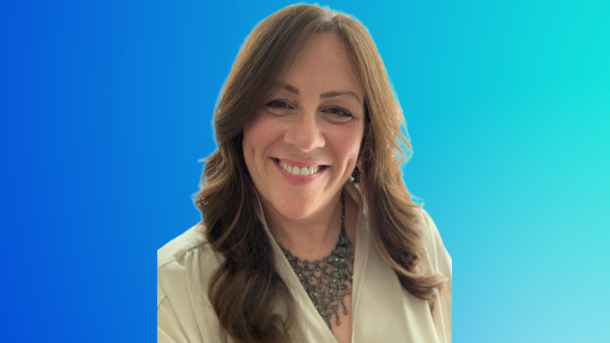
Josh Windsor – Principal at Grand River Collegiate in the Waterloo Region District School Board

Josh Windsor - Principal at Grand River Collegiate in the Waterloo Region District School Board
About Josh Windsor

Josh Windosr is the Principal at Grand River Collegiate in Kitchener, Ontario. He has worked in numerous sectors including social services, business and marketing, and for the past 22 years as an Educator. Josh began his teaching careers in Health and Physical Education and Special Education but has taught Math, History, Geography, Science, was a Department Head of Special Education and a consultant responsible for professional development and a district elearning program.

Josh was a Vice-Principal at 3 high schools in the Waterloo Region before becoming the Principal at Grand River. In addition, Josh has been a long time coach in various sports in the community, at secondary schools and at the University level where he has been the head Men’s rugby coach at both Wilfrid Laurier University and the University of Waterloo.

As a leader, Josh believes that growth mindset and self determination theory are the key components to school improvement and fostering innovative teaching practices that support student learning.

Connect with Josh: Email | Linkedin

Listen Now

Listen to the episode now on Apple Podcasts, Spotify, or on your favourite podcast platform.

Resources Mentioned

University of Waterloo

Wilfrid Laurier University

Grand River Collegiate

What is an EA?

The Transcript

**Please note that all of our transcriptions come from rev.com and are 80% accurate. We’re grateful for the robots that make this possible and realize that it’s not a perfect process.

Sam Demma (00:01):
Welcome back to another episode of the High Performing Educator.


Sam Demma (01:00):
This is your host and youth speaker, Sam Demma. Today’s special guest on the podcast is Josh Windsor. Josh Windosr is the Principal at Grand River Collegiate in Kitchener, Ontario. He has worked in numerous sectors including social services, business and marketing and for the past 22 years as an Educator. Josh began his teaching careers in Health and Physical Education and Special Education but has taught Math, History, Geography, Science, was a Department Head of Special Education and a consultant responsible for professional development and a district elearning program. Josh was a Vice-Principal at 3 high schools in the Waterloo Region before becoming the Principal at Grand River. In addition, Josh has been a long time coach in various sports in the community, at secondary schools and at the University level where he has been the head Men’s rugby coach at both Wilfrid Laurier University and the University of Waterloo. As a leader, Josh believes that growth mindset and self determination theory are the key components to school improvement and fostering innovative teaching practices that support student learning. I hope you enjoy this conversation with Josh. I surely did, and I will see you on the other side. Josh, welcome to the High Performing Educator podcast. Pleasure to have you on the show this morning, please start by introducing yourself.


Josh Windsor (02:19):
My name’s Josh Windsor. I’m a high school Principal at Grand River Collegiate in Kitchener, Waterloo in the Waterloo Region District School Board.


Sam Demma (02:27):
And you’re sitting in the seventh house that you will be flipping . Tell me about your unique journey into education. And when you realized that education was a thing that you wanted to work in.


Josh Windsor (02:42):
Yeah. So when I was young Sam, I had I, my father died very young and I kind of lived on my own right around 17 because my, my stepfather and my mother moved away from town and the relationship I had with my stepfather. Wasn’t great. So I just decided I didn’t wanna leave my friends. I stayed here and I had worked pretty much full time from the time I was 14. Like I, well, full time summers part-time jobs. And I started delivering newspapers. I had two newspaper routes, one in the morning, one in the afternoon when I was in grade six. Right. So I banked a lot of money. So I had some money that I could sit on rent. I rented a room from one of my parents’ friends and, and stayed here. And at about 19, I started working in group homes.


Josh Windsor (03:30):
So with kids and and that kind of led me into some positions where I was in a school. So kind of being a bit of an EA with kids that needed extra support. So one to one support for kids that kind of struggled with behavior and things like that. So I did a few of those stints through university and then 22, I started working for the children’s aid society and I did that offer around eight years. So one of my jobs well, most my, the job I did the longest was a night job while I finished university. It was 10 at night till nine in the morning. And part of that job was crisis support for foster parents. So I would go into foster homes when there was crisis issues and, and try to calm kids down, support the parents, you know do some mediation, those kind of things.


Josh Windsor (04:19):
And and kind of finishing school. I then really like, I liked working with kids, but I started I stayed with that night job. Then I did some business stuff during the day, and I ended up leaving, leaving that night job because I was eventually the director of sales and marketing for a very small software company. Nice. I decided I wanted to go to teachers college because it wasn’t really that fulfilling. So at 30 I went to teachers college. I continued to work in that business while I went to teachers college. And then I had my employers, they were, they were great. And they allowed me to do that because I could continue to do my job. And then when, when the Mike Harris government kind cut a lot of funding to municipalities, our software business started to decline quite a bit. And you know, the owners had said they, they probably can’t keep staff on. So they said, you know, if you have job prospects go, go around. And I was, I was done teachers college for about six months and I went in and saw a few principals and I had a job starting in January.


Sam Demma (05:21):
Wow. How did your upbringing inform the way you work with kids today?


Josh Windsor (05:30):
It, I think I have a, I have a unique perspective just around kids that live in situations and poverty. I would say, you know, I’ve, I I’ve learned through education, so I, I did my master’s bit. I I’m about three years finished my master’s and I learned quite a bit about equity work at that time, I dunno if you’ve ever heard of Laura Malindo, she’s a M P P for province of Ontario. She was actually one of my professors in


Sam Demma (06:01):
Wow.


Josh Windsor (06:08):
And she was shoe section with poverty and things like that. So I started to recognize kind of my privilege and thought I was a self-made person, my whole life. Right. I kind of


Sam Demma (06:17):
One


Josh Windsor (06:18):
Sec, Josh, that ceiling


Sam Demma (06:19):
You, you cut out after you said the word professor, you don’t mind just going back and say she was my professor and continue.


Josh Windsor (06:25):
Sure. Yeah. So Laura, me, Linda was my professor and


Sam Demma (06:32):
Oh, can you hear me?


Josh Windsor (06:35):
And I learned quite a bit about equity as cutting out.


Sam Demma (06:38):
Yeah. It’s chopping in and out just a little bit. Well try one more time. If it, if it cuts out, there’s also a call by phone option and you could just add a, a call. You could just call into this. I could give you a phone number. Okay. And we’ll get the video on, but then the, like, there’s very little chance that it’ll cut out on the phone, but it’s funny every time you say professor, it cuts ,


Josh Windsor (06:58):
But okay. Let’s I can probably go to a different computer and see if I can hard wire in might you think is my wifi.


Sam Demma (07:05):
It could be shouldn’t


Josh Windsor (07:06):
Be, but,


Sam Demma (07:07):
Well, it was fine. The whole, like first section, so kinda odd. Let’s let’s try it one more time. If it cuts out again, I’ll I’ll, I’ll pause you and we could try something else, but okay. Yeah. Start again at professor.


Josh Windsor (07:20):
So, okay. So Laura Malindo was one of my professors and a lot of the coursework was around equity and she taught me a lot about intersection between poverty and, and race and, and other types of situations where people have to deal with deal with being disenfranchised right in our society. And so thinking that I was a self-made person for a long time, I started to recognize the privilege that did have just basically white individual, right. White male. And so understanding kind how to work with kids that kind of live on those margins recognizing difficult situations. I’ve, I’ve been able to, I think build really strong relationships with students and staff. And and that helps me, I think, as we, you know, think about, especially with pandemic learning that trauma informed lens that we need around everything we do. And, and my, you know, my values are students first. And so, you know, we work to try to support students and, and we make decisions that are based on what’s in the best interest of the student at any given time. So that’s really how I, how I see things and, and how I work with students.


Sam Demma (08:41):
How do you build strong relationships with students, whether on the margins, you know, marginalized youth or not? I think there’s they definitely need different things, but I think all young people also need some standard things to build relationships with adults and teachers and educators. How do you think you go about building relationships with students?


Josh Windsor (09:05):
Well, I think, I think the first thing that we need in a school setting is, is we need good structures in place to support students as they understand what their responsibilities are and, and what their opportunities are. And so making sure that you know, students understand kind line around, around behavior and what’s acceptable, but then also recognizing that each day is a new day. So making mistakes is what we do when we’re young and, and that shouldn’t penalize you for an extended period of time, right. There’s consequences for our actions. But you know, if, if a student kind of does something that’s inappropriate in the school that, that warrants some kind of a consequence, then that next day, you know, I welcome. I, I welcome that student. You know, I make sure that my, my staff are treating that student respectfully all the time and, and try to kind build those relationships from the perspective of recognizing that, that we do make errors in our life.


Josh Windsor (10:09):
And I’m not perfect. I made a lot of errors when I was a kid, right. So I know what that can be like. And when you get those multiple chances and when you have those people that care about you in your life, especially you know, your parents, but also your teachers, when those, when those people that are a little bit different from your, from your family situation can invest in time in you and, and make you realize what’s out there and what your potential is. Then, then you feel way more confident in being able to move forward. Right.


Sam Demma (10:37):
Tell us about one of those caring adults you had in your life that made a significant impact on you when you were going through a difficult time or just trying to get by.


Josh Windsor (10:50):
Well, I would say like from the perspective of, you know, family, my mother always, you know, provided those moral values that I still hold today. And and, and then as, as kind of, I went through school, I, I would say there’s a few teachers that, that really supported me. So one of them, his name’s Jeff Sage I, I started to play rugby. So I was a varsity rugby player at university. And when I started to play in high school, I was, I was 18 years old, never played the sport, didn’t know much about it. And he just really encouraged me. And then he, he had said to me, at one point, you know, you could play rugby at university. And I said, really, I’d never thought about going to university. I’ve got three extended families with, I probably have 150 cousins.


Josh Windsor (11:38):
And I would be the only one out of that whole group that’s ever gone to university. Right. And so that was that to me was kind of inspirational where I, I, would’ve never thought about that pathway but I began to love this sport. And then I, and then I thought, well, Hey, maybe I can do that. Right. So that, and that’s where I say, when you have a, a teacher that just says to you, Hey, you could do, you could do this, or you could be this, or you’re good at this, right. That, that makes a kid feel so good. And, and, and they’re encouraged, right. And that confidence and that you know, capacity to think about themselves in a different light is, is really how, how we change lives and how we make sure that, that students can move forward and be good citizens.


Sam Demma (12:26):
Tell us more. I couldn’t agree more. I think back to the educators in my life who made a big difference and it’s people who listened people who got to know me on a personal level and built a relationship regardless of the curriculum or topic or subject they were teaching. Tell us a little more about what your journey looked like after you got your, you know, your degree in teachers college to where you are today. So the various roles you worked in education, what they looked like. And yeah, the whole journey in essence.


Josh Windsor (12:59):
So I, I started out teaching at Waterloo collegiate and I was a, I was a phys ed teacher, and I also worked in the special education department. So I was a coach as well. So I, I coached a lot of different sports. And so you got to see, you know, through, through that coaching and through PHZ, you gotta see lots of different kids, but lots of, kind of really motivated students. And then through my work in the special education department, I got to see students with learning disabilities and other needs that, you know, were needed, needed much more support weren’t as confident, right. So I had kind of, you know, those, those two real different experiences. And I worked there at WCI for about five years just different contracts, you know, never really having a full, never really having a, a tenured position at that point in time.


Josh Windsor (13:48):
And then I got a phone call from a principal Preston high school. And he was an interesting guy, like, I would, you would think like cowboy, right? Like in education and, and back then a lot of the principals were like that right there, wasn’t, there wasn’t a whole lot of rules about what they could or couldn’t do as far as hiring and, and those kind of things. So he said he said, Hey my name’s my name’s Murray baker. I hear you’re pretty good. I need a special education department head. You gotta tell me by noon. And that was, that was kind of the end of the conversation. So I, I went upstairs and talked to my principal who, who was a bit of a different character too. And he was, he laid out kind of, well, you kind of need to have more experience.


Josh Windsor (14:32):
And, you know, I had this seven year plan where I did each position for seven years and he says, you know, I don’t think you should take it. And you know, I thought about that a little bit. And then I, then I realized that, you know, opportunity doesn’t always knock. So I called him back and said, sure. So I, I did that for three or four years as a special education department had at Preston high school. And then an opportunity came up I was a gentleman by the name of Mark Harper, who was a superintendent at the time. He’s done a ton of work now. He worked at the ministry of bed and then he was a consultant for a while and he was going, he’s been going around the world to different ministries of education for different countries and supporting them.


Josh Windsor (15:15):
Wow. You know, he’s a incredibly intelligent guy. He’s, he’s super smart, but he was a superintendent on our board of did tell me, he called me and he said, I need someone to spearhead and run this new eLearning program, and then you’ll have some other duties. Would you come and be a consultant? And so I did. So I, I ran our eLearning program for a few years there. And then I went I, I went back to a school for a little while and, and after teaching for a little bit longer as a student success teacher and, and special education, and then some PHED I decided I might want to get into administration. So I became a vice principal at Huron Heights collegiate. And then I’ve been at I was at three schools as a vice principal and grand river. Now I, this is I’m into my fourth year and as a principal there, and it’s my first school. So that’s kind of my journey through different things in education anyway. So it’s been about 20 years.


Sam Demma (16:13):
That’s awesome. When you’re at here on heist, did, did you cross paths with Bob Klein?


Josh Windsor (16:18):
I know Bob Klein very well. Yes. So I actually taught leadership as I was a half vice principal, and I was the leadership teacher. Yeah. At Huron Heights before Bob Klein came to do leadership. Cool. so he, he kind of, he was doing a little bit of work with me initially, and then I got, I got moved school, so I went to kitchen and collegiate. And then Bob kind of took over leadership there. So yeah, he’s a, he’s a great guy. He’s full of energy.


Sam Demma (16:48):
Now you have a reason to call him and say, Hey, I was just to this young guy, Sam mentioned your name. such a cool journey through education. I love that. You mentioned that idea, that opportunity doesn’t always knock often. So when it does, you know, pounce on it, if it’s something that fires you up, say yes, try it out. At the beginning of this conversation, you told me that along with your career throughout education, you kind of self taught yourself to flip and renovate and sell houses. Like at what point did, did you start getting to that as well? And do you think it’s important that people in education also pursue things outside of the classroom to keep their fire lit?


Josh Windsor (17:35):
Yeah. So to probably Sam, I, cause when I started teaching, I was still working at the children’s eight society on nights and weekends. Got it. Mostly that was because I had a, had a, I just had a child. So my son was born, we kind of needed money. My wife was off. And I, I had bought a house a few years earlier with my brother that we had to sell cause he was moving. And so a lot of learning those things was just because I didn’t have enough money to, to pay anybody to do it. Right. And then and then I just started to like it and, and got into a few other things. I had a couple student houses at one point in time. The other thing that I’ve done and partway, you know, through that career in education, I’ve been a varsity rugby coach at two universities.


Josh Windsor (18:22):
So I coached at Wilford Laurie for seven years and I was I left L Wilford, Laurie. And I went back to my Alma mater, which was Waterloo. And I was there for five years as, as the head coach. So I’m not doing that now. I stopped doing that kind of the year before I became a principal, just because I didn’t feel like I was able to do everything well. And that was what I decided to give up. I also knew my son is now at university of Waterloo. So that son that was born when I first started teaching is now 20 and he’s playing varsity rugby at Waterloo. And I knew he was kinda going down that path and I likely didn’t wanna coach him. I stopped coaching him at the 13 because he, we, we wouldn’t get along very well when I was his coach. So


Sam Demma (19:07):
Awesome. I love, I love it. It’s funny. My dad was in a similar role coaching or helping very heavily with soccer programs. I was on up until about 11, 12, 13, and that’s when he took on the spectator role of quietly sitting on the stands and, you know, analyzing the game and we’d have those conversations in the car after the game ended, when it was a phenomenal performance, we had great conversations and when it was a terrible performance, we had great conversations. sometimes here in the harsh truth or feedback is difficult. Although it’s, it’s shared with you from a place of love and support in the hope that you’ll take it and improve your performance, how do you think you break sometimes hard criticism to young people, not only in a sports sense, but also, you know, in classrooms.


Josh Windsor (20:02):
Yeah. I, I think it’s really important to be honest with people. And so having those difficult conversations is something that as a, as a school administrator you really have to work at. I mean, as a principal, I spend more time with staff than I do with students now. Yeah. I really push myself to get out and, and talk to students and work with students. And because I’ve got a I’ve got a love for leadership. I try to do a lot of work with those kids still. So men in our school board, we still have kind of quasi activities directors that kind of run leadership classes. And then we have an administrator that oversees budget for those things. And so I always take on that role, despite the fact that in almost in most of our schools, it’s a, it’s a vice principal that does.


Josh Windsor (20:47):
But I, I just enjoy it. It’s an opportunity for me to, you know, be with great kids and, and support them and help them. But also then be a presence in this school. So when I have those, when I have those difficult conversations with some of those kids, it’s usually around kinda, you know, here’s the reason why we can’t run this event, right? Here’s the procedure, here’s the, you know, here are the worries that I have from a safety perspective. And so you’re gonna have to go back to the drawing board. And so, you know, students that have spent a lot of time on something have to kind of hear that, take that feedback and then go back and, and try to work. So you, you talk about positive things as you give them the, the advice or the, or the, you know, the negative feedback that they can’t do.


Josh Windsor (21:35):
Something I like to use one of the techniques that I, that I use is like a it’s inanimate third object. So if we’re, so if we’re talking about your, your planning process, for example, so when a kid tries to run an event, when our students run an event, they, they go through this planning process. There’s a template that they have to use. So when I give the, when I give the criticism or the feedback I’m talking about the template, not about them. Ah, and so using re using language like, so, so this plan is, needs some work because as opposed to, you need to work on this plan, right? So the language that, that we use is really important when I, when I use the term, you you’re, you are going to inherently take that as a personal comment. Right. And so you’re gonna internalize that when I talk about your plan though you’re not internalizing that as much. So that’s one of the techniques that I would use to kind of provide feedback to people that they maybe don’t want to hear. It usually makes things go a little smoother, right. Also use a lot of eye language. So I believe, I feel and, and that, you know, makes them recognize that I’m a part of that process. So you take on kind of that responsibility on their behalf.


Sam Demma (22:57):
I, I love that idea. I’m gonna steal it. when I have to break some bad news to people. I think when you said, I language, my mind also went to like, people’s physical eyes. I think it’s so important that when you not break bad news, but share a truth or an honest feeling with somebody that they can hear the tone of your voice and see you because you can tell if someone’s sincere in their remark or, you know, if they’re just brushing you off, whereas if you were to write it as an email, there’s so much left for guessing. Right. And people could assume one thing when you meant something totally different.


Josh Windsor (23:41):
Yeah. Agreed. I mean, there are some other techniques that I use, especially with students because body language and stance is really important. So a lot of the research out there would let you would tell you that males, for example, when you, when you are face to face with an individual, with a, with a male your shoulders are square, that, that really, to us signifies conflict or, or you know, challenge. So a lot of times when I talk to students like boys when they’re upset or angry, I go sit beside them. And so you’ll, you’ll maybe hear this, like there’ll Bey, there’s psychological kind of research and books around it. So when you wanna talk to your, to your son, you talk to him in the car. Cause you’re side by side. Right. And because, because you know, the, your tone and of that face to face stance really, really triggers kind of their, their fight or flight.


Josh Windsor (24:40):
Got it. Response rate. So, so when you sit beside them, then they don’t have to look you in the eye, which is, which is, if you think about kind of things from the animal kingdom. Right. And you know, you, look, you look at cat in the eye, for example, that’s con that’s like a challenge, right? Yeah. So there’s, so that works with humans quite a bit too. Whereas if you’re having a conversation with a, with a young lady, then they want that face to face contact, right. That, so you do square up and then you make sure your body, your body language is open. So you would never sit with your arms crossed, for example, cause that’s a closed stance and that means I’m not willing to listen. Right. So those body language things that you, you have to really think about as you have those conversations.


Josh Windsor (25:21):
And I use those quite a bit with students, but also with parents, because you can have parents that come in that are hop and mad about something, right. And then, you know, you have to try to calm them down and, and work to a solution. And that’s that’s one of the things that I find really interesting about education. And when you talk to you often talk to people in the business world who you know, think teachers get paid too much or, you know, there’s, there’s too much money spent on education and things like that. And, and I always explain it to them this way. I say, when you’re, when you’re managing a situation in your business, whatever that business is, you, you really have two points of view. You’ve got your customer and you’ve got your employee. Right. And so you’re trying to manage those two points of view when I’m trying to manage a situation in a school.


Josh Windsor (26:05):
So let’s say it’s a conflict of some kind between two students. I have four parents, if I’m lucky, cuz lots of times I have eight parents. Right. I could have outside agencies like the children’s aid and other things. I have to think about any of the adults that staff, that work with those individuals that may be involved in this. I have to think about the, the public perspective of what education should look like. And then I have to think about the policies and procedures of the school board and the school. And so I’m taking, you know, 6, 7, 8 different perspectives as I try to make a decision, which normally isn’t gonna make anybody happy. Right. Mm-Hmm, in those, in those conflicts. And so you know, you navigate those waters and, and really have to, you have to be able to build relationships and, and be able to kind of adhere to your moral compass as you, as you work through those things,


Sam Demma (27:05):
What resources have you found helpful in your professional development that has given you greater awareness at work, but also personally in your own life, you mentioned the NPP that taught you during your master’s degree. It sounds like she was a massive resource, but I’m wondering if anything else has been an inspiration or like a north star and guiding compass for, for your belief system and who you are today.


Josh Windsor (27:33):
I, I would, I would say recognizing that the public education system needs to be good for all students. Yep. Is one of the things that really drives me to continue you know, trying to do, trying to make those good decisions on a daily basis, trying to build a school culture that is welcoming to everybody and, and trying to help our young, you know, our, our young people recognize that they need to be engaged in the world to be good citizens. So you know, diff reading different, reading, different things all the time. So I’m always interested in, in research education. I’ve got a keen interest in science and physics cause that’s kind of a new area and I don’t know much about it. I was never science or physics trained, but when you hear kind of some things that are, that are happening out there, like around vision or, or other things where it’s like magic, these, these things that are going on.


Josh Windsor (28:31):
So, you know, I, I, I read different articles on a regular basis. I think about those things. And then learning from other people I think is where I, I truly get most of my kind of passion is just, just listening and talking to people, being engaged in professional development opportunities where you’re working in a group. So I think those are the, those are the places where I gain my efficacy at around, you know, what I believe. And then you know, trying to, trying to move barriers over the way a school board is school boarded, administrative of education is a significant bureaucracy. So I really work at trying to navigate through some of those things to make, make sure that things can happen. It’s really easy to say, no. You know, especially from a leadership perspective, which is where you do a lot of your work, right?


Josh Windsor (29:24):
So, you know, a student comes with an idea like we wanna have a hot dog eating contest. Right. you know, that would be one that we would say no to, but how do we then navigate through, what is the purpose of that activity? What is it that you, what is the end goal of that activity and how do we modify it to make it safe, to make it inclusive, to make it, you know, good for all of our students and to bring people together as opposed to do something that a couple of you, your friends wanna do. Right. so where where’s the greater good in what we’re doing? Where is the service leadership in what we’re doing? And, and I think, you know, from that perspective, it’s part of the reason why we’ve moved our school is a, an SDG school. And I dunno if you know what that is, the UN global system, the goals.


Josh Windsor (30:12):
Yeah. So I’ve got those goals posted up in our hallways, around our schools now. So the 17 goals are in each of our hallways. I’ve got teachers really working to try to do some real world things in their classrooms. So one example of that is we had a, a civics and history class. So two classes with one of our teachers last year start to engage some of the politicians in our community because my school is on Indian road. Mm. And the iconography, the original iconography of the school was a was a caricature of an indigenous person. And so that went away about 12 years ago. But our school nickname was the renegades and there’s still some of that residual feeling kinda around those things. And so some of our students didn’t think it was appropriate that the school was on Indian road.


Josh Windsor (31:04):
That’s our address. So we have started a process of, of engaging politicians around that with, with student support our students were at delegation at a city council committee meeting where they passed the, they, they they passed the motion to change the name of Indian road. And then that went to the, the larger council. So city council has passed that and we’re beginning a consultation process with people in the neighborhood beginning in may with our students being involved and, and teachers and things like that to, to try to move forward around, around making that change. So engaging our students in real world issues at the municipal and, and maybe provincial level, but also globally is I think how we have them recognize the change that they can make in the world, but also you know, understand that, that we all have a role as citizens to, to do the right thing.


Sam Demma (32:10):
I couldn’t agree more. It’s so cool to hear that the SDGs are on the walls in the hallways throughout your school. And teachers are actively trying to integrate those holistic outcomes and challenge based learning into the classroom. If you could take all your experience in education, bundle it all up, travel back in time, tap your younger self on the shoulder and say, Josh, this is the advice I wanted you to hear when you were just getting into education. Not that you would change anything about your path, but think about how you felt when you first got into this work and some advice or ideas that would’ve been helpful when you were just starting.


Josh Windsor (32:52):
I, I think what I would’ve told myself is just to be a little more confident in situations where, where you were working with other people mm-hmm I would say colleagues where you felt the decisions or the things that they were doing were not okay. Not in the best interest of kids. So I think as a young, as a young educator you have, you have your Federation and you hear things like, well, you don’t wanna say that to another teacher because that would be a member to member issue. And so you stay quiet on some things. And that’s one of the things I’m trying to do with some of our young teachers is encourage them to use their voice. Our, our young teachers coming out of teachers college, truly understand education. They’ve, they’ve been taught all of the right things that are research based.


Josh Windsor (33:40):
And I would say for the most part, the people that we’re hiring there’s, there’s still others there. But they’re still not confident. And they feel like they can’t say what they need to say. Right? So a lot of, a lot of the really good work gets hidden. So I think it’s, it, it’s such a, it’s such an issue with public education that we, we hire somebody at whatever 24 years old, you know, give or take a year or two. Then we put ’em into a classroom with 30 students and we have them close the door and we really don’t talk to them support them, or do much with them for a period of time. Those processes are getting a little better, but it it’s, you know, it, the professional development time that’s needed to build a, a quality teacher is extensive.


Josh Windsor (34:31):
And I, and I think, you know, I would go back and tell myself to have those conversations with those older staff that you don’t believe are doing the right things for kids. Cause it’s, it is easy to get jaded in, in this, in this business or, or industry because you will never, ever get paid anymore for working harder. And lots of times things occur that are negative in your, in your professional life that you feel like are causing you more stress, more issues. And so then you start to pull back on the things you do, right. And, and you’ve seen that clawback of time provincially over the last number of years. So things like planning time and prep time for teachers is, has continuously been clogged back while real wages have, have been reduced. And so people just don’t feel valued, right? And, and when people don’t feel valued, their efficacy drops and their capacity to be optimistic goes down and then their willingness to work hard really kind of starts to fade. Right. And and I think that can be, that can be combated just by bringing in young people that, that, you know, can energize you right. When you have those conversations.


Sam Demma (35:45):
Got it. Love the advice, not only applicable for education, but for any industry. If someone had a question about anything you shared on the podcast, wanted to reach out, chat with you, what would be the best way for them to get in touch?


Josh Windsor (36:01):
Well, they could reach me via email. So, you probably have my email. So do you want, do you want me to say it out loud?


Sam Demma (36:08):
Yeah. You can share it out loud, but I’ll put it in the show notes as well.


Josh Windsor (36:11):
Okay. Yeah. It’s josh_windsor@wrdsb.ca.


Sam Demma (36:21):
Awesome. Josh, thank you so much for taking the time to do this. I appreciate it. Keep up the amazing work and we’ll talk soon.


Josh Windsor (36:28):
Thanks Sam. It was really good to talk to you.


Sam Demma (36:31):
Hey, it’s Sam again. I hope you enjoyed that amazing conversation on the High Performing Educator podcast. If you, or you know, deserves some extra recognition and appreciation for the work they do in education, please consider applying or nominating them for the High Performing Educator awards, go to www.highperformingeducator.com/award. You can also find the link in the show notes. I’m super excited to spotlight and feature 20 people in 2022, and I’m hoping you or someone, you know, can be one of those educators. I’ll talk to you on the next episode, all the best.

Join the Educator Network & Connect with Josh Windsor

The High Performing Educator Podcast was brought to life during the outbreak of COVID-19 to provide you with inspirational stories and practical advice from your colleagues in education.  By tuning in, you will hear the stories and ideas of the world’s brightest and most ambitious educators.  You can expect interviews with Principals, Teachers, Guidance Counsellors, National Student Association, Directors and anybody that works with youth. You can find and listen to all the episodes for free here.
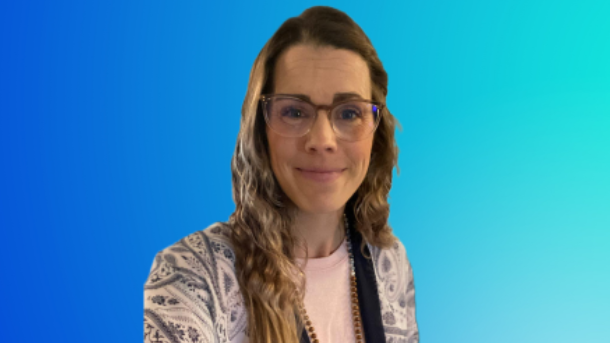
Kathleen Moro – Principal at Corpus Christi Catholic Secondary School

Kathleen Moro - Principal at Corpus Christi Catholic Secondary School
About Kathleen Moro

Kathleen Moro (@MrsKathleenMoro), is the Principal at Corpus Christi Catholic Secondary School in Burlington, Ontario. She has worked with the Halton Catholic District School Board for over 30 years in both elementary and secondary roles, including Special Education. 

Kathleen believes in student-centred decision-making and working with a collaborative team to ensure that students are supported throughout their academic journey.  With an inquiry mindset, Kathleen pushes her school communities to value dialogue, persevere through tough questions, and embrace mistakes as much as success! 

Kathleen is an avid supporter of the arts and athletics, recognizing that these are vehicles for student engagement, community building, and empowering young people to realize that they can make a difference in the world.

Connect with Kathleen: Email | Linkedin | Twitter

Listen Now

Listen to the episode now on Apple Podcasts, Spotify, or on your favourite podcast platform.

Resources Mentioned

Corpus Christi Catholic Secondary School

Halton Catholic District School Board

University of Waterloo

Butterflies in the Trenches by Curtis Carmichael

The Transcript

**Please note that all of our transcriptions come from rev.com and are 80% accurate. We’re grateful for the robots that make this possible and realize that it’s not a perfect process.

Sam Demma (00:00):
Welcome back to another episode of the High Performing Educator podcast.


Sam Demma (01:00):
This is your host and youth speaker, Sam Demma. Today’s special guest is Kathleen Moro. Kathleen is the Principal of Corpus Christi Catholic Secondary School in Burlington, Ontario. She has worked with the Halton Catholic District School Board for over 30 years in both elementary and secondary roles, including special education. Kathleen believes in student center decision making, and working with a collaborative team to ensure that students are supported throughout their academic journey. With an inquiry mindset, Kathleen pushes her school communities to value dialogue, persevere through tough questions and embrace mistakes as much as we embrace success. Kathleen is an avid supporter of the arts and athletics, recognizing that these are vehicles for student engagement, community building, and empowering young people to realize that they can make a difference in the world. I hope you enjoy this conversation with Kathleen and I will see you on the other side. Kathleen, welcome to the High Performing Educator. Huge pleasure to have you on the podcast today. Please start by introducing yourself.


Kathleen Moro (02:01):
Thanks Sam. I’m Kathleen Moro. I work for the Halton Catholic District School Board and I’m a Principal at Corpus Christi Catholic Secondary School in Burlington.


Sam Demma (02:11):
When in your own career journey, did you realize you wanted to be working in education?


Kathleen Moro (02:19):
Well, that’s a great question. And I think that it’s something that, you know, I was born into a family of educators, so I think it’s just something that’s always been in my blood. And like, it’s kind of funny when you go back and look at your, your own report cards from kindergarten grade one, it, it seems to be something that I’ve just always, you know, I’ve been kind of a leader I guess. And I liked playing school when I was a little kid, so I would set up all this stuff to animals. My mom was a teacher when I was growing up and my dad was a professor of engineering. So just been in the, in the family, in the genes, I guess.


Sam Demma (02:59):
Did they tap you on the shoulder saying this would be a meaningful career or did you discover that on your own throughout school and growing up?


Kathleen Moro (03:10):
I’d say a little bit of both. I think my dad always left the door open for anything that we wanted to do. And because he was in engineering, he was really interested in ensuring that his, he, I have a sister and a brother ensuring that all of us were being exposed to sciences and those kinds of things. But my mom, I think really, really saw a lot of herself in me. And she had been a teacher for her entire career and that was, you know, she was definitely guiding me towards that.


Sam Demma (03:41):
Take us back to the start of the journey, deciding to go to teachers college or whatever pathway you took, like bring, bring us through the, the journey.


Kathleen Moro (03:52):
Okay. So I can clearly remember having a couple of conversations about not being sure what I wanted to do even going from high school into university. I, I, I mean, I guess to my father’s chagrin, I was not the engineer daughter that he had hoped for. I wasn’t particularly strong in the sciences. I’ve always been a little bit more of a communicator language based dramatic that’s like type of a person, the arts play the guitar, you know, that’s kind of my forte. So when I was trying to figure out what to do with my life, and I knew that teaching was kind of a passion. I liked working with kids and I liked being in relationship with other people. I went to my mom and dad both and they had already kind of steered my brother and sister before me and, and my mom said to me, why don’t you go and talk to a teacher at your school who you really feel has had an impact on you and see what they say.


Kathleen Moro (04:59):
So I remember that conversation. I went to see Mr. Steve keen, who was my grade 13, cuz it was grade 13 back then he was my English teacher and I went to him and I said, I love English. I’m not really sure how to make a career out of that. And he sat down with me and he helped me pick out the right university. And you know, he knew my personality well enough to say, I think the university of Waterloo would be a good fit for you, which isn’t normally a school that people go to for for English and drama, but that’s where I went. So, and it was a great choice. I loved my four years there.


Sam Demma (05:41):
So you finished your four years? Yeah. And then what


Kathleen Moro (05:46):
Yeah. Sorry. I should kept going. No that’s OK. so then in that fourth year, you’re, you know, you’re starting to think about what you’re gonna do next at the time teachers college was only a year program. So I applied to various different teachers’ colleges because it was still something I, I wanted to do. And received a couple of offers. I ended up going with Brock university, partly because I was engaged by that time. So you’re making kind of life decisions about, you know, proximity to my fiance at the time and also wanting to be close enough to home that I could commute to the school, save a little bit of money that way. So did teachers college there for a year and had all of my placements were with I think they were all, no, I had actually two placements with my current school board that I’m working for now. And one that was amazing. It was with Waterloo and it was in an outdoor education facility where I was like teaching. I, I didn’t even know how to do this, but I was taught how to crunch trees, milk cows tent, farm animals, and then kids would come in on field trips and I would be teaching them. And that was such a cool experience. I love that.


Sam Demma (07:06):
That’s so awesome. Did, did you have a background working on a farm or anything or it was totally new experience.


Kathleen Moro (07:13):
that was just a complete, like, it was just amazing. It was just something that was kind of proposed to me as, Hey, here’s a cool potential option for a, a placement in outdoor education and no, I hadn’t ever experienced anything like that. I did a couple other outdoor education courses after that though. Cause I liked it so much.


Sam Demma (07:34):
And after the placements I’m assuming you, have you worked your whole career in this board or have you bounced around like tell me a little bit about the different roles. You’ve worked in within the school board.


Kathleen Moro (07:47):
Okay. So though I haven’t bounced around at all from, I’ve been with this school board the entire time. The thing that I think is one of the things that makes a career in education, such a good option is that there are so many different opportunities within education. So I started out teaching grade eight at an elementary school and then I moved to grade a five, six split. And then I moved to grade seven where I team taught with somebody. And then I moved to secondary school and I taught English for eight or nine years. Then I moved into special education and then I became a special education department, head vice principal, and now principal and over over my career, I think I have taught now in eight of our 10 secondary school, maybe seven, seven of the time, a lot of, lot of movement and opportunities to be a part of the staff that opened a brand new school. It’s just been such a rewarding experience to be able to be a part of so many different communities and see the, the diversity there too.


Sam Demma (08:59):
Tell me more about the rewarding aspect of the work you do. I, I think teaching is one of the most honorable jobs. You have the opportunity to influence young minds that one day could change the world and one day will. And you know, not only that is in your position, you also influenced the staff. But tell me a little bit about what you believe some of the rewarding aspects of the, the work you do are.


Kathleen Moro (09:25):
Yeah, so interestingly enough, I was just right before I, I got on this call with you. I was just on a call, I’ve got four kids of my own and I was just having that, you know, life chat with one of mine about what are they gonna do with their lives. And I said, you know, teaching is a great opportunity because you, you have your, you know, what you teach during the day, but then teaching also presents you with opportunities to do all of those other things that you love. So one of the rewarding things for me was I could teach English, which I loved doing in my classroom. But then after that I could help coach cross country or I could run a choir or I could have kids involved in a play. I did the Christmas float for years, and then you get to see kids partake in building a community together.


Kathleen Moro (10:15):
And that is very rewarding. So some of the, like of the things I have a bulletin board in my office that has pictures of me and a lot of the students that I would have considered gave me gifts like their, my time with them was maybe I gave them something, but what they gave me was, was like lasting memories of joy and of that. You know, a lot of them are kids who struggle and then became successful. So that’s what I find the most rewarding is when I can look back on the times that I spent with those kids who were struggling through high school, who now still stay in touch and they’re you know, they’re, they’re successful. They’ve just graduated from business school or they’re working as a dentist or whatever the case is, but they’re having a really tough time when you were 15 or 16.


Sam Demma (11:13):
If it isn’t too much to ask, can you share one of those stories, if you feel comfortable and you could even change the name of a student, if it’s a very personal one. I think the stories of transformation are one of the common trends that inspire other people to remember why the work in education is important and motivate people outside the vocation and job to consider actually getting into it.


Kathleen Moro (11:38):
Sure. I can think of one student. I think he’d be okay with me using his name, but I’m gonna leave it out just in case. Okay. So this this man now recently reached out to me and we’ve been in touch since he graduated from, from high school. But he reached out to me to ask if I would be a reference for him because he was applying to the O PPP as a police officer. And I said, I cannot believe how far you have come. Because when he was with, when we, when I was teaching, he wasn’t in my class, but we kind of got to know each other because he volunteered in a program that we had this school called best buddies and best buddies were students who helped. They were neurotypical students who helped students with developmental disabilities. And this kid was happened to be the friend of another boy who had a brother who had developmental disabilities.


Kathleen Moro (12:32):
So that whole group of kids was just an awesome group of kids. They all came together and wanted to be part of best buddies, kid struggled school with some behavior issues. He wasn’t like of the top of the, the class by any means in terms of academics. And he got into some trouble. And when he asked me for this reference letter, he said, you know what, when they call you, you can be completely honest because I already told him that I was suspended and I said, I said, okay, I was gonna ask me about that because they generally do ask questions of teachers. And and in his case, he, he had just, he was advocating for something, got really passionate about it, got into a bit of a conversation or a, I guess, a, a conflict with the vice principal at the time.


Kathleen Moro (13:22):
And, you know, used some language towards the VP that a VP couldn’t tolerate or, or accept. And he ended up suspended for a day or two. And he came to my office just fuming, cuz he knew he was gonna be going home. And you know, he said to me, I’m just so I, I don’t know if I even said this at the beginning of the conversation, but this is a black student. And at the, when he came into my office, he said, I’m so sick and tired of seeing only white teachers in this school. And I don’t have anybody that I feel like I can talk to who understands me. And, and I said to him, if you wanna see black teachers in this school, you need to be the black teacher so that other kids can feel, don’t have to feel the way that you’re feeling that they can, you know, they have somebody to relate to. And he said to me, when he was asking for the application, you know, or for the reference, he said yeah, I, I, I remember that. And I also wanna see black police officers and I want to represent and you know, those kind of transformational conversations. It, that, that really stuck with me because it made me, you know, as a person, white, cisgender woman of privilege, it really brought to me the, that feeling of reality for the students that I was dealing with in that community at the time too.


Sam Demma (14:46):
That’s so awesome. D do you know if he got the job or is it still he, so he is working for the O PPG.


Kathleen Moro (14:53):
He’s working for the O P I think he just finished his training. He is such a great I can say kid, he’s such a great kid. He’s such a great man. He’s he’s just like, that’s the type, he’s the type of kid who can walk into a room and light it up with his smile and just a decent human being who, you know, cares about everyone. So it’s absolutely the right profession for him, I think. And I’m happy for him that he’s met with success there,


Sam Demma (15:22):
Hopefully since then the school has become a little more diverse. Yeah. What are some of the challenges that are going on in education right now? And also because of them, maybe some of the opportunities that you think will come up as a result.


Kathleen Moro (15:42):
So actually not a bad segue because I think that, you know, just like everywhere else in the world, there’s a big focus on equity and inclusion and diversity and culturally responsive and relevant pedagogy. So one of the challenges that we have in education is to ensure that we are delivering curriculum from I guess from a place of recognizing our own bias when we’re doing that. So for instance, I can, I can think about when I taught English, even the material that we are now seeing in our English classrooms is changing significantly. So you know, we’re now looking at having material that’s written by indigenous authors. That’s written by black authors by Chinese Canadian authors. We have so much more available to students now that would reflect their own lived experience. So I think that, you know, in terms of it being a challenge, I think we do still have a lot of education to do. And I think our human resources departments still have a long way to go in terms of ensuring that the you know, that the makeup of staff, teaching staff and administrative staff is representative of the student groups that are at the school as well.


Sam Demma (17:02):
Got you. Yeah, it sounds like one of the opportunities is diversity, like really making sure that moving forward things are done with a lens of diversity in mind. One of my really close friends, his name’s Curtis Carmichael, he wrote an amazing book called butterflies in the trenches, and it’s about his story growing up as a drug dealer. And then turning his life around basically te teaching himself how to code starting an academy, like an accelerator for kids and his book is becoming like recommended reading and universities at U O I T. And it’s just like such a cool story. And when you talked about the changing of material in English, English class, he kind of came to mind that’s


Kathleen Moro (17:49):
Yeah. I, I will hand that recommendation on for sure. That’s fantastic.


Sam Demma (17:53):
Yeah, yeah, yeah. Curtis Carmichael, butterflies and the trenches. When you think about your journey throughout education, who comes to mind as mentors, people who have shown you the ropes, or you think you you’ve learned lots from maybe it’s other educators, maybe it’s even books you’ve read or programs you’ve been a part of, I’m just curious to know where you think your philosophies came from or teaching style.


Kathleen Moro (18:20):
So very early on in my career, I, I was, I struggled with classroom management because you know, I, I’m kind of a energetic type of person. And I think kind of what you bring with you into a classroom kind of gets mirrored a little bit by your students. So I, my classes were always a little bit more energetic and there were kids standing up and sitting down and in groups, and sometimes that’s hard to manage until you really learn how to. And so the first, I’d say first four years when I was in elementary, I really looked to a few people who could command a room just by merely walking into it. And I ended up doing my my project for my master’s in education, on classroom management, because for some people it just comes so naturally. And for other people, you really have to learn it and practice it.


Kathleen Moro (19:18):
So I had to go to to people who were really good at that. And so some of the mentors I went to there was one who was an educational assistant, who was in my classroom at the time, who was excellent with like conflict resolution. So Steve MCLA, who was one of my mentors early on my mother was always a mentor to me because she did have that ability to just walk into any room and command a presence. She’s like, she’s got that enviable gift of being able to work a room really well, too. So she can talk to anybody at any time and make them feel comfortable. I would say as I moved on, there were a couple of really strong administrators who, who I look to as my mentors and now probably two of my greatest mentors are people who are in senior administration, in our board as well.


Kathleen Moro (20:12):
So, you know, you look for those people who may just a little bit in the next role that you’re not, you haven’t yet reached because they’ve been where you’ve been and, you know, you can learn from those people. And I, you know, the first thing that popped into my head when you asked me who my mentors were, I thought about like my, my high school teachers that I really respected, but I also thought about the students that I’ve taught, because I think it’s really important to recognize that when I’m working with students, I learn probably as much from them as they learn from me. And I, I really like that, that that’s, that’s part of my educational philosophy really is. And you know that when you, you know, you respect a student, then they’re going to show you that same respect when you teach somebody something there’s so many things they can teach you. And it doesn’t matter that they’re only 14 or 15 years old, they’re living through a different time period at a different than you experienced. So yeah, lots, lots of different people I think had journey.


Sam Demma (21:24):
That’s awesome. It sounds like the philosophy is that mentorship is not really linear. It’s not about, you know, being side by side with people, your age, it’s also vertical, you know, on an age kind of graph, like you could be mentored by someone older or younger. I guess it’s that idea, that experience isn’t really solely dependent on age, right? Like someone who is 75 years old may have never spent a minute of their life picking up a camera, taking photos, but a 14 year old kid might have already taken 3000. And so experience is more about experience, like experience comes from experience. And the beautiful thing about life is that we all have very different experiences. And if you approach every, I guess, conversation like that, it, it sounds like everyone can be your mentor in some way. which is like a really beautiful perspective to take. You mentioned English being one of your favorite subjects. Has reading been a, a way for you to learn or also a hobby on your downtime? Growing up English was my toughest subject. although I developed a reading I a passion for reading after high school ended. I’m curious to know how that’s, how also played a role in your life.


Kathleen Moro (22:39):
I actually think that happens to a lot of people because you know, what you’re saying is that you eventually, because you were able to then choose the material, it was something that nobody was telling you, you had to. Right. I think I’ve always been, I’m not, I wouldn’t call myself an avid reader. I have more more recently, I, I listen a lot to audiobooks podcasts, that kind of thing. But as growing up, I was like almost solely dedicated to fiction. So I would read stories and kind of escape into that world. And like, I like movies, I like music. I like, I like all of those entertaining types of, of things, but also I’m about those character driven movies, character driven books. So anything that had a really strong character development story and I thought was always gonna grab me, I think more recently what I’ve been reading is a lot of autobiography I’m at, I guess I’m at a point in my life where you become reflective about what you’ve done. And so you know, I started looking at some celebrity biographies, autobiographies, that kinda thing, and, and you know, just seeing what their journey has been and how they got to where they got and what they’re gonna do.


Sam Demma (24:05):
Very cool. If someone was, I didn’t , this is on the small question. If someone was writing your, your biography and they asked you the question, if you could travel back in time to the first day you started teaching, but with the wisdom and knowledge you have now, like, what advice would you give to your, your younger self? Not that you would change anything about your journey or change anything about the way it’s unfolded, but just some words of wisdom that you thought may have been helpful to hear at the beginning of your career.


Kathleen Moro (24:39):
I think I would say don’t be so hard on yourself. Like I was just, I was, you know, slugging it out and I kept wondering why, you know, what am I doing wrong? Why isn’t everybody learning everything? And this was a grade eight class in portable with 32 kids. I remember some of their names still. And you know, they were, you have that many people in that smallest space and, and 14 year old boys and girls who need to move a lot. I think I was expecting more from them and too much from myself. So, you know, if I could go back and give that person some advice, it would be, you get to, you know, don’t worry less about what you’re teaching, worry more about who and how you are teaching, because all of it comes down to relationships. They will learn from you.


Kathleen Moro (25:35):
If you care about them, that’s basically it. And, and you know, it didn’t take me long to realize that I, I developed, you know, those those good parent or teacher pupil relationship with my kids. And I, I think it’s so funny too, that teachers generally will call that the people in front of them, their kids, they don’t call them their students. So I, I was with my kids today. And because it, it almost feels like that because you get to know them, especially when they’re in elementary school and you’re with them all day, every day, they become a really important part of your life for about a year. And, and in, in some cases that stays over time, you do develop that relationship with some of them where they come back and check in with you. But yeah, I think I would probably give myself the same, the same advice now. Just don’t be so hard on yourself. It’ll work out. Just, you just need to relax a little bit.


Sam Demma (26:36):
I have one of those security questions on my banking. That’s like, what’s the name of your favorite elementary teacher? it always makes you think about that individual. And when I was in high school or, sorry, when I was in elementary school as well, one of the teaching assistants in our classroom developed a really deep relationship with me and my good friends, Nick, Angela, and Raquel, and every once in a while will take her out to dinner and like catch up and back then she obviously couldn’t tell us too much or explain things. And now she’s like telling us all these cool things that were happening in the school that we knew nothing about when we were little kids and it’s really cool experience like full circle. And she obviously feels like she’s definitely made a big impact, right? I’m sure it’s a really cool experience for her. And it is for us as well. Don’t be too hard on yourself. I think that’s amazing advice. I’m going down a rabbit hole here.

Sam Demma (27:32):
Thank you so much for taking the time, Kathleen, to come on the podcast. Talk a little bit about your experiences, some of your philosophies around education. If someone wants to reach out, ask you a question, get in touch, what would be the best way for them to send you a message?


Kathleen Moro (27:49):
Probably through email. So that would be moroaa@hcdsb.org.


Sam Demma (27:59):
Awesome. Thank you so much for coming on the podcast. Keep up the great work and I look forward to talking to you again soon.


Kathleen Moro (28:04):
All right. Thanks Sam.


Sam Demma (28:06):
Hey, it’s Sam again. I hope you enjoyed that amazing conversation on the High Performing Educator podcast. If you, or you know, deserves some extra recognition and appreciation for the work they do in education, please consider applying or nominating them for the High Performing Educator awards, go to www.highperformingeducator.com/award. You can also find the link in the show notes. I’m super excited to spotlight and feature 20 people in 2022, and I’m hoping you or someone, you know, can be one of those educators. I’ll talk to you on the next episode, all the best.

Join the Educator Network & Connect with Kathleen Moro

The High Performing Educator Podcast was brought to life during the outbreak of COVID-19 to provide you with inspirational stories and practical advice from your colleagues in education.  By tuning in, you will hear the stories and ideas of the world’s brightest and most ambitious educators.  You can expect interviews with Principals, Teachers, Guidance Counsellors, National Student Association, Directors and anybody that works with youth. You can find and listen to all the episodes for free here.

Robyn Hollohan RMSS B.Sc, B.Ed, M.Ed – Junior High Science Teacher at Roland Michener Secondary School

Robyn Hollohan RMSS B.Sc, B.Ed, M.Ed – Junior High Science Teacher at Roland Michener Secondary School
About Robyn Hollohan

Robyn Hollohan (@kathholl99), is a junior high science teacher at Roland Michener Secondary School in Slave Lake, Alberta. She recently finished her masters of Education in Leadership and Inclusion. Her thesis on the “Impacts of Restorative Practices on a Northern Secondary School” is currently on the waitlist to be published by the Alberta Journal of Education.

While finishing her masters of Education she welcomed her son Bryce into the world during the chaotic pandemic of 2020. She has been teaching in Alberta for 9 years and has also taught in Nova Scotia and in Kenya. While in Kenya she worked under Canadian International Development Agency to work with students with disabilities in the low-income areas of Nairobi. She enjoys coaching basketball, volleyball and is the teacher liaison for her school’s student council.

This year her student council had the 2nd most money raised for the Terry Fox Foundation in Alberta (4,100$) and they have also raised over $5,000 for Movember, and other local charities this year.

Robyn’s focus on education has been from a restorative practice pedagogy where she believes that every student is a valued member of our community and we need to support their growth by providing safe, meaningful and impactful relationships in their learning journeys. She hopes to one day soon be a vice-principal in a school and build capacity within schools to increase student success. 

Connect with Robyn: Email | Instagram | Linkedin

Listen Now

Listen to the episode now on Apple Podcasts, Spotify, or on your favourite podcast platform.

Resources Mentioned

Roland Michener Secondary School

Alberta Journal of Education

Canadian International Development Agency

Terry Fox Foundation

Teachers These Days by Jody Clarington

Careers at the Royal Canadian Mounted Police (RCMP)

The Transcript

**Please note that all of our transcriptions come from rev.com and are 80% accurate. We’re grateful for the robots that make this possible and realize that it’s not a perfect process.

Sam Demma (00:00):
Welcome back to another episode of the High Performing Educator.


Sam Demma (00:59):
This is your host and youth speaker, Sam Demma. Today’s special guest is Robin Hollohan. Robin is a junior high science teacher at Roland Missioner Secondary School in Slave Lake, Alberta. She recently finished her masters of education in leadership and inclusion. Her thesis on the impacts of restorative practices on a Northern secondary school is currently on the wait list to be published by the Alberta Journal of Education. While finishing her master’s of education, she welcomed her son Bryce into the world during the chaotic pandemic of 2020. She has been teaching in Alberta for nine years and has also taught in Nova Scotia, and in Kenya. While in Kenya, she worked under Canadian International Development Agency to work with students with disabilities in low income areas in Nairobi. She enjoys coaching basketball, volleyball, and is the teacher liaison for her school’s student council. This year, her student council had the second most money raised for the Terry Fox foundation in all of Alberta; $4,100.


Sam Demma (01:57):
And they have also raised over 5,000 for November and other local charities this year. Robyn’s focus on education has been from a restorative practice pedagogy, where she believes that every student is a valued member of our community, and we need to support their growth by providing safe, meaningful, and impactful relationships in their learning journeys. She hopes to one day soon, be a Vice Principal in a school and build capacity within schools to increase student success. I hope you enjoy this conversation with Robin, and I will see you on the other side. Robyn, welcome to the High Performing Educator podcast. Huge pleasure to have you on the show this afternoon. Please start by introducing yourself.


Robyn Hollohan (02:38):
I’m Robyn Hollohan. I’m a junior high teacher in Slave Lake, Alberta. I teach science and I’ve just recently, I guess, finished my masters of leadership in inclusion education.


Sam Demma (02:50):
When did you realize throughout your own student journey and career journey that education was the calling and vocation for you?


Robyn Hollohan (02:59):
I think that was a tough one. Originally in school. I wanted to be a police officer and cause I always just valued how much they give back to the community. And then through my biology degree in university, it just struck me that kids were the way the future. And I think during that time I was reflecting back on the, the passing of an a relative and then how much they had changed everyone’s life. And I really wanted to do the same that she did.


Sam Demma (03:21):
Was she in education by any chance?


Robyn Hollohan (03:24):
Yeah, she was, she was my grade 8, 9, 10 teacher for home economics. And then when I was in grade 10, fortunately my auntie passed away very suddenly. And then at her funeral there was a lot of people there. So at the time I was just kind of like, wow, she had really, you know, made a difference, but now farther as an adult, it was like, yeah, she definitely made a difference. Cuz even when I’m now as a teacher in slave lake, I actually have a, a group of kids who I taught their parents and I’m not from Alberta. I’m actually from


Sam Demma (03:51):
That’s awesome. That’s so cool. And I mean, it sounds like your made a really significant impact among your own, amongst your own school journey as a student. Did you have any other teachers that had a significant impact on you personally? Yeah. That you could think of. Definitely.


Robyn Hollohan (04:09):
Yeah. I had this grade four teacher, Mrs. Weam. She was super, super stickler and she had helped me significantly. Remember my multiplication tables. I remember getting frustrated and not wanting to do it, but so many times she was like, Nope, Robin, you are going to do this, sit down and stop crying.

Robyn Hollohan (04:27):
She was just stern. And then I remember like hard work makes it, makes it happen and you know, yeah. At the time I definitely didn’t like her, but as an adult, I was very thankful.


Sam Demma (04:36):
So the, the sternness sounds like it helped, it sounds like sh as much as she was stern, she was probably also patient like willing to sit by you and help you kind of figure it out. Like, what are some of the things you think that she did and other educators you had that made an impact on you in terms of like the, I think it was


Robyn Hollohan (04:53):
The way that she cared about us and it wasn’t just that we were students in our class, but we were her own kids. Like she, I think had three or four kids of her own, her sons, but she also every day came in and just say, Hey, you know, Robin, I have a twin also, Rebecca, how are you doing guys? Like how’s everything at home. And she just genuinely cared, even though there was a lot of sternness and like I remembered the finger, she would point at you . But it was just that you tell, you could tell from her heart that she really wanted you to be successful.


Sam Demma (05:20):
Mm. So you got the glimpse in biology when you were going through your biology experience in university what did the journey look like once you kind of made the decision? I want to pursue this from that moment to where you are now?


Robyn Hollohan (05:36):
Well, the journey was a little different, cuz at first I was pursuing an RCMP occupation and I got all the way to the end of almost a depo posting. And I realized at that point it was just, my uncle had sat me down and said, well, Robin, I really don’t think this is for you. Are you sure you wanna go? I said, well, you know what? It’s, it’s a great career. They get back to the community. I said, yeah, but in the long run, do you ever wanna have to harm another human? If that’s what you have to do? And I just broke down and cried and I was like, no, I can’t do it. I honestly don’t think if I had to weight, raise my weapon, I’d be able to do it. He’s like, all right, you better call them back and figure out what you’re doing.


Robyn Hollohan (06:09):
And then I had more conversations with him and he was like, why did you never, ever want teaching? I said, well, I’ve always thought about it. I just didn’t think it was for me. I was like, yeah, well you’re patient, you care. You wanna give back? So why not teaching? So I had talked to some friends who were teachers and then I started to apply to a couple universities. And then I guess I just started to realize how much teachers make a difference and it’s not, you don’t have to be the author, you know, the, the dictator or the, the leader in every classroom. But it’s just how much that I remember teachers cared about me and it helped me be successful.


Sam Demma (06:42):
So you transitioned from the RCMP job. And did you have to go back to school to get more like education? Like what exactly was the path?


Robyn Hollohan (06:54):
Yeah, so I was in my last year of my biology degree. Would’ve been my fifth year and when I applied for all that stuff for the RCMP, and then during that time I had just had said, all right, I need to, I wanna be a teacher. I need to figure it out. So I had to go back to teaching school for two years and Halifax, Nova Scotia. And that was an interesting path. Cause I ended up playing university volleyball for the two years I was there just because I was tall and I could play. And the coach was like, you better be trying out girl


Sam Demma (07:22):
that’s. That’s amazing. And then, so you finished you finished school, you finished volleyball. Did you start applying and landed in the position you’re in now?


Robyn Hollohan (07:33):
It was an odd journey. So where I was in Halifax, they do like a teaching job fair from everywhere at west. Basically Northern communities come into Halifax and do a job fair for teachers. Okay. And I had done a couple interviews and then I got offered a position for a school division in here in Alberta, but in the Northern parts, it’s called the for Vermillion school division. Nice. It’s quite remote. It’s about an hour and a half from the Northwest territories. And within hours of doing the interview, they offered me a contract, asked when I could come. And I was like, well, September. And it was pretty exciting and that, I didn’t know where up there I was going, but ended up in a beautiful little town called high level Alberta and made some incredible, incredible context. And then two days later I actually was on a flight to Kenya where I didn’t the rest of my teacher practicum in Nairobi in Africa.


Sam Demma (08:24):
No way. Tell me about that experience. You, you kind of just, that was a, that’s a big, that’s a big journey. Tell me what brought you out there and what that experience was like. My, my sister in her fourth year of film and media production did a documentary just outside of Nairobi. I can’t remember the name of the city, but they were there for three weeks and she said that the interactions with the people and the, the kindness and the generosity and the humanity like changed her life and perspective. I’m curious to know what brought you out there to finish it and what the experience was like.


Robyn Hollohan (08:57):
Well, just before Christmas, that year I went, we applied for a grant with the Canadian international development agency and myself and three other, my colleagues my Stu I guess my classmates at the time had gotten the position to go. So we left, I think the beginning of February to go for eight weeks, no, nine weeks. And then we got over there and we were working with mostly with students with disabilities. So we started off, like, we lived on campus at university, which is quite different because it’s, it’s not like a campus life that everyone pictures everywhere else. Cause I I’ve lived on that. It’s, you know, it’s very rough and different environments. And then we had taken like little either motorbikes or taxis or these little tutus. They’re like little tiny minivans with like a driver to different schools, different like cuz they don’t have like inclusion there.


Robyn Hollohan (09:48):
Any of the kids with disabilities are either unfortunately not treated very well or if they are in education, they’re in a separate building in like a completely separate school than anyone else, which is quite different and it was quite shocking. And then we visit a lot of the slums and we did get to visit like a private school, but we didn’t stay there long. We really didn’t enjoy the atmosphere. It wasn’t what we were there for. And then we worked with a non-for-profit called start small and helped them with children who were victims of abuse.


Sam Demma (10:17):
Wow. what was the duration of your entire trip and how do you think those experiences kind of shaped and informed the way that you look at teaching and education to today?


Robyn Hollohan (10:27):
So I ended up staying there for almost 12 weeks. I stayed for a couple weeks after and traveled around. But it completely changed my outlook. I didn’t, you know, we didn’t have a lot when I was a kid, but I, we, we had enough and it, it was so different to see children, either being treated differently because they had disabilities or not having the things we’d had, you know, like we brought crayons and all the kids stood up and cried. They haven’t seen full crayons. Like just, I don’t know. We take for granted at the little things or even pencils. They were like writing with the tiniest little nub of a pencil and just tell the absolute end. And I remember kids in my first practicum in Halifax just snapping them. Wow. So that was super hard. But then the way students also responded to authority was much different.


Robyn Hollohan (11:09):
You know, they, they stood when you entered the room, they wouldn’t sit down until you said you could sit, which I found hard in one day. I actually didn’t believe it. So I just waited a second and I was like, oh, oh my God. They’ll stand until until I tell them to sit. I was like, okay, sit. And they’re like, thank you, miss. Yes, miss no miss. And it was just, it’s different, so different, but they love not that all kids don’t love school, but they genuinely loved being there cuz not everyone could get to go to school. A lot of the kids walk a really long distance or they’re at a boarding school and they don’t see their families for months on end.


Sam Demma (11:45):
Wow. Yeah. That’s a, a unique experience and I think a really helpful one before you get into education in north America, you know? And do you think traveling, if you can, when you’re just getting into education is a worthwhile thing to do or an opportunity to take for someone who’s just considering getting into teaching.


Robyn Hollohan (12:06):
Yeah. And even just get outside of where you’re from and where you would wanna teach, you see different parts of our country. Like I grew up in Newfoundland, so I was fortunate to be in their school system. And then I did my teaching degree training in Nova Scotia and then my then Africa and Kenya. Yeah. And then I taught in high level in Northern Alberta. So seeing the other settings kind of made me understand that not every system is the same, but all of our kids really in some way are the same. They wanna learn. You just have to find someone who cares about them.


Sam Demma (12:33):
I love it. So you, so you went to Nairobi and you spent 12 weeks there, you came back, you applied you got a fulltime position. Not in the school board journey now. So what was the journey from that to today?


Robyn Hollohan (12:49):
I actually met my spouse when I was in high level. Nice. we’ve been together nine years now. So then his son actually lived here enslaved lake Alberta with his mom. Okay. So after we were up north for a couple years, we wanted to be closer down here to him. So we moved down to slave lake, which was also hard. Cause you go from like, there was nothing in high level. They got a Tim Hortons my second year there. And that was huge because there’s no Walmart, there’s no Costco. There’s nothing like it’s dark by two o’clock in the afternoon. The sun might come up at 10 in the morning for some days in the winter. So it was really isolating. And then coming here, we have Walmart, the school is massive. The school is 700 kids from seven to 12, which I was used to maybe 300. So it like doubled.


Sam Demma (13:33):
Wow. Wow. Cool. And have you been in different roles in the different schools you’ve worked in or what is your yeah. What is the role you’re in now and what various roles have you been in? Pretty easily.


Robyn Hollohan (13:46):
Okay. So when I was up north, I was still like, it’s hard up there cuz a lot of the younger teachers tend to take on leadership very fast because the turnover’s really high. Not a lot of people stay in Northern communities very long and even my four years there I think most years on staff, we had at least six or seven brand new teachers, like just out of university where that’s quite rare in most teaching practices. So even in my second year I was mentoring a first year teacher. Wow. And which was different. Cause I still felt, I wasn’t really, you know, I didn’t have the ground underneath me yet. But then since I moved here, I have been mentoring other teachers. I was active administrator before I went on maternity leave last year. I’m a 20, 20 pandemic mom.


Sam Demma (14:27):
Woohoo. yeah.


Robyn Hollohan (14:29):
That’s and then now being back this year, I have a student teacher she’s actually in my class today. I’m off for some medical appointments. So I’m mentoring a student teacher.


Sam Demma (14:37):
That’s awesome. Very cool. This, yeah, that’s great. It’s cool that you hear that you’ve done some different positions and also mentored some educators. I know mentorship is a huge part in no matter what career you choose to get into, but especially in education, it’s a big part of the journey. Do you have some people that have mentored you? I know we talked about teachers earlier that have had an impact. I’m curious when you started going down this path what other educators have been impactful on your professional development or mentorship?


Robyn Hollohan (15:08):
I guess like when I was up north, one of the vice principals, her name was Anna, she just had a harder gold. And I remember telling her, I don’t know how long I could live in the darkness. And it was just hard. Like, you know, the, the cold it’s minus 40, most of the winter, your eyelashes freeze, the kids and the culture was so different. There’d be times where like most the class would be absent because they’re gone hunting wow. A large indigenous population or some kids just hated school and they just didn’t come. And so she just said, talk to me and asked me what were my long term goals? And I said, well, my spouse and I, we do wanna be near his son eventually. And I do wanna be a leader eventually. So she had like gave me the ins and outs of leadership and evenness like just a person and just, you know, she was always there to listen to. And when you had a bad day, she’d, you know, pull up a chair, get a coffee and like cry, which is great. And sometimes people to do that for you and helps you just see it’s okay to be upset. And that we’re human too.


Sam Demma (16:02):
Yeah. A hundred percent. I love that. When you think about that, that idea of it’s okay to not know the answers and it’s, it’s also okay to, to be human. What other pieces of advice kind of come to mind that you have? Cause that’s obviously a great learning. What other things kind of come to mind that you think have been helpful for yourself throughout your journey in education and maybe the way you can think about this is if you could speak to yourself when you were just starting knowing what you know now with the experience you have, like what would you have told your younger self or someone else who’s just getting into this work


Robyn Hollohan (16:39):
Say no more often.


Sam Demma (16:41):
I love it.


Robyn Hollohan (16:43):
I think a lot of new teachers like are always looking to impress and they’re always looking to take on, you know, how many teams can I coach? How many clubs can I run? Yeah. And it’s great to like give back, but you also to take care of yourself and that like statistically one in five teachers in their first five years burnout and stop teaching. So there’s a reason, right? And the system is hard to get in to get your permanent certification. So I mean, it’s pick a couple good things and stay good at them. Don’t overwhelm yourself and take the time for yourself. Like your mental health is so important. It is so tough now, especially with, you know, the pandemic slowly, slowly trickling away. But a lot of teachers and staff are just exhausted and you’re taking care of your mental health and yourself is the best thing you can do.


Sam Demma (17:26):
Such a good piece of advice, just don’t say no to Sam demo’s podcast interviews. That’s the only thing


Robyn Hollohan (17:31):
Yes. Do those


Sam Demma (17:34):
But I love that advice. I think I struggle with that. Some part of us feels guilty when we, you know, turn someone else down or turn down an opportunity for our own mental health reasons. We might feel like we’re letting somebody down, but really I think it’s beneficial for everyone involved you benefit because your mental health is, is better and you’re not biting off too much than you can chew. And there’s probably someone else who has the capacity to fill the role. If you say no, that could even potentially give it more energy time and do a better job. So I think no is important for everyone. Not just not just the person saying it or the person receiving it.


Robyn Hollohan (18:11):
Yeah. And it’s, I’m not perfect at it yet. It’s still hard, but like my, my sons will be two in July, but I start to think about, you know, like there’s only so much of me I can give and I wanna make sure my son gets enough. My spouse gets enough and my students and you know, you only have so much on your plate and that you gotta take care of yourself is really important


Sam Demma (18:29):
And you get enough of yourself. yes.


Robyn Hollohan (18:31):
And yes. And you know, and you gotta your own, your own self, your own body and your mind and your soul.


Sam Demma (18:36):
Yeah. Speaking of taking care of yourself what keeps you motivated and inspired and you know, showing up with a full cup when you’re not working or in school virtually or in person, what do you spend time doing to kind of refuel and take care of yourself?


Robyn Hollohan (18:51):
I read a lot, like I’ve been reading a lot of Dr. Jody Carrington. She’s like a psychologist who tells like teachers basically to like with a lot of cost words, to relax and to think about why they become teaching. She’s great. I won’t mention any of the things she talks about, but


Sam Demma (19:05):
What are some of the books? Do you remember any of the titles of the books or


Robyn Hollohan (19:07):
One of them is called teachers these days. I just


Sam Demma (19:12):
Read after Jody Carrington. Cool teachers.


Robyn Hollohan (19:14):
Yeah. Kids. It keeps Kesy stays and teachers, these days is the new one and it’s great. Cuz it just, it kind of make, have you have, have a good laugh about your job, cuz sometimes even in the hardest moment you do need to unwind and relax and think about everything and I don’t know what else do I do? I love craft beer. We have a local brewery here in slave like dog island brewer is really good. So we go there and just try to relax. Try not to think about life too much and prepare for our next travel or my next goal on my massive checklist, whatever it may be.


Sam Demma (19:44):
That’s awesome. Very cool. And if someone is listening to this right now, thinking to themselves, they would love to chat with you, ask a question, have a conversation. What would be the best way for them to reach out and, and get in touch?


Robyn Hollohan (19:59):
I’m on Facebook, Robin Hallahan they can message me Instagram. I think it’s @kathholl99. I tried to avoid students searching me and just email on my emails too; RobynKHollohan@gmail.com. Cool. But I’m always easy to chat. I always like to talk to other educators just to see what they’re doing and to, you know, figure out the balance. And that’s the most important thing, you know, like I think I mentioned to you before my interview, I also finished my masters during the pandemic when my baby was at home. So trying not to overwhelm yourself, but you know, pick the goals that are achievable, but you know, within a certain, you know, stretch, you don’t wanna make yourself too burnt out.


Sam Demma (20:35):
Yeah. How, you know, before we wrap up here, how do you balance all the different, you know, containers you’re juggling master mom, teacher, like what has been helpful in managing time and energy organization?


Robyn Hollohan (20:49):
I have like a massive checklist in our kitchen of like things that are coming up and then sticky notes. I think I need to invest in the sticking out stocks I just honest to God use probably hundreds a day and my students think it’s hilarious, but that’s you just, you know, you think of something that you’re not sure when you’re gonna remember it. So it’s a sticky note and it’s bad. Cause it’s, I don’t even go into the note section on my phone. I put the sticky note on my phone or it goes on my computer screen or it goes on my mousepad or wherever it may end up there’s it’s just reminders and organization. And then I think the biggest thing is to just make sure whatever you choose to do is making you happy. And at the end of the day, you’re not like, why did I decide to do this? Why what’s the reason so that you’re not completely upset with your choices.


Sam Demma (21:36):
I love it. One final question before we wrap up here. You mentioned reading a lot, you mentioned Dr. Jody Carrington. Have you found any other resources helpful among your, your journey in education, whether it’s courses, books, people, things you’ve watched, things you’ve read, that you think would be worthwhile to share?


Robyn Hollohan (21:56):
I guess it’s a lot of stuff. Depends on where you are in your life and stuff. I’ve been doing some like just self searching to try to figure out I have like a, really A type personality overachieving. So I try to find some stuff to dial that back. I’ve always been a fan of Bill Nye the science guy. I don’t know why. I just find no matter how old or young you are, you can listen to him and have a laugh so any podcast that he’s been posting out oh my goodness. My brain’s not quite sure.


Sam Demma (22:23):
No, those are good.


Robyn Hollohan (22:23):
There’s a lot out there. Or even just like, not necessarily the stuff online, but your colleagues or people around you. Sometimes they have the wealth of information and the capacity building that you may never ever ask any. They can be there one day for you that you might, you know, they take the chance to take the offer or be there for them.


Sam Demma (22:40):
Love it. Love it. If anyone has any questions, I’m sure they’ll reach out. I’ll include your email in the show notes of this episode and also on the article we post on the High Performing Educator website. Robyn, thank you so much for taking the time to do this. I appreciate you. Good luck with the rest of your endeavors in education and the family. Keep up the great work and we’ll talk soon.


Robyn Hollohan (23:00):
Thank you.


Sam Demma (23:02):
Hey, it’s Sam again. I hope you enjoyed that amazing conversation on the High Performing Educator podcast. If you, or you know, deserves some extra recognition and appreciation for the work they do in education, please consider applying or nominating them for the High Performing Educator awards, go to www.highperformingeducator.com/award. You can also find the link in the show notes. I’m super excited to spotlight and feature 20 people in 2022, and I’m hoping you or someone, you know, can be one of those educators. I’ll talk to you on the next episode, all the best.

Join the Educator Network & Connect with Robyn Hollohan

The High Performing Educator Podcast was brought to life during the outbreak of COVID-19 to provide you with inspirational stories and practical advice from your colleagues in education.  By tuning in, you will hear the stories and ideas of the world’s brightest and most ambitious educators.  You can expect interviews with Principals, Teachers, Guidance Counsellors, National Student Association, Directors and anybody that works with youth. You can find and listen to all the episodes for free here.
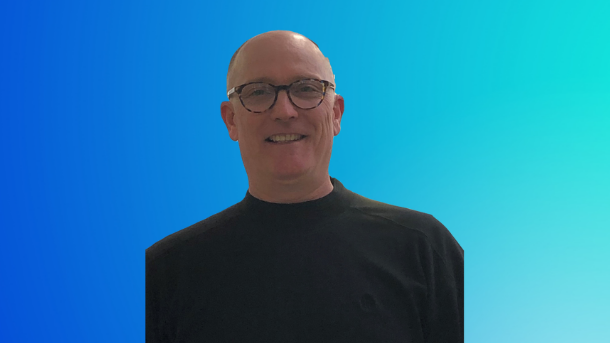
Julie Mathé – Principal at St. Mother Teresa High School

Julie Mathé - Principal at St. Mother Teresa High School
About Julie Mathé

Julie Mathé (@JulieMathe66) has been an educator with the Ottawa Catholic School Board for over 25 years. She began her career teaching multiple subjects in the intermediate panel and honed her craft in the secondary panel teaching French Immersion and Religion Immersion. She moved into administration where she began her role of vice-principal at Immaculata High School.

Julie was then assigned to St. Patrick Catholic Intermediate School, followed by St. Francis Xavier High School and finally St. Joseph Catholic High School. With 11 years as vice-principal, Julie was appointed Principal of Frank Ryan Catholic Intermediate School and then St. Mother Teresa High School, where she currently works.

Julie loves what she does and has a passion for uplifting staff and students. She is currently also teaching PQP II for CPCO. Julie is wife to James Paterson and proud mother of two daughters, Anjelia (22 yrs) and Sabrina (20 yrs). She also has two cats and a dog. She loves spending time with her family.

She is grateful that her daughters still like to plan activities with her on a daily basis knowing that this could change at the drop of a hat. Julie also loves music and playing pool. Once retired, Julie hopes to travel with her family.

Connect with Julie: Email | Twitter

Listen Now

Listen to the episode now on Apple Podcasts, Spotify, or your favourite podcast platform.

Resources Mentioned

St. Mother Teresa High School

The Ottawa Catholic School Board

Principal’s Qualification Program PQP

The Transcript

**Please note that all of our transcriptions come from rev.com and are 80% accurate. We’re grateful for the robots that make this possible and realize that it’s not a perfect process.

Sam Demma (00:01):
Julie, welcome to the high-performing educator. Huge pleasure to have you on the show this morning; please start by introducing yourself.


Julie Mathé (00:08):
Oh, my name is Julie, Mathé and I am the proud principal of St. Mother Theresa high school in Neapan, Ontario. And we work under the Ottawa Catholic school board.


Sam Demma (00:17):
Beautiful. first of all, I apologize. I love the way you pronounce your name way more than the way I did.


Julie Mathé (00:24):
It’s all good.


Sam Demma (00:25):
When did you realize growing up that education was the calling for you or the career you would get into?


Julie Mathé (00:34):
Well, like many other educators, I was inspired by teacher at a very young age. I grew up in a French Canadian home and attended a French Catholic school. I only spoke French and when an English Catholic school was built much closer to home, my parents enrolled me in that new school. So entering grade five with all new students, the new French to make, not speaking a word of English was pretty scary to say the least. I was really an English language learner when programming for students like that didn’t exist. Mm. My teacher at the time took the time to get to know me, my interests, my strengths and weaknesses. He made appropriate accommodations for me to reach my personal goals and then got me involved in school activities. He did everything he could to help me succeed. And that’s when I knew I wanted to do the same thing and I wanted to have that positive impact on youth. And as I ruined my career as a classroom teacher in the auto Catholic school board had leadership opportunities and experience working with great administrators. I discovered my passion and vocation for leading.


Sam Demma (01:45):
I love that you mentioned you were really young and that teacher made an impact. Bring me back into that situation for a sec second, and kind of shed some light on the things that that teacher did for you that you think looking back made a really big difference.


Julie Mathé (02:00):
Just really getting the time taking the time to get to know me more on a personal level. And he found out very quickly that I was quite athletic mm-hmm. And so he was one of those teachers that coached a lot of things at the school and just got me out on those teams and participated and helped me make friends. And he, his wife at the time was also French speaking. And so there are times even during the weekends that with my parents’ permission, I would go over with some other students and spend time at their pool. And just, just taking, just really spending quality time with me. And even those accommodations in the classroom were as simple as you know spelling didn’t count as much when I wrote things out. As long as the content was clear he gave me extra practice to do at he worked with my parents to help me get some extra supports and, and some extra learning as an English language learner. Like he was like phenomenal. And, and just to add, he actually, we became very close and he followed me throughout my schooling career as well. Oh, wow. And he actually named his daughter he gave her my name as a middle name, so, oh,


Sam Demma (03:24):
Wow.


Julie Mathé (03:24):
Wow. yeah. Very special relationship.


Sam Demma (03:27):
It sounds like he just really cared about you as a person and went above and beyond to help you.


Julie Mathé (03:35):
Oh, completely, completely.


Sam Demma (03:38):
So tell me more about the moment you got into education. What the journey looked like that brought you to where you are today, like the different schools you worked in and yeah, the different roles.


Julie Mathé (03:50):
So I, I was very fortunate that I worked in a number of schools and one of my goals when I became a teacher was not to stay at the same school for a very long period of time. So I could experience working with different people, different demographics of population working with different administrators. And so I’ve been in above five or six different schools. And I first started as a teacher of many different subjects between grade seven and grade 10. And I actually traveled from classroom to classroom and between school and portable my first couple of years and finally settled down in teaching at the grade seven, eight level for about four years. And I taught all French courses. Nice. So whether it was religion and French, the language itself history, geography and so did that for a few years and then moved into teaching high school and basically taught in grades nine to 12, almost every subject you could teach in French. And then really honed in, in my last few years in the classroom as a grade 11 and 12 French and religion teacher. And I was a department head at the time and I worked with great administrators who maybe saw some potential there and got some practice work in the office as an acting vice principal and decided to do the journey, taking the courses required to become an administrator. And then the rest was history. I became an administrator and I’ve been an administrator for about 16 years. Now.


Sam Demma (05:34):
You mentioned getting into administration helped you realize how much you love leading. What about leadership and leading do you love, what are the things that you think make it such a meaningful role and opportunity?


Julie Mathé (05:51):
I think the great thing about leading is once you’ve gained a lot of experience and had experience in many different schools you’re able to bring things to the table that we call best practices. And so I was able to bring best practices to schools that I’ve that I’ve worked at. And also in being in different schools, every time I joined a school, I learned their best practices as well, and just marrying those together and being able to move a staff along in their journey of lifelong learning in their journey of what it means to teach now in the way we’re teaching. It’s very different from even when I started teaching leading has become more of bringing people along and not shutting people out. And there’s nothing I love more than to see people come together and collaborate and work for the same goal.


Sam Demma (06:51):
I love it. What are some of the challenges that come along with leadership, but also some of the pros or opportunities?


Julie Mathé (07:01):
I guess some of the challenges are when there’s resistance to it and you know, that what you’re trying to do is needed work and good work. And I always say you know, doing God’s work is, has never been easy. And being a leader is very similar. You do come across those challenges and those you know could be difficult parents. It could be difficult students, it could be difficult staff but it’s too hone your skills on having those courageous conversations and still move the, that middle crowd along and hopefully get those that are questioning to start seeing the good that’s being done. So that’s I guess, kind of a, a pro and con in one. Yeah. I have to say that the most recent challenges really have been around this pandemic and how to support students and staff with their morale.


Sam Demma (08:00):
Hmm. With challenges come opportunities, or at least I believe that to be true. yes. What do you think some of the opportunities that are presenting themselves in education are right now?


Julie Mathé (08:14):
Well I think the greatest opportunity we have right now is is this, I call it an awakening that our world is finally having around equity. And I have to say that, you know, aside from youth and, and faith, my faith, this awakening has given me hope, and this is an opportunity for us to work even harder than ever to end racism and promote equity. With the most recent wrongful deaths and accompanying discoveries we’ve been awakened, shaken and forced to take action, and we’re doing just that in our school and, and in all our schools in this board.


Sam Demma (09:00):
I couldn’t agree more, I think being stuck at home and also being confronted with all of these challenges has given us all, hopefully the time to reflect as well on our own actions and our collective actions that have an impact on the people around us. And yeah, diversity and inclusion has always been important, but I’m so glad that a spotlight has been placed on it and actions are being taken to change things and actively work towards improving situations for many different groups of students and learners and human beings.


Julie Mathé (09:33):
Abso absolutely. And, and we have to be intentional about the work that we’re doing. We have to say it out loud. We have to show it in our buildings, in our classrooms. We have to walk the talk. These kids have been marginalized for their entire lives. Yeah. And unfortunately it’s taken, you know, these horrible acts in the world to bring it to light and for us to really take a good look at it and look at, take a good look at ourselves. And yeah. And there there’s, there’s no more excuses for us.


Sam Demma (10:11):
What are some of the things that have gone on in the school or in the classrooms that you’ve witnessed or other teachers in your school have witnessed that give you the hope that things are moving forward?


Julie Mathé (10:24):
Well as I mentioned, we are all doing work in our schools and, and St Mary therea high school is no different. We’ve done a lot of work around equity. And so we’ve taken the time and continue to take the time to educate and inform both staff and students. Nice. We wanna create a better understanding of our student population, which in turn further promotes, respect and kindness. We’ve made our support very visible whether it’s pride posters or symbols in every room, we have a gay straight Alliance. And we, they have a very strong student voice that we support. We have a black student association and they have a very strong voice. We’ve just finished a full month celebration of black history month. We have a, a wall in our atrium called the unlearn wall. Ah, and it’s pictures of different skin tones to show that we are more alike than we are different regardless of our skin color. We have a lot of indigenous art in the atrium. We have a new Muslim student committee nice that just wanna share their culture with everyone and educate everyone. We’re making sure now that our curriculum reflects every student, including their culture and we just, at the end of the day, Sam, we want this to be a safe place for students and families. So everyone needs to see themselves in our school and feel safe.


Sam Demma (11:51):
I love it. I absolutely love it. I it’s funny when you talk about the atrium, I was thinking about like the, the a, I think there’s like a piece in your heart called the atrium. That’s like a valve and it’s like the heart of your school has all this important stuff in it. And that’s what kind of came to mind visually, like you’re working on the heart of the school with these topics and, and projects, which is amazing. What do you.


Julie Mathé (12:15):
Absolutely.


Sam Demma (12:18):
What, what are some of the things you’re excited about in education over the next couple of years that you think will continue to change or grow or evolve?


Julie Mathé (12:28):
I, I think one thing I’m obviously passionate about equity and I think that’s gonna continue to evolve. Yeah. And I’m so excited to see where it takes us. I, I’m excited as an administrator, but I’m excited as a mom. Yeah. You know, just to see where where we go with this. And and I hope we go all the way yeah. The other thing I’m excited about is just the idea of having now our school board has two schools that are virtual schools, one for elementary, and one for seven to 12. And that was formalized last year during the pandemic. And I’m excited to see where that goes because it has certainly helped a lot of our students, especially those that had a very difficult time being in a bricks and mortar type of school.


Julie Mathé (13:18):
Think of kids that have, you know, anxieties or depression or students that have needs at home that is really hard to leave the home. I think this is doing a lot of good for them and giving them every opportunity to succeed. Like every other student in a bricks and mortar type is school. So I’m really excited about that. I’m also excited about where we’re going with the grade nine program being a D streamed coming September, see what that looks like and see what assessment around those courses look like. If that changes at all, just to help improve a student confidence and self worth.


Sam Demma (13:59):
You mentioned earlier, morale has been a challenge. How have you noticed that and its effect on the school community?


Julie Mathé (14:10):
Well it, during the time that we were I’m gonna call it basically in lockdown, even though we had students in the building, but we didn’t have all students in the building at the same time. You could tell students, even walking through the building, we’re happy to be in the building, but just didn’t have that extra hop in their step. You know, their, their movement in the school was so limited because of C and we didn’t have opportu opportunities like sports or committees. And so it, it was challenging for them. And even though they, they did really wanna be here at the school, most of them anyhow. And so we had to do some work around how do we uplift their morale and, and same with staff, you know, a lot of what was missing for staff was that social aspect, because they were in the classroom for long hours with the students as well, without much movement. So we had some work to do around that.


Sam Demma (15:08):
Got you. Awesome. when you think about, you mentioned the one educator who had a big impact on you as a student point, you think about your journey into administration, your journey into education. Do you have any other mentors or resources? Sometimes people are a resource, but also maybe some courses or books or things that you found helpful that you learned from along the way?


Julie Mathé (15:32):
Well, I I’ll say two things for sure. I definitely had like I said, I mentioned before I worked with some great administrators and nice, and you take the best from the best and, and things that you don’t like or things that don’t suit who you are, you don’t take with you. So I got to take a lot of things of how, how they, how they look at the process of, of running through scenarios, how they work with staff little things that they do to uplift staff things like that. Definitely took a lot of that with me. A sec, the second thing is the courses that we take to become an administrator are phenomenal professional development. Even if you’re not going into administration, you learn so much from those courses that you get a better understanding why administrators made certain decisions in a school, and it’s kind of an aha moment that I had in taking those courses and kind of come full circle where I’m now one of the co-instructors for the principal’s qualification course.


Sam Demma (16:40):
Nice. That’s amazing. It’s PQP right?


Julie Mathé (16:45):
It is PQP

Sam Demma (16:49):
I’ve had other guests tell me about it. I did a little bit of research on it just to familiarize myself with it. What does the process look like for an educator who loves their work in the classroom, but would like to maybe one day get into administration?


Julie Mathé (17:04):
Well aside from taking the necessary courses, it’s is taking every opportunity to get some leadership experience and that could be in a variety of ways. It doesn’t actually have to be as an acting vice principal the way I did, but I could certainly look as if you’re leading a large committee on the school. You’re part of a committee at the school board level. You’re, you’re coming in and, and asking questions. You could spend half a day with an administrator to see what it looks like. There’s just different ways of, of learning about the role rather than assuming what it looks like because of what you think you see, cuz there’s so much more that goes on behind closed doors. And, and what I often say to teachers going into administration is first of all, they will love it.


Julie Mathé (17:58):
Mm. Secondly your relationship with students does change. You’re not the quick go- person that you are in the classroom, especially, especially if you were a successful teacher where you were popular and you knew kids wanted to take your courses that relationship changes, but it changes in the way that you’re helping the student as a whole now, and you’re also helping their family. And that’s a different relationship relationship that you start building. And the rewards for that are tremendous. You just feel so good when, you know, you’re making right or better decisions for students and their families. And you’re able to support them in ways that you wouldn’t do as a classroom teacher, you know, whereas you’re connecting them with resources in the community or you’re connecting them with a social worker or you’re providing support financially. It’s it’s, it’s different and it’s really good.


Sam Demma (18:58):
I’m curious to know if you could bundle up all your experiences in education teaching and learning from others and go back in time, tap your younger self on the shoulder and say, this is what this is something that I would’ve liked for you to have heard when you just got into this work, like knowing what you know now, what advice would you share with your younger self? Not, not because you wanna change something about your path, but for another educator who’s listening to this. Who’s just starting in this vocation. What would some words of advice be?


Julie Mathé (19:35):
The vocation of administration?


Sam Demma (19:37):
Mean just education as a whole, like teaching and getting involved.


Julie Mathé (19:42):
As a classroom teacher, it would be to observe other teachers learn about the school culture come in with ideas, but be open to what you’re hearing and try things before you suggest new ideas.


Sam Demma (19:59):
I love that. And it sounds like you may have even had some other pieces of advice for administration if someone was just getting into an admin role, would the feedback be similar or


Julie Mathé (20:12):
It, it would well, they, the listening piece and, and the watching for the first year. Absolutely. Yeah. But the most important piece is to learn to live in the gray. There’s no black and white in administration. And although we do have rules and policies and guidelines, there is a gray area for for extenuating circumstances. So you do treat every student and every family different because they are different, but that’s your work around equity. That’s how it becomes an equity piece. And so you have to be able to work in the gray and you have to be able to listen with empathy at all times,


Sam Demma (20:53):
You exude enthusiasm and positive energy and hope. What, what, what inspires you and motivates you to show up every single day and continue doing this amazing work?


Julie Mathé (21:06):
I absolutely, as you can tell, I love what I do. Mm. I, I say probably weekly to someone who asks me or someone who doesn’t even ask me. I love what I do. I have hope because I have my faith. I have hope because I have a family that supports me. I have hope because I see change in our world for the better. And and I get to work with young people and may keep me vibrant and hopeful.


Sam Demma (21:38):
I love it. if someone would like to reach out and borrow some of your positive energy by ranging a phone call or asking you a question, what would be the best way for a fellow educator to get in touch with you?


Julie Mathé (21:51):
They can certainly access our school website, our St. Mother Theresa high school website. And my email address is right there.


Sam Demma (21:59):
Awesome. All right, Julie, thank you so much for coming on the podcast. It is a pleasure to have you keep up with the great work and we’ll talk soon.


Julie Mathé (22:07):
Thanks so much, Sam. I, it was my pleasure and it was nice meeting you.

Join the Educator Network & Connect with Julie Mathé

The High Performing Educator Podcast was brought to life during the outbreak of COVID-19 to provide you with inspirational stories and practical advice from your colleagues in education.  By tuning in, you will hear the stories and ideas of the world’s brightest and most ambitious educators.  You can expect interviews with Principals, Teachers, Guidance Counsellors, National Student Association, Directors and anybody that works with youth. You can find and listen to all the episodes for free here.

Peter Bowman – Principal of Orillia Secondary School

Peter Bowman - Principal of Orillia Secondary School
About Peter Bowman

Peter Bowman is the Principal of Orillia Secondary School in Orillia, Ontario. He began his career working with young people as a soccer coach at the age of 12. It wasn’t until 1991 that he began getting paid to work with teens as a computer science and mathematics teacher at Hodan Nalayeh Secondary School in Vaughan, Ontario.

He then moved north to Barrie where he taught science and math at Barrie Central Collegiate and Barrie North Collegiate. In 2007, he had the co-privilege of launching the North Barrie Alternative School program. From there he moved into administration as a Vice Principal of both Bear Creek S.S. and Barrie North Collegiate before being placed as Principal in Orillia. Over the course of his thirty-plus years, he has remained active in the sports community. He has served as Honorary President of the GBSSA, member association of OFSAA.

He has championed the development of Ultimate as a sanctioned school sport since he started playing and coaching it in 1995. He is thrilled that he is still able to help coach the school team today. Additionally he has been active backcountry camping, cycling, coaching soccer and playing drums whenever and wherever.

He is driven to see others reach their potential by providing leadership opportunities as much as possible. He is energized by others but also likes quiet times away – and there’s nothing wrong with that!

Connect with Peter: Email

Listen Now

Listen to the episode now on Apple Podcasts, Spotify, or on your favourite podcast platform.

Resources Mentioned

Orillia Secondary School

Simcoe County District School Board

Ontario Federation of School Athletic Associations

Georgian Bay Secondary Association (GBSSA)

The Transcript

**Please note that all of our transcriptions come from rev.com and are 80% accurate. We’re grateful for the robots that make this possible and realize that it’s not a perfect process.

Sam Demma (00:02):
Peter, welcome to the high performing educator. Huge pleasure to have you on the show here today. Please start by introducing yourself.


Peter Bowman (00:09):
Well, thanks for having me. My name’s Peter Bowman, principal at Orillia Secondary School currently and in my 30 year career as an educator, I’ve been in a couple of different school boards. Started in York region and then moved to Simcoe county and have been a classroom teacher, a variety of things. I’ve done some computer science, some math, chemistry. At one point I was in alternative education. So for five years, I was tasked with opening the Barrie North Alternative school program. Nice. And that was an awesome adventure. And then shortly after that got into administration and I’ve been vice principal at Bear Creek secondary school in Barrie and Barrie north collegiate and presently find myself principal in Orillia.


Sam Demma (00:55):
When did you realize growing up that education was the career you wanted to pursue?


Peter Bowman (01:00):
Well, I’m not actually convinced that it is yet. I’ll wait and see how things go. fascinatingly, when I graduated high school and I had a great high school career but I walked outta that high school and I said, I’m done with high school forever. And I have been there ever since it seems.


Peter Bowman (01:21):
So, so I, I was graduating from university almost on a whim or a dare from my roommate at the time I applied to teacher’s college. I’m thoroughly convinced that I was part of what was communicated as a glitch in the acceptance software and got in to teachers college at Lakehead. I was intrigued at the prospect of going to thunder bay for a year. I loved the outdoors. And so that was an interesting prospect. So I took off did teachers college wasn’t convinced I knew what I was gonna do, whether I would teach or not. But then landed a job at one secondary school sort of north end Toronto, and initially said, I’d stay for as long as I thought it was good. And I’m still, still going.


Sam Demma (02:08):
Did, did you have any educators in your life think and encourage you to think you were gonna get into this work and encourage you to do so or more so founded?


Peter Bowman (02:20):
I mean, my high school days were great. I was in a, a relatively new high school and a lot of the teachers were young-ish and a lot of opportunities, a lot of clubs and teams and activities and stuff. It’s interesting. I was talking with a colleague the other day and, and a name popped in Mar Ross was my grade nine fied teacher. Hmm. A very unique individual and he just had this way of lighting a fire under everybody. And for whatever reason, he, he maybe noticed something in me, but he kind of took me under his wing a bit, I guess got me doing some time keeping for the football team and involved in some other things. And, and, and in time gave me those opportunities for leadership, but also facilitated sending me to bark lake leadership camp. Mm. And so as a youngster, I think I would’ve been 14 or 15, went to bark lake and they taught you explicit leadership concepts mm.


Peter Bowman (03:21):
And gave you opportunities to demonstrate leading. And from that, I then got a job working in summer camps. I spent a number of years working at the Ontario camp for the death. Nice. And learned all kinds of things there and, and had opportunities to to lead, but also to, to struggle through challenges and, and work with teams of young people, as well as campers and, and other other staff. So I, I think it was not explicitly Mar Ross kind of lighting that fire under my butt to do more than just B. But I certainly identify him as one of the players. That was pretty key. And, and what I really like is in our school district, there’s, there’s a Mar Mar Ross Memorial award. Oh, wow. Given to excellent coaches. Mm. And through every year we have, you know, three really, really cool honors that are given out in athletics. And, and it’s really important for me to be in attendance at that annual meeting to, to just see who’s receiving the award and hear the awesome things that they’re doing. And, and I draw that connection to Mar and the impact that he had.


Sam Demma (04:35):
You mentioned Mar had this way of lighting a fire under people. What did that, obviously, not literally, but what did


Peter Bowman (04:46):
That, but I bet you, he would, he’s the kind of guy that I bet you, he would. So the, the one story I tell he, he was a, a unique character. So like literally if there were three guys walking down the hall and you looked up, your eyes would naturally go to him. Hmm. For no really solid reason. I mean, yes. He had really bushy eyebrows and that might have been it, but so one day back in that day, they had what was called level six. It was like an enriched fied class. And so this was all of the top athletes from all the feeder schools. All the elementary schools came in and they chose this level six fied in grade nine. So he had us, and I don’t know what we were doing. We were probably supposed to be lined up in our squads, ready to start the day.


Peter Bowman (05:32):
Obviously we were not performing to standards that he said, and he came in for whatever reason. He had a set of Kodiak boots on what PHED teacher has, Kodiak boots. He was probably outlining, lining the field. And, and so we had these boots on and he was not pleased. And he launched the, the boot across the, the gym. like, I can still tell you from what entrance to what corner that boot the blue. And he immediately had her attention for the rest of the day. Cuz you just, you, you loved what he wanted you to do because you loved him as a, as a leader. He was comfortable with who he was and and was open to, to banter with kids and stuff. So it was just, it was really an authentic, good vibe in that classroom, but he, again, just unique. Right? So he, that character draws you in


Sam Demma (06:26):
A hundred percent. How do you think that those experiences, as well as the other teachers and educators and coaches you’ve had, has informed the way that, you know, you lead today or you try to leave that same impact on other students?


Peter Bowman (06:42):
I don’t think it’s explicitly Mar that did, did this kind of teaching. There’s a lot of influence that I’ve had. But certainly servant leadership is one of the things that I, I cling to. So it’s not a lording over somebody else, an authority position. That’s, that’s gonna backfire way more than it’s gonna work in your favor. And I don’t care if you’re talking, working with adults or kids. Yep. So that servant leadership. So if I’m the classroom teacher trying to teach you how to, you know, expand, binomials I’m there to help you. I’m not there to dictate what your life is gonna look like. So that’s, that’s a big part. And then the other part is authenticity. Mm-Hmm . If I run into a kid at the grocery store, I’m the same guy that was in the math class.


Peter Bowman (07:30):
I’m not, I’m not different in, in one position or place than another, I don’t think. And I’d like to, you know, assume that that’s the way others will perceive me as well. Cuz I think if you try to be somebody you’re not most people see through that very quickly. And, and I mean, it’s not easy to say, but if, if you have insecurities and you try to cover that that’s a formula for disaster. So I think it’s, it’s valid to have your insecurities and, and to be open about where that may play out in your relationship with kids in a classroom or wherever. And so it’s, I dunno, that authenticity is, is so critical because that, that gives people the opportunity to see you wart and all.


Sam Demma (08:19):
I couldn’t agree more. Take me back to for a minute bark lake. Why, why do you think it’s so important? Students have opportunities like that to be exposed to different ideas, perspectives and leadership. I leadership concepts.


Peter Bowman (08:36):
So it’s not even just that bark lake had that program. That was so critical. Mm-Hmm it was also the age. They, they were very uniform that you were, and I can’t remember if it was 14 or 15, you had to be that age. I think it was 15. Yeah. So there was nobody that was 14. There was nobody that was 16. You had to be 15. And that that’s, I think more impactful than people realized, cuz was timing is critical. Mm-Hmm I don’t have my driver’s license yet. I, I may not have had much in the way of part-time job experience. So you’re at a critical agent stage. And so I look at grade nine and 10 in my school and I’m like, you kids have got to jump into something. I don’t care if you end up being a regular attendee at our Dungeons and dragons club or, or if you’re the, you know, the point guard for our basketball team, I want you to be doing something.


Peter Bowman (09:31):
I walked into a drama class the other day and we’re putting on a musical this year. And so it was amazing. I walk in the teachers, the it’s a team teach scenario are kind of at opposite corners in the, in the theater. There’s a student front front row center, you know, elbows on the stage in charge of choreography. Obviously there’s a student that’s sort of center of the audience location. Flipping through pages. That’s kids are reading their lines. Obviously the student director, I, I couldn’t be happier. Like I don’t wanna walk into a class and see that the teacher has to do everything. So in that moment, those kids are being given those leadership opportunities. It, it ties into personal confidence. I, I don’t care if that choreographer student ends up being a choreographer. Mm you’re. You’re comfortable with who you are.


Peter Bowman (10:27):
You’re confident to speak out when, when someone’s not where they need to be. You learn to collaborate cuz you’re not yelling it out. You are, you are trying to coax them into being in the right spot at the right times so that it ends up being a great product. So those, those things I, I value so much. I, I remember when I got the outdoors club going at Vaughn secondary and I was a young pimple faced teacher with a ponytail . And I would wear a dress shirt just so that kids knew that I was a staff member right. Like it was one of those early days. And, and I thought at first I needed to get the canoe trip information and get all the material ready and do all the teaching and instructing and very quickly realized that’s so not what I should be doing.


Peter Bowman (11:14):
Mm. So I, I identified kids that had a little bit of experience or had a little bit of time and, and passion. And we would meet for hours before our, our canoe trip club meeting so that they were prepared to lead them through the sessions on how to pack, how to prep a menu. And what I loved is I, I hear from those kids now, you know, decades later telling me about the canoe trips that they’ve been on. And I want that for my own children. Right. I want them to have done enough on our family to do trips that, you know, they’re now at a age and stage where they’re going off on their own. And I’m not quite at a point where I trust my son to read a map on Georgia bay, but on smaller inland lakes, he’s good to go.


Sam Demma (11:58):
That’s awesome. That’s amazing. It sounds like community is a through line theme through all of this. Like you, you know, students helping each other, everyone getting involved in playing a role. It sounds like the, the school you were at and probably the one you’re at right now, like one of the emphasis is building strong community. What are some of the things you focus on in the school culture?


Peter Bowman (12:23):
So right now I’m trying to push we’re we’re appropriate project based learning and, and again, where possible. Multidisciplines so nice. I met with, with a colleague the other day. We’ve got this beautiful blank brick wall on our third floor that has sunshine almost all day. So I’m talking with, with Philly and I’m saying, is there a way that we can maybe get a living while going?


Sam Demma (12:51):
Mm.


Peter Bowman (12:52):
And so she’s jumped right on board, and that’s the thing like, she, like, we’ve got great people. So she jumps right on board, and she’s already talked to the environ person at the board office. But I love that she and I are on the same page and that we’re thinking, well, we’ve got a Makerspace club and a guy who loves computer programs. So maybe we can get in our Arduino or a raspberry pie to, to program the, the cycling of water for, for hydration. And, and we’ve got a fantastic machine shop here, right? So guys can, can weld up frames and brackets and and build the structure. So that’s where I want to go with that. I’ve got a I’ll call it an art installation in the main entrance way of our school. Hmm. That’s got six old random computer monitors.


Peter Bowman (13:40):
Again, the, the tech guys built the frame to, to Mount all these monitors. And then the computer guys programmed these little raspberry pies to take a kid’s image from our digital media art class and break it up into six quadrants of, of the, of the screen. Yeah. Cool. So that you now have these funky little, so your, your image that you created is then exploded into these six pieces. And that’s three different disciplines that have a project, right. When you walk in the front door. Cool. so that kind of thinking it doesn’t always pan out. Like I have more failures than I have successes, but I like that because then that’s a student that says I did that.


Sam Demma (14:25):
Mm.


Peter Bowman (14:26):
What is, or new kids coming in that can say, I can do that.


Sam Demma (14:31):
Hmm. What is your perspective on failure? Like, I I’ve listened to some people that I respect and they say things like failures or stepping stones to future learnings, you know, and as much as that’s a positive thing, obviously in the moment, it kind of sucks. but how do you perceive failure and, and approach the those actions?


Peter Bowman (14:54):
I’m certainly not, I’m not gonna drop a t-shirt phrase, but yeah, it’s critical. Yeah. I, my alternative school days as you can imagine, these are kids that struggled and maybe didn’t have a lot of encouragement. Maybe didn’t have a lot of success in their time, in and around school. We often referred to ourselves as the land and misfit toys, which I thought was kind of appropriate. But in that we banded together and, and had a lot of fun. But again, it’s the math teacher. You’re almost the, the worst guy in the planet, right? Yeah. Cause I’m taking kids that have very likely had horrific math experiences. And the big thing I always said is if, if you know, we, we look at homework or 15 minutes after class work time if I went around and I saw that the page was blank. And if a student said, well, I tried, I said, no, if you tried, there’d be all over that page.


Sam Demma (15:51):
Mm.


Peter Bowman (15:53):
And so we got into this sort of mindset that you know, and this was before the modern version of the vertical classroom, which is all the rage, but it was every kid at a marker. And every kid who’s up with a whiteboard and you throw something out there and I don’t care if it’s right or wrong, you are going to write something. And, and eventually, cuz it certainly doesn’t happen right away. Eventually every kid is, is willing to take a shot. Hmm. And I think that’s that to me is victory. Again, most of those kids that I, that I taught how to graph a linear relationship are probably not doing that for a living right now. Yeah. but the boldness to make that first step to try and come up with a table of values that I think is something that they’re probably tapping into as a as a skill set or as a, as a willingness to trust themselves to try.


Sam Demma (16:54):
Mm yeah. It’s like a character trait you build through different activities, which is why, when you mentioned earlier saying leadership camp, wasn’t only about learning a leadership concept. It was about being a part of something. It was about getting involved, building confidence in an activity. I think school as a whole does that in so many different subjects. And if we find something that we love doing as well, while we’re there, it’s like added bonus. But the, yeah, I think the skills last a lifetime well,


Peter Bowman (17:26):
And, and the shared experiences. Yeah. Right. Like it is, it’s one of the things I absolutely love is when I, when I chat with former students. And, and sometimes like I’ll still run into kids in Barry cause that’s where I live. And I’ve taught in a couple of schools in Barry. And so you’ll run into kids periodically. And they vividly remember scenarios and situations as, as do educators. But the problem is, yeah, you, you end up with so many kids and so many experiences you, yeah. That those moments may not make your top 10 for, but for that particular student, it, it was and like with the old school man, we did some stuff that was crazy. Awesome. And again, it wasn’t that they’re gonna learn how to parse out the subject and predicate in a sentence. It’s it’s that they know that if you relax and try and enjoy life or we bit sometimes good things can happen.


Peter Bowman (18:24):
We, I think it was at it wasn’t all school. It was at a regular school. We had a field trip. This math class had done way beyond what I’d ever imagined. Hmm. They were just so willing to go on the journey of trying stuff. So I, I asked if we could go on a field trip and the vice principal at the time said help me understand, do you wanna take a math class on a field trip? Where are you gonna go? That is math . So I was able to document it, letting us go to Toronto. So from Barry to Toronto, and this is back in the day when you were allowed to rent passenger van. So we rented the passenger van cause it was a very small class. We drove to Toronto and we were gonna go down to the lake shore and we were gonna figure out how far away center island was from lake Ontario using trigonometry.


Peter Bowman (19:10):
And we were gonna measure certain Heights of buildings using trigonometry trigonometry. So we did a bit of that. Oh. And by the way, it was around Christmas and we were gonna stop at Yorkdale and, you know, wander around a little bit. And that was okay too. So for whatever crazy reason, wherever we parked in Yorkdale, again, we’re all traveling together like who in the right mind wants to hang out with a math teacher, but we all walk in, whatever door happened to be open from where we parked and we follow this long corridor and then we go up these stairs and not this, we ended up on the roof of Yorkdale, you know.

Peter Bowman (19:44):
Well, I’m standing on the roof with, and, and as we, as we come out and we’re realizing we’re on the roof, you know, the, the immediate don’t let that door close. So, you know, we laughed about it and, and then left. I don’t remember what else we did on the trip, but I’m sure those guys remember that experience. Right.


Sam Demma (20:01):
Yeah.


Peter Bowman (20:02):
So I don’t know. I really think those opportunities are so vital. And that’s why when I walk around the school as principal and I see coaches here to the wee hours working on stuff and, you know, teachers lining up trips to Europe and stuff like that. That’s, that’s awesome. I absolutely love that extra effort that goes into things.


Sam Demma (20:23):
Hmm. Shared experiences is a big one. I was, I was listening to a podcast recently and they were talking about building relationships with other people and shared experiences is one of the top ways to do that because you have this memory and moment in time, that’s linked with that other individual. And they were talking about it in a, you know, a relationship like an intimate relationship way and you know, like going on dates and why it’s important to spend with your significant other. But yeah, just as much applies, I think, to just building friendships and lifelong friends. Speaking of like lifelong friends and friendships the educators that had a big impact on you, do you still stay in touch with some of those, those individuals and also do you have any mentors that helped you along the journey that you wanna give a quick shout out to besides Mar?


Peter Bowman (21:15):
That’s a good question. I don’t off the top of my head. I don’t think I have any that I, I seek out. It’s kind of funny because right now as principal there are some supply teachers that are retired, teachers that come in that used to work in the school I was in. So it is kind of funny to run into some of those folks. Mentorship’s an interesting thing, cuz we, we love to formalize everything. Yeah, right. We love to turn everything into a numbered memo and a, and a program and a structured something or other. And I, I don’t see, I don’t see that happening very well as a formalized process in education. Mm. My, my mentorship is, is all over the map. You know, getting into administration is a really significant shift from, from classroom teaching. And so to find people, I, I mean, we always use the phrase, phone, a friend to find people who you resonate with as a, as an approach, cuz not everyone’s the same.


Peter Bowman (22:23):
There are certainly colleagues that I have great deal of respect for, but if the two of us had to run a school together, I think it would be a disaster. Because our, our approach is just so different. There’d be conflict and style and, and, and in some case decision making, mm. So the mentors are, are those phone of friends. That I guess if I checked my phone to see, you know, frequency of text messaging there’s lots. And I think it’s important also to recognize that the formalized mentorship, they always talk about find somebody that is in the position you want to be in and, and aspire to. And then, and then work there. I actually have some mentors that, that are not in that sort of next step mm-hmm they’re, they’re either at the same step or they’re maybe a step behind or two steps behind. And it’s really just somebody that, that similar passion and in a lot of cases that similar lens. And so if your, if your lens is, how can I best help kids? You got a good shot at being on my mentor list.


Sam Demma (23:33):
I love it. I think you, you just got me thinking about a thought I’ve had for a while and couldn’t, couldn’t bring to words and it’s this idea that yeah, mentors don’t always have to be someone in the exact position you wanna be in in the future. It could also be somebody who I think it could also be someone who’s in a totally different field who can bring a unique perspective into the thing you’re hoping to do.


Peter Bowman (24:01):
And I’ve, I’ve read various books on, on mentoring, like iron sharp iron and all these other, there’s a lot of writing that goes into it. And they, they do say sometimes it’s not within your industry. But I, like, I also say in some respects, the kids that I’ve worked with yeah. Have mentored me as well. Like I think of my early days as a vice principal, that’s a, that’s a really tricky role to play at school. Yep. And, and there are some kids that I would say you might call high flyers regular yeah. Interactions and those kids as a new vice principal certainly helped me figure out what would and wouldn’t work. Mm. And so in that case, the iron sharpening iron yeah. That happened.


Sam Demma (24:48):
Mm. Yeah. I love that.


Peter Bowman (24:49):
But only because you’re authentic. Yeah. Right. If I, if I tried to have that, that, you know, rock solid authority position, I don’t think you would ever get to that mentoring sort of relationship with somebody. Or, and again, it, I don’t know if I’m doing proper justice to that concept. I’m sure there are folks out there that have studied mentoring that are freaking out when I say this, but mentoring is really about learning. Yeah. And, and where do you find that learning opportunity? And I, I don’t think we should ever limit where that learning can come from.


Sam Demma (25:19):
Great perspective. Speaking of learning, you mentioned iron sharpens, iron, any other resources that you have read or courses you’ve been through or yeah, just resources in general, they’ve been helpful for you throughout your, your career. I’m just curious. And yeah. If another educators listening, maybe they could look into it.


Peter Bowman (25:39):
So like honestly, the, the biggest resource I have are my ears.


Sam Demma (25:45):
Mm.


Peter Bowman (25:46):
They’re not particularly large. They’re getting a little hairier, but it’s, it’s listening and, and allowing yourself to listen more. The recently the one book I read was white fragility challenging read as a, as a white male and coming from that place of privilege again, I didn’t necessarily follow everything that was being described in the book, but it really forced me to, to not pay lip service, to trying to understand white privilege. Yeah. And, and that, that hit me last year. And I shared with my staff actually, I, I shot a little video and I know you’re not supposed to operate your cell phone when driving a car, but I did shoot a little video while driving. I was, I was going to pick up my, my one kid and I was a little bit late. So I might have been going a little beyond what the speed limit was telling me I was supposed to do. And I actually had this, this thought in my head, ah, what’s the worst that could happen. I’ll get a ticket. And then it hit me that’s cuz I’m, I’m white. Mm. That is not the worst that can happen for a lot of people.


Peter Bowman (27:05):
And, and I was, I was messed up. Like, I was even late because I had to pull over. And even now actually saying this Sam, like it, it Wells me up a little bit because that’s, that’s a horrible thing to have thought. But thankfully as I’m trying to read and trying to understand and try and do better, I’m, I’m getting caught in some of that stuff. Right. And I recognize that other other experiences are, are very complex and, and I need to try and do a little better. So weight privilege was a tough read. It it, it got through to me in, in ways that a lot of other PD and workshops and stuff hadn’t, and again, it, it may not be the, the magic ticket for others, but I, I certainly found it a very challenging read as a white male.


Sam Demma (27:53):
I appreciate you sharing that and I’m sure other people will be encouraged to check it out after hearing this. If someone, you know, listens to this conversation wants to ask you a question, connect or reach out what would be the best way for them to get in touch with you?


Peter Bowman (28:08):
I’m happy to chat. Like I, I very much wear my heart on my sleeve and and I’m certainly open to things. Welcome to send an email to me or call the school Orillia Secondary School and askto speak to the principal. We’re crazy busy with all that is school, but I’m, I’m certainly open to, to phone calls and whatever. I do social media, but increasingly I find there’s so much negativity and so much challenge with that, that I’m, I’m trying to back off. I never did get into Facebook. I created an account one year and, and friended my wife. That was what I gave her for her birthday or something. Because she knew how anti-Facebook I was and, and Twitter and, and Instagram I do. But it just, I find that people are just looking for opportunity to make that a, a negative space and that frustrates me because I can’t control it as well. And I, I also feel I do a bad enough job with the friends. I actually see, I don’t need to feel like I’m doing a bad job with the people I don’t necessarily run into.


Sam Demma (29:17):
Yeah, no, I agree. I, I took a year off social media about a year and a half ago now and it changed my perspective a lot.


Peter Bowman (29:27):
Is tricky because there’s, but there’s so much good that can come up. And, and if, if you could be part of a social media platform that forbid darkness and evil and then I’m in cuz there are a lot of great kitten photos and there’s a lot of great sayings and there’s a lot of deep insights that can occur. And these are wonderful platforms to, to challenge your brain and challenge your heart. But man, there’s so much poison it’s it’s really just worth it at times.


Sam Demma (30:02):
I appreciate Peter you taking the time to come on here and chat share some of your own insights and journeys and funny stories. and I, I hope to stay in touch in the future and continue to watch the great things that happen once the living wall comes to life. You’re gonna have to send me a picture of it.


Peter Bowman (30:20):
Knowing, knowing school board protocols and procedures, this could be years.


Sam Demma (30:24):
Yeah. but anyway, keep up the great work.


Peter Bowman (30:29):
I appreciate you doing this and highlighting some of the good things that are going on, because they’re certainly way more good than bad.

Join the Educator Network & Connect with Peter Bowman

The High Performing Educator Podcast was brought to life during the outbreak of COVID-19 to provide you with inspirational stories and practical advice from your colleagues in education.  By tuning in, you will hear the stories and ideas of the world’s brightest and most ambitious educators.  You can expect interviews with Principals, Teachers, Guidance Counsellors, National Student Association, Directors and anybody that works with youth. You can find and listen to all the episodes for free here.
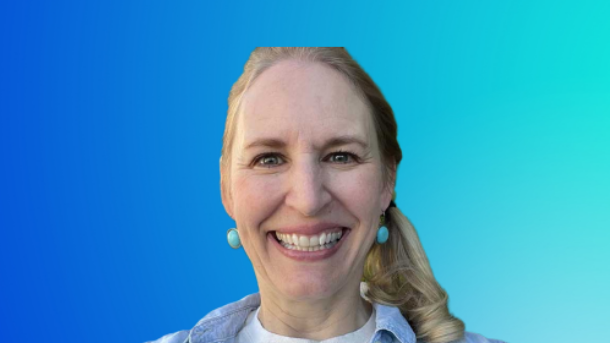
Derek Hill – New York FFA State Director

Derek Hill - New York FFA State Director
About Derek Hill

Derek Hill is the Director of New York FFA and a staff member of the Agricultural Education and Outreach program at Cornell University.

Derek specializes in youth leadership development and is responsible for the oversight and management of the New York Association of FFA. Derek is an award-winning educator with over 15 years of experience working with students and educators at varying levels.

Connect with Derek: Email | Linkedin

Listen Now

Listen to the episode now on Apple Podcasts, Spotify, or on your favourite podcast platform.

Resources Mentioned

New York FFA (Future Farmers of America)

NY FFA Events

SUNY Morrisville – Associates in Applied Science – Natural Resources Conservation

Cornell University – Bachelors of Science – Agricultural Sciences

The Transcript

**Please note that all of our transcriptions come from rev.com and are 80% accurate. We’re grateful for the robots that make this possible and realize that it’s not a perfect process.

Sam Demma (00:00):
Welcome back to another episode of the High Performing Educator podcast. This is your host and youth speaker, Sam Demma. I’m super excited to bring you today’s guest. His name is Derek hill and he is the director of New York FFA and a staff member of the agricultural education and outreach program at Cornell university. Derek specializes in youth leadership development, and is responsible for the oversight and management of the New York association of FFA.


Sam Demma (01:00):
Derek is an award-winning educator with over 15 years of experience, working with students and educators at varying levels. You will feel Derek’s passion in this interview, and it was a pleasure working with him and his state conference with all the students from his organization and association in New York city. I hope you enjoy this, and I will see you on the other side. Eric, thank you so much for coming on the High Performing Educator podcast. Huge pleasure to have you on the show today. Why don’t you start by introducing yourself and sharing a little bit behind the journey that brought you to where you are today working with young people?


Derek Hill (01:36):
Sure. Thanks a lot Sam for having me today. I’m Derek hill, I’m the New York FFA director and I’ve been in this position for about six years now. My background is I grew up on my grandparents’ dairy farm here in New York and always had a passion for agriculture and thought that I would, that’s what I would do someday is I would take over their farm and and be a dairy farmer. But that, that didn’t work out that way. So you know, and I, I, after that point I thought I was gonna be I wanted to be a natural resources conservation officer. So I went to SUNY Morrisville and got my natural resources degree and while I was there, professor, my advisor had told me that they were look that he thought I would be a good ag teacher and he suggested that I go to Cornell and get my teaching degree.


Derek Hill (02:27):
And at that point I thought he was crazy, cuz all growing up in high school, you know, school, wasn’t my, my favorite thing. I never could have picture pictured myself being a teacher and you know, here’s this guy telling me, he thought I would be you know, a good teacher. I thought about it for a while and I decided to apply and, and go into the teacher education program. And that’s what I did. And I ended up getting a te a teaching position at Tali which is just south of Syracuse. So I was an ag teacher and FFA advisor there for over eight years. And then my current role opened up and I decided to apply for this job thinking that you know, if I could have that much impact on students in the Tali community, you know, this would give me a chance to have an even bigger impact on, on more students. And so that’s why it was a very difficult decision at that time. And cuz I loved being at Telli. But I made that jump over. So here I am today


Sam Demma (03:44):
And for all our Canadian friends that are thinking what the heck is FFA . Can you tell me a little bit more about the acronym what the organization stands for, what it hopes to achieve and accomplish and what compelled you to get involved?


Derek Hill (03:58):
Yeah, so FFAs used to stand for future farmers of America in the 1980s. They voted to just make it the national FFA organization. And the reason for that is, is we do a lot more than talk about production agriculture there. You know, everybody knows the agriculture industry is much broader and wider than the, you know, the farmer that’s on, on the farm. It’s you know, it’s getting the food there, it’s getting the food processed, it’s getting it to the stores, it’s all the financing behind it, all those things. So FFA recognized that and we wanted to be more inclusive of everybody. So that’s where the name kind of changed. It’s the largest youth organization in the country. We have over 700,000 members in all 50 states and and Puerto Rico, Virgin islands as well.


Derek Hill (05:03):
And the, the idea behind it is to help those students that are interested in agriculture to develop leadership skills and get recognized for the skills that they’re developing in their programs. And you know, a comp in, in the United States, a comprehensive agriculture program at the middle and high school level includes the classroom laboratory piece of it, but it also includes work-based learning which is what we call an SAE supervised agricultural experience. And then that third circle third component is FFA and they get to develop their leadership skills and compete in competitions from anything from public speaking to demonstrating their mechanical skills that they’ve picked up in their ag mechanics class. So huge opportunity. And we’re trying to grow it further here in New York so that more schools offer this opportunity to students.


Sam Demma (06:08):
That’s it’s awesome. I wish I had something like that here in Toronto, Canada. Growing up, that’s so cool. And I know leadership skills and giving students experiential opportunities is a huge thing that the organization does, especially with the, you know, huge conferences and everything that happens outside of the agricultural education. What are some of those experiences that they go through and have you seen the impact that it can have on a young person? Like maybe you can think of, you probably have hundreds of stories, maybe think of one or two and you can change the student’s name if it’s a crazy story, just to keep them private, but I’d love to hear how the impact change a young person’s life or change a perspective or something. And also some of the events that you guys hold and host every year.


Derek Hill (06:55):
Yeah. So what’s really awesome about FFA and I’ve always admired is the fact that you can have students that are in sixth grade all the way until, you know, they can be freshman, sophomore in college, even, but those high school students and those middle school students, you know, if you, you were to ride the bus with them to school each day, some of ’em would be sitting in the front and some would be in the back and they wouldn’t interact with each other at all. And FFA for whatever reason, it doesn’t matter what, how old you are, where you come from your background. Cuz we have students that live in the inner city all the way to students that live in the rural as part of the state. And they just are able to connect because they have a commonality and that they wanna grow as leaders and they, they wanna learn more about agriculture and all that other stuff gets pushed aside.


Derek Hill (07:54):
And the older students wanna help the younger students. We have a lot of mentor programs with the high school and middle school. So you know, the, the best thing that I can tell you that students have told me is a lot of times we, we have students that are lost and they don’t fit into sports. And Sam, I know your, your background is in sports and you know what it’s like to feel like to be on a team, right. And build that family well for these kids, you know, sports really doesn’t do that for ’em. And not to say we don’t have any athletes, we have a lot of athletes too, but the stories that stick in my mind are those that can’t find a place that they feel like they fit. And because we’re, I feel that we’re very accepting of just about anybody.


Derek Hill (08:45):
They they find that family and that’s what sticks out to me. And I’ve had students that could not for whatever reason do well in their other classes. But because, you know, as their ag teacher and FFA advisor, we spend so much extra time together. We build that bond and, and they can you know, kind of see the, the forest through the trees. They, they start to do better academically. And that’s what, that’s why I keep doing this is when they come back and tell me, you know, thanks for, for everything you do. Because it didn’t make a difference. And that’s what I’m here to do.


Sam Demma (09:33):
It’s, it’s cool too, because you know, agriculture planting, you know, reaping sewing, you know, as a, as someone who works with young people, you’re planting seeds in them as well, you know, and absolutely, you know, you’re watering it over time by giving them experiences and mentoring in them. And sometimes plant shoots to the ground and grows super fast. Others take some time. Sometimes you don’t even see it, you know, you don’t even see it happen. And it might be five years down the road that someone comes back and tells you about the impact that you made. I was gonna ask you, you know, what keeps you motivated to get up every day and do this work? Is it the students like tell me more about personally, what keeps you going?


Derek Hill (10:12):
Yeah, it’s, it’s definitely the, the students you know, there’s a lot of aspects to my position cuz part of it is being that administrative piece. And I’m not saying that that piece isn’t important or I don’t enjoy certain aspects, but that’s certainly not what keeps me going every day. Got it. It’s working in my position. I get to work with our, our state officers and district presidents. And then I also plan a lot of the events that all of our or a lot of our members come to and to work with them and see the difference that they’re, that they’re having to go to an event and see the new friendships that are being made. The networking that’s happening. You know, I, I can’t stress that enough. These students now know people from all across the country because they attended national convention and met somebody from a state that they would’ve never met before.


Derek Hill (11:09):
And it, you know, working with the state officers and, and you know, this intensive year that we have with them and seeing the growth from the beginning to the end and it, it always, it always is difficult at the end because we’ve put so much time and effort and they’re, they’re at a point where they’re performing and I can just send them out to schools and chapters and they’re good to go. And then I gotta start that process all over again each year, which is a challenge, but it’s also exciting, you know kind of hard to let go sometimes too.


Sam Demma (11:42):
Yeah, no, I hear you. And you know, just to give people an idea of the intensive experience, what does that look like? Is it you guys meet on a weekly basis? I know you obviously plan events together, but what does that commitment look like from a state officer’s perspective? And those are what age students as well?


Derek Hill (12:00):
Yeah, so they’re typically either a senior or a freshman in college. This year we have all college students they’re freshman and sophomores. Nice. it just happened to work out that way. And this is the first year that we’ve had all female state officers and female district presidents in our 96 year history. So, wow. it’s pretty exciting. Nice. in terms of the intensity in a normal year we’re going there’s something every week whether it’s going to a conference for another organization that wants us to come and speak or you know, they go through hundreds of hours of training. So as soon as they’re elected about a week or two later, they go into their first multi-day training learning about themselves. We start by focusing on themselves and helping them figure out who they are and what their strengths and weaknesses are.


Derek Hill (13:02):
And and then we start to build that team once they know who they are and try to get them to gel. And sometimes that, that happens quickly and sometimes it doesn’t. And sometimes they learn to respect each other and they ne you know, they never necessarily become the best of friends, but that’s okay too. You know, that’s, that’s the way the world is. And then after that you know, we focus on their ability to facilitate workshops and give presentations. And throughout the year we offer all kinds of different leadership conferences. So one of our biggest ones is called 2 12, 3 16 in January. And we bring in some national trainers and we have about 800 students that’ll attend that. And they’re learning to grow themselves as leaders. Our state officers will do a tour in the fall around the state visiting different chapters and businesses.


Derek Hill (14:14):
So we’re on the road for about seven days, traveling, 15, 1600 miles meeting members and industry partners. We go to national convention, which is a week long process where our state officers become our delegates there. And you know, they work on committees and, and vote on different issues during the Del the business session. We have our own state convention that’s hopefully gonna be in person in 2022 . And that’s a three day event that our state officers we have six general sessions and, and they do all those sessions. They write the whole script, they write the retirement addresses. We help them work on presenting those. And so it’s, it’s a year round job, and, you know, I’m, I’m, I’m their advisor, but most of the time I end up being a coach and their, their life coach. And I’m available to them almost twenty four seven. When they call me at one o’clock in the morning, then my wife gets a little upset, but you know, so I try to keep it during working hours, but it, it, it’s it’s a lot of one on one time and helping them develop and not only their skills, cuz if they’re elected as a state officer, that’s a very competitive process. They already have those, some of those natural skills. But it’s, it’s about developing who they wanna become.


Sam Demma (15:57):
Mm. And what’s with the corduroy jackets, , you know, tell like where, where did this hype come from? And, and tell me more about that.


Derek Hill (16:08):
So that’s part of our official dress. And that’s been around pretty much the entirety of the organization. And what’s funny is throughout the years, the, the emblems changed even depending on when they could, what type of fabric they could get to make that quarter Ray sometime there was a point where it was almost like a purple color instead of blue, just because of the fabric that they could get at that time. But it, it’s, it’s a tradition for us. You know, it’s important to evolve as an organization and, and we certainly have tried to do that over time, but I think it’s also important to keep and maintain some of those traditions. And when you walk into national convention, downtown Indianapolis, and there’s 70,000 students, we’re in that blue corduroy and we’re all walking down the street together that makes an impression and everybody knows that they’re part of that organization. And the same thing at our own state convention, you know, it doesn’t matter where you’re coming from. We’re all wearing that. And, and the, the students feel unified. So it’s a, it’s a point of pride for us. And you know, sometimes it’s fashionable. Yeah. And sometimes it’s not, and right now it seems like it’s coming back around to being a little more fashionable.


Sam Demma (17:29):
, it’s funny. I tried getting one on eBay before the state convention and it wasn’t gonna ship in time, so I had to pass up on it. But I, I spoke to Ryan Porter, a guy who probably spoke for you guys, you know, a couple years ago or a long time ago. And he was like, yeah, man, the corridor jackets, you know, they, they love their jackets. And I was like, what is it? What is it about the jackets? But that’s awesome. Thanks for, thanks for sharing. And the emblem has changed lots. Like the logo now is pretty fascinating. Is there like meaning behind it or anything or


Derek Hill (17:59):
Yeah, yeah. Yeah. There’s it has changed a little bit over time. It used to say vocational education instead of agricultural education. And that really had to do with the change of terminology over the years. You know the symbols all mean something you know, the owl is there for wisdom and represents the, you know, the advisor piece the rising sun is kind of emblematic of looking towards the future. So each piece of that, you know, the cross section of the corn, you know, that’s kind of unity is behind that because corn’s grown in all 50 states. So yeah, we, we, we actually, as an ag teacher, a lot of, a lot of teachers will break that emblem down and, and get students to realize what that, what that all means and why it’s there.


Sam Demma (18:53):
Got it. Cool. That’s awesome. And when you talk about being an ag teacher how did that differ from the role you’re in today? Are you still doing that as well?


Derek Hill (19:04):
Yeah. I still consider myself a teacher. I’m just different role just doing it a little differently. I’m not in the classroom having to worry about six different preps each day. instead I’m worried about six different students, but yeah, it’s certainly as an ag teacher you know, you plan events and do things at the local level and you, you host competitions and things like that. But at this level I’m planning events for 2000 people where as an ag teacher, I might have been planning events for 150 people. So there’s a lot of similarities, but there’s some differences. You know, as, as, as the chapter leader, you’re thinking about your students, your chapter as the, the director for the state organization, I have to think about the entire state and, and what’s in the best interest for that. And you know, sometimes that’s, that’s easy to do and sometimes it’s not.


Sam Demma (20:10):
Yeah. And I have to ask, cause you mentioned it earlier that you thought you were gonna take over your parents’ dairy farm do you have a farm of your own? Do you grow vegetables?


Derek Hill (20:20):
yeah, we, we typically have a garden and we’ve raised pigs and cows in the past. We just moved. So you know, my two boys and, and I are working on building the fence and hoping to get them involved with some showing of animals and things here soon.


Sam Demma (20:42):
Nice. Oh, that’s awesome. And if you could go back in time and give yourself advice, knowing what you know now, and though all the experiences you had, if you went back to your first year, working with youth in any capacity, what advice would you give your younger self that to help equip you and prepare you for the journey


Derek Hill (21:01):
Yeah. I think I would give myself two pieces of advice. One would be to, to keep an open mind because I never would’ve imagined that I would be where I am today. This was not where I started out thinking I was gonna be. And here I am. And, and number two would be, you know, for all, all the teachers out there, you know, there are a lot of rough days but there’s also those good days too. And we have to, we have to remember those good days too, and not, not just the bad ones. You know, and I, I know that’s what kept me going is, you know, even through those bad days when a, a student or a teacher comes to me and you know, they’re, they’re happy and going in the right direction. That’s, that’s what keeps me going,


Sam Demma (21:58):
Love that. Awesome. Well, if someone is listening to this right now, Derek, and they wanna reach out, maybe just have a conversation, what would be the best way for them to, you know, find your info or even get in touch with you?


Derek Hill (22:10):
Yeah, probably the, the easiest way would be to send me an email and my emails pretty straightforward. It’s just dhill@cornell.edu. So feel free to reach out anytime.


Sam Demma (22:23):
Awesome. Derek, thank you so much for coming on the show. It’s been a pleasure chatting with you a little bit about your journey, the corduroy jacket, the logo, what the organization stands for and the part, the role that you play in, in the whole process. This has been awesome. Keep up the great work and we’ll talk soon.


Derek Hill (22:39):
Thanks a lot, Sam.


Sam Demma (22:41):
And there you have it. Another amazing guest, an amazing interview on the High Performing Educator podcast. As always, if you enjoy these episodes, please consider leaving a rating and review so other educators like yourself can find this content and benefit from it. And here’s an exclusive opportunity that I mentioned at the start of the show; if you want meet the guest on today’s episode, if you wanna meet any of the guests that we have interviewed, consider going to www.highperformingeducator.com and signing up to join the exclusive network, you’ll have access to networking events throughout 2021 and other special opportunities. And I promise I will not fill your inbox. Talk to you soon. I’ll see you on the next episode.

Join the Educator Network & Connect with Derek Hill

The High Performing Educator Podcast was brought to life during the outbreak of COVID-19 to provide you with inspirational stories and practical advice from your colleagues in education.  By tuning in, you will hear the stories and ideas of the world’s brightest and most ambitious educators.  You can expect interviews with Principals, Teachers, Guidance Counsellors, National Student Association, Directors and anybody that works with youth. You can find and listen to all the episodes for free here.
Terresa Amidei – Activities Director for Desert Ridge Academy

Terresa Amidei - Activities Director for Desert Ridge Academy
About Terresa Amidei

Terresa Amidei (@DRAsb2) has been an educator for 23 years.  She grew up in North Pole, Alaska and is currently the Activities Director for Desert Ridge Academy, a public middle school in Southern California. 

She cares about student voice and advocacy and works to be sure every student on campus is seen, heard, loved, and valued.  She says teaching is exhausting, but so, so worth it.  The work all educators do is vital!

Connect with Terresa: Email | Instagram | Linkedin | Twitter

Listen Now

Listen to the episode now on Apple Podcasts, Spotify, or on your favourite podcast platform.

Resources Mentioned

Desert Ridge Academy

California Activities Directors Association (CADA)

What is American Sign Language (ASL)

SAVE Promise Club

PickWaste

The Transcript

**Please note that all of our transcriptions come from rev.com and are 80% accurate. We’re grateful for the robots that make this possible and realize that it’s not a perfect process.

Sam Demma (00:00):
Welcome back to another episode of the High Performing Educator podcast. This is your host and youth speaker, Sam Demma. Today’s special guest is Terresa Amidei. She has been an educator for 23 years. She grew up in North Pole, Alaska, and is currently the activity director for Desert Ridge academy, a public middle school in Southern California. She deeply cares about student voice and advocacy and works to make sure every student on campus is seen, heard, loved, and valued.


Sam Demma (01:04):
She says teaching is exhausting, but so, so worth it. The work all educators do is vital. You can reach her at her email, which she’ll share at the end of this interview or through her Instagram @draleadership. I cannot wait to share this, this conversation with you because it was so inspiring, and so filled with amazing ideas that you can implement into your schools and with your students. I will see you on the other side, talk soon. Teresa, welcome to the High Performing Educator podcast. Huge pleasure to have you on the show here today. Why don’t you start by introducing yourself and sharing a little bit about what brought you to where you are in education today?


Terresa Amidei (01:41):
Oh, sure thing. Thanks for having me, Sam. This is fantastic. So I am Mrs.Amidei. I am the activity director at Desert Ridge Academy. We are in the Coachella valley and it is hot, it is so hot. Fun fact, summer school last week; 122 degrees. Swear, the actual temperature. So, the next part of your question was for what brought me here? Well, a fantastic thing. Funny story. I went to CADA, which is the California Activities Directors Association, and I happened to hear Sam talk about his amazing PickWaste thing, which is recycling and how he was student voice, student advocacy, making a change for the better. And that’s how I met Sam and how I got into education was this, I thought like this, hmm, what really matters? Hmm, what, what matters? What will make a difference? Where, what should I spend all my energy and talent on? And it was education and then not only being an educator, but then I was middle school because middle school, there’s no one who gets to be an adult that says, you know what, if I could just go back to middle school, bless you. If I could go back to middle school, my life would be so amazing. Middle school is the best years. That’s only true for kids that come here because we really do try to make middle school, not so middle schooly. Do you know what I’m talking about?


Sam Demma (03:02):
yeah, I absolutely. I absolutely love that. And you know, before we even started the interview, I saw this little, what I thought was a tattoo on your wrist. And for those of you that are listening and don’t see the video, there’s this little butterfly on her wrist. And I thought it was a tattoo. And so I asked Theresa what it was. And can you explain a little bit about that, how it originated and how it’s being used within the school?


Terresa Amidei (03:20):
Okay. Well fun. Another fun fact, our school is situated. We’re in Southern California. So we’re in the migratory path of the Monarch butterfly between here and Mexico. So a few years ago we got a grant and we actually had some butterflies. And now I wish I would’ve put that picture up that were painted as a mural on our building. And so the kids were like, wait a minute. I thought we were Diamondbacks. Like, why are we getting butterflies? So my student leaders came up with this way to make our, our butterflies make sense for them. They use this initiative, it’s called the D butterfly project. And it’s like this, you know, there’s a lot of kids, especially post pandemic. And during the pandemic and this year and a half of lockdown, they were struggling, right? Their mental health was suffering. Their emotional health was bad.


Terresa Amidei (04:03):
Their physical health was maybe they, you know, they were stuck middle schoolers. It’s the hardest part because like they don’t have jobs and they can’t drive. So they can’t leave their house. Right. Unless someone’s picking them up or we have zooms like this, where I’m like, come on, we have this activity just come on down. We’ll have a quick dance party. Woo, woo. So my kids noticed the mental health was not so great. Right. But kids, it’s such a hard thing. Like, they’re not gonna say, Hey, hold a little sign. I’m suffering. Like I’m having, I’m struggling. I’m having a hard time. I’m thinking of hurting myself. But what they will do is take Sharpie and make a little butterfly, which is what I do every day. Now, when we see that as a trusted adult, what we do is I look and if, if you were holding it up, I would say, oh, Sam, I see that you have a butterfly.


Terresa Amidei (04:50):
I’m a trusted adult at desert Ridge. Can I help you? I, I can get you any kinda help and I can listen to anything that you need. Right. and I’m happy to say that I, I was in that situation and I was able to get a kid help so that, you know, it just takes one to make it worth the effort. Right. And even if you say, no this is just a support butterfly, cuz you can put one on to say you’re supporting other people. So it’s not so stigmatizing to be like, Hey, I need help. I’m you know, if everyone’s like, oh no, we’re all rocking this. Like we’re all here to support each other. Then I would say, oh thank you so much, Sam, for your support. That means a world to, to someone who’s really struggling. And then I’d also go like this check on Sam next week in case it was a legit butterfly.


Terresa Amidei (05:33):
And it’s just been a really great, great project. It’s so simple. It costs nothing. In fact, some of my students in leadership last year, we presented virtually of course at the national youth violence prevention summit. And we shared this idea and there was a kid in Georgia who was like, miss a, I love that butterfly project. I mean, that’s not exactly how I sounded, but to me that’s how I sounded. And he go and it’s, I mean, everyone has a pin. If there’s kids who are also on distance learning, we also had a thing where if your parents were like, don’t write on yourself, you know, that’s a thing. We just added the butterflies onto our name. So where I have mine with my pronouns, my she and her we would just add a little butterfly fun fact, if you go eight, I eight kinda makes a butterfly. So that was my butterfly when, when we were on distance.


Sam Demma (06:23):
Wow. That’s awesome. That’s so cool. Does that idea or project relate to the hashtag save promise? I saw that in your, your email and I was wondering what that was all about as well.


Terresa Amidei (06:32):
Yeah. Okay. So save promise is another organization that we are a part of and we have a club I’m the advisor for that club as well. Nice. So the safe promise is stands for students against violence everywhere. Mm. It actually came out of the Sandy hook promise group and save promise club was another one. And so they kind of merged and they had this fantastic organization where they’re just saying, Hey, we gotta minimize our gun violence. And to do that, to do that, it starts with eliminating isolation, social I isolation. Like if you, I mean, it makes sense. You’re like, yes, that makes sense. If you feel like you don’t have a place in the world, if you feel like you can’t get any help, if you feel like no one notices, if you’re there or not, then of course you might be, you know, drawn into violence because nothing matters.


Terresa Amidei (07:23):
So for us, we, we were really happy to be a part of that club. In fact we got oh, what was, I, I wanna say it was a relationship. And like like what do you call it when you get like a little award? And we were like, oh, you guys are doing such a great job of like, you know, being innovative and connecting students. And I was like, yes. Because we only just started it last year. We just saw this is a serious need. I mean, not to get all serious on a, on a upbeat podcast. But when we, when the whole nation was closed down, you know, due to COVID wow. The school shootings were dramatically dropped because there were, there were no kids to be engaged in violence. When we started opening up, it was, it was heartbreaking to hear like, oh, there was another case and then another case and then something else.


Terresa Amidei (08:09):
And it’s like, guys, we can’t go back to the same way of operating. We, we have to be there for each other. We have to rise up by lifting others. If you see somebody who’s sitting by themselves, don’t let the sit by themselves. You know, like you can say, like, if I saw you by yourself, Sam, I would say, Hey Sam, do you, do you need someone to stay with you? I mean, some people are introverts, you know? And they’re like, no, I’m really good by myself. That’s great. But I need to ask to be sure, because if you’re like, no, I really just really want, I just feel terrible. Like I’m, I’m by myself, you know, mm-hmm so part, part of that initiative is we, we participated in a start with hello campaign, which is simply like, hi, hello, Hey. Yeah. How you doing?


Terresa Amidei (08:55):
You know, like acknowledging you exist, that’s where it starts. So you don’t feel so isolated. And then later in the year we had a whole districtwide where say something campaign. So it’s like, when you see something, most people who are gonna be drawn into any kind of violence, whether it’s like, oh, I’m gonna, I got some beef. I’m gonna have to fight with that person at the bus stop. You know, they say something, someone hears it before it actually happens almost every time. So part of that campaign is like, Hey, let us know. Like our number one thing is keeping kids safe. Yeah. We wanna educate you. But we I’m, I’m also trying to make fully formed functioning, loving adults, you know? Yeah. So I don’t want you to get a black eye. Like, how are you gonna you’re you’re like all scared of the bus stop cuz you think someone’s gonna try to get you like that.


Terresa Amidei (09:43):
That’s no way to live. So that’s kind of the things we’re trying to be ahead of the game and be like, no, no, no, no, we, we don’t play that game. Like no, no, no, no, no. You don’t have to sit by yourself. Like no, no, no, no, no, no. You need a friend come on over. And the other cool thing we’ve done Sam, like I’m just on a roll I better, I better have some wine keep no, no, no. I’m good. I’m good. Another thing we started is we noticed you know, there was a lot of turmoil in the country. I don’t know if you noticed, have you noticed? Yeah. A lot of divide, a lot of people, like not talking to each other, a lot of people, like, I don’t believe you or you no, you’re this. So you must not be that.


Terresa Amidei (10:20):
Or if you’re this, then you’re all these other things. People are very complex. And I think we don’t, you know, take that time to get to know each other when we realize, oh my gosh, we’re really the same. We’re really the same. Like you care about the environment. I know that from the work that you did. Right. And so I care about the environment. Like I turn on my water, I get wet. I turn off my water. Yeah. I get some soap. I turn it on. I turn it off. Yeah. That’s that’s me. You might, you didn’t know that till now. But we had that love of, of the world and the environment in common. And if we don’t have a chance to ever talk about it, we will never know that we’re really the same. Mm. You know? And, and it’s like, when you know somebody and you care about someone, it’s like, you know, I’m not gonna hurt you or I, I’m not gonna want to hurt you or I’m gonna understand you better.


Terresa Amidei (11:07):
Or I’m gonna be more willing to listen to what you have to say, because we’re the same. Yeah. We have the same things in mind. So one of the clubs that we started when we were noticing all this, you know, national turmoil, people, adults being mean at each other, adults yelling at each other adults like, Ooh, I hate you because we, we just started a club called the rise above club. And it’s a spot where, I mean, I hope I can launch it with like, you know, and make it something great. But it’s the idea that we gotta be better than that. You know? And like kids, adults always think, oh, kids like, you know, kids, they’re little, I’m telling you kid, you’re a kid Sam. Well, okay. You’re probably really an adult, but I’m like, oh, you’re much younger than me. So to me, they’re kids. Right? Yeah. Kids have great ideas. Yep. Kids can change the world. They’re not the future leaders. They’re the leaders now. Yeah. They’re the leaders now. And they need a space to like, figure this all out. Like how are they gonna be able to talk about things if they don’t understand it? How are they gonna change something? If they can’t have a voice, how are they gonna be able to navigate the world when it’s all confusing and scary and make them have anxiety?


Sam Demma (12:18):
Yeah.


Terresa Amidei (12:19):
So for me, the club is it’s about student engagement, student advocacy, speaking up how to have a voice. Like there’s so many kids who don’t even know like, oh, that’s the process of speaking to the school board and getting policy change. Oh, I could write an email to every Senator which I did on my veteran’s day. Cuz I thought, well, this is an important day. I’m gonna use my day to make sure everyone knows what I’m thinking. Sam. It took all day. But you know what? I did it. Why? Because I thought it mattered. I thought it mattered. And, and even, even if no one reads it, I know I have spoke my truth to people who have are in a position to make a change, make some kind of change. So I’ve done what I can do from my little space.


Sam Demma (13:06):
Yeah. No it’s so true. Just so much, so much good stuff. So many cool ideas. Thank you so much for sharing. What led you in education towards the extra mile mentality? It sounds like you’re involved in so many things in the school. You know, you’re making an impact on so many levels as opposed to just being a teacher. No, there’s nothing wrong with just being the teacher and teaching the class and going home. quote unquote, but there’s so much more to it than that, but it’s like, you know, you, you get involved in so many different things. Where did that drive come from? And do you think that’s been a very self-fulfilling experience as well because you probably get more out of being a teacher and an educator as well by getting involved in so many different things.


Terresa Amidei (13:51):
Yeah. That’s excellent question. And here here’s the thing. First of all, I do have a, a wonderfully supportive family, my children and my my, my husband, you know, they, they know that this work is important. Because I always tell ’em this work is so important. Yeah. Like, like I I’m thinking about the work that I could do. I mean, I, I could do so many things. Right. Like I could have any kind of job, but I always say when it comes to education you know, I’m exhausted like on the daily, you know, like when they always do the COVID screening and they’re like, do you have a headache? Do you have muscle fatigue? And I’m like oh shoot. I do. because I’ve been here for like 15 hours. Yeah. And I’m like, wait, is it because I’ve been typing and is this why I have a headache?


Terresa Amidei (14:36):
Oh, is it because I was outside and I was 122. We were doing a tour of the campus. Yes. That is why I have a wait, can I wait? I’m like, okay. I can still taste. We’re good. We’re all good. We’re all good. It it’s I always say this, like, it’s just it’s not supposed to be an easy job. Mm-Hmm like some people think, oh, teachers it’s so easy. You’ve got the summers off fun fact. I worked three sessions of summer school this summer. I, I didn’t have any time off. That was self-imposed because I wanted to help the kids. I wanted to make a difference. Ooh. I wanted, I, I, I, I’m not, I always say this shouldn’t be an easy job. It should be a job. That’s worth it. Yeah. The job is really difficult if you’re doing it, if you’re doing it well, that’s how I see it.


Terresa Amidei (15:22):
If you’re doing it well, you should be tired because you’ve put everything into it. Yep. Like imagine whatever sport that you wanna play. You know, and it’s the, like, we just had the Olympics you know, you have an excellent, like the goat Simone. Right. And she’s doing it even. She’s like, wait, you know, like, wait you know, I gotta watch out for myself. Right. That’s one little side lesson, but, but she’s gonna be tired. She’s gonna be sweaty. Right. Because she’s giving it at all. She’s not coming in. And she’s like you know, she’s, she’s doing like amazing, innovative things that have never been done. Right. So I’m thinking, yeah, I’m in a classroom. But the work that we do, what most people don’t know, unless you’ve been an educator is how many decisions that you’re doing and how many things that you’re man, like my mind is always firing.


Terresa Amidei (16:12):
Like, like this is every, like the Sies right now. It looks like this in my brain. Right. because I’m like, okay, I gotta watch out for this kid. I know that kid’s dog just died. I know this mom is in COVID this one’s battling cancer. Like I’m managing all that stuff and trying to be like, you need to help others because you’re gonna feel better if you help others, if you serve other people. So for me, this job is like, it’s mission critical. It’s mission critical because whatever I do here, if I’m doing a good job, I’m gonna create happy, fully functioning, nonviolent, helpful humans. Mm. And that’s what I wanna see. You know, that thing, like be the change you wanna see. That’s the change I wanna see. I wanna see people who care, but also like have fun. Like I I’m, I work with children, you know, elementary kids, middle school kids, high school kids, even high school kids.


Terresa Amidei (17:06):
Right. Okay. Maybe they turn 18 when they’re in high school. Right. senior year. But are they really adults? Like, do they really understand all this stuff? And like have a driver’s license and know how to vote and pay a mortgage? Like, you know what I mean? How to get a rental application? Wait, the answer’s no, they don’t know any of those things. So it’s like, you still gotta remember they’re still children. Right. They’re still navigating what it’s gonna be to be like, oh, this is the life that I wanna have for myself. Mm-Hmm and this is the things that are important to me. I mean, there’s so many advocates out there, like thank goodness that are young people. Right. even like, I look at Amanda Gorman and I’m like, oh my gosh, that poem was just gives me the chills. Right.


Terresa Amidei (17:46):
But she’s in her twenties. Mm-Hmm , you know, this is a world that belongs to everyone who’s here. So for me, I, I just want, I just want kids to come in and be able to make mistakes, but like, you know, turn it into things that are gonna work for other people. Like, you know, we create the welcome messages and we don’t just make posters and we’re trying to lift people up. Like, we’ve got little secret, you know, like, oh, we’re gonna leave the, okay, I’ll tell you secretly okay. Like Friday, we’re having this welcome back dance. Of course, with the whole COVID like, you know, we’re very mindful of all those rules. And we’re like, okay, 10 of you here and 10 there. And we’re playing the games because they’re just so craving interaction. They they’re just craving this interaction. Right. So, you know, it wouldn’t be a time like, Hey, I’m gonna invite you to dance and we’re gonna do, we’re gonna learn times tables.


Terresa Amidei (18:35):
Cause I’m gonna get you caught up. Like that would not be an event that would go over while. Right. So safely giving them this interaction. But then here’s the secret. We already made these little love notes for every single person at the school and every single adult at the school. And while the dance is going on, we have a secret, you know, happiness ninja team where we’re gonna tape them on every single desk so that when they come in on Monday, they’re gonna go what now? I mean, I hope they do that. Some will be like, what, what is this? Like, you know, and whatever. Yeah. Because they’re kids, but some it’s gonna matter to some kid and some kid is gonna keep this little note and some kid is gonna tape it onto their little Chromebook or stick it in their backpack. And you know what and will probably, and this is the hardest part of leadership. We will probably never know that it made an impact on that. Yeah. We might never know, you know, like in a school, we we’ve got like a thousand kids and, and adults here. Right. And so in that, in that huge number, you know, you, you will not get any kind of feedback. That’s like, I love that. Keep that more of that, you know, they’re, they’re not gonna say anything. Yeah. But I just have to believe like it matters.


Sam Demma (19:50):
Yeah.


Terresa Amidei (19:50):
Being welcome social, you know what I mean?


Sam Demma (19:52):
Yeah. It’s like, you know, a tree falls into forest just cause you don’t hear it doesn’t mean it doesn’t fall. Right. It’s the same thing with student impact like it. Right. Right. You know, just cuz you don’t see the positive mental changes in physical changes that a kid might be undergoing due to something at school they’re still happening. Right. And that’s such a good reminder. You know, I like to think of educators, people like yourself as gardeners, you guys are planting seeds and watering them every day and sometimes you don’t see them grow. Sometimes you do, but they all grow, you know?


Terresa Amidei (20:21):
Well, and here’s the other thing, like what you put into it. So what if I’m, what if I’m like super critical, you know? And I’m like super short with you and I’m like, just sit down, Sam. That’s growing too. Yeah. You know what I mean? Yeah. That grows too. So I mean, and we’re all, we’re all human and it’s hot and there’s lots, lots of moving pieces. So, you know, I, I try to be mindful. I don’t always, you know, hit the mark, but I also try if I realize I’m like, Ooh, I was kind of harsh to Sam. I, I always try to be like, Sam, come on. I gotta make, I gotta make amends on that one. Cuz that I didn’t, I, I need you to understand, like even if you’re correcting a kid, like, I still love you. This is fine, but you can’t do these two things like stop doing this and then I still love you. You’re good. And now it’s over for me. If you stop doing that. right. Yeah. we just gotta have a way that we are like, oh, okay. Communicate, communicating what I need so that you can be successful. I’m just, I, I feel like I’m like the German guard, like help me help you. Yeah. That’s what I’m trying to do.


Sam Demma (21:23):
That’s awesome. Love it. Cool. And what are you most looking forward to this year? I know it’s gonna be maybe looking a little different than the past couple years. but, or maybe not, but what are you looking most forward to?


Terresa Amidei (21:36):
It’s okay. I mean, you know, not to sound so cliche, but it’s, it’s like that it is the little time when you catch a, well, you know what? I’m not gonna say miss a, I love that activity. I love getting my note. Oh miss a. I love that poster was so cute, but what they, what will they will do is they’ll come in and they’ll go like this, miss am. Hi. That tells me I’m doing the right thing. Or I’ll see a kid and they’ll be like, I’ll catch ’em and I’ll see ’em I’m like, I’m like, they’re getting their note and they’re like


Sam Demma (22:06):
Quick little smile.


Terresa Amidei (22:07):
yeah. And then I’m like, yes. When here’s something to happen on Monday. Okay. You ready for this one? Sam? It is. So this is so important because here’s the other thing with leadership. You don’t have to like, I mean, I’m trying to get all kids. I mean all like all of them, I’m trying to get all of them right. To where they need to go successfully, but you gotta do it. It’s like you gotta make those special moments. Like one kid at a time, one kid at a time, like this is, this is how here for me. Like the amount of reinforcement. If I can get one kid that’s enough to get me another week. You know what I’m saying? Mm. So this happened on Monday. My kids were, it was our last week of summer school, right. Of the last session.


Terresa Amidei (22:49):
And we were giving tours to the new kids who were coming in. So sixth graders who had never been here from seventh graders who had never been here because of COVID. Okay. And I was already like, you know, we had practiced in that super hot, hot heat. And I had like Otter pops for after, when it was done, then I’m not being paid by that. They’re just the cheapest Popsicle. I’m just saying Hey. So we were practicing, we’re doing all this stuff. And I had told my kids, look, I, some parents are gonna try to sneak in and I’m gonna be like, no, no, no parents, because I can’t have you lead a tour. I don’t know who those parents are. Right. I gotta keep you safe. That’s my number one job. Yeah. So there was this kid that came in, I’ll have to demonstrate the kid comes in and they’re with a parent and I’m like, wow, like getting ready.


Terresa Amidei (23:31):
Like I’m getting ready. I’m not in my pose, but I’m getting ready. Like, you gotta go, you can’t be here. Right. And the mom says, I’m an interpreter for my daughter. And I was like, whoa. And I’m like, what, what are you interpreting? And she says we’re doing, I need to do sign language for her. Okay. Now this is where it gets really good. Don’t make me cry, Sam don’t do it. I won’t okay. This is where it gets really good. Okay. So everybody’s messed up and you can’t really, you know, you can’t really see how anywhere they’re like this. Right. And so this mom says I’m doing a you know, ASL. And I said, oh my gosh. And so then we’re like my name. And we started doing, and then the girl, okay, you gotta imagine it. Okay. So with her mouth, she goes like this, she goes,


Sam Demma (24:13):
Mm.


Terresa Amidei (24:14):
Like this and it gets better because one of the clubs we have is ASL. So I, I bring over the little QR code where, you know, we have this for all the kids and I find the ASL club and I hold it up for her and her mom. Ooh. Yeah. I’m getting goosebumps. That’s how, you know, it’s the right thing. I pull up this card and I say, Hey, we have an ASL club. And she just went while she’s still like, and she just leans into her mom and her mom and her are like that. Okay. That, that alone will get me two more weeds of effort, because think about it. Are there a lot of kids who are gonna come to our school and need ASL interpretation? No, but this girl came now think about it. She came, it’s a new school. It’s already scary.


Terresa Amidei (25:00):
Anyway, she hasn’t been to campus forever and she now she’s here and, and she’s probably worried, oh my gosh, I’m not gonna be able to talk to anybody. Like no one will understand what I’m doing. Like everyone’s gonna think. I mean, well, plus I just watched Coda last night. It’s so good. Anyway. So I’m, I’m thinking about that. And then, and I didn’t know she was coming, no one told me like, oh, Hey, you’re gonna need to have a, you know, services for this kid. No one. I didn’t know. So the fact that we are like able to accommodate it and I’m like, I have a, we already have a spot for you. We have a spot for you already. You didn’t even have to say anything. We have a club that’s already everything that you like, it’s your field. Like, it’s like, if I was a kid and I was coming to school and I’m like, what?


Terresa Amidei (25:43):
You have a sticker and hot latte club. What, it’s exactly my people with exactly the things that I like and need that I identify with. You already have a space for me. Like, just think about how I mean, and it wasn’t, I mean, just think about how she was like that information to know there would be people and clubs hearing and, and not who could, she could already communicate. Like she wouldn’t already have to advocate for herself because it was already there. Mm we’re already ready for her. What, what do you think? What do you suppose a difference that would make for that family? And, and for that kid, now that she’s coming to our school


Sam Demma (26:26):
Safety, you know, they know there’s a family away from the family, right. It’s like, right. Every student might not need ASL, but every student needs a community where they feel welcomed and involved and loved and you know, included. And I think that’s exactly what that does.


Terresa Amidei (26:42):
right. And I mean, and to me, her face was like, you get me. Yeah. You get me and you have a space already ready for me. You saved me a, a space on the bus. Yeah. That’s what it says to me. So that like, I, it wasn’t, I, I keep a little sticking out. Like I keep all my little inspirational things. Mine is like, okay. It, it didn’t have to be a big thing. It just had to be the right thing. Like nothing heroic, just the right thing. That was, it was the right thing to have that club.


Sam Demma (27:09):
Yeah. I love that.


Terresa Amidei (27:10):
And, and you never know, you just never know when you’re gonna need it. You know? Like I said, I didn’t know she was coming and I’m like, boom, I got you. You know, some other kid came out like, boom, I got you too. Yeah. Oh, we don’t. Oh, we don’t have a club. You know what? Come sit down. We’ll find you advisor. We’ll make it right now.


Sam Demma (27:26):
That’s awesome. that’s so cool. Yeah. So how long have you been working in education?


Terresa Amidei (27:33):
Ooh this is my 23rd year.


Sam Demma (27:36):
Let’s go. Thank you for your service.


Terresa Amidei (27:42):
you’re welcome. That was easy. Yeah.


Sam Demma (27:45):
that was the first time anyone’s ever pushed that button. I love it.


Terresa Amidei (27:50):
It wasn’t, it wasn’t easy. It was hard, but, but worth it, like I said, it was hard but worth it.


Sam Demma (27:55):
Yeah. I hear you. So knowing what you know now and what the experiences you’ve had and the things you’ve learned, if you could go back and speak to Tonya year one, what advice would you give me to yourself?


Terresa Amidei (28:08):
Sam? Why’d you have to go there. Why’d you have to go there, Sam . Okay. Well, so many things have changed right, since that time, but there, if there’s anyone out there who’s listening, who’s an aspiring educator. I say, jump, jump all in and be all in from the very beginning. The, I mean, I see kids all the time, like in this community, cuz I, I live where I work and you know, my, my own children are like, oh mom, we don’t wanna go to the store with you. Cuz people are always like, miss, is that you? Or they’ll be like, oh, was Ms. Like what she got in her cart? I’m like, what? Nothing, nothing gonna see here. Just all vegetables and fruits but what I would, what I, I, when I have seen kids that are now like, oh my gosh it’s so my first job I was doing eighth grade. And so that was 23 years ago. So they were 14. So 14 to 23? Yeah. 37.


Sam Demma (29:01):
Oh


Terresa Amidei (29:02):
Yeah. I, I haven’t had the thing where those kids, kids are in my class yet. That hasn’t happened yet. I’m waiting for that. But, but I see him and like I saw one guy at Costco and like, he was, I’m like, you have a Costco card and I’m like, wait, you’re married, wait, you can drive like, wait, I’m like you. And he had like a toddler. And I was like, oh my gosh, why? And I say then like, I’m like, wow sorry about anything that I might have messed up you know? Cause I just was trying so hard, you know, trying so hard back then, but you don’t have, you really don’t have the skills for several years, like a, a full on, you know, repertoire of like everything, you know, plus I’ve taught like every subject before I got into leadership.


Terresa Amidei (29:46):
So math, science, English, social studies, intervention, computer Jo geography and, and now leadership. Right? So I’m like, oh no, I know. So I would say when I got to year 15, I was like, yeah, I think I’m pretty good. you know, like I’m like, I think I’m, you know what, I think I’m not being doing an right job. Yeah. I mean, yeah, yeah. I think I’m getting this right. And then I would say maybe like by year 18, 19, it was like, I know, I know what I know. You know, I know what I know. I know my value. I know that I understand this I’ve I’ve been around this block. Like, you know, kids are always like, oh, how’d you hear me? And I’m like, oh bro, I’m a mom. I’m a wife and I’ve taught middle school for 23 years. You really think I’m missing any of that. That’s going on in the corner. Cause I’m not, you know like I already know, I already know what you’re gonna do, you know? And so you can plan for it. So my, my only advice for my young self would be like, you’re gonna get there, you’re on the right path. Your, your ideas are golden. You just need to just firm it up a little bit. Right. And then, and then you’ll be here. Woo. With


Sam Demma (30:56):
Sam


Terresa Amidei (30:57):
I’ll be like, know, I’ll be like this one day. You’ll be with Sam, the recycling guy that you met at cat . You’ll never believe it


Sam Demma (31:05):
In 122 degree weather.


Terresa Amidei (31:07):
I know that. Awesome. Doesn’t global warming. Let’s seriously get on board.


Sam Demma (31:12):
Terresa, this has been so, so fun. Thank you so much for taking the time to chat about your experiences, what’s going on in your school. Everything that you’ve gone through and your journey into education, this has been so, so cool. If someone is listening and wants to reach out and just have a conversation, what would be the best way for them to get in touch with you?


Terresa Amidei (31:31):
Yeah. I would say email. I can, do you want me to drop that to you? And then you can,


Sam Demma (31:36):
I’ll put in the show notes, I’ll put it in the show notes as well, but if you want, you can even say it now or spell it out for


Terresa Amidei (31:42):
All right. Well, do you see my name right on the little thing? So put a . in between there. So terresa.amidei@desertsands.us.


Sam Demma (31:52):
Cool. Easy, simple. Thank you so much again. This is awesome, Keep up the great work.


Terresa Amidei (31:57):
Sam. You’re doing such great work yourself. I just wanna say thanks for reaching out. Like anytime, anytime you need some filler, just call me.


Sam Demma (32:04):
I will, appreciate it.


Terresa Amidei (32:05):
I love it. I love it.


Sam Demma (32:07):
All right. Well talk soon.


Terresa Amidei (32:09):
Okay. Bye Sam.


Sam Demma (32:10):
And there you have it. Another amazing guest, an amazing interview on the High Performing Educator podcast. As always, if you enjoy these episodes, please consider leaving a rating and review so other educators like yourself can find this content and benefit from it. And here’s an exclusive opportunity that I mentioned at the start of the show; if you want meet the guest on today’s episode, if you wanna meet any of the guests that we have interviewed, consider going to www.highperformingeducator.com and signing up to join the exclusive network, you’ll have access to networking events throughout 2021 and other special opportunities. And I promise I will not fill your inbox. Talk to you soon. I’ll see you on the next episode.

Join the Educator Network & Connect with Terresa Amidei

The High Performing Educator Podcast was brought to life during the outbreak of COVID-19 to provide you with inspirational stories and practical advice from your colleagues in education.  By tuning in, you will hear the stories and ideas of the world’s brightest and most ambitious educators.  You can expect interviews with Principals, Teachers, Guidance Counsellors, National Student Association, Directors and anybody that works with youth. You can find and listen to all the episodes for free here.