
April 2024

Claire Kelly (OCT) — Assistant Head of School: Student Life at Appleby College, an independent grades 7-12 school in Oakville, Ontario

Claire Kelly (OCT) — Assistant Head of School: Student Life at Appleby College, an independent grades 7-12 school in Oakville, Ontario
About Claire Kelly

Claire Kelly (@ClearGreenDay) serves as Assistant Head of School: Student Life, at Appleby College, an independent grades 7-12 school in Oakville, Ontario. Her responsibilities include leading a portfolio of outstanding student-centric experiences in Arts, Athletics, Service, Student Leadership, and Boarding Life, supporting coaching and leadership development experiences for faculty and students, and facilitating opportunities for student growth and school culture.

Claire teaches English and AP Capstone Research, where she has supervised over 70 academic Research studies, an array of which have been published in external peer-reviewed journals. Claire earned her PhD from OISE/UT (’19), in Leadership, Higher, and Adult Education.

Her interests include leadership development and organization change, career patterns, and gender representation, and Independent school headships in Canada. Claire has co-led affinity groups for women leaders and taught the Women in Leadership module each summer since 2019 with Canadian Accredited Independent Schools (CAIS). She has written three children’s books (Rubicon) that combine her love of travel with her passion for Arts, Literature, and Social Sciences, all designed to cultivate young readers.

Claire loves to run, paddle, dance, and play sports. Her love of learning continues beyond the classroom with hobbies such as learning guitar, enjoying music, and travelling. She lives with her husband, Nicholas, also, an educator, two sons, Julian and James, and mini-Doodle, Piper, on the beautiful Appleby campus.

Connect with Claire: Email | Instagram | LinkedIn | Twitter | Facebook

Listen Now

Listen to the episode now on Apple Podcasts, Spotify, or on your favourite podcast platform.

Resources Mentioned

Appleby College

Leadership, Higher, and Adult Education – OISE/UT

Canadian Accredited Independent Schools (CAIS)

Rubicon Publishing

Student Leadership – Appleby College

The Transcript

**Please note that all of our transcriptions come from rev.com and are 80% accurate. We’re grateful for the robots that make this possible and realize that it’s not a perfect process.

Sam Demma
Welcome back to another episode of the High Performing Educator podcast. Today I’m very excited, we have a special guest, Dr. Claire Kelly. Dr. Kelly, please take a moment to introduce yourself to everyone who’s tuning in today.

Claire Kelly
Hi Sam, it’s great to be here. Please call me Claire. I am a teacher going into my 25th year of teaching, which is amazing to me. I don’t know how that happened. And I am currently an assistant head of school at Appleby College, and I’m head of student life there. So I work a lot with students and very closely with all aspects of the student experience.

Sam Demma
When did you realize in your journey as a student and young professional that you wanted to work in education?

Claire Kelly
Yeah, that’s a great question. As in like what got me into this work?

Sam Demma
Yeah, well, everyone has a very different pathway. Some people tell me they built dollhouses in their basement and taught the toys class. Some people told me that their family worked in education and they followed that pathway. What was your journey into working in schools?

Claire Kelly
Yeah, I guess, you know, ultimately, I started, I became a teacher because I love working with students, with children, with adolescents. You know, unlike many people, I love adolescents. I think they’re really amazing and they have so much to teach us. So, but yeah, going back to the start, I guess my father was a professor, my aunt was a school teacher, so I had some familial influences. However, yeah, I think, you know, teachers in high school certainly left strong impressions on me. I had some great teachers, they helped me better understand myself. I was also an athlete for much of my schooling. I spent a lot of time out of school in some ways, but a lot of time with coaches. And I loved working with people to accomplish goals, like whether it was as an athlete or as whether it was like individual athlete or on a team. I just loved being able to make those connections through sport. And I love the drama that you get from, you know, going through a game together or I was a figure skater for a long time, so like a four minute solo and all the preparation and all the people that go into making that happen. Yeah, and I think, you know, ultimately I like movement, I like variety, I love that teaching is never the same day twice. And we have this incredible ability to meet so many people, which is incredible. And I love the rhythms of the days and the years. So, yeah, I have to say I’m really happy where I am. I’m really glad I chose this. It just seemed like a natural part of – natural place I would end up.

Sam Demma
The rhythm and changes and movement as a school teacher are very vast. I’m sure it’s very similar with the role you’re in right now in student life. What does being the head of student life look like? What is the day-to-day in this position currently, what does it entail for someone who’s never been in that position or doesn’t know too much about it?

Claire Kelly
Yeah, that’s a great question. It’s an incredible role. I absolutely love it. I’ve been, this is my third year in that role. So I’m relatively new and it involves arts, athletics, service opportunities and running the co-curricular program for students, which is at our school is mandatory. So we have a very robust co-curricular program with, you know, approximately 60 different opportunities for kids. We also have a student leadership and a fantastic student leadership program with, you know, so many formalized responsibilities that are graduated really from grade 9 to grade 12. And then we have the Boarding Life program, which is, you know, our school is a day school, but it’s also a boarding school and we’re one of the only schools in North America that has mandatory boarding program for all their grade 12 students, so they move on campus and then they and then they get they stay and they live that year and understand you know a little bit more about themselves and what they need to prepare for classes and get ready in the morning and you know feed themselves and all sorts of life skills, as well as a fantastic university prep experience. So, a lot of our parents will say things like, you know, this is almost like the dress rehearsal for going off to university, which is really an incredible opportunity. So student life looks like having a sense of really getting to know students really, really well from breakfast in the morning through study in the evenings, certainly at this school, and having a good sense of what they need and what drives them to be the best they can be.

Sam Demma
I felt very honored that I was able to visit the school and tour campus when it was around Thanksgiving time and I had this beautiful potato lunch. And it was delicious. It sounds like there- I love this thing.

Claire Kelly
There’s an exo group that runs our dining hall. It’s incredible.

Sam Demma
It sounds like there are so many unique opportunities for the students, even the staff, as a part of student life on campus. One of my favorite authors is a gentleman named Jim Rohn. He talks about the seasons of life and how they can be tied to the seasons of business or just like the idea that there’s rhythms to things. And he has a phrase, he says, you know, after opportunity is always adversity in some way, shape or form. You know, with lots of opportunities, there’s also challenges. And I’m curious, what are some of the challenges that you think you’re faced with right now at school or on campus?

Claire Kelly
Yeah, that’s such a great question. How long do we have? Yeah, I mean, there are always challenges. So we could name off. There are some significant challenges that our students are facing. There’s eco-anxiety, there’s mental health, there’s DEIB, how to better integrate and have a more just world. There’s Indigenous reconciliation, especially in Canada. It’s hard not to think of that as top of mind. University admissions, that might be not as grand a scale as some of the other challenges, but it’s certainly a significant landscape for our students and it’s a very changing landscape right now and with the latest news from federal government and it will be interesting to see what that means in terms of the impact even on undergrad students and the available programming. So, kind of watching that closely. Socioeconomics, you know, it’s really hard to buy a house right now. It’s hard to buy a house anytime, but certainly it’s very challenging for any student growing up in this generation is looking at some big challenges, how to fund the life that they want to lead. You know, increasingly VUCA world every time I turn on the news. So, there are some big, big challenges.

Claire Kelly
I guess how do we deal with that? Well, you know, day by day as much as possible. We hope there’s a strategic plan of some sort. And that helps. And like ultimately, like, I guess a lot of people have seen opportunity in challenge and there is always opportunity in challenge. You know, the Dalai Lama talks about that. Whenever there’s a challenge, there’s an opportunity to face it, to demonstrate it, to develop our will and determination. I’d also say, like, as school teachers, we’re kind of right in the rhubarb. We’re dealing with some of this every day because this is the student world. And I’d say that, you know, humbly, we continue to work on these. We have time, we have space, and we have these incredible moments of dialogue that we get to sit and work with a huge collective of youth. And that’s a pretty magical place. So we learn from them, they learn from us. It’s a pretty neat thing. So and then, you know, we have these great opportunities as well, certainly at our school, where we bring in highly motivated and motivational speakers like yourself. So that was really wonderful to have. But, you know, I think, you know, I work with some really incredible people. I work with motivated, kind, talented people, and they see challenges as opportunities to do things better. That’s really the only thing we can do is try to find the opportunity in it. We think certainly for teenagers, challenge is an inherent part of being a teenager. You’re always challenging, challenging yourself, you’re challenging other people, you’re pushing boundaries, you’re trying to find that light. It’s a pretty exciting space when you think about it. It’s like that liminality, you know, you’re in the middle of something. And it’s really essential to growth. So the question is really for me is how do we tackle the challenges and how can we have impact in our school’s culture? How can we arm these kids with the skills that, you know, they have nascent within them? How do we, how do we develop those and give them to them so that they can have an impact on their larger worlds? So I don’t know if I fully answered that, but that’s kind of what we do. I try to do everything.

Sam Demma
Yeah. I love the idea of seeing opportunities within the challenges. The same author I mentioned, Jim Rohn, he always says, we can’t change the seasons, but we can change ourselves. And if we do change ourselves, everything changes. And it’s like the challenges are gonna be there, but it’s our perception of them that makes all the difference. What of the programs you ran last year, or even in the past couple of years, do you remember having a really positive impact if there are other people tuning in thinking, oh, maybe they can consider this for their school or their community as well?

Claire Kelly
Yeah, that’s a great question. Well, as I mentioned, we have a very robust co-curricular program, so that’s pretty amazing. Students can choose from, you know, participating in a sports team or joining an all-school play, or trying their hand at robotics or design or working with seniors. We have a group, or several groups, that go out actually into the community and work with seniors and work with school children and try to find time and space to work together and learn from each other. So that’s pretty neat. Other programs that were really successful, I did mention the Student Leadership Program which certainly I’m really proud of, spending a lot of time with motivated kids gives me a great deal of hope. I think, yeah, when we talk about programming, it’s really about giving students opportunities, especially I think in that early teen time, you know, that tween, pre-teens or tween time, when they don’t really know who they are, finding time, finding space, finding people who will give them something to help them think a little bit more or discover something new. So one of the things we do pretty well at our school is we have a significant breadth of opportunity and we try to offer, we offer so much. Sometimes it’s challenging to do so, but the breadth is really to really offer students an opportunity to try something new, get to know themselves, get to maybe change their mindset about things they thought they didn’t like or areas where they didn’t think they that, yeah, give them that time to really dive in. And it’s okay if you don’t like it, it’s kind of a, it’s a very low risk, very safe opportunity. But really finding those moments to, yeah, to realize that, hey, you know what, I’m not just an athlete, I really like singing, or I want to try stand-up comedy, or I want to try to see if I can plant a sustainable garden. So how are you going to spend your time? How are you going to spend your life? That’s really it in a nutshell. So we try to challenge them through opportunities to help them discover a little bit more about themselves. And it’s pretty neat to see in a teenager’s life to change from say, grade eight to grade 12. It’s sometimes it’s, well, it’s always remarkable. And sometimes it’s really, really surprising.

Sam Demma
When you think about seeing those changes in students, what does that look like? Is it a change in behavior? Is it, they start very shy or uninvolved and the time they’re graduating the school, they’re involved in everything? What does that actually tangibly look like in your experience?

Claire Kelly
Yeah, I think that’s a great question. It is all of those things. I guess it’s a change very much in confidence, and it’s that confidence to, it’s okay to be myself, it’s okay to try things, it’s okay if I’m not cool, because actually like embracing that and recognizing that you’re trying something new and there’s a chance you could fail, that makes you really brave, that makes you really cool, ironically, right? And then it’s really neat to see the shift in students, both in terms of individual but also in collectives where they’re like, oh, that is, it’s amazing what you did. It’s incredible that, you know, you want to lead the academic council. Good for you. Let’s all jump on board because you’re doing some really neat things there and I want to be part of it. And I think that’s something that comes with confidence. I think, you know, grade seven, grade eight, grade nine can be tough. Those are tough years for students. And we need to give them a lot of support. We need to remind them that they should be trying new things. They don’t know everything about the world yet and challenge them to engage. And I think as long as we can keep them engaged and keep them talking and keep them with an eye towards the future, that they can really start to thrive. Yeah, so I would say that students… I’ve seen… well, last week, let me think of an Last week I was at a karaoke show that was run by some students and we had significant participation from students in the evening, it was a fundraiser, and they had to do a little bit of preparation. And we must have had 12 acts that were coordinated, planned, choreographed, and I guess the thing that struck me, and several of the other teachers there, if I can speak on behalf of a few of us in the audience was some of the students that I saw in grade 9 who were quiet and shy and reserved and really trying to find their place. We’re up there in the middle of it all, taking the lead, feeling comfortable, really owning that stage and you know that would be, that’s a very visual example.

Claire Kelly
It doesn’t always have to be, you know, someone who seems introverted becoming an extrovert because that’s not necessarily what we want either. You know, I have a lot of time for introverts and I think being able to stand on stage and perform is not necessarily what everyone needs to do, but I do think that it was a pretty great reminder of how confidence can propel students to new heights and give them the self-awareness that hey maybe I already had that in me. I had those those really nascent performing skills or I really wanted to show off my dancing and having my friends around me doing the same thing allowed me to do that or the environment was safe and it was low risk and I could do this. And maybe it took four years to get there, but it’s a memory that they’re going to have. And I think it’s also a skill that’s going to propel them forward. So that’s really what I saw. I think about a little talent show I had when I was in elementary school and I rapped a song by Eminem with two of my friends

Sam Demma
I think about a little talent show I had when I was in elementary school and I rapped a song by Eminem with two of my friends. It was absolutely terrible but I still think about it and I remember the feeling I had personally when I walked off stage and felt so proud that I did it Knowing that I was really nervous knowing that I was really Embarrassed even a little bit about the performance, but that I still showed up anyway. And I’m sure so many students built so much confidence as a result of that event. And if you’re listening right now, thinking about doing something similar, use this as a case study. I think it provides such a unique opportunity for students and staff to introspect and reflect being a part of the experience. Something you said earlier was that students throughout school are learning so much about themselves. And I believe that all humans are consistently learning things about themselves as they go through life. And one of the greatest teachers is our own mistakes, our own learnings. And I think about myself, you know, I just organized a cross candidate trip, and I was a pretty terrible manager of others. I tried with my limited skill set managing others, and it all went well from other people’s perspectives, including the people I managed, but I learned a lot. And there’s a lot of things I would do differently if I did something like that again. I’m curious, what are some of your learnings in education as an educator that other educators tuning in might be able to learn from your experiences?

Claire Kelly
Wow, well that’s a great question, Sam. And thank you. I like your little anecdote of bringing everyone across Canada. That’s really, that sounds like an amazing trip. That was cool. I guess in terms of mistakes, I’m sure I’ve made many and probably on a daily basis. So I’m pretty comfortable with most of them, I think. I think, you know, there are always an opportunity for learning. And as educators, you know, I think we go into education because we like learning, we were lifelong learners and there’s nothing like experience. So I think like personally, yes, of course, lots of mistakes professionally. I’d say that, you know, one that comes to mind for me is in the beginning of my career, I taught English and history. I still teach English, but not history. And I teach a little bit, not as much as I used to now that I’m in an assistant head role, but in the, yeah, at the very beginning, in the first few years, I talked far too much. I just, I thought, I don’t know what I thought. I, I, I, you know, too much lecturing, too much standing in front of the class or sitting in, sitting with the class and, um, you know, too much, uh, stage on the stage behavior. And what I think I, like, I think I know why. There’s a sense, certainly when you’re starting out, you want to show these kids who you’re not that separated from age or you don’t think you are, although I think they always think, oh, she’s so old. She is as old, even though I was probably 25. I think I wanted to show that I knew what I was doing and that I belonged there. I belonged I belong there with my own classroom. And I had knowledge and yeah, I’m sure that’s where it was coming from. But certainly in the last 20 years or so, I’ve been using the Harkness method as an English teacher, certainly at our school, and it’s really changed the way I teach English. And it’s one of our certainly foundational programs at the school that we’re very proud of, but it’s really changed the way I think I do a lot of things. Harkness, I don’t know if you’re familiar with it, it’s a very constructivist and democratic sort of way of teaching, where you’re all sitting around a table and I facilitate, so I set it up, I draw maps, I keep track of who said what, and I inject things here and there just to kind of prompt and see where the conversation will go. But ultimately, it’s not about me. It’s really all about the students and how they build on each other and what they’re able to share and debate and critique and extend and all that. And I think the best conversations really happen when I’ve set the stage, but when I just sit back and listen.

Sam Demma
What a powerful lesson in teaching. I drew some parallels immediately to speaking on stage and how powerful silence is for audience members because it gives them an opportunity to digest the information you’re sharing or answer the questions you’re asking and engage with the stories. And I think there’s a cool parallel there too. I was at Crofton House in Vancouver. They had a lot of classrooms with oval shaped tables and they’d have these really cool conversations where everyone feels engaged because you’re all looking at each other. There’s a formal name for it and I’m forgetting it, but maybe you know.

Claire Kelly
Yeah, it might be like the Harkness Method. 

Sam Demma
Okay. Yeah. Yeah, so I appreciate you sharing that and I love the reflection of speaking less and allowing the students to be more involved with the content and with each other. What is something that keeps you hopeful, like keeps you motivated and keeps you showing up? 

Claire Kelly
Yeah, that’s a great question. Another great question. So, like what gets me out of bed in the morning? I think you always have to have an answer for that, right? And it’s a good reminder, especially as you get further on in your career. I think for me, this is going to sound really Pollyanna-ish, but I love my life. I love what I do. I love that, as I mentioned earlier, like every day is different. So even though I’ve been at this school, I’ve worked at two big schools in my career, and I can honestly say like every day is different. I’ve never had the same job two years in a row. Not because I keep moving around in any way, but just the job is different. It’s so dynamic to work with students and to work with children and to have, you know, we must have 150-200 interactions a day. So, what, you know, there’s the plan and then there’s the reality of the up and down and the crossfire dialogue and and all the things that happen and it’s just a, you know, it’s really an incredible experience to work in a school if you like students and I think, you know, they just have so much to offer. I love working with teenagers. Yeah, you know, also I have a family that I love. I love my husband, my kids. One of my sons goes to our school as well. He just started, so that’s been really powerful for me to see my world through his eyes and to experience a little bit more. I feel like I get the full student experience through him. And he’s new this year. He’s, I guess if our school had used those terms, he would be a freshman. He’s brand new and he’s in the first year we offer. He’s in grade seven. So he’s learning all about the rhythms of the school day, but rhythms of the year, the programming, the teachers, the other students, what to expect, what he should be striving for, what he really likes himself. So it’s been really, really, really, yeah, it’s just an incredible education for me to see that through his eyes, and I’m really looking forward to this journey together, if you will.

Sam Demma
That’s awesome. You get to hear about the impact of the structure of the school and the opportunities and the programs in student life, right in front of your own eyes with your son, which is awesome.

Claire Kelly
Absolutely, and you know he tells me if I’m wrong too, which is also really important.

Sam Demma
That’s cool. I really appreciate you taking the time just to talk a little bit about your journey, some of your beliefs around education, some of the opportunities you believe that exist right now, some of the challenges. You’re doing a phenomenal job and there’s probably educators right now listening to this thinking to themselves, wow, this, Claire’s inspiring, you know, especially those that are just starting in the journey themselves. If there is an educator listening to this thinking that and they want to reach out and ask a question or just share some gratitude after hearing this interview, what would be the best way for them to get in touch?

Claire Kelly
Oh, thanks, Sam. Those are really kind words, first of all. And yeah, I love connecting with people. So I’m always happy to answer emails or, you know, be on social media. So probably through my email is the best way, ckelly@appleby.on.ca or through LinkedIn. Yeah, those are probably my go-to’s.

Sam Demma
Awesome. Claire, Dr. Kelly, thank you so much for coming on the show. It’s been a pleasure. Keep up the amazing work and I look forward to crossing paths again soon.

Claire Kelly
Thanks so much, Sam. It was a pleasure and really nice to see you again.

Join the Educator Network & Connect with Claire Kelly

The High Performing Educator Podcast was brought to life during the outbreak of COVID-19 to provide you with inspirational stories and practical advice from your colleagues in education.  By tuning in, you will hear the stories and ideas of the world’s brightest and most ambitious educators.  You can expect interviews with Principals, Teachers, Guidance Counsellors, National Student Association, Directors and anybody that works with youth. You can find and listen to all the episodes for free here.
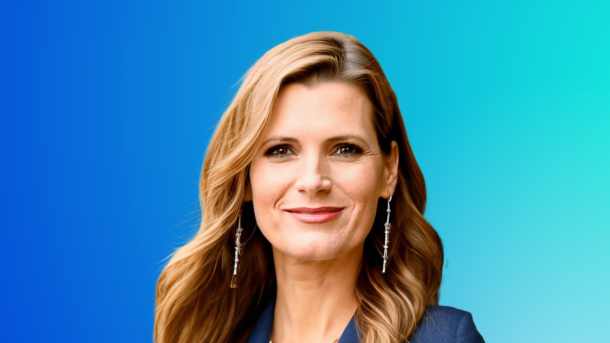
Charle Peck — Keynote Speaker and School Mental Health Consultant

Charle Peck — Keynote Speaker and School Mental Health Consultant
About Charle Peck

Charle Peck (@CharlePeck) is the co-creator of Thriving School Community, a revolutionary program designed for schools to improve the mental health of staff and students. She holds an MS in Education and an MS in Social Work as a 20+ year veteran in education (K-12).

As a global keynote speaker, she delivers powerful messages of hope to educators and facilitates meaningful professional development to equip adults with tools that integrate into everyday practice. Her unique lens as a high school teacher turned clinical therapist who has worked closely with adolescents and families in crisis makes her stories relevant and captivating to those struggling in today’s system.

You can purchase her book “Improving School Mental Health: The Thriving School Community Solution” on Amazon. You can also listen to Charle’s podcast “Thriving Educator” and connect with her via email charle@thrivingeducator.org, on Twitter + LinkedIn @CharlePeck.

Connect with Charle: Email | Instagram | LinkedIn | Twitter | Facebook

Listen Now

Listen to the episode now on Apple Podcasts, Spotify, or on your favourite podcast platform.

Resources Mentioned

Thriving School Community Program

Graduate Programs at Niagara University

Master of Social Work (MSW) – Wilfrid Laurier University

Improving School Mental Health: The Thriving School Community Solution

Thriving Educator Podcast

TSC Virtual Summit

The Transcript

**Please note that all of our transcriptions come from rev.com and are 80% accurate. We’re grateful for the robots that make this possible and realize that it’s not a perfect process.

Sam Demma
Welcome back to another episode on the High Performing Educator podcast. Today I am so excited. I was connected to this amazing human author and speaker through a past guest named Darren. Today’s special guest is Charle Peck. Charle, please take a moment to introduce yourself to all the educators who will be tuning in today.

Charle Peck
Hi, you guys. Sam, thank you so much for having me. It’s so nice to be connected by people who are genuinely good people like Darren. And, you know, I’m just coming to everybody from a background in education, K through 12, for the past 20 years but I taught high school for 18 years, really saw my students struggling. So I got a Master of Social Work, became a clinical therapist, and I’ve been working with schools and districts across the country to help them solve this darn youth mental health problem. So I’m coming to you with that lens. I’m also a parent. I’ve got three boys, and I just want to make sure that our educators have simple tools and strategies that they can just infuse into everyday practice to manage their own mental health and well-being and then respond effectively to their student needs. That’s what they need the most.

Sam Demma
Well, something that makes you very unique is your specialization in trauma in becoming a clinical therapist. Tell me a little bit about that journey of yours.

Charle Peck
You know, I realized that understanding that brain-body connection through a trauma lens was essential to help mitigate the problems our students are having. And by the way, our educators are coming into our buildings with these same problems that are unprocessed. So once I learned what that was all about neurologically and emotionally how people are responding with that emotional charge as a result. It helped me develop the skills and tools that could actually adapt to the classroom setting. And that’s why I love doing what I’m doing, because it does work. And it works even in crisis. I worked at a crisis unit in a hospital, Sam, and I worked with teens who were really struggling and with their parents and families. And these skills and tools work with them too. So I’m excited to roll it out.

Sam Demma
Tell me more about the tools. As someone who’s excited to hear some of the things that you’re sharing, I’m sure the educators are also.

Charle Peck
Yeah, well, I developed them with Dr. Cameron Caswell. She’s an adolescent psychologist and she and I hooked up because we knew the problems were very similar with what we were each working with. And we had to come up with something that was evidence-based, so they absolutely are evidence-based, but something that would easily be able to recall and use and have visuals that can work for not only the adults, but the kids. So they can work with kids as five years old, but also 15 years old and adults. And I’ll give you an example, Sam. So one of the problems we have is dealing with anxiety, right? Anxiety and then avoidance and so in therapeutic sessions what I would do is talk with talk with people about this and they have what’s called their own narrative now We all know what narrative is right? It’s a story that we tell ourselves And there’s lots of things that are brought into that story But oftentimes they are just a bunch a bunch of lies like we’re not basing them on facts And so we’re walking around our buildings, emotionally charged with these unresolved traumas and all of these thoughts and feelings that are triggering us throughout the day. And it’s based on a story that we’re telling ourselves. So I teach them about the story spiral and how our thoughts and emotions, our responses, or really reactions, are all linked together. And then how people are responding to us can keep a spiraling into that story. Again, that’s not based on fact. We might think somebody is upset with us or mad at us or think that we’re dumb or incompetent, but they’re not actually thinking about us. They’re thinking mostly about who? Who are they thinking about, Sam?

Sam Demma
Themselves.

Charle Peck
Yes, of course, of course. But we’re all egotistical as human beings. And so helping people reframe their thoughts and feelings, emotions around those stories. And really unraveling that story can be so helpful with anxiety, which can apply to anybody. So that’s just one little tool that we use.

Sam Demma
One of many tools that you and many other educators and speakers will be sharing at your upcoming virtual conference. Can you please tell us a little bit about the summit happening on April 16th and how educators can get involved if they’re interested in learning more

Charle Peck
Yes. Okay. So Dr. Kim and I said, listen, we’ve got to provide support to people free, virtually, easily, anything that’s accessible. We’ve got to get it out there as much as we can. And so we decided that we’re going to do a virtual summit. We’ve done it several times before. It’s been great. And so we’ve got eight awesome speakers. We’ve got a speaker talking about crisis response, like how do we respond to youth in crisis? We’ve got a speaker talking about how to manage big emotions so that it will help us as educators, but also we can translate that to parents and students easily. Also leaders are a part of this too. They need to help with that as well. And they absolutely can.

Charle Peck
And so we just, we have like one of my sessions is about how to assert your authority without being mean because we do have struggles with students in that authority position, but we still have to stay connected, Sam. And if we don’t, we’re shutting them down, shutting them out and helping create that disconnect and that divide that is not working in our education system. We need to bring people together and have trust and connection. And so the expert speakers we have are there bringing their true insight and skills and tools, but briefly. So each of them have 20 minutes to talk and share resources. We’re doing giveaways. It’s fun. Dr. Kim and I engage people and people leave with real tools that they can immediately use. And so if anybody wants to register again, it’s absolutely free. You can be a parent or an educator or leader. And if you just go to thrivingschool.org forward slash TSC summit, you can just register for free. So thanks for bringing that up because we do want to support our teachers big time.

Sam Demma
And I know it’s not the first. So there’s a lot of people that are already involved. You’re building the momentum and doing such an amazing job at providing all these resources to so many educators across the country. I think everyone listening right now should pause this recording and go and check it out. It’s a amazing experience from what I’ve heard and I’m excited to hear more about how it goes this year. Tell us a little bit about why. Like why do you do this work that you do? You’ve done a great job explaining some of the things that you do and the tools. Tell me the reason behind it all.

Charle Peck
Oh my gosh, okay. So when I got to teach, I loved what I taught. I got to teach kids about their brain. I got to teach them about their development. I got to teach them about why the heck they were feeling what they were feeling and experiencing what they were feeling and experiencing based on their developmental stage of life. And also all of those influences that they got along the way. And so what that did for them is it helped them learn about who they were, and a lot of forgiveness happened with themselves. So they weren’t carrying the weight of the guilt and the shame and pain that society has put on them, and they were able to make sense of it. And so I knew that after I became a therapist, I knew that this work had to be done on a more massive scale because the youth mental health crisis is everywhere. I mean, it’s global. It’s global.

Charle Peck
And so when I realized I had some great tools that could easily infuse into everyday practice and really work well in a classroom and support staff at the same time with their own mental health, because they’re struggling too, I knew I had to step out of the classroom and just do this work. So I do get to speak around the nation about, and internationally about these tools. One of my sessions is called SOS for School Mental Health, Strategies for Staff and Students in Crisis, because we’ve got to address it. We’ve got to give relief to the whole system. So that is my why I’ve got to do this on a massive scale and help others get the relief that I was seeing in my own students.

Sam Demma
And did you struggle with mental health growing up or have you seen it in your family? Like, I would love to hear a little bit of your personal story as well that brought you into education and even brought you here.

Charle Peck
Yeah, you know, first of all, I’m the baby of six kids. So I had some interesting experiences in the position of my family. And even we had a great, I had a great childhood and a great family system, but I felt alone a lot. And I had a lot of people around me a lot And I was involved in a lot of sports Informing my identity. I wasn’t really sure like am I Only good when I’m playing well in my sport in my I didn’t think I was a good student I could have been but I thought I was dumb and there were lots of things that went on I absolutely struggled with mental health and I think adolescence is something that I always knew I would participate in, in the learning piece there to help adolescents because it’s such a tricky time of life and I think there’s such a disservice out there that they’re not involved in understanding what’s going on with themselves. So I was always compelled to work with teens, but I also have a child development background so that I understand not only as a young child, like what’s important for us to do to support them when we’re pregnant. And I’m not afraid to say that because it’s super important that people understand how impactful it is forever. Okay. And so that’s one of the things that’s a disservice I think I’m doing by not being in a classroom again with teenagers.

Charle Peck
I don’t get to teach them every day about healthy and unhealthy relationships Because we had some really important Conversations there that I wish I would have had So that’s something else that I’m trying to do on a global scale is help Adults teach kids about these healthy and unhealthy relationships and friendships And what does that look like because I don’t want anyone else getting stuck, you know, my first year of teaching. I was not only planning sessions for my students, I was planning an escape to a women’s shelter. And I did that while I was still teaching and holding it together. But I was able to do that because I felt confident about who I was and I had a ton of supports. So yes, I struggled, but the good news is, Sam, we can prevent these problems from happening in the first place. And we can also help people manage that when they’re in it and learn to step out of wherever they are if they’ve reached their limits. I mean, there’s a way to do that and still feel good about who you are. And so that’s why I’m doing this work too.

Sam Demma
There’s the speaking, there’s the summits, and then there’s the book. Tell us a little bit about the journey of the book and what you’re hoping that resource will do in the world.

Charle Peck
Well, it’s meant to be something simple that has a framework that’s easy to relate to, especially in the education world. And so there are nine skills. And the reason there are nine is because we identified nine different areas that were contributing to the youth mental health crisis. For example, insecurity, not recognizing our own strengths and getting stuck in that. Like when I was felt like I was a poor student, I got stuck there. And so that shapes how I performed in school. I mean, I later went on and did better, but that was what I wish I had is that particular skill or polarization, right? There’s so many of us who are polarized and guess what? We can actually work and engage with others, even if we don’t like each other or believe in the same things. But there’s a way to do that, to meet our own needs in that exchange. So that’s another thing. So all of the skills are in the book that explains the rationale, but also we wanted people to walk away being able to use them immediately. So it’s kind of a reference guide that way. That’s what the book is, so anybody can use it, parents, students, but we say educators, you need this. We need to start with you because I think our schools are absolutely the keys to make any kind of change, like, in the masses.

Sam Demma
What can people listening expect from you and the team in the near future?

Charle Peck
Well, we’re doing a lot of professional development in equipping our teachers across the nation with these tools. So if anybody wants that, please, please, let’s help. Like we all need to help you. There’s something for every budget. I know budget is certainly an issue, but there’s something for every budget. And in fact, we want to promote sustainability and autonomy in the schools we work with. And so we have a program for that so that we can equip school counselors, school mental health team members, so they can roll it out. And it’s not even as big as train the trainers, Sam. That’s way too much for people to handle right now. So we know what we can provide is affordable, but also sustainable. So that’s one of the things we’re doing. And I’m also doing some keynotes.

Charle Peck
And so if anybody wants that message of hope, that’s one of the things I’m doing, but I’m really excited to share, and I haven’t said it too much yet, but I’m actually working on another book with a former principal who has a trauma lens and is a foster parent and understands the system really well too. And we’re actually talking more about behavior and how to respond to behavior and where the heck it’s coming from. So I’m excited about that because people need those tangible tools and principles to kind of go by. So yeah, that’s coming up too.

Sam Demma
And if they wanna reach out, ask a question, follow your journey online, what would be the best place for them to get in touch?

Charle Peck
They can just email me charle@thrivingeducator.org or they can just go to my website thriving educator.org. I’m on social media. You can find me @CharlePeck. Just connect. The thing is, don’t let this go. Like if you need some support, let me help you.

Sam Demma
Charlie, such a pleasure to have you on the show. Thank you for taking the time. I look forward to our paths crossing at some point in real life offline. And I’m so excited for your new book, your educator summit, everything that is yet to come.

Charle Peck
Thank you so much for all you do too, Sam, thank you. Thank you so much for all you do too, Sam, thank you.

Join the Educator Network & Connect with Crystina Cardozo

The High Performing Educator Podcast was brought to life during the outbreak of COVID-19 to provide you with inspirational stories and practical advice from your colleagues in education.  By tuning in, you will hear the stories and ideas of the world’s brightest and most ambitious educators.  You can expect interviews with Principals, Teachers, Guidance Counsellors, National Student Association, Directors and anybody that works with youth. You can find and listen to all the episodes for free here.

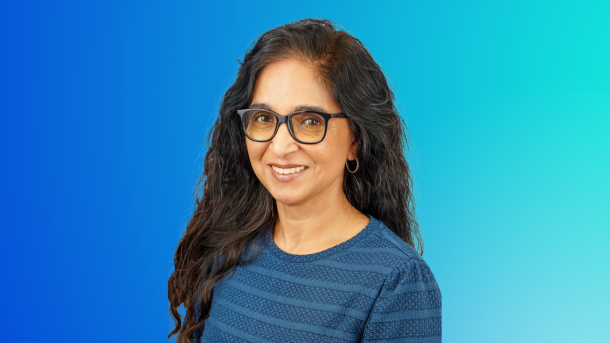
Pratima Burton  — Student Achievement Leader for Equity, Inclusion and Anti-Racism at the District School Board of Niagara

Pratima Burton — Student Achievement Leader for Equity, Inclusion and Anti-Racism at the District School Board of Niagara
About Pratima Burton

Pratima Burton is the K-12 Student Achievement Leader for Equity, Inclusion and Anti-Racism at the District School Board of Niagara. She has been with the DSBN for 26 years and has held a diverse array of roles that underscore her commitment to redefining excellence. Having dedicated 15 years as a secondary school English teacher, Pratima transitioned into pivotal roles such as instructional coach, secondary English consultant, and vice-principal. Her current role in equity is a testament to her dedication to creating safe and inclusive space for students and fostering a genuine sense of belonging for all.

Pratima’s dedication to equity is deeply rooted in her lived experiences, propelling her advocacy for students with diverse backgrounds and identities. While she thoroughly enjoys her current position as an administrator, Pratima fondly reminisces about her 15-year tenure as a classroom educator, where she found immense joy in inspiring student development, fostering learning, and witnessing growth. However, she also realizes the importance of the work the equity team does and the impact on building schools that are safe and inclusive spaces for all students, where their identities are affirmed in the curriculum and throughout the school, and where barriers for success are removed so all can achieve.

Connect with Pratima: Email

Listen Now

Listen to the episode now on Apple Podcasts, Spotify, or on your favourite podcast platform.

Resources Mentioned

District School Board of Niagara (DSBN)

Future Black Female

Equity, Inclusion & Anti-Racism at the DSBN

National Council of Canadian Muslims (NCCM)

The Transcript

**Please note that all of our transcriptions come from rev.com and are 80% accurate. We’re grateful for the robots that make this possible and realize that it’s not a perfect process.

Sam Demma
Welcome back to another episode of the High Performing Educator Podcast. This is your host, Sam Demma. And today we have a very special guest, Pratima Burton. Thank you so much for coming on the podcast. Please take a moment to introduce yourself to the listener.

Pratima Burton
Hi, Sam. Thank you for having me here. My name is Pratima Burton. I am a student achievement leader for equity, inclusion, and anti-racism for the District School Board of Niagara. So basically what that means is I’m a System Principal. So I guess what that comes down to is I’m a principal without a school. So I’m kindergarten to grade 12, but I don’t have my own school. So I think that’s probably the hardest thing about that role. I don’t get to engage with kids regularly, but that’s not my daily experience. But it is definitely a joy when I do get to work with kids.

Sam Demma
And the work you’re doing reaches so many young people and impacts all the schools. For someone who’s not familiar with the role, what does the day-to-day look like?

Pratima Burton
The day-to-day is very different every single day. We may have planned meetings where we’re collaborating with educators, with student groups around initiatives that they want to do. We may be working with teachers around resources for their classes. Sometimes we go into schools and work with students who want to start affinity groups. So it could be, you know, something different every single day. Sometimes we’re supporting administrators because something’s gone away that you don’t want it to go, and then we’re there to help with considerations and for teachers. So that’s some of the work. But it’s different every day, and I think we love it that way.

Sam Demma
Sometimes it’s challenging to show up. We are busy, we’re overwhelmed, and the thing that gets us through those difficult moments is our personal reason why. I’m curious, when you think about the work you do in education, why do you show up every single day? 

Pratima Burton
Oh, there’s so many ways we can go with this. I’ll tell you a little personal story. When I was in grade eight, it was that time of year where your teacher helps to decide where you’re going to go in grade nine. And back in my day, the options were basic, general, and advanced. And although I was a really, I was a bright student, I worked very hard, I thought I was going to go into academic, or sorry, advanced, as it was called back then. But the teacher recommended me for general. And I don’t know why I never asked. Culturally, my parents wouldn’t have asked because it would have been considered disrespectful, right? I had a friend who advocated for me and said, look, she can go to advanced, and then if she doesn’t do well, she can go down general, but it’s not easy to go up to advance. So although my self-esteem was impacted, I went into advanced and I did very well on a roll all the time, graduated, you know, near the top of the class with everybody, you know, with my peers. But it was something I never, ever forgot. And the interesting thing is that I came into this role four years ago, but this time it was her story. Same thing, very bright student, and at the time when she was going to grade 9, it was academic and applied, and the teacher recommended her for all academic, but except for math, which was ironically her favorite subject. So I just don’t want to see students experiencing things like that. I don’t want students to have the same experiences that are grounded in bias that maybe their families encountered. So I think that’s my motivator. I think that’s why I stay in the role. I just want to see some change. I don’t think change is gonna happen from my generation. I think adults sometimes, some adults are stuck in their ways. They just like things that are, that have always happened the way that they have. And we might not even be able to explain why they happen or why we keep doing some practices. But it’s the kids who are going to use their critical thinking skills and ask why do we do this, why hasn’t this changed. And I just want to support them in giving them the tools and strategies to ask those questions and look at things through an equity lens.

Sam Demma
Amplifying student voice is so important, and you’re a massive champion of doing just that. Can you think of a question a student asked or a recommendation a student brought up that sparked change within a classroom or a school board? There’s probably so many, but is there one in particular that maybe comes to mind when you think about that question?

Pratima Burton
Yeah, I could share with you something that’s very recent. At our school board, one of the learnings that we do for educators is something called an equity cafe. And an equity cafe is an opportunity for educators to come online and have casual conversations with my team about equity topics that are pertinent to their classrooms, to their schools, to their students. And this is where we share considerations and strategies around those topics. And it’s a great opportunity for them to ask questions.

Pratima Burton
Well, we just did our Equity Cafe for Black History Month. And what we did different this time was that we actually had students come and present. So, how did that come about? We have an organization, a community partner named Future Black Female. And I have an individual on my team who is the Black Youth Engagement Coach, and they go around to schools supporting students, starting affinity groups. And one of the common narratives that was coming up was that students felt that in some schools, Black History Month wasn’t being celebrated in a meaningful way. And they wanted to do something about that. So we got together, we did some brainstorming, and these were all your ideas, into a kit, you know, flags, balloons, banners, posters, a QR code that took you to a resource list of, you know, uplifting songs and daily announcements, a book list, videos about history. And the idea was that at the very least, this is what schools should use to celebrate the excellence, the joy, and the achievements of Black history. And, you know, we grappled with the idea of this being just performative, a checkbox item. But then we came to the conclusion that in spaces that maybe there isn’t much happening, this is a start. And we always get asked by educators for numerous topics, like, where do we start? So we’re saying with this Black History Month kit that this is where to start, at the very least.

Pratima Burton
Start here, put out an announcement, say, hey, any students, all students who want to come and be on a Black History Month committee, come, we’ll put our ideas together, we’re going to start with this kit and see where it goes. So back to the Equity Cafe, talk to educators, and it was like a panel and they answered four questions. Why is Black History Month important to you? Why is it important to celebrate Black excellence achievement and joy at school during Black History Month? Why is it important to celebrate Black excellence and joy and to affirm identities, Black identities, all year long? And finally, what do you as students want to see happening in your schools? And the students were absolutely fantastic. They just blew everybody’s minds. It was so impactful for educators. I mean, I can go on and say a lot of stuff, but when you hear it from the voice of students sharing their experiences, it just means so much more. I mean, I really think that sometimes as educators, we have an idea of how students move through our spaces, but it’s so different from the way that they actually move through school spaces. And I just want to elevate those voices so that students could share that. And at the end of that session, we used this Black History Month kit to challenge schools that the next Heritage Month, why don’t you create something like this? Get student voice, take it away, and share what you’re doing.

Sam Demma
There may be an educator listening to this thinking, oh my goodness, this is absolutely amazing. I want to do something similar with my schools. Is the Black History Month package a resource that is publicly accessible or is it just within the school board?

Pratima Burton
Actually, it’s within the school board. We just got together. We just Googled some things. What do we want on this kid? You know, we found a few things, put it together, and printed things, made sure they were accessible, packaged them up, and sent them away. I mean, who knows? Maybe it’s a possible retirement plan. Very huge month, kid. Obviously, that’s probably not the route that I’m going to go, but no, it’s the idea of just asking the students. I don’t think you need to have a pre-packaged kit. Just ask your students, because what students will ask for in one classroom or one school is going to be different than another.

Sam Demma
Fair. It’s so important to give students a seat at the table because it builds responsibility responsibility and ownership. And when they have responsibility over the outcomes and ownership of the ideas, they’re more excited to bring them back to their schools and take action on bringing them to life. The work that you’re doing to amplify student voice is so important. There is also right now in education, many opportunities and with opportunities are challenges. What do you think some of the challenges and opportunities are that exist in education right now?

Pratima Burton
I think one of the challenges are like all the competing priorities, right? There’s so many things that are looking for space, looking for time, and I think sometimes what happens is we focus on, you know, like literacy, numeracy, we have to get kids ready for post-secondary, and of course all of those things are important, but if kids don’t feel safe, they don’t feel they’re included, there isn’t a sense of belonging, then I don’t think they’re going to achieve as well as we want them to. They’re not going to reach their potential. So, I think one of the challenges would be time. And there’s always so much to do. Like for my team, time definitely is a challenge because we’re often asked by people to come collaborate. You look at this resource, can you come create a resource? And there’s five of us on our team. And we try to overcome that challenge with collaboration. I mean, you can’t do this important work dealing with equity, inclusion, anti-racism in a silo. And we try to be very efficient and very effective. You know, we call on our supports. If there are several schools asking for the same kind of resource, then instead of working with the schools individually, we bring them together. We do an equity cafe. We offer a workshop. And as I mentioned, we don’t do the work alone. We have wonderful community partners. We have Niagara College. We have Brock University.

Pratima Burton
I mentioned a local organization, Future Black Female. We do a lot of learning with Facing History and ourselves. And even within our school board, we have the Mental Health and Wellbeing Team, the Safe and Accepting Schools Team, the Indigenous Education Team, Spec Ed Team, Curriculum Teams. We have a wonderful seniors team that supports this work. So when you put all those people together, we’re able to overcome the challenges because we do need to elevate each other’s work, right? And when it comes to challenges and hard questions, I always remember advice that our former director gave us, and I think I heard this from him about 10 years ago, and he said, no matter how hard the challenge or how hard the decision is that you have to make, you’re going to get clarity when you frame it a certain way. And the framing question would be, what’s best for kids? So what can’t you overcome when you come together and you put it that way?

Sam Demma
On the other side of every challenge is also an opportunity. When you think about the opportunities that exist that align with what’s best for kids, like what opportunities come to mind?

Pratima Burton
Well, earlier you mentioned the idea of like the table, right? Coming to the table. So again, when I got into this role, one of the things my team and I tried to do was listen to students and see what they were asking for. And one of the things they asked for was like a student group, like a student council, but not at our schools, like us coming together, like the whole board. And so three years ago, we started the process to launch like a student alliance. And we’re doing it with secondary schools. And as you said, the idea of the table, we didn’t want to create an alliance, a group, something already structured, and then have the students come apply and join it. What we wanted was to build that table and have the students build it so they can sit at their table and to learn alongside with us. And so we started with focus groups. We had about four or five focus groups and we had students, secondary grades nine to 12, lots of representation come and let us know and share with us what they thought this group should look like.

Pratima Burton
They had ideas about who should be in it and what grades and when we would meet and what some of the focus would be and what the process, what the application process would be, how to make it equitable. So now we have this group of like the powerhouse of passionate kids, you know, real advocates who are really dedicated to reshaping and revitalizing their schools and their communities. There’s 50 students. And, you know, we are, as some graduate, we bring on new students, but this is our second full year, and they are really dedicated to creating inclusive spaces. And their vision is to be changemakers who represent and advocate for sovereignty speaking and equity deserving students. And, you know, when you give the students a voice, this is what can happen. And it’s almost like you give them a voice, they’re heard, they are affirmed, and then they come up with the next big idea. So this group then came up with an idea, we now call it the Inclusive Schools Poster, is what we call it. It was an activity that we did last year with the group, and we just basically said, like, let’s do some brainstorming. Let’s come up with what are all the criteria that you think a school needs to have so that it is safe and it is inclusive so everybody has a sense of belonging. And so, you know, 50 students, lots of chart paper, lots of markers, in groups, writing down all these ideas. I think we ended up with like over 300 points. It’s a lot.

Pratima Burton
And we weren’t sure at the time where this was going, but then they started chunking all the ideas into themes. We took all those themes, we narrowed them down to, you know, probably about 75, down to 50, and we ended up with 20 points. And we looked at it and we thought, this is incredible. These are 20 things that are telling us, through student voice, exactly what a school needs to be in order for it to be safe and inclusive, a place of belonging, so that now we can learn and achieve. We have a wonderful communications team who took all those 20 ideas and put them into this beautiful poster. And we did not want it to be decor. So now, it’s this group, the DSBN, and they call themselves DSBN IDEA. So it’s Inclusion, Diversity, and Equity Alliance of Students.

Sam Demma
Nice.

Pratima Burton
They love the acronym. So they are now wanting to create a video. And in the video, they are going to talk about the why, the importance, the process, which I think is very important, and how to use the poster. It’s not decor, it’s a teaching tool. It shares their values and it’s what we should all be aiming for. And some of the things on the posters are like, in an inclusive school, we do better when we know better. We are mindful of our words and their impact. We ensure everyone is safe and belongs. We question, we interrogate, and we take action on injustice. Like, these are student words. They’re not student words that adults recrafted. These are their words. And it’s pretty powerful. We’re hoping to launch the video in March. And we’re just so excited for administrators and teachers and parents, councils and students to see that this is what we believe in.

Sam Demma
What a beautiful testimony to student voice and case study for other school boards to involve their students in creating policy and ideas, guidelines and principles to live by. I am so excited to hear that your school board has put this together, and I hope that other school boards and educators tuning in are writing down these ideas to implement with their students. Did this alliance of the students also come up with the Rise Up Conference? And if so, tell us a little bit about that, that annual event.

Pratima Burton
Yes, it did. It did start from them. That’s why last year was our first one, because they had said, you know, like, can we do a conference? And I think it came up at our first meeting, which would have been in October. And these conferences take like so long to plan. We had 200 students at our first one last year. And although I hadn’t planned anything or my team hadn’t planned anything of that size, we knew it was going to take a long time. So we just got right to it. So the kids were like, let’s do this conference. You know, I’ve heard of conferences where kids come together and they do this learning, there’s presentations and activities, and we’re like, okay, let’s do it. So we started brainstorming ideas. Okay, what are the topics you want to learn about? And that’s where we started. After we got the topics, we started looking for workshop ideas and for presenters. We just put out all of our feelers, the people we know, you know, in the community and throughout the province, but at other boards and just friends and family just to tie in whoever we could to help us. And we offered students lots of opportunities to help us as well. But we were getting the sense that, you know what, they didn’t really want to be involved in the planning. And that’s okay, because you know what they wanted? They wanted something for them. They did not have that before them before. So we wanted to create something that was a celebration for them.

Pratima Burton
And although they did, you know, introduce the speakers and thank them and that kind of thing, we wanted them to come into a space and see that this was created for them, all of their accommodations met, and that they wouldn’t have to ask for anything. So this year, we are hosting it again. It’s our second annual. As you mentioned, the DSPN Student Equity Conference, Rise Up Students Leading the Change. rise up students leading the change. And the intent is to create a space where all students are going to feel valued and respected and supported. We’re going to work together. We’re going to share ideas. The idea is for them to also network with other students, so that when they go back to their own schools and they may have a social justice action plan in mind, the staff leaders that come with them could, you know, help them connect with other schools and work smarter as opposed to harder, right? Especially if they all have, if they have similar initiatives. So just to walk you through what that day looks like, you know, the students arrive this year, we have 240 students. They have a very special keynote speaker to this time, Sam. We’re so happy you’re joining us.

Pratima Burton
We have eight workshops, and we have lots of variety. We have someone talking about loving yourself and never giving them back. We have somebody coming and talking about having special education obstacles and the way that they’ve overcome them. We have Justice for Children and Youth coming because we have some students who are really interested in knowing what their rights are and how to advocate. We have our Indigenous Education team coming and they’re bringing a panel of their students, which is exciting for students to learn from students, especially in their first voices. We have future black female coming and the Canadian National, sorry, the National Council of Canadian Muslims coming to do a session as well. So we have lots of variety for students to choose from. So they get to attend two workshops and lunchtime is always fun. We call it our community mingling. So we have community partners that come and set up tables and offer students information on student-centered resources. And when we did that last year, we didn’t know how it was gonna go because the long table of community partners was what was standing between the kids and their lunch. So we thought the kids were gonna go right for the lunch, but when they saw all this table set up, they were so engaged and did not realize that there was so much available for them in their community. We’re also intentional in making sure that spaces are safe. So we have a youth counselor, social worker. We make sure that we have a multi-faith meditation room available for anybody who needs to take that time. This year, we have a dance group coming. We’re going to be doing a little bit of Bollywood and Afrobeat.

Pratima Burton
And we have somebody doing a mindful art activity. And of course, the food is always a big hit. We have an inclusive buffet. So regardless of your dietary accommodation needs, you can walk up to the table and there is plenty for you to choose from. We want students to know that we created this space for them so they wouldn’t have to ask. And I think one of my most memorable moments last year was just something I had the luck, the honor to overhear. A student said, I wish school could be like this every day.

Sam Demma
It is overwhelming to hear about the beauty of this event. It’s so obvious care, love, and collaboration was fostered in creating it with all the moving parts and pieces, the thoughtful accommodations for everybody to feel welcome and included. Again, I hope other educators are listening, taking some inspiration from this idea to see if they can create similar experiences or spaces in their schools and in their communities. You mentioned it takes a pretty long time to plan something like this. What is the planning process for an event of this size?

Pratima Burton
As soon as the last event was over, we contacted the facility and asked if we could book for this year, right? Because the space was ideal, it’s big, it’s lots of light, and just the movement throughout the day was so easy. They were wonderful in accommodating the spaces we needed and helping us set up. So a year in advance and then we start, you know, putting out our feelers and keeping our ears open for possible topics and speakers. And the first time that we have our meeting again with our group, as we did this year, we ask them, okay, who do you want this year? What do you want to learn more about? And we know that we have some students who are returning, but we’re also going to have new students. So we like to change it, change it up. I think we have almost all of our workshops are new this year.

Sam Demma
Thinking about experiences where students have been impacted by the conference or their experiences at school, can you tell me of a story where you heard of a student situation that was impacted by education or by an event? And if so, you don’t have to share that student’s name if it’s a serious story. But I’m curious, what example comes to mind for you?

Pratima Burton
So one of the first experiences I had in this role, we were asked, my colleague and I, to come to a school to talk to a group of students. They had been experiencing some discrimination and they felt that every time they were sharing what happened to them, they were having to almost justify their feelings. And so, you know, I’m South Asian, my colleague is a hijab wearing Muslim lady, and she’s a wonderful colleague. And we walked into the room where there were a couple of students. And there was, I believe, a South Asian student and a black student, two young ladies, and we walked into the space and we had our meeting, they did their sharing, we intently listened, and at the end of the meeting, one of the girls made the comment that, when you walked in, we knew that it was going to be okay.

Pratima Burton
And I think what she was expressing to us, and what she did go on to elaborate about is that by looking at us she knew that we had some experiences that would have been similar to hers. So all she had to do was just explain. She didn’t have to justify, she didn’t have to rationalize, she just had to say it and knew that we believed her. And that’s why I think representation is so important as well. So that is something that sticks with me.

Sam Demma
I really appreciate you sharing that story. I think it’s so important students can see themselves in their teachers, in their staff, not just the educators in the school building, in their peers, in the role models that are shared in the community. And I appreciate you sharing that story. It’s unfortunate that students even feel like they have to justify, you know, certain situations and stories, but in certain situations, it is the reality. I hope that happens less and less as we move forward as a result of having your poster in every single school, not only in the Niagara Board, but hopefully elsewhere in the future. If there is an educator listening to this podcast who’s felt inspired, motivated, energized, or curious based on our conversation and they wanna reach out to you and ask a question, what would be the best way for them to get in touch with you?

Pratima Burton
Well, that would be by email. It’s pratima.burton@dsbn.org. I’ll spell my name. It’s Pratima.Burton.

Sam Demma
Pratima, I look forward to seeing you in the spring. Keep up the amazing work. You’re doing a great job, and I look forward to connecting again soon.

Pratima Burton
Thank you so much for having me, Sam. And you are doing inspiring work as well, and we are so looking forward to having you join us in April.

Join the Educator Network & Connect with Pratima Burton

The High Performing Educator Podcast was brought to life during the outbreak of COVID-19 to provide you with inspirational stories and practical advice from your colleagues in education.  By tuning in, you will hear the stories and ideas of the world’s brightest and most ambitious educators.  You can expect interviews with Principals, Teachers, Guidance Counsellors, National Student Association, Directors and anybody that works with youth. You can find and listen to all the episodes for free here.