January 2024

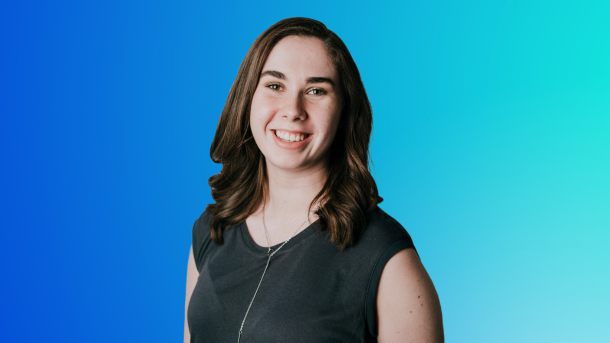
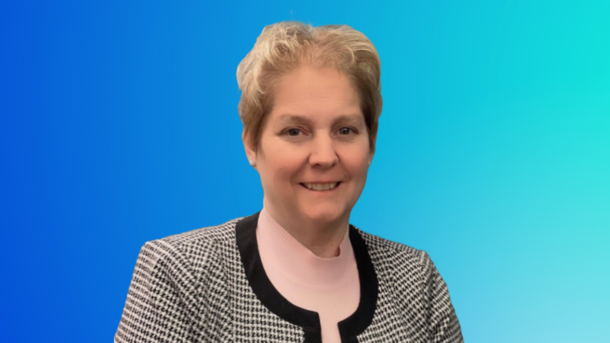
Ireland Black — Success Coach in Bowden and Spruce View

Ireland Black — Success Coach in Bowden and Spruce View
About Ireland Black

Ireland Black, is the Success Coach in Bowden and Spruce View. She facilitates the Youth Empowerment & Support (YES) program for both schools which uses a positive mental health focus to provide universal programming to students in Grades K-8.

After receiving her degree in Psychology, Ireland chose to step away from her job as an Advanced Leader 1 Lifeguard in order to find a position that was better aligned with her future goals. The YES program is a perfect fit for her as she has not only been able to utilize her knowledge from obtaining her degree & to use the skills she developed volunteering with the RCMP but it allows her to continue to foster healthy and positive relationships with the students, staff and communities.

Ireland believes that each child should have a good understanding of what it means to have positive mental health and continues to encourage students with her motto “You can do hard things.”

Connect with Ireland: Email | Instagram

Listen Now

Listen to the episode now on Apple Podcasts, Spotify, or on your favourite podcast platform.

Resources Mentioned

Youth Empowerment & Support (YES) program

Muriel Summers – Leader in ME

How to Win Friends and Influence People by Dale Carnegie

Red Deer Polytechnic

The Bubble Gum Brain by Julia Cook

Royal Canadian Mounted Police

The Transcript

**Please note that all of our transcriptions come from rev.com and are 80% accurate. We’re grateful for the robots that make this possible and realize that it’s not a perfect process.

Sam Demma
Welcome back to another episode of the High Performing Educator Podcast. This is your host, keynote speaker, and best-selling author, Sam Demma. Today’s special guest is my friend, Ireland Black. She is the success coach in Bowden and Spruce View, Alberta, and facilitates the Youth Empowerment and Support Program for both schools, which uses a positive mental health focus to provide universal programming to students in grades K through 8. After receiving her degree in psychology, Ireland chose to step away from her job as an Advanced Leader I lifeguard in order to find a position that was better aligned with her future goals. The YES program was a perfect fit for her as she has not only been able to utilize her knowledge from obtaining her degree and to use the skills she developed volunteering with the RCMP, but it allows her to continue to foster healthy and positive relationships with the students, staffs, and communities she serves. Ireland believes that each child should have a good understanding of what it means to have positive mental health, and continues to encourage students with her motto, you can do hard things. I hope you enjoy this conversation with Ireland, and I will see you on the other side. Ireland, thank you so much for coming on the High Performing Educator podcast. Please, let’s get started by having you just quickly introduce yourself to the listeners.

Ireland Black
Awesome. So thanks for having me. I’m Ireland Black. I’m a success coach out of Bowden in Spruce View, Alberta. So what that means is I’m a facilitator with the Youth Empowerment and Support Program, which is the YES program. So that’s about my role. It is formulated to support resiliency skills in kids from K-12. So we support students with their mental health awareness and to enhance their social and emotional skills.

Sam Demma
I’m kind of jealous I never had my own success coach when I was going through school to be honest. Is this a newer position within the school board? Like, tell me a little bit more about how you came to becoming the success coach. I believe the program’s been around for quite some time now, at least within Chinook’s Edge?

Ireland Black
I can’t speak for other divisions. I started in May, so I’m still pretty new to the position, but I have a degree in psychology, so I was really looking for a role where I could use my degree and I love working with kids. So this was just kind of the perfect fit.

Sam Demma
Awesome. Tell me some of the things that you would be talking about with a student and how the role actually operates. Do you walk into a certain amount of classrooms each day? Is it more like a guidance counselor role where they walk into your classroom and you help them through things? Like, tell me a little bit more about what it looks like day to day.

Ireland Black
Yeah, so it’s a little bit of both. I’m responsible for universal programming. So that means every student K to eight in the division is receiving the same like programming within their classrooms. So I think that’s really cool. That kind of looks like me. I come in with a PowerPoint, I have games, activities. Um, just yesterday I taught one about flexible learning. So we read a book called The Bubble Gum Brain, and I had them all like try and squish a piece of gum between their like two peace sign fingers. So that’s a lot of fun, but I also have my own classroom in each building. So students are always welcome to come in, have a chat. I’m in the, I call it the first line of defense. I find that kids, because of the role I’m in, are very open to having chats with me. They’ll come in and ask for hot chocolate, they’ll sit on the couch, but they can’t take on that counselor role. So if it’s just like they’re having a bad day, I absolutely am there for them, but if it’s anything bigger than that, then I refer them to the family school wellness worker. Outside of that, I put on lunchtime programs, so that’s anywhere between small targeted groups for maybe anger management, friendship skills, or at something fun like Lego, coloring, and crafts. And then after school is the same. So we try and pick kids. We call them our yes kids. The kids who might need that extra support, um, need a safe place to land after school before they head home. So we range from a variety of topics between sports. We’ll do mini sticks in the hallway, we’ll do bake clubs, we do craft clubs, basically whatever the kids want, I will provide.

Sam Demma
It sounds like, although you’re not the counselor role, you create so many safe spaces for students to explore their skills and to feel like they belong or are a part of something. Can you think about an experience you’ve put on that has had a big impact on students, maybe one that you consistently like doing over and over again with different groups because it just works so well?

Ireland Black
I found recently that the baking club has been a huge hit. I’ve ran three of them now. I have one coming up in December for Christmas. And I thought it was simple enough. I used to love baking cookies, but those kids come in and I vary the age groups when I run them, but it takes patience

Ireland Black
when they come in because they’re so excited and they don’t always understand like with cooking and baking comes the cleaning and comes measuring and so When I walked into it, I was just expecting you know, like here’s your recipe. Here’s your ingredients Go ahead have fun. But then it was like sitting them each of them down and being like, okay, like this is a measuring cup and this is what the numbers mean. And, um, this is why we do it this way. And this is how we have to preheat our ovens. And so I found that it was super impactful for them because they got to not only learn that skill, but it’s also like I saw them work through and problem solve. And there was some frustration when things didn’t turn out. But it’s the one that they keep coming back and being like, can you do this again? Like it was so fun. And so I think they get the most from it. And being in the position I am and with the knowledge I have, I get to see like the skills that they’re practicing and that they’re learning. So that’s beneficial for me to see as well.

Sam Demma
And you get to eat some of their creations probably?

Ireland Black
Absolutely.

Sam Demma
Which is so great. For someone listening who is thinking right now, oh my goodness, baking club? That sounds amazing. I’m stealing that idea. What does it look like in terms of preparation, facilitating that, and how often would you do it? Like, paint a little bit of a picture so if there’s a teacher listening, they could take some of these ideas and implement them in their own school.

Ireland Black
Absolutely. So I have implemented this year, I try and run each program for a month length. So I pick one day of the week after school, usually two and a half hours for the big club I find to be enough, especially for those kiddos learning how to clean and wash dishes. But yeah, so I’ll pick like a Monday after school, I have them sign up two weeks in advance. And then I, once I get those forms back, I usually ask them what kind of recipes they want. I start with something very minimal, simple. I don’t even jump to cookies right away. It’s like box cake, just so we can practice measuring and following instructions. And so I think no matter what age group you pick, you have to be really mindful that you might be getting the kids who don’t know how to measure and don’t know how to clean. And so setting yourself up for success and setting them up for success is taking those smaller steps by starting with the box cake, which might seem a little ridiculous. But then by the end of it, when they’re baking their brownies and their cookies, and you’re getting to the point where they’re feeling confident, it’s so worth it. I’m lucky enough to have a very decent budget for my position to be able to provide all of this. I know when certain staff or support staff they hear bake club, the first thing that comes to mind is price tag because it can be huge. It’s not cheap for all those ingredients, especially when you’re putting it on for eight to ten kiddos. So my advice, research what you need beforehand, buy in bulk, and just know that at the end of the day, you’ll need a little bit extra because stuff is always, always going to end up on the floor.

Sam Demma
Nice.

Sam Demma
It sounds like the Bait Club has been one of the highlights. Is there maybe one other program that you’ve experimented since you started that isn’t like a typical club that you’d find in a school? Like, Bait Club is very unique. Is there anything else that you do that you think is a little bit unique that others may have never tried before? 

Ireland Black
I actually just this month kind of ran a club of my own that I came up with. So it’s called noodle noggins. And the purpose is to take kids from, I want to say, grade three to six and target the kiddos who aren’t doing very well academically, who might be struggling with writing skills or research skills. And but they still have that drive, like they want to succeed. And not every kid is going to be an honor roll student, but sometimes with that comes lack of self confidence or they keep getting the grades back and they’re not happy with them, but they’re trying their best. So I invented this lunch program where the kids come in and they pick a topic, any topic that they’d like to research and to find three fun facts. They have to, I make up three research questions for them and they go and they put it on a poster or a PowerPoint and every week when they come in, I give them a couple of noodles for lunch. And so, I haven’t seen anything like it. It was something that I know watching my sisters, like my sisters are very smart people but they have people in their friendships, even I had people in my friendship growing up that just were like defeated because no matter how hard they tried, they weren’t doing as well academically as they wanted. And so I’ve really seen these kiddos regain some confidence and trust in their own abilities. And I always tell them like, it’s not the grade, we’re not grading this. I just want to remind you that like, when you work hard, you are successful based on the outcome that you get. So, if you give it 110% and you get a 65 and that’s good for you, then you’re golden. That’s successful. So, I haven’t seen anything like it. It might be popping up in other schools because I’ve shared it with all of my team. So, yeah, that’s probably one that I haven’t really heard of before.

Sam Demma
Free noodles and extra help and resources sounds like a great club to me. What does empowerment mean to you? I know empowering young people is a big part of your your role and from your passion as you explain these different clubs, I can tell that you care about it. What is it like, what does empowerment mean to you?

Ireland Black
That’s a great question. I think being in this role, empowerment means making an impact. I think when if we put too much pressure on the mental health or the emotional side of things, of course, empowerment is uplifting and it’s encouraging and it’s positive. And of course, I believe in those things. But at the end of the day, if I can make the impact on any student, I’ve empowered them. I think empowerment comes in so many different forms. I have a student in eighth grade who I’m running a program, hood up, won’t look at me. Sorry. That’s okay. Hood up, won’t look at me. And by week three, she took her hood off. And so I like went up, we have a water bottle, it’s called the Heroes Program. And I gave her a water bottle and she looked at me, she’s like, pay attention. And I was like, right. But I could tell that you’re, you’re getting there. You took your hood off for me today. That’s huge. So yeah, I think empowerment to me is really focusing on putting those kids first and extending my reach as far as I can to collect all those kiddos in between. Whether they’re super successful, academic, athletic, or they’re on the end where they’re maybe quieter or isolated even, I just want to get my impact and my reach on as many kids as I can. What is the HERO Program? The HERO Program is one of the programs we run for grades seven and eight. I believe it’s the Impact Society. It’s awesome. It’s fantastic. It’s working with real life stories and giving them meaning and showing the kids like if you take down your walls and just let people in, you’ll be more successful and you’ll feel connection and you’ll be able to express more empathy for others because others will finally be able to give empathy to you. be able to express more empathy for others because others will finally be able to give empathy to you. And they have this water bottle and it’s my favorite thing. Every time I hold up the water bottle the whole class says I have gifts and abilities and the desire to succeed. And I just think it’s phenomenal because the water bottle represents, it doesn’t matter the package you come in, if you run a 10k rates, at the end of the day like if you grab your $50 water bottle or the water bottle you bought in bulk from Costco, the water is what’s important. So it’s what’s on the inside that counts. So I love the Heroes Program. I can’t speak highly enough about it. The kids love it. They come up to me all the time, chasing me on the hallways, Miss I, Miss I, I have the gifts and abilities and the desire to succeed. And I don’t always have a water bottle with me, but I recognize that and I know that they’re trying and whether they’re saying it for the water bottle or saying it because it’s important to them, I know eventually it will click and they’ll start to believe it. And that’s really what matters, so.

Sam Demma
The moment where that student of yours took the hood off must have just gave you goosebumps and been such a empowering moment for yourself to remind yourself that the work you’re doing is also making a difference and an impact. Have you had any more moments like that one? It didn’t have to be a student, you know, removing a piece of clothing or something, but like, is there any other moments you’ve had since you started in this position that just reminds you how important this work is? 

Ireland Black
I wanna say that this past week has been such a huge reminder The kiddos I work with they have faced a lot of change through this position, I think there’s been Three of us now which is unfortunate But life happens and so they really struggled when I started being like how much do we want to invest in this lady? Like she might not be around and I think they’re getting to the point now where there’s that trust and that relationship. And I really saw an impact when I had a student in the third grade. And she came up to me one day after school, she’s like, Miss I, you told me that I can do hard things. And when I went home, like I finished my math homework and she hadn’t done her math homework since September. And so I was like, oh my goodness, that’s amazing, good job. And she was so excited, she was jumping up and down, she ran over and gave it to her teacher and he just kind of looked at me, he’s like, she did her math homework? And I was like, yeah, she did her math homework. I was like, he looks at me, he goes, it doesn’t look like any of it’s right, but it doesn’t matter. And I was like, no, it’s handed in and it’s done. And so it was kind of a kind of chuckle because it’s just math homework. But she was so excited. And she, we can do hard things is kind of like a personal model of mine. And so just hearing some little kid just full of excitement, and that they took that to heart was like, mind blowing to me. It was so impactful and I just think it meant so much to me to just see how excited she was even though she got nothing right. And to do that and to hand it in.

Sam Demma
The idea is that you can do hard things. I would argue it’s not just math homework. Like that is a foundational belief that this young person may carry with them for the rest of their life. And remember when they’re in the middle of a hard project at a future job or a hard time in their personal life and running up to you and saying, Miss, I did my math homework. It could be like a foundational moment in developing that principle they carry forward with them. And so I think what you’re doing is just so important and I hope more school divisions create a position like yours to empower young people and remind them of these very important lessons. I’m curious, you are having a positive impact on these young students. I’m wondering if you had a teacher when you were a kiddo who had a very positive impact on you and if so, what did that teacher do for you?

Ireland Black
My most impactful teacher was Jeff Madsen. He was my English teacher from grade 11 to 12. And I was going through a really rough time in my life. I had lost three immediate family members within two years. So I was struggling with a lot of grief. And I was recently diagnosed with Graves’ disease. So I was going through a lot. And I just remember always being so welcomed in his class. And I was very shy in grade 11. And very meek. And I remember I was having a bad day and I was in Radius, which was the writing club in our school that he ran. And there was a little office upstairs and he came in after lunch to his English class, I was just having the worst day. And I came and I sat down and grabbed my book or whatever and he was like, I didn’t know how much that meant, but looking back, like, that was such a critical moment for me. Being able to have someone care and not relinquish expectations, like, I still had to go read the book, but to be put into a safe space and an environment where I was comfortable was huge. And he mentored me through all my writing. And he was someone that I could trust and rely upon. And so I think, in this position, although I’m not an English teacher, and I don’t run a writing program, the care that he had and the empathy and the compassion, and just the kindness, and how he treated us in grade 12. He’s like, you’re grade 12 students. If you have to go to the bathroom, don’t ask. I’m trusting you to come back without Tim Hortons. And so I carry that with me being like, I got to trust these kids and I need to show them empathy and compassion. And I just want to embody what he gave to me.

Sam Demma
I was recently attending a divisional PD day in the Livingstone Range School Division in Lethbridge, Alberta. I had the pleasure of speaking at it, and I also listened to this lady keynote called Muriel Summers, and she runs a program called Leader in Me. And one of her phrases was, could it be that simple. And you’re telling your story about Jeff and the fact that he offered you a safe space. You know, sometimes we think we have to do something so huge to make a positive difference in the life of a young person. But more often than not, it’s just about showing them that we care. It’s about showing a young person that you have time for them, that you believe in them, that they can talk to you. And I’m curious, like how do you think you connect with young people and make a difference in their lives?

Ireland Black
I think the number one thing I try and do is something you just mentioned is make time for them. I never want to turn a student away. So if they come to me, whether it’s to push them on the tire swing at recess or to sit and have a hot chocolate and talk about their bad day, I have to make time for them. And I want to make time for them, because I need them to know that I care. And I always tell them, you’re always welcome here. You can tell me about your bad days. You can tell me about your good days. But you need to know I care about how you’re doing. And I want you to be having the best day you can. So whether that’s you’re having a bad day and we can make it a little bit better, then that’s the best day you can have. And so for me, I always say like, these kiddos will come first to me. And I think that’s what I try and do is care for them and show them in the hallway. I smile, I say hi, I use their names, I give them high fives when I walk past their room, I give them a big smile and a wave. I just try and make myself present for them all the time.

Sam Demma
You mentioned at the start of this interview that you’re a psychology major and you love psychology. Are there any, not doesn’t have to be related to psychology, but are there any resources or books or anything that you’ve read that has informed some of your own beliefs in teaching or helping others? You mentioned using people’s names and I remember as a young person, I had a teacher who told me to check out this book called How to Win Friends and Influence People. And it was all about building these interpersonal skills and relational skills. And one of the chapters was about the importance of people’s names. And I was just so fascinated by it that after I read the book, whenever I was shopping in a grocery store or anywhere, if a person had a name tag on, I would address them by their name. And there was one occasion where the cashier looked at me and said, do I know you? I was like, no, but I just saw your name tag there. And she went, oh my goodness, thank you so much. And we ended up talking for two minutes and she ended up giving me a 15% discount on my order. I didn’t – I wasn’t expecting a discount, but I just became fascinated by that idea. And I’m curious if you’ve read any books or followed any people that have impacted the way that you show up every single day?

Ireland Black
That’s a tough question. I think there was a moment in my positive psych class during my degree and my professor, Anami, she’s lovely, she’s out at Red Deer Polytechnic for anyone who’s curious, she kind of stopped and she was like, Listen, I know to some of you, this is nothing more than telling you to be mindful and be positive. And this is things you’ve heard before. But how often do you apply them? How often do you take that minute to be mindful? How often do you take that moment to actually ensure you’re actively listening to someone, that you’re making eye contact, that you’re using their names, you’re repeating info back to them. How often do you do that outside of these four walls, outside of this classroom? And everyone’s kind of looking at each other like, oh, she got us there. And after that, I just remember taking that to heart and leaving the room being like, that’s exactly what I have to do. Growing up my grandpa had always told me like always take the high road. The V was always worth it and so I think I’ve carried myself through that lens and then when she had kind of called us out in class that day it kind of reminded me like it doesn’t take this big huge grand gesture it’s holding the door and acknowledging someone, it’s saying good morning. Positive psychology and being having a positive and a growth mindset is huge. But it’s so easy to get caught up in life sometimes that we forget that all it takes is that hello and being mindful and connecting with yourself just as much as trying to connect with others. And so I think that, although it’s not a specific book, was probably where I got a lot of my insight was that positive psychology class.

Sam Demma
Take the high road. It’s worth the view. That’s gonna be stuck in my brain for the next couple of weeks because of this conversation. I thank you so much for sharing that.

Ireland Black
Of course.

Sam Demma
This has been an insightful conversation from start to finish, whether it was the bake club, talking about the teachers who had an impact on you, talking about the moments that teachers create when they give their students time and believe in them. Thank you for making the time in your busy schedule to share with everyone listening with myself. I really appreciate it. If there is an educator listening right now, they want to reach out to you and have a conversation or share a compliment, what would be the best way for them to get in touch?

Ireland Black
Oh, first of all, thank you for the opportunity to be here. It’s been lovely and I was excited coming into this because I don’t think a ton of people know about the position. And so I’m happy to spread the word. I hope it carries on to other divisions. The best way to get a hold of me would be my email. So that’s iblack@cesd73.ca.

Sam Demma
Awesome, Ireland. Thank you so much or Miss.I I should say. Awesome, Ireland. Keep up the great work and I look forward to crossing paths with you again very soon.

Join the Educator Network & Connect with Ireland Black

The High Performing Educator Podcast was brought to life during the outbreak of COVID-19 to provide you with inspirational stories and practical advice from your colleagues in education.  By tuning in, you will hear the stories and ideas of the world’s brightest and most ambitious educators.  You can expect interviews with Principals, Teachers, Guidance Counsellors, National Student Association, Directors and anybody that works with youth. You can find and listen to all the episodes for free here.
Darlene O’Neill — Director of employment and student entrepreneurial services at Fanshawe College

Darlene O’Neill — Director of employment and student entrepreneurial services at Fanshawe College
About Darlene O’Neill

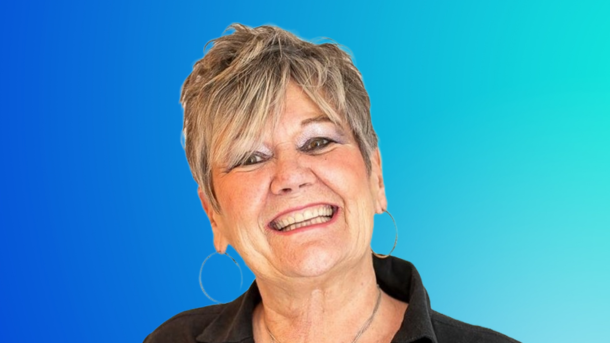
Darlene (@Darlene68615693) started her career in the Department of National Defence where for 21 years she worked in a variety of roles – the final 7 years were as the senior human resources business manager, for the civilian workforce supporting the east coast navy.

Prior to joining Fanshawe College, Darlene worked for Nova Scotia Community College as a career practitioner and a project manager in essential skills.

Darlene joined Fanshawe College in 2011 as the assistant manager, career services, community employment services and cooperative education. In 2012, she became the manager of the department, and in 2015 became the senior manager. In 2017, Darlene was appointed director, employment and student entrepreneurial Services. Darlene is the lead administrator for the military-connected college initiative at Fanshawe and is currently the administrative co-lead in the college’s united way corporate campaign. Darlene is also a part-time professor in the career development practitioner post graduate program.

Darlene holds a Bachelor Degree in Psychology, a Master of Education Degree (Adult Education) and a Career Development Practitioner postgraduate certificate.

She is the recipient of the Michelle C Comeau Leadership in Human Resources Award (Federal), The National Federal Government Managers Network Leadership Award (Managing Change), the National Defence Human Resource Leadership Award, co-recipient of Employment Ontario (MTCU) Leadership Award (Collaboration), The Fanshawe College Presidents Award (Administrator) and the CCVPS Art King Award ( Student Service).

Darlene is committed to creating inclusive environments where student centric mindsets are prevalent. Strategy, empathy and empowering effective change are of utmost importance to her in her leadership and work.

Connect with Darlene: Email | Instagram | LinkedIn | Twitter | Facebook

Listen Now

Listen to the episode now on Apple Podcasts, Spotify, or on your favourite podcast platform.

Resources Mentioned

Department of National Defence

Royal Canadian Navy

Fanshawe College

Nova Scotia Community College

Military-Connected Student in Trades Pilot Project (MCSTPP)

Career Development Practitioner Post Graduate Program

The Transcript

**Please note that all of our transcriptions come from rev.com and are 80% accurate. We’re grateful for the robots that make this possible and realize that it’s not a perfect process.

Sam Demma
Welcome back to another episode of the High-Performing Educator. Today’s special guest is a new friend of mine. I met this individual in person in November. She is a powerhouse. Her name is Darlene O’Neill. Darlene, welcome to the podcast. Please take a moment to introduce yourself.

Darlene O’Neill
Hi, Sam. Thank you very much. Yeah, my name is Darlene and I’m the Director of Employment and Student Entrepreneurial Services at Sandshop College here in London, Ontario.

Sam Demma
You are someone who has so much energy. I remember just watching you absorb the first keynote presentation of the Ignite Conference and you’re fully engaged. It was so cool to see you sticking around for the entire day and supporting the event. Tell me a little bit more about your role and why you’re so passionate about the work that you do on campus. 

Darlene O’Neill
Yeah, so I’m really, really fortunate. I have the responsibility for helping all students at our campus, as well as all our alumni and community members find employment, which is really, really important because we all know that the main reason students go to college is to get a job. So I have a wonderful, wonderful team made up of a lot of co-op consultants, career consultants, entrepreneurial consultants, and community employment consultants. And I think it’s really important that we demonstrate passion ourselves as leaders if we want our team to demonstrate passion.

Sam Demma
And recently, you also started doing a little bit of support for our students taking on a military pathway. Is that correct?

Darlene O’Neill
That’s right. Yes. I’m the lead administrator here at Fanshawe College for the Military Connected Campus Initiative, which provides a holistic support for our military connected students. So, not necessarily serving members and or veterans, but also their families. And we just want to make sure that they’re supported academically and socially through their journey here at Fanshawe. So, I’m really blessed to be leading that initiative.

Sam Demma
Sometimes I ask people that work in education, when they realize they wanted to do so, I get typically a few different answers. The first category is people that tell me they used to create little doll houses or little school classrooms in their basements when they were little kids. A second subset tell me that they had parents who were in education and they decided to follow in their footsteps. And the third group tells me they had no idea and they stumbled into it. Which group do you fit in and what did your journey look like that brought you to education?

Darlene O’Neill
Oh wow Sam, that’s a big question. I think a little bit of all of it. When I was a little girl I used to be the person in the middle of the circle in kindergarten reading stories to the other students while the teacher went about their business and doing things that they needed to do. So I’ve always loved education, but I was working for National Defence for 21 years. And I hit a glass ceiling in National Defence where I didn’t speak French, unfortunately, and I had just finished a master’s degree in education. And I thought, oh well, well just leave Defence and I’ll go and try my hat in education and here I am now almost 20 years later and loving what I do. I did choose, I chose college education as the pathway for me because my education is in adult education and I’m really passionate about watching young people and people of all ages that come to college specifically for that aspirational better life.

Sam Demma
I love that. Can we talk about your experience working in defence for just a moment? Like what were you doing with National Defence and what are some of the skills you developed there that you think have bridged into the work you’re doing today at Fanshawe?

Darlene O’Neill
Yeah, so my career in national defense started with the submarine inventory control point. And I was buying parts for submarines. But that, you know, it progressed. I went on to do my undergraduate degree and I ended up in the Self-Directed Learning Center. I actually opened a self-directed learning center at Defence in Halifax and that was really fun. And then I went on to become a senior human resources business manager, working directly for the admirals on the East Coast. And my role was strategic HR for about 7,000 civilians that support the Navy on the East Coast. It was so enlightening for me. I was a young leader. I was there when 9-11 happened. And that taught me some great lessons in determination, in commitment, in ethics, in just supporting people and being very, very proud of the work that the military does to give us a better home.

Sam Demma
Young leadership is something that may relate to some of the educators tuning in who are getting into the profession at a very young age, that feel a little bit like an imposter at times, are very intimidated by everybody else in their school or in the spaces they’re operating. How did you navigate as a young leader? What did you do to be sure of yourself and know that you were a valued member of the team so you could show up and use your gifts to the fullest of their potential? 

Darlene O’Neill
Great question. I think I’ve been very fortunate throughout my entire career, especially as a young leader, to have amazing mentors. I will never forget the first meeting I attended with an admiral in the room. And you know, an admiral is a pretty big guy in the Navy. And, you know, the admiral told me afterwards, Darlene, you’re going to have to learn to wear a poker face. And I was like, oh my goodness, okay, so that was lesson number one, wear a poker face. But try to come with a solution. So if you’re going to ask a question, have a possible solution to present when you’re asking the question. Always treat people with respect and dignity and expect that for yourself as well. Even though you’re young, doesn’t mean that you don’t have good ideas, doesn’t mean that you’re not committed and dedicated, it doesn’t mean that people won’t respect you. A lot of, you know, young people build our world. They’re our future, so we need to invest in them. And as a young leader, I think, you know, the biggest lesson I learned was find a mentor, too. And spend time with them and learn from them. Watch them. Watch people that you respect. Don’t speak before you think is another good one because sometimes the most important things you say are unsaid.

Sam Demma
I’m just absorbing all this information right now as I’m sure that the guests tuned in are doing the same. Speaking about developing young people and the fact that they’re our future, that’s literally what you’re doing at Fanshawe. When you think about the impact the program is having on students, do you have any stories that come to mind of students who have joined the college and when they first came, they were a little uncertain and unclear. And a few years later, they were graduating and getting placed and doing amazing work in the community or in a job. And, you know, you may not have a specific story if you do great, but if you don’t have a specific one, maybe you can talk a little bit about some of the pathways that students take when they come to Fanshawe?

Darlene O’Neill
Yeah, I have lots of stories of students that have entered into the doors of our office and have gone on to do amazing things. There’s been a few that stick out. We have a number of young entrepreneurs that took advantage of our summer incubator, and they’re now quite successful in their own right. We have Kelvin, the fritter guy. If you’ve tried Kelvin’s fritters, they’re amazing. And we have a fashion designer that’s lived quite a great life as a result of taking advantage of opportunities. Also, there are a number of international students that touch my heart quite often. I have one who’s actually now on my team, but I watched this young man from his very first days at Fanshawe navigate COVID, navigate online learning. He went on to become the student union president. So he’s had a wonderful career path. And when I look at all of the things that he’s done to find his way, they’re all reaching out, finding mentors, asking for help, not being afraid to say, I don’t know, but I want to learn and building relationships. Another young woman, she’s now quite successful in Tech Alliance, which is a part of our entrepreneurial ecosystem here in London. It does all of their media, all of their marketing and social stuff for them. There’s so many of them. There’s accountants and there’s law clerks and there’s a young man that was paralyzed as a result of an accident and he’s gone on to become quite a young accountant. He’s an athlete, plays sledge hockey, he just lives his best life. And I think these students are the ones that come through the doors, they study hard, but they build relationships, they get involved in student life, they get involved in their mentorship programs, they attend workshops, extracurricular activities, Ignite at one point or another. So, yeah, so I think that those are some of the students that really stand out for me. And then from a community perspective, we also have a community employment agency. And our community employment agency has seen so many people that are facing some pretty tough times, walk through the doors, swallow that pride, ask for help, and now they’re contributing members of society, which is a wonderful thing when you work in the employment field and career field and education field. It’s amazing watching people grow.

Sam Demma
It’s like the caterpillar to butterfly story.

Darlene O’Neill
Absolutely, it sure is. You know, the biggest part is asking for help, right? And once you walk through that door, the world of possibilities opens for you.

Sam Demma
You reiterated the importance of relationships. Many educators know how important it is to build relationships with their students, to build relationships with their colleagues. How do you think you build relationships with young people, with students that are going through your school buildings and programs?

Darlene O’Neill
So I think the secret sauce is simply a smile. A smile and some eye contact can make the world of difference. You know many people when they come to post-secondary they’re scared, they might have been, you know, traveling from another world by themselves, from another country, they might have come from rural Ontario and have never been in the city, and they might be someone that’s just been laid off of a job or a career changer. And it’s a lonely, lonely place if you don’t build relationships. So I intentionally walk the halls of the college and I try to make eye contact and smile with students. And they remember who I am because when they catch your eye and smile back, that’s an instant I see you. I see you. I believe in you. I recognize you. And I’m here to support you. And I think that’s really important in the life of students is to know that somebody cares about them.

Sam Demma
And not only do you build relationships with the students, but you also want to build strong relationships with colleagues. A lot of educators that tune in, especially the ones that are just getting started in education, they’re worried because they don’t know too many of the people that they’re working with. How do you go about building relationships with colleagues and collaborating and just, yeah, building a stronger relationship amongst members of your team?

Darlene O’Neill
That’s a great question. So I think, you know, oh Darlene’s extroverted so she can talk to anybody. That’s true, but it’s also true that introverts can make impactful relationships and build impactful relationships. I think, you know, as I said earlier, the first thing to do is to model the behavior share with others. So, ask for help. Like, if you feel that your team can’t do this on their own, build a relationship with somebody else. The Student Union, the International Office, the Student Services Office, the Counseling Office, the academic teachers, and the deans, we’re all on the same agenda. We all want our students to be successful in post-secondary. And so I think, you know, following through on what you say you’ll do is really important. Be a doer, practice reciprocity. So if somebody does something for your team to make your team shine, then you return the favor somehow. Or at least at minimum recognize what they’ve done to support your team’s success. Recognize as a leader what your individual team members have done. Always say thank you. And it doesn’t need to be a big hoopla, but thanking your team members in public is really important. It empowers them, it emboldens the work that they do, and it verifies the work they do. It makes them feel valued. So if you can make another human being feel valued, then they’re going to feel commitment, and they’re going to want to help you. And I think that that’s a secret sauce as well, is always, you know, make sure that you know or make sure that you recognize the good work that other people do.

Sam Demma
I love that. You’re supporting student success in many ways, your team’s success. I know there are some exciting developments that are coming together at Fanshawe, maybe even a new wing being built or a facility. Are we not allowed to talk about it?

Darlene O’Neill
No, we can. Absolutely. We’re super excited. I can, absolutely.

Sam Demma
Okay, tell me some of the new developments

Darlene O’Neill
that are coming together that you’re really excited about. Yeah, so 10 years ago we started Leaf Junction and Leaf Junction is our entrepreneurial arm. Creativity and innovation is a game changer at Fanshawe College. And so we are super excited that on January 26th, we’re going to be opening Innovation Village in partnership with our student union, our Center for Research and Innovation, Leap Junction, and our Library Learning Commons. So a lot of partners living together in one building, but we have created the most exceptional space for students ever. And I look at you, Sam, in your green room, you know, with your mic and your earphones. And we have all these rooms for these students now where they can go in and do broadcasts. And we have a virtual reality room. There’s makerspaces. It’s so exciting. We had a sneak peek last week. And it’s a look into the future for Fanshawe College and lots of opportunities to partner with us and to help our students grow, but also to solve challenging situations for employers. So, as I said earlier, young people are going to be the future, and so we’re going to give them an opportunity through Innovation Village to solve problems in our community and with our employers and to help them make this place a better place to be in.

Sam Demma
This village sounds amazing. What does it physically look like? When I hear village, I think collaborative and lots of different shops. Like, what does it look like physically?

Darlene O’Neill
There’s lots of spaces, there’s lots of alcoves, there’s lots of wide open spaces. It’s bright. It’s really honouring our Indigenous culture as well. It has external gardens. It has a fire, a sacred fireplace outside. It’s like, there are three So it’s huge and airy and bright and lots of glass, lots of windows, lots of greenery, funky colors. It’s really, really cool. When you come back to Fanshawe, Sam, I’ll take you on a tour.

Sam Demma
Please.

Darlene O’Neill
It sounds like the perfect place to brainstorm creative ideas, talking about innovation.

Sam Demma
It certainly is, yes. And outside of this massive project, are there anything else that you’d like to spotlight that’s coming together at the college or programs or anything that other people might not be aware of that’s really awesome that’s happening behind the scenes?

Darlene O’Neill
Well everything Fanshawe is awesome, I’ll just say that. I love Fanshawe College, I love the opportunities and that it creates for people. I love the people I work with, I’m very happy. My boss always tells me that I remind her of the little girl in the Maxwell House commercial. I’m not sure if you’ve seen that, but you know, she’s always like, I love my job and I love my family and I love my friends. So, awesome things happening at Fanshawe. Well, Sam, we met at Ignite, which is our student conference, a career conference for students. And it’s pretty exceptional that about 400 students spend a Saturday with us. This year, 2024, will be Ignite’s 10th anniversary. So we’re always looking for employers to support our students with opportunities for growth and employment and to make a difference in their workplace. So yeah, Fanshawe just continues to be an amazing place to be.

Sam Demma
Ah, I love it. If you could travel back in time, speak to yourself when you were just starting your work in education but with the knowledge you have now and the experience what would you tell your younger self that you think you need to hear when you were just starting the journey? 

Darlene O’Neill
Yeah that’s a great question Sam. I think I would tell my younger self earlier you talked about imposter syndrome and young people having imposter syndrome I would tell my younger self that you know what it’s going to be okay do what you do be authentic be true to yourself and good things will happen and always always give back make sure that you say thank you younger self just be authentic and don’t give up don’t ever give up I once one of my mentors once told me, you know sometimes young people that are successful are seen as the golden child or the golden employee. And I was that person at one time and it hurts the core sometimes when people would say things like that. And my boss would say to me, my mentor, she would say, you just rise above that. Rise above it. There’s better days ahead, and you will be successful. Don’t be angry, don’t be sad. Learn from what these people are saying, and the biggest lesson that you can learn from a leader or a colleague is what you don’t wanna be. And so always remember what you don’t wanna be.

Sam Demma
Awesome. Darlene, thank you so much for taking the time to come on the podcast, talk about some of your beliefs around education, a little bit about your career journey and your own personal trajectory, some exciting developments happening at Fanshawe College. If there is someone who’s listening to this feeling very inspired by you and would love to just ask a question, what would be the most effective way for them to get in touch and reach out?

Darlene O’Neill
Yeah, so anybody can email me at any time at doneill@fanshawec.ca.

Sam Demma
Awesome. Thank you again, Darlene. This has been a pleasure. Keep up the great work. Enjoy your upcoming travels, and I will see you at some time in 2024. Awesome. Thank you again, Darlene. This has been a pleasure. Keep up the great work. Enjoy your upcoming travels, and I will see you at some time in 2024.

Join the Educator Network & Connect with Jeff Armour

The High Performing Educator Podcast was brought to life during the outbreak of COVID-19 to provide you with inspirational stories and practical advice from your colleagues in education.  By tuning in, you will hear the stories and ideas of the world’s brightest and most ambitious educators.  You can expect interviews with Principals, Teachers, Guidance Counsellors, National Student Association, Directors and anybody that works with youth. You can find and listen to all the episodes for free here.
Jeff Armour — Chief Operating Officer (COO) for the University Students’ Council (USC) at Western University

Jeff Armour — Chief Operating Officer (COO) for the University Students’ Council (USC) at Western University
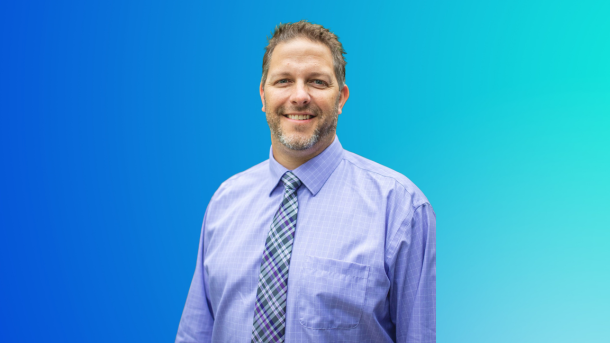
About Jeff Armour

Jeff Armour (@WesternUSC) is the Chief Operating Officer (COO) for the University Students’ Council (USC) at Western University. Jeff graduated with a B.Sc. from Western University and after a few years of service overseeing the Wave and Spoke restaurant and bars on campus the USC encouraged Jeff to enroll in the Project Management program through Western’s Continuing Studies. Jeff was subsequently promoted to higher-level leadership position in the organization until ultimately landing at the COO role he currently holds. Jeff also recently completed his EMBA at Ivey in July 2023.

Jeff has an extensive background in strategic planning, project management, operations restructuring and realignment, change management and financial strategy.

Jeff is married to Mindy and has three children, Kennedee, Ben and Brad. He was born in BC but grew up in Peterborough, Jeff moved to London for school at Western and never left.

Connect with Jeff: Email | Instagram | LinkedIn | Twitter | Facebook

Listen Now

Listen to the episode now on Apple Podcasts, Spotify, or on your favourite podcast platform.

Resources Mentioned

University Students’ Council (USC)

B.Sc at Western University

Western’s Continuing Studies

Eccelerated Masters of Business Administration (EMBA) at Ivey

Sebastian Sassaville – From Everest to the Sahara

The Transcript

**Please note that all of our transcriptions come from rev.com and are 80% accurate. We’re grateful for the robots that make this possible and realize that it’s not a perfect process.

Sam Demma
Welcome back to another episode of the High Performing Educator podcast. This is your host, Sam Demma. Today’s special guest is Jeff Armour. Jeff is the Chief Operating Officer (COO) for the University Students Council at Western University. Jeff graduated with a Bachelor of Science from Western University, and after a few years of service overseeing the Wave and Spoke restaurant and bars on campus, the USC encouraged Jeff to enroll in the project management program through Western’s continuing studies. Jeff was subsequently promoted to a higher level leadership position in the organization until ultimately landing at the COO role he currently holds. Jeff also recently completed his EMBA at Ivy in July 2023. Jeff has an extensive background in strategic planning, project management, operations, reconstructing, and realignment, change management, and financial strategy. Jeff is married to Mindy, has three children, Kennedy, Ben, and Brad, was born in BC, but grew up in Peterborough. Jeff moved to London for school at Western and has never left. I hope you enjoy this insightful interview with Jeff, and I will see you on the other side. Jeff, thank you so much for coming on the podcast. I really appreciate it.

Jeff Armour
Hey, thanks for asking me. I’m excited to talk with you.

Sam Demma
Something that piqued my interest, obviously we met at the orientation week at Western, but something that piqued my interest that we haven’t talked about is your start in construction, because I come from a family of tradespeople and my dad is a plumber by trade and builds homes. Tell me a little bit about your start in construction and how that led to working at the university?

Jeff Armour
I’ll try and give the Coles notes because I don’t want to take up the whole time, but the Kohl’s notes are essentially, when I was really, like, I don’t think I was 16, my dad was, who’s a doctor, was having his office renovated by a contractor who actually became a close family friend. And he suggested I approach him to see if, you know, I could do some work with them, you know, trying to get in those values of work and then getting pay. And I was the oldest child, so, you know, get out there and lead the way for everyone else kind of thing. So that job, I got it. And that guy, his name’s Robert Thurnbeck, who has passed away since, but was really formative for me. A lot of, even to this day, a lot of the leadership things he taught me, even though I don’t think I for sure he was not trained or anything, it just came naturally to him. He was leading a construction company and working with customers. So it was all of that sort of massaging of, there’s money at play, there’s timelines and all the rest of it. Learned a ton from him. When he passed away, I kind of took over the reins at like 19 years old of this company that had projects that still needed to, and it kind of split a little bit, but there was a chunks of it that, you know, I continued on and did some of the work that he underway. And it was kind of like, I was currently enrolled in the university doing my bachelor of science and it was really appealing to me to be doing that construction. So in the summer I was doing it, I was getting to lead a team of like, you know, there was like 20 years old, let’s say, or 19 years old. And there were, you know, carpenters that were working with me that were like 45 or 50. And the plumbers didn’t want to show up and the electricians were like, I think the price is going to go up. And here I am learning all of these, like you’re thrown into it, trying to make a go of it, and a great learning atmosphere. At the same time, I was finishing my BSc, and at that time, there were some challenges in some of the operations, and I was working at The Wave, which is an on-campus restaurant, not just in terms of financially, and we’ll probably get into that later on about how I sort of like view services in the post-secondary environment. But there was challenges with like people, bumps in seats too, like it wasn’t, you know, working. The general manager, the role I’m currently in, which I now call the chief operating officer, but the general manager at the time called me up and asked my suggestion for improving some of those spaces. And I gave him the recommendations and then he offered me a job and said, like, yeah, I want you to come and do all of that and see if you can fix it. I was young still, like 22, 23, somewhere in that range. And I thought, you know what? I can always come back to the construction, but this kind of interests me. And I will say my parents kind of pushed me a little bit. I think they felt like I was growing up maybe too quickly. I was working seven days a week with the construction thing. You work five days a week and then you do quotes and billings on the weekends and you pay deposit. It was non-stop. And it was probably a little too much. I don’t know. I’ve never asked him about that. Maybe over the holidays I will. But came to the USC, University Students Council, which is interesting because every university has a University Students Council. But the USC, for example, at McMaster, it’s the MSU, McMaster Student Union. Across Canada, the USC is known as the Western USC kind of thing. So I’ll say that a lot, so I’m just preparing the listener for that. Came to the USC, and that’s where things really changed in terms of like, it struck a chord in me where the construction money was great, but I suddenly had these thoughts mid-20s, late-30s of like, maybe it’s not about money entirely. You got to be able to pay your bills. I want to be able to like make sure my kids have what they need to, you know, if they want to play sports or whatever. But you know, me working seven days a week and just, you know, the thing about construction was you could literally see something at the end of the day and be like, wow, we showed up here and there was no second floor and now there’s a second floor on. And when I go back to Peterborough, which is where that happened and where I’m from, I’ll drive around the city and be like, oh, I put the roof on that house, there’s all the addition or like music. Can’t believe that chimney’s still up. The mortar was a little cold that day when we were repointing the channel. My point is, there’s a satisfaction that comes with physical creation. And I think what I tapped into, even though I was just working at the bars and restaurants, was the impact and the purpose that interacting with students at probably one of the most critical phases of their life when they’ve left home and they’re trying to figure out their way and they’re trying to learn and they’re trying to figure out how to make friends all over again and all of that, but in a different, they’re reinventing themselves, but also trying to invent what they’re going to be. And it just really resonated with me. That’s how the two came together.

Sam Demma
Can we go back to Robert for just a moment? It sounds like he had an instrumental impact on you. When I think about people in my life who have played big roles and taught me lots of things. Many of the greatest lessons came in moments when I was extremely emotional or something was happening or I made a mistake or things fell apart and this voice of reason from another human being just changed my beliefs or shifted my perspective in a big way. And I think back to a gentleman named Chris who, when during the pandemic my work was falling apart because all these schools were canceling engagements. And he helped me realize that, although it’s a changing and challenging time, there will be opportunities if you shift your focus and focus on the fact that people are gonna need this work now more than ever, and less people are gonna be doing it. And if there’s less people doing it and more people that need it, don’t you think that could be a cool opportunity if you figure out how to deliver things virtually. And it was like, it just, it was a big shift mentally for me. And so I’m wondering, when you think back to your time spent with Robert, do you have any experiences you can remember where you may have had a challenge or something come up and his lesson kind of pushed you forward? And if so, what was one of those examples?

Jeff Armour
Like, there are several I reference all the time, so I could probably give you an example in different realms. But before I do that, I want to say what you just said about finding a way to deliver this message. I think one of the… I don’t know that I would have accepted this invite from someone else if I didn’t feel like what you’re doing and what you’re talking about is absolutely critical. mental, the access to information that the world has, the mental health struggles that we have, the inability to make mistakes or accept that something is wrong because everything is perfect that you see online. I can tell you right now, it’s not even 9.14 in the morning, I’ve already made like four mistakes. And I love it because if it takes you 100 mistakes to get it right, let’s get through 99 of them real quick so we can get to it being right. But that isn’t the way the world is right now. And people need to hear that. Yeah, you’ve got crap in your backpack, as you say, and you got to get it out of there. You got to own it and accept it. And sometimes that stuff is good. Mistakes are good, right? And I think that’s to answer your question now, is I got to borrow a company truck. He had all these F-150s that had the red and white stripes and they all looked the same. And there I was, you know, and I had just gotten my license the year before and I put one of them in the ditch and I had to call him. And we had just had radios, there was no cell phones. So it was like these, you know, radios that we shared with all the trucking companies and everything. And I had to call and say over that radio, so I knew like 300 people in Peterborough were going to hear this. Hey, I need you to come out to quarter line. And I expected this is a job. He gave me a dollar raise every year, a 50 cent raise every year. You have a job. As soon as you’re done school, you just show up. You’re going to get a 50 cent raise. I expect with every paycheck, you’re going to buy a tool. Here’s a tool belt and a hammer just from a shop. You just pull it down. He goes, and I’m going to get you started. But like you want to see a tape measure in there, I want to see this, you want to see that. And if I took you to the garage right now, I have, it looks like you’re walking into a Rona or a Home Depot because he forced me every paycheck to buy a tool, but he gave me a raise every year. I knew it was coming, right? And I knew I had a job. So there was stability there, but there was also patience when I made a mistake, right? Like put the truck into the ditch. But then there was also like life lesson stuff. Like, you know, so I was the young lad. They always called me the young lad, right? Where’s the young lad today? Oh, I’ve got him in another job site. He’s cleaning up this. Well, we need him over here because we’ve got to move a bunch of drywall and like we don’t want to hurt our backs, that sort of thing, right? But he’d go pick me up and drive me over and he goes, tomorrow’s payday and he’d kind of look at me, you know, and he, you know those Colts, the wine dipped, rum tipped Colts, you know, like I’m sure they still exist, but he always had one in his mouth and he would pull it out and look at me, and he’s like, what do you think if I just paid him on Friday instead of tomorrow, right? And I’d be like, I think they’d be really upset, you shouldn’t do that, you know, and he would do it and then he said, he said, you know, what were they saying, right? And, you know, and he’s like, it’s good to remind them that they’re getting a paycheck and their work is valuable and you take him up for pizza lunch and make a big joke about it and big celebration and like it wouldn’t hurt anyone or anything like that but he really understood the balance and at the time I thought he was being I don’t know what the word is for it it wasn’t self-centered but I believe that it brought joy him handing a paycheck to a person and that person going like thank you. Mm-hmm Do you know I mean like I did a good job and there’s money coming to me because I worked for you and the customers Are happy and he was always so happy he was like a big bundle of joy all the time and all that like and and Even though we’re doing construction and sometimes it was like pouring rain and right out there putting tarps on stuff and it was brute, you know Everybody was happy and I think it was connecting. Everyone now connects work and work life and what’s that work life balance and all the rest of that. Like there has to be a division and work is where you’re unhappy, but life is where you’re happy. Do you know what I’m saying? And I think just separating that is terrible. Like I referenced Wayne Gretzky earlier on. He was someone, it was a podcast recently and they asked Wayne, what’s the magic number? How many hours a week were you practicing? How many hours a week? And he laughed and he’s like, zero. I never practiced. I was just playing the game.

Sam Demma
Ah.

Jeff Armour
The mindset of like, when are you putting in that work so you can go get the joy of in the game is separate. It’s all part of the game, right? I like to just, the game was something that we got to organize once in a while as a bonus, but being able to go out there with my friends and shoot, you know, stick or whatever. So there was a lot of those little kind of lessons about like people finding their purpose in their work and then understanding that, you know, the people that are putting up the skyscrapers in Toronto so people can live closer to their work downtown and make that city more vibrant are critical. That’s critical work that’s going on in the world. And I don’t think, I think people don’t see it that way anymore. They’re all jumbled up about what’s the purpose and what their job is and what they’re trying to do and maybe chasing the dollar a little bit. And they’re not finding happiness in that, I don’t think.

Sam Demma
You mentioned earlier that you realized maybe it’s not so much about making lots of money, making enough money, yes, to pay the bills and have some cool experiences, but that there was more important things. When did that realization come to you? Was that when you were transitioning into working in schools? Because I think, especially for younger teachers and even young professionals, there is this, I guess there’s this belief that to be successful, you have to make X amount of dollars. And I think it traps so many people into doing things that they don’t love just to check a box.

Jeff Armour
Right. Yeah, and yeah, for sure. And I’m not trying to be, there’s a lot of people who work really hard to make a lot of money doing that. And I don’t wanna suppose that I understand that that’s what motivates them or keeps them happy. That’s for a therapist to do to figure out where that comes from, you know, and maybe they ate, maybe they grew up in a household that struggled, you know, with food insecurity and who knows. And then now, having enough money is really important and that’s what makes them happy. Great with that. Great with that.

Jeff Armour
But for me, I think it was the building piece, the builder, the contractor part of me that was great at it. I really feel like I understood it and I connected with it. But I feel like there was a few moments when I was like sitting with a young student. It was – so I worked some nights and sitting there with a young student and they were just talking about how their roommates like – it’s late at night. We’re waiting for their buddies to come pick him up because you know he got left at the bar and whatever whatever and you know Most bars, you know in the world would be like it’s closing time get the hell out We don’t we don’t do that on campus. We make sure everyone gets home safe We try and see that people are leaving and you know, hey, you’re walking by yourself Let me get you foot patrol or whatever like we take it’s just a different approach not not as a maybe as a value proposition But it’s more just like, could run campus and, you know, people are trusting us to take care of their children.

Jeff Armour
Exactly, yeah.

Jeff Armour
So sitting with, and then just broke down and then we had a long conversation. I’m pretty, if memory serves me, we actually gave him a job and he was waiting for his buddies to come back and he’s like, you know, I gotta go home for Christmas and like, I’m pretty sure I’m failing a course and my dad’s not going to be okay with that. Not going to be. And, you know, we had some conversations and it was, I remember that one specifically, because it was outside the bar, it was out, we call it Concrete Beach, it’s outside of the building, but there’s this big area where students, you know, gather on campus. And it was a good conversation that made me realize, you know, wow, like, maybe, I’m going to struggle with this all the way through, but like, because I’m much better at self-deprecating, but like maybe I made a difference in that person’s life, right? And although I can’t see it like I built a second floor in a house, I have to believe I’m making a difference. And that statement, I have to believe I’m making a difference, I say to myself weekly weekly ever since in the 25 years that I’ve been at USC.

Sam Demma
You might not be seeing the second floor, but you’re definitely building a foundation in a person’s life the same way you built a foundation in a building with the work that you do with the USC. What are a few of the parts to your work that you find really rewarding? I’m sure there’s so many, but what are a few that come to mind?

Jeff Armour
Well, an easy one is, so my role is the chief operating officer. I am the, again, I hate talking hierarchically, but just so the listener can understand, on an org chart, I’m the top full-time staff person. So we are staff-run, but we’re student-led. So the boss, my boss, is the president who sits on the board of directors. There’s nine of them, so eight students at large, and then the president. That board is my boss that hires, fires me, does performance evaluations and all the rest of it. That president changes over every year. So they get elected. We come back in January, this, like, in four weeks or three weeks, and we’re going to hear who’s running to be president next year, and one of those people will be my boss and the new board of directors representative. So, first out of the gate, if you think, you know, well, thinking it’s bizarre is okay, because it’s awesomely bizarre, but not being okay with it means you should never work for a student association. You’re not gonna ever accept it if you’re like, oh, I couldn’t take orders from a 22, 23 year old. So that’s probably the best part for me though, is every single year, there’s a new slate of ideas, a new, fresh, sort of like, hey, I love that thing they did last year, I didn’t love this part of it so much. You know, and they run, they develop a platform, and then they open up, you know, I kind of call it when the person gets elected, they get to sit down with the current president because they don’t start until June 1, and myself and we open up the big book of truce, right? Okay, so you said you were going to reduce the price of coffee at Starbucks. We don’t run the Starbucks, right? But let me tell you how we use our on-campus operations to advocate for affordability in terms of food on campus, because we’re always cheaper than the, right? So it was like, oh, well, that’s all I really wanted. And right. So then what we’re going to do is we’re going to do a heavy advertising campaign that says, you know, hey, if you want to bottle a little water, we’re 25 cents cheaper. And we won’t we don’t directly say, you know, the school is this and the school is that we just advertise it because we’ve got a great relationship with the school. They’re actually but they got to pay bills as well. They’re a business and their purpose is a little bit different than what our purpose is. Our purpose, our mission, our vision statement is students have the power to change the world. And specifically, we say students, because although we have elected student leadership, you might think that’s the students that have the power to change the world. We actually it’s all students. So like we do something called midnight breakfast where we put out food during exams. And when those students are studying over and well, then they need that pick me up around 11 o’clock. They can just come over and grab a free plate of eggs and waffles and bacon and whatever. Fill their belly, see some people, get away from their desk, and then go back and study. And we believe that those students, one of them’s gonna go on and figure out a cure for the common cold, or is gonna go write some amazing poetry, or is going to be a great track star, and you know, whatever, and they’re gonna change the world in some way, shape, or form. So that’s why we do what we do, that’s why I get out of bed every morning, is I believe that students have the power to change the world.

Jeff Armour
The second thing is how we do that, our mission statement is we do that by enhancing the educational experience. So we don’t do the educational experience, we do mentoring and training and all of that, so there is some huge educational component, but in this moniker, it’s uppercase educational experience, which is what Western does. So we just enhance it, bus pass, health and dental, bars, orientation week, as you saw, stuff like that.

Sam Demma
With the USC, you’re also directly managing lots of different staff members and I’m assuming people would be reporting to you lots of times during the day. It sounds like you also were managing people on the construction site. In your experience managing people on the construction site and even at the university, what have you found to be effective when it comes to managing other human beings? I’ve had a couple of experiences and it’s challenging. It’s challenging.

Jeff Armour
It is. And that’s the beauty of it is people are challenging. If it was easy, they wouldn’t need a chief operating officer, right? If everyone just came in and did exactly what they said they were going to do and they never got sick and they never were confused about about what the priorities were or all that sort of thing, then it would be really easy. But the key to remember for me anyways is, first of all, you have to have the belief that everybody coming into work wants to contribute and feel valued. So that goes back to, it can’t just be about money. It has to be about something else. And I’ll tell you, if it’s, they’re not finding purpose where you’re at and I’m not talking I’m not talking specifically But the USC If you’re not finding purpose working for a consulting firm in Toronto My hope for you as a fellow human being is that you figure that out quickly Because what you are wasting is resource that you can’t get back You can always make more money, but you can’t get time back if your impact and purpose is somewhere else boy I hope you figure that out quickly. And so that is the approach that I take when managing people is, first of all, are you okay? And do you understand, like, what makes you happy and where you’re finding purpose? And if that isn’t the case, let’s talk about that and work through that. No hard feelings, no harm, right? I’m here to be your, I’m here to help you navigate all this if I can, if I can have the honor of doing that, right? The second thing is you understand then, now if you’re connected to what we’re doing, if you believe the students have the power to change the world, if you believe that this consulting firm that you’re working for is really making the agricultural sector a better place to be and that’s important to you because you’re down as a farmer, then awesome. Like you’re doing, you found it, right? Now do you understand from a leadership level, hierarchically, right? What the expectations are from either strategic planning or what makes impact or where we’re going as a team. And even if we’re all going in the wrong direction, let’s go in the wrong direction together, right? Figure out it’s the wrong direction, make corrections and then figure out what the right direction is. Because you’re not gonna get it right the first time, which is where the third thing comes in, which is patience. So is the person okay? Have they found their purpose? Are they able and willing to contribute? Because I don’t believe nobody comes into work to do something wrong. I’m like, oh, today I’m going to like make these mistakes or whatever. If they’re making mistakes, it’s either because they haven’t been trained. That’s the management’s fault. Or they don’t understand where they’re going. Management’s fault. Or they’re not propped up with the tools and resources to do what they need to do, management’s fault. So someone failing at the frontline level or even middle management, I see that as my, that’s my fault. I haven’t had enough time to talk to them. They’re not getting enough direction. They’re not getting enough. Or, or they’re unhappy. And this goes back to, you know. 

Sam Demma
Wrong position.

Jeff Armour
Are you, and if, and sometimes and I’m not gonna I’m gonna stick with construction to keep it at work from what I’m currently doing There were there were times where I had to sit down with someone not sit down because it’s construction site you know you’re having a coffee and the person be like It’s getting harder to get her to bed on Monday and Tuesday now and when I’m like, oh, what do you like? You know, I always like to do this like well, why not like just do it You know, how about you work here half time so you still get a solid paycheck and you got some money and go try that out. Yeah, yeah, you know what I mean? So encouraging people to be their best and if they happen to be their best where I’m the chief operating officer, that’s a win. The win-win is, or that’s a win-win. The win of that person going and figuring out what, but that attitude goes to the entire place. And people start to feel like, hey, I don’t get what’s going on here. I’m not afraid to ask because I want to be at my best because I don’t want to disappoint the students or I don’t want to disappoint my manager or whatever it is. So those are kind of the three ways. So it’s not really about I’m not much of a like during COVID. Yeah, I had to take a more, you know, firm hand on the wheel, if you will say, but that’s because we weren’t in a normal operating environment. It was like, yeah, you’re all not coming to work. This is what we can do, and this is what we can’t do. And this is, I know you used to like, whatever, like flip pancakes for midnight breakfast. But today what you’re doing is you’re doing a newsletter and you’re helping to copyright that. Like, cause, but you’re going to get, you have a job. So you go back to Maslow’s, like the primary thing is like, are you safe? Do you, can you pay your bills? Can you, you know, and that’s, that’s where you went during COVID. So other than that, I’m, I’m more of a carrot type of person of like, if we do this, wouldn’t this be great? And we can move the needle and move down this path as opposed to running around the office, trying to catch someone doing something wrong. You know, I saw you left five minutes earlier. And like, you know, the madmen approach of like the sixties and seventies and in fair and probably early two thousands as well. I think that approach has entirely changed.

Sam Demma
I was recently attending an event in Quebec City and saw a speaker by the name of Sebastian Sassville, and he has climbed Everest and done these crazy endurance adventures, 240 mile runs across the Sahara Desert. And he recently, more recently, did a bike ride across America, which is one of the most physically challenging, I guess, long-term races you can do. And he mentioned a time during the race when he was about to give up, and he had a team of, I wanna say, seven to 10 people that were supporting him along this two-week journey. He had to be on the bike 22 hours a day for the entire experience. And he talked about a moment where he broke down, it was very close to the finish, maybe a couple of days before the end. And he said, I think I’m gonna give up. And he had a team member basically tell him, no, you can’t because it’s not about you, it’s about us. There’s 10 of us showing up every single day. Sass, you gotta pull your weight. This is about our mission, our race, it’s not yours. And he shared this lesson with all of us in the audience to just remind us that our missions aren’t about us, it’s about we, the team, and all galvanizing towards and moving towards a common goal or a common mission. It sounds like that’s very similar to how you approach the call to action.

Jeff Armour
In my first week taking over this role, it’s funny you say that, for all the management team, the place was, it needed some of what you’re talking about there, and I printed up a sign that said we, and I had all the senior managers put it up. So reporting to me, there were eight senior managers at the time, and they all report, one was like each of the divisions, right? That support the organization and students and put WE up in their office. And within two weeks, everyone was asking like, what’s the WE all about? And it’s like, well, we’re either gonna fail together or we’re gonna win together, right? So that’s a very cool story though. Wow. 22 hours on the bike.

Jeff Armour
22 hours on the bike.

Sam Demma
And not just one day, it’s like two weeks in a row. He was talking about moments where he had hallucinations and he mentioned how vulnerable he had to be. At certain points, he couldn’t even reach down and touch his toes. He’d have to have other team members dress him every single morning. He had people making all of his meals. Talk about relying on the people around you to get the job done and recognizing that you can’t do it all alone. It was just a really cool, really cool, powerful analogy. And I’m carrying that with me in my backpack moving forward. And this conversation just reminded me of it a little bit. 

Jeff Armour
That’s huge. It’s almost like, and I don’t want to dehumanize him, but like, it’s almost like he represented the organization that was doing work 24 hours a day. It was happening. And there were all these people that were propping it up. And even when the organization was ready to fail, everyone was like, they rallied around him, like, you can’t. We’re not gonna let this stop, because this thing we value a lot. And I’m not, I know I realize I’m referring to a human being as a thing, but like, he sounds like he wasn’t even thinking for himself, he was just like, wait, literally just, you know, people were functioning for him, which is, yeah, unbelievable.

Sam Demma
Yeah.

Jeff Armour
I’ll think of that name for you again. I don’t have a pen and paper with me, so I’ll get that.

Sam Demma
Yeah, I’ll share it with you right after the podcast is done. Sebastian Sassaville. Sassaville. And anyway, yeah, it was very inspiring and it reminded me of this conversation. It sounds like you’re also very passionate about the services on campus, like the restaurants. And you worked in operations, you talked about working in the restaurant. Tell me a little bit about how those operate and why you’re passionate about them.

Jeff Armour
So yeah, we have a ton of, the benefit of being a big student association, we have a wide breadth, but we also have depth. So, like we do, we have a club system.

Jeff Armour
Every school has a club system, for most schools have a club system, but our club system has, you know, there’s 13,000 unique members and over 17,000 memberships. So some of those 13 have two memberships in clubs. That’s like a third of campus is involved in our club system, right? The spoken wave operations, although I’m happy that they generate revenue and that’s all great, what I’m really happy about is they’re lined up and working in those operations, 95% of the staff are, yeah, 95 or higher, are students. So they’re students that come in and get trained and work in the environment. And again, that’s important because they have a job, it helps them, you know, we pay back over a million dollars in salaries back to students every single year so that they can, you know, it’s no small, these aren’t small operations. The big thing it comes from is the community, right? And those people get exposed to other people they wouldn’t have met. And I feel like we’re at a bit of a crossroads, and not just post-secondary education wise, but we’ll stick to that, because that’s what this is about, in terms of like, especially with COVID, and you’ve got people in second and third year that didn’t get to go to their grad prom in high school or they didn’t, you know, have those formative experiences in high school. And high school is way too short. They used to be a grade 13. And that’s created a whole other mixture of issues because the drinking age is 19 and they’re coming at 18 or 17 in some cases. And so then that creates, well, what are you going to do when you’re 17, 18? You’re going to go to a house party. Well, this is an unpopular, students would call it a hot take is what I’m about to do here. But I would rather have the students drinking legally in a venue where they can be supervised with smart-served people. And we can put plates of nachos out and they can get food and it can be spread out over the course of the night. And we know what they’re drinking is safe. Or what’s worse is, you know, the recreational drugs that have turned into other things because it’s easier to get that thing going to the LCBO and get, buy a, you know, bottle of vodka or whatever. It isn’t about the vodka. It isn’t about the food and beverage operations making money. It isn’t about the clubs being used by—all those things are touch points on community and whether we want to accept it or not on the drinking and other stuff, the party side of the social side of things, or on the usage side for the services, students are looking for community. And I believe it’s our job to provide that and the universities, and not just Western, across the board. Parents are handing their to us at 17, 18 years old. And there’s an expectation there, in my opinion, that there’s going to be some resources and opportunities for them to build communities and develop and grow the way I did. When I came out, there was OAC, and that was grade 13. And then I moved into university, and I think I was able to go to the bars and all that right out of the gate. And so I made friends really quickly. And those friends were the ones that right before Thanksgiving, one of them would come back and be like, man, I got a turkey dumped. My girlfriend came back from Queens and she dumped me after Thanksgiving. It was called the turkey dump. I don’t know. They probably break up with them now over Instagram or TikTok or something. And then we’d all sit around, go to the spoke and grab some nachos and some wings, listen to Rick McGee and like, you know, sort of like everything would be okay. Instead of now, they don’t know where to go, right? And their roommates, maybe they’re not getting along with or nobody’s home. And so they go on Instagram or they go on social media and then there’s their community isn’t a real community. It’s a fake representation of what the world is. And so when you’re comparing yourself against that with the access to information, but it’s never been higher, the access to information, access to social media and all the rest of that. But there is an all-time low for patience for people making mistakes, saying the wrong word, doing something wrong, and an all-time low of community building. It’s a powder keg for what we see going on right now, which is widespread, you know, anxiety and pain, the actual, like, you know, people can cry on the drop of a dime. And so that’s what gets me going when you ask, well, what are the services? What do they mean? It’s an opportunity for you to, it’s just like, as you know, going back to my biology as you know, the electrons bounce around and hit more things, the more interactions you have, the more chance you have for a reaction. And that’s what the USC, I think, is trying to do is create opportunities for those interactions, which you did and you saw during orientation week. And like, after you left the stage, the number of students who either emailed or texted or DMed, they took a video of you and then sent it to my president Sunday and said like, that was awesome, you know, and right in the middle of the week, you know, they’ve been away from their family for three days now, and we hit them with something like what you had to say, that interaction maybe made them turn around and go to someone that they wouldn’t normally talk to and say like, how great was that? Like, the backpack guy, you know, like, you know what I’m saying, right? And that’s, we’re trying to create those interactions to create a community so that we can create some, at the end of the day, some reiliency.

Sam Demma
I wanna be just cautious of the time. You okay for one more question?

Jeff Armour
Yeah, great.

Sam Demma
Okay, cool. And I think reminding yourself, you said earlier, that I have to believe that I’m making a difference is something that I do consistently. Even after walking off a stage, you know, one time I was doing a presentation and there was a student sitting 90 degrees away from me facing the wall. And the entire presentation I was in my own head thinking, is this person listening? I was getting frustrated and a little bit upset. Is it me? Is it my delivery? What’s going on? And I remember driving home, being a little bit upset about it. And it’s funny because the whole room was engaged and it seemed like this one person was not potentially paying attention and I focused on that. But when I got home, this individual had sent me an email and it was a really long email. And I told this to a mentor of mine named Chris, the whole situation, and he told me, he’s like, it’s not up to you to decide how other people receive the information you share when you’re on stage. It’s up to you to just deliver it authentically, to lead with the mission and the purpose and hope that people will digest it and do with it what they need to. And so that always sticks with me, especially when I walk off stage and I’m not sure if it connected or I’m not sure if it made a difference. So I lean on those words you were saying and even what Chris tells me. But how do you pick yourself up in moments where you might doubt your own impact?

Jeff Armour
Well, I doubt it all the time. That’s why I have to say it all the time. Because although I don’t know that I could recount a moment like what you just shared, which is very, very cool. I kind of see it like I’m a constant sort of I try and be for the world, this constant kind of like, just a light.

Jeff Armour
Do you know what I mean? And it’s there. You want to look at it. And you in your case, yeah, actually look at it. You want to look at it or you don’t want to look at it. Sometimes you want to lay on the beach and get a tan. Other days, you know what, I just want to look at it through a window a little bit. And like, as long as it’s there, I can’t, it goes back to my management principles, like, I can’t assume where you are at in terms of like, you know, if you’re happy or not. But I want to present some thinking that maybe this world’s a little bit different than the way you’re perceiving it at the moment. Because the moment you’re in, if I had looked at myself when I was 20 years old being a contractor, I would have thought, is this my life, working seven days a week? But it was preparing me for a contrast, but also it was giving me data points on what was actually gonna make me happier. So it’s not a failure, it’s like, oh, well you tried being a contractor, it didn’t work. It actually worked great. And I probably could have afforded a bigger Christmas tree if I’d taken it. But like, yeah, it’s, the obligation is to just, I think, share it, and that’s why I say I have to believe I’m making a difference. The nice thing is, is that you have moments like you had that you just shared where someone sends you an email. Or there’s a president that you worked with, you know, six years ago, and they happen to now work for someone else, and you hear them say something to someone else that you told them September of their year, six years ago. And they say, you know, it’s not really about, you know, someone else. You just have to present the best version of yourself and share the light. And, you know, and then you’re like, oh my goodness, that’s the thing that I talked to them about. And now it’s made it different. You don’t realize it until you start see it reflecting back on yourself. And you’re like, okay, maybe this is catching on. Does that make sense?

Sam Demma
Yeah, it does. I think we need more lights in the world. So keep shining.

Jeff Armour
I meant it more like from a chemistry standpoint, that it’s not a river where you have to get in or you get out. It’s just kind of a passive presence, not like the light, like a church or something like that. It sounded like we got religious there, but yeah, I know it’s more, you can take the light in and you can not, you can stare directly into the eclipse if you want. But I wouldn’t recommend it.

Sam Demma
You might lose your vision. Last question, what are you most excited about? There’s so many changes happening in the world. There’s so many diverse student needs. What are some opportunities that you’re very excited about as we move into 2024?

Jeff Armour
I think that what the world is experiencing right now from AI and deep learning to the escalating conflict going on around the world in many different areas, that’s a very challenging time and I have to believe that challenges like that, humanity has always come out on the other side as a better version of itself. And I have three kids and I want to make sure that what the world looks like when they’re ready to shine their own light, we’re running with the analogy now, is a good place to be. And that’s what gets me up every single day is like, can we have to make a change here? There has to be a change that comes from all of this. And we’re being pushed for some reason, and you can never see it in the moment. You know, in that moment, when you’re going through that exam that you’re going to maybe not do well on, or you got to go home and tell your parents that you’re not going to pass or whatever it is. On the other side of that, if we can be patient with each other and we can help each other find our purpose and then we can be clear communicators and give like that’s what the direction is, is clearly communicate without trying to compare ourselves to each other. You know, like you always hear the adage, the only person you should be comparing yourself to is the version of yourself the day before. If we can get to that state, you know, where we just want to better ourselves and find ourselves, that’s what’s driving me. Specifically in 2024, I don’t know, I kind of want to see, I just want, you know, Travis and maybe Taylor Swift to break up or get married one or the other. It’s like something has to happen there because it’s like consuming everything. I’m excited for, you know, we’ve had a good cycle of the route of COVID and the student voice and activities coming back. I’m really excited to see what comes next with that and just, you know, continue to make a difference and hopefully hear more stories about, you know, that light reflecting back for myself so I can keep going.

Sam Demma
Love that. Jeff, this has been an insightful conversation. Thank you so much for taking the time, for sharing some of your ideas, your management principles, and the work that you’re doing with USC. Keep up the great work and all the best in 2024. Keep up the great work and all the best in 2024.

Jeff Armour
I’ll keep going as long as you keep going.

Join the Educator Network & Connect with Jeff Armour

The High Performing Educator Podcast was brought to life during the outbreak of COVID-19 to provide you with inspirational stories and practical advice from your colleagues in education.  By tuning in, you will hear the stories and ideas of the world’s brightest and most ambitious educators.  You can expect interviews with Principals, Teachers, Guidance Counsellors, National Student Association, Directors and anybody that works with youth. You can find and listen to all the episodes for free here.
Lynne Jenkinson — Executive Director of Flagstaff Family and Community Services

Lynne Jenkinson — Executive Director of Flagstaff Family and Community Services
About Lynne Jenkinson

Lynne has a diploma in Communication Arts; Broadcast Journalism and has had a varied career in private broadcasting and working many Government contracts for different levels of Provincial and Federal Governments. Lynne is currently the Executive Director of Flagstaff Family and Community Services and has been in this position since 2011.

Lynne is also an active FIRST Board member, FIRST is Flagstaff’s Informed Response Sharing Team. She is also an active member of the Flagstaff Food Bank Board and currently serves as Secretary and main fundraiser and grant writer. Lynne takes great pride in knowing what services are available not only in Flagstaff, but in outlying areas as well as what is available Provincially and Federally. Lynne writes many different grant proposals annually to introduce or sustain programs in Flagstaff and manages those many different Government grants through FFCS and FIRST.

Lynne is very community oriented and likes to be involved with projects that assist citizens live a successful life: mentally, physically and holistically.

On the personal side Lynne and her spouse Austin Hanson operate a year-round 10 site campsite in Camrose County that serves visiting workers and tourists. That operation continues to attract new people to Camrose County each year.

Connect with Lynne: Email | Facebook

Listen Now

Listen to the episode now on Apple Podcasts, Spotify, or on your favourite podcast platform.

Resources Mentioned

Flagstaff Website

YESS (Youth Employment & Skills Strategy) Program

The Transcript

**Please note that all of our transcriptions come from rev.com and are 80% accurate. We’re grateful for the robots that make this possible and realize that it’s not a perfect process.

Sam Demma
Welcome back to another episode of the High Performing Educator Podcast. This is your host, keynote speaker, and author, Sam Demma. Today’s special guest is my good friend from Daislin, Alberta, Lynne Jenkinson. Lynne has a diploma in communication arts, broadcast journalism, and has had a varied career in private broadcasting and working with many government contracts for different levels of provincial and federal governments. Lynne is currently the Executive Director of Flagstaff Family and Community Services and has been in the position since 2011. Lynne is also an active FIRST board member. FIRST is a Flagstaff’s informed response sharing team. She’s also an active member of the Flagstaff food bank board and currently serves as secretary and main fundraiser and grant writer. Lynne takes great pride in knowing what services are available not only in Flagstaff, but in outlying areas as well, as what is available provincially and federally. Lynne writes many different grant proposals annually to introduce or sustain programs in Flagstaff and manages those many different government grants through FFCS and FIRST. Lynne is very community-oriented and likes to be involved with projects that assist citizens in living a successful life mentally, physically, and holistically. On the personal side, Lynne and her spouse, Austin Hansen, operate a year-round tent site campsite in Camrose Country that serves visiting workers and tourists. That operation continues to attract new people to Camrose County each year, including myself and the backpack team in the spring of 2023. I hope you enjoyed this insightful conversation with my good friend Lynne, and I will see you on the other side. Welcome back to another episode of the High Performing Educator Podcast. This is your host, Sam Demma. Today we are joined by a very special guest, a guest that we met on the road as a part of the Empty Your Backpack Speaking Tour, Lynne Jenkinson from FIRST. Lynne, thank you so much for coming here and being on the show.

Lynne Jenkinson
Well, it’s always a thrill when people invite me to be on a podcast because to an old chick like me, this is kind of new stuff, but it’s also old stuff because we used to do documentaries all the time years ago when I was in radio. So yeah, podcasts are really becoming such a large and big thing. So it’s quite exciting for me. I’m excited

Sam Demma
I’m excited to have you on. Thanks for saying yes. Tell the audience a little bit more about yourself and what broughy outo where you are today.

Lynne Jenkinson
Well, I started way back in radio, Sam, way back in 1984, a long time before a lot of people were even thought of. And then I retired at the young age of 30 because I was kind of burnt out before burnout was even a term. And then I started just doing government contracts and now I’m the executive director of Flagstaff Family and Community Services and also the executive director of FIRST, which is a charity we run, which is Flagstaff’s Informed Response Sharing Team Society. And our mission in life is to promote healthy relationships. So we’re always looking for ideas and speakers to bring into our local schools through FIRST and the government grants that I get or grants from donors, grants from corporations. So we can leave, I guess, a footprint for the young people in the Flagstaff area. So I always say if I can bring a speaker in and they touch one person, we have done our job because from testimonials we see that people say, wow, like I learned that from that speaker and that is going to be maybe what I follow in life or I’m going to make sure I instill that in my life.

Sam Demma
When you finished in radio, how did you find this opportunity at first? Tell me more about the transition.

Lynne Jenkinson
Well, it took a long time because I was 30 years old and I thought, okay, I want to do more in life. So over about the next 14 years, I just looked for different jobs. Hey, I even worked in a liquor store, even worked as a cobbler. I shouldn’t choose for a while. I just went and learned new things and did things. I’m even a meat cutter by trade because I went to school for five months to learn how to be a journeyman meat cutter. I didn’t like meat cutting because you’re kind of a linsicle all day because it’s kind of a cool job you’re doing with the whole meat. But then I started getting just government contracts. I was working for this and that. And then I just kind of fell into a job at FFCS because they needed a teacher for a year for a federal government program to teach youth age 15 to 30 how to work and how to keep jobs. And then after that, it just seemed a good fit. And I got hired at Flagstaff Family and Community Services, which also partners with FIRST. So we sort of partner and run the charity as well. And then in 2009, I got a full-time job. And in 2011, I became the executive director. So that’s what happens in rural Alberta. When you decide to stay in a rural area, it’ll happen in rural Ontario too. You find the job that fits you, and you kind of figure out how it works into your life.

Sam Demma
Let’s talk a little more about that one year you spent teaching. What was that experience like for you?

Lynne Jenkinson
Well, that was a federal government-funded program. Right now it’s called the YESS program, Youth Employment Skills Strategy. Years ago it used to be called Skills Link. And the federal government will fund agencies to run programs, they call them interventions. And we had 15 students, and for six months, they were with me in a classroom, and we taught them how to do resumes. We even had one student teach others how to play chess, because that was once again, using your brain, right? So they learned how to do resumes, they learned how to find jobs, they learned how to keep jobs. And we said way back when, the old executive director, her name was Gail Watt. We said way back when what we’re teaching them to do is how to have coffee How to do coffee how to sit around and chat with people?

Sam Demma
And did you feel the work in the classroom was just as meaningful as the work you do now as an executive director Or what aspects of it did you really enjoy and found and on the reverse found challenging?

Lynne Jenkinson
Oh, very challenging is when you’re dealing with different people. Even think of a classroom with 15 people and they were aged 15 to 30 years old. Some were school dropouts. They didn’t call them school dropouts. They called those alternative schools and I think they still use that word now. And we had a lady who was 30. So you had people from age 15 to 30. So what was the most important thing is, wow, they’re all individuals. And I can’t imagine how teachers do it today, either grade 1, grade 8, grade 12, when you have 30 to 60 students in a classroom, because each of those people have a different personality, and they have different needs and wants. And how do you serve everyone? Very hard to serve everyone, but we talk about inclusive societies. societies, you have to figure out a way to connect with each of the people in that classroom. And me, that was 2003 and 20 years later, I still know where some of those youth are. 

Sam Demma
That’s incredible. What do you think helped you connect with the students in your classroom? How did you get to know them and tailor some of the content to their needs during the time in the room?

Lynne Jenkinson
Well, I’ll tell you this, Sam, I would never be able to be a teacher because I’m not politically correct. I connect with people by being honest and truthful and sometimes by swearing.

Sam Demma
And they receive it. They’re used to that. That’s their world, a lot of students.

Lynne Jenkinson
The one thing about youth is they can smell a fake as soon as they walk into a room and and the other thing we did I’ll tell you it’s If people well people are gonna hear this because I’m gonna say it there was Students in that classroom because they’re figuring out how to work for a living and stuff Yeah, if they weren’t there by 830, I knew where they lived. There was one couple. I literally Threw the sheets off their bed and dragged them out of bed in the house They lived in and said, you know, come on, I’m not playing this game and let’s go. You got to get up and go to work. You can’t do that for school, right? Teachers can’t do that, but you have to go that extra step. And that’s why 20 years later, some of these youth are still working. They have, gosh, one guy has grandchildren.

Sam Demma
Oh, wow.

Lynne Jenkinson
He had twins when he was 16 years old. And now 20 years later, one of those twins has had their own children. So that’s a huge thing when you… And they’ve been successful. They’ve stayed working. They’ve had families. These are federal government funded programs that no one really knows about because they run under the radar. And these are the changes that these federal government grants are making in people’s lives through educating and assisting them through the hard times in life.

Sam Demma
Without your guidance and the government funded program, that young man who now has grandkids, maybe you would have went on a totally different path in life. Thinking and hearing about his success story now, how does it make you feel?

Lynne Jenkinson
It makes me feel that we all work together as community, came together because in our program, we never had a problem finding employers who would take the youth that came through our program. Sometimes the youth in those six months that they worked and they were paid like the employers were paid a subsidy to take them on and that would still happen today if we had a current contract. Our last one ran out last year. But what happened was it really showed how community gets together to make sure that youth are successful. You can’t do it alone, Sam, and you know that, right? You know that from your speaker’s tour and building up all these relationships is that we cannot do it ourselves, and everyone has a story. And that’s the other thing that is so, so important. Listen to the story and see what you can pick out of that story as an educator to make a difference in that youth’s life.

Sam Demma
You mentioned that that one time you went to the individual’s house and pulled the sheets off and said, hey, let’s go. You know, today teachers wouldn’t be able to do that. It’s a different time. But the principle behind that action is you seriously believing and investing in these human beings’ success to the point where you’re willing to hold their hand and walk them to school, basically, or the facility, where does that principle or that level of belief in others come from for you?

Lynne Jenkinson
I think it comes from, I grew up on a Air Force base, CFB Cold Lake, and I think it comes from learning through life, watching my parents work. It comes through knowing that once we have discipline in our lives, and it’s not because I’m military, but it is. Like there’s a discipline and there’s rules that we must follow, and even if we don’t fit in, there’s still a way that everyone can fit in. Like right now I see a lot of youth struggling, and this is a post-pandemic, oops that bad word, but it is, struggling with anxiety. Well how can we give them the tools to live with that anxiety? How can we give them the tools to make sure they get out of bed every day feeling good? About themselves not just about everyone else. It’s about themselves It all starts with the way we feel in self, but I look at that the way I grew up It was it was discipline. It was accountability. It was responsibility to ourselves, but also to others.

Sam Demma
Did you have roles and responsibilities that were a part of your everyday life growing up, that was a part of your accountability to others, i.e. your parents?

Lynne Jenkinson
And I’m gonna say yes, but I’m the youngest of five and my oldest sisters would say, parents went way easier on me than they did on the first children in the family, right? And my dad-

Sam Demma
That’s what they always say.

Sam Demma
Yeah, I’m sorry.

Lynne Jenkinson
And my dad used to say to me when I was a teenager, he says, you can go do anything and it’s not gonna shock me because your brothers and sisters pretty much did everything except murder somebody. And I wasn’t going to shock them by doing that.

Sam Demma
No. Hopefully not.

Lynne Jenkinson
But it is, like when we have expectations, years ago somebody said to me, as like when you have, when you’re dealing with youth, are youth going to love the parent who has no expectations or are they going to love the parent who has expectations. And you’ll find that youth will really gear toward the parent with no expectations because that makes life easier. When you have to deal with the parent with expectations, it does make life harder. But once we have those expectations instilled in us, we keep growing to get out of that mediocre, adequate life. And we kind of want to have expectations for ourselves where we are a little bit better than we ever thought we could be.

Sam Demma
Would you say that mentality also applies in a classroom with teachers and their students? Should teachers have some sort of expectations or hold their students to some form of standards?

Lynne Jenkinson
I think they should, but for teachers, when you’re dealing with everything we’re dealing with today, is I think it’s hard to have expectations for everyone. And I think some teachers just say, you know, to have a good sleep at night, it’s like, oh, you know, I just got to wash that out of my brain because that would just add to so much stress. And teachers do have a lot of stress today. But you can see teachers that come in every day and flight staff and say, you know, my expectation is that today will be a better day than the last day. And, you know, I hang out with a grade one teacher, retired grade one teacher, and we just see a difference now in our schools. And, but boy, those teachers just shine who do have those expectations that each student will do what they can do or do better each day.

Sam Demma
And I think pouring self-belief into students is so important. One of the educators that changed my life had high standards for me. After I lost the ability to play soccer, he believed that I was going to do something else great in the world. And it was his expectation and the standards that he held me to that helped me find that belief in myself. And I can’t thank him enough. In fact, I invite him to speeches every once in a while and him and his wife come and hear about the impact he had on me and it makes them emotional. And I think every educator has that opportunity to hold their students to high standards in a non pressuring way, but in a very positive way. And you know, I’ve had many interactions with you, you seem to always be very optimistic and try and see things from a positive perspective. And I’m curious to know where that where that mindset comes from?

Lynne Jenkinson
I think it just comes, some people say, well, she’s the most negative person you ever met because she’s always talking politics and what’s happening in government and what’s affecting us. But it’s not that, you wouldn’t get through life if you didn’t have that thinking that everything can be better and will be better. And I’m always looking, always look to learn. And I did learn something and you will love this. I really think I went to an open house for the Battle River Community Foundation and an educator was speaking. His name was Patrick Whittleton. He lives in Daisland and works in Camrose and he said what’s happening right now because he’s um they’re doing like summer school to teach people to read or get better at reading. He says what’s happening right now is an acronym TLTR and it’s going to make people like me angry. It means too long to read. That is coming from our social media, right? And reading, and that’s how we learn. We continue to read, we continue to talk, we continue to converse. And that’s made a difference in my life that I took communications in college. Communication has changed over the years, but we still have to converse, we still have to be relational. You know yourself, when you’re out there speaking to the students, how they just glom onto you later. Remember, we ordered 200 books and we said, let’s just leave the books at the end rather than handing the books out to all the students. And the lineup at the end of your speech, we had 200 books. We left that day with only six books and then parents phoned us and we ran out of books because we gave away six books within the next week. Yeah. But that’s why, like the expectations are, that’s I guess the way I stay positive is I never have assumptions. People continually disappoint me but people always continually surprise me and the youth of today continually surprise me because a lot of people are negative about them saying this and this and this. It’s like, yeah, but they’re living in a way different world than I did 50 years ago with technology, everything else, but have the expectations that they will surprise you every day, they won’t disappoint you.

Sam Demma
You talked about the importance briefly there of being relational and building relationships. And it’s definitely something that I try and do when I’m working with students or delivering a keynote in front of an audience. How do you think you build a relationship with young people?

Lynne Jenkinson
I try so hard by getting the government grants that I can bring speakers in because that’s how the young people know me in this area. They know me as that lady from First or that lady from FCS, and parents begin to know. And then I think I build a relationship with the youth because we are here at FFCS, they begin to know that we’re here at FFCS and at first, and they know that they could pick up a phone. I’m not into texting. I will never give out my cell phone number because I like to sleep at night and other people don’t. And it’s the phone number and they just know that, hey, I can phone that office where that lady Lynn is and maybe I can ask her a question. I get people to phone about scholarships, those sorts of things. It’s not my job to know this and to help, but it’s my job to build my community. So I would never turn somebody away. It might take me two days to answer your phone call, and I want to talk to you. I want to hear your voice. I want to hear emotion. I want to meet you if I can. I want to see your face. I want to know your story.

Sam Demma
I love that you said it’s not my job to know, but it’s my job to build the community. And I think so often, not only in education, but in workplaces in general, people will say, well, that’s not a part of my job, so I’m not doing it. And I think if each of us were in positions that we were passionate about, and we always led with curiosity and the intent to build community and help the people around us. We would just have much more happy, optimistic places to work and employees to work with.

Lynne Jenkinson
And we would build better teams. We would build better teams. We would build better communities. But a lot of people are just scared sometimes to say what they really want to say so that’s that that’s that inclusive society We may disagree and I always say to the youth when we do our federal government programs You don’t have to like the people you work with but you have to work with them Yeah, like and hate is an emotion that really just sucks the wind right out of you So just figure out how to like people like the way their eyebrow goes, like their blue eyes, just like something about them and then you’ll get through the day and we will then continue to build our teams and build a community that is going to be successful.

Sam Demma
Great advice for a teacher who has one student that gets on their nerves. Find something to appreciate about them, find something to enjoy about them. There is always something even when it seems like there isn’t because we’re so similar as human beings, more ways than we are different. What is your wisdom for an educator who is just getting into the work, teaching young people who might be a little overwhelmed and intimidated by the current state of the profession and they came to you and said, Lynn, I’m really struggling, I just started doing this, I need some advice. What would you tell them?

Lynne Jenkinson
And I would say, I know it’s really hard because you all belong to a teacher’s association, but find somebody in your community, whether they’re a teacher or not, who can mentor you and that you can talk to and be honest with, that you can tell your story to without judgment. Judgment is so big these days, but let’s do no judgment and just find somebody you can talk to because we have to worry about FOIP and those sorts of things, but you can still tell a story without identifying anyone, no matter whether you’re in a small place or a big place, but find somebody to talk to because if you carry it within yourselves, which I see a lot of teachers do because they just feel they can’t share because it might identify that student or that issue, it won’t. If you tell your story, there’s no use of names, there’s no use of addresses, there’s no use of phone numbers. Just tell a story to somebody, but find that trusted individual that you can talk to.

Sam Demma
How have those types of conversations played a role in your own story?

Lynne Jenkinson
I’m very good at sharing, as you may have noticed already. But it is, as I said, I retired at 30 from radio because I was burnt out, but I didn’t stop. I took six months off. I could afford it at the time. I took six months off. I figured out what I wanted to do in my life. And counselling is a great thing too. I recommend counselling for everybody. But the other thing is you got to be able to pivot, and you got to be able to pivot in a positive way. But when you find a trusted individual, for me, I have a very good partner, right? So I can drop everything on Austin and he will be non-judgmental. He may not even have anything to say, but I dropped it on him and it’s just like a counselor. But that’s the most important thing, to be able to know that you can share and there’s always somebody else out there who is going to care.

Sam Demma
It’s so important that you mentioned he might have nothing to say but you can still share it all with him. I was listening to a podcast recently with a author named Simon Sinek and he was talking about the value of just sitting in the mud with people, not sitting beside them when they need you to give them advice or tell them what to do, but just to sit in the mud with them and be a shoulder. And sometimes that’s all we need. And sometimes that’s all students really need in their teacher or a mentor. And sometimes that’s all human beings need. And oftentimes when people tell me they’re going through a challenge or they’re struggling, my first gut reaction is to give them advice. And I stop myself and I remind myself, this is not what they need from me right now. They just need me to be here for them. If they need advice, they’ll ask for it. And they’ll make that request, or if they want my perspective. And if not, I’m just going to sit in the mud with them. And I think that’s one of the best ways to support young people. Have you had an experience where a young person was struggling and you kind of sat in the mud, the other thing that is so hard to do, Sam, is sit in silence.

Lynne Jenkinson
Sit in silence. There’s no judgment. There’s no nothing. And that eye contact, really important. You’re there with them in the room. And yes, I have numerous examples over the years, and it’s very hard for me to sit in silence. And people who know me and youth know that. And it’s like, so when you dump something on me and I just sit there with no look on my face not even you know and I just sit there and look at them and possibly you know just you sit in that silence you sit in that mud as you say and and that I guess numerous times and they know right then and there that that person has connected with them and they’re where I’m not even thinking anything anymore. I’m just sitting there with them and yeah, numerous times. And that is one of the best things you can do. And boy, does that build trust as well. No judgment, just silence. And then it’s, and as you say, no advice. Everyone has to figure out their own story.

Sam Demma
Such a good reminder.

Sam Demma
Because I mean, speaking about myself, I always feel the urge to jump in and connect the dots behind how what they’re explaining and experiencing connects to my own life. And the reality is, most of the time, people don’t wanna hear it. They just want you to be there. And I think being there is one of the characteristics or traits of a high-performing educator. Being willing to spend time with the student, having, as we said, high expectations for them, or just some standards that you believe this young human can grow into and the version of themselves that you think they can become, even if it’s a little higher than they have for themselves. That’s another high trait of a or another great trait of a high performing educator. What else do you think makes a high performing educator? What traits make a effective teacher or someone who influences you?

Lynne Jenkinson
One thing that I really find and it is so hard because of the stress on the educators, is just that ability to be present. The ability for those youth to know that you’re present, as I said earlier, they will call out a fake within seconds. But that ability to be present, whether it be speaking to them, just understanding where they’re at. at and in a classroom atmosphere it is that each youth knows you’re there. That you are not clicking on your phone and looking at your phone, you’re not looking at your watch as your watch is talking to you. It’s that ability to be present and more and more people are losing that ability because there’s just so much other stuff coming at them. So it is that ability just to know this is where I’m at right now and I’m here for you as an educator. And I’m here for you at break too, if you need me. But during that classroom too, to be present for every one of those youth, very, very difficult.

Sam Demma
There may be an educator listening, thinking, gosh, I wish we had FIRST in our community to support some of our schools, to bring in speakers and to help bring these programs in front of their youth. Are there similar organizations in different provinces that you’re aware of? If there’s an educator in Ontario listening to this or there’s an educator in BC or is it just in the Flagstaff area? 

Lynne Jenkinson
For what we do, I’ve just seen it in Flagstaff, but there are other groups. There’s charitable groups within any community, whether it be a Lions group or a Knights of Columbus, groups like that could help people bring in speakers. It’s always looking for partnerships, once again, relationships, once again, building community, and somebody with the passion. For me, I have the passion. I think bringing in speakers will change lives because it gives the students in our area, remember, we’re 8,440 people over 4,065 square kilometers. So bringing in a speaker, you from Ontario, a young man who has a message, that just knowing and if I can build that passion in somebody else to say, wow, if I go raise some money, maybe that school will work with me and we can bring in a speaker. Schools to me are very open to bringing in new ideas and new people. They will give you a couple hours of their day, and it may change the life of that one student in an audience of, around here it’s 200-600 students. In a large center, it could be 1,200 students listening to you, maybe more, Sam, right? You don’t know till later, that’s one thing about technology today. They can e-mail you later and ask questions, and teachers can get in contact with you. We have to share our knowledge and our passion and then we will build up the youth continually.

Sam Demma
I was so grateful for the opportunity to come to Daislin. It was such an amazing experience and I talk about it with Cross and Alion and Nina, the team, that it was so awesome because because although a small community, sometimes in the rural communities that we visited, including Daislin, there was so much gratitude, or at least that’s what it felt like from our perspective. And I just really enjoyed it, the hospitality, the experience, the location. So thank you for making it possible for us. And I hope to come back sometime soon. If there is one piece of advice you could give yourself when you were just starting your career, like you could travel back in time with the knowledge and the wisdom you have now and tap yourself on the shoulder and say, hey, I know you don’t think you need to hear this right now, but here’s what you need to hear. What would you tell your younger self?

Lynne Jenkinson
I would tell my younger self, and it’s interesting because I still see the same issue today, and I am a woman and I was entering a career that was very male dominated broadcasting at the time, I would say to myself still say it every day, you are worth it. Just keep going. No matter your gender, no matter, like you are worth it. Somebody else may not recognize that, but when you recognize it in yourself, you just keep moving forward. You are worth it.

Sam Demma
I love that. Lynne, thank you so much for coming on the show today. If there is an educator who wants to reach out to you, ask a question or share their thoughts about this interview, what would be the best way for them to get in touch?

Lynne Jenkinson
My best way to get in touch with me is via email. So it’s director@flagstafffcs.ca. I usually get back to people within a day on email. I do have a real life, but I will get back to you within a day because I do have my email hooked up to my phone and I believe that’s the best way and a lot of people have gotten a hold of me that way. And it’s a great way to build relationships and then when I email you back, you get my phone number.

Sam Demma
And if you’re ever camping in the Daisland area, she happens to have a beautiful campsite. So feel free to email her about that as well.

Lynne Jenkinson
Thank you, Sam. I really appreciate that. And I do hope that like with speakers, especially the youth, I hope to have you back in three to four years because then we get another group of students.

Sam Demma
I look forward to the day. Thank you for coming on the show again, Lynne. Keep up the great work and we’ll talk soon. Keep up the great work and we’ll talk soon.

Sam Demma
Thank you.

Join the Educator Network & Connect with Lynne Jenkinson

The High Performing Educator Podcast was brought to life during the outbreak of COVID-19 to provide you with inspirational stories and practical advice from your colleagues in education.  By tuning in, you will hear the stories and ideas of the world’s brightest and most ambitious educators.  You can expect interviews with Principals, Teachers, Guidance Counsellors, National Student Association, Directors and anybody that works with youth. You can find and listen to all the episodes for free here.