
October 2023

Shane Chisholm — Principal of Father Henri Voisin School in Red Deer, Alberta

Shane Chisholm — Principal of Father Henri Voisin School in Red Deer, Alberta
About Shane Chisholm

Shane Chisholm (@ShaneChisholm1) is the Principal of Father Henri Voisin School in Red Deer, AB. He began his teaching career in 1997 after graduating from St. Francis Xavier University with a Bachelor of Science in Physical Education. For ten years, he taught Grades 7-12 Physical Education and Social Studies. In 2007, he completed his Masters of Education Degree in Educational Leadership from the University of Calgary. In 2007, he became vice principal and he was in that position for 4 years. Then he transitioned to principal where he led 4 schools over the past 12 years. 

Through those years he has witnessed the joy, compassion and empathy that each of his colleagues bring to their classroom each and every day. Finding a balance between personal and professional life has been a work in progress for Shane. He holds out hope that someday his Calgary Flames will hold up the Stanley Cup!

Connect with Shane: Email | Twitter | Facebook

Listen Now

Listen to the episode now on Apple Podcasts, Spotify, or on your favourite podcast platform.

Resources Mentioned

Bachelor of Science in Human Kinetics – St. Francis Xavier University

Masters of Education Degree in Educational Leadership – University of Calgary

Denzel Washington Commencement Speech at Dillard University

The Transcript

**Please note that all of our transcriptions come from rev.com and are 80% accurate. We’re grateful for the robots that make this possible and realize that it’s not a perfect process.

Sam Demma
Welcome back to another episode of the High-Performing Educator. This is your host, keynote speaker and author, Sam Demma. Today we are joined by a special guest, Shane Chisholm, who is the Principal of Father Henry Vosin School in Red Deer, Alberta. He began his teaching career in 1997 after graduating from St. Francis Xavier University with a Bachelor of Science in Physical Education. For 10 years, he taught grade 7 through 12 physical education and social studies. In 2007, he completed his Master’s of Education degree in Educational Leadership from the University of Calgary and became Vice Principal and remained in that position for four years. He then transitioned to Principal where he led four schools over the past 12 years. Throughout those years, he has witnessed the joy, compassion, and empathy that each of his colleagues bring to their classroom each and every day. Finding a balance between personal and professional life has been a work in progress for Shane. He holds out hope that someday his Calgary Flames will hold up the Stanley Cup. Keep on dreaming Shane. I’ll see you on the other side of this episode and I hope you enjoy this conversation. Welcome back to another episode of the High Performing Educator Podcast. This is your host, author, and keynote speaker, Sam Demma. Today, joined by Shane Chisholm. Shane, so excited to have you on the show today. Thanks for being here.

Shane Chisholm
Thanks so much, Sam, really appreciate it.

Sam Demma
I see a Detroit Red Wing in the background over there. I guess we’ll just not talk about it.

Shane Chisholm
Yeah, we’ll leave that be, that’s okay. Yeah, I’m not a Flamie’s fan, but Detroit’s a different story, yeah.

Sam Demma
So, one of the questions I always love to ask, starting these conversations is, did you know you always wanted to be in education? And if yes, tell me why, and if no, explain the journey that brought you to where you are today.

Shane Chisholm
Whoa, Sam, that’s kind of a really loaded question because it actually reminds me of your story. I wasn’t as gifted as an athlete as you and when I heard your story, it actually hit me hard knowing about your story about soccer and your knee injuries. And I graduated from high school. I wasn’t really leaning towards education at the time in the 90s. I wanted to be an RCMP officer. I played hockey, I played softball at a very high level. So, and I was, my education was quite decent. So I was felt and was getting coached towards that in high school that that was a possible stream for me. So I went into a Bachelor of Science Phys Ed degree at my university, which is one of the areas where the RCMP came to recruit from. Because we did some of the fitness testing that the RCMP does. So in our first and second year university, we do fitness testing. So I think it’s a part you test that they used to do. And we would do that. Unfortunately, every Friday morning at 8:15 class, so it was a it was not the best time for some of my colleagues in school to test. Yeah, but my second year university, unfortunately, hockey got in the way. And what happened was I had a check from behind. And I can tell you, it was three days before Christmas I can remember it and it was eight seconds into the game after O Canada just popped on my chin strap and puck went towards our bench and I went towards it and I don’t know if I caught a rut or I didn’t turn properly but the guy in behind me caught me square from behind and all I heard was a crunch and I knew that wasn’t the door opening and that was my shoulder. And so I just skated I didn’t even wait for the whistle I just skated right to the end boards to get taken in the dressing room and at that time we had hockey sticks not what Stories from aging myself, but my trainer knew what was up and he Took a piece of the end of the hockey stick of his cut and he stuck it right in my mouth right away to chew on Wow, and I got in the dress room and from there I had a significant separated shoulder and that took me away from, I had to get reconstructive surgery on my shoulder, rebuilt again and I mean it’s brand new, it works great now, but that time period for that year or two, I lost that opportunity to go into RCMP because physically I was unable to do the fitness testing and because of the rehab I had to go through and realized I had to shift gears. And it wasn’t such a bad one. I was still in the phys ed program and getting my degree and realized that I had still a potential to do something else in education. Fifth as well, really impactful teachers in my middle school and high school years that I really thought highly of and I thought, okay, this can be a plan B and 26 years later, here’s plan B.

Sam Demma
That’s awesome. And I’m wondering, you mentioned you had middle school and some high school teachers that had a really big impact. What did those teachers do for you that stuck out in your mind?

Shane Chisholm
Boy, my English teacher in grade nine just took an interest in me. Actually, just took a genuine interest in me. I had a math teacher in grade eight and math was my worst subject ever. I could not do math. And in Nova Scotia, they streamed math even in middle school. So, we kind of got separated into high and low classes. And I was in the high class and unfortunately, got streamed into the lower class. And very thankful because my parents moved me into that class, seeing my struggles, but this teacher in that lower level took an interest in my… sat down with me and helped me re-engage with math. So they actually just sat down, find out who I was, and said of me, you’re that student that is not doing well in my class. And so I kind of felt brushed aside, and I was a quiet student at that time. Yeah, no, I just found that two teachers really just took an interest and took the time to get to know me as well. And so I find that important here in my job is to find out who the kid is

Sam Demma
before even what they do in school. It sounds like sitting down with the student and making time for them is like one of the things to figure out who the kid is. Like what other things do you think a teacher can do to show genuine interest in the student in their classroom?

Shane Chisholm
I think that’s that is probably the biggest thing I know. I’ve gone to student events and and that means a lot to kiddos to go to go to those events. However, I also recognize the balance of being with my own family too. So that you know the teachers do a lot and I’ve seen in the past I’ve done a lot too where in school and so it’s just finding those opportunities not even just in class even at lunchtime. Like and I see it here in my building like my vice principal and my counselor are modeling beautifully they set up lunch dates every day voluntarily with students and students now come down the office and book lunch dates with my VP and counselor And the kids just love it and it’s not about school It’s just what happened on the weekend and they’re the kids just find it so nice to see that and I guess it’s just good for kids to see us in a different light that we that we do sit to eat lunch and we just like the chat like they do in their classroom and I don’t think they see enough of us as a person. They see us as a teacher and we are people too that do neat things, right?

Sam Demma
Yeah, they see you in the grocery store in the town and they go, oh my goodness, you’re here? You’re outside the school buildings?

Shane Chisholm
Yeah.

Shane Chisholm
The principal let you out, yeah, exactly. And I think that’s it. Like the kids love to hear about our holiday or what we did or how terrible a golfer I am. They want to talk about the hockey on the weekend. So I think that’s just, they just want to talk to us because they look, they certainly look up to us as models, but they also, you know, that positive relationship and discussing with kids, just anything with them, I think helps break down barriers as well in the class as far as teaching them.

Sam Demma
You mentioned, you know, education was at first your plan B. And for me, I didn’t even have, I felt like I didn’t even have a plan B. It was like sports and sports ended and this venture, speaking and podcasting and writing, became plan B for me. But the more I leaned into plan B, I realized I actually think I like plan B more than I would have maybe liked plan A had it worked out, do you feel similarly about the way that things have played out for you? And like, yeah, tell me a little bit more about the 26 year journey in education so far.

Shane Chisholm
So, Plan A kind of came up out of really the big plan like you say. I thought I was going to be going somewhere in hockey until about Bantam and at that time I learned, I realized that I wasn’t being watched and and my parents were beautiful about it. They were very humble about it and I think it was just switching gears and I was still good at school at that time but I was just realizing, okay I am not going to the show. But there’s always different opportunities so I shifted gears and started focusing still on my school to get to university and then like I said I had the injury and then I shifted to plan B. And plan B really took me out of Nova Scotia all the way up to a little town in northern Alberta. So plan B took me on my first plane ride. Plan B took me my first, because I lived at home when I was in university. So plan B took me totally out of my comfort zone, being away from home on a plane, no vehicle, in a little northern Alberta town. And plan B didn’t look so good the first day because I got my keys and my box of chalk. So that would really date how old I am. What’s chalk? Yeah, sidewalk chalk. I got my box of color, my box of white and my brush.

Shane Chisholm
And I was like, what is this? And I was a phys ed teacher.

Shane Chisholm
And so I was teaching social studies and phys ed up north for three years. And I was up there and I guess one of the beautiful things about being in a rural area was I learned so much about myself and I learned a lot about education because you have to. You don’t have the resources that a city has but it was a very tight-knit community up there and it was weird because plan B I thought, okay, I’ll be up north forever and the principal pulled me aside after my three years up there and he said, you need to move. And I said, why? And he said, well, either you move or you’re going to be up north for the rest of your life. So either you want to stay up here or now is the time. And the north is beautiful. It’s like, it was incredible up north. A lot of learning, beautiful people. But he said, if you want to move down to southern regions or into more of the city area, it’s time for you to move. And it was this sage advice I received in that third year in February. And so then I came down to Southern Alberta and I was about year two or three here in Rocky Mountain House. At that time, I kind of got tapped by one of the principals there and he said, hey, have you thought of administration? And I was like, no, okay, let’s give that a try. And I guess I ought to look back at it and I kind of just kind of like that continuous learning. And so I signed up for my master’s degree and while still teaching and learned the hard way though. I thought, oh, I’m getting my master’s degree and the principals tapped me, maybe I’ll have a chance at administration. And in our division here at the time, we had what we call the admin pool. So you have to apply to get into this administrative pool, and you have to interview and go through questions, and then you have to get interviewed, and then you have to go in front of a panel of five to nine people to get in. I never made it past a phone call in two years in a row. I actually failed the initial interview twice in a row. And then the third year, I actually wrote a letter to the superintendent saying, I’m not ready for this interview to get to the next level. I’m going to focus on my master’s and becoming a better teacher and a better person. Because at that time, Sam, I was cocky. I was strutting around. I thought I knew what I, because the principal tapped me and because I was doing my master’s. And I wasn’t very reflective at that time. I had a little bit of a ego kind of about me about year 8 to 10 in education there and I always look back and go why was I like that but I was and I think humbling was just learning more about what teachers do and watching the teachers those excellent teachers and how they relate to kids and how they speak to kids with relationships and how they deal with staff as well. That took a lot of, I did a lot of watching and reflecting. So it actually took me four years to get into the admin pool even though I had my master’s completed within that time. So I always tell principals and vice principals, I failed three times basically to get in. The third time was me saying to the superintendent, I’m not doing it this year. So it was almost a fourth time to get into the pool to say, hey, I can do this and want to do this, but I’m a different person. And so I tell, now that I’m older, I hopefully, wiser, I tell young principals, there are times you’re going to fall. And I said, I fell before I even became one. And, you know, I picked myself back up again and that was okay. I fell three times and I learned from that.

Sam Demma
There’s a commencement speech with Denzel Washington and he always talks about fail fast, fail forward, fail often. And I just thought of that when you were explaining your story and it made me reflect on all the times where I have fallen or lacked reflection in my actions and thought I knew everything and I’ve had moments like that, you know? And it takes a lot of self-awareness to zoom out from that current experience you’re going through and look at yourself objectively and change behavior and change the path you’re taking. And so I think that’s really cool to share because there might be a teacher listening to this who’s wanted to be an administrator for a long time and faced similar challenges and hurdles. You said that after those first two years, you kind of refocused on becoming a better teacher and learning more and even like shadowing those excellent teachers and looking at them. And like, what are some of the things that you saw in those excellent teachers? 

Shane Chisholm
Well, one of the things I saw is what I saw first in myself and was I was doing the same thing over and over again and I was not doing a good job of my teaching. So the definition of insanity, right? So, you know, I kind of compare it to my story Calgary playing fans But my Calgary flames have done the same thing over and over again for the same years and they’re getting worse Yeah, so that’s the definition of insanity So and I seen that that kind of a quote like that you continue to do the same thing over and over again you’re not going to get better and I realized I was Traditional in my teachings. I was teaching high school and I was very lecture bound, Charlie Brown type teaching and I wasn’t engaging my students. And so those were some of the things I was looking for elsewhere. And I had a very wise math teacher and he pulled me aside and he just said, Shane, you’re working too hard. You must be exhausted every day standing all day talking. And I said, What do you mean? He said, you’re not allowing the kids to co-create their own learning. He said, you’re not allowing the kids to develop or make mistakes. You’re just lecturing 80 minutes and then another class. And he said, yeah. I said, yeah, I’m exhausted. And he had taught for a number of years and he said, I teach for 10 to 15 minutes and then I allow the kids to… I teach with them and then they teach together themselves and it can be done. Like, you’re allowing, allow that trust to the kids. The kids know how to regulate themselves. If there’s good learning and good framework in the classroom. And he was so right. And in that, because I would safely say I was getting, I was marking like crazy, I was teaching like crazy, and I was like, oh boy, this is all burnout, this is crazy. And then I found a rejuvenation in that, watching the kids create learning out of my teaching instead of just listening to me. That was the biggest.

Sam Demma
And what about some learnings on managing people? Like as an administrator, you know, I’m assuming that that’s also one of the big challenges for new principals, you do a lot of learning on how to manage others. And when you’re a teacher yourself, you manage your classroom and you manage yourself, but you’re not responsible for managing all the other teachers in the school and trying to support everybody so everyone can succeed. What have you learned in managing people?

Shane Chisholm
The tricky part about principal is the actual management piece. There’s so much management, the building and they’re almost like little things on the side that kind of nitpick at you. So it takes away from the real working with students and the staff and the teachers. And so it’s finding the balance of those managerial pieces and setting them aside so that you can be with your teachers and your students. Because those managerial things on the side can really actually impact your day and take you away from what you really want to do. And so the struggle even for me day to day is making sure that I’m not getting caught in the managerial of the building and working with students and staff and getting out in the building to do say walk-throughs or even just a visibility and having conversations with the kids even at lunch break or going out and just volunteering, going out for supervision. Like, I love doing that. It’s just that the minutiae, the managerial stuff of the day can get in the way. Because we’re still a teacher, right? I mean, I’m a teacher, I’m just a teacher. I look at it as, I’m a teacher with a different title.

Sam Demma
Mmmm.

Sam Demma
I love that.

Sam Demma
And there’s also lots of schools where the principal even teaches classes, right? Like depending on who’s available in the school or if there’s a shortage that day or there’s a gap that needs to be filled, you know, it seems like principals wear lots of different hats.

Shane Chisholm
And sometimes I think you’re absolutely, I love those hats and that piece covering classes. I mean, I’m a more middle school, high school trained, so doing kindergarten is quite an adventure for me and I guess you know what it’s kind of a different boost right you get the little ones in kindergarten grade one and two they’re just absolutely love your presence and enjoy your time it’s the it’s the balance of those hats they’re there for the right reason and wearing the proper hat to be there for teachers and students and being a teacher yourself in the school.

Sam Demma
You mentioned a little earlier, making sure that you balance the amount of time you spend getting to know the students in school as you do spending time with your family at home. Because I assume in education, and I see it, it’s like you could be on 24-7. There’s always another assignment to mark and thing to do, but you are also a human being that goes grocery shopping in the community after the school hours and has a family. How do you make sure that your cup stays full and you balance your time? What do you do to make sure that Shane’s taken care of? Well, to be honest, there have been times I’ve not.

Shane Chisholm
There’s just times that it’s unfortunate that I’ve not made, like the cup has overflowed and into another cup. You know, it just seems like a quite overwhelming. I think the bigger thing is, as I gotten older in the past couple years is, you know, I get I’m several years away from retirement. You know, and I want to be happy and healthy going into retirement. Loving the jobs I’m currently in. And part of that is looking after my personal health. So you know I haven’t been in the gym in years and so I got back in the gym. I still play a little bit of golf but nothing nothing is taken seriously. It’s for fun, it’s for enjoyment, it’s for what we call maintenance and I think that’s a big piece. You know it Friday nights and Saturdays the phones put away. I know the school will still be here and I still even though I’ve been doing this for a couple of years, there are times that I wonder what’s happening. But you know what, most often, 99% of the time, there’s nothing happening on Friday and Saturday night that I have to check out. So that’s taken a long while for me to figure out Sam was that balance piece, right? And giving myself time, grace in the weekends where other people have. And you’re kind of like, I have it too. It’s just that maybe I felt guilty and wanted to get things done. And I guess looking at my practice as a principal or as a teacher, what are some good efficient ways to get my job done through week two? So I was looking at where I was getting caught in managerial things, Sam, and I wasn’t getting my principal, teacher, or principal with student work done. And I was starting to prioritize that. The managerial work will take care of itself. And it was also learning how to balance the work within the office suites here as well. So a good flow of communication between my office admin team, my vice principal, has taken, has balanced the work out, and as well ensuring their opinion on it as well. And how can we balance this all out because the whole office actually feels the weight of what’s going on in the principal’s office. The counselor and even the office admin team, the administrative team, they get the whole weight because they’re all moving pieces within the the way I look at it. It’s like the big heart it’s like if one half of the heart is aching the whole hearts experiencing it you know.

Sam Demma
Yeah, absolutely. Maybe that’s what the admin office is the heart of the school. Yeah. So I’m curious, I see a bookshelf behind you and I’m not going to put you on the spot, but like over the years, have you found any resources that have been really helpful in your own personal development? Obviously your master’s degree is a massive educational journey that is invaluable and learning it provides to you and everyone who goes through it. But have you found any other resources that have been really instrumental in your beliefs and philosophies around education or any individuals who have really deeply contributed?

Shane Chisholm
Well, some of the books on the back of my bookshelf there, I’ll be honest, those are about NHL players.

Sam Demma
Nice, that’s fair.

Shane Chisholm
I’m intrigued about their biographies. So Theo Fleury, Sheldon Kennedy, Mark Messier, Bob Iorre. So those are kind of some guys I’ve read about. Just kind of from a Mark Messier, obviously his leadership. Theo Fleury, his life and some of Sheldon Kennedy and Bob Iorre again, kind of the type of player he was. So I can’t, and as well Bob Kroeberg. So I just, and then I guess some of that was just looking at that scene you made it to the pinnacle of the top and Even they struggled Mmm, all of them. Oh, you’ve heard messy like even his struggles in New York with the New York Rangers It just it was in Bobby or I mean obviously when he got traded Chicago after he played the book with the Bruins with his knees, right we have most beautiful skater in NHL and so I think it was just listening and reading their books and seeing that even the people at the top also struggle. And they admitted their struggles and they still wanted to be the best too. And they were still learners. Those are just unique stories. And so to be honest, Sam, I read more of those books to get away from education. Because you can get really caught into it. And again, that’s why I appreciate your book as well, because it’s not necessarily about education, it’s about just growth, and mindset. And I think that’s what I appreciate reading stories about sports and athletes and similar to yours, because it talks about growth and mindset and just how to continue that. And that and that applies in education.

Sam Demma
And it applies to life, right? Whether you’re a teacher or any profession. I read a autobiography of Muhammad Ali over the summer months. And for a while I was so burnt out of reading books. And then I picked up this one and I couldn’t put it down. And it just like reignited in me a passion for reading books again. And I’ve loved reading since I was about 16 years old and I started choosing the books I wanted to read. And that one was a game changer for me. And I remember one specific part of the book that sticks out in my mind is when Muhammad Ali was gifted a bike and he didn’t grow up in the most financially stable household. So getting a bike as a kid was a big deal. And he got a bicycle and he’s driving it or riding it up and down the streets. And one day he stops to grab something at a store and comes outside and the bike’s gone. And he’s losing his mind, his brother’s losing his mind because how’s his bike? And so they start walking around the neighborhood and he stumbles into a boxing gym, or right outside a boxing gym. And at the time he was a young kid, but built like a big dude, like six feet tall, 13 years old, and this boxing coach says, hey man, do you box? And Muhammad’s like, no, I don’t. And he’s like, come on inside. And he taught him the basic foundations of a jab and some of the punches. And Muhammad ended up going back multiple times to this gym over the summer months and started developing what would be his initial start of his career. And the author of the book said, you know, destiny is a function of both chance and choice. Like, the chance was that he would stumble into the boxing gym, but the choice was that he would return back multiple times. And, you know, maybe in your career, what happened by chance was you’d get injured in hockey and be introduced to education, but your choice was to keep showing up and keep learning. Even when you got into principalship and administration, you know, you had some challenges the first two years, first four years, but you kept, you decided, you made a choice to keep showing up. And if there’s an educator listening to this right now who’s struggling or who’s burnt out and they’re feeling defeated and you could kind of share some encouragement with them, what would you say? One, I guess it took a lot for me to ask for help.

Shane Chisholm
One of the things I sense, and I hope it’s not the case for others, but I sense in education it’s very isolated in a sense, because you are given that degree, you’re a teacher, and they say you’re a teacher, and then you get your license from the province, and they say you’re certified, and then you feel the need to be that teacher, and you don’t want to, or I didn’t want to tell someone I need your help asking a colleague for that and and it’s very much the other way around I think we need to lean on each other right away as soon as we come out of university for our brand new teachers and even I see it still our young teachers come out and they don’t want to ask for help because it’s a fear that they don’t know what they’re doing. And I’m still 26 years in, I’m still learning. I’m still learning new ways to do what I’m doing. And so I still ask for help from teachers, senior administration, you know, reading your book, kind of those little tidbits, right? Those, those things always help. So I think that’s the biggest pieces to not necessarily avoid burnout, but just to recognize that there’s always someone there that’s more than willing to give a lending hand or listen to you on the rough days or to help you with resources. And we all, I guess, it’s strange, but education is very neat at paying it forward. And I think a lot of our teachers and principals and vice principals, counselors, and even educational assistants, we all pay it forward. We want to help someone be successful. And I think, and very similar to our students. And I think we miss that piece is as adults, we do the same thing with our own adults helping each other as much as we do with the kids. So lean in on those people that are there and don’t look at it as a sign of weakness, look at it as a sign of strength and joining the team.

Sam Demma
That’s awesome. Shane, this has been a awesome conversation. 30 minutes flew by. Thank you so much for taking the time to chat on the podcast. Keep up the great work, and I hope we cross paths again very soon.

Shane Chisholm
Will do. Thanks, Sam. I appreciate your time. This was awesome.

Join the Educator Network & Connect with Shane Chisholm

The High Performing Educator Podcast was brought to life during the outbreak of COVID-19 to provide you with inspirational stories and practical advice from your colleagues in education.  By tuning in, you will hear the stories and ideas of the world’s brightest and most ambitious educators.  You can expect interviews with Principals, Teachers, Guidance Counsellors, National Student Association, Directors and anybody that works with youth. You can find and listen to all the episodes for free here.

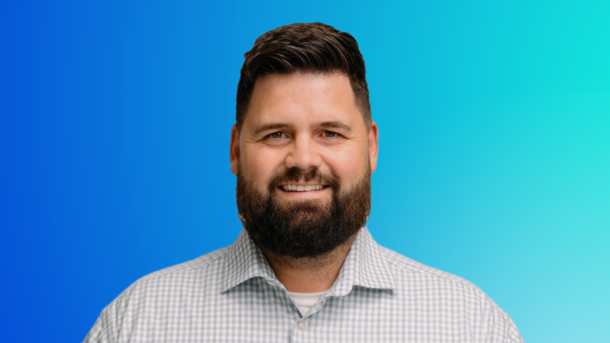
Ted Temertzoglou — Highly sought-out speaker and lead author on health,  physical literacy and well-being

Ted Temertzoglou — Highly sought-out speaker and lead author on health, physical literacy and well-being
About Ted Temertzoglou

Ted (@LifeIsAtheltic) believes in a world where the skills learned through Health & Physical Education enable all to lead authentic, happy and fulfilling lives. He creates this world by working with Governments, School Boards to implement UNESCO’s Quality Physical Education Guidelines. Ted is an advocate and thought leader for quality Health and Physical Education. He is a highly sought-out speaker and lead author on health & physical literacy and well-being.

With a Master’s Degree in teacher-student relationships and 33 years of educational experience, Ted shares his expertise to help more teachers and students flourish and thrive. He is the recipient of the R. Tait McKenzie Award, Physical & Health Education Canada’s most distinguished award. He is also a certified Personal Trainer with the Canadian Society for Exercise Physiology.

Connect with Ted: Email | Instagram | Linkedin | Twitter

Listen Now

Listen to the episode now on Apple Podcasts, Spotify, or on your favourite podcast platform.

Resources Mentioned

United Nations Educational, Scientific and Cultural Organization (UNESCO)

R. Tait McKenzie Award

Canadian Society for Exercise Physiology (CSEP)

Outlive by Peter Attia

Ontario Institute for Studies in Education (OISE) – Teacher Education

Brock University – Master’s Degree in teacher-student relationships

The Transcript

**Please note that all of our transcriptions come from rev.com and are 80% accurate. We’re grateful for the robots that make this possible and realize that it’s not a perfect process.

Sam Demma
Welcome back to another episode of the High Performing Educator Podcast. This is your host, author, and keynote speaker, Sam Demma. Today’s special guest is Ted Temertzoglou. Ted believes in a world where the skills learned through health and physical education enable all to lead authentic, happy, and fulfilling lives. He creates this world by working with governments, and school boards to implement the UNESCO’s Quality Physical Education Guidelines. Ted is an advocate and thought leader for quality health and physical education. He’s a highly sought out speaker and lead author on health and physical literacy and well-being. With a master’s degree in teaching student relationships and 33 years of educational experience, Ted shares his expertise to help more teachers and students flourish and thrive. He is the recipient of the R. Kate McKenzie Award, Physical and Health Education’s Most Distinguished Award, and also a certified personal trainer with the Canadian Society for Exercise Physiology. I hope you enjoy this conversation with Ted. It left me very energized, and I’m sure it’ll do the same for you. Talk to you soon. I’ll see you on the other side. Welcome back to another episode of the High-Performing Educator Podcast. This is your host, keynote speaker and author, Sam Demma and I’m very excited to be joined by our guest today, Ted Tamurtsuglu. He is a friend of mine who is connected through a friend of mine named Joyce, and I’m honored to have him on the show here today. Ted, how are you?

Ted Temertzoglou
Good, Sam. I am super excited to be here with you, and thank you so much for asking me to be a part of your show. I gotta ask because the listeners can’t see what I can see. Behind you is a beautiful home gym. When did you get it, and when did fitness become a big part of your life? Oh, okay, so I’ll start backwards. So fitness has always been a part of my life. I’m an aspiring athlete through school, trying to acquire as much athleticism as I possibly can. And then this is our garage. We converted this, ah, about six years ago. We started building it. And because work got so busy, we weren’t able to get to the gym and stuff, so my kids work out of here, my wife works out of here, I work out of here every day, and now this is what we call Life is Athletic World Headquarters. This is where my work is. Did you have an experience in your own life that tested your health, that inspired you to take it more seriously, or did you just continue from your athletic journey as a student? Yeah, I know I really did, Sam. I knew, you know, I went to six elementary, I went to five elementary schools in six years. So like from kindergarten to grade six. And so that kind of put a pretty big strain on my numeracy and literacy skills as it did our entire family. My parents immigrated from Greece to here. But, you know, the people, the teachers that really kind of saw something in me were my health and physical education teachers. And it was because of them I went on this journey to figure out, you know, I want to do this for a living. It makes me feel good and I want to continue doing it. So that’s kind of really started, started at a really, really young age. I wasn’t an athlete by any means, but I acquired it because of the teachers that I had and the, you know, the areas that I happen to be in. So, yeah, that’s basically how I came to it. And at some point, you decided, not only do I want to feel healthy, but I want to help other people feel healthy too, especially people in the education industry. You know, you’re someone that I look up to for your physical fitness. And if there’s a teacher listening or a superintendent or a principal right now, and you haven’t talked to Ted about how to get your teachers and yourself healthy and feeling good, this is your sign to do so. When did supporting educators and other human beings in their physical health and mental health journey become a part of your story? Yeah, I’ve always wanted to do, Sam, similar to what you’ve done. So when I was younger and I was playing sports and then played on the university level, I always knew, at grade 11, I knew I wanted to be a physical health education teacher and a professional athlete Those were the two things that meant the world to me because I thought I could really affect change If you were kind of like on the world stage right or on a national stage and playing and playing professional football So I got to that level after University and I signed my contract with the Argos and then got hurt at that camp But had at least my education degree to fall back on. So as I got teaching, what I noticed in health and physical education is we didn’t have what was called evidence-based resources. So I kept on teaching the way I was taught. And that’s good for kids who like football and like soccer and like those sports, but the vast majority of kids, they’re not on school teams and they don’t like that stuff. So I thought, oh my goodness, I have to expand my pool here. So what I started to do is inquire about how do we get evidence-based resources into our school. And that’s what really exploded into teacher training. Tell me more about what you mean by evidence-based. Is it tested with large groups of people? I want to know more about the resources that you’ve created that might be of value to the listeners. What we did was in 2,000, 99, 98, 99, 2000, my wife and I were lucky enough to be chosen to write some curriculum for the Ministry of Education, for specifically health and phys ed. So they’re making a new curriculum. And, you know, when you’re in a math class, you have these beautiful textbooks or these visuals that are done by professors and with teachers. And it’s all based on evidence. And there’s so much evidence in the health and wellness field that applies to the health and phys ed curriculum. I thought, hey, wouldn’t it be great if we could get a publisher, get the best researchers, get their research, break that knowledge down where teachers can understand it to deliver it to our kids? Well, now we’re speaking from a place of evidence rather than a place of opinion. Like I may think I know what’s really good for kids as far as exercise progression, but do I really? Like, what does the science say? So that’s what I mean by evidence-based resources. And then we were lucky enough to create textbooks, workbooks, fitness charts that are used in many, many, many schools across Canada and some internationally. So that’s how we got it from there. 

Sam Demma
You started creating this curriculum, you built out these resources. Take me to today. How are you supporting students, schools, administrators, superintendents with their health and with their students and staff’s health today?

Ted Temertzoglou
Yeah, great question. So, largely across Canada, the exception being Manitoba, we don’t have what are called specialists in health and physical education at the younger years. So, what we call the foundation years or the physical literacy years, the years where kids minds are truly like clay and sponges and they absorb a whole bunch of stuff about movement. Whereas other countries like Germany, Poland, Sweden, the Netherlands, et cetera, they do. And I’m not saying that, you know, it has to be a specialist, but we need people who are really passionate about helping kids wellbeing and health and physical education. So the way I support them is we create now I create these online learning modules where teachers take boards, subscribe to them and buy them, and then they disseminate the teachers. I do a lot of live, like in-person face to face workshops, either showing them how to use my resources or showing them how to use the resources they currently have in the classroom. Like literally, I meet the teacher where they’re at, we push in a chair, and then we’re doing movement, and then we’re linking that to numeracy and literacy. So I think the biggest gain we’ve had is that’s where we are. But Sam, I think the real pinnacle happened in 2015 when the United Nations, UNESCO, launched a massive massive literature review on, hey, what would happen if we ran quality, and I’ll define that in a second, physical and health education programs? What would that look like for health care? What would that look like for mental health? What would look, what would that look like in society at large? So they released that. And I just said, okay, I’m UNESCO, I’m going to help you put that into schools. And then helping schools understand the power of health and physical education and how that can make people, you know, well, not only healthy, but feeling really great about themselves. So that’s where we are now. And I wish I could tell you, Sam, that it’s amazing and it’s working really well, but it’s a grind, man, you know, cutbacks in public education, teacher shortages, etc, etc. So but, you know, there’s always a bright side, we got to keep moving forward.

Sam Demma
I was reading a book recently by Dr. Peter Atiyah called Outlive and he talks about, there let’s go, for all the listeners, he just put it in front of the camera and he talks about this concept that for so long people were obsessed with lifespan, which is how long you live and he says it’s not only about how long you live, it’s the quality of life you have while you live a long life, which is your health span. And he talks about the four horsemen, which are these diseases that take us out most often in life and how to avoid some of those things. And he makes this argument that the best possible treatment to avoiding those four things is exercise. Above all else, he talks about sleep and nutrition and all these other things, but exercise. And I’m wondering what your perspective is on exercise and when people ask you, hey Ted, how do I get healthy? You know, how do I feel good? What is your thoughts? What do you share with them? First of all, I got like a major research crush on that guy. So Dr. Peter Atiyah actually went to Mowat High School in Toronto.

Ted Temertzoglou
So he’s TDSB. Yeah, absolutely love it. Sam, I truly believe, and I know this through evidence, that the health and physical education curriculum stands to be the greatest healthcare intervention we have ever seen, if we teach it, especially at the younger grades. And so everything Peter talks about in his book, that’s all in our health and physical and health education curriculum, right? The top 10 diseases that end our lives largely before they should, like that lifespan that you said, and then our health span within it, are all largely preventable if we just moved a little bit more and ate a little better. And not only that, Sam, we’re talking about billions, tens of billions of dollars saved in direct costs to healthcare. So giving kids these tools at a very young age is critically important, more so today than it’s ever been. So I’m not sure if that was your question Sam, sorry I got a little carried away on that. But yeah, that’s where we’re at. 

Sam Demma
How do you prescribe a program for a teacher or a student? Do you have to assess their current abilities or is there a basic foundational level where everyone should start? Like if there’s someone listening to this who let themselves slip through the past couple years and they haven’t exercised much at all and they’re thinking gosh I want to start showing up for myself again. Just as much as I’m showing up for everyone around me. What would be like the first steps?

Ted Temertzoglou
Yeah, the very first step would be truly What thing do you enjoy doing like what really makes your heart sing and then I would build movement around that So if someone was to say, you know, I really really love just being out in the garden. Okay, great, right? So being in the garden is a great physical activity. You know, I like going outside and going for a walk. Fantastic, you know, getting up from a chair and walking is a phenomenal exercise. And then we would vary that. We’d slowly progress the overload, meaning that, okay, yes, you’re walking now and you’ve walked this distance. So now, you know, between this lamppost and that lamppost, every time you go every other lamppost, walk a little quicker and then slow it right back down again. So the gentleman that does a lot of research in this area is a guy named Martin Gabala, another Canadian, who’s been on all kinds of podcasts, including Tim Ferriss. And he wrote a book called The One Minute Workout, because largely the number one reason people do not work out is because of time constraints. But he has shown in all his research, like the minimal amount of exercise that’s actually needed to get people from not healthy or not very healthy to adequately healthy where they’re going to avoid what Atiya calls the four horsemen or those 10 non-communicable diseases is very little, Sam. And we know that prescription. For adults, that’s 150 minutes a week, 22 minutes a day, and two times a week where you’re pushing, pulling, lifting, squatting, lunging things. Those are the easiest things. But the first place I start with either my clients or the students or the teachers is what do you love to do? And there’s so many areas of movement. We gotta find something. I don’t even care if it’s a TikTok dance. That’s amazing for cardio, right? Like I’m trying to bust some of those moves in here, Sam. I’m telling you, I’m cutting rug in here. I mean, those things get your heart rate up fast. So any which way that you can find where movement’s a part of it, and they’ll get hooked because the body craves it, like we really do need. A great book for you too, Sam, after you finish Dr. Atiyah’s, is Dr. Kelly McGonigal from Stanford called The Joy of Movement. She doesn’t talk about exercise, she just talks about when muscles move, here’s what happens to the brain. And a lot of my work right now is that, is connecting muscles to brain, because we know today muscles are like an endocrine system. They’re not just these things that move things. They actually release proteins and they activate certain hormones. And that’s why it’s important to move, because it feels good. 

Sam Demma
It does feel good. It feels great. I was telling a friend of mine, I’m very competitive with myself. I like pushing myself and reaching new heights. And, you know, as much as I push myself in business or professionally with the work that I’m doing that’s usually tied to spending more time in front of my computer and even when I push myself in those arenas and reach new goals and heights and reach more people I Don’t feel the same way I feel when I lace up my shoes and do a 5k run around the block like that physical activity gives me an emotional emotional response and physical response in my body that pushing myself professionally just can’t give me and I recently inspired a friend to start running as a result and after he finished He’s like I haven’t felt this good in years like yes. I’m out of breath. Yes I’m feeling kind of nauseous and tired right now, but I feel so happy and I’m curious like You sound like someone who’s done lots of research. Is there like a link between feeling great and happy and moving the body? Like what is that connection?

Ted Temertzoglou
Yeah, Sam, we’ve got our own pharmacy and it’s right in our head. And the way you access that dealer, I’ll call my drug dealer for now, is the way you access that drug dealer is you move. So there’s this new discovery about 10 or so years ago called endocannabinoids. You probably have heard that ending of that word somewhere, right Sam? Cannabinoids, like cannabis, it produces the exact same effects. So, you know, when it releases serotonin and dopamine and all these epinephrines, we call this the dose response. So D is dopamine, O is the oxytocin, you know, that’s that social hormone that, they call it the hug hormone, where when you’re around friends, you just feel lifted, and we call that energy. Well, that energy is a direct product of oxytocin, right? And then you got your dopamine, and then you got your endorphins and those endocannabinoids. Yeah, we have a drugstore that’s frigging free, and it’s really worth getting addicted to those drugs, you know, because there’s no side effects.

Sam Demma
Yeah, that’s awesome.

Ted Temertzoglou
The side effects are what you just described, smiles, feeling good, wanna take on the world, you know, the sun’s always brighter You know Even the darkest days are a little bit brighter because that’s where your body wants to be we want to avoid pain We seek pleasure and movement is the key to that. 

Sam Demma
It’s crazy You brought up the end of that word and how it relates to Cannabis because this friend of mine that I inspired to run has recently kicked the habit of smoking a vape, which I’m sure many of the educators listening to this right now are very familiar with. And funny enough, every time he gets an urge, the way he stops himself from reaching for it is running or doing pushups. And he says he runs or does pushups and the desire to grab it immediately vanishes. So there is something special happening in the brain when we push our bodies physically and move. And after I was reading that book by Peter Atiyah, I started thinking about my own life and how much time I was spending sitting versus standing versus moving. And I didn’t think the body was made to sit all day. And I want to be someone who’s 80 or 90 years old and able to walk and able to pick up my grandkids, able to enjoy the daily activities of life. And so I think making sure we follow a routine similar to the ones you create for people is really important. I’m curious, out of all the work that you do, what work brings you the most joy and fulfillment?

Ted Temertzoglou
It’s when I’m working with the students, because often when I do the workshops, it’s with teachers and I invite the teachers to bring their kids. And it’s turning on those kids who didn’t think or didn’t see themselves as athletes, right? And you know, my tagline, Sam has always been it’s my like my Twitter handle to life is athletic. We push, we pull, we squat, we lunge, and we do all of these things in normal day-to-day life. So when those kids get hooked on movement, man, I just feel like, you know, I made it a little bit better today. I learned from them because I always ask them, like, what are your limitations? Like, what’s stopping you from doing these things? Because we all want to feel good. I think most people want to feel good. Or at least when we when we feel bad, we want to know what the strategies and tactics are, where we can hit the reset button really quick, right? So we get kids to realize, look, mistakes aren’t a period, it’s a comma. And then you first create your habits and then your habits create you. So finding these things in a positive light for kids, that’s what really lights me up. That’s what makes my heart sing. That’s why I still do this. And that’s why I’m gonna continue to do it. But I think the biggest learning I can have is when people actually tell me why it won’t work. Like, give me roadblocks or perceived barriers, and we got to find a way around these things because, you know, Sam, life expectancy for our kids, like, there was a big paper written, this was way before the pandemic, announced that prevention, a pound of trouble. And basically what it outlined was, this is probably the first generation of kids that will not love their parents. That was before, you know, before smartphones. And I’m not vilifying smartphones, it’s amazing. We have the world’s knowledge at our fingertips, for goodness sakes. It’s a really good thing, it’s not a bad thing. However, too much of it is a bad thing. And when we hook kids, and you know, their attention is drawn to other things and away from movement, man, we’re gonna be in a world of hurt. Not only in our healthcare system, but for them. So, you know, I’m getting on here in my age, and I’m thinking my kids are roughly your age. And I’m thinking, hey, when they start having kids, and I have grandkids, like, I want them to have, you know, very exciting and fruitful lives, but I need them to be feeling really good about themselves. And that’s health and physical education to me. That’s why it’s so critically important. But yet it’s below the maths, it’s below the sciences, but really it’s the most important subject we teach. What can be more important than our health, right? 

Sam Demma
I couldn’t agree more. I heard a quote once that said, people with their health want a million things and people without it only want one. And if I don’t have my health, personally, I’m not gonna be able to focus in math class. If I don’t have my health, I’m not focused in any other subject in school. The only thing I’m thinking about is helping myself feel better. And in Outlive by Peter Etieh, he cites a little study of students that exercise versus students that didn’t and how it improved their cognitive performance in school. So, I mean, prioritizing health not only helps the physical body, but it helps you perform better as a student. So how can it not be the most important thing? And the fact that it’s accessible to everyone on this planet, even if you don’t have a gym in your garage, you know, like you said, walking outside, running outside, just moving the body, makes this such an important topic to teach everybody about, because it could save so many years in someone’s life, not only in terms of their lifespan, but so they can enjoy it longer.

Sam Demma
I did mention it.

Ted Temertzoglou
Oh, sorry, Sam. Go ahead. Go ahead.

Ted Temertzoglou
Sorry.

Sam Demma
No, you go. I have a thought afterwards.

Ted Temertzoglou
Yeah, and then when you think about as well, the Canadian Heart and Stroke Association did this great commercial, Sam, I’m not sure if you saw them, and it’s like, you know, for the most Canadians, the last 10 years of their life, so what Atiyah calls the marginal decades, they’re living in and out of hospitals, or they’re living in and out of chronic care units. They’re not vital. It’s not a vitality part of their life at that point. Like, think about that. You know, seven different drugs. You’re going in and out of hospitals. You’re not feeling really good. And all of those were things that, you know, Hemingway has always said, you know, it happens really, really slowly, and then it hits you like a ton of bricks. So these are really important things for us to get across to our kids. So those last 10 years, we don’t know when we’re gonna get them, but you wanna be going out like you said, like picking things up that you wanna pick up and hiking in the mountains that you wanna hike. You wanna have those things, what Atiyah calls the centenarian decathlon. I wanna be able to do those top 10 things into my 90s or 100s or whatever, you know, God graces this on this planet with whatever. That’s what I want to do. And that’s what I want for people too. 

Sam Demma
You mentioned earlier in the podcast and I caught it and I wanted to circle back to it. You said, me and my wife wrote curriculum. So does she work in the same space that you do? Like, tell me more about this power couple dynamic?

Ted Temertzoglou
Yeah.

Ted Temertzoglou
Oh, you’re too kind. Yeah, that’s so cool. Yeah, Carolyn and I, Carolyn works, so she was a teacher as well. We actually met at the faculty of education at the University of Toronto. Cool. I was a pub manager, so I got to meet a lot of really cool people. I was very lucky. And Carolyn now teaches at the University of Toronto. She’s in teacher education. So she teaches phys ed teachers how to teach physical education, K to grade 12. It’s funny because I used to call them gym teachers. Yeah, and when we do our work together internationally.

Ted Temertzoglou
Yeah.

Ted Temertzoglou
And I remember a teacher was like, no, the gym is the physical space. I am a physical education teacher. I’m like, damn, I’m sorry. But there is a distinction. Yeah, I’ve got a quick side story for you. So when we were in Newfoundland doing some work, the health and phys ed teachers there, they have t-shirts that they wear. And they say on the back, I teach physical and health education, Jim lives down the street.

Sam Demma
That’s awesome. I love that, man. Thank you for sharing some of your passion for movement today on the podcast. I know you’re headed to Vienna to spend a week with some schools and administrators internationally and I’m sure they’re gonna change and build some new habits that are gonna help them as a result of the programming you’re doing with them. If someone wants to learn more about you, check out some of your resources or get in touch, what would be the best way for them to reach out?

Ted Temertzoglou
Yeah, I don’t have a website up and running just yet, but yeah, if they Googled my name or if they want to get a hold of me through email, they can do that too. We can put that, I guess, if you like, in the show notes or what have you. And Twitter, I’m @LifeisAthletic.

Sam Demma
You mentioned, we’ll wrap up on this, you mentioned sometimes the thing that brings you the most joy is helping people overcome those barriers within themselves to reach their fitness goals or to even just get started. It sounds like you’re helping people empty their backpacks and that’s something that we love doing in all of our work. If there was one piece of advice or one thing you would share and encourage anybody listening right now related to their physical and mental wellbeing that you wish the whole world could hear, you know, if everyone was listening, what would you tell people?

Ted Temertzoglou
I would say, just start. Just move one foot in front of the other, baby steps, and then once you get past all those, the rest will just start to come for you, right? The world will open up for you. So from the movement standpoint, that’s what I would say. From a mental standpoint, I would say, look, it’s kind of, I think Seneca said this, we suffer more in imagination than we do in reality. Stop listening to the negative self-talk that we take ourselves through and start focusing on all the great things that you get to do on this limited time that we have on the planet.

Sam Demma
I love it. Ted, it’s been an absolute honor having you on the show. We’re going to have to do this again. Thank you so much for making the time. Keep up the great work, enjoy your travels, and I’ll talk to you soon.

Ted Temertzoglou
Thank you so much, Sam.

Ted Temertzoglou
It’s been an honor and really love being on your show. So good luck with all your great stuff that you’re doing as well. Cheers, my man.

Join the Educator Network & Connect with Ted Temertzoglou

The High Performing Educator Podcast was brought to life during the outbreak of COVID-19 to provide you with inspirational stories and practical advice from your colleagues in education.  By tuning in, you will hear the stories and ideas of the world’s brightest and most ambitious educators.  You can expect interviews with Principals, Teachers, Guidance Counsellors, National Student Association, Directors and anybody that works with youth. You can find and listen to all the episodes for free here.
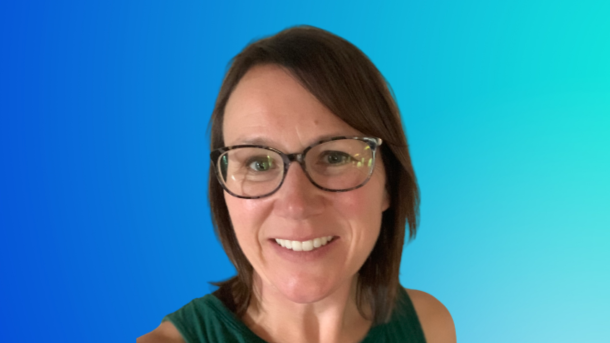
Alain Cyr-Russo —Senior Manager of Student Life at Algonquin Students’ Association

Alain Cyr-Russo —Senior Manager of Student Life at Algonquin Students’ Association
About Alain Cyr-Russo

Since 2010, Alain has worked in student life for La Cité Student Association. Originally hired as a programmer, Alain has since proven exceptional skills and dedication, rising to Senior Manager, Student Life.

While there, he oversaw various committees within the Student Association, including the student life committee. He also led events programming, creating a memorable student experience for thousands of students over the years. Alain lent his expertise to La Cité Student Association’s marketing and communications team and the Café-Bistro by overseeing operations for those teams in addition to student life. He recently accepted a position as Senior Manager, Student Life for the Algonquin Students’ Association where he oversees Events, Food Cupboard, Clubs and communities as well as the Equity, Diversity and inclusivity subject matter specialist.

Alain is passionate about the student experience, and he knows that it goes beyond events and programming. For eight seasons, he also served as head coach for the women’s and men’s volleyball teams for the La Cité Coyotes. He also brought the Food Bank to La Cité students and developed a well-being program, ensuring safety while leaving events.

In addition to all of this, Alain has found time to volunteer. From 2021 to 2022 he served as National Conference Chair for the Canadian Organization of Campus Activities (COCA) and is currently serving as the President of COCA.

Connect with Alain: Email | LinkedIn

Listen Now

Listen to the episode now on Apple Podcasts, Spotify, or on your favourite podcast platform.

Resources Mentioned

La Cité Student Association

Algonquin Students’ Association

La Cité Coyotes

Canadian Organization of Campus Activities (COCA)

The Transcript

**Please note that all of our transcriptions come from rev.com and are 80% accurate. We’re grateful for the robots that make this possible and realize that it’s not a perfect process.

Sam Demma
Today’s special guest on the High Performance Educator podcast is Alain Cyr-Russo. Alain, since 2010, has worked in student life for the La Cite Student Association. Originally hired as a programmer, Alain has since proved exceptional skills and dedication in rising to the senior manager of student life. Alain is passionate about students’ experience, and he knows that it goes beyond events and programming. For eight seasons, he also served as head coach for the women’s and men’s volleyball teams for the Lassiter Coyotes. He also brought the food bank to Lassiter students and developed a well-being program, ensuring safety while leading events. In addition to all this, Alain has found time to volunteer. From 2021 to 2022, he served as National Conference Chair for COCA, the Canadian Organization of Campus Activities, and is currently serving as the president. He has recently made the exciting transition to the senior manager of student life over at the Algonquin College Student Association. And during this conversation, we talk about what it takes to organize great events that actually fulfill the needs of your students and the students on your campuses. We talk a little bit about his experiences and journey through education that brought him to where he is today and some of his beliefs around building relationships with young people. I hope you enjoy this exciting conversation with my friend, Alain. I will see you on the other side. Welcome back to another episode of the High Performing Educator Podcast. This is your host, author, and keynote speaker, Sam Demma. Today we are joined by Alain Cyr-Russo. He is someone that I met at the COCA Conference this past June in Vancouver. He has such infectious energy. He’s just recently made a big transition in his life. Alain, I’m so excited to have you here. Please take a moment to introduce yourself.

Alain Cyr-Russo
Yeah, thank you so much for having me, Sam. This is exciting. And again, like you said, we met at COCA where I’ve been part of COCA for over 10 years now. I’ve been president for the organization now for two and been working for La Cité, which is a small French college in Ottawa. We have about 5,000 students and just recently changed to Algonquin College and now Senior Manager Student Life for the Algonquin Students Association where I left La Cité after 13 years. So, crazy news.

Sam Demma
For educators listening to this that don’t know too much about COCA, you’re someone who has given their heart, their soul, their blood, sweat and tears to this organization. Can you just explain what COCA is and what prompted you to get involved?

Alain Cyr-Russo
Yeah, absolutely. I first attended COCA back in 2012 as an event programmer. And it was an opportunity for me to just network with different people that share the same knowledge or interest within campus life. At the end of the day, we’re all there to, you know, regroups universities and colleges from across Canada, east to west coast, and we give ed sessions, keynote speakers, and we also give an opportunity for people such as you and other artists to showcase in front of these programmers in hopes to give you that opportunity to present in front of students from across Canada. And you mentioned that you recently transitioned from La Cité to

Sam Demma
Algonquin. How has that move been so far over these first few weeks of school?

Alain Cyr-Russo
Yeah, it’s insane to say the least, but it’s been great. You know, when you leave an organization after 13 years, you’ve been there, you’ve cared for it, you’ve started projects that are yours and that you’re leaving and you’re hoping that it’ll stay alive while you’re gone type thing. But the transition has been really good. Algonquin Student Association have been really great and the transition has been smooth. Just because I’ve been doing this for 13 years and I moved into a position that’s very similar, just a little bit more, what’s the word I’m looking for here uh but like a little bit more not niche but um you know I’m focusing just on student life as in before I was focusing on multiple things I felt like I wasn’t giving my 100 percent and I felt like this is an opportunity for me to move to Algonquin, bigger challenges, more students uh and uh an opportunity to to put forward great events and just enjoy my time and learn as well, right? Because as humans, we’re always learning. You never stop learning, and this, for me, was the next path for my personal growth.

Sam Demma
When you say the role you’re in now, you’re mainly focused on students. What are you hoping to accomplish over the next couple of years? And what do you think some of the challenges are that students are facing that you and the association are hoping to address or improve?

Alain Cyr-Russo
That’s a very, that’s a great question. I think it’s important to know that like a senior manager student life, one thing that you oversee is events, you know, just make sure that students are, you know, entertained during their time on campus. I mean studies are important but to network, socialize and enjoy your time on campus is an important factor in you know your life and that’s where you meet friends and maybe possibly co-workers. But I also oversee our student food cupboard as well as clubs and communities and just recently opened a position for equity, diversity and inclusion coordinator which I’m super excited to have on campus. As we know, you know, the international community on campuses is growing, and we just want to make sure that we best serve those students. In terms of food cupboard, I think, you know, we all know that food insecurity is a real issue, and I want to make sure that we help those students in need, because you have to stay focused. And then for us to be able to provide some food to students in need is very important to us. You know, I think most campuses have a food cupboard or food bank now on campus. And I think it’s a great service to have. And it’s just to know how to better that service as well. You know, in terms of international students, we now have a winter coat drive where we ask students and staff to bring lightly used winter coats and or pants. And then we give that out free to international students or whoever needs them. And then clubs and communities. Again, this is like a great place for students just to have common interests, to get together, socialize and play whatever they need. Like, you know, we have an eSport, we have a knitting club, and we have all sorts of clubs on campus just so that students can find other students that have the similar interests.

Sam Demma
You’re someone who’s spent their whole life

Sam Demma
surrounded by education. You’re a student, you got involved in COCA, you worked at La Cité for 13 years, now you’re at Algonquin. When you were growing up, did you know that you wanted to be a director of student life? Or how did this, like tell me more about your personal journey that led you to where you are now.

Alain Cyr-Russo
Yeah, that’s actually a great question because I’ve never really like thought about it. Truthfully, when I was younger, I wanted to be a gym teacher then I was like, I don’t know if that’s for me. I’ve always been active playing sports and staying busy. Afterwards, I wanted to be a police officer. So I originally went to college to become a police officer and that didn’t work out at the very beginning. I’ve done a few interviews and I decided to go back to school in leisure studies. And that’s where I stayed at La Cité. They offered me a job after graduating, saying we’d love to have you as an event programmer on campus. I’ve always kind of been, Even in high school, working with the sports club, or we had two different kind of, one was the workout club and then one was the sports club. I was always involved in student life on campus and even in high school, and I enjoyed it. I enjoy organizing stuff. I enjoy making people happy and just keeping people busy because at the end of the day for me, staying busy and out of trouble is what kept me sane when I was in high school and in college. And I think that’s what’s important to give back to students. So you grew up having passions for sports.

Sam Demma
I think similarly, sports and teaching, you’re mentoring people, you’re providing unique experiences for students. So it makes sense that you landed where you did now. Do you ever think back to your own experience as a student? And were there any teachers in your life that you think had a big impact on you and maybe slightly pushed you in this direction? Another great question.

Alain Cyr-Russo
I don’t know, like my volleyball coaches in high school from from Dallas how really had a huge huge impact on me they were you know recent university graduates when they first started teaching I was in 10th grade at that time and they they kept me busy they kept me you know people that were open to conversation and I think they kind of did push me to just being mindful of things and being, you know, polite and give back to the community. So, you know, I think they did have an impact with me without necessarily noticing it, you know, but did I end up where I really wanted to be? I don’t know, but let me tell you, I very much enjoy it because when I was at college, I played volleyball, which kept me busy, played for four years, but I never really participated into events. And I’ve seen a couple events here and there, but never really went to them. And then when I put on my event in leisure studies, I did a huge comedy show and I saw how students enjoyed it. So when the job offer was offered to me back in 2010, I was like, you know what, I’d love to just do more of this and see students smile and enjoy the events on campus and diversify whatever I can to keep these students interested, engage on campus and socializing and networking. So yeah, that’s kind of where I end up and the impact that I feel that I had from maybe those two teachers. events is a big part of your role now, and was a big part of your role at La Cite.

Sam Demma
Educators listening to this right now, some of them may have the responsibility of planning events for their schools,

Sam Demma
universities, and colleges. You’ve planned so many. What do you think makes for a great event? And how do you kind of consider what events to bring to your school?

Alain Cyr-Russo
So in order to do a great event, I think it’s understanding your clientele, who you’re working with, and who you’re doing the event for. You might have a good idea yourself, but it doesn’t necessarily answer the student needs. I love to interact with students and just understand what they want and would like to see on campus. And then I try and put it together. You know, venues an important part, budgets an important part, logistics and just being organized and make sure that you’re not just doing this on your own, but you also have maybe a team supporting you to give you more ideas in terms of that event. Because I’m a French-Canadian guy, I grew up in Ottawa and I know what I like, but I also try to be part of the organization or like the, you know, build up of this event so that I understand what they actually want and what they’d like to see. You know, do they know artists and people in the community that they’d like to see at this event that would better answer, you know, those student needs? And I think that’s very important. It’s not just about you, if you want, as a programmer or somebody putting an event forward. It’s about understanding the students and what they’d like. I mean, obviously, I don’t have the budget to bring in Drake. I think we have to be realistic here. But it’s just, you know, let’s listen to what they want and need. And when you also have students that are part of an event and putting forward an event, often enough, their students will, or sorry, their friends will want to come and support them as well. And that’s where you get people to come in.

Sam Demma
It also makes me think about how great of a leadership opportunity is for the students when you give them some responsibility in the choosing or planning or organizing of the event. And I would assume that a lot of the events that you put on are widely attended because you listen to what the students need and want and try and cater to those needs. What are some of the events that you’ve put on over the past 13 years that when you think about them, you have these fond memories? And I’m sure every event has been special in its own way, so it’s hard to just single one or two, but what events do you think had a really great impact and really reached those kids due to the needs they had at that point in time?

Alain Cyr-Russo
I mean, obviously, I’m fairly new to Algonquin, so it’s a little bit harder to answer that in terms of the Algonquin side of things. But being at L’Essie T’Aye for 13 years, I’ve put on a lot of events that either work or didn’t work. Obviously, times have changed, so some events weren’t as popular as before. We had a lot of Acadians way back when, like 2012, at L’Essie T’Aye from New Brunswick and they want to do you know uh an Acadian party. So we we brought in like uh you know being here from New Brunswick we we worked with Moosehead as well for getting some decor and just making that vibe. So that was really cool because it brought like all the Acadians on campus together without necessarily them knowing who was from New Brunswick and that part of the world. But then I think one of the biggest events that really I’ve enjoyed in the last couple of years just because we really work with the international department and our students from, you know, Africa, Haiti, is our what we call a multicultural night in the month of February for Black History Month. And we normally get a lot of students wanting to engage and be part of that event. So we’ll normally have, you know, like, we’ve had an event where we had a flag from every country that we have on campus, walk down this tiered seating that we had, and everybody was kind of carrying a flag, they kind of crisscross. And that just gave a real perspective to students of like, hey, like we have people from all over the world on campus, and that really just touched me because I never realized how diversified we were on campus. And then, you know, just part of that night we had students from Morocco, we had students from Canada, from Beronzi, like performing on stage. So it just brought all these cultures to perform together. And it was just really nice to see. And we had over like three, 400 students attending that event, which was fantastic. Especially when you’re looking at a smaller campus, it’s not always easy to get that many people out. But that event really have touched me in the past. And now that is one of the biggest events we’ve put together.

Sam Demma
I know a good fella from Burundi.

Sam Demma
My friend, Mac.

Alain Cyr-Russo
Yeah, yeah, yeah.

Sam Demma
When you’re thinking about students’ needs and desires, how do you collect them? What have you done in the past? Is it about walking the campus and having conversations, using surveys, how have you tried to figure out what students are looking for?

Alain Cyr-Russo
Yeah, one thing that I enjoy doing is just after events, letting students know that like, hey, if you’ve got an idea, come see me. And often enough, like they’ll come see you right after the show or the event and be like, hey, be cool if we could have this. Because surveys Surveys are good, but often enough I find people either don’t answer them, but also you can’t have that real conversation with them. And I find often enough their answers are a little bit grandiose if you want. So like, I’ve had somebody say, I’d love to see you fill in Vion at La Cité. And it’s like, okay, great. I love your idea, but unfortunately it doesn’t fit within the budget. But when you can sit down and actually have a face-to-face talk with a student and actually like hear their passion and what they’re looking for, it’s always great. And I love to just walk, like sometimes just, you know, when we’re just looking at clubs, if I see students are playing chess, for example, and I’m like, oh, we don’t have a chess club, I’ll, you know, approach them and be like, hey, did you know you could, you know, get clubs and funding and, you know, we can do promotion for you, try and get more people interested in this chess community. And they’re like, oh, that’d be great. Like, we’d love to have more people come play chess with us. So just having those approaches and conversation with students is so important.

Alain Cyr-Russo
We had so many different clubs in my school.

Sam Demma
And I think even back to when I was in high school. And I think one of the most beautiful things about clubs is you find like-minded individuals who are passionate about the same things that you are. And I met some of my closest friends doing similar interests as a part of clubs or extracurricular activities. You touched upon the idea of connecting with students one-on-one. I think it’s so important to build relationships with young people when you talk to them face-to-face and hear what they’re looking for. How do you think you build a relationship with a young person?

Alain Cyr-Russo
Well, I think it’s important to not be afraid of students. I find like as we grow older, sometimes like it’s we have a little bit of that disconnect, I find with with our crowd. But I think it’s important to just approach and have that conversation. You know, we’re often stuck, stuck behind Facebook and Instagram and texting, but you can’t build a great relationship with someone when you’re always behind a screen. So I think that face-to-face is important. I think it’s also important to, I think you touched on it, networking. I believe networking is the most important aspect of life because you don’t know who you’re gonna cross paths with, you don’t know who you’re gonna be working with, you don’t know whose help you’re going to need in the future. So just the networking, which is something like COCA has given me a lot, is just a family, a community, and that’s actually, you know, we both met there. So I think networking is a huge, huge factor in life that will bring you forward networking will also give you opportunities and maybe ideas for the future.

Sam Demma
We did meet at COCA and I met so many amazing humans just like yourself there. I’m so grateful that I pushed myself to go. I was listening to some students after an event that I was at recently and they’re walking off the campus and they said to themselves, I’m so great that I’m so happy and grateful that I made the decision to show up. I think that half the time the battle is just convincing ourselves not to stay comfy in bed, but to go to the events and to meet the people and to have conversations. And I’ve found that when you start asking questions, it helps you realize how small the world is and how interconnected we all really are. And I really appreciate you taking the time to come on the podcast here today and talk a little bit about your educational journey, what you think it takes to put on a good event and what the heart of an event is, which is addressing the needs of the people that are going to be in the audience. I appreciate you sharing a little bit about, you know, the idea of how you go about getting that information and having those one-on-one conversations after events finish. And if you haven’t heard it recently, congratulations on the big move to Algonquin. I wish you nothing but the best in the new position. A question I always like to ask all my guests before I finish with the interview is if you could travel back in time and speak to Alain when he was in his first year working at La Cité 14 years ago or 13 years ago, but with the knowledge and the wisdom you have now, knowing what you know, what would you tell yourself? What do you think your younger self needed to hear when you were just beginning the position?

Sam Demma
Wow.

Alain Cyr-Russo
One thing that I wish I did more when I was younger is just read and inform myself. I feel like I often act like I knew everything, and we don’t. I always like to learn, but I never took the steps to get there. So one thing is do communicate with people, do reach out, don’t be afraid, and get out of your bubble, get out of your comfort zone and try something. It may or may not work, but you’ll never know until you do it. So that is one thing that, you know, back in 2010, I was afraid, and it’s something that I definitely tell myself. Well, keep reading. Thank you, Alain, again, for coming on the podcast.

Sam Demma
It’s been a pleasure chatting with you. If you’re comfortable with it, I’ll put your email in the show notes and if any educator tuning in wants to connect with you or have a conversation, they can reach out. But until we meet again, hopefully soon, keep up the great work and good luck in this new adventure. Awesome, I appreciate it. Thank you so

Alain Cyr-Russo
much again for having me on your podcast. It’s been a pleasure and excited to hear the final result if you want. But yeah, anytime, if you wanna share that email, I have no issue.

Sam Demma
Awesome, thanks, Alain. Awesome, thank you.

Join the Educator Network & Connect with Alain Cyr-Russo

The High Performing Educator Podcast was brought to life during the outbreak of COVID-19 to provide you with inspirational stories and practical advice from your colleagues in education.  By tuning in, you will hear the stories and ideas of the world’s brightest and most ambitious educators.  You can expect interviews with Principals, Teachers, Guidance Counsellors, National Student Association, Directors and anybody that works with youth. You can find and listen to all the episodes for free here.

Daniette Terlesky  — Student Leadership Teacher at Our Lady of Mount Pleasant School in Camrose, Alberta

Daniette Terlesky — Student Leadership Teacher at Our Lady of Mount Pleasant School in Camrose, Alberta
About Daniette Terlesky

Daniette Terlesky (@mrsTerleskysmch) has been teaching for 21 years with Elk Island Catholic Schools. She is currently at Our Lady of Mount Pleasant School in Camrose, Alberta. She has taught grades 7-12 sciences primarily and in the last 4 years has also taken on leadership classes in high school.

She is an avid believer that the more involved students are in extracurriculars at school the more they’ll enjoy their overall experience. Connections are important and celebrating the gifts and talents of all students are very important to her. Leadership gives students those opportunities to get involved and use their gifts and talents to make a difference in their schools and communities.

Connect with Daniette: Email | Instagram | Twitter

Listen Now

Listen to the episode now on Apple Podcasts, Spotify, or on your favourite podcast platform.

Resources Mentioned

Elk Island Catholic Schools

Our Lady of Mount Pleasant School

The Transcript

**Please note that all of our transcriptions come from rev.com and are 80% accurate. We’re grateful for the robots that make this possible and realize that it’s not a perfect process.

Sam Demma
Today’s special guest on the High Performing Educator podcast is Daniette Terleski. Daniette Terleski has been teaching for 21 years with the Elk Island Catholic Schools. She currently is at Our Lady of Mount Pleasant School in Camrose, Alberta. She has taught grades 7 to 12 sciences primarily and in the last four years has also taken on leadership classes in high school. She is an avid believer that the more involved students are in extracurriculars at school, the more they’ll enjoy their overall experience. Connections are important and celebrating the gifts and talents of all students are very important to her. Leadership gives students those opportunities to get involved and use their gifts and talents to make a difference in their schools and communities. I hope you enjoy this exciting conversation with Daniette Terleski and I will see you on the other side.

Sam Demma
Welcome back to another episode

Sam Demma
of the High-Performing Educator Podcast. This is your host and youth speaker, Sam Demma. Today we are joined by Daniette Terlesky. Daniette, thank you so much for coming on the podcast. 

Daniette Terlesky
Tell me a little bit about where you grew up, what your childhood was like, and maybe provide some context that brought you to the person that you are today.

Daniette Terlesky
Most of my time growing up has been in Camrose, Alberta, and I was big into dancing, so I danced. A lot of my life, wanted to do some sports, but it was hard to fit in with dancing, so I got some track and field in there. Family was super important. Spent a lot of time with my family. I have a younger brother, he was big into hockey, played WHL, so followed him around a lot to watch. And yeah, I didn’t know if I was gonna be a teacher. My dad always said, don’t be a teacher or a nurse. So here I am, I am a teacher. It was kind of to defy him in a little bit, but it was the right fit place for me. And, yeah, now I have two children and we’re back in Camrose and it’s just, it’s a great place to be. And I don’t know.

Sam Demma
Yeah. When you said you’re back in Camrose, did you leave for a period of time and live somewhere else or have you been in Camrose your entire life?

Daniette Terlesky
No, so when I started teaching, I taught my first four years here in Camrose, which was lovely. And then I moved, I stayed with the same school division, but I was able to move and transfer and I worked in Vegreville for about 12 years and then transferred back here and I’m about to start my seventh year back in Kamrose. That’s awesome. You mentioned

Sam Demma
your dad said don’t ever become a nurse or a teacher but also that family was very important to you back when you were growing up and still now. What did your parents do and did it, I guess your dad not so much, but did your mom’s profession inspire you to do what you’re doing today?

Daniette Terlesky
Well mom and dad have business so they they work together in a business But my mom It was highly involved with many different things when I was a kid and still to this day she volunteers She does lots of crafts and she has lots of hobbies. And she’s really taught me to volunteer and help other people. And I think that’s part of why I do what I do.

Sam Demma
What kind of volunteering did you experience growing up? So I can’t even think of all the things

Daniette Terlesky
So I can’t even think of all the things that my mom has done in her time. Like, she helped out at the hospital with palliative care. She’d help out in the church. She just always seems to be involved. And now she’s involved with Rotary, which is great. And trying to get my group of students involved with Rotary too. So whenever there’s a place for her to help, she’s always tried to make herself available. And so I think that’s kind of where I get it from that I think it’s important to help out where we can help out.

Sam Demma
It sounds like she had the heart of an educator, although she got into business.

Daniette Terlesky
Yeah. She was kind of in the nursing profession for a period of time too,

Daniette Terlesky
but it just worked out better to work in the business with my dad. So. Gotcha. Oh, that’s awesome. Out of curiosity,

Sam Demma
Tell me a little bit about your own educational journey that brought you from a student to your first teaching job. So grade 12, I didn’t know what I wanted to do still.

Daniette Terlesky
I had to figure it out and I thought, Oh, maybe physiotherapy, you know, like, just would get me in the door. But I went into general sciences to start off with, okay, thought about pharmacy. And then it was just like, my, my heart kept saying, I think I want to be a teacher, I really do. And so soon as I transferred into education, I think it was my second year university, right fit. I was around the people that were similar to me, we had common interests, and it just felt like the right place to be. So I finished my four years of university at the University of Alberta. I got to teach with a few teachers that had taught me. And now I’m in that position since I’ve been teaching so long that I’m teaching with students or people that I taught.

Sam Demma
Oh, cool.

Daniette Terlesky
Yeah. Been around a while.

Sam Demma
It’s a really unique experience when there’s a full circle moment. And I’m sure although it reminds, you know, those veteran teachers of their age, it’s a full circle moment and it probably, I would imagine makes you feel very fulfilled and significant. What does it feel like when one of your former students ends up on your staff?

Daniette Terlesky
I think it’s pretty cool because obviously we didn’t turn them off of the profession.

Sam Demma
Yeah.

Daniette Terlesky
When they’re in school. Like, it must have been a positive experience. And it’s just, it’s really neat to see them as adults and being in that same profession.

Sam Demma
I think creating those positive experiences for students is one of the most important things that educators can do. You know, some students will struggle with certain curriculum, but making sure they know they’re walking into a safe space where they can express themselves, be who they truly are, and know that they’re being supported by the adults in their life is something that every student has access to if the adults in their life and their school strive to create those spaces. How do you think we create those spaces where students do have exceptional experiences and want to be around school or be in school?

Daniette Terlesky
I think we create the connections. Trying to have those authentic conversations and connections with the students, I think is so incredibly important. Providing clubs, different extracurricular is really important so those kids can kind of blossom and thrive. Our school is, has a great athletic reputation, we have great sports teams, but I see the need for leadership and for the drama programs and those arts and different things like that because not all those kids fit into that route and You want everybody in the school community to feel Valued and important and have something that they can really do well at so I really just think those one-on-one Connections and just different opportunities for them. It’s really important Can you think of a student who you’ve taught or someone in your school?

Sam Demma
That was that was not shy, timid, or struggling, but that wasn’t reaching their full potential, and then through an opportunity, or tapping them on the shoulder, or building a connection, you saw them really personally grow and flourish. Does any students like that come to mind?

Daniette Terlesky
There’s definitely a few. There’s definitely a kid who just graduated this past year. He got involved a little bit with leadership and even when he wasn’t taking the class, he just stepped up anytime we were planning. He’s like, you need extra help.

Daniette Terlesky
So that was really cool.

Daniette Terlesky
And then on a side note, one of the drama teacher and I were involved with some community theater last year. And the drama teacher like tapped him on the shoulder and was like, you should come out and like audition. And he had never done anything like that. And he, he did the show with us and it was just really cool to see him trying new things. And I think he’s just going to be better off a little bit more well-rounded because he, he took that step to try something different.

Sam Demma
Yeah.

Sam Demma
Knowing that you’re extremely involved in the school and like your mom, try to volunteer when you can as well. Why do you think those personal skill building classes like leadership and extracurricular activities are so important in a school setting?

Daniette Terlesky
I think they just give students an opportunity to do something, maybe in a little bit more relaxed environment. There’s not the stress of the studying and the test anxiety and the things like that. You know, they can be them, maybe. And if it’s something that interests them, then it just kind of helps them grow more. And those connection things are really important in real life when you leave the school and everything’s big and scary It’s like if you’ve had those opportunities to try some new things. It’s not maybe as daunting

Sam Demma
You know, you know one of the analogies that I talked about and I share is about the backpack that we all carry and You know I had some educators in my life growing up who helped me empty my backpack and instead filled it with self-belief and courage. And they believed in me a lot. And I’m curious when you think about your own experience through education, if there was any educators in your own life or caring adults that played a really significant role in helping you believe in yourself and inspiring you to keep moving forward. Is there any teachers who played a big role?

Daniette Terlesky
I’ve had some really amazing colleagues, but there’s like an administrator that really sticks out in my head. She was big on praising people in the things that they do well, allowing you the opportunity to do the things you do well, and just always being in your court, helping you, being your biggest cheerleader and things like that. So, I really, yeah, she really helped me to grow and to see a little bit and understand a little bit more also about servant leadership.

Sam Demma
And is this someone who you’ve stayed in touch with or had at one point at the school or a school you worked in? How did you cross paths?

Daniette Terlesky
So yeah, she was principal for three years at the school in Vegreville I was at. And then she moved on, I moved on, and then she actually came in and worked at the school that I’m currently at for a little bit of a short period of time. So it was great to connect again. And yeah, we’re still in contact definitely.

Sam Demma
That’s awesome. It’s funny I think sometimes educators they don’t hear about the impact they have not only on students but also on their colleagues or their their peers. You know maybe you get a lot of handwritten notes or you get every once in a while a student that comes and tells you how significant of an impact you had on them. But I think you know as teachers you also impact the teachers around you. And when things get difficult, you probably lean on the staff in the school building. So I think it’s really cool that she was able to understand the impact she had on you and that you reconnected after a couple of years. I’m just curious, like, what resources have you found helpful in teaching? What resources have you found helpful in trying to engage students or just in general that have helped you in your own personal development and professional development as an educator?

Daniette Terlesky
I’m going to be honest, I’m not big on like reading books and getting the ideas from that. That’s totally fair. I totally am one of those people who love to hear other people’s experiences. I like to see what they’re doing. So, any chance I can go for professional development, I totally take that, especially if I can find free professional development. Just in collaboration with other teachers is huge. But again, I’m one of those people who has to see it. I need to understand it a little bit more. Cause sometimes just reading about it doesn’t mean anything to me. So seeing, doing, um, is really important. And like going to those leadership conferences and hearing from other educators and, and amazing speakers. It just like inspires me to like take their messages and try and use it in my everyday life and teaching.

Sam Demma
Yeah.

Sam Demma
I love that. I think learning from other people’s experiences is one of the best ways to pick up ideas. You mentioned collaborating with teachers. What is a collaboration with another teacher look like? Can you provide an example or how would you go about doing that with someone in the school?

Daniette Terlesky
I’ve been lucky enough to have a few teachers that were teaching the same subjects the same semester and so it’s just like sitting down in their classroom at the end of the day and being like, hey, I was thinking about doing this, like, what do you think? And like, working together to come up with the activity or, you know, and then be like, I did this, don’t do it, it doesn’t work. Or, like, you need to tweak this before you do it, right? So it’s really nice to have somebody else who’s also doing the same thing as you so you can like bounce ideas off of them and just work together and sometimes it kind of lessens the workload a little bit if like somebody’s like hey I already created that you can just use it you know oh like fix it as you need it that really that really helps like why reinvent the wheel they always say I think there’s so much to be learned from collaborating sometimes and a newer teacher might be a little nervous to reach out to the people around them.

Sam Demma
What’s your advice for a new educator who’s tuning into this feeling a little bit overwhelmed or anxious about? starting this new chapter of their life I

Daniette Terlesky
Think you just need to figure out the person on staff who’s still got energy, still positive. Because you’re going to, like this work can get to you and they kind of are stuck in a rut. But if you can find those people who are positive and like so many teachers, like I really actually haven’t come across too many educators who won’t share what they have. Because we’ve all been there. A lot of the stuff I use is still from a teacher I worked with years ago, right? And I just like am tweaking it, but ultimately she just passed it over to me and it helped so much, right? Like you shouldn’t have to start from square one. There should be somebody there who can kind of help you along, give you some training wheels.

Sam Demma
Yeah, it’s fair. It works with biking. Why not teaching? Yeah. That’s awesome. And if there is an educator listening to this podcast and they think, hmm, Inyet seems like an educator that’s still passionate and has lots of energy, I might want to ask her a question. What would be the best way for them to reach out or get in touch with you?

Daniette Terlesky
They could definitely email me. I don’t know if you provide an email, but email is probably the best. I am on Facebook, but I think I have a privacy setting there, so it might be a little bit harder to find me, but my name’s on there. You could try and find me on Instagram too. I’m not really great with all the social media.

Sam Demma
With your permission, I’ll include your email in the show notes of the episode so someone can reach out if they want to get in touch.

Daniette Terlesky
Yeah, absolutely.

Sam Demma
Awesome. Well, this has been a fun conversation. Thank you for taking the time to come on the podcast, talk a little bit about your beliefs in education, the pathway that you took, and share a few ideas for educators to improve themselves and also their practices. So from the bottom of my heart and all the educators listening, thank you so much, and I hope we cross paths again very soon. thank you so much, and I hope we cross paths again very soon.

Sam Demma
Absolutely. Thank you so much.

Join the Educator Network & Connect with Daniette Terlesky

The High Performing Educator Podcast was brought to life during the outbreak of COVID-19 to provide you with inspirational stories and practical advice from your colleagues in education.  By tuning in, you will hear the stories and ideas of the world’s brightest and most ambitious educators.  You can expect interviews with Principals, Teachers, Guidance Counsellors, National Student Association, Directors and anybody that works with youth. You can find and listen to all the episodes for free here.
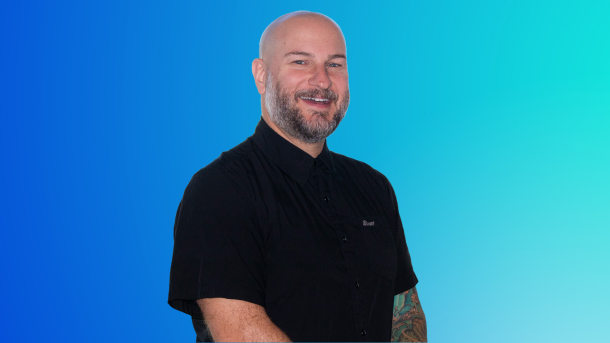
Kevin Baker — Executive Dean, Faculty of Business at Durham College

Kevin Baker — Executive Dean, Faculty of Business at Durham College
About Kevin Baker

Kevin Baker (@deankevinbaker) has been a senior administrator in the Canadian publicly assisted post-secondary education system for more than 25 years. He joined Durham College in April 2011 and assumed his current role as Executive Dean of the Faculty of Business in October 2018.

Before joining Durham College, Kevin was a campus administrator, general counsel, and vice president at College of the North Atlantic (CNA) in Newfoundland and Labrador. He has also taught for over 25 years in the Newfoundland and Labrador and Ontario college and university systems.

Kevin has a Bachelor of Arts and Master of Arts (Sociology) from York University, a Juris Doctor from Osgoode Hall Law School in Toronto, Ontario, and a Doctorate in Higher Education Leadership from Aspen University, Colorado. His doctoral thesis and continuing research examine employees’ innovative predispositions and organizational innovation climates.

Kevin is the father of three adult children and a grandparent of two. Kevin lives in Bowmanville with his partner, Kellie. He is active locally and serves on several local, provincial, and national boards.

Connect with Kevin: Email | Instagram | Linkedin | Twitter | Facebook

Listen Now

Listen to the episode now on Apple Podcasts, Spotify, or on your favourite podcast platform.

Resources Mentioned

Durham College – Faculty of Business

College of the North Atlantic (CNA)

York University – Department of Sociology

Osgoode Hall Law School

Aspen University – Doctor of Education in Leadership and Learning – Higher Education Leadership (Ed.D.)

YMCA Canada

The Transcript

**Please note that all of our transcriptions come from rev.com and are 80% accurate. We’re grateful for the robots that make this possible and realize that it’s not a perfect process.

Sam Demma
Today’s special guest on the High Performing Educator podcast is my good friend Kevin Baker. Kevin has been a senior administrator in the Canadian publicly assisted post-secondary education system for more than 25 years. He joined Durham College in April of 2011 and assumed his current role as Executive Dean of the Faculty of Business in October of 2018. Before joining Durham College, Kevin was a campus administrator, general counsel, and vice president at the College of North Atlantic CNA in Newfoundland and Labrador. He has also taught for over 25 years in the Newfoundland and Labrador and Ontario College and University systems. Kevin holds a Bachelor of Arts and Master of Arts in Sociology from York University, a Juris Doctor from Osgoode Hall Law School in Toronto, Ontario, and a doctorate in higher education of leadership from Aspen University, Colorado. His doctoral thesis and continuing research examine employees’ innovative predispositions and organizational innovation climates. Kevin is the father of three adult children and a grandparent of two. He lives in Bowmanville with his partner, Kellie. He is active locally and serves on several local, provincial, and national boards. I hope you enjoyed this conversation with Kevin as much as I enjoyed recording it, and I will see you on the other side. Welcome back to another episode of the High Performing Educator Podcast. This is your host and speaker, Sam Demma. Today we are joined by a very special guest, Kevin Baker. We crossed paths, I want to say, six months ago now. Kevin, thank you so much for coming on the show here today.

Kevin Baker
Well, thank you for having me. I’m a big fan, so it’s quite an honor to be here.

Sam Demma
We’re here now, but you have lived in many different places. What context would the listener or person tuning in need to understand from your childhood to create a better picture of who you are today?

Kevin Baker
Okay, yes, I’ve traveled a lot. I feel sometimes like I’m a military brat, even though my parents weren’t in the military. So, a bit of a long story, I’ll try and be succinct. My parents and my grandparents were migrant farmers, essentially. So, my family comes from come from rural New Brunswick, very close to the Quebec border, and they were farmers. Back in those days, families often would farm in the summer, and then in the winter, they would migrate to the cities to get other kinds of work to have an income over the winter. Then in the spring, they would go back to their farms and farm again for the summer. It was an ongoing cycle. That was my early life where every winter, my family would come up here and then go back to the East Coast. I don’t remember exactly when, but I want to say when I was probably about seven or eight, that stopped and basically the traveling and sort of the East Coast was it. So I spent most of my childhood there. My father lived in Ontario throughout that time, and so I would often come up in the summer for visits or things like that, but essentially I consider myself an East Coast kid. And then when I was about 16, I decided that I wanted to move to Ontario, to Toronto specifically, to find fame and fortune. roughly about 19 years. I did a bunch of different things. I was a kid when I moved here. I was 16 and I did a bunch of odd and crazy jobs and just tried to survive. Then eventually found my way into university much later. I was a Jane Finch guy. I moved there when I was 16 and I stayed in that general area until I moved away 19 years later. Then I moved to Newfoundland where my wife is from. I lived there for 11 years and then moved back to Durham Region where I live now. 12 years. So, kind of half of my life maybe or close to it in the East Coast and half of my life in Ontario. Sort of mostly the West End of Toronto and then the last 12 years here in Durham,

Sam Demma
You’ve spent a lot of time working in the education system throughout your life. Right. But your own journey into the education system is a little different. You know, you said you kind of stumbled into it at some point when you moved here. Tell me a little bit more about your experiences as a student and how you found university.

Kevin Baker
Right.

Kevin Baker
So, it is truly an orthodox path, I’ll say. You know, I did not like school when I was a kid.

Sam Demma
How come? Like, what about school was not catered to your style of learning or experiences?

Kevin Baker
So, I won’t – I certainly won’t get into all of it now, but I think in my area where I was growing up, education wasn’t really valued, especially for men or boys. So we were largely seen as laborers and as soon as you were strong enough to contribute, you were kind of not expected, I guess, but it was socially acceptable to just think about getting your license, driving, having a job and education didn’t matter. And so there was that part of it. And then I think, you know, I just, so there’s a group of educators who feel that school systems are largely not designed for boys and that they’re very disciplinary and they kind of stop out the creative mindsets that we net sort of, I don’t know if I believe in natural, but they’ll argue that sort of our predisposition is to be busy and active and classrooms make you sit in a chair and be very routinized and all those things. Whether it’s a gendered thing or a learned thing, I don’t want to get into that debate, but I will say that certainly my predisposition is one that is a little bit restless and wanting to constantly be a bit scattered and all that. So the notion, I think, just cumulatively of sitting in a chair day in and day out and doing mind-numbing exercises, you know, and rote memorization, all those things were probably just not my strength.

Sam Demma
Yep.

Kevin Baker
Yep. So there’s that piece. And then, yeah, and then I think just as I hit my teenage years I was really just troubled. I was a bit of a hard case, I think, to use an East Coast expression and increasingly didn’t like authority. And I just really didn’t, yeah, I just wasn’t really into it. I loved the social aspects of school. I had lots of friends and all that, but I just, yeah, it was just painful to go. And so I left when I was in grade 10. And, yeah, and so that was, so I would have been 15 years old and the rule back then was if you could get a job and bring a proof of employment, you could leave when you turn 15 years old. Can you imagine that today?

Sam Demma
Oh, wow.

Kevin Baker
Right? So that’s what I did. I got someone to give me a letter offering me a job and I walked into the school on my 15th birthday and said, I’m done. And I went out and got a job.

Sam Demma
What brought you back? So many years later. Your masters?

Kevin Baker
Yeah. So 12 years later, so a person who’s incredibly influential in my entire life, she’s passed away a few years back, but I referred her as my sister. She’s technically my aunt but we were raised together. She’s the same age as I am and so for me she was always my sister but she had gone through and done everything properly. She finished high school, went to university, got advanced degrees, got a teaching degree and she became a psychologist. Anyway, I used to stop in and visit her a lot when I was traveling past my home. She was always encouraging me to go back to school. At some point, I was really not happy with the work I was doing and I thought, maybe I will look into it. And just by fluke, I found what at the time was referred to as a bridging program at York University and I took it and I loved it. I loved it. It was a humanities course, something that I didn’t even know what that meant. But I took it. We read a bunch of books and I learned how to write essays and I loved it. I just loved everything about it. My classmates were a laugh. We had great, you know, it was great socializing with people in the exact same situation as me. And the teachers were amazing. The professors who were teaching the course, they were obviously, of course, I didn’t appreciate it at the time, but their whole lives were dedicated to helping people just like me. So I took the course, I loved it, and then I registered. The way it worked is if you got a B plus in the course, you could register that you were admitted into York University without your high school. So I got a B plus or an A or whatever, and I immediately ran to the registrar’s office and applied and started that. So that course would have ended in April and I started full-time in May. I absolutely never looked back. It was an absolutely amazing opportunity and unlike my younger life experience, I just fell in love with it. I don’t think there was a course I took that I just didn’t think it was just amazing.

Sam Demma
Do you think it has something to do with the flexibility of choice?

Kevin Baker
Yeah, 100%. So, when you start university, you have to pick a major. And I didn’t know what I wanted to do, but I knew my sister was a psychologist and I thought well you know we were raised together I’m pretty sure psychology would be cool and I took it and I didn’t really like it that much so but just by fluke I also was taking concurrently a sociology course and it was a sociology of And I absolutely loved it. You know, it’s all the youth gangs and all the classic sort of deviant stuff and sort of quasi criminology. And I knew instantly, I was like, oh, man, that’s it. If you can get paid to learn this stuff and do this stuff for a living, I’m set. So, so I stayed with that and kind of got to meet some really cool faculty in that sort of criminology space and yeah, never left it, just embraced it. And I did take more psychology courses later, but yeah, it definitely wasn’t my kind of learning style. It was much more, you know, there’s so many students in psychology that they sort of mass produced, so a lot of chance to have a bit of fun learning and more writing than tests. And I’m definitely better at the writing side than I am at the test side of things.

Sam Demma
So, yeah. Well, I guess at some point you fell in love with school and education so much that you decided to go and do a doctorate.

Kevin Baker
Yes, well, that came much, well, it was a double attempt Sam. Okay. So I started my doctorate right after I finished my undergrad. So I finished my undergrad in, do we use dates in these where we disclose how old we really are?

Sam Demma
You can if you’d like to.

Kevin Baker
Okay.

Kevin Baker
So I started my doctorate in 1996 and I did it for three years. And at that time I met my wife and by the time 1999 rolls around we’re having our second child. And I’m thinking that this is no way to provide for a family. And I was kind of really just tired. And I won’t say disillusioned. There were some other things happening in my life at that time but I was really just kind of done with school at the time and well I’ll just you know I’m not ashamed of it so that year the same year and it’s it’s interesting how life happens but my sister was murdered one of my sisters not the one I was referring to earlier, but my younger sister was murdered here in Toronto and my father was dying of cancer. While I wasn’t that close to my father, I think just all those life things happening all at the same time just kind of, I think, hit me more than I realized psychologically or emotionally or whatever. I was just exhausted. I was just, I was just, I needed to change. And conveniently, my wife didn’t like it here. She was from Newfoundland. She didn’t like Ontario, really. And so we made the decision to go back to Newfoundland. And I say back, she went back. I went there for the first time to live. And yeah, and then life happened and it was great. But I was out of the PhD program at that time. And then I restarted my doctorate. And then, so really, I did most of it during COVID. Right. Yeah, so, so that was a, actually an amazing experience. second chance to do it and I really enjoyed the second chance way more than I would have enjoyed the wrapping up the first time through. I did regret it, like, you know, in hindsight, I wish I would have just stuck it out. But having done it later, it was a much better experience. I was ready for it. I knew what to expect and it was such a good experience.

Sam Demma
I was recently reading a autobiography or a biography of Muhammad Ali and it talks about his journey into boxing and how he came from a pretty underprivileged family growing up in terms of their financial abilities and they were able to purchase Muhammad a bike and it was like his most prized possession and he would ride it everywhere and one day he wrote it to a Local shop and left it outside as he went inside to talk to some people and he came out and the bike was gone And he was so upset and and he started walking around and trying to find it and stumbled in front of a boxing gym and Walked inside and made friends with one of the trainers and the trainer asked him. You’re pretty tall for your age how old are you and would you ever consider boxing? And the author went on to explain that Muhammad Ali’s journey into boxing was like equal, it was of equal, it was equal amount chance but also choice. And I think it reminded me of your journey into education. Like you know, there’s the chance encounters that inspire you to go back to school, but then it was your choice to finish it or follow up and I’m just curious the Sister of yours who you consider or is technically your aunt, but you consider a sister It sounds like she was very encouraging What else did she do for you that had a significant impact and inspired you to keep pursuing the journey? Um, good question. But before I answer it, I want to say that I’m, I don’t know what to think of someone comparing me and Muhammad Ali.

Kevin Baker
That’s the one and only time that will ever happen in my life, I assure you. So, I’m still caught on that. So what did my sister do? So, you know, I don’t know. I mean, I think that, I think that what she did was she was the rock of our family. So, you know, like a lot of families will have like a matriarch or that person who just keeps everyone together. So my family, I mean, and it’s funny, you talked about Muhammad and his roots. That farm that I talked about, we didn’t have running water. We carried our water from outside and brought it in the house. We were not wealthy. I wanted a pair of white tube socks with a yellow and green stripe on them. You couldn’t get those at your local cheap store, dollar store type. We didn’t have Walmart, but the equivalent. So you had to order them from like the Sears catalog and my family couldn’t afford to buy me a pair of those socks that matched my teen colors. Like we had no money. So, you know, she somehow managed to persist to university and did exceptionally well. Really enjoyed the experience too, but just did really well. But I think she, so connecting back the dots, sorry, connecting back the dots to my family and poverty and growing up in that environment, I think we all left. Like, no, kids don’t wanna stay when it’s like that, you know, they want the excitement of not living on a farm.

Kevin Baker
Yeah.

Kevin Baker
Anyway, and so we all were gone, like all my siblings, none of them stayed except her. But she always kept us together, like, you know, virtually and, you know, every now and again, we would get together for, you know, a vacation or whatever. But she was the one constant. So we’d always go back to visit her. We may not all go at the same time, but she was the glue. And so I think, honestly, what did she do? I think when you live the life I lived pre-university, I think it’s easy to be down on yourself. You might not express it or manifest that way, but I think at the end of the day you don’t really believe in yourself. Like you believe

Kevin Baker
that you’re you know that you’re undeserving or that you’re you’re ashamed of what you’ve done. You’ve made bad life decisions. You’re a high school dropout and you’re just surviving, right? But she never stopped loving me. Yeah, I think that you know, I think that’s something that sometimes I think people like that in that situation just need that and So I think that’s I mean other than that she was she never really nagged me or she never really did anything profound that you know, I could put my finger on and say, you know, this is how she like she never she never micromanaged my education or questioned my choices about my discipline or what I was doing. She just really just was always there if I ever wanted to just shoot the. Do we beep out those bad words?

Sam Demma
We can.

Kevin Baker
But yeah, she was just a wonderful human being. She, her last few years of her life, she worked as a psychologist supporting elders who had survived the residential schools. Oh, wow. And so, you know, I mean, I remember at her funeral, just how all those people, these are survivors of some of the most traumatic life experiences you can imagine. And they were there, every single one of them, just paying their respects like you would never believe, right? Because this is the kind of person she was. So, so honestly for me the same like you know different experiences obviously I’m not a residential survivor but but she just she just had that ability to profoundly encourage people to you know, find strength and yeah, so that’s what I would say about her.

Sam Demma
I think we find individuals like that outside of classrooms, sometimes inside classrooms, and we never know when they’re going to walk into our lives and can’t estimate the impact they’ll have. You just have no idea. Have you reflected on any people like that you’ve met through your education? Like professors or teachers and who comes to mind and what do you think those individuals did for you that had a significant impact?

Kevin Baker
Absolutely. And in fact, I was just talking about this with a friend two days ago about a little project I’ve been contemplating for a long time. And there’s an old expression, I don’t know the exact wording, but it more or less goes, I stand on the shoulders of giants, therefore I can see, or I’m not sure exactly how that expression goes, but that’s the gist of it. And I was talking about that, and I started this little project a while back, and then I just kind of got away from it, but I’m thinking about re-resurrecting it. And I started writing notes to people like my sister, who had such an impact on me. And many of them were faculty. So, you know, there are a couple of folks at York, while I was telling the story, Rabbi Leo Davids, who was the chair of the department when I first started my education, really just met me, didn’t know me from anyone, and immediately embraced me and was just so friendly and supportive and encouraging. And he’s the one who introduced me to effectively the faculty member who would have become my mentor, Livi Vizzano. And Livi, you know, is, I mean, students love him because of his approach and his philosophy and everything, but he really is the only reason I’m here today and everything, my intellectual mindset and so on. But more importantly, he was just the person who really took care of me. He really looked out for me. He really was there as a mentor, as an advisor, and he was the supervisor of my master’s thesis and also was the chair of my PhD committee at the time. But yeah, so him and one of his students who is, was, you know, we’ve sort of drifted off in different paths in our lives and haven’t really talked much over the last maybe 10 or 15 years, but he had a student there named Kevin McCormick, who was a president of one of the Laurentian College or Laurentian University colleges. And Kevin was ahead of me in the PhD program, but he met me when I was an undergrad. And Kevin, honestly, without him, I don’t know what would have happened. He gave me my first job teaching.

Sam Demma
Wow.

Kevin Baker
He graduated before me and went up to Georgian, brought me up there to teach part-time, and he was amazing. And then just some others, like Claudio Duran at York was just another professor who, I loved him. He was like a father figure to me. He just, he really, yeah, just an amazing educator and taught me so much. And just, there were, I mean, honestly, everyone. I went to law school and, you know, there was a professor there, Mary Jane Mossman, who, you know, just, I don’t know, like these people, it’s like they have this ability to see through the baggage and the rough exterior. I was a very unpolished, I still am, but then I was a considerably unpolished individual. And the fact that they could see something in me and see some potential, even when I couldn’t see it myself, is I think an incredible talent. I don’t know how they do it, but they’re pretty consistently good at it. And it wasn’t just me. I got to witness it often. So anyway, and I’ve written a number of professors over the years, some who weren’t that impactful, but I’ve written them letters or emails that said, hey, you probably don’t even remember me, but I wanna tell you about this one time when you said something to me that just completely blew my mind and changed the whole course of everything that happened after that. And I find that just incredible, right? And they had no idea and probably didn’t think anything of what they were saying to me or doing, but it had such an impact that… I’ll give you an example. There was a guy who was a visiting professor from somewhere in the States, or maybe even Europe, And he was teaching a humanities course and it was pretty heavy humanities course on the Holocaust. And anyway, I was totally into it. I, well, it was pretty heavy stuff, but I really, really appreciated what we were learning. I was, you know, I was pretty ignorant about everything that happened. I mean, everyone knows the generalities, but we were deep into the details. Anyway, he had written a book about it and I’d asked him to sign the book. I just bought a copy and I said, yeah, you’re an author, I want you to sign the book. So, he signed the book for me and he wrote to Kevin, the most curious student I’ve ever met or something like that. And I didn’t know what to think of it at first, but after time I got to appreciate that was actually him complimenting me quite a bit. And yeah, anyway, so, you know, things like that, but.

Sam Demma
Where do you think your curiosity comes from and your interest in getting to know people? Because I mean, we had lunch and I noticed that every person we walked by you knew something about?

Kevin Baker
I honestly don’t know. So curiosity, I don’t know. I think that to some extent, curiosity is maybe a bit innate. I just think some people are more curious than others. I don’t think it’s a good or bad thing. It’s just a different approach or maybe, I don’t know.

Kevin Baker
Yeah, I’ve never really thought about that, Sam.

Kevin Baker
I mean, I think we can foster curiosity. I think it’s educators. Yep. You know, we need to do more of that. And so I think that it can be learned. Maybe I did learn it sort of passively through my upbringing and through other people I’ve met over the years, but I’m absolutely very curious. I mean even before I was going to school, I loved like trivia and games like that. It’s just something I always just love that stuff. So I honestly can’t answer where it came from. That’s fair. Yeah. Yeah.

Sam Demma
You mentioned earlier that the educators that had an impact in your life saw something in you and could see past the baggage. And I once saw a post on social media somewhere that said, imagine if tomorrow morning we woke up and the only thing people could see was each other’s souls. And it’s like there was no face and there was no colors and there was no nothing. How would things be different? And maybe it’s their abilities to just see people’s souls or like look past the human flesh, you know, like, I don’t know. But I’m always trying to provide the listener with like some sort of idea on how they can have a similar impact on the students that they serve. And from what you’ve shared so far, it sounds like giving of your time is a big one. It sounds like providing belief, like placing your belief in other people, even when they don’t see them themselves is a big one. How else do you think educators can build that relationship with their students?

Kevin Baker
Yeah, so I think that when I look at maybe how they approach things, and I see it often in faculty I work with now, and certainly the good ones. I would say that they refuse to be superficial about people. They tend to be, and maybe even a bit, Pollyannish. The great debate in psychology is always whether we’re born good or evil. I think educators generally have this predisposition that people have good potential. Everyone has great potential to be good and contribute. It’s their social responsibility, if not divine task, to find that good in people and to bring it out of them. hokey but I think that the educators that I’ve met over my life who are profoundly passionate about education and it’s not just a job, it’s really what they’re trying to do. They’re really trying to untap that potential in people. I think that’s just the key really. Then it’s not work, right? It’s just a challenge.

Kevin Baker
You know, they’re mining, right?

Kevin Baker
They’re mining for gold and they’re motivated by, you know, nothing, nothing gives me greater excitement than to see someone get it, right? And to do something with it.

Sam Demma
Is that what keeps you going now?

Kevin Baker
100%.

Sam Demma
As opposed to going down a different adventure?

Kevin Baker
Yeah, I mean, I was a practicing lawyer. I could have easily stayed doing that. And I’ve always, from my own personal experience, frankly, and then just waking up every morning since I’ve been doing this, I eased into education sort of after the teaching and then I practiced and then I came back to education, but not really as an educator initially. But so during that transition period, I was drawn back to the education side of things instead of the administrative side, mostly because I really do get great personal pleasure out of seeing growth in people, right? And seeing them, I jokingly refer to it as corrupting minds, right? Corrupting young minds. So, and that comes from my sort of, my philosophy around my intellectual area. But the idea is that, you know, I challenge students to think about things they take for granted, and to rethink them, and to think critically about everything, you know, whether it’s the American dream, or whether it’s around our belief that, you know, if you work hard enough, you will become a millionaire or whatever. We deconstruct all these sort of beliefs. When I teach or even when I’m administrating, but I’m working with students who are learning things, nothing, like my favorite day of the year is convocation. on the stage or I’m giving out diplomas if it’s my direct students and I’m just sitting there appreciating how much impact whatever it is program they finished successfully, how much it meant to them, the emotion, just the raw emotion of whoo I did it, I accomplished something, I didn’t even know if I could and I’m just sitting there beaming because I got to be a part of that. You know, and a small part for sure, but it’s such an amazing feeling. It’s addictive. It’s like, I don’t know, it’s like a drug or something.

Sam Demma
You mentioned that feeling an educator gets when one of their past students earlier like writes a letter to them and how you’ve written letters to a lot of educators in your life. For the educators who are just getting started and maybe don’t have those letters yet, what would you tell them in terms of encouragement or a letter you would give them verbally right now on this call?

Kevin Baker
Wow, so I would say to them, they’ll come, right? Don’t worry about the letters, they will come. And sometimes they won’t come, but you will have a feeling. None of this happens with just one individual. Individuals obviously have profound impact and we can actually have more negative impact potentially than positive individually. But collectively, we’re part of a machine that works to help improve people’s lives, and we can all contribute to that experience positively for sure. And so, you know, whether the letter comes or not is not really that important, but we have to assume every interaction we have with the student is a potential opportunity to help that student and give them a better experience. And, you know, we never know how that will be. And we may not know whether the student’s even grateful, but we can’t, I don’t think we’re looking for that kind of instant gratification or that immediate feedback. I think it’s seeing people later in their lives and you go, oh, yeah, you’re doing so well. And I have some students I keep in touch with and you just see them you see them advance in their careers they they do everything you know you can just clearly see that it worked you know their lives are better and different than they would have been otherwise and you’re just proud of that so that’s motivation enough. I’ve had students who’ve had incredible success, not because of anything I’ve done, I just people I knew over the years. And it’s such a rush to know, you see them on TV or you see them in the news and you’re like, oh man, that was one of my students and you’re just thrilled for them, right? So, I don’t know.

Kevin Baker
Yeah, I don’t think it’s always,

Kevin Baker
I mean, the letters can be moving if you get a letter. Yeah, it’s not a big deal, but I taught a course at Trent University that was very unorthodox in the approach. It was a bit of an experiment. I was just trying to do something very innovative and try and see how students liked it. And this guy wrote me, I don’t know, three or four years later saying, hey, I’m a teacher now and I’m using the gamification approach that I had adopted in this course. He’s like, I’m using it in my teaching now and the students love it.

Sam Demma
That’s so cool.

Kevin Baker
You know, you just had no idea he liked it even. At the time, it was just something I was playing with and trying to make my course more interesting and didn’t know how it really affected anyone. But here I am getting an email from this guy just randomly saying, hey, I liked it so much I’m using it now myself.

Sam Demma
Wow, that’s awesome.

Sam Demma
And you’re like, cool, right? Yeah, I guess you just, you show up and do the work and like you said, make the assumption that it’s making a difference and that is enough to continue to show up. And oftentimes the work you’re doing is not even seen, like planning the lesson for the next day, the night before, a couple hours, or working on the next assignment. And that all happens when you’re not sitting sometimes right in front of the students as well. I recently did a speech for early childhood educators with the YMCA in Brantford, in Hamilton area. And I shared this little story with them that really resonated. And it was an experience I had when I was in medicine out of Alberta. And it was early morning, it was the middle of winter, and I walked out to this rental car to go to a convention center. And there was this guy with a leaf blower. And I was like, what the heck is this guy doing in the middle of the winter with a leaf blower, you know? And then I see him and he’s blowing the snow off of all the cars in the parking lot. And it was like 7 in the morning, 6.30 in the morning. And I just couldn’t stop thinking about the fact that all the people who are going to drive those vehicles in the next couple of hours were sleeping comfortably inside the hotel and would have no idea that this gentleman walked the parking lot for two hours and blew all the snow off everyone’s vehicles. And it just made me think of education and how, like, if you’re an educator listening to this, that is you, like you are making a difference even if the people that you’re impacting don’t realize it. And if you don’t get that thank you handshake because, you know, at the hotel, those people were still sleeping. But if there is an educator listening to this, Kevin, and they want to just reach out to you and ask a question, what would be the best way for them to get in touch with you?

Kevin Baker
Well, honestly, I would encourage them to just email me probably, it’s probably the easiest. And I don’t know how you put that out there. Do you want me to just give it like verbally now? So yeah, I’m very responsive to emails and typically will respond to people the same day. I am on LinkedIn and if people want to connect with me on LinkedIn, I’m basically, as soon as I know you’re legit, I absolutely will connect with anyone who reached out to me there. So that’s another way to get a hold of me.

Sam Demma
Awesome. Well, this has been a fun, adventurous conversation, and I’m so grateful we sat down and made the time. Thank you for all the work that you do in education and will continue to do. And I hope we cross paths a few more times, whether on the podcast or in person.

Kevin Baker
Absolutely, and Sam, I appreciate you so much. And I’ve enjoyed this, so thank you for having me. And I’ve enjoyed this, so thank you for having me.

Sam Demma
You’re welcome.

Join the Educator Network & Connect with Kevin Baker

The High Performing Educator Podcast was brought to life during the outbreak of COVID-19 to provide you with inspirational stories and practical advice from your colleagues in education.  By tuning in, you will hear the stories and ideas of the world’s brightest and most ambitious educators.  You can expect interviews with Principals, Teachers, Guidance Counsellors, National Student Association, Directors and anybody that works with youth. You can find and listen to all the episodes for free here.
Geoff Gauthier — Director of Marketing and Communications at the British Columbia Institute of Technology Student Association

Geoff Gauthier — Director of Marketing and Communications at the British Columbia Institute of Technology Student Association
About Geoff Gauthier

On his second journey with the BCIT Student Association, Geoff Gauthier takes enhancing the quality of student life seriously.

As the Publications Manager running the Link newspaper in the early 2000’s, Geoff had an amazing opportunity to work with closely with students, finding out what they need and what they think, and that experience shaped and defined his need to help them wherever he could.

Fast forward a number of years and a new opportunity to lead the group responsible for delivering student life programming as the Director of Marketing and Communications was too wonderful to pass up.

Geoff is curious and attentive. He’s listening to his students and adapting to their needs and he’s making the necessary changes to provide them with best experience possible.

Connect with Geoff: Email | Instagram | Linkedin

Listen Now

Listen to the episode now on Apple Podcasts, Spotify, or on your favourite podcast platform.

Resources Mentioned

British Columbia Institute of Technology

British Columbia Institute of Technology – Student Association

Link Newspaper

The Creative Act: A Way of Being by Rick Rubin

BCIT Hack the Break

The Transcript

**Please note that all of our transcriptions come from rev.com and are 80% accurate. We’re grateful for the robots that make this possible and realize that it’s not a perfect process.

Sam Demma
Today’s special guest on the High Performing Educator podcast is Geoff Gauthier. On his second journey with the BCIT Student Association, British Columbia Institute of Technology, Geoff Gauthier takes enhancing the quality of student life seriously. As the publications manager running the Link newspaper in the early 2000s, Geoff had an amazing opportunity to work closely with students finding out what they need and what they think, and that experience shaped and defined his need to help them wherever he could. Fast forward a number of years, and a new opportunity to lead the group responsible for delivering student life, programming, as the Director of Marketing and Communications, was too wonderful to pass up. Geoff is curious and attentive. He’s listening to his students and adapting to their needs, and he’s making the necessary changes to provide them with the best experiences possible. I hope you enjoyed this enticing and exciting conversation with my good friend Geoff, and I will see you on the other side. Welcome back to another episode of the High Performing Educator Podcast. This is your host and speaker, Sam Demma. Today we are joined by my good friend, Geoff Gauthier. Geoff, thank you so much for coming on the show this morning. I appreciate it.

Geoff Gauthier
Hey, you’re welcome. Thanks for having me, Sam. This is wonderful.

Sam Demma
I always like to get started by asking people a big question. What made you the person you are today? Where do you come from?.

Geoff Gauthier
That’s a huge question. What made me what I am today? Yeah, you knwo what, I’m gonna answer your question with a question as I normally do. I’m not even really sure, man I’m freezing up already haha.

Sam Demma
Well where do you come from? Tell me where you come from.

Geoff Gauthier
So I’m from British Columbia, Canada. I’m like mainly from here. I’ve lived here for the vast majority of my life in various places from the lower mainland through the interior, traveled around a bit. Yeah, I think a lot of it is like, what brought me here? I question that constantly. Why do I do what I do and how did I get here? Right? And I was a journalist before all of this, and now I work for a student association in British Columbia. So naturally, I am a service-based person. I like to make sure that people are doing well. And I think that just sort of manifested in how I ended up here.

Sam Demma
Did that come from your parents? Were they of a service mindset or teachers in your life or coaches?

Geoff Gauthier
Or where did that mentality come from? I think probably teachers and coaches. My parents were, I mean, we all have our parental things. I don’t want to speak ill of my parents, but they’re young and challenging. So, my parents were both like 20 when they had me. So, I have relatively young parents. And when you’re 20, I don’t know, you’ve been 20 recently, you know, you don’t really know a lot. And so when you have a child, like, you just do your best to try to like push and encourage that. And like, I know, my dad was a big hockey fan and he pushed me to really hard to like, and my brother to be, you know, to be hockey players. And like, we, we tried our best and you know, you get so far and skill can only take you so far. And then it’s just a matter of other things. Right. So, yeah, I mean, I don’t know if my parents were, my mom is kind of a service person and I think she’s gotten back to those roots, but you know, it was the 80s and 90s and things were different back then. So there were like other avenues and ways of pushing. So I just think I just learned it from watching other people and just like recognizing a need to help others and like ensure success of other people. Right. Like, you know, I can be of service elsewhere, then I do what I can to do that.

Sam Demma
I have a phrase, I say, we can’t lean on ourselves. Sometimes we have to lean on each other. And it’s something that I encourage not only students, but also educators to realize. When there’s a new teacher in a classroom, you don’t have to know all the answers, but you have to be willing to reach out to people in your life to find them, you know? And there are people that want to support you. You talked about watching people in your life and that’s what taught you about service. When I think about the people I’ve watched, one person that comes to mind is my grandfather who came here with nothing and worked on a farm during the day and then did an overnight shift at GM to try and provide for his family, my dad growing up. And he would get boxes of squash from the farm job he did during the day. It was so much produce that he couldn’t eat it or just use it at his house because there was way too much. And instead of just throwing it away, he would put it in boxes, drive around the city, and drop it off on people’s front porches. And he was an individual in my life who taught me the importance of trying to be of service and live that life of service. You mentioned it might’ve been like teachers or coaches. Can you think of any specific person that you think had a really big impact on you?

Geoff Gauthier
It’s funny, man, you mentioned your grandfather and I was thinking about my grandfather. He passed in 2015 or so. Oh, geez. And it was on my mom’s side, and like, but he was, so maybe not necessarily serviced, but he taught me a lot of really valuable life skills. And he was like, kind of had the most impact on me when he passed, it was pretty hard for me. But he, like, it’s the simple things that I remember him teaching me that made me want to teach other people the things that he taught me. So he taught me, he would take me camping and he taught me like how to chop wood and build a fire. And it’s not like, it’s very simplistic, it’s very rustic, but he taught me this basic act of like how to create warmth for people and how to create a comfortable environment out of nothing, right? So it’s like those little pieces. So now I can teach my son how to build a fire and then he’ll be able to teach his friends and family how to build a fire, right? Like there’s all these things that, it’s a very simple act, but it’s like that knowledge, that passing on of knowledge is like a huge thing. So yeah, you mentioned your grandfather. My grandfather was kind of a similar background, came here, was literally born on a, he was born in Canada, but he was born on a latitude and longitude line. There was no hospital, right. He was born on a farm in Saskatchewan.

Geoff Gauthier
Right.

Geoff Gauthier
So, so yeah, he like, he grew up with that, that same ethic of like, you know, you came from somewhere else and you, you, you know, help your community and you, you build that community and you make that happen. So like, he was a big influence on me. I think I had, I had a couple of coaches and I had one teacher along, I had an art teacher in grade 11 and grade 12. She was really influential on like getting me to explore not like what other people were doing, but what I felt like I needed to do. And I think that was a big push. Yeah. Shout out to Mrs. Byfon Schmidt if you’re around. Yeah, she’s rad. So yeah, she like, she just encouraged me to follow an artistic path, which I hadn’t considered before because I was so like into sports and like competition. The artistic side of me was there and she was kind of nurtured that and pushed that out. So those were two kind of really big people in my life that pushed me to learn a bit more about myself and also how to teach others how to do that same thing.

Sam Demma
That’s so awesome. I think the arts get overlooked so much in schools that people disregard them as a potential pathway and also as an opportunity to explore yourself. I think art is such an amazing form of self-expression and I was recently listening to a book by Rick Rubin and it’s like all about arts and you may have actually heard of it. It came out recently. Yeah. And he was talking about the importance of appreciating everything around you and I was on a walk while I was listening to it with headphones in and he was talking about appreciating nature and I just started like looking around and I was like, the world is art, art’s everywhere.

Sam Demma
You know?

Geoff Gauthier
Beautiful, everywhere you look is gorgeous.

Sam Demma
It just forces you to kind of pause. The cool thing that you mentioned about your grandfather is all the activities he did with you, like teaching you how to cut wood and how to go camping, those types of things, they’re all an investment of time. I think investing your time in other people is how you build relationships with them. In the classroom, with students? Like how do educators build relationships with kids or how have you done it in your life so far?

Geoff Gauthier
Yeah, so it’s awesome that you mentioned that. I mean, the biggest thing with everything that I do in my life right now is as you discover as you get older, everything is about relationships, right? So like if I’m selling a sponsorship to a third party person outside of my organization, I need, it’s not like, hey, give me money and I’ll make you, I’ll put your name everywhere. You gotta like talk to them and you build that relationship with them and you build trust and you build a community and you understand each other’s needs. It’s not like, you know, if I’m gonna ask you for money, I’m gonna need to invest some time in getting to know you, getting to know your company, getting to even know your people. Here at the office, it’s the same thing with my employees, with the people that I work with. You know, I talk to them, I know them. I know everybody’s name in my organization. I know a little tiny tidbit of information about them. And I think this comes from journalism. Because I had to keep a lot of names and notes about people, or I had to keep them straight. I need to know my contacts, who’s who, what do they do, and know a little bit about them so that I can know who they are and like have that relationship with them. So I know everybody’s name, I know a little bit about them. I know if they have a dog or a cat or a kid or what they like to do on weekends kind of thing, like a little bit, a little bit about them. It may not, it might be, some of it might be surface, but I can say hello to everybody, including like the, the staff that do the cleaning. Like Habib empties our garbage cans, but he’s still a person and he’s a human and he has a story. And I ran into him in the community, ran into him at the mall by my house. And I was like, Hey man, how you doing? How are you? It’s, it’s always weird to see somebody outside of their, you know, their role that you see them in every day. And I was just like, dude, you live in my neighborhood. And we got to talking and he lives in the neighborhood with me. And I’m like, this is great. Like, I just, I know people around, right? And I’m going to be, I’m a person who’s in a position of power within my organization. I’m going to be in the community. People are going to talk to me and there’s value in making those connections and knowing those people and being able to keep talking to them. I think that’s like a hugely important part of growth as a person and also like an important part of being a community member.

Sam Demma
And it takes that extra step and effort to really get to know somebody, even if it’s not their whole life story and a thousand details, but a couple of small things. I love that nugget. I think educators should treat that aspect of their work like a journalist and take notes and get to know people in their classrooms. I think that’s a really good piece of wisdom and advice. Yeah, it’s super important, man.

Geoff Gauthier
It’s helped me so much in my career, just being able to know people and being able to talk to people on a one-to-one basis and be like, hey, how’s your son doing? Or remember, like, you know, and time goes by so quickly, you’d be like, hey, how’s your son doing? Oh, he’s married and he’s gone off to Iraq. He lives there now. Whoa, holy crap. He was like 12 when I met him. So, you know, yeah.

Sam Demma
So you mentioned that you grew up in competition. Yeah. You know, hockey was a big part of your childhood. You then had this amazing art teacher who kind of poured belief in you and it challenged you to explore different pathways. Where’s the gap between like end of high school to where you are now? Like what did your educational journey look like that brought you here?

Geoff Gauthier
I just, that’s wonderful. So I took a year off after high school because I was-

Sam Demma
Me too.

Geoff Gauthier
Yeah, right? I was like, I was gonna do, so I was playing hockey. Yep. I find that that sort of stopped being a thing, you know, like right around that timeframe, but like 18, 19 kind of thing. Yeah. I’m like, I need to like figure out what I’m gonna do with the rest of my life. It’s not going to be playing hockey at this point, so I’m going to have to figure out what to do. So my dad, I started apprenticing as a plumber for a little bit after high school, which was interesting. I was like, I don’t want to do this. I got my hand stuck in a pipe full of effluent. I’ll use effluent as the word. And I couldn’t get it out, and I had to get somebody to come and cut my hand out of the pipe. And I was just like, oh, I need to do something else. I’m like, I washed my hand a million times and it smelled for like a week. And I was just like, I gotta do something with my life. So I’m like, I’m gonna go to university. I’ve kind of always been interested in journalism. I wanna do that. But I started off, I did a bachelor of arts degree in professional writing, and then went on to fast track a journalism degree. And then I ended up working at BCIT in the early 2000s, and I did a diploma of technology in desktop publishing while I was there. And so like all of my education background comes from basically journalism and print media. And as you know, and everyone else knows, like I used to work at a newspaper and print media just started dying. Newspapers just stopped being a thing that existed. I have all this knowledge in my head about how to like build print processing, and it’s like pretty much useless at this point. So I had to figure out like, how am I going to make this work? And I got a job with a company where I started doing communications, like press releases. I’m like, I’m a writer, I can write. There’s one thing I can do really well, it’s writing. And I wanna be the best at writing, I’m gonna try and work on this and become a really good writer. So I’m gonna like, I’ll write press releases for this company. And then I just got some lucky opportunities in that company where I got to do press releases. I also got to do like machinery installs, which was kind of like a thing that I did on the outside. So like it was a company that does like mining, whole cycle management, whole cycle management. It’s like a tech company, but everybody, it was a small company at the time and everybody did everything. So I was writing press releases. I was creating marketing materials. I was like building computers and like drawing icons for software. It was like, it was a pretty cool, I got to blend my art and my writing and my journalism skills, like all into one thing. And it just sort of blossomed from there. And I just kind of got good at marketing. I got good at like knowing what, build relationships with our customers, know what they want, provide them what they want, really listen to what they’re asking for and giving them those pieces.

Geoff Gauthier
Right?

Geoff Gauthier
And it just sort of, it just blossomed out of that. And I got really good at it. And just, just out of habitual practice. And I’m like, and then that desire and that want to be really, really good at something, you know? So, yeah. And then I, I ran into the executive director, former executive director, weirdly in a liquor store in Coquitlam, I was buying some wine. I don’t really drink anymore, but at the time, I was with my family and I bought some wine and I ran into her at Liquorsworks. She’s like, what are you doing these days? And I was like, oh, I’m working in marketing for this mining company. And she’s like, oh, interesting. And she’s like, we just got to chatting. And it was like, again, I’d made that relationship with her when I worked here the first time, right? And when I worked here the first time, I worked as a journalist. I worked in the publications department. Sorry, I totally glossed over that part. When I worked at the BCIT Student Association the first time, I was in publications. I produced a newspaper. It was the early 2000s, they still existed then, for the students. And I learned about how to be of service to students. And then I was like, I gotta go. I was in my late 20s, early 30s, and I’m like, I gotta go get in the real world and become this, like get some real world experience. And that’s how I managed to get like into that marketing department. And then ran into the ED, talked to her for a little while. And then a couple of months later, she phoned me up. She’s like, hey, why don’t you come back and have lunch with me at the student association? I was like, oh, okay. And like just dumb old Jeff, like not picking up on any cues. I’m just like, oh, okay, sure. I’d love to come for lunch and hang out with you. Cause we’d gone for lunch before in the past. I kept that relationship alive during the decade that I wasn’t here. And, uh, you know, like we went for lunch every once in a while, like it was like every couple of years kind of thing, right. Just to catch up and say hi. And cause she really inspired me to like become who I am as well. So that’s another story I completely glossed over. And anyway, I came back and she’s like, yeah. And she, she had her HR manager with her and they’re like, this is what we’ve been doing with the SA since you’ve been gone. Here’s this new thing that we’ve done. Here’s how we’ve expanded. Here’s all this stuff that we’ve built. I’m like, oh, this is all really amazing. I’m like, I can see the potential of how we can use this to get the students just looking at them. It’s so cool. Then we’re sitting down eating lunch and she’s like, so what would you think about coming back here to work? I was like, what? When I look back on it, it’s so funny because it was so obviously and clearly like a recruitment thing. And I just was like not picking up on it. I was like in my, the prime of my career, in my other job, I was doing really well. I was like, but the problem with that other job is I had traveled a lot. Okay. And this, and so I was like missing out on my son growing up and missing out on seeing my wife. And I’m like, I’m always gone. I’m always at conferences. I’m always in other parts of the world and I’m doing other things, which is kind of cool. But you know, I was, I was gone a lot. So she was like, you want to come here and work in marketing? I was like, yeah, you know what? I was nervous, but I took that step because I trusted her because she’s treated me well in the past. So I came back here and then this is, I came back, I’ve always felt while I was at the other job that instead of like making somebody rich that I’d never met before, I could like come back and help students. I can come back and make a better life for students and make like, I remember how difficult it was for me in university. And I just was like, if I can make a couple of students’ lives better, that’s way more fun than making somebody else get another yacht, who I’ve never met, right? It was one of those things. We ended up, that other company, we ended up getting bought out by a major corporation. And so it ended up being kind of like, I don’t know, this doesn’t really work for me anymore.

Sam Demma
The meaning and significance wasn’t really there.

Geoff Gauthier
It changes, it changes, right? So I needed to come back and I needed to do something with students and then I’ve been here now for four years and I like, three really tough years, but we’re getting back on it now, so.

Sam Demma
You mentioned that that individual who was the director of the school had a really big impact on you and helped you pivot. Like, what did she do for you that made a really big difference?

Geoff Gauthier
So, she asked me a key question and I’ll never forget this because this is like when I was when I was younger, um, I had a manager who was not so great who who was in who worked here and then you know I don’t want to speak really about that but but like The ed app she asked me a very poignant question. She’s like, who do you feel accountable to? Because we were talking about management and like not feeling like I I can trust this person and not feeling like this person is helping me develop my career or meaning to help students in any significant way. And I said to her, I’m like, I’m accountable to the students of this school. I’m accountable to the students of the school. And it wasn’t a thoughtful answer, I blurted it out. And I think that was that moment where she’s like, okay, this guy, this guy actually cares, cares, and actually like believes in this and actually wants to like progress and make things good here. Right. And then, and I shortly after that is when I quit and I left and I went to the other company, but, but yeah. And so I think in the back of her mind, she had that thing where like, we had this relationship where she knew she could trust me. And she knew that if she brought me back here, I would be that person to like help students, to really push the organization to want to do that. And like now I’m in a position where I have that ability and it’s taken some time, but I’m like, I’m getting there now. I’m getting there now. It’s so obvious you’re passionate about the work that you do. I can feel it coming out of you as you’re talking. You’re like, you’re an intense dude. I’m like, I know, I know. Oh, it’s the best way possible.

Sam Demma
You mentioned through university, you kind of had your own challenges. What are some of the things that you’re striving to help to support students now at BCIT that you think would have been valuable if you had when you were going through university?

Geoff Gauthier
So this is the challenge with working in a university setting, it’s like figuring out what most students want.

Geoff Gauthier
Right?

Geoff Gauthier
So when you work for a student association, we’re a non-profit, right? And we’re here to help all students, but the people that you hear from are the students who are sort of the least, yeah, the most engaged and then the least advantaged. Right? So we’re not hearing from the, the middle students are content and they’re happy. So we hear from the students who have many challenges and we hear from the students who have, who are the most engaged with us. And it’s weird, man, you see it, the most engaged students are the most advantaged students.

Geoff Gauthier
Right?

Geoff Gauthier
And the students who have the most challenges are the most disadvantaged students. How do I make that middle ground work for everybody? What can I provide? What kind of services and programming can I provide that helps these people out? So it’s always a challenge to put those two pieces together. And that’s like the hardest part of this job is to like make that balance happen. It’s easy to cater to the middle students. It’s easy to like give the right programming and the right messaging to the middle students. It’s much more difficult to A, keep the engaged students happy, and B, keep the, oh, A and A1. And like, where can I step in to help make everybody’s lives better, right? And when you make someone’s life better, sometimes you make somebody else’s life worse. Or in perception, it’s worse. So, yeah, that’s a tough question, man. Like, I’m just doing my best to try to like, make sure everybody has a good time at school, and is able to make it through here. Because like we don’t provide any education at the association. We provide student life. We provide value and we provide services for free to help people get an advantage sort of while they’re here and then also get them out, right? So they have an advantage over their competition when they get out. And as someone who comes from a background in competition, every possible advantage I can give you to beat out the competition in the future, I’m going to try to give that to you. That’s awesome.

Sam Demma
What events have you, or has the organization, association run in the past that you think achieved some of that goal of catering to the middle, the most engaged and the less advantaged, and really had an impact?

Geoff Gauthier
Yeah, this is a weird question. I mean, you know how things have kind of gotten with the world.

Sam Demma
I guess COVID was weird.

Geoff Gauthier
It was, man, and like I’ve been working, so I started working here again in 2019.

Sam Demma
Okay.

Geoff Gauthier
It was June of 2019. Jeez. So I had like six solid months of like doing really cool programming for students and then we’re all of a sudden everybody’s working from their house. So we’ve just kind of been kicking it back in. But one of the, it’s like I think to like one of the events that’s kind of cool that we do that appeals to my nerdy background where I can kind of help it help out and figure it out. We do a hackathon for the the school of computer studies students and so we’re able to kind of leverage some of my mining contacts to have a company come in and provide data sets to these students who create these sort of virtual businesses and virtual business ideas over a weekend. So we put teams from different schools into or we create teams from students in different schools. So like you get some business students, some marketing students, and some design students, and we put them all together on a five or six person team, and then we give them data sets, and they, over the weekend, they work to create a business plan out of these data sets, or like, and like this is a fun thing for me to like put on for students, and it really only appeals to about 100, 150 students, I’ve said, every year, but it’s, it’s one of those events that like I look forward to it every year. It’s a lot of work. It comes in January, like right after the holiday season. And all my staff’s like, oh, you gotta do that. It’s gonna be such a, it’s so much work. And I’m like, it’s so much work, but it’s so much fun. And yes, I get all excited about it. And what ends up happening is I pair some businesses who are looking for talent, and then I provide them with students who are exceptional within that field. And we get data from those people, we get sponsorship from those people that gives us money to be able to provide more services for more students.

Sam Demma
Right?

Geoff Gauthier
That’s awesome. So it kind of combines, it puts everything in perspective, it puts everything into like what I do, into like a kind of a microcosm of like what we’re trying to achieve here. So that’s why I love that event so much. I mean, you know, you come here and you can feel the excitement and the energy on the Friday night when they start. Everybody’s in the great hall, they’re outside, there’s a buzz, they’re like all excited. Some of them are meeting their team members for the first time. They’re people that, you know, at BCIT we have a very short school year, it’s two years, and they’re in and out really quickly. It’s like you don’t meet everybody, and then all of a sudden you’re paired on a team with a marketing person and a designer and some business and computing students, and you’re like, all right, you all never met, now you gotta work together to create something awesome. And out of that, and then there’s several teams, and so they compete. So I get my competition out of it too. I see my students strive and they want to work and they want to be the best and they want to figure it out. And then on the end of the weekend, on the Sunday, they’re judged and they’re awarded prizes and possibly job opportunities coming out of that. So if there’s something I can provide like that for students that like, A, gets them in front of employers, gets them into a mode where they’re competing to be their best, and pushes them to like work hard and work together and work in a team environment with people they’ve never met. I’m building growth, I’m building challenges, I’m building connections and I’m building relationships. Not me, but you know, my team. I said that, it’s very egocentric, I shouldn’t say me. Our team, our school is building, the event is really building that. And it’s not just me that’s doing it, it’s a combined effort from everybody. But it gets me excited when we do stuff like that, right?

Sam Demma
Is that one of those hackathons where everyone’s in the same hotel, they basically sleep in the same room?

Geoff Gauthier
In the great hall at our campus. They’re like out there, yeah, they stay overnight, they just work all weekend. Sometimes they leave, sometimes they come back, and we roll out like a buffet table. We had a taco bar one year that was really popular. We rolled out a taco bar. Everybody was stoked about that. So we try to feed them and keep them interested and keep them here. And they work really hard all weekend. It’s a satisfying thing for the students to do too. They really get to contribute in a way that’s meaningful and create something cool. And so if I can, I need to do more things like that with other schools and try and figure out ways I can make that happen as well.

Sam Demma
Well, that also facilitates new friends, right? Even if they’re from different schools, you might become friends with someone that you’re gonna talk to for the rest of your life.

Sam Demma
Yeah, totally.

Geoff Gauthier
The weirdest thing happened too, like I coach youth soccer. My son plays soccer and he’s wonderful. He’s a great midfielder, plays really well. I got my team the other day, like on TeamSnap is our program we use. I got the team, there’s the roster sitting there, and I got two new players on my team this year, and one of those players, I was like, this kid looks kind of familiar. And I click on him, and I look at his parents, and I’m like, The parent is one of our key sponsors from the institution who sponsors our hackathon. No way. Yeah, it was like this super weird thing. I’ve never met this kid before. I didn’t even know that she had a kid. And now I’m like, okay, cool. So now one of our key sponsors for hackathons child is on my soccer team. So I’m going to have to be on my best behavior at all times. So yeah, it’s just really, man, it’s funny. And this is what I’m talking about, about how the community thing works, right? How these weird things happen, where you’re in a community, your community, when you work at a school or an institution, is pretty tight-knit. I know people, I’ve known people here since 2001. I’ve met people here when I started working here in 2001 that still work here, that I still interact with on a regular basis. That was 22 years ago, Sam. Wow. Yeah. I still know people, right. And like I’ve gone away and I’ve come back and they’re like, Oh, Hey, you’re back. And I’m like, yeah, I’ve been here for four years. I haven’t seen you yet. Yeah. It’s pretty funny. It’s a big place too.

Sam Demma
Right. Well, it sounds like the funny coincidence finding out that, that athletes, parents, or someone that you knew, that starts from being curious and like exploring a little bit, you know? And you seem like someone who leads with like curiosity. Where does that come from? Where your curiosity stem from? That has been forever.

Geoff Gauthier
That was dangerous when I was younger. Serves me well now that I’m older. Man, I think that’s the journalism part too. I can’t stop. I’m not a very chill person. I think we can discuss that. I like, I remember when I met my wife when we were initially dating and I was like, yeah, cool, I’m chill. She’s like, you’re not chill at all. You’re like zero chill guy. And I’m like, oh, I’ve always thought I was really chill and relaxed, and you’re not relaxed at all. You’re like very high strung. And then so, so I’ve accepted that. And with being high strung, it becomes being curious. But what I have to be careful about is going too far down that rabbit hole, right? Like, I love, I love being curious. I love to know things. I love to know a lot as much as I possibly can. Like you, just even meeting you and listening to you speak, and I’m like, well, I want to know Sam more. I want to get Sam to my university. I want to hang out with Sam. I want to know this guy. I want to talk to him a little bit. I just needed to make that connection with you. I’m like, tell me more about you. And we talked in person for a while afterwards. And I was just like, you’re an interesting person. And I think through journalism, I found a lot of interesting people. And everyone has this really cool story to tell. I haven’t met anybody who’s boring, right? Like people will go, I’m so boring. I’m like, okay, well, tell me a little bit about yourself. Like open up a little bit and let me hear about what you do. Cause you’re not boring. Everyone is inherently interesting. Everyone has a story or something in their background that’s fun or funny or exciting or traumatic or whatever. But whatever the story is, you’re going to have something to tell me. And I wanna know about that. I wanna know who you are. I wanna know like why you do what you do. And I know that’s why you asked me to come on here. You’re asking me those questions. And I’m sitting in back of you. It’s fun. For me, it’s fun. And I know for other people, it’s not fun. And so I’ve gotten old enough now to recognize when people are uncomfortable when I’m asking them questions. So I just back off and I’m like, okay, cool. I get it, right? But like, I used to push, like, you know, no, come on, tell me. Every time I’d find the quiet person at a party, I’d push that person to talk. I wanna know more about that quiet person. Because like quiet people always have the most to talk about if you push them hard, right? Loud people, man, you know what I’m about.

Sam Demma
I hear it all.

Geoff Gauthier
Yeah, I will tell you my life story in a podcast in 15 minutes, and no one cares. But the quiet people, they have cool stories. They have the best stories to tell because they only speak when it’s important for them to speak. So yeah, anyway, so I used to do that, but I don’t push as hard anymore on people. I let them kind of naturally open up to me. I build that trust with them first, right? If they want to talk to me, they’ll talk to me. I don’t need to be a and push them about it.

Sam Demma
I hear you. Yeah, I think the, I’ll make an addition to the importance of curiosity, like genuine curiosity.

Geoff Gauthier
Genuine curiosity, yeah.

Sam Demma
That’s like the, I think that’s the key because even if the person is shy, they feel like the question is coming from a place of love and like really wanting to know more about them. So they’re even a little more encouraged to talk. And I think you do that really well. Like, you seem very curious when you ask questions. And even I remember when you approached me in the hallway, I was like, ah, I feel really like acknowledged by this guy. And I would like to get to know him a little more. And so you talked about the beginning service and wanting to help students. And not only do you do stuff with, you know, BCIT, but you do a lot with COCA for people listening who don’t know what COCA is, like let’s give them a little quick snippet of what it is and what got you involved.

Geoff Gauthier
Oh man, okay, so COCA is the Canadian Organization of Campus Activities and I’m the West, one of the Western Regional Board Directors. Congratulations. Thank you, yeah, I filled in for a year, for like half a year kind of thing, or like eight months, and then I was re-elected this year to keep working with them. And a COCA is an organization that like, I didn’t know anything about it. One of the former directors phoned me up just doing their kind of annual drive to get more members. And they’re like, Hey, you used to be a members. And I’m like, I don’t know anything about this. What is this? And so he guided me through like what COCA is. And I’m like, this is beneficial to be a part of for us to learn about what we can provide for students. I would never have met you if it wasn’t for Coke, right? And like all the people that I work with on the board are all fantastic and they’re all high performers. And I think that’s what, you know, you talk about the high performance podcast, man, these are all people that work extra hard to make things happen for for other people. So like, I’m working at BCIT, I coach youth soccer, I dedicate my time to the board of directors. Like, I don’t, I don’t do a lot.

Sam Demma
I don’t eat. I don’t have time.

Geoff Gauthier
But yeah, I just, it’s kind of this never-ending cycle and I wouldn’t be me if I didn’t do those things. Yeah. You know? And like, and it provides me with these wonderful opportunities to meet folks like yourself and to like, see what is out there. And it feeds my curiosity and I get to know more people and I get to make those connections. And now I don’t have just connections in BC, I have connections all across Canada. So within the universities, like in the university service spectrum, I have connections now and it’s beautiful to hear from them the challenges and the triumphs that they have as well. Right, and see how similar they are and I can learn from them. And I can, you know, I talk, Crystal Ben from St. Clair College, they have, she told me this story about how they have like an eSports coliseum, or like, not a coliseum, but like an arena on their campus. And I’m just like, what? You gotta be kidding me. We have an eSports club here, and if I told them that, they’d lose their minds. They would just go, they’d be like, they have a whole arena for this? Like they have a dedicated space for that. And I’m just like, man. So I’m like, how can I bring that to BCIT? How can I bring that here? How can I, like, how do I make that work on my campus? Right, or I hear from, and that’s like on the other side of Canada. I’m like, how do I do that here? Right?

Sam Demma
I love that.

Geoff Gauthier
I want to know.

Geoff Gauthier
Go ahead.

Sam Demma
I love that it’s not, oh, we can’t do that. Like the first question that pops in your head is how? How can we bring that here? How can we do this? And leading with that, I think so often the thing that holds ourselves back is not other people’s opinions of us, it’s actually our perception of ourselves or our perception of what’s possible for us. And I think removing the words can’t from the vocabulary and focusing on the how and approaching things like challenges, not problems, is such an impactful perspective to hold. And yeah, it’s cool that you just like, that’s your default, it seems like.

Geoff Gauthier
I’m gonna tell you a quick story about that. It’s only been my default recently. I have had to work very hard. I’m a Gen X. I came up skeptical. I worked as a journalist. I had to like, do I believe this person? Is this person lying to my face? Are they credible? How do I fact check this? I didn’t trust anybody for the longest time. And I’ve opened my heart to trust and I’m trying to change my mindset to eliminate can’t, won’t, done. And working in this environment is super challenging because there’s no money in, we’re a non-profit and there’s like, we’re, you know, so how do I create enough resources to build? Right? We don’t have this resource. Don’t tell me we don’t have it. Tell me how we can create it. Yeah. Right? I get that we don’t have it. I’ve seen the budget lines. I know what it looks like. I understand there’s challenges. What could we do to change that?

Geoff Gauthier
Right?

Geoff Gauthier
And I’m just like, and if I instill that in the people that I, it’s so easy to say, I can’t do that. It’s so, I can’t do that. I won’t do that. I’m not going to do it. Right? No, no, we’re not going to do it. No, we don’t have the money. Yeah, that’s so easy to say that. It’s way harder to go, is there a way we can make that work? Is there something that we can do? Is there someone we can partner with? Can we build a relationship with someone who can help us do that?

Geoff Gauthier
Right?

Sam Demma
Like- Can we call that athlete on the soccer team’s dad?

Geoff Gauthier
Yeah, exactly, right?

Geoff Gauthier
Like, hey, I know a guy in the community who might be able to help us. Yeah, that’s another thing too, right?

Sam Demma
I got a person.

Geoff Gauthier
I got a person for that.

Sam Demma
People always say,

Sam Demma
when one door closes, another door opens, added like an extension. When one door closes, another door opens, but there’s always a human being standing behind that new door opening it for you. Exactly. That comes back to your whole point of relationships. And understand that person and know that person and take your time to understand

Geoff Gauthier
Maybe why they opened that door for you. Yeah. Is there a reason for that? And like, can I open a door for them if they did that for me? Would I do that in the same position?

Sam Demma
Well, maybe there’s a person listening to this that would love to open a door for you or would love to get to know you in the hope that you might open a door for them. If someone is listening, an educator, and they just want to send you a message and appreciate you for taking the time to share on the podcast or ask you a question or just connect, what would be the best way for someone listening to reach out?

Geoff Gauthier
Oh man, probably a text message. That’s like the only thing I answer now. Man, I don’t post on social media. Like I have an Instagram handle, it’s @mistergoats. It is pictures of my kid, my cat, and my motorcycle. And my family, and that’s really it. I’m not really active on social media. I’m on Blue Sky, I’m on Blue Sky now. I misspelled my name when I signed up, so it’s @mistetgoats.

Sam Demma
That’s awesome.

Geoff Gauthier
And you can’t change it, because it’s a new platform, so I’m over there if you want to look me up, Blue Sky Social.

Sam Demma
I can include your email and show notes as well, if that’s okay with you.

Geoff Gauthier
Oh yeah, absolutely. Yeah, you can email me anytime. ggauthier@bcitsa.ca. They’ll be in the show notes. Man, I don’t know. That’s how you get ahold of me. That’s the best way to get ahold of me. I don’t, I’ll give you my phone number too. You can, people can text me. That’s the easiest way to get ahold of me. And I’m happy, I’m happy to chat. And if you have like, if you want some ideas or if you want to share ideas or you want to get to know me a little bit, I’m totally open to that. Always good to connect with people wherever I can.

Sam Demma
This has been an awesome conversation, man. Thank you for saying yes, despite not knowing what the heck we were going to do.

Geoff Gauthier
I appreciate you. I trust you, Sam. I trust you. And you’re a wonderful person. I know I’ve only known you for a few hours, but man, you make that connection. Like there’s something about this guy that makes sense. I just, I love that. And I appreciate you having me on. I hit my table and shaking everything, sorry.

Sam Demma
You’re good.

Geoff Gauthier
Thanks again. Everyone, podcast rule, don’t slam it.

Sam Demma
Thank you, Sam, thank you.

Sam Demma
This is awesome. This is awesome. Geoff Gauthier. Right on.

Join the Educator Network & Connect with Geoff Gauthier

The High Performing Educator Podcast was brought to life during the outbreak of COVID-19 to provide you with inspirational stories and practical advice from your colleagues in education.  By tuning in, you will hear the stories and ideas of the world’s brightest and most ambitious educators.  You can expect interviews with Principals, Teachers, Guidance Counsellors, National Student Association, Directors and anybody that works with youth. You can find and listen to all the episodes for free here.