Superintendent

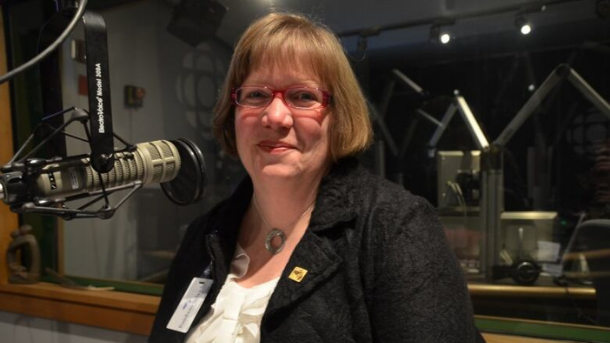
Lesleigh Dye – Proud Director of the District School Board Ontario North East

Lesleigh Dye - Director of School Board Ontario North East
About Lesleigh Dye

Lesleigh Dye (@LesleighDye) was the Superintendent of Schools for Rainbow District School Board since 2006. She has been responsible for many portfolios from kindergarten program, to Indigenous education, Equity and Inclusive Education, adult education and leadership.

Prior to her work with the Rainbow School Board, Dye served as Principal and Vice-Principal of schools in Toronto and Ottawa.

With the Ottawa-Carleton District School Board, she oversaw the implementation of the Student Success Initiative in literacy, numeracy and pathways. She also was involved with implementing expert panel reports aimed at improving student success.

With the Toronto District School Board, Dye served as the Central Coordinating Principal for literacy from kindergarten to grade 12.

She has a Master of Education from the Ontario Institute of Studies in Education, a Bachelor of Education from Memorial University and a Bachelor of Arts (Honours) from Carleton University. She also has a Certificat de français from Université de Grenoble.

Today, Lesleigh is the Proud Director of the District School Board Ontario North East. She is passionate about learning and teaching and the success of all students, in particular, those who identify as Indigenous.

Connect with Lesleigh: Email | Linkedin | Twitter

Listen Now

Listen to the episode now on Apple Podcasts, Spotify, or on your favourite podcast platform.

Resources Mentioned

JACK chapters (mental health clubs)

District School Board Ontario North East

The Transcript

**Please note that all of our transcriptions come from rev.com and are 80% accurate. We’re grateful for the robots that make this possible and realize that it’s not a perfect process.

Sam Demma (00:00):
Welcome back to another episode of the high-performing educator podcast. This is your host and youth speaker, Sam Demma. Today we have a very special guest on the podcast. Her name is Leslie Dye. Leslie is the proud director of the district school board Ontario Northeast. She has worked as a teacher principal system, principal and SO in various boards, such as the Toronto district school board, the Ottawa Carlton district school board, and the rainbow district school board.


Sam Demma (01:04):
Leslie is passionate about learning and teaching and ensuring success of all students. In particular, those who identify as indigenous. She enrolled as a PhD candidate at Trenton university. She has her master’s of education from the Ontario Institute of studies in education. She has a bachelor’s of education from Memorial university and a bachelor’s of arts honors from Carleton university. She has done so many different roles in different school boards and I think you’ll take away a lot from her experience that she shares on the podcast here this morning. I’ll see you on the other side. Enjoy.


Sam Demma (01:45):
Leslie. Welcome to the high-performing educator podcast. Huge pleasure to have you on the show. Please start by introducing yourself and sharing a little bit about your story.


Lesleigh Dye (01:54):
Good morning, Sam. I am the proud director in district school, board, Ontario, Northeast. We have almost 7,000 students and we span from Temagami to Hurston everywhere in between 25,000 square kilometers.


Sam Demma (02:09):
That’s amazing. And what brought you to where you are now share a little bit of your own story and journey through, you know, elementary school, high school university, and then getting into teaching?


Lesleigh Dye (02:22):
I would say my story probably really started in my elementary years of learning. And so as a student in west Vancouver, they were very focused at that time on experiential learning. I am the type of learner who needs direct instruction. And so I, with about half of my classmates in grade four, the teacher Mr. Dean found that half of us could not decode. And so that really influenced me as, as a learner thinking that, that I wasn’t, I couldn’t greed, I wasn’t a good learner. Fast forward in high school, started high school in British Columbia, moved to Ottawa in grade 10, found that move pretty hard. Fortunately, I met my best friend in kind of mid-September, but those first couple of weeks no one talked to me, which I found fascinating that staff wouldn’t say hello in the hallways to me, students wouldn’t say hello in the hallway to me.


Lesleigh Dye (03:19):
And then I grew up in a home where it was an expectation that I would go to university. I’m very privileged that way. Went back to Vancouver, finished my first degree in Ottawa had the incredible honor of living in France for a year to learn French came back to Canada and went to Newfoundland and incredible province and didn’t teachers’ college. And then started my very first teaching job in Toronto. Moved from Toronto to Ottawa. As a principal system, principal came back to Toronto. I became a superintendent in the rainbow board, which is Sudbury did that for about 12 years and then moved up to the new, learn new Liskeard Timmins area. And I had just started my PhD.


Sam Demma (04:07):
And what is your PhD in congratulations by the way.


Lesleigh Dye (04:11):
Thank you. I’m I’m engaged in interdisciplinary studies. I really wanted to branch out beyond education. And on my research question that hasn’t been honed yet is the relationship between collective efficacy. So that notion that by working together, we can make a difference for students and student achievement, particularly students who identify as indigenous.


Sam Demma (04:37):
That’s awesome. That’s so cool. And when you reflect back on your own journey to where you are now, did you have educators and teachers in your life that, you know, nudged you towards getting a job in this vocation? Or did you just know from a young age that you wanted to do this your whole life?


Lesleigh Dye (04:55):
So from a young age, I knew that I loved working with children. So I babysat at a very young age. I lifeguarded, I taught swimming. I was always involved with students. I think it’s probably my aunt, my auntie Pam, who in my primary grades. She, I would say she taught me to read and just knowing that she changed my life. I, that really was a motivator for me.


Sam Demma (05:22):
Hmm. That’s amazing. And you mentioned grade 10 when you first moved to Ottawa, I believe you said it was a little bit difficult. Take me back there for a moment. Like, what was it like being the new student in a new school? What was that experience like for you and how are you trying to avoid that for other students and you know, your school board now?


Lesleigh Dye (05:45):
Yeah, I have to say Sam, I found it brutal. And, and I, I mean, you can see me because we’re on video. I come with a lot of privilege. I’m white, I’m female, I’m, I’m fairly social. And so I’d never been in a, in a situation where for an entire day walking into a building. So my home, my father was the only one that wanted to move to Ottawa. So it was not a happy home in terms of, okay, here we are. No one talking to me for an entire day, except a teacher, perhaps to say, Leslie, sit down or Leslie, put your hand up and actually walking home from school, crying, thinking what, like, I, this, this can’t possibly be what high school is going to be for me. And so if I fast forward, many years later, as a teacher, as a vice principal, principal superintendent now as a director, what I’m in our schools, I say hi to everyone, every single person, I, I say, good morning. If I know the student has Korean heritage, I say, watch if it’s French immersion, I say bowl shool, and really try to just acknowledge everyone. And so that really comes from my, my grade 10 experience.


Sam Demma (07:03):
Oh, that’s awesome. That sometimes fascinates me how our own past issues turn into our inspirations so that someone else doesn’t have to go through the same experience. And it sounds like that was very similar to your own experiences and stories. What are some of the challenges that you’re currently faced with now in education? I know, you know, in front of all of us as the global pandemic, which has been a huge one, but what are some of the challenges you’ve been currently faced with and striving to overcome as a school board?


Lesleigh Dye (07:33):
I would say there are probably two, one, which has really been emphasized during the pandemic and the other one, I would say, not as much. So first of all, the mental health and wellness of our students and our staff that has always been something that we as a senior team have been aware of and are putting supports in place. Some of our students found themselves and some staff to some of our students found themselves in really challenging situations when our schools were closed physically. And we are trying to make sure that we have the supports in place for them, as well as for our staff. One of the things we put in place last year was our employee and family assistance program. So that staff have access not only for themselves but for their child or for their partner or their spouse. The other big struggle for us in DSP. One is that we have a very low graduation rate and we know, and we are working really hard, our staff, our teachers, they’re incredible. We just need to make sure that we are using all the current research in what supports students the best to move forward because we can’t be working harder. We have to figure out a way to work smarter.


Sam Demma (08:55):
That’s a really good point. I think especially because of virtual learning, it was probably challenging for a lot more students and then getting the motivation to come back in class and be social. Again, must be a little bit challenging. What are some, you mentioned one program that, you know, you ran for your staff and students, which is awesome. What are some of the other programs that you heard of schools bringing in that may have been successful in the past couple of years?


Lesleigh Dye (09:22):
So there’s a couple of things that our schools have done particularly around supporting mental health and wellbeing for students. And in many of our high schools, we have Jack chapters and that their focus is to support as you probably know, to support mental health and wellbeing. And then our students Senate with our student trustees last year for the first time ever, we’ve only, this is just your four for us, for our Senate. They in the spring put together a virtual conference, totally student-led for their classmates. And it was all about mental health and wellbeing. And the feedback from that conference from students and from staff has been incredible. I’m so proud of our student trustees for putting that all together during virtual.


Sam Demma (10:11):
That’s amazing. And so would that have been a board-wide event or was that something you did for every single school?


Lesleigh Dye (10:19):
It was for all our students grade seven to 12, and students have a choice whether or not they participated and staff had a choice. So we had a, we have a boat about 3000 secondary students. And I would say at the end of the day, we had about a thousand participate in at least one session. Oh, wow.


Sam Demma (10:37):
That’s so cool. And it run over a couple of days or was that a day long event?


Lesleigh Dye (10:42):
It was a day-long because it was the very first conference and very first virtual conference. They bred four different sessions just for one day. They felt that was enough.


Sam Demma (10:53):
That’s awesome. Oh, that’s so cool to hear, especially that it was student-led. That’s let’s give those students a round of applause. That’s awesome. Leslie, when you think back to yourself in your first year of education what are some of the pieces of advice and wisdom that you might know now that you wish you could have transferred back?


Lesleigh Dye (11:18):
That’s a great question, Sam. I often think of my first year of teaching and think, oh boy, I wish I knew. Then what I know. I think that, so I had the privilege of working with the city of York. It was king middle school, grade seven, eight, and I had a grade seven class and there was a student Jay. And every time I said, kill and Eglington, if you know the Toronto area, every time I gave the students a choice in what they would create, he always tied it back to his, where he had come from Korea. And at the time I thought, oh, that’s interesting. I didn’t appreciate in my very first year, how important cultural identity and, and country of origin. And so fast forward, about 10 years, I had the enormous privilege of being a principal at CHOC foreign public school. So we had 400 students, all the students were black except for one student.


Lesleigh Dye (12:25):
But in that group of students who are black, 50% were Somalian in terms of heritage, 25% were Trinidadi and 25% were Jamaican. And what I really learned and I, I already kind of knew, but I really learned the difference between the history and the experiences of those groups of students. So on the surface, they look like they might be similar and yet making sure as an educator that I understand and appreciate background heritage, and I would use that same example now, living in Northern Ontario in the last board where I served, we had 11 nations all over [inaudible] identity. And they were always very careful to say to me, Leslie, yes, we are on Anishinaabe land, but we are different than that nation down the road. And I really, I really understood, I know I have so much more learning to do, but that is front and center for me.


Sam Demma (13:26):
As do we all right. I think the learning is never-ending. That’s so cool that you take the time to learn those things about the different cultural heritages of the students in the school. Because even when I think back to my experiences in high school, the teachers that made the biggest impact were the ones that got to know us personally, like on a deep, deep level, and could understand our motivations and our inspirations and where we came from and where we aspire to go. So that’s a really interesting and, and, you know, cool piece of advice. You’re also someone who has done so many different roles in education. What inspires you and motivates you every day to keep going and reach higher. Right. see what you, you know, went from the principal, the superintendent to director of education. Now you’re working on a PhD. What, what keeps you going Leslie? Is it like five coffees a day?


Lesleigh Dye (14:17):
It is students. It is hearing their stories. I can remember, oh gosh, this is about 10 years ago. A student had the equity portfolio and a student had made LGBT bracelets. They’re very colourful. And he was, I think he was in grade eight at one of our schools. And I had said to the teacher, could you please let them know? I’d like to buy some. And so I bought some and I, I put it on my wrist and I sent the photo back to the teacher and she said to me, that was probably in may. And that student said, I can’t believe that Ms. DI’s wearing my bracelet. Like, I, I can’t believe that I’m going to keep coming to school till the end of the school year or even Jamal last year, our student trustee, who at the very beginning and our first board meeting, he said, miss, I, I’m not speaking. I’m terrified. I said, that’s fine. We, we want you here. And you know, you and I can have conversations later, too. He graduated from high school, he’s off to university. He’s now in his own nation. He has one of the elected position to represent youth. And he said to me, you know, I wouldn’t have never would have had the confidence to put my name forward for that position in my nation, if it hadn’t been for being a student trustee. So it is totally our students that keep making.


Sam Demma (15:39):
That’s amazing. And how do you encourage a kid to break out of that shell and get involved? Is it just as simple as tapping them on the shoulder and telling them you believe in them, or what does that process look like of helping them realize their own potential?


Lesleigh Dye (15:52):
I think it goes back to exactly what you said earlier. It’s getting to know the students. And so with Jamal knowing I know before his first student Senate meeting, he had said, you know, I’m, I’m really, I’m not feeling very comfortable about this. I think, you know, we could practice that. I have that portfolio. We, we could practice what you’re going to say ahead of time. He sent me the most beautiful, beautiful Christmas card with his family. And so I’m like, who’s, who’s in the photo. I said, I didn’t know you had so many brothers and sisters. And so he described them to me. I, I think it, and of course I’m not having that relationship with all 7,000 students because we have a thousand staff. And so when all our staff have those relationships with a few students that every single student knows that we care about,


Sam Demma (16:42):
That’s amazing. That’s such a good ratio of student to teacher, by the way, I guess that’s one of the benefits of not a small school board, but maybe slightly smaller.


Lesleigh Dye (16:54):
We would be smaller on the Ontario context. We’re on the smaller side and that thousand staff, those are our custodians, our educational, our indigenous student advisors, who all play such a key role in serving our students.


Sam Demma (17:07):
Amazing. That’s awesome. This has been a very great conversation, Leslie, thank you so much for taking the time to share a little bit about your own experiences in education. What are some of the challenges you’re faced with and how you’re overcoming them as well as some of the programs that your school has run that have worked out in the past where do you hope education will be five or 10 years from now? And this is a difficult question and, and one that I’m putting you on the spot, but I’m curious to know what your future, what you’re hoping it to look like.


Lesleigh Dye (17:39):
If I look at the one, my hope, my absolute dream is that we have every single student graduating or getting an Ontario certificate and following their positive feature story. And I know we can do it. We will definitely be in a much better place five years from now, 10 years from now honouring the important traits that some of our students are thinking, oh, that’s not for me. And yet it’s such an incredible pathway. And so I really, I know that each student through the hard work of our staff we’ll get there. We’re not there yet, but we will get there.


Sam Demma (18:19):
I love it. Awesome. Leslie, thank you again so much for coming on the show. If another educator is listening and has been inspired and maybe wants to reach out and ask a question or have a conversation, what would be the best way for them to get in touch with you?


Lesleigh Dye (18:33):
I would say the best way is through Twitter, through a private message. And so that’s @LesleighDye. I’m on Twitter probably once a day. I love to learn from colleagues and so would really be excited to meet new people.


Sam Demma (18:50):
Awesome. Again, Leslie, thank you so much. Keep up the great work and we’ll talk to you soon.


Lesleigh Dye (18:56):
Have a great day


Sam Demma (18:57):
And there you have it. Another amazing guest and amazing interview on the high-performing educator podcast. As always, if you enjoy these episodes, please consider leaving a rating and review. So other educators like yourself can find this content and benefit from it. And here’s an exclusive opportunity that I mentioned at the start of the show. If you want to meet the guest on today’s episode, if you want to meet any of the guests that we have interviewed, consider going to www.highperformingeducator.com and signing up to join the exclusive network, you’ll have access to networking events throughout 2021 and other special opportunities. And I promise I will not feel your inbox. Talk to you soon. I’ll see you on the next episode.

Join the Educator Network & Connect with Lesleigh

The High Performing Educator Podcast was brought to life during the outbreak of COVID-19 to provide you with inspirational stories and practical advice from your colleagues in education.  By tuning in, you will hear the stories and ideas of the world’s brightest and most ambitious educators.  You can expect interviews with Principals, Teachers, Guidance Counsellors, National Student Association, Directors and anybody that works with youth. You can find and listen to all the episodes for free here.
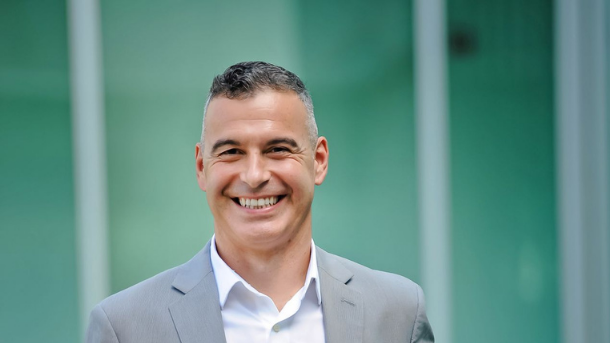
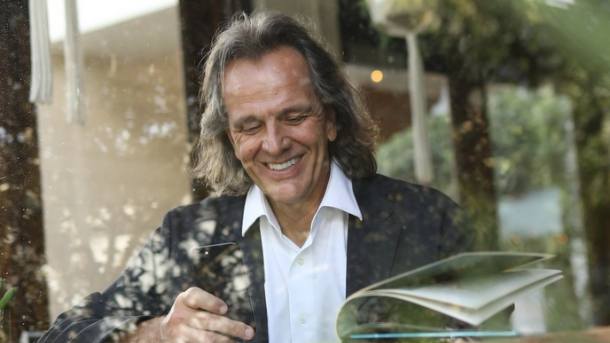
Manny Figueiredo – Director of Education at the Hamilton-Wentworth District School Board

Manny Figueiredo, director of education HWDSB
About Manny Figueiredo

Manny Figueiredo (@manuel__fig) became Director of Education at Hamilton-Wentworth District School Board (HWDSB) in Hamilton, Ontario, Canada on August 1, 2015. Manny has more than 25 years of teaching experience. He began his career as an Educational Assistant in a secondary school and then taught grades 4, 5, 7 and 8 in the Waterloo region.

He spent his time as a school administrator in Hamilton, where he became focused on building learning communities that used data to improve instruction, assessment and culture. He led work to enhance blended learning while an Executive Superintendent at
HWDSB.

As Director of Education, he proudly implements a set of strategic priorities that include Positive Culture and Well-being, Student Learning and Achievement, Effective Communication, School Renewal and Partnerships.

He is honoured to have led HWDSB as it built on these priorities to launch an Equity Action Plan, which envisions a culture shift built on recognizing and critically challenging historically built-in inequalities and injustices that contribute to inequitable outcomes in education.

Connect with Manny: Email | Linkedin | Twitter

Listen Now

Listen to the episode now on Apple Podcasts, Spotify, or on your favourite podcast platform.

Resources Mentioned

The Hamilton Young Men’s Christian Association (YMCA)

Hamilton school board director leaving to lead local YMCA as president-CEO

Crises as Learning Triggers: Exploring a Conceptual Framework of Crisis-Induced Learning

The Transcript

**Please note that all of our transcriptions come from rev.com and are 80% accurate. We’re grateful for the robots that make this possible and realize that it’s not a perfect process.

Sam Demma (00:00):
Welcome back to another episode of the high-performing educator podcast. This is your host and youth speaker Sam Demma. Today’s special guest is Manny Figueiredo Manny became the director of education at the Hamilton Wentworth district school board in Hamilton, Ontario, Canada, on August 1st, 2015. Manny has more than 25 years of teaching experience. He began his career as an educational assistant in a secondary school, and then taught grade four or five, seven and eight in the Waterloo region. He spent his time as a school administrator in Hamilton, where he became focused on building learning communities that use data to improve instruction, assessment and culture. He led work to enhance blended learning while an executive superintendent at the Hamilton went with district school board as director of education.


Sam Demma (01:02):
He proudly implements a set of strategic priorities that include positive culture and wellbeing, student learning and achievement, effective communication, school, renewal, and partnerships. He is honored to have led the Hamilton Wentworth district school board, as it built on these priorities to launch an equity action plan, which envisions a culture shift built on recognizing and critically changing historically built in inequities and injustices that contribute to inequitable outcomes and education. I hope you enjoy this in-depth conversation with Manny and I will see you on the other side, Manny, welcome to the high-performing educator podcast. A pleasure to have you on the show here today. Please start by introducing yourself.


Manny Figueiredo (02:10):
Yeah, Sam, my pleasure. Thank you. My name is Manny Figueiredo and I live in Hamilton and Hamiltonian who grew up in Cambridge and a child of immigrants, family who came from the ASRS and in the mid sixties grew up in Cambridge and studied at McMaster university kinesiology and entered into education in 93, 94 as an educational assistant in Kitchener and then 95 became a teacher. And then in 2002, I moved to Hamilton where I was fortunate enough to become a vice principal, then principal and I hold the current job as director of education for the Hamilton Wentworth School board since September of 2015. So I’m entering into my year in this privileged role.


Sam Demma (03:01):
That’s awesome. I actually wanted to get into kinesiology when I was still an athlete and I applied to everywhere, Mac Queens Waterloo, and like a bunch of different universities. I’m curious to know what, what stopped you from getting into something more related to kinesiology as opposed to teaching or what directed you towards teaching?


Manny Figueiredo (03:21):
Yeah. Great question Sam. So, you know, when I was in high school, I was confused on what I wanted to do. So I, I loved athletics. I love sports, but I also love music. I hack around with guitar. I love the arts, I love everything, but I was inspired by some teachers who really encouraged me to teach and I loved young and I loved kids as well and young kids. So, but when I went to Mac, I knew I wanted to teach. I knew for sure I wanted to teach, but when I graduated, I didn’t get into a faculty of education my first year. So I actually took a job at the YMCA in Cambridge as a full-time program supervisor. So it actually reinforced that I wanted to teach because I was overseeing not only adult programs, fitness, recreation, but I was also overseeing youth camps, youth leadership programs. So that was then the following year I went to York university and I still work part-time at the Y. But when I landed a permanent job in teaching, I still volunteered at the Y for about five and six years to stay connected as a fitness instructor. So I figured I could sort of pursue both of my passions of fitness as well as as education. And that’s sort of where I landed education, but it was really inspired by some key teachers in my career.


Sam Demma (04:43):
You mentioned before we hit the record button, you hear that growing up, you played sports and sports were one avenue that kept you in school. And you had some really key teachers at that young age who I would, I would assume believed in you and maybe things weren’t going so well. Maybe bring us back there for a second and tell me more about that experience growing up and also what those teachers did that had such a significant impact on your progression.


Manny Figueiredo (05:07):
Yeah, my reflect upon what, you know, sort of drives me and motivates me, I think back as a student and I really did enjoy elementary school. And I think now what I’ve learned from that and think about the newcomers that have come into our communities. So for me, Portuguese was my spoken language at home. When I went to school, I spoke English, I didn’t speak English. And so the resource in supports weren’t there like they are today and a lot of the curriculum content wasn’t culturally relevant to me. So I couldn’t make the connections to the curriculum, to the, to the literature because it wasn’t my lived experience living as a, as a child of immigrant parents who spoke Portuguese and you know, my parents who are still with me today, we’re only, we’re only able to be educated to a grade three. So, but the turning point for me was my grade seven teacher and Mr.


Manny Figueiredo (06:10):
Dowling and he called me last year, ironic Mr. Dowling. he understood my lived experience and what do I mean by that? He was an immigrant. He was from Jamaica and he understood what island life was like, what it was like for immigrants to come here, who, you know, who, who were blue collar workers who left their home country due to oppression and poverty. And he spent the time he has a caring adult who said, Hey, Figueiredo smart, knock, figure it out, come see me after school, I can give you some extra math, help, figure it out. Are you getting involved in sports and athletics? So grade seven is what I joined the basketball team and started to really become engaged because if it wasn’t for school athletics or school extracurricular, my parents just didn’t have the means to pay for me to be involved in community sports.


Manny Figueiredo (07:10):
So so high school athletics and extracurricular were key to keeping me engaged. And because of that my grade seven teacher, and then later, Mr. Anderson, when I went to grab you park in Cambridge was my grade 10 teacher. He also said what’s your pathway? What are you thinking? And I didn’t know, because what I saw around Portuguese males in my town was many of them went to 16 and went to work in construction or they might’ve gone to become auto mechanics, but he would always remind me is explore all options. All pathways are available to you and don’t let people pigeonhole you into pathways that might not be matched to your skills or your passion or interests. So I always look back at Mr. Dowling and grade seven, and then Mr. Anderson in grade 10, that really were the caring adults and educators in my life that helped me navigate because my parents who sacrificed so much had to work, they worked shifts, they’re blue collar workers, and they could navigate the system. And one of the reasons they didn’t have that lived experience and nor could they speak the language.


Sam Demma (08:23):
Time was probably a barrier. You know, like my dad still tells me stories about my own grandfather, who as well, came over from Italy on the boat. And he worked at GM and he, you know, he would do a night shift. So you would be sleeping with my dad. And when my, when his son, my dad got home and the only time they would have dinners Friday nights at 2:00 AM, when my, my grandfather would wake up all the kids to eat a pizza that he brought home, you know? And so I totally understand the situation that makes a lot of sense. Those two teachers sound like they had a pivotal role in your life. You mentioned that one of them, you last week, what was that conversation like?


Manny Figueiredo (08:58):
It was actually last year, sorry, last year, sorry, last school year, which was in this past spring I got a call the office here and my assistant said, do you know Mr. Dowling? And I said, yeah, my, my grade seven teacher from Cambridge. Wow. She said, yeah, he left a message. He saw you on some news, clipping, Googled your name and he wanted to touch base with you. So we spoke. And he was so proud, but it gave me a chance to show my appreciation and to let him know the impact he had on my life at a very pivotal transformational time as a young adolescent. And he inspired me and reminded me that I said to him, you reminded me that no job is below. You remember that from your parents as immigrants, no job is below you. And no job is above you. Don’t let people limit. You put boundaries around you. So we had a conversation and we said with COVID is over this fall, we’re going to get together and have have breakfast face to face. So I’m looking forward to that.


Sam Demma (10:03):
It’s amazing. And roughly how many years would it have been?


Manny Figueiredo (10:08):
I know you’re going to ask that I was actually fricking that I, I, you know, I’ll be 51 next month. Okay. And so when I was a great seven, I would have been 12. So we’re talking 39 39 years ago.


Sam Demma (10:22):
So, and I asked you that not to ask your age, but I asked you that because sometimes in education, we think they’re supposed to be this instant ROI, make an impact on a kid, hear about it right away. It took your teacher 39 years to hear about, you know, the impact that he, that he had on you. And I think it’s so important to realize that in education, our role is to plant the seed and water the seed. And sometimes we don’t see it grow for a long period of time, but that doesn’t mean it’s not growing, right?


Manny Figueiredo (10:51):
No, I, but you make a great point. You know, the return on investment. I always tell educators, you are making a difference. What difference are you making? Sometimes you don’t see the fruit of your labor in the moment, but everything we say we do, our kids are watching us as role models and rightfully so they should be we’re educators. We made this choice to be professionals. So sometimes you don’t know the, you don’t see the immediate impact, but there’s always a long-term impact. Make sure it’s a positive one.


Sam Demma (11:27):
Yeah. So true. And you mentioned that Mr. Anderson was one of the first teachers who kind of challenged you and asked you, Hey what is your future pathway look like? And in the moment you weren’t really certain about something. And at a young age, we get asked that question a lot. I find that as we grow up, people, stop asking us what your pathway is because they think that you’re in it, you know? And you’re obviously someone who continued, you know, pursuing different pathways and moved from teaching to administration. So how did you continue navigating your career pathway and how did it evolve to where it is now?


Manny Figueiredo (12:03):
Yeah, you know, I tell my, my own children. I tell everyone mentors always have people to talk to doesn’t matter what age. So I recall when I went to Mac, I teaching with something I thought I wanted to do. So I had someone I knew who was a teacher and every Friday afternoon I began to volunteer in their classroom. I did have classes to see if this was what I wanted and that person as of today, or we’re still friends, he’s retired, but he was a mentor for me. But then when I went, graduated and I wasn’t fortunate enough to get into teacher’s college or the faculty of education my first year, either, you know, I participate as a, at the YMCA. I was there as an adolescent. I could play basketball. And I did a bit of a co-op placement there in one of my courses.


Manny Figueiredo (12:59):
So I thought I would reach out and I landed a job there. And I had, I had a mentor through the Y organization that I’m a big fan of the Y only because I worked there, but because I also, as a youth, it was a safe place that my parents could afford for. I could go shoot hoops. Right. but throughout my career, I’ve always had critical friends. What I mean by that critical friends or mentors who are going to guide you, but also give you some pretty objective feedback when things aren’t going well. So if I could send one message, we’re never too young or too old to have critical friends or mentors. And sometimes that is your parents, but sometimes in my case, my parents provided a great loving environment, but they could help me navigate because it wasn’t their experience. So who else could I reach out and take a risk and ask to mentor me and provide some guidance. So that’s been key in my life and it is still key today. As I have critical people, who’ve been directors of education, current ones, the ones who’ve retired, who continue to be there as mentors to provide guidance.


Sam Demma (14:05):
You raised a smart point, right? It makes me think about you know, airplane pilots, you know, a pilot would want to seek the counsel or mentorship from another pilot. You know, they wouldn’t ask a passenger. Hey, can you help me fly the plane? So yeah, you’re right. There are certain mentors who could help a lot. You know, there might be an educator listening to this right now thinking that sounds great Manny, but how do you find those people? How did you find them in your experience?


Manny Figueiredo (14:32):
Yeah. You know, I have, I find them like, you have to be intentional and sometimes you have to take a risk. So when I thought I want to teach, I went to the local school and said, Hey, do you accept volunteers? And, and I was placed in a classroom for a teacher who was willing to have me as a volunteer on Friday afternoon. So I maintain the relationship, right. I’ve volunteered in his classroom for four years. So I maintain the relationship. So I think that’s a key and, and, you know, you have to take a bit of a risk and go outside your comfort zone at times. And, and sometimes you might need another adult when you’re young to, to guide you. And sometimes that’s what teachers are can do as well. Sometimes it might think of the high school students to teachers can be that connection or that navigator to, to someone who might be a mentor in a different sector. Right.


Sam Demma (15:27):
So that makes sense. That makes a lot of sense and education right now as a whole, it looks a little different than it did three years ago, two years ago. Just because of the global pandemic, what are some of the things that, or challenges that you think the schools in your board are faced with right now? And how are, how are you striving to overcome those challenges?


Manny Figueiredo (15:48):
Yeah, I think that the most obvious one that every organization is dealing with, but especially education is you know, digital, remote learning. So we were fortunate in Hamilton prior to the pandemic. About seven years ago, we started to really push the teaching needs to be blended. And what I mean by blended is that if we live and work in the physical and digital world, we need to teach and learn in the physical and digital world. So we had a provision already in our school board when students with a device and our, and our secondary teachers. So when students entered grade nine, they were provisioned with a iPad that they would carry forward until they graduated, because we really believed that a blended learning had to occur would provide a bit more flexibility. Sure. You have to come in school, but we know the reality of life that some students might miss a class, do the athletics, extra curriculars or a part-time job.


Manny Figueiredo (16:49):
And if there’s a hub or a learning management system where things can be posted where they could access in case they miss the lesson, then there’ll be some continuity of learning. So now that was accelerated when last year we had around 9,000 students in elementary, where a district of 50,000 students chose remote. But what it forced us to do through feedback from parents was to say, Hey, standardized your platforms. I can’t have three kids on different platforms depending on, on the educators choice. So we did, we, we already had the hub, which is Brightspace desire to learn. We had that as an LMS, but then Microsoft teams was second. And now, as we entered this year, every teacher’s classroom was not only set up in the physical world as teachers do. We made sure through our infrastructure, that students’ names were attached to the virtual Microsoft teams classrooms.


Manny Figueiredo (17:43):
So it was by default it’s there, it’s ready to go. So whether the student this year chose remote and we have around 2000 this year, that the blended learning is there. If a child misses a class due to illness, or if a child has to self isolate now for 10 days, because they’re determined to close contact, because then they can continue their learning because the classrooms already set up. So that was always our vision. So we took advantage of the opportunity. Sure. There were challenges. And what we hear from our teachers is a lot of support was provided around the technical aspects of it. So thumbs up, but where we need to focus more is now, what is the pedagogical practice look like? What does effective teaching look like on these platforms versus in the physical world? So that’s the power of teacher networks. That’s where we get teachers to share best practices. So that’s a bit of our focus this year is to keep on leveraging those best practices from our educators.


Sam Demma (18:43):
In those moments where you feel burnt out. You know, there’s a lot of educators listening who had a tough two years. And I think in those deepest moments, the thing that keeps most people going is remembering why they do this. It’s like, you know, you know, what is the motivation and the purpose behind the work we’re doing here. And I’m curious to know yours, you know, what is the thing that keeps you motivated every single day to pursue this work and solve the problems as they come up?


Manny Figueiredo (19:09):
Yeah. And I I’m, I’m glad you mentioned around mental health and wellbeing educators too. So, you know, for myself personally, it was a diff it’s been a difficult 15 months. So going back to mentors, you need to find a place to vent. And, you know, my wife is a teacher, so I’d see her. I had a learning loud at home every day. She teaches court French and had 150 students that she had to support each day. So for me, a place to vent, right? Where’s that place I can vent. And I, it also forced me to say, be patient with yourself. You know, I’m a big believer of conceptual frame frameworks to manage change and where we are in a crisis. So we can’t ask for perfection when we’re in a crisis. So we need to be patient with ourselves and realize that things are going to change.


Manny Figueiredo (20:02):
And that we as organizational type, sometimes need to bring some stability by managing the multiple priorities coming from all different inputs. But for me, it was a reminder to myself to be patient, find some time to disconnect, you know, away from the screen. And, you know, for me, because of my fitness kinesiology background, it reminded me of importance of being physically active as much as possible during this time, not just for my physical body, but for my, for my mental health as well. But your question of the why I think I shared with you the stories of my parents as immigrants and my sisters who were immigrants as well, and their journey reminds me that education is an equalizer. It has to be an equalizer at times. It’s not, at times it has systemic practice that actually disproportionately impacts students, but we have to continue to challenge those systems and those structures because public education is it’s been key in my life. And I know that many newcomers who choose Canada, it’s one of the foundations of why they choose Canada is because of the opportunity through public education.


Sam Demma (21:22):
Yeah, it’s so true. So, so true. I think that’s why, especially, so in immigrant families, education is a very high value, you know my grandparents like, oh, the priority in their household was always school and that’s what got them out of poverty per se. And it’s so true. I think you’ve raised some really good points. If you could bundle up all your, you know, wisdom and experience and advice and, you know, walk into a classroom and instantly teleport 39, not 39 years back with back to your first year of teaching and speak to younger Manny, like knowing what you know now, what advice and feedback would you give your younger self to set yourself up for some success?


Manny Figueiredo (22:09):
That’s a great question. So if I could go back and speak to a younger version of me when I was 24 years old entering into my first permanent position. Yeah. Yeah. I think the first piece of advice I’d give myself is remembered to always be student-centered. In other words, there’s a lot of curriculum to cover, but you’re not a teacher is not about teaching a curriculum, a teacher’s about meeting the needs of kids and matching the curriculum to their needs. So I remember when I felt overwhelmed the first year or two is how do I cover everything until I gain more experience and said, you know, I can integrate things, get to know your students, what are their needs? Don’t let the curriculum be the driver, let the student be the driver.


Sam Demma (23:00):
Wow. That’s a great piece of advice. I love the way you kind of phrase that yeah. Meet the needs of the students and then match the curriculum to the students’ needs. That’s that’s powerful. Manny, if someone’s listening to this and they’ve enjoyed the conversation they love some of your philosophies and education and they just want to reach out what would be the best way for them to kind of get in touch with you.


Manny Figueiredo (23:25):
Yeah. They can just send an email mfigueir@hwdsb.on.ca to me or reach out on Twitter @manuel__fig they’ll see on Twitter. I’d love to connect.


Sam Demma (23:50):
Sounds great. Awesome. Again, Manny, thank you so much for coming on the show today. Really appreciate your time. Keep up the great work. And I look forward to talking to you again soon.


Manny Figueiredo (23:58):
Yeah. Thank you, Sam, for taking the time as well. My pleasure.


Sam Demma (24:01):
And there you have it. Another amazing guest and amazing interview on the high performing educator podcast. As always, if you enjoyed these episodes, please consider leaving a rating and review. So other educators like yourself can find this content and benefit from it. And here’s an exclusive opportunity that I mentioned at the start of the show. If you want to meet the guest on today’s episode, if you want to meet any of the guests that we have interviewed, consider going to www.highperformingeducator.com and signing up to join the exclusive network, you’ll have access to networking events throughout 2021 and other special opportunities. And I promise I will not feel your inbox. Talk to you soon. I’ll see you on the next episode.

Join the Educator Network & Connect with Manny

The High Performing Educator Podcast was brought to life during the outbreak of COVID-19 to provide you with inspirational stories and practical advice from your colleagues in education.  By tuning in, you will hear the stories and ideas of the world’s brightest and most ambitious educators.  You can expect interviews with Principals, Teachers, Guidance Counsellors, National Student Association, Directors and anybody that works with youth. You can find and listen to all the episodes for free here.
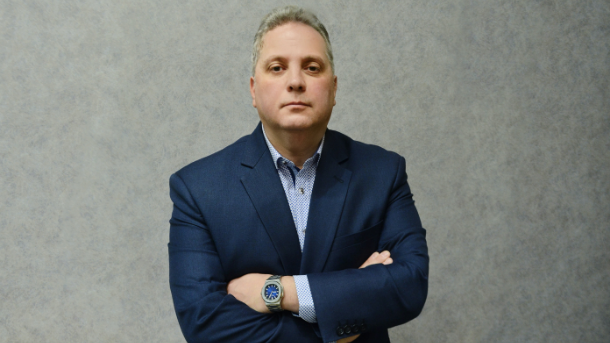
Aubrey Patterson – 30-Year Teacher, Principal, Superintendent & Founder of Warm Demanders

Aubrey Patterson, CEO Warm Demanders
About Aubrey Patterson

Aubrey Patterson (@PattersonAubrey) spent 30 years as a teacher, principal, and superintendent in a high-performing school district. Today, he is the CEO and Founder of Warm Demanders, an educational consulting company that provides coaching and online programs. Their goal is to help leaders build a high-impact remarkable culture, provide clarity with a smile, and find the time for the things that matter most!

Aubrey works with leaders to effectively use technology to develop structures and procedures as the means to improve learning conditions for teachers and students. To this end, Aubrey has developed highly regarded systems to recapture time and provide for exceptional communications.

These systems, like the extensive induction, formative job descriptions, truly collaborative meetings, and professional learning programs for teachers and administrators, are built upon three distinct leadership stages that much like dominoes, fall in succession: simplify, clarify and amplify. For more information go to: WarmDemanders.com

Connect with Aubrey: Email | Linkedin | Website | Twitter

Listen Now

Listen to the episode now on Apple Podcasts, Spotify, or on your favourite podcast platform.

Resources Mentioned

The Principals Seminar

Simon Sinek’s TEDx Talk

David Allen; Getting Things Done (book)

Getting to Inbox Zero

The Transcript

**Please note that all of our transcriptions come from rev.com and are 80% accurate. We’re grateful for the robots that make this possible and realize that it’s not a perfect process.

Sam Demma (00:03):
Aubrey, welcome to the high-performing educator podcast. Huge pleasure to have you on the show here today. Why don’t you start by introducing yourself and also sharing a little bit behind your journey? What brought you to do the work you’re doing today?


Aubrey Patterson (00:15):
Yeah. Well, that’s great to be here, Sam. Thank you for having me here today. Yeah, I’ve was a teacher and a coach and a principal and eventually a superintendent and I had like all these different roles in education and, you know, absolutely loved it. And I did that until 2017. And then after that time, I, you know, wanted to make some different dance in the universe. And so I, I started creating some, some new opportunities for people with with our educational companies. Nohea, and principal seminar were the first couple, but the main thing that, that I focus on right now is Warm Demanders that’s our, our newest company and, we help mostly school and district administrators you know, with their, with their day to day functions.


Sam Demma (01:12):
That’s awesome. Where did the, where did the passion come from or what was like the Eureka moment when you were going down the teaching path that you decided to make different dents and, and how did you kind of develop the courage to make the jump?


Aubrey Patterson (01:29):
Well it, when we go through like go through it, a teaching career, we, we always talk about growth mindset, the growth mindset ideals. And we talk about this all the time and it’s become kind of cliche, but if you really want to, you know, embrace those kinds of ideals, you have to be willing to take a, take a risk. You have to be willing to fail forward. And man, I’ve done a lot of that. And and, and honestly, I just never really had a problem with making mistakes. And I used to encourage them with the, with the people around me. So taking a leap, isn’t a, a difficult thing for me, it’s actually, you know, taking a leap and then sticking with things and trying to make that really big damp, that thing that will, that will really, you know, imprint success and, and pathways upon the people that we think we serve.


Sam Demma (02:25):
Oh, it’s amazing. I love that. And what, like, what is the principal seminar and Nohea and explain maybe the name behind the years? Cause I know it has an interesting backstory.


Aubrey Patterson (02:36):
Yeah. So my, one of my passions, like I have this deep belief that, that especially principals and also superintendents, assistant superintendents, like, like all of these people are so encumbered by all of the stuff that comes at them. Day-To-Day and it’s really unfair because everybody wants to have deep conversations with their people and everybody wants to have this amazing school culture. But they just can’t get there because there’s just so much stuff that comes at them. And a lot of that happens right at the front doors and often at the front office. So originally when I was looking to, to try, you know, help some people out, we started focusing on the school office and I spent a lot of time in, in Hawaii, especially in Maui and love a lot of the Hawaiian, the Polynesian ideals, and no Hayah is kind of like you know, everybody’s familiar with the Aloha spirit.


Aubrey Patterson (03:40):
It’s like the Aloha spirit plus leadership, like strong leadership. And, and what I really love about it is that it, it, it really allows you to be kind, and at the same time, you can be, you know, fanatically meticulous about systems and details and things like that. So it allows those, those people who, you know, like to get things done, to also be able to smile during the day. So know, Hey, I was focused on the school offices, principals seminar was, and is focused on new principals, helping new principals, but all of that has kind of evolved into our largest entity, which is warm demanders. And that’s where we have actually taken over those, those particular courses and brands and put them into this package to, to help all school and district leaders. And, and of course, warm demanders is kind of just as it sounds, we help people who, who want to be true to themselves in every part of their lives. You can be nice and be the principal. You can be kind to people and be really firm. You can, you know, be there for all the right reasons and love the kids and do all that stuff and still be very careful and with your processes and things like that. So anyway I see what you do, Sam. I just go on and on about this stuff. Once you get me started.


Sam Demma (05:09):
Hey, that’s why I brought you here today. I want you to continue speaking so warm demanders. What does the company do? Is it, is it solely providing courses consulting? Like if you had to explain it to a principal or a superintendent listening right now, how would you explain the whole organization?


Aubrey Patterson (05:30):
Yeah, so, so we, we do have multiple courses that, that we’ve released. We just opened up the doors in may. We’ve been overwhelmed with a huge, huge response with it. It’s, you know, it’s asynchronous learning at its best. And so that’s been really, really helpful, but like, that’s, that’s the courses, but we also do one-to-one coaching and that’s probably 60% of what we’re doing right now is one-to-one coaching virtually helping, helping school and district administrators you know, to, to get through all of the, the things they need to meander through in the, in these crazy times. And then we also provide these menus of you know, one stop shopping for, for schools and districts, where they can have an abundance of courses, you know, one click access for teachers or for administrators, et cetera. There’s a, there’s a lot there.


Aubrey Patterson (06:31):
So ultimately I would just kind of sum it up with everything is focused on helping people who want to be warm demander leaders. It is not focused in any way upon a traditional educational leadership where there’s a lot of hierarchy or there’s a lot of bureaucracy. I spend most of my time helping people get through the bureaucracy, get rid of the bureaucracy all of that, that kind of a thing. I’ve found a lot of success with it, both as the principal and a superintendent. And, and I like to help people, you know, with those kinds of things. And, and I honestly, it just finds that a lot of people don’t know which domino to flip over first. Right. And once we get them started, it’s, it’s just amazing. I just love it. Ultimately I, I love the one-to-one coaching the most, just love it.


Sam Demma (07:31):
I love that. That’s amazing. I want to selfishly go back to Maui and Hawaii for a second in my mind. So let me ask you, like what brought you out there and how were you exposed to these ideas of Nokia and this type of leadership?


Aubrey Patterson (07:51):
I honestly, I just got there like many people from some friends recommendations and then I stayed there longer and longer, more and more. I’ve always had an affinity to to hang out in, in Hawaii, like who doesn’t right, but like Hawaii and Southern California for whatever reason we do, I would say 70, 75% of our contacts right now are coming from the west coast. And there’s a particular vibe that really, that we really resonate with. And that I think that, that we give off in our, in our work that is, you know, with that warm and friendly part. And that part that you can be, you know, true to yourself in every, in every part of your life. And I think that’s what actually appeals to me the most about, about Hawaii, about, about many of the cultures that I, that I love is, you know, you can be the same person at home hanging out with your friends or, you know, leading a school or a school district. Like you should be able to always be comfortable in your skin. And I found that those ideals really allowed that. And and that’s where I kinda got, I don’t know, that’s where we got the vibe, that’s where we got the whole concept of, of know-how and you know, probably we would have called that first company Aloha, but, you know, that’s been used


Sam Demma (09:23):
And it didn’t go with that main stream. Right,


Aubrey Patterson (09:25):
Right.


Sam Demma (09:27):
That’s awesome. And when you were growing up, I want to, I want to go back for a second. Did you know that you wanted to get an initially into education and become a teacher superintendent and principal, or were you kind of steered down that path by other people in your life?


Aubrey Patterson (09:44):
Yes, I did. I, well, I knew that I wanted to coach my, my dad is, was an amazing teacher and basketball coach. Like he was, you know, won multiple provincial titles. He’s that, that guy that everybody loved in the community, he was a fantastic role model. And I, and I want it to be that, you know, I want it to be just like that. And at the same time I did quite well in school. I wasn’t a typical student that you know, that does well, that is, is studying a lot. And all that things came easy to me. I was just really lucky for, with that. And, and so I had a lot of people actually telling me, oh, you shouldn’t be a teacher when I wanted to be a teacher. And those people were encouraging me to go into business or to go into, you know be a lawyer, be a doctor, be these other things.


Aubrey Patterson (10:38):
And I listened to them at the start. And so my first year in university, I was in, I was in business and, and I did really well with the marks and all that. Like I loved that I was on the Dean’s list, but I hated it. And I quickly switched into education and everything felt right. And so and you know, from there, I was just really, really lucky to have fantastic role models when I was becoming a, a new teacher. And then I got to meet all these people that were like incredible leaders. And I said, huh, I think I could do that too. And I could, you know, and I keep on going and, and, and it was the same with coaching. I’d be coaching basketball. And I was around all these fantastic basketball coaches that just wanted to be better at it. And so that’s always been something for me is to, to see people that I’d like to emulate the qualities or the values that they have that I’d like to emulate, or that I’d like to, to grow. And, and, and that’s always, what’s been, been driving me.


Sam Demma (11:39):
Where does your principles come from? You mentioned earlier that failure is something you encourage and you want to fail fast and you want to fail quicker. Was that something that your dad instilled in you growing up or people in your life, or maybe a coach R where, yeah. Where did that come from? Because I feel like it’s such an important lesson, but not only high school administrators or any school administrator, that’s something that they need to embrace as well, but it’s hard to embrace. I find sometimes for all human beings.


Aubrey Patterson (12:09):
Yeah. Like I like, honestly, I, I think I, I got that. Yeah, definitely from my dad, but also from, from all of the coaches that I had when I was in, in school. You know, I was, again, really lucky to be in in some fantastic athletics programs, you know, as a player. And, and we always knew, like, for example, in baseball, you’re, you’re going to fail. If you fail 70% of the time, like you’re, you’re doing really well, like, like black junior right now is, you know, failing 680% of the time. You know, when he’s batting and he’s, he’s, you know, leading the league, like, like it’s just, it’s, it’s just part of getting better and it’s, it’s just what we have to do. And, and so I’ve always been comfortable with that concept. I know it’s become really cliche to say things like fail forward in that now, of course.


Aubrey Patterson (13:06):
But I’ve actually heard that for a long, long time. And, and I always encourage it and people, I know there’s a, there’s a guy that I hired years ago as a teacher. He came over from from a district close to us and, and he came up to me the very first day, you know, when he was kind of like an opening days thing. And he said where, what’s your number one word of advice. And I, and I had known him fairly well in the community is a great guy. And and I said, make a lot of mistakes the next time I see you, I’m going to ask you to tell me about your mistakes. And he started laughing and he said, no, really what? And I said, no, seriously, like, it didn’t make a lot of mistakes. Like I want you to make a lot of mistakes. And if, because we didn’t bring you over here to play it safe. And, and so anyway, he, he tells me all the time now that I’ve been gone for quite a while, and that when I bumped into him on the street, he’ll say, I’m still making lots of mistakes. I’m still making lots of mistakes. And so honestly, I think I was really lucky to have people encourage me to make mistakes. And I’ve just really always embraced that I’ve been comfortable with it.


Sam Demma (14:14):
Yeah, I like that. I love it a lot. And you mentioned before we even started this call, that one of the trainings you did when you were growing up was the seven, the seven habits with Stephen Covey. Where does your, your endless curiosity you continue learning come from? And do you think that’s like an important attribute of not only being an educator, but you know, someone who’s working with young people?


Aubrey Patterson (14:39):
Yeah, no, I, I, I’ve always been fascinated with how things happen, like the algorithms of how things happen. And like I love for example I think it was back in what, 2008, 2009 originally when Simon Sineck was first doing his Ted talk and talking about my why, and you know, where the, why came out in the whole, the whole thing of the golden circles and talking about apple and all of that. And that’s kind of been, become cliche for people to say, you know, what’s my why instead of saying, what’s my mission, what’s my, why I’m not against that. Please don’t get me wrong. I, I use it to what, what I’m saying is people are so focused on it that they often forget the importance of how and when, who, and where, and when we’re actually serving people, taking care of people, clarity is kindness, especially in difficult times like we’re facing right now.


Aubrey Patterson (15:34):
People really need clarity when they’re scared, when they’re nervous, they want, they’re looking for that, that step. It’s like when you jump into the deep end of the swimming pool for the first time, when you’re a little kid it’s exciting and you’re happy. And it’s like, look at me. And you’re in there about three seconds and you’re reaching for the side, you’re reaching for something solid. People want that clarity. And I think that clarity is exposed with the how, when, who, what, where, and again, I am not diminishing the why part at all, like completely believe that I love it. It’s a great starting point, but I’ve always been fascinated in the algorithm. The, if this, then that the how part, and that’s what I work with people on all the time is, and that, you know, we S we always say, we can save you anywhere from 10 to 20 hours or so 10 to 20 minutes in a day.


Aubrey Patterson (16:32):
And when we add up that amount of time, that, that adds up into like 6,000 minutes in a year, a hundred hours, you know, like and it’s really easy because we just have to go through and look at the algorithm and get really scientific with it. So going back to your original, what, you know, where did I get excited about all this kind of stuff? I was always fascinated with what led to that, you know, and in basketball, we would, we would put on a, you know, a press, a full court press. And I was always interested in, you know, what caused the turnover, you know, both as a player and as a coach. And typically it wasn’t actually the trap that on the ball that, that, you know, came that most people were focused upon. It was the, if this then that’s around it like that, that, that person had no place to pass. No, because you know, all of these other things happen. So anyway, you know, I’ve, I’ve always been fascinated by, by the how, by the way, the dominoes fall. And it just gets me to dig into things all the time. See, you just sent me down that rabbit hole. Again, I love the algorithm. Rabbit hole is my favorite. Then know,


Sam Demma (17:49):
Because you have a phenomenal mailing list, then you share algorithm type content through it all the time. And you do have like the free videos and tech tips on your website. That really helped me with the tabs that you told me to subscribe to. So like, if you had to give some quick organizational tips, things that you think need to be known and make the biggest ROI instantly what are like a couple of little things that you’d recommend people look into or educators


Aubrey Patterson (18:23):
For sure. Well, I, I love the research of David Allen who originally wrote, he wrote getting things done. And so, you know, 30, 40% of what I teach is based upon David Allen’s work or his, his original research and his, his most famous concept is the two minute rule. So if you can do something in two minutes, unless, you know, it’s rude, like, you know, you get up from a conversation or dinner and run through something and a while you’re, you’re, he should, you gotta be present with people, right. But if you can do something in two minutes, you should, because it will take you more time to file it away and bring it back. Then it would you know, just to do it in, in that two minutes. So most often, you know, we’ll, we’ll refer to email when we talk about this.


Aubrey Patterson (19:10):
So if you get something in your inbox and you take a look at it, and it’s, it’s gonna take you less than two minutes, if you can take the two minutes right now, we’ll do it. Cause it’ll take you more time to put it away and bring it back after. But that’s not only the reason that you do this with the two minute rule, because it also breaks your chain of thought in the future. It breaks your, your focus to have to go back and redo the, all these little things. And so all of these, you know, five seconds, 20 seconds, one minute here and there add up, but they don’t just add up to time. They add up in giving you an opportunity to focus better. And so my favorite or my second favorite tip is the two-minute rule. No matter what, if you can do it in less than two minutes, if you can, whether it’s email, whether it’s, you know, picking up a dish and putting it in the dishwasher, you know, whatever it is like day-to-day life or work, you know, you can do it less than two minutes, do it.


Aubrey Patterson (20:12):
This, my favorite tip is the next best action rule, which is have all of your subject lines in your email, in your things to do lists in your notes, in the posts that you write yourself, have every subject line begin with a verb with an action, and then you will always hit the ground running when you restart with that. So, for example, if I send you, if I write down on a, on a posted, you know mum’s birthday, you know, and if I just write down mom’s birthday and I come back to that a week later, I have to think, what, why did I write down mom’s birthday? Of course, I know her mom’s birthday is coming up, but am I getting her a present? Do I need to get something? Do I need to call my brother? Do I need to arrange something? Do I have to get some time off? What, why did I write down mom’s birthday? Now, the simple fact that I just wasted 20 seconds asking myself that is a problem. That’s a time problem, but I’ve also broken my train of thought on whatever else I was working on at that particular time. What if instead on that post-it I took the extra two seconds and wrote, get mom a present


Aubrey Patterson (21:29):
Order. Mom’s cake, no, start with that verb. What if I sent you an email Sam? And instead of saying podcasts in the email, but if I, instead I said reschedule podcast, because I’ve got a problem, then we can see, you know, the action that’s going with it. When we pick up that email or when we pick up that posted, or when we pick up that item in the things to do is we can, we can hit the ground running with it and we can keep our ideas flowing all the time. So what we’ve done is we’ve created an algorithm to keep her, our ideas flowing simply by using a verb at the end, in all of our emails and in all of our things to do. And we pass this gift on to other people you know, in emails and calendar invites, et cetera, by using, by using over. So that’s the next best action or what’s my next best action by mama cake? You know,


Sam Demma (22:27):
I love that. And when you do the, you mentioned that 60% of the work you do is with a one-on-one coaching. What aspect of the coaching do you enjoy the most? Like selfishly? Like what part of the journey of the teaching? Like what lessons do you enjoy sharing the most?


Aubrey Patterson (22:44):
Oh man, I’m going to sh when we get off the podcast here, I’m going to show you that what I get is I get a lot of texts. And so selfishly, because this puts a lot of fuel in my engine. I get, I get at least two or three texts a month that say something like, and I got this one, two nights ago, so I’m, I’ll show it to you after we got here, I got, I got this one from from a superintendent in California and it’s, and he just said, I got down from 25,000 emails to zero in 30 minutes because we have a system to do that right. To get to inbox, Sarah. And, and he went through one of the videos and I was coaching him on that kind of stuff. And he just said, I had the best sleep ever.


Aubrey Patterson (23:32):
Like he used just so happy. And it’s not that we should be so fanatical about inbox zero. I am. I like that because you don’t want to have your focus, be your email all the time. And that too. However, if you’re always worried about missing something or you’re wasting time going back into messages, or, you know, all of those kinds of things, which happens to a lot of great leaders, like they, this guy is a fantastic leader, but he he’s a fantastic leader at the expense of his own peace of mind. And, and this, this inbox, like he literally, he showed me, he had over 25,000 emails in his inbox, like aside from the technical problem, with that, like with this computer restarts and running through all of those multiple PowerPoints of that, that he’s got in there, right aside from that, it was driving him crazy.


Aubrey Patterson (24:23):
And, and so we worked on that last week and I referred him to one of our courses called manage chart lead easy that, that has that, that algorithm in it. And you know how to start with the two minute rule and to work through those things. Well, we start with inbox zero and he was so excited. And so selfishly, I love getting the texts that say I got to inbox zero, and I get a lot of those. And, and I just know that, that, you know, these people just feel so good about it. And I just, yeah, that’s just, that’s what I love the most is, is when somebody transfers those, those wonderful feelings, just with a nice text. Yeah.


Sam Demma (25:08):
I love that. Thanks for sharing that. I, that’s a cool story. Putting on your superintendent hat one, one more time for one quick, last question. Like if you could go back in time and give younger Aubrey advice when you were still in that role. But knowing what you know now, like what, you know, a couple of pieces of advice, would you give your younger self with the experience you have now?


Aubrey Patterson (25:33):
Yeah, no, I that’s. That’s a good one. I actually go back on that. I actually think about this a lot because I see the successes of all these people that I’m working with. And I think, oh man, am I on my best day? I didn’t do what you’re doing on in your everyday. Like, like, so I see these people doing these things. So I have a lot of, I wish I had a redo on this and this and this. And I, I did spend a lot of time in the schools and I did spend a lot of time, you know, working with principals and, and, and teachers on, on a variety of things. But if I had a, if I had a redo on it, I’d actually, I’d spend more time with the people that, that are impacting the teachers the most. And in our district that in our division, that was like the instructional coaches and the tech coaches and the people like that.


Aubrey Patterson (26:31):
Because those, those people have a lot of fantastic ideas and they often don’t have the authority or the wherewithal to, to actualize those ideas. And we did, you know, take advantage of those things a lot, but I see all of these incredible ideas that people have, and they talk to me about it now, like the people that I’m coaching, and they’ll say, I’ve got this idea, how do you think I could get this across? And, and I wish that I had spent more time. I wish I could have a bit of a redo and go back to, you know, extract more ideas to, to add, create systems that would allow the people that lead without authority. The people that you know, are a little bit nervous to get those ideas out, like just to find ways to do more of that. So yeah.


Sam Demma (27:22):
Oh, cool. I love that. Thanks for sharing. Yeah. Ideas are a really interesting thing. In fact, I was, I actually bought a book about ideas called thinker toys, and it’s like a book that encourages exercise that lead to more creativity to hopefully come up with new ideas. Yeah, that’s a really cool learning. I appreciate you sharing that. And like, we’ve had a great 30 minute conversation now it’s flown by if an educator or a superintendent and principals listening to this wants to reach out to you or get in touch, what would be the best way for them to do so?


Aubrey Patterson (27:58):
Well, I’m really easy to find because you just go to www.warmdemanders.com and I’m all over the place there. But you can also email me at aubrey@warmdemanders.com. You can find me on Twitter. Instagram, I’m easy to find. And, and just DM me, just find me. I’d love to have conversations. I never, by the way, if anybody contacts me, I never hard sell anyway, anybody I’m like, I’m always telling people what I think would be their best next action, you know, like their best lead domino. And quite often, it’s not to work with us. Like quite often, it’s like to work with one of these amazing other people that I’m working with and that too. So anyway, if somebody wants to find me and to do anything, just, just email me, www.warmdemanders.com or go to the website and click on something and just find us.


Sam Demma (28:50):
Okay. Sounds good. Awesome. Thank you so much for taking some time to chat. Keep up the great work and we’ll talk soon.


Aubrey Patterson (28:58):
Thank you, Sam.

Join the Educator Network & Connect with Aubrey

The High Performing Educator Podcast was brought to life during the outbreak of COVID-19 to provide you with inspirational stories and practical advice from your colleagues in education.  By tuning in, you will hear the stories and ideas of the world’s brightest and most ambitious educators.  You can expect interviews with Principals, Teachers, Guidance Counsellors, National Student Association, Directors and anybody that works with youth. You can find and listen to all the episodes for free here.
Peter Prochilo – Superintendent of School Effectiveness, Sudbury Catholic District School Board

Peter Prochilo
About Peter Prochilo

Peter Prochilo (@PeterProchilo) is currently a Superintendent of Education with the Sudbury Catholic District School Board. His portfolio includes the supervision of all Secondary Schools, Secondary Curriculum, Alternative and Adult Education, International Education and the Remote/Virtual School

Peter leads with a passion for equity of access and enhanced student pathways as he supports students, staff and school communities as they collectively strive for improved outcomes for all. 

Connect with Peter: Email | Twitter | Linkedin

Listen Now

Listen to the episode now on Apple Podcasts, Spotify, or on your favourite podcast platform.

Resources Mentioned

Time Blocking

Marzano’s Evaluation Method

It’s all in your head

The Transcript

**Please note that all of our transcriptions come from rev.com and are 80% accurate. We’re grateful for the robots that make this possible and realize that it’s not a perfect process.

Sam Demma (00:00):
Welcome back to another episode of the high-performing educator podcast. This is your host and youth speaker Sam Demma. Today’s guest is Peter Prochilo. Peter is currently a superintendent of education with the Sudbury Catholic district school board. His portfolio includes the supervision of all secondary schools, secondary curriculum, alternative and adult education, international education, and the remote slash virtual school. Peter leads with a passion for equity of access and enhance student pathways. As he supports students, staff, and school communities, as they collectively strive for improved outcomes for all. I hope you enjoy this conversation with Peter. It was an engaging one with lots of actionable ideas and insights.


Sam Demma (00:45):
Peter, welcome to the high-performing educator podcast. Each pleasure to have you on the show here today. Why don’t you start by introducing yourself and sharing a little bit about your upbringing and what brought you to where you are today?


Peter Prochilo (01:39):
Okay. Thanks Sam. Good to be here. So my name is Peter Prochilo and i’m the superintendent of education for the Sudbury Catholic district school board with primary responsibilities around secondary programming in schools. So my educational journey began back, I guess when we can go further way back started with my, one of my older sisters being an educator and, and watching what she was doing I’m the youngest of five. And there was a large gap between me and that sister. And so I watched her and the joy education and working with children and young adults brought her. And that was sort of my, my end, if you will. And then through university, it just became more and more clear through my involvement either in coaching various sports and just my involvement in the community that it was, it was going to be my path. And so that brings me to, you know, education. I had 26 years as a, as a teacher and then a special education resource teacher consultant program principal and school principal, and then the arose to apply to my present position here in Sudbury. And it became a big big shift at at my age to to take that leap and take that leap and come and take on this role and the challenges of the role. And it’s been it’s been great.


Sam Demma (03:19):
Wow. That’s amazing. And aside from your own sister, which must’ve been a huge inspiration and motivation for you, do you recall other educators or teachers that you had when you were a student that also played a pivotal role in your, you know, your own development as a student, but maybe even inspired you to consider education as well?


Peter Prochilo (03:39):
For sure. I think a lot of those came during my years in high school where we had a number of teachers that you know, it was sort of that unwritten rule. I didn’t need to be set. They were there for students. And we were able to students were able to connect with them and B became, they became mentors if you will. And then they and, and so they were, there were some go-to people that definitely paved the way, if you will, to see what, what a career in education would be like and, and what that looks like to help others. And so at that stage, it became for me realizing that, you know, educators are really the, the gatekeepers of equity and my friends and I, my, my peer group at that time were from a certain socioeconomic status.


Peter Prochilo (04:36):
And we were able to see how, regardless of your background, regardless of where you come from everyone was treated equally. And, and I was lucky to be in a school that that was espoused, but, you know, certainly for the mentors that I reflect back on as mentors, they were really championing that idea of equity before it became it became an entity, as we know it today, right. Being immersed in curriculum, immersed in policy they were living, they were living that idea of equity. It doesn’t matter. Who’s in front of me who comes through that door, we’re all treated the same and they should all have the same opportunities to succeed.


Sam Demma (05:22):
That’s amazing. And when you think about those educators that also had a big impact on you personally, like, what do you think they did for you? Like if you had to think back, and you’re not that old, so you can definitely think back to high school for a quick second, but if you had to put yourself back into a high school classroom, like, what do you think teachers do or can do to make sure that their students feel seen, heard and appreciated and, you know, make an impact on the students in their classroom? And what did your students do for you or your teachers do for you?


Peter Prochilo (05:54):
Well, I think, you know, reflecting back, I can, I can identify it now, but in the moment it was just accessibility. They were accessible. I think when you, when I reflect back on what it means to me now is that they were really showing their humanity. Right. We saw these people in the community, they were my coaches for soccer. They were like, we’ve seen them in, you know, community events or my church, or, you know what I mean? Like they showed the human face of service really, in a nutshell, they were, they were really exemplary in putting themselves forward. And we knew, you know, even at that age and everyone comes from different backgrounds, everyone has different experiences. Everyone has different challenges. Everyone is carrying things with them that we may not know right. Or that they’re dealing with, but they came into that classroom and that building everyday best foot forward, smile on their face. It’s old time, you know what I mean? I’m really cool with that. But it was like, it was, it was game time for them. Right. And so they knew being in that space, what they, what they could meet to the students that they serve. And that really shine through because you can see the, you can easily see the difference between those that ended up being mentors of mine, to those that were not as approachable.


Sam Demma (07:16):
Yeah. I think that’s really important, you know, making your students aware that you’re there for them and that you have time for them. My, one of the things my teacher did that had a huge impact on me was get to know me on a personal level so much so that he could understand my motivation for being in his class, right. For every student, the reason you might be sitting in biology class is different. One student might want to become a scientist. Maybe I just want to take biology so I could get into kinesiology in university. Like every student had a different reason. And if you know, the reason why a student is sitting in your class, it allows you to, you know, appeal to their motivation and interests. Yeah, accessibility getting to know the student were things that had a huge impact on me as well. So thank you for sharing that. What do you think are some of the challenges we’re faced with an education right now? I mean, obviously because of COVID, there are some huge ones. But what do you think are some of the challenges we’re faced with and what are some of the opportunities within the challenging?


Peter Prochilo (08:15):
I’m glad you said that Sam, because I see COVID as presenting, of course, the challenges that we all have come to understand, but it also provides a lot of opportunities, a lot of opportunities to meet those challenges. And one of the big challenges that we’re dealing with now, and I keep coming back to the idea of equity is, is equity of access. And so it’s really important in my role and for my colleagues and for all of our system leaders and school leaders is to really look at what are what are the, what are the impediments to equity of access in a remote situation when we’ve had to cycle into remote learning and you, it really becomes a parent students that, that need need more support than others. And there’s that you’re, you’re trying to try to bridge that gap, right.


Peter Prochilo (09:06):
In terms of providing and providing access, whether it be access to technology access to, to us. And just making sure that you are always acting as a community, right? Because you, you, you tend to a situation like COVID can quickly make people think in a, more of a siloed situation, right? This is, you know, this is my department, this is what I do. And the trick has been the push has been to make sure that everyone acts continues to act and they do to act as though we’re all, we’re all together because it’s more important to be together. Especially during this time, the opportunity comes in the realization that we’ve been able to very quickly and effectively leverage technology. And so for the last 10 years in education, we’ve been looking for ways to effectively use technology in a classroom setting.


Peter Prochilo (10:07):
Face-To-Face whether you’re a fan of Marzano’s work on, you know, the triad and using technology one, you know, one piece of technology for three students working collaboratively. And now you, you see that a lot of that change has that a lot of that shift has to happen because students are either at home working right. And trying to connect. And so the beauty came out in leveraging technology effectively to maintain that community feeling. And I think that’s one of the successes that, that shines through whether it was students in the elementary panel that had a complete remote school, and may we still partnered them with their homeschool. So they have that, that connectivity, and even for secondary students, right. Because in my, in my specific role, we’re going to go into this year where students have high school students that have a four year career, I’ve had two years jumping in and out of remote situation.


Peter Prochilo (11:04):
Yeah. And so now the opportunity is to really, when they come back face to face is to really, you know, show them what that community is all about because it’s been disjointed. Right. And so the opportunity and the challenge, you know, two-sided coin, the challenge is to you know, of course, all of our colleagues and, and, and my staff are ready to do so is to welcome them back with open arms, make them feel you know, deal with that, that, that little bit of trepidation, that little bit of anxiety will coming back face-to-face and really using that as an opportunity to showcase what a school community can be. All can be all about point.


Sam Demma (11:48):
Yeah. That’s awesome. And what personally, what personally motivates you every day to continue doing this work?


Peter Prochilo (11:57):
You must have a personal driver as well. They wakes you up and keeps you going as well. Yeah. It’s a number of things, but primarily that, that idea of being a guardian of equity, right. That’s the piece for me that, you know, it’s kind of the lens. I see a lot of problems through, you know, where, where is the equity piece in this? How can we make sure that the challenges challenges are met with that, with that lens you know, we have a group of students will always have a group of students that will do very well. We’ll always have a group of students that need extra support, but sometimes I find from my own experience is that we really need to connect with all students and making sure that they all have voice choice and see themselves as learners. Right. And it’s not only, and so you’re thinking not only for these four years that we have them in high school, but we need to help all of them see themselves or the next part, right. You’re preparing them for a few weeks that you, we may not see, but you, you, you want to make sure that we give them all the, all the tools that they need to make those choices. And, and to know that they’re better for having had us in their lives through grandiose.


Sam Demma (13:23):
Makes sense. My grandfather… I think you’re Italian? I come from an Italian background in Greek as well. And my Italian grandfather Salvato was a big gardener. And he would always bring me to his backyard, gardens, tomatoes, everywhere, cucumbers, zucchini, like everything. And the more I started working with students, I realized that educators or anyone that works with youth are kind of like gardeners and you plant the seed and you do what you can to water it. And, you know, sometimes, you know, you show up one day and the tomatoes fully there, you didn’t even see it grow. Sometimes it never grows until, you know, 20 years later and you don’t even realize it. And I think that’s the same with students. You know, you, you do everything you can to set them up for success. And you know, maybe 10 years later, they come up to you and say, Hey, Pete, I remember what you told me. I remember what you told me 12 years ago and, you know, whatever class. And you’re like, I don’t even remember what I told you. How do you remember what I told you? But I’m curious to know, do you have any stories that come to mind of, you know, programs that have impacted young people within the schools you’ve worked in, or students that have come up to you or teachers that, you know, and let them know about the impact of the work has had on them?


Peter Prochilo (14:36):
I’ve been lucky to have a number of really unique experiences. And I’ve been blessed with students that have sought either sought me out or met me by happens happenstance. And you either invited me to their wedding or made a you know, a king to came to my office to show me their first born child, you know, and they wanted me to meet there and see what they become. So at one point in my career I was facilitator, I mean, educator in a classroom that was purposely designed around students who always found themselves in physical altercations. So it was a standalone class where students came to me from different schools and we worked on we worked on an educational and a social plan for six weeks at a time. Okay. And so benchmarks were six weeks and we would, we assess work with the student and the family and have them go back to their home school.


Peter Prochilo (15:45):
Right. And so these students as you can imagine, were either on the verge of being expelled have multiple multiple incidents of physical altercations and the like, and I had I can remember each of their means for the two years that I taught that class. And I can remember even up to about four or five years ago, where one of those, one of those in this case, it was a young young man. Now an adult came to me and wanted to show me his, his welding, his new truck, right. Because he’s now, he’s now an underwater welder. So he took it to you know, and he wanted he came, he sought me out at the school where I was at and made the appointment to come and see me and want to, want me to see where he, he where he, where he’s been, what he’s been doing, that was great, you know, and it was I just stopped everything right there and made time for him.


Peter Prochilo (16:57):
And and we had a good, we had a good talk and I was good, you know, it’s, it was really good to see that some of those things that we, you know, we take each of the students’ interests to heart, of course, and you, you, you deal with each student individually, but it’s, it was good to see that sort of the cumulative effect of things that I stick to and say, you know, it goes back to your garden analogy. Cause my dad was a gardener as well. And so, you know, regardless of what produced that year, I knew that my dad did the same thing to that garden every year. She might tweak a couple of things, but the care that he put into that garden was the same every year, regardless. So the same thing in this case, this young man who came back in that, you know, it may have been at that point in time, I’m teaching this young person in that, in that immediate role when he was in that class, through these steps. Right. But sometimes we don’t think that, you know, we think it’s just a process, but it’s really a a connection that you’re making with the students. Right. And we, even though we might do it repeatedly, like you say, you don’t know that effect. Right. We may wonder what happens, but it was really great that the student came back to show me yeah. He was more proud of the certificate or his truck.


Sam Demma (18:29):
That’s awesome. That’s amazing. Yeah. The phrase that my teacher taught me that had a big impact that aligns with what you just said was you just got to take consistent action and forget about the result, take the actions and forget about the results. And his phrase was small, consistent actions. And I actually wear it on my wrist on this little wristband. I’ve actually, if you give them to the students too, but yeah, it was something my grade 12 older shoes teacher taught me and it’s such a good reminder. Yeah, you’re right. Like the process some years you stick to it, but the produce might not be as great, but you did everything that you needed to do. Same thing with teaching, you know, sometimes people forget that, you know, especially students forget that educators also have families and problems and challenges, and they’re also human beings themselves. You know, when they’re standing at the front of the classrooms, what are some of your own personal hobbies and passions? I know guitar is one of them, but maybe you can share a couple of those things.


Peter Prochilo (19:26):
You know, it’s really been trying to, like you say, try to stay consistent with things. So those are my own hobbies outside of, outside of my work, including my family. It would be certainly the outdoors is a big part of that, whether I’m golfing or I’m just out on a hike even, or for a run or even just a walk, especially around the lake here, it’s always, always trying to do new stuff like that. I’m always branching out that way. And also I know I mentioned golf even though it’s, it’s more of a long walk interrupted by hitting a light balls many times.


Sam Demma (20:06):
And swimming sometimes.


Peter Prochilo (20:10):
Yeah. And then, you know, for me, even one of the sort of escapes, if you will, is, is kind of the, the last few years has been reading nice items. Cause we’re always confronted with reading for for our occupation for work. And it’s there, but you know, making the time to read other items, right. Other other works, it’s always been non-fiction for me. I sort of been musically sort of the, the genre of music and biographies and the like, because music is certainly a big part of, there’s always a song in my head, said my staff one or two that are you humming today, right there. Yeah. So it’s just, it’s, it’s a sort of a combination of things, but certainly even with a busy schedule, just trying to maintain a level of physical activity as we get older, those opportunities for team sports seem to dwindle, but you know other than other than personal fitness getting out into nature is really.


Sam Demma (21:25):
I love that. Well, it’s on the topic of books about music. Here’s the one that I read recently that maybe you can check out. It might be a different genre than you’re used to, but I think you’d like it. So, this book is called it’s all in your head. Get out of your way by Russ Russ, Russell Vitaly is actually a Sicilian rapper from the U S yeah, funny. And I love his book. So he’s an independent artist and basically outlines the story of how he went from nothing to something. And what makes this story very unique is he never ended up joining a record label, turned them all down and kind of did it himself. And it just outlines this whole journey and story and what he overcame and how he got to where he is now and yeah, different genre, but you should check it out.


Sam Demma (22:10):
It might be something that you can listen to. And I think you’re so right about music too. Like when I think back to high school and every kid has different hobbies and they all play different sports and different activities, but I think something that every student has in common is they’ve listened to some form of music Friday. It’s like, it might be a different genre, but they all have a band or an artist or something that they like listening to. An art has such a way of connecting with young people so much so that I’m actually myself trying to work on a spoken word album to appeal to students as well. And yeah, you just really, you just nailed that connection in my own head. And I was like, ah, that makes a lot of sense. I think everyone has a piece of music that they’re always looking forward to. If you could go back Peter and speak to yourself in your first year of teaching, you know, when you’re, but, but with the knowledge and experience you have now looking back, what advice would you give your younger self?


Peter Prochilo (23:05):
Two things. One develop consistent habits right away. Okay. You know, because even the mentors at that time would tell me, you’re going to find your, you know, you’re going to find your way. Right. But you know, it’s really good to compare what you do. I always use the term skeleton, right. It ask my staff or Caitlin let’s deal with the skeleton and we’ll fill in the fill in the parts. You know what I mean? We’ll fill in the rest. But to have that starting point is really important. And I think if I would be able to go back, I would dig deeper in some of the literature and it would be non-educational. I would really go back and look at sort of the, the, the thoughts from the business world, how they manage time and how they, how you schedule your day and all those kinds of things. Because I still do that to this day.


Sam Demma (24:11):
Yeah.


Peter Prochilo (24:13):
I don’t know if you’ve seen time-blocking before.


Sam Demma (24:16):
I’m a huge fan.


Peter Prochilo (24:19):
And so I see this.


Sam Demma (24:22):
This is awesome.


Peter Prochilo (24:23):
I have one of these people make fun of me for it. That’s fine. But it’s my it’s my time blocking from five in the morning, till midnight. And what are my top priorities? What are my secondary priorities? And then a certain light rain.


Sam Demma (24:40):
Where did you grab the idea from originally?


Peter Prochilo (24:43):
There was a couple that floated around one strong Elon Musk that uses something similar. And then there were a few versions online and I just modified what I saw to fit, to fit. What’s going to work for me, but that’s what I mean by a skeleton. Right. So if I had something like that, when I started, that’d be number one, you know, searching for those elements that help you organize yourself and stay consistent. That’s the first, the second thing I would tell myself is don’t take yourself too serious. Yeah. Have a little, and I did have fun. Like, don’t get me wrong. There’s my stories are pretty hilarious from when I started teaching, you know, I had fun, I had fun with colleagues. I had fun working with students got involved. You know, I coached, I did some after-school group. Like we did a, I did a bunch of things, but not to take yourself seriously and just really enjoy where you are in that moment. Don’t think ahead too far.


Sam Demma (25:44):
I love that that’s, those are awesome pieces of advice. And you got me thinking again about the organizational techniques and tactics and ideas. Have you read any books that have been foundational in terms of your self-leadership stuff that you think you should, you know, would be valuable for another educator to check out or read or listen to?


Peter Prochilo (26:02):
Well, my experience has been fairly unique well in Ontario, because it’s always been through Catholic schools. I got in counted organization. And so I’ve always taken the Ignation view. So that’s been sort of my guidepost, spiritually and organizationally. Right. And so I really that kind of did that on my own for awhile. Yeah. Seeing that ignition thought. And then the concept of servant leadership really came forward in a boat 15 years ago, perhaps. Nice to forefront in terms of what, you know, green leaf had a whole series on servant leadership. And that was sort of the solidifying moment where it was, oh, this is a thing it’s not just something that’s rattling around in my head.


Peter Prochilo (27:01):
And and then just, you know, reading as much as I could about that and, and sort of identifying the items that I, the things that I already do, and then looking at what else I can incorporate, you can incorporate everything because you, you know, this is year 30 for me in education, 30, 31. So you know, educators take, you never abandoned the good stuff, right? Like it’s like a snowball, right. You start off with your core beliefs and then this comes along, right? This, this new thought, this new approach and you incorporate it into what you’re already doing, but you never let go of what’s at your core is getting bigger. But that in the center is still the center, still the center. Right. And you, you all, you pick up the great things and you know, some things go by the wayside, but you’re always, you’re always developing. You’re always adding to that core.


Sam Demma (27:58):
Love that. Awesome. Well, this has been a very awesome conversation. I really appreciate you taking some time to come on the show and share some of your philosophies, resources, stories it’s been. Yeah. It’s been a pleasure chatting with you. If, if there’s another educator listening right now who feels a little inspired or just wants to, you know, reach out will be the best way for them to get in touch with you.


Peter Prochilo (28:21):
Probably just through, email’s probably the easiest at this point. And I can share that with you, if you want me to, to share.


Sam Demma (28:28):
Sure. You can actually say it now, or I can put it in the show notes of the episode as well.


Peter Prochilo (28:32):
Yeah. So it’s just peter.prochilo@sudburycatholicschools.ca.


Sam Demma (28:45):
Awesome. Peter again, thank you so much. This has been great.


Peter Prochilo (28:47):
It’s been great. Thank you for the opportunity. It’s been great talking to you and I look forward to listening to the rest of your series.


Sam Demma (28:57):
Now and there you have it. Another amazing guest, an amazing interview on the high-performing educator podcast. As always, if you enjoy these episodes, please consider leaving a rating and review. So other educators like yourself can find this content and benefit from it. And here’s an exclusive opportunity that I mentioned at the start of the show. If you want to meet the guest on today’s episode, if you want to meet any of the guests that we have interviewed, consider going to www.highperformingeducator.com and signing up to join the exclusive network, you’ll have access to networking events throughout 2021 and other special opportunities. And I promise I will not feel your inbox. Talk to you soon. I’ll see you on the next episode.

Join the Educator Network & Connect with Peter Prochilo

The High Performing Educator Podcast was brought to life during the outbreak of COVID-19 to provide you with inspirational stories and practical advice from your colleagues in education.  By tuning in, you will hear the stories and ideas of the world’s brightest and most ambitious educators.  You can expect interviews with Principals, Teachers, Guidance Counsellors, National Student Association, Directors and anybody that works with youth. You can find and listen to all the episodes for free here.