November 2024

Sylvain Bastien – High school teacher/guidance counsellor at École Secondaire Catholique Renaissance

Sylvain Bastien – High school teacher/guidance counsellor at École Secondaire Catholique Renaissance
About Sylvain Bastien

Sylvain Bastien is a high school teacher/guidance counsellor at École Secondaire Catholique Renaissance in Aurora, Ontario.  He is a proud franco-ontarian, born and raised in northern Ontario who enjoys the little things in life, or “petits bonheurs” as he likes to call them.  Former camp counsellor, gymnastics coach and national-level athlete, Sylvain spent most of his time growing up in a leadership role or working with kids.  He knew from a young age that he would become a teacher and continues to be a leader in his school community.  

For the first part of his career, Sylvain was a physical education teacher and shared his passion for a healthy and active lifestyle with students in courses like Fitness and Kinesiology.  He then moved to a guidance position before the pandemic and, with the help of his colleague, is continuously finding new ways to improve student well-being, student engagement and school spirit, all with the end goal of helping students become the very best version of themselves. 

Sylvain coaches the cross-country and track and field teams, works with the student council and helps with many other clubs and activities at the school.  He leads the SHSM Program at the school and has been a department lead for many years.  He is always seeking personal and professional growth by running, reading and balancing the demands of a chaotic life with three kids in sports! 

Connect with Sylvain Bastien: Email

Listen Now


Artwork for Sylvain Bastien – High school teacher/guidance counsellor at École Secondaire Catholique Renaissance
The High Performing Educator PodcastSylvain Bastien – High school teacher/guidance counsellor at École Secondaire Catholique Renaissance
30
00:00:00
30
Subscribe to This ShowDownload This EpisodeEmbed This PlayerShare This Episode

Listen to the episode now on Apple Podcasts, Spotify, or on your favourite podcast platform.

Resources Mentioned

École Secondaire Catholique Renaissance

SHSM Program

The Transcript

**Please note that all of our transcriptions come from rev.com and are 80% accurate. We’re grateful for the robots that make this possible and realize that it’s not a perfect process.

Sam Demma
Welcome back to another episode of the High Performing Educator Podcast. This is your host, Sam Demma. And today we are joined by Sylvain Bastien. He’s a high school teacher, guidance counselor, and one of my good friends. He is someone who I met just over a year ago now, and he’s running a lot, so you should follow him on Strava. But he’s doing a lot of good work. Sylvain, please take a moment to introduce yourself.

Sylvain Bastien
Hey, Sam. Thank you very much for having me on the show. This is a pretty cool experience, and I’m happy to be here. Like Sam said, my name is Sylvain. I’m a high school teacher. I’ve been in the education world for over 15 years now. I started out with phys ed courses, fitness classes, teaching kinesiology. And then, I’d say about seven or eight years ago, I moved over into guidance, which was a big change for me. So I have since been a full-time guidance counselor with the odd course here and there, kind of keeping my foot in the classroom, which is really what lights me up the most. So yeah, that’s pretty much where I’m at in my professional world.

Sam Demma
When you were a national-level athlete, did you think you were one day going to work in education? Like, what was your own path like as a student?

Sylvain Bastien
I feel like education was always calling my name. I’ve always been involved with different activities that involved kids or teenagers and communities. It started out, even myself when I was in high school. Every opportunity I had to do something fun and be around my peers, that would just light me up. Then I kind of took the initiative of leading different activities and kind of took over some activities, and that just lit up the fire even more.

This led me to work at summer camps for seven summers, where kids would come spend their Monday to Friday with us. It was a residential camp, so they’d stay overnight. My involvement in gymnastics obviously always had me around young athletes and kids of all ages aspiring to be the next best gymnast. So, I was always around kids, and that always kind of fueled me. I knew that once I would have to move on to my career, the education world was where I was heading.

Sam Demma
How did your own involvement in sports growing up shape your future?

Sylvain Bastien
Yeah, that’s a really good question. And I talk about that all the time. Whether it be sport or any extracurricular, I feel like that really is what shapes you as a person. And I credit many people for that in my situation. It definitely did shape me because I had the pleasure of being surrounded by individuals with the same mentality and vision as myself.

It pushes you to learn things that you don’t always learn in a school setting or at home. It makes you develop certain habits and discover new things about yourself. I feel like all those years were definitely the good years. I owe a lot of who I am today to what I did back then.

Sam Demma
Sports still continue to be a massive part of your life because you’re in the parking lot of swimming pools a few times a week, and you’re also spending lots of time running. How important do you feel exercise is in ensuring you show up to the best of your ability at school?

Sylvain Bastien
It’s always been a big part of my life. Every day I had something active or an activity going on. Because of everything that gave me as a person, I feel like I want to give it back to as many people as possible.

In the early years of my career, when I was in the fitness classes teaching kids, we’d start with a group of 15 kids who had never run before, and they didn’t want to run. All they wanted to do was lift weights. I put them on a mission and said, “Guys, we can do something pretty cool if we set our minds to it.”

My tradition with my fitness class was always to plan to run a 10k with the students. We would have the semester to do it. At the beginning of the semester, the kids were always unsure if they could do it. But then they got into the swing of things, discovered a lot about themselves, and realized they were capable of pretty big things.

Sam Demma
One of the consistent things about your career has been working with young people, whether as a coach, guidance counselor, or teacher. How do you think you build effective rapport and relationships with young people?

Sylvain Bastien
I feel like it’s a lot in what we do and what we display as a person. We have to be the leader and set the example we expect our students or kids to follow. I strive to show students that it’s okay to have fun and be yourself.

We live in a world now where everything could be made easy, but I really try to build on the satisfaction and reward factor of putting in the work and seeing progression. That feeling of pride and accomplishment is what I want them to chase.

Sam Demma
Would you be willing to share one of those moments that reminded you why you started doing this work in the first place?

Sylvain Bastien
One of my favorite moments is at the beginning of the school year, when we host a traditional camp to welcome new students. Senior students lead activities for younger students, and it’s always a highlight. It’s amazing to see students from different social circles come together, be themselves, and shine. It reminds me why I love doing this work.

Sam Demma
In a world where students are constantly comparing themselves to others on social media, what challenges do you see students carrying on their shoulders?

Sylvain Bastien
A big challenge is students being afraid to be their authentic selves. In guidance, we focus on creating an environment where students feel it’s okay to have fun and be themselves. It’s a constant effort to help them build the skills they need to succeed and thrive.

Sam Demma
You also spearhead the SHSM programs at your school. Can you explain what SHSM is?

Sylvain Bastien
SHSM stands for Specialist High Skills Major. It allows students in grades 11 and 12 to earn certifications and participate in reach-ahead experiences with college and university partners, all while earning a specialized diploma in sectors like health and wellness or business. It’s a great way for students to build skills and network in their field of interest.

Sam Demma
How do you balance your professional responsibilities with your personal life?

Sylvain Bastien
It’s definitely challenging, but my wife and I make a good team. Living an active lifestyle helps us manage everything. We’ve been fortunate to find supportive communities in our kids’ sports, and that’s been a blessing. It takes a village, and we’re lucky to have one.

Sam Demma
It’s inspiring to see how you manage everything and still make time for what’s important. If an educator wants to connect with you, what’s the best way for them to reach out?

Sylvain Bastien
The best way would be via email. I’m happy to connect with anyone looking for information.

Sam Demma
Thank you, Sylvain. Keep up the amazing work, and I look forward to running with you soon.

Sylvain Bastien
Thank you very much, Sam.

Join the Educator Network & Connect with Sylvain Bastien

The High Performing Educator Podcast was brought to life during the outbreak of COVID-19 to provide you with inspirational stories and practical advice from your colleagues in education.  By tuning in, you will hear the stories and ideas of the world’s brightest and most ambitious educators.  You can expect interviews with Principals, Teachers, Guidance Counsellors, National Student Association, Directors and anybody that works with youth. You can find and listen to all the episodes for free here.


Danielle Desjardins – Principal at St. Thomas of Villanova High School

Danielle Desjardins – Principal at St. Thomas of Villanova High School
About Danielle Desjardins

Dr. Danielle Desjardins is the Principal at St. Thomas of Villanova High School and a sessional instructor at The University of Windsor. Throughout her 26 years in education, she has explored many roles including high school teacher, instructional coach, vice principal, and safe and equitable schools principal.

Dr. Desjardins’ research and professional passions are rooted in critical, emancipatory theory and practices. She has dedicated much time and interest in working with underrepresented communities in challenging policies and practices that pose barriers. Her current research interest is in policies and practices that impact the educational trajectories of newcomer students with interrupted or limited formal education. She is currently a member of Windsor Pride Board of Directors and has dedicated much time and interest in advocating for 2SLGBTQI+ needs and education in secondary schools.

Connect with Danielle Desjardins: Email

Listen Now

Listen to the episode now on Apple Podcasts, Spotify, or on your favourite podcast platform.

Resources Mentioned

St. Thomas of Villanova High School

The University of Windsor

The Transcript

**Please note that all of our transcriptions come from rev.com and are 80% accurate. We’re grateful for the robots that make this possible and realize that it’s not a perfect process.

Sam Demma
Welcome back to another episode of the High Performing Educator Podcast. This is your host, Sam Demma, and today, we are joined by a very special guest, Danielle Desjardins. Danielle is the principal of Saint Thomas of Villanova High School in Windsor, Ontario, and she’s a friend of mine. She is trailblazing the way. She never stops educating herself and learning. She loves school so much that she recently finished some more education. Danielle, why don’t you take a moment to introduce yourself?

Danielle Desjardins
Hi, Sam. Thanks for having me here. I’m an administrator, currently a high school principal. I was born in 1997 and worked as an English teacher, English second language, teaching multilingual learners, department head, and a consultant for differentiated instruction. Then I became a principal of Safe Schools and Equity, and later a vice principal and principal. For the past six years, I finished a PhD, which was on my bucket list. And I’m currently also an instructor at the University of Windsor.

Sam Demma
What keeps you driven and moving forward and pursuing more and learning more?

Danielle Desjardins
I think I’m just an inquiry-based approach. When you work with so many different people from all different backgrounds and lived experiences, and you see youth who are full of hope and often facing barriers, I’m a problem solver. I want to learn more about the nature of those barriers. I want to hear more stories. I want to explore maybe new ways of thinking or approaching and working with community to find solutions. So, I’m just an inquisitive person, I suppose.

Sam Demma
What questions are you asking yourself right now in regards to young people and supporting them?

Danielle Desjardins
Yeah, I think I’ve always been a critical analyst or critical theorist, and so I’m very interested in populations that are historically disadvantaged and kind of emancipatory frameworks. We have the responsibility as educators to be problem solvers and creative thinkers, aligning with 21st-century learning that we’re espousing for these youth. So, collaborating, listening to stories, checking our own biases, and challenging ourselves to imagine walking in someone else’s shoes. You spoke about this before, Sam, for sure.

And also to work with community members who might have a better understanding through their own lived experiences to guide us through that ally process. I’ve done a lot of work. For instance, I’ve been on the board of directors of Windsor Pride, supporting 2SLGBTQI+ youth facing barriers in educational systems.

Sam Demma
Do you think about all these questions when you leave the school building? Is it like a non-stop thing that runs through your head?

Danielle Desjardins
Yes, I do. I think about it and try to expose myself to others who have those same passions and curiosities. That’s why I love teaching at night, joining in book talks, or reading scholarly journals to see what the latest research is. It’s a global academic conversation. What are people doing in other countries and places in the world? I was just speaking with a leader from Mexico who ran a school based on SEL (social-emotional learning). The school’s core curriculum was SEL, and everything else was layered out from there. That makes sense to me because what we want is someone who can look at a problem with a knowledge foundation and say, “No problem is too big.” It’s about believing you can solve it and using resources in a world that’s becoming even smaller and more accessible.

Sam Demma
I asked if you think about it outside the school building because your passion is so obvious. You can hear it, you can feel it through the podcast. When you’re walking through the school hallways of Villanova and talking to students or engaging with teachers, what are some of the challenges they tell you they’re currently experiencing or facing?

Danielle Desjardins
I often hear from students that they struggle to balance the expectations placed upon them from various sources. They internalize these expectations and adopt them as their own, which makes them lose sight of what they truly want. Sam, I know you’ve expressed this to our students before. That’s why you’re celebrated—you’re right on. Our students are saying things, and we’re focusing this year on managing stress and strategies. We’ve created a committee to identify and name emotions beyond “I feel sad” or “I feel happy.” We’re identifying the sources of stress and implementing quick strategies in all our classes. It might be meditation, breathing exercises, square breathing, or visualizing. We’re doing this in math, science, history—it’s not curriculum-specific.

Danielle Desjardins
We’ve also realized that some students face external pressures, like having to contribute to family income or excel at extracurriculars to secure scholarships. Social media also weighs heavily on them. They wonder, “Do I look the right way? How do people perceive me?”

Sam Demma
A teacher recently shared a line with me that stuck: “Teachers aren’t just supposed to teach the curriculum; they’re supposed to teach character.” It’s hard to figure out how to help young people solve these challenges. How do we teach empathy or help them unpack the burdens they carry in their metaphorical backpacks? What are some initiatives at Villanova that you’re excited about and anticipating cool results from?

Danielle Desjardins
Every school does fundraisers and gives back to the community, but what makes it enriching is ensuring inclusivity. We run a fantastic Best Buddies program to ensure all students are included in school activities. Recently, we noticed tension in the junior class. To address this, we called upon all grades to facilitate a fun day, ensuring representation from art-focused students, STEM-focused students, music, and tech. We also have initiatives that combine different departments, like building structures for charity events. For example, we’re planning a “Canstruction” event at the local mall. It requires engineering, artistry, and collaboration among robotics teams, tech, and art students. This breaks down silos, allowing students to explore new areas and appreciate diversity. We also started a course this year on positive media communication. Students promote their peers through social media and other mediums, ensuring no voices are left out. It’s been exciting to see how this course unfolds.

Sam Demma
That’s awesome. There’s so much happening at Villanova this year. Thank you for sharing some of the initiatives and your thoughts on wellness. You’ve mentioned a lot about students, but educators’ well-being is equally important. What do you do to make sure your cup is full so you can show up for others?

Danielle Desjardins
Great question, Sam. I think educators often neglect themselves. As a leader, I prioritize creating opportunities and safe spaces for teachers to express their needs. I ensure they feel valued and listened to, even if an idea doesn’t seem feasible at first. I challenge myself to say, “I don’t know that it won’t work.” Flexibility and recognizing when someone’s having a tough day go a long way. Sometimes, it’s as simple as our demeanor and openness. We also do fun activities, like participating in student events. For example, during Fun Day, staff joined students on the slip-and-slide. It’s about building community through shared experiences. Personally, I find wellness in volunteering and spending time with students outside formal settings. For example, last weekend, I volunteered at a community event with students, which left me feeling great. I also run and model the importance of balance for students, joining them on cross-country runs or simply being visible and approachable.

Sam Demma
That’s awesome. I think it’s so important for students to see teachers as human beings—laughing, playing, and participating alongside them. It builds a community that can’t be replicated. Thank you so much for taking the time to share your insights, Danielle. From the bottom of my heart, I hope this academic year is filled with impactful moments and meaningful experiences.

Danielle Desjardins
Right back at you, Sam. Thank you for this opportunity. I’m humbled to participate, and our students still talk about your presentations. We’ll definitely get you back.

Sam Demma
Thank you so much, my friend.

Danielle Desjardins
Take care.

Sam Demma
Take care. See you soon.

Join the Educator Network & Connect with Danielle Desjardins

The High Performing Educator Podcast was brought to life during the outbreak of COVID-19 to provide you with inspirational stories and practical advice from your colleagues in education.  By tuning in, you will hear the stories and ideas of the world’s brightest and most ambitious educators.  You can expect interviews with Principals, Teachers, Guidance Counsellors, National Student Association, Directors and anybody that works with youth. You can find and listen to all the episodes for free here.
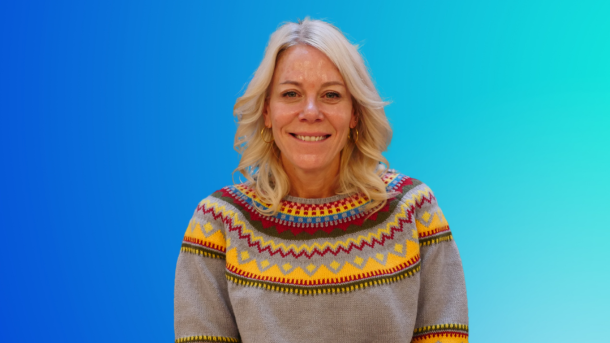
Sheena Tupper – Administrative Assistant to Fred Svoboda & Clayton Ulrich at Cenovus

Sheena Tupper – Administrative Assistant to Fred Svoboda & Clayton Ulrich at Cenovus
About Sheena Tupper

Sheena Tupper has been a dedicated member of the Cenovus team since 2010, starting her career as a field administrator. Over the past four years, she has taken on the role of assistant to two Senior Managers, where she has continued to thrive in a dynamic work environment. While Sheena enjoys the responsibilities of her job, it is her passion for fostering a positive workplace culture that truly sets her apart.

As an introverted extrovert, Sheena is deeply invested in the well-being of her colleagues. She believes that a supportive and engaging work environment is essential, as many spend a significant portion of their day at the office. This belief has inspired her to initiate various workplace events aimed at enhancing job satisfaction and camaraderie among staff.

A strong advocate for health and well-being, Sheena is a passionate gym-goer and food enthusiast, making fitness and nutrition a significant part of her life. She encourages her colleagues to embrace a healthy lifestyle, reflecting her commitment to promoting overall wellness.

Sheena’s dedication to her colleagues extends beyond the workplace; she strives to create a sense of comfort and community in all aspects of her life. Looking ahead, she is excited to continue planning events and supporting her team, always with the goal of making Cenovus a better place for everyone.

Connect with Sheena Tupper: Instagram | Email

Listen Now

Listen to the episode now on Apple Podcasts, Spotify, or on your favourite podcast platform.

Resources Mentioned

Cenovus Energy

The Transcript

**Please note that all of our transcriptions come from rev.com and are 80% accurate. We’re grateful for the robots that make this possible and realize that it’s not a perfect process.

Sam Demma
Welcome back to another episode of the High Performing Educator podcast. This is your host Sam Demma. And today I’m joined by my good friend, Sheena Tupper. Sheena has been a dedicated member of the Cenovus team since 2010. We met last year and we’ve stayed in touch. She knows about all the little coffee shops in some rural parts in Alberta and Saskatchewan.

Sam Demma
And I’m super grateful to have her on the show today. Sheena, just quickly introduce yourself and thanks so much for being here.

Sheena Tupper
Yeah, of course, I’m super excited. I guess the why we connected was through your friend, Cross, and I’m so happy that you guys could come to our community and have that conversation. As for myself, I guess, yeah, like you said, I’ve been working at Cenovus for, yeah, 14 years. And why I got into the industry was when you’re in Lloydminster, like oil and gas is, this is what you do.

Sheena Tupper
I think it’s like when you’re born, it’s like put into your bloodstream, perhaps. I don’t know. But anyways, yeah, I started at a young age and throughout my career, I had lots of different opportunities and I guess meeting with tons of different people. And now I’m an assistant to two senior managers. It’s been a whirlwind.

Sheena Tupper
There’s lots of ups and downs, especially when oil crashes. We go through all of that. The main thing that keeps me going, to be honest, some days are definitely hard and stressful, but the people are huge and that’s where I do really good at.

Sam Demma
You mentioned they put oil and gas in your bloodstream. Did you know from a young age that you were going to work in oil and gas or what did you have envisioned for your future?

Sheena Tupper
Well, honestly, when I started, I didn’t even know. Like, my spouse’s dad worked at Husky Energy, like what Cenovus used to be. And I didn’t even know, like, he was like, “Oh yeah, he checks wells.” I’m like, “What’s that?” Like I didn’t know because my family, they weren’t in oil and gas. And then, yeah, I had a job interview, and I went downstairs, and they told me about like all these—this is where like the gas is and the oil field and all of this. I’m like, “Oh, okay.” I had no clue.

Sheena Tupper
And like, once you’re in, like, good luck getting out because that’s what Lloyd is. And that’s like the main, yeah, hub of jobs, and it pays well. So it’s hard to, it’s hard to get out, that’s for sure.

Sheena Tupper
Yeah, fair. It was—I was so grateful that we were able to come. Luckily, we escaped and were able to come home. Yeah, well, the community, I think it’s such a good community and like, it’s so nice. So I’m not surprised you didn’t stay, especially with everyone like who you were connected to, right?

Sam Demma
Yeah, no, it was so cool to meet members of the team and work out locally. I can’t remember the name of the gym, but it was such an awesome… Oh, Viking! Shout out to Viking! Yeah. You’re someone who’s a big advocate for mental wellness and mental health and you bring it into your work at Cenovus, which is so important.

Sam Demma
Where did that passion or advocacy for mental health come from for you?

Sheena Tupper
I think I guess growing up, I just felt like I was such an emotional person, like super sensitive and I always had that on the back of my mind, so I felt like it needed a little extra attention. And once I got into working, there were times when I’d be stressed. I knew the right avenues to go, and I wasn’t afraid to reach out. And I feel like the stigma, obviously, is when you’re going through stuff, a lot of people keep it internalized.

Sheena Tupper
I just wanted it to make the new norm, and obviously, it’s helping with time. But I just think it’s super important. And then when I started going to the gym, it just came hand in hand. I initially went—it was probably 12 years ago—I was like, “Oh, I need to lose a little bit of weight. I was feeling a little fluffy.” So yeah, it just came hand in hand.

Sheena Tupper
I was losing all this weight and I was feeling so good. I can’t even describe it, what was going through me, but it just felt so good. I talked to my friends about it and then I was talking to people at work about it and they were noticing just such a change in me, not physically but mentally too. I’m in a position now that I can help the staff and I think it’s a really cool—even though, you know, I’m an assistant and like that’s fun and all; it’s what I have to do—but it’s just like another side that I can do and like help all of our staff and just make it.

Sheena Tupper
You know, we spend so much time at work. It’s so nice to be able to connect and just have that. So I’m trying to do whatever I can to help people.

Sam Demma
That’s awesome. I think you’re in such a cool position where you have the opportunity to provide experiences to other human beings that could use the support and use the celebration and the cool moments that are not always just sitting at the cubicle.

Sheena Tupper
Oh, exactly. And I would have never thought, you know, like luckily we do work for a great company that I never thought that I could ever bring like you from Toronto to come to Lloydminster on the border and do this. I was just like, wow, this is cool. Like we’re so lucky. And like people, you know, were hearing about it at different companies and they were hearing about it at schools, and they’re just like, wow, you guys are so fortunate.

Sam Demma
That’s awesome. And I mean, if it wasn’t for you and the conversations we had, it wouldn’t have happened. And what other things do you have planned or what are you looking forward to or excited about this year?

Sheena Tupper
Oh, jeez.
And I kind of go by the seat of my pants sometimes. I know last year we did a lot of, we had like a nutritionist come in. We actually had Viking come in and do a, just like a little chat about working out and like your mental health.

Sheena Tupper
And then I did chat with them, and I’m hoping to get them in for like a—because now our gym is upgraded downstairs, so that’s nice. So I just wanted them to come in and do like a, where people can do kind of bookings of time slots and then they can do a little bit of a workout and just show them how, like, what they’re doing. Cause I can’t be booked all the time. I think that’d be cool.

Sheena Tupper
And what else? Nothing yet. Like, we recently had someone come in and do a suicide awareness session. And we actually had someone from our construction team, Tammy, who did a chat about her journey. And it was such a huge, huge chat. It took a lot of courage for her to do that, and she just told her story so well. And that was a really good—not awakening—but it was really intense, that topic obviously. They went through all the stats and gas and oil fields and people, so it was pretty deep, but it was a really good conversation, and I think it needed to happen.

Sam Demma
I think there’s so many conversations that need to happen that are a little difficult to have, not only in terms of sharing our personal stories but even conversations with colleagues. And you deal with those types of conversations all the time. How do you approach difficult conversations? Like what are your strategies for that?

Sheena Tupper
I don’t have to—people come to me, so they’re approaching me, and I’m like, okay. It’s a lot to take in for all these people, but I just listen, more or less, and ask them, “How can I help you?” Because half the time, like, you know, you’re not going to see any changes unless you do something about it, but half the time they don’t want that, you know? They’re just talking it through.

Sheena Tupper
And like, say when I talk to Fred, I’ll be like, “Hey, I don’t want you to do anything with this topic that I’m going to bring up, but I just—I need you to hear me out. I might be bawling my eyes out, but I just need someone to bounce this off of and have this conversation and just to see like kind of where I stand or where—you know, am I in the wrong? Or help me out.” So he’s like, “Yeah, no, that’s all good.”

Sheena Tupper
Because I had someone in the past that I wanted that to happen to, and he ended up taking it way above, and I didn’t want that. I wasn’t in that state of mind that it needed to escalate. So yeah, I kind of lost a little bit of trust in that. So right out of the get-go, I say like, “Hey, this is what I just want,” you know? Because he was just like, oh my gosh, like he couldn’t handle what I brought to him. It was just something minor, but yeah, it was kind of crappy because then I ended up having to take some time off.

Sam Demma
Hard to say. I think it’s cool that you now share your expectations at the forefront. “Okay, I just want you to listen to this. It’s nothing to escalate. It’s just I need an ear right now.”

Sheena Tupper
Yes, absolutely. I had a conversation with a friend named Chris, who was also like a mentor to me. And I was very emotional. I just had 30 presentations canceled after COVID hit, and I called him on my phone, and I was bawling my eyes out. And he just spent 40 minutes listening. He didn’t say nothing. Like you said, he just listened. And I got off the phone call like, this guy just solved all my problems. And he didn’t even say anything the whole time.

Sam Demma
Yeah, sometimes. Yeah, I thought like, you know, when someone comes and asks me for help now, like you said, I’ll ask them, “Hey, are you looking for help brainstorming a solution, or do you just want me to be here with you?” And I think you’re right. Like most of the time, people would just say, “Yeah, I just—I just want you to be here.” Someone is willing to listen.

Sheena Tupper
And it’s nice to have that—like share kind of similar stories too. So they make that like—I have a friend that was going through that, and she just—I’m like, “I get it. I, you know, I have ups and downs too.”

Sheena Tupper
And yeah, do what you can. And then on the days that you think that is a struggle…you know, tomorrow’s a new day. Brush it off, move on.

Sam Demma
This has been such a lovely conversation about well-being, positive habits, and supporting colleagues. Thank you, Sheena, for being so open and honest. Keep doing the good work!

Sheena Tupper
Thanks so much, Sam!

Join the Educator Network & Connect with Sheena Tupper

The High Performing Educator Podcast was brought to life during the outbreak of COVID-19 to provide you with inspirational stories and practical advice from your colleagues in education.  By tuning in, you will hear the stories and ideas of the world’s brightest and most ambitious educators.  You can expect interviews with Principals, Teachers, Guidance Counsellors, National Student Association, Directors and anybody that works with youth. You can find and listen to all the episodes for free here.

Brian Robson – Executive Director of the Ontario Tech Student Union (OTSU) at Ontario Tech University 

Brian Robson – Executive Director of the Ontario Tech Student Union (OTSU) at Ontario Tech University
About Brian Robson

Brian Robson is the Executive Director of the Ontario Tech Student Union (OTSU) at Ontario Tech University in Oshawa, Ontario, where he leads a team of full-time, part-time and student staff who strive to enhance the campus experience for nearly 11,000 students. At the OTSU, Brian steward policies, mentors student executives, oversees elections, oversees numerous services, programs and events as well as over 100 Clubs & Societies, liaises with University Senior Leaders, and charts long-term strategic planning.

Prior to joining OTSU in late 2023, Brian was a Director of Training Programs and Business Development at Toronto Metropolitan University (TMU) for several years. There, he directed the action-research teams leading entrepreneurship and skills-training programs at local, provincial and national levels. He has presented papers on this work at international and national conferences. Prior to TMU, Brian served in previous roles in Financial Services, education and non-profit organizations. He earned a PhD in Systematic Theology from the University of Toronto, and an MBA (Globalization) from the Ted Rogers School of Management at TMU. His passion is shaping emerging leaders and diverse teams for the future of work in a changing economy.

Connect with Brian Robson: Linkedin

Listen Now

Listen to the episode now on Apple Podcasts, Spotify, or on your favourite podcast platform.

Resources Mentioned

Ontario Tech Student Union (OTSU)

Ontario Tech University

Toronto Metropolitan University (TMU)

Ted Rogers School of Management

The Transcript

**Please note that all of our transcriptions come from rev.com and are 80% accurate. We’re grateful for the robots that make this possible and realize that it’s not a perfect process.

Sam Demma
Welcome back to another episode on the High Performing Educator Podcast. This is your host, Sam Demma, and today we are joined by Brian Robson. Brian is the Executive Director of the Ontario Tech Student Union for the Ontario Tech University in Oshawa. It is the university of the Durham region, and that’s where I’m from. Brian, it’s so awesome to have someone on the show today that’s basically from the backyard. How are you?

Brian Robson
Good, thank you. You’re my homie here today.

Sam Demma
It’s good. Yeah, man. Did you grow up in the Durham region or where is home for you?

Brian Robson
I did not. I actually grew up out west. I’ve lived in three different provinces in Canada, four different city centers, but I have been in Durham region for a number of years now. I bought my first house out here and still here, and I’ve lived in Pickering, Whitby, Ajax. So, it has been home now for a long time.

Sam Demma
Did you know when you were growing up, living in different provinces or different cities that one day you would work in education? Or what brought you here in your own career pathway?

Brian Robson
Yeah, that’s a great question. I didn’t know what I wanted to do, but I did get a sense of that, I guess, sort of mid to late teens. Mid to late teens, just with some stuff that I was involved in, kind of like you, I discovered that I was good at public speaking. And so I had a chance to use that and to be involved in different things where I had a chance to do that. People would say to me, they say, “You’re a teacher. That’s kind of your thing. You’re a teacher kind of guy.” And I sort of stuck and I realized, yeah, I guess that’s kind of what I am. So then when I started my post-secondary education journey, which has been long, I kind of realized that that is where I would like to be, is in the post-secondary space. I don’t want to be a high school teacher, elementary school teacher. I want post-secondary. So I went on then to earn several degrees, including a PhD from the University of Toronto with the intention of being a professor. So that was my goal, that was my career objective. But the reason I wanted to become a professor is because I didn’t want to just be a subject matter expert and I didn’t want to just teach a subject. I wanted to shape students. So my tagline for a long, long time has been empowering or emerging leaders. So I wanted to build leaders. I wanted to educate and empower emerging leaders. And I thought I would do that in the classroom. Now, long story short, that’s actually not how it turned out, but I am doing that. I’m just doing it now outside the classroom in a university context rather than inside the classroom. So things took a turn from where I thought they would go, but I did end up meeting the same objective that I had set out to do.

Sam Demma
That’s awesome. It’s interesting that you’ve kind of discerned the age group you wanted to work with while you were still going through school on who you wanted to serve. Why leadership? Why developing leaders? Was there something about your upbringing or childhood that made that a central theme for you?

Brian Robson
Oh man, that’s a really good question. Off the top of my head, I can’t think of anything explicit, but I was aware, I am aware, I’ve always been aware, all of us are shaped by who our leaders are, right? So whether it’s our parents, or whether it’s our bosses at work, or whether it’s in the school context, whatever, we’re all shaped by our leaders for better or for worse. Even though there’s a trillion books on leadership and all kinds of literature and courses and workshops and resources, we still have, I think, a dearth of really good leaders in our society. And so it’s up to the emerging generations to kind of take up that mantle and to learn how to do it right. And so to learn what true, you know, effective, empowering leadership is really all about. I just sort of knew from, I guess, in my own educational journey that the power of education is where you can do that. It’s a great context for shaping people, not just academically with their courses and with their knowledge, with their academic programs, but way beyond that into sort of more people-building, cultivating values and principles, and finding your place in the world, right?

Sam Demma
When you think of good leaders or great leaders, what are some of the things you think they do differently? Or they do that other not-so-effective leaders might not be doing? I ask it from a personal perspective because, for the first time in my life, I find myself leading others in my own work, and I want to improve myself. I want to become a better leader myself.

Brian Robson
That’s another fantastic question. I think that it’s sort of a mindset and a perspective. What differentiates great leaders from mediocre leaders or poor leaders is really having the right mindset regarding what leadership is. Leadership is not about power or wielding power or having authority over other people. It is about empowerment. There’s a very common term that’s very prevalent in leadership literature, and it’s been around for a long time—even since ancient times. It’s called servant leadership, right? So true, really good leaders are servants. They’re not masters. They are humble, not arrogant. Somebody once asked me—it was actually in a job interview process for a post-secondary school position—they asked me a great question: “What’s the best leadership advice you’ve ever received?” And something came to me quickly. The best leadership advice I ever got was: Don’t own it. What he meant by that was, it’s not actually yours. You have to separate yourself from the thing that you are leading. Great leaders don’t own it because leadership is temporary. You’re going to be replaced someday. You’re not going to be leading that group of people, organization, or company forever. It’s temporary. So don’t own it; instead, see it as something you are stewarding for a while. When you adopt that mindset, it puts you in a better state to treat people well, make the right decisions, avoid selfishness, think big picture, and build things the right way.

Sam Demma
As a leader, you have conversations with so many people every day, and you want to equip them to succeed, move things forward, and feel supported. Sometimes, naturally, you have difficult conversations. How do you approach those as a leader with the people you serve?

Brian Robson
Yeah, that’s another very good question. For me, it’s a lifelong journey. Leadership is a journey, for sure. I’ll be honest—by nature, I hate conflict. As a fifth-generation Canadian, I avoid conflict by instinct. So difficult conversations, the ones you just described, go against the grain of my personality. But you approach them with wisdom. Again, you do it from the perspective that you’re not defending your turf or trying to win a battle for the sake of winning. It’s about doing what’s best for the organization and the person you’re in conflict with. You approach these conversations with humility. It’s not about winning but about reaching a better place in the situation. Listening is crucial. My academic background has trained me to reason and connect the dots with facts. That’s my approach—stick to the facts. Avoid getting personal or emotional, and focus on reasoning through the situation. When you have a conflict, let the facts win. If I’m wrong, the facts will prove it. If the other person is wrong, the facts will show it. And ideally, both of us can come to a shared understanding based on the truth.

Sam Demma
That’s such a great perspective. I ask because I’ve noticed in myself, when I’m having challenging conversations, I sometimes feel the need to win or defend my turf. But I’m recognizing that and trying to improve. So, I really appreciate your insights. You’re clearly passionate about serving students. Although Ontario Tech has a smaller student population, I imagine that creates a lot of beautiful, intimate opportunities. Tell me a little about the school and why you love it so much.

Brian Robson
Yeah, so we talked a little bit off-air about this, but you’re familiar with Durham Region and how multicultural it is. The university reflects that diversity. We’re located in Oshawa, with two campuses: North Oshawa and downtown. It’s largely a commuter school, so most students live off-campus and commute to class. We do have some out-of-province and international students, but the majority are local—people from Durham, East GTA, or York Region. Our student body is incredibly diverse—culturally, academically, and religiously. We’re branded as a STEM university, but we also emphasize “Tech with a Conscience,” which reflects our focus on ethical and social responsibility in technology. As the student union, we serve everyone, meeting them where they are and supporting their unique needs and interests. That’s what makes this role so fulfilling.

Sam Demma
Before your time at Ontario Tech, you were at TMU. What was the difference in your roles of service at each of these universities?

Brian Robson
Very different. TMU is a larger school, also a commuter school, and similarly diverse with many first-generation students. I loved working with both TMU and Ontario Tech students because they’re trailblazers—grateful, hardworking, and not entitled. At TMU, I had various roles, but my focus was on programs for specific populations. These included skills-building and entrepreneurship programs for groups like newcomers, women, Black youth, and students aged 15 to 29. Some programs were federally funded, so we partnered with universities across Canada to deliver them nationally. Here at Ontario Tech, my role is more centralized, focused on serving the entire student body through the union. Both experiences are rewarding but very different in scope and focus.

Sam Demma
Have you always been passionate about entrepreneurship, business, and STEM, or is that just how your career unfolded?

Brian Robson
That’s just how the career unfolded. It wasn’t intentional, but it all fits under my personal mission of empowering emerging leaders. Entrepreneurs are leaders, so it aligned perfectly with my goal of shaping future leaders, even though it happened outside the classroom.

Sam Demma
What are you most excited about this academic year?

Brian Robson
We’ve had the largest first-year class in Ontario Tech’s history, which is exciting. Their energy and enthusiasm are infectious, and we want to build on that momentum. This is my first year seeing a class come in, and I’m looking forward to watching them grow and develop over the next four or five years. They’re the next leaders of the student union, and it’s exciting to be part of their journey.

Sam Demma
Education shapes humans and the future. The work you’re doing is so important. If someone listening wants to connect or ask a question, what’s the best way to reach you?

Brian Robson
LinkedIn is probably the best place to start. I included my LinkedIn profile in the bio I sent you. From there, I’m happy to share my email and connect further.

Sam Demma
Brian, my Oshawa homie, thank you so much for taking the time to share your experiences, insights on leadership, and passion for education. I hope this academic year is one of the best yet. Keep up the great work, and I’ll talk to you soon.

Brian Robson
Thank you so much for having me, Sam. This has been great—I’ve really enjoyed it. Keep it going!

Join the Educator Network & Connect with Brian Robson

The High Performing Educator Podcast was brought to life during the outbreak of COVID-19 to provide you with inspirational stories and practical advice from your colleagues in education.  By tuning in, you will hear the stories and ideas of the world’s brightest and most ambitious educators.  You can expect interviews with Principals, Teachers, Guidance Counsellors, National Student Association, Directors and anybody that works with youth. You can find and listen to all the episodes for free here.
Chrystal Colquhoun – E-learning and Classroom Teacher at Listowel District Secondary School

Chrystal Colquhoun – E-learning and Classroom Teacher at Listowel District Secondary School
About Chrystal Colquhoun

Chrystal Colquhoun is an educator and mental health advocate. Student overall wellbeing is at the core of her teaching practices and work within her schools. She has been teaching in AMDSB for 18 years now, and has worked a number of years in alternate education and student success style roles, helping students learn and practice different strategies to help them be successful in life beyond school, even when facing adversity. Chrystal has been involved in running mental health and wellness activities within her present and past schools, as well as sits on school teams for organizing literacy support and creating new equity initiatives within her school.

Chrystal’s interests include mental health and wellness, reading, music and dancing. She has two children, a 10 year old and 8 year old, who keep her very busy!

Connect with Chrystal Colquhoun: Email

Listen Now

Listen to the episode now on Apple Podcasts, Spotify, or on your favourite podcast platform.

Resources Mentioned

AMDSB

LivingWorks SafeTALK

LivingWorks ASIST

The Transcript

**Please note that all of our transcriptions come from rev.com and are 80% accurate. We’re grateful for the robots that make this possible and realize that it’s not a perfect process.

Sam Demma
Welcome back to another episode of the High Performing Educator Podcast. This is your host, Sam. And today we have a very special guest, Chrystal Colquhoun. Chrystal is someone I met recently. She has a massive heart. She’s doing work in the mental health space in her school.

Sam Demma
She loves English. She just traveled out east this summer, but now we’re back in the classroom, and today she’s on the show. Chrystal, please take a moment just to introduce yourself and tell the audience a little bit about who you are.

Chrystal Colquhoun
Okay, well, yeah, I’ve been teaching in secondary school for 18 years now, I guess, and I’ve bounced around a little bit. I’ve been at two schools, luckily just two for most of my career, and I’ve sort of bounced around between teaching English and teaching jobs of like student success and alternate ed in that sort of style. Nothing like a lot of variety, right? But yeah, I’m back at the high school that I went to as a student actually, and I’m loving being there, back in the community that I grew up in.

Sam Demma
Do you see yourself on the wall?

Chrystal Colquhoun
To be honest, I’m too old, and I think they’ve taken those pictures down now.

Sam Demma
Oh my gosh.

Chrystal Colquhoun
But I was at one time.

Sam Demma
Yeah, that’s cool. Did you know when you were a student walking the same high school that you teach in now, or you taught in, that one day you would be in education, working in education?

Chrystal Colquhoun
Yes, I did think that at the time. Both my parents were teachers, and so I just kind of grew up from elementary school expecting to be a teacher. And I remember helping my mom do her marking and setting up her classrooms and thinking that that was great. When I graduated high school, I figured I would go on to be a teacher. And then I got to first year university and I was like, no, I want to do my own thing. So I scrapped that idea and decided I wanted to be like a counselor, go through psychology. And then I spent some time in some of my mom’s classrooms volunteering in elementary school, and I was like, no, like, I don’t want to do that.

Chrystal Colquhoun
It hadn’t even occurred to me that secondary school teaching was an option because I had just left secondary school, right? And then when it occurred to me that that was an option, and within secondary school, there were also opportunities for counseling and mental health work, that was where I was like, oh, okay. Maybe I want to do that where I can get both of those things that I enjoy together.

Sam Demma
What was it about counseling or mental health work that drew you in?

Chrystal Colquhoun
It’s a good question. I feel like just growing up, I did have a lot of support around that I was really grateful for, but also sort of recognized the times when maybe I didn’t feel as supported where I would have benefited from some more. And just like the figuring out, you know, motivation behind actions and ways to cope with things. I just found that really interesting and wanted to be able to sort of be someone that people felt comfortable coming to for help, then offering advice and just, you know, modeling how to exercise good self-care and that sort of thing, which I do sometimes.

Sam Demma
We all are doing our best, right?

Chrystal Colquhoun
Yeah.

Sam Demma
You have organized mental health and wellness initiatives in this school and previous schools. Have you always been involved in the mental health advocacy when you’ve been working in schools? And if so, tell us a little bit about some of the initiatives or things that get you really excited?

Chrystal Colquhoun
Yeah, I think it took me maybe a couple of years to get confident in my teaching roles before I started to step into the mental health spaces. But I’ve done a few different things. In my previous school, I had some students apply for a Speak Up grant for a mental health campaign. And so we had done a video campaign for the school and for the board that the purpose was to share student voice and experience.

Chrystal Colquhoun
I’d say that’s one of the bigger ones. And then coming back to the school that I’m at now, which I’m so happy to be there and doing these things at that school, last year we did sort of a bigger mental health week than we have in the past. We had you come in as a speaker, which was fantastic because we hadn’t had a good community-building speaker experience since before COVID. We had some community partners coming in to do self-care activities and some yoga.

Chrystal Colquhoun
Another activity that we did that my wellness student, who I work closely with, who’s super passionate about mental health, and I created was wellness bingo that we put out to all the classes. It was to be completed over the week, with an activity a day. The kids loved it, were getting into it, and the teachers were really enjoying it. A number of teachers actually told me afterward that because it was getting near the end of the year, they were going to keep it and do an activity a week to get them through to the end of June and to just keep encouraging this self-care throughout the rest of the year.

Sam Demma
So if there’s a school listening thinking, wellness bingo, that sounds amazing. How does that work?

Chrystal Colquhoun
Yeah, absolutely. We just looked up some different activities that we thought wouldn’t take a lot of time. At that time of year, teachers are stressed to get the curriculum done, students are stressed not to miss any material. So we brainstormed some ideas like a coloring activity, going for a walk as a class, having a class tea party (usually hot chocolate), or bringing your own snack. Just things that don’t take too much planning. It was also kind of giving teachers and students permission to take a five- or ten-minute break from what they were doing and everyone just took a breath that week, it seemed.

Sam Demma
I’m assuming there were some activities that students had maybe never done before?

Chrystal Colquhoun
I didn’t get specific feedback like that, but I did have a couple of my classes pick having a dance party. We put on some Just Dance, and I know for some people that was probably out of their comfort zone to be doing that in a classroom. But everyone was standing up, moving their bodies a little bit, and it was just a fun activity.

Sam Demma
And I think when you see someone else do something outside of their comfort zone, like dancing in front of everybody, it gives others permission to do the same. Sometimes the barrier is our own belief or being the first person to do it.

Sam Demma
I was in Kenya this summer, and while we were in Tanzania, there was this beautiful live music with a big spotlight in front of the band and no one dancing. I thought, let’s go start a dance party. I got so nervous because I had to be the first in the spotlight. But once I did it, 15 people joined within 30 seconds, and we had the best night of the trip. It’s so important to create these opportunities where young people can do things outside their comfort zone.

Chrystal Colquhoun
Yes, I was absolutely dancing at the dance party.

Sam Demma
You’ve worked with students in schools for a while now. How do you think you build a deep relationship with a young person?

Chrystal Colquhoun
To me, that’s the most important part of teaching. I enjoy the student success and alternate ed roles because they really allow for deeper relationships. Teaching a class of 30 kids can make it hard to get to know each one. One of my amazing colleagues shared the idea of an attendance question, not related to the class, like a “would you rather” question. Everyone gets a chance to answer, and by the end of the semester, it builds confidence and you get to know more about each kid.

Sam Demma
I think that’s a beautiful way to engage in the classroom. If educators listening aren’t currently doing that, they should try it out.

Chrystal Colquhoun
And I can’t take the credit for it!

Sam Demma
Are there any teachers you had growing up that had a big impact on you?

Chrystal Colquhoun
Honestly, the teachers that pop into my mind are the ones I had one-on-one conversations with about things unrelated to the work in front of me. I guess it just comes down to giving time.

Sam Demma
When you think of the students in your school today, what are some of the challenges they’re facing during this time?

Chrystal Colquhoun
There’s a lot, and I don’t even think I know what they all are. Cell phones are an obvious issue, but I think so many other challenges stem from that. There’s also been a shift in my 18 years of teaching, maybe related to technology, and another shift post-COVID. I think students are trying to figure out where their priorities lie.

Sam Demma
Sometimes teachers don’t know how to best support a student who might be struggling. When someone tells you they’re struggling, how do you best support them?

Chrystal Colquhoun
Teachers are specialized in subject areas, and not everyone has mental health training. We’re being asked to address students who are struggling because we have access to them, but we really need more social workers in schools or more mental health training for teachers. If a student comes to me, I feel comfortable helping them figure out where to go, like a guidance counselor or mental health counselor.

Sam Demma
I see educators burn out trying to put out every fire, and half the fires are for a different department. How do you ensure you don’t over-serve to take care of yourself?

Chrystal Colquhoun
I dance! Music and dancing are definitely helpful. Currently, I’ve chosen to work two-thirds time because I recognized that exactly what you described was happening. This allows me to give more because I know I have time to recoup and self-care.

Sam Demma
Dancing every day, a little bit of dancing with some good music just heals the heart and the soul.

Chrystal Colquhoun
Absolutely.

Sam Demma
We’re starting another academic year. There are lots of people stepping into school buildings for the first time. What do you think Chrystal needed to hear on day one of teaching that someone else could benefit from hearing?

Chrystal Colquhoun
It’s amazing to have a plan and feel organized, and then you need to be absolutely flexible to throw it all out the window.

Sam Demma
That’s wise.

Chrystal Colquhoun
And you’ve just got to see where the students are at in front of you. You can have the best lesson, but if they’re not in the space to take it in, it’s going to flop.

Sam Demma
In those moments, how do you pivot?

Chrystal Colquhoun
Some days you can pick one chunk and go down that path. There were days last year with a very academic group where they were stressed out, so we had a “do what you need to do” day. Some students went to practice dance, others studied for chemistry, and others caught up on reading. By the end of the period, everyone was more relaxed, and the next day we were back on track.

Sam Demma
This has been such a lovely conversation. I appreciate you taking the time to chat and share some of your experiences in education. If there’s an educator who wants to reach out to you, what’s the best way?

Chrystal Colquhoun
I’m not great with social media, so my email is probably best.

Sam Demma
Okay, awesome. We’ll make sure it’s linked on the podcast page in case someone wants to reach out.

Chrystal Colquhoun
Perfect, because it is long to spell out.

Sam Demma
No worries. Chrystal, thank you so much. This was lovely.

Chrystal Colquhoun
Thank you, Sam, so much for asking me to be here. This is great.

Join the Educator Network & Connect with Chrystal Colquhoun

The High Performing Educator Podcast was brought to life during the outbreak of COVID-19 to provide you with inspirational stories and practical advice from your colleagues in education.  By tuning in, you will hear the stories and ideas of the world’s brightest and most ambitious educators.  You can expect interviews with Principals, Teachers, Guidance Counsellors, National Student Association, Directors and anybody that works with youth. You can find and listen to all the episodes for free here.
Norman Gaudet – Head of School/Chef d’établissement at TFS – Canada’s International School

Norman Gaudet – Head of School/Chef d’établissement at TFS - Canada's International School
About Norman Gaudet

Norman Gaudet is a bilingual educator and an accomplished leader with an invaluable international perspective. 

As Head of School, M. Gaudet leads a team of 300+ teachers and staff members to offer the best educational experience to the 1,500 students of TFS. M. Gaudet brings his determination toward bilingual education to the school that suits its identity and vision for its future. His passion for academic ambition is felt school-wide through his innovative and informed ideas and programs.

As a proud “Fransaskois,” he began his career in education 30 years ago in the Saskatoon public school system as a Gifted Education Specialist. For the past 20 years, he worked in various leadership positions, starting in Yemen as Athletic Director in 2001. He has also held positions of Director of Curriculum in Nigeria, Head of School in the Republic of Georgia and Principal with Le Conseil Scolaire Viamonde here in Toronto. He joined TFS in 2015 as Principal of the Senior School before stepping into the role of Executive Director of the Learning Forum in August 2020, and becoming TFS’ Head of School in July 2021. 

M. Gaudet holds a master’s degree in educational administration. He speaks French and English. 

Connect with Norman Gaudet: Email | Instagram | LinkedIn | Twitter | Facebook

Listen Now

Listen to the episode now on Apple Podcasts, Spotify, or on your favourite podcast platform.

Resources Mentioned

Toronto French School (TFS)

Le Conseil Scolaire Viamonde

Canadian Association of School System Administrators (CASSA)

Ontario Ministry of Education

The Transcript

**Please note that all of our transcriptions come from rev.com and are 80% accurate. We’re grateful for the robots that make this possible and realize that it’s not a perfect process.

Sam Demma
Welcome back to another episode of the High Performing Educator Podcast. This is your host, Sam. Today, I’m joined by Norman Gaudet. Norman, it is such a pleasure to have you on the show. Please take just a moment to introduce yourself.

Norman Gaudet
Sure. So, pleasure to be here. My name is Norman Gaudet. I am currently the head of school at Toronto French School here in Toronto. And I’ve been at this school for going on my 10th year. I’ve been an educational leader for about 20 years and in education for about 30.

Sam Demma
I haven’t interviewed many people who have worked in Yemen, in Nigeria, in Georgia, and now in Canada. Why has your educational journey taken you to so many different places? Tell me more about that.

Norman Gaudet
Basically, curiosity. So, I grew up in small-town Saskatchewan here in Canada, and it became clear to me very quickly that the world is a lot bigger than the little farm that I was growing up on. I just started to get curious to know what was out there. But I didn’t really understand even that that was going to be possible until I became a teacher. I was working in Saskatchewan, and a VP showed up at my school—vice principal—and he had just come back from working in Saudi Arabia, and my mind was blown. I was like, “How can a Saskatchewan boy end up in Saudi Arabia?”

Norman Gaudet
He told me about the pathways to take to go into education abroad. I jumped in my car, drove 23 straight hours to a job fair in the States, and found myself in Yemen one year later. From Yemen, the world just opened up. I had this amazing experience in Yemen. I was there as athletic director. The principal that I was working under, the head of school, ran schools all over the world and asked me right away, “I think you’d make a really good head of school.” So he talked to me about the Republic of Georgia and said, “You know, it’s a small school, great place to start.” And I immediately said yes. That was the beginning of my career in administration and leadership.

Norman Gaudet
Then, just after that, I really wanted to explore different places—places that weren’t Saskatchewan—which is why I went to Nigeria. And from there, I have children, and they were being introduced as the “little Canadians” everywhere we went and didn’t really understand what it meant to be Canadian. So I said, “Okay, let’s go back and explore Canada.” But I said, “Let’s explore exciting Canada. Let’s go to Toronto.” So that’s what we did. Ended up in Toronto.

Norman Gaudet
That was probably about 20 years ago, and I’m still here.

Sam Demma
23 hours straight driving. You have to be pretty driven to make that kind of a drive. What was it about that situation, that time in your life, that drove you to do that, and what drives you now? What is the “why” behind the work that you’re doing?

Norman Gaudet
That’s a great question. So I was teaching history and felt like I was not really understanding what I was teaching if I wasn’t in the places that I was teaching about. I was following the same path that he told me. He said, “You have to go to this job fair.” I discovered later there are job fairs all over the world, including Canada. I followed exactly what he said because I wanted to make sure it worked. That has been my mantra probably my whole life: figure out what works, what path you need to get to what you want to do. And don’t give up; just keep doing it. It might be hard—let me tell you, 23 hours, I was tired, stopped for a bit to just close my eyes, but I just did it because I knew that if I didn’t, I wouldn’t go where I wanted to go. And so I had to do it. When I came back home and told my wife at the time, “We’re going to Yemen,” she just looked at me, and she said, “No, we’re going to Yemen because it is a place steeped in history where I can learn so much about and become a better teacher.” And let me tell you, there are no regrets. We went there; my children were one and three at the time, and absolutely no regrets. It was the beginning of a very long and fruitful career in education that taught me about the power of community, what education can be, and how kids all over the world are just kids. They’re amazing. They all want the same kind of thing out of a school: they want to be taken care of, they want to be loved, and they want to learn. And that’s what I was able to bring to all the different schools that I’ve been at.

Sam Demma
You gave me a flashback when you said you went home and you told your wife at the time, “We’re going to Yemen,” because I don’t have a wife yet, but I six months ago walked upstairs into my family room and said, “Mom, Dad, I’m going to Kenya.” And they were like, “What?”

Norman Gaudet
Why Kenya?

Sam Demma
I had this curiosity in my heart that was pulling me to go. We spent six weeks over there in the summertime visiting schools. And like you mentioned, it blew my mind to see the same challenges that a lot of students are facing here were similarly experienced by students over there. And I think when we lead with genuine curiosity, we realize that we have way more in common with other communities and people than we do different, and we start to get a glimpse of the humanity in other groups of people. It’s really cool to hear about your international journeys. Figuring out what works, following the path, I think is such important advice, especially for educators. I’m curious: when it comes to educational leadership in your building, you’re leading 300 staff and lots of students. How do you effectively manage other people and lead a school?

Norman Gaudet
Well, that’s a question so many leaders ask themselves. I believe in a few things. I believe that if you love where you are, people will sense that. People will begin to believe in what you’re saying. But then you have to roll up your sleeves and show them that you’re ready to put in the work if you’re asking them to do the same thing.

Norman Gaudet
And then I really believe that if you dig down deep, everybody has a purpose. Everybody has a reason why they’re there. Sometimes they need to be reminded; sometimes you need to tweak and find the perfect spot. But if they’re in a school, it’s because they love kids. Somewhere along the line, they realized that they could make a difference and wanted to work in an environment where that can happen.

Norman Gaudet
If you can find that common purpose, it allows you to lead and have people want to follow. You know, there’s an old saying that as a leader, you don’t necessarily want people to follow you. What you want to be able to do is create other leaders. If you can find their purpose and help them see that they can be as impactful as you are, your job is so much easier because you’ve got a whole bunch of great leaders. In my own life, whether it’s athletic coaches, teachers who’ve made a significant impact, or administrators in my high school that I really looked up to and had close relationships with, what are some of the things you think leaders who have made a big impact in your life when you were growing up or who’ve mentored you have done that made a really big difference for you?

Norman Gaudet
So, a lot of these are going to sound like clichés, but they’re so real. It’s about that feeling you get when somebody believes in you, especially if it’s in something you never thought about before. I remember a principal I worked with when I was a teacher in Saskatchewan. I was doing the best job I could, but I never thought of being a leader. I never thought of going further than the classroom. She brought me into her office one day and said, “You know, what you do, you can have an impact on all the kids in the school, not just the 27 kids you’re working with. Have you ever thought about that?” I replied, “Well, I don’t understand. How would I have that impact?” She said, “Watch me.” She was new, but she saw so much potential in me. I had never seen that in myself before. So, I started watching what she was doing, and I thought, wow, she does have an impact. If I can do that, that would be a dream. From that day forward, I started doing everything I could to gain more experience and leadership opportunities because she believed in me when I didn’t even think that was something that could happen.

Norman Gaudet
And I see this all the time with kids. They may feel like they’re bad at math for five years in a row, and then they have one math teacher who tells them, “You know what? You can do this. I actually see something in you; there’s a spark there.” Their whole world changes because somebody believes in them. That’s so powerful. I remind everyone I work with that we have so much impact on kids and the people around us. We need to be really mindful and intentional when we say anything at all, because as much as we can be powerful for the good, we can unfortunately be powerful for the bad. So being intentional when we’re speaking and passing messages should be top of mind for anyone working with kids.

Sam Demma
I talk about it all the time: every human being has a giant invisible backpack strapped to their shoulders filled with stories, beliefs, challenges, and struggles—all of which we have no insight into because we can’t see each other’s backpacks. Every action we take or every word we use either adds weight to someone’s backpack, or if it comes from a place of love, compassion, kindness, and genuine curiosity, it hopefully removes something and helps them live a bit of a lighter life. In French schools, we say, Vide le sac à dos. I have one regret in my backpack, and it’s that growing up, I didn’t embrace the French language as much as I wish I had. As a proud Canadian, I wish I had taken that more seriously. Can you speak a little bit to the importance of the French community and the French language and how valuable a skill that is?

Norman Gaudet
Oh my gosh, I tell people all the time that it’s a superpower. You’re not just learning a language. Many teens find that a language that isn’t their primary language of emotion, which is typically English, isn’t as cool, so they begin to lose interest. I have a short motivational speech I share with them about the superpower they’ve gained without even having to work for it because they were placed in an environment where they absorbed a language. They didn’t even have to work at it; their parents made this decision for them. Now they’re bilingual. I encourage them to go home and thank their parents because they’re the reason they have this superpower. They may not realize its power at 15, but they will when they leave school. In a school like ours, they’re surrounded by bilingual kids and may not realize that the rest of Toronto isn’t as bilingual. When they go into the workplace—now the world is their workplace—they can end up anywhere and find themselves at a huge advantage because they’re fluent in multiple languages. Thankfully, our students are fluent in English, they speak French fluently, and we have a third language as a mandatory course, so they might be taking Mandarin, Spanish, or German. Many of our students even speak a fourth language, so they’re polyglots. That is rare, powerful, and special. It positions them with advantages in every aspect of their lives.

Sam Demma
You’re absolutely right. Language opens doors, career opportunities, and even pure enjoyment—being able to speak to someone in their language unlocks parts of the world you wouldn’t otherwise have access to. When I was in Kenya, I didn’t speak Kikuyu, one of the 42 tribal languages there. But I was so interested that I kept asking our local connection, Kamata, to teach me some words. In these very rural villages, where the road is dirt and uneven, and you drive no faster than five kilometers an hour, kids would be walking beside the car. They don’t often see Caucasian people, so I would roll the window down, and they would open their mouths wide in amazement. As I started learning some of the language, I would wave and say, “Kwite nĩna,” which means, “How is everyone doing?” Within five minutes, they would run away and come back with their entire family, so excited that someone took the time to figure out how to communicate in their mother tongue.

Sam Demma
There are so many words in Kikuyu that don’t have an English translation—phrases, sentiments. You actually unlock a whole other world. What if your soulmate doesn’t speak your current language? You could be opening up opportunities for so many things. As I grew up, I realized how much of an opportunity I missed, but I won’t let that stop me from reconnecting with languages as I move forward. I know it’s important to your school community, and I wanted to mention it. I also know one of the things unfolding in the world right now is the challenge around mental health and well-being. I know that at TFS, it’s a priority. What are some things you’re excited about that are shifting the conversation around mental wellness in your school?

Norman Gaudet
Mental health is absolutely a priority for us. In the past, schools—including ours—looked at mental health as a “band-aid” solution. We waited for crises to happen and then put strategies in place. But now we’re focusing on prevention, breaking down what causes a healthy mind. We all know the causes of unhealthy minds, but we want to ensure we’re putting everything in place that fosters a healthy mind. We’ve broken it down into three areas: intrapersonal health, interpersonal health, and academic health. We focus on how students feel about themselves, providing opportunities for self-acceptance, embracing their individuality, and celebrating their roles. Interpersonal health addresses social skills, building friendships, and the critical skills for happiness. For academic health, in a competitive world, kids face pressure and perfectionism. We need to ensure they feel they’re in the right place, learning at the right level, and not falling behind, which is often a source of stress. So much of it comes from how we talk to the kids. It’s the words that we’re saying to them. So we have to make sure that, again, that intentional talk, that every time we’re passing messages, we know what we’re saying. We want the kids to hear that these are the priorities we want them to build on. It’s all about healthy minds. To support that, we’ve introduced mindfulness, integrated yoga in our phys-ed programs, and even set up zen corners in every classroom so kids can take a moment, reflect, think, and process why they’re feeling the way they’re feeling. How do they manage those feelings? Do they have the strategies they need? And if they don’t, where can they find them?

Norman Gaudet
At TFS, we have a strong academic focus. We’re known to be one of the top academic schools in Canada. But I also want to make sure that while the kids are reaching their academic potential, they are mentally and emotionally healthy through it all. We start young and ensure they have the skills, strategies, and tools to manage everything that comes their way. The zen corner is one small part of that environment. Not every student will use it every day, but some students might need it right after recess or following a disagreement with friends. It gives them a moment to think, understand why they’re feeling a certain way, and decide what they want to do about it, so they can refocus and keep learning. Often, these feelings can become barriers to learning, and having these strategies helps them get back on track.

Norman Gaudet
Mental health today is top of mind for everyone, and kids are not immune to the pressures around them. Unfortunately, we’re seeing these pressures affect kids at younger ages. We have to start teaching mindfulness and self-regulation early. We’re working with our youngest students on mindfulness, yoga, and self-reflection. If they can master these skills and build them into their routines from a young age, they’ll be much better equipped to handle the emotional ups and downs that come with adolescence and beyond.

Sam Demma
I love how intentionally you’re using the phrase “causes of a healthy mind” because whenever I’m feeling challenged, burnt out, or a bit off, I always pause and ask myself, “When was a time in my life when I felt really good, on top of the world, and everything was working well?” I then think about the habits I had in place at that time that might be missing now. Sometimes, just reconnecting with those positive habits helps push me back toward that place of healthy mindfulness. It sounds like TFS has a really proactive approach, and I hope this next year continues to be a phenomenal one for both students and staff.

Sam Demma
For an educator who might be listening to this and feeling a little burnt out, or maybe it’s their first year working in a school and they just graduated, what do you think you would have needed to hear on day one that might benefit someone listening?

Norman Gaudet
I genuinely believe that every teacher needs to remember that if they’re struggling, they will never be able to be what they want to be for their students. Teachers need to look at all the different aspects of their well-being and take care of themselves. I actually shared this with our teachers on the first day of school, reassuring them that we care about them as much as we care about our students. I completely understand the connection between how teachers feel and the impact on our kids. If teachers are healthy and thriving, it’s going to positively affect our students. But if they’re feeling overwhelmed or stressed, unfortunately, that’s going to be felt by the kids as well.

Norman Gaudet
We’ve put systems in place at TFS to support our teachers, and if a school doesn’t have that, they should ask for it. Find the resources, whether it’s someone to talk to or simply taking the time they need to manage whatever they’re going through. It’s okay to ask for help. Schools need to recognize that teachers are our biggest asset. Our kids won’t flourish to their fullest potential unless our teachers are as strong as they can be. Taking care of our teachers isn’t just a priority; it’s essential.

Sam Demma
100%. People often say, “You can’t pour from an empty cup.” Thank you, Norm, for all the work you’ve done over the past few decades in education and for the work you’re continuing to do. I wish you a phenomenal year ahead. Thank you so much again for coming on the podcast. I look forward to meeting you in person at some point soon.

Norman Gaudet
Thanks, Sam. Have a great day.

Sam Demma
You as well.

Join the Educator Network & Connect with Norman Gaudet

The High Performing Educator Podcast was brought to life during the outbreak of COVID-19 to provide you with inspirational stories and practical advice from your colleagues in education.  By tuning in, you will hear the stories and ideas of the world’s brightest and most ambitious educators.  You can expect interviews with Principals, Teachers, Guidance Counsellors, National Student Association, Directors and anybody that works with youth. You can find and listen to all the episodes for free here.

Bryan Burns – Principal at Matthew Halton High School 

Bryan Burns – Principal at Matthew Halton High School
About Bryan Burns

Bryan Burns is the Principal of Matthew Halton High School in Pincher Creek Alberta. This year is the second for Bryan as Principal, however prior to that he was the Assistant Principal for three years. This year will be his tenth year at Matthew Halton, where he spent eight years as the Learning Support Teacher, taught various levels of Social Studies and brought the first Hockey Academy ( which he still runs today) to Halton.

Culture and creating a positive environment where students, staff and members of the community want to be is the driving force behind his personal philosophy. Bryan can often be found interacting with students in his own classroom, participating in lunch intramural sports or walking through the halls to have personalized conversations with others. His desire to create positive experiences extends out of the classroom into extracurricular athletic activities. Currently he is the school cross country running coach and prior to admin life taking more time he also coached volleyball, baseball, basketball and other school sports.

Connect with Bryan Burns: Email | Facebook

Listen Now

Listen to the episode now on Apple Podcasts, Spotify, or on your favourite podcast platform.

Resources Mentioned

Matthew Halton High School

Hockey Academy

The Transcript

**Please note that all of our transcriptions come from rev.com and are 80% accurate. We’re grateful for the robots that make this possible and realize that it’s not a perfect process.

Sam Demma
Welcome back to another episode of the High Performing Educator Podcast. This is your host, Sam. And today we are joined by Bryan Burns. Bryan is the principal of Matthew Halton High School in Pincher Creek, Alberta. I had the pleasure of learning a little more about his community last year. And he just got back from a conference in Vegas.

Sam Demma
Bryan, how was it? Thanks for coming on the show. And how was your conference?

Bryan Burns
It was great, Sam. Thanks for having me. And yeah, lots of learning. The weather was fantastic. Here in Pincher Creek, it’s always windy, as I think you learned last year. So it was nice to get out of the wind.

Sam Demma
Did you know when you were a student yourself that you wanted to be in education? Or what brought you to this path?

Bryan Burns
Yeah, that’s a great question. I really – I was one of those kids in school who I didn’t know what I wanted to be. And truthfully, some of my friends, I was applying to university, I knew I was going. They said, “Hey, do you want to try out education?” And so I did a concurrent degree at Lakehead University in Thunder Bay, Ontario. And that way, I would have my Bachelor of Arts if I didn’t like teaching. And once I got more immersed into the teaching, I realized I liked it. Some of that started with coaching Timbits hockey, five-year-olds. And that was a cool experience. So from five-year-olds now, you know, we got some 18-year-olds in here, quite a mix.

Sam Demma
What was it about teaching itself that was something you became drawn to?

Bryan Burns
I think it was the idea of helping people, right? And when you kind of hit those aha moments, where whether it’s a big struggle or something really small, you kind of said this in some of your presentations too, right? Like you feel better when you help others. And to quote a great person, everyone’s got stuff in their backpack, right?

Sam Demma
I don’t know who I’m talking about, but…

Bryan Burns
It’s those pieces, right? It’s the wins that, with other people, you celebrate their successes, and then you feel great as well. So that’s the biggest rewarding part I find.

Sam Demma
Yeah, I think those actions of kindness and service to others also light us up, like you said. And I’m wondering, did you have other coaches or teachers in your life when you were a student, or even now, that helped you have some of those aha moments that showed you what was possible being a teacher?

Bryan Burns
Yeah, coaching. I played a lot of hockey just at a house league level growing up and had some good coaches with my dad, my uncle, friends’ parents as well. So gained a lot of good resources in terms of knowledge through them, not just on the ice, but also how to be a good teammate, how to be a good friend, how to be a decent person. And so those were the big ones from the sports side. But the teacher who made the most impression on me was my high school history teacher, Mr. Smith. He was also the football coach. So he was a mix of caring but that firm, stereotypical football coach approach. And he left an impression on me of, you can go out and do things if you really try, right? So that’s the biggest thing. Put a little effort into stuff and you’ll probably get some movement here, progress.

Sam Demma
It sounds like his philosophy around effort was a big thing that stuck with you. Was there anything else in specific that he did, or when you reflect on his leadership as a coach and a great teacher, that you think other educators listening may want to reflect on or think about modeling in their own classrooms or with their teams?

Bryan Burns
Yeah, the biggest thing was he always brought a sense of awareness to learning, and he made it engaging and fun in the way that, you know, he would bring history to life. History can be boring for some, but the way that he just presented it, you know, he’d be reenacting the French Revolution standing on desks. Not saying every day has to be that, but just something that puts a smile on your face.

Sam Demma
That’s awesome. When you think about the teachers in Matthew Halton, you now are in a position where you’re not only helping students, but you’re supporting the staff, which in turn will serve and support the students in the building. How do you help the staff so that they can help the students?

Bryan Burns
Another great question. I think there’s lots of things you can do, right, from the academic standpoint, a sense of belonging. That was something that really our school focused on last year, was students walking in the door and staff feeling that, “Hey, I belong here.” Not to say everyone’s going to right off the bat; for some, it takes longer, but really pushing staff to create an environment and doing that myself of, “This is a pretty good place, I wanna be here.” Because if you come in and you’re already defeated, that “I don’t belong” or, “Hey, this doesn’t fit my mold,” it’s gonna be really, really difficult to do all the other things to your best potential.

Sam Demma
I can tell you as a guest of Matthew Halton, I felt welcomed warmly from the moment I walked in to the moment I continued on my way. From the students who met me in the office, Kevin spending the day making sure the tech was taken care of, the warm introduction, and the community members who showed up in addition to students to watch the performance – like every aspect of it was so thoughtful and well-planned. I think I know exactly what you’re referring to when you talk about walking in and feeling that sense of belonging, because I felt it when I arrived. Is that something that you’ve had to work on, or has it been present in the community for a long time?

Bryan Burns
Yeah, so I’m coming up on year 10 here at Halton. This is my fifth year in the office. So not to say I didn’t get to shape or have a perspective on that as a teacher before getting into the admin side of things. But I’ve always felt that sense of community here, but really trying to put a push to it the last two years within our school goals of, let’s really try and make a stamp on here and create this identity, right? And so shape it through values. That’s something we’re working on this year – how can we get the students to create values that they see as important and then actually live it each day so they’re not just, you know, five words on paper, but actually have some substance to it.

Sam Demma
I love that. You have a painting – no one can see it, but it’s behind you on the wall there. Is it student art, or is there a story behind it?

Bryan Burns
Are you talking on this side here? Yeah. That is not student art, but we definitely have lots of that around the school. I grew up in Ontario, and so my parents met an Indigenous artist, and they’ve created some work for them. It was actually a gift for my mom, and it’s fitting that I’m talking about my mom on your podcast because lots of your stories involve your family and your mom. So yeah, we’ll dive into this one. It was something when I became the principal, my mom wanted to get me something for my office. She said, “I know that there’s an Indigenous connection out here; we have the P’gani Reserve very close by.” And she wanted to put a little bit of home, Ontario, into my office. So yeah, it’s actually the artist who did it. My mom gave her a couple of ideas, and it’s actually called “Learning Through Halton Pass.” She created different things like my dog is incorporated in it, my wife, my family, some friends. Yeah, glad you picked up on that.

Sam Demma
I find that when you leave with curiosity or ask genuine, thoughtful questions about something, there’s usually cool stories or connections, and you find that we have more in common than we do different. You start to see humanity in other people. And so I noticed it from the time we started the call, and I wanted to make a point of asking you about it. I found when I ask young people similar questions, or I’ll notice something and I just genuinely ask about it, they start telling you stories, and you build a deeper relationship. I’m just curious, from your perspective, working in education for so long, how do you think you build those deep relationships with young people?

Bryan Burns
I think it’s exactly what you’re saying – through curiosity, right? And genuine curiosity. Our school is, you know, we’re under 300 students, grades seven to 12. So I have a pretty good sense of who the students are coming into our building. Last year, with our grade 7s coming over from our feeder elementary school, I wanted to get to know them. So I’m not just, you know, the guy in the office. I actually did one of our option classes with them, and I called it “leadership.” But really, that course was a chance for me to connect with them and get to know, you know, who’s doing ranching in the community, who likes to read, who you know – who are you? That’s the piece, right? Because in my mind, they’re going to be here for the next six years, and we spend lots of time together. So I want to get to know you so I can connect, as you’re saying, on that personal, genuine level.

Sam Demma
That sounds like getting to know the students is one big aspect of it. When you think about the culture you’re building of belonging in the school, how do the teachers play a big role in it as well?

Bryan Burns
I think a lot of it is being visible. Whenever a new staff member comes on, I always joke that if you come into our staff room, you’ll probably be the only one there. And they kind of look at me funny a little bit. So, you know, lots of staff are hanging out in the common area at lunch where all the students eat. We have intramural sports at lunch. There’s always a staff team involved within that. Sometimes we’re mixed in amongst the kids; sometimes I challenge the staff because what’s better than beating up on them in dodgeball, right? Really empowering them to realize the impact they have with their students, right? And admitting our flaws and our faults – that we’re all people, but also connecting with them in those authentic, fun ways.

Sam Demma
I love the idea of you being the only person in the staff room, because everyone’s out and about and supporting the community and engaging with the students and other staff members. The vocation of education is one where you have a big heart, you want to serve, and most educators want to give back and make a difference. Sometimes it’s hard to balance the service to others and the giving back with taking a reprieve and making sure your own cup is full. How do you personally balance the two extremes?

Bryan Burns
It’s a very difficult balance. I had a former colleague once tell me, “If you’re a lonely person, this is the career for you,” because there can always be something going on, right? Especially in a smaller tight-knit community. As much as I love being here, I love being with my family as well – my wife and my kid. We just had a baby New Year’s Eve last year, so that’s a totally new balance for me personally. Some of it is simple tips and tricks for myself, like having a calendar so I’m on time for the things I need to be here for, but also at home. There are ways to incorporate family into the school life as well. So just making sure that, like you’re saying, keeping your bucket full, doing the things you love that keep you happy. And sometimes it is tricky though. It’s a tricky profession in that regard.

Sam Demma
In those moments where you might be a little spent or burnt out because of all the different moving parts and things that are going on, how do your colleagues play a role in supporting or peer-to-peer support? How do you think about that?

Bryan Burns
Yeah, I mean, lots of techniques and humor, right? It’s not like I came into the admin role in a new school where I didn’t know the staff, so I was fortunate to have those existing relationships. I think it’s like any dynamic where you have that sense of trust, where you can call each other when you’re having a bad day, tell a joke – something small to change your mindset or perspective. I just had a staff member come in right before this and they just told me a feel-good story, and hey, what a way to put a smile on your face, right?

Sam Demma
Hey man, you made me laugh when you said the Oilers were a good hockey team just this past year.

Bryan Burns
Yeah, hey, they almost had it. But yeah, that’s fun. You gotta have some laughs for sure.

Sam Demma
Of course. I’m wondering, when you think of other resources that have helped you in your journey as an educator, so you can contribute more to students and other staff, are there any events you’ve attended or resources you found that have been a great help for you?

Bryan Burns
Yeah, I think the biggest thing is connecting with people, right? It’s getting in touch with not only others in education but also seeing how you can make connections outside of the building. A couple of specific events – you just mentioned I got back from a conference in Las Vegas, and there were other members of our school division there. Lots of times, you know, at admin meetings, everything is tight deadlines or we have to go through this policy. Sometimes when you can spend some time outside of your normal environment with people who have similar roles or jobs, just trading stories. I’m definitely thankful for many people. A friend of mine and a colleague here – his dad was the superintendent of the school division years and years ago. He once told me, “Do you want one line of advice for education?” And I said, “Yeah, of course.” And he said, “If you’re making this decision and it’s not in the best interest of kids, don’t make it.” So just being able to communicate with people in that regard, I find, is much stronger than most of the books I’ve read or going to a conference for a weekend. Those are the things that make that lasting imprint on you.

Sam Demma
I think you’re so right about the connections with others – not only outside the school building like you mentioned but also your colleagues within the school building. I had a guest recently who told me that they built an arrangement with other teachers in their school who had the same lunch. They would sit down, eat, and share best practices or ideas or challenges, and then brainstorm together. It was almost like a daily mastermind so they could continue showing up the best they possibly could for their students and also have some humorous moments about things that were unfolding in their classrooms that each other weren’t aware of because they were in their own rooms. I think that camaraderie and the support is really important. There might be an educator listening to this right now who’s feeling burnt out or who’s struggling a little bit, or maybe it’s a teacher who’s just finishing their education degree or their bachelors and they’re excited about jumping into the world of education but feeling a little nervous. What do you think someone needs to hear on their first day working in a school?

Bryan Burns
Yeah, great question. A couple of things processing through my head here. I think it’s always kind of reminding yourself – and you asked me off the top, you know, “What’s the reason? How did you get into this?” Right? – and going back to your core values of, yeah, why did I get into this? It’s an amazing job. There are tons of rewards to it, tons of hardship. So I think when you’re in both of those times, just trying to refocus. “Hey, remember the other day it wasn’t like this.” Every educator has had times where this is a real tough gig or “Why am I doing it?” Like many other careers, too, right? But when you can refocus on that “why” and shift your energy, focus on those important values – like I mentioned, that’s the basic thing, right?

Sam Demma
I agree, and I have a question. Has your “why” shifted since you had a new child? That’s such a pivotal moment, and I’m curious, did it shift at all the way you think about education or educating kids? Mind you, they’re not in school yet, but they will be soon.

Bryan Burns
Yeah, everyone always told me, “Hey, once you have your own kid, it’s going to change your life in lots of ways.” And yeah, it definitely has. In terms of how I look at things within my career aspect, yeah, I would say it has. I went and toured a daycare the other day, outside of work, and you kind of think, well, actually, this is where learning starts after home, right? You’re really putting your trust in other people to take care of your kid, right? The most important thing in your life. So I’ve always heard that and felt that sense of honor, really, when you get to be responsible for others. But you look at things a little bit more closely, right? I’d be lying if I said I didn’t notice some safety things and thought, “Oh yeah, that corner looks kind of sharp here. Maybe I should…” So all the new dad things I’m enjoying.

Sam Demma
That’s awesome, man. Well, congrats again, and thank you so much for taking some time to chat on the podcast about some of your educational experiences and ideas. That one line you shared about making sure every decision we make is in the best interest of kids is gonna stick with me, and I hope it sticks with everyone who’s been tuning in to this show. If someone wants to reach out to you and ask a question or connect, what would be the best way for them to do so?

Bryan Burns
Yeah, absolutely. Totally welcome that. I’m not one of those Twitter or X users in the education world, but you can absolutely email me. So, burnsb@lrsd.ab.ca. And yeah, like I mentioned, connecting with people is the best way I find to learn and grow. I’m super thankful, Sam, for you asking me to be on here and getting the chance to know you. Because not only did your messaging impact all the students here, but some of them – you know, your message went really deep. I think others learned if you’re gonna ask for an autograph not to use a dry erase marker and use a Sharpie. I don’t know if you remember that. But yeah, I’ve appreciated what I’ve learned from you. I’ve listened to you speak publicly twice now and shared some messages. So thank you.

Sam Demma
Thank you, Bryan. I appreciate it, and I hope this next year is a really meaningful one with lots of impact. Keep doing the great work you’re doing, and I look forward to our next crossing or conversation.

Bryan Burns
Absolutely. Thank you.

Join the Educator Network & Connect with Bryan Burns

The High Performing Educator Podcast was brought to life during the outbreak of COVID-19 to provide you with inspirational stories and practical advice from your colleagues in education.  By tuning in, you will hear the stories and ideas of the world’s brightest and most ambitious educators.  You can expect interviews with Principals, Teachers, Guidance Counsellors, National Student Association, Directors and anybody that works with youth. You can find and listen to all the episodes for free here.

Laura Beltran – Principal at St. Joseph’s Catholic High School

Laura Beltran – Principal at St. Joseph's Catholic High School
About Laura Beltran

Laura Beltran is the Principal of St. Joseph’s Catholic High School in Windsor, Ontario. She has worked for the Windsor-Essex Catholic District School board for the past 31 years. She started her career at Holy Names High School and then moved to a permanent position at St. Joseph’s for the next 12 years. She moved into administration as a vice principal in 2010 and was appointed principal of St. Thomas of Villanova High School in 2021.

She strives to meet the board’s vision of “empowering, inspiring, and knowing her students”. Being kind to one another is a regular part of her daily announcements and reminders to students and staff. She believes that the school can be an example for the larger community of what peace and kindness can do to show young people a world where they are valued and cared for. She coaches a Hockey4Youth program for young women who face the financial challenge of not being able to play hockey or learn to skate. She also loves every opportunity to hold her benevolence cafe where she treats the students to hot chocolate or lemonade while getting to know them. She has a passion for creating a school environment that focuses on equity and inclusion where all students can meet success.

Connect with Laura Beltran: Email | Facebook | Instagram

Listen Now

Listen to the episode now on Apple Podcasts, Spotify, or on your favourite podcast platform.

Resources Mentioned

St. Joseph’s Catholic High School

Windsor-Essex Catholic District School

Hockey4Youth

The Transcript

**Please note that all of our transcriptions come from rev.com and are 80% accurate. We’re grateful for the robots that make this possible and realize that it’s not a perfect process.

Sam Demma
Welcome back to another episode of the High Performing Educator Podcast. This is your host, Sam, and today we are joined by a very special guest, Laura Beltran. Laura and I met after doing an engagement at her high school, and I have to tell you, the moment you walk in the doors of St. Joseph’s High School, the energy is palpable. It is something that staff, students, and herself have cultivated. Laura, it’s such a pleasure to have you on the show here today. Thank you so much for taking the time.

Laura Beltran
Thanks, Sam, I appreciate it. Looking forward to it.

Sam Demma
So where does your energy come from? Because out of all the principals I’ve crossed paths with or people in education, you got this magnetic energy that doesn’t seem to expire. Where does it come from?

Laura Beltran
I don’t know, I guess it’s my sense of purpose and knowing that this is what I was meant to do. And I have joy every single day I come to work because it’s not like I have a job. I have a vocation that I am absolutely privileged to be able to do and to work with young people. I feed off of their energy and enthusiasm every single day.

Sam Demma
Did you know when you were a student yourself that one day you would be in education, or what brought you down this pathway?

Laura Beltran
No, I absolutely did not. My path was very zigzag in the way that it looked. I always wanted to be a pediatrician. And so I graduated high school, I was a Canadian biology scholar, and that was my pathway, the only pathway I ever thought of. Then I didn’t like the competitive nature of the program. I moved on to sociology, found it interesting but a little too easy. I moved into criminology. From there, I wanted to be a police officer. I applied to Teachers College thinking, well, maybe there is something in there for me. I got into Teachers College, which was highly competitive at the time. I came out as a primary junior teacher teaching little kids and got called to the director’s office within six months of coming out of Teachers College. They said, “We need someone to teach OAC Law and you’re the only one, so are you a good teacher?” I looked at him and said, “I’m a great teacher.” I know that because when I get up in the morning, I want to come to work.

Sam Demma
When you think about great teachers you’ve had in your life or the amazing educators in your own building, what do you think makes a great teacher?

Laura Beltran
Great human beings make great teachers. Those that really care for the students entrusted to them. They get to know them, want to know who these individuals are, and want to help them succeed. They want them to choose pathways of success and go above and beyond every single day, whether in the classroom, outside the classroom, or through extracurricular activities. Those opportunities allow students to really fulfill their purpose in life, be happy in their own lives, feel joy, and achieve success.

Sam Demma
I think going above and beyond and also taking care of your own well-being is important. Because it’s such a challenge when you have this heart of service and want to give, give, give. Sometimes we give so much that we have no health left for ourselves. How do you balance that?

Laura Beltran
That is really true, and I see that with my staff. One thing we do with our staff is always look out for the well-being of others, especially our students, but also ask, what are we doing for ourselves? How do we take those breaks and really take care of ourselves? Sometimes during professional development days, we will take opportunities for mindfulness activities or allow staff to be in one another’s company to revitalize and remember why we do this work every day. Taking those opportunities is really, really important.

Sam Demma
When I was at your school, a lot of the initiatives were student-led. Even the organizing of the entire event, the creation of graphic images, the introductions, the thank-yous, it was all student-led. Where did that perspective or philosophy of making sure students are as involved as possible come from in your educational ideas?

Laura Beltran
I always tell my students that this is their home away from home. Many of our students feel this is the only place that is safe, comfortable, and free from stress or some of the challenges they deal with in their lives. If they can take ownership of this school, it becomes a home, not just a building or a facility. When they know their voice matters and have opportunities to lead activities within the school, you’ll see them rise, shine, and bring out the best part of themselves. That is what we want to see in our kids; then we know we’re successful.

Sam Demma
Do you have an example in your mind of a student who was shy or introverted and, through a leadership opportunity, really saw themselves shine or embrace their skills?

Laura Beltran
I do. I have a story that I will never forget. This was back when I was teaching in a classroom. I found out the day before that I was moving into administration, so I had to tell my students I was leaving and wouldn’t be their classroom teacher anymore. After everyone said their goodbyes, one student stayed behind. This student rarely spoke in class. She said, “I want to thank you because my mom talks about how negative her job is at dinner every night, and it stresses me out. I want to be happy. I see you come into work every day, so joyful, and that’s what I want for me.” This student helped me with a project we did called the Veterans Memory Project. We interviewed local veterans, wrote a book, and presented it to the Windsor Historical Society, the War Museum in Ottawa, and our local legions. She said, “I know my purpose. I won’t waste time finding a job that doesn’t make me happy because every moment counts. You taught me that.” This was a student who didn’t really participate in class, and then you realize the profound effect we have on kids.

Sam Demma
It’s so true. There was one occasion where I delivered a presentation, and a student faced the wall instead of the stage. I thought he wasn’t paying attention. But that night, he emailed me, sharing how much he needed to hear those stories. I created this entire story in my head, feeling annoyed and frustrated, but he was actually connecting deeply. So many teachers pour their hearts and energy into students, wondering if it’s making a difference, but it is. Your story is a beautiful reminder to educators that words, actions, and even our energy matter. In your case, it was the joy you brought to work. Speaking of that, how do you think we best support young people today?

Laura Beltran
There are a few things we do that we’re proud of. First, we provide mental health supports at our school with child and youth workers, psychotherapists, and mental health and addiction nurses. We do Lunch and Learns where our child and youth worker and psychotherapist collaborate on topics that help students, serving them lunch and discussing subjects like productivity and stress management. Additionally, every Friday, we host “Hot Chocolate with Ms. Beltran,” or in warmer weather, “Lemonade with Ms. Beltran.” The kids love it. They line up, and yes, it’s free. We chat, I get to know their names, and I absolutely love it. I wear an apron that says “Hot Chocolate with Ms. Beltran,” and every Friday becomes the Beltran Cafe.

Sam Demma
I’m sure you get some of the best ideas or feedback from students in those spaces.

Laura Beltran
I do. It’s casual, one-on-one, and informal. They bring their friends, we chat, and I get to know them better. I think they understand through that experience that I’m available to them, that there’s no barrier to talking with the principal. Often, they offer to pour their own drink, and I say, “I know you can, but I want to do this for you.”

Sam Demma
In leadership, it’s often said that being visible and accessible—spending time in the school rather than staying in the office—is key. Who has inspired or supported you on your own journey as a leader?

Laura Beltran
I’ve been very fortunate to have colleagues who mentored me and educators who excel in their work. Reflecting on the most effective teachers I had, they were individuals who showed that they loved what they did. There was humor, laughter, and fun activities. I’ve always carried that with me.

Sam Demma
The joy piece is so important. But I imagine there are days where, like anyone, you have to choose joy despite challenging circumstances. How do you center yourself to ensure you show up for people?

Laura Beltran
When I’m having one of those days, I’ll go for a walk around the building or spend time in the hallways, seeking out students. I’ll visit students on spare, kids involved in activities, or go to my life skills area to chat with kids. That grounds me. It reminds me why I’m doing this, gives me a breather, some laughs, and allows me to refocus.

Sam Demma
Do conversations with students help shift your emotional state in those moments?

Laura Beltran
Absolutely. That’s why we got into this—to interact and build relationships with kids. Through those everyday conversations, I learn so much about who they are, what they carry, what they love, and even how they feel about their school and what we could improve. I’ll ask, “How was the game last night? I know you didn’t win, but you played great.” I also try to attend all team games, at least once or twice each season.

Sam Demma
Nice. How’s the team looking out there?

Laura Beltran
They work really hard. And I always tell them, “It’s not about the score but how you carry yourself on the field.”

Sam Demma
A friend of mine told me once, “We’re not just teaching curriculum; we’re teaching character.” And that has stuck with me.

Laura Beltran
Absolutely.

Sam Demma
When dealing with challenging situations, how do you approach difficult conversations with students?

Laura Beltran
It’s important to show them that you’re human, that you don’t expect perfection, and that mistakes are part of growth. We make mistakes, I make mistakes, and young people will make mistakes too. It’s about acknowledging the mistake, discussing how to make it right, and considering what we’ll do differently next time. Discipline is only one part of the process; the educational component is where growth truly happens.

Sam Demma
I made a mistake in grade seven or eight, and a friend got blamed for it instead of me. At home, I started crying. My dad took me back to the school, I confessed, and the principal handled it with restorative questions, giving me an in-school suspension. If my dad had gone straight to punishment, I wouldn’t have learned from it as I did. So it’s wonderful that you focus on humanity and solutions in those moments.

Laura Beltran
Absolutely. I appreciate that you mentioned restorative practices. Sometimes, we bring students together in peer mediation, and they realize the impact of their actions on each other. It’s amazing to witness those “aha” moments, where they truly understand how they’ve affected someone else.

Sam Demma
Empathy is a challenging thing to teach, especially when the brain is still developing. But when a student understands, it makes the work even more fulfilling.

Laura Beltran
It does, and it brings a sense of hope. I tell our students every day, “Be kind to one another, take care of one another.” We can be an example to the larger community of how to treat one another and create peace and hope.

Sam Demma
For an educator listening who might feel burnt out, nervous, or new to the profession, what advice would you give?

Laura Beltran
Don’t give up. Reach out. There are so many educators with experience to share. This is my 31st year, and time flies. The first years are the hardest, but that’s okay. Nobody needs to reinvent the wheel—ask for help, and don’t be afraid to lean on others.

Sam Demma
If someone wanted to connect with you or ask a question, what’s the best way to reach you?

Laura Beltran
You can reach me by email (laura_beltran@wecdsb.on.ca) or on Instagram (@fastballcoachlaura) and Facebook (@lauratillie).

Sam Demma
Laura, this has been such a lovely conversation. Thank you for sharing your beliefs about education, and how giving students time and energy helps them grow. I appreciate it. Wishing you all the best with the school year and coaching. Talk to you soon.

Laura Beltran
Thanks so much, Sam. Take care.

Join the Educator Network & Connect with Laura Beltran

The High Performing Educator Podcast was brought to life during the outbreak of COVID-19 to provide you with inspirational stories and practical advice from your colleagues in education.  By tuning in, you will hear the stories and ideas of the world’s brightest and most ambitious educators.  You can expect interviews with Principals, Teachers, Guidance Counsellors, National Student Association, Directors and anybody that works with youth. You can find and listen to all the episodes for free here.