November 2021

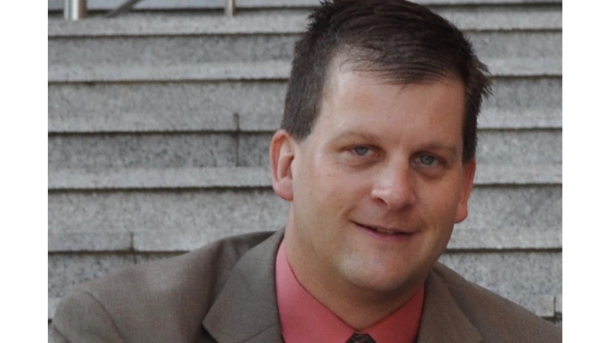
Kevin Wendling – Elementary School Principal at Northeastern Catholic District School Board

Kevin Wendling Elementary Principal
About Kevin Wendling

Kevin Wendling has been in education for well over 25 years and his diverse experiences working in different school boards, countries, and roles have given him the perspective needed to approach his work in a faith-based, holistic approach.

Kevin is a passionate and experienced school administrator in the elementary and secondary panels in private schools and publicly funded Catholic education system in Ontario, as well as an International School in South Korea. 

Connect with Kevin: Email | Linkedin

Listen Now

Listen to the episode now on Apple Podcasts, Spotify, or on your favourite podcast platform.

The Transcript

**Please note that all of our transcriptions come from rev.com and are 80% accurate. We’re grateful for the robots that make this possible and realize that it’s not a perfect process.

Sam Demma (00:00):
Do you want access to all the past guests on this show? Do you want to network with like-minded individuals and meet other high-performing educators from around the world? If so, go to www.highperformingeducator.com. Sign up to join the exclusive network and you’ll get access to live virtual networking events and other special opportunities that will come out throughout 2021. I promise you I will not fill your inbox. You might get one email a month. If that sounds interesting. Go to www dot high-performing educator.com. Welcome back to another episode of the high performing educator podcast. This is your host and youth speaker Sam demo. Today’s guest is Kevin Wendling. Kevin has been in education for well over 25 years and his diverse experiences of working in different school boards, countries and roles have given him the perspective needed to approach his work in a faith-based holistic approach.


Sam Demma (01:00):
Kevin is passionate about influencing others in a positive way and getting through to students. He’s an experienced school administrator in the elementary and secondary panels and private schools and publicly funded Catholic educational system in Ontario, as well as an international school in South Korea. I hope you enjoy today’s interview and conversation with Kevin and I will see you on the other side, Kevin, welcome to the high-performing educator podcast. Huge pleasure to have you on the show here today. Start by introducing yourself and showing you a little bit, a little bit behind why you’re passionate about the work you do in education today.


Kevin Wendling (01:37):
Yeah. my name’s Kevin Wendling. I I work up here at Bishop bellow school and with the Northeastern Catholic district school board. I’ve been in education well over twenty-five years. And a majority of that has been as a principal vice principal or administrator. Part of my career has worked for different school boards. So I’ve worked some time in Niagara, ran Haldeman Norfolk, and actually worked overseas in Korea for three years at a national school. So I’ve had some very different and actually worked in the private schools as well, private school system. So in Ontario, so I’ve done a lot of different things. My, my passion is about educating kids and my passion is about being a leader and influencing others and all that really traces back to a faith based summer camp that I worked at when I was in high school and those opportunities, and then coming back and tutoring in high school really kind of set the stage for me to want to go into education. And actually I did some retreat work with Niagara Catholic district school board with grade sevens and eights. And that kind of put me on the path towards leadership or becoming a principal. And I’ve been actually a principal and vice-principal both elementary and secondary. So I’ve got lots of different perspectives and I’ve never, never met up an opportunity that didn’t help me. And I hopefully didn’t help the school that also helped the school community as well. So lots of lots of great things.


Sam Demma (03:06):
Can we go back to Korea for a second? Well, what brought you out there? What work were you doing there and what was the experience like living in a totally different culture?


Kevin Wendling (03:16):
Yeah, well my wife and I, we have, we have five children and basically my wife went to Europe one summer with some family and came back and we had a talk and she said, you know what? I have a degree in history, but I don’t understand the world. I don’t understand. I went to Europe, I went to Italy, I went to England and you know what what it says in the books. Isn’t, isn’t what it is out there. She goes, I really let’s try and do some international travel. Let’s try and maybe even do some international teaching and with a family of five, we were limited to where we could go. And so we ended up in Korea, we ended up a school that was a Christian based school that was just starting up. And so when we arrived, it was up to grade 10 and she taught middle school, you know, grade 6, 7, 8.


Kevin Wendling (04:01):
I taught high school, actually. I had just done been involved with six years of being an elementary principal. And we took a leave of absence from our jobs in Ontario and went there and basically within a year they needed a high school principal and I became the high school principal and saw the first graduation class. It was an IB school. So that was whoa, like the training involved with that, the, the expectations, the high expectations and some of the, you know, the, the best five teachers I worked with, I would say two or three of them were there. It was great. It was a lot of collaboration, a lot of working together, but we really went for our kids too. So our kids could get a different idea of a culture. So my middle daughter played hockey in Korea. If you can imagine that.


Kevin Wendling (04:48):
So my daughters, all five of my daughters actually danced ballet and all of that. So they really got a chance to see the culture. And they actually learned a lot of Korean, which is, I’ve been told one of the most difficult languages to learn you. Also, we also got to travel, do I be training? We had the opportunity to travel and whenever we traveled, we took the kids with us. So we actually, we went to the Philippines, we went to India, we went to China, a number of times to sight Penn for us, like a summer vacation in the Marguerite in the, you know, that part of us at the time. So we got a chance to kind of see everything. And we did that for three years. And after three years we had a choice. We continue to do this for the rest of our careers, or we come back to Canada to Ontario.


Kevin Wendling (05:33):
And we just decided to come back to Ontario. And it was fantastic opportunity as a principal. I probably gained more than anybody and experience just because of the way I was treated as a principal, some of the experiences I’ve had just phenomenal and really a very, very, the big difference I would say is that the committed people, when you go overseas, your committed, you are there, you know, it’s like Balboa, you burnt the ships you’re there. The people are very committed and actually their families are too. So we saw a lot of families and a lot of, you know, younger families with kids like us at the time. And we just had a great time. It was a fantastic experience and we’ve kept some of those friendships going even after we left. So really good.


Sam Demma (06:20):
Awesome. I love the balboa reference where you put logs on your back and do lunges in the backyard.


Kevin Wendling (06:27):
That’s Awesome.


Sam Demma (06:27):
Where did you, so, okay. Let’s go back now to the faith based summer camp. What was that camp and what about that experience encourage you to get into education?


Kevin Wendling (06:41):
It just, it totally blew my mind in terms of what I saw to that point in my life. Like I would, I was, I was in a really good high school, but it was one of my teachers at the high school who introduced it to me. And what he introduced me to was just a different way of leadership, a different way of, of looking after kids. You know, I, I ended up you know, looking after kids around nine, 10 years old. But then later on did trips to Algonquin park, canoeing and hiking with kids like 12, 13, 14 years old, it just was a true community feeling and true your ship in action. Like you had to be a leader, you had to go out and like leadership. Isn’t about stuff in that as, you know, stuff in textbooks it’s about going out and being a leader, that’s the best quote I ever heard is leaders lead.


Kevin Wendling (07:32):
And so you, you had that opportunity to go out and to be that leader for each other. And also the faith aspect was the fact that it was a, it was run by the bazillion fathers out of Toronto. And they really I learned a lot about spirituality from them and from the preset where there, it actually later went on. When I finished university, I actually was the first lay chaplain at the ethical camp for two years and was on the advisory board and did some other things with the camp. It ended up it’s doesn’t exist anymore. It kind of gave way to times and to things and to money and all kinds of stuff. And but that opportunity for me was just phenomenal. It really was part of my formation to become a teacher. And what it taught me is it gave me the confidence saying, you know, I want to be a teacher.


Kevin Wendling (08:21):
And in fact, one person I met there led them to the program. I went at the university of Waterloo math teaching option program. And it was someone who I met there that introduced it to me, but it was just later when I had a teacher who influenced me to go there, I said, is it, you knew exactly the influence is going to have on me. You knew exactly I belonged here. And you said, yes. And that’s why you need to be here. And that it was just that, that tale of teachers having influence and affecting the kids and affecting their students and making it a, a, a great place for them to become the leaders and the people that need to be.


Sam Demma (08:55):
I love that. And like you mentioned or alluded to like, now’s a different time, right? Like COVID is changing things you were telling me before we hit record that uncertainty is a common feeling amongst school staff, probably all around the world. What are some of the challenges that are going through your mind, your staff’s mind, and, you know, how are you all grouping together as a strong team to try and figure things out?


Kevin Wendling (09:18):
The number one is, is as much as we’re a school and we’re about learning, it’s the number one thing has to be about safety has to be about the kids being safe and, and the kids making sure that they’re not getting sick. So we were elementary. So majority of our kids, you know, really great, six down to kindergarten, haven’t been vaccinated. And so they’re very susceptible, especially with the Delta virus right now and how much it can affect kids. We want to make sure they’re safe, you know? So it’s making sure we’re masking making sure we’re sanitizing, our hands, social distancing, all the things you hear. We, we we’re teaching that each and every day to the kids and just reminding them of it. And yet throughout all that, we’re trying to learn and making sure that the learning is there for them and giving them the opportunities for them to learn.


Kevin Wendling (10:05):
And yet underlining all that is the uncertainty of, okay, could we shut down again? We shut down three times last year, we shut down once more than everybody else for an additional three weeks where we distributed the computers and they went out and and actually Lucy went through a time where it was really, we had a number of cases and it was surging. And people were really scared because it was like, oh no, is this really going to affect? And that’s been the case with all the flying communities, flying communities up the coast of James bay actually had over 200 cases in jail. And that’s, and over half of those were, were kids under 18. And so, you know, we we’ve seen it. We, we lived the fear, we’ve seen it. And it’s like, are we going to get through this year? Are we going to have to pivot again?


Kevin Wendling (10:51):
And let’s face it, teachers teach and are trained to teach face to face. It’s, it’s all about, I want to be in front of those kids. I want to work with them. If there’s a problem, I go beside them. You can’t do that on a computer. Technology is fantastic. Technology is great, but for younger kids, it’s, it’s not the way to learn for them. You know, whether it’s the mental health aspect, whether it’s the learning aspect, you gotta remember too. When we, when we dove into this 18 months ago, teachers don’t normally take courses on distance education. Suddenly you had to, you had to be an expert, and that was hard on a lot of people. And, and then you come back and say, well, yeah, you gotta wear the proper PPE and things like that. And you just feel a little bit distanced, you know, naturally you figure in the kindergarten class, there’s a lot of hubs and a lot of, you know, hand on the shoulder and things like that.


Kevin Wendling (11:38):
And people feeling closest together, physically, you can’t do that. Now. You really have to, you know, keep that distance and, and make sure. And again, we, we don’t do that. We actually do that now to show we care in a different way, because we want them to get sick and we don’t want them to. So those are, those are some of the things you know, as a principal, I don’t think people realize that when there is a positive case in your school of probate and suddenly a class that should shut down, you’re working with the health unit. And there’s a lot of things that are going on behind the curtain to make sure things are okay and people are safe and, and yet confidentiality is making. So there’s so much of that stuff that people don’t don’t know. And they don’t need to know because it’s affecting them.


Kevin Wendling (12:19):
And then we get the other side where parents are frustrated. Parents are incredibly frustrated, they just want consistency. You know, just think if you’re a a single mom and you’ve got two kids and you’ve got a job and that stowing, and suddenly you get COVID or someone you work with gets COVID or, or where you work has suddenly shut down. And, you know, and then you get another job or you got two or three, and then you got your kids and suddenly there’s something at school. And now they’re, you know, you got a great to integrate for, and suddenly they have to do, you know, virtual education. How does that work? How do you maintain your job and do all that? And the government’s been great. Government has had programs and things to help, but, but that’s not what they expected. That’s not what’s best for everybody involved.


Kevin Wendling (13:01):
So it’s an, it’s an incredible challenge. I think we’ve learned a lot from it. I think we’ve learned a lot about education Ontario and the value of it and want to teach, but we also, we’re living through a very difficult time. It’s a time where there is a time in the end right now we see a lot of hope and we’re hoping that it’s going to get better and we see signs of it. But then as we go through this with the Delta variant, and then the next wave we, we wonder if this is going to be a big wave or is this going to be a small way? You know, you know, it’s like waiting on the dock, but you don’t know what’s going to hit you. Yeah.


Sam Demma (13:35):
Yeah. So true. And do you think that there are things that will forever be changed? Not in terms of like PPE, but the disruption of COVID-19 may have also caused lots of reflection. Could we be doing things differently? Is there, is there anything to take away from this? Do you think there is anything that came out of it that was like, this is interesting. Might be something that we continue to do or revisit or, or look at as an opportunity?


Kevin Wendling (14:00):
I think every procedure, I think every procedure that, that we have at schools has had to be looked at from a, from a safety, a health and safety and you know, immunology, you know, like the whole science behind it, you know, let’s put in once things like that. And some teachers have found, there are some things that are better, you know, in procedures and how things go. And there’s things, maybe not like, for example, something they push for years is literally literally sludge. So in other words, you know, you come to school, whatever’s in your bag, you put back in and you take home and you throw it out at home. We’ve had to do that because of COVID. And actually, you know what, that’s something that environmentalist I’ve been saying for a while. Cause if you’re throwing out the garbage as a parent, maybe you’re going to pack the lunch in a different way.


Kevin Wendling (14:44):
Maybe you’re going to do things in a different way. So that’s, that’s just like one example of how, you know, things have changed. We also aren’t as supposed to accept lunches, you know, last year in particular through the day, like, because you’re not supposed to have parents come to the school. You know, so basically, you know, parents make sure the lunches packed. What’s sad though, is you’ve seen a lot of these pre-packaged lunches. Well now, because like, for example, like our school at one time allowed microwaves to warm up the meal, we, we can’t allow that right now. We can’t have microwave salon. You know, that may change soon, but, but right now that’s our policy and that, that was direction from last year. So there’s, there’s a lot of little things here and there. I, I, you know, the other is, I think you’re going to see the whole virtual school thing stay.


Kevin Wendling (15:32):
I think some parents like that. And again, what, what would be interesting to know what the reasons were because we’re really not asking the reasons, I think the other thing, the importance of mental health and you know, the whole idea of mental health and that awareness has become paramount. When it first came out, we saw it as important. We now are really seeing important. We’re seeing probably one of the things I really noticed up here when we had the vaccine clinics in June for 12, between the 12 and 18 year olds, you would think, okay, 12, 18 year olds. Some of these kids are just going to come on their own. You know, the parents will just say, just go and whatever, every student who got vaccinated that I saw in the clinic, I was in for the day to kind of help out.


Kevin Wendling (16:16):
And again, we were coming in to help because it helped you and ask, we need some people just to be positive support, but every one of those kids had a parent with them. And like even a 17 year old had a parent with them. And I would say some of these kids had their hoodies up over their head, kind of, kind of being really anxious. They were scared about the shot. They were scared about things because again, a lot of that’s out in the media and you know, there’s some positive stories and there’s not so positive stories. And again, they were worried about that. And again, to the point where I was doing like check-ins with kids every so often, and I knew some kids were just nervous because they didn’t know me cause there’s there’s schools that, that were being served by that clinic at the hockey arena.


Kevin Wendling (16:58):
And I actually knew that. So I would just go over and said, look, you don’t know me, but I got to make sure you’re okay. Just give me a thumbs up if I come by and give you a thumbs up. Just, just so I know you’re okay. Because if, if they got sick, if they had a reaction, I had to make sure of that. So it was interesting that way, there was a lot of things. I think we’re learning along the way with, with other things and other aspects, I think we’re learning about ourselves as a culture. You know, we have some people who don’t necessarily believe in vaccines, but yet we’re all supposed to believe in public health and make sure everyone’s safe. So I think there’s a, a push and a pull there. And I think some of it is very regional.


Kevin Wendling (17:36):
And that being said, you know, we great example, like I mentioned before, we had a community up here. We had access to the vaccine in February, March this year, all the communities did. And yet we still had a community that skyrocketed and 200 cases like that. Like it, it didn’t take long. This virus really can move quickly, especially with the Delta by period. So it’s actually up here in the whole Timmins area. There were a number of cases where if you remember some people don’t that in June, the rest of the province could have opened open up the government. We would have shut down. We would have no. Cause we had, we were searching in cases. It was unbelievable in the, in, in the Timmins and the porcupine health unit area, how bad it was.


Sam Demma (18:20):
Wow. Yeah, it’s a, it’s such a interesting time and just put it like that. And fingers crossed that things also started to clear up in all schools, across the country, across the world when it comes to making connections with students, you know, you talked about walking up to the ones in the clinic and giving them thumbs up, which is awesome during a time of stress putting the hat on, like we’re back in a regular school you sound like you’ve done so many different roles in education. What have you found is the most effective ways to build trust and a relationship with a student in a class or in a school?


Kevin Wendling (18:56):
Starts with a smile and a kind word asking them their name. Because again, you know, and again, I’m, I’m, I pride myself on knowing names for a good part of my career and that when I went overseas, it’s like, okay, I’m struggling with this. It’s, it’s just being very genuine and honest and caring about the person before you can make any relationship. You’ve got to show that, that empathy and compassionate, caring, showing you care about that person and you take the time to talk to them and get to know them that that’s where it starts. And then the relationships build from there. And again, it’s, it sounds simple. It’s not because you have to have a big heart and you have to go out and that’s how that’s again, that’s how the relationship starts. And again, we’re, we’re in a place right now in Lucy where, you know, over 90, approximately 95 or high 90% of people here are indigenous background.


Kevin Wendling (19:49):
And I’m not of indigenous background. I so guess what, I’m maybe someone that I will be trusted right away, especially with everything going on right now with, with the residential schools. And, you know, there wasn’t one in Mussolini, but there’s been a few of, there were a few off the coast that were closed down. And so whenever they kind of happened in the spring with regard to residential schools and that issue came up, that hit us hard too, even though we were, we were virtual at the time. So we had been in front of the school and we actually had parents and grandparents who were survivors of the residential schools actually have a teacher on staff, survival, potential schools. So, so again, when, when you talk about making those connections and making those things, you have to see where that person is as well.


Kevin Wendling (20:32):
And you have to come in. And I think the other thing too, being up here has kind of confirmed that, but even overseas and anywhere, it’s like, are you going to be here tomorrow? Are you going to be here to continue this relationship with me? Or are you going to pack it up and leave suddenly that’s important as well. People need to feel that basis that you’re at, you’re here for the long haul and that you’re here to help them and that you want to help them, you know, and, and that’s, that’s really key. And I, you know, normally you would say maybe that’s just for elementary kids, but I think that’s also secondary now too. I think the secondary kids, especially with this, I’ve been hard hit and the anxiety and things that they face is quite big.


Sam Demma (21:08):
Teaching is such a giving vocation, giving, calling. You’re not only giving students information, but sometimes they’re also like a coach and a mentor. Even if you’re not coaching a sport, you know, you kind of give students a shoulder to lean on. Sometimes if they need to talk to you about something that’s uncomfortable, what’s your experience been like with boundaries, you know, separating work from life and making sure that although you’re consistently able to give you’re also filling up your own cup and making sure you’re not burning out, especially during a time where you might be staring at a screen for seven hours a day and, you know, answering phone calls twenty four seven.


Kevin Wendling (21:43):
Yeah. I, you know, because my very first school I was principal at was in my hometown. You know, it was in port Colborne Ontario and, you know, so I would go out with my kids for activities and sports and I would see other kids around and, and you know what, they, they knew the boundary. They knew that I was Mr. Wellman. They knew that I would say hi to them, but they also respected the fact that from their parents, from their upbringing to kind of have that, that boundary there, however, my life has always intermixed. You know, I’ve, I’ve actually coached my kids and coached a lot of sports. Even the whole morning. I coached Shane love volleyball, and then did a lot of volleyball coaching and at the travel team level and, and various levels all the way up to UAA team.


Kevin Wendling (22:27):
So I had that experience as well, but it’s really about, you just naturally have to make, you know, those boundaries and just let people know that things are. And so when a student kind of crosses that boundary, like even as something as simple as, oh, I remember I was at one school was out for the buses and it’s, it’s a little joke when kindergartens grade ones learn that you have a first name, you know, it’s not Mr. It’s, you know, my first name’s Kevin. So they would come up to me and I remember them whispering and going, we don’t want your real name. And they go, yeah, it’s Mr. And they go, no, no, no, no. We know your real name. And I said, well, what do you think it is? And they go, well, we’re not supposed to say your real name because, you know, and they knew it wasn’t right.


Kevin Wendling (23:10):
I said, don’t just tell me. And they said, we think it’s Kevin. I said, it is, what should you call me that? And they said, no, you’re Mr. Lenley. But they think it’s funny because you’re human, it’s human side to you. And we’re like, when I show them pictures or they come to my office and they see pictures of my family. So it’s not, you know, boundaries are important for respect, but you gotta be careful that that boundary doesn’t dehumanize you as well. You’re, you’re very much you’re very much a human being and they know that. But when they realize that you have a family and you have a white friend that you have kids and they see those kids and they see pictures, or you’re out at a hockey game, you know, that’s the thing you don’t want to create the boundary where a kid comes up to you and says, hi, Mr.


Kevin Wendling (23:51):
Welling, how are you? And you just kind of push them off or shut them off. Some kids though, don’t want to come up to you and they see you. So you wave you wave. And that makes them realize that you’re a human being as well. But boundaries are incredibly important when you, when you talk about from a leadership standpoint that, you know, in terms of like your employees and people you work with and things like that. But in terms of kids, they actually know the boundaries and you may remind them of it, but you do so in a way that’s human and compassionate because that’s, that’s part of being a teacher. That actually to me is an incredible teachable moment because yeah, today, right now, some kids really, you know, some schools, you actually see people call them, you know, they I’d be called substitute Mr.


Kevin Wendling (24:31):
Kevin. And I’m like, oh, well, I don’t like, well, they can’t pronounce your last name. I said, you know what, I’d rather them not pronounce my name, last name properly and learn along the way saying, well, I can’t say your name. Cause it’s, it’s difficult for me to say and just rename you something, you know, your name is part of who you are and part of the respect that you got to give to others. So there’s that one to unpack that one. There’s a lot of stuff that when you talk about boundaries and you know, that, that can be incredibly tough, but in terms of kids and stuff, like, yeah, they need to know the boundaries, but they also need you. You can’t use that as a way of dehumanizing who you are. Yeah.


Sam Demma (25:08):
Also you put up a barrier that’s not necessary right there. It makes it even harder for them to reach out. I think our online that you’ve been teaching for 27 or 28 years now.


Kevin Wendling (25:18):
Yeah, yeah. Teaching and being involved with education. But considering I like tutored kids even back in high school. It’s it’s and I was a leader of a cup pack. You know, even before, like, it was funny, I’m brilliantly pack leader who worked with others that actually had to get a drive to the, to the, to the meetings cause time. So yeah. All the kids and working with kids for a really long time. Yeah. Probably, probably over 30 years, but professionally as a professional it’s I think it makes 27.


Sam Demma (25:49):
Okay, cool. And so it might be a tough question, but if you could take all the experience and wisdom that you have gained over the past 28 years and distill it into a couple of pieces of advice for your younger self, when you were just starting this work, like knowing what you know now, what would you share with your younger self?


Kevin Wendling (26:10):
Be honest, be genuine and just love the kids. And, and as you teach them just help wherever they are just help them. And and everything else will work out. It’s really about loving kids. It’s really about teaching them for myself as a, you know, that’s for me just general that’s, that’s my 24 year old self, just starting to teach, you know, who was nervous about lesson plans and this and that. And it’s like, no, this, this will all work out. We’ll be okay. As a, as an administrator, as a principal. And I learned this very quickly. So I was lucky. It’s really about four things. You know, you want to create a school that, where kids learn, where kids feel safe and where kids wellness is looked after, but I would even say have fun. And from a face standpoint, you do all that, knowing that God is with you in that below of the holy spirit is with you.


Kevin Wendling (27:09):
And that, and that basically from a faith standpoint, that all those things have to come from a faith perspective as well. So those would be two piece of advice I’d give, give my younger self. And, and the other thing I would say is to do this job, it’s not just you, it’s also your spouse, it’s also your family. So, so my kids, you know, let’s face it a family with, with two teachers in it. There’s certain rules you learn and, you know, there’s certain things you learn and certain things you say and don’t say, and, and, but it must’ve worked because my oldest is going to be is a teacher and she’s just going into her second year. And I probably have at least two other teachers, I’ve got two who said, Nope, I’m not teaching, but yet I watch how they work and interact with others.


Kevin Wendling (27:54):
And there you’re just like teachers. They’re just like teacher. I have one daughter who’s probably going to go into the medical field and yet she could tutor and help kids read and do all that and analyze it better than almost any teacher. I know. And her biggest frustration was, I don’t understand why parents don’t help their kids. You know, like I don’t understand that. And she just sits back with that. But, but that’s the thing it’s, it’s, you know, it’s, it’s a whole, almost like a family thing. And again, if I look too, there’s no teachers, my family, but I look at my wife, her whole family is teachers. And one of the best teachers I know other than my wife has actually her mother who was awesome kindergarten teacher. And actually as a young principal, I would go to her for advice and say, look, you’re a veteran teacher.


Kevin Wendling (28:39):
What am I missing something here? What do you think? And she was, she was always awesome with the advice. So I guess that would be the other piece I would give is you’re not alone. You need to collaborate with others. You need to work with others. You need to, to know that you don’t know everything. And I’ve probably early on my career. I was a little stubborn that way. I figured I knew things, but man when I kind of let that down and work with others, it’s phenomenal how much others can build you up and teach you. If you have an open mind to that and going overseas taught you that as well. Oh my gosh. You want to change your life, go overseas for a year. It true. Like that’s an old saying that they say, but it truly makes a huge difference.


Sam Demma (29:21):
I love that. That’s awesome. Kevin, thank you so much for being generous with your time and sharing so many coolest stories and ideas and principles and your journeys traveling overseas, your journeys at summer camp. If there’s an educator listening right now who feels inspired or just wants to chat about something related to the podcast or anything they heard, what would be the way for them to reach out to you?


Kevin Wendling (29:43):
That’s the way we be at my address at the school on that. KWendling@ncdsb.on.ca. That’s, that’s probably the best way to do that. And I would, I would love to hear and if stories to share or people that, you know, along the way, like, Hey, let’s talk! I’d be more than open to those opportunities.


Sam Demma (30:09):
Awesome. Kevin, thank you so much for doing this. I appreciate your time and keep up the great work.


Kevin Wendling (30:15):
Thanks for having me on the show.


Sam Demma (30:17):
And there you have it, another amazing guest and amazing interview on the high performing educator podcast. As always, if you enjoy these episodes, please consider leaving a rating and review. So other educators like yourself can find this content and benefit from it. And here’s an exclusive opportunity that I mentioned at the start of the show. If you want to meet the guest on today’s episode, if you want to meet any of the guests that we have interviewed, consider going to www dot high-performing educator.com and signing up to join the exclusive network, you’ll have access to networking events throughout 2021 and other special opportunities. And I promise I will not feel your inbox. Talk to you soon. I’ll see you on the next episode.

Join the Educator Network & Connect with Kevin Wendling

The High Performing Educator Podcast was brought to life during the outbreak of COVID-19 to provide you with inspirational stories and practical advice from your colleagues in education.  By tuning in, you will hear the stories and ideas of the world’s brightest and most ambitious educators.  You can expect interviews with Principals, Teachers, Guidance Counsellors, National Student Association, Directors and anybody that works with youth. You can find and listen to all the episodes for free here.
Paulette Lippert – Experiential Learning Leader for Bruce-Grey Catholic District School Board

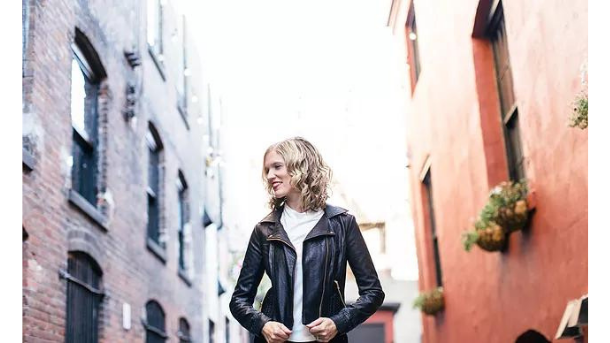
Paulette Lippert Experiential Lead Learner BGCDSB
About Paulette Lippert

Paulette Lippert (@paulettelippert) is passionate about all things education.  She has been devoting her time and energy to her work for the past 27-years.  Growing up in a rural area, she realized that access to opportunities was a challenge and now she bridges these exact gaps for the students in the Bruce-Grey Catholic District School Board. 

As the Experiential Learning Leader, Paulette spends her time bringing new programs and hands-on opportunities to the schools in her board.  She is also a mom of two amazing kids, disabilities & mental health advocate & avid Arts enthusiast.  

Connect with Paulette: Email | Linkedin | Twitter

Listen Now

Listen to the episode now on Apple Podcasts, Spotify, or on your favourite podcast platform.

Resources Mentioned

Rural and Ready

The Transcript

**Please note that all of our transcriptions come from rev.com and are 80% accurate. We’re grateful for the robots that make this possible and realize that it’s not a perfect process.

Sam Demma (00:00):
Do you want access to all the past guests on this show? Do you want to network with like-minded individuals and meet other high-performing educators from around the world? If so, go to www.highperformingeducator.com. Sign up to join the exclusive network and you’ll get access to live virtual networking events and other special opportunities that will come out throughout 2021. I promise you I will not fill your inbox. You might get one email a month. If that sounds interesting, go to www dot high-performing educator.com. Welcome back to another episode of the high performing educator podcast. This is your host and youth speaker Sam Demma. Today’s guest is Paulette Lippert. Paulette is passionate about all things education. She has been devoting her time and energy to her work in education for the past 27 years. Growing up in a rural area herself, she realized that access to opportunities was a challenge and now strives to bridge these exact gaps for the students in the Bruce grey Catholic district school board.


Sam Demma (01:07):
As the experiential learning leader, Paulette spends her time bringing new programs and hands-on opportunities to the schools in her board. She’s also a mom of two amazing kids, a disability and mental health advocate and avid art enthusiast. I hope you enjoy this conversation with Paulette. It was amazing, and I will see you on the other side, all that welcome to the high-performing educator podcast. Huge pleasure to have you on the show here today. Love that you’re tuning in from the woods. You got the forest behind you, although no one can see it. I think it’s awesome. Yeah. Why don’t you start by introducing yourself and sharing a little bit about why you do the work you do today in education.


Paulette Lippert (01:48):
Oh, sure. Well, first of all, thank you for having me. It was a huge honor to be asked to be a guest on this podcast and I’m, I’m super pumped. I always love talking about education because it’s my passion. So I really appreciated the invitation. So thanks for having me. My name’s Paulette Lippert I live while you, you can see behind me, the, the woods I live in Bruce county, near Kincardine Ontario. And so behind those woods is also like Huron. So I’m very blessed to live in this area because it’s very beautiful. I also grew up here and didn’t really think growing up that I would remain here as an adult, but I’m certainly glad that I did. And yeah, so I’ve been, this is actually, I, I had a bit of a session this week with some of our new teachers who are just joining our board and before I met with them, I had to actually get out the calculator and check my math because I could not believe that this is the beginning of my 27th year in education. I just, I just don’t know where the time has gone. I’m sure lots of people say that, but time flies you’re having fun. Yeah. So how did I get started? Is that the question you asked before I went into that lengthy introduction?


Sam Demma (03:08):
Yeah. And before, before you even jump into that, there’s a bunch of educators. I want to give you a round of applause for the 27 years of service. What got you started and brought you to where you are now?


Paulette Lippert (03:22):
Well what got me started, I’m going to go way, way back. So I’m going to go to the time when I was a really young child and I was just starting school myself at that time with my parents and I, we were living in the city of Cambridge and but we would come back to Bruce county, which is where my parents were from on weekends. And I can remember coming back and, and playing lots with my older cousins. And we used to play school. That was one of the things that we played. So I always wanted to be the teacher and then we would come home after being there on these weekends, playing school with these older cousins. And then I would want to play school with my younger sister and I was the teacher and I would get very upset with her when she could not do the math and the reading that I was assigning to her, which of course she cut into.


Paulette Lippert (04:12):
She was younger. And I remember my mom having to, having to speak to me about this and saying you know, you need to realize your sister is younger than you. She can’t do the work that you’re used to doing at school and you can’t be so hard on her. And so I guess that was my first introduction to learning some good pedagogy as a future teacher. You know, how important it is that you know, your students and understand where they are at before, you can possibly try to teach them what it is that you want them to know. So that was my first lesson. So it’s just kind of a cutesy story to reflect back on, but I also had a couple of teachers in high school who were really key to encouraging me. I had an English teacher.


Paulette Lippert (04:59):
His name was Mr. Forest. Absolutely wonderful man. Really great in the classroom had really wonderful classes that were engaging and he had good relationships with his students and he was also a guidance counselor and he wasn’t the guidance counselor that was assigned to me. But the one day that I made an appointment with the guidance counselor that was assigned to me, that guidance counselor happened to be a way that day. I think he was sick. So Mr. Forest stepped in and did this guidance session with me and I was in such a hurry at that time, I was graduating grade 12 and I wanted to go to college at that point because I wanted to get started in my career. I was just so anxious to get going and get started. And Mr. Forest looked at me and he said, a lot of people would wouldn’t necessarily say this to you, but I’m just going to say it to you.


Paulette Lippert (05:51):
I’ve taught you twice. Now you are not going to be happy doing that. You need to go university. You are a university bound student. If you go this other route, I’m not saying you shouldn’t do this, but I’m telling you that at the end of that two or three or pro three-year program or whatever it is that you choose to do, I guarantee you you’re going to want more because you love to learn and I highly recommend that you not do that and apply for university and then see what happens. And so I remember when he retired, I saw a notice in the newspaper that he was retiring and I had to write him a letter just to thank him for being so upfront and so honest with me, but also for encouraging me to take that path because I think he was right.


Paulette Lippert (06:39):
So that’s kind of how I got into the, to the work. It wasn’t a straight path for me though. I actually started in a different direction in a, in a related career. But I S I was in the end of high school. I was debating between social work and education, my last couple of years of high school. And I couldn’t make up my mind. And of course these fields are very much related. But much of the work I have done as an educator has definitely been very much informed by my studies at the faculty of social work. So I actually pursued a master’s in social work degree at Wilfrid Laurier university. And it was actually during my work placements when I was completing that program, that I realized that I really needed to move to the education system rather than remain in social services.


Paulette Lippert (07:31):
When you begin the program, you are asked to select one of two specialties. So as a social work student, you can either specialize in individuals, families, and groups, or you can go into community development. And so I chose individuals, families, and groups, cause I thought I was going to be family therapist. And that was, that was my goal. And then I started one of my work placements in, and that was in child welfare. And what I found was that I was not seeing enough results for my, for my work. So I would work with a family and things would be going really well. And I would think we were making some really good progress. And then just when you thought you were on the right path to change and to improvement something unpredictable would happen to that family. And then it kind of felt like you were right back at square one.


Paulette Lippert (08:27):
So whether it was a traumatic event or, you know or an illness in the family or a death or something, some big event would have occurred. And they almost like you’re starting over again. And I, and I felt like I was spinning my wheels. And I remember coming home from when I was with children’s aid society. And I would be cooking feverously in the kitchen. And in particular I was baking a lot and I would bake and I would say I was married. I was newly married at the time. And I would say to my husband here, help yourself. Cause I’m, you know, I just made something last night and here I’ve made something again tonight. And, and he looked at me and he finally said to me, who are you? And I said, what do you mean? He said, you hate to bake.


Paulette Lippert (09:17):
This is not what you like to do. Why are you doing this? Like, I hope you’re not doing it for me because I don’t expect this. And I suddenly had an aha moment. I sat back and went, oh my gosh, why am I doing this? I hate baking. You’re right. Why am I doing this? And I realized I could throw a bunch of ingredients in a bowl, mix them up, stick them in the oven and come out with a product. And I was not feeling that at work at all. And so it was like this big aha moment where I went, I need to see results for my work and I need, they can’t be that long-term, I need to see results for my work sooner than later. And that was it. Then I knew I’ve, I’ve got to go to education because one of the things I learned really quickly, I also did a placement as a school social worker. And I got to watch all of these great teachers teaching their classes and I, I could see the kids making connections and I could see them building skills. And I could see that these teachers were seeing growth in their students right away. And teaching does that for you. You get that immediate feedback from students. And then that was it for me, I knew this was the path and I, that I needed to take.


Sam Demma (10:30):
That’s amazing what a story and the analogy between the baking and the end result. That’s such a powerful one, like right. When you were making the connection, I could totally understand that feeling. And I’m sure there’s so many educators that can relate to that. Some of the most meaningful experiences of education is seeing the seed grow that you plant in a student. And as you know, probably sometimes you see that, you know, within 10 days and other times it takes 15 years. And I know there’s a difference for students growing up in this city than there is for students might be growing up in a rural environment. And I’m curious to know, like, what do you think are some of the challenges and also maybe some of the benefits as well, like both sides of the coin being a rural student.


Paulette Lippert (11:13):
Well, the benefits are this is going to sound very stereotypical, but everybody knows everybody in a small town. Sometimes that can be a blessing and a curse. So, you know, you know, we all know what, how gossip spreads in small towns and that kind of thing. So there are challenges with that, but overall having these connections and knowing how everyone is connected is really, really useful for you as an educator. You know, if you know who so-and-so’s aunt or uncle is, that’s sitting in front of you in class and you make reference to them and they light up right away. They know that you know who they are and, and, and they know that, okay, so she knows my aunt or uncle, I better straighten up here. You know, there’s some of that effect as well. It’s just really, really helpful that to know those connections when you’re working in a, in a rural and small community and, and for lots of reasons, it’s really good to know who everyone is connected to.


Paulette Lippert (12:11):
And, I’m not saying that you can’t get that in an urban environment. I think you can, but I think it, it’s more challenging to be able to make those connections. So that’s a real benefit for sure for educators. I mean, I just remember recently teaching a student and and I’ve known his grandparents my whole life. And he was, and he was, he was an easy student where he was, he, he enjoyed if you joked around with him a lot. And, and he asked me a question about something about how soon does this work have to be done. And I said something like, well, you know, the deadline, and I think you have enough time to complete it, but just know I have your grandpa on Twitter. I can tweet your grandpa at any time. And he just looked at me.


Paulette Lippert (12:55):
And so, you know, that’s the beauty of being in a small town is is having those connections and letting your students know that you know, who they are and knowing their name and knowing how to properly pronounce their name and knowing just where they fit in in the community is really, really helpful. So that’s, what’s, that’s the benefit but there are challenges as well. You do have to work really hard to find opportunities for your students that are probably often taken for granted, maybe not often, but sometimes taken for granted and larger, more urban centers. So, you know, we don’t necessarily have the fancy summer camps here that students would have perhaps access to in the city. And traveling is, you know, you put a lot of mileage on I put 50,000 kilometers on my car every year and I’m living in a rural area.


Paulette Lippert (13:59):
And so I I’m living an hour away from my work place. And that’s not uncommon many people do. And so, because we don’t have any public transportation here this can be a huge barrier for students who want to seek opportunities that aren’t necessarily in their own community or are in a more urban environment. We don’t have colleges and universities right in our backyard. You know, we have one campus, we have Georgia and college, which is not their main campus, but it is the campus in Owen sound. So we have one college. We do also have Fanshawe college that has some outreach campuses that our students can take advantage of for some programs. But really all of our students are at least two hours away from, from other institutions, colleges, and universities. So that can be a barrier there’s you know, there’s costs associated with travel.


Paulette Lippert (15:01):
So, and, and even for our students in the south, there’s still an over an hour away from Georgia and college. So even the closest college that would, we would consider is in our community. They’re still an hour away from that. So it makes it really challenging sometimes. And I work closely with our OEM coordinator and he always says to people who don’t really have this understanding of our geography, you know, he says, just remember that Bruce county is bigger than prince Edward island. So, you know, in prince Edward island, you’re just about half an hour away from everything, but it takes us a lot longer to travel from one end of our county to the other. So where our communities are spread out and it’s a vast geographical region. So that, so sometimes our students, because of that geographical factor, sometimes our students can feel more isolated than urban students.


Paulette Lippert (15:56):
And sometimes what I’m hearing more and more from this is something I’m discovering in this rural as the experiential learning lead is that our students are often feeling less prepared when it comes time for them to leave secondary school and venture out into a more urban environment. So that’s something that I’m really paying more attention to is hearing stories from students when they are expressing this. And and it’s also having me work harder to find organizations and mentorship opportunities that could help with that. I’m, I don’t know, Sam, if you’re familiar, there’s a youth led organization that I was recently introduced to and it’s called rural and ready. Oh, cool. And it’s it’s student developed and student led and it’s a nonprofit organization that is all about creating opportunities for rural students to help build their readiness and their independence for post-secondary education and the world of work.


Paulette Lippert (16:59):
So, you know, here’s a little plug for them. They, they started, it was three young women who were in who decided to pursue stem careers and they got off into their prospective university programs and found out really quickly that there were things that other students just knew and took for granted that they didn’t know. So an example they gave is that some of those students have been doing their own research for years in labs. And they just ha in their realm of experience, they just hadn’t had that opportunity. And so, and, and many of the students they were in programs with had also attended private schools where some of these programs were readily available as well. And they had attended a rural high school and just didn’t have the same access. So they began this, this organization called rural and ready and you know, they might make fantastic guests for a future podcast. I’m just going to give them a little plug.


Sam Demma (17:59):
Yeah. I’ll definitely check them out. That sounds amazing.


Paulette Lippert (18:02):
It’s kind of interesting because when I first listened to them, I attended a session that they gave for, for experiential learning leads in in our region. And they, of course, were targeting experiential learning leads who were from rural communities. And at first I kind of got my backup a little bit and I was like, no, that’s not the experience of our students. We are preparing our students. I know we are because we have so many students that go out there and they’re very highly successful at university and they come back and they share their stories and we’re definitely preparing our kids. Then I started listening more closely to what our former students and current students were saying. And I realized, okay, there are some barriers here for rural students that we don’t pay enough attention to. And so I’ve started paying closer attention to what they were, what they had to share. And it’s definitely an issue. Yeah.


Sam Demma (18:55):
Thank you for sharing that. I appreciate it. And along with the struggles, you know, there are also still those stories of transformation and amazing impact that programs have, or teachers have on students. And I’m curious to know if some of those stories kind of stick out in your mind, you know, you mentioned at the beginning of this, and maybe even before we hit the record button that educators throughout their lives, they collect those stories, you know, put it in the little envelope on their desk. And maybe when they’re feeling down, refer to them to pick themselves back up. But do any of those stories stick out in your mind that you feel like?


Paulette Lippert (19:28):
Absolutely. Absolutely. So I’m going to go back several years. And one of my favorite things to teach is the social sciences courses in our high school. And I’m one of those courses that I, I got to teach many, many times that I absolutely loved was the, the parenting courses. So there’s a great 11 open parenting course, and there’s also a college level parenting course, and one is called living and working with children. And then the other one is really focuses on becoming a parent and it really looks at pregnancy and birth really closely. And and so I, I loved both of these courses and was always really excited to teach them. And I remember this group really well. This was the open class, the pregnancy and birth class. And so one of the field trips that we always take is we go to our local birthing center for a tour and we have a wonderful birthing center in market and by the way, a shout out to them because it’s absolutely phenomenal.


Paulette Lippert (20:34):
So, and I had, as an, as a young mom, I had had the experience of having one of my children and in this birthing center and and actually started out having both of them in the birthing center, but had to be transferred to a larger center with one of them. So I knew the great work that they did there. So I was always excited to take students there. So this one particular day I took my class. We, we made it sometimes we had to cancel our trip because they would have too many people in labor and they would have to say, oh, you have to come at a different day. It’s too busy. But this particular day, it worked out and off. We went and we had our tour and we were at the point now where the obstetric nurse was was asking the students, okay, what questions do you have?


Paulette Lippert (21:19):
I want to answer all of your questions. So it does, there’s no silly question to ask. And so a couple of students ask some questions about the equipment that they had seen, and then one student put up her hand. And the first question she asked was at what stage in pregnancy should an expectant mothers start taking maternal vitamins. And I thought, okay, that’s, that’s a good question. And it’s not a question that I, I expected. And it was something that I knew we would cover in the course, but that we hadn’t covered that yet. And then the next question was, if someone has a baby here and they want to give their baby up for adoption, how does that work? Do the adoptive parents come to the birthing center right away and take the baby right away. And that question stopped me in my tracks.


Paulette Lippert (22:11):
And I saw the nurse look at me, and I knew that we were communicating with our eyes. We were both thinking the same thing. And I realized that, oh my gosh, this student is expecting a baby. And I don’t think she’s told anyone yet. So I, we got back to the school and on my prep that day, I called her out of class and we had a conversation and sure enough she was expecting a baby and she hadn’t told anyone. She hadn’t shared it with her parents yet. I was the first person to tell. And I just said to her, well, what was the questions you were asking? I knew right away. So she did have the baby and she did keep that baby. And now fast forward 14 years, and this young woman walks into my classroom, the first week of school starting in September.


Paulette Lippert (23:04):
And she looked at me and she said, my mom told me I had to come find you. And I said, oh, why is that? What can I help you with? And she said, well, you are the first person to ever know that I was coming into the world. And I knew right away. I knew, oh my gosh, this is that baby. This is her daughter. And she said by the way, my mom said she would love to be a guest speaker in your, in your class, if you ever want to reach out to her. And I went, oh yeah, I’m reaching out to her. I want her to come as soon as possible. And the other neat thing was this baby was born on my birthday. So we shared that information too. And, and that was just kind of a weird coincidence at the same time.


Paulette Lippert (23:47):
So the great thing is she came back as a guest speaker, told her entire story to the class, but then she went on to talk about, you know, how hard it was to be a young mom and how hard it was to pursue her education. But she did it. So she talked about all of the challenges that she faced, and she was, she had already achieved her bachelor of arts degree. She got a sociology degree, and then she shared with the class, but I want to go further. I really want to become a researcher. And I want to research pro I want to do research and sociology that really matters to students. So she then explained that the research that she was already embarking on was really looking at sex education programs, whether or not students had adequate information that they needed to make these big life decisions.


Paulette Lippert (24:47):
And she shared with the class that in her family, sex was never really talked about. You know, her parents assume the school was doing that job. And yes, the school did have family life programs in place, but she really felt that she lacked information that she needed. And she was also looking at places where there were really robust sex education programs in place in high schools and found that there was a correlation that students who had all the information they felt they needed were delaying sexual, their sexual relationships. They were waiting longer before they became sexually active. And so she was telling my class, all of this and my class was absolutely riveted. And, and then to hear that she, you know, she had hoped then to go on and do her doctorate and become a professor and just to see the journey that she had taken. Oh my gosh, I can’t tell you how much that meant to hear her speak. I was just enthralled as the students were. And so, you know, sometimes the work that you do, you don’t find out, as you said earlier, you don’t find out how important that work is until many years later. But there, she was in my classroom living proof and and she was really excited to come and share that information with me. So yeah,


Sam Demma (26:13):
Yeah, yeah. And the sharing of birthdays like,


Paulette Lippert (26:21):
Oh, I know it’s crazy.


Sam Demma (26:22):
That’s so cool.


Paulette Lippert (26:24):
It’s crazy. But I was just so incredibly proud of her. And recently I saw a teacher post something on Twitter that said, you know, when I retire, I don’t want flowers and I don’t want a big meal and I don’t want the big retirement party. I just want my adult students to come back to me and share with me what’s going on in their lives. And I’m like, yes. Like, like, like if you could have a multiple like button on Twitter yes. That’s how teachers feel. We, we don’t need all these fancy presence and we don’t need you know, all the, the FA the public thinks we really just want to know how our students are doing and that they’re fairing okay. In this crazy world. And so she did that for me that day.


Sam Demma (27:06):
Thank you so much for sharing that story. That’s a great story. Now, you have a reason to reach out to her again, so feel free to do so. You know, if another educator is listening to this right now, Paula, and is a little bit inspired or reminded of something, and they would love to chat with you what would be the best way for them to get in touch?


Paulette Lippert (27:26):
They can definitely find me on Twitter. My Twitter handle is just my name at Paulette Lippert. I’m also on LinkedIn, so anyone could reach out that way as well. I don’t, I don’t check LinkedIn as often as I should, but I’m definitely on Twitter pretty regularly. And that’s what actually, that’s one of the things that we’ve been finding out about our rural students is they needed some support knowing about all, about LinkedIn too, and, and the importance of that networking from an early age. So I got to get better at that along with, as I promote that to my students.


Sam Demma (27:59):
Nice. Oh, awesome. Well, this has been a phenomenal first conversation I say first, because they’ll probably do a part two sometime in the future if you’re open to it.


Paulette Lippert (28:08):
Absolutely. I would love


Sam Demma (28:10):
To, this was great. Keep up the amazing work and we’ll talk soon.


Paulette Lippert (28:14):
Okay. Thanks again for having me. And I just want to wish everyone good luck out there who is beginning. Their teaching career are beginning a new school a year. It’s been challenging for educators. And so I just want to wish everyone the best of luck.


Sam Demma (28:28):
I actually, you know, what? You just prompted one last question. Oh, sure. If you could go back in time and speak to Paulette year one of education, knowing what you know now with the experience you have, what advice would you give for those educators who might be just embarking on this journey?


Paulette Lippert (28:44):
That, that one is easy for me. I think I, I began my teaching career and I really, really wanted to be the best possible teacher that I could be. And I really think that I thought I had to be perfect. And, and I didn’t know when I should be reaching out for help or support. So if I could give one piece of advice to my, my younger self and to any new teacher it would be that you will definitely make mistakes. And just as there are no perfect parents out there anywhere, there also are no perfect teachers. So my advice would be to be reflective enough so that you recognize the mistakes when you make them. But then also not to be so hard on yourself tell yourself that it is okay to make mistakes and learn, and and know that when you admit, when you make mistakes to your students, that then they have the permission to make mistakes as well and learn from them.


Paulette Lippert (29:50):
So and don’t be afraid to reach out to the supports that are there when you need them. And that can be, you know, assistance of any kind advice, resources, coaching, whatever it is that you need. There are people there to support you in your own building, but also in the district. And those of us who have been in this field for a while, we all want you to be successful because we know how much we need you right now. And we always need good educators, but we really need them right now. And so we want to be able to support you and nurture you as you begin your journey and and continue on your journey. You know, we’re never done learning. I’m, I’m learning all the time, even after 27 years. And that’s what keeps you fresh, and that’s what keeps you motivated in the profession. So don’t be afraid to reach out for those supports. I can think of some times when I really needed those supports and should have reached out and did not. So that would be my piece of advice.


Sam Demma (30:51):
Love that. What a good way to end. Thank you so much again for coming on. That was amazing. Keep up the great work and we will definitely talk again soon.


Paulette Lippert (31:00):
Thanks again. Take care.


Sam Demma (31:02):
And there you have it. Another amazing guest and amazing interview on the high performing educator podcast. As always, if you enjoy these episodes, please consider leaving a rating and review. So other educators like yourself can find this content and benefit from it. And here’s an exclusive opportunity that I mentioned at the start of the show. If you want to meet the guest on today’s episode, if you want to meet any of the guests that we have interviewed, consider going to www.highperformingeducator.com and signing up to join the exclusive network. You have access to networking events throughout 2021 and other special opportunities. And I promise I will not feel your inbox. Talk to you soon. I’ll see you on the next episode and.

Join the Educator Network & Connect with Paulette Lippert

The High Performing Educator Podcast was brought to life during the outbreak of COVID-19 to provide you with inspirational stories and practical advice from your colleagues in education.  By tuning in, you will hear the stories and ideas of the world’s brightest and most ambitious educators.  You can expect interviews with Principals, Teachers, Guidance Counsellors, National Student Association, Directors and anybody that works with youth. You can find and listen to all the episodes for free here.
Melissa Wright – New Brunswick Student Leadership Association President

Melissa Wright New Brunswick Student Leadership Association President
About Melissa Wright

Melissa Wright (@WrightMelissa_)is a passionate educator and speaker that is driven to help schools create a place where students belong and everyone feels like they matter. Melissa is also the president of the New Brunswick Student Leadership Association President.

By sharing ideas that work in her school, she helps educators and students see they can improve their culture and climate. She is known for her passion and desire to see students succeed, and find their inner leader.

Connect with Melissa: Email | Instagram | Linkedin | Twitter

Listen Now

Listen to the episode now on Apple Podcasts, Spotify, or on your favourite podcast platform.

Resources Mentioned

Kennebascis Valley High School

Jostens Renaissance Program

www.melissawright.ca

The Transcript

**Please note that all of our transcriptions come from rev.com and are 80% accurate. We’re grateful for the robots that make this possible and realize that it’s not a perfect process.

Sam Demma (00:02):
Welcome back to another episode of the high performing educator podcast. This is your host and youth speaker Sam Demma. Today we have on a very special guest. Her name is Melissa Wright. She is a passionate educator and speaker that is driven to help schools create a place where students can belong. And everyone feels like they matter by sharing ideas that work in her school. She helps educators and students see they can improve their culture and school climate. She is known for her passion and desire to see students succeed and find their own inner leader. Along with all this, Melissa is also the new Brunswick student leadership association president. And on today’s episode, she has so many unique ideas and inspiring moments to share. I hope you enjoy it. Let’s get in with the interview, Melissa. Thank you so much for coming on the high-performing educator podcast. It’s a pleasure to have you here. We were just talking about some salsa and bachata and dancing early morning. Can you share with the audience who you are and why you got into the work that you do with youth today?


Melissa Wright (01:08):
Yeah. Thanks so much, Sam, for having me. It’s a pleasure to be here. I think it’s absolutely wonderful that you’re doing this. I’m so kudos to you. But yeah, a little bit about me. I’m a high school educator at Kennebascis Valley High School. This is year 16. I’ve been fortunate enough to have my whole career here and I mostly teach math, but I also have a local option of dance. So that’s super fun to teach because, you know, we do classical styles like tap and jazz, but then we also have a vice principal in our school that had learned but shadow from a previous relationship. And I had never done that style before. So he taught me and then we taught it to the class. So now he comes in and guest teaches that.


Melissa Wright (01:47):
So that’s a super fun class, but you know, it’s so great every day to be able to come and do something that you love. You know, I got into teaching because of dance. So when I was about 13 or so, I started assisting at my local dance school. And then by the time I was 16, I was teaching classes on my own. So that’s where I fell in love with teaching. And then, you know, I love math as well in school. So I said, well, I’ll become a teacher. And then once I became a teacher saw that, Hey, there’s an opportunity. You can write your own curriculum because in new Brunswick don’t have a dance course it’s written by the province. So I took that opportunity to, to write that and got it approved. So it’s great that we, that we have that here, but also part of what I do in love is, is student leadership as well.


Melissa Wright (02:30):
So when I was in high school, I was fortunate enough to have an educator and she always gets embarrassed every time I say this, but Heather Malco was my student council advisor in high school. And she really, really inspired me to be a teacher and pushed me to be the best version of myself. I could be. She was my, she taught me French in grade 10, but she was my student council advisor in high school. And, you know, it’s just amazing that she got me into that and pushed me to go through that. And we now work together, actually the pneumonic student leadership association. So it’s come completely full circle. And you know, it’s so great to have those people that inspire you to do those things that you know, that you love and that they sometimes can see in you that you can’t see in yourself.


Sam Demma (03:14):
I love that. That’s amazing. I have a similar story with the educator in my school named Michael loud foot. He just retired, although we don’t stay in touch to this day. So I think it’s awesome. And shout out to Heather and make sure you reach out to her after this and tell her that her name’s on another show. I was reading on your website before this interview that you want an award and your whole, your whole messaging in schools and for students is to help them feel like they matter. And I’m curious to know how do we make students feel like they matter during a time like COVID-19?


Melissa Wright (03:50):
Well, you know, it all comes down to relationships. It really, it really, really does. And, you know, I was fortunate enough when we closed in the spring during COVID that, you know, we’d had some time to build those relationships in the classroom so that the students trust you you know, coming into a new school year, that can be a little bit more difficult if you haven’t taught the students before. But I think it’s the fact of, you know, if they know that you’re there and that’s, you’re supporting them, you know if they have things going on outside of school and they come to you and say, you know, can I have an extra day to write before I have this test? You know, give them some grace, right. Then that’s really going to help them feel comfortable. And the thing of it is we are, we’re finding that so many of our kids with this whole cause we’re a hybrid, right?


Melissa Wright (04:35):
We’re there one day in the classroom and then the next day at home. So they’re getting stressed out about, you know, the workload and that sort of thing. But you know, sometimes we just have to take them aside and say, listen, you know, you have this math assignment, but what’s going on outside of school because this math assignment pales in comparison to perhaps the thing that you have going on in your personal life, or, you know, and I always tell the kids, they always ask me, you know, like, where am I ever gonna use this math? And I said, you know sad as it sounds, you might never learn, need to know how to graph a parabola in your everyday life. But I said, the skills that you use to do that, like grit and perseverance, and you know, this is a challenge and working hard, all of those skills, I guarantee you, you can use in any field that you go into. So I think we need to build those relationships with kids and show them that these skills and the resiliency it’s going to take them to get through this situation. And this school year is going to be something that’s going to stick with them for a lifetime.


Sam Demma (05:34):
Awesome. I love it so much that the social emotional learning side of subjects is not talked about enough and you did a great job just now explaining that. So other educators, if you get that objection by your students, definitely quote Melissa, what did Heather do for you when you were a student that pushed you? Did she tap you on the shoulder and tell you to get involved? What was it that she did if he could travel back in time that lit a fire within you that maybe another educator listening might think, wow, let me try and embody that thing, whatever she did to also light a fire under their, their own students.


Melissa Wright (06:10):
Well, when I first had her, she came into our school when I was in grade 10 and I had her for grade 10 fringe and she was just, she was a young teacher, bubbly personality, full of energy. So obviously, you know, her personality for one I gravitated towards right away. But the second thing was, you know, she, I had been involved in student council in grade nine and you know, I was lucky enough to be involved again in grade 10 and she ended up coming to take over. So, but when it came to grade 12, I was like, oh, you know, maybe cause I’d been a rep in grade 9, 10, 11. I was like, well, you know, maybe I’ll run for an executive position, but you know, I’d be okay with just being grateful type thing. And she’s like, no, you know, Melissa, I think you should run for president.


Melissa Wright (06:52):
So she was kind of the one that just said, you know, like the, what if you take those what ifs and turn them into, you know, I can’t, you know what I mean? So she was the one that said, you know, why don’t you run for president? I said, well, I’ll give it a shot. Cause you know, if I didn’t get elected, then the recollections were after that. Right. So I had a, I had a second chance type thing. So because of her just saying, you know, like, why don’t you do this or try this sometimes it’s just planting that little seed and that idea in a person’s head that makes them think a little differently, that things, wow. Maybe I should take this opportunity.


Sam Demma (07:28):
Yeah. That’s a great point. And I think back to my story as well, and my teacher did the same thing, it was a challenge. He challenged us. I think young people love challenges. They always want to show other people up, especially their teachers. So a little tap on the shoulder. A challenge is a great way to do that. Speaking of challenges during COVID, there has been many, I know you’re doing hybrid learning. Has there been a challenge that you have overcome that you think is worth sharing with another educator? Maybe you had a unique idea to solve a certain problem. And then I’ll ask you a follow-up question about, have you had any students who have been impacted during this time in a major way, and you can change their name if you want, but share a story and it doesn’t have to be during COVID.


Sam Demma (08:09):
It could be in your whole journey of education, share a story of a student who has been deeply impacted by something that’s happened in the school. Because another educator might be starting school this year and this might be their first year teaching and they might be thinking, oh my goodness, like what did I just sign up for? And a story like that might just light a fire in their belly to remember, no, the reason we do this is to change lives. And although it’s tough, we develop that grit and resiliency. So long question, first part share some unique ideas about overcoming COVID challenges. Second part student story changed their name for privacy reasons if you’d like,


Melissa Wright (08:43):
Okay. So yeah, ideas for, for COVID. So when I’m actually, I’m involved here at school, we have what’s called a Renaissance. So it’s all about school, culture and climate. So Jocelyn’s, everybody knows Jocelyn’s further rings in yearbooks. They’re kind of the ones that they don’t like determine what your program is, but they help with resources and that sort of thing. So we’re lucky enough to have the Renaissance team here at the school that I, that I run. And the big thing that we did was to make sure that the kids were still connected. So in those first two weeks, when for here in new Brunswick, when they closed in the spring, the first two weeks were kind of treated like snow days. Everybody was just home. There was no schoolwork, but as the advisor, one of the advisors, I have another advisor, we felt it was still important for us to stay connected to our team.


Melissa Wright (09:33):
So we kept continue to meet virtually, even though we didn’t really know what was going to happen in terms of our events and that sort of thing, we said, okay, we still need to meet with you guys because it’s just a, check-in say, Hey, how you doing? Do you need anything? But then the kids were the ones that said we’d brought in a guest speaker and a fellow educator, friend of mine from Wyoming Bradley Skinner. And he sparked them to say, why can’t we still do what we were going to do, but do it virtually. And I’m like, that’s phenomenal. Let’s do it guys. How do you want to do this? So we did all, like, we still did almost all of our events that we would have in the spring virtually. So we did things like in the springtime, we always do something called Kisa grad goodbye.


Melissa Wright (10:15):
So it’s, it’s quite cute. It’s normally it’s a piece of cardstock with a grad cap on it and people can purchase them for 50 cents. They write who it’s to who it’s from. And then they can write a little note on the back and we stick a Hershey’s kiss to it. So, and we usually deliver it to their homeroom class, but we weren’t physically in the building to do that, but we still want it to be able to have that because that’s become a tradition for our grads that, cause it doesn’t matter what grades you have, you know, how long it’s taken you to get to the finish line. Anybody can get a kiss goodbye. And our advisory teachers love it because it’s very affordable because you have the same kids until they graduate. And it’s a nice little, just a little something that they can that they can get.


Melissa Wright (10:59):
And so we said, well, we have to do it digitally. So we set up a Google form and people filled it out and we thought, you know, we shared it on social media. We thought, okay, you know, teachers will fill that out. Probably some students, but it was amazing because not only teachers and students did it, but there were also, you know, grandparents or aunts or uncles or friends that, you know, they might not even have been coming home for graduation, but they were like had normal time, but they were even still able to send those wishes and congratulations virtually. So the, and then we did the opt to look like they did on the paper copy and we emailed them to all their advisory teachers. And then that way they could send them to them through email or teams or however they can get ahold of them.


Melissa Wright (11:40):
So that was something that became very positive. And because of that, I think now this year we’re still, you know, in the building, we will do it like we normally do on paper, but then there’ll be an option for people to also it virtually, it won’t be as fancy. We won’t do it as fancy because it takes a lot of time, but it’ll still be an option. And I think, you know, it’s something important that we give those options because it’s important to celebrate our grads. It’s important to celebrate our students and our staff. So any way that we can continue to do that even during the, especially during these times is, is gonna make a huge impact. Another thing that we normally do in person is called thank a staff number. And we do this in may because everybody knows that may is a grind and educator.


Melissa Wright (12:26):
It really, really is. Everybody is exhausted and you know, they’re looking towards summer vacation. So what we usually do when we’re in the building is in advisory, people get slips of paper and they can write a nice note about any staff member in the building. It could be teacher custodian, cafeteria worker, you know, office staff, anybody that works here at K VHS and kids are allowed to fill up more than one. So, and the kids were like, well, we still have to do this, especially now because the teachers are working like mega overtime more than they normally would. So same thing, we set up a Google form, people filled it out. And then we even had parents that were filling it out, you know, not just students and teachers for other teachers. And it was just so nice to see the appreciation that everybody had and we thought, okay, so we’ll do these up and email them out.


Melissa Wright (13:16):
But we were lucky that teachers came back, just teachers in new Brunswick came back to the building in June. So as the advisors, we were able to hand deliver those, the teachers and some of them were like, what? This still happened. I didn’t even know. Right. And we make sure that every, every single staff member in the building gets at least one, because if, if there isn’t one for them, then members of our Renaissance team take minute, a few minutes and write one for everybody that doesn’t have one. So, you know, I have, I have stacks of them. I found them when we were home at a stacks in the home, I keep them in my desk. Teachers have told us when they’re having a bad day, they pull out and read those notes. And sometimes they’re not signed. Sometimes they’re anonymous and that’s perfectly fine.


Melissa Wright (13:57):
We tell the kids, you don’t have to put your name on it if you don’t want to, but if you want to that’s good. And there’s one other idea I’m going to share with you. And that leads into my student story. So we always do something in the spring called Crusader champion and what that is. It’s a ceremony to recognize students that have made improvement in their attendance, their their behavior or their attendance. So students are nominated by their teachers to come. So we have a population of approximately 1100 students. And the last one that we did in-person we were at about 120 kids. So that’s over 10% of our population got nominated to go to this, which was amazing. So, and they, so they get an invitation in their homeroom class and they don’t know. It just says, you’re invited on this date to the mini gym at this time to be celebrated as a Crusader champion.


Melissa Wright (14:45):
And the kids are like, I thought after 15 years they would start to catch on. They always forget. It’s okay though. So they get the little card and they get to get out a third period class. And they, they love that part, first of all, but they have to have the invitation to show their teacher and to give it to us when they come to the ceremony. So they come to the ceremony and they get free lunch and there’s, you know, door prizes that we draw for, but they also get a bunch of swag. So our parents school support committee sports, we have a little rewards card and they’re the only kids that get that for that month in the school. And there’s six spaces on it. So there’s two that are one more day on a homework assignment, pretty simple. Two of them are best seat in the house.


Melissa Wright (15:24):
So they get to choose where they sit for that class. Most of the time in my class, if they use it, they get, take my teacher comfy chair to their desk. That’s usually what happens, but in the middle of the two in the middle are the favorite. So there’s one, that’s a fi it’s just a five minute break away so they can leave one class five minutes early. But the other one, which is the most coveted square on that card, and I’ve actually had kids try to get their cards early because of it it’s called a KD quick pass because the church at the top of the hill, every Wednesday serves free craft dinner for our whole school population for anybody that wants to come. So after third period, it is a mad rush to get up that hill, get Kraft dinner, like the beat the line.


Melissa Wright (16:07):
So if they have that one space, they get to leave once on a Wednesday, five minutes early to beat the rush. Now, unfortunately this year because of COVID, the church is not doing craft dinner, but we’re hoping that eventually we’ll be able be able to get back to that. And then there’s usually, you know, swag from, we have sponsors like dairy queen gives us gift certificates and that sort of thing that we give them. And then usually there’s some sort of cavies way, whether it’s a t-shirt or a bag or a water bottle or something like that. But they’re kind of when they come into that ceremony, like the deer in the headlights thing, cause one year they walked in and our superintendent was there and a bunch of officials from district office and they were kind of like what’s going on here. So, but when they, when they find out why they’re there and that a teacher has nominated them to be there, it completely changes everything.


Melissa Wright (16:51):
You just see the smiles, you know, on their faces and we, and the wonderful thing about that ceremony, it doesn’t matter what your academics are. Right. You know, teachers just want to nominate you for your improvement. Right. We’ve had all different kinds of students there, you know, from students, you know, special needs students to our we’ve had high academic Florence, but we’ve also had those kids that are the middle of the road, you know, that are working their tail off, making an improvement little by little. But yeah, like I was saying that that leads into my story and I will change the student’s name for privacy. And where’s the student probably, oh gosh, probably three years ago now. And we’ll just call him John. And he, he was having, he was having a rough go. So I had him, I had him first semester in math and his mom came in.


Melissa Wright (17:35):
She said, you know, for me, the teacher, I’m very worried about him. And when I said, you know, don’t worry, we’ll do whatever we can to help them to try to get through. And so the semester came and his attendance wasn’t that great. But when he was in the classroom, like he worked hard, but he wasn’t a behavior problem, but he just missed a lot of time. And so, and you miss so much that, unfortunately he wasn’t going to get the course, but he still came and he wrote the exam and he wrote a note on the exam. You said, you’ll see, I’ll do better next semester. Cause you knew I had the repeater class. So second semester came, he was doing great. He had like 85 working hard. And then one day he came into class and something just seemed off, you know, how you can tell when one of your friends or something that just seems something’s off.


Melissa Wright (18:24):
So I said, you know what, I’m going to call mom and do a positive phone call. So I called her and I said, hello, this is Mrs. Wright calling from KVA. Jess, do you have a moment to talk? Oh yes. Just a second. You can hear like running down a hallway and she’s like, okay, I’m somewhere quiet is everything. Okay. And I said, everything is wonderful. I’m just calling to let you know how proud I am of John and the work he’s doing. And you know, when the improvement and the turnaround that he’s made, and she said, you do not know how much this phone call means to me today. She said, this weekend, John saw his father for the last time. You will not see his dad again. And she said, you know, we’re in the process of selling our house. And this morning, you know, when he went to leave for school, there was a big kerfuffle and he couldn’t find his cell phone.


Melissa Wright (19:11):
She said the things that you guys have done for him, like, cause when they go to that Crusader champion, he had been invited there, they get a certificate. She said, he’s a grade 11 boy. He came home and put that certificate on the fridge. He said he didn’t even do that in elementary school. So we never know what impact, like it was a, it was a piece of paper that we photocopied a slice of pizza at a lunch ceremony. You know what I mean? And our little rewards card, but we don’t, to us, it seems so insignificant. But to that kid, it was everything right. You, you don’t realize the impact sometimes your ha having. And sometimes we don’t hear those types of stories, but when we do, man, those are the little golden nuggets that you, that you have to hold on to. Wow.


Sam Demma (19:59):
A phone call,


Melissa Wright (20:00):
Just a phone call, one simple phone call.


Sam Demma (20:04):
That’s so amazing. And I think even just thinking about most calls home are for negative news. Changing that script and doing, doing a positive phone call can make a huge impact as well. And that’s an amazing story. And for anyone listening, who’s just getting into education. Those stories happen. I spoke to dozens of educators on this show. Melissa is not an anomaly. That’s a great story. But you’re going to change lives. It’s, it’s, it’s a part of this job. You’re not just a teacher, you’re a mentor. You’re sometimes a perinatal figure to some students. I would even believe in a certain to a certain degree and you never know what a student’s going through. So that small action like Mike lab would set a action can make a massive global change. That’s an amazing story. I honestly think we should just end the podcast right here. This is, this is a phenomenal way to close it up. If if another educator is listening, do you have any last words you might want to share with them? Imagine, let me put it this way. Imagine you were starting teaching this year and you wanted to be Heather for yourself and you would give yourself some advice. And this is a crazy first year of teaching. What would you say?


Melissa Wright (21:18):
First of all, just in the teaching world, give yourself some grace. You’re not going to be able to do it all. And that’s okay because those students need you in the classroom. So like you might not have the perfect lesson plan, you know, try something new and if it flops it flops, but you have to take care of yourself so you can take care of your kids. And be there if you have a family as well for your family. You know, and the biggest thing of it is if you see that potential in a student, tap them on the shoulder because you don’t want to regret not doing that. You know, it’s sometimes, you know, sometimes it’s a, it’s a hard thing to approach. Like you’re not sure how to do it. And it might take a couple of times a tapping the kid on the shoulder, but don’t lose sight of that.


Melissa Wright (22:06):
Like seriously do that. And you know what I mean? You have to find when you’re a teacher, especially in your first couple of years, find your thing and find your people. Like you need to find those people that lift you up and inspire you to want to be better every single day in that building because yeah, teaching is tough. Teaching and COVID-19 is even tougher. It’s seriously, seriously is. And those people that support you and are going to be there for you. Those are the ones you always want to have around you. If they inspire you to be better, those are the people you need to be hanging out with. And don’t, and don’t lose, lose sight of who you are. You know, if ever, you know, I’m myself, I’m a very positive person. And in these times it’s so easy to get sucked into the negative.


Melissa Wright (22:53):
Try not to find the joy and every single day that you can, even if it’s one little nugget, like maybe a kid told a funny joke in class, I had a kid last week, somehow he got off topic and was talking about Donald Trump and his dad sent him a text and said, stop talking about Donald Trump in class. So he was short. So that was a funny for me that day that I took home and was laughing about it. You got to find those little moments of joy and seriously, seriously, you will make an impact even though you might not hear about it until years later. So they take it one day at a time and drink lots of water.


Sam Demma (23:33):
That’s awesome. I did a recent podcast with Dr. Greg Wells. It’s like a performance expert and he said the biggest biohack is a drinking water, drink, more water. I, that was a great way to close it. Make students feel like they matter small actions, small acts of kindness. This episode has been amazing. Listen, thank you so much for spending some time on the show with me. If another educator, maybe from another province or country is listening and wants to reach out to you to just bounce some ideas around and borrow some of your joy and enthusiasm. How can they do that?


Melissa Wright (24:07):
Well first they can, you can find me on my website, just www.melissawright.ca, or you can find me on social media. I’m on Twitter and Instagram. It’s @wrightmelissa_ on both Twitter and Instagram, or if I’m on Facebook, I’m under Melissa Sue Right.


Sam Demma (24:24):
Awesome. Thank you so much, Melissa. It’s been a pleasure.


Melissa Wright (24:26):
My pleasure. Thanks


Sam Demma (24:28):
There you have it. Another action packed interview on the high performing educator podcast, Melissa would love to hear for you from you and have a conversation. So definitely reach out if you have the time and also consider leaving a review on the podcast so that more educators like yourself can find these conversations and benefit from the inspiration and ideas. And if you are someone who has either of those things to share on this podcast, either inspiration or ideas, or, you know, somebody who would be a perfect guest, please email us, info@samdemma.com. So we can share those stories and ideas on the show until then I’ll see you on the next episode.

Join the Educator Network & Connect with Melissa Wright

The High Performing Educator Podcast was brought to life during the outbreak of COVID-19 to provide you with inspirational stories and practical advice from your colleagues in education.  By tuning in, you will hear the stories and ideas of the world’s brightest and most ambitious educators.  You can expect interviews with Principals, Teachers, Guidance Counsellors, National Student Association, Directors and anybody that works with youth. You can find and listen to all the episodes for free here.
Paul Dols – Climate & Culture Coordinator at Monrovia High School in Southern California

Paul Dols Student Leadership
About Paul Dols


Paul Dols (@PaulDWildcat) is the Climate & Culture Coordinator at Monrovia High School in Southern California. His responsibilities include being Activities Director, Renaissance Coordinator, and Link Crew Coordinator. 

A classroom teacher for 26 years, his passion and goal are to create a school that every student and staffulty member calls home and no one wants to leave.  Paul believes that education is the noblest of professions and provides the opportunity to “Sow the Seeds” each and every day.

Connect with Paul: Email | Instagram | Linkedin | Twitter

Listen Now

Listen to the episode now on Apple Podcasts, Spotify, or on your favourite podcast platform.

Resources Mentioned

UnSelfie: Why Empathetic Kids Succeed in Our All-About-Me World

Josten’s Renaissance leadership program

The Transcript

**Please note that all of our transcriptions come from rev.com and are 80% accurate. We’re grateful for the robots that make this possible and realize that it’s not a perfect process.

Sam Demma (00:00):
Do you want access to all the past guests on this show? Do you want to network with like-minded individuals and meet other high-performing educators from around the world? If so, go to www.highperformingeducator.com. Sign up to join the exclusive network and you’ll get access to live virtual networking events and other special opportunities that will come out throughout 2021. I promise you I will not fill your inbox. You might get one email a month. If that sounds interesting. Go to www dot high-performing educator.com. Welcome back to another episode of the high-performing educator podcast. This is your host and youth speaker Sam Demma. Today’s guest is Paul Dols. He is the climate and culture coordinator at Monrovia high school in Southern California. His responsibilities include being activities, director Renaissance coordinator, and link crew coordinator, a classroom teacher for 26 years. His passion and goal is to create a school that every student and Staffold T member calls home. And no one wants to leave. Paul believes that education is the noblest of professions and provides the opportunity to sow the seeds each and every day. I hope you enjoy this conversation with Paul and I will see you on the other side, Paul, welcome to the high-performing educator podcast. Huge pleasure to have you on the show here today. Why don’t you start by just introducing yourself and sharing a little bit about why you do the work you do today in education?


Paul Dols (01:34):
Sure, sure. Sam, thanks so much for having me. I really appreciate it. I’m flattered. So I I’ve started in education back in the previous century. I had my first classroom in 95, 96 at a middle school in Northridge, California. I did middle school for a couple of years. And then in 1997, I moved to Monrovia high school. For those who don’t know where Monrovia is, we are in the foothills of Los Angeles about 10 miles from Pasadena in the rose bowl, which is kind of our GeoCenter for everybody. Who’s not sure where we are. And I’ve been at Monrovia ever since. It is a home away from home for both my wife and me. She’s an elementary teacher in the district. She’s my reason for being in Monrovia. And we, we have been invested in the kids and the families of this community now for gosh, 23, 24 years.


Paul Dols (02:26):
And it’s a passion, it’s a passion for, for this community. And especially for the kids who grew up in this community. I was social studies teacher by training and, and love government and, and politics and that kind of stuff. So that was what I taught for a long time. In 2008, I got tapped to take over something called the Josten’s Renaissance leadership program from a friend and mentor of mine who moved into administration. And that kind of started my divergent journey a little bit towards student leadership and towards reaching into the more social, emotional side of things which is where I’ve kind of been ever since. I, in 2017, I picked up activities as the activities director created a title for myself. I started calling myself the climate and culture coordinator and, and encompasses the Renaissance side of things and the activity side as to do our link crew program for our freshmen mentor project.


Paul Dols (03:25):
And I’m all about the social emotional side of education now. And it’s something that I didn’t think about when I started, I was all about the curriculum. And now it’s complete 180 and I am preaching for the mountaintops that we’ve got to take care of our kids on the social emotional side first and throwing out the, you know, the Maslow before bloom phrases become very popular lately. We’ve got to take care of what our kids need first before we give them that curriculum. So in a nutshell, that’s me, man. I I love what I do. I’m super spoiled here that I get to focus on that side of things almost exclusively. And that’s it, man. That’s, that’s the, that’s the nutshell version.


Sam Demma (04:09):
It’s it seems like social, emotional learning is finally coming to the table of discussion in all schools, across the, hopefully the world for an educator out there. That’s still unsure why it’s important and what it’s all about. Like how do you explain social emotional learning to someone and why you think it’s so important?


Paul Dols (04:27):
You know, I think the easiest way to do it. And I think one of the most important things to understand with there’s such a wide range of where teachers are and educators are on the spectrum of this is it’s okay, wherever you’re at. For some folks, they get into this, this job and it is it’s the, the subject they teach that they love. And they come to realize that they love the kids even more than they love the subjects that they’re teaching. And, but it can be hard for people. People have had all these different life experiences and maybe being a little bit more open with their own life with students is not something that they’re really comfortable doing. But the way I, the way I try to, to bring people to my side of things is basically just to reminding them that the world that we’re creating for these kids now, the businesses that are looking to hire these kids, when they get out of high school and college, the corporations that are trying to grow, they’re now looking at what used to be called the soft skills and it’s everything that they’re looking for.


Paul Dols (05:27):
It’s no longer about their GPA or their sat scores. And people are finally beginning to realize that those measurements really only measure one very small part of who a person is. And when you’ve got corporations like Google and Microsoft and, and even the banking firms are looking for people, AI that can work well together, that can critically think and analyze a problem and then work with other people to solve them. These are things that we don’t teach that well in America, we don’t really focus on it. It’s more about that rugged individualism still, but I think coming through COVID especially, and I don’t think we’re completely through it obviously, but through what we’ve experienced over the last 18 months, I think we realized that that individual I’m just going to get through this on my own kind of mentality is actually really detrimental to what we’re trying to accomplish.


Paul Dols (06:18):
And once we kind of realized that, and for me, I tried to instill in my kids as the leadership kids on our campus, to demonstrate that through how they act you know, practicing kindness above everything else, putting other people first taking and putting themselves in somebody else’s shoes, that empathy gap that Michelle Barbara talks about in her book, selfie is just incredibly true. And you know, that she cites a statistic that says that the more that we have less, less empathy, we have, the more anxiety we have, and we’re seeing this huge uptick in anxiety in kids. And we’re lucky enough, we came back. This is our second or first day of our second week back to school and we’re back fully in person and God-willing we get to stay there. But the anxiety that I see on kids’ faces and the concern and the unsuredness of what they’re doing is very, very real. And if, if that is the case, then we have to practice that empathy with, for those kids. And that is where I come at with, with staff work question, you know, I don’t know if I want to do this or not. We have to remind them that they’re not going to learn if they don’t feel safe. And like my buddy, Phil Campbell says, if they’re not seeing her in love, they’re not going to learn. How do we make them feel seen, heard, and loved.


Sam Demma (07:40):
That’s awesome. I love that. And the, the principles are so important. And you even have one behind you right now. I know this is only an audio podcast, so most people won’t see it, but it says leadership is an action, not a position. What does that line mean to you? And how do you use that to help students understand that we can all be leaders?


Paul Dols (08:00):
You know, I think it’s, we, we put that up there right before the pandemic. It was, it was ironic, but we so often, especially with, with like the ASB mentality or the Renaissance mentality of kids who come in and I’m lucky enough that I have classes, I have an ASB class, I have a Renaissance class. So it’s about 75 kids who are in our leadership program for a lot of people. Sometimes it’s a title. It’s something that they drop on a college application. It’s I was the senior class president. I was the ASB treasurer. I remind them on a daily basis. It’s not who you are. It’s what you do. It’s, there’s a, there’s a poster, the Maya Angelou quote up above me. You know, they’re not going to remember, you know what you say, they’re not going to remember what you do, but they’re going to remember how you made them feel.


Paul Dols (08:50):
For me, that is, you know, I just hung that up. We came back to school because I needed to see every day to remind myself or my kids leaving the room feeling better than when they came in. And for my student leaders, that same challenge as the case when they go into, when they’re in here and in my classroom, our classroom, it’s easy. It’s easy to, to be that empathetic kind soul. But what are you doing in math class and hour later, what are you doing at lunchtime to make other people in your campus feel important, feel connected, feel seen. And so it is that’s there to remind them and they see it. They can’t help, but see it cause it’s right above the board. And you know, it’s also to remind them that people watch them. I think it’s really important that, you know, there’s, I don’t, I can’t attribute the quote to somebody, but it characters what you do when people aren’t watching. And I think that is important for students to realize, even when you’re out in the community, your actions that you’re taking is going to determine who you are.


Sam Demma (09:53):
And they also impact other people, whether we know it or not driving by and looking over, right. One of the reasons why we would, we would always pick up trash on Saturday morning in large groups in very populated areas is because our hope was that someone would drive by look and instead of throwing their cigarette butt out the window, say, oh, maybe I should actually not. When you see 20 young kids picking up their garbage, you know it’s true. Every action has an influence. And I’m curious to know if something influenced you when you were growing up that directed you towards education. Like, did you know from a young age, on your own career journey that you were going to be a teacher, or did you like fall into this? What was the story behind your own career journey?


Paul Dols (10:33):
You know, I, I just told the story yesterday in class. That’s kind of funny. So I knew from the sixth grade off I was, I was blessed and I use that word very carefully, but I was blessed with incredible teachers from the little tiny private school that my brother that I went to in Baltimore through my middle school journey and then high school out here in California, I was blessed with teachers that just got it. They cared, they, they were invested in me as a person, not as a number on a roll book. And I I’d had a natural love for learning that I think came from my mom and dad that that really kind of drove me. I love to read. I love to learn about stuff. I don’t know. And that’s from a very young age, you know, I remember this is going to date me, but there was a huge deal when my parents bought the world book encyclopedia.


Paul Dols (11:26):
So for all the young people listed here, there used to be these books that took the place of the internet, the internet replaced the encyclopedia. But I just remember every year that we would get an update of everything that was new for the year. And I thrived on that book, I would page through it and just, it was amazing. So that love for learning drove me. In my brain, I always thought I was gonna coach basketball and teach U S history. That was, those are my two loves. The history part kept growing and the love for basketball is still there, but the idea of coaching and, you know, to all of the coaches out there, God bless you for what you do for the small amount of compensation that comes to you financially. And the time you give it’s amazing. But I made a decision when our, when our first child was born, that I can’t give up that kind of time with the family to do that.


Paul Dols (12:19):
But I just knew from the first time I stepped into a classroom as an educator, this was it. This was what I was supposed to do. I don’t have a ton of stuff left over from my time at a middle school, but there’s one picture in my office that it was my very first class and it’s just a class picture. It was super weird eighth graders, like, what are we doing, dude? But still hanging in my office to remind me of that day. And, you know, I think it is just, it’s such a privilege to do this job. When you realized that, you know, anywhere from 120 to 180 kids a year, you, you have somebody’s most precious possession and what you do with that can shape their entire life and you never know. See, and that’s the funny part. You never know when you’re going to influence somebody.


Paul Dols (13:13):
And when you’re going to say something that just sticks, that’s a little scary. Cause it gave me as I have a first period conference I’m blessed to be blessed. You know, I think it’s, it can be really intimidating when you realize that if you’re not in the right Ted space and you say something to a kid, it could send them the other direction. And there are days where that could happen. Cause because as human beings, man, we people forget that the teacher in the front of the room may be having a bad day too. And it may have nothing to do with anybody in the room. It could be something going on at home. It could be something that happened on the freeway. It could be an illness, especially, you know, with everything going on now. And so I think it is if you maintain that idea of being a privilege to serve and you approach it that way, you get so much back in return and these, these kids that I’ve been lucky enough to work with over the years.


Paul Dols (14:13):
I mean, they’ve gotten me through some really hard times. I’ve lost both of my parents in the last five years, six years now. But other than my wife and two children, the people that got me through it were my students, their reaction to when I came back the way they would lift me up and, and just kind of carry me through and just messages of encouragement that periodically see, and they give it to you. And they, you know, there was a kid who left me a note on my desk just the other day. She said, Hey, you look tired. I noticed the first week, but thank you for who you are. I don’t know who sent it. I don’t know who left it on my desk, but I was like, Ugh. So they give as much as we probably more than what we give. And it’s a, it’s a need for us to be able to look at a kid regardless of where we’re at right now and say, okay, that kid has a story. They’re writing their story right now. And we were lucky enough to be a part of it. And because of that, you have to take that role seriously. You have to step into it and embrace it and cherish it really.


Sam Demma (15:16):
I love that. That’s so awesome. That’s so cool. The note on the desk too, and it’s so true that every student is writing their own story chapter by chapter. And the coolest part is that the things that you say, the way that you hold yourself could actually alter the way they write their chapter. Right? That’s the, that’s the coolest privilege. You know, you mentioned you had, you were blessed to have teachers that just got it. What does that look like? Like what did those teachers do? That another educator listening could strive to do something similar in their own classroom to have a, you know, a positive effect on their students. Can you recall any of the things that those teachers did for you that made a huge difference?


Paul Dols (15:55):
You know, I think for, for, to have an impact on a kid, you have to be real with them, be authentic with them. And it’s, it’s, it’s not simple, but it sounds simple. And it’s, it’s being open with them about who you are as a person and making sure that you see them as people, not just as kids, the, the phrase you’d all well, kids these days, and then you fill in the blank. It’s, it’s always irked me a little bit when, when people talk about, oh, how could you teach high school? They’re so hard. They’re, they’re, they’re just disrespectful then. I’m like, no, they’re not, they’re not. You know, I think, you know, Diane dollar was my AP us history teacher and inventor at point of high school. And she had a passion for history and she taught her butt off every single day.


Paul Dols (16:49):
And she held us to a really high standard and it was hard. It was the only AP class I took in high school. I wasn’t one of, I was an okay student. I wasn’t a great student, but, you know, I took it because I wanted to have her as a teacher because I had heard you’re going to learn more than you ever can imagine. So I took that challenge and it was hard. And, but, you know, I still have contact with her and we still periodically, we’ll sit down every couple of years and have a cup of coffee and, and I get messages from her on Facebook and to just be encouraging, I mean, and that’s been good Lord, it’s 30 plus years now that I was in her class and you know, not every teacher is going to be like that. And I don’t think there’s a mold to create what that looks like, except for the fact that if, if you care about your kids as people first and you really delve delve into who they are as people and realize that those stories that they’re writing, that you’re just lucky to be in it.


Paul Dols (17:54):
And in operate from that mentality. I think one of the hardest things is there was always this idea of classroom management that we get taught in teacher school, which you know, is kind of the worst and giant waste of time that we do because you can’t really teach how to teach. You just have to get in there and do it. But you know, it was always, I’m going to respect you as the students, when you respect me first. And that’s actually the reverse of which had happened. And it’s hard for adults, especially the longer you do this. It’s, it’s hard to look at a 13 or 14 year old kid and say, I’m going to respect you for first. And then eventually you’re going to come back and respect me as the older person in the room, because that’s the opposite of what we teach in society, respect your elders, respect your elders, respect your elders, which is true.


Paul Dols (18:46):
And they should. But when you’re coming at an adolescent, who’s dealing with his own stuff at home and has a 50 to 60% chance of coming from a broken home where there’s, you know, one parent or there’s a divorce or whatever they’re dealing with and you add onto it, their mental health and their mental wellbeing. And if you come at a student and you say, look, respect me in their brain, the question should automatically be, why would I respect you? What, why is that required of me? But if you come at them with love and you come at them with compassion and you come at them with empathy, they can’t help, but respect you. I have a couple of kids that I’ve been working with for three years now. And it’s been a three-year battle for me to break down the walls that they’ve put up.


Paul Dols (19:33):
I’m starting to see that happening with them. And it’s just persistence. It’s an unwillingness to give up on, on that relationship. And I think when we throw that word into it, when you throw the relationship word into it, it gives some people back off a little bit because they believe there has to be this barrier between the teacher and the student. But if you build that barrier, you’re putting up an unnatural obstacle to the relationship. And so I think for me, that is, is what I focus on a lot. When I was teaching my content back in the day, I was never the most effective AP government teacher. You know, back, we used to have rate your teacher.com. I think they still have it. I would periodically be brave enough to go out there and read what they said. And, you know, my comments were always positive for the most part, but that was kind of said the same thing.


Paul Dols (20:24):
I may not have learned a lot, but I know he loved me. And I don’t know if as a, as a teacher, maybe that’s not the best compliment in the world for some, but for me, I’m okay with that. If, if kids leave here and they know what it means to be a good person and if know what it means to be kind to others and how to work with each other and to work their way through problems critically, I’m okay with that because I think that’s what the world needs. The world doesn’t need somebody, you know, that, you know, understands how the war of 18, 12 formed had happened and what was the relative salt of it because they live in a world now where that information is at their fingertips. They need to know how to relate to each other because that’s what honestly, that’s, what’s missing right now.


Paul Dols (21:17):
We’ve messed this place up so badly collectively as the adult for young people that we can’t fix it, the young people are going to have to fix it. And the only way it’s gonna get fixed is if they learn how to communicate, how to compromise and realize that it’s okay to have divergent opinions, if you’re willing to listen to each other and not see each other as that person is my enemy, they may have a different belief system. They may have a different faith. They may have a different opinion on masks. They may have a different opinion on a vaccine, but they’re still human. They still are writing their own story. And if we just talk to each other respectfully, we may not agree, but we have to be okay with that. And the adults in the room, whether it’s Congress or your state legislature, or your school board, or whoever, the adults in the room, aren’t modeling that. And because of that, what kids are seeing is society embracing conflict instead of compromise yeah.


Sam Demma (22:22):
Or discussion, right? Yeah. Yeah. It’s so true. It’s so, so true. If something that someone else says triggers you, it’s, it’s a, it’s an opportunity to go internal as well because people can’t make you angry. You know, they can say things, but at the end of the day, you’re, you’re in control of your emotions. And of course, sometimes, you know, we get upset and we say things, and again, that goes back to the idea that we’re all human, but, and then that all ties back to the importance of social, emotional learning and regulating your emotions. This has been such a great broad conversation. Paul, thank you so much for sharing a little bit about your journey into education, some of your own beliefs and principles that have served you and also the other teachers that had an impact on you growing up, if someone’s listening and wants to reach out and just have a conversation, another educator from somewhere in the world, what would be the best email to, to, to send or to get in touch with?


Paul Dols (23:15):
No, I would love that. I love talking about this stuff, man. I think, you know, one of the biggest, it’s a community of learners who do this job. I learn more from colleagues and from people all over the country that I’ve been lucky to meet through some of the stuff that I’ve done that social network and that, that PLC or that personal learning community. So yeah, you can reach out to me pdols@monroviaschools.net. I’m also on Instagram and Twitter at Paul D Wildcat. And I’m not on social media as much anymore because I watched the social dilemma. I am out there a couple of times a week posting some stuff and reposting some of the encouraging stuff that I see. But yeah, I would love to connect to anyone who wants to talk about social, emotional learning, what we do and why we do it and share stories. Cause I think it is incredibly important to pursue that.


Sam Demma (24:22):
Awesome. Paul, this was amazing. Thanks so much. Keep up the great work and I will talk soon. Thanks brother. Appreciate it. And there you have it. Another amazing guest and amazing interview on the high-performing educator podcast. As always, if you enjoy these episodes, please consider leaving a rating and review. So other educators like yourself can find this content and benefit from it. And here’s an exclusive opportunity that I mentioned at the start of the show. If you want to meet the guest on today’s episode, if you want to meet any of the guests that we have interviewed, consider going to www.highperformingeducator.com and signing up to join the exclusive network, you’ll have access to networking events throughout 2021 and other special opportunities. And I promise I will not fill your inbox. Talk to you soon. I’ll see you on the next episode.

Join the Educator Network & Connect with Paul Dols

The High Performing Educator Podcast was brought to life during the outbreak of COVID-19 to provide you with inspirational stories and practical advice from your colleagues in education.  By tuning in, you will hear the stories and ideas of the world’s brightest and most ambitious educators.  You can expect interviews with Principals, Teachers, Guidance Counsellors, National Student Association, Directors and anybody that works with youth. You can find and listen to all the episodes for free here.