April 2025

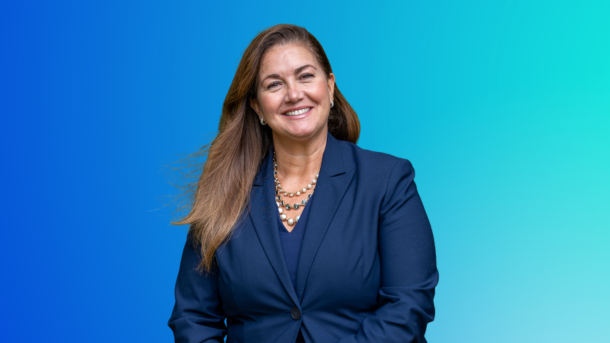
Helen Pereira-Raso – Head of School at Holy Trinity School

Helen Pereira-Raso – Head of School at Holy Trinity School
About Helen Pereira-Raso

Helen Pereira-Raso is the Head of School at Holy Trinity School, a highly progressive and innovative Canadian Independent School located in Richmond Hill, ON. In her role as Head of School at Holy Trinity School (HTS) Helen brings a forward-thinking, progressive approach to education that is the foundation for HTS’s reputation as leaders in learning.

Helen’s career as an educational leader has always focused on what matters most — developing a school culture in which all learners, adult and young alike, are able to explore, create and learn in meaningful ways. She is committed to professional learning as essential in the journey of educators and has led workshops globally. 

A visionary leader, Helen has been instrumental in building the HTS Learning Network, an ecosystem that is dedicated to learners, adult and young, experiencing relevant, personalized and meaningful learning experiences. Her leadership and innovative approaches, combined with her passion and commitment to developing learning environments that inspire all learners, are what drive her life’s work. 

Connect with Helen Pereira-Raso: Email | Instagram | Linkedin | Twitter

Listen Now

Listen to the episode now on Apple Podcasts, Spotify, or on your favourite podcast platform.

Resources Mentioned

Holy Trinity School

The Transcript

**Please note that all of our transcriptions come from rev.com and are 80% accurate. We’re grateful for the robots that make this possible and realize that it’s not a perfect process.

Sam Demma
Welcome back to another episode of the High Performing Educator podcast. This is your host, Sam Demma. And today we have a very special guest. Today’s guest is the head of school at Holy Trinity School in Richmond Hill. Helen Pereira-Raso has established herself as a visionary leader in progressive education, championing a culture where both students and adults can explore, create, and learn meaningfully.

Sam Demma
Her creation of the HTS Learning Network demonstrates her commitment to building educational ecosystems that prioritize personalized, relevant learning experiences. A globally recognized educator, Helen’s forward-thinking approach and dedication to professional development has positioned Holy Trinity School as a leader

Sam Demma
in innovative education. Helen, thank you so much for taking the time out of your schedule to be on the show today. I’m honored to have you.

Helen Pereira-Raso
It’s so wonderful to be with you here again, Sam, and to be in conversation with you. It’s always a joy and learning from you. Love every minute of it.

Sam Demma
Please introduce yourself and tell the educator listening a little bit about the reasons you got into education in the first place.

Helen Pereira-Raso
My story is, oh, my journey into education might be a little bit different than most. People often talk about the love that they had, the most amazing teachers they’ve had that inspired them into education. And for sure, I’ve had some incredible educators in my journey, but it wasn’t the impetus for me to get into education.

Helen Pereira-Raso
So I have taught both in the public system here in Ontario in my 25 year journey and counting, I’m not anywhere near retiring or ever wanna retire. 25 years, both started in the public system in Dufferin Peel and then moved into the independent school system.

Helen Pereira-Raso
And so I’ve had the honor of teaching in both of our systems here in Ontario and learning in each of them. And the reason I got into education was because I had a teacher who used to tell me that I was going to amount to nothing. And that is something that has stuck with me till this ripe old age that I will not disclose at this time. But it really was something that impacted me. I think I went through an

Helen Pereira-Raso
elementary school journey where teachers, just the teachers that I had in my life were inspiring, were supportive. As an immigrant to this school, to this country, I started school not speaking English, and I don’t ever remember feeling different or not feeling supported or cared for. And so that was my elementary school journey where I felt like I thrived and I had support and I believed in myself and had confidence. And then I got to high school and high school is always a little bit messier. And we personally go through lots of things, relationships, friendships, understanding yourself. But in that moment, you know, for me,

Helen Pereira-Raso
that journey was filled with also some educators who weren’t the kindest, I would say today, but at that time was normalized. And it left an impact on me at a time that I was perhaps most vulnerable and questioning what was I going to do with my life. It was grade 11 when this all happened and I’ll never forget it. And so I promised myself that as I started to go and to explore what my career options were going to be, I volunteered back at my high school when I was in university.

Helen Pereira-Raso
I volunteered at a law firm because I thought I’m either going to be a lawyer or I’m going to be a teacher. which one is it? And in that journey, I came to discover that I wanted to teach, I wanted to be the teacher that no kid ever felt that they were alone because of me. And so that’s really been what’s guided me,

Helen Pereira-Raso
what’s been my sense of purpose is that I will always be here to make sure kids know that they belong and that they’re worth it and they have everything they need within them to thrive and succeed with the right people around them to build them up.

Sam Demma
There’s a speaker named Josh Shipp and he says every student is one caring adult away from being a success story. And I could not agree more that the words of a caring adult can build us up or completely tear us down. And sometimes we forget about that latter section of that statement. The words that we choose to use and the actions we take impact the thoughts other people have and their emotions and as a result, their actions and outcomes.

Sam Demma
And it’s funny. I there’s a, there’s a moment in my career when I was 20 years old, where I made a decision not to join a specific agency. And the owner of the agency told me, Mark, this day down is the best or worst decision you ever made in your entire life. And it was someone that I flew to the US to meet

Sam Demma
and bought their books and programs and took their courses. And I remember how much self doubt I experienced. And it was not only someone I aspired to be like, it was someone I wanted to work with. And I spent a couple of months really doubting

Sam Demma
my abilities and myself. And then one day I woke up and I grabbed a marker and I opened the calendar and I put, I went back to the date and I wrote down best decision you ever made. And I had this little chip on my shoulder for a few years. And it sounds like that was something that drove you to, I’m curious did you in those moments how did you how did you deal with those emotions in that experience?

Helen Pereira-Raso
You know it probably not in the best way I was 17 years old yeah you can only imagine that you know in that moment I’m I truly that that teacher, the intentions behind their words wasn’t what I made meaning of. I truly believe that. But what we sometimes lose sight of that I can reflect on now is that, and it’s just as you said, Sam, our words matter and they matter more than we actually might think.

Helen Pereira-Raso
And so I made meaning that here’s somebody that I respect. It was one of my favorite classes. So like you, I’m like, what? And how could this teacher say this about me?

Helen Pereira-Raso
I love her class. I love her.

Helen Pereira-Raso
What’s going on?

Helen Pereira-Raso
Where’s the disconnect here? And I don’t actually believe that this was about her. It was a moment about me. The meaning I made from her words was that I wasn’t good enough. And that started with my own self-doubt. And I didn’t realize in that moment.

Helen Pereira-Raso
So it became a lot of, I skipped her class, stopped going, I don’t want to deal with her, I was flippant. And so my frustrations with her words and what I understood her to say about me or to the judgments she passed on me was to just be defensive and not, you know, not engage in my own self-reflection at that time. But years later, the beautiful thing is that we do get the chance to reflect no matter how long

Helen Pereira-Raso
it takes us. And so, you know, in my journey now and as I, you know, I’ve told this story before to students that, you know, you think I got into teaching because yes, I love young people and I love being around them. They are my greatest inspiration. Like there’s not a bad day when you’re with a young person. There’s always something that inspires you. But my journey started from a place where somebody really didn’t think that I was good

Helen Pereira-Raso
enough, that I respected. But what I’ve come to understand is that’s exactly what I needed for me to truly do the self-dig, that self-work to say, actually, you can do this. Why are you letting her words impact you like this? That’s on you. That’s on you.

Helen Pereira-Raso
She’s moved on. She’s got other classes now. What she said is not even on her radar. This was on me. And so I think it took me a few years. It took me time to be away from it,

Helen Pereira-Raso
to finally realize actually that was a moment that was a catalyst to do my self-work that I hadn’t necessarily been provoked to do in the same way.

Sam Demma
A lot of students deal with the self-doubt without the additional words of others that they look up to telling them they can’t do something. Once you got into education, how did you practically build belief in young people? What are the things you could do in the classroom or what are

Sam Demma
the things you did do to make sure that young people knew, you know, you are supported here, you are welcomed and you are enough.

Helen Pereira-Raso
I listened. I didn’t come into my classes, both as a teacher and as a leader, assuming I knew what they needed. I had lots of conversations. I continue to have conversations. I ask their input.

Helen Pereira-Raso
I encourage them to be part of decision-making. When I started this career in a community that probably taught me my greatest lessons, students that were torn between gangs, that were in and out of jail, and bright, beautiful human beings, all of them,

Helen Pereira-Raso
where they were in their journeys and how they were showing up in my class and in the world and bright, beautiful human beings, all of them.

Helen Pereira-Raso
Where they were in their journeys and how they were showing up in my class and in the world was just different for each of them. And in that time, I remember teaching a history class and I was taught, I was about to teach World War I and a kid at the back of the class turned to me and he was like, what the bleep are you teaching me about this war? I’ve got my own war to deal with on the street

Helen Pereira-Raso
and I stopped because I’m like what? And he’s like do you think I care what happened in the 1920s and 30s like that is so irrelevant what I want me to talk want to talk about war come hang out with me on the street one day.” And I’m like, oh my, oh my God. And that was not anywhere in my lessons, but what that taught me in that moment was, Helen, maybe the curriculum needs to look a little bit different. Maybe actually I could talk about what some of the things that happen in war, what drives

Helen Pereira-Raso
us to build alliances, what drives us to join gangs, what drives us to, you know, military up through the stories of my students, because I can draw connections. Because in that moment, it didn’t matter what I had to teach him, it actually was irrelevant because of the life experiences he was going through. I taught geography through skateboarding.

Helen Pereira-Raso
We looked at urban planning through skateboard parks. Where do you put them? How do you put them? Because the moment, what I needed to realize in that moment is if I don’t know my students, what I’m doing there doesn’t actually matter. Because my work is to help them understand and make sense of the world, their world.

Helen Pereira-Raso
Yes, the curriculum is a vehicle, but it’s actually just about showing up for them. And so I let them know that they matter through listening. I let them know that they matter through incorporating their stories and their experiences in my lessons. I taught religion using Tupac’s poems because that’s what mattered to them. And it forever changed me. And so today we have all of these theories in education around making learning personal, making sure that it’s personalized for the students,

Helen Pereira-Raso
meet them where they are. I got a hard lesson first year, 23 years old, teaching. My students taught me that before anybody was talking about it as pedagogy and the future of education and how we should be. My students taught me that when they said to me, pay attention to me and my story, not what’s in your textbook. That’s how you let them know they matter. That’s how you let them know that you’re there for them.

Helen Pereira-Raso
When you show up the next day and you’re like, you guys haven’t had lunch. Okay. I’ve got you there snacks here. If you need anything, come get them as you need them. You can always come into my classroom. You can always come into my office.

Helen Pereira-Raso
Do you need a minute? Let’s take a walk. When you hear them, when you feel them, when you know that, you know, they’re in your class and they’re just not the way you’ve come to know them and the way they’ve been, and you pause for a moment to recognize that, then they know you’ve got their back. And there’s not a single child who doesn’t deserve that from all of us in this profession.

Sam Demma
What a powerful lesson to learn at such a young age in the profession and carry forward with you.

Helen Pereira-Raso
Forever. They changed me forever. They made me better. Those first five years of my life at that school made me the best human being and the best teacher I could possibly be. Can you tell me more about the journey up until now,

Sam Demma
the different schools you were a part of and the roles you played? Yeah. So I started as a geography civics poly sci high school

Helen Pereira-Raso
teacher. I’m trained in high school grades 4th right through to grade 12, but spent most of my time working in high school, especially in the public system. And in this first school that I taught everything that we were assigned. You’re a first year teacher, and your first five years of teaching whatever anybody gives you a job, and you’re happy about it, and you work your butt off, and you know you’re better for it.

Helen Pereira-Raso
And then throughout that journey, I thought I coached, I made sure that I could be part of supporting my students, all of that. And then in that journey, I became a better person for my kids, not my kids, sorry, for the students that I’m a part of. And so my first year, my first five years, I was a school out in Brampton, and I really got,

Helen Pereira-Raso
I always say that that school taught me how to be the best teacher to students. It was such a beautiful, diverse community, students coming from all kinds of experiences, all faiths, traditions, customs, point of views, and life experiences, some very privileged and some not so privileged. And in that mix, those students helped me listen, learn to listen, learn to make connections that

Helen Pereira-Raso
were meaningful to their life, and help me set a foundation for what it meant to be a great educator. I transferred to a new school that was just starting up north of Brampton. And in that journey as being part of a founding team of teachers, it’s always exciting

Helen Pereira-Raso
that you get to shape the school, shape the culture. It’s a brand new building. We were in a warehouse for the first few years. We got to our beautiful new building. It was like, whoa, this place is so cool. But there I had the opportunity to transition into a role as a student success leader, a

Helen Pereira-Raso
teacher at the school. And I got to work with students who are at risk of not graduating, and to mentor them and work closely with them towards their graduation pathway while also teaching classes. And so that coaching opportunity to work one-on-one with students and families to help them find their success and different academic pathways that would allow them to get to graduation, you know, really opened up my eyes to the different ways students can actually be successful and there’s not one path in school. I lived far from that school in North Brampton and while I was on maternity leave I had an opportunity to then transition to a school here in Toronto, an independent school in

Helen Pereira-Raso
Toronto and it was the first time that I taught in an all-girls community and so that was amazing. So it was my first independent school and there, the thing that I always say that changed me about coming into the independent school system is I learned how to be a professional in my craft. Learned how to do research, I learned how to, you know, how to really get good at, you know, different teaching strategies, resources, professional development, so much was invested in me to

Helen Pereira-Raso
be excellent at my craft. And so the level of professionalism that I brought changed from the on-the-ground grassroots work of being in the classroom in the public system. So I had access to this amazing amount of resources. Our students were so motivated. You know, the same diversity, same experiences, but there was more homogeneity in their life experiences and the supports that

Helen Pereira-Raso
they had and the resources they had. But the thing is, is that kids still can feel depression, exclusion, isolation, all of those things, no matter where you are in life or what your background is or social economic status is, all of those human experiences are still real for every single child. And so the work that I brought from learning and working with students who have had such difficult challenges and obstacles in life that taught me about resilience, that taught

Helen Pereira-Raso
me about perseverance when things were so tough. That’s the thing that they taught me the most. I was able to bring some of that coaching and mentoring to our students who had resources, who had privilege, but still were suffering and needed that support. And so that’s, as I transitioned to the independent school there, I started as a classroom teacher, moved into leadership, and then in my leadership started working more with,

Helen Pereira-Raso
although still teaching, which is so important, I got to work more with the adults and working with our teachers on their journey and how they can show up and be the best for every child that’s in their classroom and diversify their lessons

Helen Pereira-Raso
and think about how their work is meaningful to their own students in different ways. And then eventually from that leadership role, I then moved into a systems leadership role in the independent school system as a head of school, which is the current role I have now, which allows me to really make some important decisions and set vision and strategy for the school we want to be, and work with our staff and our students and our families and our board on really setting clear

Helen Pereira-Raso
strategic goals and vision and values that align with who we aspire to be and how we’re going to meet children, young people in their lives. I always have to correct myself on the children beat because they’re not all children. Just how we meet young people in their lives and how do we provide, you know, the best learning experience for them regardless of where they people in their lives and how do we provide the best learning experience for them regardless of where they are in their learning pathway

Helen Pereira-Raso
because everybody deserves that. And so that journey, my journey has taken me to that role now. And that’s where I am in a very, very privileged place as a systems leader to enact policies that support students and give them the tools and the resources they need

Helen Pereira-Raso
to thrive and to mentor and coach educators to be the best for themselves, but also for those that they serve, because our work is of service to others. And as you’ve said very, very often, and as I’ve gotten to hear you speak a few times now,

Helen Pereira-Raso
you have to take care of yourself so that you can give all of yourself to someone else. And so that work is so important to kind of unpack where you are and who you are and how you’re showing up in order to be the best, not only for you, but for those in your care and your stewardship.

Helen Pereira-Raso
So that’s where my journey has taken me. And I’ve always said, educators are the stewards of humanity. And we are, in fact, actually. We are shaping humanity for generations. And so if that work doesn’t matter, I don’t know what does actually. The work is the most important work.

Sam Demma
And I was speaking to another educator recently who told me that there’s been a shortage in their district of teachers. And he said, we have to find a way to reframe education so that more people get involved and excited about it but it is so clear that your passion and excitement is shining right through during this interview and I know that any school or young person or staff

Sam Demma
member that you interact with and touch is left better than when you found them. I’m curious when it comes to your own personal development and professional development, what are a few of the things that have been incredibly valuable for you that another educator listening may look into themselves if they want to continue improving their craft and just showing up better for themselves and the students that they teach?

Helen Pereira-Raso
I would say there’s three things that are really, that have left, you know, leave me in a place where I’m constantly in a learning mode. Your mindset is everything. And so for me, it’s working on being reflective. Whatever information I get daily, I try to make sense of it. What does that mean for me?

Helen Pereira-Raso
What could I have done differently? How could I have showed up differently? Even if it’s not about me, it is about me when we’re in community. There’s a collectiveness to our work. And so how could I have showed up differently?

Helen Pereira-Raso
So being a reflective practitioner, having the tools to ask yourself the hard questions. I write a lot about my thinking. I write weekly to our community and to our staff, and that gives me an opportunity to reflect on the week, to reflect myself as I prepare for those weekly communications on what’s going on in the school, why is it happening, what am I learning?

Helen Pereira-Raso
I’m also a learner, so I’m always reading any educational theory, any educational practice, any documents that come out about the future of education, what we need to do, how it impacts students, educators, the systems. I’m always, always reading. And that is important because it helps me stay on top of our craft and our profession and show up the best I possibly can for the generation that’s in front of me.

Helen Pereira-Raso
Because it’s not the same. The students that we have in our kindergarten class right now that are going to graduate in 2039, I cannot teach them the way that I did the class I taught in 1999. It is a different world. I didn’t even have a laptop in my class. Nobody had a phone. But that’s what it, you know, like, those are the things that are so different that I’m present in what’s changing in education. I think that allows me to show up and be the best that I possibly can in my craft. And I would say some of the PD that’s changed me the most has been doing my coaching certifications and to learn how to be a real

Helen Pereira-Raso
instructional coach, to learn how to have difficult conversations so that they’re honest and they build us to be better and stronger collectively and self. And so in every coaching conversation that I’m able to be a part of, it’s not just about coaching someone else. That moment teaches me something about me. Did I ask the right questions? Did I help that person in that moment? Is this what they wanted to be coached on?

Helen Pereira-Raso
Did I take them down a different path? So my coaching certifications that I’ve done through the national school reform faculty, the Roy group, they have been instrumental in helping me deepen my practice and be more reflective because when you’re a coach, you are. But also ask the right questions.

Helen Pereira-Raso
It’s so tough to ask people the right question to actually get to what’s at the heart of what the tension is that’s residing within them or the questions they have. And listening, really truly listening, active listening as we now call it, once upon a time was just really listening. But there is a difference. as we now call it. Once upon a time was just really listening.

Helen Pereira-Raso
But there is a difference.

Helen Pereira-Raso
We’ve all lived it. There’s truly a difference. Truly being present for people and listening, and then asking the right questions has been such a gift to changing how I show up professionally and who I am today versus who I was when I started my career.

Sam Demma
This has been such an inspiring conversation. Again, your passion just shines through. I know it’s an audio format, so people can’t see you smiling when you’re smiling, but I know they can feel it through their headphones. I’m so grateful that you’re doing the work,

Sam Demma
you’re doing an education, and I look forward to following the entire journey, wherever it takes you and the impact you continue to create. Keep up the amazing work. It’s inspiring to watch, and I’m excited to continue following.

Sam Demma
If someone’s listening and is inspired as well, and they wanna ask you a question, what would be the best way for them to get in touch with you?

Helen Pereira-Raso
LinkedIn is probably the easiest. I’m always checking my LinkedIn. So if you just look me up at Helen Pereira-Raso on LinkedIn, you’ll find me. We can connect that way. And you can also find me on Instagram at htsheadofschool and email. And so you can email me at hraso@hts.on.ca, and I’m happy to have a conversation. I can’t thank you enough, Sam, for this opportunity to share my story, but it’s really easy when you wake up every day and you do what you love.

Sam Demma
Thanks, Helen.

Helen Pereira-Raso
That’s the game changer. And so just like you, continue to do what you love because that’s what fuels us and makes sure that we are ever so present that we are ever so present in the incredible journeys we share.

Join the Educator Network & Connect with Helen Pereira-Raso

The High Performing Educator Podcast was brought to life during the outbreak of COVID-19 to provide you with inspirational stories and practical advice from your colleagues in education.  By tuning in, you will hear the stories and ideas of the world’s brightest and most ambitious educators.  You can expect interviews with Principals, Teachers, Guidance Counsellors, National Student Association, Directors and anybody that works with youth. You can find and listen to all the episodes for free here.

Robert Audet — Ottawa Campus Director at Lambton College

Robert Audet — Ottawa Campus Director at Lambton College
About Robert Audet

Robert Audet is an innovative leader in the educational sector with over three decades of experience. His entrepreneurial spirit has been a driving force behind his commitment to enhancing student services and educational opportunities. Robert’s most notable achievement is spearheading the establishment of an International Campus for Lambton College in partnership with Saint-Paul University in Ottawa, a project that reflects his dedication to expanding access to education.

Throughout his career, Robert has demonstrated a unique ability to build sustainable business models that serve students effectively. He began his journey by launching the first bookstore at Collège Boréal as a multi-stakeholder co-operative, successfully integrating various student services such as a cafeteria and temporary employment agency. His work with Desjardins and Laurentian University further underscored his commitment to fostering cooperative development and supporting individuals in their entrepreneurial pursuits.

At Cambrian College, Robert had the privilege of bringing together six areas of student life and services under one umbrella. This experience deepened his understanding of Indigenous culture and values as he collaborated with the Wabnode team. The knowledge he gained is something he is eager to bring forward in his current role, working with the Indigenous Centre at Saint-Paul University.

Robert is a firm believer in nurturing talent and guiding individuals along their unique paths to success. He emphasizes the importance of supporting both students and employees, recognizing that everyone has their own journey. By focusing on individual strengths and providing tailored support, Robert ensures that each person can thrive in their educational and professional endeavors. His collaborative approach and commitment to stakeholder engagement create an environment where innovation and growth flourish, ultimately leading to a more enriching educational experience for all.

Connect with Robert Audet: Email | Linkedin

Listen Now

Listen to the episode now on Apple Podcasts, Spotify, or on your favourite podcast platform.

Resources Mentioned

Lambton College
Saint-Paul University
Collège Boréal
Laurentian University
Cambrian College,

The Transcript

**Please note that all of our transcriptions come from rev.com and are 80% accurate. We’re grateful for the robots that make this possible and realize that it’s not a perfect process.

Sam Demma
Welcome back to another episode of the High Performing Educator podcast. This is your host, Sam, and today we are joined by a special guest, Robert Audet. Robert is an innovative leader who has dedicated over three decades to transforming the education sector. His entrepreneurial spirit has consistently driven improvements in student services and educational opportunities throughout his career. Most notably, Robert spearheaded the establishment of Lampton College’s international campus in partnership with St. Paul University in Ottawa, demonstrating a commitment to expanding access to quality education. He also spent a lot of time this weekend shoveling snow. Robert, thank you so much for taking the time to be on the podcast here today.

Robert Audet
Good morning, Sam. It’s my pleasure. I was looking forward to this chat and leaving the snow behind. Please take a moment to introduce yourself and explain what got you interested and involved in education. You kind of covered a little bit of what I’ve been doing. I guess I got hooked into education back in the 90s where I was working for a financial cooperative and then I got an opportunity to work for Laurentian University in a special project to help people on social assistance create their business plan, teach them some courses, some life skills that they needed to start a business and actually help them start their business. And so it was a very small team. So I got to teach courses. I got to bring in guests with special knowledge for our students and actually see them through the incorporation of worker co-ops and actually see them start their own businesses. And that got me hooked because the feeling of seeing them progress and getting their independence and just doing so well, that was enough for me. So when the French college in Sudbury opened up and opened up their first campus, Collège Boreal, I had the opportunity to go there and start a multi-stakeholder cooperative to run a lot of their student services. So I jumped on that opportunity real quick, started their cafeteria, their bookstore, their pub, their food services for the daycare center, et cetera, et cetera. So it was so overwhelming at the time, but at the same time, so challenging, so it just hooked me right in. And I’ve been mostly in the educational sector or there for a couple of years for most of my career after that.

Sam Demma
When you were helping with the student run businesses, would you consider your personality more like Robert or Kevin O’Leary?

Robert Audet
Not Kevin. I definitely always, I mean, especially, you know, that first initial project was done as a multi-stakeholder co-op, which was the first in Ontario. We were breaking ground. I had to make sure we had partners from the student body. First of all, I had nine students on my board of directors. I had three people from the college. It started with people, high-profile vice presidents in the college. And then I went out into the community to make sure to get some partners in there as well. So, you know, you try to get the expertise around the table. So, you know, you try to get an accountant at the table, you try to get a lawyer at the table. Little ways of saving money when you need some advice from your friends in the community, but it was such a collaborative approach, you know, creating it as a multi-stake cooperative, multi-stakeholder cooperative, that, you know, it was really about building all those relationships more than anything else.

Sam Demma
I think that’s the heart of education, building relationships with stakeholders, with community partners, with the students we’re aiming to serve and support. And you’ve been doing it for over three decades in education. I’m curious over the 30 years, like what fundamental changes have you observed in students’ needs and expectations? Maybe first when you started, what’s different about education today than it was then?

Robert Audet
I mean, I think what’s different is that we have a lot more diversity on any of the campuses right now. And there’s a lot of changes happening to international students coming to Canada for the last little while, let’s say since January. But so that’s different in the sense that, you know, some of the needs of the students could be different adapting to a new country, et cetera. But at the end of the day, it hasn’t really changed. If you really, if you really go down to what’s important when you’re dealing with students over there, like, like you mentioned three decades, I feel old now. No, it’s experience, it’s wisdom. But if you think about it, the reason I say it hasn’t changed is you have to take each student for who they are and try to bring them to the next level. And every student has their own journey. Yeah, they have a common thread of being in a certain program together or they have a common thread of coming from a certain area or, you know, they’re varsity players or whatever, whatever brings them to your campus. That’s just the start. Now you gotta, you gotta build trust with that student. You gotta make sure that they understand that they have someone on campus that they can go to if they meet any barriers or struggle with anything. And once that is built, then you can actually help them, well, actually to be able to help them to get to the level they need to be, you need to understand them. So too often people will say, we’re just here to lecture them. They have to figure it out their own way. But once you understand, and then I have the luxury of having a smaller campus here in Ottawa because we’ve just started a year ago, but the beauty of that is that you can actually meet your students. You can actually have some conversations, see what they’re struggling with, and make sure that they’re connecting with someone on the team. And that hasn’t changed, whether I was working for 20 years in student services at Cameron College or here at Lambton College in Ottawa, that has not changed. You have students, like I’ve met some students over the years, so many great relationships, you know, and I’ve learned probably more from them than they’ve learned from me just because they were growing through at times easy stuff, but at times very difficult things. And the fact that they trusted you to be there along with them to get them through that, I probably gave more to my worth of life and appreciation for life than anything else. And so I’ve worked with students at all levels, whether it was just to try and pass a course so that they can get to the next level, or whether it was to help them fit in to the college system because they had no friends, or whether it was to become one of the provincial leaders influencing where education is going.

And all of those were just as important as the next one because that’s where they were and that’s where they need to be. And then you look back and I guess I get to look back because it’s been 30 years. You look back at how well some of those students are doing. It’s just so much, it’s so rewarding. It’s just, that’s all I can say, very rewarding.

Sam Demma
That’s such a key idea that the external changes, the environment may change, the technology may change, the technology may change, the subjects we focus on may change, but the human being is the human being. We have similar human needs, whether it was 30 years ago or now, and making people feel like they have a person on campus who can support them, building trust, building the relationship, those things haven’t changed. One of my favorite speakers and authors is a gentleman named Jim Rohn, and he’s passed away now. In one of his lectures, he would always tell a story of a company that hired him to come and deliver a speech at their company to talk about the future of their industry, because they thought he had some great insights on it. And he said, he went and delivered a speech and he said, folks, I can confidently tell you that the industry is gonna be just like it’s always been. Unless you change, unless you change. And that made me think of what you just shared now about the fundamentals of building connections with young people. And that makes me curious when it comes to supporting young people and building that trust, what things can educators do to ensure that that trust gets built and they do feel supported and, and encouraged.

Robert Audet
It comes down to listening and listening to actually absorb what they’re going through, not just listen to pretend you’re listening. It’s really that simple. It’s making connections with people. And sometimes it’s harder. The bigger your campus is, like we had, my last campus, we had 6,000 students. I can’t say I knew every student. It’s just not possible, right? But the team that I led, though, we made sure to stay open to any student that would. So we wouldn’t say, oh, you know, if a student comes to me and it’s not my area, but they’re comfortable talking to me, we wouldn’t say just turn them away. We would make sure to bring them, actually walk them to the service they need, make the connection with them. And if they still felt more comfortable coming by my way first, my door was open, right? So it’s really about just listening and making that connection because the needs will vary drastically from each student.

Sam Demma
I think that listening is difficult in a world where there’s a distraction everywhere we look, whether it’s our phone buzzing, another conversation, an email popping on our computer screen. Listening sounds simple, but it’s sometimes very difficult to do. So I appreciate that reminder and I think it’s a timely one. When you started the role, I’m assuming someone didn’t pull you aside and say, Robert, it is your responsibility to build a partnership with St. Paul University. Can you talk about how that partnership was built and the value it’s provided to both campuses today?

Robert Audet
That’s a great question actually. And no, that’s not how that went down. The relationship was already started when I was hired on to come and start the campus, I guess, and manage the campus. They even had hired a few employees. And we’re a very small team right now in Ottawa, to come and start the campus, I guess, and manage the campus. The AIA even had hired a few employees, and we’re a very small team right now in Ottawa, seven plus our faculty. But it is a fantastic partnership. We’ve been growing the common areas, we’ve been growing how do we help each other in doing wellness activities, how we collaborate on different things, how we potentially work on research projects together, et cetera. But the idea was to develop a public to public institution partnership so that we can offer great programs and have the resources we needed in Ottawa to quickly be able to welcome new students. So they had room in their residence, for example. So we negotiated some rooms in their residence. So when students showed up, if they didn’t wanna stay on campus, that was fine. We would help them with housing as well, but they would have an opportunity to go there. So everything’s nice and close until they get used to our snow, our mountain of snow, since our first term was in January. But last year was nice.

Robert Audet
It was an easy winter. But you know, that’s just an example. We’ve collaborated at so many levels and having, being in this historical building here in Ottawa, I mean, I won’t be able to quote you on what year it was built, but I’m pretty sure it was in the 1800s. And it’s slowly being, you know, redone and modernized here and there, but while keeping its charm, right. And so every time I get visitors from our Sarnia campus, which has been there since 1966, they go, I can’t believe the atmosphere here. I want to move to Ottawa just to work in that building. And I go, yeah, I agree. It’s small enough that, you know, it’s a friendly atmosphere with the three partners, actually, Collège Boreal is on campus as well. And we’re building that relationship and we’re having a blast. We’re doing an EDI event in March coming up. And it’s fun because, you know, I had to take a step back when I was approached with the idea, would you apply for this job? Because my wife had just accepted a job here in Ottawa. And I’m like, yes, I should, and I will look into it. But what’s interesting is I had to take a deep look inside myself and go, I’ve done a lot of startups.

Robert Audet
Like even when I went to Cambrian College, it was a new startup, was a new student’s life center. Then I took on, I kept growing the department, right? It became six departments in one. And it was just, for me, it’s all about startups and making those relationships. So I was like, do I have another startup in me? That was the question. And I was like, yes, I do have another startup in me. I think I go to Ottawa and I have some fun. I meet some new people and I’ve been meeting some interesting, our faculty that we’re recruiting, industry experts, we’re having a blast with that. Like developing the relationship with St. Paul, like, you know, going to skate on the canal, uh, you know, building those relationships just to be able to have those conversations and build those relationships. Uh, Ottawa is just fantastic to be in. I I’m going to enjoy it until I, uh, until I retire here in Ottawa and then, and then I’ll go back home, but I have to visit Ottawa now that I know it.

Sam Demma
It sounds like you might have another startup in you after you leave this role. Maybe it’s something related to a business that you’d like to start after you finish. I don’t know, but I get the sense that maybe you will continue doing something.

Robert Audet
It’s funny you say that because I have, I was talking with one of the researchers from the university the other day and he goes when you do retire, you know You have a very good skill set on organizing people and getting stuff done So he says it’d be a shame for you just to put that to rest and I’m like, I’ll have to give it some thought I was thinking retirement man. I’m going cycling. I’m going kayaking But but time will tell right

Sam Demma
When it comes to entrepreneurship, I think there are so many skills that are so important for educators and students to carry forward. It sounds like you’ve surrounded yourself in the startup world and in the entrepreneurship world for a very long time, whether it was helping students start their businesses or literally building and starting departments on campuses. What are a few of the entrepreneurial traits that you think are important for educators and students to live out and carry forward each day?

Robert Audet
This almost sounds like one of my, it’s a different question, but I love the question, but I’ll spin it back a little bit. I’ll spin it back to a question I got when I was doing the interview for this position. I was asked, what are your number three traits that you’re looking for in an employee? And I remember saying, initiative, initiative, and initiative. And they’re all going, well, that’s one. I’m like, yes yes now let me explain right so so initiative is you know if you know something needs to get done get it done or find the right people to get it done or build the relationships that will get you there sometimes people try to take shortcuts though they try to get it done quickly and sure it gets you a quick result but if you time take the time to build the relationships around it not only will you get. But if you take the time to build the relationships around it, not only will you get it done, but you will get it done with buy-in. You will get it done with people that are wanting to see you succeed as much as they wanna succeed, because usually you help them succeed. If you’re entrepreneurial, I’ve had a few small businesses in my early career as well. If you wanna succeed, you only succeed by helping others succeed at whatever your services are. So in education, we’re helping people create careers. They come back and support the college as with the foundation or even just come in and do a presentation, support our students, take a co-op for our students, employ one of our students that’s just graduated. So you should never take a shortcut. It goes back to building those relationships, getting buy-in and building that respect.

Robert Audet
I have no doubt in my mind that if I ever in need of something, I can pick up the phone and call one of my many friends that I’ve made over the years and say, you know, do you have a contact that could help me with that? And we’ll find a solution. The one thing I have used in my entire career, well, I shouldn’t say my entire career, but after I heard it, which is probably close to 30 years ago, is, I don’t know who the author was, but it’s a statement that says, there’s no such thing as a problem, only opportunities to find solutions. You know, that inspires me every time I hear it, even though I’ve known it for like probably close to 30 years.

Robert Audet
Because if you go in with that mindset, you’re not just stopping at, I did my task today. You’re looking at how else can we make this better? You’re looking at who can I bring make this better? You’re looking at who can I bring in that will develop this with me? How can I surround myself with people that are smarter than me, that are better than me in so many skills, especially as I get older? I’m like, you know, you asked me what’s different and I said nothing. Well, that’s not true. I’ll tell you, technology is different. We just had a session on AI and then a session on academic integrity and how AI can impact it, etc. to help our faculty understand all the changes that are happening. And you know, am I the best person to actually offer that session? No, but I surround myself with people that have that high knowledge of AI, right? So it’s really about creating all those connections and always trying, if you’re entrepreneurial, stay a step ahead of the game. Wake up before everybody else, start your work before everybody else, try to know what’s coming ahead at you so you’re not surprised. And you’re likely finishing your day later than most people do. And as you get older, I guess harder.

Sam Demma
I’m taking a big theme away from all that around preparation, you know, preparing, taking initiative. I had a conversation with my uncle about, you know, how do you identify talent? And, and, um, the word for initiative he used was hungry, you know, same, same idea, like you go and get the work done. And he said, hungry, humble and smart. And the humble piece is also huge, you know, just reminding ourselves that we still have learning to do. We we are always students of the of the craft we’re working towards. And I think it’s just such an important reminder. There’s been moments in my life where I’ve really burned the midnight oil and read all the books. And then moments where I stopped reading as many books as I used to. And, and I catch myself every once in a while, why, why did I stop? You know, why did I, why did I get out of the game? You know, and, um, it’s, it’s, it’s really cool to hear about your passion for education.

Robert Audet
It’s not just about the books. The books are important, don’t get me wrong. There’s ways to fast track them nowadays too. Compared to the good old days when you read every word. I think for me, I’ve learned I learned more from everybody I meet, which is why I was looking so much forward to this interview, right. Then having a chat with you, because it doesn’t matter who you’re meeting with. If you’re actually taking the time to, to sit in and be present in that moment, you’re going to learn something every time. And I don’t care how old you are, how young you are. When sometimes people tell us stuff and we’re not ready to hear it or we’re not ready to absorb it and it comes back to us later and that’s okay but that and I guess that goes back to when I was saying you take every student to where they are and bring them that extra level right so sometimes it could be taken a student that is you know just barely surviving and you bring him up to you know oh I pass all my courses and they’re celebrating and they’re happy with that. And then you see them again two, three years down the road, now they’ve learned how to learn and they’re actually able to take on bigger challenges. And sometimes it’s actually just trying to keep up with a student that is so brilliant. You can’t keep up with them, but you support them and you eliminate barriers for them to make sure that they can keep running as fast as they can because they’re just a shining star going through the world. And you do your best to support that, like even though you can’t keep up. And you know what, that makes me happy because that’s the future. If I can’t keep up on with some of our students, that’s, that’s, that’s awesome.

Sam Demma
The mark of a great leader is when their students surpass them in many ways, you know, that’s why you build people up and lead them. And I am so grateful for you taking the time just to be here today to share some of your ideas around education, some of the things that have stayed the same and things that have adjusted or changed over the years, the importance of collaboration in working with other partners in the community and other educational institutions to drive forward common goals. Your passion for education is very obvious, and I hope as long as you continue to work in it you feel the same way about it and after you finish I will look forward to watching your business unfold. forward to watching your business unfold.

Robert Audet
Absolute pleasure, thank you.

Join the Educator Network & Connect with Robert Audet

The High Performing Educator Podcast was brought to life during the outbreak of COVID-19 to provide you with inspirational stories and practical advice from your colleagues in education.  By tuning in, you will hear the stories and ideas of the world’s brightest and most ambitious educators.  You can expect interviews with Principals, Teachers, Guidance Counsellors, National Student Association, Directors and anybody that works with youth. You can find and listen to all the episodes for free here.

Brandi Kelly – Superintendent at Mt. Olive School District

Brandi Kelly – Superintendent at Mt. Olive School District
About Brandi Kelly

Dr. Brandi Kelly is an accomplished author, speaker, podcaster, coach, and consultant with a passion for building thriving organizational culture. With over 20 years of experience, Dr. Kelly is dedicated to empowering leaders to inspire growth, create positive change, and cultivate environments where success thrives.

As a Superintendent, Dr. Kelly has received numerous accolades for her leadership, including the NAESP Distinguished Elementary School Principal Award and the Middle School Principal of the Year Award. She is also a Licensed Clinical Social Worker and a Maxwell Certified Coach. Recently, she was honored as a Marquis Who’s Who Honored Listee, a testament to her impact in education and leadership.

Dr. Kelly’s mission is simple yet powerful: to spark hope in every individual and organization she works with. By fostering strong leadership, creating supportive cultures, and encouraging hope-driven success, Dr. Kelly helps others reach their fullest potential.

Connect with Brandi Kelly: Email | Instagram | Linkedin | Twitter | Facebook

Listen Now

Listen to the episode now on Apple Podcasts, Spotify, or on your favourite podcast platform.

Resources Mentioned

Mt. Olive School District

Spark HOPE Edu LLC

The Transcript

**Please note that all of our transcriptions come from rev.com and are 80% accurate. We’re grateful for the robots that make this possible and realize that it’s not a perfect process.

Sam Demma
Welcome back to another episode of the High Performing Educator podcast. This is your host, Sam Demma. And today we are joined by a friend, a colleague, and a soon to be author. I’m so excited to read her book. Her name is Brandi Kelly. Brandi, thank you so much for taking the time to come on the show here today.

Brandi Kelly
I’m honored to be here. Thank you, Sam, for having me.

Sam Demma
One of the highlights of my trip to Mount Olive was sitting and eating lunch with you. I loved hearing about your life story, some of your reflections on past experiences, and just some of the advice that you shared with me that day. Can you just for a moment explain to the audience who you are and why you got into education?

Brandi Kelly
Absolutely. Yeah. So I’ve been in education for over 20 years. I started out as a school social worker and then I became a principal and now I’m a superintendent. And you know, my story really began when I was 15 and my brother Brandon drowned. It was a rainy Saturday afternoon and he and my baby brother were riding horses. And Brandon went into that creek on that rainy Saturday and he never came home. It was prom night for me. The next day was Mother’s Day and divers pulled his body out of the creek on Monday afternoon. It changed our family, as you can imagine, forever. And the good news is it didn’t end there. From that tragedy emerged goodness, and the goodness, really the community. The community rallied around our family. We had an amazing community and an even more amazing school community.

Brandi Kelly
Brandon was blessed to go to school with some pretty amazing people. He was that kid, right? As teachers, we’ve all had that kid. He was mischievous. He was a class clown.

Brandi Kelly
He was always getting into trouble, but he had a heart of gold. And his classmates really loved him. And they filled the basement of the church the day of his funeral. They honored him at graduation. They really exemplified what it means to be a community. And that tragedy not only bonded me to that community, but them to each other. And it was a powerful bond. And it’s one that they still share today.

Brandi Kelly
That’s why I got into education. I wanted to give back. I was always drawn to kids kind of like Bub. His nickname was Bub. And I wanted to help those kids. I wanted to help the communities and the families that experienced loss or tragedy or trauma. And so that’s why I became a school social worker, but then I wanted to do more. I felt like I could have a bigger impact. And so that led me into school administration. And so in a nutshell, Sam, that’s who I am.

Sam Demma
There are situations in life that define our path and the situation you went through could have taken your life down a totally different path, yet it’s been a source of hope and optimism now for others and inspiration for others and service for others. You talk about leading with hope on your podcast and it’s a big part of your work. Tell me more about where that idea came from and how you found hope in that challenging situation.

Brandi Kelly
Yeah, I think leading with hope really did come just from my mindset, you know, knowing that bad things happen all the time but we have a choice how we look at those circumstances. And I was the oldest child of three. My youngest brother was with Brandon when he drowned.

Brandi Kelly
And it was just recently that I saw on a television show, a broadcaster talking about post-traumatic stress and post-traumatic growth. And the difference between the two is a choice to heal. There are people that experience that post-traumatic stress and they stay stuck in that. And some of that has to do with the way that affects our brain, but it shows on brain scans that if we have a more optimistic mindset, we choose to heal. And that directs us towards that post-traumatic growth. And as I said, it’s a choice. And I think that early on, I had a very optimistic outlook. That’s always kind of been in my DNA, who I am. And then through the choices I’ve made over time, it’s just strengthened that. And then my educational experiences, I didn’t stop at, you know, a bachelor’s or a master’s. I kept going.

Brandi Kelly
I love to learn. I think that has helped me as well. And I was turned on to really three key constructs, if you will, through my educational studies. One, of course, was Albert Bandura’s social learning theory. He talks about self-efficacy being a conviction that we can make a better way. We can improve the lives of ourselves and others. The other one was Dr. Rick Schneider’s hope theory. He talks about agency, willpower and waypower, pathways and goals, ways that we can make things better. And I really love that. And then finally, as a social worker, Castle’s SEL framework. So they talk about self-awareness and self-management, responsible decision-making, relationship skills, social awareness, all of that in a nutshell kind of goes into Lead with Hope as we are building a system of self-efficacy through the habits that we choose, through an optimistic outlook, through that idea of purpose fueled by passion, but that requires perseverance as well. And then the outcome is excellence. Just that continual process of getting better day after day after day. And it’s just put everything that I know into a book and I am sharing with the world, which is a little bit anxiety provoking, I’m sure. But I’m sharing with the world, the stories, you know, personal stories about myself or my brother personal stories about my mom’s battle with cancer stories about students that I’ve helped and communities that I have been able to serve. And just the powerful sense of belonging that comes from the work that I get to do every day. And hopefully, I’m doing what everybody wants to do. I’m making a difference and helping others to be the best that they can be as well.

Sam Demma
It’s admirable and I’m very excited to read the book. If it’s an extension of our conversations, I know it’s gonna be absolutely amazing. When the book is released, do you know how people will be able to purchase it? I’m not sure exactly when it will be. So I wanna make sure that’s as a part of the episode.

Brandi Kelly
Yeah, absolutely. So it will be available on Amazon. And so once it’s released, if people are following my website, social media, that kind of thing, I’ve got a Lead with Hope Facebook page, and then I can also be found at www.sparkhopeedu.com.

Sam Demma
You mentioned there’ll be stories about you and your brother and also the students you’ve served and supported. When you think about the impact the work has created on the lives of young people, are there any students that come to mind that you think have been transformed during your time in education that may ignite a light in another educator listening to this to remember why

Sam Demma
their work in education is so important? And if it is a serious story, you can change the name if you need to.

Brandi Kelly
And I did in my book to just to protect their privacy. And I hope I don’t get emotional because when you were saying that, Sam, I kind of felt a little bit of emotion well up within me. But the student that I think of a lot is is a girl who I will call Reagan. rough background. Her mom was an addict. She was being raised by her grandmother and she really didn’t have, she didn’t have any hope. She kind of had lost her way. And I started counseling her. That was back when I was a school social worker. And when I first started working with Reagan, she was like, you know, I’ve talked to other counselors. This isn’t going to work. I’m not going to talk to you. You’re just wasting your time. And there’s power in just showing up, continually showing up. And she didn’t talk to me for the first couple of sessions, but I just kept showing up.

Brandi Kelly
And Sam, I don’t know why, but with that kid, maybe it was because she was around my daughter’s age at the time. I’m not sure. But with that kid, she, she was in a lot of rough spots. She went to a mental hospital. She went to a residential home. She was in a lot of different placements. I always made it a point to go visit her. And we are still in touch today. Fast forward about, oh, five to seven years. And this kiddo shows up in my office when I was still a counselor at Effingham Junior High School. And at first I didn’t know who she was. And I had to take a second look. And she came back to visit me. And you know, there’s nothing better than a kid. You know, you’ve made a difference in that kid’s life when that kid comes back, and they visit you. And they tell you about their life and what’s going on. And they just want to keep that connection with you. That’s what it’s all about. It’s about relationships. It’s about connection. And I’m just thankful that she’s been part of my story.

Sam Demma
I think about the difference you’ve made in her life. It’s impossible to measure. You know, I think the most important thing we can give any young person is our belief in them or belief in themselves and that changes every choice a young person makes. And it sounds like because of the time you spent showing up, it shifted the way she thought about herself for what was possible for her and then built a different life.

Brandi Kelly
No, I really hope that that is what happened for her. And watching her family on social media, that’s the one good thing about social media is I can follow as she has become a mother and a wife, and she’s doing some amazing things in the world. At that point in time, I had to hold hope for her, but now through her story, I believe she is holding hope for somebody else and serving, helping others reach their fullest potential too.

Sam Demma
It sounds like showing up is one of the ways to build a connection with a student, to show them that they matter and are appreciated and valued and that there is hope for them. How else do we as educators build connections with young people?

Brandi Kelly
Yeah, I talk about the trauma that class, they call themselves the 95ers now, how that trauma bonds them together. And I don’t know, when you think about walking through a funeral line, a visitation line, I mean, a lot of people feel very awkward and very uncomfortable with that. But part of my story as an educator has been really not only showing up, but also providing resources and support for the kids and the families who have gone through a significant loss. I was looking through some pictures this afternoon and one of those kiddos was at Ramsey grade school whenever I was a principal there. And it was a friend, a daughter of a friend of mine from high school. So it was doubly meaningful for me. But she lost her daughter, my friend lost her daughter. And she had two younger kids that were going to my school at that time. And I got a book for them just a book about what happens after you die. And I gave it to the kids, I sat down and I read with them. And one of those kids, she’s graduating from high school this year. She still talks about that.

Brandi Kelly
And she tells me how meaningful that was, that I took the time. And we don’t think that’s a big thing, Sam, but the time we give them, the resources we give them, tangible tokens that we give them can make a big difference in their life, especially when they’re suffering.

Sam Demma
And when it comes from somebody who they don’t expect to consistently show up, right? Not that we don’t expect our educators or teachers to show up, but sometimes we don’t expect them to go above and beyond outside of the class hours or outside of their professional responsibilities to make those things matter to them. I just think about some of the teachers who had a massive impact on me growing up, and they gave their time and they gave their presence when they could have placed it anywhere else. I think that’s really the biggest reason I looked up to some of the educators that had a difference in my life. It created a lot of hope for me. When you were growing up, can you think of educators that did the same for you?

Brandi Kelly
Yeah, yeah. And I write about this in my book. One of them is Mr. Kingery. He was my English teacher. And both of my parents dropped out of high school. Neither of them graduated from high school. So Mr. Kingery, whenever I was going through high school, I really didn’t think about what was after high school until probably my senior year. But of course, he did. He absolutely did. And so he fostered a love of words, a love of learning, a love of just researching and being a better human being. And for me, Mr. Kingery was that person that made going on to college seemed to be a possibility for me. And then interestingly enough, the one that solidified it for me, and I won’t mention a name for this one. It’s a positive story, but it kind of came about in a negative way. So when I was a senior in high school, my high school sweetheart, who is now my husband, proposed to me. And I got married very young. My husband and I got married very young. And this teacher told me, Brandi, if you get married, you will never make anything of yourself. Challenge accepted. Probably why I got my doctorate degree because that voice in the back of my mind and the love of learning, of course, but she really solidified my desire to continue and to make a difference. And so the two of them together, one positive, one more negative, have really solidified who I am and why I show up, because it’s important. It’s important to continue learning and growing and being the best that you can possibly be.

Sam Demma
I think it’s something we share. For me, I’ve recognized I feel the most at peace in pursuit of progress, whether it’s improving at a skill or working on my physical fitness or working toward a goal or a dream I have. And I’ve recognized that it’s not really about the destination. It’s not even so much the journey, but the person that I become in the process, because sometimes the journey is challenging and it sucks, and things aren’t working out the way you want it to,but just the fact that you’re on the path is changing you. And when you change yourself, people around you start to be impacted by it. There’s a speaker I absolutely love. He’s passed away now, but his name is Jim Rohn. And he says the best contribution you can make to a friendor a partner is your own personal development. Because if you improve yourself, you can bring so much more to a relationship, so much more to a conversation, so much more to an interaction with a student. And I had a friend in my house recentlywho was fixing a broken pipe underneath a sink in our basement. Some of my dad’s work buddies and I was handing him the wrench and was fixing the pipe. And he turned up, looked at me and said,did you know you can buy a book at the thrift store for 50 cents? I was like, yeah, Jim, I know. I love books. I bought many. He goes, I bought seven books this morning for $3 and 50 cents, Sam.

Sam Demma
It’s like the world’s information is right there. And I was like, well, soon you’ll be able to buy Brandi Kelly’s book too. So stay tuned. It’s coming out soon. But he just, he didn’t mean to, but in that moment, he just reminded me like, keep working on yourself, stay in the study. Continue being a student. And it had a profound impact on me.

Brandi Kelly
Yeah. And you talk about this in your, in your speeches, but it’s those small, consistent actions. And just the simple things in life make such a big difference. That pursuit of excellence is just that continual process of progress. And it is so, so important that we not only invest in ourselves, but we invest in others. And, you know, you asked me, how, how do you show up for kids? What has made the difference with kids? It’s been that it’s been those small, consistent actions. It’s been showing up. It’s been modeling kindness and optimism. The gold is in the small things that we do every single day.

Sam Demma
Brandi, I’m so excited for the book. I know you’re also helping and serving school districts with keynote speeches and cultural assessments. If anyone’s interested in the book or connecting with you and working with you, what would be the best way for them to get in touch?

Brandi Kelly
They can reach out to me on my website, www.sparkhopeedu.com, or they can find me on most social media platforms under Brandi Nash Kelly. And there is a Lead with Hope Facebook page as well.

Sam Demma
I’m so grateful to know you. I hope you continue doing the work you’re doing. I look forward to reading your book when it’s released, And I hope you enjoy the rest of this lovely February day. We got a lot of snow here in Canada. I’m not sure what it’s like out there, but enjoy it. And we’ll talk soon again.

Brandi Kelly
All right, Sam, I appreciate you as well. Keep serving and growing and leading. Keep serving and growing and leading.

Sam Demma
Thank you.

Join the Educator Network & Connect with Brandi Kelly

The High Performing Educator Podcast was brought to life during the outbreak of COVID-19 to provide you with inspirational stories and practical advice from your colleagues in education.  By tuning in, you will hear the stories and ideas of the world’s brightest and most ambitious educators.  You can expect interviews with Principals, Teachers, Guidance Counsellors, National Student Association, Directors and anybody that works with youth. You can find and listen to all the episodes for free here.

Andy Rodford — Principal of Venture Gained Consulting

Andy Rodford — Principal of Venture Gained Consulting

Andy Rodford is a seasoned educator and consultant with over 30 years of experience in both traditional and outdoor education. As Principal of Venture Gained Consulting, he currently works with K-12 schools, universities, camps, businesses, and leaders across North America, helping them bring strategic plans to life, build stronger teams, and create the time and space to focus on what really matters.

Andy’s background is a blend of academics and experienced leadership. He holds degrees in Biology, Geography, and Education, along with a Master’s in Educational Leadership and Management. He’s been a Head of School and Deputy Head at independent day and boarding schools, led Admissions and Advancement teams, and directed a large outdoor education center and summer camp, bringing his passion for experiential learning to life.

Beyond his institutional roles, Andy is a sought-after speaker and workshop leader at educational and camping conferences, sharing insights on leadership, change and risk management, strategic planning, and program development. When he’s not working with schools and organizations, you’ll likely find him wood carving, boating, or exploring the outdoors.

Connect with Andy Rodford: Email | Linkedin

Listen Now

Listen to the episode now on Apple Podcasts, Spotify, or on your favourite podcast platform.

Resources Mentioned

Venture Gained Consulting

The Transcript

**Please note that all of our transcriptions come from rev.com and are 80% accurate. We’re grateful for the robots that make this possible and realize that it’s not a perfect process.

Sam Demma
Welcome back to another episode on the High Performing Educator Podcast. This is your host, Sam Demma. And today we are joined by Andy Rodford. Andy brings over 30 years of diverse educational expertise to his role as principal of Venture Gained Consulting, where he partners with schools, universities, camps, and businesses across North America to implement strategic plans and building effective teams. His multifaceted background combines academic credentials in biology, geography, education, and a master’s in educational leadership with hands-on experience as a head of school, deputy head, admissions and advancement leader, and outdoor education center director. As a respected speaker and workshop facilitator at educational conferences, Andy shares his insights on leadership and program development while maintaining his personal connection to the outdoors through wood carving, boating and exploration. Andy, thank you so much for taking the time to come on the show here today.

Andy Rodford
Well, it’s great to be here, Sam. Thanks for having me on the show.

Sam Demma
How long have you been carving wood, my friend?

Andy Rodford
Well, you know what? I’ve been carving for now almost 25 years. And I had a friend that taught with the First Nations group in Hidaway, and he was our teacher at the local school. And he taught me the basics like he was taught from First Nations. And so I’ve been carving for 25 years. It is like zen. It’s my happy place. I’m not very good with idle time. So the reality of doing some wood carving, I mean, I can get lost in wood carving for hours and hours and hours and hours and just forget what day it is.

Sam Demma
It’s great. I noticed when we started the Zoom call for people tuning in, I saw something in Andy’s background. It looked like a wooden head of a bear behind you. Is that something that you carved?

Andy Rodford
No, it’s actually just a stuffed bear that somebody gave me years ago that I just thought, like every gentleman’s office ought to have like some sort of bear head, right? That’s awesome. No, not really. But actually, you know what, in the same background, you can actually see there’s wood carving that’s hanging on the wall. And it’s called a chain saw. So it’s the handle of a saw carved, like everybody knows what a handle of a saw looks like. And then it’s a series of wood loops that are all interconnected, but that are all carved from one piece of wood.

Sam Demma
Wow.

Andy Rodford
Yeah, so it’s pretty cool. And it turns into a chain where all the links are all separated. Yeah, it’s kind of fun.

Sam Demma
The audience wasn’t expecting this conversation, but last question on woodworking. What was the longest amount of time you spent working on one piece? And what was it?

Andy Rodford
You know what, I carved an orca as my first 3D, you know, sort of wood carving project with the help of the same guy that taught me. And I think I spent, I carved it out of Arbutus, which is a local wood on the West Coast that is very First Nations connected and it’s a beautiful wood, but it’s hard and it’s a tricky kind of thing to carve. And the orca is probably about two feet long and it’s in an arch like it’s coming out of the water. And I spent hundreds of hours on it. But you know, Sam, the carving was one thing, but then it’s the sanding. And I can see why First Nations carvers have apprentices that do a lot of sanding, because it’s a huge amount of work, but super proud of it because it was my first go at it. And so it’s one of the pieces that sort of sits around my house here that people comment when they come. But just the last point about that, the sanding of Arbutus, the last grit that you use is like 1500, which is like jewelry paper. Wow. And when it’s finished, it feels like marble. Like that’s how smooth and dense the grain is.

Andy Rodford
And so it’s a really fun thing to carve with, but it is kind of tricky because it’s really hard. Hard wood.

Sam Demma
That’s exceptional. Thank you for sharing that. It sounds like you have been working on wood carvings almost as long as you’ve worked in education. You know, tell me a little bit about your 30 years of experience in education and how you got into it.

Andy Rodford
Yeah, well, thanks for asking. I always wanted to be a teacher. I went to, to, I grew up in Quebec and in Ontario and I went to summer camp, which lots of kids do in the East. I went to camp for 25 years in a row. I started at six and then just sort of stuck with it the whole way. So, you know, I became hardwired to be an experiential teacher, you know, in the world of, you know, being a counsellor and a program director and a canoe tripper and all those right up to being a director of a large outdoor ed center in Ontario, which had, you know, like 900 kids and 140 staff and 17 countries worth of kids. It was like, it was like the, my first kick at the can of being a head of school. And so I really wanted, I really wanted to be a teacher. That’s one of the reasons why I have degrees in biology and geography, because when I went to university, I wanted to be able to have degrees in two different departments so that I could actually be very hireable and teach in the social sciences, geography, or in the science side of things. But when I started in teaching, I started in a very traditional classroom with a department head that probably should have retired like 10 years before I started teaching, and who was like the opposite of experiential educator. And then I really should have started my teaching career in the last 10 years because what I was doing like almost 30 years ago was very kind of camp focused. My classrooms were fun. We did a lot of fun things. We did a lot of experiential work, but back then it was objective-based learning. So it was like, you were supposed to go from 1.3 to 1.5 to 1.7 and assign things to be memorized for homework and all that kind of stuff. So I ditched classroom teaching early, went back to running outdoor education full-time for years as the director of a big camp. And then I had to make a decision, Sam, as to whether I was gonna be that guy that was gonna be like an 80 year old camp director, still doing like summer camp, or whether I was gonna actually come back into the school world.

Andy Rodford
So I put the word out, the independent schools and the private summer camps kind of run parallel to each other. And so when I put the word out that I was gonna come back into education, I actually came back into education as a senior director of a school. So I came right back in as a director of admissions and advancement and so I really in my career kind of bypassed that whole slog of working my way up through the teaching ranks. But it meant that at a really young age I became a really, you know, I became a senior staff member. I became a head of school, for example, when I was 38, which generally is about a decade earlier than most people who get their first headship. So I jump-started that. And then ultimately, when I was getting towards the end of my career, I realized that I didn’t really want to be head of school, mostly because of dealing with governance and all the politics. I love the interactions with the kids. I love the learning, the staff work, the building capacity, like a lot of the things that I’m doing now in my consulting practice, I was able to do by not being a head of school. So that’s why I was a deputy head of school for you know 12 years and when they when they actually went my last school they changed the head you know they did a search and uh and I didn’t apply uh even though I’d been at the school for five or six years at that point too much to people’s like you know like oh you got to be kidding me like you’re and I didn’t apply for all the same reasons that I just told you. And then the head couldn’t come for a year because of his contract. So the board came to me and said, we know you know how to do this job. So then I became head of school for like 14 months until the new head came. And then I went back to my deputy head role up to the point where I stopped like a year and a half ago.

Sam Demma
Okay, this is fascinating to me because I think a lot of people think there’s such linear paths toward certain positions in education, but also in any career or any industry in life. You’ve taken a very different approach.

Sam Demma
When you reflect on your experience as the Ed Director for camps, what are the skills you feel that you learned that were very applicable to that immediate position in a senior role with a school?

Andy Rodford
Well, I can tell you, and I know it’s kind of a theme of the podcast. I mean, it is all about the people. I said it when I ran the camp, I said it over and over many times at all the schools that I worked at. The schools, for example, or the camp will be here for hundreds of years after we’re all dead. And so while we’re here, we have to look after each other and we have to get the most out of our relationships. And because that’s where the capacity and that’s where the horsepower comes from, is harnessing all of that. And, and so I learned right away, you know, about the management of trust, for example, right. And that, you know, the the management of trust is, is, you know, it’s the thread that holds the whole organization together, but, but it’s work, and it has to be created and, and, and it has to be earned, and, and it has to be intentional, right? So I learned, you know, early, I actually had for another time, maybe a story where I had my entire leadership style changed in one conversation in in 1995.

Andy Rodford
With a with a mentor interaction that I had that that that just changed my whole leadership style to to be, you know, to recognize the fact that, you know, saying no to somebody is not a career ender. Being friends with everybody and kind of like going the extra mile in order to make sure that nobody dislikes you or any of those sorts of things are things that people like learn over time. Well, I had the advantage of having that information delivered to me in 1995 in one conversation by a mentor who knows who he is, and he changed my entire leadership style that I carry with me today.

Sam Demma
What did that individual say to you or make you feel that shifted that perspective so deeply for you?

Andy Rodford
Yeah, you know what? He was giving me the results of a 360 sort of feedback evaluation that I had asked for. And at that stage in my career, I was in the yeah, but stage. So, right. And I think we all kind of recognize that, you know, like you get a bit of feedback and then you go, yeah, but you know, and then you kind of just explain it away. And anyway, this, this guy was patient to a point and, and, and then he just kind of lost it on me. Like he, he just, he got mad at me in a way that almost like my own parents have never got mad at me. Like we kind of went up one side and down the other. And, and, you know, it was all about the management of a management of trust. It was all about, you know, the consistency and, and, and maybe if I can give you an example of that kind of demonstrates it, right. So if a camp, for example, if I had a counselor, so I’m the director of the camp, I’m carrying the clipboard, you know, I got all the really important camp director things that I gotta do, camp directors. And a counselor comes to me and says, Andy, the light bulb in my cabin is out and I need a new light bulb. And I dutifully write it down on my clipboard that Sam needs a new light bulb and then we part ways and all that sort of stuff. And then because I’m super busy in my role, I’m now on page four of my to-do list, right? So your light bulb is still mixed in there. But meanwhile, Sam is sitting in the dark. It’s now day three. You hate me because you asked for it. I’ve seen you like a hundred times and you’ve never said anything more about the light bulb to me. Now, as a director, every time you and I are walking by each other, I’m like, why is Sam giving me like the hairy eyeball light about, you know, like, cause I don’t even know what I’ve not done. And, and so if you back that up and go to a place where you say, Sam comes to me and says, I need a light bulb for my cabin. I should say at that point, Sam, listen, you know what? I don’t do light bulbs.

Andy Rodford
You need to go directly to the maintenance guys and get a light bulb. And as much as you don’t feel like you’re being service minded to Sam, that redirect might be off-putting for Sam, but A, he gets his light bulb within the next 10 minutes, and most importantly, Sam, you will never ask me for a light bulb ever again in our entire relationship, because you know the answer on where you get light bulbs from, and you don’t go to the director for that, right? So the notion of managing that trust and managing those elements, right? Because the first way I gave you, you know, the trust piece is going like right, you know, down the toilet almost, right? Like it’s in a death spiral if that just kind of carried on with no light bulb in day four, day five, whatever it was, right? And where I was curt with you and, and pushed you to another source, but it’s over. You got your light bulb and everybody’s learned and it didn’t even get onto my list. Right. So it’s, um, you know, a few things like that learning along, along the way, um, you know, was a, was a big, big advantage for me when I was younger in my career.

Sam Demma
You mentioned that you asked for feedback and that conversation was the result of this individual giving you this 360 feedback. How do you think about giving someone on your team feedback when they haven’t asked for it and you kind of wish in the back of your head that they did. Is that ever a situation the leader finds himself in? And how do you manage giving someone some suggestions when maybe they haven’t asked for them?

Andy Rodford
Right, well, that’s a responsibility that you have in the leadership mode, right? And I think that most organizations should have some sort of structure where they have feedback relative to your priorities. And there’s different kinds of feedback models that you can use that are really super friendly, even when it’s tricky information. And so, as a leader, you triage stuff, right? So is this something that I need to tell you right away because it’s a safety concern? Is this something that’s attached to your professionalism? Is this something that is like a nudge? Wouldn’t it be great if you maybe did this and considered it, like that kind of thing. There’s a whole gradation of the reasons why you would give feedback. But I think that most organizations should have some structure where there’s annual feedback or regular feedback. You know, a lot of schools and organizations have drifted into coaching cultures so that it just becomes part of every conversation. And I can talk more about a little bit of that later on in the conversation, because I have really strong opinions around the notion that every interaction that you have with anybody should be viewed as an opportunity, no matter how small.

Sam Demma
You believe that having a people first approach is really important. One of my mentors always says, you build the people and the people build the business, or you build the people and the people build the institution. It sounds like you have a similar philosophy. Tell me a little bit about that idea of the people first approach, and then maybe we can lead that into this idea of the coaching culture.

Andy Rodford
Sure. Well, I think that people first approach, I mean, you know, the, the, um, your friend is right. Like, you know, the reality is, is that you can build the most amazing, um, structure and organization, but if you don’t have the people, um, to, to run it, it’s doomed, right? Just like from a school context, if you have really great people, excellent teachers, excellent staff, you can teach kids in a trailer. In my case, you can teach them in the out of doors, at an outdoor aid, et cetera. You don’t need to fancy anything, right? So, I think it’s about prioritizing the, you know, sort of well-being growth and the engagement of people who make up the school community. So the staff and the students and the families and alumni and, you know, other community members and it’s, and it’s really sort of like the mindset that sees culture as the foundation for successful operations and not as a by-product of the operations.

Sam Demma
Right? So you’re intentional about the culture.

Andy Rodford
Very much so, right? Because if you put the people first approach in action, you know that educators thrive when they feel like trusted and supported and students learn the best when they feel like trusted and supported and students learn the best when they feel safe and understood, right? You know, when they belong. I mean, I mentioned before that I said that every interaction is an opportunity. Well, I made a sticker about a decade ago that actually says, enduring success emerges when learners are understood, engaged, achieving. And then it says, how are you ensuring that every interaction is an opportunity? And I gave that sticker to our 170 teachers in the school. And then of course they all looked at it and said, oh, that totally makes sense. If I understand Sam, then I know how he ticks, then that’s the avenue for him to be engaged. And when you’re engaged, you achieve. And then I said to them, I said, okay, well, that’s fine. But what’s your proof that Sam feels understood by you? And the whole room froze.

Andy Rodford
Like they just went dead silent, right? Because, you know, it’s super different to think about the data that you need to collect when you’re interacting with somebody to know that they feel understood by you. But you and I both, like I mentioned, one of my mentors, right, that changed my leadership style. I mean, everybody listening to your podcast will have somebody, a trusted adult in their world, that they really truly feel understood by them.

Andy Rodford
And then all of a sudden, you’ll walk like 15 kilometers in the snow to stand in their garbage, right? Like uphill both ways. You know, you’re totally engaged and then when that happens, then the achievement comes. You know, I’ll make a couple more points if that’s okay. If you adopt the mindset that every interaction is that opportunity, then, because you don’t know what’s going on in anybody else’s life, right? And there’s an old teacher adage that you may never, you may never get the chance to sit in the shade of the tree that you plant, right? And that’s because we teach kids and then they go off. And then only when you get old like me that they come out of the woodwork and they’re like, Oh, remember, you know, now they’re like 40 something and they’ve got kids of their own. And I say, Oh, my gosh, I say the same things to my kids as I as you said to me, you know, it’s, it’s pretty funny. But I had I had the number 212 on my bulletin board in my office for years. And people would come in and they’re like, what is that? You know, what is that? And I said, well, it was all about this concept, right? So 212 is the temperature that water boils. Right? And when water’s 211 degrees, it’s just really super hot, but you add one small, single inconsequential degree. To that water and it changes state, you know, it releases like masses of energy, you know, the, and, and so you just don’t know what one tiny thing along the way, good or bad, is going to like send somebody into that altered state. So if you think about that every time you’re having interactions with people from a people-first approach standpoint, then everything that you’re doing is kind of authentic, authentic, even though it has like a strategic kind of feel to it.

Sam Demma
I love that idea. I also, I have, I had an image in my head of the person who I feel understood by outside of my family, pop into my head immediately as you were talking about this whole idea of people that make us feel understood. And I started thinking about what that person did that made me feel understood and asking thoughtful questions, doing more listening than speaking, um, shifting my belief by asking, uh, intelligent questions, leading with humility, almost like a quiet champion. I’m curious, what are the commonalities you’ve found over the years of these people that tend to make other people feel understood? How do they do it?

Sam Demma
There might be a teacher listening that’s curious and they want to make their students or staff feel understood.

Andy Rodford
Yeah, well, I think, you really just have to, um, adopt the notion of, of the fact that you, from a leadership standpoint or from a teacher or whatever, whatever role where there’s a indifference in the power structure or, you know, there’s this implied notion that students are learning from us and blah, blah, blah, all that sort of stuff, even though I’m a firm believer that we learn way more from the kids. They say it takes a village to raise a child, but I think it takes a bunch of children to raise the village. That’s the real notion of it. And if you’re a leader and you’re, well, everybody’s a leader, but I mean, if you’re in a position where you have some control over the culture, if you believe that strong relationships drive better communication, collaboration, and outcomes, then you should be as motivated to find ways to do that in the best possible way.

Andy Rodford
Just like you want to find best ways to manage your budget and prioritize your well-being and all those sorts of things. So it just means that you have to become like super intentional and you need to like model empathy and active listening. You know, we talked about the management of trust, you know, valuing input from everyone, like so creating the structures that give everybody a genuine voice. So not just like, you know, surveys, but kind of real dialogue that gets data from people. And what else?

Andy Rodford
You know, investing in professional growth. I know that you’re so keen on the professional growth aspect as am I, right? So not just compliance training, but you know, all of the skills that we’re talking about are ones that are their skills. Like, so they, they got, they’d have to be learned and they also have to be like practiced over and over and over. Right. And if you lead with transparency, you know, like if you’re open about how decisions come and you actually recognize when you make mistakes, you know, that kind of vulnerability, um, you know, you become a bit of a magnet for, you know, that relationship that you’re talking about, right? You know, here’s another sort of like spin of that kind of thing. We use the word mentor a lot. And, you know, my concept of mentor, which a dear friend of mine shared with me and I couldn’t agree with more, is that mentor is very much a noun, right? So it’s always capitalized, right? And being a mentor is a gift. It’s not, right? It’s not something that you are to somebody else. It is that concept that somebody else has established you as a mentor. So when they call you a mentor, it’s a gift as opposed to a structure.

Sam Demma
I love it. I look forward to reading Chiz’s book.

Andy Rodford
Oh, you know who I’m talking about.

Sam Demma
I had the pleasure of having a conversation with him as well. And he shared so many unique ideas. You share so many philosophies that he shares and I am so grateful that I had the opportunity to chat with him and even now chat with you. I can draw a ton of similarities which are really inspiring. On the notion of professional development, because I know it’s something you value deeply and it sounds like a successful team values it as well. One of my favorite inspirations was a gentleman named Jim Rohn, who’s passed away now, but he wrote lots and has lectures online that I love listening to. And he would always say, your professional success will never exceed your personal development. He was a big advocate for the personal growth aspect of any job or career you get into. When you think of personal development, are there any resources that have been really instrumental in your own life or that you always lean on when it comes to teams? And maybe it’s not specific resources, but activities, exercises, or anything of that nature.

Andy Rodford
Yeah, well, I mean, there’s loads and loads of them, Sam. Like, you know, and you mentioned Ian Chisholm with the Roy group, like just to put that plug right in there, right? I mean, Ian and I have been good friends for a long time and, you know, we golf occasionally and we meet for coffee on a pretty regular basis, all that kind of stuff, right? So we definitely share a lot of mindset, but, you know, like the, interestingly enough, I would give Ian much credit in his, the structure that he puts in places with the Roy group that allows you to build on your leadership capacity, right? And they do a lot of stuff on looking in the opportunities in conflict. So instead of recognizing a conflict might be a hurdle, there’s always an opportunity that that’s connected to that. Right. So there’s a whole element of work and body that they do that would dovetail very much with what you’re asking about. best approaches. I think that finding, it’s really important to stay current in the changing landscape. So, Protea helps you stay informed and allows you to sort of lead from a place of knowledge as opposed to reaction, right? You know, there’s, you can go to conferences that help you sharpen your strategic thinking so that you can think in bigger picture stuff, you know, and how to align people and purpose and priorities, all that kind of stuff. You know, the, the, the, the reality of, of, of just sort of having that mindset of constant improvement in your leadership practice is key because then once you have that lens, so many different things like big programs for sure that are offered, but also little tiny things, right? Like I use a program, a protocol that’s by, from the National Reform Faculty Protocols, which, so which, which I’m a coach of. And, and they, you know, like there’s a, you know, a thing called Chalk Talk, for example, and Harvard University uses it a lot, you know, where, where you put some, you know, four or five really tricky questions around the room on chart paper, and, and you get all your people in there, you split them into groups. So there’s a group at each chart. And, and everybody gets a marker, and there’s no talking. So every every five minutes, like for five minutes, you write all of your answers feverishly, you comment on other people’s comments as they’re as you’re writing with your marker, and you move to the next question, which has already got everybody else’s thinking started. And by the time that you get around to the end, you have the whole room summarized their thoughts, and where you started, that group can actually look at where all the agreements are. I tell you that only because the coolest part is that there’s equity of voice in that, right? So if you’re thinking about the team, there’s lots of people on the team that just won’t put their hand up. They just, you know, they’re like submarines, right? Like they just kind of cruise around under the water. And then every now and then the periscope comes up and they say stuff that can swing an entire room. But, but there’s usually three or four people in the room who, you know, like to hear their own voice and, and, uh, and, you know, kind of monopolize things from time to time. So, you know, there’s leadership strategies along the way that help mitigate all of, all of those sorts of things. So this is what I’m talking like, management of trust is work.

Sam Demma
I know we’re a little over time here. Is it okay if I ask a few more questions? Yeah, 100% yeah, fire away. Tell me about your concept of the coaching culture.

Andy Rodford
Well, you know what, I think the coaching culture is key because you know, you’re constantly, it’s not filled with judgment. It’s built on the notion of growth. You’re open to the idea of feedback. There’s ways of using coaching models in order to build culture, in the sense of everybody having a shared language and a shared mindset. They all think differently, but they know how to communicate. Like I can tell you, if it wasn’t for a coaching culture that we had, our school would have not made it through COVID like we did. Right? The work that we put into in developing our coaching culture and how we communicate with each other, it made it easier for making decisions. And I think, you know, just as well as anybody else, that there were like decisions per hour that needed to be made. And then you get to the end of that day and every protocol changed for the next morning. So, you know what I mean? Like the, you know, people were potentially at their wits end, but because we had done all the work in the coaching culture and because we had invested in professional development and because we had managed trust, through that whole process, people had assumed best intentions. So, the gang who were at the school, who very easily could be like, Oh my gosh, are you kidding me? We have to put like more red tape on the ground. We have to close off all the fountains. We have to do all this sort of stuff and, you know, move our kids around. Anyways, as we came out with each change, they assumed best intentions. They knew, you know, Andy’s not doing this just for fun. Ah. He’s not doing this to mess with us. He’s not doing it, you know, I don’t understand why we’re doing it. I don’t agree with what we’re doing, but I’m going to pause and I’m going to ask clarifying questions. Right?

Andy Rodford
And, and those clarifying questions come without judgment, you know, and they’re answered without judgment. And so it just becomes, you know, a great way for, you know, check-ins can happen and shaping decisions. And it gives you, because you’re dealing with individuals, you know, sort you’re dealing with individuals, sort of feedback back and forth, it gives you way more opportunities to celebrate accomplishments along the way, which is something that helps build that, because it would be the questions that you’re asking as a coach-mentee kind of relationship, goes right at the heart of where their successes are. And to use a Roy group thing, you know, from a feedback standpoint, things are either, you know, either went well, they were tricky, and then what would you do differently if we’re going to do this again in the future, right? Like those become like the only three questions that really are important to ask. I love the idea of assuming best intentions.

Sam Demma
I even think about it in everyday life. Someone shows up late to a meeting, assume something went wrong and hope that they’re okay. Someone cuts you off in traffic, assume they’re rushing their kid to the hospital. It’s just a more joyful way to live your life than to assume the negative, right?

Andy Rodford
Right, but that’s work. Like you have to trap yourself in that moment to not have that instinctual sort of rage or whatever else, just from your traffic standpoint. Anyway, that is the key thing. But again, it comes with the foundation that you’ve built long before anything adverse happens.

Sam Demma
This has been such an insightful conversation. I really appreciate the time you’ve invested to have this conversation. If anyone’s listening and wants to reach out to you or do some work with you with venture gain consulting, what would be the best way for them to get in contact?

Andy Rodford
Well, I have my website is venture gained.ca. And so it’s pretty easy to get there. And and and there’s a contact page and all that kind of stuff. But Sam, the one thing I’ll say is that for those that are listening, I have a blog and a podcast page on the website that’s just filled with help-filled blogs. So things like the management trust pieces on there, the one degree of education, that’s the 212 thing, harnessing the power of productive failure, critical importance of cultivating leadership skills and teachers, embracing the power of differences. You know, there’s all kinds of things in there. And then I just posted one that is about the wet dog syndrome, because there’s the Canadian schools are getting together this week. And so I’ve posted that and the West, the wet dog syndrome of professional development, because people go to professional development and then they come back to their organizations. And and if you’ve ever been, you know, by the water side when a dog comes out of the water, what’s what do they do? They shake, right. And and you and water sprays all over the place. That’s the feeling that people have when others come back from professional development. They kind of just quietly sort of back away from you, you know, because they know they’re just gonna hit, you’re gonna hit them with all their new learning and we gotta change this and we gotta do that. And we, you know, and so it’s like the wet dog syndrome. So anytime I teach a workshop, I talk to the crowd about the wet dog syndrome and being, you know, there’s a whole toolbox in there about how to bring that learning back to your organization and get people to sort of buy in and adjust things. So it’s not just like 5% of what you learned. It can be like 95% of what you learned.

Sam Demma
That’s awesome. I love that metaphor. Would the blog have a special link or is it your website forward slash podcast or blog?

Andy Rodford
It’s actually, um, I think it’s just forward slash blog, but if you go onto the website, um, it’s like the first tab, you’ll, you’ll, you’ll, you’ll see it. And just says, it just says blogs. And then, uh, and then click away. There’s about 25 different helpful bits and pieces in there.

Sam Demma
Awesome. Thank you so much, Andy. I’m taking some notes here. This has been phenomenal. Keep up the amazing work that you’re doing. And I hope to see some of your wood carvings in the future.

Andy Rodford
Yeah, well, there’s actually a blog post that’s gonna be coming out on the 8th that has a whole bunch of my carving on it. And because the whole notion of the blog post is about humanizing us as teachers and leaders, right? What does Sam do in his life that’s really interesting that I don’t know about that would make you way more connective to me in a professional relationship. And so I’ve got a whole blog that’s coming out. And so on the front page of the blog has a whole bunch of examples of my carving.

Sam Demma
That’s awesome. Thank you so much for sharing that. I find that maintaining personal practices while you pursue professional endeavors is so important. And anytime I’ve let go of those things, I start to enjoy my work less. I could, and sometimes I convince myself that I’m too busy to do certain things, but.

Andy Rodford
Yeah, yeah, well, so if you ever interview people that have worked with me, you’ll realize that one of the things that I did when I was at the school was I outlawed the word busy. You weren’t allowed to use the word busy and you weren’t allowed to use the word change. So, busy, when somebody says, oh, I’m so busy, then the instinct is that we need to rescue you. And then if you ask them for, you know, what help do you need? They’re usually like, oh, no, no, I’m good. It’s just that I, you know, and then all of a sudden, it’s like, well, actually, what your week is is full. And your day is hectic. But you’re not like a turtle that’s flipped on its back. It’s busy. And so, and then the change aspect is just, change is paralyzing, right? But if you shift, shift is easy.

Sam Demma
I love it. Thank you for sharing that shift.

Andy Rodford
Well, and there’s piles of shift all over the place. Like you can have some fun words that you can have fun with the word shift. Yeah, don’t throw your shift in my backyard. There’s a whole bunch on there. That’s awesome.

Sam Demma
Thanks so much, Andy. This is lovely. This is lovely.

Andy Rodford
Well, it’s a pleasure and thank you very much for having me on your show.

Join the Educator Network & Connect with Andy Rodford

The High Performing Educator Podcast was brought to life during the outbreak of COVID-19 to provide you with inspirational stories and practical advice from your colleagues in education.  By tuning in, you will hear the stories and ideas of the world’s brightest and most ambitious educators.  You can expect interviews with Principals, Teachers, Guidance Counsellors, National Student Association, Directors and anybody that works with youth. You can find and listen to all the episodes for free here.

Aaron Schmitt — Principal of Reitz Memorial High School

Aaron Schmitt — Principal of Reitz Memorial High School
About Aaron Schmitt

Aaron Schmitt is the principal of Reitz Memorial High School in Evansville, Indiana. He and his wife are proud alumni of the school, and have two children who will also attend the school.

Aaron was hired as a social studies teacher in 2009, and spent thirteen years in the classroom and coaching baseball before moving into the principal role at the school. This is his third year, and he’s hoping to be around for at least another twenty-five to see the impact and the changes the school is making.

What Aaron loves most about being in education is seeing where the students are down the road. The impact that teachers make is long lasting and formational, and essential for character formation in young men and women. Without the educators in his own life who cared about him and taught him, he would not be where he is today.

Connect with Aaron Schmitt: Email

Listen Now

Listen to the episode now on Apple Podcasts, Spotify, or on your favourite podcast platform.

Resources Mentioned

Reitz Memorial High School

The Transcript

**Please note that all of our transcriptions come from rev.com and are 80% accurate. We’re grateful for the robots that make this possible and realize that it’s not a perfect process.

Sam Demma
When you were talking about returning back to the school and the opportunity and the challenge that comes along with it in terms of how we perceive ourselves versus how our peers do, it made me think about when a student leaves for university and spends four years away from their parents

Sam Demma
and then comes back and it’s like, well, this is interesting.

Aaron Schmitt
Yeah.

Aaron Schmitt
Yeah.

Sam Demma
Tell me a little bit about those first few years. You mentioned before we started talking that the time in the classroom has a really special place in your heart. I’d love to know more about that.

Aaron Schmitt
Yeah. Oh gosh. You know, I mean, like I said, I was 23. I had proposed to my wife early on. I mean, if you asked any of my former homeroom kids, there’s like probably, you know, it’s interesting.

Aaron Schmitt
I have one of my favorite books is a book where the main character talks about, you know, the thing about a reputation is everybody knows your reputation except for you. Right. So that’s really insightful. Right.

Aaron Schmitt
So like there’s this always this kind of like everybody knows the reputation of Mr. Schmitt except for Mr. Schmitt. Like I don’t know necessarily what is I think I may know some things, but I don’t know everything. And one of the pieces of advice that I give to our new principal is, you know, as a young teacher, I was always terrified of being like, you know, there’s that friend or friendly. Right. And you want to be friendly with the kids, but not necessarily be a friend.

Aaron Schmitt
You want to be a mentor to them. You don’t want to you don’t want to cross that line where they don’t see you as anything other than their teacher, their instructor, their coach. There’s a professional relationship. And also one of the great things about teaching is kids are going to open up to you. They are going to come to you with stuff when they feel comfortable, when they’re struggling

Aaron Schmitt
with things at home or on the court or on the field or relationship stuff with their friends or with a boyfriend or girlfriend. They’re going to open up to you with those things or mental health struggles. I always felt like I had a lot of kids that would talk to me about things like that. And it’s always kind of that balance, right?

Aaron Schmitt
Like how do you give them an ear where they do that, but also make sure that they understand very professional, right? Like there’s a boundary and we will make sure that we can maintain that boundary. So, I don’t know, whenever I have our new staff, like I said, there were like three things that I was known for when I first started teaching. One was I would always just tell them that’s personal.

Aaron Schmitt
Anytime they would ask me a personal question, I would just say that’s personal and I would not answer it. And it drove them crazy, right? But I knew that the more I talked about myself, the less interested they would be in me. So I knew that if you hold certain things back and you only let them know certain things, right? Like you’re kind of also building out your reputation. Like you’re kind of building out like, okay, here’s the reputation that I want kids to be able to talk about me. Like Mr.

Aaron Schmitt
Schmitt’s class is really great. He really prides himself in academics. He puts a lot of time into his stuff, but also he’s a little standoffish. And so you gotta pay attention in class because every once in a while, he’ll tell something about himself. And they kind of latch onto that.

Aaron Schmitt
They’ll be like, wait, what did you just say? And you’ll go, and I would say, well, that’s personal. And I would just move on. It would drive them crazy, But it was a way to keep engagement up. It was kind of a little game you play in class, right? Like everybody plays a role, everybody plays a character in class. And so I used to always say that was personal.

Aaron Schmitt
And they would hate it. But then as the years would go on, like my homeroom kids, freshman year, nothing. Hey, Mr. Schmitt, are you married? That’s personal. Why are you asking about that?

Aaron Schmitt
That’s none of your business, you know, and it would just be like, I’m just asking. And, you know, you got to, you kind of play this kind of curmudgeon in class. And then over the years, you kind of lessen up a little bit, you let them know a little bit more, right, a little bit more and a little bit more. And you tell them some stories that were really meaningful and impactful to you, things that I had experienced, things know, that really helps set the tone for what was important, what I wanted them to walk away with from this class, right? Like when I wanted to walk away from this class, I wanted to know that I was

Aaron Schmitt
somebody who valued this place, cared deeply about it, appreciated the faith aspect that was more than just education, but was full formation as a human being, that I appreciated students that treated each other with respect. And, you know, I’d lay out these examples in my life where I’d seen stuff. And again, I’d tell them those contextual examples.

Aaron Schmitt
But really, that was, you know, those are years I really love that. It was easier to do it in the classroom because I had more opportunities to kind of build that up over time. As principal, I can’t do that now. You know, I can’t just walk around telling people that’s personal and then just walk away. They’re just like, this guy’s, I don’t know me well enough to do that. They’re just like, this guy’s a jerk.

Sam Demma
What would you say- the way you approach building those relationships in the administration role versus in the classroom. It sounds like in the classroom, playing the character, withholding some information, sharing stories every once in a while was one way. How has it shifted?

Aaron Schmitt
You know, I’m still learning.

Aaron Schmitt
I’m still learning that. I think that’s the tough part about bringing up principal. So I never wanted to be an administrator. You know, I’m still learning. I’m still learning that. I think that’s the tough part about bringing up principals. So I never wanted to be an administrator. I tell people that all the time. It wasn’t my goal in life.

Aaron Schmitt
Like my goal in life was to come in and stay in the classroom and be the classroom teacher and be the coach for, you know, God willing 40 years if I could spend that long in the classroom. And if I was doing a good job at it,

Aaron Schmitt
I wouldn’t want to overstay my welcome. But I think in from an administrator perspective, the relationships you’re building with kids, it takes a lot more effort to build relationships with kids. It’s not as easy as it used to be in the classroom. I don’t have them every other day for an hour and a half

Aaron Schmitt
like we do, like I did when I was in the classroom. And so kind of getting that targeted group, and I don’t see as many kids as I used to either, right? Like I used to see, I don’t know, six classes over every other day, 25 kids in each one, so 150 kids. And then they help build your reputation, right? Like I talked about building that reputation out. They would tell their friends, oh, to take this class or hey, don’t take that class. It’s way too hard. You know, they kind of would help build that out as well. So now from an administrative perspective, it’s a lot more of the faculty.

Aaron Schmitt
The focus is a lot more on the faculty and the focus is a lot more on community relations. And so, you know, adults are difficult. They’re not as easy as kids. They’ve got a lot more life experiences and the things that are maybe a little bit more novel to kids that are interesting, adults are just like, I’m not interested in that.

Aaron Schmitt
And they’re not as interested in the gimmicks and the stuff that maybe you would be able to get away with in the classroom and the kind of things that you would pull and the levers that you’d try to manipulate to get kids interested and stuff. So, but I feel that it’s important.

Aaron Schmitt
You know, ultimately that’s the reason I stepped into the role is just because I felt like I needed to be not where I wanted to be, but I felt like I needed to be where the school needed me to be. And so that was ultimately the reason for the shift. We’d seen a lot of turnover, a lot of change

Aaron Schmitt
in the past few years. And so I just felt like providing some consistency was

Sam Demma
important for the school. You mentioned the other time you had done a podcast format or something similar of this nature was on the side of a football field. You mentioned the desire to teach and coach for 40 years, God willing. Tell me more about the athletic side of building relationships with kids and how that shaped your whole experience.

Aaron Schmitt
No, I was a terrible coach. I will say that. So I was a pitcher only. I was a PO in baseball. I didn’t play the field through high school and then through college.

Aaron Schmitt
I was a pitcher only. And so I shouldn’t say I was a terrible coach. I knew one aspect of the game. Took me a while to realize there’s a lot that I didn’t know and I needed to turn that over to somebody else. One of my assistant coaches

Aaron Schmitt
who had actually batted through high school would be more helpful than me trying to, you know, do those things and work with those kids. I think, you know, there’s something great about coaching, right? Like when you sweat with the guys on the field because you’re running sprints with them, right? When they get to see a side of you that doesn’t come

Aaron Schmitt
through in the classroom, right? Something with maybe just, whether it’s a little bit more aggression, a little bit more passion, a little bit more, you know, maybe a little bit more honest conversations than what you can have in the classroom when you’re one-on-one with a kid on the field. You know, those things really, they help you. We always, in our school, we’re blessed. We’ve got about 90% of our student bodies

Aaron Schmitt
involved in athletics. And so we’ve got a good chunk of our kids appreciate the coaches. And the other thing is it helps kids see you outside of the classroom too. Like they understand why. If they know how you are in the classroom

Aaron Schmitt
and they see that you don’t change when it comes to the field, that they’re just like, that’s who that person is. That’s how he is, that’s how she is. They expect, they demand, you know, they build and they hold the standard.

Aaron Schmitt
And that really makes a difference for our students, makes a difference for our teachers as well. So we always encourage our faculty to get involved, to try to coach if they can. We just made two hires over the past couple of weeks, and hopefully they’ll both end up coaching here as well. They mentioned that they wanted to. So that’s always good news for us to have more coaches in the building, and whether they’re

Aaron Schmitt
academic coaches or athletic coaches or theater or play coaches or band coaches, we want everybody to have those kids have the ability to see them outside of that aspect, outside the classroom aspect. For me, I always told them it was, I always said it was kind of like Batman and Bruce Wayne, right? Like Mr. Schmitt is different than Coach Schmitt. I always told them in the classroom I wanted to be called Mr. Schmitt and I’d have players that—

Aaron Schmitt
I always told them in the classroom, I want to be called Mr. Schmitt. And I’d have players that come in, they’d be like, hey coach. And I’d, you know, and they could tell, like it was one of those things to me, it would be like, hmm. And they’d go, oh, sorry, Mr. Schmitt.

Aaron Schmitt
I’d be like, I appreciate that. But, you know, I wanted them to understand that there is a difference between the classroom and the field, you know, especially with what we’re talking about. I didn’t want to talk about baseball all day long in the classroom, and I didn’t want to talk about academics on the field. I wanted each thing to have its place and to be able to put the attention and the focus on those things when the time was for those things. So the coaches made the biggest difference in my life. I mean, when I think of, you know, the guys I had growing up, whether I was playing, you know, little league stuff

Aaron Schmitt
or whether I was in high school, they always made the impact on me. They always helped me find confidence. They always helped me, you know, see myself and they always held you accountable in the classroom. I think that’s one of the things that we pride ourselves in a lot here. We do grade checks every two weeks for our athletes. Our coaches get a list of who’s not doing well in classes and they do study tables.

Aaron Schmitt
I mean, we really put an emphasis on the academics because it takes everybody—parents, coaches, teachers, counselors—everybody has to be surrounding that kid if we want them to be successful and try to get them to where we want. We want them to know that no matter where they go, they’re loved and they’re cared for. And it doesn’t matter if it’s a coach, if it’s a teacher, if we all have the same message and we’re all in the same spot,

Aaron Schmitt
you know, they’re gonna be in a much better place at the end of their four

Sam Demma
years here at Memorial. I was reading a book this weekend called Turning Pro by Steven Pressfield. And he shared a story about Picasso. Someone bought a bunch of his paintings and hung them up in a gallery and invited him to come and see it once it was all set up. And Picasso arrives, takes a glance at all the paintings on the wall, grabs a razor or like a knife,

Sam Demma
and proceeds to cut them all up. And the guy in the gallery is like, Picasso, stop, please, what are you doing? And he said, it’s not my best work. And the chapter was about professionals being critical or ruthless about their quality of work.

Sam Demma
And the first thing you said when I said, hey, tell me about coaching was, I was a terrible coach. And maybe it’s because what you’ve learned about coaching has shifted over the years. And I think that’s a beautiful perspective to have—that when your first version of coaching

Sam Demma
is very different than your 50th. And you’ve made progress. That’s a good thing. And I’m curious, in your perspective now, what makes great coaching? Or what makes a great coach? And are there any aspects of that that teachers can even think about or utilize?

Aaron Schmitt
Yeah, you know, I think, you know, coaching is a lot like parenting, right? I think of coaching as more like parenting. When I think about parenting, my own mom and dad, consistency is the most important thing—that you’re consistent, that kids know. Kids thrive in an environment with structure, when they know the rules and they know the boundaries,

Aaron Schmitt
they know how to act, and they will tailor their actions based on the consistency and the expectations that are laid out, right? And if you are consistent, 95% or higher, kids will tailor themselves and they’ll tailor their behaviors to that. And it’s a lot like in the classroom—like if you tell them, you show up late in the classroom, you show up late on the field, here’s the consequence, here’s the

Aaron Schmitt
consequence—and you have to be willing to follow through on it. My dad, you know, he was not one to mince words. He’s a man of little patience. And it was always one of those things that when he said he was gonna do something, it didn’t matter how extreme it sounded. He was gonna follow through on it.

Aaron Schmitt
And he always told me, the worst thing you can do is make a statement—“If you do this, I’m going to do this”—and then not follow up on it, because people learn very quickly that you don’t mean what you say.

Aaron Schmitt
And kids, better than anybody—because kids are always testing the boundaries, right? Like, they’re always gonna push you to try to see what they can get away with. And that’s expected—they’re kids. So, you know, but you know,

Aaron Schmitt
there are things on the field. You’d see a kid suffering with low confidence on the field. They’re just like, “I don’t think I can get it done.” How do you build them up? How do you build them up? How do you build them up? Well, same thing in the classroom too.

Aaron Schmitt
Some of those kids, they think “I could never—” they walk in the room, “I’m not any good at history.” Are they not any good at history, or have they just not put the time into it? Right? Like, it’s just like any other subject. I mean, again, I taught social studies and I taught everything from our intro world history up through AP comparative government, which was an international politics class.

Aaron Schmitt
And so I really loved how I could build kids up and get them interested in it. You know, it’s a little bit different on the field than in baseball. They want to be there, right? Like they’ve already made that decision that they’re going to be there and they made the commitment. But in the classroom, I always took it as a point of pride—how many kids can I get that walk in here and say, “I don’t want to be part of this, I don’t like this,” to then go… and I’m hearing former students want to go back into social studies as a career

Aaron Schmitt
and make an impact in the world through that. So, or even better—be a teacher. That was always the win, was when they’d come back and say, “I’m going to be a teacher now.”

Sam Demma
I think that’s a beautiful measuring stick of giving yourself that personal challenge of responsibility. “How many students can I turn on to this subject or this topic?” What would that inform you to do differently as a result? Like, is there certain things that you would think about doing more of in the classroom to increase the probability of that happening?

Sam Demma
Because I think every teacher listening to this is like, “Oh, if I could only get my kids passionate about math, this would be brilliant.” And I know you can’t take full responsibility. But yeah, yeah. I’m curious if there’s any things you used to

Aaron Schmitt
do.

Aaron Schmitt
No, you know, I mean, I think the biggest thing—for if you love your subject area, that’s the first and foremost. Kids have got to see that you love what you do. If they walk in the room and you’re just, you know, if you’re just run-of-the-mill, just doing the same thing—I mean, gosh, that’s terrible. Like, you know, you can’t do that to kids. You can’t do that to them.

Aaron Schmitt
They’re still young and they still have joy, right? Like, you can’t walk in the room and be like, “Oh, we’re just gonna do the same thing we’ve been doing.” Right? But I don’t know. I used to have a goal in every class where I would try to—I had one thing every week in every class that I looked forward to: an activity, a debate, a discussion, some type of project that they were going to work on.

Aaron Schmitt
I always said if I wasn’t happy in the classroom, that’s my own fault. I have control of it. I mean, yeah, I might not have control over the, you know, the standards that have to be taught, but I definitely have control over how I want to teach those standards. Like, I have a lot of autonomy—especially in a Catholic school, I have a lot of autonomy to be able to handle that. You know, if you’re not happy with how things are going in your classroom, then change it.

Aaron Schmitt
You have that ability. You know, there’s so many great ideas and so many wonderful things out there. I mean, I’ve been working with our faculty on just using AI to help just jumpstart the same, you know, lesson you’ve been teaching for 25 years. Well, let’s give it a fresh take. Let’s give it a fresh take.

Aaron Schmitt
How do you do that, right? Like just, “Hey, I’m looking for a 20-minute activity, you know, for the start of class that puts them in groups of six,” or whatever it is, right? Like, you can be so specific and you can generate so many ideas. And it’s not about letting it do all the work for you, but it is about just helping take the creativity burden off, right? Like, at least you get a starting point, you go, “Oh, that’s good, but what if we did this instead?” Right? I always think, you know, again, I try to build in one activity that I look forward to—but that takes time. It takes a lot of time.

Aaron Schmitt
Like, you start out like, “Okay, hey, one a chapter,” right? And then the next year, you’re like, “Okay, the one activity that kids really love,” and you ask them for their feedback. That’s, you know, if there’s one piece of advice I could give new teachers—I’ve been talking about this a lot with our staff right now—is don’t be afraid to ask the kids what they think. Like, that is your client. That is who you’re working with every day.

Aaron Schmitt
And they know you better. I, as an administrator, I get into the classroom twice a year for two hours. Like, as much as I’d love to say I have the best idea of everything that goes on every day, there’s no way I could do that, right? The kids know though. They know every day whether you put your best foot forward,

Aaron Schmitt
whether you are happy or joyful, whether you’re giving a good effort. And they know too like, “Hey, this activity isn’t landing as good as it used to five years ago,” right? Like it’s old news, you know, that kind of thing. And so they’ll keep you straight if you have a good relationship with them. I know that with some teachers, it’s always terrifying, right? When you ask for self-awareness

Aaron Schmitt
and you ask for feedback from people, it’s always terrifying because they’re going to be honest, especially if you allow them to do it anonymously. They’re gonna be brutal. And they’re gonna tell you things that bother you and drive you crazy. But if you can focus on the things that you consistently see patterns in and not the outliers—it’s easy to get hung up on the one kid who’s like,

Aaron Schmitt
“This one day you said this one thing to me and it really bothered me. And so you’re a terrible person.” Well, if that’s one out of 150 kids, you apologize. It’s good to have awareness of that. It might help form your opinion later on with what you’re doing the next year. But I think it’s kind of said earlier, like focus on the negative and being critical, right? Like it’s easy to get that way and get in your own head. But if you see 95% of your students are, “I really

Aaron Schmitt
value you because you make me feel like I can speak freely without being criticized. You make the room into a team atmosphere that makes people feel welcome.” If you say, if they say, “I feel respected,” or “I feel like you know your content really well,”

Aaron Schmitt
“I feel that you love your subject,” it’s easy to focus on the negative. But if you can also focus on the positive and the things you do really well and put a lot of energy to the things you do really well so you do them even better, then that helps compensate for maybe where you’re

Aaron Schmitt
falling a little bit short. But you don’t ignore those areas, but you don’t hyper-focus on what you do poorly. It’s way too easy to just get caught up in that and be in a bad spot and just being self-critical and then driving yourself into the ground because you’re not perfect at it.

Aaron Schmitt
I think as teachers, we’re always—like a lot of us were great students. And so if we’re not perfect at it, if we get any negative feedback, like we’re immediately like, “Oh, I must not be any good at this” because I didn’t get a perfect score. Like, we have to drop that mentality.

Sam Demma
The mistakes are necessary. And they’re just there. They’re learning moments if we look at it from that perspective. One of the other things I really appreciated about the community is how value-driven and value-based it is. There are a lot of schools that have values—not many that live them out and practice them every single day, try their best to and make that attempt. Is there anything from an administrative perspective or that you share with the staff to try

Sam Demma
to keep those values front and center? Because it feels like you do a really good job.

Aaron Schmitt
Oh, well, I appreciate that. Again, that’s part of the learning as well. I knew how to build culture in the classroom. Like I knew how to do that. After 13 years, I knew how to, you know, the kid that might get picked on in class

Aaron Schmitt
or might get ostracized because maybe they’re a little bit odd or they’re a little bit different or they maybe say something that, you know, people walk in the room and they always are like, “I don’t want to have class with this kid again,” right? Like I knew how to make that kid like a champion in the room. I knew how to make that kid celebrated that they were in the room. I’m still learning how to do that at the building level.

Aaron Schmitt
That’s tough. I have a lot of ideas. I always have a lot of ideas. It’s whether or not they’ll come to fruition and whether they’ll be—you know, they’ll sit well with everybody. Again, when you’re working with adults and a bigger community, it’s tougher to get everybody on board. When I’m in a class with 30 kids, I can do that.

Aaron Schmitt
I can set the tone and control everything, and I can get them where I want them to be within, you know, three, four weeks—I can get them where I want them to be. Yeah, you know, it’s just—you have to trust other people. You have to trust other people. You have to let them in on the process, and you have to let them know why you think it’s important for the things that you’re doing, why they matter.

Aaron Schmitt
We’re very lucky. I have inherited a culture that’s 100 years long at the school from the Brothers of Holy Cross out of South Bend, Indiana, St. Joseph, and Notre Dame. And I was a recipient of the education that they left for me. And the core values—we really spent a lot of time kind of looking back, because all the

Aaron Schmitt
brothers have passed away. I know we talked about that whenever you were down here. And the last brother, Brother Eugene, passed away in 2009. He was the reason I wanted to be a teacher—or one of the reasons I wanted to be a teacher. I mean, just—the man was an amazing human being who gave selflessly of himself and just loved this school and made you really appreciate this school.

Aaron Schmitt
And so we look back at like, if you had somebody who graduated in 1925, 1950, 1975, 2000, and 2025, what would be the values that would stand the test of time? And, you know, looking at Basil Moreau and his work in it,

Aaron Schmitt
which is titled Christian Education, it’s really amazing. It was written after the French Revolution, which, if you know, France was in chaos trying to rebuild after all the massacres and everything that had happened. And Basil Moreau is like, “Education is important and education really matters. Academics matter.”

Aaron Schmitt
“But formation of individuals really, really matters a lot.” And having good people really matters. Academics matter, but formation of individuals really matters. And having good people really matters. Really good, really intelligent people matters. I always think that’s kind of the hallmark of Catholic education—is values and academics both together.

Aaron Schmitt
And so, you know, when we looked at our list of values, you know, we came up with a list and then we kind of narrowed it down to eight, which is a lot. I voted for like three or four because I was like, “You have to have—” I know like, memory,

Aaron Schmitt
teaching psychology, right? You know, it’s like seven plus or minus two or five plus or minus two—I can’t remember because I haven’t taught it for three years now—but I know there’s a short-term memory that will work. But I know acronyms and mnemonics help, and some of our kids have tried to come up with mnemonics and stuff to help remember them. But we found a lot of value in our eight core values—

Aaron Schmitt
coincides really nicely with the calendar year. You know, the first month is introducing them in an all-school assembly, talk about what it means. And then every month we focus on one and our kids, our students nominate other students for those core values. And we have a committee that meets and reads through: Why does this kid get a nomination?

Aaron Schmitt
What is it that they’ve done that embodies or says that they embody the core value? February’s integrity. So after Mass on Wednesday this week, we’re getting ready to announce our winners and celebrate. We’ll bring them up and we’ll talk to them about,

Aaron Schmitt
you know, read a little bit of what other people submitted and why they feel this person displays integrity. And those are slow steps. And they take time. I’m kind of impatient, right? Like I’m used to the classroom where I can control and have control of the room for, you know, 30—

Aaron Schmitt
for an hour and a half and get them there within. And here it’s, you know, talk about generations in the sense of each graduating class is a generation, right? So it takes four years to get through that cycle. Well, we’re really in year one with the focus on core values. And so it’s going to take another two or three years before we see kind of the full fruits of our labor for what it means to have those core values and how we’re implementing them every day and kind of holding kids to standards. But we’re still working at it and we’ve got great partners with other Holy Cross schools from around the country that we’re working with.

Aaron Schmitt
And they always provide a lot of insight because they’ve been there before, before we have in the sense of truly being affiliated with Holy Cross.

Sam Demma
Well, it was a lovely experience visiting the school and I felt the culture when I entered. And if I lived in Indiana, I would have my kids attend the school.

Aaron Schmitt
I appreciate that. We’re so far south. It’s, you know, we’re often forgotten about because we’re so far south of Indianapolis. There’s not too much a little bit beyond the southern part of Indy. So I appreciate that. And I’m sorry we didn’t get you a soccer game. We were excited for it.

Aaron Schmitt
But then I think we had that hurricane or whatever it was that flow ended up in southern Indiana that day and I know it was terrible. So—

Sam Demma
No, it was a lovely experience. And thank you so much for taking the time to share some of your beliefs and philosophies around building culture in the classroom and the entire school, and building relationships with young people, and some of the things you think about when it comes to getting students more engaged in the curriculum or the stuff you’re teaching in the class,

Sam Demma
and for your vulnerability to share that it’s a big learning experience and we don’t have to have all the answers right from the jump. If there’s someone listening to this and wants to ask you a question, Mr. Schmitt, what would be the best way for them to get in touch?

Aaron Schmitt
Uh, probably email because that’s the one I’ll answer. And if they end up saying it in passing, or if I get a phone call, I might not call them back with just everything through the day-to-day. But my email is my name, aaronschmitt@evdio.org. That’s the Evansville Diocese, evdio.org. And that’s my name, Aaron Schmitt, which is A-A-R-O-N S-C-H-M-I-T-T.

Sam Demma
Aaron, thank you so much for the time. Really appreciate it and keep up the amazing work.

Aaron Schmitt
Thanks, Sam. I appreciate you asking me to be involved. And thanks again for coming down and seeing our kids.

Join the Educator Network & Connect with Aaron Schmitt

The High Performing Educator Podcast was brought to life during the outbreak of COVID-19 to provide you with inspirational stories and practical advice from your colleagues in education.  By tuning in, you will hear the stories and ideas of the world’s brightest and most ambitious educators.  You can expect interviews with Principals, Teachers, Guidance Counsellors, National Student Association, Directors and anybody that works with youth. You can find and listen to all the episodes for free here.

Taylor Uroda – Student Life and Leadership Assistant and Mathu Vijayakumar – Orientation and Transition Assistant at Trent University Durham

Taylor Uroda - Student Life and Leadership Assistant and Mathu Vijayakumar - Orientation and Transition Assistant at Trent University Durham
About Taylor Uroda and Mathu Vijayakumar

Taylor Uroda (she/her) is completing a Bachelor’s in Social Work at Trent University Durham GTA. In her role as the Student Life and Leadership Assistant with the Student Life Team, Taylor plays a key part in developing student engagement initiatives and leadership programming, helping to foster a welcoming and dynamic campus environment.

A passionate advocate for the helping profession, Taylor has gained valuable hands-on experience working within the social service worker field, where she connects with individuals and communities to support their success. Her dedication to making a positive impact is fuelled by her belief in empowering others and promoting personal growth.

Taylor is particularly interested in pursuing a career in gerontology, where she hopes to enhance the lives of older adults through compassionate care and individualized support. She is driven by a desire to make meaningful contributions to her community and is always seeking opportunities to grow both personally and professionally.

Outside of her academic and professional pursuits, Taylor is a coffee enthusiast and puzzle lover who finds joy in life’s little challenges. She’s often found laughing, as she loves to incorporate humour into everything she does, lightening the mood wherever she goes. Her best friend, Mathu, frequently convinces Taylor to read her favourite books, though Taylor admits she’s still working on that long reading list!

Mathu Vijayakumar (she/her) is a 4th-year Bachelor of Social Work (BSW) student at Trent University Durham GTA, where she brings her unique perspective as a transfer, first-generation, and mature student to her academic journey. For the past three years, Mathu has been a key part of Student Life, focusing on creating meaningful programming for Summer Kickstart, Orientation, and Certificate programs. She’s led and trained Orientation Leaders and Captains, coordinated weekly on-campus events, and worked closely with the Trent Durham Student Association to bring events to life.

Currently, Mathu is completing her social work placement in Malvern, the community where she grew up. There, she facilitates psychoeducation workshops alongside a counsellor, covering topics like mental health, consent, and youth advocacy for middle and high school students. These workshops aim to foster resilience, self-awareness, and empowerment. Mathu is passionate about working with equity-deserving groups and amplifying marginalized voices, striving to create spaces for advocacy and change.

In her downtime, Mathu enjoys reading thrillers and romance novels, is currently tackling swimming lessons, and can often be found FaceTiming her dynamic duo, Taylor Uroda. She firmly believes in the power of community, humour, and the occasional good book to keep life balanced and fulfilling.

Connect with Taylor Uroda: Email | Linkedin
Connect with Mathu Vijayakumar: Email | Linkedin

Listen Now

Listen to the episode now on Apple Podcasts, Spotify, or on your favourite podcast platform.

Resources Mentioned

Trent University Durham GTA

The Transcript

**Please note that all of our transcriptions come from rev.com and are 80% accurate. We’re grateful for the robots that make this possible and realize that it’s not a perfect process.

(Transcription from Rev)

Join the Educator Network & Connect with Taylor Uroda and Mathu Vijayakumar

The High Performing Educator Podcast was brought to life during the outbreak of COVID-19 to provide you with inspirational stories and practical advice from your colleagues in education.  By tuning in, you will hear the stories and ideas of the world’s brightest and most ambitious educators.  You can expect interviews with Principals, Teachers, Guidance Counsellors, National Student Association, Directors and anybody that works with youth. You can find and listen to all the episodes for free here.

Mark Chapin — Principal of Meyer Middle School

Mark Chapin — Principal of Meyer Middle School
About Mark Chapin

Mark Chapin is the principal of Meyer Middle School in River Falls, Wisconsin, serving approximately 750 students in grades 6 – 8. Meyer Middle School was recognized as a National School of Character in 2016 and again in 2024.  Mark has served as a building administrator in the School District of River Falls for 16 years.  

Prior to coming to River Falls, Mark taught for 12 years in the Ellsworth Community School District as a high school special education teacher and an 8th grade US History teacher. While in Ellsworth he also coached cross-country, track, tennis and basketball.  In 2008 Mark was recognized as the Teacher of the Year in the Ellsworth Community School District. 

In 2019 Mark earned his doctorate degree from Bethel University.  His dissertation focused on character education, leadership and the change process. Mark currently serves as a character education coach through Alverno College and on the Wisconsin Character Education Partnership Advisory Committee.  

Mark works closely with the American Legion Post 121 in River Falls serving on their Veterans Memorial Committee. In 2014 he received the Post 121 Community Service Award.
Finally, in 2023 Mark was the recipient of the Herb Kohl Educational Foundation Leadership award.

In his spare time Mark enjoys fly fishing, splitting wood and mountain biking. 

Connect with Mark Chapin: Email

Listen Now

Listen to the episode now on Apple Podcasts, Spotify, or on your favourite podcast platform.

Resources Mentioned

Meyer Middle School

School District of River Falls

Ellsworth Community School District

Bethel University

Alverno College

Wisconsin Character Education Partnership Advisory Committee

American Legion Post 121

The Transcript

**Please note that all of our transcriptions come from rev.com and are 80% accurate. We’re grateful for the robots that make this possible and realize that it’s not a perfect process.

Sam Demma
Welcome back to another episode of the High Performing Educator Podcast. This is your host Sam Demma and today we are joined by Mark Chapin. Mark and I connected months ago now. He has shared some impactful quotes with me over email. He let me know that he has 16 rules or principles that he shares with his middle school students every single year and it’s a big hit in his school. He is a advocate and has a huge passion for character development and how it can shape the life of our young people. He works closely with the state of Wisconsin when it comes to character development and I’ve really enjoyed our conversations about books to read and personal development and serving and supporting youth. Mark, thank you so much for taking some of your time to come on the show here today.

Mark Chapin
Thanks a lot, Sam. It’s truly an honor and it’s a privilege to be on your podcast today. And we’re super excited to have you come to Meijer Middle School at the end of April. I know our students and our staff are looking forward to you and your message.

Sam Demma
Let’s hope by then the snow storms have passed. Yeah, I agree. The weather’s back to normal. Do me a favor, Mark, and just take a moment to share a little bit about who you are and what got you interested in building and supporting the character of young people.

Mark Chapin
Yeah, my background, I grew up actually, it’s kind of a crazy story, but I’m the principal. I’m actually sitting in my principal’s office. I graduated from Rural Falls High School in 1990, which is in western Wisconsin. Went to UW-Eau Claire, which is in western Wisconsin, and got a degree, a 1.8 degree, with a special education minor. Student taught at the tribal school up in Hayward, Wisconsin, which is about two and a half hours north of our home here. And then ended up teaching for 13 years. I was a special education teacher for six and then I was a US History teacher for six years. And then I was an assistant principal at Ellsworth High School, which is right down the road, before coming back to my home in River Falls, and I’ve been here for 16 years. In terms of what got me really into education, my mom was a special education paraprofessional, and she provided me some opportunities to work with students, and I also had an opportunity to coach basketball when I was a senior in high school. A group of us, four guys, coached our seventh grade team. And I really realized at a pretty young age that I really had a knack and really enjoyed working with kids. And so my dad wasn’t too keen on me being a teacher. He was worried about me making enough money and supporting myself. So I actually went to school to be an econ major.

Mark Chapin
I did that for a year and I realized I have no idea what a person with an econ degree does for a living. But I always knew in the back of my mind I wanted to teach. And then I worked at a summer camp for five summers up at Eagle River, Wisconsin, northern Wisconsin. And I just I think I followed my calling at that point. And in terms of the yes question about character education, I’ve always been passionate about positive psychology, you know, developing ourselves, but then how can we take that and apply that here at school? And I was fortunate enough to be on a committee called the Healthy Lives Committee through our strategic plan and pitched this idea of character education. And it’s kind of evolved here in our district and it’s being implemented in all of our schools, our four elementary schools, our middle school and our high school. And I just feel like historically education has been something where, you know, going back to Horace Mann and Thomas Jefferson, it was educating the head and educating the heart. And I feel like we’ve gotten away from the heart. And so it’s something that I’ve just been really passionate about.

Sam Demma
When you talk about character education, tell me more about what that means to you or what that lens looks like that you look through when you talk about it.

Mark Chapin
Yeah, that’s a great question. What I know is that the best teacher of character are adults in our kids’ worlds, and that starts with parents. But we also know students don’t grow up, our kids don’t get to pick their parents.

Mark Chapin
But definitely, character has to start in the home. And so as adults, we need to make sure that we’re modeling good character. And so within our district, we wanted to find a model that was out there. And we looked at different frameworks.

Mark Chapin
The one that we came across was from character.org. It’s based on 11 principles. It’s not a canned curriculum. It really helps shape your culture of your school. You start off with principle one by identifying what you value as a community. In our district, we sat down with 40 community members.

Mark Chapin
We went round and round and round. We had two really lengthy meetings and we landed on nine character traits that we value as a community. And that’s true for the framework. So the community can decide what they value. And these are universal values.

Mark Chapin
And I think people get hung up on this idea of values and ethics, but it really transcends all religions. It goes back to Aristotle. And when you read off the list of these character traits or values, it’s hard to argue with them. So things like gratitude, curiosity, respect, responsibility, compassion, perseverance, you know, it’s hard to argue with those things. So, you know, we start with the framework. I mentioned modeling, that’s principle eight, but that framework has really guided our work. And it’s the work that I have an opportunity to work with other districts on how to implement that framework.

Sam Demma
How do you ensure the principles or values are consistently reinforced within the school community? It sounds like they become foundational. Is it month by month? Is it through the teachers? Obviously, modeling the behavior must be a big part of it. But I’d love to hear more.

Mark Chapin
Yeah. Yeah, it’s a great question. So we we focus on one character trade a month and we kind of joke that, you know, once we finish the perseverance, that kids don’t have to persevere anymore.

Mark Chapin
That’s not the case. We want to make sure we’re doing these all the time, but we do do a character kickoff once a month. I get a chance to get in front of kids. We define what it is. We talk about what it looks like. I usually typically show a video. If you guys or anybody out there listening wants to find some really good resource, go to Steve Hartman, Kindness 101. They’re short clips. He’s from CBS and he’s fantastic. So we show a video and then we do a quick reflection, and I send them on their way. We have a group called Girls Who Give Back that signs up around the building, so it’s communicated, so there’s that kind of visual marketing of it as well. And then each grade level has a different theme. That sixth grade focuses on what’s called the Everest Project every year, and that’s focusing on goal setting, so identifying your goals, identifying your character strengths, so they go through a strength finder with the kids, take them through the goal-setting process. That’s really inspiring for our kids.

Mark Chapin
Seventh grade is our service-learning project, so giving back. So, it’s the, when we talk about character, we talk about the head, getting kids thinking about it, the heart, getting them feeling it, and then the hands. So the head, heart, and hands, the hands part is going out in the community. And I’m sure you’ll talk about this with your backpack and your taco and all that,

Mark Chapin
which I’m looking forward to our kids hearing that story. So that giving back, the hands-on, the service learning. And then eighth grade, we have what’s called academic career planning. So we’ve charactered into that as well. And so we have a career fair, and through our careers class that we have in eighth grade, we identify kids’ strengths, we do career interest inventories and those types of things. So, and then like I said, we model it, we have to model it, continue to model it. And then the framework itself, the 11 principles, there’s a rubric that goes with it. So every three years we come back, we identify what we’re doing well, we identify one goal area to get a little bit better every year.

Sam Demma
It sounds very methodical and thought out. And I hope that if there’s another educator listening to this and they’re curious, they reach out to you to ask some questions about it so they can bring something similar to their district or their school. It sounds like you’ll be doing this work even after you finish at the school. So I’ll definitely make sure we include your email information in the show notes in case anyone does want to reach out.

Sam Demma
I had an educator who pulled me to the side of his desk and he said, Sam, living with principles and working hard is never a waste because it builds your character and you carry your character forward with you for the rest of your life. Living with principles and working hard is never a waste because it builds your character and you carry your character forward with you for the rest of your life. How do we remind young people that every choice they make impacts their character, both the positive and the negative? And when a student does make a mistake, how do we address it in a way that builds them up instead of tears them down?

Mark Chapin
Yeah, it’s a great, great question. And I mentioned my 16 life lessons, and one is be forgiving. And so my middle school has been recognized twice as a national school character through character.org, once in 2016 and again in 2023.

Mark Chapin
And I often talk about just because we’ve been recognized as a national school character doesn’t mean we’re perfect. We work with imperfect human beings and I wish I could control everything that comes out of 750 kids’ mouths and all their actions, but I can’t. And so we tell kids that and we have to be forgiving of ourselves. And anytime there’s a kid that’s in any type of trouble or hasn’t demonstrated good character, I let them know, like, listen, good kids make poor choices.

Mark Chapin
They make bad choices sometimes. It doesn’t make them a bad person or a bad kid. And so kids need to hear that. And the important thing is to reflect on it, learn from it, and try not to repeat it. I think that that’s the important thing when it comes to, you know, that we aren’t perfect and we are gonna make mistakes, but we’re gonna keep striving for it, right?

Mark Chapin
You wanna strive for excellence, strive for good character. And you mentioned the other thing is, one of my other life lessons is yes and no are the two most important words we’ll ever use in our life. Right, so sometimes it’s a split split split second. Like, and so we talked about the importance of pausing before you say something to somebody. Pause before you do something that you might regret.

Mark Chapin
So just take a second to pause. And so that’s one more reminder when we talk about character.

Sam Demma
Where did the inspiration come for you to sit down and craft some of the principles, the 16 life lessons you shared with students? I have recently been inspired by many authors, some of which are very much focused on building your life’s philosophy. One is a gentleman named Jim Rohn, who’s passed away now. And he spends his whole lecture talking about the importance of philosophy and how circumstances determine where you start, but your philosophy determines where you finish. What inspired you to start crafting this life lesson philosophy for your students?

Mark Chapin
Yeah, it’s, it’s a great question. Again, our podcast, isn’t going to see this, but this is by my desk. We had a keynote speaker that came by, I don’t know how many years ago, and this is when I was teaching, grade. And it was fundamental rejuvenation. And it had 12 things on it. And I started looking at the list.

Mark Chapin
I was like, those resonate with me. And I said, are there more to that? Or am I on the same page with this, our speaker? And I think kind of in some ways, these are the character things that we pass on to our kids. Before I knew it was character when I was teaching, you know, this was 15, 16 years ago, probably longer than that, almost 20 years ago now, I wanted to pass this along to my students. And so a lot of this is really character-based stuff that probably at the time I didn’t realize was character, but these are the things that kids can take with them that’s gonna make an impact. And I think about like employers, what are employers looking for? I mean, do they want a positive attitude? They want people that can collaborate with other people. There are all these intangible things we talk about character, but where is it being intentionally taught or implemented in schools today? It is just so important.

Mark Chapin
And you can you can look at all the research on it. What employers are looking for: teach the skill and hire for character.

Sam Demma
I had a mentor tell me at the bottom of my job application to put a filter that said, if you believe you’re the right fit for the role, please record a one minute video explaining why. And I was hiring for an executive assistant and we spent $250 on LinkedIn promoting the post. And we received 2000 applications.

Mark Chapin
Wow.

Sam Demma
Guess how many people filmed and sent through a video? 14. And when you do the percentage, it’s like 0.01, less than 0.01%.

Mark Chapin
Wow.

Sam Demma
And I thought, wow, like attention to detail. This role requires attention to detail, yet 99.9% of people didn’t even read the actual job posting. And the reality is that these are individuals who are unemployed and looking for employment. And I was like, ah, like I just wanted to shake them and just grab them and say, come on, you deserve better than this. You can do better than this. And I think that a piece of that comes back to character and how you treat every interaction and every touchpoint in life. And you piqued my curiosity with the 16 lessons, and now you’ve shared two.

Sam Demma
Do you mind sharing a few more of them that are top of mind right now?

Mark Chapin
Yeah, so you just mentioned, kind of just taking pride in your work, right? Attention to detail. We talk about be a craftsman. So back in the day, how people got business is through word of mouth.

Mark Chapin
And so craftsmen would sign their name somewhere on a piece of furniture. So we talk about when you do turn your homework in, sign it with pride. Like you’re the craftsman, make sure there’s attention to detail. Did you read the directions? Are you doing your best work? I talk about, and this is a good example of taking pride in your work. I asked the kids, how many of you mow the lawn? There’s quite a few kids that still mow lawn. I said, how many start daydreaming? A lot of hands go up. How many of you start daydreaming and all of a sudden you look back and there’s a 20-foot strip that you completely missed? I said, okay, me too. I said, how many of you go back and mow it? Half the hands go down. I said, how many of you go back and mow it? You know, they keep their, that’s pride in your work, right? Are you going back and mowing that strip of grass? So that’s another one we talk about. I’m big in having a positive attitude. I think people, it’s hard to be around people that are negative. I think it sucks the life out of you.

Mark Chapin
I talk a lot about Viktor Frankl, the last of our human freedoms is the ability to choose our own attitude. We talk about that. The importance of goal setting. I share a story about Billy Mills and his goal setting process. He won the 10,000 meters in the 1960 Olympics. Talk about leaving your comfort zone. What else? I mentioned the yes and no.

Mark Chapin
Your true character is how you act and how you behave when nobody’s looking. So that’s important. Finding a career you love. Taking care of your body. Here’s an example of you never know how your words are gonna have an impact.

Mark Chapin
We talk about how your tongue is like the rudder of a ship and it can steer you one way or the other. And your words can build people up or tear people down. Like use it to be encouraging. The word encouragement means putting courage into others. And so I shared this story when I was in college. I was getting out of shape. I used to be in really good shape.

Mark Chapin
I was putting on weight. I looked at myself in the mirror when I was a senior in college, I was like, isn’t this the best shape I’m gonna be in the rest of my life? And so, sorry, I should have taken my phone off the hook.

Mark Chapin
Sorry. I started training for a marathon. I signed for a marathon the next day, started training. I had really no business to start, but I did. And I finished my first marathon. And so I shared this story. I mentioned my life lessons. I shared with my eighth graders. And didn’t think of anything other than the last day of school, I shared my list. I shared on the first day as well. And three years later, the student came up to me. He was at prom, and he said, you don’t recognize me, Mr. Chapin, do you? And I said, no, I don’t.

Mark Chapin
He said, your face looks familiar, I can’t picture you. He goes, you don’t recognize me because I lost 100 pounds. I said, how in the world did you lose 100 pounds? He said, I remember what you told me on the last day of school in eighth grade. I started to watch what I ate and I lost. You just, you never know how your words are going to impact people.

Sam Demma
I think it’s such a crazy and beautiful experience when you share inspiration and you’re not sure who it’s going to touch, how it’s going to touch them, when it’s going to click, but when you do see the result of that, it’s really gratifying. You know, I had a mentor for three years named Chris Cummins who is now like an uncle to me in many regards. And he would say, Sam, try this, do this. And, okay, coach, I’m doing it. And every time I would show up and I would try and I would take the shot he told me to take. And after three years, we’ve now transitioned from a coaching relationship just to very close friends and colleagues. And he hasn’t coached anyone else or taken many people on. And he’s like, you know, I tell a lot of people to do the same things I told you to do and most people don’t.

Sam Demma
And I, and I just think, what phenomenon is that? Like, how do we explain that? You know, and this is a person I wanted to be like, and I looked up to, and it sounds like that message you shared really connected with that young person. I’m sure it made you feel like good about it, right?

Mark Chapin
Yeah, it’s the whole starfish. You probably read the starfish, right? Yeah.

Sam Demma
Yeah.

Mark Chapin
It’s like the thousands, you just don’t know if you’re going to make an impact. And there’s certain days where you just you get tired and you get frustrated. Like, am I making am I making an impact at all? And then you’ll get that one note. We’ll get that one email or that one phone call. It’s like, yep, it made a difference.

Sam Demma
Now, what habits do you practice consistently outside of your time

Sam Demma
in the classroom that helps you show up as best you possibly can.

Mark Chapin
Yeah, that’s another great question. First of all, I think self-care is important. So I know when I’m getting anxious and edgy, like if I’m not exercising regularly, I’m not my best self. I do my best thinking after exercise. I’m always in a positive mood,

Mark Chapin
even though I don’t feel like at the time getting up in the morning, like I’m swimming laps or riding my bike in my basement in the winter time. Like that’s important. I think reading devotions, I start my day every day with two devotions.

Mark Chapin
I send out the daily quote, which I’ve sent to you the last couple of days now. You’re on a very select list of people I send it to. But I do send it to my staff every day and then my staff pass it on to their kids in the morning. Not all of them yet. I’m trying to get them to do that because there are such great quotes. That’s from values.com if you’re looking for some kind of motivational boost.

Mark Chapin
You mentioned Jim Rohn. Just watching YouTube, a lot of positive psychology, how can I better myself? Those are kind of the main things.

Sam Demma
I read a book recently that was really influential to me called Turning Pro by a guy named Steven Pressfield. And he talks about the difference between amateurs and professionals. And to be frank, I felt quite embarrassed about myself after I finished reading the book in a really good way. And I think sometimes the inspiration comes from an emotion like embarrassment. And for me, it came from this idea that I’ve spent a lot of time speaking, and especially in the earlier parts of my career, practicing my speeches and consistently writing.

Sam Demma
And then I got so busy, I would just write and speak when I was on the road doing it for people. But outside of that, there wasn’t much of a daily habit and or practice of doing it. And that book really clearly outlines that professionals have a daily practice, and they have a space where they practice, and they have a time when they practice, and they have an attention around their practice. And they show up every single day, and they’re ruthless with their work. They are craftsmen. He shared a story of Pablo Picasso, and someone bought his paintings and stuck them in a gallery.

Sam Demma
And two years later, the gallery opened, and Picasso walked in as a guest to check out his paintings. And he grabbed a razor and cut all of his paintings up on the wall into shreds. And the gallery owner said, what are you doing? And he said, this work is pathetic.

Sam Demma
It’s not a reflection of my work. I will get you some new ones. And I just thought, what a standard to hold yourself to, but to be a true craftsman. And I really appreciate you sharing that reminder to just continue being a student and listening to the things that will change your mindset and continuing to read.

Mark Chapin
Yeah, you mentioned, Sam, that consistency. I just share this with our students in our auditorium with one of our character kickoffs, just how important that consistency with either training or practicing. And I shared with them that it took me five years to finish my dissertation to get my doctorate degree. And I wasn’t making progress. I just, I wasn’t getting it done. And the lit review, the reading, this takes forever. I kept driving by this house in my neighborhood that the workers would show up every day at 6:45 and there they were. And before you know it, the foundation was built and then the framing was up. And I realized like, if I’m gonna get this dissertation up, I have to do work every single day. Otherwise the house isn’t going to get built. My dissertation is not going to get done. And that’s when I started making progress on my paper. Yeah.

Mark Chapin
You know, it’s funny too.

Sam Demma
Jim Rohn often says, my life changed when I was 25. I feel like I was subconsciously waiting until 25 to get in the saddle more consistently for certain things, you know? But I sincerely appreciate your time and the intention around all the work you’re doing. I’m beyond excited to visit the school soon and meet in person and collaborate with your school and your students. If there’s an educator listening, I’ll put your email in the show notes so they can reach out. Absolutely. But I wanted to just say sincerely, Mark, thank you so much for the time, the energy, and everything you’re doing in education.

Mark Chapin
Thanks, Sam. I appreciate it. And hopefully we get out fly fishing when you come to River Falls.

Sam Demma
Can’t wait.

Mark Chapin
All right, Sam, good to talk to you.

Sam Demma
Talk soon.

Join the Educator Network & Connect with Mark Chapin

The High Performing Educator Podcast was brought to life during the outbreak of COVID-19 to provide you with inspirational stories and practical advice from your colleagues in education.  By tuning in, you will hear the stories and ideas of the world’s brightest and most ambitious educators.  You can expect interviews with Principals, Teachers, Guidance Counsellors, National Student Association, Directors and anybody that works with youth. You can find and listen to all the episodes for free here.
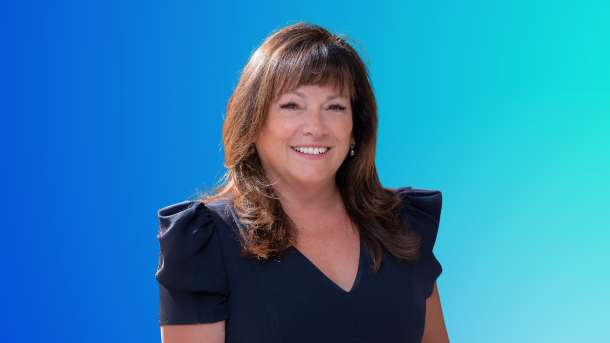
Shandi Andres — State Adviser for Kansas FCCLA

Shandi Andres — State Adviser for Kansas FCCLA
About Shandi Andres

Shandi Andres is the State Adviser for Kansas FCCLA.  She also serves a Family and Consumer Sciences (FCS) Education Instructor at Kansas State University.  She is a recipient of the American Association of Family and Consumer Sciences (AAFCS) 2023 Leaders Award. She started her career as a FCS Teacher and FCCLA Adviser.  She moved to a position as an Extension Agent. She served as a FCS & 4-H Agent while also serving as a District Director. These experiences led her to the current position.  

This position allows her to work with youth and FCS professionals from across the state and nation.  Shandi believes that Family and Consumer Science courses, skills, and experiences provide a foundation for individuals to succeed. FCCLA is the student organization as part of FCS in which students are able to grow as leaders and develop skills for life.  

Connect with Shandi Andres: Email | Instagram | Facebook

Listen Now

Listen to the episode now on Apple Podcasts, Spotify, or on your favourite podcast platform.

Resources Mentioned

Kansas FCCLA

Kansas State University

The Transcript

**Please note that all of our transcriptions come from rev.com and are 80% accurate. We’re grateful for the robots that make this possible and realize that it’s not a perfect process.

Sam Demma
Welcome back to another episode of the High Performing Educator podcast. This is your host, Sam. And today we are joined by Shandi Andres. Shandi Andres is the State Advisor for Kansas FCCLA, and she also serves as a Family and Consumer Science Educational Instructor at Kansas State University.

Sam Demma
She’s the recipient of the American Association of Family and Consumer Sciences Leadership Award in 2023. And she started her career as an FCS teacher and FCCLA advisor, which I’m sure she’ll be talking a little bit about here today. She’s also done some work with 4-H and with the district as a director.

Sam Demma
And these experiences have led her to her position today. She’s also currently in calving season. with the district as a director. And these experiences have led her to her position today. She’s also currently in calving season. And I know it’s very busy for her. Shandi, thank you so much for setting aside some time to be on the podcast here today.

Shandi Andres
Yeah, thanks Sam for having me.

Sam Demma
Tell me a little bit about what got you interested and involved in education and family consumer sciences.

Shandi Andres
So, I remember even as a little kid thinking that I wanted to be a teacher. Many fellow educators, you know, when they were little, they probably had their siblings set up and playing school, etc. And that was no different at my house. However, the biggest difference was I didn’t want to teach math, I didn’t want to teach reading. So I knew I wanted to be a teacher, but I didn’t really know what I wanted to teach. And it wasn’t until I got to high school, my freshman year, one of my best friends drug me into the organization fair and her aunt was the FCCLA teacher and FACTS or FCCLA advisor and FACTS teacher and she drug me in and she said, hey, we should do this. And I said, okay. So I signed up and I was actually enrolled in a facts class that semester. And what I found was that I found my home. I grew up with an ag background, absolutely love ag, grew up in 4-H. But I found my home in FCS.

Shandi Andres
That’s the acronym we use for family and consumer sciences. So you’ll hear people say FACTS, you’ll hear people say FCS, but it all comes down to the same. And so my high school career, I took as many family and consumer science classes as I could. I was a chapter officer, star event participant, district officer, and really launched my desire to be a FACS teacher. So by the time I was a junior, I was committed to being a FACS teacher and that’s kind of continued with my path of family and consumer sciences.

Sam Demma
What was it specifically about family and consumer sciences versus the other subject areas that really drew you in or pulled you in?

Shandi Andres
No, it was skills that everybody could use every day. When we think about, yes, we need math. We really do. You know, kids don’t necessarily see that they need math, but I can tell you exactly how we use it. You know, when don’t necessarily see that they need math, but, but I can tell you exactly how we use it. You know, when I am going to make a recipe and it’s written as a single recipe, but I want to quadruple it because I’m serving a larger group, then I can calculate that out in my head because I know how fractions work and how our, our math works. So it’s real life skills. It’s also skills like communication and public speaking that we grow and develop through our time in those family and consumer science classes. And so if you think about our careers, we have a lot of careers in the new career cluster model and previously that are connected to family and consumer sciences, but our skills that we learn in family and consumer sciences launch us into any career, help us to be better people and to be better consumers. If we think about family and consumer sciences, we can break that down. So anything that involves us as being a member of a family, and that means as a member of the family, we’re a member of the community.

Shandi Andres
But also then we think about consumerism and how do we make better decisions as consumers. And so that might mean when I buy a car, how do I choose that process and that purchase to make the best choice for me? But it could also mean that how do I choose a banking product or how do I choose my insurance? And so all of those impact us as individuals. and FCCLA is that I’m going to call it professional development component for students in the area of the family and consumer sciences but when I’m talking to potential students or teachers, parents about our program then a lot of times I get well what can I do if I don’t want to be in family and consumer sciences.

Shandi Andres
We have a lot of components that are just about making making yourself better. One of our national programs is the power of one and so it really is about you personally. How do we how do we make ourselves better? When we think about power of one, then it has modules within it. So one of them is a better you. And so you set personal goals for yourself to be able to improve something about you. One of them is a family tie. So maybe that means that you want to improve our relationship with your mom or dad. Working on working, so I’m going to prepare for a career, how do I do that? Take the lead and then speak out for FCCLA. Those are just, that’s just a very basic program within FCCLA and so it’s applicable to anyone. Our competitive events are the same way. When we think about maybe you want to be in a family and consumer science-related career, but maybe you don’t.

Shandi Andres
And if you don’t, there’s still competitive events and story events like leadership or career investigation that are very much just about you and not necessarily about a family and consumer science science related career.

Sam Demma
Tell me about your first experience with FCCLA.

Shandi Andres
I don’t know if I can tell you my very first experience. But I do know that I was part of our chapter. So that’s the basic unit building blocks within the organization. So our chapter was in our high school. And so we had a chapter there where I went to high school. And so we had monthly meetings.

Shandi Andres
Those monthly meetings allowed me to see how parliamentary procedure was used in a business meeting beyond just knowing Robert’s Rules of Order, how do we use it. But then we also planned activities, community service projects. We took some of our national programs and created projects within the school and communities. I did star events. So my freshman, sophomore and junior year, I competed in the job interview of star event.

Shandi Andres
And my goal was to make it to nationals. And so I did my junior year I made it to nationals. Part of the job interview event means that you’re going to have a job that you want to apply for. You’re going to create a portfolio as if you are preparing for that job. And then you meet with the judges just like a formal interview process and they’re going to have your material.

Shandi Andres
And that was a great learning experience for me as an individual, not only to think about the preparation of that portfolio, but also then how do I efficiently communicate with the person sitting on the other side of the table, and to be able to take constructive criticism and feedback from those judges. So my junior year, I qualified for nationals, and I was able to go to nationals that year and that was that was fantastic to be able to do that. My senior year then I had to choose a different project. I couldn’t take the same events so I had to I did something different but but that created that process created a lot of opportunities for connections but in personal growth. The one year I was working on my job interview event and we actually had a parliamentary procedure team from our chapter. And so that team actually worked, they met a lot.

Shandi Andres
They usually met two or three times a week to go through their practice. And one of our chapter members that was on the Parlipro team that year actually was diagnosed with diabetes during the preparation. And so to see the connections that happen beyond just school and classroom for those for my friends and those fellow students was just amazing and we don’t create those connections when we’re just just

Sam Demma
attending class. It sounds like every touch point you’ve had with FCCLA has been an impactful one. Whether you were the student or the advisor, or just involved at an event. Why do you think it’s important that more students get involved in experiences like FCCLA or FCS?

Shandi Andres
Well, one of them I think that’s really important is connection. You know, our students when in middle school and high school really need that connection. Yes, they need that connection with their peers, but they also need that connection with an adult in their building. And so when we participate in extracurricular or intercurricular activities, then we actually help build those connections and students do better in school. FCCLA, depending on who you ask, would say, or most of the time we would say that it is intercurricular. So the hope is that all of those advisors are using the FCCLA materials within their classroom. And then sometimes it becomes extracurricular because you have students who really want to take it above and beyond. But it is designed to be intercurricular. And yes, it does take a little time outside of class if you are doing well within your chapter.

Sam Demma
What part in your journey did you also start serving at Kansas State University?

Shandi Andres
So when I was fresh out of high school, or out of college, I actually attended Kansas State University. And then when I was fresh out of college, I took a teaching position. So I taught in a family and consumer science program in a multi-teacher department. So there were two of us and served as the FECLA advisor. I had my two children and my husband and I made the decision that I was going to leave the classroom so I could stay home and so I stayed home with my kids for a couple of years. My husband was managing an Angus operation. And so then our family process, I actually went to work full time on the ranch for five years. And when we moved home, we were living about two hours from where we grew up.

Shandi Andres
So when we moved home, I took a position with K-State Research and Extension. And if you’re not familiar with extension, extension is associated with the land grant universities, oftentimes called cooperative extension. And in Kansas, that’s housed through K-State. And so I became a Kansas State University employee when I joined K-State Research and Extension as an agent. And so I was the Family and Consumer Science and 4-H agent for the district. And I was with them for six and a half years. I took over as interim director during my time and then I went to director.

Shandi Andres
And I absolutely loved Extension and I loved 4-H. And we all have paths in our journey and part of my journey included a change. And so I, technically I changed job, but I’m still employed through Kansas State University. So I moved from my position with extension, which was out in the county. To campus and so I’m housed at Kansas State University. And my position is a 2 part position. So, I, I am employed on campus and so 20% of my contract is for teaching. That’s the family and consumer science education instructor. And so I teach our methods course for our students who are going to be family and consumer science teachers.

Sam Demma
Oh, wow.

Shandi Andres
Yeah. So I get to work with our pre-service teachers. And so in the fall, I methods and supervise practicum. And then in the spring I supervise student teaching for those students. And so making their placements out in the field and matching them up and doing their supervisions. And I work with our student organization for FACS Ed. And then the rest of my time is spent as the Kansas FCLA state advisor. And that is a contract through our state Department of Education. So they contract out our state advisors. And so that happens to be the other part of my position. I I love the combination of my position. I love that I still get to work with professionals in the field. I get to help prepare our students as they’re entering the classroom. And then I get to work with our state officers and planning our state events. So that’s the state advisor role. So I serve as an administrative function for the organization. And then I help work with our state officers and help plan leadership trainings at state events and get to see all of it come together every time. And so that’s really an amazing process and a rewarding part of my job.

Sam Demma
When you speak about it, it’s so clear that you’re passionate about all of the roles because it sounds like you could talk about them forever and you light up and you’re smiling the whole time. When you think of the advisors you had, is there any that still are front and center in your mind?

Shandi Andres
Well, I just had one FCCLA advisor. My chapter advisor was there the whole time. And she’s actually now a cousin by marriage. My husband and I started dating before I started high school. And his mom and my teacher’s husband were first cousins. And so I got to know her through class, but also outside.

Shandi Andres
And so what I appreciated about her as an advisor was her willingness to let students take the lead, jump in for pretty much anything. We were able to toss at her. But also her passion for family, for sciences, and for teaching. She was very animated, very structured in her classroom, and so I really appreciated those dynamics.

Shandi Andres
She has since left the classroom, but obviously we still still chat. And it did make a huge difference and an impact on on what I was going to do. And it was a simple ask of, hey, because you know you could do this as a career. And sometimes we have interactions with great people, but they don’t necessarily see their potential. And so as teachers, as adults working with youth, sometimes it means a simple observation of, hey, have you considered this for your career? Or have you considered looking at this? Because I think you’d be great at it.

Shandi Andres
And I think that’s really important as we think about choose preparing, choosing, advocating for teachers is how do we grow that profession? How do we encourage those youths to capture and take hold of their natural interest?

Sam Demma
It sounds like one of the ways you support young people is by acknowledging their own greatness through suggestions of pathways that they could pursue based on your observations. When it comes to building relationships with young people, supportive relationships, both with FCCLA or in the classroom, what else do you think makes all the difference when it comes to connecting with the young person?

Shandi Andres
Sometimes it’s simply them knowing that you are available, that you care, that you understand, but also sometimes that means picking up on the little things. I have our state president right now and she’s actually been on our state officer team for two years. And so she traveled with me to one of our events. And in one, she’s very, very, very good about writing thank you notes. Thank you notes following the event. And that’s one of the things that she excels at. But in one of her

Shandi Andres
thank you notes, she commented about like, thanks for always having a listening ear and for having gum to chew on when I need it. So sometimes it’s the little things that you capture. One of our training events this last fall, we usually go, I usually take our state officers, part of their training, but also advocacy

Shandi Andres
opportunities is to go to Capital Leadership, which is held in DC. And it didn’t happen this last year because of the election year. And so we went to a different training, one at the Fall Leadership Institute, and that was actually a partnership with Disney this year. So they went and did the leadership training with Disney, and then as a bonus, then they got to go to the Disney theme park to check it out.

Sam Demma
Oh, wow.

Shandi Andres
One of my state officers was very adamant that he doesn’t like roller coasters. He skipped out on the Incredicoaster. But he had his sights set on Space Mountain. He was going to go on Space Mountain while we were there. If you’re not familiar, Space Mountain is a roller coaster inside.

Sam Demma
Dark.

Shandi Andres
Dark.

Sam Demma
Yeah.

Shandi Andres
It’s absolutely dark. So we convinced him that he could go on their runaway rail car with us. And he ended up, our group got split. So we had a group at the front and a group at the back. And when we got done, he survived and he had a smile on his face. But he told me that he was going to ride with me on Space Mountain. And I said, okay. And he goes, because you laugh on the roller coasters and that makes me feel better. And I was at the front, yes, I laugh on roller coasters. And I said, you could hear me? And he goes, yeah, I could hear your laugh on the roller coaster.

Shandi Andres
And so it was something that I do naturally and I didn’t think about it. But his statement made me think about how sometimes we do little things that others pay attention to and capture onto that we don’t. It does have an impact on others, positive or negative. I think that’s important to remember. But in this case, it made me smile and it made my heart happy to hear him, hear him, um, take that in a positive light instead of negative.

Sam Demma
Oh, my, my laugh sounds like a flock of dying geese. So we’re the same people can recognize it from some ways away. And you’re so right. Sometimes the things that we take for granted are the things, not even maybe take for granted, but the things we don’t even recognize are the things that other people appreciate the most.

Sam Demma
And I think that’s what’s so unique about education or working with young people is you never really know what’s going to connect and make a difference, but you show up with the intention every single day to be of service and support and help and trust that something will connect and will make an impact. It’s been such a pleasure chatting with you. I can’t believe the time has already flown by. If some educator is, you know, an educator is listening to this, they might be struggling right now or a little bit burnt out. What advice would you give a colleague or someone else in education who’s just going through a lot right now?

Shandi Andres
I would say I have two parts to this. One of them is to remember your why, because your why, if you can remember that, will usually help you get through some of those tough times, but also remind us like, what’s your purpose? Why did you get into this? Or, why do you hope to help others with? What’s your why? That’s the first one. The second thing is, I think today, even more than ever, it’s really important to remember that we practice some self-care. Maybe that means that we take our calendar and we write it, make sure we have white space. If you’re not familiar with white space,

Shandi Andres
I use a paper calendar intentionally because I can see if I have any white space on my day and that’s me. But making sure that we have some white space for ourselves, for our own time or know where those boundaries are. But also maybe it’s the little thing.

Shandi Andres
Maybe that means there’s a song that’s your pick me up. Maybe that means there’s a scent that is your go-to. Maybe that’s a candle you can keep close. Maybe that’s a perfume or a spray. But something that reminds you, even when days are tough, to take a deep breath. And what’s the good? And let the bad go. Breathe it out. And so I think those two parts are really important as we take care of ourselves as educators and to be able to give back to our profession.

Sam Demma
I got a lot of green space and yellow space and red space and blue space. I got to find some white space, Shandi. I appreciate you so much for taking the time to share some of your journey and beliefs around education and impacting young people.

Sam Demma
I look forward to meeting you shortly. I’m so excited to be of service and support to Kansas FCCLA. If there is an educator listening to this that wants to reach out and ask you a question, what would be the best way for them to get in touch? You can reach me at my email.

Shandi Andres
So that’s sdandres@ksu.edu.

Sam Demma
Awesome. Thank you so much for your time and keep up the amazing work you’re doing.

Shandi Andres
Thanks, Sam. Hope to see you in April.

Join the Educator Network & Connect with Shandi Andres

The High Performing Educator Podcast was brought to life during the outbreak of COVID-19 to provide you with inspirational stories and practical advice from your colleagues in education.  By tuning in, you will hear the stories and ideas of the world’s brightest and most ambitious educators.  You can expect interviews with Principals, Teachers, Guidance Counsellors, National Student Association, Directors and anybody that works with youth. You can find and listen to all the episodes for free here.
Leanne Forrest — Program Manager for Educational Assistants at the Ottawa-Carleton District School Board

Leanne Forrest — Program Manager for Educational Assistants at the Ottawa-Carleton District School Board
About Leanne Forrest

Leanne Forrest, is the Program Manager for Educational Assistants at the Ottawa-Carleton District School Board. Her career has spanned over 35 years in special education. She was nominated in 2022-2023 for the Ronald K. Lynch Award for an outstanding and significant contribution reflecting either a sustained compassionate and dedicated commitment by an OCDSB employee to the success of students with special education needs. 

She began her career as an Educational Assistant supporting students with autism in specialized program classes, then joined the central Learning Support Services team for Autism. As more leadership roles became available, Leanne moved into the role of Applied Behavior Analysis Coordinator and then became the first Program Manager of Educational Assistants in 2024 at the OCDSB.

Connect with Leanne Forrest: Email | Linkedin

Listen Now

Listen to the episode now on Apple Podcasts, Spotify, or on your favourite podcast platform.

Resources Mentioned

Ottawa-Carleton District School Board

Bonus Q&A with Leanne Forrest

 1. Why do you do the work you do with young people? 

I’m drawn to working with young people, and particularly in special education, because I believe every child deserves the chance to thrive. I’ve seen firsthand the incredible potential that exists with our students, regardless of the challenges they face. It’s about looking beyond the labels and diagnoses, and seeing the individual – their strengths, their passions, and their unique way of learning. For me, special education isn’t just about accommodations and modifications; it’s about building genuine connections, understanding each student’s specific needs, and creating a learning environment where they feel safe, supported, and empowered to reach their full potential. 

It’s also about the staff who support these young people. A lot of my work now revolves around supporting Educational Assistants who walk alongside students each and every day supporting their mental health, social, communication and learning needs. 

2. What got you into this work? 

My path to this role was driven by a deep belief in the power of inclusive education and ensuring our students with special education needs were met. I’ve seen firsthand how dedicated teachers and EAs can transform a student’s experience, providing not only academic support but also a sense of belonging, safety and joy. I was inspired by their compassion and commitment, and I wanted to be part of a system that supports these incredible individuals and amplifies their impact. 

How it all began for me: 

When I was 16 years old I had an opportunity to do a volunteer placement at a specialized school in our district for students with developmental disabilities. I had never been in an environment like this and was in awe of the students’ needs and how the educators supporting them were positive and passionate about what they were doing. I found a place where I felt I belonged, where I shared the same joy in giving back, and pride in seeing students reach their full potential. I knew from that time on I wanted to work in special education. 

It led me to pursue my post secondary education in supporting students with special education needs. Through my education I experienced another life changing student placement opportunity where I worked in a specialized class for students with Autism. Supporting and learning from some of our most vulnerable 

students with complex needs gave me a sense of purpose and drive to do more. In these environments you are surrounded by caring and dedicated staff invested in creating safe and caring spaces to welcome students where they are at. 

3. What challenges are you currently faced with? 

With my new role as the Program Manager of Educational Assistants, one of the ongoing challenges is ensuring we have adequate staffing to meet the growing needs of our students. Finding and retaining qualified EAs is crucial. Another challenge is providing consistent and relevant professional development to keep EAs up-to-date on best practices and specialized skills and ensure EAs feel valued. 

4. How are you overcoming those challenges? 

We’re actively working on several fronts. Our HR department has implemented targeted recruitment strategies to attract qualified candidates. 

We’re actively working on developing mentorship programs to support new EAs and help them thrive in their roles. 

We’re developing partnerships with local colleges and universities to create pathways into the field of education assistance. 

And we’re continually seeking feedback from EAs themselves to understand their needs and address them effectively. Staff feedback is crucial to understanding not only the barriers they face in the work they do but also an amazing way to gain insight and suggestions from those doing the work. 

It is also about elevating the job and bringing awareness and appreciation of the work they do. You were a large part of sharing in the recognition of the important work EAs do when you joined us in August for the EA Leaning days. 

We’ve also just had our first EA appreciation day back in November and I will continue to strive to bring recognition and support to the role of EAs across our district. 

5. What programs did you run last year that were a success with students and teachers? 

Last year we ran a number of After School Social Skills Development Programs for neurodiverse students who were having difficulty with play skills in Primary 

grades as well as a program called PEERS for Intermediate and High School students who were having trouble making and keeping friends. 

Both programs gave students the opportunity to learn vital play and social skills in a safe and caring environment where they could take chances and build skills and peer relationships. Teachers got the opportunity to focus on important skills, learn the evidence based strategies to elicit the skills and build connections with students they may not have already had. 

6. What gives you hope? What do you think is the biggest opportunity right now? 

What gives me hope right now is the unwavering dedication and passion of our Educational Assistants. In my new role I have had the privilege to walk alongside EAs who are doing remarkable things for students. 

They are truly amazing individuals who go above and beyond for their students every day. The biggest opportunity right now is to elevate the profession of Educational Assistants. By providing more training, support, and recognition, we can attract and retain top talent, ensuring that every student has access to the support they need to succeed. I think there’s a growing recognition of the vital role EAs play, and I’m excited about the future. 

7. What mistakes have you made and learned from that are worth sharing? 

Early in my career, I wanted to be the fixer. I wanted to solve the issues. I didn’t always take time to listen and reflect before trying to solve an issue. Through my leadership courses and some amazing mentors in my career I have learned the importance of this. 

You know System Principal Deb Lyon, she has been an amazing mentor to me and helped me understand the power of listening to others and taking the time to reflect. You don’t have to react immediately and make suggestions, you can give others time with their own questions to reflect and maybe come up with the solution before you make a suggestion. I find it really empowers others. 

I have also learned the importance of surrounding yourself with people who not only share your values and views but the importance of being around those whose views differ from yours, who add the diversity and creativity that makes the process of collaboration so important. 

I’ve also learned the importance of student voice, parent/guardian voices alongside our educators in the decisions we make. We can’t make decisions 

about them without them. We can’t make lasting, supportive change unless we include the voice of everyone involved. 

8. What is your motivator (or your driver)? 

“My motivator is seeing the positive impact our educators have on students’ lives. It’s not easy work but they do it anyway. Knowing that I’m playing a role in supporting these dedicated individuals and ultimately helping students thrive is what drives me every day. It’s about creating a more inclusive and equitable education system where every student and staff member feel valued and supported. 

9. Tell me a story about a situation where you heard the impact a program had on a student. 

As I mentioned earlier, in our After School Social Skills Development Programs part of my role was to train staff to run the programs at their schools. When I would do onsite visits I would hear first hand how students were building play skills and making connections with one another. I would see the excitement and joy staff had in running the programs and feeling like they were really getting to know their students and building connections with them. They would tell me it was the best part of their day! 

I had a parent stop me and tell her how her son in Kindergarten was playing with others for the first time and asked when the program would be running again so they could keep making friends. 

In our PEERS program I had a student who for the first time walked home with a peer, got invited to a hangout at someone’s house and felt like he had a friend. It may not seem like a lot but for many this is the difference of wanting to come to school, having a sense of belonging and can really support their mental health and well being. 

10. Where can other educators reach you if they want to bounce ideas around? 

I’m always happy to connect with others. They can reach me by email at leanne.forrest@ocdsb.ca or through my linked in account. I believe in the power of collaboration and sharing best practices, and I’m always open to discussing new ideas and approaches to supporting students and EAs. As I am still new to the role and not sure if other boards have a similar position, if there’s anyone out there that supports educational assistants in their boards I’d love to connect. 

Join the Educator Network & Connect with Leanne Forrest

The High Performing Educator Podcast was brought to life during the outbreak of COVID-19 to provide you with inspirational stories and practical advice from your colleagues in education.  By tuning in, you will hear the stories and ideas of the world’s brightest and most ambitious educators.  You can expect interviews with Principals, Teachers, Guidance Counsellors, National Student Association, Directors and anybody that works with youth. You can find and listen to all the episodes for free here.