February 2022

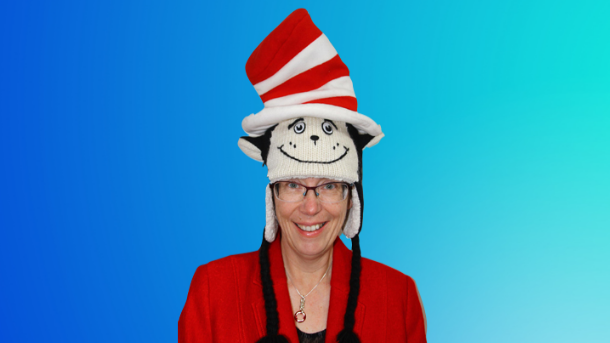
Karen Kettle – Retired Science Teacher, Speaker and Author of Countdown To Camp

Karen Kettle - Retired Science Teacher and Author of Countdown To Camp
About Karen Kettle

Karen Kettle is passionate about the power of student-led leadership programs. Throughout her career with the Durham District School Board, Karen has been a high school science teacher, a consultant, an international presenter, an author, and a course director for the York University Faculty of Education.

She has worked beside talented student leaders and dedicated colleagues to create and implement the Eastdale Eagles Leadership Camp and the Port Perry Rebels Leadership Camp. In retirement, Karen continues to explore new and creative pathways to share her love of leadership with the next generation!

Connect with Karen: Email


Personal note from Karen

Leadership Camp is a collaborative effort.  I would like to thank all of the people who are partners in making camp happen.

Camp Heads
Camp Committee Members
Team Leaders
Student Leaders
Parents/Guardians
Teachers
Camp & Club Advisors
Camp Program Staff
Secretaries & Custodians
Administrators
Sponsors  

A very special thank you goes out to the two camps that I have had the privilege of working with: Kilcoo Camp (Eastdale Eagles Leadership Camp) and Youth Leadership Camps Canada or YLCC (Port Perry Leadership Camp). Having talented camp staff to work with is priceless!


Listen Now

Listen to the episode now on Apple Podcasts, Spotify, or on your favourite podcast platform.

Resources Mentioned

Countdown to Camp (Karen’s Most Recent Book)
The book Countdown to Camp is available at volumesdirect.com for $20

Youth Leadership Camps Canada

Port Perry High School

The Transcript

**Please note that all of our transcriptions come from rev.com and are 80% accurate. We’re grateful for the robots that make this possible and realize that it’s not a perfect process.

Sam Demma (00:02):
Karen welcome to the High Performing Educator Podcast. Huge pleasure to have you on the show here today. Start by introducing yourself and sharing a little bit about who you are and why you’re passionate about the work you do with youth.


Karen Kettle (00:15):
Okay. my name is Karen Kettle and I am a retired science teacher. I taught for 30 years in the Durham school board. And my passion outside of science education is working with students to run student-led leadership camps. And I’ve had the opportunity to do that twice. I worked with a group of kids at Eastdale and also at port Perry high school. And we ran camps for about 130 or 140 students from the school that were mainly student run. So that’s, that’s my leadership passion outside of the biology classroom.


Sam Demma (01:06):
What brought you to that passion? How did you discover it and why do you think it’s important that students get involved in camp?


Karen Kettle (01:15):
Well, I spent a lot of time at summer camp growing up. I first went to camp when I was nine years old and I really badly wanted to come home on visitor’s day. And my mom left me there crying on the dock and told me I would learn to like it. And after that I went back every summer to that camp and also to the Ontario camp leadership center at bark lake until I was well in my twenties. And when I decided that I wanted to become a high school teacher, I wanted to be able to bring the best of that camp, spirit, that transformative experience into my teaching career.


Sam Demma (02:04):
That is awesome. And what, what, what were the steps you took to start building camp? So I would imagine being involved in a camp as a student is a different experience than organizing a camp as an educator. What, what were the initial steps you started taking to build the camp and tell, yeah, tell me a little bit more about that process on how it turned into its its own thing.


Karen Kettle (02:30):
Well, I was very lucky when I got to Eastdale I knew the principal very well and he was a principal that was a camp director in the summertime. And the year before a very talented leader had started a student retreat as part of a course. And so they wanted to continue it and they were looking for someone else with camp experience, there were some great teachers involved with it. And so I joined their team and then we just started to increase the length of time. We took students away until we were up to a four day camp and involve all sorts of different students from the school, from all sorts of clubs, like student council and music council and meet and we and athletic council and all of the social justice clubs and geeks unlimited and the gay straight Alliance and the ambassadors and the environment club and the business club. And so it became sort of an umbrella training ground for student leaders in the school. So that was my, that was my first experience with leadership camp. And then when I left and went to port Perry high school, I started from scratch again.


Sam Demma (04:06):
And now you are a camp pro or a camp in ninja, or I don’t even know what to call it, but you, you you’ve built out so many supports for camp and encouraging students to get involved in camps and encouraging students to lead camps and encouraging educators to understand the importance of camp. You’ve even, you know, written books about it. One that’s very, you know, new and fresh. Can you share a little bit about what inspired you to write the book and also why you think student led leadership camps are also really important?


Karen Kettle (04:45):
Okay, well in working with students over the years one of the things that they use to say to me is I kind of know what we need to do, but I sort of need a checklist to get there. And so during the, a pandemic, because I had lots of creative alone time I sat down and tried to pull all of the collective wisdom together from all of the other advisors I’d worked with and camp heads and camp committee members and my colleagues and support staff and put it together just in a way that someone who had never run a leadership camp could pick it up and know that they could start with simple steps. And then as their school got more involved and the student leaders in the school got more involved, all they could build it into whatever it was that they wanted and needed for the school.


Karen Kettle (05:51):
I think student leaders are incredible role models for their peers because the camp committee, which works together all year to get camp ready by designing it and implementing it and, and running everything other than high ropes course and waterfront they are just that little bit better at, at some of the leadership skills than their peers. And so it’s kind of like if you’re an athlete and you wanna learn to get better at tennis, you don’t want to play against world champions. You wanna play against someone who’s just that little bit better than you are and makes you stretch your skills. So the senior students are great role models for their less experienced peers, cuz the kids can look at them and say, you know, in two or three years, that’s who I wanna be. That’s what I wanna do. And it also keeps the ownership of the camp program in the, in the school. It, they’re not going somewhere and having someone else run everything, they’re working with a camp staff to, to run a program and, and the program belongs to them.


Sam Demma (07:16):
That makes a lot of sense. And, and I think giving students a voice is so important because thinking back to the educators that made a big impact on my life, their class was more so a discussion than it was a lecture. And because I was given a voice, I was more interested in the content they were teaching and speaking about out. And if I was running or organizing an event, I would be more inclined to get involved and also to promote it to my friends and to get other students in the school involved. Because I, I feel like ownership and interest are kind of tied together. Something you do a great job at, in your book countdown to can a, is breaking down this idea that student leadership is a year long process. What do you mean by that? And what does it look like? Or what does a typical year of planning in a student leadership position look like?


Karen Kettle (08:17):
Okay. well what would happen is at the beginning of the year students would apply to be on camp committee and this would be a group of about 20 students that really wanna put in the time because it takes a lot of time. They, they meet once a week for an hour and a half or two hours as a group. And so they go through a, a process where they start off with lots of team building within their group and getting to know each other, figuring out who has what skills and who can bring music who can bring organization, who can bring humor to the group. And then we basically start through a process where we develop a theme which holds camp together. And some of our past themes have been things like Dr. Sue or Harry Potter or Beatlemania or clue.


Karen Kettle (09:26):
And so they have to brainstorm all sorts of different themes and come up with what it might look like. And we take a lot of time to make sure that all of the themes are, are really, really strong. And then we have a process, a decision making process that we go through to help them come to a consensus on theme. And then after that’s done, we start through the same process again, to trying to decide what workshops we’re going to put into camp. And that is one of the places where you can really tailor camp to your own individual school, because you can pick out knowledge elements that the kids in your are clubs might need, they might wanna learn something about emotional intelligence or mental health. You can pick out skills that they might wanna develop, like communication skills or delegation or creativity.


Karen Kettle (10:33):
You can work on some values like attitude or kindness, and then you can also look at issues like inclusion or consent or anti-bullying or environmental issues. And so that becomes the, the part of camp. That’s the learning part of camp. The, we would then organize students in the teams, workshop teams, and they’d pick from the ones that they’d brainstorm and they’d work to put together their interactive workshops. And then we get to plan all the fun things at camp. And those are things like campfires and large group games and talent shows banquet. So there’s, there’s a lot of organization that goes on throughout the year. We also do a lot of fundraising to make sure that we can support kids financially, who might not otherwise be able to attend and that’s kind of fund too, because there’s a lot of experiential learning in, in running a, a fundraiser.


Karen Kettle (11:45):
Quite often the camp committee takes on some other challenges at port Perry high school. We used to run a minicamp day for the grade eight that were gonna come to our school the following year and run through our workshops with them and just help them come into the high school and feel comfortable in the high school. So all of that goes on throughout the year. And the culminate activity is the three day or four day experience with a camp partner where we take somewhere between a hundred and hundred 40 kids from the school. And, and they get to share in the experience.


Sam Demma (12:31):
What do you think are some of the really positive outcomes on a school’s culture when students within that school participate in a camp experience?


Karen Kettle (12:44):
Well, there’s a lot of them because there there’s individual learning and individual development with the people, especially the people of who are on camp committee. There are the skills and knowledge that advisors can take back with their students in their own clubs and apply those. But also I think students find that it’s, it’s intrinsically rewarding to do something that is sort of in the service of others. And, and so there’s, there’s a, a good feeling there. You get a large group and, and that’s, what’s different about student led leadership camp rather than sending an individual student to a conference is that you come back with like a hundred kids that have shared the experience and that increases cooperation and trust among the students. It increases cooperation with staff cause once you’ve boosted your vice principal up onto the ropes course, or you’ve, you know, what had your principal walk the plank because he was the villain story.


Karen Kettle (14:03):
They come back with a different sense of understanding that, you know, that the teachers and administrators are, are people and they’re there to, to help. So you get this sort of shared vision of, of what you can do as a, as a team. If everybody works together student thoughts will meet and interact and live with students that they wouldn’t otherwise meet at school. And so it breaks down social barriers in the building. It there’s more cooperation between clubs because each club knows what the other club is doing and what their purpose is and why they’re there. And then the other thing I find is that student leaders, when they come back, they look for or understand the deeper meaning in some of the activities that they’re running at the school. So they might be running like something really fun and silly on a Friday, but they know that they’re doing it to build community. Yeah. And they know if they put together something on study skills that they know that they’re providing a, a service for other students in the building, or they, sometimes they do things like they’ll come back and put up a kindness tree or something like that. So they understand that there’s a deeper purpose behind all of the extracurricular activities that, that they’re doing.


Sam Demma (15:41):
And how do you go about selecting what students in a school would get to participate in a camp? I would imagine that’s probably one of the most difficult aspects because you want everyone to have the experience, but you might have a li limited budget and a limited amount of students that you can bring with you to these four, five-day experiences.


Karen Kettle (16:03):
Yes. Well, one of the things is that with leadership camps, again, because you can fine tune it to your school, different schools have slightly different selection criteria. But the way we’ve always gone about getting students is that any student who’s already involved in the leadership club in the school gets an invitation to go grade nine and 10 students who are involved go through that process, or they can also self nominate themselves. So if you have maybe a shy grade nine student, who’s not yet involved in anything, they can just fill out an application form for an invitation and they get an invitation. We all also have our teachers that teach a lot of grade nine and 10 students nominate students that they think would benefit from the experience. And some of our teachers are really good at that.


Karen Kettle (17:08):
Really seeing that, you know, the little kid at the back of the room, who’s got all sorts of energy, but no focus might actually benefit from camp because once they find that focus then, then they’re set. They know what they wanna do. We also go to our teachers and coaches and guidance department and special ed department and adminis and ask if they wanna nominate kids. Sometimes students who are a little bit at risk because they’ve just moved into the area or something has happened in their family life. And they might just need that really to be part of a really supportive group. Sometimes kids who are just sort of there after school all the time, cuz they don’t really have anywhere else to go will get those kinds of students that are nominated. And then it basically becomes a first come first serve basis. After everyone who is interested through those categories receives an invitation,


Sam Demma (18:23):
Got you. And something else. Okay. Oh, go ahead. Some,


Karen Kettle (18:27):
Okay. Some schools because they wanna have they want diversify between grade nines, tens elevens and 12 do first come first serve based on grade. Mm. We, we’ve never done that. And we normally find that about 50%, 60% of our camp is grade nines and tens.


Sam Demma (18:48):
Got you. You mentioned briefly fundraising and you also do an amazing job in your book providing, you know, literally a template that you use in terms of a sponsorship letter. How, yeah. Can an educator who’s listening to this that wants to run a camp. What should they be thinking about in terms of sponsorship, how do obtain it and also what the letter it should include that they’re thinking to send outside of obviously buying your booking, check, checking it out.


Karen Kettle (19:17):
Well sponsorships are a good way to go sometimes what our sponsors do is they just provide items. So for example, our, our camp committee would go down the main street of port Perry with a letter explaining that we’re raising money to provide scholarships for students who might not be able to afford to go to camp. And quite often they will give us, you know, small items like candy or a t-shirt or something from their, their business. And so we put those together into something like a a draw or a silent auction, something like that. So that’s one way of, of finding sponsorship ships. We’ve also had service groups who have provided us with money sometimes connected to a, a, a service. So we went and helped out with a pancake breakfast and that group donated some money to our, our camp scholarship fund.


Karen Kettle (20:30):
I think if you’re writing a sending a letter to organizations, it has to really clearly state what your, what your leadership camp is, how it serves people. We put down a breakdown of costs per individual student. And then we basically just said, you know, if you’d like to make a contribution, here’s the, the camp advisors contact information and it’s sort of a contribution of whatever they would like to make. And we just basically had a bank account and we put money in from that and from our fundraisers, cuz we like to do silly fundraisers. And then on our application form for parents, there was a little line that sort of said we know that economic are tough for people. If your son or daughter requires some financial assistance, please contact. And there was a camp advisor’s email.


Karen Kettle (21:38):
And then when we got in touch with the parent, we basically said you know, what can you afford to pay towards your child going to camp? And then we can cover the rest of it. And, and that worked really well because it let us spread out the funds among the, the students who really needed it. For me, that, that I came to that realization when I actually had a parent call me and ask if she could pay for her son’s best friend to go to camp. Mm. And until that time we had sort of been fundraising to lower the cost for everyone. And after that experience I realized that it was probably better to target the money because some parents could easily afford to send their kids. And for some parents it was prohibitive. Mm. So that’s why we came up with that idea of, of scholarship funds.


Sam Demma (22:41):
That’s amazing. Another great resource that I pulled out of your book. I know I’m referring to it a lot and it’s because it’s jampacked with great stuff, the workshop topics, that was a phenomenal section that you created that, you know, encapsulated dozens of ideas that people could think about presenting or even bringing in someone else to present at their camps. What are some of the ideas that you found the great success with or would recommend that someone who’s planning their first camp should include in the programming somewhere?


Karen Kettle (23:19):
Well workshops that that list of workshops came about because one of the, the issues when you’re working with young people on a camp committee is that the only work ups they’ve seen are the workshops that were presented the year before the, or the two years before. Mm. And so they, and so they kept reinventing the same workshop and just changing its name. And it was normally about pushing your comfort zone. And it got to the point it’s like, we pushed our comfort zone enough. We know now need actually to do something else because you really want to not repeat anything sort of within the four years that that’s students could be in the school because we have some students that go for four, for three or four years. And so what I did is I basically just sat down and wrote like little teaser for 99 different workshops.


Karen Kettle (24:21):
And I think, I don’t really think that there are any, that you are essential that you start with. I think it’s more about giving the kids a, a list of a whole bunch of different things they could do, and then letting them select the ones that they have, that they truly have an interest in. Mm. And quite often what we used to do is we let the camp, if we, if we needed, let’s say six workshops, we let the camp committee pick four. We let the camp heads pick one. And then the camp advisors pick one because they do tend sometimes depending on the, the group of kids to try and they sometimes stay away from some of the more difficult topics. And so sometimes you need a little bit a push in that direction. And then the other thing we did with workshops is that we to connect them to our theme.


Karen Kettle (25:30):
So for example, the year we did Harry Potter, the mental health workshop became defense against the dark arts. Ah, and, and the, when we did Dr. Suess, the environment workshop became Lorax lesson. Mm. So you want tie in and, and tie it to to the theme, but it also, it depends on what the school needs like, do they need to do something on anti-bullying? Do they need to do something on digital leadership? Because really it’s what you do as workshops is completely wide open, as long as you have a mix of some that are really thought provoking and, and some that are, that are fun. Hmm. And we also try to make sure that, you know, if one workshop focused on skits that maybe the next one was gonna focus on a craft activity, or it was gonna focus on some kind of debate or discussion so that when students went from workshop to workshop, they were interactive and they were different. And it wasn’t like they weren’t being talked to, they, they were very HandsOn and involved in, in act in activities that brought them to the point of what the workshop was about. Understand. I don’t know what the, that


Sam Demma (27:04):
Yeah, it does. I don’t think there’s a one size fits all option. I was just really intrigued and impressed by how many ideas you pulled together and was wondering kinda well in


Karen Kettle (27:15):
A lot of the ones in the book we’ve actually done. And, and students come in with very distinct interest. And they take you places that as an advisor, you never thought you would be going because they have an interest in that area that, that resonates with their peers.


Sam Demma (27:39):
And what’s also interesting is extracurricular activities are not only the beneficial for students, but they’re also beneficial for teachers, you know, teachers benefit from being involved. What do you think are some of the benefits of the extracurricular involvement for teachers?


Karen Kettle (27:58):
Well, I think that they brought a lot of a joy in, into my life. I, I love the time that I spent with students outside of the classroom, because it gives you a different opportunity to mentor young people and also to learn from them. As teachers, you get to pick your extracurriculars. So if you are interested in sports coaching, a sport is great. Poor Perry high school had a phenomenal music program. And there were like some of the kids that were in that music program will be musicians throughout their lives, either as a career or as a, as a, as a joy, just for personal growth. So you get to follow your passion as a teacher and you meet up with kids that are also interested in it, and that’s sort of where that mentorship relationship comes from, because it, when you have someone who, who has knowledge in an area and someone who wants knowledge in the same area then that becomes a rich experience.


Karen Kettle (29:16):
It also has tremendous impacts on your classroom. I can remember on a grade eight tour day, listening to someone outside of my classroom going, this is Mrs. Kell’s classroom. She teaches science. I had her in grade nine. I really liked her. And then she takes us to camp. Well, if you have that kind of advertisement going on, when the kids come to your classroom, the next year, they expect that they’re gonna enjoy it. And all sorts of management issues just never come through your door because they know that even if it’s not something they wanna do, they know that you’re are interested in students in the school and that you are willing to put time in outside of the classroom. And it’s fun. Some of the students that I’ve worked with over the year have become really good friends. Some of them have become colleagues because a lot of the skills you learn at leadership camp work really well in the classroom. And so I, I think it’s a, it has a, a huge impact on your enjoyment of your teaching career. Yeah, and, and for kids, it’s great because they really get to interact in something that they’ve chosen, that they have ownership of, and they meet a positive peer group there that has similar interests.


Sam Demma (30:59):
Hmm. Kinda agree more if so, is interested in learning more about camps, more about the work you’ve done, where can they one pick up a copy of your book and two, get in touch with you.


Karen Kettle (31:13):
Okay. If they wanted to pick up up a copy of the book, the easiest way to do it is right from the publisher and the way to do that would be to Google volumesdirect.com. Countdown to camp is listed there. And you can just purchase it from that website if they want to contact me my email address and I’d be happy to talk to people. My email address is Karenkettle@gmail.com.


Sam Demma (32:05):
Awesome. Karen, thank you so much for coming on the podcast, talking about camps, your experience teaching, and also being involved in student leadership. Keep up the amazing work. I look forward to staying in touch and watching your, you know, adventures and work evolve. Thank you so much.


Karen Kettle (32:24):
Well, okay. And thank you very much. It’s lovely to talk to someone who is actually putting leadership into action at a fairly young age. And it sounds like you’re doing a great job.


Sam Demma (32:43):
Thanks so much, Karen.

Join the Educator Network & Connect with Karen Kettle

The High Performing Educator Podcast was brought to life during the outbreak of COVID-19 to provide you with inspirational stories and practical advice from your colleagues in education.  By tuning in, you will hear the stories and ideas of the world’s brightest and most ambitious educators.  You can expect interviews with Principals, Teachers, Guidance Counsellors, National Student Association, Directors and anybody that works with youth. You can find and listen to all the episodes for free here.
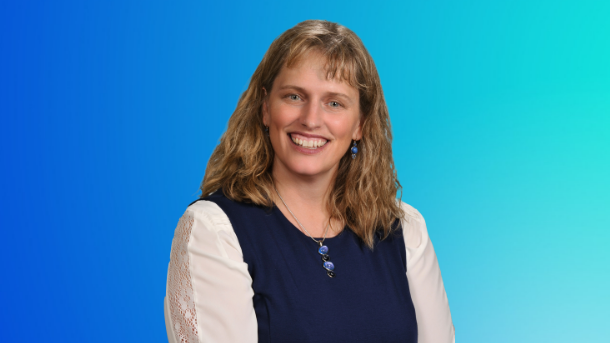
Cathy Beauchamp – Principal at Englehart High School in North Eastern Ontario

Cathy Beauchamp - Principal at Englehart High School in North Eastern Ontario
About Cathy Beauchamp

Cathy Beauchamp (@cbeauch) is a principal at Englehart High School (Grades 7 -12). She started in administration in 2006 as the vice principal of Timiskaming District Secondary School. She was the principal at this school when it transitioned to a 7 – 12 school in 2014.

Cathy comes from a sports background and incorporates an action-oriented teamwork approach. She puts the needs of the learners at the forefront of all of her decision-making and supports building capacity within her staff while focusing on wellness for all within the school community.

Cathy enjoys coaching basketball and encourages students to get involved in extracurricular activities in order to deepen their connection with the school. Outside of work time, she enjoys spending time with her family and being active in nature, usually with two golden doodles by her side.

Connect with Cathy: Twitter | Instagram | Email

Listen Now

Listen to the episode now on Apple Podcasts, Spotify, or on your favourite podcast platform.

The Transcript

**Please note that all of our transcriptions come from rev.com and are 80% accurate. We’re grateful for the robots that make this possible and realize that it’s not a perfect process.

Sam Demma (00:01):
Cathy welcome to the High Performing educator podcast. Huge pleasure to have you on the show here today. Please start by introducing yourself.


Cathy Beauchamp (00:10):
Well, good morning, Sam, and thank you for having me on your show. I feel very honored that you reached out to me to include me in your podcast. I am a principal in a 7-12 school in Northern Ontario in a little town called Englehart we have about 200 students in total. I’ve been at that school for four years. And previous to that, I was the principal at new district secondary school, which is a a half an hour south of where I am now and a larger school, seven to 12 again, and probably about 700 students.


Sam Demma (00:52):
When you’re a student, you always get that question. What do you wanna be when you grow up? I’m curious to know when you are going through school yourself, when people ask you that question, was your answer a principal?


Cathy Beauchamp (01:08):
No, it actually wasn’t. I was a little bit of a resistor and I think it had to do with the fact that both of my parents are educators or were educators. My mom was a secondary art teacher and my father comes from a PHED science background and he actually went on to be a principal as well. And fun fact, he was a principal in the same two schools that I’ve been a principal in. Oh, wow. So that’s kind of neat. So being around the dinner table and being around a lot of talk of edge in my youth sometimes it can kind of sway your decisions on things and it’s also it, it’s also something that it was kind of thought that I would do that. And I kind of felt like I wanted to prove that there was more to myself then at the time I was very athletic in high school and, and through university.


Cathy Beauchamp (02:12):
And I think everybody thought that I was going to go to university for something PHED science related and I thought, no, I’ll, I’m going to do something different. And I went off and did a commerce degree which was, which was a interesting sitting in a university first year accounting class when I had never taken any high school accounting. It moved really quickly, but I managed to model my way through that learned a lot along the way made some good friends. And I worked in the world of, of, in Toronto for about a year and a half. And then I, it, I literally woke up one morning in Toronto, in my basement apartment and thought, what am I doing? Mm. I felt like I was kind of resisting something. And I said, you know, I, I wanna teach. And at that point I, I made up my mind.


Cathy Beauchamp (03:10):
I, I moved back north with my parents. I supply taught for the year. And then I actually went to the following year, ah to a first nation community along the James bay coast. And I taught at Northern light secondary school. And that was a, a great experience. So I was teaching unqualified at the time. But then as life would have it we ended up moving. I was engaged at the time and my husband had a job offer in Alberta. And so we moved to grand Prairie Alberta. After I finished that year and the education dream was put on hold a little bit. I dabbled in, in some more business type careers and had my children nice. I have two children Sabrina who is now RN at Ottawa general in the emerg department and my son, Randy, who is just finishing up teachers college at EPON university in north bay.


Cathy Beauchamp (04:17):
Nice. so we are at the, for seven years at which time I started my masters of education program online through Ning. And then we ended up returning to Northern Ontario. You think, you, you say you’re leaving and you are not coming back, but it’s funny how the world works. Yeah. And we ended up back in Northern Ontario. And I went to, I actually taught again unqualified at to miss being district secondary school, a couple of courses in business, and then went to teachers college. And, and then I did like a five years of teaching and then moved into administration.


Sam Demma (05:02):
W it’s funny, I, I interviewed another principal named Kevin wedling who’s from Mousonee. Which a small world, what, along your journey, what helped you make the decision that education was for you?


Cathy Beauchamp (05:18):
I think it’s, it was just that it did come very natural to me. And I think I always had my hand in coaching after I left playing basketball and I, I just always felt very comfortable and at home in that environment and sometimes you don’t realize that that’s your place and you’re until you go other places. And not that those other experiences, I think they really add to it and they help you appreciate when you’re back into the area that you have the passion for. So I think that’s why the journey wasn’t quite as straightforward for me as it is for some people. But all of that experience along the way of that journey certainly helped to enrich what I brought to the table.


Sam Demma (06:14):
And you’ve worked in various roles within schools, you know, both teaching and administration for an educator out there who wants to know what it’s like to work as a principal. How, how would you break it down?


Cathy Beauchamp (06:33):
Well it’s like being transformed out of your classroom and sometimes as a teacher we’re very fixated on our class and now we’re very fixated on our school as a principal. So it’s just a little bit wider lens. But it’s, I always find it very inspiring. Working in it education, there’s so many great people in our school, in our board, just I mean with technology and social media, it’s really busted open education in the way that we can communicate with others and bounce ideas off people and connect with people to share ideas. It’s, it’s very inspiring and very uplifting, like the ideas that people come up with and that as a principal, you’re able to sit there and bounce ideas off people. It’s, it’s great. They’re, you know, dealing with families, dealing with students is always a lot of fun and seeing at growth now that we’re in a seven, just 12 school. When I first started in administration, we were in nine to 12 school. So the, the seven and eight experience added in in my first year as a principal added a whole new, an area of development that I wasn’t as familiar with. And you know, I, I like having that, I think it’s a good transition for those students to be in a high school environment


Sam Demma (08:07):
For educators listening, who, you know, want to remain optimistic and positive, despite the challenges of our time right now, what do you think are some of the opportunities in an education? Maybe that exists because of current situations, but also just in general?


Cathy Beauchamp (08:29):
Oh my gosh. There’s lots of opportunities. You know, I, I have to applaud teachers on these this past two years. They have undergone some of the greatest professional development really kind of was forced upon them for survival. Yeah. And they’ve done a fantastic job pivoting to remote learning. And in our, we we certainly had our share of it. We’re in it now. Last year we weren’t in it as long as some of the schools in Southern Ontario. But I, I think, you know, as an educator, it’s important to, to set goals and, you know, you may be happy with being classroom teachers, lots involved with that. But I think it’s important to keep yourself open to learning and to new ways of teaching or different technology and finding that balance in your program, keeping it fresh, keeping it current, make sure we’re preparing our students for their future.


Cathy Beauchamp (09:38):
Those are all good things in terms of movement, I mean, in a, in a high school, you have an opportunity to maybe move towards a, a department head position to try out, to see if you like a leadership role. And then there’s also, you know, taking non responsibility of maybe doing teacher in charge or something like that, too, that gives you an opportunity to be in an administrative role for a short period of time to cover for principals when they’re away. And it is, it, it is a very different job. It’s if you were to ask me to give you off description, I couldn’t, if you’re the, like, if you’re a person that likes to know exactly how your day’s gonna roll might not be the position for you because there’s something that either comes through your door or a phone call or whatever it can change your day quite a bit. So but it is also very satisfying career being able to work with youth, being able to work with teachers, being able to work with principal colleagues in our senior admin team. We are very fortunate being a smaller board that, you know, we know our, our senior administrators for our board very well and meet with them on a monthly basis.


Sam Demma (11:00):
What keeps you personally motivated hopeful and inspired to continue doing this work day in and day out?


Cathy Beauchamp (11:10):
You know, I think just like talking to students can just turn your day around. Hmm. You know, and, and sometimes I, I, and I do find it’s important as an administrator to get out into the halls and, and get into those classrooms because you’d be surprised by the conversations that happened that probably wouldn’t happen if you had stayed in your office. So I think I, I am, I’m always, I see, you know, some of those principles putting their desk out in the hall and I kind of like that idea too. I don’t know that I’m there yet. I seem to have to have too much on my desk, but I do like that idea. I do have a standup desk already, so thanks. I’m, I’m moving there. But and also so that from a student perspective but teachers also inspire me in terms of just the ideas that they come up with, the visions that they have.


Cathy Beauchamp (12:14):
And it’s, it’s great to see, you know, where our kids move on to the different careers and having them back in to the school to speak to our students or having back in as staff or, or whatnot. It’s, it’s really encouraging to see, I think like being in this career kind of keeps you a little bit in touch with not, I’m not saying that I’m very, no, all everything going on with youth, but it does give me a little bit it kind of keeps you a little bit more youthful, I guess, in terms of what’s happening.


Sam Demma (12:52):
That’s so true. I think schools and just working with youth in general is always energizing. They have awesome ideas and not just young people, all people, but, you know, you’re less, you have less conditioned beliefs as a young person and you believe that everything is possible and you chase really unrealistic. And not that that stops as you grow up, but I think that’s where the energy and the youthfulness kind of comes from. It’s true. But you also are heavily involved in athletics. How has that shaped the way you’ve approached teaching and, you know, working with young people?


Cathy Beauchamp (13:33):
Well, I’ve always felt that coaching allowed me to give back to the community that I really enjoyed. I could not imagine going to school and not being involved in athletics. And I know that that could that sediment could be shared whether it’s the arts or trades or whatever, lots of different extracurriculars, but for me, it, it definitely was athletics. And I just think, especially as an administrator and coaching, it’s allowed me to have a connection with students in the school. That’s just at a different level. It’s, it’s it, I’m not the principal in the office anymore. I’m their coach. I’m, I’m traveling at one point when I was at TDSs. I used to drive the bus. Oh, nice. As well. So you know, lots of hats that you wear and it, it is just really rewarding to see the kids enjoying that.


Cathy Beauchamp (14:37):
And I, I do really feel for our students right now that extracurriculars have kind of been in a stop start, you know, pattern. And we, we were able to start this year with extracurriculars and instantly I could see a difference in the kids that were involved. There’s just more of a connection with the school. And I think, and that goes for all of our extracurriculars, whether it was students, council, jock, chapters guitar club, just they just saw school as something more, and that’s the way it should be. And I think it’s so important to have those things. And I really hope that we’re able to get them going again. Shortly


Sam Demma (15:23):
I agree as someone who pursued athletics pretty much my entire childhood up until the age of 17, 18 years of old, I identified a large majority of my life with, with an identity as a human being with the sport of soccer and found community there found success, found happiness, found so many things from, from sport. So I hope things open up soon, too. And all for all your, for all your students as well, not just me and soccer players, but for all extra cooker activities and clubs. In terms of your own journey and education, what have you found helpful when it comes to resources or learning materials, books, things that you’ve come across that have maybe influenced the way you approach your work or have enhanced it, or taught you something that you found or thought was really helpful?


Cathy Beauchamp (16:21):
Well if there’s one like really positive thing about the pandemic, I think it really has opened up a lot of learning opportunities for people not just in educate, but certainly during our last lockdown last year, I took advantage of a lot of the free professional development out there that was available online and jumped in where I could to to, with learning that kind of Cohen side, it with things that we were working on within our board or school or things that I could share with my staff or students that might help through this journey. I do like to kind of align whatever I’m reading or whatnot with, because it’s kind, it can be very overwhelming to try, try to have too many ideas in education. And so I try to align things so that it makes sense to me.


Cathy Beauchamp (17:23):
And I hopefully make sense to my staff that I’m not throwing too many different things at them. I think it’s important to have curiosity and to ask questions and to learn as, as much as possible. I do do professional reading, but I think more so I do more just personal reading in the evening, just as a way to kind of unwind for my own wellness. And I try to do more professional reading you know during the day or, or even the, like I find sometimes talking to people is, might be a bad source of digesting some of that information too. So lots of different sources. I I’ll look on Twitter. I, I have to say that I am kind of like that stalker type person on Twitter. I, I should, I have to force myself to get out there and respond more. But I do like to make connections when I see things that I know maybe someone in my staff is working on that I’m sharing things with them and being that kind of resource for them, as well as just resourcing things for my own professional development. So that’s, it’s kind of of a mixed bag.


Sam Demma (18:51):
I was speaking to someone literally two days ago, who, when we started the call said, oh, I saw you live in X. And she named the city I’m from, and I said, well, how did you figure out that? And she says, oh, it was on one of your Instagram pictures. And I was like, oh yeah. And I already know that you’re from Winnipeg. And she’s like, where’d you find that like, from your Instagram page? And we both started laughing because I feel like social media has made it acceptable to some degree to like stalk somebody like to like, you know, like figure out some basic information about them before you actually talk. So that’s kind, that’s kind of funny, but that’s awesome. And you sound like you read a lot. Is, is reading a, a big part of your life or is that something you’ve always done?


Cathy Beauchamp (19:35):
It’s something that I have tried to do. It’s kind of one of those goals. I think it’s very easy to, to watch Netflix in the evening, which I will admit that I, I do sometimes unwind, but I usually try in the last half hour, hour of the evening just to read something just to reduce the screen time, especially during the school year. Nice. Yeah, that, it’s just, I try to work on a, a girlfriend of mine talk to me about habits. So it was talking to our, our friend group about habits and she was saying that it takes 33 days to develop a habit. Oh, wow. And so that you should write it down what it is that you want to do, want to eliminate, want to add whatever it is, and try to do that for 33 days and not to be hard on yourself.


Cathy Beauchamp (20:26):
If you missed a day, it’s not like you have to go back that you, you missed a day and, and carry on. And so I tried that actually this year when you talk about athletics I found that I’m an a weekend summer athlete and during the school year, Monday to Friday, it’s not very good. So I tried to adapt Monday to Thursday, philosophy of doing something for at least a half an hour as a habit. And I did that through the fall and it, it makes a difference and, you know, taking that time and, and I often found it was at lunch. I would just take that time and go out for a walk or go down to the weight room and do a little bit of yoga or something to that effect. It was important to, to make that time. And once again, if, if the day gets away from you and it doesn’t happen, it’s okay. You start again tomorrow.


Sam Demma (21:29):
That’s awesome. There’s a phenomenal book called atomic habits, and it talks all about the practice of replacing habits and the science behind habits. And maybe you’ve actually heard of it already,


Cathy Beauchamp (21:40):
But I it’s probably that what this discussion came from for sure. I, I, I guess I got the Cole’s notes version of it from her.


Sam Demma (21:49):
Cool. That’s awesome. And you were an athlete, you still are involved in athletics, both as a coach, but also a part of Neo for some people wondering what that weird word that they don’t know what it is. Can you explain what ne is and your involvement?


Cathy Beauchamp (22:09):
Sure. It’s just a Northeast Northeastern Ontario athletic association. And so our association encompasses schools basically from the north bay area, right up through to Hearst whether they be French, Catholic public boards. And I sit as a principal rep on our association to represent our region, which is actually Tamy to to Hearst. And then we send teams through to a, or meet about things regarding a and extracurriculars to deal with sports.


Sam Demma (22:55):
Awesome. And this is gonna be the hardest question of the whole interview, but oh boy, No pressure. If you could, if you could take the wisdom and experie into knowledge, you have now bundle it all up, go back in time, walk into the first classroom you ever taught in and speak to your younger self. When you were in your first year of education, knowing what you know now with the experience and advice, what would you tell your younger self?


Cathy Beauchamp (23:31):
Well, there’s a few, few things I would tell my younger self. I think initially I always felt from a team perspective and, and we talked about how teams develop those life skills for us. But I was often surrounding myself with similar minded people. And I think as I entered education, there was a habit to do that as well. And I think it’s really important to respect and, and try to, and people that have differences of opinions because it’s, there can be a lot of growth that happens there if you’re not resistant to it and it can help to create a stronger team. And so you, you know, what, and giving people a opportunities to share in leadership, it’s not just sort of like a dictatorship that you’re having other voices be heard too. I would say as an educator, it’s important not to take things personally.


Cathy Beauchamp (24:42):
I know that we all do but it it’s at times you, you need to let things slide for sure. I’ve always had a philosophy of not letting things Fe in terms of communication. If something has go gone wrong, I like to address it and not let it build up to something that I don’t want it to become. I have a strong belief in that I should model what I expect to see. So whether I’m working with students I’m modeling what I would expect them to do, or whether I’m working with a staff I would model what I want them to do. I shouldn’t be expecting them to do something that I, I can’t do. And I think that has served me well. It’s important to be fair. And that probably the most important thing is to admit when you’re wrong, because you’re going to be


Sam Demma (25:49):
So true, Kathy, thank you so much for taking some time to share your experiences and stories on the podcast. If someone is listening and wants to reach out, ask you a question or send you an email, what would be the best way for them to get in touch with you? You can share the actual email itself. And I will also put it in the article we post on the website.


Cathy Beauchamp (26:11):
Okay. I’m on Twitter at (twitter). Or I am my, my school email is (email).


Sam Demma (26:33):
Thank you again for taking the time. This has been a lot of fun. Keep up with the great work and I look forward to talking again soon.


Cathy Beauchamp (26:39):
Thanks very much, Sam.

Join the Educator Network & Connect with Cathy Beauchamp

The High Performing Educator Podcast was brought to life during the outbreak of COVID-19 to provide you with inspirational stories and practical advice from your colleagues in education.  By tuning in, you will hear the stories and ideas of the world’s brightest and most ambitious educators.  You can expect interviews with Principals, Teachers, Guidance Counsellors, National Student Association, Directors and anybody that works with youth. You can find and listen to all the episodes for free here.
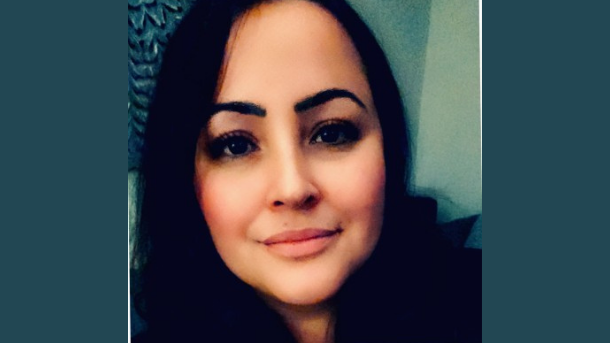
Lara Spiers – Secondary Vice-Principal at Durham Catholic District School Board

Lara Spiers – Secondary Vice-Principal at Durham Catholic District School Board
About Lara Spiers

Lara (@MrsLSpiers) is a secondary school educator and administrator. She is the secondary vice-principal at Durham Catholic District School Board. She taught me (Sam) when I was in high school! She has her Master of Education – MEd focused in Educational Leadership and Policy Development from the Ontario Institute for Studies in Education of the University of Toronto.

Her passions include Analytical Skills, E-Learning, Student Counseling, Critical Thinking, and Social Justice Pedagogy.

Connect with Lara: Email | Instagram | Linkedin | Twitter

Listen Now

Listen to the episode now on Apple Podcasts, Spotify, or on your favourite podcast platform.

Resources Mentioned

Durham Catholic District School Board

Ontario Institute for Studies in Education of the University of Toronto

George Couros’ “Innovator’s Mindest”

Kristin Souers and Pete Hall’s “Fostering Resilient Learners”

Tony Robbins

The Transcript

**Please note that all of our transcriptions come from rev.com and are 80% accurate. We’re grateful for the robots that make this possible and realize that it’s not a perfect process.

Sam Demma (00:00):
Do you want access to all the past guests on this show? Do you want a network with like-minded individuals and meet other high performing educators from around the world? If so, go to www.highperformingeducator.com. Sign up to join the exclusive network and you’ll get access to live virtual networking events and other special opportunities that will come out throughout 2021. I promise you I will not fill your inbox. You might get one email a month. If that sounds interesting, go to www.highperformingeducator.com. Welcome back to another episode of the High Performing Educator podcast. This is your host and youth speaker, Sam Demma. I’m super excited to bring you today’s interview Lara Spiers. Our guest today was one of my high school teachers. We haven’t stayed in touch as much, although it was a breath of fresh air to have a conversation with her on the podcast. She is now a vice principal at a Secondary School Catholic school out in Whitby, Ontario.


Sam Demma (01:04):

And she’s in the midst of completing her masters of education, which is focused in educational leadership and policy development from the Ontario Institute for Studies in Education of the University of Toronto. She is super passionate about e-learning student counseling, critical thinking, social justice and philosophy slash religion. And I’m super excited to dive into a bunch of different topics on today’s conversation. I hope you enjoy this as much as I enjoyed the conversation and I will see you on the other side, Lara, thank you so much for coming on the High Performing Educator podcast. Huge pleasure to have you on the show. You know, it started from sitting in your religion class or English class religion, religion.


Lara Spiers (01:48):

It was religion. I’ll never forget it.


Sam Demma (01:50):

I’m already outdating myself already forgetting about high school.


Lara Spiers (01:53):

I’ll ever forget you. No, not really. I, I remember that you had brought in cake, I think your mom had made banana bread or, or something along those lines for my birthday. No. And I just thought that that was so classy and delicious. So that’s my favorite things.


Sam Demma (02:06):

No, I love that. Well, why don’t you start by introducing yourself, just sharing a little bit about, you know, how you got into the role you’re in education right now. And where that, where that spark or desire came from to be a teacher?


Lara Spiers (02:19):

It’s a loaded question, but I’ll try. So this I’ve been in education for about 15 years or 16 years and it wasn’t really something that I always wanted to do to, you know, to be Frank. I always saw myself in law, I really enjoyed thinking about, you know, ethics and morality and right and wrong. And I thought that I would be kind of one of those crusaders always in defense. Right. Never impressed. But as I got closer to the actual, I even applied to, I took the LSATs and I applied to law schools. And, and as I was going through the application process is when I actually started thinking about the type of life that I wanted to lead. So Le less about the ideas and more about the actual results, right? The fruit of the labor.


Lara Spiers (03:06):

And I realized, and I was holding both acceptances in my hand, right? One for Osgood, one for U of T or OISE. And I realized that the one path was, you know, what I had always wanted, but it wasn’t the actual life that I wanted to lead. It was what I wanted as a child. And I realized as I was aging, that, you know, it wouldn’t be as meaningful as a life dedicated to the service of others. So that’s why I chose teaching cuz that’s exactly what I consider teaching to be. You know, I’m not strong enough to to start a nonprofit. I’m not going to green peace or I’m probably not saving any whales, you know, or, or golfing. I won’t intentionally hurt them, but I, this is, this is my contribution to the world. I, I firmly believe it right through education.


Lara Spiers (03:52):

So that, that is what drives me. And and now this year I’m in a different role, I’m vice principal at a, a high school. And I see that as an extension, that’s the reason I wanted to move out of the classroom and into, you know, this sphere was really to exert that influence whatever positive kind of change or that I could possibly bring to as many kids as possible. Right. So onwards and upwards. I mean to, if you’ve got it, you gotta give it. Yeah, no it’s talent, everyone. It’s so true. That’s, that’s the name of the game?


Sam Demma (04:27):

What, what sparked the desire to teach though when you were in that moment, holding both acceptance letters, bring back, you know, if it wasn’t, if it wasn’t law, how come it wasn’t something totally outside of teaching? Like why a teacher specifically?


Lara Spiers (04:43):

Well, because that’s the best way to change the world. Mm. The best way to change the world is to, is to educate the youth. And the best way to enact positive social change is to make sure that those values are transmitted through the next generation. So parenting is one of the most important jobs that they is one of the hardest and one of the most important. Yeah. And and you’ll know that one day, you know, I hope and and then teaching teaching is the next year in local parentis. You’re, you’re the parent substitute for those children. And even if you’re a teenager, you’re still a child, right. Sorry, sorry. I left true. And you know, it’s a huge responsibility, but with great, you know, work with great effort comes great reward. And the reward for me is like, even the fact that I’m sitting here today, having this chat with you, right. I didn’t I’m not taking, you know, credit for your goodness and your, you know, greatness, but I was a part of your story. And I think that that’s quite something, you know.


Sam Demma (05:44):

True story. Yeah. It’s and, and you’re a part of student stories who you might even never hear from again. And they could have had a hu you know, you could have had a huge impact on them. I find it really funny, but I find it makes sense that when I reach out to educators and I ask them to come on the show, I always get a couple of responses, you know, first being, no, why do you wanna talk to me? And, and second, usually being, I don’t wanna talk about myself. And, and I realize that like every educator says it, but it’s because the work that they do day in and day out to them becomes so natural, so normal. And they almost get this curse of knowledge where the things that they might have and possess that might be beneficial to others. They just think are normal things that everyone knows.


Lara Spiers (06:30):

That’s very astute, you know, that’s, that’s a, I, I think you’re absolutely right. The curse of knowledge well is being for sure. I mean, as Socrates said, right, the, the truly educated man knows that he knows nothing, nothing. Right? Like it, the more, you know, the more you become aware of how little, you know, right. And that’s also true that that comes from lifelong learning. That’s not, I don’t think that’s just for educators, but I personally am a strong advocate for you know, self improvement and betterment and learning and knowledge and all that good stuff. Right. Because that’s how that shapes your perspective of the world and other people. And that lets you kind of see the path that lays before you. Right. I think that’s the only way. Also why history is so important too, because you have to check out the trails that other people have left before you.


Lara Spiers (07:16):

Right. I think all, it all comes down to really humility. If you have the virtue of humility, then you have a sense that you’re just like a little bit, like you’re a piece you’re a grain of sand and it’s really mind blowing to think about it that way. Like, if you think about your experience in your life as being just a, you know, a, like such a small part of, of kind of the universe and you know, that’s the sort of thing I think about all the time. It’s like, and that’s probably why for me anyway, I don’t wanna talk about myself and well, I’m so great. You know, I’m a great teacher because you know, again, who that question, who am I right? Who am I? And I struggled with that a lot, actually the first few years of teaching, especially you know, this impart of knowledge, decider of grades, you know, like you’re, you know, you pass, you fail, you know, it’s like a gladiator, you know, like yeah.


Lara Spiers (08:11):

Thumbs up, thumbs down. But I’ve come to terms with that. Like I got the more you become familiar or accustomed to kind of being that helper. You stop seeing yourself as less of like a Sage, you know, Sage on the Sage and then your guide on the side. Yeah. That we can all be that we can all be a guide on the side. Right. And I’m not gonna have all the answers for you, certainly not today and not in the classroom either. Right. But that’s because the answers are all always, there are always more questions than answers and that’s part of the fun.


Sam Demma (08:44):

Tell me more about what helped you shift your mindset. Now I can tell you a crazy story right now. Like when I first started speaking in schools, I used to post a picture at every school saying, look at me how great I am speaking at a school. And you know, I turned 21 and I sat myself down and had like an honest reflection on my social, social media usage and the way I was putting myself out there. And I just decided, like, I don’t think this is helpful to the young people that I’m speaking to. Like they’re looking at these pictures, probably thinking, I don’t know if I can ever speak on a stage in front of 500 people that makes to me nervous. And, and so I stopped posting all that stuff. And in fact, I’ve been taking a social media break aside from Twitter, which a girl named Rachel helps me manage. And I haven’t posted anything in the past like five months. And I’m trying to make that shift from Sage on a stage to a guide. Right. The helpful guide. And I’m curious to know kind of what helped you make that shift when you were of starting your teaching journey?


Lara Spiers (09:37):

Well, it wasn’t, I think a lot of, a lot of it really came down to this board I had from other teachers, like the teachers have been there longer than me. I know you’ve spoken about Mr. Loud foot quite a lot in the past, right? Yeah. He was, I worked with him at St. Mary. He, we were in the same department, Mr. Eck. Miss Menardi, who’s still there Mr. Val Aaron shadow. Mr. V shadow. Mr. V. Well, these are the people that you know, I maybe it’s like this for other careers. I don’t know, but certainly in education it can be a lonely job, you know, you think you’re always kind of surrounded by by people or by kids, but it’s isolating, it’s very isolating. And I think a lot of people are struggling with that very much so now. But if you’re lucky, like I was you’ll have, excuse me, you’ll have the support of people that not only maybe have a lot more wisdom than you do, but are willing to share it. So that was what got me through definitely those first few years, like, you know, I’m thinking back now and it feels a lifetime ago to be honest, but I, I am constantly every step I take. I, I know that I’m doing so because of the support I had of those colleagues of mine.


Sam Demma (10:47):

Oh, that’s awesome. And for an educator who might be just starting to teach now, it might be a little, it’s scary. It might be a little different, but do you have any P of wisdom that you could share with someone who’s just starting now?


Lara Spiers (11:01):

No. No. Don’t be afraid to ask for help. Like, it’s, it’s the ones that it’s those individuals and I think this is translatable across profession. If you act like, you know, everything or you’re, you’re kind of in that frame of mind where you have perfected your in ever you know, it’s, you’re the furthest thing from it. Yeah. It’s, it’s, it’s like an oxymoron right. Of sorts. It’s a, it’s that humility piece, but it’s also just reality that, you know, we are not going to be able to you know, invent fire alone. Right? Yeah. We’re not going to be able to move mountains alone. They can be moved even though it’s these tasks seem Herculean and impossible, but but they’re not in community, in you know, a consortium of individuals working together, figuring out best practices. Like the only thing I actually just wrote for our yearbook, I don’t wanna give too much away cuz you know, the kids are gonna read it in the fall. But I, I had to write like a message of support and kind of words of wisdom. And I, they probably were only asking for like a line.


Lara Spiers (12:10):

Yeah. I did actually wrote an essay about how the heck I’m gonna tell you about how you want to embrace failure, how to, you know, lower your expectations because the root of all disappointment in life comes from high expectations. And if you are constantly expecting perfection of yourself, of others, of the world, then you are inevitably invariably disappointed. And sometimes that disappointment is like a, a small word. Like sometimes you are traumatized, you’re, you’re torn, you’re you’re done. Right. Because you think, oh my gosh, things are not the way I thought they would be. My life is over my life is ruined. I stink, you know, I’ll never get it. Yeah. And it’s, it’s Ugh, awful. Like it’s a very normal human feeling it’s natural and it takes effort to really get yourself out of that mindset. But that’s something that I’ve been, I’ve strive driven to do you know, over the years.


Lara Spiers (13:05):

And I think when you teach religion and you know, I have a background in philosophy that helps, right. And a lot philosophy, you know, some people are, you’re feel philosophical or you’re not right. So I guess I am. But it, it really is about kind of reframing your expectations of, of who you are and what you want and how you’re gonna get there. And it doesn’t mean settling for less. It, it doesn’t mean like accepting that you’ll, you’ll be a failure. It means seeing that failure as actually just in the road. Right. And I, and I think, you know what I mean? Right. In terms of having a path and then the path changes. And does that mean because I’ve taken a different road, does that mean I’m never gonna get to my destination? Well, maybe you’ll get to a different destination, but I mean the car doesn’t stop moving. Yep. We don’t stop living and we don’t stop growing if we, if we choose to keep our mind open and we choose to keep learning.


Sam Demma (13:58):

No, it’s so true. And I think you’re right. Our, our expectations either make us happy or disappointed dependent on the result that occurs. I think what’s really cool. Is that in any specific scenario or situation, we get to choose what we perceive as real. Like we get to, we get to choose our perception, which, you know, Mike, Latford always used to say your perception is your reality. And we would, we all, didn’t get it back when we were in high school. And that can be dangerous though.


Lara Spiers (14:24):

Yeah. You have to, you have to watch with that. Right. Because what you’re talking about.


Sam Demma (14:28):

Oh, I totally, I totally agree.


Lara Spiers (14:31):

Right. Right. Cause certain, sometimes that can be used to twist in bad ways.


Sam Demma (14:34):

Yeah.


Lara Spiers (14:36):

Right. Just look to our neighbors in the south. Yep. And you know, we’ll say no more, cuz this is not a political podcast. Yeah. We’ll talk about another time. Very true perception, reality. Right. I can choose to see this 75 as, you know, a great mark or I can choose to see it as a disaster. Yeah. And I mean, there are students I talk to and, you know, always have as a teacher, but maybe even more so now as an admin students and parents who are devastated by receiving like an eight, like an 80, 85, you know, this is this won’t do, you know, and, and looking outward, looking like who to blame, what, what, how can I fix this? And that’s the sort of thing that you can’t really fix. Like, well, you can’t fix it. I can’t fix it for you them because it requires that shift from within.


Sam Demma (15:26):

Yeah. They have to change what they believe is success or yeah. You mean, yeah. So it’s so, so true. How do you manage to differentiate between expecting a lot out of a student that, you know, has a ton of potential and not being disappointed if they don’t fulfill it or if they, you know, over exceed? Like I know that there’s a difference there talking?


Lara Spiers (15:46):

About like my own children now at home, because I totally could translate there and even of ourselves, yeah. Right. That’s, that’s towing the line. It’s it’s a daily adjustment. It’s a minute by minute adjustment, to be honest, it’s not like you can find the formula of expectation versus reality and say, oh, there it is. I’m done. You know, I will live in bliss forever more. Days I think anyone, one who’s trying to do anything. Like I’ve never really been into sports, let’s say, but I, but I played the piano for many years. Like I took lessons for about 15 years and the musical, like I’ve never been as nervous as I had to be when I had to play the piano. Like if I had a concert or I had a competition, oh my goodness. Like still to this day, like that was just the, the height of nerves.


Lara Spiers (16:34):

And I imagine that that’s the case even for the most seasoned of professionals. Right. And and athletes and what have you, because those performances, you can practice a million times, right? Yeah. And you get better of course. Right. And you do become more seasoned, however, game time, never know, right. Like that it’s you win or you lose or you fall or you make it like it’s it’s not in our control. So I don’t think I have, I don’t think I, I manage my expectations perfectly all the time. Right. I think I’m constantly reevaluating. Like I tend to spend a lot of time reflecting and I think most teachers good teachers, they do are, they’re constantly reflecting on their practice, on their lessons. How did that go? The way I expected it to go, what will I adjust for next time?


Lara Spiers (17:24):

And the good thing about teaching is that you do to like, in a way you do kind of get to relive the experiences, right? Like yeah. Each master each year, you, you get kind of fresh starts, you know? And, and we get used to a new new school year and new classes, new kids. Right. And the good teachers, I think there are not just living the same year over and over and over. Like, I read a good quote one time and don’t ask me who it was. I don’t remember. But it was like, you could have 20 years of experience, but you could be reliving the same year, 20 times. Right. Are you really improving or are you recycling? Mm. Recycling is good, but not in this case. Right. Like, you know it’s important. It’s important to be reflective. And I tend to do that every single day. Whether I’m conscious of it or not, you know, I don’t necessarily journal. I know people journal and they love it. I think I would love it. But even if you just do it informally with yourself, right. How did that work out? Was that what I expected to happen? What could I change for next time and just honing your, your practice, right. Teaching practice, but like life practice, so true. And that’s, you know, that’s what we’re all doing. We’re all figuring it out. We’ve never lived this day before.


Sam Demma (18:42):

Yeah, no, it’s, it’s so true. When I first started speaking one of the, one of the first mentors I made his name’s Chris and he’s in his fifties and he’s been for 20 years, he told me, get yourself a notebook. And after every presentation you give, make three columns, the first one says add, if you, if you said something that you didn’t expect, you were gonna say, and the students loved it. And it was a really great point. You write it down to make sure you include it next time. Third second column said change. Maybe you worded something really poorly. And it was taken outta context. You have to, you know, readjust what you’re gonna say next time. And then the third column is remove if you, you know, crack a terrible joke and nobody laughs and you’re gonna take that out of the presentation. Yeah. And after doing the work a hundred times to a hundred different schools, by being proactive in reflecting and giving all feedback, the presentation looks totally different. And I would say it’s probably the same with, with teaching. I’m missing like every year or after each lesson, a teacher would sit down and kind of go through a similar exercise again.


Lara Spiers (19:41):

I would hope like this is what a good teacher would do. This is what a good practitioner would do. Just like a doctor, like the things, think of things that they call practice. Like that’s why I mentioned like earlier, right. Cuz you’re practicing and performing teachers are performing right. And practicing medicine. You’re practicing medicine. Yeah. Because there is no definitive static answer that will be a one size fits all or one, one cure. All right. It’s a constant re reimagining reinvigoration. You’re constantly learning. You’re going to seminars. You’re adapting based on demographics. You’re adapting based on economics. You’re adapting based on COVID. Yeah. You know, and who knew who thought we would have to adapt in the way that we have, like we’re all Gumby. Right. We’re all in.


Lara Spiers (20:30):

And that’s and that’s what we do. Like that’s called survival of the fittest, so to speak, it’s very Darwinian. Yeah. You know, but it’s, it’s, we’re evolving as we speak. I honestly do feel that way. Like it’s, it’s imperceptible of course. Right. But, but we have evolved as a society. And we only track that, you know, by looking back of course. Right. But I think in the last year we’ve had a huge leap in our advancement, in our evolution, in our technological advancement because of our our situation and our challenges. So that’s, that’s the bright side of of having, for having yourself kind of be in a situation that you didn’t really want. You know, like the like COVID and et cetera, but also working together with the people around you and, and finding your way through and seeing the, seeing the silver lining and the, the hope and the love of others. Yeah. And really the rise in solidarity.


Sam Demma (21:27):

Yeah. I think honestly there was a couple months where I felt super isolated and alone when COVID first hit, but I have to agree with you as it progressed, things have like totally changed. And again, if I was always looking at the negative sides of the, the issue, I would’ve always felt those emotions, but I started looking at the great things that were happening because of it. And I, I changed how I felt about it as well. Don’t get me wrong. It’s still crazy. And there’s so many, yeah. There’s so many struggles, you know.


Lara Spiers (21:57):

But just from, from a teacher’s perspective, like, you know, we we’ve advanced cuz cuz people are generally slow to change. Right. Institutions especially are slow to change. Right. Like look at the churches for instance. Right. And that’s what we like about them. Right. If institutions change too rapidly, then we would lose our grounding you know, in society. Right. We’d kind of fly off the, the planet. But this has forced, like I said, you know, that that evolution in thinking we’ve, we’ve been forced to reimagine our practices and it’s been like, like PD, do you know what PD like professional development? Yeah. It’s been like a year of PD for every day. All day. Everyone. Yeah. Like even those. So like I’m a nerd, right. I always like to learn and read and yeah. You know, kind of, oh, look what they’re doing over here, you know?


Lara Spiers (22:42):

But not everybody is, is that way. And I understand, but this has kind of thrusted upon us where I think across the board we’ve seen the, the highest kind of rates of, I, I don’t wanna, I’m hesitant to use the word improvement, but of change we’ll say change. Right. Innovation, innovation. Yeah, that’s right. That’s one of my favorite books for teachers is called the innovators mindset and it’s and it’s great. It’s by George Couros. Oh cool. And he’s got he’s got wonderful ideas about how to change cultures in the school and, and how to like adopt best practices and, and use the word out there. And that’s probably one of my greatest sources of inspiration of inspiration for my current job. Yeah.


Sam Demma (23:27):

Oh, that’s awesome. Yeah. Shout out. Maybe we get, we post the episode and maybe he’ll he’ll listen to it.


Lara Spiers (23:34):

Go. He has a podcast as well.


Sam Demma (23:36):

Oh, very cool. That’s awesome. On the topic of books and being a nerd, what are some other books or resources that you’ve read that have reshaped some of your thinking about how you’ve done your work or that you’ve pulled inspiration from?


Lara Spiers (23:50):

Okay, well just recently, I mean, I’ve read a few books over the summer. I read a book called fostering resilient learners, which was very inspiring in the sense of, you know, kind of seeing seeing people through the lens of trauma informed approach. And and that’s something I don’t think we all always think about as teachers, we tend to kind of, some of us can focus too much maybe on the curriculum itself, which is very important, however, not as important as the per the human being in front of you. So that’s my own, that’s my personal philosophy, which is backed up by, you know, science and and definitely, you know, from a mental wellness perspective. So trauma informed thinking I, I was reading a lot of information about culturally relevant pedo pedagogy. Geez, I’m getting tongue tied here.


Lara Spiers (24:38):

There’s a lot of words. Yes. Culturally relevant pedagogy, which is a relatively new field with critical race theory. And it’s again, reframing the narrative that we have been telling ourselves as, you know, me a, a white individual for, you know, an entire lifetime. Right. And it’s again, perspective taking right. It’s one of the, one of the most difficult things to do is to not have sympathy for others, but yet to actually have true empathy. And we use that word, like it gets used so much, right. Empathy empathize, but what it really means is, is quite difficult. Right. It’s quite difficult to actually see, you know, a scenario from another person’s perspective. And even when we try, we’re not actually going to do it, like there’s no way we will never match or mirror another person’s experience and history and feelings and sentiments. Right.


Lara Spiers (25:30):

Doesn’t mean that we don’t, that the endeavor is not necessary. Right. So the last book, the book that I read most recently over the summer that was along those lines was called white fragility. And it was like, it was so good. It was, have you read that book? I just started it. Oh, wonderful. Yeah. Well, there is a part cuz Sam, you know, we share the the Italian background, right? Yeah. There was one part there, especially that I found so actually practically useful because I’ve had you know, I grew up kind of sharing my my learning with my parents and I’m an only child. So, you know, I had nobody, I told my friend and what have you, but my parents were the prime depots for whatever I was learning in school that week. And so, you know, in university it’s like, don’t stop talking about philosophy all the time.


Lara Spiers (26:19):

We think you’re a psychologist, you know, because I would take psychology. Yeah. And then I became a teacher stop talking to me like, I’m one of your students you know, over the years and older Italian people, you know, generally have particular particular ideas and I don’t wanna stereotype them all. But you know, the older generation in general is, is not as attuned to 21st century social politics, right. Like, you know, as we are, that’s just the fact. So I’ve been, it’s been my mission to kind of move them along in the spectrum. Right. And yeah. Even use words like spectrum with, with regarding like, you know, sexuality and human experience and yeah. And racism. And my mother for years has insisted that you know, Italians faced a lot of racism, a lot of discrimination in the fifties and which they did. Right. But there’s a, there’s a part in the book that really frames that experience in the, in the, and compares it to anti-black racism of today in such a where it’s like, you know what guys? No, it’s not the same.


Sam Demma (27:26):

Yeah. It’s not, it’s not the same apples and oranges.


Lara Spiers (27:29):

Exactly. I mean, they’re both fruits, you know, let’s steal from my big fat Greek wedding now. Right. We’re both, but which I showed you in grade 10 religion, by the way. Yeah. I remember. But yeah, it’s not the same, so it’s, that’s okay. And it’s okay. Not to be sure. And it’s okay not to understand and it’s okay to ask for help and it’s okay to say, you know, I’m learning and it’s okay to make mistakes and it’s okay to, you know, move on from them. So yeah.


Sam Demma (27:55):

All those so good. So such a good, such a good lessons to take home.


Lara Spiers (28:01):

I’m cooling you. No, no, it’s, it’s not, not like that. It’s just it’s I think we should be always helping each other. Like, it doesn’t matter that, you know, the fact that I’m a teacher or the fact that I’m, whoever, you know, is, is helpful, I guess. Right. Because at least you can, you know, you know, to trust what the person is saying, right. If it’s like, they’re a P they have a PhD and, or they’re an expert in their field, but they don’t have all the answers.


Sam Demma (28:24):

No one does. No one does. I think it’s just important. I think it’s important that we all be like aunt. And this is an interesting analogy I heard, but there’s you probably know him, Jim Rowan. He’s like a he’s passed away now. He was one of the early mentors of like Tony Robbins. Who’s like all into like self-help and personal development. And he said, this analogy, Jen, one of his tapes, you know, he had tapes back in the day. This just outdates me a lot. But one of his young, I dunno.


Lara Spiers (28:54):

What are these tapes you speak of?


Sam Demma (28:55):

Yeah. In one of, in one of his tapes, he was talking about being like an aunt and he said, you know, and when an aunt is carrying a piece of food or doing a job, it doesn’t it. And stop. If you step in its way, it’ll just go around your shoe or it’ll find a new path. And I think like that’s important for anyone, whether you’re a teacher or any, any person working any job, it’s like, you know, you might, you might hit a brick wall and then you’re gonna have to find a different way around it, but don’t drop the food and just call it a day, you know, figure it out, find, find a different answer, ask somebody or help read another book, gain a different perspective.


Lara Spiers (29:30):

That’s one of the single most important pieces of advice. I think you can give people, read a book. Mm. Read, read, read, and make sure that you read a variety of sources. Yeah. Right. If you don’t wanna read a physical book, get a knee reader, I don’t care, but I need a book. You need, you need that knowledge. Right. That that’s the only way that’s literally the only way it’s like expecting to be a chef, but you don’t wanna touch food. Mm it’s not gonna happen. Yeah. Right. You need, you need the raw dough to make the pizza pie. You know, you, you need the information so that you know how to feel about certain things, what, what to adopt, what practices to adopt, what, what ideas to dismiss. Right. And we, we’re so quick, you know, ideas to teach world religions for a long time.


Lara Spiers (30:12):

And and also just, you know ethics, but we’re so quick to rely on our gut feeling and, and our gut can be useful, especially in an ethical sense. It can alert us if we have had the right experiences. And if we have had you know, the proper socialization, we’ll say it can alert us to dangerous situations and, you know, maybe wrong situations, but the only way to really know why or how, or to even sometimes know if what you’re feeling is correct, is, is that knowledge yes. You know? And I think it’s, I think we’re to, of like, we’re too quick to judge a lot of times, like that sounds trite, but, you know, and I don’t wanna start saying I blame social media, you know, but I kinda do. I, I blame, I blame a lot of our conveniences. I blame my cell phone for the reason why I don’t seem to be able to remember anyone’s phone number anymore. Right. My AI is getting a lot smarter than me and and then the robots are gonna win Sammy. And then what are you gonna do? Like we have to hold on to our humanness. Yeah. As long as, you know, as long as we can. And ultimately that just comes down to relationships and taking care of others and learning for of mothers.


Sam Demma (31:24):

I love it. If you could, if you could create a time that’s, if you could create a time machine, you know, using AI and travel back in time and speak to yourself the first year you started teaching, what would you say? Like, what would you tell your younger self based on what you know now? And I, you know, I know you have the mindset of you. I know, I know very little, but with.


Lara Spiers (31:46):

Or something, you know, why do I have to go back to Jesus? Right after I met with Jesus and said, what’s up, I would I’d go back to myself. And I would, I would warn myself that I was gonna get sick a lot cuz you know, jurors. But also I think just to trust myself and trust trust people and, and just really reiterate the, the fact that, you know, just because we don’t have the answers now doesn’t mean we’re not on the right path. And even if I didn’t know what the path was gonna be just to kind of follow, follow what I know is right. Make sure to treat other people well and and cultivate those relationships with the, with those that I had around me, you know, it took me a long time actually. Like when I, when I started, I was very hesitant, like I said to, to reach out right away.


Lara Spiers (32:34):

And I remember, you know, I, I was so focused on work, work work, and I had a VI, there was a vice principal at the time and his name is and he still is, he was a principal in our board. He is retired. His name is mark Lacey. And he conducted one of my first inter evaluations. Right. My teacher evaluation. And he was, he was impressed by my plan and he was impressed by what I did. And you know, here, I’m in my first year thinking that it’s garbage, you know, like, I don’t know, you know, I wasn’t always fold itself down and, and he said to me, he said, well, you know, you’re gonna be a, a leader in a school one day. And I think I giggled, you know, nervously like, oh, what do you mean? You know, I thought he was kind of putting up airs and but he was dead serious.


Lara Spiers (33:16):

And, and, and then I don’t remember the rest, but that line and his feedback that day has always stuck with me. And he’s also the one that when I the next year had to come and talk to me because I had been spending too much time in my portable, I had a portable. Right. And I would like have lunch in the portable and teach in the portable. And I was getting notes, like tunnel vision, right. About like, oh, I gotta do at the work time, et cetera, et cetera. And he said, you know, there’s more to teaching than teaching. I’m like, I don’t understand what do you mean? And I’m like, I’m just trying to do a good job. He’s like, no, no, that’s right. You are. But you have to also remember to, to step outta here, step out of this, like little Shelly and and head into this school and look around.


Lara Spiers (34:01):

Right. And to have a conversation with with other people and, and you know, get involved. And cause at that point, I don’t think I had even been involved in extracurriculars. And what have you, cause I’m naturally, I’m quite introverted, you know, as a general rule. And it was that conversation that really at first, like, no, no, no, I’m just, I’m gonna focus. I, you know, he doesn’t, I dunno, he’s got me mistaken with someone else, you know, and years later, oh my gosh, was he right? Like totally right. Yeah. Cause he knew he had the wisdom. Right. And he dropped it on me and it took me a bit to really appreciate it. And then it took Mr. Val, Karen, you know, to, to tap me and say, Hey, you know, there’s the group here that could use some help. You know, would you like to help?


Lara Spiers (34:46):

And you know, of course me saying, yes, cuz I was so flattered that he asked me, you know, and, and that group was the Alliance for compassion at St. Mary and and the rest was history. Right. And then it, it just became naturally it became my favorite part of work. That’s part of also the reason why I’m, I’m not in the classroom and why I’m here because that’s all I get to do that all the time. Now I get to work with, you know, other teachers and student groups and board level initiatives and like the equity steering committee and, you know, during the parent involvement committee and, and just trying to get our community as a whole to feel United, to feel connected and especially now, right. Have a little bit of grounding right. In, in some semblance of hope and love and you know, just spread the word.


Sam Demma (35:34):

Yeah. That that’s awesome. I love it. I love it. And if someone’s listening to this and at all inspired by the conversation or thought something, one of us said was interesting or something that you said was intriguing and they wanna learn more, what would be the best way for a fellow educator to reach out to you and maybe just have a conversation?


Lara Spiers (35:54):

That would be great. I personally, I love everything that you said Sammy. So why wouldn’t someone reach out? It’s lara.spiers@dcdsb.ca and that’s my email.


Sam Demma (36:11):

Lara, thank you so much for taking the time to come on the show. I appreciate it.


Lara Spiers (36:17):

It’s cool to see you again. Thanks for asking.


Sam Demma (36:17):

Yeah, I know this has been awesome. I’ll stay in touch and keep up with the great work.


Lara Spiers (36:21):

For sure. Good luck to you. You too. We’re very proud.


Sam Demma (36:23):

Thank you. And there you have it. Another amazing guest, an amazing interview on the High Performing Educator podcast. As always, if you enjoy these episodes, please consider leaving a rating and review. So other educators like your self can find this content and benefit from it. And here’s an exclusive opportunity that I mentioned at the start of the show. If you wanna meet the guest on today’s episode, if you wanna meet any of the guests that we have interviewed, consider going to www.highperformingeducator.com and signing up to join the exclusive network, you’ll have access to networking events throughout 2021 and other special opportunities. And I promise I will not fill your inbox. Talk to you soon. I’ll see you on the next episode.

Join the Educator Network & Connect with Lara Spiers

The High Performing Educator Podcast was brought to life during the outbreak of COVID-19 to provide you with inspirational stories and practical advice from your colleagues in education.  By tuning in, you will hear the stories and ideas of the world’s brightest and most ambitious educators.  You can expect interviews with Principals, Teachers, Guidance Counsellors, National Student Association, Directors and anybody that works with youth. You can find and listen to all the episodes for free here.
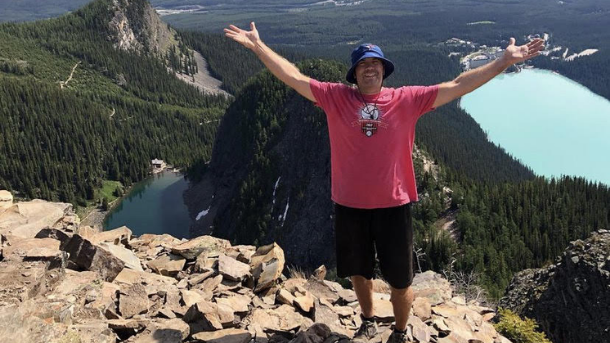
Breanne Oakie – Teacher at Wolf Creek Public Schools

Breanne Oakie – Teacher at Wolf Creek Public Schools
About Breanne Oakie

Breanne teaches grade 7/8 in a smaller town in Alberta.  Instead of giving you a formal bio here, take a moment to read the below email highlighting the story she shared with me over email…

“Sam,

Thank you for an amazing session today.  It was emotional and I loved how you had us all involved.  The way you presented made it feel like we were actually together, which I think many of us needed to feel.  I’m sure you are going to get bombarded with emails today but I wanted to tell you a short story that touches on what you said about our worth.

I teach grade 7 and 8 in a smaller town. One year, my supervision schedule had me as the detention room supervisor.  This seemed very weird to me as I am not known to be a hard disciplinarian and I’m a bit of a talker and it’s not supposed to be a social time in the DT room.  On the lunch hours I supervised, I saw the same kids over and over, many from the year before who were in my grade 7 class so naturally I wanted to catch up with them, find out why they were there, what they needed help with etc.  Over time, they just seemed to present this sadness.  I decided to email them telling them that I hoped they didn’t judge their self worth by the time they spent in the detention room, with the conflicts they had with their teachers, that were worth so much more and in time they would recognize it.  They never responded to me but they were in grade 8 so emotionally, they aren’t always up to discuss their feelings.

A year later, I ran into one of the boys who was in high school now.  He said he thought I would be happy to hear that he had figured some things out and was doing really well at school and was feeling successful.  He said he hadn’t realized his role in his own learning – that he was responsible for attending class and actively listening to the lessons, for participating in discussion, for reviewing his notes, for being prepared.  He is graduating this year.

The other boy was struggling with family trauma, drug use as a coping mechanism, and touched base with me when he was in high school. We try to touch base every few months to just check in. He messaged me to not let Covid dim my light:) He is on schedule to graduate but has some challenges ahead for sure.

Both boys said they got my email when they were in grade 8 but that they didn’t know how to respond to that level of emotion but now that they are older, welcome any kind of motivating letter from their former teacher.  I’m pretty sure Covid will prevent me from attending their graduation but I am working on their grade 12 letter to send them on their way into the real world and I think I’ll reference some of the points you highlighted in your presentation.

Thanks for starting my day off perfectly,

Have a good one,

Breanne Oakie”

Get excited!  This was an amazing conversation! 

Connect with Breanne: Email | Linkedin

Listen Now

Listen to the episode now on Apple Podcasts, Spotify, or on your favourite podcast platform.

Resources Mentioned

Wolf Creek Public Schools Website

Alberta Teachers’ Association (ATA)

Alberta Teachers’ Conventions

The Transcript

**Please note that all of our transcriptions come from rev.com and are 80% accurate. We’re grateful for the robots that make this possible and realize that it’s not a perfect process.

Sam Demma (00:00):
Welcome back to another episode of the High Performing Educator podcast. This is your host and youth speaker, Sam Demma. Friday, February 19th, I got this email from today’s guest, Breanne Oakie. She was a part of the teacher’s association that I was keynoting at, speaking at a teacher convention out in Alberta, and she reached out and she ended up sharing this really long story over email which I thought needed to be heard by you, by other educators, by people that work with young people that might be inspired to hear this transformational story.


Sam Demma (01:13):
And so I invited her on the podcast and she came on and we had an amazing conversation about so many different things. She is a grade seven/eight teacher in an elementary school that’s a part of Wolf Creek public schools in the Alberta area, North Red Deer. I hope you enjoy this conversation with Breanne and I will see you on the other side. Bri, welcome to the High Performing Educator podcast. Huge pleasure to have you on the show. Why don’t you start by introducing yourself and sharing a little bit behind the reason why you’re so passionate about the work you do today?


Breanne Oakie (01:48):
So I’m a junior high teacher and I kind of fell into that by accident. My degree is in elementary and I, I taught kindergarten one year and then after that I was teaching grade seven grade/eight grade/grade nine, and I’ve been doing that for the past 15 years. And I actually really love that grade cuz it’s kind of this juxtaposition, I guess, of emotions. You know, they’re going through a lot of hormones. They don’t wanna talk to you, but they need to talk to you. And it’s just a, you know, people always say that that’s a hard age but it’s actually one of my, my favourite things to do is spend time with teenagers. Just you feel really validated when they choose you to listen to their stories.


Sam Demma (02:34):
Hmm. I love that. And I’m actually curious to know why you got into teaching. Did it, did you know from a young age, were you one of those people that just knew or did someone nudge you in that direction? How did you end up landing in education?


Breanne Oakie (02:46):
Ah, it was completely by accident. I actually wanted to be a veterinarian course and I went to university and was recommended to go through a conservation biology course degree through, through agriculture, which you could get into vet school if you had taken the right the right classes. And so my first two years were in science and I kind of got my butt whooped by statistics and math and the labs. And I was like, I don’t belong here. Like there’s things I love about this. I love the animal courses. I love the nature courses. I love all of those things, but living in the lab and, and the scientific method and I just aren’t agreeing like it was very hard. Yeah. And I don’t know if it was just because I didn’t spend enough time studying. I wasn’t prepared or maybe I just inherently it wasn’t for me.


Breanne Oakie (03:37):
Hmm. So I actually got asked by the university to take some time off and I took the year off and I was like, what am I gonna do? And I was pretty stressed out because I always thought like, you have to go to university like, this is, you have to end up back here. What the heck are you gonna do if you don’t go there? So I worked at a whole bunch of different jobs that year and I did take some night classes just to get some credits and I wrote a letter to the university and they let me come back on probation. Nice. for the same program. But I took all the options for education, but mostly because I asked my friends, I said, I don’t know what to do with myself. And they said, well, I don’t know why you’re not spending it with people because that’s what you like to do. And they were like, you should either do psych or why don’t you be a teacher? Like you love spending time with kids. So I got into education and immediately it’s completely different. Like there’s, there’s nothing really scientific about it. It’s all about talking, sharing philosophy. And I definitely belonged in that realm a lot better.


Sam Demma (04:40):
Ah, I love that. So growing up, did you have teachers that had a huge impact on you or would you say that most of your drive came from your friends pushing you in that direction?


Breanne Oakie (04:49):
I did have amazing teachers and I loved school. And I remember my kindergarten teacher. My grade one, two teacher was the same teacher for two years. And , I remember when I had to move, she had a big special day for me and I went to her house and spent time with her kids and, and I just remember feeling so loved and having so much choice in the things that those teachers offered. My grade four teacher, my grade six teacher, I just, they were doing so many things that we’d talk about now, like mindfulness, you know, taking that time to set intention for your day, sun salutations in gym class. And I remember thinking nice, like, man, we’re just talking about that stuff now. We’re still trying to implement that stuff now. But when I was, you know, nine years old, my teachers were doing that and I just feel like they were kind of ahead of the game and and they never really inspired me to be a teacher, but I definitely remember how I felt out around


Sam Demma (05:43):
Them. Hmm. Oh, that’s awesome. Yeah. Maya Angelou always says you, you might not remember what people said, but you’ll remember how they, how they make you feel. Yeah. Which is awesome. How do you think we can make students feel how you felt back when you were in school today? Like what do you think is important to focus on as a teacher?


Breanne Oakie (06:04):
I think we have to realize for a lot of kids that they’re not like us, like not a lot of kids love school for academic reasons. Yeah. not a lot of the kids wanna go to university or that’s their plan, so they’re not, they’re not mirror images of us. So the very first thing we need to do is make that connection with, you know, what, what interests you. So if they play hockey, I spend a lot of time with hockey players in my school. Watching them play hockey. I don’t understand anything about hockey. I don’t have a favorite team. I don’t watch any NHL games, but I watch a lot of minor hockey. And they’ll be like, did you see my goal? Did you see this? And I’m like, I did see that, you know, and they wanna talk about it and they know that you will take the time and then it, it kind of segues into, you know, when they’re having a really bad day stress maybe about that or anything in their life, they know that, you know, maybe I’ll take some time to listen to their problem.


Breanne Oakie (06:54):
So I think it’s more just like that reconnection the heart to heart.


Sam Demma (06:58):
Yeah. Like


Breanne Oakie (06:59):
Listening. It’s not all, it’s not all curriculum. It’s not all academics.


Sam Demma (07:02):
Yeah. No, that’s awesome. I love that. Tell me more about what teaching right now specifically looks like for you is COVID having a big impact on the way you teach right now or is, is it still in person for you? How does that look?


Breanne Oakie (07:15):
It’s in person now. However, like our school is a 6, 7, 8 middle school and it used to be, we all had the same recesses and so the gym would be open and we’d all get to the kids, could all play in there at recess and the teachers could go in there and play basketball with, with them. And you could have relationships with kids in all different areas. Like I used to, I teach grade eight, but I coached grade six volleyball in the past. So I would know some of the grade sixes. And you can just have those, those ranges. And now we run our system on the grade, sixes have a completely different schedule. The sevens have a different schedule. The eights have different schedule. There is no mixing of grades. And so you can’t really connect with those kids. And like, it’s been a talk like a topic, get staff meetings, or the grade six teachers are like, you know, these grade seminars wanna come back to talk to us, but we’re teaching because their recess break is during our teaching time. And so we’re losing those connections when we’re trying to encourage them to have a person in the school, but the person is not necessarily the teacher that they have at the moment. It’s the person that they were connected to last year. And there’s a, there’s a gap there, right? Yeah. And we can’t have our classes intermingling. So if you know somebody from a different grade eight class and they wanna talk to you about a problem, they, they can’t come in your room. So you have to, it’s kind of hard.


Sam Demma (08:34):
Yeah. It’s a, it’s a weird time. And I’m gonna ask you, like personally, what has helped you with your teaching and what has helped you just stay positive during during the, the turbulence


Breanne Oakie (08:49):
Acts of service. I think it has affected me a lot. Like I remember crying because last year we were at home for three months and then we came back in September and then things started getting aggressive again. And they’re people like, I think we’re gonna shut down again. And I was like, no, no, no, no, no, we can’t do that. And I found out during a parent teacher meeting that the, like the, the government was having their meeting that night, that my husband was texting me. And he’s like, I think you guys are gonna be back at home next week. And I was like, what? I’m talking to parents right now. And one parent said, well, I just heard the news. So now, and I was like, what’s the news? And, and I, I remember crying cuz I was like, I do not like teaching kids because they disengage or they don’t have the internet.


Breanne Oakie (09:30):
And you don’t hear from them for so long. Mm-Hmm that it’s not the same as being in person. So for me to, to make myself feel better, I have to give back. So I did a lot of COVID drop offs. As soon as I heard that, I was like, okay, I’m gonna mark my calendar. And in two weeks I’m gonna, I’m gonna do these little drop offs for these people that I know are gonna need a little boost. And it makes me feel better, but I like to do it as a surprise, but they always know it’s me. Their parents always know to check the doors step, but it makes me feel better. And I know it’s ridiculous. Like some of the things that I put on their doorsteps are very,


Sam Demma (10:01):
Very funny. What do you put on them? Tell me .


Breanne Oakie (10:03):
Oh, well, so like I started last year, so like Easter, I made little Easter bunny eggs and I glued ears on the Ziplocs and I just dropped them all off and left a little message from the Easter bunny and then nice one summer was coming. I, my friend cleaning air basement. And she gave me this book of paper airplanes. So there was like premade ones, you just had to fold them. And so I folded like, like 10 of these airplanes and I had packages of sunflower seeds and I made a little tail and I just said just a little bit of sunshine for your day. And then I thought, well, they could flat them. So one of my students pictures over the summer of these sunflowers, like grow against her house. And then at Christmas I made little salt dough ornaments for their trees and just stuck them on their doorstep.


Breanne Oakie (10:43):
And it was actually a lot of work, but I think I needed to keep busy. I needed something to make me feel connected because we, we can’t see anybody. We can’t even talk to people in our school really. Like the teachers can’t have staff meetings together. You’re really not in proximity of people. You know, you can’t hug each other and I’m, I’m a very physical person. Yeah. That it’s hard when you’re going down the hall and they’re like, we have to be away from each other. So I just try to make people’s days in, in the smallest of ways, I guess.


Sam Demma (11:14):
I absolutely love that. It’s the whole idea of like being at the taco, right. yes, exactly. But such cool ideas, like who would’ve thought that a, something as small as a sunflower seed that a kid would be passionate about it, it plant them and send you pictures and now you, you can probably bond over that thing all the time. Like if they bring it up or if they send you a new picture or, you know, oh yeah.


Breanne Oakie (11:35):
If they always think that they’re my favorite, but I tell them that they’re all my favorites so I’m like, cause you got sunflowers. Someone else got something else. Like I love everyone. So yeah. But it is fun because then I, I get to have those relationships for years to come.


Sam Demma (11:48):
Right? Yeah. No, it’s so true. And sometimes, you know, a students like a sunflower, you know, sometimes you see them flourish, sometimes you don’t and, and sometimes they flourish 20 years later and, and you don’t really know the impact that you had, but I’m curious though, over your years of teaching, have you had any, have you witnessed any student transformations due to the, the love and attention from a caring adult? It could be you, it could be someone else in your school will. And the reason I’m asking is because there might be an educator listening, who’s burnt out and mm-hmm needs to be reminded why this work is so important. And I think, you know, seeing students transform and seeing students grow and become successful or become their best selves is one of the most rewarding things that this, this calling gives teachers. Mm-Hmm so when I ask you that question to any stories or students come to mind and, and if it’s private, you can change their name.


Breanne Oakie (12:39):
Yeah. yeah. I have ive had a few students. I have some students now that are either their twenties. I taught grade seven, two. Nice. And I was there for a couple of years and sometimes you, I like, and I taught friends. I was actually the French teacher, so I was teaching English. But then the school was like implementing this mandatory French program and they hated it. They lived in this like small little town and they’re like, this is so ridiculous. We have to take this. And I was like, oh, I love French. Like, this is my passion. Like, and this kid, he was like, and I remember he was always like skipped school to go to these farm. I don’t know, you call ’em symposiums. Right. He come back with all these free pencils and like talk about these tractors. And like, I’m not coming to school, I’m helping my dad with a Hey, like okay, whatever.


Breanne Oakie (13:22):
And like just last year. So he would be like 20, 24. And he sent me a message on Instagram and it was like some weird meme and was like, did you ever really experience high school? If you didn’t have a crazy French teacher? And I was like, dude, I haven’t heard from you in 10 years. And he’s like, do you remember? He’s like, I could barely get through English and you were making me learn French I, and I was like, this is coming at a really good moment because I had applied to take the year off because I, I was kind of burnt out and I was like, I just needed to figure out I, if I needed some more time or maybe I just need something different. And it was like the day before the last day of school and I was really emotional about saying goodbye to everybody.


Breanne Oakie (14:04):
And he was just like, you know, even though I hated French, like you were really like, you really made a connection with me. And I was like, I can’t believe you, like, after all this time you were reaching out. And it wasn’t like there was, he didn’t have any trauma or anything like it wasn’t like, but he didn’t, he wasn’t like a school person. Right. So the fact that we still had a positive relationship where he could think of this funny memory really made me smile, cuz I was like, man, I didn’t really know that you ever thought of me after all this time. 10 years. Yeah. Like a long time. But I mean I, and I know his family. I still try to keep in contact with a lot of people. But I’m trying to think if I can think of other people, sometimes you’re really amazed of the transformation.


Breanne Oakie (14:48):
Like if you only have a tea, a student for one year and you just pass them off and you don’t really have a relationship with them, you might not see that difference. Mm-Hmm . But I do have some students that I’ve been purposely in their lives or have taught their, their siblings. And I know their parents and you’re really happy that you stayed along the journey for those years, because then you do realize that they needed to you. Mm. I have a student who’s who’ll message me. He’s like, I really hope that when my cousin comes up to you that you teach him the way you taught me. Hmm. That you open up your heart and you, you talk about the hard things with him, because talking about the hard things is what really helped him because he wasn’t talking about those with his parents. But just being vulnerable. Yeah. I think is it’s very hard for people, but sometimes you have to be that person right. To kind of force them into, to opening up. Cause it’s a lot of pain if you keep it all inside.


Sam Demma (15:44):
Oh, it’s so true. And I’m curious to know the student who, who was skip class and go to the farming symposiums like what did, do you, what do you think you did while you were teaching him that had such a significant impact on him?


Breanne Oakie (15:57):
Well, we talked about chickens a lot. He was really into chicken farming. Nice. And I, I had moved to an acreage and I was like, I really wanna start chickens. Like, I don’t know how, I don’t know anything about chickens. And he was like, it’s like, you’re overthinking this. I have 100 chickens. I was like, I want five chickens. I just he’s like, yeah. So he made like a slideshow, him and his friend made a slideshow like how to build a coop and like what you had to do. And it actually took me seven years before I actually got chickens. And it’s true. Chickens are really low maintenance. They’re lower maintenance cats. and I told him, I said, well, I finally have chickens. I still five chickens. They only took me seven years to follow your slideshow to build this chicken. But yeah, I think just like kind of those interests and being fun like


Sam Demma (16:39):
That. No, that’s like, that’s so cool. Curious, do you still have the chickens?


Breanne Oakie (16:44):
I do. And I actually have, we still have one chicken that is still alive from the very first time we got chickens. So she’s like four or five years old. Yeah. but yeah, we, we always get a few more chickens every year.


Sam Demma (16:55):
Are the eggs good?


Breanne Oakie (16:57):
Well, mine are lazy. So they don’t really and they’re old. Like, I think that’s why most people get rid of them after a year. And then they get new ones. Yeah. But we get them, we get babies, but then they all grow up to be rooster. So now we have five roosters and then it’s really


Sam Demma (17:09):
Loud at our house. Now, now it’s an alarm clock system.


Breanne Oakie (17:11):
Yeah. And they do find their way into the house. Like they come out of their pen and they like, they know they eat the dog food. And then I found one in my, my kitchen the other day. Cause it came through the dog door so they’re not afraid of anything. So, but it’s fun, Mike. That’s awesome.


Sam Demma (17:27):
No, that’s awesome. So you would think it’s mostly about connecting with students on their particular interest


Breanne Oakie (17:34):
At the so yeah. Yeah.


Sam Demma (17:35):
Cool. I love that. And when you think back to the teachers that you had in, in, I think you mentioned them that grade one and kindergarten grade two, do you think they did the exact same thing?


Breanne Oakie (17:47):
Yeah, they did. I remember when we have journal time in grade one and you have those little booklets with half page of blank space for your drawing and then half lines for you to write your three sentences on. And I was always right about animals, about how I saw a deer or I was walking in the woods with my dad. And I remember she once wrote in there, like, I think when you grow up, you’re going to be like a wildlife biologist or you’re gonna be in a college just you’re gonna really observe nature around you and I, when I was 20 and I was in that program, I was like, you know, I love this, like listening to these CDs of bird sounds. And my dad is a birder and that’s just kind of inherently in my life. Hmm. Like thinking like how does she know that that was gonna be such an important piece of, of who I was. Right. but like other, their teachers I think mostly when they were with me during hard time, my parents separated mm-hmm I remember just like their actions when they found out that that was happening of how they treated me and how they were there for me. Really impacted me too.


Sam Demma (18:43):
Yeah. It’s tough to have hard conversations. How do you think you should initiate a tough, a tough conversation with a student?


Sam Demma (18:51):
It’s a tough one, right?


Breanne Oakie (18:53):
Sometimes it’s really scary. Yeah. And sometimes even though we’re adults, we try to avoid hard conversations. Like I, I do sometimes, like I know there’s kids, I need to talk to about hard things and I’m like, I really don’t know how to approach this. But sometimes I’ll be direct. If I, I can, if it’s, or sometimes you can just tell if you’re like an observer and you watch them come in the, in the morning and they sit and their head is down or the bell rings and they don’t leave for recess right away. And they’re kind of lagging around or they ask to stay in multiple times and you can kind of infer that something’s going on with their friends. And they’re not spending time with those people. Then it’s time for a talk. And some, sometimes I’ll be like, so let’s just lay it out straight, like something’s going on.


Breanne Oakie (19:36):
And you don’t have to tell me what it is, but I want you to know that I’m sensing that something is off. And, you know, if there’s someone in the school that you wanna talk to, then please let me know and we can facilitate that conversation. Hmm. Sometimes you wait too long and then like something happens and a, a kid runs to the bathroom and they don’t come back. And, and there’s, you have to have that hard conversation while they’re in tears because they waited too long to talk to somebody about it. Right. So you just have to be make space for them to be able to talk about their feelings. We do talk a lot about making safe space and trust. And I know a lot of students are afraid to say like one student told me a couple weeks ago, he’s like, I’m kind of afraid to talk to you because I’m afraid of what you hear.


Breanne Oakie (20:22):
You’re gonna make a phone call and things are gonna change for me. Hmm. And it’s like, really, like sometimes you’re amazed that you spend so much time with people and so much time’s gone by and you have no clue of what is happening. And so, I mean, I’m lucky I have two teachers like I have a partner teacher, so we split. So she sees those kids. We have two EA who get to work with some of those kids. The four of us adults can, can group and be like, something is, something is off. And one of us can at least make a connection with those kids. And then we have a counselor at school who does talk to them. But I think as an adult, you have to kind of get over that fear and just approach gently.


Sam Demma (21:04):
Yeah. Well, so true. And I think that students, like, they want to be treated like adults also. Right. So being able to have those real heart to heart conversations that are just super authentic, they probably connect to those too. Right.


Breanne Oakie (21:19):
Yeah. And I would hate to have a kid be like, you know, you, you were my teacher for two years and you never once reached out to me when I was struck. Mm. You know? And I’d be like, yeah, I couldn’t, I think that’d be really hard on me. Like I never reached out to you because I was afraid to talk about something hard with you. That’s my job. Like I’m supposed to, to make space for you to feel free, to cry or talk or just get it all out and, and then assess. Right. Sometimes I think they think, like he say something and, oh, no, shouldn’t have said it. And then there’s like not a plan. I’m like, you know, like let’s just sit and talk and let’s make a plan. And if certain things come up, then we do have to talk to a higher power. But sometimes it’s just, let’s just get it out and let the leg guys come because you’re obviously carrying something that’s very heavy. And if you don’t talk about it, then that’s, it’s painful for you.


Sam Demma (22:10):
Yeah. It’s gonna weigh them down. Mm-Hmm , if you could go back and give your younger educator self advice from when you just started teaching, like what would you say?


Breanne Oakie (22:23):
I, I think I would be more, more gentle mm-hmm I remember being like, you know, like even for something is public speaking, like the anxiety of, of kids crying and breaking a kid and being like, you know what, this kid’s gonna remember me forever for the wrong reasons. There are things that are more important than accomplishing certain tasks. Like I remember I had one, one little guy and in grade seven and he caught me a lot of grief and I, I’m probably not his favorite person. And he’s graduated since, but he was very smart and he just felt like he didn’t have to do what we had to do in class. He wasn’t gonna take the notes. And I think, you know what, maybe I wouldn’t have fought him so much. Like, you know what, if you think, you know, it, I’m not gonna sit there because eventually it escalated.


Breanne Oakie (23:07):
And he was suffering from a lot of turmoil. And I just thought that he was in there to dig it to me every single day. And then one day it, all, this came to a head with another student and he was bawling. And I was like, oh no. And it was going to the vice principal, this, this problem. And he was terrified. And I was terrified for him because I was like, I don’t know, at this point, if people have the strength to give you space to, to, to feel how you’re feeling right now, people are upset. They’re angry. They want you to have consequences for your actions. But it’s kind of haunted me ever since, because I remember sitting with him that moment and he’s telling me his story. And I’m like, I wish I had known this earlier. Hmm. You know, because right now you’re gonna get suspended. probably, and this is the way I wanna end everything. But I know he’s okay now, like he’s he’s grown up, he’s graduated. He’s he’s doing okay. School was never really his thing still, but he got through it. But I’ve never talked to him since. And I, it’s kind of one of my regrets that


Sam Demma (24:18):
I couldn’t be gentler at an earlier stage in my life. I think that it was just like, like teaching’s not a pres I think before it was like, we have to do this. Like we, this is our lesson. It has to get done. We can’t just abandon the lesson like this is, but now I’m more like, you know what, throw it out. We’re going to the forest. You guys need a mental health hour. Like, let’s just go and let’s go play. You guys need to run around. We’ll come back. We’ll regroup and we’ll get this done to. Yep. But I think when I was younger, it was more like they had to get done. Ah, that’s such good advice. And the, the mental health hour in the forest, is that something that you, you try and do now?


Breanne Oakie (24:57):
Well, because I do have like outdoor time with them. We’re supposed to be like outdoor education, but we just call it outdoor time because they only have gym three days a week. So we have this forest behind our school a little bit down the ways, and the kids love it, cuz it’s completely wild. It’s like dead fall. And they just, and we, we just play games in there. So we’ll play sometimes it’s camouflage or sometimes we’ll play infection tag and we’ll run around. And sometimes we just be quiet in there. There’s lots of deer in there. It would be nice if, if the grades could settle down enough to just do like journaling in there or read our novel study in there and, and be happy just being in outside. Right. But a lot of those guys have a lot of energy. So we do a lot of tag games in there, but they love it. The flag just for running around and like, I love it cuz our classroom has no windows cause we’re kind of inside. Yeah. And I don’t like not walking every day, so it’s just good for us to get out and just expel all that energy. Right.


Sam Demma (25:51):
You ever seen a bear in there? Pardon me? You ever, have you ever seen a bear in there?


Breanne Oakie (25:56):
Oh, there’s no bears in there. No, just lots of deer. Okay. We don’t have bears in town here. We’re in bear. We’re definitely in bear country, but not in town. Cool.


Sam Demma (26:05):
Cool. Awesome. Well, thank you so much for taking the time to chat. Good conversation flew by. It’s almost been 30 minutes. Thank you so much for sharing some of your stories, some of your personal philosophies on teaching the advice you would share to yourself. If another educator is listening and was inspired by anything you said, or just wants to connect about something, what would be the best way for them to reach out to you?


Breanne Oakie (26:27):
I don’t have any special platform. You can send me an email at my at my work email is fine, breanne.oakiecarriere@gmail.com.


Sam Demma (26:42):
Awesome Bri. Thank you so much. I appreciate you coming on the show.


Breanne Oakie (26:44):
Thank you.


Sam Demma (26:46):
And there you have it. Another amazing guest, an amazing interview on the High Performing Educator podcast. As always, if you enjoy these episodes, please consider leaving a rating in review so other educators like yourself can find this content and benefit from it. And here’s an exclusive opportunity to, I mentioned at the start of the show, if you wanna meet the guest on today’s episode, if you wanna meet any of the guests that we have interviewed, consider going to www.highperformingeducator.com and signing up to join the exclusive network, you’ll have access to networking events throughout 2021 and other special opportunities, and I promise I will not fill your inbox. Talk to you soon. I’ll see you on the next episode.

Join the Educator Network & Connect with Breanne Oakie

The High Performing Educator Podcast was brought to life during the outbreak of COVID-19 to provide you with inspirational stories and practical advice from your colleagues in education.  By tuning in, you will hear the stories and ideas of the world’s brightest and most ambitious educators.  You can expect interviews with Principals, Teachers, Guidance Counsellors, National Student Association, Directors and anybody that works with youth. You can find and listen to all the episodes for free here.

Darrell Bergmann – Athletic Director at Boyle Secondary School

Darrell Bergmann - Athletic Director at Boyle Secondary School
About Darrell Bergmann

Darrell Bergmann is extremely passionate about athletics and keeping himself and his students healthy. He is also the Athletic Director at Boyle Secondary school. We met after he watched me speak at a teacher’s convention and as a result, this episode was created!  Enjoy. 

Connect with Darrel: Email | Instagram

Listen Now

Listen to the episode now on Apple Podcasts, Spotify, or on your favourite podcast platform.

Resources Mentioned

Boyle Secondary School Website

#funsockfriday

The Transcript

**Please note that all of our transcriptions come from rev.com and are 80% accurate. We’re grateful for the robots that make this possible and realize that it’s not a perfect process.

Sam Demma (00:00):
Welcome back to another episode of the High Performing Educator podcast. This is your host and youth speaker, San Demma. I’m super excited to bring you today’s episode. Our special guest is Darrell Bergmann. He is someone that I met after doing a presentation to a group of teachers at a teacher association. He is someone that believes in the power of pushing yourself physically.


Sam Demma (01:00):
What you’ll hear about on our phone call today; he’s the athletic director of Boyle Secondary School and activity, physical activity is something that he holds very close to his heart. I hope you enjoy today’s episode where we talk about engaging students virtually in this new environment, especially related to gym class and how he is helping to keep his students fit during this crazy time. I’ll see you on the other side. Enjoy! Darryl, thank you so much for coming on the High Performing Educator podcast. Huge pleasure to have you on the show. Why don’t you start by sharing a little bit about yourself and why you got into the work in education that you’re doing today?


Darrell Bergmann (01:37):
I guess Darrell Bergmann teaching in Boyle, I’ve been a teacher for about 20 plus years now. I got into teaching because I thought to myself, geez, it’d be pretty cool to spend all day in a gym, playing dodgeball and basketball and games with kids. I figured that out when I can remember distinctly is at my grandma and grandpa’s house and we were watching NFL playoffs, and one of my uncles says to me, what are you gonna do when you get older? And I thought to myself hmm, phys-ed teacher. Summer’s off and you get paid to play games. So ever since grade eight summer holidays, I think it was, I knew I wanted to be a teacher in 20 years and best job ever.


Sam Demma (02:17):
I love that. And that’s what got you in. I’m curious to know what keeps you in it?


Darrell Bergmann (02:22):
Oh, the kids hands down on the kids. I, I, so I work at a K to 12 school and I teach PHED, I’ve taught PHED from kindergarten to grade 12 and it’s the kids, just the energy they bring to school every day. And the way I look at it is I get to help them learn to be good people and they wanna be good people. And just those converse conversations and interactions with them every day. It’s just, I don’t know. It helps keep me young. So it’s the kids hands down.


Sam Demma (02:51):
Now I’m curious to know throughout your own journey as a student, before you decided to get into teaching, did you have any educators, gym teachers, coaches that slightly pushed you in this direction, or was this solely a decision you made based off your own personal ideas and experiences?


Darrell Bergmann (03:06):
So I never had any coaches or teachers push me into the field of education. I just, I, I, I can remember as young back as grade three, I always looked at the schedule for the day and I always looked where was PhysEd class during the day. And to me that I just I’ve always loved being active playing games and competing and doing all that stuff. And just, I don’t know, it was just a natural attraction to be a PhysEd teacher.


Sam Demma (03:33):
Which makes sense as to why you run 70 kilometers a week.


Darrell Bergmann (03:37):
That’s for fun to have.


Sam Demma (03:40):
So why do you think it’s important to keep challenging yourself as you grow? Like I, I mean, you mentioned earlier before this call that you, you like running because it’s, it’s a way to challenge yourself. Why do you think that’s important?


Darrell Bergmann (03:52):
Oh, just to stay motivated. Like you always gotta find something. Whether, you know, whether it’s running, whether it’s cooking, whether it’s a sport, give yourself a purpose just to get the most outta every day. You, you, you everyone’s gotta find that unique thing. And for everyone it’s something different. And for people, it changes over time. Like I said before, we got started here back when I was younger, I absolutely despised running. I couldn’t stand, I didn’t understand why people did it. And now it’s like the one activity I do more than anything else besides, you know, being a PHY ed teacher is I love to run.


Sam Demma (04:25):
Ah, that’s so awesome. And I would assume that being an athletic director as well at the school, you encourage all the students and kids to do similar stuff, or are they running kilometers and, and letting you know?


Darrell Bergmann (04:38):
So like my kind of my big goal for all my PhysEd classes, try to introduce the kids to as many different activities so they can pick the one that they are gonna continue for the rest of their life, whether it’s Bochy ball or volleyball or basketball or whatever it is, it doesn’t have to be running for them, whatever they’re doing, if they enjoy it and it’s get, and they’re getting some exercise go to the deal that doesn’t matter to me. So whatever it is for them, you know, as long as they’re having fun.


Sam Demma (05:07):
Oh, I love that. And how do you think you’re still making personal relationships and connections with students dealing with some changes in education this year? Are all of your students still in class? Are you able to all see each other? What does education look like and how are you still managing to of those strong relationships?


Darrell Bergmann (05:23):
So our school, we have been lucky. We have been basically open like other than the inception of COVID where kind of everyone closed down our school. We’re a small school in Northern Alberta and we’ve been lucky. We’ve been pretty much regular classes online. We’ve had a few hiccups here and there, but for the most part we’ve been in session. Now it’s not exactly the same as it was pre COVID. I mean, there’s a lot more protocols and we have to do things as safe as we can, but I don’t know the kids are going through it. We’re going through it. We’re just trying to make our way as best we can. And you just, I don’t know, to, to me, kid, to me, kids are people and they want you just, you talk to them like they’re a person and you just, you keep making those connections and everyone’s in it together. And just trying to get through this as best we can. Yeah. I don’t know. I don’t know if that answered your question at all,


Sam Demma (06:14):
Sam. Yeah, no, it does. You know, it treat human, treat them like they’re human beings and adults and, and they’ll reciprocate that energy for you, I would assume. That’s awesome. And if you could go back and speak to your younger self, like when you first started teaching, knowing what you know now with the wisdom you have, what advice would you give?


Darrell Bergmann (06:35):
Oh, advice I, to inexperienced teachers is they’ve gotta figure out what works for them. And they’ve gotta figure out how to connect with students in their own way and what works for me. Isn’t gonna work for John or Jim or Julie. Everyone’s gotta kind of be themselves to, to create those you know, positive connections with the kids that you know, that that’s unique to them cuz everyone has their own style. So it’s it’s you gotta be you and you gotta connect with kids at your own way.


Sam Demma (07:06):
I love that. And in terms of connecting with students, sometimes we see the impact we make. Sometimes we don’t, sometimes it happens 20 years later when they send you a handwritten note. Sometimes it happens the day after something you said they come in class and tell you how much of an impact it had. Do you have any stories of student transformation, whether in your class or in your school that you have seen that have inspired you and reminded you why this work is so important? And the reason I’m asking is because I think right now, some teachers listening might be burnt out and forgetting why they actually got into teaching and a story of transformation might remind them why they’re doing the work they’re doing. And you can change the student’s name if it’s a very personal story. But I’m curious to know if anything kind of comes to mind.


Darrell Bergmann (07:49):
Well at my school we have we it’s called work experience. The students get credits for our, and they cut. They help out with different roles at the school. Nice. So me being the PHY ed teacher, it’s always helpful to have a student or two help you with set up, clean up refereeing. Joining in. I had one student, I won’t, I won’t name the student, but so we were, we were outside playing slow pitch, pre COVID. And I got nailed in the side of a head by a, by one of the balls we were using. Oh wow. And the student was about 60 yards away and they’re like, oh, I accidentally hit you. And it was, it was like in a crowd of about 30 kids. And I’m thinking to myself, I don’t know how this could be an accident. well, and then the next day he kind of made a joke about, you know, oh, how’s your head.


Darrell Bergmann (08:36):
And then the next year he wanted to be my work experience student. I kind of hum. And I thought, you know what, I’m gonna give him a chance. And I’ll tell you what, he turned out to be one of my best work experienced students ever. Like, so it’s just giving him a chance. Kids do dumb things sometimes. And, and you never know, you don’t always see it or you can’t always expect it, but you never know when that difference is gonna be. So for me, just taking that chance on that guy who nailed me in the side of the head, 60 yard, Sam and it, and at the time he didn’t seem too sorry, the next day he wasn’t very sorry at all. Yeah. But I gave him that chance. And boy, we actually, we, we got a real good relationship now where every day see each other, we say, Hey, how’s it going? He’s not my work exp experienced student anymore. But it just, you know, he gave him that chance and he came through and I gotta give him full credit for that.


Sam Demma (09:24):
Oh, I love that. There’s so much wisdom in this. So, you know, treating students like humans and adults, giving students a chance to own some responsibility and to challenge them the same way you would challenge yourself when you’re running. And you might just be surprised what a young person is capable of. Would you agree?


Darrell Bergmann (09:42):
Oh, 100%. They, they want so like, like it’s funny cuz when I first started teaching, I never wanted to teach junior high, the old, you know, they’re all kind of attitudey and moody and, and they’re gonna talk back and stuff and it’s just, they want to fit in. They wanna be like they want and, and not just their peers, but they want teachers to like them. And it’s, they’re, they’re struggling with making good choices on a daily basis. And that, you know, as a teacher, we get to help them learn what you can and cannot do. And you know, sometimes you can have a little bit of fun, but sometimes you gotta work so that I, I that’s just a reward every day, helping them be, you know, positive people and citizens and you know, good people.


Sam Demma (10:24):
I love that. Cool. Darrell or AKA Berg. thank you so much for coming on the show. Appreciate it. If another educators listening wants to reach out, maybe ask you a question or chat about this conversation, what would be the best way for them to, to contact you?


Darrell Bergmann (10:41):
To contact me? well, I’m on the TikTok @bergs_27. I got a cult following on there. I’m trying to start the fun stock Friday movement. So if you look at #funsockfriday, you’ll definitely find me there. Cool. You can, could shoot me an email Darrell.Bergmann@aspenview.org. Gosh, I better spell my name. No one will spell that correctly. Darrell.Bergmann@aspenview.org. And I’m freshly on the Instagram as well. That’s a new one for me, but yeah, I definitely love to hear feedback from people.


Sam Demma (11:18):
Awesome. Darrell, thank you so much for doing this. Really appreciate it, and keep it up with the awesome work. And there you have it. Another amazing guest, an amazing interview on the High Performing Educator podcast. As always, if you enjoy these episodes, please consider leaving a rating and review so other educators like yourself can find this content and benefit from it. And here’s an exclusive opportunity that I mentioned at the start of the show. If you wanna meet the guest on today’s episode, if you wanna meet any of the guests that we have interviewed, consider going to www.highperformingeducator.com and signing up to join the exclusive network, you’ll have access to networking events throughout 2021 and other special opportunities. And I promise I will not fill your inbox. Talk to you soon. I’ll see you on the next episode.

Join the Educator Network & Connect with Darrell Bergmann

The High Performing Educator Podcast was brought to life during the outbreak of COVID-19 to provide you with inspirational stories and practical advice from your colleagues in education.  By tuning in, you will hear the stories and ideas of the world’s brightest and most ambitious educators.  You can expect interviews with Principals, Teachers, Guidance Counsellors, National Student Association, Directors and anybody that works with youth. You can find and listen to all the episodes for free here.
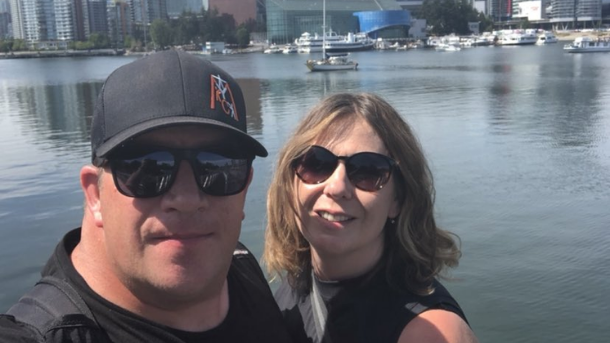
Nadia Irshad – Co-founder of Glarea Elevated Learning and the future of education

Nadia Irshad - Co-founder of Glarea Elevated Learning and the future of education
About Nadia Irshad

Nadia Hasan’s (@nadia__irshad) educational background is in Environmental Studies focusing on Sustainable Development and Urban Planning. She pursued a career in Art & Design working in Magazine Print Design and web design for a decade before opening her first early learning school. She is the Founder and CEO of Academics Educational Systems; The Academics Edge System that incorporates proprietary curriculum, programming and innovation in centres called Academics preKindergarten.

She is a founding partner of Glarea Elevated Learning; A NEW KIND OF SCHOOL. Glarea is a K-6 School in Surrey BC growing with the students yearly up to Grade 12.

As a resident of the South Surrey area, Nadia has had the privilege of being a board member of the Peninsula Community Foundation. She was a member of The Women’s Presidents Organization for years, before focusing on her current role as a Board Member for Arts Umbrella, Canada’s non-profit leader in arts education for young people, providing access to the highest quality arts education to communities as a basic human right. She is specifically dedicated to expanding the non-profit’s reach in the City of Surrey.

Nadia is passionate about her industry as a change agent for women, children and families. She is drawn to education and childcare through her own personal story. She finds passion in human connection, civic activism and more specifically causes that relate to women. Nadia’s interests include mobilizing women and girls by confronting cultural barriers that limit and harm women in closed communities.

Words, poetry and screenwriting is her passion. Maxwell’s Muse is where she spends some of her free time, on projects that give voice to untold stories, creating safe spaces and giving a platform to marginalized people through the production of art and film. 

Connect with Nadia: Email | Instagram | Linkedin | Twitter

Listen Now

Listen to the episode now on Apple Podcasts, Spotify, or on your favourite podcast platform.

Resources Mentioned

Glarea School Website

Academics PreKindergarten

Peninsula Community Foundation

The Women’s Presidents Organization

Arts Umbrella

Maxwell’s Muse Website

Systems Thinking Leadership Certificate Program at Cornell University

The Transcript

**Please note that all of our transcriptions come from rev.com and are 80% accurate. We’re grateful for the robots that make this possible and realize that it’s not a perfect process.

Sam Demma (00:00):
Welcome back to another episode of the High Performing Educator podcast. This is your host and youth speaker Sam Demma. Today I had the honor and pleasure to interview and chat with Nadia Irshad or Nadia Hassan. She has an educational background in environmental studies, focused on sustainable development and urban planning. She pursued a career in art and design working in magazine print and web design for a decade before opening her own early learning school.


Sam Demma (01:05):
She is the founder and CEO of academics educational systems, the academics edge system that incorporates proprietary curriculum programming and innovation in centers called academics pre kindergarten. She is one of the founding partners of Gloria elevated learning, which is a, a new kind of school focused on the K/six to K to six grades in Surrey, BC growing with the student yearly up until grade 12. She has kids of her own that are part of this school system and we talk all about why they created this innovative school, why she was a founding partner, and what their school looked like and how it differs from typical schools. And I think we can learn something from everyone we talk to. And I definitely learned a lot talking to Nadia, so enjoy this conversation and I will see you on the other side, Nadia, thank you so much for coming on the High Performing Educator podcast. Huge pleasure to have you on the show. Why don’t you start by introducing yourself and sharing a little bit about how you got into the work you’re doing today with young people in education?


Nadia Irshad (02:09):
Oh, that’s a big loaded question. well, pleasure to be here. How did I end up in the world of education? So I took a really interesting path of my passion for education lies within two sort of spheres. One is I’m a parent, so I never actually envisioned being a parent. It was a complete surprise to me. I never touched a child until I had one, never changed a diaper until I had one. But it, everyone, I think as it’s a transformative moment, it is a transformative moment. I’ll, , I’ll say it’s a moment where, you know, suddenly everything that you never thought was relevant to your adult life is and it also takes you back to your childhood in a really strange way. Children are your own child or other children to me are they’re kind of an opportunity to look in the mirror.


Nadia Irshad (03:12):
I think it’s an interesting, I always kind of reflect on my own parenting and my own kind of the things that I’m drawn to in relation to education and children, all I think really do are things that my child’s self are, is drawn to. Yeah. There are things that the gaps that I felt as a child, I feel suddenly responsible for ensuring that my children and children in my community don’t feel that gap. So that’s kind of how I landed here. I went. So I, so I started my career in environmental studies. It’s not even a career, my educational journey in our environmental study urban room planning and things like that related to sustainable development was more interested in the developing world. But I was, I I’m really interested in urban environments as well. And then I landed in a graphic arts and print design because my parents weren’t really happy with me traveling for work or leaving home or going too far.


Nadia Irshad (04:16):
And at that time there were no options available to me. So my other passion has always been art. I followed that I did print design for, I’d say close to even 10 years. I absolutely love the feel of paper. I love glossy magazines. I have none in my house. They’re not something that I, that I, that I keep, but I love, you know, I just, there’s something tactile about it. I love color. I love, you know, so many things I could talk about art all day, but then I had a child and it changed everything and I wanted to work. So I think I’m really in really, really fascinated it by how family structures are, how people pursue purpose and, you know, it’s really difficult being a woman and pursuing a purpose outside the family home. Mm-Hmm, , it is it’s a challenge in a world where you there’s expectations.


Nadia Irshad (05:21):
I know all the expectations that people around me had was that I was going to stay home and I was going to focus on being a good mom and cooking, cleaning, and ensuring that they’re brilliant, amazing, loved children. I, I don’t think that that humans need to box themselves into like specific little frames of reference that way. I think we can be lots of things. I, I, I’m quite proud of the type of parent I am, but I’m not the type of person that could sit at home all day. It’s just not in me. So after about a year, a half, two years of staying at home I started looking for childcare and preschools so that I could go back to work. I was feeling really antsy and stir crazy. And I ended up coming upon at that time, I lived in the was Washington DC area, and I came upon this really amazing little preschool that I ado and that allowed me to fulfill, you know, my other needs, intellectual creative, and leave the family home.


Nadia Irshad (06:25):
And so through that, I fell into preschools and childcare. So I started academics pre kindergarten when we moved to Vancouver, BC in, around, I started the company in around 2009. So that, that flourished from that personal experience. And I really do in that, in that sphere. So I, I, I touch education in multiple ways. I’m met a teacher, I’m an outsider to all the industries. I’m currently a part of, I absolutely door being an outsider. And the reason why is I can, I can ask questions. I don’t feel shame or guilt for not understanding things. I question things all the time. You know, it’s easy to when you’re in an industry for a long time to see things as this is the way they’re supposed to be. So I never under, I don’t understand that in this industry and I, I love it.


Nadia Irshad (07:20):
I think it I think children are deserve the utmost respect. I think children are capable. I think that what, what really fires me up inside is, you know, I’d say most adult, as I know, carry, you know, stories and sometimes trauma from their childhood homes and their families, and are the educational spaces that we provided academics, or, you know, I’ll talk about Gloria as well. You know, for me, the essence of it is to provide a safe space. And if you think about the fact that a lot of children, schools and preschool educational environments are where they spend most of their time you know, we, you know, we can be, we can be that, I don’t know what, what the right word is. We can be.


Nadia Irshad (08:20):
Yeah, so that’s kind of where that came from. So from there, I have an interesting story of how I landed in the K to 12 space. So one of my first students in preschool that, that enrolled in my first preschool that opened in 2010 I became really good friends with their parents. This was boys parents, and he is that couple, their developers in, in the province of BC. They mostly work in the health tech and health sphere. So with hospitals and care homes and you know, they, they kind of carry their purpose with their development projects. They’re always about community and empowering people, boldly elevating people. And it links well with healthcare. So randomly a dinner table conversation, I think at this point, it’s probably six years ago saying, you know, I have this D dream of a school and like, you know, just, just fun, philosophical, random chatter about what would your dream school look like?


Nadia Irshad (09:22):
What would it be? And this friend of mine told me, okay, well, I’m gonna do this. What do you think? And at the time, you know, I noded, I said that sounds great. Sounds so interesting. I’m so happy for you. Like, I I’m here if you guys need anything. So he went on his little journey and we had a hilarious chat years later where he called me and he said, okay, so my team, they do construction and they develop big buildings and they’re telling me we don’t operate schools. So , so I, I, they, they basically sat me down and said, you need to find somebody who, who knows schools and knows children. So he called me up and he asked me if I’d be interested at the time I was married. So it was something I was looking into for, for about a year, kind of doing a discovery, just looking into where it would be, what it would look like.


Nadia Irshad (10:13):
And then I ended up going through quite a high I conflict divorce. And he asked me if I wanted to do the project and, and if we want to you know, move forward in a concrete way and it was my anchor. And so the project became my anchor through a really tumultuous time in my life. Nice. and the amazing part about it is I don’t know how to best, describe how we formed Gloria except to describe a table of well, who I believe are the smartest, most innovative almost revolutionary type thinkers from different industries who sat around a table and said, well, what would be the most amazing school you could ever imagine? What would be the educational space you’d wanna be in? And yeah, we put together, you know, our purpose is at Gloria to empower indomitable spirit. And you know, that, that kind of, I think, sums it up really well. That’s, that’s what we envision for all of our students.


Sam Demma (11:20):
I love that. Can we go back all the way for a second, when you were telling me about when you were a child, you said there was gaps in your childhood that led you down this path. If you’re comfortable to share, I’m curious to know what those are, because I’m guessing those gaps are what inspire you to make sure that those gaps aren’t present and I other students or other young people’s lives.


Nadia Irshad (11:40):
Yeah, I think huh, I’m not, I’m comfortable talking about it. I think I was always the shy kid. I was always the kid that picked last for every sports activity known. And it’s interesting. I reflect on upon it now. I’m the child of a, of a, of an athlete. So my dad was a major athlete and I know looking at my brother and my father, I have the gene. I know that now as an adult, I know I could do all those things, but I nobody noticed me and my extreme shyness. And so I would pretend to be sick. I would have a tummy ache and not one teacher ever thought and stopped to reflect. Maybe she actually needs somebody to pay a little bit more attention to her and help include her. I was ne and, and so those are some of the, you know, I remember this will sound, I think crazy now.


Nadia Irshad (12:36):
I don’t think people, hopefully people don’t go through this now, but being told I’m stupid or, you know, I’ll never get it. Or, you know, you’re never gonna do more than be a secretary. I used to hear things like that as a child. Yeah. So those, and, and, and I, I’m an introvert and I’m a, I’m, I’m a bookworm. So I would just kind of spiral into my books and in my room and nobody paid much attention to me. So I kind of, I have a soft spot for introverted children, for sure. Mm-Hmm, I think it’s easy to, or, or the good kids. I always point out to people that, you know, it’s the kid that never or breaks the rules that never does anything, you know, that sometimes is negative attention worthy that we sometimes forget most. So the kids who are struggling and screaming and, and, and, and for attention, we give it to them. But sometimes it’s those kids that are so quietly kind of lost in the corner, but do you know, get the, as do everything right? That we never pay much attention to, but deserve it for sure to be seen is a big thing. And I think that’s through my, my educational entire journey, I’ll say all the way through university, nobody ever really saw me. I felt quite invisible. So that’s really important to me to see. I love that.


Sam Demma (13:55):
No, I love that. And, and at Gloria, you talk about challenge based learning. I was reading your website, and I know that’s a huge component that you’re very passionate about at the school. Can you tell me, or define what you think challenge based learning is and why it’s so exciting and important?


Nadia Irshad (14:13):
So the way I like to do describe challenge based learning is people are familiar with inquiry based learning or international BA programs. So those programs and that type of learning pushes questions. So it’s like the Socratic method it’s pushing, you know, asking questions, questions, questions, which is amazing, which I think we should all do all the time. Challenge based learning is problem-based learning. So everything we do in life, you know, every day we tackle problems all day. And I think that’s what we that’s, that’s what we pick challenge based. Learning challenge based learning is gritty. It means it, it’s not, it’s an environment where there isn’t a no. So if there’s an idea, it’s, it’s about failing reiteration learning. It’s about a it’s it’s challenge based learning for me is creating a space where failing you’re safe to fail. You’re safe to try again. You’re safe learn. Cause I do think in general, generally I’d say is true. And for most traditional educational models, it isn’t safe to fail. It, it isn’t encouraged. Kids need to get that a and there’s a lot of shame and attached to not doing it. Right.


Sam Demma (15:26):
I, I wholeheartedly agree. I even think back to my European parents, like you don’t come home in less, you have over 80 average, you know, like it was


Nadia Irshad (15:34):
The most, most scary day is the report card day. I remember that.


Sam Demma (15:37):
Yeah. Right. And, you know, knowing what I know now and looking back, I realize how backwards that thinking is. Right? Cause there’s a difference between learning and memorization. And I mean, throughout all of high school, I can memorize everything and finish a semester and look back at buddy and say, I’m not gonna remember anything I did. I’m not gonna use anything I learned, but I’m glad I got the nineties on my test. Like it’s so it’s so backwards at your school, what else do you provide the students with to create an unbreakable spirit, as you mentioned? Like, what does that mean and how do you young person? Yeah. Indomitable spirit. So


Nadia Irshad (16:16):
Gloria came from the word grit in Latin. So grit is something that’s important to all the founding members of Gloria elevated learning. Nice. And so indomitable spirit for was when we, when we sat around this table to talk about what model would we create? We talked about what made, what made the most successful. And when I say successful, I don’t mean in monetary terms or, you know, in successful, in happy, joyous living their best life terms. What made those people? And a majority of us, all that those were people who were comfortable with being uncomfortable, were comfortable with taking risks, were gritty, people, people who, who fell got back up, tried again, didn’t take no for an answer. And so in this world of helicopter parenting and lawnmower parenting, it’s a really hard children have a lot of anxiety and social media and all those things don’t help.


Nadia Irshad (17:19):
But so we created an environment. So challenge based learning, you know, is something that, that supports that type of environment. But we have academics, we have sports and we have art. So in our academic model, all those three things are equal. There isn’t a imbalance of, you know, your math mark means way more than, you know, athletics or arts. We really do feel that all those things come together to create whole gritty humans. And you know, what I love about the program is, you know, my, so my daughter’s in the program. She said, always, I hate skating. I’m never gonna get on skates. It’s cold. I don’t like it. And what I loved about it is I kept telling her, you know, but that’s the point, the point is you’re not gonna like everything. And that life, life is gonna throw so many different things at you. And it’s about your attitude. And it’s about pulling on those skates and making it happen. And what I love is she, so we’re now in almost in March and she loves skating and she’s talking about being a hockey player and I keep, you know, I’m being the annoying mom and I keep reminding her well, interesting.


Nadia Irshad (18:29):
But but I think, you know, I think we create an environment where, so parents like to push the things they love. Mm-Hmm of course, you know, soccer parents probably played soccer when they were young or wanted to be a soccer star or hockey parents wanted to be a hockey star. You know? So you kind of, because those are the things, you know, so what I love about gala Gloria is it’s a place where it’s a multi-sport multi art place. Children get to learn for themselves what they actually love, what actually fires them up, what they’re passionate about. And they’re able to kind of carve their own path, be their own spirit, right. Instead of feeling the shadow of all of the people around them who love them, who adore them. I know, but to me, that’s you know, as an adult, that’s the most, that’s the most exciting opportunity. I love that opportunity today, but


Sam Demma (19:18):
That’s awesome. It’s funny when you’re mentioning your parents always push your passions on you. I’m thinking about my own family and my own situation, right? My dad was hockey player growing up, always wanted me to play hockey. He tried for a whole year, a whole, whole year putting skates on my feet and I cried every time and he finally just gave up, put a soccer ball in front of me and I couldn’t stop kicking it. And I pursued a pro soccer career since I was six years old. I, I lived in Italy for six months when I was 13. I ended up having three major knee injuries, two surgeries, and totally lost my full ride scholarship, lost the ability to play. And I was just connecting with you on so many levels. You were talking about Latin phrases. I have a Latin phrase on my bicep right here.


Sam Demma (19:58):
It says, VIN key pat tour. It’s a phrase that means he who endures our, the person who endures conquers. And I had it after my second knee surgery, not because I was gonna go to the end of the earth to play pro of soccer, but because I made a decision in that moment that no matter what I chose to do with my life arts, academic sports, whatever it might be, I’m gonna give a hundred percent of my effort all the time. But I do have a question for you. How do you ensure that your students don’t attach their self worth to their cha their, their talents or their achievements or their accomplishments? Because at the end of the day, I think it’s still important that a student doesn’t come home and say I’m worth nothing because I didn’t play well or I’m worth nothing because I didn’t get a good grade. So I’m curious to know, how does the teachers and you at Gloria ensure that students don’t attach their self worth wholly to those things.


Nadia Irshad (20:48):
So I think, and that’s really interesting that you brought that up for me, the fact that we teach through challenge based learning, meaning we push trying, failing, reiterating failure is a success. Failure is something we completely celebrate. Risk taking is something we celebrate that, you know, walking through something you’re afraid of. And so for me, those are the things that we celebrate as an organization. We do not celebrate, you know, I love that’s great. You got a 99, but that’s, that’s not where we celebr. We celebrate your, we celebrate the spirit and we do have, you know, we a a health and wellbeing program. We have Dr. Doan, who is the president of BC doc doctor’s of BC right now who’s on our board. And she supports us with trauma informed practice. And she supports us on, in lots of, kind of mental health initiatives.


Nadia Irshad (21:44):
But I will say that, you know, child learning makes it really hard to do that. It really doesn’t even our sports, you know, for sports it’s, we, we focus on how you got better or what you did or what, you know, you tried that and you fell and you figured it out and you know what, that’s awesome. You, you know, you took the risk cuz sometimes the kids won’t even take that first step to fall. They don’t want to. Fall’s so scary. Mm-Hmm so while talking through those scary things, those are the celebrations for sure.


Sam Demma (22:11):
I love that. And you’re so right. I guess when you’re focused on learning from the failure, there’s nothing you really to attach yourself worth too. Like you’re not, you’re not celebrating an achievement, you’re celebrating the learning and the growth which is so unique and so cool. Cuz when I look back to my own experience in school, like that was one of my biggest hurdles. I remember the day that I had my second knee surgery and the voices just went through my head of all my parents, aunts, uncles, coaches, Sam, one day, you’re gonna be the player that we hopefully watch on TV. You’re gonna be the first person from our family who gets a scholarship. And then all these voices started becoming like weights on my back. Because I thought by myself that if I didn’t fulfill those things, that I’d be worth nothing as a human being. And it sounds like you guys are doing the exact opposite of Gloria, which is, which is so cool. Tell me more about what the average day looks like for a student at the school.


Nadia Irshad (23:06):
So an average day, so I’ll say for example, what’s today, today’s Thursday. So school starts at 7 45. The kids hit the rink first thing in the morning, so cool. and so we always, we always start the day with athletic athletics. We all, you know, I think there’s a lot of research to prove that that’s a good thing for you. So we, we try really hard to yeah, to follow kind. We break all the norms and we do it the way we think is the right way to do it. I like that. So yeah, so the kids hit the rink, they do that for an hour, power skating sometimes hockey and they get off the rink, then they hit their classrooms. We do have, so the difference between Glar in a lot of schools is we don’t have, you know, some schools have rules where you can’t eat until it’s snack time and you can’t eat until it’s lunchtime.


Nadia Irshad (23:58):
So that’s normal humans. That’s not how, yeah, it doesn’t work. so kids, you know, we’ll break out their snacks and they’ll eat and they’ll go to class. And so it’s challenge based learning, meaning math, science, English all the subjects that they’re learning. We, and we do Mandarin as well are integrated. So sometimes they have an engineering project. Maybe there’s a challenge. How would you create a Rover on the moon? So they have to use math. They have to use science. They have to use, you know, English to write up the report communicate. So, so it’s learning, but it always, so whenever I go into the school, it all, it looks too fun. It looks like campus can school, nobody everybody’s on their feet. We also have transitional learning spaces. So it doesn’t feel like we’re stuck in classroom and this is your classroom and now you don’t move all day.


Nadia Irshad (24:49):
No, all the entire school is, is a student school for learning. So you’ll see them in the hallway. They’ll use, they’ll use spaces in the cafeteria. Yeah, it’s, it’s a really cool actually environment. And what I love most actually about going to the school is because of the way it’s, it’s transitional and open and project based students interact. So the kinds love chatting with the grade five kids and they, and the grade five kids love mentoring the little kids. And it’s a really I can’t wait to see these kids in like 20 years to see how, you know, they interact. I imagine they’ll be really close for for a lifetime. That’s how I see the relationships that build as a family. It’s really, you know, we’re all learners. So part of the mindsets that, that, that we try to instill in everyone is we’re all learners. So the teachers are learners, the students, our learners, the grade fives learn from the kinds the teachers learn from the kindergarten, kindergarten kids. It’s not there. Isn’t a hierarchical kind of, you know, setup where there there’s a teacher up there and we’re down here, we’re all here and we’re all learning together.


Sam Demma (26:03):
That’s so cool. I love that. And I think in traditional education, sometimes students work in silos, especially when you get into university and people start th saying things like, oh, I’m not gonna share my work with you because it’s, it’s a challenge and I need to have better work than you so that I can get the position. And you don’t. And it sounds like what you’re fostering is a collective group to build team, to work towards solving a bigger problem. And I think, you know, there’s a proverb that says, you wanna go, you wanna go fast, go alone. You wanna go far go together. And I think it’s so wise and you know, from a young age teaching students that they need to, you know, be able to function in a team is so important because they’ll use that skill for the rest of their life, which is so, so cool. I’m I have so many questions. This is fricking awesome. It sounds like


Nadia Irshad (26:56):
It sounds like what you just said. You brought up about knowledge and university students. I have similar experience in university, but what’s interesting. What I always think of is people like that. See the world as a pie. I, you, you know, there’s only eight slices, so I get a slice and now there’s only seven left, so you can’t have, you know, so to me, knowledge, isn’t an asset. It isn’t property it’s for everyone. And so I think it’s interesting being an outsider in the world of education. I know I confront it confronts a lot of people to have non-education people in the world of education, but for me, learnings for everybody there’s no, there shouldn’t be any kind of boundary set. It is in a pie it’s endless. It’s, it’s abundant.


Sam Demma (27:42):
I love that. The way I look at it, just, you just gave me an idea of like a future analogy with the pie. So the way I look at it is like, there’s a pie on the table, right. And we’re all. And like people traditionally go and they take a piece, but in reality, every person has specific gifts and talents which could be a kid to an ingredient. So you come and take a piece from the pie, but you’re the flower and someone else comes and they’re the milk. And if you didn’t just realize that you all got together, you could make more pie, you know, like using everyone’s unique gifts and talents. So that just came into my mind while you were speaking. And I think it’s so true. Like, I, I don’t really talk about this much on this podcast because a lot of teachers listen, but I actually dropped out of university.


Sam Demma (28:23):
I did I did two months of formal school before I broke down in front of my laptop, crying, telling my parents, look, I have this passion for speaking to young people and I need to follow it. And there was this initiative I was building at the time catered around service learning and serving leadership. And at first my parents were like, what the heck are you doing with your life? And very, very quickly as things started to progress, their whole mindset shifted and changed. And so sometimes I think it just takes one example one success story to shift the narrative. And I think there will be hundreds coming outta your school supporting that idea. What is some of the things you’re most proud of so far that have come outta the school?


Nadia Irshad (29:04):
Hmm, interesting. That’s a interesting question. Be careful cuz it’s a small school environment. I, you know, can’t have confidentiality too. We’ve of course I’ve had I think one of the, one of the proud moments for, you know, it’s a small thing, but watching a ma you know, 85% of our students, couldn’t skate, couldn’t even, you know, they need a chair and now watching them months later, we open in September, we’re in February, they’re in power skating and they’re starting hockey. And these are like little like month, like little guys, five year old guys. And it’s so amazing because I think it underlines the fact that kids are underestimated. They have endless capabilities. They have endless energy, their brains are so from either this brilliant, you know, organisms that are constantly making connections and growing and how I, how sad I think it is when people limit that growth.


Nadia Irshad (30:08):
Mm-Hmm yeah, so there’s yeah, it’s, it’s it’s the little things, it’s the little things for sure. It’s and it’s watching the kids, you know, they put together performances, they, we have martial arts and watching the kids who never once, you know, did a punched something or did anything or now suddenly, you know, yellow and orange belts. those are it’s it’s, it’s amazing. And it’s, they take so much pride in it and I just love watching them. And I think I love that they never walk in and I never hear them say I got 99 on test. I never hear that. I hear today. I drop, I, I, I jumped up and I did this kick and, and, and, you know, I’ve watched them go through this journey where they couldn’t do any of those things and how much pride they are. And I think it builds so much self confidence to think, you know, to know, even for five year old, two months ago, I couldn’t even do that. And to so how endless are my capabilities? Right. So it’s yeah. I, I absolutely adore being around them that that type of energy is just, it’s like, I wanna see.


Sam Demma (31:14):
Moment. Yeah. It’s infectious. Right. you mentioned redefining purpose, right? I know this idea of finding your purpose, embracing your purpose. It sounds like you guys do it a little bit differently at your school. Do you have any opinions on the word purpose or, or what that means and how to encourage students to pursue it?


Nadia Irshad (31:34):
I think so is a trendy word too. Sometimes you, I always feel like I have to tip toe around it and be careful. Yeah. You know, if it puts fire in your gut, that’s the way I look at it. Put, puts fire in your gut and you can’t sleep until you do it, probably your purpose. And it’s probably not, you know, going fast on the ice and it’s probably not. It’s probably you, you know, you have to stretch to think what exactly is that mm-hmm and I do you think all of us and maybe I I’m an ideal idealist, I I’ll admit it. I think we’re all here to leave the world a little bit better. And so if you can find that little gift, you have that thing that puts fire in your belly to leave it a better, a better place.


Nadia Irshad (32:21):
And that’s why, you know, that comes back to challenge me, is learning. So what makes challenge based learning so special to us is it forces kids to think community and global mm-hmm . So it’s not the problem about you today. It’s how, you know, a problem that affects the people around you, your school community, the people down the block in your, in your world, and ask them to problem solve. And, and, and because the reality is, is it’s easy to be apathetic and it’s easy to think we can’t do anything. This is the way it is, but we, you know, people did it to get us here so we can, we can change and flip it around, make it go a different direction. Yeah, I dunno if that makes any sense.


Sam Demma (33:03):
No, it does a hundred percent. I, I had a world issues teacher who changed my life when I was in grade 12, who started the first day of class by walking in front of us and saying, don’t believe anything I tell you. But if it makes you curious, I want you to go do your Reese search and verify facts to yourself. And it was the first teacher I ever had, who said anything like that. And instantly like snap of a fingers. I was hooked. I was like, this is gonna be the best class ever. He made his own curriculum. He taught us his own curriculum. He retired the year after he taught me, but there was one lesson he taught us in, in April of 2017 where he was breaking down the lives of figures in history, trying to prove to us that they all had this common trait.


Sam Demma (33:47):
Grit was definitely a part of it. And the, the way he said it was, they all took thousands of small, consistent actions. And he said, if you wanna make a difference, you wanna challenge status quo, just, just choose a problem and take thousands of small actions towards solving it. And that challenge changed my life. I talk about him to this day, me and Mike Loudfoot, he’s retired now. We still stay in contact. So I wholeheartedly agree. It’s definitely, it’s definitely possible to make a difference. Especially when you just start with a small step, if an educator has been listening to this conversation and is just amazed by what’s going on at your school, loves your energy, wants to connect, have a conversation. What would be the best way for them to get in touch with you?


Nadia Irshad (34:29):
The best way would, they should go to our website. So they should go to Glareaschool.com and they can always shoot me an email. So my email is nadia@glareaschool.com. That would probably be the easiest way to reach me. But we are currently recruiting teachers. We’re in the midst of growing our little teaching community and it’s, it’s exciting to see the types of people that are drawn to our program. They’re really unique, unique individuals, which, which is exciting.


Sam Demma (34:55):
Can you just spell the URL of your school? Just so people don’t mess it up?


Nadia Irshad (34:59):
Yes. So Glarea is Glareaschool.com.


Sam Demma (35:04):
Awesome. Nadia, thank you so much for taking the time to come on the show, share some of your wisdom, energy and stories. I really appreciate it. And I look forward to the day that I can come skate with the five year olds oh, totally.


Nadia Irshad (35:16):
You need to come out to BC and visit us here.


Sam Demma (35:19):
I will. I will. I’ll talk to you soon.


Nadia Irshad (35:21):
My pleasure. Thank you.


Sam Demma (35:23):
And there you have it. Another amazing guest, an amazing interview on the High Performing Educator podcast. As always, if you enjoy these episodes, please consider leaving a rating and review so other educators like yourself can find this content and benefit from it. And here’s an exclusive opportunity that I mentioned at the start of the show. If you wanna meet the guest on today’s episode, if you wanna meet any of the guests that we have interviewed, consider going to www.highperformingeducator.com and signing up to join the exclusive network. You’ll have access to networking events throughout 2021 and other special opportunities, and I promise I will not fill your inbox. Talk to you soon. I’ll see you on the next episode.

Join the Educator Network & Connect with Nadia Irshad

The High Performing Educator Podcast was brought to life during the outbreak of COVID-19 to provide you with inspirational stories and practical advice from your colleagues in education.  By tuning in, you will hear the stories and ideas of the world’s brightest and most ambitious educators.  You can expect interviews with Principals, Teachers, Guidance Counsellors, National Student Association, Directors and anybody that works with youth. You can find and listen to all the episodes for free here.
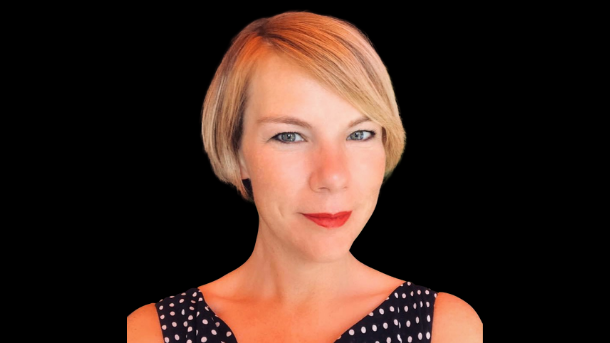
Chris McCullough – Teacher and Vice-Principal in Red Deer, Alberta

Chris McCullough - Teacher and Vice-Principal in Red Deer, Alberta
About Chris McCullough

Chris McCullough (@mccullough9) is a Teacher / Vice-Principal in beautiful Red Deer, Alberta.  Chris has a broad range of educational experiences, having taught in elementary, middle school, and high school in mainstream programming, as well as in inclusive education and behaviour management programs. 

Chris is actively involved in the community by volunteering his time to coach hockey, ringette and baseball. Additionally, Chris works alongside teachers from across Alberta to organize the annual Alberta Teachers’ Association (MYC) Middle Years Conference.  

Chris’ wife Kristie is also a teacher and they have 3 teenage children to keep them busy.  

Connect with Chris: Email | Twitter

Listen Now

Listen to the episode now on Apple Podcasts, Spotify, or on your favourite podcast platform.

Resources Mentioned

Alberta Teacher’s Association (ATA)

Alberta Teachers’ Association (MYC) Middle Years Conference

Chris’s Personal Blog: thepocketeer.blogspot.com

The Transcript

**Please note that all of our transcriptions come from rev.com and are 80% accurate. We’re grateful for the robots that make this possible and realize that it’s not a perfect process.

Sam Demma (00:00):
Welcome back to another episode of the High Performing Educator podcast. This is your host and youth speaker, Sam Demma. Today’s guest is Chris McCullough. Chris is a teacher and vice principal in beautiful Red Deer, Alberta. He has a broad range of educational experiences having taught in elementary, middle school and high school in mainstream programming, as well as in inclusive education behaviour management programs.


Sam Demma (01:03):
He has a very interesting start in education as well, which I think you’ll really enjoy hearing about on the podcast. Chris is actively involved in the community by volunteering his time to coach hockey, ringette, and baseball. He also refs and he’s been a ref for a long time, which is something that I learned about on the podcast. And he also works alongside teachers from across Alberta to organize the ATA. The Alberta teachers associations middle years conference. Chris’s wife Christie is also a teacher and they have three teenage children to keep them extremely busy. I hope you enjoy today’s podcast interview with Chris and I will see you on the other side. Chris, thank you so much for coming on the High Performing Educator podcast. Huge pleasure to have you on the show here today. You know, one of the NHLs free agents as I’ve heard, why don’t you start by introducing yourself and sharing a little bit about why you got into the work you’re doing in education today.


Chris McCullough (02:00):
Wow. That’s a long podcast you’re in for . As you said, I’m Chris McCullough. I’m in Red Deer, Alberta, Canada, and I grew up in central Alberta, just south of red deer in a town called Olds. And I’m hearing the question as, why am I a teacher? And I guess as a, a child myself, I always enjoyed running around and playing with my young cousins and stuff like that so it seemed like a good fit. I got, I got along well with people and you know, I’ve got to I’m not saying I love every aspect of my job, but , I do enjoy coming to school every day and working with kids and how many people get to say they get paid to do that every day. So


Sam Demma (02:42):
I love that. And being that you were someone and who enjoyed, you know, spending time with your younger cousins, that passion could have taken you in various directions, social work could have taken you to camp counseling, could have became, you know a youth speaker, like there’s when, when it comes to working with young people, there’s so many different ways that you can impact them. What drew you towards, like teaching specifically? Was there teachers in your life that inspired you? Or did you just say, let me try this and see how it goes?


Chris McCullough (03:12):
I think it was a couple things for me. One was I think just naturally as a relational person, I wanted to work with people. Yeah. If you were to read my high school yearbook, it would say that I was gonna be a golf course, superintendent, interesting position, a job that runs in my family. Okay. My dad actually taught that at a small college at old college turf grass management. And that was the plan, but I think him being a teacher I himself kind of pushed me in that direction. And, and actually I had a teacher I mean, I wasn’t as well put together as you are Sam at 21, I was still making bad decisions. and I remember my grade 12 teacher asking me what I was doing in his math class, because I really was kind of being your response and I didn’t need that class to be a golf course. Superintendent was what he said to me and he was absolutely right. And after that moment, I kind of decided that I was gonna pursue education and being a teacher. And along the way, I had a few bumps and bruises, but I ended up meeting my wife and she helped me a lot get through university. And the next thing, you know, go through the interview process and you get a job and here I am, 19 years later,


Sam Demma (04:31):
Happy international woman’s day, right. yes,


Chris McCullough (04:33):
Yes.


Sam Demma (04:35):
For sure. That’s awesome. Very cool. And when you first started, what were you teaching and how did the journey kind of evolve? I know somewhere along the way, you decided to get involved in the Alberta teachers association and really spearheaded some cool events and initiatives with the organization.


Chris McCullough (04:51):
Yeah. Along the way, I, my first job was a maternity leave. I taught grade six. Nice. And that led to which was at the time middle school age. And then in my, my school division, they, they opted to build some middle schools and moved to the middle school philosophy more formally. So there was a big middle school conference and a lot of teachers at that level were going to it and, and my wife ended up going and just, I think, I think my principal did allow me to go to the conference, even though I, I wasn’t necessarily guaranteed a job the next year, but I, I did go. And from that point on, I was really involved in middle school philosophy cause I ended up getting a position later in June that year. And then of course my involvement with the middle years council has been pretty consistent for, I could say 17 in my 19 years just in different roles and wow, largely it just comes from our core group of friends that worked on the conference and a desire to, to create a, you know, an event for teachers every year in a local context, I also got involved with my ATA, the ATA provincial and local and a variety of things at the time in our school division, I believe there was no vice president of the ATA local, and I just was off for that position and like a dummy, someone who didn’t know his AST from his elbow, he took it.


Chris McCullough (06:23):
And and I think it was a second year teacher at the time. And then of course the president had me at that point. So he retired and moved on to other things. And then I became the president of the, the red Catholic local. And I just learned a ton of great things. I, from some really great superintendents, I were, I worked with some great teachers on ATA stuff, union stuff, association stuff. And that was in red deer and Edmonton and Calgary. And that’s just been a nice bit with the middle years council as well. So I’ve always kept busy with that.


Sam Demma (06:55):
That’s awesome. And when you, initially we decided to take on one of the roles with the middle years council, was it because someone tapped you on the shoulder and said, you’d be great for this? Or you just saw the opportunity and decided I’m gonna try this out.


Chris McCullough (07:09):
I remember a colleague yeah. Tapped me on the shoulder and you should try it. Sure. And then I, one of the principals in my school division, I asked him if this was a good, I did because it was getting pretty real. And his answer at the time was, yeah, you’re gonna learn, you’re gonna learn a lot. So I’m probably guilty of getting too involved and, and having too many irons in the fire, if you will, cuz I have three kids on my own and I like to coach their sports and I’ve always been involved in that stuff. So again, it’s international. I couldn’t have done any of these things without support of my life, but overall I’ve learned a ton and yeah, I, I wouldn’t change anything that’s for sure.


Sam Demma (07:50):
Ah, that’s awesome. That’s, that’s such a good way to look at it over the years. I’m sure there’s been changes in teaching and education, especially when you introduce a global pandemic over the past year and a half. How has education shifted in your school area or in your school over the past year and a half? And what are some of maybe some of the challenges you’ve faced or have started to overcome?


Chris McCullough (08:17):
Yeah, so many challenges, honestly, I think as I look back over the, the course of the year, cuz I guess just almost a year to the day that we left school in Albert anyway and had that pause and shift to online education, I’m pretty proud of the work that teachers have done. And in my seat here as a vice principal, yeah. I, again, I work with some really great teachers that pivoted and really made that experie for the students. So that would’ve been March to June of last year. And then again, this year we’ve had our challenges with classes and situations where whole classes have to go home. But you know, at the end of the day, just the ability of these teachers to, to pivot and, and make it work for their students. Now I’m amazed every day by ’em to be honest. And it’s good to see. And I think moving away from that question, I guess broader in my 19 years, I, I think teachers in education improved a lot in terms of assessment practices, relationship with kids and understanding trauma and how that impacts student learning. I, I think we’re just getting in as a whole, whole lot better at meeting kids where they’re at and helping them with their needs. So


Sam Demma (09:33):
I love that and I, I would agree too. I think this, especially this year, the forced innovation through the pandemic has forced all of educators in education to focus on what matters most. And I think what’s been highlighted is the fact that the relationships are so important and sometimes building those virtually is a little more difficult. But how do you think schools or even educators can, you know, make their students feel heard, valued and appreciated. Now in, in this situation, is it a matter of checking in with the students on a daily basis or a weekly basis just tapping them outside of class saying, Hey, how are you? Is there anything we can help you with? Or from your perspective, what do you believe is the most important thing for educators to continue doing?


Chris McCullough (10:19):
I think from my perspective, you know, relationships matter, I, I once had a principal and she told me the number one thing she looks for in a teacher is their her or their ability rather to build relationships with students. Mm. The rest of it, you can kinda teach. And I, and I’ve seen that in a of tweet here and there, how important relationships are, whether it’s Sam or Robinson or, you know, it just matters a lot how you treat people. And I’m not saying you have to be nice to everyone because I think that’s a very broad term. And some teachers are very strict at the same time. They’re very effective and they, they don’t disrespect anyone. Yep. And other people, you know, are very good with people and maybe they can improve that they’re teaching. So I’ve kind of seen a lot of that too. So yeah, I think overall people care about kids and they, they work to make their school successful.


Sam Demma (11:16):
Ah, I love it. Very cool. And if you could, if you could travel back in time and speak to first year, Chris, when you just started teaching, knowing what you know now and with the wisdom you’ve gained and garnered, what would you tell your younger self?


Chris McCullough (11:32):
I would tell my younger self to listen, listen, slow down and listen. Nice. There’s a ton of knowledge. And I think, yeah, I guess as I’ve gotten older, I’ve gotten more mature, but you know, my school’s really focused on mindfulness this year from a school improvement plan perspective. Nice. We’ve done a lot of work on trauma training too, but you know, I think just learning to breathe and learning to pause, really look at situations in a whole context is an important skill for anyone, for me, for kids, for anyone. So we’ve done a lot of work on that. And I, I think if I was talking to my former self, I would’ve been more mindful of really not so much kids because I was always good with kids. And I feel like I connected with them well, but just being this is the wrong word, but sympathetic to maybe me being a little more understanding of what my former principals were trying to achieve and more or superintendents and current superintendents and politicians even I think at the end of the day, everyone wants schools and kids to be successful people. So yeah, just focus on listening and, and trying to make it work for everybody.


Sam Demma (12:48):
Love that. So cool. And I’m sure over the years teaching you’ve seen student transformation. I think that one of the coolest things about education is that it can change a student’s life. Now, sometimes you water that seed and it doesn’t flourish for 20 years. You might not ever know the impact you had. Or 20 years down the road, a kid writes you a note, letting you know that this one thing you said in class totally changed his life. Sometimes you hear about them, sometimes you don’t. I’m curious to know though, have you seen any student transformations within your school? Within the 20 so years you’ve been in education. And the reason I’m asking is because another teacher might be listening to this, burnt out, forgetting why they got into education and sharing a transformative story. Might remind them why they’re doing the work they’re. And if it’s a serious story, by all means you can rename the person to Chris or Sarah or change their name for privacy reasons.


Chris McCullough (13:44):
Yeah. I, to be honest story, I’m thinking of, I can’t even think of the kid’s name right now, thats. Okay. It was a high school situation and he was very struggling with school in general. He hated a, he hated school. He hated being there. And this is a great 11 boy who was in tears. I, I wasn’t even his teacher, I don’t think. Yeah. Other than one course like an option course. Anyway, he was balling his eyes out to me and we long story short, we, we changed his timetable so that he could do work experience cause he wanted to be a welder . So we got him outta school in the afternoons and set him up with a company. I don’t know if it was his dad’s company or a company his dad was kind of familiar with and you know, he loved it.


Chris McCullough (14:26):
He could come to school in the morning to leave at lunch. He started, started working on getting his ticket for, for welding. I think it was. And you know, I think that situations like that, making school work for someone, so he had a kid crying and in tears, that’s super frustrated to a situation where he is just happy, happy he can leave at lunch, go make some money. And I assume he is still working in the trades, which I think is a great avenue for a lot of students. And I think schools worry a little too much about academics sometimes where there’s lots of different possibilities where people can you know, think about their future.


Sam Demma (15:06):
Yeah, totally agree. I love it. And my dad’s a plumber and he loves his job and he builds homes. So there’s yeah, there’s so many, there’s no one pathway for all students. And I think it’s important to remember. So I love that you shared that story. If an educator listening or someone listening is, is enjoying this conversation is inspired by, it wants to have a conversation with you. Maybe Talk about your, your fandom for Calgary flames or star wars. what would be the best way for them to reach out to you and connect?


Chris McCullough (15:37):
Probably, I hesitate to say it a little bit because I find it to be a very angry place these days but Twitter is probably the best place to reach out. My handle’s @McCullough9 and I like Twitter. I find, I’ve learned a lot from it. There’s lots of good articles and inspirational messages and stuff like that. Sometimes I get caught up in the politics of the day or whatever and, and I’ve had to really reflect on what that looks like. But overall I think social media is a powerful force. It is a two-way sword and I enjoy it, but sometimes I have to take a, take a break from it and stuff like that. That’s kind of the best place, I guess, to find me.


Sam Demma (16:20):
All right. Got it. And what’s the first thing you’re looking to looking forward to once COVID ends.


Chris McCullough (16:26):
I think just general social situations, you know, being with family and friends and not having to worry about masks and social distancing and all that kind of stuff so sign me up for a vaccine as soon as you can get it, Sam, you know.


Sam Demma (16:43):
I’ll send it your way if I do. All right, Chris, thank you so much for taking the time to chat. I appreciate it. And look forward to talking to you soon and hopefully meeting you in Banff one day.


Chris McCullough (16:53):
Cool Sam. Take care of yourself and thanks for doing this.


Sam Demma (16:58):
And there you have it. Another amazing guest, an amazing interview on the High Performing Educator podcast. As always, if you enjoy these episodes, please consider leaving a rating and review so other educators like yourself can find this content and benefit from it. And here’s an exclusive opportunity that I mentioned at the start of the show, if you wanna meet the guest on today’s episode, if you wanna meet any of the guests that we have interviewed, consider going to www.highperformingeducator.com and signing up to join the exclusive network. You’ll have access to networking events throughout 2021 and other special opportunities and I promise, I will not fill your inbox. Talk to you soon. I’ll see you on the next episode.

Join the Educator Network & Connect with Chris McCullough

The High Performing Educator Podcast was brought to life during the outbreak of COVID-19 to provide you with inspirational stories and practical advice from your colleagues in education.  By tuning in, you will hear the stories and ideas of the world’s brightest and most ambitious educators.  You can expect interviews with Principals, Teachers, Guidance Counsellors, National Student Association, Directors and anybody that works with youth. You can find and listen to all the episodes for free here.
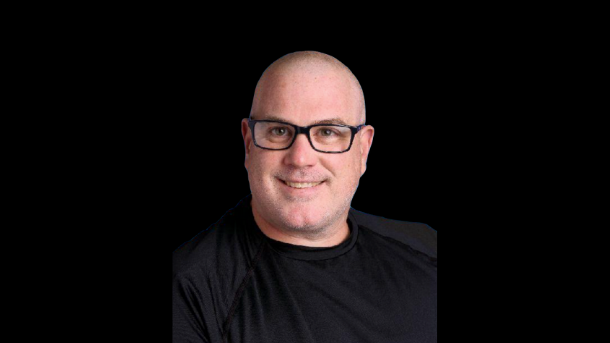
Sara Lindberg – Educational Consultant at CESA #11 and World Traveller

Sara Lindberg - Educational Consultant at CESA #11 and World Traveller
About Sara Lindberg

Sara Lindberg (@techytaka) has had a non-traditional pathway to becoming an educator, including turns as a freelance writer, independent filmmaker, administrative assistant, and veterinary clinic manager. 

After going back to graduate school to get her master’s in education and media technology, she worked in the field of education as a tutoring coordinator, a school library media specialist and technology coach, an English teacher, and an educational consultant. 

She recently spent two years co-teaching at a bilingual public school in Spain, and now she works as an educational consultant and splits her time between her hometown in Wisconsin and her adopted hometown in Spain. She loves to travel, hike, meet new people, and share stories, most of which involve the kindness of strangers. 

Connect with Sara:  Email  |  Linkedin | Twitter

Listen Now

Listen to the episode now on Apple Podcasts, Spotify, or on your favourite podcast platform.

Join the Educator Network & Connect with Sara Lindberg
Resources Mentioned

Cooperative Educational Service Agency #11

Burnett Dairy (Best cheese in Wisconsin)

Virtual Reality Field Trips

The Transcript

**Please note that all of our transcriptions come from rev.com and are 80% accurate. We’re grateful for the robots that make this possible and realize that it’s not a perfect process.

Sam Demma (00:01):
Sara welcome to the high performing educator podcast. Huge pleasure to have you on the show here this morning. Why don’t you start by introducing yourself?


Sara Lindberg (00:10):
All right. Well, I’m Sara Lindberg. I came into education in kind of a non-traditional way. So before I got into education, I did some freelance writing. I made independent films. I managed a veterinary clinic for a while. And then I came into education, actually working for a middle school after school tutoring program while I was getting my master’s. And then once I graduated, I, I was a library specialist at a small district nearby where I grew up in Northwestern, Wisconsin, and now I work at a CESA. So it’s a cooperative educational service agency in Northwestern, Wisconsin. So I work with about 39 school districts in our region. And the two years I was living and working in Spain as a co-teacher at a bilingual secondary school. So that’s my that’s sort of my educational journey in a nutshell.


Sam Demma (01:16):
what really fascinates me is the different roles and position you hopped around in and experienced before landing on education. Did you know growing up that one day, you would end up in a school or working with a school district or did it just kinda unfold?


Sara Lindberg (01:36):
You know, I think a little bit of both actually, because I, I look back to, I remember in kindergarten and we had to draw a picture of like what you wanna be when you grow up. And I remember drawing a picture of a teacher and I wanted, because I always loved school. So I wanted to be a teacher and then as I got older, then okay, now I wanted to be a veterinarian and then I wanted to be a writer and then I wanted to be a filmmaker and then I wanted to be a lot of different things. And I sort of did all of those in some capacity, but just came back to teaching and I was not really expecting it, but now looking back, I think like, oh, maybe that’s, maybe that was meant to be all along.

Sam Demma (02:19):
You also do a lot of traveling. How has kind of shaped your work or given you new perspectives?

Sara Lindberg (02:30):
Well, I think well in a few ways, so I studied abroad my first like big traveling situation was when I studied abroad in, in college in Australia. And so I lived there for stay six months and to D term at the university of Melbourne. And I absolutely loved it, made great friends and just really realized that there are amazing people all over the world. And I did a lot of traveling while I was in Australia. And so I think after that, when I came back, then I was like, okay, where else can I go? So I think that has, you know, that was really eyeopening for me at that time. And then I think just traveling around, I do a lot of solo travel. So just going by myself, meeting new people kind of getting into the non touristic parts of, you know, this towns and cities that I visit has been really great for me.

Sara Lindberg (03:29):
Like I love learning about new cultures and meeting people and hearing about their experiences. And you just meet, like, for me, I say, if they’re is, if there are good people in your town, I will find them because randomly I just meet the best people when I travel. I really, really do that is so I think that has given me a broader perspective. I mean, coming from a very, very small town in Wisconsin about 800 people. So my graduating class was 30. Nice. So I definitely I definitely have been opened up to, you know, more different ways of life, you know, and I’ve been living in Seville for the past two years. So a fairly big city, I mean, especially compared to where I grew up. But then also I think living in Spain for the last two years as a Spanish learner has really helped me a lot in working with bilingual emerging bilingual students has really helped me in my work right now, I work a lot with ESL teachers and directors of ESL programs. And so being a would learner myself and like, you know, having that struggle and having some personal experience to draw on, even though my experiences clearly are not the same as, you know, a lot of our students, but I, I can understand more that it’s just, it’s more than just, you know, the language that goes along with that. So I think that’s helped me too in my teaching it’s become it. It’s helped me become a better teacher for sure.

Sam Demma (05:06):
That’s awesome. And you mentioned CSA a little bit as well for those who don’t understand what the association or the organization does, how would you explain it? What is the purpose and role and how did you end up in that specific position of as well?

Sara Lindberg (05:23):
Yeah, so Wisconsin, there are 12 C, so they’re nationally, they’re called like ESAs educational service agencies. So a lot of states have something similar, like in New York, it’s BOCES and other states have, you know, similar things, but they just call ’em something else. So I work in CSUN 11, so it’s the Northwestern part of the state, a lot of small, more rural school districts. And so our organization provides support services. My department is focused on professional development and instructional support for school districts. So within that I work in the ESL title three program, universal design for learning. I sort of manage the library programs there because I have a background as a school librarian. And so I do a lot of like teacher workshops and working with school districts in district to do some planning, working on developing new programs. And then I work a lot with educational technology.

Sam Demma (06:32):
That’s so cool. And how has the work changed or shifted or pivoted over the past two years? I feel like COVID has played a big role in reshaping education. What has changed or shifted over at CSA for you?


Sara Lindberg (06:49):
Well, I think I was in a pretty good position, I think personally because I have a background in educational technology. Cool. So, so right when COVID hit I was working, you know, kind of part-time remote from Spain for the last two years, you know, still doing some support and it was this immediate need for in the moment, you know, tech support and really specific training on how do we make this shift from, in her person to virtual in a very, very short amount of time. So I actually worked with teacher friends in Spain helping them because we literally had one day, like we found out Thursday night, they made the announcement that we would go into lockdown on Monday. So we had Friday to basically set all of the, you know, all of the tea and all the students had to figure out, you know, okay, what are we gonna do now?


Sara Lindberg (07:42):
And then it was, you know, oh, it’s gonna be two weeks. And then, you know how that went. So I think for me it was an easier transition. But definitely now we thought we were going back to like normal, right. Which is not the case. So we’re doing a lot of, I mean, we have the same learning curve as a lot of districts. So trying to figure out how the things that we do are focused so much on in person, professional development day, long workshops. And right now that’s really just not a possibility. So we’re also you developing new ideas. So how do we do hybrid? How do we do instead of one day, can we break it up into a few, you know, shorter virtual sessions, how do we work in this blended environment and support teachers? And also what teachers need has been quite different, you know, over the last two years.


Sara Lindberg (08:39):
So initial was a lot of technology. Now we’re a little bit, I don’t wanna say over it, but teachers have developed over the last, you know, year and a half out of necessity. Like they’ve found a way that works for them. So now it’s more okay, now that this is ongoing, how do we navigate having some students in person, some students at home and the same thing for our teachers? How do we support them? You know, when they really only have, you know, small blocks of time, cause everyone’s, you know, nobody can find subs and so everyone’s sort of covering for each other. So how do we get them the best bang for their buck? Right. So we have to be really creative in what we’re doing, but it’s like also a really great opportunity to develop new programming and think outside the box. Like, what if we did this?


Sara Lindberg (09:30):
What if, you know, let’s try this. And I think there’s a lot more room to try, try new things. And then if they don’t work out, it’s kind of like, well, okay, we tried that it didn’t work now, what can we do differently? Or what, what part of that did work? And we can, you know, tweak it a little bit. So it has been, yeah. I mean, it’s, it’s been terrible. obviously, but also a lot of opportunities have come up and, you know, we’ve seen that, you know, there are really great ways to do some blended learning for teachers and for students,


Sam Demma (10:04):
That idea of trying something, learning from it, trying again in tech, it’s called rapid iteration. Mm-Hmm and one of my favorite artists, his name’s Kanye probably heard of Kanye before. yeah, he, he, on his latest album, went into the middle of a stadium for like a month and made the music live in front of people and would ask for their feedback live while he was making it. And it was like this crazy, innovative idea in the music world, because no one’s at ever done that before. And he was taking that idea of rapid iteration and applying it to his album, which I thought was really fascinating. What are some of the ideas or technologies or resources that you think the school districts have maybe tried to use or utilize over the past couple years, or maybe even in your own work that have been helpful? Any resources tech or softwares?


Sara Lindberg (10:59):
I mean, I think it really, at first we tried to do all the technologies, so it was like, here’s a hundred new apps and, you know, websites and platforms and all this stuff. And it was just, it was too much. And the expectation, you know, for teachers on students to have, and parents too, you know, of parents supporting students at home yeah. To have 20 different platforms and logins and all this stuff, you know, we realized that, you know, more isn’t necessarily better. So, I mean, we went back to some of the, some of the basics, you know, doing podcasts, doing little videos, you know, getting a lot of good stuff off YouTube doing a interactive, just simple things through like learning management systems, like simple like Google classroom or, you know, all of these, you know, Schoology and all this stuff. And so having interactive conversations with students, I mean, one of the, one of the things that I did that I loved was I did a conversation class at the school where I was working in Spain.


Sara Lindberg (12:03):
So we had a conversation class, like maybe once or twice a week and we just talked, you know, so it was for them to practice their English with a native speaker, but we just talked about, you know, what have you learned from COVID what have been some good things? Cause it was really, you know, in Spain, the lockdown meant that you couldn’t leave your house. So kids couldn’t leave the house ever. Wow. And adults could only leave if they were essential workers and they had to have, you know, all the stuff or to, to like go to the supermarket or the doctor. So kids were stuck in the whole time. So for them it was, you know, pretty rough. And so we knew, okay, there’s a lot of bad stuff, but like, what are the cool things that you’ve learned? And the things that they learned were, you know, not part of, you know, traditional academic curriculum, you know, but they’re like, yeah, I learned that, like my brother’s actually like pretty cool now that we’ve spent time together.


Sara Lindberg (12:57):
Like, oh, my grandma taught me how to make, you know, this traditional recipe that she’s been making for years and, you know, or I started a book club with my friends, or we started doing like, you know, group video chats where we would all like watch a movie together. So something like that. So I think part of it was, you know, using some simple technology, but we also learned more about the, the place of like social, emotional learning and health and, and you know, what we learned in COVID wasn’t maybe necessarily as much, you know, of science, English, you know, but we learned a lot of other skills, you know, adaptability and perseverance and things like that. So, but yeah, as far as technology, I mean, there’s so many cool, cool things out there. I actually started doing last year, a lot of stuff with virtual reality. Nice. So we did virtual reality things with like Google expeditions and, you know, sort of virtual field trips and, you know, there’s so many cool things like that where you can kind of experience places that you’d never get to visit. Right. You know, like you can go to the international space station or you can, you know, do tours of like, you know, the moon or, you know, all of these really inner, deep under wall. So, I mean, using virtual reality for me is, is a pretty cool resource like technology resource.


Sam Demma (14:24):
Very cool. I, I interviewed someone about a year ago. I can’t remember his name now. And he actually was one of the first people in his school board to bring VR to the classrooms within the board. And he used it to do expeditions for students who moved away from their home country so that they could see it again, someone who, you know, fled a third world country or came over as a refugee and maybe hadn’t been home for like 14 years. He was, he was able to program the headsets for them to walk through the malls in their local city that they would’ve been in. And it, he told me like kids were crying of joy. Like it was such an amazing experience. Yeah, I think VR will be a huge resource even moving future as well. So it’s cool to hear that you’re already leveraging that as well. Yeah.


Sara Lindberg (15:15):
And, and now that like the technology as we go along, right, the price comes down significantly. So at first it’s, you know, it was really out of reach for some of these things. And I mean, to some extent, you know, to get really high end stuff, it is out reach for a lot of, you know, districts. But I mean, one of the things that we do at CSA is because we’re a consortium model, we have different libraries and things like that. So we can, you know, on behalf of districts we can purchase things and then circulate it like in a library system. So schools who can’t purchase like an entire VR. So that’s one of the things we have in our library. So if they can’t purchase like an entire classroom VR headset set, so every student can have one, we can lend that and they can do a unit for a couple weeks and use that. So, I mean, that’s one of the cool things that I get to do in my job is like test out new technology things. So, I mean, there are times like when people are just like walking around the office with like VR headset or we’re out with, you know, like whatever, you know, drones or like underwater cam, you know, whatever out in the office. And so, yeah, that’s fun.


Sam Demma (16:26):
Very cool. And if you could take your experience working in education, bundle it all up and share it with your younger self, meaning Sarah, when you were just getting into education in the first year, knowing what you know now and with the experience you have, what would you tell your younger self?


Sara Lindberg (16:46):
Wow. that, that’s a big one because I feel like every experience really has made me a better teacher, even the, you know, things that were not necessarily teaching. Yeah. but I think I would say that just to focus on, I mean, relationships are so important. So I think that, you know, building relationships with students and building relat with colleagues, you know, administrators building a network of, of teachers and people that you can, you know, run things by that you can bounce ideas off of, you know, I wanna try this new lesson I’m thinking about this, you know, what do you think? And then just really listening to students and like some of the best feedback that I’ve got has been from students, you know, saying like, what did you think of this? I mean, I know that a really eye opening thing for me is I was, I was teaching a class that I had developed called film as literature.


Sara Lindberg (17:48):
So I have like a, a filmmaking, you know, film studies background. And so I develop this course and it was like the second year that I was teaching it and I did a survey of students and just getting their feedback, like, what do you think? You know, what’s the, you know, difficulty level, what’s the interest level? Like what ideas do you have and sort of midway through. I was like, okay, I had a plan on where we were gonna go for the rest of the year, but now that I have your ideas, I’m thinking like, let’s do something different. And so like, let’s do what if we do like this independent project and everyone sort of gets to design their own, you know, like here are the standards that we’re looking at or learning targets, but how you approach it and how you show your understanding can be really different.


Sara Lindberg (18:35):
And you, you know, you tell me, so you can work individually. You can work in a, with a partner with a group, whatever. And so we went through that and like, they co-developed the rubrics and they, you know, co-developed the schedule that they were gonna have and said, this is how I’m gonna address these standards. I’m gonna do a, you know, presentation, I’m gonna do a video. I’m going to, you know, one group rewrote the ending to a movie. So they learned how to write in like script format. So they like downloaded the software and learned how to actually write scripts and did this thing about the character development. And this is why, and they went to the whole backstory about why it should have had a different ending to begin with it. . And I mean, it was just amazing. And one student did you know, movies from around the world and she’s like, I wanna do foreign films and talk about the culture and how that impacts, you know, the types of movies and like the history of, of the country and whatever.


Sara Lindberg (19:31):
So she did this amazing presentation and based on that, I was like, okay, next year, we’re adding a foreign film unit into into the curriculum. And she actually came back as a guest lecture the next year, this student. Yeah. Oh, wow. She’s awesome. So I think just like that, like you said, that iteration process of you don’t, it’s not one and done. It’s not, I develop a lesson plan now I have it for the next 30 years. It’s, you know, a constant, okay. This worked, you know, this could be a little better getting feedback from students and really realizing that there’s so many different ways. I mean, as a, you know, like I was always a good student, like a real teacher pleaser. So I was like, whatever you say, like, that’s what I’ll do. So, you know, multiple choice tests, like 10 page papers, whatever.


Sara Lindberg (20:23):
So I think, you know, as an educator and I brought in the way I learned best and the fact that I loved school, I, everything about school, I love learning. I mean, you know, and that’s not the case for everybody . And so I think it’s, it’s just like realizing that there’s so many different, it’s not like this way or this way, it’s like this way or a million different other ways. And you can really be creative in, in how, and the more creative that students can be like the better, like, in my experience, I guess the, the better the projects and the work that students do, if they’re really interested in something it’s like, okay, I would’ve had you maybe write an essay, but instead, you know, like you said, well, what if I like make a little documentary film and you spent like a hundred hours on this documentary film and it was spent probably 30 minutes, you know, slapping together an essay five minutes before class. So like the learning was so much deeper in those cases where students had more of a voice in, you know, what that looked like. So


Sam Demma (21:33):
It’s like a per more of a personal interest too. You’re, you’re letting them craft the experience, which I think is awesome. I want you to get on your soapbox for a second. And someone who has a background in in film, I believe that like the arts are so important. Any artistic, you know, work or subject that enables a student to express themselves. It’s a lot harder for someone to express themselves in math class, which is why I think it’s really important that arts also exist. Why are, why do you think the arts are so important and all forms of art?


Sara Lindberg (22:11):
Oh, man. I am a big, you know, I come from a family that is very creative. So I that’s always been support of my life. Music has always been a big part of my life. I’ve been writing since I was a little kid, you know, writing stories and, you know, and all these things movies, you know, art like painting and drawing and stuff, which I am not good at, but I have other people in the band that are very good at that sort of thing. Nice. so I think being creative was just, I that’s how I grew up and I didn’t really know anything different and in my school that was always encouraged. And so despite being a very small school, there are a lot of opportunities to be involved in the arts. And I think there’s, especially during COVID.


Sara Lindberg (23:01):
I mean, like I found that a lot of people found a creative outlet during COVID because there are some things that you can’t necessarily express maybe in words, and in having a conversation or, you know, a simple way. And art is a very complex and very personal thing that I think allows you to get out all the stuff that’s that’s inside. So I think just from like a mental health perspective yeah. It’s so important, but then also you have, you know, more ownership over it because it’s such a personal creative thing that you can take something that’s like, maybe in, in a school setting, you can take something that’s maybe not super interesting to you. Like you said, maybe math or something like that and approach it in a very creative way. And that allows you to make that connection. Like maybe I, I don’t love this normally, but I found a part that connects to something that I love painting or, or writing or filmmaking or, you know, dance, or, you know, any of those things, music.


Sara Lindberg (24:12):
So, I mean, I think it’s so important. I think we’re seeing like, you know, the focus was on stem and now it’s steam, right. Because we we’ve incorporated arts into that. So actually I work with fine network of educators in the CCC 11 region, and they’re doing some amazing things. And some of the things that, that these teachers were doing during COVID, I mean, if you’re a band director and all of a sudden you’re teaching remotely, what does that look like? And I think really the, the fine arts teachers have to be so creative, I mean, out of necessity, but I mean, they were doing some amazing things in, in virtual learning time. And I think it had such a positive impact on students, especially, you know, during, during that time while still we’re still in the time. Yeah. But, but yeah, so, I mean, I think it’s, you know, it’s, it’s a way for students to express themselves and I don’t think it has to be, and I don’t think it should be a totally separate isolated.


Sara Lindberg (25:16):
I mean, there’s so much, you know, interconnectivity and I just remember I’m, I’m not a painter I’m in awe of people who can paint that. It’s just not a skill that I have. And I remember being in high school and there was a, a teacher of mine who actually is now a colleague of mine. Like, like we work together as nice as adults now, which is, you know, strange. I have a hard time calling, calling her by her first name. Right. Because she was, you know, like always like, you know, Mrs. And now I’m like, okay. And she’s like, okay, you can call me Kate now. It’s fine. But I was taking a class with her and one of the projects she had for a different class was about, I don’t know, short stories or something, and the students could, could show it, you know, in a variety of ways.


Sara Lindberg (26:00):
And I remember one student who was like, not really into school in general, like wasn’t really into like the, you know, academic side of things. But he, for his project, he had done this beautiful painting. That was about a story of, it was during civil, you know, civil rights era in the south. And he did this amazing, like a mixed media painting the, that like represented the conditions like during that time and like some of the STR, and it was just like looking at it, you were just like, oh my gosh, this is like this incredible. And you can see so much, you don’t even need any words, like a 10 page paper would not have anything on this one piece of art because you looked at and you knew exactly. You know, like you could see all these things represented in it. And it was so amazing. And then I was like, oh my gosh, here I am writing papers. You know, like thinking like, great, is this that I can, you know, write a paper. And like, my paper is nothing, you know, I have nothing on, on this guy. Right. So I think, I think there are things that, that fine arts can express that other, you know, other forms of communication really can. So I think it’s super, super


Sam Demma (27:24):
Awesome. You mentioned a association of fine arts teachers or an organization. What, what is the group called? If someone wanted to look it up,


Sara Lindberg (27:35):
It’s actually just a network that we have. So at CSA we have all different kinds of educator networks. So I work the, with the library, medias specialists, and we have like a tech integrator and curriculum coordinators and, you know, title three directors and all stuff. And so one group is the fine arts group. Nice. And what’s really nice about it in our area is like in bigger schools you have say like, I don’t know, 20, 30, 50, whatever art teachers, like music teachers in a lot of our districts, there’s like one or two people who do that. And that’s it. Yeah. So it’s hard to say like, okay, now meet with your department and come up with some ideas. Cause sometimes like in my district it was like, okay, the department of one I’m, I’m the , you know, specialist. I’m like, okay, so a department meeting sweet.


Sara Lindberg (28:23):
It’s just me sitting. Right? Yeah. So to get, you know, in, in our area to get a bunch of, you know, music teachers and art teachers and, you know, theater and dance and you know, together, and they can say, okay, what are you doing in this case? Like, oh, I’m doing this. Oh my gosh, that’s such a great idea. You know, I tried this like, have you tried this, you know, have you tried this app? Have you tried, you know, this extension, you know, here’s an activity that I did. And just have, like that network format is so important I think. And so for fine arts, I mean, it, it’s amazing to be a part. And they’re, you know, my artistic skills are very, very, you know, limited, especially in comparison, but it’s like get a bunch of really, really talented, smart, passionate people together and have a conversation and things that come out of those groups are just like, wow, you guys are awesome. I would say you have to mine the collective wisdom of the group, right?


Sam Demma (29:22):
Yeah. I had someone he had this statement, he said, I think it was R and S it was like Rob and steel. And he was like, I’m looking to Rob and steal people’s ideas all the time and, you know, re you know, reimplement them or adjust them for his own purposes. And I think it’s so important, you know, we don’t always have to reinvent the wheel. Sometimes just having a conversation where someone can open our, open our mind to a totally different perspective that we didn’t think about before. That’s why I think networking and that the groups you’re mentioning are so important. I have three, like rapid, like rapid last minute questions for you to, to wrap up the interview today. okay. And I’m gonna put you on the spot. You’re gonna put me on the spot. cause we didn’t talk about this. You didn’t know what was happening. I,


Sara Lindberg (30:13):
I’m not prepared for these questions,


Sam Demma (30:15):
But they’re gonna be good.


Sara Lindberg (30:17):
Might have to edit them out later. So if it, it turns out that they’re not three questions at you’ll know how the responses went.


Sam Demma (30:24):
Question number one. Did they find your luggage?


Sara Lindberg (30:28):
Yes. oh, yes. It was a Christmas miracle. Yes. I have to shout out to Kayla at Minneapolis St. Paul international airport, because she was on the case and she was made can calls and sending messages and she’s like, we are gonna get your suitcase back, you know? And I, yes, with all the Christmas presents in it for my family. Yes. Arrive safe and sound suitcases, a little banged up, but you know, made it through.


Sam Demma (30:56):
That’s awesome. And for those of you wondering what the heck, that question was in relation to, to Sarah’s suitcase almost went missing while traveling home, right?


Sara Lindberg (31:07):
Yeah. Yeah. It, it got lost and it was like home alone lost in Madrid. Right. So nobody scanned it to like, do anything with it. So it was just sitting there all alone and nobody was really looking for it. And so I got back, I was like, okay, where’s this suitcase. And they’re like, okay, well, you know, make a call put in this ticket. And so then, you know, a couple days go by like nothing. And then I called Kayla and she said, nobody’s even looking for it. It hasn’t been scanned. Nothing has been done. She’s like, I’m gonna start making some calls because I can see like, your suitcase is literally just sitting there and no one is gonna put it on the plane unless, you know, we get a hold of ’em. So yep. They put it on the plane. So it had its own little adventure and then they delivered it actually to my house. Nice American airline’s little delivery van or whatever, and yep. Safe and sound.


Sam Demma (31:57):
Awesome. Question. Number two. If someone is looking to purchase cheese in Wisconsin, what is the best? What’s the best brand or block of cheese they should buy


Sara Lindberg (32:10):
I’m gonna say anything from Burnett dairy. I might be biased, but I think it’s the absolute Wisconsin has, in my opinion, as Wisconsin, the best cheese. And in my opinion, also Burnett dairy in alpha Wisconsin has the best cheese. So they make it, you know, and ice cream, they make the ice like fresh, right from the milk in their big storage facility. So it’s a new flavor every day. So yes, that’s what I bring when I travel. Everyone’s like bring cheese, go to the dairy, bring cheese. So every time I travel it’s with a suitcase full of cheese, which makes for interesting airport x-rays sometimes. Yep.


Sam Demma (32:50):
Yes and then thirdly, if someone is in Seville and they have only a few hours, what do they need to see or do?


Sara Lindberg (33:00):
Ooh, you can actually do a lot the, the city center for like the, the really big things is pretty compact. So I’d say take a, walk by the river, go down to Paque Maria Louisa, it’s this really big, beautiful sea go to the cathedral. If you can climb up and, you know, go all the way to the top, you can have this amazing view of the city. It’s a long walk off up, but it’s worth it. And yeah, and then just eat some, you know, have some top bus and, and enjoy and go in springtime when the orange trees are blossoming. Cool. Because then it’s a beautiful, you know, sense of orange trees.

Sam Demma (33:52):
Awesome. Cool, Sarah, thank you so much for taking some time to come on the show to talk about your journey into education and some things that have been helpful for, you and your perspectives and philosophies, Keep up the great work and we’ll talk soon.

Sara Lindberg (34:11):
Thanks for having me on! Good to see you again.

Join the Educator Network & Connect with Sara Lindberg

The High Performing Educator Podcast was brought to life during the outbreak of COVID-19 to provide you with inspirational stories and practical advice from your colleagues in education.  By tuning in, you will hear the stories and ideas of the world’s brightest and most ambitious educators.  You can expect interviews with Principals, Teachers, Guidance Counsellors, National Student Association, Directors and anybody that works with youth. You can find and listen to all the episodes for free here.
Adriano Carota – Classroom Teacher at St. Mary’s College in Sault Ste. Marie

Adriano Carota - Classroom Teacher at St. Mary's College in Sault Ste. Marie
About Adriano Carota

Adriano Carota (@adrianocarota) began his journey of working with youth during his time in residence life at the University of Waterloo and Western University. That experience drew him to teacher’s college and a career as an educator. “When am I going to use this in life?” This question is the driving force of his passion for providing students with insight into career exploration and goal setting.

Adriano served as the Leader of Experiential Learning for the Huron-Superior Catholic District School Board after spending time in the Student Services Department at his alma mater, St. Mary’s College. His professional career has brought him -full circle – back to the classroom where his passion is stoked by the curiosity of his students.

Connect with Adriano:  Email  |  Linkedin | Twitter

Listen Now

Listen to the episode now on Apple Podcasts, Spotify, or on your favourite podcast platform.

Join the Educator Network & Connect with Adriano Carota
Resources Mentioned

The High Performing Student Podcast

St Mary College School

Goal Setting and Planning Resource

The Transcript

**Please note that all of our transcriptions come from rev.com and are 80% accurate. We’re grateful for the robots that make this possible and realize that it’s not a perfect process.

Sam Demma (00:01):
Adriano, welcome to the high-performing educator podcast. Huge pleasure to have you on the show. It’s been a while since we’ve spoken, how have you been and introduced yourself and let the audience know who you are?

Adriano Carota (00:14):
Well, thanks for having me. I’m pretty excited. I know we’ve been trying to get this going and it’s I miss you, man. I really do. It’s been a long time and we we’ll talk a little bit about how you’ve been using some of your content in the school and hope to do more of it. My name’s Adriano Carota. I’m a teacher at the Huron-Superior Catholic district school, at my Alma mater St. Mary’s college, very excited to be here all the way up in Sault, Ste. Marie, Ontario. So we are experiencing an odd December actually. It’s it’s very mild here today. It’s about eight degrees and rainy. So the snow is slowly melting away which is unusual, but hopefully we’ll end up with a white Christmas.

Sam Demma (01:00):
Yeah, I hope so too, because it’s raining here as well. And it’s oddly warm, which is kind of funny for late December…

Adriano Carota (01:09):
It’s very funny.

Sam Demma (01:10):
Yes. Tell us a little more about your journey into education and what brought you to where you are today?

Adriano Carota (01:19):
Well, it was a, not a straightforward journey. That’s for sure. I like most kids. I remember sitting in my a grade 10, I think it was a religion or geography class. And her teacher kind of told us a stat that, you know, you’re gonna change your decision for what you wanna do in your career, like a million times. And I just couldn’t I couldn’t wrap my head around that and sure enough, it wasn’t a million times, but it was quite a few times. So I ended up up going to university and when I got there, I was quite involved in residence life as a orientation leader. And then I always had a goal to sort of be a, an RA my university, university of Waterloo. We were, we were called dawns. And I got involved in that.

Adriano Carota (02:00):
And from there, one of my supervisors was just an amazing leader and heavily involved. He had been to about two other schools at the time in residence life. So I applied to a few schools and I finally got into a university of Western Ontario at the time now, Western university tremendous housing program, residence life program there. And one day a friend of mine called and said, I’m thinking of going to Buffalo for teachers college. Why don’t you join me? So I went for an orientation meeting and the rest is history, moved back home. Got a teach teaching job in elementary school for the board I, I currently work for here on superior. And and then was doing a lot of coaching I a big into, into coaching football and basketball. So I was doing that at the high school level as well as elementary. And then I put a transfer in, got back to my to St Mary’s college, which, which I’ve been at for, for, you know, the majority of my career and, and absolutely loving it. It’s a great place.

Sam Demma (03:02):
Most of the time when friends call to go to Buffalo, they want to go shopping so going for teachers college is awesome. Did, did you know, well, we ended up

Adriano Carota (03:14):
Go ahead, go ahead. Say I was just gonna say we did end up trying the best wings around Buffalo wings. That was, that was kind of the highlight there from the non school standpoint because we did actually live in 40 area Ontario. So we commuted over the border, getting over the border back then was a lot easier than it certainly is now for obvious reasons. So we were pre nine 11 and all that. So it was kind of easy.

Sam Demma (03:37):
Yeah. And did you from a young age, no. Teaching was your thing, like, I know you said you changed paths a couple times, or like when did the idea pop into your mind that it could be a, a possibility aside from your buddy recommending it?

Adriano Carota (03:51):
I think when I was sitting in the orientation session in Buffalo. Yeah, no, I, I never thought I really enjoyed it. I was heavily involved at high school. Yeah. I had some good mentors that really encouraged me to develop my leadership skills. I went to a couple leadership camps that I was kind of recommended to go to. But you never really think of yourself as a leader. I never thought I I’d go into teaching. I was really into healthcare. I thought I’d be like a a chiropractor, a physiotherapist, something like that. And when I went to school, I just started to kind of really get more interested in, in the extracurricular stuff that, that I was involved in, like the, the orientation stuff, the leadership stuff. And I think it was just fate. You know, I, I really believe that you know God has a plan for us and, and my friend called me that day and, you know, the rest is history.

Adriano Carota (04:41):
And so I think that’s sort of what led me there. Was it something subliminal perhaps? I’m not, I’m not too sure, but I, I certainly don’t regret it. I really am happy to be back in the classroom. I’ve had a really good journey in my, in my career, which a lot of teachers don’t get to experience. And it’s good to kind of, I’m hoping to end my career in the classroom as well because the students really give you a lot of energy. I’m sure you feel that when you’re in front of them as well. Whenever that happens, that you’re able to really get, get that boost of energy from them from that youth. So not that you’re a very old at all Sam, but you’ll certainly experience more of that as you kind of age, like.

Sam Demma (05:22):
Yeah. A hundred percent and you are right by sharing that you’ve had a unique journey being that you’re someone who loves leadership activities and being hands-on, I could see how the classroom would be super helpful. And I could also see how you would enjoy the experiential learning role that you were in the past few years, take us through some of the different roles you’ve had in education and why you think it makes your journey a little more unique.

Adriano Carota (05:47):
So when I was in residence life as a, a residence manager, you know, you do a lot of advising. You do a lot of assisting kids and guiding them and helping them and, and taking them through some of their life struggles. And so I always, once they did get in teaching, I always wanted to end up in guidance student services as we call it now. And so I was a guidance counselor for about seven or eight years, and then I just, I guess I needed a change. I, I do, I do kind of have that in me where do need to change things up from time to time. And experiential learning was a hot topic in our province. And the, the ministry of education put out a position for that in every school board. And I applied and I got it.

Adriano Carota (06:31):
I thought I could bring a little bit something to that. And it was also a way for me to hopefully get back into the classroom and with students from grade kindergarten all the way to 12, unfortunately COVID hit. And so my time in the classroom was a little bit limited, but we did what we could we did a lot of stuff virtually. So it’s yeah, so I, I went from guidance, so you got to see the other end of it, and you really, it really humanizes the student. Right. And, you know, when I first started teaching, I didn’t have kids. And, you know, you always hear people say, oh, if you had kids you’d understand. And I always thought I understood, but really wasn’t until I had my, my first daughter that it, it, it does change you and working in student services also humanize the, the student as well, because you realize that they’re at school, you know, not always for the they’re at school, cuz it’s a safe place to be.

Adriano Carota (07:21):
And they’re around positive role models being the teachers and the staff. And so that put that human element back into teaching as opposed to we’re just the knowledge givers. Because I think that we, we, we do offer a lot, the greatest part about it is as a guidance counselor, I was involved in graduate, right grade 12 graduation. And one of the greatest things I hear is when students thank their teachers and those people that in their life that were their role models to kind of guide them along because that’s a really great component of the school. It’s not just about, you know, the ABCs and, and the one, two threes, right. There’s more to it than that. And, and so that really F fills me as, as kind of why I’m glad I’m still in teaching. And I chose that, that pathway.

Sam Demma (08:06):
I love it. And you’re absolutely right. That safe spaces and cultivating safe spaces in schools are so important for everybody, including the teachers, the staff, and the students in class classrooms, specifically. How do you think educators do that? Is it through sharing your own vulnerable stories or allowing kids to share, or how do you think you cultivate and build safe classrooms in a safe school?

Adriano Carota (08:37):
Well, I think everyone does it a bit differently. I think fairness is key. So as long as the kids know that you’re fair and you have integrity, then that goes a lot a long way. Right. And you know, that saying fairness, isn’t always the sameness, but I think the kids understand you know, you’re not, you’re not favoring one student over the other and kids are pretty perceptive too. They, they know when one of their classmates needs a little bit more of a push or a little bit more of a break than, than others. So I think everyone does it a little bit differently. Recently since I’ve been back, I, I throw a slide with an emoji up and it’s called old man wisdom. And that’s, that’s basically, I try to tell the kids like, you know, I was just like you, so I get where you’re coming from.

Adriano Carota (09:22):
And, and when the adult at the front of the room is trying to tell you something, you’re not understanding, you’re not conceptualizing it at the time, but so I try to reinforce with them that somewhere down the road, you’re gonna say, oh man, Mr. Carta. Yeah, that was, that was the hang on, you know, cuz I’ve done it a million times in my life. Right. and that’s not an exaggeration. It likely has been a million times where, you know role models or adults in your life. My parents especially were great foundation in my life. And so, you know, that that’s sort of, you, you wanna make sure that they take a better path than you, right? Like, so some people I’m always like, I don’t want my kids to be like me. I want my kids to be better than me. Right. And so that’s like kind of my goal for my kids. And I treat the students the same way, you know you know, kind of go out and, and, and set your mind at being the best you possibly can be. And that’s at different levels, right? Every not everyone’s gonna achieve at the same, but I think happiness comes from when you’re to, you know, take pride in what you do.

Sam Demma (10:19):
What do you think drives you to continue the work you’re doing every single day, even through the pandemic when things are more difficult, what is your own personal motivator and driver?

Adriano Carota (10:32):
That’s, that’s a tough question. I would say to be a role model to my kids and, and you know, I’m, I’m certainly, I think we all fall into human nature of not always being the most positive. And so you certainly gotta remain positive as you possibly can and try to, to push yourself to be that way. So I think I wanna be better than I was yesterday. And so that sort of motivates me a bit. So that’s a little bit of an forensic motivator and, and give the best product I can to the people that I’m influencing, you know, whether it be my children at home, trying to be the best dad or the kids on the football field or my, my students in my classroom is just try to give them the best that I can be, because then, you know, that will assist them hopefully in, in kinda lighting a fire under them.

Sam Demma (11:18):
I know sports is also a big part of your life. And when I was at the school, I had the privilege of working out in the gym in one of your t-shirts and it’s a, it’s a beautiful space. You know, how do, how do you think coaching has played a role in your experience as an educator? And why do you think it’s so important? Not that kids get involved in sports, but just extracurricular activities in general?

Adriano Carota (11:45):
Well, when I was at, when I would visit the grade eight students to promote our school, that’s we used to do that and talk about the courses you’re gonna take. You know, we have a number of high schools in town and I used to always tell them, regardless of where, what school you go to, you, you’re not gonna enjoy it unless you make the most of it. So you it’s about you, it’s not about the school making the most for you, it’s you making the most out of your experience there and getting involved. And we’re very fortunate at St. Mary’s college. We have a ton of extra career at the curriculars, whether it be sports or, or theater or music various clubs that we have. We do a lot of being in Catholic school. We do a lot of community service as well, right.

Adriano Carota (12:23):
And so that’s a big component of our school and just getting involved is, is important. I, I always think that great coaches make great teachers and, and great teachers make great coaches. And so I kind of in my classroom, it’s almost like I’m coaching as well. Cuz that’s the whole thing I’m not there to, I’m not there to hand out DS. You know, like when I, when I, when a student’s not doing well, more many of the teachers at the school, they look at it personally, like they didn’t do the best they, they could. And, and so they’re always pushing to get that student to be better. We’re not looking to make a bell curve here. We’re, we’re looking to have our students SU succeed as best they possibly can. Right. And so we wanna push them to be the best that they can. So I’ve, I learned that when I first started teaching, I had certain tremendous role models and mentors when I first started, especially here at St. Mary’s college and some, some of the elementary schools that I, it worked in. And so, you know, it’s, it’s putting the kids first and, and trying to get the squeeze, the squeeze the best outta them.

Sam Demma (13:21):
Speaking of becoming the best, whether it’s you personally trying to become your best or students striving to reach their own definition of success. What are some resources that you’ve personally found helpful as an educator for teaching, for working on yourself? And second part of that question is what resources have you found helpful to share with your kids and kickstart discussions in classrooms or even programs that you’ve run in the past that you thought were meaningful and impactful for the kids?

Adriano Carota (13:53):
Oh, wow. That’s a, that’s a tough one.

Sam Demma (13:55):
It’s a long one too.

Adriano Carota (13:57):
It? Yeah, it is. I, I, I’m not saying this cuz I’m on your podcast, but I really looked at what you had put out with the high performing student as well and goal setting. Right. I mean I still struggle to goal set. But I think as, as humans were routine bound and goal, setting’s a big, big part of that. And so if you don’t set a goal for yourself, then how do you know where you’re going? Right. There’s no guideposts along the way. Right? So it doesn’t have to be too specific in terms of daily or what, or what have you. But I think students need to have goals. And one of the resources I keep pushing on to students is planning your future. The saddest things, some of the saddest things that I dealt with as a guidance counselor was a kid coming in and meeting with me for some career advice or some post-secondary advice.

Adriano Carota (14:50):
And, you know, they’re asking me what they should be doing. Right. And, and for me that was, that was a part that was missing that, that we, we didn’t really do a good enough job at. And so I try to push that every day is like, what do you wanna do? What’s your passion? So in my classes now I’m always showing them various resources of their or passion and it may not even be something that they’re looking to do, but there’s always off branches. Right? Like I started in residence life thought I’d be there for a while. I ended up teaching. Right. And so I always tell them as well, like trying to encourage them to get into computer coding as well. Cuz that’s the biggest, that’s a big thing right now. Right. And I, I always tell ’em, I’m, you know, I’m 47 years old and I had to start to learn how to code, right.

Adriano Carota (15:36):
So it’s never, it’s never too late. So I think goal settings important and I think planning is important for your future. And following your passion, cuz a lot of students will follow sort of the pack and where, where people are, are going not a lot, but some will. And it’s important for you to, to, to figure out what that passion is and, and, and do some exploration. Right. And I think that for some students has been limited in the last couple of years of where we are, where we’re at currently with our situation, but we have to move beyond that and try and figure out ways to to get them to see that the future’s so important and high school is such a hard time for, for, for kids as well. And I’m sure you could attest to that too.

Adriano Carota (16:16):
Like we can all attest to that being such a struggle, whether it’s, you know, physical going through puberty or social emotional. And so they just gotta realize that once you get past you know, that and into your senior year and that, you know, life really opens up for you and there’s so much that you can, you can all offer and do a hundred percent. I’m not sure if I answered your question there, it was, that was a tough one. But goal setting I think is, is huge. Having a plan is very important.

Sam Demma (16:44):
You did a hundred percent answered the question and as a follow up, when it comes to teaching and working with students in the classroom from your own personal perspective as an educator, what tools have helped you? And I’m assuming that planning and goal setting are two of those things, but have you come across any articles, books or different programs online, different softwares or anything you’ve used over the past couple of years that you think this tool was really unique and you know, maybe you’ve even told other educators about it. Any, any types of resources like that, that you think another educator might find valuable?

Adriano Carota (17:23):
Oh yeah. I, I actually the last couple years I did a newsletter in, in identifying all, all the stuff that’s, that’s so good out there. One of the best parts is is sort of I think community connectedness, right? So group chats and, and things like that. So those community of like-minded people, or like, you know, biology teacher kind of, that’s what I’m sort of looking at now. Right? Like I was heavily involved in the community for full of experiential learning people. Right. And we shared constantly. So I think human resources is one of the best resources that you, you could possibly have. So, so now coming back to the classroom, as a science teacher, I’m looking for those same communities of people that are you know, teaching science, teaching biology and, and what are you doing and what are your best practices?

Adriano Carota (18:14)
You know, and that, that that’s, I think some of the best that could be out there and, you know, you look from a digital standpoint, YouTube and what it has out there. So many people want to share what they have in social media. So I’m really leveraging social media like Instagram. I know you have a great presence there. It’s a great way to find resources and find connections and what I found the, one of the best things to come out of the pandemic as odd as that sounds was there were so many people doing video conferences in the evening, or, well, we’re doing clinics for example of sports. I did a lot of football clinics, but there were a lot of educators getting together with book study novel study, things like that. Right. So practical study that way.

Adriano Carota (19:02):
And so that was a huge a huge asset and getting online and learning from, from others. And I couldn’t believe how many people were so open to sharing and just giving up free knowledge, right. And then the chats you’d be the chat rooms would, or the chat portion of the, of the zoom calls would be loaded with website resources. So for me, the biggest resource, I, I can’t really nail down one or two, but it’s finding perhaps going on Twitter or Instagram and finding that group that, that you need support from. So whether it be, you know, a group of science teachers, or a group of math teachers, or a group of coaches that are interested in, in giving back because a lot of people are, are interested in sharing for the right reasons, right? Not to brag about what they’re doing, but to just kind of outline that, Hey, you know what, this is one of the greatest things that’s happened to me in my classroom. And I had a lot of success and, and we have a pretty good group around here full of sharing. And so that’s, that’s really important. We share a lot particularly in the department I’m in which has been beneficial for me. So I, I think human resources is the best resource right now and getting out there. And so obviously social media plays into that these days, cuz it’s one of the easiest ways to find things out.

Sam Demma (20:19):
There’s an abundance of videos and educators on, especially Twitter who openly. And I see it too, like post dozens upon dozens of links and resources and things in that you can search through and sift through. I think that’s such a good answer to that question. Human resource is the best resource that’s that should be like a tagline of this episode. if you could,

Adriano Carota (20:43):
Well, you know, you’d go on, you go on there and you, and you find their fall. So I would, what I would do is I’d find their follow orders, right. And then you, or who they’re following. And, and then it just, it, it’s actually a very overwhelming to be quite honest. I, I, I joked with one of my colleagues, a great math teacher, my Calver and I, I, we used the joke all the time. It’s like, I have to take a Twitter break because you could literally, and it’s not cuz I was posting it clearly research, you know? So my employer looks at that as this guy’s on Twitter all day. Well, no, it’s, it’s, it’s not to, you know, to tweet it’s it’s to search for these resources cuz you’re right. Twitter has just become an immense resource, but again, it’s overwhelming cuz there’s so much you can do do and you, so you need to again get set those goals and kind of really diverge your thing in terms of where do you want to go with things and, and what can you choose because you don’t wanna bite off more than you can chew that way.

Adriano Carota (21:33):
But I think, I think we have to leverage like I’m I’m I, I always tell my students that that phone that you have, that smartphone is one of the most powerful things you can, you can have. Right. But it can do a lot of damage, but if we leverage it for the positives there’s so many things we can do with them, it it’s just incredible being the digital agent and how fortunate students are these days.

Sam Demma (21:59):
We’re like an eight-hour drive away and we’re able to connect and have a face-to-face phone call because of technology, which is awesome.

Adriano Carota (22:07):
Yeah, you’re right. I mean, I remember when I was in residence life you know, I had to, we had to do collect, call, collect phone calls home. I’m sure some people on won’t even know what I’m talking about or we’d have a phone card that we can have long distance or long distance plans that we’d get into. Then when I, when I near the end of my current residence life webcams were huge, right? So parents were webcaming their, their, their kids at school, which is awesome. And then now, you know, we have, we have FaceTime, we have zoom and all that. And so hopefully fingers cross the, the pandemic will end soon, but I really hope that we can continue a lot of this because you know, it bridges, it bridges us, you know, like you just said, you’re so far away and yet you’re so you’re so close and the information is still valuable. You’re not in person, but it’s still it’s still great to, to get that exposure to someone who, you know, might be farther away. And especially for us here in the north, you know, we’re about a seven hour, seven and a half hour drive away from the GTA. So for us getting, getting down there is, is kind of tricky at times, right? Particularly in the winter when you have snow on the road, six months of the year.

Sam Demma (23:18):
It’s so, so true. And this past two years have been challenging, but like you mentioned, there was a lot of positives in terms of the technology. Do you think there are any other opportunities that have almost grown because of this period of time or things that have arisen because of the pandemic that maybe are slowly starting to appear as opportunities maybe for a change of thinking or new approaches to things?

Adriano Carota (23:51):
Oh, that’s a, that’s a tough question. I think that you know, again, the, the bringing people who are distantly, geographically distant and culture together certainly helped. I think it’s also, I think getting back to humans, I know when this first started and people were working from home, I thought to myself, you know, all this office real, estate’s gonna, you know, take a hit because people are gonna be working from home. But what I’m finding is people don’t wanna work from home anymore. Yeah. People want that social action re interaction, right. They want to be with their, with, with people. And I, I know with, with our students we’re talking about, you know, what’s gonna happen in two weeks when we return and, and they, so don’t want to be virtual again. They want to be at school. They want to be interacting.

Adriano Carota (24:38):
And that’s a great thing because you know, it gets them in a positive space. It gets them out of their home, gets them out out of the, the, the camera and really puts them in, in a place where it’s probably safer for them, particularly if they’re struggling with mental health or what have you. So I think I think we’ve learned that we took, we took for granted what we had. Right. and so being able to go to the office and, you know, just get, I know last year was my back was killing because, you know, I’m working from home and my computer and my printer and everything’s right there. But when I go to, when I went to work, it was great to just get up and go to the copier. Right. just to get a little stretch stretch happening and just being able to converse with your, with your your colleagues and for the students. It’s huge, huge, right. Being able to be close to friends and near friends and in a safe space because, you know schools have been, you know, the, the, the health table nailed it. Schools are fairly safe for students to be at, right. Cuz the precautions are there and the staff has done a great job in cleaning and, and maintaining a safe environment as far as the, the virus go.

Sam Demma (25:49):
If you could go back in time and basically speak to Adriano in year one of education, but still have the knowledge and experience that you have. Now, what advice would you give to your younger self or another educator who’s in their first working in this vocation?

Adriano Carota (26:14):
Hmm. I think it would be to network, you know don’t, don’t burn any bridges. I tell the students all the time, every day is a resume writing day because you just never know when someone’s gonna call you adrenal grow up for a reference or whatever. Right. So certainly networking and, and getting to know as many people as you can. And you know, taking advantage of, of the connections you have with people. And I think one of the other ones is, is you know, the saying fortune favors the bold, right. Well, I think all, oftentimes people look at fortune like as the money and, and the riches and the powerful, but if there’s something that you want, then you need to, you know, to go out and get after it. Right. because it’s not gonna come to you.

Adriano Carota (27:00):
And for me as a father of three girls, I I’m always pushing my girls. You know, because their gender even still, maybe it’ll be different when they’re, when they’re older, but even still have, could have an impact on them. Right. and so to push them to know that they’re just as equal and capable as anyone else and and to go after it, if you want it, you have to go after it. Right. So I really like that. And maybe I didn’t go after a few things when I was younger that I should have, or even in my early teaching career. But certainly I think that’s important is to, to get up and, and get after it is, is I guess advice, I would give my, a younger self.

Sam Demma (27:40):
That reminded me of this message I heard from Denzel Washington recently. So I’m comparing you to Denzel Washington. He was delivering a, a commencement speech and he said that it, you have, or that desire in your heart, if it’s truly a good one, meaning it’s gonna benefit all people involved that is God’s proof before or before the fact that it’s already possible and already yours, or you wouldn’t have had the idea in the first place. So claim it and start working towards it and your, you know, idea of getting after it. And you know, this idea that fortune isn’t just money and riches it’s any true, good desire in your heart that benefits all parties, if it was to, you know, come to life. I think it’s, yeah, it’s a message that brings me peace when I have an idea that I think is worth pursuing, but I have no idea how to make it happen. I remind me of those ideas and words, but this has been such a cool conversation. And I appreciate you coming on here to share a little bit about, you know, your journey through education, the different twists and turns. If another educator listening and wants to reach out, ask you a question or connect, what would be the best way for them to get in touch with you?

Adriano Carota (28:53):
They can, they can hit me DM me on Instagram at it’s @ace_carota, or my email adrianocarota@gmail.com I’m sure you’ll probably post that kind of stuff. But I’m sure if you just do a Google search, it’ll be out there, but yeah, this has been great. It’s, it’s been always great talking to you. You’re you know, we we’ve been having some younger students come into our school for for some exploration and we, we one of the days we start our off their lunch break with your with your video to them and on your, in your path, which is great because it just go out and get after it. Right, that’s the main thing. And, you’re right. If, fortune, happiness is the biggest fortune you could have. Right. and that’s and that’s huge.

Sam Demma (29:43):
Yeah. Cool. Well, Adriano, keep up the great work. I hope you have a white and snowy Christmas this might come out after Christmas and make no chronological sense, but that’s okay. Thank you so much for coming

Adriano Carota (30:00):
It could make sense up here though. It could make sense up here though. Maybe not to Christmas, but to the white stuff on the ground. Yeah.

Sam Demma (30:06):
Yeah. That’s awesome. Well, thanks again. Keep up the great work and we’ll talk soon.

Adriano Carota (30:12):
Well, Sam, I hope you keep up the great work too, cuz you’re a great asset to young people. So keep it up and I appreciate you having me. Thanks so much.

Join the Educator Network & Connect with Adriano Carota

The High Performing Educator Podcast was brought to life during the outbreak of COVID-19 to provide you with inspirational stories and practical advice from your colleagues in education.  By tuning in, you will hear the stories and ideas of the world’s brightest and most ambitious educators.  You can expect interviews with Principals, Teachers, Guidance Counsellors, National Student Association, Directors and anybody that works with youth. You can find and listen to all the episodes for free here.