
January 2022

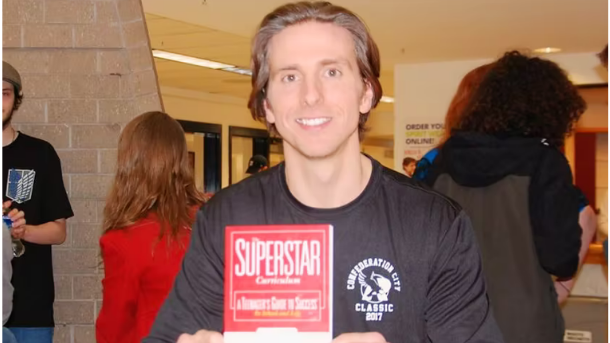
Ryan Keliher BA, BEd, MBA, – Teacher, Author, Coach and Teenage Motivator

Ryan Keliher BA, BEd, MBA, - Teacher, Author, Coach and Teenage Motivator
About Ryan Keliher

Ryan Keliher (@superstarcurric) BA, BEd, MBA, is a high school educator who has spent the past eleven years teaching, coaching and motivating teenagers. He is a former valedictorian, university basketball captain, and Academic All-Canadian who is passionate about student leadership and personal development.

Keliher resides in Prince Edward Island, Canada with his wife Siobhan and their baby boy, Rafael.

Connect with Ryan: Email | Instagram | Linkedin | Twitter

Listen Now

Listen to the episode now on Apple Podcasts, Spotify, or on your favourite podcast platform.

Resources Mentioned

Charlottetown Rural High School

Ryan’s Personal Website

The Superstar Curriculum

The Hate you Give

The Transcript

**Please note that all of our transcriptions come from rev.com and are 80% accurate. We’re grateful for the robots that make this possible and realize that it’s not a perfect process.

Sam Demma (00:00):
Welcome back to another episode of the High Performing Educator podcast. This is your host and youth speaker Sam Demma. Today’s guest was actually someone who was introduced to me by a former guest, Melanie Hedley, a teacher from Bluefield High School introduced me over email to this gentleman named Ryan. And I’m so glad she did because the conversation we had was phenomenal and I can’t wait to share it with you.


Sam Demma (00:59):
Ryan Keliher has his BA his BEd , his MBA, and is a high school educator who has spent the past 11 years teaching coaching and motivating teenagers. He is a former valedictorian university basketball captain and an academic, all Canadian, who is passionate about student leadership and personal development. Ryan resides in Prince Edward Island, Canada with his wife Siobhan and their baby Raphael. He is also an author, an author of a book called the superstar curriculum. It’s a phenomenal book. He’s sold over 2000 copies and today we talk about so many different topics, things that come directly out of his book, but also his own philosophies on student leadership and how to navigate these difficult times. I hope you enjoy this conversation. I will see you on the other side. Ryan, thank you so much for coming on the High Performing Educator podcast. Huge pleasure to have you on the show this morning. Can you start by sharing a little bit about yourself and why you got into the work that you do in education today?


Ryan Keliher (02:01):
Sure. First of all, I just wanna thanks. Thank you a lot for having me on today. I’m really looking forward to being on the pod and just a little bit about me. So my name is Ryan Keliher and I am a high school teacher and I’m 14 years into my career and I teach out of Charlton Rural High School in tiny Prince Edward Island. Nice. Why I kind of got into education? I was really fortunate to have had some awesome teachers when I was going through school and they made me really like being in school and they had a really positive impact on me. And as I grew up, I kind of just felt like I’d like to that kind of do what they do. I really, I really admired them. I really thought what they did was meaningful and from a fairly early age, like in high school, kind of, it was my, it was my goal to become a high school teacher. So I really didn’t even pursue a ton of other options after I kind of got hooked in by these engaging teachers. I kind of said, yeah, you know what? I think I wanna do that too.


Sam Demma (03:07):
Ah, that’s awesome. What did they do? Like what did those teachers do for you that left such an impression on you and pushed you to pursue this path?


Ryan Keliher (03:17):
I think what, when I think of kind of the two or three teachers that stand out the most you know, they, they were really knowledgeable in their subjects, but more almost Mo I would say more importantly, they really made me and my fellow classmates feel valued and welcome in class. And when you added that combination in where students felt like they were valued in the classroom, plus they were gonna get material that, you know, from teachers who were knowledgeable in, in their content areas, it really drew me into the classroom. And, and it was a place that I liked to be at a place I liked. I liked to come every day to learn.


Sam Demma (04:00):
Wow. That makes sense. And, and I think right now that’s a challenge that all educators are, are faced with. It’s tough to do it virtually. Now, maybe in PEI, you guys might be still working in the classrooms, but what are some of the current two things, challenges and opportunities during this time, because I think both are present and I would love to some insight on, on both sides of the coin.


Ryan Keliher (04:22):
Yeah. Well, PEI has, we’ve been very fortunate to kind of, of to keep COVID 19 the spread of it at bay here on the island. So we’ve been quite fortunate. But that, that being said the last two weeks actually my high school has moved to online learning leading up to leading up to the career break. So, you know, it has presented its challenges, but like you said, with, with those challenges come opportunities. I think with education, the biggest challenge, whether it’s virtual learning or in person learning is developing that connection and maintaining that connection with students. And then kind of like what I alluded to the, you know, the teachers that I admired most growing up, they made that connection first and then that made learning a lot easier. It made engagement a lot easier. It made buy a lot easier.


Ryan Keliher (05:10):
So I think that gets more difficult when you, when you move to the remote learning model. So it’s about keeping that at the front of mind as an educator, but how can I still maintain these connections with my students when I’m not seeing them day to day? So for me, it was, you know, little checking emails here and there creating some engaging videos to kind of start class you know, whether they were funny or fun or, or just a little different. And then, and then, you know, using that as kind of the springboard to the content of each lesson, but showing that you care and showing that, that, that you value their time you know, whether it’s in person or online, I think is the most challenging, but it, it kind of, I important opportunity in education and when it comes to opportunity, I’m a big believer that, you know, I think it’s Napoleon hill who says, you know, your biggest opportunity is where you are right now.


Ryan Keliher (06:07):
So, you know, as, as educators or as students, right, it’s important that we think about what we can do in the moment to kind of have actions that create positive reactions for our students. So whether, like I said, it’s a welcome video that puts a smile on somebody’s face, or whether it’s a really well laid out plan that is going to be challenging for students, but you’ve thought about what supports you can put in place. And at the end of it, they’re looking back and saying, you know, that was really tough, but I felt I was able to do it with, with supports in place. I feel like I’ve grown from it, you know, it’s, it’s how, how can those actions create those positive reactions?


Sam Demma (06:49):
And right now, maybe not yet in PI, but sports have been canceled as well postponed, or, you know, they practiced virtually through zoom all in their basements. You, I know you growing up were a big athlete. I played soccer, you played basketball, saw the Steve Nash picture on your page. I loved it. You dedicated the first part of your book to building character, and I would assume that sports helped you build your charact to a huge degree. Mm-Hmm how did sports have an impact on you and how are we, how can we continue to build young people’s character through this time?


Ryan Keliher (07:27):
Okay. Yeah. So with, with sports, I mean, sports played a huge part in my life. And as far as character development, like it, it played a really important role. And with, with my book, you’re right, the first quarter of the book is dedicated towards character development and then it progresses into have in my development and some opportunities for leadership. But as far as character development goes, I, I often share kind of my leadership story with, with my students. So I was a kid I grew up and I was playing hockey and, you know, I was pretty good hockey player, but I definitely wasn’t the best player on the ice. And, but it seemed every year I would get the opportunity to be the captain or the assistant captain on my hockey team. And I, and it just kind of became the norm. And I never really understood why I just kind of was that per, who would become the captain or the assistant captain.


Ryan Keliher (08:21):
And then I went to junior high and I started to play basketball and the same thing would happen. I’d be thrown in the captain role of the team. And then I went to high school and the same thing would continue. And then in high school, I was named the valedictorian of my high school class. And again, I would always kind of wonder in the back of my mind, I’m like, why am I always thrown in this role? Because, you know, I don’t feel like I do anything exceptionally special as a, as a leader, but people always seem to put me in this role for some reason. And it, and it never really, even, it never really clicked until I went to university and I played university basketball. And so I was 17 leaving high school, going to my first year university. And by Christmas time I was named the captain of my university basketball team.


Ryan Keliher (09:14):
And we had players who were 25, 24, 23 years old on it. And I’m thinking, how, how come I am the captain of my team? And it finally, that’s kind of when the light bulb went off and all it was was that my personal bar, as far as character went over time, whether it was through instilling values fr from my parents was high. And I, I cared a lot about being a good teammate. I’m a big believer that, you know, the only thing better you can have than good teammates is being a good teammate. Hmm. Think better. You can have than good friends is being a good friend. I think that really helped me pursue a opportunities in life. It opened up a ton of doors and it allowed me to lead by example a lot. And like I said, there was nothing ever special about it, but I was always willing to do my best. I was always willing to set the bar high and is always willing to cheer and help others along and over time. I guess people notice. So, you know, when you’re thrown into these opportunities through sports, it there’s the skill development, but there’s the character development that occurs that is equally important. And as you grow older and you may divert away from sports that character develop, it becomes even more important than maybe the skill development, you know, ever, ever was.


Sam Demma (10:41):
And without sports present at certain times, especially right now, how can we ensure that we’re still helping young people build their character? Is it by giving them unique opportunities or pushing their boundaries? Yeah. I’m curious. What, what do you think?


Ryan Keliher (10:56):
Yeah, I, I think it’s about giving them opportunities for growth. Like for me, school, you know, is always about growth, more than grades. And sometimes students don’t see it that way. And, and, and sometimes educators don’t see it that way. Cuz we do have that responsibility to kind of assess curricular content. But when I think of my 14 years and the most important conversations I’ve ever had with students, very few of them were curricular content related. And the most important ones that stick out were always character related or, or opportunity related or, you know, goal related and the more teachers, you know, and, and, and educators think of their students in front of them. As, as people who are gonna go and do great things in a variety of fields I think you, you can be a little bit more per perceptive about developing that character education in the classroom while still, you know, making sure the content of your course is, is, is covered and, and covered to a high degree. You know, I’m not trying to discount the importance of curricular content, but it’s, it’s everyday success principles, you know, are not explicitly taught in class, but the opportunities develop to develop the, those principles are abundance. So teachers have to be aware of that and you know, are able to kind of pull those threads when the opportunities present themselves for students.


Sam Demma (12:20):
I love that. And I’m curious now, too, as well, you mentioned Napoleon hill, you have your own book, the superstar curriculum. What prompted you to write that? Was there a moment in education where you thought this is needed for, for young people? It was in a personal challenge. You set for yourself, where did that come from?


Ryan Keliher (12:38):
It, it happened when I was finishing my masters of business. My so when I finished my MBA, I was kind of in writing mode cause I just finished my thesis and I was doing a lot of journaling at the time. And I noticed a lot of my journaling had to do with these important convers that I’ve had with students over the pro the over the last decade. And a theme kind of started to emerge on how a lot of these conversations had to do with character. And they had to do with leaders, personal leadership, and they had to do with seizing opportunities and they had to do with developing strong habits of mind and thought, you know what? I’m a big non-fiction reader. And in my opinion, there, there weren’t a ton of non-fiction self-awareness books out there for, for young adults.


Ryan Keliher (13:27):
So I thought, well, maybe I’ll go and create one. And so I, so I did create the superstar curriculum and the idea behind superstar is that what, what I’ve come to learn over the years is that, you know, the biggest superstars in our lives, although, you know, we often think of the major celebrities or sports stars or movie stars. But when we think about the biggest superstars in our own lives, they’re the people who are much closer are to us, they’re our parents or our coaches or our teachers or our friends. And the, the reality is, is, is if, if that’s the case, then if you put yourself in someone else’s shoes, you might be the superstar in somebody else’s life. Hmm. So it’s just about the profound power we have to, I packed others on a daily basis and it happens at, at the ground level. And it does expand out to, to, you know, the stars that we’re talking about from Hollywood to sports. They’re tremendous inspirations, but the reality is the, the day to day inspirations that we have are all around us, including all right, ourselves.


Sam Demma (14:36):
Oh, love that. And where can people find that resource if they want to check it out? I think you offer an online version for free and then like a paperback version and a discount right now, where can they find all that information?


Ryan Keliher (14:47):
Yeah. If they wanna check out ryankeliher.com it has kind of all the information there, the book’s available on Amazon, but if, you know, if a school or, or an educator was looking to a bulk order, I would recommend contacting me cuz I can probably get you a better rate than what, what Amazon could provide. So yeah, so ryankeliher.com and you could check me out there or on Instagram @superstarcurriculum.


Sam Demma (15:13):
Cool. And if you could go back in time and speak to younger Ryan, when he just started teaching, what pieces of advice, knowing what you know now would you have given yourself?


Ryan Keliher (15:26):
I think for me, I, what I always try and keep in mind is, so my grandma, there was a teacher and I remember vividly that a conversation we had. So she was 87 at the time. And she said, you know, Ryan, now that you’re a teacher and your job is to teach. It’s really important that you also remember that your prime married job is to learn. Hmm. And that always stuck with me. And I think moving forward for, for anybody who’s going into education is to keep that kind of front of mind because COVID changed everything, new practices are going to change everything technology’s going to change everything. So the, the way kids interact is constantly changing. So educators have to be willing to learn and adapt year over year, whether they’re, you know, you’re just adding little tweaks to your practice or there’s something fundamental that has to, you know, involve you making a major shift in your practice, the importance of teachers having that willingness to learn is paramount.


Sam Demma (16:37):
I love that. And one bonus question, just for fun. What, what books are you reading right now? Is there anything that’s been interesting you or you’ve been cracking open?


Ryan Keliher (16:48):
Yeah, actually I just I’m into the hate you give right now. And I I’ve, I’ve just kind of started it, but it’s been tremendous thus far and I’m looking forward to reading it. I don’t read a ton of fiction. So it’s, it’s a good opportunity over the holidays to kind of break into that. And I’m, I’m more of a non-fiction reader for sure.


Sam Demma (17:08):
Awesome. Ryan, thank you so much for taking some time to come out on the show. I really appreciate it and, and have an amazing holiday season with family and friends. And I look forward to keep continuing to follow your journey.


Ryan Keliher (17:20):
Great. It was great talking to you. It was nice to meet you and I’ll be following your journey as well. Happy holidays.


Sam Demma (17:26):
And there you have it. Another amazing guest, an amazing interview on the high performing educator podcast. As always, if you enjoy these episodes, please consider leaving a rating and review so other educators like yourself can find this content and benefit from it. And here’s an exclusive opportunity that I mentioned at the start of the show. If you wanna meet the guest on today’s episode, if you wanna meet any of the guests that we have interviewed, consider going to www.highperformingeducator.com and signing up to join the exclusive network. You’ll have access to networking events throughout 2021 and other special opportunities. And I promise I will not fill your inbox. Talk to you soon. I’ll see you on the next episode.

Join the Educator Network & Connect with Ryan Keliher

The High Performing Educator Podcast was brought to life during the outbreak of COVID-19 to provide you with inspirational stories and practical advice from your colleagues in education.  By tuning in, you will hear the stories and ideas of the world’s brightest and most ambitious educators.  You can expect interviews with Principals, Teachers, Guidance Counsellors, National Student Association, Directors and anybody that works with youth. You can find and listen to all the episodes for free here.
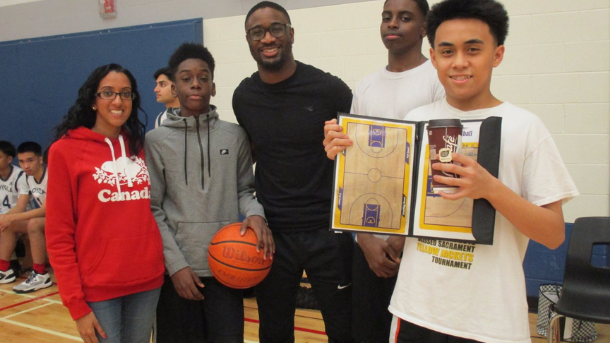

Jason Eduful – Teacher, Basketball Coach, Youth Minister and Mental Health Advocate

Jason Eduful - Teacher, Basketball Coach, Youth Minister and Mental Health Advocate
About Jason Eduful

Jason (@__MrE) is an educator, basketball coach, youth minister and advocate for mental health.  His goal is to bridge the gap between marginalized youth and extraordinary education. 

He is also the youngest guest that we’ve had on this podcast! 

Connect with Jason: Email | Twitter

Listen Now

Listen to the episode now on Apple Podcasts, Spotify, or on your favourite podcast platform.

Resources Mentioned

Cardinal Ambrozic Catholic Secondary School Website

Equity Studies at York University

Coach Carter Movie

The Transcript

**Please note that all of our transcriptions come from rev.com and are 80% accurate. We’re grateful for the robots that make this possible and realize that it’s not a perfect process.

Sam Demma (00:00):
Welcome back to another episode of the High Performing Educator podcast. This is your host and youth speaker, Sam Demma. Today’s guest, his name is Jason Eduful. He goes by Mr. Eduful for his students. He is an educator, a basketball coach, a minister, and an advocate for mental health and his goal is to bridge the gap between marginalized youth and extraordinary education. Jason is one of the youngest educators.


Sam Demma (01:06):
I’ve had the chance to bring on the show and you can tell by our very energetic conversation. He’s super excited about the work that he’s doing. Although there are challenges, he’s seeing them as opportunities because he knows like Malcolm X said without education, you’re not going anywhere in this world. I hope you enjoy this interview as much as I enjoyed it. See you on the other side. Jason, thank you so much for coming onto the High Performing Educators podcast. You play the perfect role visually. I know no one can really see you right now, but you got those beautiful glasses on and can you please tell the audience who you are, why you got into teaching and the work that you do with young people today?


Jason Eduful (01:46):
Yeah, no problem. First of all, thank you so much for having me, Sam. I’ve heard so many great things about you, had an opportunity to listen to some of your work and it truly is inspiring. So keep doing what you’re doing. My name is Jason Eduful. I’ve been teaching for about, this will be year number eight. I currently teach at Cardinal Ambrozic Catholic Secondary School in the Peel region. You know, I really started with studying equity and racial studies at York University. That was like my passion and then I took that and kind of switched gears a little bit and started studying philosophy and theology. And so that’s really what I’m teaching now. I’m teaching theology at the grade 12 level, for the most part, they kind of throw me everywhere other than math and science, ’cause we don’t get along, but usually anywhere else , I’m usually free to go. Married for a year and a half now a year and a bit.


Jason Eduful (02:43):
So yeah. She’s also a teacher normally grade five, but due to the whole pandemic situation, she’s online kind of teaching kindergarten. Nice. but yeah, I’m usually I’m a coach, I’m a mentor. I guess I’m a best friend at some point but , but normally that’s what I do. I usually love working with kids just mainly because you know, I, I just remember being a high school student. And I remember really that lead up into high school. I hated school so much. And I hated it mainly because I felt like nobody number one could relate to me. I grew up kind of Weston and Lawrence ish back in the day. It wasn’t the nicest neighborhood I’ll leave it at that. But we had a lot of outreach in the community specifically Weston park, Baptist church and front lines with a special woman, who’s kind of like my mentor still Bonnie Parsons.


Jason Eduful (03:41):
Mm. She kind of took us under her wing and made sure that we were, you know, not only getting that educational side of things, learning how to become men in a really rough neighborhood, but also kind of connecting that spirituality to it. Hmm. And so I still partner with front lines when I can, but for the most part you, yeah, that’s really where I started things. And then grade 10, I believe, I wanna say I started or something piqued my interest in school, you know? My grade 10 teacher, Diana Espanza, who also is ironically my vice principal right now. , she I don’t remember what the assignment was. I’m not gonna lie to you sound, but I remember the response, like the response was huge. I, I handed in an assignment and she tore it apart.


Jason Eduful (04:31):
Like just, if I could say like red ink on a paper, there was no white spots. Like just ripped it up and gave it back to me and said, this is not acceptable. Like, this is not who you are. It’s not a reflection of what you’re capable of. And it was the first time that somebody ever really said that to me. So in my mind, you know, you’re in grade tenure. You’re like, okay, lady, whatever. Like , I’m with the next, let’s gone with this. But she, she just kept pushing me. She kept pushing me. She kept pushing me. She kept pushing me. I, I, and it was the first time I resubmitted an assignment. Like I wasn’t like an, a put less student, but I was a pretty solid kid. Like you don’t talk to me, I’ll do the work. We’re good. And so when she ripped that apart and she gave me the opportunity to redo it, and then we connected again.


Jason Eduful (05:11):
And from that time I remember ironically, I had her every other year till I graduated. And so I was kind of stuck with it. There was no getting around it, but she really, she really inspired people and challenged them to really think about, not only like you could have your own opinion, but she was gonna challenge that opinion. And you had to make sure that you were able to back it up, you know? It’s funny, cuz my cousin Reggie sent me a video yesterday two days ago and it was about either, it was a youth you video just about something saying who’s your worst or your best teacher. And it was, it was hilarious because most of it was all like negative things, but like the passion that these people had for the teachers that they hated like full names, like Jason Eduful, grade six.


Jason Eduful (06:00):
And I’m thinking, I think that we forget as teachers, how powerful of an impact that we can have on kids either positively or negatively. Mm you know what I mean? So that’s kinda a little bit above my background where I jumped into it. And then from there obviously she inspired me to really become a leader in the community because it was more like one learning can be fun. Mm. Right. and number two, if you really put enough time into any student and in all like now times like people are like, well, how much time can we really put in versus press for time? But if you just take that time to build those connections, you can literally inspire anybody. And so that’s what really got me jumping into why I wanted to become a teacher and why I’m still doing it now.


Sam Demma (06:47):
So you’re telling me, your teacher gave you nightmares about red pens. So you touched, you touched on something really cool. You mentioned the fact that she gave you a second chance to resubmit the assignment. How do we give students that feeling? Like, what did you feel like when she gave you a second chance? If you could go back to grade 10, Jason or grade six, Jason, I can’t remember which one it was. What was going through your, on your mind when she gave you that second chance and how can we give kids today that similar, similar feeling?


Jason Eduful (07:25):
Grade 10, Jason would probably immediately be like, what is wrong with this woman? Like, you’re not my mom, like, get outta here. We don’t need any, this, I was very confrontational. And now in the, that I’m in now after obviously years of mentoring people and doing things like that and coaching, you can tell when somebody standoffish, there’s a reason, you know? And so I think from the teacher perspective, giving kids an opportunity to resubmit, isn’t gonna kill you. You know what I mean? I know we’re crunched for time, but if our goal is to make these students and these pupils into better human beings, right. Especially I’m in a Catholic school. So we kind of have our own little virtues that we’re kind of going off of. So we want them to be it’s called Catholic graduate expectations. So what do we want them to look like when they graduate?


Jason Eduful (08:14):
If we can focus on those and just put the curriculum to the side for a second, if we can focus on the making kids better people, we’re doing way better of a job than just, Hey, you deserve a 90 on this paper. Hey, you deserve a 50 on this paper. But from the student perspective, I remember thinking, number one, why won’t you leave me alone? Like I don’t get a number two. Wow. Like once, once it kicked in and it didn’t kick until grade 11, I won’t even lie to you. Mm. But grade 11, when I had her again, I was like, oh my God, here we go again. This lady is gonna rip everything up. And then just gimme a, like, she would write paragraphs of like, you should improve in this. Why don’t you think about this? Why don’t you? And I’m like that now, unfortunately, but for my students that have me my bad, you know, where it comes from now.


Jason Eduful (08:59):
But as the student, I think it wasn’t until grade 11, like I said, but in grade 11, I really thought, man, she actually wants us to succeed. Like, it’s not about like, here’s the mark that you got. Thanks for doing the assignment. It was really, yeah. You did this assignment, but dig deeper. Like why, why did you, why do you think I made you do this? You know what I mean? Why do you think I made you redo this so many times because you’re just hitting the crust, like jump in there. And so yeah, like I think we should all give second chance again. Second chances. Isn’t gonna kill anybody, man. I know we make it a big thing, but it’s we can do it every day.


Sam Demma (09:37):
Yeah. It’s so true. I’m curious to know, you mentioned that now that’s your teaching style which is, which is awesome. Is there, is there a story that comes to mind and you can change the student’s name for the sake of privacy, but I want a story where you believed in a kid where they didn’t believe even themselves and you know, you push them past the threshold and maybe they even broke down and told you how big of an impact it had on them. I feel like a story like that told right now from a place of vulnerability, but also to remind another educator that the work we do is so important, cuz it can transform a student’s life and their whole future can really re spark and reignite a passion in another educator. Do you have any of those stories that come to mind when I ask you that question?


Jason Eduful (10:22):
Yeah, I got a couple I’ll just use my cousin’s name that way. It’s not keep privacy there. So Reggie graduated. Oh man. How many years ago now? Maybe three and a half. Three and a bit years ago. Mm. And at that time I was teaching at a different school in Brampton. Reggie was how would I describe Reggie? Reggie was a ball of energy that couldn’t sit still only cared about girls. Like that was, that was Reggie’s by like the only thing that mattered to him was girls. Didn’t really care about school was on the basketball team, not the best point guard out there but you know, you tried, you tried. And so I, I started this kind of mentor, mentor mentor relationship with the student. And Reggie really started to open up and really talk about, you know, his upbringing, his life.


Jason Eduful (11:25):
And I remember one of the assignments that I got Reggie to do at the time. I don’t know if you’re a DC Marvel kind of guy, but at the time arrow was like number one on every list. And so he had to do a CPT and I, I, I, he handed it his CPT and it was, it was, it was done. do that. It was done but just didn’t meet any of the expectations, you know? And so as opposed to me just ripping it apart I, I said to him, I’m like, listen, and, and again, we talk about like building those relationships with students, getting to know the learner. Right. All that’s very important because every day he would come in, we’d have a conversation, honestly, about the episode of the, like that week, that Wednesday we would talk about it.


Jason Eduful (12:15):
And I had said to him, why don’t you just rewrite the ending? He said, he didn’t like this season finale rewrite the ending. The curriculum is so huge, right? When we’re thinking about curriculum documents and what we have to accomplish in the semester and blah, blah, blah, you can tweak it to be whatever you want it to be. Essentially, as a teacher, a teacher knows that. So why not get him to do something that he’s interested in? Right. get him to reevaluate what he’s doing, still hit the major learning goals, overall specific, whatever. And then go from there. And so I got him to do it. He killed that script. It was amazing. And then the second half of that was with all the personal, what that was going on, he needed like a big brother. And I didn’t realize that I was doing that for him at the time.


Jason Eduful (13:00):
Cuz you know, guys, guys come in, you talk whatever. When, when you know, everybody’s out of the doors is a different type of conversation. Right. And so coaching him, teaching him really got us, I guess, a lot closer than I even thought. And so he was sharing things with me and we were building and we were teaching like, what is the correct as a man? You know what I mean? What’s the proper response that you should be having in certain situations. And so I told you that he was a a point guard. I didn’t tell you he was good, but he was a point guard and I remember we were up in a very important semifinal gay and I called him and I was like, yo, Reggie, you’re going in? And he’s like, what? like, the game is close.


Jason Eduful (13:44):
What do you mean? And so, you know, he did shoot like, don’t get me wrong. I wasn’t, there wasn’t that much faith, but I was like drop on the blade, kick it to the corner, our shooters shoot, you know? And I remember him doing exactly what I said, do it to the corner, hit a shot rimed in and out. And then he got the rebound and I was not expecting that at all. Hit the got the basket, got an N one missed the free throw. So we lost, but he came me at this a coach, you have no idea how much that meant to me, blah, blah, blah. And I was just like, we lost is the only thing that through mind, I like, yeah, we lost, what are you talking about? But anyways, fast forward, three years later he came to visit me at the school that I’m at now.


Jason Eduful (14:34):
And we just had great conversation about life, man. And I didn’t realize in the moment I was just being me, you know? And I didn’t realize how much I impacted him. So now he’s in university, he’s studying to become a teacher. I don’t think he’s gonna be as a crazy mark as I am, but he is definitely loving his experience and he credits me for most of it. And I just say like, honestly, all the glory to God, cause like I didn’t even in that moment, I didn’t know what I was doing. I was just being me. You know what I mean? So that’s one story. I’ve had tons, but I won’t kill you with them. But that was one, one story of Reggie,


Sam Demma (15:11):
Reggie, the point card, Reggie,


Jason Eduful (15:14):
The point card that cost to speak.


Sam Demma (15:17):
That’s amazing. You mentioned, you know, you transitioned from teaching to mentoring, you know, you have a different conversation when it’s one student in the classroom, teachers that are listening, educators that are listening. Could you give them any advice on what the difference is? Like if you had to explain what the difference is between teaching and mentoring, a young person, you do a lot of, you know, sports, coaching, mentoring, young people and teaching, mentoring and teaching are a little different. What’s the difference? And how can a teacher also be a mentor to some of their students who need it most?


Jason Eduful (15:48):
Yeah. I think the biggest one is, is confidential and, and privacy. I think that’s one of the biggest ones. Obviously as a teacher, you have certain obligations that you have to fulfill, right? So if you hear something or you’re alerted to something, then you have out that obligation to report if you’re mentoring somebody, you still have that same obligation, but your scope needs to be widen a little bit. Right. And so when you’re thinking about, because mentoring can vary, right. It doesn’t have to always be something negative. Right. and so when we’re thinking about mentoring, especially mentorship, every coach, if you’re coaching properly, you’re a mentor mm-hmm right. And I think people forget that. So like I, even on the basic level, like I mentor, I, I always call them my sons. Like I have 15 sons a year, not this year, cuz we don’t have any season, but I have literally 15 sons every year.


Jason Eduful (16:38):
And what mentoring looks like to me and how I do it is 6:00 AM. We’re in the gym, right. We’re teaching them not only time management, but how to be productive. Right. We’re teach them how to do everything else. Are you in uniform? We go to a I’m at a uniform school. So like upholding yourself etiquette. Right? Respect. You can’t respect yourself. If you’re not dressing properly, you can’t respect administration if you’re not following rules. Right. So again, making sure that each of them are in uniform moving on to like they’re not allowed to cuz they know all it’s not gonna fly, but you’re not allowed to skip class. Mm-Hmm you’re not allowed to get caught cheating on a test. Not that anybody cheats on tests or anything like that. and again, then we have study hall like before we actually have practice, we have a study hall and that’s usually because the gyms used and we’re waiting, but still we have a study hall and myself being an educator, I should be able to, I’m not saying if you’re an educator, you should know every single subject for the most part.


Jason Eduful (17:39):
I know most of them, so there should be no kid. And if I don’t know anything, I know colleagues that do you know? And that’s when you start calling in favors, mm-hmm, my mentorship. Doesn’t just stop at, you know, the 30 people, unfortunately that are in my class. You know what I mean? That goes beyond that. So anytime there’s a situation, whether they’re in trouble with administration, whether they’re in trouble with their teacher, I try to make it a point that their teacher should contact me. Right. Mm-hmm I wanna know what’s going on with my boys. And I want make sure that they’re in the best position to not get I at of whatever situation, but the best outcome could that could possibly be obviously displayed is the one that we’re gonna choose. So yeah, there is a difference between teaching and mentoring, but I feel like every coach and every teacher should know that at very most they’re a role model. And if you’re a role model, whether you like it or not, unfortunately we sign up for this gig and that’s what it is. You are quote unquote, a mentor, right? In any way, shape or form. So, but again, coaching any, any coach out there will tell you the same thing. Like you, you can’t coach and not be a mentor like it doesn’t that’s just


Sam Demma (18:42):
Go and just go watch coach Carter and you get it. Exactly.


Sam Demma (18:50):
Coach Eduful I love it. That’s awesome. And you know, right now is a time that’s very difficult, very different. If you signed up for teaching and this was your first year, you would be thinking, wow, what is going on? This is so different. While some educators that are listening are in that boat. And so you being someone who’s been in the assistant teaching for, you know, over seven years, eight years now, you said, what advice could you give that person who’s just starting and maybe has a weird perspective on what this job looks like?


Jason Eduful (19:22):
The first thing I would say is it, it, it gets better. this is not the norm. This is not the norm. I know everybody’s calling this the new norm, but this is about the norm. It’s really hard for me right now, just because of my personality and the way that I teach. Right. So when I really started teaching my philosophy, everybody has to make like a philosophy of as a philosophy of education. And that philosophy as of education, for me, was bridging at between marginalized youth and extraordinary education. And so for how I did that was being a relational based teacher. Right. And so what that looks like on paper is, you know, starting to getting to know your kids, right? Whether it is their needs specific, right. And every kid has needs, man, whether it’s an IEP, whatever, like everybody has, you needs what are their skills?


Jason Eduful (20:13):
What are their interests? What are their likes? What are their dislikes? And then I would say once you have that, understand that, man, I know we preach this all the time of this thing called like backwards design, right? Where it’s like find what’s the most important or start from your end goal and work backwards. We really need to jump back to that. But in that we really need to talk about rationale. And I think that for me is the most important, especially if you’re a new teacher coming in, or even if you’re a teacher that’s been in here, why do they need to know this? I’m so sick of kids graduating and be like, sir, I learned nothing. Like I went to university and like, this was like, why am I starting from scratch? You know what I mean? And I get that, that’s true, but we should be teaching.


Jason Eduful (20:55):
‘Em Critical thinking. We should be teaching them things that they can use in the future. You know, like kids shouldn’t be coming back now they’re buying ready to buy a home and they have no idea what a mortgage is. Hmm. You know what I mean? And so certain and things like that in terms of life skills, life lessons, we should be teaching them straight from the jump. You know? Another thing that I really, really love doing and anybody that knows me will tell you, this is I’m, I’m an advocate for experiential learning. Mm. And so that’s literally just like a, a process of learning that really involves you kind of getting in like getting in their, your hands on. And it always has to come with a rationale. And so again, why are we learning this? So in, in ethics or philosophy or great 12 religion, we learn about ethics and morality.


Jason Eduful (21:39):
Okay. Why do I need to know about ethics and morality? Because we live in a society, right? Yeah. You might have your own principles, your own moral compass, but what does society deem to correct. Based on the job that you’re in. Right. And we have those type of conversations. It’s difficult, especially in COVID obviously, cause I’m the type of teacher. I don’t know. Maybe you have a teacher like this, that would you remember? I would just, I usually sit at my desk, like on my desk. I have like the concepts on the board. And then we have conversations. We have just have a, like a big discussion. Yeah. And as kids are talking and as I’m facilitating that dis discussion, I might bring up, okay, well, that’s a key word that we need to learn and that’s on the board, let’s copy this down.


Jason Eduful (22:16):
And then we fill and we learn like that. And so obviously on a computer I might be a little bit difficult. Right. I I’m just thinking of like Dr. Christopher Edmond, who I, who I’m a big fan of. And he talks about, he’s really like a stem advocate who speaks on issues of race and culture, but mainly known, he’s known for his like hiphop education where he takes hiphop and rap and he makes it, and he interviews it with, you know, science, technology, engineering, and math. I really love the backbone of that. Like get back to the roots of things that kids wanted to you, if you know what your kid wants to do and you know how your kid can thrive, you can have four or five different assignments in your classroom. Yeah. We’re so stuck and rigid on this. Well, this is my rubric, so how am I supposed to, well, yeah, your rubric is made to be changed.


Jason Eduful (23:02):
You typed it at one point. So we type it , you know what I mean? But yeah, like I, I would honestly tell that first year, if it, if it is a first year teacher, I’d be like, man, it, it gets better. It definitely gets better. This is different. It is challenging. But again, we just have to find ways to get around these barriers. And we’re like, we, every teacher’s had that day where they’ve gone up to the front of the class, had no lesson plan and just swing it. Like you guys, you know, we, we know how to do this. So it’s just about adapting, you know? Yeah.


Sam Demma (23:31):
Jason, you’ve had a smile on your face, this whole interview. and I wanna know what gives you hope personally and what motivates you personally to show up to work despite the challenges optimistic, enthusiastic, and ready to serve.


Jason Eduful (23:44):
Right. I gotta say faith. Faith is number one. My faith keeps me grounded. My faith keeps me going. I know that I’m doing some sort of vocation, at least I believe so. And, and I’m hoping that that transfers are manifests to the kids and they know that I’m not here just to get a paycheck, but I I’m here to see each and every one of them succeed. I think that’s number one, student success is a huge motivator. Hopefully one day a championship for a school would be a great motivator, but yeah, no, just seeing the kids just be themselves and grow. And, you know, I’ve had kids from grade nine and I’ve had the pleasure of being at this school long enough to be, and see them in grade 12. And it’s like, when they see me, like we, they still remember the handshake that we had in grade nine. You know what I mean? They still remember the nickname that I gave them. You know, I like, I don’t even remember these things and just to keep them grow and just become men and women and mature. That’s one thing that gives me hope because I know that something’s working so things changing, you know what I mean? But again, that all jumps back to faith. The thing that keeps me grounded and motivated. So I think that’s one of the biggest factors that gives me hope.


Sam Demma (24:20):
That’s awesome. I love that so much. And, you know, especially during a time, like COVID when we have so many challenges, faith is a huge thing that keeps you grounded. I, some, some of the challenges you already mentioned with COVID were teaching online. Were there any other challenges you’ve currently been faced with and have you had any unique ideas to overcome any of them that you think might be helpful to other educators?


Jason Eduful (25:20):
I think again, the biggest one for me, challenges would like not being able to just interact with the kids on a, on a more personal level. Yeah. Like some kids don’t want it to run the cameras and that’s totally cool. And I don’t push anybody to do anything like that, but just in general, like that face to face interaction, like we crave that we miss that for a lot of people that what builds them up. That’s what keeps them going. Some of the things that I’ve tried to do, especially since we shut down in March and then kind of reopened now I’ve really tried to start doing assignments and tasks that have everything to do with allowing students to really dig deep and critically think in terms of how to overcome whatever it is. Right. So I’ve literally, I’m done with tests for now.


Jason Eduful (26:08):
I don’t do any tests, all assignments like, Hey, there’s no exam anymore. So your CPT is another assignment I’ve changed and revamped all my stuff. So that it’s really not only engaging for them but relevant. And I think that’s the most important thing. If it can’t be relevant, if it’s, I usually ask myself, if I wouldn’t do the, is I’m not gonna make them do it. Hmm. Right. It might be better because I’m a little bit inclusive to age. I kind know what they like, you know what I mean? Like that might be a factor, but if I’m not feeling this, if I’m not vibing with it, then I’m not going to give it out to my students. Right. and so I think, especially on a time where, you know, they, half of them don’t want to be on the screen.


Jason Eduful (26:48):
Half of them don’t want to be, they rather be playing video games. They’d rather be with their friends. They can’t do that. Mental health is a really big factor right now that I think a lot of us are forgetting to acknowledge. So why give them stuff that you wouldn’t even want to do? Mm. You know what I mean? So I, I, I would go back to rationale, why are we giving this to them? Right. I think people forget that we’re honestly living through history right now. like and we can accomplish so much more if we just take the time to slow down and give out relevant assignments, relevant topics, relevant lessons. And I think that will help people in terms of what we’re struggling with, you know, and gotten some of the mistakes that we’re seeing.


Sam Demma (27:32):
Yeah. I love that. That’s awesome. Jason, I could talk to you for an hour, man. This has been an amazing conversation and will definitely do a part two part three. If any educator right now is listening into this, maybe from another province or country and thinks this guy has some cool ideas. This guy’s unique, this guy’s out the box. I wanna talk to him and just bounce some ideas around, how can another educator reach out and have that conversation?


Jason Eduful (27:56):
Yeah, for sure. I would say thank you please, please do reach out. they can find me on Twitter @__MrE. Also, if you wanna shoot me an email Jason.Eduful@dpcdsb.org. Cool. Those are my two main platforms.


Sam Demma (28:16):
Yeah. Awesome. Jason, I’ll be staying in touch and this has been phenomenal. So thank you so much for taking the time to chat.


Jason Eduful (28:23):
Thank you so much Sam. Have a good one.


Sam Demma (28:26):
And there you have it. Another amazing guest, an amazing interview on the High Performing Educator podcast. As always, if you enjoy these episodes, please consider leaving a rating and review so other educators like yourself can find this content and benefit from it. And here’s an exclusive opportunity that I mentioned at the start of the show. If you wanna meet the guest on today’s episode, if you wanna meet any of the guests that we have interviewed, consider going to www.highperformingeducator.com and signing up to join the exclusive network. You’ll have access to networking events throughout 2021 and other special opportunities. And I promise I will not fill your inbox. Talk to you soon. I’ll see you on the next episode.

Join the Educator Network & Connect with Jason Eduful

The High Performing Educator Podcast was brought to life during the outbreak of COVID-19 to provide you with inspirational stories and practical advice from your colleagues in education.  By tuning in, you will hear the stories and ideas of the world’s brightest and most ambitious educators.  You can expect interviews with Principals, Teachers, Guidance Counsellors, National Student Association, Directors and anybody that works with youth. You can find and listen to all the episodes for free here.