Principals

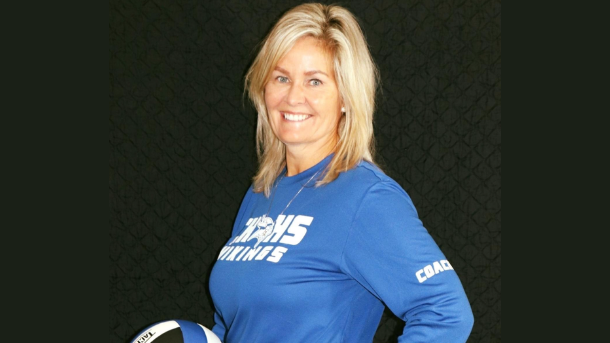
Shonna Barth – Principal of Crescent Heights High School

Shonna Barth - Principal CHHS
About Shonna Barth

Shonna Barth (@ShonnaBarth), is the Principal at Crescent Heights High School. She is a recipient of the 2020-2021 Distinguished Leadership Award presented by the Council for School Leadership of the Alberta Teachers’ Association. She started at Cresent Heights eight years ago as a counsellor and moved into her role as vice principal after three years and is now the Principal of the school. 

She cares and works with ALL students in the school. She enjoys all aspects of the Grade 7-12 life including student leadership, drama, band productions and athletics. She coaches volleyball and is an avid supporter of other CHHS extra-curricular events. Shonna believes it takes a variety of life experiences and a village to help students grow and develop into their best potential. Student and staff wellness is a passion of hers as she continues to work to find balance and fulfillment in her own life.

Connect with Shonna: Email | Twitter | Linkedin

Listen Now

Listen to the episode now on Apple Podcasts, Spotify, or on your favourite podcast platform.

Resources Mentioned

Council for School Leadership

Alberta Teachers’ Association

The Transcript

**Please note that all of our transcriptions come from rev.com and are 80% accurate. We’re grateful for the robots that make this possible and realize that it’s not a perfect process.

Sam Demma (00:02):
Shonna, welcome to the high-performing educator podcast. Huge pleasure to have you on the show here today. Why don’t you start by introducing yourself and sharing a little bit behind your journey that brought you to where you are today?


Shonna Barth (00:13):
Awesome. Well, thanks for having me. I am the principal of Crescent Heights High School and medicine hat Alberta. I have worked in kind of all levels of education. I spent a good chunk of the first part of my career in elementary, mainly grade six, and I really found with grade six. So you had that real opportunity to build student leaders at that age. They’re the oldest kids in the school, and they’re just really keen on giving back to the community and being part of the school as a whole. So I often led the student leadership with, through the schools and just try to really branch out with student experience to not just in the classroom. How can we impact their lives beyond that and how can we help them impact the world beyond that as well? So that’s been a passion of mine, right from probably about the third or fourth year when I started teaching before too long, I moved into the role of part-time counselor.


Shonna Barth (01:02):
So I was half-time teacher part-time school counselor, not a, I don’t have a mental health background per se, but just, I always told the kids, I’m an adult that gets along with kids. Well, and so through that platform, I was able to really get to know what some of the real concerns kids were going through. You have more time to sit and talk with kids and chat about what’s going on in their lives. And then from that, we could work with the student council kids to, okay, we’ve got a lot of kids going through this. What could we do to try to support those students? Although I still put a lot of time into my classroom and my teaching that side of my career started to really feel like a passion for me. So I spent about five or six years as a school counsellor.


Shonna Barth (01:41):
And then I moved into what we call mental health capacity building, project program in Alberta. So we had three for three years. We worked in the schools to try to work in the universal side of supporting our students and families. So we would go into classrooms with programs. We would work in small groups on things that were going on, and that was funded by Alberta health. Recognizing that teachers don’t go to school in order to be able to work with a lot of these things. We don’t get taught a lot of that. So we were building capacity within the teachers to support their students through some of these challenging times, the administrators, the families we’d offer family nights. So I was really immersed then in that whole world of mental health, then resiliency and building grit. So that has been an excellent resource for me moving into high school. I moved into that after that, with working with the grade nine through 12 counseling and teenagers are a whole different breed and, you know, just as exciting if not even more. So I think grade six and then I’ve been in administration the last about five years, I guess, and just moved into being a principal this year.


Sam Demma (02:43):
Awesome. And did you know, like from a young age that you wanted to get into education and teaching, or like what kind of steered you in that specific path?


Shonna Barth (02:51):
Well, my whole family, pretty much your teachers. My father was an administrator, my aunt uncle. So I actually didn’t want to be a teacher cause I was determined to do my own thing and make my own mark on the world, but it was fairly early. Obviously I wanted to work with people and that I am on that side of the spectrum of working with things. So I had at one point really wanted to be a social worker. And my mum was worried about my, my soft heart in that world. Cause that’s a real challenging world at times. And I big props to anybody who is doing that work has that is a, it’s a challenging area, but man, you can really make a difference. But once you got into education, I realized that that side of me could also come out through my teaching as well. Once I did my first round of student teaching, I was hooked when I got to know those kids. And there’s no looking back after that.


Sam Demma (03:39):
That’s awesome. And you mentioned at the beginning of your response that you thought grade six is like the perfect age to start introducing students to student leadership. Like what does that look like in grade six? Is it getting students involved and engaged in planning events? Yeah, like take me back there for a minute and kind of explain what that looked like or why you thought student leadership was so important to introduce at that age.


Shonna Barth (04:01):
Yeah. So in our curriculum, a big part of grade six, social studies is about government. So there’s kind of a natural fit to start forming some sort of student government. I was always reluctant though to do the whole voting thing. Like I know there’s some value in learning of that, but I also know there’s value in rejection and how bad that can feel to be begins a popularity thing. So my philosophy has always anybody who wants to get involved, come on, we just called it leadership. And yeah, it was a lot of planning, looking at the fun events in the school and the extra activities and really started with that part of it. Cause to me, that kind of gave them the hook with the other kids in the school. It also gave me a hook with the other kids in school. I never had to deal with discipline because kids knew I was the lady who planned the fun stuff.


Shonna Barth (04:42):
So they don’t want us to get in trouble with her. And then we kind of branched out as I got to see how these kids had influence in the school and really started to work with them on how can you use that, that for good, rather than for evil, because you don’t want these kids thinking they’re a big deal and bullying the grade fours because they’re in grade six leadership and taking a look at those kids who maybe didn’t have a buddy to sit with or that sort of thing, like really encouraging get some of them aren’t at that maturity to be able to think outside themselves. But there definitely was ones that good. So we kind of balanced it out between planning Western days and school, spirit days with also, okay. We’ve noticed a lot of kids like really kind of on their own, what can we do to help those kids?


Shonna Barth (05:24):
So try to balance that they were lunch hour meetings. We also rounded once I moved to a more of a six to eight school, we ran a leadership class. And so within that class, the students chose to come to that. So we could go in a little bit deeper about what it looks like to be a leader, looked at traditional leaders in our community as well as throughout history and just try to pull out some aspects of things they were doing. So just tried to really branch out on the interests that they already had past planning, school dances and fun days.


Sam Demma (05:54):
I love that. It’s amazing. And when did volleyball come into the picture? I know you also coached now. And did you play when you were younger or where’d that passion?


Shonna Barth (06:02):
I did. And that I told this story a few times, I guess, but I went to a smaller high school where my dad was a principal and I tried it on grade seven and I didn’t make the team, which if your dad’s a principal, you gotta be pretty bad not to make the team in grade eight. They brought me on as a manager, cause I think they felt sorry for me that I still kept coming out and trying. And I would go to camps in the summer and I kept working and I’ve made the team of grade nine. And by grade 12, I was the captain of the team and never have I ever received an MVP trophy. But through my, my years of volleyball and different sports, I played most improved or more sportsmanlike. And I tell it to these young kids that I coach a lot that a lot of the real rock star volleyball players that I played with, they’re not playing anymore.


Shonna Barth (06:47):
As soon as they came up against somebody that maybe was as good as them better, they got frustrated and they were done. I had always been in it because I love the game. I liked being part of a team. I like part of that atmosphere. So once I got out of university, I knew I wanted to provide that opportunity for other students. So the first, probably five or six years, I coached a team of the kids. Who’d been cut from other teams. So we would just form a team, our own little team and so that they still get to play and we’d go into the league and we didn’t win a whole lot, but the kids were just so happy to be there. Mandy of them still played right through, up till about grade 11. And now we’re playing as young adults and I’ve ran into them because I still play in the ladies league, not at tier one or anything anymore, but I still play and I’ll run into those kids and they quite regularly say like, thank you for providing that opportunity. So I, the reason I stay with it now, as much as it’s a little bit overwhelming time commitment wise is that’s where I really get to connect with kids. You don’t get to, you don’t have too many kids coming back to a school going, oh, I remember when you were my principal. Like, it’s more about the coaching and the times that we get to spend with them, then.


Sam Demma (07:55):
That’s amazing. And you know, it’s cool because you are a student who tried really hard and didn’t make the team. And I’m in a situation you’re probably in yourself is, you know, you have to bring on some kids and turn down others. How do you do that effectively? Like how do you know, how did it, how did, how did the other coach do that for you when you were in growing up and maybe your dad helped a lot there? Cause he was the principal. And, and how do you do that now? Just to make sure students still feel motivated like you were to keep trying.


Shonna Barth (08:22):
We we added another team here again this year, once we got to the cat. So we try to find as many adults as possible. There was a few that just, unfortunately there’s just not enough gym time and not enough coaches to enable everybody. We try to be as respectful as possible. We don’t post a list where somebody has to read it at eight in the morning and deal with rejection all day at school, you get a letter at the end of the day and you’d take it home. And we would list all the other things that are going on in the school that we encourage them to try out. So that we’re hopefully that if volleyball, wasn’t their thing, we have a really strong drama program. We have a cross-country program, things that there aren’t as many cuts having to be made. So we try to encourage them, okay, this wasn’t your thing, but that’s all right. Try something different. And on student council here too, we’re always like, Hey, come join us. You can still be part of things. So a lot of times when kids come and they don’t have the skills, you’re not necessarily coming because they love volleyball. They don’t necessarily even know volleyball. They just really want to be part of something and be part of a team.


Sam Demma (09:18):
And you mentioned that students, some of their fondest memories are with extra curricular activities and you know, that’s, that’s how you really get to connect with kids. Like, do you think it has a huge impact on students and like, have you seen the impact be realized like you have students come back and say like, oh, the volleyball team made a big difference. And were there any stories that may have been like very impactful that stick out to you and maybe even to the point where you could change the student’s name, if it’s something really serious?


Shonna Barth (09:44):
Yeah. Well, I am a for more, I guess the teaching has so much more one-on-one impact than you do as a principal in that sense. So I reflect back on that era, maybe a little more. So through that grade six era, like we would go for outdoor ed trips where we’d stay for two or three nights out at camp and be together, we’d go to Calgary and go to the Calgary science center. So you’re sitting on a bus, you’re walking around the science center with kids. You’re walking around the zoo with kids. We did a lot of just, oh, I used to have science sleepovers where the kids would stay overnight in the school. And we do science experiments and they get to have races up and down the hallway. And just like lot of work on my part, like I was tired, but the bucket feeling you get as an adult from that.


Shonna Barth (10:25):
So what I’ve found now that I’m able to go out places where you can have adult beverages and things like that. And you run into students that you have taught at those ages. They come sit down and they had me a beverage and that like, they want to talk about, remember when we were walking on that hike and elk water, and we were talking about blah, blah, blah, like, and they can remember almost word for word in their mind what they felt. I said, I can barely remember the conversation. I can almost always remember the student, but those are the times you really get to have those real conversations with kids and they get to have a glimpse of you as a human. And you get to see them as a human as well. And I can count how many cards I’ve been sent over the years or kids who’ve stopped to have those conversations.


Shonna Barth (11:08):
Just about things that we talked about, the difference I made in their life. I’m like, wow, like you were such an easy kid. I never really felt like I was doing anything super impactful for you. Or on the flip side, sometimes the really challenging kids I’ll see them a year or two later. And they act like they’ve never met me before. And I do think some of that is they don’t want to remember who they were at that point in their life. And you’re kind of a reminder of that. We still kind of hope that some of the conversations you had maybe had some impact, you’re not going to affect every kid for sure. But yeah, I think this one young lady who I, I, I should move down for grade four, five and six on charter all three years. So I had got to know her very well.


Shonna Barth (11:49):
And then I remarried her again in grade 10. At that point, she was kind of going sideways in life, just making some bad choices and we just run into each other somewhere. I did not recognize her because she was pretty changed the makeup and the hair. And didn’t look quite as innocent as she did in grade six. And she just came over and talked and we talked for about an hour and I’ve heard from message from her about three years later about that, that conversation was that I’ve changed time for her. It just reminded her who she used to be, where she wanted to go. And she couldn’t. I asked her if she had any like specific thing that I said and said she couldn’t remember, but just having that conversation and that connection with the person that she was and where she wanted to go. And just that summer, I didn’t just walk away and ignore that. I spent some time with her time for a lot of these kids is, is a huge value. And it’s not always easy if you have 32 kids in your class to be able to have those one-on-one. So if you’re not able to do some of the extracurricular, you miss out on those really cool opportunities. Yeah.


Sam Demma (12:50):
Yeah. It’s so true. I even think back to my own high school experience and I play on the soccer team cause I was a big soccer player. And I remember building not only deeper relationships with the coaches of the team, but also the teammates I find that you don’t, unless you proactively schedule time with the friends in your class to hang out, you don’t really have another opportunity during class to build super deep relationships. Because if you talk, the teacher starts yelling at you and it’s like stop talking, I’m teaching, you know? And the soccer field enabled that as well. So I ended up building relationships with so many other students which is why looking back. I wish I got way more involved in high school. I was just way too focused on soccer that I didn’t really join anything except for the soccer team. And it’s like one of my regrets when I talk to students now and encourage them to get involved. But what are some of the, like, education has changed a lot in the past two years, it’s been a lot of challenges. What do you think some of the challenges are that your school and yourself as a principal are currently faced with? And then how are you trying to overcome those things?


Shonna Barth (13:52):
I think, I guess from a personal part I’ve really pride myself a year and a half, two years ago that even with 1300 kids in the student school, somebody walked down the hall that wasn’t part of our school. I would recognize that. And now with the masks, it’s just, it feels like we’re so much more anonymous. Like kids, I normally smile everybody that walks by, they can’t tell if you’re smiling and like, we’re just losing that personal connection. And I worry about that because for some kids that just those little conversations in the hall might be the only time they talk to an adult during that day, like on a one-on-one sort of thing. Definitely the loss of some of those extracurricular this last year has been really concerning. Like they we’ve had kids not come back. Finding jobs has been really important part of high school because for some of them they’re the sole breadwinner in their home.


Shonna Barth (14:43):
So they’re, excuse me, they’re not going to leave their job and come back and play soccer or volleyball or join the band cause their family needs them. So it’s become kind of a place right now of just come get your education because that’s what you have to do. And then go back to your real life. So we don’t have the pep rallies. We don’t have this th the school assemblies everything’s done over zoom. And I do think that depersonalizes us. It’s also on the positive side, it’s encouraged us to be creative and try to find some new ways to connect with kids. I think some students, when we were online, being able to talk one-on-one with their teacher over screen was a little less intimidating than having to put your hand up in class and potentially say something down with your teacher can only hear you when you can only hear them.


Shonna Barth (15:31):
It’s it allows for some really positive relationships, but I do worry just about the students’ physical health, their emotional health. It’s been a lot of sitting in front of screens these last two years, and that becomes very easy to do. It’s when you’re a teenager, especially there are junior high kids who struggle a bit with anxiety to start with staying at home can feel really comfortable and safe, but then learning how to push through that and learning how to deal with difficult kids is, is unfortunately, this is a skill that we need, like adults, don’t all of a sudden become nice. When you turn 18, 19, you’re still gonna have difficult coworkers or difficult bosses. And so I think we’re missing out on some of those skills as well, that would benefit them in the work world.


Sam Demma (16:15):
And like what I know this has been ongoing for two years. What, what are some programs or things that you did in the past year that were successful despite the challenges or things that the school adjusted or that the teachers might’ve tried that worked out kind of well.


Shonna Barth (16:32):
Oh, we still through our school student council still been trying to organize some sort of spirit day. Sometimes it’s like, even when we were at home, like dress up and we’ll take pictures of you over zoom, like we’ve tried to encourage that sort of thing at home. We really tried to keep up with our any sort of justice projects that we can to make sure that the kids aren’t getting so insulated into their own world, that they’re forgetting what’s going on in the world. So within our English and social programs, they do a lot of work in, in those areas. We still managed to pull off a musical at the hand of last year. Our she was just amazing, like they’d practice over zoom, which of course is delayed and backwards trying to do dance. Like the creativity that they have come up with has been just incredible.


Shonna Barth (17:15):
So the last two days of June parents were able to come in and watch a performance. So those grade twelves who’ve been part of musical theater since grade seven, got to still have their, their audience, which meant a lot to them. We still ran some sports in the fall and the winter when we were in the real lockdown, not so much, but we just kept it to more of an intramural type things. We didn’t go play schools from other places, but we took more kids. So we had a guy coach guy seven last year, we had like 30 grade seven kids that came out. We just broke them into teams and they played against each other where in the past, we would’ve broke back down to only 12 students. So we had 30 students that, you know, maybe the only time in their life, we’re part of a team and got to have the shirt and take home the shirts and that sort of thing.


Shonna Barth (17:59):
So just really trying to keep things as normal as possible. We did manage to pull off a graduation both years. First year was very, I felt very personal and we had a lot of positive feedback from that group of parents took us about three days to get through it. But each parent and students and their parents and family come up on the stage, the parents handed the diploma to the student. We stood in the back and clap for them to pictures. So the parent didn’t have to sit through 200 other kids getting their diploma was very personal. We had a couple of photo booth set up and then this year was more of a traditional one in our, one of our larger convention centers, which I know the parents and kids appreciated my, the kids appreciate it because they got to have their peers with them. But it last year definitely was very, it was kinda heartwarming. Cause we, we got to those kids that really had a tough time getting to that diploma and worked their butt off together. We could really celebrate that student heart and cheer and congratulate them and made it really personal. So those are some good things have come out of this.


Sam Demma (18:57):
Yeah, I agree. I think with every adversity, there’s an equal opportunity somewhere. It’s got to be creative to find it and figure it out. What keeps you hopeful? Like what, what do you think inspires you to continue doing this work with a big smile on your face and show up every day and lead others and coach and try and make an impact in these young people’s lives?


Shonna Barth (19:18):
Definitely from the, I picked the hardship of missing my first seven days as a principal cause I was home with COVID and not being able to see people face-to-face and having to do it all over zoom or just join into assemblies, made me appreciate the energy of the kids, the resiliency of the kids. They continually amazes me. Like we really thought coming back to school this fall with mass mandate being implemented again, we had thought when we left in June, we’re kind of done with all this and we’re going to be more back to normal. And we’re really our numbers are really high mess. Not right now. We thought the kids were we’re going to be fighting with the kids and they’ve been amazing. They’ve just, I just continue to remind you why you’re doing what they’re doing. You’re doing, they’re so positive.


Shonna Barth (20:01):
And they are sometimes they’re teenagers and they’re going to grumble about things. But honestly I find the adults gumball more than the kids do. So I just, I think being able to watch those kids walk across the stage, being in a seven to 12 school where we get to Washington through their junior high axed and struggles. And then by the time they come to grade 12 and I know every one of those kids walking across the stage and like this time, we’re like, oh man, I wish I could give you a hug. Like, you know what so many of them have been through. So I think being able to watch the growth and how they learned to be grateful, even by the end of grade 12, not always grateful and grade eight, but by the time they hit grade 12, like know to just recognize what everybody in the school is doing for them of that.


Sam Demma (20:42):
I love it. And there’s a lot of younger educators listening to this podcast as well, who might be just getting into education. And I think there’s a lot of value in sharing your experiences and also your mistakes. You know, like when I talked to high school, because when I talked to high school students, I say like one of the mistakes I made was not getting involved enough and I can reflect on that and encourage students to get more involved as an educator and like a, you know, a teacher. Do you have any mistakes that you’ve made or actually learning opportunities that you’ve experienced that you think are worth sharing with other educators that are listening?


Shonna Barth (21:14):
Yeah. I think for new educators, a couple of things that I would stress is get involved. Like I’m not going to say this one mistake, cause I definitely I’ve been involved. I’ve been doing things my whole career. It is a balance though, of your personal wellness and the students. I worry sometimes now where we’re putting our personal wellness. So high up on the scale that we’re missing out on opportunities that would make us feel better. I think we don’t necessarily recognize that. Yes, physically. I was tired Saturday night when I walked home at 7, 7 30 at night after coaching all day, but just sit and reflect on how the kids improved throughout the day, playing volleyball and their excitement and their cheering, that bucket feeling kind of stuff really can. It makes you feel really good too. So I guess that’s been a vice like mistake can be thinking that putting time in equates to being tired, you gotta put your time in the right places.


Shonna Barth (22:10):
I know when I first started, I was, I’m not artistic, but I put insane amount of time into my bulletin boards in my classrooms. Like every month I’d completely change the theme of the room where I spend five hours on a Sunday, making a game of some sort for the kids to play that would take them about three minutes to play. They would never appreciate it as much as I felt they should, because I knew how much time I had put in to making that thing. I thought they should be bowing to me and saying like, you’re just the greatest teacher ever. They don’t value that stuff as much as they value the one-on-one the time you spend with them. So a beginning teacher having that Pinterest perfect classroom might make you feel good. Your kids don’t really value that as much. You know, they don’t want to come in and see a bare walls or a total disaster either. But thinking about where you spend your time, like time spent with kids will always pay off. Always time, spent marking all that stuff has to happen. But if you can find ways to make that less in your life and time one-on-one connecting with kids, you’ll have a great career.


Sam Demma (23:15):
I love that. That’s awesome. That’s amazing advice. Well, Shauna, thank you so much for coming on the show. It’s been a great conversation. If another educator is listening and wants to reach out, ask you a question, bounce, some ideas around what would be the best way for them to get in touch with you.


Shonna Barth (23:31):
Probably email. And I would love that. I really love exchanging ideas. People always tell me I’m a creative person, but I’m an idea stealer. I like to take stuff from people and adapt it from where it’s at and I’m more than willing to share that we’ve done as well. So my email address is Shonna.Barth@sd76.abb.ca. I think what you’re doing is great here, Sam. I really appreciate it. I think we need more people spreading the positive things that are happening in education and sharing ideas. So I really appreciate you taking the time to be doing this.


Sam Demma (24:07):
Pleasure, and it’s been great chatting with you. Keep up the great work and we’ll talk soon.


Shonna Barth (24:12):
Sounds great.

Join the Educator Network & Connect with Shonna Barth

The High Performing Educator Podcast was brought to life during the outbreak of COVID-19 to provide you with inspirational stories and practical advice from your colleagues in education.  By tuning in, you will hear the stories and ideas of the world’s brightest and most ambitious educators.  You can expect interviews with Principals, Teachers, Guidance Counsellors, National Student Association, Directors and anybody that works with youth. You can find and listen to all the episodes for free here.
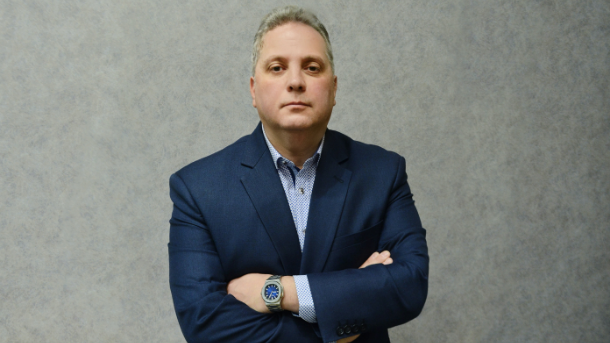
Peter Prochilo – Superintendent of School Effectiveness, Sudbury Catholic District School Board

Peter Prochilo
About Peter Prochilo

Peter Prochilo (@PeterProchilo) is currently a Superintendent of Education with the Sudbury Catholic District School Board. His portfolio includes the supervision of all Secondary Schools, Secondary Curriculum, Alternative and Adult Education, International Education and the Remote/Virtual School

Peter leads with a passion for equity of access and enhanced student pathways as he supports students, staff and school communities as they collectively strive for improved outcomes for all. 

Connect with Peter: Email | Twitter | Linkedin

Listen Now

Listen to the episode now on Apple Podcasts, Spotify, or on your favourite podcast platform.

Resources Mentioned

Time Blocking

Marzano’s Evaluation Method

It’s all in your head

The Transcript

**Please note that all of our transcriptions come from rev.com and are 80% accurate. We’re grateful for the robots that make this possible and realize that it’s not a perfect process.

Sam Demma (00:00):
Welcome back to another episode of the high-performing educator podcast. This is your host and youth speaker Sam Demma. Today’s guest is Peter Prochilo. Peter is currently a superintendent of education with the Sudbury Catholic district school board. His portfolio includes the supervision of all secondary schools, secondary curriculum, alternative and adult education, international education, and the remote slash virtual school. Peter leads with a passion for equity of access and enhance student pathways. As he supports students, staff, and school communities, as they collectively strive for improved outcomes for all. I hope you enjoy this conversation with Peter. It was an engaging one with lots of actionable ideas and insights.


Sam Demma (00:45):
Peter, welcome to the high-performing educator podcast. Each pleasure to have you on the show here today. Why don’t you start by introducing yourself and sharing a little bit about your upbringing and what brought you to where you are today?


Peter Prochilo (01:39):
Okay. Thanks Sam. Good to be here. So my name is Peter Prochilo and i’m the superintendent of education for the Sudbury Catholic district school board with primary responsibilities around secondary programming in schools. So my educational journey began back, I guess when we can go further way back started with my, one of my older sisters being an educator and, and watching what she was doing I’m the youngest of five. And there was a large gap between me and that sister. And so I watched her and the joy education and working with children and young adults brought her. And that was sort of my, my end, if you will. And then through university, it just became more and more clear through my involvement either in coaching various sports and just my involvement in the community that it was, it was going to be my path. And so that brings me to, you know, education. I had 26 years as a, as a teacher and then a special education resource teacher consultant program principal and school principal, and then the arose to apply to my present position here in Sudbury. And it became a big big shift at at my age to to take that leap and take that leap and come and take on this role and the challenges of the role. And it’s been it’s been great.


Sam Demma (03:19):
Wow. That’s amazing. And aside from your own sister, which must’ve been a huge inspiration and motivation for you, do you recall other educators or teachers that you had when you were a student that also played a pivotal role in your, you know, your own development as a student, but maybe even inspired you to consider education as well?


Peter Prochilo (03:39):
For sure. I think a lot of those came during my years in high school where we had a number of teachers that you know, it was sort of that unwritten rule. I didn’t need to be set. They were there for students. And we were able to students were able to connect with them and B became, they became mentors if you will. And then they and, and so they were, there were some go-to people that definitely paved the way, if you will, to see what, what a career in education would be like and, and what that looks like to help others. And so at that stage, it became for me realizing that, you know, educators are really the, the gatekeepers of equity and my friends and I, my, my peer group at that time were from a certain socioeconomic status.


Peter Prochilo (04:36):
And we were able to see how, regardless of your background, regardless of where you come from everyone was treated equally. And, and I was lucky to be in a school that that was espoused, but, you know, certainly for the mentors that I reflect back on as mentors, they were really championing that idea of equity before it became it became an entity, as we know it today, right. Being immersed in curriculum, immersed in policy they were living, they were living that idea of equity. It doesn’t matter. Who’s in front of me who comes through that door, we’re all treated the same and they should all have the same opportunities to succeed.


Sam Demma (05:22):
That’s amazing. And when you think about those educators that also had a big impact on you personally, like, what do you think they did for you? Like if you had to think back, and you’re not that old, so you can definitely think back to high school for a quick second, but if you had to put yourself back into a high school classroom, like, what do you think teachers do or can do to make sure that their students feel seen, heard and appreciated and, you know, make an impact on the students in their classroom? And what did your students do for you or your teachers do for you?


Peter Prochilo (05:54):
Well, I think, you know, reflecting back, I can, I can identify it now, but in the moment it was just accessibility. They were accessible. I think when you, when I reflect back on what it means to me now is that they were really showing their humanity. Right. We saw these people in the community, they were my coaches for soccer. They were like, we’ve seen them in, you know, community events or my church, or, you know what I mean? Like they showed the human face of service really, in a nutshell, they were, they were really exemplary in putting themselves forward. And we knew, you know, even at that age and everyone comes from different backgrounds, everyone has different experiences. Everyone has different challenges. Everyone is carrying things with them that we may not know right. Or that they’re dealing with, but they came into that classroom and that building everyday best foot forward, smile on their face. It’s old time, you know what I mean? I’m really cool with that. But it was like, it was, it was game time for them. Right. And so they knew being in that space, what they, what they could meet to the students that they serve. And that really shine through because you can see the, you can easily see the difference between those that ended up being mentors of mine, to those that were not as approachable.


Sam Demma (07:16):
Yeah. I think that’s really important, you know, making your students aware that you’re there for them and that you have time for them. My, one of the things my teacher did that had a huge impact on me was get to know me on a personal level so much so that he could understand my motivation for being in his class, right. For every student, the reason you might be sitting in biology class is different. One student might want to become a scientist. Maybe I just want to take biology so I could get into kinesiology in university. Like every student had a different reason. And if you know, the reason why a student is sitting in your class, it allows you to, you know, appeal to their motivation and interests. Yeah, accessibility getting to know the student were things that had a huge impact on me as well. So thank you for sharing that. What do you think are some of the challenges we’re faced with an education right now? I mean, obviously because of COVID, there are some huge ones. But what do you think are some of the challenges we’re faced with and what are some of the opportunities within the challenging?


Peter Prochilo (08:15):
I’m glad you said that Sam, because I see COVID as presenting, of course, the challenges that we all have come to understand, but it also provides a lot of opportunities, a lot of opportunities to meet those challenges. And one of the big challenges that we’re dealing with now, and I keep coming back to the idea of equity is, is equity of access. And so it’s really important in my role and for my colleagues and for all of our system leaders and school leaders is to really look at what are what are the, what are the impediments to equity of access in a remote situation when we’ve had to cycle into remote learning and you, it really becomes a parent students that, that need need more support than others. And there’s that you’re, you’re trying to try to bridge that gap, right.


Peter Prochilo (09:06):
In terms of providing and providing access, whether it be access to technology access to, to us. And just making sure that you are always acting as a community, right? Because you, you, you tend to a situation like COVID can quickly make people think in a, more of a siloed situation, right? This is, you know, this is my department, this is what I do. And the trick has been the push has been to make sure that everyone acts continues to act and they do to act as though we’re all, we’re all together because it’s more important to be together. Especially during this time, the opportunity comes in the realization that we’ve been able to very quickly and effectively leverage technology. And so for the last 10 years in education, we’ve been looking for ways to effectively use technology in a classroom setting.


Peter Prochilo (10:07):
Face-To-Face whether you’re a fan of Marzano’s work on, you know, the triad and using technology one, you know, one piece of technology for three students working collaboratively. And now you, you see that a lot of that change has that a lot of that shift has to happen because students are either at home working right. And trying to connect. And so the beauty came out in leveraging technology effectively to maintain that community feeling. And I think that’s one of the successes that, that shines through whether it was students in the elementary panel that had a complete remote school, and may we still partnered them with their homeschool. So they have that, that connectivity, and even for secondary students, right. Because in my, in my specific role, we’re going to go into this year where students have high school students that have a four year career, I’ve had two years jumping in and out of remote situation.


Peter Prochilo (11:04):
Yeah. And so now the opportunity is to really, when they come back face to face is to really, you know, show them what that community is all about because it’s been disjointed. Right. And so the opportunity and the challenge, you know, two-sided coin, the challenge is to you know, of course, all of our colleagues and, and, and my staff are ready to do so is to welcome them back with open arms, make them feel you know, deal with that, that, that little bit of trepidation, that little bit of anxiety will coming back face-to-face and really using that as an opportunity to showcase what a school community can be. All can be all about point.


Sam Demma (11:48):
Yeah. That’s awesome. And what personally, what personally motivates you every day to continue doing this work?


Peter Prochilo (11:57):
You must have a personal driver as well. They wakes you up and keeps you going as well. Yeah. It’s a number of things, but primarily that, that idea of being a guardian of equity, right. That’s the piece for me that, you know, it’s kind of the lens. I see a lot of problems through, you know, where, where is the equity piece in this? How can we make sure that the challenges challenges are met with that, with that lens you know, we have a group of students will always have a group of students that will do very well. We’ll always have a group of students that need extra support, but sometimes I find from my own experience is that we really need to connect with all students and making sure that they all have voice choice and see themselves as learners. Right. And it’s not only, and so you’re thinking not only for these four years that we have them in high school, but we need to help all of them see themselves or the next part, right. You’re preparing them for a few weeks that you, we may not see, but you, you, you want to make sure that we give them all the, all the tools that they need to make those choices. And, and to know that they’re better for having had us in their lives through grandiose.


Sam Demma (13:23):
Makes sense. My grandfather… I think you’re Italian? I come from an Italian background in Greek as well. And my Italian grandfather Salvato was a big gardener. And he would always bring me to his backyard, gardens, tomatoes, everywhere, cucumbers, zucchini, like everything. And the more I started working with students, I realized that educators or anyone that works with youth are kind of like gardeners and you plant the seed and you do what you can to water it. And, you know, sometimes, you know, you show up one day and the tomatoes fully there, you didn’t even see it grow. Sometimes it never grows until, you know, 20 years later and you don’t even realize it. And I think that’s the same with students. You know, you, you do everything you can to set them up for success. And you know, maybe 10 years later, they come up to you and say, Hey, Pete, I remember what you told me. I remember what you told me 12 years ago and, you know, whatever class. And you’re like, I don’t even remember what I told you. How do you remember what I told you? But I’m curious to know, do you have any stories that come to mind of, you know, programs that have impacted young people within the schools you’ve worked in, or students that have come up to you or teachers that, you know, and let them know about the impact of the work has had on them?


Peter Prochilo (14:36):
I’ve been lucky to have a number of really unique experiences. And I’ve been blessed with students that have sought either sought me out or met me by happens happenstance. And you either invited me to their wedding or made a you know, a king to came to my office to show me their first born child, you know, and they wanted me to meet there and see what they become. So at one point in my career I was facilitator, I mean, educator in a classroom that was purposely designed around students who always found themselves in physical altercations. So it was a standalone class where students came to me from different schools and we worked on we worked on an educational and a social plan for six weeks at a time. Okay. And so benchmarks were six weeks and we would, we assess work with the student and the family and have them go back to their home school.


Peter Prochilo (15:45):
Right. And so these students as you can imagine, were either on the verge of being expelled have multiple multiple incidents of physical altercations and the like, and I had I can remember each of their means for the two years that I taught that class. And I can remember even up to about four or five years ago, where one of those, one of those in this case, it was a young young man. Now an adult came to me and wanted to show me his, his welding, his new truck, right. Because he’s now, he’s now an underwater welder. So he took it to you know, and he wanted he came, he sought me out at the school where I was at and made the appointment to come and see me and want to, want me to see where he, he where he, where he’s been, what he’s been doing, that was great, you know, and it was I just stopped everything right there and made time for him.


Peter Prochilo (16:57):
And and we had a good, we had a good talk and I was good, you know, it’s, it was really good to see that some of those things that we, you know, we take each of the students’ interests to heart, of course, and you, you, you deal with each student individually, but it’s, it was good to see that sort of the cumulative effect of things that I stick to and say, you know, it goes back to your garden analogy. Cause my dad was a gardener as well. And so, you know, regardless of what produced that year, I knew that my dad did the same thing to that garden every year. She might tweak a couple of things, but the care that he put into that garden was the same every year, regardless. So the same thing in this case, this young man who came back in that, you know, it may have been at that point in time, I’m teaching this young person in that, in that immediate role when he was in that class, through these steps. Right. But sometimes we don’t think that, you know, we think it’s just a process, but it’s really a a connection that you’re making with the students. Right. And we, even though we might do it repeatedly, like you say, you don’t know that effect. Right. We may wonder what happens, but it was really great that the student came back to show me yeah. He was more proud of the certificate or his truck.


Sam Demma (18:29):
That’s awesome. That’s amazing. Yeah. The phrase that my teacher taught me that had a big impact that aligns with what you just said was you just got to take consistent action and forget about the result, take the actions and forget about the results. And his phrase was small, consistent actions. And I actually wear it on my wrist on this little wristband. I’ve actually, if you give them to the students too, but yeah, it was something my grade 12 older shoes teacher taught me and it’s such a good reminder. Yeah, you’re right. Like the process some years you stick to it, but the produce might not be as great, but you did everything that you needed to do. Same thing with teaching, you know, sometimes people forget that, you know, especially students forget that educators also have families and problems and challenges, and they’re also human beings themselves. You know, when they’re standing at the front of the classrooms, what are some of your own personal hobbies and passions? I know guitar is one of them, but maybe you can share a couple of those things.


Peter Prochilo (19:26):
You know, it’s really been trying to, like you say, try to stay consistent with things. So those are my own hobbies outside of, outside of my work, including my family. It would be certainly the outdoors is a big part of that, whether I’m golfing or I’m just out on a hike even, or for a run or even just a walk, especially around the lake here, it’s always, always trying to do new stuff like that. I’m always branching out that way. And also I know I mentioned golf even though it’s, it’s more of a long walk interrupted by hitting a light balls many times.


Sam Demma (20:06):
And swimming sometimes.


Peter Prochilo (20:10):
Yeah. And then, you know, for me, even one of the sort of escapes, if you will, is, is kind of the, the last few years has been reading nice items. Cause we’re always confronted with reading for for our occupation for work. And it’s there, but you know, making the time to read other items, right. Other other works, it’s always been non-fiction for me. I sort of been musically sort of the, the genre of music and biographies and the like, because music is certainly a big part of, there’s always a song in my head, said my staff one or two that are you humming today, right there. Yeah. So it’s just, it’s, it’s a sort of a combination of things, but certainly even with a busy schedule, just trying to maintain a level of physical activity as we get older, those opportunities for team sports seem to dwindle, but you know other than other than personal fitness getting out into nature is really.


Sam Demma (21:25):
I love that. Well, it’s on the topic of books about music. Here’s the one that I read recently that maybe you can check out. It might be a different genre than you’re used to, but I think you’d like it. So, this book is called it’s all in your head. Get out of your way by Russ Russ, Russell Vitaly is actually a Sicilian rapper from the U S yeah, funny. And I love his book. So he’s an independent artist and basically outlines the story of how he went from nothing to something. And what makes this story very unique is he never ended up joining a record label, turned them all down and kind of did it himself. And it just outlines this whole journey and story and what he overcame and how he got to where he is now and yeah, different genre, but you should check it out.


Sam Demma (22:10):
It might be something that you can listen to. And I think you’re so right about music too. Like when I think back to high school and every kid has different hobbies and they all play different sports and different activities, but I think something that every student has in common is they’ve listened to some form of music Friday. It’s like, it might be a different genre, but they all have a band or an artist or something that they like listening to. An art has such a way of connecting with young people so much so that I’m actually myself trying to work on a spoken word album to appeal to students as well. And yeah, you just really, you just nailed that connection in my own head. And I was like, ah, that makes a lot of sense. I think everyone has a piece of music that they’re always looking forward to. If you could go back Peter and speak to yourself in your first year of teaching, you know, when you’re, but, but with the knowledge and experience you have now looking back, what advice would you give your younger self?


Peter Prochilo (23:05):
Two things. One develop consistent habits right away. Okay. You know, because even the mentors at that time would tell me, you’re going to find your, you know, you’re going to find your way. Right. But you know, it’s really good to compare what you do. I always use the term skeleton, right. It ask my staff or Caitlin let’s deal with the skeleton and we’ll fill in the fill in the parts. You know what I mean? We’ll fill in the rest. But to have that starting point is really important. And I think if I would be able to go back, I would dig deeper in some of the literature and it would be non-educational. I would really go back and look at sort of the, the, the thoughts from the business world, how they manage time and how they, how you schedule your day and all those kinds of things. Because I still do that to this day.


Sam Demma (24:11):
Yeah.


Peter Prochilo (24:13):
I don’t know if you’ve seen time-blocking before.


Sam Demma (24:16):
I’m a huge fan.


Peter Prochilo (24:19):
And so I see this.


Sam Demma (24:22):
This is awesome.


Peter Prochilo (24:23):
I have one of these people make fun of me for it. That’s fine. But it’s my it’s my time blocking from five in the morning, till midnight. And what are my top priorities? What are my secondary priorities? And then a certain light rain.


Sam Demma (24:40):
Where did you grab the idea from originally?


Peter Prochilo (24:43):
There was a couple that floated around one strong Elon Musk that uses something similar. And then there were a few versions online and I just modified what I saw to fit, to fit. What’s going to work for me, but that’s what I mean by a skeleton. Right. So if I had something like that, when I started, that’d be number one, you know, searching for those elements that help you organize yourself and stay consistent. That’s the first, the second thing I would tell myself is don’t take yourself too serious. Yeah. Have a little, and I did have fun. Like, don’t get me wrong. There’s my stories are pretty hilarious from when I started teaching, you know, I had fun, I had fun with colleagues. I had fun working with students got involved. You know, I coached, I did some after-school group. Like we did a, I did a bunch of things, but not to take yourself seriously and just really enjoy where you are in that moment. Don’t think ahead too far.


Sam Demma (25:44):
I love that that’s, those are awesome pieces of advice. And you got me thinking again about the organizational techniques and tactics and ideas. Have you read any books that have been foundational in terms of your self-leadership stuff that you think you should, you know, would be valuable for another educator to check out or read or listen to?


Peter Prochilo (26:02):
Well, my experience has been fairly unique well in Ontario, because it’s always been through Catholic schools. I got in counted organization. And so I’ve always taken the Ignation view. So that’s been sort of my guidepost, spiritually and organizationally. Right. And so I really that kind of did that on my own for awhile. Yeah. Seeing that ignition thought. And then the concept of servant leadership really came forward in a boat 15 years ago, perhaps. Nice to forefront in terms of what, you know, green leaf had a whole series on servant leadership. And that was sort of the solidifying moment where it was, oh, this is a thing it’s not just something that’s rattling around in my head.


Peter Prochilo (27:01):
And and then just, you know, reading as much as I could about that and, and sort of identifying the items that I, the things that I already do, and then looking at what else I can incorporate, you can incorporate everything because you, you know, this is year 30 for me in education, 30, 31. So you know, educators take, you never abandoned the good stuff, right? Like it’s like a snowball, right. You start off with your core beliefs and then this comes along, right? This, this new thought, this new approach and you incorporate it into what you’re already doing, but you never let go of what’s at your core is getting bigger. But that in the center is still the center, still the center. Right. And you, you all, you pick up the great things and you know, some things go by the wayside, but you’re always, you’re always developing. You’re always adding to that core.


Sam Demma (27:58):
Love that. Awesome. Well, this has been a very awesome conversation. I really appreciate you taking some time to come on the show and share some of your philosophies, resources, stories it’s been. Yeah. It’s been a pleasure chatting with you. If, if there’s another educator listening right now who feels a little inspired or just wants to, you know, reach out will be the best way for them to get in touch with you.


Peter Prochilo (28:21):
Probably just through, email’s probably the easiest at this point. And I can share that with you, if you want me to, to share.


Sam Demma (28:28):
Sure. You can actually say it now, or I can put it in the show notes of the episode as well.


Peter Prochilo (28:32):
Yeah. So it’s just peter.prochilo@sudburycatholicschools.ca.


Sam Demma (28:45):
Awesome. Peter again, thank you so much. This has been great.


Peter Prochilo (28:47):
It’s been great. Thank you for the opportunity. It’s been great talking to you and I look forward to listening to the rest of your series.


Sam Demma (28:57):
Now and there you have it. Another amazing guest, an amazing interview on the high-performing educator podcast. As always, if you enjoy these episodes, please consider leaving a rating and review. So other educators like yourself can find this content and benefit from it. And here’s an exclusive opportunity that I mentioned at the start of the show. If you want to meet the guest on today’s episode, if you want to meet any of the guests that we have interviewed, consider going to www.highperformingeducator.com and signing up to join the exclusive network, you’ll have access to networking events throughout 2021 and other special opportunities. And I promise I will not feel your inbox. Talk to you soon. I’ll see you on the next episode.

Join the Educator Network & Connect with Peter Prochilo

The High Performing Educator Podcast was brought to life during the outbreak of COVID-19 to provide you with inspirational stories and practical advice from your colleagues in education.  By tuning in, you will hear the stories and ideas of the world’s brightest and most ambitious educators.  You can expect interviews with Principals, Teachers, Guidance Counsellors, National Student Association, Directors and anybody that works with youth. You can find and listen to all the episodes for free here.

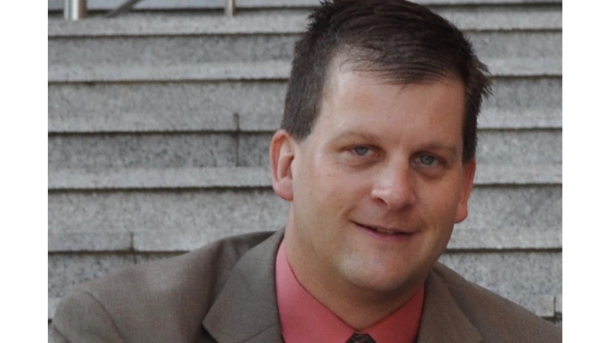
Kevin Wendling – Elementary School Principal at Northeastern Catholic District School Board

Kevin Wendling Elementary Principal
About Kevin Wendling

Kevin Wendling has been in education for well over 25 years and his diverse experiences working in different school boards, countries, and roles have given him the perspective needed to approach his work in a faith-based, holistic approach.

Kevin is a passionate and experienced school administrator in the elementary and secondary panels in private schools and publicly funded Catholic education system in Ontario, as well as an International School in South Korea. 

Connect with Kevin: Email | Linkedin

Listen Now

Listen to the episode now on Apple Podcasts, Spotify, or on your favourite podcast platform.

The Transcript

**Please note that all of our transcriptions come from rev.com and are 80% accurate. We’re grateful for the robots that make this possible and realize that it’s not a perfect process.

Sam Demma (00:00):
Do you want access to all the past guests on this show? Do you want to network with like-minded individuals and meet other high-performing educators from around the world? If so, go to www.highperformingeducator.com. Sign up to join the exclusive network and you’ll get access to live virtual networking events and other special opportunities that will come out throughout 2021. I promise you I will not fill your inbox. You might get one email a month. If that sounds interesting. Go to www dot high-performing educator.com. Welcome back to another episode of the high performing educator podcast. This is your host and youth speaker Sam demo. Today’s guest is Kevin Wendling. Kevin has been in education for well over 25 years and his diverse experiences of working in different school boards, countries and roles have given him the perspective needed to approach his work in a faith-based holistic approach.


Sam Demma (01:00):
Kevin is passionate about influencing others in a positive way and getting through to students. He’s an experienced school administrator in the elementary and secondary panels and private schools and publicly funded Catholic educational system in Ontario, as well as an international school in South Korea. I hope you enjoy today’s interview and conversation with Kevin and I will see you on the other side, Kevin, welcome to the high-performing educator podcast. Huge pleasure to have you on the show here today. Start by introducing yourself and showing you a little bit, a little bit behind why you’re passionate about the work you do in education today.


Kevin Wendling (01:37):
Yeah. my name’s Kevin Wendling. I I work up here at Bishop bellow school and with the Northeastern Catholic district school board. I’ve been in education well over twenty-five years. And a majority of that has been as a principal vice principal or administrator. Part of my career has worked for different school boards. So I’ve worked some time in Niagara, ran Haldeman Norfolk, and actually worked overseas in Korea for three years at a national school. So I’ve had some very different and actually worked in the private schools as well, private school system. So in Ontario, so I’ve done a lot of different things. My, my passion is about educating kids and my passion is about being a leader and influencing others and all that really traces back to a faith based summer camp that I worked at when I was in high school and those opportunities, and then coming back and tutoring in high school really kind of set the stage for me to want to go into education. And actually I did some retreat work with Niagara Catholic district school board with grade sevens and eights. And that kind of put me on the path towards leadership or becoming a principal. And I’ve been actually a principal and vice-principal both elementary and secondary. So I’ve got lots of different perspectives and I’ve never, never met up an opportunity that didn’t help me. And I hopefully didn’t help the school that also helped the school community as well. So lots of lots of great things.


Sam Demma (03:06):
Can we go back to Korea for a second? Well, what brought you out there? What work were you doing there and what was the experience like living in a totally different culture?


Kevin Wendling (03:16):
Yeah, well my wife and I, we have, we have five children and basically my wife went to Europe one summer with some family and came back and we had a talk and she said, you know what? I have a degree in history, but I don’t understand the world. I don’t understand. I went to Europe, I went to Italy, I went to England and you know what what it says in the books. Isn’t, isn’t what it is out there. She goes, I really let’s try and do some international travel. Let’s try and maybe even do some international teaching and with a family of five, we were limited to where we could go. And so we ended up in Korea, we ended up a school that was a Christian based school that was just starting up. And so when we arrived, it was up to grade 10 and she taught middle school, you know, grade 6, 7, 8.


Kevin Wendling (04:01):
I taught high school, actually. I had just done been involved with six years of being an elementary principal. And we took a leave of absence from our jobs in Ontario and went there and basically within a year they needed a high school principal and I became the high school principal and saw the first graduation class. It was an IB school. So that was whoa, like the training involved with that, the, the expectations, the high expectations and some of the, you know, the, the best five teachers I worked with, I would say two or three of them were there. It was great. It was a lot of collaboration, a lot of working together, but we really went for our kids too. So our kids could get a different idea of a culture. So my middle daughter played hockey in Korea. If you can imagine that.


Kevin Wendling (04:48):
So my daughters, all five of my daughters actually danced ballet and all of that. So they really got a chance to see the culture. And they actually learned a lot of Korean, which is, I’ve been told one of the most difficult languages to learn you. Also, we also got to travel, do I be training? We had the opportunity to travel and whenever we traveled, we took the kids with us. So we actually, we went to the Philippines, we went to India, we went to China, a number of times to sight Penn for us, like a summer vacation in the Marguerite in the, you know, that part of us at the time. So we got a chance to kind of see everything. And we did that for three years. And after three years we had a choice. We continue to do this for the rest of our careers, or we come back to Canada to Ontario.


Kevin Wendling (05:33):
And we just decided to come back to Ontario. And it was fantastic opportunity as a principal. I probably gained more than anybody and experience just because of the way I was treated as a principal, some of the experiences I’ve had just phenomenal and really a very, very, the big difference I would say is that the committed people, when you go overseas, your committed, you are there, you know, it’s like Balboa, you burnt the ships you’re there. The people are very committed and actually their families are too. So we saw a lot of families and a lot of, you know, younger families with kids like us at the time. And we just had a great time. It was a fantastic experience and we’ve kept some of those friendships going even after we left. So really good.


Sam Demma (06:20):
Awesome. I love the balboa reference where you put logs on your back and do lunges in the backyard.


Kevin Wendling (06:27):
That’s Awesome.


Sam Demma (06:27):
Where did you, so, okay. Let’s go back now to the faith based summer camp. What was that camp and what about that experience encourage you to get into education?


Kevin Wendling (06:41):
It just, it totally blew my mind in terms of what I saw to that point in my life. Like I would, I was, I was in a really good high school, but it was one of my teachers at the high school who introduced it to me. And what he introduced me to was just a different way of leadership, a different way of, of looking after kids. You know, I, I ended up you know, looking after kids around nine, 10 years old. But then later on did trips to Algonquin park, canoeing and hiking with kids like 12, 13, 14 years old, it just was a true community feeling and true your ship in action. Like you had to be a leader, you had to go out and like leadership. Isn’t about stuff in that as, you know, stuff in textbooks it’s about going out and being a leader, that’s the best quote I ever heard is leaders lead.


Kevin Wendling (07:32):
And so you, you had that opportunity to go out and to be that leader for each other. And also the faith aspect was the fact that it was a, it was run by the bazillion fathers out of Toronto. And they really I learned a lot about spirituality from them and from the preset where there, it actually later went on. When I finished university, I actually was the first lay chaplain at the ethical camp for two years and was on the advisory board and did some other things with the camp. It ended up it’s doesn’t exist anymore. It kind of gave way to times and to things and to money and all kinds of stuff. And but that opportunity for me was just phenomenal. It really was part of my formation to become a teacher. And what it taught me is it gave me the confidence saying, you know, I want to be a teacher.


Kevin Wendling (08:21):
And in fact, one person I met there led them to the program. I went at the university of Waterloo math teaching option program. And it was someone who I met there that introduced it to me, but it was just later when I had a teacher who influenced me to go there, I said, is it, you knew exactly the influence is going to have on me. You knew exactly I belonged here. And you said, yes. And that’s why you need to be here. And that it was just that, that tale of teachers having influence and affecting the kids and affecting their students and making it a, a, a great place for them to become the leaders and the people that need to be.


Sam Demma (08:55):
I love that. And like you mentioned or alluded to like, now’s a different time, right? Like COVID is changing things you were telling me before we hit record that uncertainty is a common feeling amongst school staff, probably all around the world. What are some of the challenges that are going through your mind, your staff’s mind, and, you know, how are you all grouping together as a strong team to try and figure things out?


Kevin Wendling (09:18):
The number one is, is as much as we’re a school and we’re about learning, it’s the number one thing has to be about safety has to be about the kids being safe and, and the kids making sure that they’re not getting sick. So we were elementary. So majority of our kids, you know, really great, six down to kindergarten, haven’t been vaccinated. And so they’re very susceptible, especially with the Delta virus right now and how much it can affect kids. We want to make sure they’re safe, you know? So it’s making sure we’re masking making sure we’re sanitizing, our hands, social distancing, all the things you hear. We, we we’re teaching that each and every day to the kids and just reminding them of it. And yet throughout all that, we’re trying to learn and making sure that the learning is there for them and giving them the opportunities for them to learn.


Kevin Wendling (10:05):
And yet underlining all that is the uncertainty of, okay, could we shut down again? We shut down three times last year, we shut down once more than everybody else for an additional three weeks where we distributed the computers and they went out and and actually Lucy went through a time where it was really, we had a number of cases and it was surging. And people were really scared because it was like, oh no, is this really going to affect? And that’s been the case with all the flying communities, flying communities up the coast of James bay actually had over 200 cases in jail. And that’s, and over half of those were, were kids under 18. And so, you know, we we’ve seen it. We, we lived the fear, we’ve seen it. And it’s like, are we going to get through this year? Are we going to have to pivot again?


Kevin Wendling (10:51):
And let’s face it, teachers teach and are trained to teach face to face. It’s, it’s all about, I want to be in front of those kids. I want to work with them. If there’s a problem, I go beside them. You can’t do that on a computer. Technology is fantastic. Technology is great, but for younger kids, it’s, it’s not the way to learn for them. You know, whether it’s the mental health aspect, whether it’s the learning aspect, you gotta remember too. When we, when we dove into this 18 months ago, teachers don’t normally take courses on distance education. Suddenly you had to, you had to be an expert, and that was hard on a lot of people. And, and then you come back and say, well, yeah, you gotta wear the proper PPE and things like that. And you just feel a little bit distanced, you know, naturally you figure in the kindergarten class, there’s a lot of hubs and a lot of, you know, hand on the shoulder and things like that.


Kevin Wendling (11:38):
And people feeling closest together, physically, you can’t do that. Now. You really have to, you know, keep that distance and, and make sure. And again, we, we don’t do that. We actually do that now to show we care in a different way, because we want them to get sick and we don’t want them to. So those are, those are some of the things you know, as a principal, I don’t think people realize that when there is a positive case in your school of probate and suddenly a class that should shut down, you’re working with the health unit. And there’s a lot of things that are going on behind the curtain to make sure things are okay and people are safe and, and yet confidentiality is making. So there’s so much of that stuff that people don’t don’t know. And they don’t need to know because it’s affecting them.


Kevin Wendling (12:19):
And then we get the other side where parents are frustrated. Parents are incredibly frustrated, they just want consistency. You know, just think if you’re a a single mom and you’ve got two kids and you’ve got a job and that stowing, and suddenly you get COVID or someone you work with gets COVID or, or where you work has suddenly shut down. And, you know, and then you get another job or you got two or three, and then you got your kids and suddenly there’s something at school. And now they’re, you know, you got a great to integrate for, and suddenly they have to do, you know, virtual education. How does that work? How do you maintain your job and do all that? And the government’s been great. Government has had programs and things to help, but, but that’s not what they expected. That’s not what’s best for everybody involved.


Kevin Wendling (13:01):
So it’s an, it’s an incredible challenge. I think we’ve learned a lot from it. I think we’ve learned a lot about education Ontario and the value of it and want to teach, but we also, we’re living through a very difficult time. It’s a time where there is a time in the end right now we see a lot of hope and we’re hoping that it’s going to get better and we see signs of it. But then as we go through this with the Delta variant, and then the next wave we, we wonder if this is going to be a big wave or is this going to be a small way? You know, you know, it’s like waiting on the dock, but you don’t know what’s going to hit you. Yeah.


Sam Demma (13:35):
Yeah. So true. And do you think that there are things that will forever be changed? Not in terms of like PPE, but the disruption of COVID-19 may have also caused lots of reflection. Could we be doing things differently? Is there, is there anything to take away from this? Do you think there is anything that came out of it that was like, this is interesting. Might be something that we continue to do or revisit or, or look at as an opportunity?


Kevin Wendling (14:00):
I think every procedure, I think every procedure that, that we have at schools has had to be looked at from a, from a safety, a health and safety and you know, immunology, you know, like the whole science behind it, you know, let’s put in once things like that. And some teachers have found, there are some things that are better, you know, in procedures and how things go. And there’s things, maybe not like, for example, something they push for years is literally literally sludge. So in other words, you know, you come to school, whatever’s in your bag, you put back in and you take home and you throw it out at home. We’ve had to do that because of COVID. And actually, you know what, that’s something that environmentalist I’ve been saying for a while. Cause if you’re throwing out the garbage as a parent, maybe you’re going to pack the lunch in a different way.


Kevin Wendling (14:44):
Maybe you’re going to do things in a different way. So that’s, that’s just like one example of how, you know, things have changed. We also aren’t as supposed to accept lunches, you know, last year in particular through the day, like, because you’re not supposed to have parents come to the school. You know, so basically, you know, parents make sure the lunches packed. What’s sad though, is you’ve seen a lot of these pre-packaged lunches. Well now, because like, for example, like our school at one time allowed microwaves to warm up the meal, we, we can’t allow that right now. We can’t have microwave salon. You know, that may change soon, but, but right now that’s our policy and that, that was direction from last year. So there’s, there’s a lot of little things here and there. I, I, you know, the other is, I think you’re going to see the whole virtual school thing stay.


Kevin Wendling (15:32):
I think some parents like that. And again, what, what would be interesting to know what the reasons were because we’re really not asking the reasons, I think the other thing, the importance of mental health and you know, the whole idea of mental health and that awareness has become paramount. When it first came out, we saw it as important. We now are really seeing important. We’re seeing probably one of the things I really noticed up here when we had the vaccine clinics in June for 12, between the 12 and 18 year olds, you would think, okay, 12, 18 year olds. Some of these kids are just going to come on their own. You know, the parents will just say, just go and whatever, every student who got vaccinated that I saw in the clinic, I was in for the day to kind of help out.


Kevin Wendling (16:16):
And again, we were coming in to help because it helped you and ask, we need some people just to be positive support, but every one of those kids had a parent with them. And like even a 17 year old had a parent with them. And I would say some of these kids had their hoodies up over their head, kind of, kind of being really anxious. They were scared about the shot. They were scared about things because again, a lot of that’s out in the media and you know, there’s some positive stories and there’s not so positive stories. And again, they were worried about that. And again, to the point where I was doing like check-ins with kids every so often, and I knew some kids were just nervous because they didn’t know me cause there’s there’s schools that, that were being served by that clinic at the hockey arena.


Kevin Wendling (16:58):
And I actually knew that. So I would just go over and said, look, you don’t know me, but I got to make sure you’re okay. Just give me a thumbs up if I come by and give you a thumbs up. Just, just so I know you’re okay. Because if, if they got sick, if they had a reaction, I had to make sure of that. So it was interesting that way, there was a lot of things. I think we’re learning along the way with, with other things and other aspects, I think we’re learning about ourselves as a culture. You know, we have some people who don’t necessarily believe in vaccines, but yet we’re all supposed to believe in public health and make sure everyone’s safe. So I think there’s a, a push and a pull there. And I think some of it is very regional.


Kevin Wendling (17:36):
And that being said, you know, we great example, like I mentioned before, we had a community up here. We had access to the vaccine in February, March this year, all the communities did. And yet we still had a community that skyrocketed and 200 cases like that. Like it, it didn’t take long. This virus really can move quickly, especially with the Delta by period. So it’s actually up here in the whole Timmins area. There were a number of cases where if you remember some people don’t that in June, the rest of the province could have opened open up the government. We would have shut down. We would have no. Cause we had, we were searching in cases. It was unbelievable in the, in, in the Timmins and the porcupine health unit area, how bad it was.


Sam Demma (18:20):
Wow. Yeah, it’s a, it’s such a interesting time and just put it like that. And fingers crossed that things also started to clear up in all schools, across the country, across the world when it comes to making connections with students, you know, you talked about walking up to the ones in the clinic and giving them thumbs up, which is awesome during a time of stress putting the hat on, like we’re back in a regular school you sound like you’ve done so many different roles in education. What have you found is the most effective ways to build trust and a relationship with a student in a class or in a school?


Kevin Wendling (18:56):
Starts with a smile and a kind word asking them their name. Because again, you know, and again, I’m, I’m, I pride myself on knowing names for a good part of my career and that when I went overseas, it’s like, okay, I’m struggling with this. It’s, it’s just being very genuine and honest and caring about the person before you can make any relationship. You’ve got to show that, that empathy and compassionate, caring, showing you care about that person and you take the time to talk to them and get to know them that that’s where it starts. And then the relationships build from there. And again, it’s, it sounds simple. It’s not because you have to have a big heart and you have to go out and that’s how that’s again, that’s how the relationship starts. And again, we’re, we’re in a place right now in Lucy where, you know, over 90, approximately 95 or high 90% of people here are indigenous background.


Kevin Wendling (19:49):
And I’m not of indigenous background. I so guess what, I’m maybe someone that I will be trusted right away, especially with everything going on right now with, with the residential schools. And, you know, there wasn’t one in Mussolini, but there’s been a few of, there were a few off the coast that were closed down. And so whenever they kind of happened in the spring with regard to residential schools and that issue came up, that hit us hard too, even though we were, we were virtual at the time. So we had been in front of the school and we actually had parents and grandparents who were survivors of the residential schools actually have a teacher on staff, survival, potential schools. So, so again, when, when you talk about making those connections and making those things, you have to see where that person is as well.


Kevin Wendling (20:32):
And you have to come in. And I think the other thing too, being up here has kind of confirmed that, but even overseas and anywhere, it’s like, are you going to be here tomorrow? Are you going to be here to continue this relationship with me? Or are you going to pack it up and leave suddenly that’s important as well. People need to feel that basis that you’re at, you’re here for the long haul and that you’re here to help them and that you want to help them, you know, and, and that’s, that’s really key. And I, you know, normally you would say maybe that’s just for elementary kids, but I think that’s also secondary now too. I think the secondary kids, especially with this, I’ve been hard hit and the anxiety and things that they face is quite big.


Sam Demma (21:08):
Teaching is such a giving vocation, giving, calling. You’re not only giving students information, but sometimes they’re also like a coach and a mentor. Even if you’re not coaching a sport, you know, you kind of give students a shoulder to lean on. Sometimes if they need to talk to you about something that’s uncomfortable, what’s your experience been like with boundaries, you know, separating work from life and making sure that although you’re consistently able to give you’re also filling up your own cup and making sure you’re not burning out, especially during a time where you might be staring at a screen for seven hours a day and, you know, answering phone calls twenty four seven.


Kevin Wendling (21:43):
Yeah. I, you know, because my very first school I was principal at was in my hometown. You know, it was in port Colborne Ontario and, you know, so I would go out with my kids for activities and sports and I would see other kids around and, and you know what, they, they knew the boundary. They knew that I was Mr. Wellman. They knew that I would say hi to them, but they also respected the fact that from their parents, from their upbringing to kind of have that, that boundary there, however, my life has always intermixed. You know, I’ve, I’ve actually coached my kids and coached a lot of sports. Even the whole morning. I coached Shane love volleyball, and then did a lot of volleyball coaching and at the travel team level and, and various levels all the way up to UAA team.


Kevin Wendling (22:27):
So I had that experience as well, but it’s really about, you just naturally have to make, you know, those boundaries and just let people know that things are. And so when a student kind of crosses that boundary, like even as something as simple as, oh, I remember I was at one school was out for the buses and it’s, it’s a little joke when kindergartens grade ones learn that you have a first name, you know, it’s not Mr. It’s, you know, my first name’s Kevin. So they would come up to me and I remember them whispering and going, we don’t want your real name. And they go, yeah, it’s Mr. And they go, no, no, no, no. We know your real name. And I said, well, what do you think it is? And they go, well, we’re not supposed to say your real name because, you know, and they knew it wasn’t right.


Kevin Wendling (23:10):
I said, don’t just tell me. And they said, we think it’s Kevin. I said, it is, what should you call me that? And they said, no, you’re Mr. Lenley. But they think it’s funny because you’re human, it’s human side to you. And we’re like, when I show them pictures or they come to my office and they see pictures of my family. So it’s not, you know, boundaries are important for respect, but you gotta be careful that that boundary doesn’t dehumanize you as well. You’re, you’re very much you’re very much a human being and they know that. But when they realize that you have a family and you have a white friend that you have kids and they see those kids and they see pictures, or you’re out at a hockey game, you know, that’s the thing you don’t want to create the boundary where a kid comes up to you and says, hi, Mr.


Kevin Wendling (23:51):
Welling, how are you? And you just kind of push them off or shut them off. Some kids though, don’t want to come up to you and they see you. So you wave you wave. And that makes them realize that you’re a human being as well. But boundaries are incredibly important when you, when you talk about from a leadership standpoint that, you know, in terms of like your employees and people you work with and things like that. But in terms of kids, they actually know the boundaries and you may remind them of it, but you do so in a way that’s human and compassionate because that’s, that’s part of being a teacher. That actually to me is an incredible teachable moment because yeah, today, right now, some kids really, you know, some schools, you actually see people call them, you know, they I’d be called substitute Mr.


Kevin Wendling (24:31):
Kevin. And I’m like, oh, well, I don’t like, well, they can’t pronounce your last name. I said, you know what, I’d rather them not pronounce my name, last name properly and learn along the way saying, well, I can’t say your name. Cause it’s, it’s difficult for me to say and just rename you something, you know, your name is part of who you are and part of the respect that you got to give to others. So there’s that one to unpack that one. There’s a lot of stuff that when you talk about boundaries and you know, that, that can be incredibly tough, but in terms of kids and stuff, like, yeah, they need to know the boundaries, but they also need you. You can’t use that as a way of dehumanizing who you are. Yeah.


Sam Demma (25:08):
Also you put up a barrier that’s not necessary right there. It makes it even harder for them to reach out. I think our online that you’ve been teaching for 27 or 28 years now.


Kevin Wendling (25:18):
Yeah, yeah. Teaching and being involved with education. But considering I like tutored kids even back in high school. It’s it’s and I was a leader of a cup pack. You know, even before, like, it was funny, I’m brilliantly pack leader who worked with others that actually had to get a drive to the, to the, to the meetings cause time. So yeah. All the kids and working with kids for a really long time. Yeah. Probably, probably over 30 years, but professionally as a professional it’s I think it makes 27.


Sam Demma (25:49):
Okay, cool. And so it might be a tough question, but if you could take all the experience and wisdom that you have gained over the past 28 years and distill it into a couple of pieces of advice for your younger self, when you were just starting this work, like knowing what you know now, what would you share with your younger self?


Kevin Wendling (26:10):
Be honest, be genuine and just love the kids. And, and as you teach them just help wherever they are just help them. And and everything else will work out. It’s really about loving kids. It’s really about teaching them for myself as a, you know, that’s for me just general that’s, that’s my 24 year old self, just starting to teach, you know, who was nervous about lesson plans and this and that. And it’s like, no, this, this will all work out. We’ll be okay. As a, as an administrator, as a principal. And I learned this very quickly. So I was lucky. It’s really about four things. You know, you want to create a school that, where kids learn, where kids feel safe and where kids wellness is looked after, but I would even say have fun. And from a face standpoint, you do all that, knowing that God is with you in that below of the holy spirit is with you.


Kevin Wendling (27:09):
And that, and that basically from a faith standpoint, that all those things have to come from a faith perspective as well. So those would be two piece of advice I’d give, give my younger self. And, and the other thing I would say is to do this job, it’s not just you, it’s also your spouse, it’s also your family. So, so my kids, you know, let’s face it a family with, with two teachers in it. There’s certain rules you learn and, you know, there’s certain things you learn and certain things you say and don’t say, and, and, but it must’ve worked because my oldest is going to be is a teacher and she’s just going into her second year. And I probably have at least two other teachers, I’ve got two who said, Nope, I’m not teaching, but yet I watch how they work and interact with others.


Kevin Wendling (27:54):
And there you’re just like teachers. They’re just like teacher. I have one daughter who’s probably going to go into the medical field and yet she could tutor and help kids read and do all that and analyze it better than almost any teacher. I know. And her biggest frustration was, I don’t understand why parents don’t help their kids. You know, like I don’t understand that. And she just sits back with that. But, but that’s the thing it’s, it’s, you know, it’s, it’s a whole, almost like a family thing. And again, if I look too, there’s no teachers, my family, but I look at my wife, her whole family is teachers. And one of the best teachers I know other than my wife has actually her mother who was awesome kindergarten teacher. And actually as a young principal, I would go to her for advice and say, look, you’re a veteran teacher.


Kevin Wendling (28:39):
What am I missing something here? What do you think? And she was, she was always awesome with the advice. So I guess that would be the other piece I would give is you’re not alone. You need to collaborate with others. You need to work with others. You need to, to know that you don’t know everything. And I’ve probably early on my career. I was a little stubborn that way. I figured I knew things, but man when I kind of let that down and work with others, it’s phenomenal how much others can build you up and teach you. If you have an open mind to that and going overseas taught you that as well. Oh my gosh. You want to change your life, go overseas for a year. It true. Like that’s an old saying that they say, but it truly makes a huge difference.


Sam Demma (29:21):
I love that. That’s awesome. Kevin, thank you so much for being generous with your time and sharing so many coolest stories and ideas and principles and your journeys traveling overseas, your journeys at summer camp. If there’s an educator listening right now who feels inspired or just wants to chat about something related to the podcast or anything they heard, what would be the way for them to reach out to you?


Kevin Wendling (29:43):
That’s the way we be at my address at the school on that. KWendling@ncdsb.on.ca. That’s, that’s probably the best way to do that. And I would, I would love to hear and if stories to share or people that, you know, along the way, like, Hey, let’s talk! I’d be more than open to those opportunities.


Sam Demma (30:09):
Awesome. Kevin, thank you so much for doing this. I appreciate your time and keep up the great work.


Kevin Wendling (30:15):
Thanks for having me on the show.


Sam Demma (30:17):
And there you have it, another amazing guest and amazing interview on the high performing educator podcast. As always, if you enjoy these episodes, please consider leaving a rating and review. So other educators like yourself can find this content and benefit from it. And here’s an exclusive opportunity that I mentioned at the start of the show. If you want to meet the guest on today’s episode, if you want to meet any of the guests that we have interviewed, consider going to www dot high-performing educator.com and signing up to join the exclusive network, you’ll have access to networking events throughout 2021 and other special opportunities. And I promise I will not feel your inbox. Talk to you soon. I’ll see you on the next episode.

Join the Educator Network & Connect with Kevin Wendling

The High Performing Educator Podcast was brought to life during the outbreak of COVID-19 to provide you with inspirational stories and practical advice from your colleagues in education.  By tuning in, you will hear the stories and ideas of the world’s brightest and most ambitious educators.  You can expect interviews with Principals, Teachers, Guidance Counsellors, National Student Association, Directors and anybody that works with youth. You can find and listen to all the episodes for free here.