March 2025

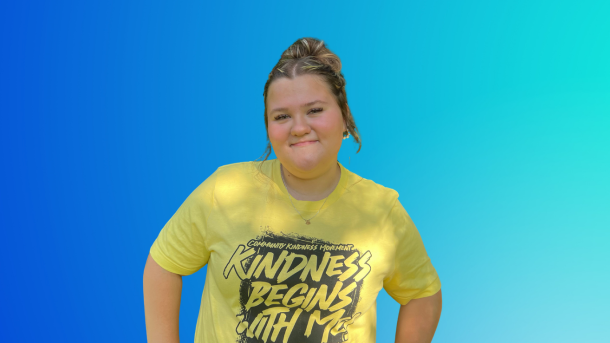
Callie Sue Costello – Senior at Centennial High School, Boise, Idaho and Idaho FCCLA State President

Callie Sue Costello - Senior at Centennial High School, Boise, Idaho and Idaho FCCLA State President
About Callie Sue Costello

Callie Sue Costello is a dedicated senior at Centennial High School in Boise, Idaho, and has been an active member of the Family, Career, and Community Leaders of America (FCCLA) since her freshman year. Currently serving as the Idaho FCCLA State President, Callie has demonstrated exemplary leadership, compassion, and empathy in her work with her peers and the community. These values are at the core of her work within FCCLA, where she has focused on building strong connections with others, as she believes that relationships are the foundation of meaningful change.

Callie Sue has a deep passion for Family and Consumer Sciences (FCS), which has inspired her plans to attend Boise State University (BSU) in the fall to pursue a degree in Early Childhood Education. With aspirations of becoming a teacher, she is committed to making a positive impact on the lives of children and their families.

One of Callie Sue’s most defining traits is her resilience—she never gives up. Whether it’s through her leadership in FCCLA or her personal academic pursuits, Callie is determined to face challenges head-on and continues to inspire those around her with her perseverance and dedication.

Connect with Callie Sue Costello: Email | Instagram

Listen Now

Listen to the episode now on Apple Podcasts, Spotify, or on your favourite podcast platform.

Resources Mentioned

Centennial High School

Family, Career, and Community Leaders of America (FCCLA)

Idaho FCCLA

Boise State University (BSU)

The Transcript

**Please note that all of our transcriptions come from rev.com and are 80% accurate. We’re grateful for the robots that make this possible and realize that it’s not a perfect process.

Sam Demma
Welcome back to another episode of the High Performing Educator Podcast. This is your host, Sam Demma, and today we are joined by Callie Sue Costello. Callie, a senior at Centennial High School in Boise, Idaho, currently serves as the Idaho FCCLA State President after being actively involved in the organization since her freshman year. Her leadership within Family, Career, and Community Leaders of America reflects her core values of compassion and relationship building as catalysts for meaningful change. With a deep passion for family and consumer sciences, Callie plans to attend Boise State University to pursue early childhood education, channeling her notable resilience and determination into her goal of becoming a teacher who positively impacts children and families. She is also one of the most persistent and dedicated people that I know. Callie, thank you for taking the time to be on the show here today. Please, tell me a little bit about your experience as a student and how it got you involved in FCCLA.

Callie Sue
So, back like four years ago when I was a little baby freshman, I took a class called leadership. And at the time we had a student teacher, Mr. Montana, who is now my like FCC advisor. My advisor like there’s like the lead teacher that was Ms. Berglund. She’s like my first advisor and I love her to death and she moved away so that after my freshman year. I took leadership and that class is tied in with FCCLA. So you do projects with for FCCLA in that class and then it just like you get created on that you get tied about FCCLA. You could say hey come to this event let’s go. And you get a day out of school pay 20 bucks to go You know, it’s a day at school. I didn’t care what I was missing And then I took that as okay like like this is gonna be fun because I wanted to be a part of something Knowing myself. I’m not someone that doesn’t try hard. I’m not someone that just gives up on something. So I wanted to I wanted to be an essay so I make a change. So my freshman year I was a chapter officer so for like for my school um which is just Centennial I was the first VP so I took all the notes for the meeting and just hope if the president was gone and then I said okay I want to do more this is not enough for me I’m not doing anything and then I ran for um district so a little bit bigger part of Idaho, and I did PR. So social media, Instagram, Facebook, that was fun, but I wanted to do more. And I said, I’m not gonna stop there. And then my sophomore to junior year, I ran for state officer, that was my first term. And I did PR again, because it’s a little bit more like the bigger scale, state officer is a big step. You go through all the crazy speeches in front of all the 500 people at the state conference and the nerve-wracking just everything about running for the office is crazy. Makes you want to cry. And then last year I wanted to run one more time for my senior year and I was elected as the state president for ILO at CCLA against, and I have a team of eight right now, so I am meeting I’m getting asking to our conference in April.

Sam Demma
Tell me a little bit about wanting to be a part of something. I think that is a desire that everyone has, you know, and tell me how FCCLA kind of filled that desire or want.

Callie Sue
Um, well, I think growing up, my mom said, you’re going to be able to, you’re going to do something, Kelly. She always said, you wear your heart on your sleeve. You care for everybody. You need to, you need to do something with that, like with your passion. And so, at CCLA, I learned, I found my love for being a teacher. Within the CCLA, I just competed in a project a couple of months ago about positive guidance for children, and that is teaching teachers how to be a better teacher. And looking at me, who is a little baby high schooler that doesn’t have a college degree or anything that just has worked with time and been involved with leadership and connection and communication. It’s like I can make a change on a student through talking to a teacher in a different way. And from the consumer sciences is really what that is, is connection and leadership. And basically what you need to do, you need to have SES to even do a lot of basic things, like cooking and getting dressed every day, you need to have SES to do that.

Callie Sue
And so I think being able to make a change through, like even like when I met you and I introduced you to my team, like that was like, I made a change of like, hey, like we can get this guy. He’s crazy. Like we can bring him, because everyone on the team said, no, you can’t do that. You can’t, you can’t make him, you can’t pull him onto our team. I was like, no, no, no, no, no. Just watch. And that’s why I’m just very persistent. And I don’t like giving up and that’s the way that I make a change. I feel like it’s because I’m setting the bar higher than someone else. Maybe not. Maybe I think I reached that bar and you know, and I’m going to be the one that says, no, I’ll try. Just watch. I’ll try.

Sam Demma
For context, for everyone listening, Callie saw me speak at a conference in Boise. I wanna say it was last November. Two years ago, me. Two years ago. And decided, you know,

Callie Sue
Sam, it’d be awesome to have you come and speak at our event as well. The event is a little bit of a smaller size event. So the team probably told her, there’s no way it’s gonna work out. Logistically, it’s not gonna be possible. And she drafted up letters for local businesses and rallied support and I was blown away by it all and we found this cool win-win-win scenario and I’m going back to Boise as a result. So you really are very persistent and I applaud you on it and hope that that’s something you carry forward for the rest of your life.

Sam Demma
You mentioned you’re not in college yet or have a degree, but you’ve had so much experience working with young people. When it comes to building relationships with students and youth, that’s what every teacher wants to do.

Callie Sue
What do you think is most important? I think I have a twin brother, because some people don’t know that about me. We are very, very opposite. Like I am the one that wants to go, go, go and keep trying. He’s like, no problem, I’m just giving up. So I think people mistake him to be me. And I’m like, no, no, no, no, no, I’m Kallie Sue. I’m not him. I love him, he’s my brother. But I want to be different. And so my teacher, cause she both of us are in her class, she’s like, what is, you get to think like, yeah, we’re twins.

Callie Sue
But I think her connecting with me and seeing that I could do more is what I wanted to do for little children. A lot of little kids, this is like teacher language. If you have a kid that’s like a problem child or like a challenging behavior, people just give up. And they want to say, no, if I can’t teach this classroom, I don’t want to do it. I can’t continue being a teacher in here. I say, no, I’ll go in there and I’ll do it. Because you can’t give up on a child. They just need help. Every form of behavior is a way of communicating something. People don’t see it like that. And I’m like, no, no, no, no, no, look at it. Maybe because the teacher in there hasn’t been consistent enough with whatever they’re doing. It’s a fallout on what you shouldn’t you’re not doing and that’s what they’re reacting in that way But some people tell me I’m just crazy and I know nothing But I’m like, no, no, no, like look at it like the situation like it’s not I Know I go on but when I talked about my workshop, I taught my boss That used to work for did love me talking about that because I’m just a kid. I was like, no, but I don’t want to be more than a kid. I want to be seen as someone that wants to help help your staff and wants to help those kids in that class because I love those kids and they’re not mine, but I love them. And I don’t want to be seen as like a threat. I want to be seen as a teacher that just wants to help somebody. And that’s why I think like having the change and not giving up is what I am fond of or what I usually try to aim for because that’s what children deserve and that’s what like adults deserve too is like to not be giving up on.

Sam Demma
You’re gonna make such a big contribution to so many young people, I can already feel it.

Callie Sue
I wanna teach kindergarten one day. High schoolers in me and I’m not a fan of high school. And at kindergarten, like that age is just beautiful and they’re learning how to be a big kid. And I just love that, because I loved being a big kid when I was little, like getting into elementary school and seeing what I could do with what I want, like what stuff I could pick that day or what my friends I saw, just being a part of that is what I want to inspire and change.

Sam Demma
Something I have to share with a lot of my friends and younger people in my life is that age doesn’t determine ability. Sometimes it does, but for example, you could have a 60-year-old person who’s never taken a professional photo in their life and a 13-year-old student who’s been taking photos with a professional camera for two years. This young person who’s been taking photos for two years has more experience with professional photography than the 60 year old. Just because you have age doesn’t mean you have experience with something.

Sam Demma
You can be a young person obsessed with helping young people and be more obsessed with that than someone twice your age. And just because you are younger, it doesn’t mean your input, your insights, your ideas aren’t valuable. So never forget that. I think you’re going to make a big impact.

Callie Sue
I think that’s why I love FCC so much is because I get to make decisions. I get to be a part of that and say things. Like we just picked our gifts, everyone gets it. Like at a conference, like I got to be a part of that. And it’s like just making little decisions to put like our conference together and to put like a lesson plan, what I want to put together, like you’re just like being a part of that. And then she said like let me be a leader and like I have people like this one on my team now that ran because of me. Like she ran because she saw me at BASIC and teach a conference and a workshop about communication. Like that to me, just like okay, like I’m doing something right. I’m not, I’m not feeling, I’m not stupid, I’m not dumb, I’m doing something right. That touched her and said, I can be an officer just like how I do.

Sam Demma
Wow, you know, you’re balancing a lot. School responsibilities, FCCLA responsibilities, other things in life. There’s a teacher listening to this doing the same. Balancing teaching, balancing extracurricular activities, balancing life at home.

Sam Demma
Sometimes they get extremely overwhelmed and a little bit burnt out. And I’m sure you’ve had that experience at some point in your life. What advice do you have for teachers who might be going through that? Take it a day at a time.

Callie Sue
My person, like my boyfriend is terrible at managing everything. He just wants to break down and cry. And I’m like, okay, I’m like, okay. Like I had two binders for my class, for my SDS class. I’m like, okay, one day at a time. I’m really good at making like a list of what I need to do right now. And then other things they’ll just fall. They will just fall into your day. If you’re up till 1am that’s okay. I don’t recommend that because you need sleep. But take it a day at a time and it will all go the way you want it to. It may seem crazy. You may want to cry for five minutes to ten minutes but then make a list and realize what you need to do right now what’s most important for you or your students that day and then everything else would just fall into place. Where did you get all this wisdom from at such a young age? Because I’ve done a lot because I um I think I taught me a lot of that. I think I taught me time management when I have a deadline that I have to meet and I’m in a set deadline, I’m like, oh, okay, I need to do that. And then I’m a daughter and a sibling and a girlfriend and a friend and a peer and a teacher at my work. And it’s just, I used to laugh at my mom a lot. Maybe when you meet my mom, you’ll learn how I act. But she has shown me to never give up. And that’s, I think, where I get it all from because you give up and you’re saying that, that you’re weak, I guess in a way, or that you, not weak is not the right word, but if you give up, you’re letting whatever’s in front of you become way too big of it needs to be. And don’t let don’t want to be a cloud over your head. Just keep going. The rain cloud will go behind you and it’s okay.

Sam Demma
One of my friends always told me the worst time to stop is in the middle of the storm. If you’re going through a storm, don’t stop, keep going to get to the other side of it, you know?

Sam Demma
And it sounds like that’s been a common theme throughout your life. I’m curious, when you think of other caring adults who’ve had a big impact on you, it sounds like your mom has been foundational. Who else has had a big impact and what specifically did they do for you?

Callie Sue
Right now I’m in an early childhood class at Moravian High School. I’m going to get my CDA and her name is Miss Phillips and I have known Miss Phillips since I was a baby freshman and I met her when I ran for state officer as well and I’d become her student. That’s where I bug her and she’s annoyed at me because I went to her so much now but um before I ran for state president I called her bawling my eyes out crying because I didn’t think I could do it I didn’t have the support really from the people that I wanted to have support from and I was told that I can’t do it and I’m gonna fail and I can’t juggle at all I said no no no okay so I called myself I was at Hobby Lobby doing something and I called her. I called her crying and I said, tell me I can do it. Tell me that I’m not gonna fail. I need someone to tell me that I’m not crazy. And she’s like, why are you so nervous? Because I’m just doubting what people told me and I’m doubting that I can’t do it. Because I just can’t, I want to be a state president. I cannot, that’s crazy to me. And she just listened to me and she told me that it was okay to cry and it’s okay to think about it if I chose to not run for state president, but She just listened to me. I guess was the answer to that question and she never told me like yep, you’re crazy Yep, you’re gonna fail She said you may fail and that’s okay, but it’s okay to fail. It’s okay to have a day where you are Off for your late on a deadline. It’s okay, but you can do it. And I left Hobby Lobby and sent my application in and then I went to the office and got picked for state president and here I am.

Sam Demma
One of my favorite quotes from Denzel Washington, Matthew McConaughey, there’s a few people who have said it, is that failure is the feedback you need to get closer to the goal you’re trying to achieve. And if you look at it from that perspective, it’s not a failure, it’s a stepping stone in the right direction. And without any failure, it’s unlikely you’ve ever tried. If you’re not trying, you’re not failing. If you’re trying, at some point, you’re gonna have feedback. I think it’s so important that we all keep that in mind. This advisor, Ms. Phillips, does she know how much of an impact she’s made on you?

Callie Sue
She does. I probably, I don’t tell her it enough, but I see her every other day when I’m in class and I always say I love you and she said I love you too, Callie Sue, because that to me shows that she knows just how much effect that the fact that I’ve made on her and she’s made on me. She doesn’t know a time that um some of her students are running for state officer actually this year and she goes I told them I want them I want them to beat you. They need to look up to you, Kaisu. I’m like no no no, that’s a good idea. Like like they’re gonna be like the next Kaisu like reaching for the sky like there’s no limit because that’s what you do and I’m like oh thank you. So she knows I’m gonna give her something for family year because I adore her and she never ever gives up on anybody and that’s that’s really how I love her kids too, she’s a good kid either. That’s what she’s like is a teacher for her, is what she’s offered and so she never gets, she has all these ideas of what it means to be a teacher and I just love that she never gives up on us as like an adult, a young adult or a preschooler that’s having a behavior problem.

Sam Demma
What I’m taking from this interview, especially from the perspective of an educator, is that sometimes the people in your classroom that are being impacted by your words and actions, your students, will tell you. Sometimes they might not, you know. You said, you know, maybe you don’t tell her as much as you should. And there’s some educators listening who don’t maybe all the time hear how much of an impact they’re having on their students, but it doesn’t mean the impact’s not there. I’m also taking away this idea of never giving up in all aspects of life, because the challenge that shows up, you don’t wanna give it power over you. You don’t wanna allow it to, you don’t want it to allow, you don’t wanna allow it to change the way you choose to proceed. I’m taking this idea away of shooting from the stars and recognizing that things may be difficult in the moment, but don’t stop then. You know, get through the other side of it.

Sam Demma
Take it day by day. Control what you can control. Is there anything else you’d want to say to any student or educator listening? This has been such a lovely conversation.

Callie Sue
You will get there. You may have some dream, make it your reality. My dream is to be a teacher one day and I just got enrolled in college to be a teacher. So never ever give up for the stars like you said and If you cry, that’s okay. It’s okay to cry for five minutes, but keep going and don’t ever give up.

Sam Demma
Cali Sue, thank you so much for taking the time to come on the podcast here today.

Callie Sue
Of course.

Sam Demma
I’ll see you in Boise.

Callie Sue
Oh my gosh, yes I will, bye.

Join the Educator Network & Connect with Callie Sue Costello

The High Performing Educator Podcast was brought to life during the outbreak of COVID-19 to provide you with inspirational stories and practical advice from your colleagues in education.  By tuning in, you will hear the stories and ideas of the world’s brightest and most ambitious educators.  You can expect interviews with Principals, Teachers, Guidance Counsellors, National Student Association, Directors and anybody that works with youth. You can find and listen to all the episodes for free here.
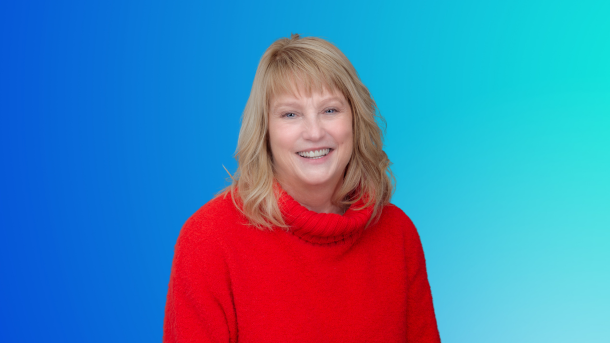
Christine Preece – Manager of Mental Health Services & Mental Health Lead at the St. Clair Catholic District School Board

Christine Preece - Manager of Mental Health Services & Mental Health Lead at the St. Clair Catholic District School Board
About Christine Preece

Christine Preece has over 30 years of experience working in child and youth holistic health. Presently she is the Mental Health and Wellbeing Lead and Manager for Student Mental Health Services for the St. Clair Catholic District School Board supporting a system-wide approach to adopting evidence-based mental health strategies through a tiered approach.

Previously Christine worked in public health as a Manager of School Health and a Health Promoter at Middlesex-London and Lambton Public Health Units. In all these roles she has facilitated and guided many disciplines to work together to better the lives of others in our schools and communities.

She firmly believes that youth can move mountains when given the proper learning conditions and opportunities to make change for the better, regardless of their personal situations. She believes that schools need to safe spaces of belonging for every student and staff member. 

Connect with Christine Preece: Email | Linkedin

Listen Now

Listen to the episode now on Apple Podcasts, Spotify, or on your favourite podcast platform.

Resources Mentioned

St. Clair Catholic District School Board

Middlesex-London Public Unit

Lambton Public Health Units

The Transcript

**Please note that all of our transcriptions come from rev.com and are 80% accurate. We’re grateful for the robots that make this possible and realize that it’s not a perfect process.

Sam Demma
Welcome back to another episode of the High Performing Educator Podcast. This is your host, Sam Demma, and today we are joined by Christine Preece. Christine brings over 30 years of experience in child and youth holistic health to her role as the Mental Health and Wellbeing Lead and Manager for Student Mental Health Services at the St. Clair Catholic District School Board. A registered Ontario social worker with dual master’s degrees in health science and as a certified health education specialist, she implements evidence-based mental health strategies through a tiered approach. Her career spanning public health management and school health promotion reflects her core belief that schools must be safe spaces of belonging for all students and staff. While her extensive volunteer work with organizations from Water Polo Canada to the Ministry of Education Ontario Wellbeing Advisory Committee, demonstrates her commitment to giving back to the community.

Sam Demma
Christine, thank you so much for taking the time to come on the podcast today.

Christine Preece
Thank you for having me.

Sam Demma
Please tell us a little bit about what got you into the work that you do today with young people. Oh, wow, that’s a big, heavy question.

Christine Preece
You know, it just kind of, my journey has been very interesting, Sam, because I started out in recreation. And when I was in recreation, I was a rec director before these years that you talked about. I learned the importance of youth voice and youth engagement and how when you actually listen and hear the words of youth and their ideas, they can actually make such a difference in the lives of other people, but also themselves. So that kind of brought me in over to public health where we were doing a lot of work with children and youth because, you know, we have a really big role to play as adults in their lives and was looking at how we can really make a difference related to that. And I started off in public health working in the area of physical activity. And that is a passion of mine. And just looking at some of the programs that were done way back then, which is still running today in our school board, which was Playground Leadership Program, and it was done for youth by youth. And so, you know, you really can make a difference. And I was involved years ago with the Canadian Intramural Recreation Association. And we had a whole student leadership program within that where we actually trained students to run and organize intramurals in schools. That was years ago, obviously.

Christine Preece
And just the power of that and seeing how youth can really make a difference. So I really am passionate about children and youth holistic health and how we can help them make a difference in their own lives. That’s kind of a short story.

Sam Demma
You mentioned the power of actually listening and hearing the words of young people. It’s such a difficult skill sometimes because so many people listen just to respond or share their thoughts. But when you really truly listen, you uncover things that you probably wouldn’t have heard otherwise. Where does that skill come from and how do we build more of that? Because I think it’s needed in society.

Christine Preece
I don’t know where the skill comes from. I think it’s really having an understanding understanding of, you know, where children and youth are at, and being able to hear them out about their needs and wants. Often, when we’re adults, and I did this as a mother, is we think we know what’s best for them. But do we really if we aren’t listening to them and hearing what their needs are?

Christine Preece
And it’s not about giving in to them and not making them entitled. It’s about giving them the power to self-advocate, to do the best they can for themselves, and to have the tools in their toolbox to become a successful adult. And that’s where I was way back when, even around when we were in recreation, right? right, because I saw the power of youth and how they could make a difference, you know, whether it be organizing recreation activities for their peers or becoming a leader at a camp or wanting to inspire others through some advocacy initiatives. I just really believe in the power of youth and having that skill of listening and understanding where they’re at is so crucial in helping human growth and development really for children and youth, right? And it should be as even when they’re little, right? It doesn’t mean they get everything, but you have to hear what they want and hear what they’re saying.

Sam Demma
Do you believe that schools need to be safe spaces? And I couldn’t agree more. I think that if a school is not a safe space of belonging for every student and staff member, whether we intend to listen or not, a student or another human being might not be comfortable actually sharing their genuine thoughts if they don’t feel it’s a safe space of belonging. How do we cultivate those safe spaces of belonging for students and staff and school buildings?

Christine Preece
You know, it’s about setting a culture, a positive school culture where people feel safe and that takes a lot of effort. We know that when we have our school climate surveys, students want a safe place they can go to with a caring adult that they can talk to who’s going to listen to them. We don’t always have to have the answer, Sam. We just need to listen. And if they want help, then we can support them and advise them about where to get help. But it’s really not rocket science. I remember working years ago on a global youth health promotion program with a few agencies, and Dr. Bruce Ferguson was on there, but also Robert Blum from John Hopkins, and he said that an adult listening in a school to a youth for 10 minutes and not judging, not providing their thoughts or giving advice or can really change the trajectory of a youth’s life. So hearing them out, listening to them and being that caring person and inspiring them to help themselves through very creative ways, right? Because some kids have, or some students, I shouldn’t say kids, some students just don’t have those skills and we haven’t developed those skills. I’m a real firm believer that they just aren’t born with them, they develop them. We teach them that. So we are responsible for their skill development in schools. And I think that is one of those skill developments, right? And you know, with the whole stigma piece and all that kind of stuff that goes on around mental health, because I know this podcast is about mental health, we really can play an important role to break down those barriers and to help our children and youth to reach out for support. Because we know that children and youth won’t reach out for support because one, they don’t know how to, and number two, they don’t know who to go to. And so we need to be able to support that.

Sam Demma
Speaking on the mental health challenges faced by young people today, you’re very close with those challenges within your specific school board and many other initiatives that you’ve been a part of in the past. What do you think are some of the challenges, main challenges facing young people today?

Christine Preece
Oh boy. You know, since the pandemic, it’s growing. I’m not saying it wasn’t there before, but I’ve seen a significant change since the pandemic. Anxiety is really number one. And when we don’t teach them the skills of how to deal with their anxiety, and that is skill development, by the way, if we don’t teach them those skills, it can lead into depression in older years. And so we see a lot of anxiety and the world events that are happening now, and that’s spread through social media.

Christine Preece
So there’s been some really big shifts in children’s mental health, one being the iPhone and social media. We cannot deny that. There’s good things to it. I’m not saying it’s all bad, because it’s never going to go away. But we, I think, as a society, and education particularly, we have a role to play in teaching them how to use it in a positive way, to be aware of the impact that it can have on your mental health. And when children are young and people are saying stuff over social media and then it comes into school, which we see a lot, that hurts them. And they don’t have the skills to learn on how to develop that, do you know what I mean? Or how to support that or how to help themselves with that. Their brains aren’t fully formed. I mean, they’re not fully formed until they’re 25 or 30. Yet we’re giving kids these tools when we haven’t given them the tools of how to use that particular resource. I kind of went all over the map, didn’t I? Sorry.

Sam Demma
You did answer that. And I’m curious, as a follow-up, when you think of the resources or tools that have been most helpful within your specific school board. Are there anything that comes to mind that you think this has been helpful, that this has helped many students that another educator listening might look into or think about striving to implement within their own organization or school?

Christine Preece
So we have taken a real comprehensive approach, Sam, to social emotional learning. And it started about 2017. We brought in the MindUp program, which is from Goldie Hawn Foundation. Goldie created this program with Kim Schonert-Reichel, who was out of University of British Columbia, and Dr. Molly Lawler, and they developed this program because Goldie saw after 911, the anxiety levels go up for children and youth. And she had a real concern around that. So MindUp teaches children about their brains and how their brain, they can use their brains to become empowered to make decisions, but also understand how it impacts their thoughts, feelings, and actions.

Christine Preece
And we teach that to kids. And so we started that program and we see, we evaluate it every year, Sam, and we see that those skills are going up. And if you ask our attendance counselors, where students are attending for various reasons, mostly mental health, they see that those, they bring them back to that. Remember when you learned this skill when you were in elementary school. But we’ve taken on a whole comprehensive approach to that around helping kids develop these skills so they can help themselves when they’re older. It’s not perfect, but we are seeing some great outcomes from that because we’re teaching kids, number one, most important skill of social emotional learning is self-awareness.

Christine Preece
If you don’t have self-awareness and understand who you are, what your values and beliefs are, how you impact others, you will never be able to self-regulate, develop healthy relationships, make wise decisions. It all comes together.

Christine Preece
So we’ve really broken it down and taken a really comprehensive approach to social emotional learning. And we’ve got our whole team of social workers, and child and youth workers, but then we also have educators that are supporting the educators in the classroom. And it doesn’t take a lot of work, Sam, to implement social emotional learning, you can do it two minutes before lunch, two minutes after lunch, like it really, but if you do it consistently every day all week for the year, you’re going to see a huge change in your students. We did a pilot program two years ago, and we saw a huge change in our students.

Christine Preece
We actually focused in on certain schools and classes. We actually had a teacher who wanted to quit, and she said, this changed my life. This changed the way I taught. So we’ve made some really good in ways in, but we still have, we have places to go to, right? It’s not perfect. But we have a real passion in our board to move this forward because we know it works. We’ve seen it work. We’ve seen it work in small scale. Now we just need to have it larger scale, like everybody doing it in every school and every board. And you can do them school-wide events, you can do it classroom events, and we’re doing it as well individually through our work with social workers and child and youth workers and small groups. So it’s been interesting. It’s been an interesting ride, that’s for sure.

Sam Demma
It sounds like it’s been impactful with the students that have been exposed to it so far. So I hope the reach continues to expand and the uptake from schools and teachers continues to expand. It’s a tough challenge that we’re all facing, especially in the education space right now. And I think every action and every attempt to help matters.

Christine Preece
Yeah, have you watched the movie, American Tragedy? And it’s the story of the two boys in Columbine. And at the end of the show, the mom of one of those boys said, this should be taught in every school. And they’re actually, she’s promoting social emotional learning, starting in kindergarten, going all the way up. She feels that if every child had these skills, then we would lessen many things, right? Situations, right? So yeah, that really hit home for me because I’m really passionate about it. And so is our board. So is our director, our superintendents, everybody in our school board.

Sam Demma
Thank you for sharing that. Are there any other resources or things you’ve come across that have shifted the way that you think about supporting young people that an educator listening might want to also watch or look into?

Christine Preece
Yes, thanks for asking that. Well, School Mental Health Ontario is an excellent resource. It has resources in French and English, and it is led by Dr. Kathy Short and Dr. Teresa Kennedy, and every school board has one of me. And we have a mandate to actually do youth engagement, parent engagement, mental health literacy, mental health supports. And School Mental Health Ontario has been a great resource. And everything we do there, Sam, is evidence-based. It’s not like we go on Dr. Google and pull this strategy because we know that some of the work that was done pre-School Mental Health Ontario was actually doing harm to kids. We were bringing in programs that weren’t based on evidence, weren’t based, and all good intentions, don’t get me wrong, but all good intentions, but actually they were harming children when they left, right? So that’s why Dr. Bruce Ferguson and Kathy Short actually went to the ministry and said, you need this in your mind in Canada. We’re actually one of a kind, I think, around the world. And it’s been instrumental in my learning, because they have professional training. Constantly, they’re putting out resources constantly and a teacher, they have a lot of resources, which I would call add, water, stir, you open it up, you do the you do the activity, and there you there you go, you’re done, right. So it’s a really, really good resource that people can Google online if they wanted to or go into online.

Sam Demma
You said earlier in the interview that if an adult listens to a young person for 10 minutes, based on research that you cited, that it could really change the trajectory of their life. And I’m curious to know, when you were going through school, or even in the start of your professional career, or even now, was there an adult or caring mentor that listened to you and had a big impact on you?

Sam Demma
And if so, who was that person or who were a few of those people and what did they do for you?

Christine Preece
Well, that’s a really good question. I’ve had a few, yes, I’ve had a few. I had my former director of public health, Diane Buick, was so instrumental in my work in public health in Middlesex, London. She taught me so much about having quality standards for work and implementing those quality standards to the best of your ability, but also how it impacts others.

Christine Preece
It’s not about me and my, what I think is best and what I want. And sometimes I see that we can get caught up in that in society. well, I need this, I need that. But what are the, what do those people that you service need? And how are you helping them? So for in public health, she was always putting what we call the client at the center, right? The client was at the center. Now over in school health, and I did work primarily in school health in public health, but now over here in our school board is the student at the center. And we have to bring people back to that because it’s a tough job in education, right? It’s a tough job. And I’m not gonna say that it’s easy to do. It’s a tough job. And there’s a lot of things that are coming into education that weren’t here before. And as I would give an example, Sam, is we are a microcosm of larger society, right? So you see larger society and what’s happening in larger society in the world, we’re a microcosm of that because we have our own community.

Christine Preece
And you see those things coming into our schools and it’s how do we help support and build the best environment possible for the people that are in that system? And that doesn’t just mean students, but it also means staff. They need to be well in order to teach students. The support staff, the EAs, the ECEs, the custodians, the secretaries, the bus drivers, the yard supervisors, they all need to be supported and know how to support students as well through their own actions. So it’s a big role. And education is definitely, it’s changed since COVID. That’s all I can say.

Sam Demma
Yeah, you echoed similar thoughts and sentiments that a lot of people I’ve talked to regarding that on the show or in private conversations. One thing I’ve noticed about your career journey from what I know about you and what I’ve read and others who have spoken on the show before is that volunteer work has had a positive impact on their lives. Tell me a little bit more about your volunteer work and do you think there’s a connection between volunteering and even feeling good?

Christine Preece
Oh, yes. Definitely. Bruce Ferguson did. I don’t know if you know who Dr. Bruce Ferguson is. He was also a person who changed my life, but he wrote the early leaders report. And in his data, in his report, he found that students that volunteer actually have better mental health, right?

Christine Preece
And so if you’re giving, and we know that around mental health, it’s not about receiving, it’s about being able to give, it’s about gratitude, it’s about forgiving, those kinds of things. And volunteering has taught me a lot of that, is that I don’t need to be paid all the time to do this work. I have volunteered for a long, long time. I first started, as I mentioned, on the Canadian Intramural Recreation Association, and then went to the Ontario one. Then I was a chair of the Ontario Healthy Schools Coalition. And I’m still continuing to volunteer.

Christine Preece
I’m locally volunteering and then on Water Polo Canada. I really believe, one, for me, it helps you grow and become much more open-minded and have a growth mindset as opposed to a closed mindset. But it also helps you realize that there’s so many different kinds of people out there. And what I love is I meet many different people that aren’t always from the same field or background, right? You know you meet people that are Financial advisors or you meet people that are lawyers or you meet and they’re all very different and they think very differently But when you come together for common goal, you can make a collective impact and through volunteering and so it’s made a huge huge, huge difference in my life. I would never, ever say I’ve regretted one minute of it.

Sam Demma
The Early Leavers Report, is it something that is accessible or do you have to purchase it to read it?

Christine Preece
I don’t think so. If you Google it, Dr. Bruce Ferguson, he wrote about the Early Leavers Report and why students left school early. He talked about having part-time jobs, volunteering, I forget the other things. There were some key areas in his report that actually inspired the development of School Mental Health Ontario as well. And Bruce, I mean, I think he’s retired now, living somewhere in Ottawa, has been really an angel in my eyes to children and youth and what they need in their school system. Because he’s shown a lot of research that students who may be involved in, are involved in youth engagement are less likely to think about self-harm and suicide, those kinds of things. So he’s really taught me a lot about children, youth, and mental health and what they need, those positive, positive protective factors and how we can develop and support those through education. I mean, education, as you can see, Sam, plays a very important role in the knowledge and development of children. And right now, what we’re seeing is people have a lot of information through social media and internet and all that, but do they have the knowledge? Do they have the factual knowledge, right? And I think that’s really key, and that’s a really important part of education to give children those skills and youth.

Sam Demma
I had a teacher who fundamentally changed the course of my life, who listened to me at a time where I was struggling, and almost no one at school really knew about it except for this individual. And if it wasn’t for him, I wouldn’t be the person I am today.

Sam Demma
And I can’t thank him enough. I fortunately stay in touch with him and his wife and have lunch with him in Bowmanville on their porch at least once a year. And it’s almost always the highlight. And we have such a lovely conversation. And one of the things he taught us is to lose yourself in the service of others.

Sam Demma
And I didn’t realize that maybe there was something going on in my brain at the time, but I always felt so good doing it. And I believe it’s one of the ways I refound myself after my own adversity when I was a senior in high school. And so I’m looking forward to reading this report. I appreciate you sharing it. Yeah, he’s a ruthless.

Sam Demma
Yeah, I mean, not was. He’s still alive, but he really was a trendsetter for sure around this area and particularly in education because he worked out of Sick Kids Hospital, right? He was a child psychiatrist, right? So he saw a lot when he, people that came through his door. So.

Christine Preece
I got you.

Sam Demma
This has been such a stimulating and informative conversation. Thank you so much for taking the time, Christine. If there’s someone listening to this that wants to connect with you or ask a question, what would be the best way for them to get in touch with you?

Christine Preece
They could email me at my email. It’s been a pleasure. I thought you’re gonna ask me about Hawaiian pizzas because you had that question on you. And it was I was gonna say well Sam. Did you know they were invented in Chatham? They were. Which is you know where my school board is.

Sam Demma
I have been to Chatham. I want to say someone told me because I strongly dislike them I may have had selective memory. I don’t like them.

Christine Preece
I love, I love Hawaiian pizzas.

Sam Demma
That’s awesome.

Christine Preece
That’s so funny. That’s so funny. I was waiting for the question.

Sam Demma
That’s awesome.

Join the Educator Network & Connect with Christine Preece

The High Performing Educator Podcast was brought to life during the outbreak of COVID-19 to provide you with inspirational stories and practical advice from your colleagues in education.  By tuning in, you will hear the stories and ideas of the world’s brightest and most ambitious educators.  You can expect interviews with Principals, Teachers, Guidance Counsellors, National Student Association, Directors and anybody that works with youth. You can find and listen to all the episodes for free here.
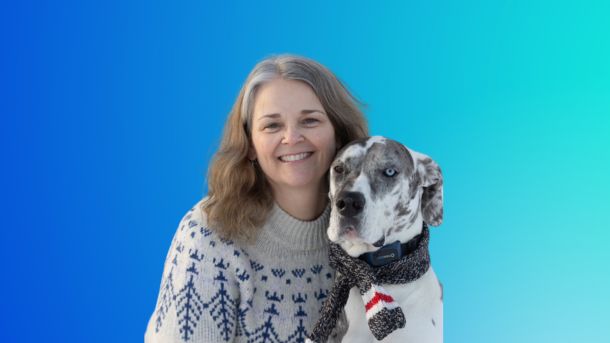
Janis Volker – School Counselor at Chetek-Weyerhaeuser High School/Middle School

Janis Volker - School Counselor at Chetek-Weyerhaeuser High School/Middle School
About Janis Volker

Janis Volker is the School Counselor for grades 6-12 at Chetek-Weyerhaeuser High School/Middle School. She started in the district in 2004 as the elementary counselor and spent 4 years at Roselawn Elementary School. In September 2008 she transitioned to the high school/middle school, making this her 21st year in the district. Prior to entering education she was a program coordinator for Barron County Restorative Justice for two years. That experience working with law enforcement, schools, and community members was a wonderful foundation to school counseling. She felt honored to be present with victims and offenders that worked to heal the harm that was caused.

In the high school/middle school she has many roles that support students, including the coordination of the Early College Credit, Advanced Placement, Start College Now, and Youth Apprenticeship programs. On a daily basis she is assisting students with their academic and career planning, college applications, scholarships, and providing individual counseling and SEL classroom instruction. She coordinates the ASVAB Career Exploration program and the PSAT/NMSQT, as well as assisting with the proctoring of state assessments. Behind every successful program and initiative at school is a team that works together to get everything accomplished. No one does it alone.

Advising students on their next steps and encouraging them to explore dual credit courses to earn college credits in high school are some of her favorite experiences working with students. Seeing the growth, both academically and socially, from year to year and celebrating them as they cross the stage at graduation; are some of the most rewarding days. She is proud to work in her district that is so supportive of students, families, and staff. 

Connect with Janis Volker: Email | Instagram | Linkedin | Twitter

Listen Now

Listen to the episode now on Apple Podcasts, Spotify, or on your favourite podcast platform.

Resources Mentioned

Chetek-Weyerhaeuser High School/Middle School

Roselawn Elementary School

Barron County Restorative Justice

The Transcript

**Please note that all of our transcriptions come from rev.com and are 80% accurate. We’re grateful for the robots that make this possible and realize that it’s not a perfect process.

Sam Demma
Welcome back to another episode of the High Performing Educator Podcast. This is your host, Sam, and today we are joined by Janis Volker. Janis has been in education and counseling for a total of 21 years. She has worked in the middle school age bracket, the high school age bracket, and the elementary school age bracket. Janis and I will cross paths here shortly in her school district.

Sam Demma
And I’m so grateful that before I had the opportunity to chat with her. Janis, welcome to the show and thank you so much for being here.

Janis Volker
Good morning, thank you for having me.

Sam Demma
Tell us a little bit about what got you into education and wanting to support young people.

Janis Volker
Well, way back in high school, I thought I was going to be a college professor and I just had that in my mind, I’m going to be a teacher. And then I started off in college and, you know, I had a rough start. And I was once told, I don’t think your grades are going to get you into that school of education. And that really hit me hard.

Janis Volker
And it was a little bit of a wake-up call that this is serious. This is like, this is all counting, you know, I need to really figure myself out. And then I found my path down psychology and loved psychology. And that was my first degree. And then in my senior year, I discovered, oh, wow, this whole world of if I continue and get a master’s degree, I could actually work with students and help them in a way that I wanted to. And that’s how I discovered school counseling.

Sam Demma
What about psychology intrigued you?

Janis Volker
Well, I have to be honest. I think it was a lot of figuring out myself and my family and the dynamics and then also just being able to help other people. I found it fascinating, all the different theories, you know, psychotherapy. And I knew I didn’t necessarily want to do that, but I just wanted to be around students. But I didn’t think I wanted to teach.

Janis Volker
And so that’s how I found my way into the education system.

Sam Demma
It sounds like you married the best of both worlds. Work with young people, fulfill that love for psychology and supporting them with it. Tell me a little bit about after the psychology education, what happened next?

Janis Volker
I actually first started in school psychology and after just one term of it, had to do a shadowing experience with a school counselor. She was at the elementary level and I just loved her job. I thought it was, wow, look at her. She’s sitting on the floor with these stuffed animals talking to kids about their feelings. It was like, this is so much fun. And so I did that switch to school counseling right away in the program.

Janis Volker
But I think it was, you know, just, I didn’t realize when I first started college in psychology that I couldn’t probably get in front of people and help people unless I continued my education. Like the opportunities were more limited. So that’s why I decided to continue on. And I kept going. Took me a while because in that time I also was married and then became a mom myself and so didn’t take a direct path through college.

Sam Demma
Did you have a counselor in middle, high, or college that really supported you through your own transition or challenges?

Janis Volker
I definitely had people that supported me but I wasn’t one that would go and seek out help myself. So I didn’t really have that experience other than like helping with scheduling and talking about college visits and things like that. But it was a teacher of mine, a professor in my undergraduate that taught us all these career opportunities. And I think without him, I don’t know that I would have kept going. I was really thankful that he shared that with us before we graduated.

Sam Demma
You and I are very alike in the sense that we sometimes don’t go out of our way to seek the help we might need in the moment we need it. And I would argue that’s most people because of a stigma and a fear. And it may even be most students in a school building. Are there any signs or signals of distress that you look for in students to recognize if someone might need some help but are a little bit afraid to ask for it?

Janis Volker
Yes, I think there’s lots of clues. When you, as an observer, just see, you know, when someone’s going down the hallway, are they talking with other people? Are they really by themselves? You know, at lunchtime, are they with a group of friends? Are they off in a corner on their phone? Are things going on in their life that you know about, but they’re not seeking help? Have they had death in their family, repeated other kind of challenges? And then grades are a big clue.

Janis Volker
All of a sudden you see a dip, or maybe you’re not going out for the sport you always used to get involved in and things like that. So I think as long as it doesn’t have to be the school counselor that reaches out, just any adult in the building that makes connections with students. Sometimes that’s the favorite person, the person who’s doing attendance in the main office. That’s their person that they connect with, that just says good morning every single day.

Sam Demma
I had a guidance counselor who supported me in all my post-secondary applications for college and university in the United States. We were trying to figure out the eligibility requirements as a Canadian who wanted to do a Division I scholarship in the United States. And she became someone that I felt very comfortable sharing things with over my high school experience. I know that oftentimes the administrator’s office or the guidance counselor’s office can be a little bit intimidating for a young person when they walk in the door. What are some ways you help calm people down and just let them know that they’re here to be supported and it is a safe space?

Janis Volker
You know, I think I have a friendly face, right? I like to smile, I like to laugh, but my first three words are usually, when a student walks in, “You’re not in trouble.”

Janis Volker
There’s this fear of, I got called to the office and I say, you know, we do a lot of things in here. We help with your schedule. You know, we talk about college. We talk about youth apprenticeships. Like, I don’t just call people in to say there’s a problem or there’s, you know, a concern. So just trying to, you know, get to know students in different ways in the building. So to make that connection that, you know, you have to do those conversations sometimes

Janis Volker
about dress code, and then you get that reputation. She’s going to tell you you’re wearing the wrong kind of shirt today.

Sam Demma
I just remember situations when I was in school and I got called down from class at the office and I was like, oh man, this is gonna be bad. I think that’s a really good way to start the conversation just to let a student know, you’re not in trouble, we’re here to help.

Sam Demma
How do you think you build a connection with a student to the point where they really look forward to chatting with you and trust the advice or trust the guidance?

Janis Volker
I always, I mean, I’m more of an introvert to be honest. So I’m not that person that’s out there, like the super fun cheerleader, but I’m more the quiet, always supportive, always there to listen and really ask you questions about, you know, your day or your struggles. Or I like to remember certain things about a student that I can bring up the next year. You know, like I remember this when we were in seventh grade

Janis Volker
and you were talking about the careers and you said you wanted to go into welding. You know, and then I see them pursue that as they get older in high school and comment on that, you know, so that they know I’m listening, I’m aware. You know, I wish I could do that more

Janis Volker
with every single person in the building, but I think that’s really, students really, really want to be cared for. That’s, I mean, don’t we all, but it’s really important.

Sam Demma
You must have a long list of notes from all these conversations.

Janis Volker
I do, yeah, somewhere in my head, but. And at this age, sometimes they lose us, but yeah. I think the intent to remember

Sam Demma
is already a phenomenal start. It forces us to, creates a forcing function for us to pay more attention when people are talking to us, as opposed to thinking about the past or the future, which is so easy these days. Question for you, do you, or can you share a story

Sam Demma
of a student who walked into the office that was very confused, very uncertain, very overwhelmed, and after a couple years and some guidance, you just were so proud of the young person they became. And you don’t have to share their name. And the reason I ask is because

Sam Demma
there’s an educator listening to this that may be a little bit overwhelmed, or even a guidance counselor that may be a little overwhelmed, and they may have lost sight as to why they do what they do and I think that these little stories of

Sam Demma
transformation are really at the heart of why most people get into the work

Janis Volker
They do with young people. So sure. So someone comes to mind a young man who really dealt with mental health and had a lot of family struggles a lot of there was a lot of death in the family. Just you know, there was poverty. There was a little bit of everything. And he missed a lot of school.

Janis Volker
And he would have moments where he just needed to take a break from class or he wouldn’t come to school just feeling overwhelmed. And I never felt like I was making a difference because when you’re listening, I always feel in their mind, they must be thinking, I still feel just as anxious or I still have this depression like things are, I mean, things progress much slower than we all want them to.

Janis Volker
But then his senior year, he, I got a letter from him. It was a really cool activity where the seniors get to pass out letters of people that they want to thank before they graduate. And when I received that, it was one of the most meaningful things, you know, in my career. Like, wow, because I’m not I’m not in front of students as much and more in this office. I try to be out and about, but I mean, teachers, I feel, get to build those connections on a deeper level with every student than maybe I do. And it just it meant the world to me that that I was able to help and that he recognized that.

Sam Demma
I just think about all the students who have walked in your office whose lives you’ve had an impact on but who haven’t written a letter. That’s what we hope. Yeah, that’s the… It’s so funny, I did a performance last week for a high school and the audio system was not great and they swapped out four mics in the first 30 minutes.

Sam Demma
I feel like the first 30 minutes, people didn’t even hear what I was saying. And we finished the performance and we had a good number of students still rush on over and ask questions and thank us and take photos. And in my heart, I was like,

Sam Demma
I could have reached more, you know, like this was a waste, we didn’t make a difference. And this one, like the setup was not great. And then, you know, we got home and the cameraman who was with me, Matias, was like, dude, there was a couple of students that I saw who were absolutely glued and locked in despite the audio challenges. I promise you it reached some young minds. And that’s all that matters, even if they hadn’t written that letter or written that message.

Sam Demma
And just this morning, it’s been a week, I got a message from a student that was like, hey, you came to the school last week and I just wanna let you know, our friends really enjoyed it and I was like, if this ain’t the universe, just like let me know.

Sam Demma
You know, like, stop being so critical and stop judging how other people are receiving it. Just show up and do your best. Like I think that’s something that I’ve tried to carry forward with me in everything that I do. Have you ever had any moments in your work where you questioned if like, oh, is this the right work for me to be doing? And if so, how did you get through some of those

Janis Volker
Moments? Yeah, I mean, definitely the mental health piece takes a toll. And I don’t know that I’m the best at self-care. I, you know, I can tell people like, oh, you need to do this and you should be exercising and a great diet. Make sure you get out in nature. And I’ve improved in that area by developing my own hobby of photography. That became something that I felt like just relieved stress like nothing else to just be outside and at sunrise. That’s all I need really to feel better. So I think just trying to be self-aware of you need, if I ever hit that point where I’m burned out, I need to release myself because you’re not helping anyone once you reach burnout. So I guess that’s something I always think about because I have thought about, well, what would I do if I did something else?

Janis Volker
And I still think it’d be helping people. It would just be in a different scene, maybe healthcare or something, but that’s always what I want to do.

Sam Demma
Was photography something you discovered earlier in your childhood or when did that come about for you?

Janis Volker
Just being in the house and I just started observing that stay at home order we had for a few months that first spring. And so I was working from home and at the dining table and I was surrounded by windows and I thought, all these birds come to my house during the day when I’m not here. Like, wow, this is really cool. And then I just, it kind of created this, you know, interest of mine, curiosity.

Janis Volker
And then I started taking pictures and then I kept getting different cameras and then I was hooked. And then I was taking pictures every single day. So it’s, yeah.

Sam Demma
A pipe recently burst in our basement bathroom and my dad had his friend, a subcontractor named Jimmy come over to fix it. And while we were in the bathroom, I was handing him tools, he was fixing it. He started telling me about the books he had bought that morning. Did you know that you can go to a thrift store and buy a book for 50 cents? I was like, yeah, I know, I know, because I used to buy a bunch from Value Village, and he’s like, Sam, I bought seven books for $3.

Sam Demma
I was like, this is awesome, man, I’m so glad you’re excited about books. And he told me about this one book called Who Moved My Cheese by a guy named Kenneth Blanchard and he’s a business slash management author and he gave me a very high level overview of the book that there’s these two mice and one is always waiting for the cheese and the other one is always like searching for it. And that to remain curious and to keep searching for things in life is such a beautiful way to live. And you said one of the things you realized from the book is that the mice that would wait for it just live the same life over and over again. Like everything about their day was exactly the same. Whereas the mouse that was searching or curious would take different paths and try, find the cheese down different roads.

Sam Demma
And isn’t that interesting? Like COVID changed up your routine. And instead of going to work, you stayed home. As a result, you saw these beautiful birds out the window and boom, a new passion for photography came to life. I think that remaining curious is so important, not only for students, but everybody. Trying the new restaurant, taking the different route home, looking out the window and pausing for a moment. I developed some passions during the pandemic. I’m curious, like, has photography remained a part of your life?

Sam Demma
Oh, yes. Do you take a lot of pictures? Like, tell me a little bit about it

Janis Volker
Yes, I do. And the last year I haven’t as much, which is funny, that the more I tried to get into selling it, the less I actually did it. And so that was a really good lesson of, wait, you need to keep that focus on your enjoyment, like what you, what relieves the stress, which is the whole point, you know, to have something so fun. And that what I like about photography is there’s, there’s no two sunrises that are identical, like everything.

Janis Volker
There’s just no two pictures are going to look the same, just because of all the different components. And that’s the same way I love my job here is you can never predict a day in the school. And it just keeps it kind of fresh, even though it’s the same office every day, it’s very different from day to day.

Sam Demma
In your 21 year career in education, have there been any colleagues or teachers who have walked into your office and said, hey Janis, can I ask you a question? Looking for guidance.

Janis Volker
Yeah, definitely. Especially, you know, with the loss. And loss by suicide is one that when we’re growing up, we don’t really, you know, it’s something that’s not really talked about. And people don’t feel comfortable asking someone when they’ve experienced that loss. You know, people tend to avoid the really uncomfortable conversations. So when someone’s experiencing that in their family for the first time, no matter the age, you need help. You need support. So I know definitely those are times too. And just we’re struggling with, you know, just having a rough time either in school or out of school just needing someone to listen?

Sam Demma
I ask because when we were all little babies, we very openly accepted failure and recognized it as a necessary thing. How many times will a baby fail before it learns to walk? As many times as it takes and we’ll cheer them on all the way.

Sam Demma
But then at a certain age, a child starts to believe that it’s not acceptable to make a mistake. It’s not acceptable to fail. And then I think as that child grows up and becomes an adult, there’s another unconscious belief that we start to carry that we can handle things on our own because we’re now big people.

Sam Demma
And it’s like, it’s okay to reach out for support and ask for help. And I just hope that if there’s an educator listening to this right now who’s struggling, that this little portion of this conversation encourages them to reach out and ask for it.

Sam Demma
So I appreciate you sharing that.

Janis Volker
Yes, thank you.

Sam Demma
If there is an educator listening to this or even a student and they are a little overwhelmed, what words of advice or encouragement would you offer them?

Janis Volker
I think, you know, it’s kind of, everyone says this, but chunking it out like one piece at a time, one day at a time. Let’s just focus on today. You know, what can you do today to relieve that stress? You know, can I can you get some help talking to the teacher that you need some help with that you don’t understand the assignment?

Janis Volker
Is there is there another student I can get, you know, to help you? Maybe we do need to call your mom right now and have this conversation and get this off your chest or sit down with a friend. I think just whatever you can do in this moment and not worry about fixing everything between now and three months from now. Let’s just get through today.

Sam Demma
Yeah, that’s a great way to look at it. If there is an educator listening to this and they just want to ask you a question or reach out, what would be the best way for them to get in touch or connect with you?

Janis Volker
Oh, I would say, you know, my school email, right? My school phone, hopefully those are all published on our website and that’d be great.

Sam Demma
Awesome. Jan, just keep taking photos.

Janis Volker
I Will. And you know, I wanted to tell you, I did just read your book and I think it’s fantastic. And one part that really stuck out for me was when you talked about for students, the five people that you surround yourself with. I was like, wow, that I really like how, because that is so true. We’re not saying you’re all going to make bad choices, but if the group you’re with is not doing things like you said to build you up, then they’re not, they’re not helping you get to your goal. So I appreciate you for sharing those types of tips because even though I’ve been in this business 21 years, I can always still learn and find new ways to help students.

Sam Demma
Well thank you for reading the book. You can’t get it at the thrift store for 50 cents unless someone drops it off there, so please don’t. I appreciate you taking the time to be here. I appreciate you reading the book. And I appreciate all the effort and energy you place into helping people, whether it’s teachers or students.

Sam Demma
You are making a serious difference. And I look forward to meeting you here soon.

Janis Volker
Yes, thank you. Two months, we get to see you in person here.

Sam Demma
I’m counting it down. All right, Janis, keep up the great work. And we’ll talk soon. And we’ll talk soon.

Janis Volker
Thanks, Sam.

Join the Educator Network & Connect with Janis Volker

The High Performing Educator Podcast was brought to life during the outbreak of COVID-19 to provide you with inspirational stories and practical advice from your colleagues in education.  By tuning in, you will hear the stories and ideas of the world’s brightest and most ambitious educators.  You can expect interviews with Principals, Teachers, Guidance Counsellors, National Student Association, Directors and anybody that works with youth. You can find and listen to all the episodes for free here.

Lynne Beck – Principal at Diamond Jenness Secondary School

Lynne Beck – Principal at Diamond Jenness Secondary School
About Lynne Beck

Lynne Beck fell in love with the North, its people, and the unique lifestyle it offers when she first arrived in the Northwest Territories in 1992. She initially came to the western NWT to offer short-term swimming and canoeing programs in the Tlicho & South Slave regions. After completing her Bachelor of Education at the University of Prince Edward Island, she was drawn back to the North in the spring of 1993, where she returned to Fort Resolution to establish a long-term swimming and canoeing program and stayed on as an Adult Education teacher.

Her journey in education continued when she moved to Hay River in 1994 to work with Aurora College in Adult Education. In 1998, Lynne joined Diamond Jenness Secondary School (DJSS), where she has held various roles, including Junior and Senior High Teacher, Program Support Teacher, Vice Principal, Guidance Counsellor, Academic Advisor, and ultimately Principal since 2014.

Lynne’s dedication to nurturing the next generation is deeply influenced by her mentor, Ainsley Rose, who emphasized that everything educators do should focus on maximizing student learning and that hope means “helping other people excel.” As a mother who raised her children in Hay River, Lynne sees her legacy not only in her professional roles but in the way she has shaped and influenced her family and the students that she and her dedicated staff have the honour of educating.

Lynne’s love for the North continues to shape her work, as she is committed to making a difference in the lives of students and the community she calls home.

Connect with Lynne Beck: Email | Instagram | Linkedin | Twitter

Listen Now

Listen to the episode now on Apple Podcasts, Spotify, or on your favourite podcast platform.

Resources Mentioned

University of Prince Edward Island

Aurora College

Diamond Jenness Secondary School

The Transcript

**Please note that all of our transcriptions come from rev.com and are 80% accurate. We’re grateful for the robots that make this possible and realize that it’s not a perfect process.

Sam Demma
Welcome back to another episode of the High Performing Educator Podcast. This is your host, Sam. And today we are joined by someone I met six months ago, seven months ago over a Zoom call that was supposed to be 30 minutes and lasted an hour for our joint passion for education and young people and making a difference. Today’s guest is my new friend, Lynn Beck, the principal of Diamond Genesse Secondary School. Lynn, thank you so much for taking the time to be here today.

Lynne Beck
Well, thanks for having me.

Sam Demma
Do me a favor, take a moment to introduce yourself and share who you are and what got you into education. Oh, okay.

Lynne Beck
Well, this is, I actually started in recreation. I did waterfront programming back in, I don’t know, let me date myself here, I guess that would have been starting in around 1992, I guess, if I do my northern journey. Prior to that, I heard about the Canadian North. It had always been, with my water, my love of the ocean, always had been a dream of mine to be able to swim in the Atlantic, the Pacific, as well as the Arctic Ocean. I am very happy to say that I made that happen as coming up to the territories. What got me into education? I think partly by chance, definitely, and I’m very much, I did a sort of a work checklist, like what would make you happy one time, and it was like an inventory and what came out of it for me was that challenging renewal drives me. Like that’s my key motivator in my life. So when I look back or I reflect on things as I’m entering, this is my, I guess officially I started in 93 in Port Resolution, Moved to Hay River, or the Hatlodichay Territory, in the end of 1994. Started in adult education and then loved it, absolutely loved it, but didn’t want to not experience working with youth in an educational setting and not just a recreation setting. So, yeah, I feel like I’m all over the place. I can’t keep my head on one question for you.

Sam Demma
But your passion for education has kept you working in it over an extended period of time. It sounds like you found it a little bit by chance, a little bit by design. What keeps you working in education though? What’s the why behind your work?

Lynne Beck
The why behind my work, I would have to say, is an opportunity to accomplish something that’s more than simply what I do. To have an influence, it’s not even as much as an influence as it is to help support others to find their voice. I would have to say that I didn’t, I can honestly say I did not have a voice when I was in school. When I went through the school system, did not have a voice. I was certainly not the perfect student. Shout out to all of those poor people who had to educate me back in the day. I’ll not say where. But yeah, I’ve heard it said that from a parent’s perspective, that the most important thing we ever accomplish is not what we do, but what our children are able to do. kids, but for other kids. And sometimes it’s easier to bring those things out in other people’s children than it is your own. And having had a couple of my own, I now understand that. I believe that our circumstances determine where we start, but our philosophy, our support determines where we finish.

Sam Demma
And you’ve had some incredible stories of success come out of Diamond, the school community. When you think of some of the stories of student success, without sharing a name, is there any that come to mind, you can even change their name if it’s a story that’s a little personal, but I ask because a lot of people listening to this are in education because they want to support and serve and amplify young people. I think it may just remind someone why they got into that work in the first place if they hear about some of the impact. Yeah, it’s tough. Even

Lynne Beck
changing names is tough. So when I think about that… From a high level without a specific story. Yeah, from a high level. Okay, so I think one of the things that kept us speaking a little bit longer than our anticipated, you know, 20 minutes, half an hour, was probably a statement something like this. From 2022 to early 24, our community was evacuated full, slate, full on, community evacuation three times within a 15-month period. And despite that, we had students complete their high school requirements for graduation, in addition to being able to be accepted into Southern institutions and in a small Northern community. When students are accepted into Southern institutions with scholarships and into some amazing programs as well as are also able to go into trades opportunities and when our community, when communities get destroyed, you realize how important trades people are. They literally, without them, we wouldn’t have our homes, we wouldn’t have the infrastructure and the things that keep us warm on days like today where it’s minus 45 with the windchill and vehicles are, you know, vehicles and plumbing and all of those kinds of things still need to operate. So, guide me back to the question.

Sam Demma
When you think of some success stories as a result of education, are there any that come to mind that may inspire a listener who is really getting into this work because they want to help people. I think the fact that there was a collective graduation at the school is exceptional. I’m curious to know, like what do you think contributed to that success despite the setbacks? The team, being acknowledged,

Lynne Beck
students having an opportunity regardless of the cards that they have been dealt, whether it be as a collective, as a community, or even personally, having an opportunity or having someone notice that they have gifts, they have value, helping them find their voice. And watching that, being able to watch someone. We’re an eight to 12 school, so being able to watch, you know, that very young, often timid, a little bit scary, it’s the high school, like everyone’s afraid of high school, right? Trying to get substitute teachers to come in the building. It’s watching that progression from being that shy, timid, doesn’t know, afraid to walk across what we call our concourse and am I wearing the right clothes? Am I doing the right thing? Are people, am I going to be accepted? And then later on and as they progress, am I going to be accepted for who I am? And then before they graduate, am I going to be accepted for what I become and where I go and come back. Like it’s being part of what many people, I believe, that are in education have had the experience of having someone notice them or notice the good in them, because we’re really good at being self-critical, even at a very young age. How do you acknowledge somebody as an educator?

Sam Demma
How do you acknowledge a student in a way that affirms them? And everyone is different, so maybe it’s not a one solution fits all answer, but have you seen it done that you think other educators may be able to replicate? You notice everything and you accept everything, especially the mistakes.

Lynne Beck
We have got to in education, and that’s one thing as a team I feel we do a really good job here. You have got to move beyond the, you know, the teacher is all-knowing, the teacher is perfect, our systems are perfect. We are a human system built for human beings, and human systems and human beings have to make mistakes. We are programmed to make mistakes. Just like, or I guess equally important to that is we’re programmed to learn from our mistakes. And if we don’t learn from our mistakes, we will repeat those mistakes. And so being someone to help stop that cycle of mistake-making and open up to the possibilities that there might be a different way of doing things that works better. I mean, there’s some common speeches that some of my kids, generationally now, have had to listen to, and it’s, you know, is that working for you? Did that work? What about trying this next time? Restorative practices, actually, are the one thing for myself because in all honesty when I started in administration back in 2008 Hey, I wasn’t necessarily wanting to do that Like who really wants to be the VP of any high school? Did you know you’re the one in charge of discipline? Not like it’s a rodeo that I I didn’t have Really a whole lot of desire to do my kids were you know, baby kids back then. But anyway, that was the position I took. That was the challenge that I decided to take on at that time. And in that first year, that was probably one of the lowest points in my career. And not because of who I worked with or the kids I worked with or where I was, But it was the role that had been established that had been done that way for years. And at the end of the year, the thing that stood out for me and that I knew I had to change, that was 2007-8 actually. So it ended in the spring of 2008. I reflected and said, if I can’t do things differently, I want to I’m not doing this again. So, and the reason for that is that the thing I will never forget is a staff that I own because I did it, so I’m not gonna blame anyone else, but I had 417 and a half suspension days signed by me. So, 417 days and I was only one of two VPs at the time and the principal also did some suspensions as well. So I don’t know the collective. I only gathered those stats on myself and I said, I can’t do it. I won’t do it. We’re supposed to be about educating students, not reminding them why they don’t deserve to be here. That is not helping them find their voice. That is not…

Lynne Beck
I don’t know. There’s a whole… We could do a whole podcast on, actually, we could do months of podcast time on the de-implementation of things within the school system. We spend a lot of time talking about the latest and greatest, and there’s all kinds of books published by all kinds of wonderful companies, and it’s fantastic. But that de-implementation, in my opinion, is just as important as implementing new things. But coming back to the restorative practice piece, which also leads to one of my biggest mistakes, because when I started that process, I worked with a UCAN organization who had done a lot of work with the United Nations. They were located in Ontario. I ended up doing a student exchange and all kinds of things to try to have kids that had been experienced, you know, that type of thinking, instead of getting away from, you did, therefore you’re punished before you’re able to come back. It kind of, we started what we thought was restorative when we really looked at the term restitution is still not allowing the two parties to regain their dignity. Restorative practice allows both parties. You need to have willing participants and you need to have… It takes a lot of time. However, the investment in doing that Doing that allows people to accept the fact that we are programmed to make mistakes and learn from them.

Sam Demma
And it makes it okay. What is the big difference between a restorative practice and just restitution, as you mentioned?

Lynne Beck
Restitution focuses on the person who did the wrong to come up with a plan or a way way by which they do something and that thing doesn’t necessarily have to be with another person. It can be, I’m going to shovel the sidewalks of the school, you know, those kinds of things. It’s not about repairing the relationship and not all relationships are meant to be friends, but to do that in a way that respects both of your rights to be in this building and to be educated, maybe sometimes even in the same class, and not to be friends. Learning to be friends and to not be friends is really, really important. It’s a skill and I believe they’re equally important.

Sam Demma
I remember when I was in grade seven, I dared a friend of mine to do something inappropriate to a classmate of ours. And he did it and didn’t tell the principal that I dared him to do it and it was my idea. So he got suspended. I went home. Fortunately, my parents tried their best to instill some good values in me So I felt this inner turmoil and I sat on my bed started bawling my eyes out My dad gets home from work walks past my bedroom does a double take Is everything okay? I Tell him the truth. He’s like get in the car. We drove back to school sat in my principal’s office. Mr. O’Neill told him the truth and he and he asked me a ton of reflective questions. And then he invited the young lady, Michaela, into the office to have a conversation with both of us. And he actually ended up giving me an in-school suspension and keeping it off of my official record. And I’ll never forget that moment. And if I think back at that experience, and I think if my dad had an adverse reaction, if the principal had an extremely adverse reaction, I may have never learned the full lesson, but I did because of the way they handled it, because of the way they approached it. And it sounds very similar to what you just explained. So I didn’t really know too much about restorative practice, but Mr. O’Neill did use it with me.

Lynne Beck
That is, it’s fantastic because again you encourage kids to be human, to make mistakes. But, and it’s not about making the mistake, it’s about what you do with it when you make it. Do you own it? Are you going to learn from it? Are you going to move forward from it? If you’ve harmed someone, getting rid of that, that gross feeling in your gut when you know, like, it just doesn’t feel good doing something because even when we make mistakes and we’re the person in the wrong we need to restore our dignity and our our sense of Being in good balance being okay with ourselves. You don’t want to drag that behind you right you want to let that go and and Next time think before you dare your friend to do whatever it is. You did right like it’s um yeah I mean it it’s it’s beyond that message of you didn’t follow the rules you you don’t deserve to be here you are not good enough get out someone else is going to go fix you and then you come back to us I’m I’m I’m not going to at all diminish but I certainly can’t even begin to express the significant impact of the residential school system, of schools not only in Canada but certainly in the Northwest Territories. Their legacy is very much alive and there are many people who are still suffering the residual effects from that. And that you are not good enough message is something that I personally believe we still struggle, everyone struggles with that, but I think that that’s something because of the deliberateness of that system to essentially annihilate a culture, multi, many, many cultures, because Indigenous culture is vast and it’s very… Each one has its uniquenesses and deserves to be acknowledged individually. In the land that we sit on, it’s the Dene people, but even within that, there are many different groups of people here, where Dene FTA, Chippewyan, Cree, like we have a lot of different groups all within our community.

Sam Demma
I told you on our last conversation about some of my experiences in Kenya and how leading with this lens of curiosity rather than difference or judgment with a group of people I haven’t been exposed to in the past or met and had conversations with led to some beautiful experiences. And I am so excited to be visiting the school in May with an open mind, open heart and lots to learn. And I just want to let you know, I’m so excited about that. And it’s a privilege and I look forward to meeting you and everyone in the community. When you think about people in education who had a big impact on you, it sounds like your school journey was challenging in some regards, but are there any people in your life growing up or even after school that have had a massive impact? And if so, what did they do for you that shifted that belief about being good enough or just your own self-esteem.

Lynne Beck
I mean, there were many. And actually, it’s funny because it’s hard not to reflect and not think of those that certainly helped and those that didn’t. So I think A, being acknowledged. Being acknowledged as a human, not being ignored. Having someone, I guess, want to or make you feel as though they want you to to be there and go above and beyond to say to it to say hello good morning what are you thinking to do and later on or how was that class or it’s it’s it’s little things sometimes or hey you didn’t seem quite like yourself the other day you all right you know I just those little acknowledgments that can just make such a difference. And then collectively, there’s a lot of talk about teacher collective efficacy and that whole notion that I may not be, because I certainly am not the person that everyone can relate to or that I am able to meet the needs of or find whatever that thing is that we need to help someone move further along the line to meet their goals. But when we do it as a collective, someone is able to do that. Maybe it’s little pieces that come together that’s able to do that. Because some kids will take a little bit more than others to believe it, and that’s based on the cards that they’ve been dealt. And if we can help them, even sometimes when those cards are really tough cards to hold, if we can help them play those cards in the best possible way and have them believe that moving forward, they’re gonna be okay and that they are good enough, it’s incredible what can happen.

Lynne Beck
And we’ve seen. I remember moments in my life where

Sam Demma
believing in myself was the last thing I believed in and somebody else’s belief in me made all the difference. And I think that educators’ most important contribution, or any staff member in a school building, is not, the curriculum’s important, but it’s giving a child belief in themselves that they carry forward with them for the rest of their lives. I think that is by far the most important thing we can do. And not even just in schools, but in life in general. And my grandfather always used to say, leave things better than you found it. And if you did that, you lived a beautiful life. And I think it’s the same with people. And I got goosebumps while you were talking and sharing. And I appreciate you spending some time just talking a little bit about your educational journey and restorative practice and some of your beliefs around connecting with students and the importance of acknowledging them. And letting them know that it’s okay to make a mistake because we’re all human and not that it’s necessary Yeah Necessary yeah, right no no kid. You know watch what I don’t know we all we all get so afraid of mistakes

Lynne Beck
Yeah, but the reality is every little kid Watch them learn to walk watch them learn to talk watch them learn to do anything And then all of a sudden we get to that certain age. I don’t know what age it is and then all of a sudden So if you hide it and you pretend you didn’t do it or you try to whatever you’re just gonna do it over and over again until you accept that There’s a different or a better way and then you then if that and if you don’t get that Then unfortunately many people that that start start living with that shame and that guilt and all of those reasons why they turn to other things, sometimes it’s substances, there’s all kinds of things that people turn to, to mask that not being good enough, not being enough, being shameful, like all of those feelings that stand in the way of them developing their gift. We all have a gift. That’s one thing that I love, absolutely fell in love with in the North, is that Indigenous belief that everyone is inherently born with a gift. And it’s the duty of everyone that surrounds that child, because every child is a gift. But to surround that child, to allow those gifts to come through, right? And it’s, no one gift is more important than another. It’s a beautiful way of life. It also gives lots of hope and optimism

Lynne Beck
when you think about your own existence

Sam Demma
from that perspective. And if you’re not using it yet, you know it’s there and you’re still in that search to discover it. And I appreciate you sharing that. Do you have any parting words for an educator who may be listening to this a little bit burnt out, a little bit discouraged? Maybe there’s some challenges in their school building right now and they’re like, ah, what do I do then?

Lynne Beck
Oh, well, number one, I’ll be totally honest. Yesterday, driving back with a colleague, this was not me. We all, like challenge, we’re all being really, really challenged right now in education.
And whether we talk about cutbacks, or we talk about the things that are happening globally or you know there are there are so many reasons to kind of allow yourself to go down into that we call it a rabbit hole up here right where you get sucked into that negativity and I again by far far far from perfect as I have made so many mistakes it’s not even funny, but I’m doing my best not to repeat them. And so when I find myself going down into that rabbit hole, I remind myself, okay, you find what you look for. So if I’m telling myself I’m going to come back today and I’m going to find that negative thing or that negative person or that whatever, I’ll find it. But it’s looking for those little sunflower moments. And even sometimes, even within the people or the situations that are challenging you the most. And that’s really hard to do when it’s 45 below and really dark and da-da-da. when you really, really, really suck, just finding that outlet, whether it is a person, whether it is your dog.

Lynne Beck
My great Dane hears a lot of my problems. She doesn’t try to give me the solution. She just listens, and I do believe that we all have those answers within ourselves. We just have to get it out. I don’t know if that means getting it.

Sam Demma
Maybe that’s why we have unconditional love for our dogs, because they don’t chime in when we don’t want to hear anything.

Lynne Beck
And they don’t judge you, nothing. They keep really good people.

Sam Demma
That’s awesome. Lynn, this is such a lovely conversation. If someone wants to reach out and ask you a question, what would be the best way for them to get in touch with you?

Lynne Beck
Probably email or phone call, because I am like, social media and I are just not, I’m just not, I don’t know, is it because I’m in my 50s? Is it because I see some challenges with social media You know up here. We talk about how kids have to Especially our indigenous students have to walk in two worlds well now with the with this whole social media Fake world where where again that that reinforcement of I’m not good enough. I just I just have a hard time Diving into that and and yeah, I don’t know I mean I get that AI is coming and I get that we need to embrace it and I get that That AI has the potential for for everyone to find their voice regardless of their level of education and it’s something that we need to To to to face head-on and to help students learn, but yeah, but in terms of reaching out best way Social social media no, but phone call or email, yes.

Sam Demma
I think that social media has attempted to make us more connected, but the result has been that we’re less connected and more glued to our phones. Email and phone call is my preferred way of communication too, so you don’t have to explain yourself at all. I will make sure that we just put your email in the show notes in case someone wants to reach out and ask a question. And until I see you in May, thank you so much, keep up the great work, and I’ll talk to you soon.

Join the Educator Network & Connect with Lynne Beck

The High Performing Educator Podcast was brought to life during the outbreak of COVID-19 to provide you with inspirational stories and practical advice from your colleagues in education.  By tuning in, you will hear the stories and ideas of the world’s brightest and most ambitious educators.  You can expect interviews with Principals, Teachers, Guidance Counsellors, National Student Association, Directors and anybody that works with youth. You can find and listen to all the episodes for free here.
Russ Sommerfeldt – Principal at the Magrath Junior/Senior High School

Russ Sommerfeldt – Principal at the Magrath Junior/Senior High School
About Russ Sommerfeldt

Russ Sommerfeldt is a dedicated educational leader with over a decade of experience in K-12 education. He is currently the principal of Magrath Junior/Senior High School, a role he has held for 3.5 years, where he oversees a student population of 430 students from grades 7-12. Russ has a strong background in educational leadership, having previously served as Vice Principal and Athletic Director at the same school.

In addition to his administrative roles, Russ has been actively involved in athletics. He served as the assistant coach for the Senior Varsity Zeniths basketball team, helping lead them to back-to-back zone championships in 2017 and 2018. His dedication to coaching and mentoring students instilled teamwork, discipline, and resilience in the athletes he worked with.

Throughout his career, Russ has demonstrated a passion for teaching and integrating technology into classrooms. He holds a Master of Education degree from Walden University, where he focused on the effective integration of technology in K-12 education. He also earned a Bachelor of Education/Bachelor of Management from the University of Lethbridge.

Russ has taught a variety of subjects, including social studies, science, and robotics. His interest in emerging technologies and their potential to enhance learning drives his approach to education. As a principal, Russ is committed to fostering a positive learning environment, supporting student success, and helping his staff grow as educators. He is also a devoted family man, finding joy in outdoor adventures with his wife and five children.

Connect with Russ Sommerfeldt: Email

Listen Now

Listen to the episode now on Apple Podcasts, Spotify, or on your favourite podcast platform.

Resources Mentioned

Magrath Junior/Senior High School

Walden University

University of Lethbridge

The Transcript

**Please note that all of our transcriptions come from rev.com and are 80% accurate. We’re grateful for the robots that make this possible and realize that it’s not a perfect process.

Sam Demma
Welcome back to another episode of the High Performing Educator Podcast. This is your host, Sam Demma, and today we are joined by Russ Sommerfeld. Russ is the principal of McGrath High School. We met a few months ago. I was telling him about a marathon that I was going to be running in October, and we have since ran the marathon.

Sam Demma
I’m still alive. The legs are still moving. He gave me some great advice because he’s run a few of them with his brother, from what I remember from our previous conversation. He’s passionate about education, passionate about athletics.

Sam Demma
Russ, thank you so much for taking the time to come on the show here today.

Russ Sommerfeldt
Hey Sam, I really appreciate it, it’s an honor.

Sam Demma
Tell us a little bit about how you got involved in education.

Russ Sommerfeldt
Yeah, so I actually, my father was an educator, so I followed in his footsteps. He started out as just an ordinary classroom teacher. He went on to become a guidance counselor. And then from there, worked his way into administration as a vice principal, and then eventually

Russ Sommerfeldt
as he ended his career as a superintendent. And so I’ve always looked up to my father. He’s been a role model in my life and he definitely inspired me to go into this field of work and showed me how rewarding it can be to help kids and to help them succeed.

Russ Sommerfeldt
And one of the greatest things he ever taught me was the greatest gift that you can give a kid is confidence and building their confidence. And so I’ve tried to keep that as a motto and remember that throughout my career thus far. Because I think it is key, the world in so many ways tries to pull people down and diminish who they are and what they can do. And we play an important role as educators to help kids believe in themselves and inspire them to think that, you know what, despite all that noise out there in the world, they really can do great things.

Sam Demma
My teacher, Mr. Loudfoot, gave me belief in myself and I still think it’s one of the greatest gifts he ever gave me as a student in this classroom. Now I also was given that gift from my parents, but I more so expected my parents to give it to me and when the teacher was just as certain that I should believe in myself as my own parents were it just, it took my belief in myself to a whole another level because I expected it from them,

Sam Demma
but didn’t really expect it from him. So I couldn’t agree more as a young person who’s closely removed from school and can still reflect on that experience pretty clearly. I think you’re so right. Did your dad also run marathons or are you and your brother the two athletic beasts in the family?

Russ Sommerfeldt
Yeah, you know, my dad isn’t necessarily a runner. My brother was the one that got into it and then he inspired me. It was actually just coming off of COVID, tail end of COVID. I happen to be visiting him. He lives down in Arizona and he said, you know what, I’m running this marathon, why don’t you start training? You got time, we’ve got six months till this thing happens. And so he says, there’s this app you can download and we can communicate, you know, you’re in Alberta, Canada, I’m in Phoenix, Arizona, and we can train together. And so I thought, oh, that does not sound like fun at all. But there was something about that conversation that day that kept coming back to me.

Russ Sommerfeldt
And so I did, I said, let’s do it. And the rest is history, I guess, in terms of me becoming a runner. Because I was not a distance runner in school growing up. Track and field, I would do the 100 meter and nothing longer. So I didn’t ever see myself as a distance runner, but now I would say that I am, and I really enjoy it.

Russ Sommerfeldt
Especially with a leadership position at the school, and I think all leaders could say the same thing. There’s a lot of things that happen in a day. There’s a lot of stresses and a lot of things on your mind and it’s a great outlet to let go of some of those things and to really take care of yourself for your own wellness.

Sam Demma
When you think about your journey through education, sounds like you were inspired by your dad and loved the idea of making a positive contribution in the lives of young kids. What was your first role? And take us through that journey that brought you to McGrath today.

Russ Sommerfeldt
Yeah, so it’s funny enough, but when I went through university, my last teaching internship before I became a full-fledged teacher was actually at McGrath High School. Oh, no way.

Russ Sommerfeldt
I just had an awesome experience. I loved the school so much. And so basically, after I graduated, they didn’t have a position right at that very moment, but I went and taught at the high school I attended when I was in high school for a semester, and I enjoyed every minute of that, but the teacher that I was filling in for was coming back. And then later on, six months later, four months later, they had an opening at McGrath and I was like, you gotta be kidding me, this is awesome. Like I can go back to the place that I love. And so I started out teaching social studies, science, and I started out as a classroom teacher here. Loved every minute of it. Got involved with athletics through coaching, predominantly coached some basketball. Started off at the grade eight level in junior high. Just tried to figure out where can I help out because a school does not run without a lot of volunteer hours from teachers and community members. And so I got to know a lot of people through that process. It’s also interesting how you get to know kids outside of the classroom too.

Russ Sommerfeldt
When you go on maybe a trip with them or at a practice, that influence that you can have have goes much deeper when you see them, and when they see you in a different light as well, not just someone talking at the front of a classroom or trying to teach them something, but the relationship that’s forged is way deeper when you can work with them in a few different ways. And so yeah, I mean, I fell in love with McGrath and then eventually some things opened up in terms of people retire and so on and so forth. And there was other opportunities that presented themselves as well at the school.

Sam Demma
When you think about folks who have helped you in your professional development as an educator, I mean, it does again sound like your dad played a really big role, but is there anyone else that’s top of mind that you think this person really changed the way I thought about certain things?

Russ Sommerfeldt
Yeah, there’s lots of people. And I feel like we live in a great… I feel like I live in a great area of Alberta where there’s a lot of really good educators. And so just the people that I would brush shoulders with in my…we used to call them a professional learning community. And we would meet every quarter or so, and just rubbing elbows with those teachers who were veteran teachers that would show me, hey, have you ever tried this? Or what about this? And those people really shaped the way I thought. On a professional level, like some of the books that I’ve read, I would say Todd Whitaker, his work is incredible, What Great Teachers Do Differently. His work really resonates with me a lot. And he actually came to our school division to start the year off this year, so we heard him speak to us in person, which was great. So I think his work’s been instrumental in kind of my thought process and some of the things that I’ve implemented in my own practices. Throughout my master’s I read a few books by a guy named Will Richardson who he was he’s a very innovative thinker. He talks a lot about how the traditional model of school is broken and how we need to change it and so that having that in my mind has has made me take some risks and try new things and try to figure out how we can better prepare these kids for the future because essentially the school system has been the same since the industrial era, right? It’s almost like the factory model of we’re mass producing kids, you know, and it doesn’t necessarily work.

Russ Sommerfeldt
And so we have to be creative in our thinking and in the way we do things in education now.

Sam Demma
When you think of students within the schools you’ve served, is there any that come to mind that were really struggling and over a period of time made some significant improvements in their own self-confidence? And if it’s a serious story, you could definitely change their name. The reason I bring it up is because a lot of educators don’t get physically thanked by the students themselves because maybe they don’t have the confidence to even walk up to the teacher and tell them how big of a difference they’ve made in their confidence, or they realize it 10 years after they graduate and have no way of getting back in touch with that individual. And so there’s an educator definitely listening to this right now who may be doubting the impact they’re creating and hearing about a story of how education or a teacher or even yourself had impacted a student might remind them what’s possible.

Russ Sommerfeldt
Yeah, and I probably don’t have any monumental stories right off the top of my head, but I’m reminded of one even this year. I had a student come into my office, has since graduated, and this particular student didn’t really like to attend school all that much. Attitude-wise, they were kind of, eh, I don’t know if school is important. But when they came back to my office this year, at the start of the school year, as a 23 or 24-year-old person that’s in university, they had a huge smile on their face, a whole bunch of energy around what they were doing. And they were currently in university, and they thanked me. And I was like, well, I don’t remember doing anything out of the ordinary other than being here every day. But I think the impact that we have on kids is way more than we know.

Russ Sommerfeldt
Even if it’s nothing specific that we did, it’s just believing in them each and every day and never giving up on them. And so, yeah, that comes to mind as one. But there’s a lot of kids out there, too, that, you know, some, they don’t have the support at home necessarily. And so they come, they walk through the doors here at school and the adults here are really the only champion that they have or so that they feel. And I’m sure that their parents are rooting for them as much as they can, but whatever, for whatever reason, the relationship isn’t quite what they would like it to be. And so we play a huge role that way too, just to, you know, listen to kids, be there for them and keep cheerleading.

Sam Demma
I think it’s so important too. There’s some situations where kids are coming to school looking specifically for learning and connections with other kids. And there’s other kids who are coming to school looking for a safe space and looking for food to eat and looking for a totally different set of needs than what other young people might be looking for. And it’s important to recognize that every kid is carrying a different backpack, that they all have different, they all have those different challenges.

Sam Demma
I think that education is one of the most important ways to shape the future, and you’re doing amazing work, and everyone at McGrath is as well, but it comes with its own set of challenges also. What do you think some of the challenges are in education these days?

Sam Demma
Well, I think I’ve noticed that student engagement is a really tough thing.

Russ Sommerfeldt
You know, kids, when they go home, they can learn what they want to learn instantaneously on YouTube or on TikTok. And it is so engaging that when they come to school and maybe the method or the model of that learning is different, it’s hard for them to really engage with what it is. And so I think just helping kids understand the value of what they’re learning and trying to make it applicable to their real life, because honestly, as a part, like with the work that Will Richardson did that I referenced a little bit earlier, a lot of people just learn on demand now. It’s not that they feel like they have to read a whole textbook to learn. No, they can, you can get specific and really good information on specific things that you’re interested in. So I think just helping kids see the importance of what we do here every day. And even when it’s not so engaging or interesting, I think the bigger lesson is learning how to stick to something, even when it’s really hard. Similar to what probably you learned and what I learned through this process of training for a marathon. There’s days when you think, man, this is tough, this is hard, why am I doing this?

Russ Sommerfeldt
And as you stick to that process, the end result is beautiful. And I think a lot of times kids won’t see that until after they’re gone. And that’s why we don’t always see the impact that we have as educators.

Sam Demma
And there’s also opportunities. Like there’s definitely challenges and I think being aware of them is important so we can think about ways to shift certain things, which it sounds like you are, which is amazing. What do you think some of the opportunities are each day in the school system right now? Oh, there’s so many.

Russ Sommerfeldt
I think that a school is kind of a mini society, so to speak, or a mini community. And so, you know, we have a really excellent extracurricular program, athletics program, and on any given night almost at our school, because we’re a seven through 12, we have 10 athletic teams that are playing, whether they’re playing here or elsewhere. But here in the school specifically, there’s a lot of opportunities for kids to get involved and to learn real life skills. So some of them, I know we have an entrepreneur class where kids are making yogurt, frozen yogurt for the game.

Russ Sommerfeldt
And then we sell them at the game to help support these programs that we offer. So they’re actually learning that skill. They could also come work in the concession where they’re taking people’s orders, communicating with them that way, giving that information to the people in prep and getting food out the door so that people can watch the game. We also try to make it a kind of a big production.

Russ Sommerfeldt
So I got kids that are working with our streaming and they’re learning the tech side of things. They’re learning how to do instant replays of a whole broadcast thing and that type of thing. from the behind the scenes stuff of people getting, you know, when we run a tournament, they’re building these, we call them either swag bags or a little care package for each of the players that come. So it’s pretty cool to see all the goings-ons in the building, and that’s just one example. Like, we have the same thing with drama and band and fine arts, where kids can get involved and do a lot of good that’s not academic necessarily, but as a hidden curriculum, it’s very valuable.

Sam Demma
When you think of your community, your mini society of this school, is there anything that you think is very unique or that your school does that may be very unique from other schools? And maybe you don’t even think it’s unique, but for a school in a different province, it could totally be something they’ve never tried or done before.

Sam Demma
Does anything come to mind that you think would be worth sharing?

Russ Sommerfeldt
Yeah, you bet. So we’re unique in the sense that we have kindergarten through grade 12 basically under the same roof. Wow. The elementary school, so K to six, is in its own part of the building.

Russ Sommerfeldt
It has its own administration, it’s its own school, so it’s run separately. And then over in my end, we have seven through 12. But from the moment these kids enter kindergarten, because of the proximity and because we’re such a small community and people know each other so well, they feel a part of the high school. They feel a part of this mini society right from the get go. Specifically with the extracurricular activities because the kindergarten kids, the grade one kids, they get read to by the senior varsity basketball players on occasion. They’re invited to our pep rallies. So they learn the cheers, they’re wearing their blue and gold, they’re decked out. We’ve even had alumni make trading cards of the kids and these little kids will be getting autographs of these players after the game. So it’s unique in a sense that high school sports is much bigger in a really small town than maybe even some of the larger centers because everybody in the whole community is behind it. And it’s really cool. At any one of our games, there may be a thousand people at these games.

Russ Sommerfeldt
And I’ve been to other high schools across the province and even in other provinces, and the crowds just aren’t that big. You’ll get the parents and maybe some family members, but people that aren’t even related to a single player on the court, they’re here because it’s the main event. There’s nothing else going on in the town, so they come, they support. And so in that sense, I think we’re unique, that the school community is basically the hub of the entire town.

Russ Sommerfeldt
And we do a lot of things here at school that spill over into other aspects of the community, which is really cool.

Sam Demma
More rural schools, more rural schools. That’s cool. I love that. Did you grow up in the same area as the school? Or are you from elsewhere?

Russ Sommerfeldt
Yeah, so I grew up in Carsten, which is about 30 minutes southwest of here, very similar culture, where small town and community involvement’s key. And so, yeah, it feels like home, even though it’s half hour away, right? So it’s very similar.

Sam Demma
A lot of other schools struggle to engage their parent communities. It sounds like the parents of these kids show up for things. Aside from the fact that there may be nothing else going on, do you think there’s other things that contribute to people in the community getting really involved in their kids’ school activities?

Russ Sommerfeldt
You know, I think a big part of it is building that relationship with parents and just asking them. I think we forget sometimes that people are willing if they are clear on what it is that is needed. And so figuring out a system and just turning it over sometimes to the parents. And you got to be a little bit careful, but with some planning and with some preparation, they can do a lot better job than I ever could. So I’m the type of leader who wants to engage and bring in as many other people as possible because me, myself could do it one way, but there’s a lot of other people that have lots of great ideas, probably much better than mine. And so I like to bring all those ideas to the table to make it the best possible experience for kids.

Sam Demma
And we only have two hands too, right? So every person brings two more and a brain. So you put it all together, you can move mountains and do some cool stuff. This has been a lovely conversation, the time’s flown by. I just wanna say thank you so much for investing the time into the show to talk a little bit about your educational journey and some of your beliefs around education. If there’s an educator listening to this and wants to reach out to you or get your training plan for running their first marathon, what would be the best way for them to get in touch?

Russ Sommerfeldt
Yeah, definitely send me an email. Russ.Sommerfeld at westwind.ab.ca. I’m sure you can link that into the notes. I won’t give my cell phone number out over a podcast, but my email for sure, or our school website, mcgrathhigh.ca, and they can find me there as well. Happy to talk to anybody who’s interested.

Sam Demma
Awesome, Russ, thank you so much for taking the time. Keep running, keep up the great work, and we’ll talk to you soon. and we’ll talk to you soon. Hey, thanks a bunch.

Join the Educator Network & Connect with Russ Sommerfeldt

The High Performing Educator Podcast was brought to life during the outbreak of COVID-19 to provide you with inspirational stories and practical advice from your colleagues in education.  By tuning in, you will hear the stories and ideas of the world’s brightest and most ambitious educators.  You can expect interviews with Principals, Teachers, Guidance Counsellors, National Student Association, Directors and anybody that works with youth. You can find and listen to all the episodes for free here.