March 2024

Crystina Cardozo — Math Coach at Pine Grove Manor School (NJ), Speaker and Real Estate Investor

Crystina Cardozo — Math Coach at Pine Grove Manor School (NJ), Speaker and Real Estate Investor
About Crystina Cardozo

Crystina Cardozo is a current math coach at Pine Grove Manor School. She started her career teaching high school and college level math. She also worked as a director of a tutoring math center for k-8 students. She is currently working as a math coach at an elementary school. Because she has worked with kindergarten to college students she knows where their math journey begins and where math will take them as an adult. Crystina has a heart for education and has always enjoyed numbers.

Stemming from her love of numbers and passion for educating people on finances Crystina has also built a business where she teaches parents, children, and teachers the importance of personal finance and the practical math needed in everyday life.

With a degree in mathematics and a masters in math education she is making it a priority to end the stigma that complicated math is needed in order to be financially literate.

Connect with Crystina: Email | Instagram | LinkedIn

Listen Now

Listen to the episode now on Apple Podcasts, Spotify, or on your favourite podcast platform.

Resources Mentioned

Pine Grove Manor School

Ed.M. with Certification in Mathematics Education – Rutger University

Bachelors Degree, Mathematics – Rutger University

How to become a better Financial Role Model for my child

The Transcript

**Please note that all of our transcriptions come from rev.com and are 80% accurate. We’re grateful for the robots that make this possible and realize that it’s not a perfect process.

Sam Demma
Welcome back to another episode of the High Performing Educator podcast. This is your host, Sam Demma. Today’s special guest is a new friend of mine, Crystina Cardozo. Christina is a current math coach at Pine Grove Manor School. She started her career teaching high school and college level math. She also worked as a director of a tutoring math center for K-8 students and is currently working as a math coach at an elementary school. Because she has worked with kindergarten to college students, she knows where their math journey begins and where math will take them as an adult. Crystina has a heart for education and has always enjoyed numbers. Stemming from her love of numbers and passion for educating people on finances, Crystina has also built a business where she teaches parents, children, and teachers the importance of personal finance and the practical math needed in everyday life. With a degree in mathematics and a master’s in math education, she is making it a priority to end the stigma that complicated math is needed in order to be financially literate. I hope you enjoy this conversation with Crystina, and I will see you on the other side.

Sam Demma
And today I’m very excited to bring a special guest that I met through a mutual friend of both of ours, Jasmine Paul, shout out Jasmine if you’re listening to this. Today’s special guest is Crystina Cardozo. Crystina, can you please, for all the educators tuning in, quickly just introduce yourself.

Crystina Cardozo
Yeah, so thank you so much for having me on the show, Sam. I’m super excited, especially because this is for educators. So my name is Christina Cardozo and I am a math educator. I started teaching high school, college level math. I was a director of a math tutoring center, but now for the last eight years I’ve been working as a math coach in an elementary school. So I’ve really seen it all from like kindergarten to college level math. Where did your passion for numbers start or come from? Yeah, so I can blame that on my mom because she’s a CPA and she always, you know, she would talk about numbers. She would show me numbers in terms of budgeting and so forth and money, but I just always had a thing for numbers and a passion. And I also found it, it came pretty easy for me. And I think that’s why I gravitated towards it.

Sam Demma
And you can tell that Christina loves numbers because her social media handles are, @sherunsthenumbers.

Crystina Cardozo
Yes.

Sam Demma
Across all platforms. A passion for numbers could take you in so many different directions. You could have ended up as a CPA. Did you know growing up that you wanted to teach and be working in education?

Crystina Cardozo
Yes, so because I watched my mom work as a CPA, I remember back in the day she would bring me with her to work on Bring Your Child to Work Day, and she would actually put me to work. And I just realized that as much as I love numbers, I don’t want to just sit still and kind of work behind the scenes or behind a computer and just, you know, work on numbers like that. And the more I was enjoying math in my math class, I was like, wow, I really like numbers and I really like how, you know, my teachers are teaching or specifically it was one teacher who I was just like, man, I could do a better job than him. That was actually in high school. And he is the one who inspired me to become a math educator because he was actually that bad.

Sam Demma
Was it struggling with the way he taught his lessons or a lack of knowledge?

Crystina Cardozo
No, it wasn’t a lack of knowledge, but it was how he presented it to the class and he wasn’t really engaging. He didn’t connect with us. Meanwhile, I’m tutoring all my friends in that class, but I had to kind of teach it to myself and then help my friends. And really, it was a high school class and I’m like, if I could do this, then maybe this is my calling. Maybe I should be a math teacher.

Sam Demma
A lot of math teachers ask themselves the question, how do I make math fun? How do I make math engaging? How do I get students excited about math? In your experience, how do you do that?

Crystina Cardozo
Yeah, so I think you really have to connect to your students and you have to do some hands-on activities, you know. It’s easier depending on what the subject is. So for example, I remember specifically when I took a geometry class in high school, that was actually one class I struggled in. And it’s funny because a lot of people who like geometry usually don’t like math or algebra. And I loved algebra and every other class but geometry. And then I took the class in college, I had to take a geometry class. And then when I student taught, that was one course that I was required to student teach. And my love of geometry completely switched. Like I was having the students really do hands-on activities, and it became one of my favorite classes to student teach. And then when I became a high school math teacher, that was actually a course that I was teaching on a full-time level, and I enjoyed it even more. So I think when you can really, like I said, connect to your kids and just do fun things, hands-on activities where the kids can actually do something physically that they’re going to remember later, then it just makes it a lot more fun.

Sam Demma
Out of all the hands-on activities you’ve done or continue to do with students, what is one that you enjoy the most or return to if you’re with a new group because you know it’s really impactful and people love participating in it?

Crystina Cardozo
Yeah, so I’m going to think back to when I was teaching algebra at the high school level and I remember teaching slope. And I actually created this big board where there was a car. And it’s funny because it was with high schoolers, but I literally took like Velcro and I had this car like driving up the slope and I was trying to explain to students, you know, from left to right, you know, this is a positive slope or left to right if it’s going down the hill is negative And then I just saw the kids like, you know as if a light bulb went off like oh I get it now So I literally had to physically I created this, I Created this project and then I remember doing it with my class and I did it every year with my class So they watched me do it and then it just it stuck with them, you know? And they ended up telling me, man, you know, we’ve been learning algebra, let’s say, since Algebra 1, I think this was an Algebra 2 course that I was teaching, and they also are, they also talk about slope and geometry as well. So I think it was like two or three years that they had heard of slope, but it just wasn’t clicking. So when you do these hands-on activities, something fun like that, then I know it was an activity that they probably didn’t ever forget and then it just stuck in their mind what it really represented. 

Sam Demma
I love the idea of building a visual that people can hold, grab, and interact with in the classroom. I loved those types of experiences. I never had them in math class. So math teachers, there’s one great idea right there. When you think about your role teaching in the classroom versus your role today, what is the main difference? Because there might be some educators listening who don’t have math coaches in their buildings and would love to be one, propose it to their school boards, or just better understand what the role is. 

Crystina Cardozo
Yeah. So, a lot of people, when I talk to teachers and I explain to them what I do, that I support the teachers, right? So I run grade level meetings. Let’s say I have a first grade level meeting and we’re talking about data or we’re talking about their timeline and we’re talking about activities and we’re talking about all the things to prep or things that they’re struggling in and we’re literally meeting with other teachers too but I’m facilitating that meeting. It’s just a time for them to reflect, to talk to other people and then I can give them ideas. I feel like as a math coach, I actually learn so much because when you’re a math teacher, you’re really just stuck in your one class, right? And you don’t get to see all the great things that other people are doing. So as a math coach, luckily, I’m able to go into so many other classes. And then sometimes during a grade level meeting, I’ll share it with other teachers. Like, oh, I just saw this one teacher do this amazing thing, so I can bring that up. But yeah, it is really like a luxury, people tell me, because we also create assessments as math coaches. And that’s something that if you don’t have a coach, sometimes you, and you’re teaching all these other subjects, but sometimes you’re also responsible for teaching your own assessments. You have to figure out your data on your own. So if you do see that position, and you have some experience as a math teacher, then I would definitely look into that.

Sam Demma
What does the day in the life of a math coach look like from start of the school day to end of the school day?

Crystina Cardozo
Yeah, so every day it’s different. Some days we might meet with other math coaches. So we specifically, we have seven elementary schools in our district, so there’s seven of us math coaches, so we’ll all meet together, and then it’s ran by the math supervisor. So she’ll have a message for us, and then we make sure that we relay those messages to our teachers in our own buildings. And then mostly in our own buildings, we are meeting a lot with the principal because we wanna make sure we’re on the same page with the principal, and our principal always wants to make sure, like, she knows what’s going on because we have more insight into, let’s say, the math classrooms than she might be able to know. You know, we are also working, like I said before, on assessments, on data, looking at preparing for our next meetings. And then when we have more free time, if we’re not, you know, looking at budgets and orders and so forth, then we can actually go into the classrooms. And then we also meet with teachers one-on-one, specifically new teachers. But what’s also nice is we can just pop in in a classroom and we can be a second pair of pants for those math teachers.

Sam Demma
It sounds like the numbers are a big part of your life, not only with teachers, but with students, with assessments. Tell me a little bit about, and the educator listening to this, all the different ways you use numbers in your everyday life, including some of your own ventures.

Crystina Cardozo
Yeah, so I do love numbers, and I think what I love most about it is just the real life application. And so I get excited when I’m looking through a math problem, and sometimes you see silly math problems, like, you know, if Johnny’s going to the supermarket and buying 50 cauliflowers, right? Like that’s not realistic. That’s not a real life application. But sometimes you come across these math problems where they are real life application. And personally, I’ve actually taken it a little bit further. I think it’s this combination of growing up with my mom as a CPA and always working with numbers, but with money, I specifically have grown this business where I teach parents, teachers, and children about personal finance, and so the math you need in financial literacy. And so many people, I believe, so many people have this math anxiety, and that’s what hinders them from actually getting comfortable with money, because they just look at it like there’s numbers, right? And because they have this math anxiety, they’re thinking and they say, I can’t do numbers, I can’t do math, right? And they just accept that. And so that means they won’t even try and look at a budget or they won’t even try to look at a spreadsheet, right? Because they just associate that these numbers and I can’t add and subtract, right? Or so forth are all related when it’s not.

Sam Demma
I remember the first time I got a credit card and my dad sat me down and gave me a good lesson on ensuring I make my monthly payments or else. And I’m curious, what are some of those real life application scenarios you would be sharing with educators, parents, and students? It’s definitely different because they’re in different age ranges but what are some of those examples you share with them and talk through during your sessions, your workshops, or even just one-on-one conversations?

Crystina Cardozo
Yeah, so one big thing that I do talk about is credit cards, and the reason why is because I know for a fact, because I know people who were victims of this, that when you go off to college, sometimes there are events hosted at the college, and there are many credit card companies, and they’re actually telling young adults that, oh, you just need to pay the minimum. So if you, as a parent, don’t give your child that lesson, you know, then what’s going to happen is they might hear that for the first time from somebody else, like from a credit card company, telling them the wrong things, and then that can just change the trajectory of their life, right? And then they might not be comfortable with talking about money. So that’s another big thing that I talk about, making sure that money is not a taboo topic in the house. I really stress that. So I have two young boys, they’re six and ten, and they know that we can just talk money, right? And not like I’m lecturing to them, but they just feel comfortable enough with me that they can ask me, you know, my six-year-old just asked me like, where’s your money? Because he has money that he saves in a jar and he’s just like looking through my drawers like where is your jar? Where is the money you keep? And so it’s just, you know, we’re really comfortable about talking about things and he’s not too young. You know, a lot of times people think that kids are too young if they’re six, but there’s actually studies that kids as young as three years old know the basics of needs versus wants, right? And that’s where it all starts. And then kids as young as seven actually have the skills that will carry with them through adulthood. So, and they’re learning all these skills just by watching parents. So again, talking about money, like a non-taboo topic, and then something as simple as like credit cards because that’s pretty huge.

Sam Demma
What do you think educators need to hear when it comes to financial literacy, or what are some of the things you would share in a workshop for teachers? 

Crystina Cardozo
Yeah, so the workshops that I do with teachers are actually for personal finance and business teachers. So they’re the ones that are teaching those high school students anyways. So yeah. So I make sure that they’re doing something that’s relatable to students, right? Like we’ll talk about crypto because a lot of times kids are talking about crypto anyways to their friends. So, you know, that’s a conversation. Let’s have a conversation with other teachers because you don’t want to say the wrong thing or you don’t want to say, you know, I don’t know and you don’t want to be open to learning because what’s going to happen is they’re going to get their news or their information maybe from a wrong person or from social media. And we can’t guarantee that that is always the right information.

Sam Demma
I love that. It’s so important that those conversations are had so that we make educated choices. I think back to a time in my life where I had a group of friends who were like, Sam, you got to invest in these four stocks. I did the research. It’s going to be amazing. And I guess I was just absorbed by the energy of these folks and invested in some stuff and totally tanked. I had a terrible financial disaster from that little situation. Luckily, it wasn’t a crazy amount of money or anything like that. But I think having conversations like the ones you’re mentioning in a classroom setting, in school, would have helped me make a better choice in the future. I’m curious, have you had any financial challenges yourself? Sometimes when we want to help other people with certain things, it’s because we’ve had previous experience in our own lives. And of course, only if you’re comfortable sharing. I’m just curious if there’s any personal connection to finance. Yeah, for sure. So I think I was really good

Crystina Cardozo
Yeah, for sure. So I think I was really good with saving my money. As a kid, I had a journal. Well, first of all, let’s say my mom actually introduced me to the envelope method when I was a child. So I had an envelope for saving, spending and for giving. So I knew the basics of savings at a really young age. She opened up a bank account for me and I remember, you know, stocking my coins and, you know, any allowance money or any money that I got, birthday money or whatever, and bringing it to the bank. That was fun. I worked as early as I could. So for me at the time, it was age 14 was the legal age for me to start working, and that’s when I started working. And I had other extracurricular activities, but for me, it was really important that I wanted to work. And so I wanted to make my own money. So fast forward many years, I got really good with saving, and I was able to save a good chunk of money, but I didn’t really learn the power of investing, right? And I find that I wasn’t really financially whole until I learned the power of investing. And what I did learn in my journey is that you can’t save your way to wealth. And that’s a message that I tell parents because sometimes parents or adults they think, you know, well I can’t reach that amount of money, I can’t, that goal is too big or it’s non-realistic. But the thing is if you don’t start somewhere you’re never going to get anywhere. And also you have to realize that now we have the beauty of investing, like fractional shares, and you don’t need a whole lot of money to get started investing. There’s not the fees that there were just a few years ago. And so, that’s one thing that I didn’t know until later was the power of investing. And once I learned that, to me, I just want to make sure that I share that message, especially with parents, because parents can start so young for their kids. Like for my son, he already has a retirement account already open. And that’s going to be huge, because he has so long to go.

Crystina Cardozo
But if you are, anyone listening, is a business owner, you can have your child work as an employee. And there’s no age requirement to be an employee. So you’re able, once you establish your child as an employee, then you can open up a Roth retirement account. It’s actually a custodial Roth retirement account. Besides other things like 529 plans for colleges and so forth, which is what I had right when they both were babies, but that’s one thing. A retirement account is just going to grow for decades for my kids. So that’s an important thing that I love to share.

Sam Demma
I love the idea of getting started as early as possible. I also love the phrase, you can’t save your way to wealth. How do you personally define wealth when talking about it with other people? 

Crystina Cardozo
Yeah, so for me, being wealthyis just kind of enjoying your life, right? So you’re not stressed out with the day-to-day, I have to work, I have to go maybe to this miserable job or I’m living paycheck to paycheck, right? And also I think about wealth and being financially literate as just having this plan, right, you have this plan of action, you know when you’re gonna retire, you know what is coming in in terms of income, you know what is going out in terms of expenses, right? It doesn’t mean if you’re wealthy that you’re not working, but you have a plan in action of maybe, you know, when you’re going to retire, maybe that’s retiring early, and there’s this whole movement with that as well. And so I believe really, if you can reach the point that you know, you have multiple sources of income, that’s another thing. You have things that are working for you in case you might lose that job. And I think we all learned that with COVID, right? It’s important to have other sources of income. Then I think you’re on your path to, you know, wealth.

Sam Demma
You’ve toyed with the idea of creating books on financial literacy. You’ve developed programs locally in your community. What are some of the resources that you’ve drawn on or found very valuable when educating yourself about financial literacy?

Crystina Cardozo
Yeah. So, podcasts are huge. I do love listening to podcasts. And it’s funny because that’s actually, while I was listening to a podcast, my son was absorbing information as well. He was seven at the time. He’s 10 now. And I was listening to a podcast in the car and I was really thinking about making the shift of just being in control of my own retirement accounts instead of having a financial advisor I was just like oh I can do this by myself and I was just reading different books and learning and so forth So I’d say books, podcasts, YouTube. Those are all great information, you know talking to different financial advisors as well Just to be educated on the topic. But it was a podcast that I realized my son was absorbing this information. And then I heard him talk to other family and friends about investing in real estate and investing in stocks. And I’m like, the boy is seven. I haven’t even sat down and talked to him about this. And then he told me that he wanted to open up an investment account. And I looked at him like, what? And he was like, yeah, we heard on the podcast. And again, I’m thinking he’s not paying attention. But he was like, no, I was listening and I wanna open up my own, you know, brokerage account and invest. I remember asking him, what do you wanna invest in? He’s like, Tesla. And so I wish I would have invested, you know, a significant amount when he said that. Because this was, you know, this was three years ago, over three years ago. But anyways, you know how they say, the kids will do what you do and not what you say. And so I think that’s an important message to really just listen, be open to learning different things. If it’s, you know, if books are your thing, you know, audio books or podcasts, I think there are so many great resources to just expanding your knowledge.

Sam Demma
I love it. Podcasts is a great one. People that are listening to this right now are getting some of that information through the Podcast Avenue. Books are awesome as well. Can you talk a little bit about your book concept or idea? I know there’s a lot of educators that are listening to this that would just love to hear about that brainchild of yours.

Crystina Cardozo
Yeah, so the book that I’m writing. So I’m writing a fictional graphic novel for children. Hopefully it will be out within the next month or two illustrations are taking a little bit longer than expected. But the whole idea behind it is a fictional book, so kids are actually, hopefully they’re like hooked to this storyline. And it’s about kids who love soccer, but there’s so much more that I’ve attached to that. So they go to this Academy and they also learn of financial literacy skills that are also associated with the game and the sport of soccer. And so I tied those two together because there’s so many life skills that you can get from both soccer and financial literacy. So I was able to try to merge those skills together. And yeah, so I’m super excited for it. And the person who I was writing the book for is my son, who is 10 years old. And so that’s really the age group that I’m gearing it towards. Maybe 8 to 12 year olds would still enjoy it. But yeah, I’m super excited for that.

Sam Demma
I’m sure I’m super excited about it. I’m sure I speak on behalf of everyone who’s listening. They’re also super excited about it. When it’s available, they would love to grab a copy and reach out and ask questions. What would be the best way for them to follow along your journey to see that and other things that you continue to work on in 2024 and onward?

Crystina Cardozo
Yeah. So, I’m also a real estate investor. I do love running the numbers and those aspects. I do also talk about personal finance with my own kids. So, I’m mostly active on Instagram. You can find me at She Runs The Numbers on Instagram, or you can find me on LinkedIn. I’m a little less active there, but yeah, definitely feel free to send me a message. I will always respond and I can connect with you or help you with any questions that you have.

Sam Demma
If you could go back and speak to your younger self when you maybe had some hesitation around getting involved in your own finances because of the fear that surrounds the space, knowing what you know now, what advice would you give your younger self when you were just getting into it?

Crystina Cardozo
Yeah, I would say definitely have a plan. So I also knew at a young age, I’ll share this story. So when I was studying to be a teacher in college, there was a time where we had a specific retirement age, I think age 52 or 55. And then while I was in college, like it was literally like the last year that I was graduating, they upped it. And then I think a few more years they upped it again. And so all I kept saying was, I, then they changed different things. Like before health insurance used to be included when you were to retire. And that still was the case when I was in college. So all the teachers knew that they didn’t have to pay health insurance when they retire, but then things change and so forth. So anyways when I graduated from college, I kept saying I’m not gonna work until I’m 65 You know like how you know They just increased it by 10 years and I kept saying I’m not going to work until this age But I didn’t have a plan and so now if I can go back, I would have started my plan really early and say, okay, I can be on track to retire at a much earlier age, but I need to have a plan. How much am I investing? How much am I putting away into multiple buckets to guarantee me to not work until I’m 65? And I didn’t learn that until later on to really make that action plan.

Sam Demma
And you mentioned it just briefly that one of the buckets you spend most of your time investing in learning about is real estate. Is there a reason why you dove so deeply into real estate as opposed to all the other options? 

Crystina Cardozo
Yeah, so I kind of stumbled across real estate maybe 12 or 13 years ago. My husband and I were looking for a place to live and we’re looking for an apartment. And then I was also doing some math and figuring out, well, if we put down this amount of money for this house, which is a really, you know, the lowest amount possible, which was 3.5%, if we only put down 3.5%, our mortgage and the current rate of rent is going to be the same thing. And actually we’re gonna get so much more if we buy this house. And so we went down that path and we actually decided whatever place that we buy, we wanna make sure that we can house half, where we can have some area of the house that we can rent out to other people. So we found this house and we closed on it and it actually had a walkout basement. We created like a three bedroom apartment downstairs and it pretty much paid for our mortgage. Really early on, I found the power of real estate. Even at that point, I realized, wow, my mortgage is almost paid for, but I didn’t realize until years later about the power of appreciation. When you combine having your mortgage almost paid for and you have the power of appreciation, then that was a no brainer. Like, wow, real estate is something that, you know, it just had the light bulb go off. Like, wow, this is something that we can feasibly do at that time. Now it’s a little bit more challenging, right? But it’s something that we can do that’s going to get us closer to, you know, creating this, you know, building wealth for ourselves. And I still believe that real estate is the way to go. I think you just really have to be careful with like running your numbers and just analyzing deals before you make a decision. And this can go for your primary house too, because just because it’s your primary house doesn’t mean that you want to make a bad decision. And a lot of times we make emotional decisions when we buy that primary house. So I would say make a rational decision, still make sure that your numbers make sense, still think about the appreciation in the area before you make that big final purchase of a house.

Sam Demma
It’s such good advice to keep in mind, even for myself as I’m entering into my mid-20s, not quite there yet, but I’ll be thinking about that. For busy educators listening to this who might be overwhelmed with the idea of diving into buying properties or fixing up properties or hunting down cool deals, maybe the first step is house hacking. Can you talk a little bit about what house hacking is, just in case there’s any educators that aren’t aware of it?

Crystina Cardozo
Yes, so house hacking is where you literally have a portion of your house that generates income. Now for some people, that might be you get a three-bedroom house and you rent out two of those three bedrooms to your friends. Or it might be like you are renting out your garage or your driveway or your backyard pool. There’s so many apps nowadays that allows you to rent out different portions of your house. But if you have this space and you can actually generate income from it, then that’s always the first approach that I think that I would suggest. And I did it with kids. My son was, up until he was two, we were still house hacking before we moved to the other house. So I get it. Some people are like, oh, I can’t do that. I have kids.

Crystina Cardozo
I did it. I had a newborn, even though we had somebody living downstairs. It’s kind of like apartment living in a way, but you think about what sacrifices are you willing to make. If I told you that you could have almost your whole mortgage paid off, would that be a sacrifice that you would be ready to commit to? So you have to weigh your options.

Sam Demma
Is there any odd part of the house you’ve heard someone rent out or house hack before that made you laugh or chuckle because even you thought, oh, that was impossible?

Crystina Cardozo
Yeah, I mean, I think when I heard about the driveway, I was like, really? Like there’s an app to rent out your driveway? And I will tell you, my neighbor does that too. And so he actually has two driveways, which is just amazing. Because he can literally keep two of his cars on one side and then he rents to a landscaping company for the other side. So they have like their landscaping trucks, like a few trucks on his driveway, but he rents that out.

Sam Demma
That’s so smart. And it’s such an easy way to get started with making another little stream of revenue and investing your money and your time somewhere. This has been a phenomenal conversation. So many ideas. My mind is going in a hundred different directions. I’m excited for your book. I’m excited to hack my house when I make a rational decision to make my first home purchase. Just again, reiterate, where can educators or any of the listeners connect with you online if they want to ask a question or follow your journey?

Crystina Cardozo
Yeah, for sure. Connect with me on Instagram @sherunsthenumbers. Again, my name is Crystina. And you could also connect with me on LinkedIn and you can find me at Crystina Cardozo on LinkedIn.

Sam Demma
Christina, this was such a great conversation. Thank you so much for taking the time. Keep running the numbers and I’ll talk to you soon.

Crystina Cardozo
Thank you so much for having me, Sam. It’s been a blast.

Join the Educator Network & Connect with Crystina Cardozo

The High Performing Educator Podcast was brought to life during the outbreak of COVID-19 to provide you with inspirational stories and practical advice from your colleagues in education.  By tuning in, you will hear the stories and ideas of the world’s brightest and most ambitious educators.  You can expect interviews with Principals, Teachers, Guidance Counsellors, National Student Association, Directors and anybody that works with youth. You can find and listen to all the episodes for free here.
Kim O’Brien and Lori Friedman — Literacy and Match Coaches at Claremont Elementary School (NJ)

Kim O'Brien and Laurie Friedman — Literacy and Match Coaches at Claremont Elementary School (NJ)
About Kim O’Brien and Lori Friedman

Kim O’Brien is a veteran Elementary teacher of 35 years. She is currently a Math Instructional Coach in Franklin Park, New Jersey. Kim has taught in Texas, New York, and New Jersey. She has a Master’s Degree in Curriculum and Instruction. Kim is currently seeking a certificate in Dyscalculia, difficulty in performing mathematical calculations resulting from damage to the brain. She hopes to provide early interventions for students in need.

Lori Friedman (@LFriedman_FTPS) has over 40 years in education. Lori has two masters degrees, one in Creative Arts Education from Rutgers Graduate School of Education in New Jersey, and one in Reading Instruction and Supervision from Fairleigh Dickinson University in New Jersey. Lori is a certified reading specialist. Lori began her career in 1982 as a Kindergarten Teacher in South Plainfield, New Jersey. Lori was the owner director of “Play and Grow Learning Center” in Somerset, New Jersey, for 12 years before going back to being a public school teacher in 2006. Lori has spent most of her early career as a preschool and kindergarten teacher. In 2015 Lori became an Instructional Literacy Coach in Franklin Township, New Jersey and is currently working at Claremont Elementary School. Lori takes pride in the daily work she does helping teachers be better reading and writing teachers!

Connect with Kim: Email | LinkedIn

Connect with Lori: Email | Twitter

Listen Now

Listen to the episode now on Apple Podcasts, Spotify, or on your favourite podcast platform.

Resources Mentioned

Master’s Degree in Curriculum and Instruction – University of Texas at San Antonio (UTSA)

Creative Arts Education – Rutgers Graduate School of Education

Reading Instruction and Supervision – Fairleigh Dickinson University

Play and Grow Learning Center in Somerset, New Jersey

Claremont Elementary School

Franklin Park Public Schools

The Transcript

**Please note that all of our transcriptions come from rev.com and are 80% accurate. We’re grateful for the robots that make this possible and realize that it’s not a perfect process.

Sam Demma
Welcome back to another episode of the High Performing Educator podcast. This is your host and keynote speaker, Sam Demma. Today we are doing something different. We have two guests on the same episode. Tuning in today is Kim O’Brien and Lori Friedman  from New Jersey. Lori Friedman has been teaching in education for over 30 years. She has two master’s degrees, one in creative arts and education and one in reading instruction. She’s a certified reading specialist. She began her career in 1982 as a kindergarten teacher. She was also the owner of Play and Grow Learning Center in Somerset, New Jersey for 12 years before going back to being a public school teacher in 2006. She spent most of her early career as a preschool and kindergarten teacher, and in 2015 became an instructional literacy coach in Franklin Township, New Jersey, and is currently working at Claremont Elementary School. She takes pride in the daily work she does in helping teachers be better readers and humans for their students. Our second guest is Kim O’Brien. Kim is a veteran elementary teacher of 35 years, and she is currently a math instructional coach in Franklin Park, New Jersey. She has taught in Texas, New York, and New Jersey, has a master’s degree in curriculum and instruction. Kim is currently seeking a certificate in dyscalculia, difficulty in performing mathematical calculations resulting from damage to the brain. She hopes to provide early interventions for students in need. I hope you enjoy this conversation with Lori and Kim, and I will see you on the other side. From New Jersey, we have my good friend, my new friend, Kim O’Brien and Lori Friedman. Thank you so much for coming on the show today. Please take a moment to introduce yourself.

Kim O’Brien
Hello, Sam, and greetings to your lovely listeners. Thank you so much for having us on Performing Educators today. My name is Kim O’Brien, and I’ve been in elementary education for 35 years. I’ve taught grades one to six in Texas, New York, and New Jersey. I hold a master’s degree in curriculum and instruction, and I’m currently a math instructional coach for the last 17 years in New Jersey, where I currently reside. And I’m actually in a process on my own of getting a certificate as a discalculate tutor or specialist, which is when students have difficulty performing mathematical calculations resulting from brain damage. Oh wow. Coming soon and so hopefully I could like diagnose and put a plan together and do that as well.

Sam Demma
I love it, that’s amazing. And one thing that’s not on Kim’s intro is she is also a tea specialist. They have this nice tea machine in their office and any tea you want you can get. Lori, introduce yourself for everyone tuning in. 

Lori Friedman
It’s hard to follow up with Kim, but I’ve asked. So I’ve been in education for over 40 years. I’m older. I have two master’s degrees, one in creative arts education from Rutgers University and one in reading instruction and supervision from Fairleigh Dickinson University. I started teaching kindergarten in a public school in 1982. I took a break from public school for a bit and I owned my own preschool for 12 years. And then in 2006 I decided to go back to public school teaching and most of my public school career has been in pre-k and kindergarten. After getting my reading certification from Fairleigh Dickinson, I decided to get myself out of the classroom and became an instructional literacy coach in 2015. And I’ve been doing that since then and now proudly continuing to do that.

Sam Demma
I think I’m going to just leave the podcast and allow you two to interview each other if that works. I’m feeling a little bit like I can’t follow these introductions.

Kim O’Brien
Listen, we’ve been working together for a long time. So we only had like two years apart, your whole career as a coach, right, Lori? Yeah. So yeah, she’s my partner in crime.

Lori Friedman
Kim and I are, I was just sharing with somebody, we’re complete opposites. For everything that Kim is, I’m not, and for everything that I am, Kim’s not. And I think that’s why we work together very well. We’re not at the point where we complete each other’s sentences, but we probably definitely consider Kim my work wife.

Sam Demma
That’s amazing. For everyone tuning in, especially, you know, north of the States, who is unfamiliar with having literacy coaches and math coaches in some of their school buildings. Tell me a little bit more about the role of being a math coach and the role, Lori, of being a literacy coach.

Kim O’Brien
Okay, well, I mean, coaching in general is just to improve the quality of instruction, which therefore leads to student achievement, and that’s why our district has coaches. We help teachers stay fresh with the latest techniques and technologies in the classroom. We do it in three ways. We do it directly where we actually model lessons for them so they can see what’s expected. We do it indirectly by discussion, providing materials and ideas, through grade level meetings and PDs that we do on site, and collaboratively, we do it with co-teaching and planning together. And this is where we can talk to teachers and their colleagues about what we’ve noticed while we visit their classrooms, we review the curriculum and the standards that they’re currently teaching. We answer any questions or concerns they might have. We do sometimes faculty meetings, district PDs, analyze and review data. I think we kind of cover it all. We’re even counselors to the teachers when they want to have a breakdown, which just happened today, by the way. But we do family nights. And so, you know, yeah, there’s a lot going on in our roles.

Lori Friedman
Yeah, we’re definitely not, on any given day, we could be doing any one of those given things. So it keeps our job responsibilities fresh. It keeps us fresh, keeps us on our toes. I mean, as a literacy coach in our district, we’re rolling out a brand new curriculum this year that the literacy team has been fighting for for about the past 10 years. Wow. It’s pretty exciting for me to be part of that process after fighting for it for so long and then finally having it happen. So, you know, as a literacy coach, my role is to teach teachers how to teach reading, writing, and foundational skills. Can’t do anything else, math, science, social studies, without reading, right? So I take my role as a literacy coach seriously. And then this year, especially, with rolling out a new curriculum, has been extremely rewarding, but at the same time difficult. Nobody likes change. It’s always difficult at first, messy in the middle, and hopefully by the end it’s beautiful. Well, that’s another thing about instructional coaching.

Kim O’Brien
We’re not administrators. We are teachers. It’s lateral move, actually, coming out from the classroom into our position. It’s just different. And so we don’t have an authority to make anybody do anything. That’s our administration. We could just bring to the table what we’ve learned, what we’ve read, and all that, but we can’t make them do it. They closed their doors, they could do what they want. We hope that they trust us enough to listen to us and take our advice, but it’s basically a no-judgment zone, totally a collaboration, because if you have that, no one’s going to come to you.

Lori Friedman
In addition to that one of the biggest things that we have to get through as an instructional coach is that building of trust in a relationship Confidentiality. Respect all those things that make you know working partnerships Difficult but also very beneficial. I think trust is one of the biggest things that I strive for in confidentiality. I want my teachers to know that when they come to me with a concern, whether it’s professional or personal, that I’m gonna be there to listen, not to judge, and to kind of help them through the growing pains.

Sam Demma
What do you tell an educator who is struggling or having a meltdown? Because there’s so many educators that feel burnt out and overwhelmed at Different times in their careers, and I’m sure you deal with those situations a lot even today. 

Lori Friedman
Yeah, I mean, I think it’s you know take a deep breath You know it’s validating how a person is feeling whether you agree with them or not. It’s letting them share, being a good listener, validating how they’re feeling, and collaboratively coming up with a plan, collaboratively coming up with strategies that can help the teacher or staff member feel better in their own skin or better in the moment. It is, like Kim said before, I mean, our office sometimes can be a therapy session, where somebody comes in with a personal or professional problem, and they trust us enough to have those conversations. And usually, after conversations and validation and brainstorming and collaborating, it’s helpful. You know, it’s helpful for them. It’s exhausting for us, but it is helpful. It’s one of the better parts of our job is being able to be there for teachers. I mean, having just gone through the pandemic and COVID and having to transition to, you know, virtual learning and then coming back and the emotional roller coasters of students and of teachers. I mean, it’s been a it’s been a trying couple years for educators.

Kim O’Brien
I mean, you’ve seen our office, right? So, we have a nice space, but we try to make it welcoming, right? That’s why we offer, we have snacks and we have coffee and we have tea and a microwave and a refrigerator and, you know, I decorate every holiday because I’m sorry, every month. I’m thinking this holiday. It’s a living decorator. But they come and it’s just a place where you just kind of want to be. And that’s part of developing relationships with everybody. So they want to come in. They want to talk to us personally. That’s fine. Professionally, that’s even better because that’s what we’re there for, right?

Lori Friedman
every month.

Kim O’Brien
I’m sorry, every month. I’m thinking this holiday. It’s a living decorator. But they come and it’s just a place where you just kind of want to be. And that’s part of developing relationships with everybody. So they want to come in. They want to talk to us personally. That’s fine. Professionally, that’s even better because that’s what we’re there for, right?

Kim O’Brien
But when we go into classrooms, the students get to know us as well. It’s like the visiting grandparent. We get in, have a lot of fun, and then we get out. We’re the teachers, they’re all there, like the parents, like, yeah, this is great. I loved it, you know, but we don’t have to deal with the behaviors for the next six hours. And it’s just I Miss working with the students because I primarily work with this with the teachers but it’s good when we go in and model and co-teach because then we get that experience all over again and And we put ourself in the position of the teacher so we could actually say oh I did that lesson or I know what you’re talking about. It’s not that easy or you know, what did you think? Because I need big feedback too.

Lori Friedman
Also part of our role is we do something in our district for students who are struggling and teachers are struggling with strategies to help them. So it’s our job to be part of the conversation between the administrative team and the teachers and sometimes parents to kind of brainstorm strategies to help the students who are struggling prior to that special ed, you know, child study team referral where we kind of front load with the teachers who are, you know, I’ve done everything that I can to help this student and they’re still a struggling reader. What can I do to help them? So we get to know the students better by doing that too, when we’re called in to do those kinds of things, which are pretty regular, especially after COVID.

Sam Demma
Gotcha. Laurie, you said you owned a preschool for, I believe you said 12 years. Tell me a little bit more about how you think, as educators, we build relationships with students?

Lori Friedman
It’s funny because the preschool that I owned I taught at for many years before I bought it. Oh, cool. So, I was an employee and then Labor Day weekend I found out that the school was for sale. So, I purchased the school over Labor Day weekend and on Tuesday after Labor Day we came back into session. I was no longer a colleague, I was a boss. So that was kind of an interesting part of my educational tenure as far as rebuilding relationships. And I’m no longer a peer, I’m your boss. But I think that part of relationship building, I think, and Kim would probably agree with me, is that getting to know, and we do this, the teachers do this with our students too. We call it being culturally responsive. Getting to know the teacher on a personal level, so like when you have a conversation with them, you know, a teacher who might have been out because a child was sick, you know, starting off the conversation with how is your son? How is your daughter? How was your vacation? Or I know you’re you know, you just had a parent that passed away like Meeting them at where we’re what’s important for them, right? So getting to know that personally before you get to know them professionally and Then I think just building on that there is the respect and the trust is just huge in building relationships with teachers. And it’s not a straight road. There’s bumps in the road. Kim and I have both had situations where we’ve not made the right wrong choices, but might not have handled something the right way. And I can remember a situation when I first became a coach where I called a teacher out on something and she was upset with me and went right to the principal and shared the situation with her and the principal came to me and basically said, Lori, please tell me that you didn’t just tell so-and-so to put their big girl pants on. So, I mean that was a learning experience for me. I’ve never told anybody to put on their big girl pants.

Kim O’Brien
Right, so it was a shock for me just to hear that she said that, because I was like, you know, this is not you.

Lori Friedman
Right, I consider myself imperfectly perfect, even in the professional world. And I had never yet, I think we used to have a sign in our office that said something about putting your big girl pants on. But I’ve never told a teacher that since then. You know, that was, you know, a couple years ago.

Kim O’Brien
I couldn’t believe it came out of her mouth. I just couldn’t.

Sam Demma
It was a learning. We all, we all, we all make mistakes and learn from them right.

Lori Friedman
So, I mean, with every mistake or flounder that you have, you learn how to be a better coach and how to be a better colleague and be a better partner. It’s just part of the process. 

Sam Demma
I think even humanizing that is really important. You know, we’re not perfect and sometimes there’s this pressure placed on us that we have to say and do the right thing at all times and one error in our actions is gonna define our entire lives and careers. No, it’s okay if you make a mistake. You know, it’s something that will help you grow and something to learn from. It’s just not okay if you do it another 50 times, because then it becomes a choice.

Lori Friedman
I think what you do with that mistake, what you do with the learning part of that, that makes you a better person. It makes you, right? We all have flaws. We all have mistakes. If you take those mistakes and learn from them, then it makes you a better person and you hope that you don’t do it again.

Kim O’Brien
Well, teachers definitely understand that concept because they teach it to the kids all the time. But for themselves, they have higher expectations and know they can’t, you know, and that’s the hard part. They have the A-type personality usually and, you know, things have to sometimes be too much order and so they’re hard on themselves. So part of, you know, the social-emotional learning that we give to the students, we as coaches try to give that to the teachers that we meet and open a meeting with, like how are you feeling today, or what was your best accomplishment, or name something good that happened in your content area, or something to that, you know what I mean, to get them a little bit more relaxed and in tune to themselves.

Sam Demma
How do you two stay energy filled? How do you take care of yourself so that you can pour into others?

Lori Friedman
Chocolate.

Lori Friedman
I mean, I think that, you know, we’re also pretty good at taking time to have conversations within ourselves, right? So, at the start of a day or when we came back from a vacation or at the end of a day or when we know that we’ve had a difficult situation or something, even something positive, I think we are good at taking time to have those social-emotional conversations, professional-personal conversations amongst the two of us. And we’re friends outside of the building. So, you know, that helps. We kind of, like I said, we’re each other’s work wife, so we know how each other ticks. And we know when one person needs just some space and quiet, and we know when one person needs the opposite.

Kim O’Brien
We know when one person shouldn’t send an email when they’re heated? I’m pressing it! I’m pressing it!

Lori Friedman
I know to completely stay away from the decorations that go on in our room because that’s all Kim stuff and if I do something wrong or put something in the wrong place, so I’ve learned her thing. You know, it’s just, I guess, with any working relationship, we’ve had to work at it. You know, I don’t know if I’ve ever told Kim this story, but the first time I ever, I think I have, but the first time I ever met Kim in district was at a PD. And I was intimidated by her. Like, totally intimidated. Oh my God, I’m going to be working with Kim O’Brien. It wasn’t a positive or a negative. She’s not me. I’m a very quiet person, and she’s the complete opposite. She was intimidating, but we just clicked from the very beginning. Just worked.

Sam Demma
It sounds like it’s important to just recognize your strengths and the strengths of others and balance those two things, right? You’re both different personalities and it fits because you don’t try and be something you’re not. You own your strengths and other people own theirs. I think that’s really important for teachers to remember that there is no one way to be to have an impact on the students or even the teachers you’re serving. You just, you have to be yourself and lean into your strengths. What are some of the strengths that you would say about each other if you had to say, hey, you know, Laurie, I think your strength is this, and Laurie, you could say Kim’s strength is this. What would those things be?

Kim O’Brien
Okay, I’ll go first. I have to say Laurie’s strength is being a phenomenal listener. Be patient. She offers great advice. She is very accommodating. She will, she does put others way before herself. She volunteers And I mean, there’s just, it’s funny because she just had a big birthday recently. I had to write down some things, you know, about her. And then she posted, they played a game within her family to see like who said what. And she knew right away that was mine. I’m not like the best writer and explaining my emotions, but she got me right on the sheet exactly which comment was mine. But that’s what I have to say. I think those are Lori’s, and very confidential.

Lori Friedman
Yeah, I finally turned 21.

Sam Demma
Let’s go, Lori.

Kim O’Brien
That means I’m 18 because I’m younger than you.

Lori Friedman
Well, I mean, a lot of the things that Kim said about me, she is too. I mean, she’s very organized. She’s great at problem-solving. She’s also a good listener when a teacher needs her to be or when I need her to be. She’s also good at thinking out of the box. She’s a better planner when we need to plan something. It’s like all right when are we going to do this because we need this to be done by X, Y, and Z and we need to make sure it’s done. So she’s more I’m more of a procrastinator when it comes to plans And she’s more of a let’s get it done now. She’s definitely a hundred and twenty five percent better when it comes to budgeting for anything we do We had to do a whole big title one budget this week and And she was insistent on finding $10 that we were off, and I walked away from it, and she found it. That’s cool. But obviously, she’s better at math than I am. But she’s a good collaborator. I mean, a lot of the things that she sees in me, I see in her. But again, there are things that I’m a better revision and editor and writer and she’s definitely better at anything when it comes to math or budgeting or ordering. She’s the go-to when it comes to us putting orders in for anything. I love spending money.

Sam Demma
Well I got more products if you’re trying to buy. I love this little activity that we just did during this podcast because sometimes educators forget their values and their strengths and what makes them so special and unique. I think it’s so important that we spend moments each day recognizing the greatness in others because what often happens is they’ll create moments to recognize the greatness in us. And it was so cool to just watch you two recognize each other real quick and I’m sure it slightly changed the way that you feel, not that you were having a bad day, but I just think of all the educators that forget how special they are and how a word of encouragement like that could go such a long way. 

Lori Friedman
Yeah, we’ve done activities like that as a building where you either like, one activity we did was everybody had a piece of paper taped to their back, and people had to go around and write things about the person whose the paper was on the back for, and just like positive things. And then the first year or two that we were here, we had big anchor charts around the gymnasium with our names on it,

Lori Friedman
and everybody kind of did the same thing. We did a wrap around the cafeteria and just wrote down something about that person that was positive In my office because it’s probably one of the most Meaningful things that I’ve done as an instructional coach is to look back on those and see how everybody thinks of me, you know, without having to say it.

Sam Demma
Right, I love that a great idea to if educators you’re looking for things to do with your colleagues steal that idea This has been a really fun and insightful conversation Thank you both for taking the time to talk a little bit about what it means to be a coach math coach literacy coach sharing some of your beliefs around building relationships and supporting educators if There is somebody listening to this. Can I share and they reach out asking for your information. Are you okay if I share your email address so an educator could reach out to Ask some questions. Yeah, absolutely Okay, awesome. Well, keep up the great work keep decorating the office space and I look forward to seeing you both again, hopefully in March Okay, awesome. Well, keep up the great work keep decorating the office space and I look forward to seeing you both again, hopefully in March.

Join the Educator Network & Connect with Kim O’Brien & Lori Friedman

The High Performing Educator Podcast was brought to life during the outbreak of COVID-19 to provide you with inspirational stories and practical advice from your colleagues in education.  By tuning in, you will hear the stories and ideas of the world’s brightest and most ambitious educators.  You can expect interviews with Principals, Teachers, Guidance Counsellors, National Student Association, Directors and anybody that works with youth. You can find and listen to all the episodes for free here.
Lindsay Reynoldson — Leadership and Physical Education Teacher at Rutland Senior Secondary

Lindsay Reynoldson — Leadership and Physical Education Teacher at Rutland Senior Secondary
About Lindsay Reynoldson

Lindsay Reynoldson is a Leadership and Physical Education teacher at Rutland Senior Secondary School in Kelowna. She was the chairperson of the 2023 British Columbia Student Leadership Conference hosted at RSS, and she is a member of the British Columbia Association of Student Activity Advisors.

Lindsay has been teaching for 10 years in Kelowna and Fort St. John, B.C. She is a strong advocate for creating connections with students, and she believes that every student has the ability to achieve greatness. Lindsay works to create a culture in her classroom where students feel safe and heard, feel comfortable trying new things and making mistakes, and where everybody feels welcome. Lindsay also coaches rugby and volleyball at her school, is a curricular leader, and is currently in her final courses of her Master’s of Education Program at UBC O.

Connect with Lindsay: Email | Instagram

Listen Now

Listen to the episode now on Apple Podcasts, Spotify, or on your favourite podcast platform.

Resources Mentioned

Rutland Senior Secondary School

British Columbia Student Leadership Conference

British Columbia Association of Student Activity Advisors (BCASAA)

Bachelor of Kinesiology (BKin) – University of British Columbia

Canadian Student Leadership Association (CSLA)

The Transcript

**Please note that all of our transcriptions come from rev.com and are 80% accurate. We’re grateful for the robots that make this possible and realize that it’s not a perfect process.

Sam Demma
Welcome back to another episode of the High Performing Educator Podcast. This is your host, Sam Demma. Today’s special guest is a good friend of mine, Lindsay Renoldson. Lindsay is a leadership and physical education teacher at Rutland Senior Secondary School in Kelowna. She was the chairperson of the 2023 British Columbia Association of Student Activity Advisors. Lindsay has been teaching for 10 years in Kelowna and Fort St. John, B.C.

Sam Demma
She’s a strong advocate for creating connections with students, and she believes that every student has the ability to achieve greatness. Lindsay works to create a culture in her classroom where students feel safe and heard, feel comfortable trying new things and making mistakes and where everybody feels welcome. Lindsay also coaches rugby and volleyball at her school, is a curriculum leader, and is currently in her final courses of her Master’s of Education program at UBC. I hope you enjoy this insightful conversation with Lindsay and I will see you on the other side. Lindsay, please for everyone tuning in, take a moment to introduce yourself.

Lindsay Reynoldson
Hi, Sam. Yes, my name is Lindsay Renoldson, and I am a teacher at Rutland Senior Secondary in Kelowna, BC. I teach leadership and physical education. I’m also a volleyball and rugby coach, and super excited to be here with you today.

Sam Demma
We met at the British Columbia Student Leadership Conference, and you teach leadership. It sounds like that is a big part of your experience in education. Why do you love the work that you do in student leadership and how long have you been doing it?

Lindsay Reynoldson
So I’ve been doing student leadership since I first started teaching actually. My first job was PE in leadership in Fort St. John and I really love it because I find I get to connect with the kids in a different way than I do in academic settings. And I also love leadership because there’s a spot for everybody to contribute in the class and really just seeing the growth of students through their four-year span where I’ve had students that come in super timid not really wanting to talk to their peers and by the end of their fourth year in grade 12 they’re running a pep rally in front of 500 plus students. So it’s really awesome to see the growth that students have and just see all the opportunities that it can provide for students. 

Sam Demma
When you were a student yourself, were you in a leadership classroom?

Lindsay Reynoldson
So I was in a student council classroom, so I was really big into student council. When I was in school, I didn’t have time to take leadership in my courses because I was taking all the sciences and everything else, and I literally had no room. But we did, our leadership teacher from my school also did student council, so I was always doing student council. I was involved in like the orientation stuff. So anywhere I could get involved in my school, I did. Yeah.

Sam Demma
Okay, cool. Awesome. And when you think back to your own experience through school, was there a teacher you had that had a big impact on you? And if so, what did that teacher do that made a big difference? 

Lindsay Reynoldson
Yeah. So I actually had quite a few teachers, I would say, that made a big impact on me. I know I had one physical education teacher that was, she was also one of my coaches. She was just amazing. And I had another French teacher and rugby coach that’s just amazing. And I think the big thing about them is they just really cared about their students as individuals and not like, they weren’t just there to do their job and go home. They really took an interest in their students and just provided us with so many opportunities that I wouldn’t have had otherwise. Like our rugby coach took us to Disneyland was one of our trips and she made that possible. But she was just one of the most incredible human beings I’ve ever met in my life. And she was one of the like key contributors, I would say to want to go into education too and to have students have that person. Because I find sometimes we have students that not fall through the crack, but they don’t, maybe they don’t excel in certain places in the academics.

Lindsay Reynoldson
And finding, like a passion, finding a niche for all students is so important. And I think she was one that really made sure that all students had somewhere to belong in the school.

Sam Demma
You mentioned just now that she was a contributing factor to wanting to get into education. Did you know when you were a student, did you know when you were growing up that you wanted to be a teacher? Did you play house or where did that realization come from? When did you decide? 

Lindsay Reynoldson
So my mom was a teacher. So growing up I was just always around her and her teaching and from a young age, I always wanted to be a teacher. When I was in grade one, I would pull all my stuffed animals into the living room and have spelling tests for them and like set up my classroom and have that ready. And from the time from grade one to grade 12, I always wanted to go into education. And that was a big passion of mine. And I was super excited And then I actually did some summer camp in my grade 12 year that didn’t run as smoothly as I wanted. And after that, I was like, I don’t wanna do this. I don’t wanna go into education.

Lindsay Reynoldson
And I completely changed my career path into wanting to go into physiotherapy. And I went to school, I went and did kinesiology at UBC and was super into physiotherapy. And I was in a mentorship program and I was being mentored by a physiotherapist. And going through that process and looking into her job and going through some different job shadows, I realized that I wasn’t passionate about it and then came back to education and had some amazing university professors, got some experience in high schools, in university teaching, and realized again that that was really where my passion lied.

Sam Demma
It’s awesome to hear your journey because every person’s journey into education is very different. They’re not all a straight pathway. And there’s never a wrong time or bad time to reignite that passion if it’s something you truly want to do. I think one of the reasons most educators get into this vocation is because they want to make a positive impact on the lives of human beings, on the lives of students and even their staff members.

Sam Demma
Can you recall a story where a leadership experience or a classroom moment where something that was taught or something that was said had a very positive impact on a student? The reason I ask is because I think people love hearing those stories. Is there any that come to mind? 

Lindsay Reynoldson
I’m just thinking that’s a good question. I think, I’m trying to think of a specific story. And one thing that really sticks out to me is I have had I had a student that I taught from grade 9 to 12 that graduated last year. And at the end, she wrote. Mia Karr and in it, she was just talking about some specific experiences that I didn’t even remember, but just about how much of an impact that it had on her life. And if she hadn’t have done it, her life would have been completely different.

Lindsay Reynoldson
So I don’t know if I can think of a big thing, but I’ve heard a lot, just kind of those small things add up all the time, which is interesting. And I know one of my students just did his capstone presentation. And I heard afterwards that he said, going to leadership was one of the defining moments in his high school path. And he found somewhere that he finally felt like he could fit in, which was really interesting to hear.

Sam Demma
Oh, that’s amazing.

Sam Demma
When you think about the conferences students attend and the activities, I think what ends up happening is they build so many deep relationships, not only with the other students that are attending, but also with the advisors. How do you think, as an advisor, you build a strong relationship with a student? Like, what do you do to cultivate that?

Lindsay Reynoldson
I think a big thing for my classroom is having a safe space where students can come, and I’m really big on team building, especially at the beginning of the semester. So we do a lot of classwork, I would say, at the beginning of the semester, and it’s all about building those relationships with myself and the students and with the students and each other. And going to the different conferences and having those opportunities, I find just really solidifies that with the students. And even just before I came on this podcast, I had one student that was asking about BFLIC and CFLIC for next year, and if we had figured out when we’re registering and he was making sure I’m on that because he’s super interested, he did BFLIC this year and he’s ready to go again, he wants to go back and he had such an incredible experience. So I think for me, the biggest thing is relationships and carving out that time and understanding that if things don’t go exactly the way I want or if the lesson doesn’t work out for that day, and we just have to switch it up and just have a moment to kind of talk and breathe and go through what everybody’s going through, then that’s okay. And things need to change. And the most important thing is being able to have those talks with the students and understanding that At the end of the day, we’re all human and we need to treat each other with kindness and just providing that space to do so.

Sam Demma
How long have you been attending the conferences CSLC and be selected? I know you said you started teaching leadership right when you started teaching or getting involved But have you been attending all the conferences since then as well?

Lindsay Reynoldson
Well, when I was in Fort St. John, we didn’t go to the BSLCC or CSLCC. I was at a middle school there, and they just never had done that before, and because it was my first contract, I didn’t really know anything about it. So I didn’t get into the conferences really until I came to Rutland. I went to the CSLCC in Abbotsford, but when I was in high school, I also went to BSLCC. So I had attended them in high school, but I just hadn’t actually been able to experience a B-SLIC until this year as an educator, which is shocking because the first one we went is the one, or the first one I attended as an adult is the one that we hosted, but it was a really amazing experience. I’ve also taken students to the CADAA summer camp though. So I have had different experiences bringing students to different places, but I would say the big turning point is working with Al Hopkins and Ryan Wakefield, who are two amazing educators, when we were all at Spring Valley Middle School together, and they really got me into it, and reignited my passion, I would say, in leadership. That when a position came up at Rutland Senior for a leadership teacher, immediately I was like, I know I need to do this, this is my passion, this is where I need to go.

Sam Demma
Sometimes people assume that these student leadership conferences are exclusively for the students, although I know that the advisors also leave with so much. Not only do they have a chance to connect with all their friends that they haven’t maybe seen in a long time, but there’s advisor sessions. And I’m curious, what are some of those advisor sessions like?

Sam Demma
What are the things that you walk away from that event with? And I know that you personally were organizing it, so maybe you didn’t have as much time to sit in on them, but what have you heard?

Lindsay Reynoldson
Yeah, I would say looking back on the CFLIC one, the advisor sessions were super important to me because they took away so many different things that I could then bring back to my school, and I think it’s a really great way for advisors to also fill their cup because a lot of times we’re focusing so much on others that, and we tell the kids that they always need to make sure their cup is filled before they can fill to others. But I think as advisors, sometimes we don’t take that message to heart and we don’t focus on that. So I think the conferences are such a great place for advisors to get that refresh and to fill your own cup and to connect and network with other advisors because leadership is such a fantastic way to share ideas and going to the first piece like that’s where I was able to meet more leadership teachers in my school district that I didn’t know and now I have a really good connection so I’m constantly texting, emailing, I need to do this, what are your thoughts on this and also I know that this year we had Andy and Stu who were running our advisor program and we had so much great feedback from the advisors about things that they could practically bring back to their classes immediately, different ideas, just different events, different ideas, different things to try with their students. And I think it’s so important as advisors for us to have that professional development as well as our students.

Sam Demma
Not only are you involved in leadership, teaching, but you also coach athletics. How do you refill your own cup when you’re exhausted or things are overwhelming? What do you do to take care of yourself?

Lindsay Reynoldson
I really try to focus on my own physical health too. Teaching physical education, I feel that’s really important. And if I’m stressed out, having a bad day, go for a workout, go for a run. That was something my mom always used to tell me anytime I phoned her stress, she would just say, go for a run. And I’d be like, no mom, I don’t want to go for a run.

Lindsay Reynoldson
She’d be like, no, just go for a run. I’d be like, blah, blah, blah. And I would go for a run and then everything was better afterwards. So for me, I find the physical exercise really helps me. Another thing is just surrounding myself with people that I can count on, people that will always be there for me. I’m very fortunate about where I am that I work with a fantastic leadership partner at my school. I also work in a physical education department with amazing human beings, so I’m really fortunate that I always have somebody to connect with if I am having a bad day. Another thing too is I can be having a really bad day and I’ll show up in one of my classes. I’ll put some music on We’ll do a little dance party talk to some of my kiddos, and I’m like it’s all good. It’s all good.

Sam Demma
Okay, cool. So it sounds like physical activity is a big tool that you use in your own toolkit to improve how you mentally and physically feel Yes, I would say I’m very similar I’ve noticed that when I’m not feeling the best, if I move my body, my mindset almost follows the movement.

Lindsay Reynoldson
Exactly.

Sam Demma
And improving and lifting my spirit. So that’s really cool to hear that. Are there any resources you found really helpful or mentors that have been instrumental in your development as a teacher? And if so, you don’t have to name them all because I’m sure there’s like lots of different people who you’ve leaned on, but maybe some of the lessons they’ve taught you that you’ve found really helpful. If anything comes to mind, it’d be really cool to hear your thoughts.

Lindsay Reynoldson
I would say some of the things that have really helped me is reminding, I’m thinking of my class and my leadership class, reminding me that it’s student leadership. And like, not everything needs to be 100% all of the time. And if things don’t go 100% perfectly, that’s okay. Because that’s where we learn. And understanding too that because it’s student leadership, to really focus on the students and help guide them to do the events and it’s not, it’s not teacher leadership and really teaching the students to do that and helping to support them. I think that was a big thing to remind myself of because just in my daily life, I’m very much a perfectionist. I like everything to be 100% perfect all the time. That’s not realistic. So to remind myself about that all the time. And I all often have mentors, just if I think something doesn’t go wrong, just to kind of talk it out, and really refocus and refresh my mind on what’s important. And one thing my mom always tells me if I’m really stressed, too, she’s like, is it life threatening? I’m like, no, it’s not life threatening. She’s like, okay, then we’re good. It’s not life threatening.

Sam Demma
Yes, mom, you’re right. That is so cool. I was recently attending a conference in Quebec city and there was a speaker and he was talking about the difference between the fear of danger and the fear of uncomfort. And there are two different things. You can be afraid and it not be a legitimate fear, it’s just a fear of change. Whereas if there was a bear turning around the corner and you’re walking some path in BC, that’s real danger and you should be very uncomfortable, you know.

Lindsay Reynoldson
Exactly.

Sam Demma
And so just to ask ourselves those questions just like your mom does is such a great way to reground ourselves and move forward. Those are great pieces of advice. It is, has CSLA been instrumental? That’s like, I know a big resource for schools across Canada. Is there any books that come to mind? Is there any other resources that sometimes you lean on or pull from?

Lindsay Reynoldson
For sure, I really look for the CSLA. There’s the Google Drive with a lot of different ideas, talking to Ash and Dave there. We hosted a Horizons conference last year as well. And looking at all the resources they have on their website to help. I’ve also been reading a book, just The Culture Coach, is what I’m reading right now. And I find it really, really interesting.

Lindsay Reynoldson
And it has a lot of practical, practical lesson and practical things that I’ve been bringing into my teaching right now. So, that’s been pretty awesome too.

Sam Demma
Oh, it’s amazing. You mentioned that one of the big reminders you tell yourself is that it’s student leadership. It’s led by students and helped and organized by adults and teachers. I saw that firsthand when I was at BCSLC and how many students were helping out with the British Columbia Student Leadership Conference. How they all stayed after and arrived early and volunteered all day and were running around. Can you give an example to a teacher who is listening to this, who has no idea what a student leadership conference entails, just some of the roles and jobs that students would have filled in during that three-day conference?

Lindsay Reynoldson
Yeah, so our students had such a big role in that conference, and I give so much props and kudos to those kids because they were there for hours. And leading up to the event, we had training days on the weekend. They were there Mondays after school, setting everything up. We had our students, they were the MCs, they were in charge of their spirit groups. They ran the talent show. They got everything ready for our reflections. They organized and planned a pep rally during the conference.

Lindsay Reynoldson
Really anything at the conference that could be done by students was done by students, which was so important for us to be able to give them that opportunity to lead on a grander scale. And I know a lot of our students, that was the first time that they had those opportunities. And just talking to the students after, they really appreciated getting the opportunity to do that because sometimes we have amazing leaders in our school, but they’re not given the opportunity. And it’s so important to provide these opportunities because then you just see students flourish and do amazing things. And just understanding that they are capable of so much and giving them and providing them to do that. And I know for our MCs too, we had two amazing MCs and we had an issue at Beast Lake where and and we hadn’t even talked to them. They were like, everybody come in, we’re gonna do a dance party. Like they had already thought of things, they were already going, and Ryan and I just looked at each other and we’re like, they’re fine, they’ve got this, they’re crushing it. So that was really awesome to see. How many students were volunteering? It seemed like a pretty large group. So we had 40 from our school and we had about 10 from Spring Valley Middle School. So I would say we had about 50 students volunteering in total.

Sam Demma
I think what’s so amazing about that is that when you give a young person or a student a responsibility, an important responsibility, it shows them that you trust them because you’re placing something of importance in their hands. And I had a past guest come on the show and he was telling me that he had a student in his classroom who was challenging at times. And to help this young person realize that he was important to the teacher, the teacher one day pulled out his car keys and said, hey, to this young person, can you please take my keys, go to my car and grab something out of the passenger seat?

Sam Demma
And the kid was like, me? Like, you want me to go do this? And they had had challenges and things before and he said yep here’s my keys I trust you go grab it out of the yeah you can bring it back and he said you wouldn’t imagine how much that small decision meant to this young person in my classroom I think that’s what leadership does it gives young people this opportunity to take on responsibility and build trust in themselves and also with the people around them would you say that’s what you see happen as young students take on these roles and responsibilities at conferences?

Lindsay Reynoldson
100 percent. I think providing them these opportunities just makes them feel like you were saying, just the trust. As soon as students know you trust them and that you care for them, like things completely change. And by providing them these opportunities, just seeing them in the hall, seeing how they interact with other students now, it’s just really amazing to see and how important these conferences are for young students and how much that it can really help and change their lives. And I received, I’m just going to read it out, I received a text message from a family member of mine who had their son at the conference. things that she said to me afterward, see if I can find it, and something that just really stuck with me, sorry. 

Sam Demma
No, pull it out. These are the things that educators always look for. 

Lindsay Reynoldson
She said, “I hope it warms your heart knowing what a huge difference it makes to kids. Having my own personal child there gave me a completely different take on it. Changing the trajectory of kids’ lives, and in this case, those that carry the light in each school.” It’s a big deal. So things like that and understanding how you don’t know the little things that just make such a big difference and can really change somebody’s life. So I think that’s super important to provide these opportunities for kids. And like you were saying about your other guest who used to give his car keys to students, I do that all the time. And even today we had to bring something to the food bank.

Lindsay Reynoldson
And I was like, okay, here are my keys. Don’t judge me that I still have my golf shoes in my car. Like, can you go stick these in for me, please?

Sam Demma
For the educators listening, what this means is if there is a provincial conference, leadership conference happening in your province, send some of your students, get involved. It’s gonna be a life-changing experience for them. And students of Lindsay’s are already asking for her to re-sign up.

Lindsay Reynoldson
100% yes it’s so important if you can go go go I highly recommend it because it’s not only amazing for your students as we said it’s amazing for the advisors as well and you’ll get so much out of it and it’s amazing yes send everybody.

Sam Demma
What is something that you’re very excited about in 2024 that you’re looking forward to?

Lindsay Reynoldson
2024, there’s a few things I’m really excited about. We’re starting quite a few things. We’re starting rugby right away. I’m super excited. My students have been asking me since the first week of September when we’re starting rugby. So they’re ready to go. So I’m super excited about the teams we have this year. I’m super excited, hoping to bring some students back to the Cata Leadership Conference in the summer, bringing some students to C-Slick and B-Slick this year. Well, next year, but 2024. I’m also finishing my master’s in April, so I’m really excited about that, too. So there’s quite a few things to look forward to, yeah.

Sam Demma
Awesome. Well, I wish you the best of luck in all your adventures in 2024. It’s been such a pleasure having you on the podcast. Thank you for taking the time and yeah, keep up the great work, know that you’re making a difference and I hope that we cross paths again sometime in the new year. in the new year.

Lindsay Reynoldson
Thank you, Sam, as do I.

Join the Educator Network & Connect with Lindsay Reynoldson

The High Performing Educator Podcast was brought to life during the outbreak of COVID-19 to provide you with inspirational stories and practical advice from your colleagues in education.  By tuning in, you will hear the stories and ideas of the world’s brightest and most ambitious educators.  You can expect interviews with Principals, Teachers, Guidance Counsellors, National Student Association, Directors and anybody that works with youth. You can find and listen to all the episodes for free here.
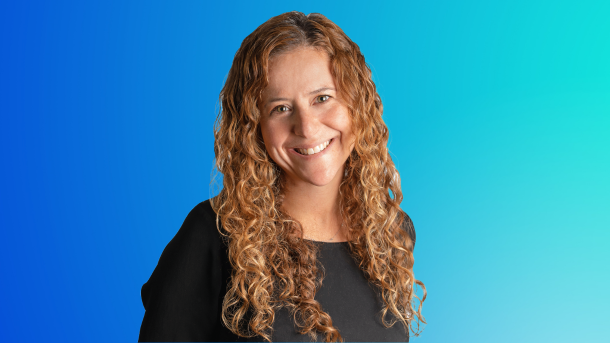
Donovan Taylor Hall — Youth Advocate and Educator that Teaches how to Build Positive Self-Identity

Donovan Taylor Hall — Youth Advocate and Educator that Teaches how to Build Positive Self-Identity
About Donovan Taylor Hall

“Donovan Taylor Hall (@donofriend) is a youth advocate and educator that teaches how to build positive self-identity. His work aims to help kids build self-determination, while also learning skills to take care of themselves mentally and emotionally. Donovan’s goal is to help kids and young people build positive relationships with themselves. He teaches his self skills curriculum through in-school speaking events and workshops, youth online coaching, professional development, video game streaming, and self-development online content. He has been featured on the Today Show, NowThis and several podcasts to talk about the importance of positive youth development.”

Connect with Donovan: Email | Instagram | LinkedIn | Twitter | TikTok | Twitch

Listen Now

Listen to the episode now on Apple Podcasts, Spotify, or on your favourite podcast platform.

Resources Mentioned

donovantaylorhall.com

Celebrate America’s Teachers (The TODAY Show) – Donovan Taylor Hall

Viral Pep Talk – Donovan Taylor Hall

Twitch – Donofriend

The Transcript

**Please note that all of our transcriptions come from rev.com and are 80% accurate. We’re grateful for the robots that make this possible and realize that it’s not a perfect process.

Sam Demma
Welcome back to another episode of the High Performing Educator podcast. Today’s special guest is my good friend, Donovan Taylor Hall. Donovan is a youth advocate and educator that teaches how to build positive self-identity. His work aims to help kids build self-determination while also learning skills to take care of themselves mentally and emotionally. Donovan’s goal is to help kids and young people build positive relationships with themselves. He teaches his skill sets through curriculum in school, speaking events, in workshops, youth online coaching, professional development, video game streaming, and self-development online content. He has been featured on the Today Show, Now This, and several podcasts to talk about the importance of positive youth development. I hope you enjoy this insightful conversation with my good friend, Donovan, and I will see you on the other side. I am very excited. We have a very special guest. This individual is doing amazing work in the educational space across North America. I had him open and do the emceeing at my book launch over a year ago. Flew all the way from the USA for for all our Canadian friends. Donovan Taylor Hall, please, I’m honored to have you introduce yourself. 

Donovan Taylor Hall
Thank you so much, man. I am very happy to be here too. My cheeks are hurting because I’m smiling a lot already, so I know that that’s gonna that’s gonna be a good sign for this. Yeah, my name is Donovan Taylor Hall. I am a youth advocate. I work with kids around empowerment as well as mental health advocacy. I am currently speaking at schools, working with teachers, working with parents, positive youth development specialists, and I have a big passion for helping kids take care of themselves mentally and emotionally as they’re growing, specifically because there’s just not a lot of space for that. And I think that that’s a time where they really need to start cultivating their skills and building their capacity to take charge of their life and to feel good about who they are. And so I believe deeply that kids who feel better do better and all of my work connects back to that.

Sam Demma
Teachers, educators, the Today Show know you as Donovan Taylor Hall or the modern Mr. Rogers. Students and kids know you as DonoFriend. Tell me where the the name came from?

Donovan Taylor Hall
I’m so happy you asked Sam. So DonoFriend is, it really represents what I’m trying to be and what I’m trying to do with young people. I started working with kids in positive youth development programs. And if you don’t know what that is, it’s basically afterschool stuff, boys and girls clubs, YMCA, summer camps. I was involved in all of those things. And the difference between positive youth development and education is that education is really extrinsically motivated. So you have to get good grades, you have to get a good job, you have to go to a good school, while these positive youth development programs really focus on building character and kind of discovering and figuring out who you are. And so I left youth development programs and brought my curriculum with my self skills into schools. And that’s where I was Mr. Donovan for a long time, but I really struggled with the hierarchy and how that affected the kids’ wants to do the work. As soon as a grades are attached to building self-determination or building positive self-identity, like kids just don’t listen. And I think that’s for a good reason because it’s just another adult saying, this is what you have to do. And this work is very powerful when kids are motivated to do it because they want to. And so I left the teaching space and tried to kind of create this public figure of someone that’s like not a teacher, you know, like a mixture between a teacher and a mentor and a friend, but mainly someone that kids choose to learn from. And that’s my big dream is that kids don’t have to be forced to learn this, but they want to because they want to feel better and they want to do better. So, DonoFriend is what I have the kids call me. And it just feels right. DonoFriend is your friend is like my little go-to quote that I never say out loud, but that’s what I think about every time I hear it. 

Sam Demma
I love it. I think so many educators yearn for those moments when a student gives them a gift, like a handwritten note, letting them know how their education, how their classroom has impacted them. And I know that the work you’re doing in schools, you get a lot of recognition from staff and from students, and you’ve even had students turn your nickname into a superhero. Can you talk about one of the coolest gifts you’ve ever gotten after a speaking engagement?

Donovan Taylor Hall
Yeah, I mean, it was, it was, God, I love it so much. I wish I could show you it.

Donovan Taylor Hall
It’s hanging up in my, in my hallway right before I come into the room is really a reminder of my why. I went to a school called Stone Valley and I worked with them for a week, which was a huge blessing, a huge opportunity, mainly because I wanted to be a speaker when I was younger, but I was afraid that all I would do is create positive energy and then leave without tangible things, without follow-up, without actual skills to teach people. And so that’s why I went into the classroom. But I’ve been doing this really cool kind of mixture where I still do speaking events that are skill-based, but I also sometimes work with schools for up to a week. And when I went to this school, I got to just spend time with the community and spend time with the kids. I ate lunch with all these different groups of kids and I went to their classes and participated with them. I did workshops. I did speeches at the very end. And I think that, I mean, I would say that they are probably my biggest supporters right now. Like, every time I post something, one of them is like right there. Shout out to my boy Alex at Stone Valley because literally since the day I left his school, he has been like, come back, come back. And I’m going back next year. Or this year, oh my God, it’s 2024. I’m going back in like three months to see them. They made me this huge, I don’t know, I don’t know, tapestry or what it’s called, but they painted or I don’t know how they did it, but it’s this huge lion who’s like in a superhero pose because the lions are the symbol for their school. And it says Donofriend superhero underneath and all the kids signed it and they presented it to me on the last day. And it has really helped me remember why I do what I do. And it also made me feel seen by young people. I think it’s really hard sometimes to connect with kids in these positions because of, like I said, that hierarchy. It’s like, I don’t want to listen to you. I don’t have to listen to you. The kids at this school are just so receptive to it.

Donovan Taylor Hall
And every time I’m about to go into my office, just seeing it before I even enter, just like reminds me that this is what I’m supposed to be doing and that this is how these kids see this work. And it’s very powerful. And I keep, I’ve moved, I don’t know, like seven times in the past 10 years. I’ve been all over the country. And as I get rid of things like art and clothes and books, I always keep the gifts they give me. So I have like right next to me, I have just like a bag and a huge stack of gratitude notes that kids have written me. But I got to say the Mono Friend Lion is my favorite. They didn’t even know that I’m a Leo. And so I’m like all about lions and they have, they did the mane and everything. So at first I was like, oh my god, you guys know all about me. And then they told me it was the symbol for their school. So, which, you know, it can be two things. Yeah, it can exist at the same time. But I just loved it. And they were so excited to they also gave me a huge stack of like gratitude letters that kids had written me. And it was wonderful. I can’t wait to see them. 

Sam Demma
I think educators’ why is very universal and the why is to help young people, to pour into young people, to build a relationship and then share information in the hope that that information will improve their lives in some way, shape, or form. For the educators listening who are wondering how they can build those powerful relationships with young kids in their classrooms, what are some of the beliefs you have around building relationships with young people? How do you do that?

Donovan Taylor Hall
I say this and I don’t mean this in a condescending way. I think sometimes we assume people know this, but it needs to be said. I think my biggest thing with young people is just treating them like real people. And I think that that’s a huge issue in our society is the way that we treat young people and how the lack of respect and the lack of value that kids feel, how that’s supposed to suddenly go away when they’re an adult, I think it leads deeply to, or like directly to how kids view themselves. And so if you are treated like less than for most of your life, through your rights and through your choices and things like that, then how are you supposed to suddenly click that switch to say, I’m in control, I have power, right? And so that’s a huge part, I think, of how I work with young people. And I have three main things. And the first one is I say, thank you. That’s a huge one. And I’ve got really powerful stories around the impact that that’s had on young people. Just saying thank you for the impact. Thank you for what you’ve done, giving a kid a chance to feel seen, and then also to promote positive behaviors in a way that shows kids that they can have an impact on someone, whether it’s small or huge or one person or a community, that when we start to articulate these things to kids, they can see value in themselves, and that’s how you feel really empowered.

Donovan Taylor Hall
I also apologize a lot. I think that that’s a huge one that shows kids that they deserve respect. So if I’ve made a mistake, or even in moments where things have gotten kind of tough and I didn’t access my best self in that conversation, just coming back and saying like, hey, I know that was tough. I apologize. Right. Or especially if I’m wrong, like and just saying that you deserve to to be seen and you deserve to have someone apologize when they’ve caused harm has been really helpful. So gratitude and apologizing and then just really trying to come from a place of offering. And I think that’s what made education so tough for me because education is very much like this is the right answer. I have it. I need you to get to it. But when you’re talking to young people about their personal lives and you’re talking to them about how they feel and their problems, I think one of the biggest things that frustrates kids is that adults want to jump in and say, I know exactly what to do. I’ve been in this exact same situation. Trust me, I’m the adult, I know better. Just offering and saying like, can I offer this to you? And you can leave it or take it. And most of the times when I do that, kids are so receptive. And sometimes they don’t take it and that’s okay, right?

Donovan Taylor Hall
And so I respect your choice. You know, you are the expert of your life. That’s how I view, like working with kids is helping them build their credibility and being the expert of who they are, what they have to offer, their wants, their needs, like their struggles, all of these things, they should feel empowered to take hold of. So holding space for young people and just offering. I said three, but a fourth one, which is connected, is asking kids what they need. Sometimes kids don’t know, and that’s okay because it gets them thinking. I’ve had times where I’ve asked kids four times in tough moments, like, what do you need from me?

Donovan Taylor Hall
And they’re like, I don’t know. And then that fifth time, they’re like, can you just listen? Or can you give me some advice? Or can I rant and you don’t make eye contact with me while I say these things? And I’m like, yeah. So it builds their capacity to ask for the support and they’re like, I don’t know. And then that fifth time, they’re like, can you just listen? Or can you give me some advice? Or can I rant and you don’t make eye contact with me while I say these things? And I’m like, yeah. So it builds their capacity to ask for the support

Sam Demma
Brilliant. It’s so great. So great. I can’t help but think about the fact that you’ve coached hundreds of young people, had so many calls, and helping them with one of these four things. Can you provide an example of a student that was impacted by one of those four strategies that you would have used on a call with a student or in a classroom or during a speaking engagement?

Donovan Taylor Hall
Yeah, I think one of the things, especially with middle schoolers, high schoolers, it can be a little bit tougher because I think sometimes they’ve built stronger walls, which is okay. I mean, I get why kids do that. I had a young man in one of my classes and he did this thing where he always asked, can I help? And in the beginning of the day, the kids would have free reign to run around outside before classes start. And he would always be outside my door and he would poke his head in and be like, is there anything I can do to help? And I remember like, we kind of made it a butt of the joke for a while where it’s like, oh man, I don’t know why this kid always does this and blah, blah, blah. So I started to just like, you know, observe him and make sure that he was doing okay, because I thought maybe he didn’t have anyone to talk to, but he had friends, he played sports with other kids, like, that didn’t seem to be this issue, but he was always there to offer hand. And so I just said, you know, I’m just going to thank him.

Donovan Taylor Hall
And I wrote him a gratitude letter, which is a huge thing I do for kids, and say this is the impact it has on me on days where I’m running late, and I’m like, yes, please put these chairs down for me, that would be so helpful. And he read it, and I asked him, like, the next time I saw him, I was like, well, what do you think? And he said he had never had adults say thank you before. And he was a seventh grader, and I just thought that was wild because he was actively trying to do good as much as he could and to never be seen and to never have an adult say thank you. I don’t know. I think it’s just a missed opportunity to help him recognize that this is like a positive skill that he’s showing character when he’s trying to support and help other people. And so I think about him a lot when it comes to making sure that the kids I work with feel seen and appreciated by me, even if it’s just like, hey, I know this is a tough conversation, thanks for being in it with me. Just I think it really encourages and promotes more of that positive behavior. Instead of telling people you should do this because I expect this of you, being like this is how this made me feel shows them the power of their choice and it shows them the power of the action and the consequence, which is a positive consequence of stepping out and doing something outside of yourself. So I always kind of credit it back to him. I just remember his face when he just said, like, no, no adults ever said thank you before. And I think for the rest of actually follow up, when he was in eighth grade, I got all of his teachers from seventh grade and eighth grade to record a little thank you to him, to be like, here’s what you’ve done for me. And we put it into a YouTube video. 

Donovan Taylor Hall
And I gave it to him because I wanted, I just wanted him to know, like, and I don’t, you don’t know what’s going on in kids’ lives. You don’t know who they have access to. You don’t know how they’re treated at home, how they feel like in their home life, or even with other kids and stuff like that. And so if I can be one person that says, you had an impact on me and I’m, my life has changed or my situation has changed because you’re in it, that to me is like the ultimate form of empowerment for young people.

Sam Demma
It’s obvious that you have a empathetic, caring, and servant heart, and that empathetic, caring, and serving heart could have taken you in a hundred different professions. Why are you doing the work that you do?

Donovan Taylor Hall
I struggled as a kid, and I really bought into what was told to me, which was get good grades, have friends, right, do what you’re supposed to do and you’ll feel good. But I had such a deep, I was like, this is dramatic. I had a really deep well of sadness as a young person. I experienced multiple losses as a kid and because I felt like it wasn’t okay to be sad or it wasn’t okay to ask for support. I mean, this was a long time ago, so mental health wasn’t even talked about like that. I got disillusioned with school because it was like, this is basically an unpaid job and I don’t have, like, I don’t want to do this, I don’t really care about this. But my mental health really, really deteriorated, like, rapidly like rapidly once I hit like freshman year of high school. But I kept doing what was expected of me and kept telling myself if I do this, eventually I’ll feel better because that’s kind of what was told to me. That’s like really what we talk to kids about. And it just didn’t work. So by the time I got to college, my mental health was so low that it was almost like a no turning back moment. And what really kind of pulled me out of it was I started working with kids.

Donovan Taylor Hall
And I just, I don’t know, I’m like a person that likes to speak good into other people. That’s kind of how I’ve been as a friend. And so when I started doing it with kids and just like hyping them up, like their faces, man, their faces, they were so like receptive to it and it motivated them and it empowered them. And then really getting to do skill building with kids, it was like kind of my saving grace. So I started to learn how to take care of myself in ways that I didn’t learn as a kid. And then that was just aligned with me working with kids. So then I just started to bring it into my work. I was like teaching acting and being like, now we’re going to talk about grassy, or now we’re going to talk about intention setting specifically because I just wanted to see like how kids would respond to it and the responses were amazing and so that’s when I decided like if these skills are out here and we’re waiting till kids are you know in their mid-20s to start healing and unpacking and figuring out who they are then we need to go to an earlier state. We need to like catch them at an earlier age and offer these tools to them so they can grow with themselves versus like growing against themselves, which is what I see from so many kids, the ones who are engaged with their schoolwork, the ones who are disengaged with their schoolwork, the kids who have a sense of purpose, the kids who don’t. There’s just a lack of capacity to take care of themselves and to really feel good about innate humanity versus meeting society’s expectations of them.

Sam Demma
Sometimes people that are in positions that are about serving others, like education, like the work that you do as a speaker and a consultant and a coach, it’s harder to set aside that time to take care of ourselves. Sometimes we forget there are so many educators who spend hours every single day pouring into their students, work overtime, work on weekends, and then burn themselves out. What is your advice for an educator who is putting the student at the heart of everything they do when it comes to making sure they take care of themselves?

Donovan Taylor Hall
I think one of the biggest things that I think we need to recognize is that kids are watching us. Kids are watching us and they’re taking views from us on how to be and how to show up. And especially with social media, like kids are aware of how teachers feel and what teachers are going through. And when I built relationships with my students, they wanted to offer support and things like that. But when I first started getting into this in the classroom, I had a huge wake-up call because I was like, I’m here all the time. Like if you need me, I’m here, come talk to me. And kids did.

Donovan Taylor Hall
And it was great. And it also completely sunk my mental health because I was so worried and stressed and not only about their grades, but how they felt and what’s going on with them and how do they feel about their future and how can I take care of them. And I had a boss who was like, you have to stop. Like you have to. And I remember being so enraged because it was like, bro, this is what I care about. And I didn’t understand at the time that he was trying to warn me that like, that’s not sustainable. And then how do I create boundaries that help me protect myself? And so when I think about kids watching me, I was talking with a group of my kids, they’re seniors now. And I was talking about when I taught them in seventh and eighth grade. And I was just having a candid conversation. I sometimes do a growth group with them. And I asked them, like, what is something that you remember from us working together? And three of them were like, oh, that week you took off. And because you were really struggling. And I like told them, like, this has nothing to do with you all. I love you all. I’ve just been working too hard. I need to take some time away. And because they were worried, like one of the kids said to me back then, like, are we being too obnoxious? And I was like, no, it’s not you. I just like I’m not feeling good and I need to take care of myself. And so to have these three students years later be like, that’s what they remembered. That was something that stuck out to them, shows the power of influence. And I think working with teachers and kids, like articulating boundaries, articulating needs in safe ways, humanizing yourself as much as you can that protects you and keeps you safe, I think can be a really powerful experience for young people to see someone advocating for themselves because where else are they gonna see that, right?

Donovan Taylor Hall
I think that’s just a really powerful thing. So I think it’s that idea of like, my mom told me this phrase when I was a kid, which is, you can’t be a shoulder to lean on if you’re not standing up straight, which has its own issues just in terms of like ability, right? But the thought behind it really stuck out to me because when I was in my 20s and I was doing all this work, the second lowest I was ever at my life was because I was doing like six jobs and they were all dedicated to working with young people. And I was just pouring and pouring and pouring. And that led to me having to drop out of grad school. It led to me having to like sleep in my car for a few days because I just was not taking care of myself. So I had to understand that the work will always be here and you won’t.

Donovan Taylor Hall
And so you have to be responsible for taking care of yourself. So it’s sustainable. And this connects back directly to why I teach this to kids is like, no one is going to force you to take care of yourself, right? But if you want to be the best version of yourself and show up in yourself grounded and connected to your why, you have to take care of yourself. You are not an infinite source of energy. And especially as I get older, speaking at schools and doing all these things, I’ve realized pretty quickly I don’t have the same energy I did when I was younger. And so that means I got to take more time to cultivate and like take care of myself so I can go out and do these things and be the person that I want to be. And it used to feel selfish and now it feels great. I used to need to be around people all the time and now I will do like a back flip if someone tells me I get a week to myself just to have some time with me. I’m like, bro, I spent so much of my life being around other people. And as I did the self love work and grew a good relationship with myself, I wanted to spend time with myself the same way that you would want to spend time with a best friend or a partner. When you have that care and that love for that person, you want to spend time with them. And so spending time for myself, shutting things off, separating Donofriend and Donovan, right? And understanding that Donofriend, Donovan, Donofriend doesn’t exist without Donofriend. That’s like the huge, like that’s the biggest thing I had to tell myself. It’s like sometimes I get so worried about am I doing all the things I could be doing? Is this dream working? But like if Donovan goes, Donovan is gone. There is no Donovan, right? And so if I don’t take care of Donovan, then I’m indirectly not taking care of Donovan, if that makes sense.

Sam Demma
Yeah, if educators don’t take care of themselves, there’s no way they can impact the students in their classrooms. They won’t even be in the classroom. They’ll be somewhere else trying to recover or heal.

Donovan Taylor Hall
Yeah, and it’s tough because, you know, in America, how teachers are treated in terms of, like at one school I worked at, it was like a crazy amount of the staff members had second jobs just to make ends meet. And so I think that I also, it’s really important to acknowledge that that responsibility is not all on teachers, right? Is it when you’re put in these conditions where you’re overworked and you’re underpaid and you’re not getting the support that you need and the expectations for you are too high, right?

Donovan Taylor Hall
And unrealistic. And then they try to do the whole like we’re a family here and and kind of bend the teachers want to help and try to use that to almost manipulate teachers into doing more, then that responsibility shouldn’t be put on the teachers, right? If they had the space and they had the time and the energy, I’m sure a lot more teachers would take care of themselves, but that’s just how the system has been built around them. So it’s kind of like, I got to tell you, Sam, it’s kind of like when schools are telling kids, like, practice self-care, and then they are the ones that are putting the stress on kids. Like, it doesn’t, it’s like, it’s your job to take care of it, but what does self-care for kids look like? What can kids actually do for themselves to take care of themselves without having to bump into other people’s expectations of them? And that’s how I think about it with teachers. I have so much respect for the teachers that have stayed, and I have a lot of respect for the teachers that left. You gotta do what’s right for you. And if you can’t show up in your true self, then you gotta like handle that. And if that means stepping away or advocating for yourself more, you gotta do what you gotta do. But that responsibility is not all on teachers. And I think it’s unfair for us to shout self-care at teachers without recognizing these overarching implications and conditions that cause teachers to burn out.

Sam Demma
It’s such a good point. What does these days self-care look like for you?

Donovan Taylor Hall
Oh, man, reading and not be clear because I tell people I read all the time. I will read like between three to five books a week. I’m not kidding. Like I am obsessed with reading and then people will be like, oh, like, what are you learning? And I’m like, I don’t really read to learn. I read to be entertained straight up. You’re the first person I’ve said this to on a podcast. I read horror books. Those are my favorite. Like if I had to just pivot completely and do something different, it would be like reviewing horror books because that’s something that takes care of me. But I picked that because it has nothing to do with my work. It’s like, it’s thrilling and I love these stories so much, but it’s also time I get to spend with myself. And so yesterday I went to the library and checked out 13 books. Just excited to be there. So that’s a huge one. And then recently I started IACing, which I really like being in nature. I think anytime I can kind of shut other people out and just be with myself and then follow up spending time with people that I love and people that I care about. Those are like the three main things, doing things that I enjoy, spending time with people that I care about. And then hygiene, like mental, spiritual, emotional, physical hygiene, like taking care of myself, my practices that help me feel sustainable, help my energy feel sustainable. Those are the ways that I do that. And I sleep a lot, which I was, I felt bad for a while, but then someone, a 17 year old kid that I was working with, who I’ve been working with for years, brought this up where it was like, when kids go through puberty and they’re growing rapidly, they need sleep. And he specifically said, think about how much you’ve been doing in the past two years. Like you’re basically growing at this like accelerated rate. And so it makes sense that you need to sleep. And this is from a 17 year old, a 17 year old that I worked with when she was in middle school telling her the same stuff. And I think that there’s a lot of power in sharing those conversations with young people. It’s the human condition, and kids are human. And it sounds silly to say it, but it needs to be said, because sometimes they’re treated like they’re not.

Sam Demma
It sounds like that 17-year-old made you feel seen, and you’ve spent most of your life striving to make other people feel seen. Tell me what this phrase means to you going into 2024, pushing past the fear of being seen.

Donovan Taylor Hall
Yeah, I, as a young person, like, I was considered like a gifted child for a while. And then when I didn’t do well on tests, it took me out. And I had this idea that I had to be good all the time. And that’s really what protected me as a young person. And good was different from whoever I was talking about. So for the adults, I got good grades. I was in orchestra, I was in German club, right? I had friends. And then when in high school, I started to do all the things that my friends wanted to do and really kind of like wanting people to see me as good. And that really made me hide I was able to hide a lot of how I felt. And when I did those things, I wasn’t able to take care of myself because I wasn’t acknowledging how I was feeling. And that, when I don’t acknowledge how I feel, when we don’t acknowledge how we feel, it’s hard to get the support that we need. That’s like the first step. And so, you know, I started doing TikTok videos because the kids told me to, and it was the first chance I got to show teaching this curriculum without exposing kids, which is like, I think, a huge problem with some of the social media, just like using kids for likes, unless it’s really empowering and positive or even if they’re talking about stuff like safe spaces for them to do that.

Donovan Taylor Hall
And then I didn’t know that where that was going to go, but I told myself I was going to take a year off and just grow. I was like, I’m pushing past this feeling of I have to be good, this perfectionism feeling that has only made me stay in my lane for most of my life. I only do what I feel like I’m good at and I don’t try other things because I don’t like to feel bad at something. And then I was gonna take a year off, like literally, and just live in my mom’s basement and like make YouTube videos and stream on Twitch and try to grow my content. And then the Today Show found me a month before I left. And it was that same experience that when I was a kid of like, look at all these people who have these high expectations for you. I mean, being called the next Mr. Rogers, when I didn’t even know what I wanted to do, put so much pressure on me. And so I started to struggle with my content. I really, I started to like be afraid to take chances and take risks and do the things that I know that I wanted to do, these projects that were really important to me, the ones that really called to me, I was afraid to do it because people said, this is what we like about you. And I stuck to that. And this is something that in the past few months has really changed for me of like, I don’t wanna look back and have these projects that I’ve put so much heart into never come into fruition because I was afraid of being seen as vulnerable.

Donovan Taylor Hall
I was afraid of not looking good all the time. And, and to be clear too, this is the weirdest part about it. Somehow, in the three years I’ve been on TikTok, I don’t, I don’t get negative feedback from people. Like sometimes people will question something and you can have a conversation, but you’ve seen the internet. It can be pretty brutal, right? Nothing. So I was just like, had these videos that hit a million views. I had like three videos that hit over a million. And I was so afraid of taking chances and taking risks that I just hid. And that also spilled into my personal life of like getting closer with people and doing things that I really wanted to. I had to push past this fear of like being seen. And DonoFriend is great because DonoFriend represents the work, but DonoFriend is a fraction of who I am, and I’m trying to push past that fear of being vulnerable and being seen truly to do the things that I want to do.

Donovan Taylor Hall
So specifically with my work, my biggest thing is like, I like to laugh. Humor is a big part of my work. Like my kids, when they told me to make a TikTok, they wanted me to make funny TikToks. They wanted me to like show the funny moments in class. And I got stuck in this box that I don’t know who put me in it. I know I kept myself in it, but I got stuck in this box that was like, I got to be emotional. I got to do like this Mr. Rogers thing. Like I got to just be soft and gentle. When in reality, like that’s not really what brought kids in, you know, kids were brought in by my fun and my humor. And so this year, like that’s what I’m pushing for is to laugh more and have fun and to show that side of myself and kind of bring kids in that way versus like thinking I have to stay in my lane, I don’t wanna look back, I don’t wanna look in the office, I don’t wanna look like I don’t know what I’m doing, I don’t wanna let people down. I, the Today Show was a huge opportunity and Hoda is amazing. I’ve never been starstruck until I met someone, until I met Hoda, but like even feeling like I was letting these people down who were like taking a chance on my story, but in reality, there is no timeline. There is a timeline that we create for ourselves. And I just feel it deep in my bones.

Donovan Taylor Hall
Like I’m ready to be seen. I don’t want to hide in my room anymore. I don’t want to hide behind safe, you know, things. I want to put myself out there, especially if this is something that I want to like teach kids. So I’m using the skills that I teach young people to build myself up, to be able to go out there and struggle and grow and succeed in the ways that I want to. So that’s really what the theme for my year is. This is the year I want to be seen, like Donovan and Donovan equally. One thing I admire about you is your intention to serve the world and serve the people around you. 

Donovan Taylor Hall
I’m so excited for 2024 to see what you do and how things unfold in your world and for the students and teachers that you impact. Keep up the amazing work. Thank you for letting your light shine. Keep it shining because the world needs your energy and it needs your authenticity and it needs both Donovan and Donald Friend. If someone wants to connect with you after listening to this podcast, they’re feeling inspired or have a question, what would be the best way for them to get in touch with you? 

Donovan Taylor Hall
Social media is the best way right now. Instagram, YouTube, and TikTok are where I post my content. And I also stream video games for kids. That’s something that I really enjoy doing, because the skills that I teach kids show up very similarly in video game playing. So DonoFriend across everything, if you type DonoFriend in, all my work will pop up, but I’m always hoping to connect with other people, especially educators, and for any educator listening, I just appreciate you on such a deep level. I may not know you as a person, but for you to give so much of yourself to help people grow, and especially people who may not recognize it or may not articulate these things to you, it’s huge. And just going back to what I said, is if you were looking for one thing to do to build relationships is really try to see kids, really try to see them as individuals and look for opportunities to articulate what you see in them to them.

Donovan Taylor Hall
Because kids are looking, kids are looking for ways to understand themselves and we’re in a really unique opportunity to provide perspective for them. So thank you, Sam, you’re my boy, I appreciate you always. But please follow up if you have any connections or thoughts, I’d love to hear from you. or thoughts, I’d love to hear from you.

Sam Demma
Keep up the great work, my man, this is awesome.

Join the Educator Network & Connect with Donovan Taylor Hall

The High Performing Educator Podcast was brought to life during the outbreak of COVID-19 to provide you with inspirational stories and practical advice from your colleagues in education.  By tuning in, you will hear the stories and ideas of the world’s brightest and most ambitious educators.  You can expect interviews with Principals, Teachers, Guidance Counsellors, National Student Association, Directors and anybody that works with youth. You can find and listen to all the episodes for free here.
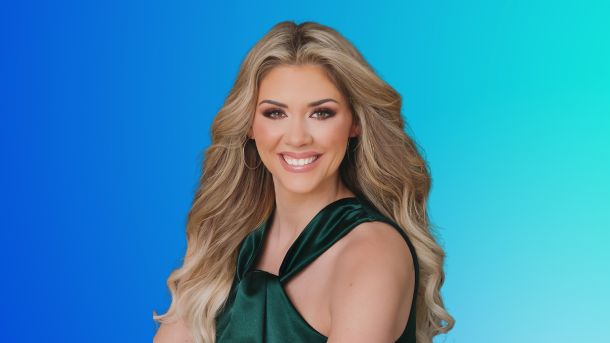
Sandra Nagy — Managing Director at Future Design School

Sandra Nagy — Managing Director at Future Design School
About Sandra Nagy

Sandra Nagy (@edtechfest) has dedicated her career to driving innovation and building effective organizational strategy. Sandra began her career at Accenture as a Change Management consultant where she supported public and private sector clients through large-scale strategy and business transformation.

Sandra spent over a decade as a senior digital strategist at Pearson Education where she led multiple teams that worked across K-20 to transform curriculum and professional development resources with the use of technology. She was a member of a global team of educational technology champions focused on collaborating to solve problems in education. She engaged with stakeholders globally and was responsible for nurturing strategic partnerships with key customers and other like-minded organizations.

Prior to Pearson, Sandra worked at The Learning Partnership, a non-profit organization responsible for building stakeholder partnerships to support, promote and advance publicly funded education in Canada. She led a government and business-funded research project to look at blended, online and face-to-face, professional development for teachers in STEM courses. Sandra engaged in speaking opportunities across Canada sharing best practices in sustained, action-research driven professional development that leads to authentic community building.

With over 20 years of experience, Sandra has designed, developed and delivered hundreds of learning opportunities to thousands of employees and educators. She is a firm believer in the capacity of educators to drive future-skill development, and in sustained professional development that leverages a blend of learning tools. Sandra leads the Education Practice at Future Design School building strong academic partnerships with school leaders that help to drive their strategic priorities through consulting support, professional development and efficacious curriculum resources.

Sandra’s educational background includes a Master’s in Education from Harvard University focused on Technology in Education. While completing this degree she worked at TechBoston, an organization infusing technology programs into inner-city Boston schools; conducted published research into distance learning at the Concord Consortium; and volunteered through the MIT Media Lab teaching robotics to home-schooled students. Sandra also holds a Bachelor of Commerce focused on Organizational Behavior and Entrepreneurship from McGill University. During her time in Montreal she actively volunteered at the Montreal Neurological Hospital focusing on brain research, and taught within the Faculty of Management.

Connect with Sandra: Email | Instagram | LinkedIn | Twitter

Listen Now

Listen to the episode now on Apple Podcasts, Spotify, or on your favourite podcast platform.

Resources Mentioned

Accenture

Pearson Education

The Learning Partnership

Future Design School

Master’s Programs in Education – Harvard University

Bachelor of Commerce – McGill University

Crofton House Private School

The Future of Jobs Report – World Economic Forum

Future of Education Report – Future Design School

The Transcript

**Please note that all of our transcriptions come from rev.com and are 80% accurate. We’re grateful for the robots that make this possible and realize that it’s not a perfect process.

Sam Demma
Welcome back to another episode of the High-Performing Educator. This is your host, author, and keynote speaker, Sam Demma. Today’s special guest is an absolute trailblazer in the education industry. Sandra Nagy has dedicated her career to driving innovation and building effective organizational strategy. She began her career as a change management consultant at Accenture before moving into a role as a senior digital strategist at Pearson Education, where she worked for over a decade in the K through 20 education space to transform curriculum. She has traveled the globe doing work. She has worked with non-profits. She’s even done her master’s in education at Harvard University. Today, Sandra is changing the landscape of the future of education for our young people. And she shares so much impactful information and insights during our conversation here today. My hope is that you listen to this and feel compelled to reach out and ask some questions. She’s doing amazing work that I think could be very helpful for you and your schools and your students. Anyway, enough from me. I’ll see you on the other side of this interview. Enjoy.

Sam Demma
Sandra, Sandra Nagy, thank you so much for coming on the podcast this morning. For everyone tuning in, they might not know that you’ve done work in 65 different countries exploring the future of work. They may not know the work you’re doing with the Design School. Please start by just introducing yourself to the listener. 

Sandra Nagy
I will do, will do. So I’m Sandra Nagy. I’m the Managing Director at Future Design School, and we’re an organization that is based in Toronto, so it’s nice to be with Canadians, but we work around the world, as you said, Sam. And our real reason for being is that we’re focused on the future of work is changing rapidly. And we know, especially in the last year, when you look at everything that’s happened with AI, that the world of work is changing faster than we can keep up with. And in K-12 education and higher education, there’s an impetus on us to really prepare students. And so our goal is to support deep competency and skill development alongside all of the other great stuff that happens in schools, and really giving kids exposure early and often to potential career opportunities and the skills and competencies that they need to succeed. So we work strategically with schools, we work through professional development with teachers,

Sandra Nagy
And so our goal is to support deep competency and skill development alongside all of the other great stuff that happens in schools, and really giving kids exposure early and often to potential career opportunities and the skills and competencies that they need to succeed. So we work strategically with schools, we work through professional development with teachers,

Sam Demma
Tell me more about what the future of work looks like. Yeah, and you mentioned it’s rapidly changing. From your research, where do you see it going?

Sandra Nagy
Yes, it’s a great question, and there’s a lot of research out there. Most recently, the Future of Jobs report from the World Economic Forum came out and talked about the fact that with the real proliferation of technology changes happening out there, that we’re set to lose about 89 million jobs or roles that exist in the world. And for the first time, we always see this, this statistic that says we’re going to lose a certain number of jobs, and then a certain number of jobs are going to kind of replace them. For the first time, we’re seeing a massive delta, where the number of jobs that are going to be replacing those jobs that are being displaced is significantly lower. So we’re talking, you know, 80 million plus that are going down and only about 60 million kind of net new jobs coming in. And so when you look at that delta, we’re poised for, you know, potentially great recession, people looking for work and jobs. And without the crystal ball that we’d all like to have to say what are the jobs of the future, what we focus squarely on are the skills that students need. So and really thinking about transferable skills, maybe things that people may have called quote unquote soft skills in the past are becoming the essential skills when you look at the workplace of the future. So what I mean by that is things like critical thinking, communication, collaboration, problem solving, and an entrepreneurial mindset. So whether you become an entrepreneur who, you know, starts the next Google or Tesla, or you go into an organization or a company with an entrepreneurial mindset, that’s what we’re trying to cultivate with kids. Where they look at the world’s challenges as opportunities that they can roll up their sleeves and have the creative confidence to dig into developing solutions. So problem solving is super key as we think about skill development.

Sam Demma
What challenge did you see that inspired you to embark on this path to try and solve this problem of creating more innovative young people in schools? Why this work? So why this work?

Sandra Nagy
It’s a great question. So myself and our CEO, Sarah Prevatt, and Sarah, it’s really Sarah’s vision that kind of enticed me to come to Future Design School was she had started and scaled and successfully sold a number of technology-based businesses. And when I met her, she was funding, through Venture Capital, folks that were bringing new ideas into the world. And she said to me, there’s lots of smart people out there that are solving problems that don’t necessarily matter or won’t necessarily have an impact on the future. And her working theory was we need to start younger. We need to start getting kids engaged in solving real, real problems when they’re in K-12 and get them to care about things like education and poverty and health care and security and believe that they have the capacity to actually develop the skills to solve those problems, that they don’t have to wait until they become an adult to have a real impact on the world, that it’s not actually the adults that are always changing the world, but that they can make real change, even from whatever their purview is. And Sam, when I was listening to some of the stuff that you were talking about, this notion of small, consistent actions that you can take in the world, really resonated with me because it’s that and equipping students with the problem-solving skills, teaching them how to deconstruct a problem, helping them to understand who it is that they’re actually solving the problems with, and understanding them walking a mile in their shoes, developing empathy for them, that you were talking about, this notion of small, consistent actions that you can take in the world, really resonated with me because it’s that and equipping students with the problem-solving skills, teaching them how to deconstruct a problem, helping them to understand who it is that they’re actually solving the problems with, and understanding them walking a mile in their shoes, developing empathy for them, and then, you know, getting ideas out there, getting real feedback, and iterating based on what you’re hearing. And we’ve seen kids develop incredible, incredible things. And we wanted to bring that into the classroom for teachers to say, okay, so how do you do this inside of the curriculum regardless of where you are in the world? How can you actually help students to uncover curriculum instead of standing up at the front of the room and feeding them content, but letting them uncover it? So hopefully that helps give you a bit of a sense of it.

Sam Demma
Tell me about some of the problems you’ve seen students tackle through your programming, some of the initiatives they’ve started. 

Sandra Nagy
Yeah, absolutely. So I’m thinking about one student in particular that we’ve been following for the, for the long haul. Um, so Mick is a student, and I can actually share this video with you cause you, you know, people might want to see what she’s done. But Mick is a student who came through one of our programs, which is called the Young Innovators Program. And she saw a real need for the unhoused community in Toronto. And she saw that they were not getting the basic hygiene needs that they needed to really function. In as part of our program, she developed something called Penny Packs, which are packs that she’s taken out to the unhoused community. She’s galvanized her community to come together and donate, but really listened to what people who are unhoused needed, as opposed to making assumptions about, you know, you need a toothbrush or toothpaste. Some people do. What were the things that were missing? And every year she reimagines the packs based on what she’s hearing from real people out there. And she’s inspiring others to take action when they see something in their local community. So that’s that’s sort of one aspect of the student programming that we do. And those are kids that come into very specific programs. But what we’re trying to do is infuse that kind of thinking into all of school so that when you walk into a classroom, you’re able to engage in a problem, you’re able to engage in a real situation, and that you have choice and voice as a student on what it is that you want to focus on. No longer do we all need to be working on the same novel in a classroom. We’re all digging into the same novel study. What if we gave kids choice? What if we gave them voice?

Sandra Nagy
From the foundation setting, we’re able to get them to make decisions that make sense for them and to dig into things that they’re passionate about. In a world where content is just something you can grab from anywhere, how do you look at content and think about it critically? How do you know who the author is, where it’s all coming from, and how do you become sort of the master of the things that you want to dig into deeply?

Sam Demma
You mentioned earlier that these soft skills are now becoming the essential skills. What are some of those soft skills that the programming aims to develop in a young person?

Sandra Nagy
Absolutely, I’m so glad you asked that question. And I will also share, I think I sent to you some of our future of education reports, but we’ve developed what we call the portrait of a future ready graduate. And so what we’ve done is really from a research-based perspective, both academic and action research, which is what I like to call what happens in the classroom, right? You try something out with a student, with your group of students, and you kind of iterate based on who’s sitting in front of you. But we’ve developed this portrait that looks holistically at the skills students need to build. And it starts squarely in the center, looking at wellness. So, what we believe is that students need to walk into school feeling optimistic about their learning, feeling psychologically safe that they can be who they are and have a deep sense of their identity in the buildings that they’re walking into. Table stakes, right? If a child walking into a building doesn’t feel well enough to learn, nothing else matters. So, our portrait looks at that at the center.

Sandra Nagy
From there, we move into social emotional learning. So what are those skills that I need to build from that perspective? Then we look at learning strategies. So how do we cultivate metacognition and help students think about their thinking and being conscious pursuit of getting better? So we sort of build that foundation. And then we look at character traits. So we talk about things like curiosity, ambition, resourcefulness, empathy, stewardship. How do you kind of take control and really cultivate those character traits? And then we look at what we call future ready skills and competencies. And so in that bucket, we talk about critical thinking, collaboration, communication, and creativity, which are not new. You and I both went to school learning those skills, but they’re 21st century skills is what they’ve been called and we’re so many years into the 21st century, we need to be cultivating them with students. And then to that, we add global and future vision. We add entrepreneurial thinking. We think about equity and inclusion. And we think about design thinking or human-centered design or problem-solving skills that we can cultivate. The really key piece of all of this, though, is that when we talk about those skills.

Sandra Nagy
So lots and lots of schools that are embracing this. And the best part is what parents are reporting back is that their kids are asking more critical questions around the table. They have greater confidence as they’re talking about their learning and they can see the changes in their students and that’s really what we’re looking to achieve. We’re trying to start a skill-based revolution around the world. We’re trying to start a skill-based revolution around the world.

Sam Demma
I know you’ve housed a lot of your research in a beautiful report. Where can people access that resource if they’re interested in learning more?

Sandra Nagy
So I will definitely send you the links, but on our website you can sign up to gain access to our reports on an ongoing basis. We produce them yearly. Our next report is coming out at the end of January, but I’m happy to provide you with links to this year’s report, and then also to our special edition report, which breaks down that portrait that I just talked about as well. And always happy to chat. Also, if there are educators listening to this podcast, often we start by having a conversation about what your aspirations are for your school and what you’re seeing, and then we can support schools really deeply.

Sam Demma
Awesome. What opportunities are you seeing in 2024 that you’re very excited about in education?

Sandra Nagy
That’s a great question, Sam. I think that, you know, we’ve been through a really interesting time in education. The pandemic was a moment where people had to innovate by necessity. And I often talk about how the pandemic, for all of the negativity that came with it, was sort of this moldable clay moment, where we were playing with education. There were things that came out of it that were super positive for kids. So for example, elongated periods, you know how when you went to school, and there were 45 minute periods, and you’re jumping from class to class to class? Well, the pandemic by necessity made schools elongate certain periods, and some schools are not going back. And I think that, you know, this notion of innovation and education is something that people are continuing to talk about. Lots of people have gone back, they let the clay set and they didn’t wanna move beyond that. People were going back to the old, old, but as I look forward to 2024 and the clients that I have the privilege of working with, a lot of them are looking at this continuum of skill development and also talking to industry. So when I look at higher education as an example, we’re out there and talking to the regional employers in the jurisdictions that we’re working with and saying, what are the unfilled positions that you’re projecting? And what can education do to help prepare students to take on those roles? And the things that I’m hearing the most are students need the ability to narrate the experiences that they’ve had in school and the skills that they’ve developed. They need a better way to showcase the amazing things that they’re learning. So lots of schools are investing in professional development for teachers to help them think about how do I, we call it hack my curriculum to embed these skills. The other piece of that is assessment. So you can’t change education practices in the classroom without changing your assessment practices. And so, you know, preparing kids for the test or the exam is not the only way to assess what they know. And that’s what I’m most excited about is we have lots of people, especially with the proliferation of AI, saying, okay, so the essay that we used to write, you know, how can I tell if they’re quote unquote cheating? Cheating hasn’t changed all that much from before or after. My question back is, how can you change the assessment? What else could you do? What’s the project you could give to a child? What’s the podcast that they could create for you? What are the different ways to show what I know that are more real real than just writing a test? Not saying we need to throw away quizzes and tests completely. I think there’s a balance there.

Sandra Nagy
But I think we need to think of assessment, we call it journey-based assessment, as a journey of learning, as opposed to just getting to the end product or the last test. And I’m excited about what people are doing with assessment. And I think there’s so much room for growth.

Sam Demma
I’m wondering if the future design school has envisioned what they believe a perfect school looks like and how it functions. This may be something you have insight to answer, it may not be, but if you could wave a magic wand and change the period length, change the structure of a school, change the classroom layout, change the questions, change the curriculum, and build what your company believes is the most ideal learning scenario for kids, what would that look like?

Sandra Nagy
I’ve thought about this a lot, a lot. And I think that the ideal school in my mind is completely project-based or personalized inquiry-based. And, you know, when you think about kindergarten, I’m going to start there, and the notion of kindergarten by design being emergent curriculum or exploratory, where you put stuff in front of students and you let them explore and tell their stories and make sense of the world through exploration. And then you look at the change that happens when you move from kindergarten to grade one, it’s like hitting a wall. I went from this beautiful environment where I could explore and problem solve, and now I’m sitting in rows, not in all places, and there’s amazing things happening, but I would like to keep curiosity high. I’d like to keep problem solving high. And then you look at the change that happens when you move from kindergarten to grade one, it’s like hitting a wall. I went from this beautiful environment where I could explore and problem solve, and now I’m sitting in rows, not in all places, and there’s amazing things happening, but I would like to keep curiosity high. I’d like to keep problem solving high.

Sandra Nagy
And to do that, it doesn’t mean that you’re throwing away the baby with the bathwater. Kids still need to learn how to read. Desperately need to learn how to do math, and we need to make sure that their conceptual understanding of math is as good as their ability to do their times tables. And how can we leverage all of those skills in a problem solving world? So how can we give kids real things to grapple with at a developmentally appropriate level?

Sandra Nagy
And that doesn’t mean that we need to stay in this factory-based model where all kids in grade one are doing all the same thing at all the same time, because kids have different life experiences as they go through school, and depending on what you’re digging into, they have a different trajectory of growth. They’ve been exposed to different things, and allowing them to move at the pace, at the personalized pace that makes the most sense for them, where they have choice, voice, they’re problem-solving, they’re aware of their skill development, to me, that’s ideal. So what does that look like? You asked about the structures. I think the structures are different.

Sandra Nagy
I don’t think we’re talking about a bell based school schedule where every period is exactly the same length. We need to leave time for kids to be in flow, right? If I’m working on a project in my, my mind, it should be interdisciplinary. This notion of discrete, especially as you get to high school, discrete English and social studies or geography, history, like every subject has its place and the teachers don’t cross over and don’t do it in an interdisciplinary way. In my mind, that’s such a miss and such a loss.

Sandra Nagy
And my ideal school would be project-based, interdisciplinary, journey-based assessment where skills are being built on an ongoing basis, so where kids graduate with a portfolio that they can narrate. Not just a portfolio that you put stuff into, but rather, let me pull stuff out of my portfolio. What am I most proud of? And how do I know what to pull out at the right moment to showcase my development and my learning? You know, we have talked in the past about building our own schools, but instead we’re creating this network of schools that’s doing that now. And it’s super exciting to watch because it’s having a huge impact on kids.

Sam Demma
I was working with a really great private school in Vancouver called Croffin House, and their classroom structure is so cool. Some of their classrooms have oval tables, and rather than kids sitting side to side, everyone can see each other’s face sitting at the table and they debate topics. And this could be an entire class period. And I just thought it was so brilliant.

Sam Demma
And it’s not a new idea, but it’s not an idea that’s being implemented in every school. And I just think how cool would it be if more schools grabbed onto these ideas and built these structures so students can see themselves more in the work that they’re doing. And they can build real life skills that they can use in the future. So the work that you’re doing is amazing. This has been an insightful conversation. I’m sure that we’ll chat more as things unfold, as the work you do continues. Where can people reach out, ask you a question, get more information, and connect with you?

Sandra Nagy
Absolutely, they can reach out to me directly. So I’m just sandra@futuredesignschool.com. And I’m often the front line on folks that are thinking about transformation in education. So I would say reach out, you know, happy to jump on a call, hear the vision, share the vision, share the stories of what’s happening. Because what I’m talking about is very concrete in the approach that we take with schools. We have frameworks, we have research, we have protocols, and I’m happy to dig in wherever and share what’s going on. It’s a true passion. And as I said, I feel privileged to get to do this work with partners every single day and with a team that is amazing. And they’re real dedicated educators, entrepreneurs, engineers, designers that are all about how do we make the world a better place with education being at the center of that.

Sam Demma
I’m so excited to see the innovation that continues as a result of your work. Thank you for doing what you do. Thank you to your entire team. I would love to be a part of a future school if you decide to include in the model building your own in the future because I think it’s definitely a need that we all have, especially here in Canada. And I just, I’m so grateful that you’re doing this work. Thank you for taking the time to come on the podcast. I encourage you, the listener, to reach out to Sandra to have a conversation and I wish you all the best in 2024, Sandra. Keep up the awesome stuff.

Sandra Nagy
Thank you, and Sam, thank you for all the work you’re doing as well.

Join the Educator Network & Connect with Sandra Nagy

The High Performing Educator Podcast was brought to life during the outbreak of COVID-19 to provide you with inspirational stories and practical advice from your colleagues in education.  By tuning in, you will hear the stories and ideas of the world’s brightest and most ambitious educators.  You can expect interviews with Principals, Teachers, Guidance Counsellors, National Student Association, Directors and anybody that works with youth. You can find and listen to all the episodes for free here.
Christina Holston — Executive Director of West Virginia HOSA-Future Health Professionals and a Career Technical Education Teacher at Ben Franklin Career Center

Christina Holston — Executive Director of West Virginia HOSA-Future Health Professionals and a Career Technical Education Teacher at Ben Franklin Career Center
About Christina Houston

Christina Holston is the Executive Director of West Virginia HOSA-Future Health Professionals and a Career Technical Education Teacher at Ben Franklin Career Center where she teaches Secondary Honors Medical Assisting. She is a recipient of the 2017 West Virginia HOSA Secondary Advisor of the Year.

Prior to her career in education, she worked as a Patient Care Coordinator/Medical Assistant for an OBGYN medical practice for seven years. She started at Ben Franklin Career Center eight years ago and became the WV HOSA Executive Director in 2017. Christina also serves as the National Technical Honor Society Advisor for Ben Franklin Career Center as well as the CTSO Coordinator. She was a graduate from the program she teaches as well as a HOSA alumni.

Christina enjoys watching students blossom into young professionals. She encourages them to get out of their comfort zone and strive to be the best they can be. She believes CTE is for all students and would love for all students to have the opportunity to be involved in CTSOs. Christina believes advocating more for CTE and CTSO would help spread the word and have more opportunities for the youth.

Connect with Christina: Email | LinkedIn | Facebook

Listen Now

Listen to the episode now on Apple Podcasts, Spotify or on your favourite podcast platform.

Resources Mentioned

West Virginia HOSA-Future Health Professionals

Ben Franklin Career Center

National Technical Honor Society

National Coordinating Council for Career and Technical Student Organizations

The Transcript

**Please note that all of our transcriptions come from rev.com and are 80% accurate. We’re grateful for the robots that make this possible and realize that it’s not a perfect process.

Sam Demma
Welcome back to another episode on The High-Performing Educator. This is your host, Sam Demma. Today’s special guest is an exceptional human being and a new friend of mine, Christina Holston. Christina Holston is the Executive Director of West Virginia HOSA, Future Health Professionals, and a Career Technical Education Teacher at Ben Franklin Career Center, where she teaches secondary honors medical assisting. She is a recipient of the 2017 West Virginia HOSA Secondary Advisor of the Year. Prior to her career in education, she worked as a patient care coordinator and medical assistant for an OBGYN medical practice for seven years. She started at Ben Franklin Career Center eight years ago and became the West Virginia HOSA Executive Director in 2017. Christina Christina also serves as the National Technical Honor Society advisor for Ben Franklin Career Center, as well as the CTSO, Career Technical Student Organization Coordinator. She was a graduate from the program she teaches at, as well as a HOSA alumni. Christina enjoys watching students blossom into young professionals, encourages them to get out of their comfort zone, and strive to be the best they can be. Christina believes advocating more for CTE and CTSOs would help spread the word and have more opportunities for the youth. I hope you enjoy this conversation with Christina, and I will see you on the other side. Christina Holston, welcome to the show.

Christina Holston
Thank you for having me.

Sam Demma
Thank you so much for being here. For everyone listening, can you please just introduce yourself?

Christina Holston
My name is Christina Holston. I am a health science educator here in Charleston, West Virginia. I teach honors medical assisting, and I am also the executive director of West Virginia HOSA, Future Health Professionals.

Sam Demma
For a lot of people that are tuning in from Canada, they might not even be familiar with HOSA and all the brilliance that it is. Can you just give a breakdown on what HOSA is and why you’re so passionate about the work that you do with them?

Christina Holston
So, HOSA is a career tech student organization and it’s 100% healthcare. So there’s over 75 different competitions that students that are passionate about healthcare are going to pursue a career in healthcare can utilize and improve their worth ethic from team building to leadership skills to public speaking as well as those health science events that can help improve their skills. So overall HOSA is just an amazing organization to make the young leaders a better health healthcare professional in the future. 

Sam Demma
I’m gonna make make the assumption that you’re very passionate about health care yourself about healthcare yourself and there was probably a point in your own journey where you were deciding do I get involved in healthcare full-time or do I teach kids in school and it seems like you’ve married both of those passions but tell me a little bit about your own career journey and what brought you to education?

Christina Holston
So when I was in high school I took the program I currently teach. No way. So my senior year in high school I took a medical assisting program. I absolutely loved it. I completed my clinical hours, which was 100 hours in a medical office with a OBGYN in the area. And after I completed my hours, I was hired right on the spot. I was his medical assistant and then I moved up to his office manager. And then my teacher that I had in the program that I’m currently teaching, retired. And she contacted me and she said, Christina, I think that you would be great for this position. And I was involved with Ben Franklin, the school

Christina Holston
that I teach at, for quite some time. I served on their advisory committee. So I was still keeping up with the school because it’s helped made me the professional I am today. So I decided to apply for the position. And I told the physician that I was working for, hey, this is something I want to do. So got the position. And then being involved in HOSA again was very important to me because I’m a HOSA alumni.

Christina Holston
So when I was in this program, I also competed in HOSA and I placed in job seeking skills both years. I represented the school nationally in Nashville, Tennessee. Career tech education has always been a big part of me. And the fact that now I can deliver that to the youth makes it even better.

Sam Demma
I know that one aspect of the amazing experiences that young people have attending CTSO events and joining them is the mentorship that comes along with it with your advisor. A lot of the times people’s advisor is not only their teacher, but it’s like a second parent or a confidant or someone you can ask advice from. Did you stay in touch with your advisor when you were going through the program in high school? Do you still talk to them now? Are they still around?

Christina Holston
I still do, and she is doing absolutely amazing. She serves now on my advisory board. So being a CareerTech educator, you’re required to have advisory members to help keep your program to the standards that it needs to be. So I keep her on board because she’s a registered RN. Even though she’s retired, she’s still very well-knowledged

Christina Holston
whenever it comes to this program. And I’ve tried to keep this program as much as what she kept it, but just continue to add to it a little bit more. And she always makes me strive to be even better. And she’ll say, well, Christina, I wanted to do that, but you know me, I didn’t have the energy. Meanwhile, this woman can outrun me.

Christina Holston
Like she’s so fit. You wouldn’t even think that she, I still don’t know her age and I’ve been trying to figure it out for 15 years, but she’s living it up on the retirement life with her grandbabies. I actually just talked to her Tuesday this week. We had a luncheon for Christmas at work and we invited the retirees and she wasn’t able to make it. But she does come to my advisory committees and she still helps me out whenever I need it. So, she’s like a second mom to me.

Sam Demma
Can you think of a moment when you were working with her or she was your mentor that just had a big impact on you, like a specific situation where something was going on and you talked to her and it just opened up new perspectives and changed the way you were thinking. And then also, if you can’t think of a specific scenario like that, tell me about one more recently with some of the students that you help and you mentor as part of the HOSA program?

Christina Holston
Well, with the teacher advisor that I had, she always believed in me, like to the point where I thought she was crazy sometimes because that just wasn’t me. Believe it or not, when I was in high school, I was very shy. I hated public speaking. I disliked it. I didn’t want to do projects in front of the class.

Christina Holston
I was just so shy and so backwards that I’m like, why is she wanting me to do all this stuff in this organization? So she wanted me to run for state officer and state officer is an executive committee of high school and post-secondary students that run the organization because HOSA as well as other career tech student organizations are student led. So she really wanted me to run for state officer. And I said, no, I said, there’s no way I could do this. I can’t give a speech in front of 700 people. There’s no way. However, I did compete. And now I take it back to with me being an advisor and with me being an educator

Christina Holston
for this program. And I always tell my students, get out of your comfort zone. If I could go back, I would have done it. And then I tell them how shy I was and how backwards I was. And they’re just in awe because they’re like, you, like, you talk all the time. You talk too much. So she always believed in me and she always gave me that push. And she still does. And here we are 15, almost 20 years later, and she’s just still one of my number one supporters. And then with regards to my students, I have two state officer candidates running as well as several competing and competitions. And this is my favorite time of the year because I see these students put in the work and they’re going to deliver that in March at our state conference. And these are kids that didn’t think that they can do anything. And then they just blossom into this young professional. And then if they place, we’re taking that to Houston, Texas this year for the International HOSA Leadership Conference.

Christina Holston
So right now, definitely when we get back from holiday break, it is going to be such an amazing time for my kids and I get to sit and just watch it all.

Sam Demma
That is absolutely awesome. I just sneezed. 

Christina Holston
That was a good mute.

Sam Demma
I did mute it on point. When you were working with the students, I was honored to be at the State Conference. I got to notice how receptive they were to you and how much they look up to you. How do you think, as an educator, you build relationships with young people?

Christina Holston
You always have to have that barrier and those boundaries, of course, because you’re working with the youth. However, as an educator, it’s okay to listen to them. It’s okay for them to have a shoulder to cry on. It’s okay to give them that extra push and to be a little hard on them. I don’t wanna say be their friend because that’s not what we need to be. But we definitely need to be there for them. They’re young, they’re going to make mistakes. Just give them that opportunity. And in CareerTech Education, we’re like the best kept secret with CTE. And I hear the Department of Education say this all the time. CareerTech Education and CareerTech Student Organizations are the best kept secret because they do so much for students and that’s on the high school level and even the post-secondary level but with me being in the high school setting I see these kids that have struggled in their home high schools and There’ll be teachers that I know at these schools say Good luck with that student Don’t know if you should do this, give them a chance and they’ll be the best student that I had in that class. So just be there for them and give them chances but still be hard on them.

Sam Demma
I think it’s so important we don’t write students off before even giving them a chance just because another teacher, another person said, this is a difficult young person. And I think a challenging young person is a massive opportunity. Like the reason sometimes people are challenging to work with is because they have things going on. And I think more challenges lead to greater impact. Like some of the most impactful people in this world had challenging upbringings and were difficult to deal with growing up. And I just think there’s so much power in just seeing the human behind the challenges and behind the behaviours. Have you had situations where you’ve had difficult students? And how do you work through those specific examples?

Christina Holston
I have. Now, with being in CareerTech education, it is a little different because the students that are here at the Career Center want to be here. Ah, fair. So they try, I mean, they will do anything and everything that they can to make it through our programs and to get the trade and to get the certification, definitely in the health science education, the kids want to be here. However, I’ve had students that I’ve lost due to poor attendance. We do drug tests here. So we have them like they’re on the job. So it’s a requirement for them to have a drug test. I have lost students because of positive drug screens. It breaks my heart, but they know. They’re with me for two years. They know attendance, grade, and drug screens, part of the program. However, I’m still there for the kid because even though they can’t complete my program, I’m going to still be there for them. And I’ve had to deal with this recently with one of my students. And, you know, I told this individual, I’m still proud of you. I’m not upset with you. Am I hurt? Yeah, but this is going to be your comeback. You know, you’re going to graduate high school. You’re going to go into health care still. This is just your wake-up call. And I’m going to still be here if you need me. So it’s just that learning curve for them. And I’m not going to belittle her, I’m not gonna think less of her just because of this incident that she had. I’m going to still be her cheerleader. 

Sam Demma
You have this positive perspective of seeing difficult decisions that people make as learning experiences instead of failures, which is beautiful. Where does that positive outlook come from? 

Christina Holston
I would have to say I picked that up from my dad because my dad, if I made a silly mistake when I was younger, he was never one to really get on to me. He would just have that serious talk with me in the kitchen and just say, Christina, you’re gonna learn from this. It’s gonna be okay. Meanwhile, if my mama bear came in the kitchen, it was a different story. Her and I would just go at it. But no, my dad was just always more calm and it’s life. We make mistakes. We have obstacles and we learn from them. So we just take it from that. So I really give that and a lot of my worth ethic to my dad because he was such a big part of my life and really helped me be the professional that I am today.

Sam Demma
I remember coming home from grade seven. I made a terrible decision and was actually suspended. And I haven’t shared this story many times. But the thing is, I wasn’t initially suspended. Someone else got in trouble for something that I did and didn’t tell the principal that it was actually me. And so my friend went home with a suspension, I went home without one, and I was sitting on my bed, and just out of integrity, I started crying. And my dad walks in, he’s like, what’s going on? I was like, dad, I did something, someone else got in trouble for it, they didn’t say my name, so now they got a suspension, I feel terrible. He’s like, come on, son. And he brought me into his van, and he drove us back to the elementary school, and walked me into the principal’s office and I sat down and told the principal everything. I got in trouble, the other person was off their suspension. But it was one of the biggest learning experiences for me. And I go back to that moment and I think, what would have happened if my dad ran in and got extremely angry? Would I ever have been vulnerable enough again to own up to a mistake that I made in the future, knowing that I did something wrong or would I have kept it to myself because I was afraid. So I think it’s so important that when people do make mistakes, we don’t necessarily punish them for them but instead hold them to a higher standard and give them opportunities to make their decisions right. And it sounds like your dad did the same for you. And so there’s that cool similarity there. Did your parents work in CTE? Where did this passion come from?

Christina Holston
Well, my dad was involved in diesel technology. So he was a manager for a diesel shop. So he has that trade, that CTE background. And then he also was an advocate and a judge for SkillsUSA, which is another career tech student organization that’s pretty popular for the CTE world. So I remembered my dad would come here to Ben Franklin at the school that I’m teaching at, and he would judge those competitions for diesel. And a few months ago, I was going through one of his old suitcases that he had, and I actually found a thank you letter from Ben Franklin when I was in high school, because normally when you think of career tech education, you think of the bad kids. And he said, well, Christina, I just don’t know if that’s the setting for you. And I said, well, this is an honors program. I can help my GPA. It’s a health science program. So he ended up saying, okay, you can go ahead and do it. That’s fine. And I think that’s another stigma that CTE has too, that it’s only for those kids that struggle. You know, if you’re going to college, you don’t need to go to the career center. And all of that does not pertain to what career tech education is. And that’s another thing too that I’m really passionate about is just advocating and letting people know that it’s okay to send your student here. Even if they’re going to college, several of my students go to college, you’ve met a ton of them and know that they all want to be registered nurses. This is that foundation that they can get ahead of their peers and excel even more when they go to college.

Sam Demma
Not to mention the leadership skills, right?

Christina Holston
Absolutely.

Sam Demma
Communication skills, friends, lifelong relationships.

Christina Holston
The networking in general is just outstanding. I mean they’re not going and they’re in high school and then now we’re going into the middle schools with CTSOs. So I mean this is just a great learning experience for our future youth and I will advocate for it as long as I can.

Sam Demma
What are some of the opportunities you see in education right now? I know that the world is always changing and student needs are changing and opportunities are changing. What are some of the opportunities you’re excited about right now in education?

Christina Holston
With regards to opportunities, I love what I do and I love my job. And I can’t speak for academic teachers because the career tech education world is just so different. Because again, my students wanna be here. We’re working with our hands a lot more. So they get into it a little bit more than your traditional English class or your math class. So with regards to opportunities, I mean, of course they’re there because we need teachers, we need educators, we need good ones, but we just need educators that are going to understand the kids and to be there for the kids and make that path for them to take. Will it be bumpy? A hundred percent. Definitely post-COVID, you’ve seen a difference in the adolescents. But I feel like this year it’s slowly getting back to normal. The kids want to be in the classroom. Their attention span’s improving a little bit. So with regards to opportunities, I think that there’s just a wide variety, but of course there are opportunities in education because they’re needing educators to educate. But it’s just gonna take that certain special someone to be able to juggle all the struggles that you may have while you’re being an educator. I know that really didn’t answer your question, but it…

Sam Demma
No, it gives a great perspective. Like, from the way you position it, it sounds like the opportunity is to connect with the kids. I mean, that’s a consistent always. And sometimes I think whether you’re in a CT classroom or a traditional classroom, it’s like, that’s always the magic, is let’s connect with the kids. Whether the world’s changing, it’s like connect with the kids. Whether technology’s changing, connect with the kids. I just think it’s important to reiterate that. And you, I mean, you have kids in your classroom that you support and then you have a kid at home. How do you make sure that you take care of yourself, balancing so many different responsibilities with teaching and raising a kid and the work you do volunteering and even the work you do with HOSA? 

Christina Holston
I love to be busy. I always have. I was an athlete when I was younger, so this is just part of my life. I educate, help my students out through the day, whether it’s pertaining to our CTE coursework or to HOSA. My students know I’m available in the evenings as well, too. I communicate with them with the school-approved app. And then, of course, I have my four-year-old at home. And on top of that, I’m a fitness instructor. So all of this keeps me going. It makes me happy. So just juggling through that, I don’t know what I would do without it. And during COVID, it was basically that way. Like I was going crazy. You couldn’t go to the gym. I couldn’t see my students. I had to do everything virtually. Like it was, that was a big wake up whenever we were shut down for the pandemic. So it’s just something that I love to do. I’ve always been busy and I added on the coordinator here at my school now to so not only do I help with the post on the state level, but I also help. I’m going to start helping with skills USA for our students upstairs as well as FFA for our animal systems program. So, you know, I’m just adding, adding to my resume.

Sam Demma
One of my mentors says, build a life you never have to retire from or take vacation from. Now, I of course would still go to beaches and swim and dance bachata and all this fun stuff. But that sentence resonates with me because if you love what you do, you enjoy showing up, you enjoy being busy because you’re looking forward to the work, you’re looking forward to the service to others and it sounds like you found a few buckets in your life that just fuel you the more you do them, which is awesome because I think a lot of people are still looking for that, whether they’re in education or not, just human beings in general. On days where you don’t feel like showing up, where you’re like, ah, I just want to sleep in today, like I don’t want to get there. Like what on those days gets you through?

Christina Holston
The overall… depends on the day. Yeah. Depends on the time of the year. What gets me through is is knowing my students’ overall goal. So with my students, they’re going to be certified medical assistants. They can get other certifications as well, too. So even though they may be struggling right now and they don’t wanna do all the work, when February’s around the corner and I give them their certification test and these kids pass it, it just makes me so happy. And not only that, but this year, my students, I have partnered up with a local hospital and my students are getting paid to do their clinical hours. Getting paid to do a hundred hours in a medical office. And then right after they’re finished with that, they’re eligible to be hired. And then not only do they have a good paying job right out of high school? But they can also get scholarship opportunities. So if they are going to nursing school, then this local hospital is gonna be there to support them. So this year is really exciting for me because even though the seniors right now are driving me a little crazy, I know that we’re getting to that end and that’s what we’ve been working on for two years. And then here in a few years when I check on them, because I keep up with all my students. I make sure that I communicate with all of them. If I had a student from seven years ago that still needs me, they know to contact me.

Christina Holston
And it can be pertaining to work or just pertaining to their mental health. Like I’m here for them and I will always be here for them. So right now it’s been a little bit of a struggle before break with my senior class, but I know when we come back in January, it’s going to be their time to get ready for that test. And we’re going to do it. They’re going to get certified. They’re going to get paid for clinical, and they’re going to get hired, and if they want to go to college, they can. If not, they have a good paying job.

Sam Demma
In the context of business, people often say, build a vision so big that other people, other team members can see themselves in that big vision. So get to know each of your team members’ dreams and aspirations and goals and find a way to help them reach that thing by working with you, through working with you. It sounds similar in your classroom. You figure out what each of the kids actually want and then try and create a pathway to help them get there. And on those days where you don’t feel like showing up, you remind yourself of each of the students’ goals. You’re like, why are we here in the first place? And I think that’s a really good reminder to educators to get to know their kids, connect with the kids. And then also to just remind yourself why you’re showing up each day. This has been an amazing conversation. It’s already been over, I think, about 30 minutes. If you could- Are you serious?

Sam Demma
Yeah, if you could travel back in time… 30 minutes? I know, isn’t that crazy? If you could travel back in time to the first day you were teaching a CTE classroom and you had all the knowledge and experience that you have now, what advice would you give your former self?

Christina Holston
Well, being a CTE educator, you get the job, they hand you the keys, and you walk into a classroom. You know nothing about lesson plans. You know nothing about curriculum maps. You know nothing about standards or CSSs. So luckily for me, I completed this program. However, stepping in a room full of high school students was a whole different ballgame. I know medical assisting and I can train a new medical assistant, but you want me to train all of these high school students? So luckily in our state we have a great system and we have a great workshop that we have to go through in order to get our teaching license because again, we’re not that traditional classroom teacher. However, I had to wait a whole year before I was able to do it. So I just winged it and with the help of my former teacher.

Sam Demma
Everything went great.

Christina Holston
And some coworkers here as well, too. So if I would give advice to my former self, stepping into a classroom, again, just be patient. My advisor that I had, my teacher I had told me, cause I like to plan and I like to be on top of things. She said, Christina, three years. Give it three years. I’m like, three years? I can’t wait that long. Like, it has to be like three days for me to have my ducks in a row. She was 100% right. I finally got it in year three. So I mentor new teachers here in our building. And I tell them the same thing. Because again, we know what we are supposed to do. But we don’t know the teaching part because we’re CTE and we came from working in industry. So just be patient, jump through those obstacles, research, be involved, continue your education, do professional development, do as much as you can because that’s overall going to make you a better educator and make you better for the students.

Sam Demma
Sometimes I get impatient too with the things that I want to happen, whether it’s speaking at a specific event or finishing a book. I’m subscribed to this newsletter and there was recently an idea that resonated with me. And the idea was that sometimes, certain activities don’t actually require any action on our part, just patience. And his example in the newsletter that he shared was massive ocean waves. At any point in time, during any day, there is at least 10 hundred foot ocean waves somewhere in the middle of the ocean that are smashing down, that are continuously rising and falling without us even doing anything. And he said, take your intentions, take your goals, take the aspirations you have and act like you’re throwing them on top of one of those waves and eventually the wave will reach the shore or it’ll come back to you. And so if you feel like you’ve prepared the best you can and you’ve done the test and you’ve studied, maybe the last thing to do is to just release it to the ocean and let it come back to you when the time is right. And for you, it sounds like that was the three years.

Christina Holston
Yes, yes, yes. And it’s true. And I would say that to all educators. I really think three years is just that good mark to really figure out, oh, okay, I’ve done this in the past, I’m not gonna do this anymore, I’m gonna take this out of my lesson, let’s add this, or I’ve done this for too long, let’s switch it up. So I think that that would just be a good rule for all new educators that are entering education and that way it can better not only themselves, but also their students.

Sam Demma
This has been an energizing conversation. I’m so excited that we set aside some time to chat about your journey through education, the different roles you’ve done, a little bit about HOSA, your beliefs around connecting with kids, building relationships. What is, to wrap up here, what is one thing you’re looking forward to in 2024?

Christina Holston
One thing I’m looking forward to in 2024 is this senior class actually getting the paid externship. A lot of our students here in West Virginia have to work. They have to pay for their cars. They have to pay for their cell phones. So this local hospital said, you know, we want them. We need good employees. We know we get good ones from this program. We want them for clinical and we want to pay them.

Christina Holston
And then that way, if they are working, then maybe they can keep that job after their clinical hour, or they don’t need that job after hour, and they can just do their clinicals and then just go home, do their homework, because they’re still high school students. So I’m really excited to see this partnership with local hospitals pick up, but I’m super excited to see my students get that certification and add those credentials behind their names and then graduate high school. So that is one thing that I’m really excited about. And then of course, the state leadership conference for HOSA. I have several students that are competing and I have two state officers, one of those state officers you’ve inspired, which I’ve shared with you. So come March, I’m really excited to see them finally show the work that they’ve been putting in for their competitions and to show the judges that they’re the best of the best. And yeah, this has been an exciting time of the year for me. Even though I was struggling right before break, I’m like, I can do this. I think all educators were. It’s just time, we gotta get to break. But then once we get back in January, we’re refreshed, we’re ready to go, and hopefully the students will be too.

Sam Demma
It’s waves right? Sometimes it’s waves. You feel great, sometimes you feel down, but you show up and that’s what brings you through it and I’m sure 2024 is going to be amazing for you. I’m excited for you and I look forward to crossing paths again at some point. But keep up the great work. Thank you so much for taking time to join me on the show But keep up the great work. Thank you so much for taking time to join me on the show and I look forward to talking again soon. Thank you.

Join the Educator Network & Connect with Christina Holston

The High Performing Educator Podcast was brought to life during the outbreak of COVID-19 to provide you with inspirational stories and practical advice from your colleagues in education.  By tuning in, you will hear the stories and ideas of the world’s brightest and most ambitious educators.  You can expect interviews with Principals, Teachers, Guidance Counsellors, National Student Association, Directors and anybody that works with youth. You can find and listen to all the episodes for free here.