
October 2022

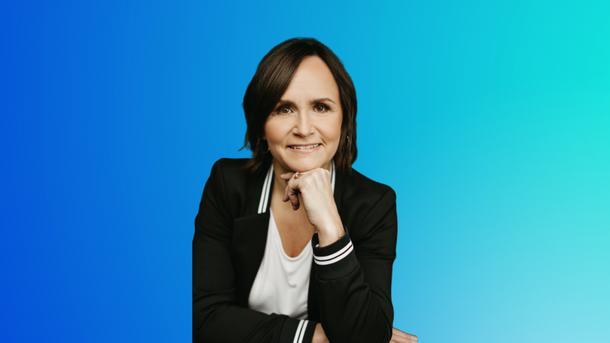
Char Andrew – Health & Wellness Coordinator at Red Deer Catholic Regional Schools

Char Andrew - Health & Wellness Coordinator at Red Deer Catholic Regional Schools
About Char Andrew

Char’s first job is being a mother and wife. She married Chris for 30 years and has 3 amazing children. Her second job is working as the Health and Wellness Coordinator for the Red Deer Catholic Regional School Division.

Her role with the division is to create healthy school communities for staff and students. Her school division is passionate about bringing awareness to the relationship between physical health and mental health.

Her 3rd job is as a fitness instructor with Studio Pilates in Red Deer. She has been in the fitness industry for over 32 years. Her fitness journey has been one of learning, passion and fun. 

Connect with Char: Email | Instagram

Listen Now

Listen to the episode now on Apple Podcasts, Spotify, or on your favourite podcast platform.

Resources Mentioned

Red Deer Catholic Regional School Division

Studio Pilates

Char Andrew Youtube Channel

The Transcript

**Please note that all of our transcriptions come from rev.com and are 80% accurate. We’re grateful for the robots that make this possible and realize that it’s not a perfect process.

Sam Demma (00:00):

Welcome back to another episode of the High Performing Educator Podcast.

Sam Demma (00:58):

This is your host and youth speaker, Sam Demma. Today’s special guest is a good friend of mine named Char Andrew. Char is the Health and Wellness Coordinator at Red Deer Catholic Schools. Char’s first job is being a mother and wife. She married Chris for 30 years and has three amazing children. Her second job is working as the Health and Wellness coordinator for the Red Deer Catholic Regional School Division. Her role with the division is to create healthy school communities for staff and students. Her school division is passionate about bringing awareness to the relationship of physical health, and mental health. Her third job is as a fitness instructor with Studio Pilates and Red Deer. She has been in the fitness industry for over 32 years. Her fitness journey has been one of learning, passion, and fun. I hope you enjoy this energizing conversation with Char Andrew, and I will see you on the other side. Char, welcome to the High Performing Educator Podcast. Huge pleasure to have you on the show here today. Please start by introducing yourself.

Char Andrew (01:56):

Hey. Hi Sam. Thanks for having me. My name is Char Andrew, and I am the health and Wellness coordinator for Red Deer Catholic Regional schools.

Sam Demma (02:06):

When did you become passionate about your own personal wellness and have that personal passion pour into helping others?

Char Andrew (02:15):

You know what, I think it was about 20 when I needed to take control of my health and wellness. It was kind of those late teens, early 20 years that I’m like, eh, I need to make, make a change. So I started going to a local fitness center and I literally fell in love with my aerobics teacher. She was like the high energy, high kicker type instructor. And she came up to me and she said, You know what? Have you ever thought about becoming an instructor? And that’s all it took. I had a background in figure skating growing up, and I, I had a little bit of rhythm going on. So I became an instructor and I’ve been teaching fitness for over 32 years now.

Sam Demma (02:58):

And you live it running triathlons and marathons, <laugh>.

Char Andrew (03:04):

I try to make sure it is part of my lifestyle. Absolutely. Yep.

Sam Demma (03:09):

What took you down an educational journey? Like when did you have the realization that you might want to help staff and students with their wellness and what actually brought you to where you are today?

Char Andrew (03:22):

Well, when I finished high school, I, I wanted to work in the education sector. I wasn’t really confident about going to school. So I, I started off my journey at, in early childhood development and I took a diploma program here in my, actually where I’m living currently in Red Deer. And I just knew I wanted to help students along with their education and their wellness. And then I ended up marrying my husband, who is a teacher and sort of immersed myself in that education world. I love watching him coach basketball. I love going to conferences with him. And then the opportunity came up for my, my role that I’m in right now. So it was kind of a good marriage of both where I was working in the school’s division and I was able to share my passion about wellness and how important it is for overall wellness, whether it’s your mental wellness, physical wellness, all of it.

Sam Demma (04:19):

That’s such a unique journey or introduction to Ed, you know, education. It sounds like you were able to bring two passions that you had together, which I think is a really meaningful way to pursue a, a pathway or a future. What does your role look like day to day in the school board for someone who might not be familiar with, you know, what you do?

Char Andrew (04:42):

Yeah, for sure. You know what? I think I have to give a shout out to our division first and foremost because they came up with this concept of a wellness coordinator. Knowing that what can we do to help our staff become healthier? Yeah. So that they take less sick days, right? So that it’s more consistent for kids in the classroom and ultimately it will save the division money if they’re paying for less sick time. So when they came up with this concept it was mostly to focus on, on staff wellness. And when I saw the job posting, I was like, Whoa, this is, this is a dream job for me because of the bringing the two of them together. So I think, you know, the focus of wraparound supports of wellness for students and teachers and all staff, bus drivers, whoever it might be, when people are physically well and there’s sleeping well and they’re drinking water and they’re out in the sunshine, have positive social relationships that makes us mentally well.

Char Andrew (05:48):

So I think my scope is definitely not mental wellness. I’m not a mental health practitioner. It’s not, that isn’t my, my skillset. My skillset is that that fitness and not part of the wellness, but we know that those are all the things that will support kids in their mental wellness. And when we, not even kids, staff, everybody in the group. Yeah. So when everybody’s well that way, it just makes us better teachers, It makes us better students, it makes us better bus drivers or s or cafeteria workers, whoever we are in the school division. So, okay, I’m gonna get really excited because I’m really passionate about it.

Sam Demma (06:25):

I love it. I can feel it. You can tell that this is work that you’re excited about doing every single day. And I think that in education it’s so important that every person in every role is excited about what they’re doing because that passion pours through and results and, and impact and, and actually making sure the job they’re supposed to do is getting ju getting done as best as it possibly can. I know that what you’ve done and what the division has done in the wellness sector is now sort of an example for other school boards as well. What are some of the initiatives or projects that you have worked on with your team and with the school division that you’re personally really proud of, but also excited about?

Char Andrew (07:11):

Yeah, I think the thing that we started about 10 years ago is we created this comprehensive school health model, which lots of divisions are very familiar with. But one of the things that we did in every one of our schools is we asked someone to be a wellness champion. It could have been an ea, it could have been a teacher. We, so now we actually have one or two, some schools have six cuz they’re pretty excited about it. But we are wellness champions in every school. And then they will take, I’ll do PD with them. I’ll bring them in the division office, you know, three or four times a year and we’ll talk about, Hey, what are some of the wellness initiatives that you wanna do in your school? How can I support you? And so that’s sort of where they build an action plan for the school year.

Char Andrew (07:57):

Now, in turn, those wellness champions will bring student wellness action teams together. So those, they bring students who are passionate about wellness and, and how can we support everybody in our school when it comes to anything from healthy eating bingo when you’re in elementary school to maybe bringing in someone in the high school to talk about, you know, mental wellness, those types of things. The one thing I love about our little action teams is that student Wellness Action teams, which the acronym is swapped, so they call ’em their SWAT teams, <laugh>, We have our little SWAT teams in the school helping the, the adults with their, with their wellness initiatives. So I think other divisions have really looked at that model of going, Hey, that’s a great idea. Let’s bring, bring in someone that will take that role and that leadership role in the school and then create these, these student action teams.

Char Andrew (08:49):

So I talk a lot about that with other school divisions. The other thing we did was we created a staff wellness assurance plan so that our division will follow through this over the next three years of what are an actual assurance plan that our HR team and myself will follow through with over the next three years. So it kind of gives us a path, the goal the strategic plan of what we’re gonna do over the next three years. So we talk about our, our assurance plan. There’s so many things that we’ve done. I really do get excited. I got to speak to the Zone four committee last year of all superintendent. Actually it was not even zone four, it was all a superintendents in the province about what we’re doing as far as wellness. So, ah, I’m pretty proud of what we’ve built here.

Sam Demma (09:37):

That’s so amazing. It, it sounds phenomenal. Outside of your, your role with the school division, how do you keep your wellness in check so that when you show up to work, you’re filled with energy, super excited and ready to go <laugh>?

Char Andrew (09:54):

So that’s a good question. I I actually teach fitness classes. Like I said, I’ve been in the fitness industry for 32 years. So I work my, my fun, my other fun job is working at a place called Studio Pilates where I teach everything from spin to TRX to Pilates. And I think one of the secrets for me is just doing different things. One day I, I’m gonna teach spin, but the next day I’m gonna go for a walk and then I’ll teach a TRX class and then I’m gonna go for a swim. So I think to keep me motivated, it is mixing things up. But other other piece of it for me is I know how good I feel mentally. Yeah. When I’ve done something physical that works for me. That’s my, my self care and, and self care and wellness means something different to other people. But that’s definitely the piece that motivates me is I have, I have to be moving.

Sam Demma (10:51):

It sounds like moving is the constant, but the way you move or why you’re moving in terms of the game you’re playing, the sport you’re engaged in changes that mixing things up is a part of your philosophy. Things got really mixed up over the past two years with Covid <laugh>. Yeah. When it comes to that mix up what was your focus or the school division’s focus on wellness during that time and maybe what are some of the initiatives or things that went on over the past two years to try and support the wellbeing of staff and students?

Char Andrew (11:26):

Well, you know, it was really challenging because part of what I love about my job was being able to go into the schools and work with the students and work with the teachers. So like everybody else, we had to figure out ways that we can make this work. So of course I did lots of virtual things and that’s, that was a big learning curve for me because yeah, not really technically savvy, but we managed to do a lot of sort of guest presentations for whether it’s PHED classes or the com classes in the high school. And then the teacher wellness piece, I started YouTube called Wellness Wednesdays, <laugh> Nice.

Char Andrew (12:09):

We would focus on, I would try and alternate, you know, one week would be something physical, whether it’s a five minute energy break at your desk because a lot of us were sitting at home at our desks or the next week would be nutrition. And then the following week I would do something that would help support our mental wellness. So my wellness Wednesday <laugh> little YouTuber videos became pretty popular. So, you know, we did what we could to make sure people knew we were still here and we cared about them and we cared about their wellness within the division.

Sam Demma (12:42):

That’s awesome. I’m gonna have to check out some of your YouTube videos. Are they still up there, <laugh>?

Char Andrew (12:48):

Yes, they are. In fact, I did a presentation for the bus drivers last week just to kick off the school year and a couple people put up their hands and said, Hey, are you still doing your Wellness Wednesday videos <laugh>? So, hey,

Sam Demma (13:01):

That’s awesome. We gotta

Char Andrew (13:01):

Continue with them now.

Sam Demma (13:03):

So aside from supporting the divisions as a whole, do you ever get emails or phone calls from individual staff members saying, Sure, I’m super burnt out right now, like I just need some support. Like, is that something that also happens and if so what is kind of your focus when someone reaches out like that who might be a little bit burnt out?

Char Andrew (13:26):

Yeah, that’s, that’s really great question. In fact, during the pandemic, one of the things I thought I wanted to do was how do I work with people a little bit more on an individual basis? Mm. So I took a wellness coaching course to the Spencer Institute in California and it was an online course and it now gave me the opportunity to, in the skill set to really meet with people individually, not, not really prescribing to them, You need to do this, you need to do that. It was more like, what are some of the barriers? You know, I know this is what you wanna accomplish, how can we talk you through it? And it’s really giving them strategies that it’s really them figuring out the strategies that work best for them when it comes to wellness. So I am now through the division, they said, Yeah, let’s, let’s, let’s use this as one of the supports for our staff when it comes to their benefits. So I now meet with people individually. I have about 13 staff right now that I meet with on an ongoing basis. And hopefully that’ll grow this year. But I do, I’m really enjoying that one-on-one meeting with people cuz it’s, wellness can be a really personal and private thing. Yeah.

Sam Demma (14:37):

But

Char Andrew (14:37):

It’s so important. They want, they wanna continue to be the best teachers or eaas or whatever cafeteria workers that they can be. So how can I support them on that one-on-one journey?

Sam Demma (14:48):

That’s really helpful because I feel like so many people in education over the past two years have needed a support like that. And maybe not had access to it. Prior to meeting you at the middle years’, you know council conference. I didn’t, I didn’t ever speak to a wellness coordinator before. So I think it’s really cool to see you doing the work you’re doing and that you’ve been doing it for a while now, which is exciting for education as a whole. What, like what personally keeps you motivated to do this sort of work?

Char Andrew (15:27):

Well, you know, I, I do it because I know how it makes me feel. But the other things that motivate me are just little, little comments or an email that I get, even if it’s my Wellness Wednesday video. If I get one email a week for someone saying, Hey Char, I really needed to hear that today. That really helped me get through my day. Or I went out to visit a school last week and one of the ladies had taped to her desk. The little five minute desk workout goes, I still do this every day, char. So those, that type of feedback does kind of fill my bucket and feed my soul. And I, I do know, I truly, truly, truly believe that when we incorporate wellness into our everyday life, how, how much better our life, the quality of our life can be. And I just wanna teach people that I want them to experience that same feeling that, that I get when I’m really taking care of my wellness. So I, I think that that passion that I have keeps me motivated cuz I know it’s, I know it’s making a difference even if it’s one person a week.

Sam Demma (16:34):

I was just having a phone call with a coach of mine and a mentor, his name’s Chris. And he told me that two weekends ago he was sitting on dock at a cottage. First time he had ever taken a few minutes to meditate in complete silence, where you literally sit and he crossed his legs and just focused on his breathing. And he noticed far in the distance a boat going by and could barely hear it. But the engine was loud enough that, you know, he, he understood that there was a boat somewhere, but it was at nighttime, so it was complete darkness. And within 10 minutes of this boat passing behind in the distance, he started hearing waves hitting the shore of his cottage. And at first he was thinking like, Why are there waves hitting my cottage? Just makes no sense. It’s, it’s dark outside, it’s nighttime, everything’s calm and silent.

Sam Demma (17:28):

And then he thought, oh yeah, it was from the boat. And what it made me think of just now while you were talking was the work we do in wellness, like you don’t know it or sometimes people don’t realize it, but you’re like, that boat that’s making a ripple. And it might not affect somebody instantly, but 10 years from now they’ll think back and go, Damn, I’m so glad that I did the five minute desk workout every single day. And I really took a lot from those, you know, Wellness Wednesday YouTube videos. Speaking of what is the five minute desk workout, if you don’t mind me asking <laugh> this sounds awesome.

Char Andrew (18:10):

Well, it’s things like pushing yourself away from your desk and doing a few squats and then putting your hands on the desk and doing some desk pushups. Just little things that you can incorporate onto your desk or in your chair. And now you’ve got me stumped. I’m gonna have to send you the video.

Sam Demma (18:27):

No, that’s okay. I’m gonna link it in the podcast show notes. So if anyone wants to check out Sure. Not only your YouTube channel, but the specific five minute workout, I’m gonna make it available to all the listeners. Okay. But yeah, the the work you do is, is so important. Tell me about a story of an educator or a student who reached out to you and shared with you the impact that wellness had on on them. Maybe they were going through a difficult time and five months later found themselves in a bit of a better place cuz they decide to finally focus on their wellness. I’m curious if you have any stories like that or people who have sent emails along those lines.

Char Andrew (19:09):

Yeah, you know, I, there’s always the, the little ones that you know, really have an impact on me. But it was funny, I was at a, the pool this weekend. I was swimming and I was talking to a teacher who had been part of my triathlon training cuz nice three pandemic. I would organize a group of teachers doing triathlons. She wasn’t a really strong athletic person, she didn’t love swimming. And we just had a little conversation in the change room and I’m walking out and she stopped me in the parking lot and said, Char, I just wanna tell you what a huge difference you made on my life when it comes to my, my overall fitness journey. She said, If it wasn’t for you, I wouldn’t have tried that triathlon. And that was probably nine years ago. And to this day she continues to doing triathlon. So I’m walking to my vehicle going, You just don’t know the impact that you have on people. And when you hear them nine years later telling me that, yeah, he made a difference, that’s, you know, pumps up my drove home with my chest pumped up and I was very happy and then phone my husband to say, You won’t believe this

Sam Demma (20:23):

<Laugh>. It gives you purpose knowing that you made a difference. Totally.

Char Andrew (20:26):

Yeah. Yeah.

Sam Demma (20:28):

So bus drivers in the board find your wellness Wednesday video is super helpful. I’m curious to know if there are any resources that you listen to or watch or have experienced or been exposed to that have been really helpful in your own personal development journey and wellness journey?

Char Andrew (20:48):

Oh yes. There’s been lots of people. I’m kind of a little fitness groupie. I follow <laugh>, I follow all these you know, I go to lots of fitness conferences and I’ve been really fortunate. The division has supported me in going to conferences. But there’s a few presenters that have really sparked my flame when it comes to fitness. And one’s Helen Vandenberg and she’s from Calgary. Todd Durkin is one out of San Diego who he’s got a podcast. It, it’s all about get Mind, right. He’s always like, get your mind right

Sam Demma (21:24):

<Laugh>. Yeah. Nice.

Char Andrew (21:26):

In fact, and I wear his t-shirt proudly and nice. And another one is Peter Twist and he’s out of Vancouver who went on quite the journey of himself huge trainer for the Connects the Vancouver Connects and then ended up getting a brain tumor. And, you know, he feels truly, truly deep down that his health and wellness and being as strong as he was, helped him get through that. Wow. so following his journey is really inspiring. But yeah, I, there are people that I consistently go to or talk to or email or follow that keep me inspired. Right.

Sam Demma (22:05):

Yeah. That’s awesome. I’m gonna have to check out Twist and these other two people. Yeah. Get your mind. Right. <laugh>

Char Andrew (22:14):

Such a groupie with Todd Derkin. <Laugh>,

Sam Demma (22:16):

Hey, we all have our idols. You know, people we look up to and people that we learn from as well. Yeah. what are you looking forward to about this fresh new school year?

Char Andrew (22:30):

Yeah, you know what I, we just got some word that we have some funding for some mental wellness initiatives within our, within every school division within the province. So even though mental wellness is not my, my skillset or my lane, I know that that funding will help our, our students. So it’s all about student wellness which of course you are definitely passionate about. And, and part of, and I think I’m excited that they are starting to see that wellness should be at the forefront of, of the education system. I mean, we’ve got funding. Yes, I agree. The grades and, and statistics, all of those things. The data is really important, but I think that we’re finally starting to see that if people aren’t well, how will everything else be in place? Mm-Hmm. <Affirmative>, I think we need to have healthy students, healthy staff, everybody wrap around supports like I talked about before. Cuz if we, because if we don’t have those, we’re not gonna have good grades. Right. You have to have the other things in place because kids can’t learn if they’re hungry, kids can’t learn if they’re not sleeping well, kids can’t. Right. There’s all of those things, those messages that we have to get out and I think people are really starting to believe and, and our education system’s starting to believe that you’re right, those things are really important.

Sam Demma (23:50):

What an exciting time for a very positive change, <laugh> and development in education, which I think is so exciting. If you could, you know, travel back in time to the first year you were working in this position in education and tap yourself on the shoulder and say, Hey Char, this is what you don’t need. This is what you don’t think you need to hear, but you really need to hear. What would you have like told you younger self as advice or as encouragement when you were just getting started?

Char Andrew (24:27):

Hmm. You know, I I I think probably don’t give up because I felt like I was beating my head against the wall a little bit when it came to wellness and, and having people realize how important it is. So there are many days that I had administrators say, <laugh>, this isn’t really important.

Sam Demma (24:48):

Mm.

Char Andrew (24:48):

Right. It’s all about the marks and it’s all about scores and, and that type of thing. And some of those administrators that I was like, I think I’m afraid of you. No <laugh>. Yeah. Those people are now on board with me. There are in Char and they’re like, Okay, I get it now. Like, this is super important. I understand what you’re saying, but don’t give up and I have a little bit of fight to me so I I didn’t give up and finally got true to some of those people. Yeah. Probably not give up.

Sam Demma (25:24):

And what’s so awesome about not giving up is that because you decide to keep going, it’s having a positive impact on so many people. If, you know, if you gave up, you not only would’ve let your own passion down, but you would’ve let all the people down who are now on board who totally see how important it is. So thank you for persisting. If another educator is listening to this and is fueling your palpable energy through their earphones and wants to connect with you and have a conversation, what would be the best way for them to reach out and get in touch?

Char Andrew (25:58):

Yeah, you can certainly send me an email. It’s char.andrew@rdcrs.ca.

Sam Demma (26:14):

And if they wanna subscribe to your YouTube channel, Wellness Wednesdays?

Char Andrew (26:19):

Yeah. Char Andrew Wellness Wednesday. Let’s, let’s make a YouTube sensation.

Sam Demma (26:27):

I love it. Awesome. Char, thank you so much for taking the time to come on the podcast, share a little bit about your journey, your passion for wellness. I really appreciated the conversation.

Char Andrew (26:38):

Well, I appreciate you, Sam, and everything that you’re doing for mental wellness, for kids and your message is so important. So thanks for all the work that you’re doing and thanks for having me on.

Sam Demma (26:48):

Hey, it’s Sam again. I hope you enjoyed that amazing conversation on the High Performing Educator podcast. If you or someone, you know, deserves some extra recognition and appreciation for the work they do in education, please consider applying or nominating them for the high performing educator awards. Go to www.highperformingeducator.com/award. You can also find the link in the show notes. I’m super excited to spotlight and feature 20 people in 2022. And I’m hoping you, or someone you know, can be one of those educators. I’ll talk to you on the next episode, all the best.

Join the Educator Network & Connect with Char Andrew

The High Performing Educator Podcast was brought to life during the outbreak of COVID-19 to provide you with inspirational stories and practical advice from your colleagues in education.  By tuning in, you will hear the stories and ideas of the world’s brightest and most ambitious educators.  You can expect interviews with Principals, Teachers, Guidance Counsellors, National Student Association, Directors and anybody that works with youth. You can find and listen to all the episodes for free here.


Richard Karikari – Former CFL Athlete and Co-Founder of Complete Performance Centre

Richard Karikari - Former CFL Athlete and Co-Founder of Complete Performance Centre
About Richard Karikari

As a proven leader in the domestic and international sports industries, Richard is known for his skills and experience in sports business operations, training and conditioning, minor association team management and his professional football career. He is passionate about promoting health and fitness for people of all ages.

Reputed for being self-motivated, over the past six years, he has founded and grown The Physio Studio. Currently operating at three permanent locations and various pop-up locations throughout the Durham region, he is excited to be working on getting a fourth location ready to open.

Other ventures include:
• Co-founding the Complete Performance Centre.
• President of the Durham Dolphins minor football club.
• President of the Ajax United Soccer Club, a black-focused club to get underprivileged kids back into sports.
• General Manager for the Ajax Soccer Club.

Prior to these endeavours, he was a professional football player in the Canadian Football League (CFL), giving him a unique perspective and first-hand understanding of sports from an athlete’s point of view.

Richard is a motivated and determined leader with strong managerial abilities in building, mentoring, and leading large, dynamic teams. He believes in displaying hands-on leadership in delivering activities and programs and supporting employees through first-rate employee development, performance management, and an environment where employees can strive for improvement in all areas.

Karikari works hard to build trust and respect with clients, colleagues, teams, and management and collaboratively develops strategic goals that drive organizations forward. Clients and business professionals enjoy working with him because he leverages his extensive experience to help them achieve business results diplomatically, responding to challenging situations with creativity, diffusing conflict, and upholding a high level of professionalism in all interactions.

He is a well-known community leader in the city of Ajax, and this fall, he is running for the position of school board trustee within the Durham Catholic District School Board

Connect with Richard: Email | Instagram | Linkedin | Facebook

Listen Now

Listen to the episode now on Apple Podcasts, Spotify, or on your favourite podcast platform.

Resources Mentioned

The Physio Studio

Complete Performance Centre

Ajax United Soccer Club

Canadian Football League (CFL)

Durham Catholic District School Board

The Transcript

**Please note that all of our transcriptions come from rev.com and are 80% accurate. We’re grateful for the robots that make this possible and realize that it’s not a perfect process.

Sam Demma (00:00):

Welcome back to another episode of the High Performing Educator Podcast.

Sam Demma (00:58):

This is your host and youth speaker, Sam Demma. Today’s special guest is someone who had a huge impact on me growing up as a young athlete and young man. His name is Richard Karikari. He is the proud owner and co-founder of the Complete Performance Center for Athletic Training. He trained me as the young man when I was pursuing my dream to play professional soccer. He is the president of the Durham Dolphins Minor Football Club, the President of the Ajax United Soccer Club; a black focused club to get underprivileged kids back into sports, and the general manager for the Ajax Soccer Club. Prior to these endeavors, Richard was a professional football player in the Canadian Football League, the CFL, giving him a unique perspective and firsthand understanding of sports from an athlete’s point of view. Today, he is also running for one of the positions as a school board trustee, which we’ll talk a little bit about today in this interview, along with his entire journey. I hope you enjoyed this conversation, and I will see you on the other side. Welcome back to another episode of the High Performing Educator Podcast. This is your host and youth speaker, Sam Demma. Today we have a very special guest. This individual played a big role in my life as the development of an athlete, but more importantly, a young man. Richard, welcome to the show. Please introduce yourself.

Richard KariKari (02:20):

How you do it, man. Thanks, Sam. You know, I appreciate it. You know, I have been doing a lot of work with different groups in the community, so you’re one of them, and I appreciate you guys reaching back out.

Sam Demma (02:30):

Absolutely. for those of you who don’t know much about your journey and also your impact, can you please just talk a little bit about yourself, your, your story and what brought you to where you are today?

Richard KariKari (02:42):

You know, it’s, it’s first and foremost I’m from Ajax Pickering area. I grew up here. I came here in grade four. Most like, just like everybody else that came from the Toronto area. And you know, just, just went through the system, went through the whole Catholic system, went through St. Mary’s. I ended up going to university and I’m, I’m right back here as a small business owner, just like my dad was in this community. So, you know, my impact, I feel that I’ve been able to give is, is to the youth. Right now, currently the president of the Durham Dolphins as well as a gm Hja Soccer Club. So these are two things that, these are two platforms. I’m allow myself to speak with kids, parents. I let them know about my journey. So it wasn’t an easy journey.

Richard KariKari (03:23):

Everybody expects you just to go to school, get a scholarship, come back, and everything is gonna work out. It’s complete opposite. You know, the scholarship means the university has taken control of your life in some capacity. And I know a lot of athletes come back and tell me that, but for me, I try to guide them as best I can. Work with the schools, the guidance counselors, let them know that, you know, there is opportunities outside sports to, to make an impact and look just like yourself. You’re doing a lot, and I do appreciate what you’ve been doing for the community. But you, sports is a foundation of just getting kids to understand everything works off a team, right? Takes a village to raise a community, and that’s kind of mindset I have.

Sam Demma (04:00):

What sport did you play growing up and tell us a little bit about your journey through your athletic career,

Richard KariKari (04:05):

<Laugh>. So, I, I’ve got a couple interviews and people always say he must have played football his whole life. So I ended up playing in a professional football, but that was not my first love. My first love was baseball. I grew up in an era where the Blue Jays were the number one thing in town. You, if you didn’t wanna play baseball, actually something was wrong with you. I know that the main fans would probably think I’m crazy, but the B Chases was, was defined. Tron went one era. And growing up I played baseball. I played baseball, started in age H eight went through the system, did the house league select rap, Played on the one, probably the best travel teams where we had four or five guys drafted. And, and you know, it, it just, it just, it, you know, it’s full circle how things work out.

Richard KariKari (04:46):

And I tell parents this all the time. I was a small kid, You know, I remember your meeting your parents and, you know, you were a smaller, at a younger age when I started working with you and you will grow. I tell parents, Relax, just take a breather. And I think for myself, being a baseball be my first sport, which I loved tennis. I joined the tennis academy at age 13 and 14. Loved this sport. It wasn’t affordable at the time for my parents. I appreciate my parents given the effort that they did at that time to try to accommodate it, but it wasn’t, it wasn’t feasible. And then I kind of just started to play football a lot with my friends outside. And I think that’s the things that’s missing these days. Just the, the ability to just play the sport.

Richard KariKari (05:24):

And yeah, it just, it just worked out. And I, there is a teacher or two at St. Mary’s that kind of guided me, and I, and I, and I shout out to those teachers, Mr. Sheridan, who ended up being the, the headmaster at St. Michael’s College in Toronto who wanted me to actually transfer from St. Mary’s, go to St. Mike’s at that time, which was a dominate football program. And he said, I suddenly, he said, Rich, you got talent. I was only in grade 10, 11. I was like, We just played flag football. And he was like, Yeah, flag football, but you’re pretty damn good <laugh>. So, so I, you know, I took that with my mindset, came home and one of my friends who was a wrestler was playing for the Durham Dolphins. It was actually called Ajax Picker And Dolphins at that time, AP Dolphins played out the old Kingsman Field there. And he told me to come out. And that changed my life. I came out and because of my baseball arm being a pitcher, third baseman, I ended up being the quarterback for the team. And, you know, the rest is kinda history now.

Sam Demma (06:20):

That’s awesome. You’ve done so much for so many young people in the community. Why do you think sports are such a great foundation to anyone’s future success?

Richard KariKari (06:33):

You know, I can look at multiple ways. You know, I, I was what we call an average student. You know, my mom told me to get an 80, I to get a 75. You know, I don’t wanna push envelope too much. But sports allowed me to, to know that first of all, the friends around you is what keeps you in sports, right? There’s not a lot of sports nowadays that you’re, you’re an individual. There is a rare, you know, golf and, and other sports like that. But I always played on team sports where the friends were crucial, right? You go out with them, your social is a environment is around them goods and bads. You know, you have bad days. They raise you. You know, they’re the people that tell you it’s okay. I think sports is important for that. I think sports is also important just for the parents.

Richard KariKari (07:15):

Parents want their kids out active fit. You know, we, we talked about the obesity levels. That wouldn’t be the case. Know kids are active, right? Mm-Hmm. <Affirmative> screens were not an issue. You know, we had a, I don’t wanna age myself. We hadn’t attend on Nten was at its prime. You know, Super Nintendo came out that was at its prime, right? But screen time was not an issue for, for kids at my time. It was, it was literally get outside and played a sport. And I, and I think truly, you know, becoming to Durham, when I came to Picker in moved here, it saved me. It saved me. Cause I could’ve got caught up, you know, being a guy that just hung up the mall, right? No, I ended up being a guy that played road hockey at a street in Pickering called Pebble Court pretty much every day. <Laugh>, you know, so, you know, made that, that attribute to just being Okta, being around my friends, keeping me in a straighten narrow. We all know kids like to follow their friends. That’s why parents always say, you know, who you hang out with will sometimes be who you are. Mm. Well, my friends are guys who just love to play sports, you know, stay active after school. So I am what I am. I I wanted to be like that. And, you know, that’s what kept me outta trouble.

Sam Demma (08:18):

And it sounds like sports and just team activities is what introduced you to some caring adults in your life that guided you and really had a big impact. You know, being the headmaster at St. Mike’s and even other teachers that you had growing up I know personally from experience that when I was a student in school my parents actually came to you as like a caring adult figure and we’re like, Can you help guide our son? Like what are some of the conversations that you have with parents even that have kids that aren’t in sports and some that aren’t in sports? What are some of the conversations that you have or what do they reach out to you to ask?

Richard KariKari (08:56):

Well, you know, I, I think a lot of parents, and I do appreciate the parents do come and reaching out to me. I’m, I’m from this area, and I feel they can just relate. I think first and foremost will relate. I don’t have a doctor beside my name. I further my education end up with my masters, but that’s irrelevant to the parents. Yeah. They just see Richard as a guy who’s coaching kids, who trains kids. So there’s a mental and physical component to that. And they see me as somebody who, if you can get into my son or daughter’s head athletically, physically emotionally, when you’re training athletes, then you can also talk to them about their behaviors, good or bad. And that trust is what I’m, and I, and I all sneaky, I’m not gonna lie to you, I knew a lot about kids, you know, if their grades were slipping, but the parents are still bringing them to me to work with them.

Richard KariKari (09:39):

Parents will kind of slide that information in there, and as I’m training the clients or training the athlete, I’d leak it in there. Hey, Sam, you know, how you doing, Sam? You know, just wanna get an idea. You know, you gotta, you got an 81 in your English, you know, but you know, you usually get 88, so what’s going on? And, you know, sometimes you’re truthful with me. You’ll just say, Coach, you know what’s going on? I met this wonderful girl, and I think she’s distracted me or coach, I’m doing some projects that my parents don’t know about which is a great, a project you’re doing right now. And it’s kind of distracting me. I’m really trying to change Durham. I’m trying to be a more impactful to just being a regular student in an English class. Those are things you may divulge to me, but you may not divulge to your parents. And then, you know, that gives me an opportunity to kind of give you my advice on how to either A, be more open with your parents, or b to continue on your journey, but not, and not suffer the, you know, the outcome of maybe a great job. And in the long term.

Sam Demma (10:29):

Hmm. Richard Carri Carri, the trusted parent advisor of the Durham region, <laugh>, you know what? Like,

Richard KariKari (10:37):

Don’t give away my seat now. My secret’s gonna be up now. No kids are gonna be, I’m very transparent with me. So, no, no.

Sam Demma (10:42):

You know, it is funny, when I stopped playing soccer and I’m, you know, I’m, I was, I was still in my late teens, I still found it difficult to kind of rebuild my image. You know, everyone looked at me as the soccer guy. And, you know, similarly to yourself, you’ve been so involved with sports your whole life. And some people might think your current interests, they don’t really relate exactly. But I would argue the opposite that, you know, if you’re able to pursue something and achieve greatness in one area, those same, you know, skills and attributes can be applicable elsewhere. Tell me about the other personas of Richard that no one really sees about.

Richard KariKari (11:19):

You know, something, I’m, I’m a quiet person and, and everybody, and here’s a key thing about me, and I say this for anything I do, everybody knows where to find me. Mm, right? I’m always at the same location here. I’m always working with athletes where, if not the general public, and, and I strive to focus on what’s in front of me and not about anything, what I call distracting me, right? Mm-Hmm. <Affirmative>. And I think the, from when parents really do come to me, I, I find the time and I will get an answer. It’s sometimes not an answer they want to hear. And I know some of the tough ones I’ve, I’ve dealt with is, you know, my kids started to, you know, smoke. Those are one of the toughest ones. Cause I’ve never smoked before. Mm. So it’s really hard for me to relate and, and I try to talk to the athlete or the, or the individual.

Richard KariKari (12:04):

And, you know, sometimes I have to be very honest, the parents, if you have a relative around you that smokes, maybe that’s what’s happened. Maybe they’re seeing it, maybe they’re witnessing it, you know, so it’s very hard for them. Maybe they have to take some responsibility for it. So I, I have to be honest, like, it’s, it’s really more of me trying to just put myself in both shoes, but at the same time, be honest, just be honest with either side, who I’m dealing with. And that I think parents that have come to me and athletes have come to and will probably recognize that I’m just, I’m very thorough in my decision making. Mm.

Sam Demma (12:35):

You, your, you know, you also have your own kids, and I’m sure there are people in your life who, when you can’t get through to yours, you lean on <laugh>. But you’re starting to gain a big interest in, you know, being a part of the community in these school space, in the education world. And I would assume an aspect of that is because your own kids are in it. Tell us, tell me more about that interest and that passion and why you wanna pursue being one of the counselors.

Richard KariKari (13:04):

Yeah, so, or

Sam Demma (13:05):

Trustees,

Richard KariKari (13:05):

I should say. Trustee. Yeah. So a lot of parents have come to me for, again, various issues. And I’m so happy, thankful for that. And, and ultimately for me, I have to start making some decisions because I’m starting to see a reoccurring trend. And it’s, it’s truly a trend. And you start looking at the research and data, same way you have done in your field, you start to say, Oh, hold one second, man, this is, this is not just a, a simple one off. This is not just a, a seasonal thing. This is actually something that potentially could be a change from, you know, policy, curriculum, you know, mental health could be anything. It could be anything above the, that you could start to say, How can I make a change in that direction or change in that for, for kids in the future.

Richard KariKari (13:48):

And that’s why ultimately started looking at the role of trust. And it took me about a year to decide that, you know, everybody pushes you towards me, a counselor, a mayor, I’ll, and I’ve said this and I’ll say it again. My, my, I don’t have interest in that at the moment. My interest right now is in continue to work with athletes, continue work with youth, Okay. Continue to guide people. And I think this is why it was the best fit for me to, to run as Ajax Catholic board trustee. It, it, it just fit well and well. I know have some public, have some public school people. Really ho why didn’t you go for public? I’m like, I understand, but my faith is Catholic. I went to St. Mary’s. you know, my kids are baptized in St. Francis. So I, I, I, you know, I mean, for me, I, I’m Catholic, right? But I continue to help, regardless of what board you come from I’ll continue to help, but for me, from a formality point, I, I fail those best for me to put my hand, my head my name in for Ajax Catholic trustee.

Sam Demma (14:39):

What has been the response from all your friends, family, the community at large? <Laugh>,

Richard KariKari (14:46):

It’s it’s exactly what you started by saying it’s Richard, well, the CPC guy, or Richard, the HX picker and Dolphins guy, or Richard, the HX soccer guy. It’s really breaking the the, the stereotype of who I am, right? Or the ex professional football player guy. You know, I have so many hats and I’m, I’m thankful that I have these hats to wear because when you have a lot of hats, good or bad, you’re making an impact in different areas. So I feel that the people around me, I’ve seen the social media thanking me, saying finally, I, I did get a lot of personal emails saying, finally <laugh>. And I, and I rep, I did reply all of them. I’m like, I, I understand. And I also get people saying, same thing I said before, I, I hope that I was wishing you could do the other board. I’m like, No. My focus again is just working with as a, as a Catholic trustee. And that’s what I, I’m aiming for. So it’s been amazing, all the support out there. It’s been amazing. And I’m hoping everybody can go out and vote the week of the 17th to 24th, and hopefully we can make change within the Durham region.

Sam Demma (15:48):

That’s awesome. What are the things that you’re hoping to support with in schools or like maybe for the parents who are curious, like what exactly is your role, you know, as a, as a trustee, if they’re not too involved in the system? <Laugh>

Richard KariKari (16:03):

Trustee, again, a trustee. You’re, you’re there for the parents, okay? You’re there for the youth. You’re there to be in an ear. It’s not always about the bad issues, it’s also the good issues. You’re there to support the schools. There’s gonna be different events that, you know, involve the youth, that you wanna make sure that you’re present, you’re there to continue to build the faith. We are in the Catholic faith, right? So you wanna make sure our kids, our kids are, our youth, are continuing to, to understand the Catholic faith. These are all different things that, you know, I my, I want to be a part of, right? But the most important thing is wanna build community. I think that’s ultimately the biggest thing. It’s too diverse here in Ajax that we do not wanna get caught in a situation that all this diversity will turn into everybody being separate, whereas the whole is to build.

Richard KariKari (16:49):

And I, and I’ve started that mindset at Aja Soccer. It’s our model. It’s our diversity inclusion model, which we brought in three years ago. And I’m, I’m pushing hard. We are a melting pot at a, a soccer, we are a melting pot that Durham dolphins. I want more and more kids to be involved in sports that they may not be a part, a part of their cultural background, which is a better way of saying, you know, there’s always a, and I can make this statement, there’s always been a stigma that if you’re Italian, you must be great at soccer <laugh>. You know, that’s, that’s a stigma, but you know something, why can’t semi dema play, you know, football? Why can’t stand semi dema play, you know, badminton? So these are all different things. We wanna build that community. I played tennis, I played badminton, I played, you know, volleyball in school.

Richard KariKari (17:34):

I think everybody took an attempt at that. We wanna build that in other ways outside just athletics. Build that in, in, in realms of our stem. Build that in realms above getting our kids and our high school students into job opportunities co-op, which you did co-op in, in, in this building here, which we work out of, you had an opportunity. Now see the different side at that time, at that time was called cpc. Yeah, you got a chance to see different side. So I think those are things that I wanna make sure that we continue to build on.

Sam Demma (18:02):

If a parent is listening to this right now or anyone in the education community and they wanna reach out and just like ask you a question, what would be the best way for them to get in touch?

Richard KariKari (18:13):

I have cards going all through the, the Ajax area. They can contact me. I do have a number. It’s 289-201-0497. Give me a call. I’m always available. You know, I do coach sports programs. If I get a call while I’m coaching, don’t worry. I’ll pick up and I’ll make sure, I’ll give you a call right back. My email is richard@completecentre.com. You can give a call, sorry, an email there. Ask me any questions as well as my social platforms. You can ig me or if not, send a message to Facebook. Either way you’ll get a response back, probably.

Sam Demma (18:45):

Awesome. Rich, thank you so much for taking the time to chat, share a little bit about your future pursuits and what you’re hoping to do in the community, and it was really inspiring just to catch up and chat, and I wish you all the best.

Richard KariKari (18:56):

Appreciate it. Thanks, Sam.

Sam Demma (18:58):

Hey, it’s Sam again. I hope you enjoyed that amazing conversation on the High Performing Educator podcast. If you or someone, you know, deserves some extra recognition and appreciation for the work they do in education, please consider applying or nominating them for the high performing educator awards. Go to www.highperformingeducator.com/award. You can also find the link in the show notes. I’m super excited to spotlight and feature 20 people in 2022. And I’m hoping you, or someone you know, can be one of those educators. I’ll talk to you on the next episode, all the best.

Join the Educator Network & Connect with Richard Karikari

The High Performing Educator Podcast was brought to life during the outbreak of COVID-19 to provide you with inspirational stories and practical advice from your colleagues in education.  By tuning in, you will hear the stories and ideas of the world’s brightest and most ambitious educators.  You can expect interviews with Principals, Teachers, Guidance Counsellors, National Student Association, Directors and anybody that works with youth. You can find and listen to all the episodes for free here.

Eric Keunne – Program Lead, Youth Settlement (K-12), Equity and Inclusive Education at the Halton District School Board

Eric Keunne - Program Lead, Youth Settlement (K-12), Equity and Inclusive Education at the Halton District School Board
About Eric Keunne

Eric Keunne (@EricKeunne) is an Educator and Instructional Program Leader for Youth Settlement (K-12). He is also a Research Assistant for the Camerise Project (FSL hub) and a Ph.D. student in Francophone Studies at York University.

Eric has worked in his early career as a teacher and head of the French department at Misaje High School in the North West Region of Cameroon. Eric Keunne holds degrees from York University, Newcastle University in the United Kingdom, the University of Yaoundé1 and the École Normale Supérieure Annexe de Bambili in Cameroon.

Connect with Eric: Email | Instagram | Linkedin | Twitter

Listen Now

Listen to the episode now on Apple Podcasts, Spotify, or on your favourite podcast platform.

Resources Mentioned

Camerise Project (FSL hub)

Francophone Studies at York University

Newcastle University

University of Yaoundé1

Ontario College of Teachers

Choq-FM 105.1

The Transcript

**Please note that all of our transcriptions come from rev.com and are 80% accurate. We’re grateful for the robots that make this possible and realize that it’s not a perfect process.

Sam Demma (00:00):

Welcome back to another episode of the High Performing Educator Podcast.

Sam Demma (00:59):

This is your host and youth speaker, Sam Demma. We have a very special guest with us today. His name is Eric Keunne. Eric is an educator and instructional program leader for youth settlement, K to 12. He is also a research assistant for the Camerise Project, also known as the FSL Hub and a PhD student in Francophone studies at York University. Eric has worked in his early career as a teacher and head of the French Department at Misaje High School in the North West Region of Cameroon. Eric Keunne holds degrees from York University, Newcastle University in the United Kingdom, the University of Yaoundé1 and the École Normale Supérieure Annexe de Bambili in Cameroon. I hope you enjoy this conversation with Eric, and I will see you on the other side. Eric, welcome to the High Performing Educator Podcast. Huge pleasure to have you on the show here today. Please start by introducing yourself.

Eric Keunne (01:55):

Well, thank you so very much Sam. It’s really a pleasure to be on your show today. My name is Eric Keunne. I speak many languages. I speak Aghem the from the west region of Cameroon but my official language is French because Cameroon, where I come from is a bilingual language country, just like Canada. And my, the language I grew up speaking and studying in is French so you will realize that very often in this interview that I will use on French expressions. And you can also derive from there that as I’m a French language teacher, right. So I’m very happy to be here. I’m going to certainly have the opportunity to talk about my journey as an educator all the way from Cameroon and here in Canada, in Ontario now today. So, aside from that, I’m also a dad married to a wonderful wife. So, and my lovely two kids Michelle ve <inaudible>. So yeah. And pretty much also working towards bringing the Cameroon community together. As always, I’ve been very invested in, into that vain. And but what is very important is certainly to sheathe the path for the future of our kids. Rightm and the next generation. as an educator.

Sam Demma (03:10):

When did you realize growing up that you wanted to work in education? Was it something you always knew or something you stumbled into?

Eric Keunne (03:18):

That’s a wonderful question, Sam. I, well, it really gives me the opportunity to visit back against some sweet memories. Like I said, I was born and raised in Cameroon and Cameroon’s, a very beautiful country’s actually located in Central Africa. For those who you who are so wondering, Cameroon is the home to Toronto Rap NBA champion, Pascals, of course, yes. <Laugh> and also Ronald Soccer players like Samuel Ato and Roja mil. Yeah. So just like I indicated, Camon it’s a very, I’d say Sweden, blessed country in a sense that the dynamics of the population living in Cameroon is such a unique one, and I would love everyone to experience that. However as you know, Cameroon is also today, Cameroon as we know it today, is not only a result of colonization, but it’s also had to go through so many iterations as a country itself.

Eric Keunne (04:17):

So many changes actually happen in there. And that has also influenced my path. I grew up in a very, very modest family. My dad and Ream was a business man, and he was very, very invested into bringing up his children in such a way that they were not experience the same challenges just like he grew up experiencing. He, he was not fortunate enough to pursue his education on after elementary school. So one of the things that always prompted him to motivate his kids to go beyond his level where he dropped, was to ensure that, you know, they’ll be able to embrace the future. And for me, particularly he absolutely wanted me to hold a key position in the family, being that person who always trying to not only help others to navigate around the challenges that they were facing, because apparently, I, I had that gift, that talent of being able to, to communicate eloquently in French and also, but in a very respectful way.

Eric Keunne (05:27):

And for him, that was a sign that I would be an amazing educator in the future. So somehow he, he pushed me in this, into this profession. He pushed me to embrace and to love this profession. So I grew up with that in mind knowing that I had a huge responsibility, not only towards my family towards my community, but people that I, I meet with every single day. Mm. And I, you know, I grew up with that love and passion for, for education, for, for helping others people to grow and try. Right. And I ended up at a teacher’s college in, in Cameroon, and here I am today.

Sam Demma (06:03):

You mentioned Samuel Etto. Is, is football a big part of your childhood,

Eric Keunne (06:07):

<Laugh>? Absolutely, absolutely. I grew up playing football, we call it in Canada soccer, but I grew up playing football and enjoying it, just like every, every young man of my generation in Cameroon. And even now. And you know, when I actually started teaching, one of the things that I also dedicated my time doing, Sam, was to to coach, right? So I used to be a soccer coach when, in high school, when I was working in a high school.

Sam Demma (06:32):

So you mentioned the passion, where it came from. What did the journey look like from the different roles you worked in education and then the transition from Cameroon to Canada?

Eric Keunne (06:45):

Well, it wasn’t an easy transition all the time. So I, like I said, I I, I did my teacher’s education in Cameroon at Eco Hill, the Bomb, and next to bomb Bili. So ENS bomb, that’s in northwest region of Cameroon. And my training was in bilingual letters, bilingual education. So I was trained as a FSL teacher, but also as an English language as a English as a second language teacher. Nice. And when I finished my, my teacher’s education in Cameroon, I was actually assigned to my first high school in Cameroon government high school, je, where I spent almost two years. Ah, and I, I, I, I ended up being a department head for French in, in that high school. Then at some point my dad, who was very, very very motivated in seeing me exploring and exploiting all my full potential, he encouraged me to go beyond the level of being a teacher at the high school level.

Eric Keunne (07:48):

So he really encouraged me to pursue my, my post-secondary education. So I started looking for opportunities to doing a master’s degree. And I, so I started that in Cameroon, and I eventually got the chance to go study abroad in the uk. But before the uk I made a stop in Belgium in Brick. So where I studied for one year. Then I eventually ended up at the University of Newcastle where I did study in a Master’s of education program in international developmental education. So in the uk what was very fascinating about my, my journey there was the fact that I was able to not only match part of my experience with, you know, the reality of teaching and learning in the uk, but I was also able to share this experiences with so many learners around me. Mm-Hmm. <Affirmative>, I was a unique opportunity in that specific program.

Eric Keunne (08:38):

And I, you know, I want to take this opportunity to give a, you shout out to Professor Pauline Dixon, who will be probably listening from the uk. She was my professor in that program. And she, she really invested in, in a platform where all the scholars in this program would be able to come and share experiences, because of course, we were talking about international development, and it was also a unique platform to talk about some best practices and things challenges that we were actually able to identify in specific countries, especially in developing countries. Right. And how we could actually work towards fixing that mm-hmm. <Affirmative>. And back then we were talking about the, the, the development goals for the future. So it was very interesting. Right. And and back then, I also had a chance to do some supply job teaching in the uk some of the schools.

Eric Keunne (09:31):

So it gave me a unique perspective, right, to compare my experience from Cameroon and of course, in the uk. Then of course, eventually after that I moved to Canada here in Canada when I actually arrived in 2009, I didn’t write away get an opportunity to teach because the process was quite tedious and challenging. So I did apply to the College of Teachers. It took me about two to three years to get my OCC license, as you would imagine, Very, very stressful. But in the meantime, I was very lucky to to be invited to teach at a private school in Maka, Ontario. That’s why started my first teaching experience in Canada. Truly was at Town Center private high school. That’s why I started teaching in 2000 and, and 12. Nice. And it, it was good because I was working in a small school and it was really the firsthand experience for me working in Canada for the first time as a teacher, Right.

Eric Keunne (10:25):

Mm. And getting ready as my p my papers were being processed. And so it was really at that moment, and I, I really always thank the principal back then, Patrick McCarthy, who hired me and all the staff at thousand High School for all the support that they provided me with. And today I’m very, very pleased with where I am, because after Town Central High School I eventually had a chance to also teach at Seneca College in the nice living program where I was teaching French language as well. And after that I think in 2014 there was a, a position at Qua High School here in Halton, Hal, Industry School Board, for which I applied. And and I got a job in 2014. I’ve been really enjoying my journey so far since 2014 with Halton Industry School Board.

Sam Demma (11:14):

I love that your journey pursuing education has quite literally brought you around the globe, <laugh>, like

Eric Keunne (11:21):

Absolutely. Absolutely.

Sam Demma (11:22):

It’s so exciting to hear about the diverse perspectives you have and have picked up from teaching in such different places. What are some of the stark differences or, and similarities that you’ve noticed teaching in Cameroon versus teaching in UK and then versus both teaching in Canada, like <laugh>? I’m curious what kind of comes to mind when you think about those experiences and the similarities and differences?

Eric Keunne (11:48):

Well, the first thing that comes into my mind what I, in terms of, you know, comparing my teaching experience in these three countries is, is the fact that, you know, it’s actually provided me with a unique, unique facet of, you know, understanding the needs of the student and, and of course the families, right? Cause in Cameroon, one thing that is very interesting for you to know is that we do have very large class sizes, okay. And, and there’s that desire for every single students to to be knowledgeable. So they’re really, really looking into embracing every single word that comes out of the mouth of the teacher. So, to that is, to that regard, I think the position that you hold as a teach in Cameroon is quite different from how you position position here in Canada or somewhere else.

Eric Keunne (12:45):

Got it. Because you do have that you know, unique position as a, in Cameroon to secondly bring all the students towards a direction, the direction that you think it’s good for them, because they look up to you as not only teacher, but as a leader. I’m not saying it’s not the case here, is it still the case here? However, the dynamics in terms of the relationship is quite different. Right. And here, and, and that’s why I say I’m very grateful because I’ve had a chance to teach in Africa, in Europe, and now here in North America. So I, I, you know, I’m very blessed in that sense because throughout my journey, specifically here in Canada, I have come to the realization that, you know, beyond the fact that as a teacher, you are a leader, you are also there to facilitate the knowledge, not necessarily to give the knowledge to students, not only to provide them with everything that they need to swallow and digest now.

Eric Keunne (13:44):

Yeah. Right. You broaden the perspective, You open their avenue to students so that they can actually grow up with some critical thinking, Right. And be able to co-plan with you. Right. And that’s really what is amazing. You know, when I think about the experience here but again, you, you have to also understand that, you know, the, the, the way education is shipped around the world, it’s specifically tied to all the, the economic of that country as well. Because resources is very important when you think of planning in education. So for countries who have limited resources, financial resources I’m talking about here, and of course technological resources, it will be very, very difficult to apply the same system that we have here in Canada, everywhere. And, and to that, I think when you have the opportunity to move around a little bit, you get to appreciate every single country with what they actually bring forward in this uniqueness.

Eric Keunne (14:46):

So every country has a unique approach, which I like. So everywhere I’ve been to and here in Canada particularly I, I think one of the things that really makes me always enjoy my, my role as a teacher is really the passion that I see in every class that I go into, especially when it comes to the learning of French as a second language. Mm. As a French language teacher, I’m always, always very fascinated, but by the desire of students to wanting to learn an additional language. And that makes me feel happy because it really indicates the fact that beyond the, the, the, the noble desire to utilize that language, they want to learn the culture of a different country. And as you know as a francophone, I always try to promote all French countries, not just France and Quebec as we know, but try to open the horizons to my students in such a way that they can learn from all the French countries and including your history, right? Because yeah, no, the fact that this country speak French is a result of colonization, right? So it’s important that we bring that in perspective so that, you know, the kids that we actually teaching here can grow up learning, right? And visiting history, and be able to position themselves as citizens of the world. That the way I see,

Sam Demma (16:13):

I’m getting so much energy just speaking to you, <laugh>, I, I feel like educators listening will hopefully absorb some of this energy and remember why they got into education in the first place. What, what about teaching keeps you coming back every single day? Excited, Of course there’s challenges and difficult times, but what about the opportunity gets you excited to get outta bed every single day and teach and help in education?

Eric Keunne (16:41):

But I, I think what really gets me motivated every single day is the transformational aspect of our job as teachers, as educators. Not only do we provide in classroom space and time and platform for kids to be be able to express themselves, but we also help them to break down some barriers that they actually facing in their day to day life. I’ll tell you a little bit about my experience as an international student in the uk and you suddenly understand why I’m so motivated every single day going out and doing my job as a teacher. You know, when I actually landed in the uk back in two and eight and I think that was one of the most challenging moments of my life. Just now, one thing that I fail to, I forgot to mention, is that right now I’m, I’m actually working at my board’s welcome center.

Eric Keunne (17:41):

I’m in charge of the Youth Settlement Program, so helping and facilitating the transition of newcomer students and families in our, and in our schools, right? And that it’s really, it’s closely tied to my experience as an international students back in the uk. Cause like I said, it was one of the challenging moments of my life cuz I wish you know, I had something called the welcome center back then. Yeah. That was solely designed for newcomers and international students like myself, Right? I’m talking about the structure that is actually working towards supporting students every single. And I’m so happy to be working with this amazing team at the welcome Center Hall, District School of Welcome Center because as you know, newcomer students, and when they arrive in a place a new place like Canada or, or in Ontario or in Halton, they do have so many challenges that they’re going through.

Eric Keunne (18:34):

That was me back, back then. Yeah. I, I was struggling with language because like I said, I, I grew up speaking French, studying in French, so I had zero mastery of English language per se. Right. And in addition to that, I was trying to get used to my new environment, and I was far away from home, right? Yeah. So I had no place that I could go to or nobody that I could call a family member. Right? And, and with my, my being a francophone with little knowledge and master of English language I was required to to attend classes, graduate courses, for that matter. I was actually required to complete assignments in English. And, and, you know, it was very difficult. And I see that every single day for our newcomer students and, and families that come here, Right. The struggle with the language, but yet they actually exposed to the learning in English every single day.

Eric Keunne (19:29):

So, for me, particularly, I developed back then what I called my personal technical dictionary, and I still have it here in my shelves, I promise you that. <Laugh> <laugh>. So what, what was that is actually some a notebook that I, I, I actually designed for myself in which I would write down all the comments, expressions that I would hear people use every single day around the classroom in, in the articles that I was reading. Right? And I would, when I go home, I would translate those into French Mm. So that I could comprehend and understand these expressions. And then now in return, try to use them in sentences. This is simply to tell you how much time it takes for a newcomer students in a country like this, Right. To be able to understand the concept that are taught in a classroom and be able to utilize them.

Eric Keunne (20:20):

You see what I mean? Yeah. So it takes at least two, three or four double the amount of time for them to be able to develop the communication skills, the writing skills. And so language was a huge barrier, and language is a huge barrier for many newcomer students and families when they actually arrive here. Right. And for me, it’s very important when I wake up every single morning, is to think about every single student in the classrooms, Do they have all the tools? What am I doing as an educator to ensure that in our system, in our board, in our pro, every single student is equipped right. With the support that they need in order to try and succeed, Right? Mm. So, and beyond the language barrier, one thing that was very interesting to for me as well, and I really want to point this out I was a computer illiterate. Mm.

Eric Keunne (21:11):

As a matter of fact, I have learned how to use a computer for the first time in 2008, believe me or not. Right? Mm. And, and it would take me so many hours to type a single paragraph, this is the challenges that newcomer students and family’s experience because maybe they’ve not been exposed to technology from where they come from, Right? So, and I had to rely, rely on the support of my classmates and my professor, right? To get my work submitted online. So in thinking of that experience, I was trying to ask myself, what are we doing differently today in 2022, in such a way that students will not be experiencing the same challenges, right? So I’m not talking about financial challenges because that’s also something that every family and newcomer families actually go through. So, and it’s important for me when I wake up in the morning, to always ask myself this question, What am I going to do differently today?

Eric Keunne (22:09):

What am I going to add to what I did yesterday to put a smile on the face of every single student I encounter? And also, how do I actually foster collaboration with my team, with my staff, with the teachers that I work with to make the difference in the life of our students? Because every single student in our classroom, every single student is a success story waiting to be told. And we have a role to play into that. We have to be able to not only of God put forward our motivation, but also look for the resources that would help us as educators, as teachers, to transform the life of these individuals. Because this is the future of Canada. We’re talking about because 10, 10 years, 20 years down the road, the same student that we do have in our classroom today are the one who are going to help us navigate around our society. Are ha are those who are going to help shape the future of our country. So we need to continue to invest in education. We need to continue to embrace our job with all the energy and enthusiasm that is possible. But at the same time, I think a while ago I was talking about resources. I think the government needs also to continue to provide enough support Yeah. And financial resources for educators to be able to do the job efficiently. Mm.

Sam Demma (23:35):

You, you mentioned a few minutes ago when you were talking about your experiences overseas, that one of the things that was a little bit different was the way student and teacher relationships are built. I think what’s calming, calming common amongst here, Cameroon, Europe and the uk, is that one of the main goals of the educator, despite how the relationship is built, despite how the classroom is set up, is to help young people become their own success stories. As you just mentioned, that every student is a success story waiting to happen, and that educators play a part in it. I believe that that idea is one of the main reasons why people actually get into education. Because they wanna help people. They wanna serve young minds. They wanna make a difference. Sometimes we forget, sometimes educators forget why they started. And I think sharing an example of one of those success stories can help rekindle that fire. And I’m curious to know, in all year years teaching, if there are any success stories of students that come to mind that you might be willing to share. And it could be a very serious story of transformation, and if it is, you can change their name for privacy reasons. But I’m hoping you’ll, you’ll, you’ll be willing to maybe share one or two that that come to mind.

Eric Keunne (24:57):

Well, you know what? There’s so many success stories that I, you know, I could actually share with you. And I, I’m not just sure where to start, but I, I would love to, if you are okay, to probably read this letter that I received from one of my students. And she actually graduated I believe a few years ago no. Last year from Iru High School. Yes. And I, I, when she was about to graduate she actually sent me a very, very lovely letter, which to me kind of sum up the, the role and and, and I think the, the, not only the, the influence that we have on our students every single day, and, and for me it was at the same time also an appeal, right? Mm. And an invitation to even do better every single day. Because to me, when you have a student writing, you emailing you to share with you all these details and be able to tell you how transformative you’ve been in their lives, I think it’s just amazing as a staff, right? So for me, this is something that I want to share. Okay. Please, are

Sam Demma (26:15):

You ready for it, please? Yeah, I am. I’m patiently waiting. Ready? Excited. <Laugh>.

Eric Keunne (26:19):

Okay, so I, I’m, I’m really exactly what is, I’m not changing anything. Comment on this. Okay. Okay. And this student would, when, if she listens to me, shell recognize herself. S so the title of the email is La De So the End of Secondary School, High School S let me translate that because this is my bilingual mindset, Okay? It’s been long since the last emailed you, but now, you know, in the good of I, this is already end of, end of the school year, and she goes now in English. Okay? I would normally insist on sending you a French email, but since these words are so hard to say, I thought English might be better, they always say, High school goes by so quickly. And I didn’t believe it until now. Nothing could have prepared me for the memories I would make at ioi.

Eric Keunne (27:22):

But memories are only as good as the people who contain them. Mr. Kearney, you have taught me for more than three years. Oh, you have taught me in three years. Sorry, let me repeat that. That’s okay. You have taught me more in three years that I would’ve learned from anyone else. You brought a smile on my face on my worst days. Mm. And made me laugh at times. I didn’t expect. Without a doubt, you have been one of the most important role models in my life, and that is something I will never forget. Learning French for 12 years was a trial, but learning French with you was a joy. Selfishly, I wish you would have stayed at ioi, but even though you are not here physically, your memory leave in the praise of my peers. And I now, I have reached the end of high school, and I’m sad to live behind all the wonderful people who built me up these last four years.

Eric Keunne (28:27):

Mr. Kaney, without you, I don’t think I would be more, I will be where I am In another circumstance, I would’ve been pleased to see you watch me graduate. Although that isn’t an option. I will carry you in my heart today as I received my diploma. Thank you for everything you’ve done for me, All the lesson you have taught me, and all the lifelong memories I will carry onto university. Being your student was a privilege and owner, and I will be grateful for the rest of my life. Please send my best to your family. Don’t your friend forever. And I’m not reading this just because I want to sing my own praises. Okay? I’m, I’m sharing this because when I read this email, some, you know, I shared some tears. Mm. Because this is a student I taught for two years, and I left to take another role, but yet we kept in contact.

Eric Keunne (29:22):

So many of them, actually, this is just one of them, okay? And, and up to now, she’s at, in, she’s going to her second years at the university. And she recently emailed me just to ask for advice and to share with me where she’s up to many. This is really what I call the reward for teachers. This is how impactful we are. It’s shaping the lives of main students in this country, and of course, in the world. So to me, when I actually reach something like this, it gives me the motivation to go out there every single day. And of course, and to double my efforts to ensure that, you know, 2, 3, 4 years from now, we have people who be doing the same thing no matter what direction they decide to pick in life, whether they’re in finance, whether they actually become lawyers, whether they become anything. The most important is to plant the seed for all these students. You understand that all together, we’re walking towards the better tomorrow, right? This is the essence of this message. Mm.

Sam Demma (30:24):

What a beautiful letter. It’s so cool to see the seed planted, harvest, and see the impact, but I’m sure there’s also been situations where you’ve given your best foot forward, your best effort, and maybe you haven’t heard from a student until 10 years later or 15 years later. And maybe you wonder for a while, did I make a difference in that young person’s life? And even if they don’t, you know, send you a letter like that I think the impact is felt, you know, it’s a blessing to receive it, but sometimes they’re a little shy and they don’t share. Right?

Eric Keunne (30:57):

I agree with you. And that’s totally okay. Right. Because every single person is different, right?

Eric Keunne (31:02):

Yeah. So for me, the most supporting as an educator is to ensure that I do my job, you know, with all my passion and energy, and ensuring that the students in my classroom are safe, That the student in my classroom are able to recognize themselves in the curriculum that I’m using, that the student in my classroom are able to actually identify themself in the material that I’m using. It’s so important that way we are actually helping our students to feel included, but also to feel valued Yes. As individuals. So for me, it’s important to to point that out. Absolutely. Because as you know we’ve had so many instances in our schools where, you know, kids go through so many challenges. And I think our role as educators is also to be able to identify those students who are lacking behind, who are experiencing difficulties, who are actually feeling rejected for one reason or the other. Yeah. And being able to bridge the gap. Right. And I think the Covid 19 pandemic has created also more gaps, right? For, for these students. And it’s important that as educators we’re able to recognize that and identify the resources that are going to help them, that are going to really help to protect and uphold the right and dignity of all the students and families that we actually work with every single day.

Sam Demma (32:34):

I was gonna ask you what you believe some of the challenges are, but you just had some light on them, them. What do you believe are also some of the opportunities? I think as a result of covid 19, we’re spending more time focused on some of these things, whereas in the past, maybe we brush them by without giving them the time, attention, and energy they deserved.

Eric Keunne (32:54):

And I think one thing that I absolutely want to share is that, you know, as educators and, and teachers, it’s, it’s our responsibility. Yeah. Truly. and it, I think it’s really an imperative that, you know, we acknowledge and we embrace our responsibility to, to build, to buildable and inclusive classrooms and school communities. That is so crucial, right? So to me, I, one of the things that I always try to bring forward in, in my mind, and that’s one of my belief, is that, you know, as educators, we, we need to build a community in which every single learner, all the children can succeed. All the children can achieve success. And, and for me, I begin that through my, my enion lens, right? Which really seeks to engage and challenge my colleagues to recognize and disrupt the inequities that have actually impacted historical marginalized students in our, in our society and our schools. And we, we, we, that’s the reason I was talking about the curriculum a while ago. We must think about the curriculum as an instrument tool of learn a learning material through which we can actually infuse some inclusive perspective, Right? This way we can always make sure that the student voices are put forward, right. Especially for those who have been historically marginalized. So it’s important that as educators, we build that solid community in which every single learner can drive and succeed.

Sam Demma (34:29):

Mm. I love it. If you were to somehow snap your fingers and travel back in time to the first year you taught in the classroom, but with the experience and the knowledge that you carry now, what would you have told you younger self in the form of advice when you were just starting? And not that you would share something in the hope that you would change, the path you take, you took, but something that you thought maybe would’ve been helpful to hear when you were just getting into this vocation of teaching?

Eric Keunne (35:02):

I, I would certainly tell myself one single thing. Use the classroom opportunity to help the student understand their past and help them to shape the future. Because when I grew up, Sam, as a, as a student in Cameroon, I didn’t learn about the, the history of my own country in classroom. Oh, wow. It’s when I grew up that I learn about the history of colonization in Cameroon that is not taught in classrooms. So for me as a French language teacher, Cameroon, I would’ve loved to start talking about that within the, the classroom context and bringing that into perspective when I’m church, selecting my material. So it’s the same thing that, you know, I try to do today. Helping the students to understand the history of our country, Canada, the impact that, you know, there, residential schools I’ve actually had on you know, our population, our indigenous population, and how together we can actually work, right?

Eric Keunne (36:05):

To ensure that nothing like that ever happens again. Mm. Because if we fail to talk about what happens in the past, our kids will never understand, and it will be so difficult. And 20 years down the road, we will still be here experiencing the same challenges. I’m not saying that we should always dwell in the past and talk about everything in the that, but again, talking the perspective of bringing change, making some significant change for, for the current generation and for the future generation. So for me as a teacher, when I started back in 2005 in Camero, it would’ve been very interesting for me to bring that perspectives in the context of teaching a language like French, because I was so focused on grammar, like grammar and LA zone, because that was the curriculum. Of course. Yeah. But now having that critical lens, I think it’s important that every single language teacher, every single teacher is able to bring forward in all the current reality that we’re experiencing. Actually looking into what happens a few years ago and shipping the path for a better tomorrow for every single student.

Sam Demma (37:15):

I feel so energized. I have so much energy just hearing and, and listening to you speak. I know for a fact that the educators listening feel the same way. If one of them wants to reach out to you, share an idea, ask a question, collaborate on something, what would be the best way for an educator tuning in to reach out and connect?

Eric Keunne (37:36):

I think, the best way to reach, I will be through my Twitter @erickeunne Eric, as you already know, but also they, they can actually email me. My, my school board email is keunne@hdsb.ca, so that you can share with whoever wants to collaborate, because it’s, I believe in the power of collaboration. As educators, we can always come together to do some critical thinking on how, around how we can make things better for every single studen in our classes. And also, I believe in sharing, sharing experiences is what really help us to move forward as a community of learners. Sharing and sharing best practices, sharing some of the resources is what helps us to really bring the world into our classrooms because I usually tell my students one thing, which very crucial in, in a classroom, in the language classrooms particularly, it’s important that we bring the world to our kids.

Eric Keunne (38:37):

Mm-Hmm. <Affirmative> because if our students don’t have the opportunity to travel, just like I did back in, in a few years ago, as a language teachers, through the resources that we are using, we can actually help the students to travel, to travel without taking a flight. Yeah. To camon. We can bring in novels from Kaon, we can bring in novels from every single country around the world and be able to discuss that in a unique way. And that will help the student have a broader perspective around the world. And of course, provide them with the tools to be able to navigate after high school and traveling around the world to become that global citizen ambassador that we want our students to become.

Sam Demma (39:21):

You. I was about to end and then you sparked my interest in another area. So I’m gonna ask you one final question before we wrap up. You mentioned the importance of bringing the world into the classroom in the form of resources. And I’m curious to know, are there anything, are there any resources that you personally have brought into the classroom or your classroom spaces that you felt have helped bring the world into your classroom or help students see themselves in the curriculum? Are there any things that come to mind or things that you’ve used in the past that you think other educators might benefit from looking into?

Eric Keunne (39:55):

Absolutely. in terms of language teaching, you can always bring so many resources in your classroom. So what I’ve done in the past when I started teaching in Ontario is really to broaden the horizon by actually selecting and identify different resources from different countries around Lahan, Kaho around French countries in the world, right? And helping the kids to understand how language and culture are so intertwined, are so related, right? And helping them to understand, of course, the vq the experience vq of this, of people population in these different countries. One of the things that I’ve also done, I’m so connected to, I, I love communication by the way, and, and I always try to bring into my classes the opportunity for students to learn through news report from different countries over the world. So I, I bring the news reports so that we can listen to the news and talk about and be able to learn about experiences that are happening around, and of course in French, because we have so many varieties of French, so beautiful varieties of French that needs to be put forward when it comes to teaching and learning French, a language like French.

Eric Keunne (41:07):

Also, I had a few years ago the opportunity to take the students from my French club, a French club that I started at the college high school. So one of the French community radios in Toronto, Shock fm, where we had a debate. And it was a unique opportunity for my students to be able to do the learning outside of the classroom in a different setting, in a different context in the media, right? And I think that’s something that we failed to always think about. It’s learning is not just within the classroom context. The resources could be outside the classroom. And one, most importantly it’s also thinking about some resource people that you can always invite into your classrooms to talk about things that are crucial key to the students development. So thinking about who you can bring in your classroom or where you can take your students to so that they can learn from. It’s so important. So beyond the textbook, beyond the material that if you be using, it’s important that you brought in the horizon for the students so that they can actually, at the end of the day, have a rich experience. And I promise you, if you do that, every single student will be so pleased to come to school every single day and be able to be in your classroom and be so engaged. And that’s the essence of our job, right?

Sam Demma (42:23):

It’s so clear you’re doing work that you are meant to be doing every, Thank you so much for taking the time to come on the podcast. It means the world to me, and I know everyone tuning in is gonna feel energized and motivated after listening to our conversation. I can’t wait to continue to witness the things that you do and the impact you have. Keep doing the amazing work. And I, I look forward to staying in touch

Eric Keunne (42:50):

That I just wanted to take the opportunity to thank you in French. Cuz like I said it’s my first language, official first language. Don wish you all the best as well, and I’m looking forward to to listening to more podcasts from you.

Sam Demma (43:07):

Awesome. Thank you so much. Talk soon.

Eric Keunne (43:10):

My pleasure.

Sam Demma (43:11):

Hey, it’s Sam again. I hope you enjoyed that amazing conversation on the High Performing Educator podcast. If you or someone you know, deserves some extra recognition and appreciation for the work they do in education, please consider applying or nominating them for the high performing educator awards. Go to www.highperformingeducator.com/award. You can also find a link in the show notes. I’m super excited to spotlight and feature 20 people in 2022, and I’m hoping you or someone, you know, can be one of those educators. I’ll talk to you on the next episode. All the best.

Join the Educator Network & Connect with Jesse Macdonald

The High Performing Educator Podcast was brought to life during the outbreak of COVID-19 to provide you with inspirational stories and practical advice from your colleagues in education.  By tuning in, you will hear the stories and ideas of the world’s brightest and most ambitious educators.  You can expect interviews with Principals, Teachers, Guidance Counsellors, National Student Association, Directors and anybody that works with youth. You can find and listen to all the episodes for free here.

Jesse Macdonald – Prince Edward Island’s Chef of the Year

Jesse Macdonald – Prince Edward Island’s Chef of the Year
About Jesse Macdonald

Growing up, Jesse MacDonald (@JesseMacdonald) had no aspirations of becoming a chef. Raised in Launching, PEI, he was born into a fourth-generation lobster fishing family where throughout his life he would hold every position in the family’s lobster boat from “cork to captain.” His childhood home was located on the corner of his grandfather’s large family farm, so he was able to spend ample time as a youngster gaining an appreciation for all things local. Growing up, farm to table wasn’t a movement or a fad for Jesse & his family; it was simply a way of life.

In middle school, he quite innocently got a summer job washing dishes at a local resort property, and these two wonderful worlds began to collide. By the time Jesse graduated high school, he was one of the lead cooks in the resort’s main dining room. Jesse then made the decision after high school to pursue cooking as a career, and that fall attended the Culinary Institute of Canada, graduating in 2010. Jesse spent time on the Island apprenticing under well-known chefs and establishments before, during and after graduation prior to leaving the province to broaden his culinary horizons with stops in Nova Scotia, New Brunswick, Ontario, France, Italy & Spain. After returning home to his native PEI in the spring of 2018, he accepted the position of Executive Chef of Rodd Crowbush Golf & Beach Resort and Corporate Culinary Ambassador for Rodd Hotels & Resorts.

Being home has served Jesse well since returning to his roots. In July 2018, he was awarded Chef of the Year for the PEI Tourism Department Best of Sea Restaurant Promotion which hosts the best chefs the Island has to offer to compete for the privilege of representing PEI at the International Shellfish Festival during the Garland Canada Chef Challenge Event and the chance to go head to head against some of the best chefs the country has to offer. Jesse also crowned Setting Day Festival Chef of the Year in May 2019 during the PEI Setting Day Festival Chefs Competition, where 8 of the Island’s Top Chefs were invited to compete in a fans choice competition celebrating the first catch of the spring Lobster Season. Since returning to red soil, Jesse has also become very involved in the Culinary Federations PEI chapter, as well as cultivating the next generation of food service professionals here on the Island, taking on a role as a support chef instructor during his resort off-season at his alma-matter, The Culinary Institute of Canada. Jesse is looking forward to his second full season back home in PEI, and is excited to continue to do his part to help build the already obvious momentum on “Canada’s Food Island.”

Connect with Jesse: Email | Instagram | Linkedin | Twitter

Listen Now

Listen to the episode now on Apple Podcasts, Spotify, or on your favourite podcast platform.

Resources Mentioned

Culinary Institute of Canada

Rodd Crowbush Golf & Beach Resort

Rodd Hotels & Resorts

PEI Tourism Department Best of Sea Restaurant Promotion

International Shellfish Festival

Garland Canada Chef Challenge Event

PEI Setting Day Festival Chefs Competition

Culinary Federations

The Transcript

**Please note that all of our transcriptions come from rev.com and are 80% accurate. We’re grateful for the robots that make this possible and realize that it’s not a perfect process.

Sam Demma (00:00):

Welcome back to another episode of the High Performing Educator podcast.

Sam Demma (00:59):

This is your host and youth speaker, Sam Demma. Today, we have a very special guest on the show. His name is Jesse McDonald. Jesse began his foray into the hospitality industry quite innocently; taking on a summer job, washing dishes for some extra cash while he was in middle school. And he has worked in the food and industry beverage ever since. That means 15 years, three different provinces and many fulfilling experiences later, he is currently the executive chef at the Wheelhouse in Georgetown, as well as a second year chef instructor at the Culinary Institute of Canada. I got very hungry, just having a conversation with Jesse. I hope you enjoy this interview with him about his journey through different careers, different opportunities, all with a through line for his love of food. I hope you enjoy it, and I will see you on the other side, Jesse, welcome to the High Performing Educator podcast. Huge pleasure to have you on the show here today. Why don’t you start by introducing yourself and sharing a little bit about what you do with the audience?

Jesse Macdonald (02:04):

Yeah. Thanks Sam. So I’m a born and raised Islander from Prince Edward Island. Canada’s smallest province and yeah, I’m actually a chef by trade. So I’m an executive chef at a local restaurant called the Wheelhouse in Georgetown. I do that. We’re a seasonal restaurant so kind of in that role April till October, and then I also kind of on the off season of my industry job, am a chef instructor at the Culinary Institute of Canada here in the province as well.

Sam Demma (02:40):

Everyone eats food, it’s, it’s required for living <laugh>, but not everyone falls in love with making it. Where did your love and passion for food come from?

Jesse Macdonald (02:52):

You know, it’s funny, I, I I’ve told this story a bit, but you know, my love of food really happened kind of backwards compared to most chefs. I was kind of born and raised in rural P EI into a fourth generation lobster fishing family. Our house, essentially, even though it was a little bit down the road it was essentially on the corner of my grandfather’s large 50 acre farm kind of family style. And that farm had been in hidden, you know, his was his, my grandfather’s grandfather had been in our family for literally generations. So food was always a huge part of my life. You know, grandpa always had cattle and chickens and geese and pigs and, and things around the farm, which I spent a lot of time at. And then my parents fish lobster.

Jesse Macdonald (03:38):

So obviously naturally fell in love with the sea and still definitely identify kind of with that lifestyle mm-hmm <affirmative>. But it wasn’t until middle school. And I, you know, one of my good friends that’s now ironically the owner and boss of the kind of restaurant I work at <laugh> one of my close friends growing up you know, kind of call called me randomly on a afternoon in the summer when I was in middle school and said, Hey, I’m washing dishes at this local resort. And we need some people and you should come down and work with us. So I next day went down and got myself a job slinging dishes and kind of the rest is history. My two worlds collided a little bit really kind of fell in love with that hustle and bustle of the kitchen, but also had this like production background and understanding of food at like a grassroots level, which was something I didn’t necessarily realize was special for my upbringing.

Sam Demma (04:31):

What is your favorite dish to cook and eat and why <laugh>

Jesse Macdonald (04:37):

Oh, man, this change changes so much for those, for those that know me, well, they’re gonna be laughing at this question overall. I would say my favorite thing, and this is a generality, but I would say it’s cooking seafood in general. Obviously that’s what we have around specifically shellfish in our local fish and kind of local products, the reason being for so long and even still a little bit, you know, everyone thinks, oh, the only way you can eat muscles are steamed. The only way you can eat lobsters is boiled, you know, and the reality is there’s a whole, you know, myriad of ways and, and unique flavor profiles and manipulations you can do with this like beautiful product. So I would say that’s in general, kind of my favorite thing is, is, is taking our, you know, product and our shellfish that we’re so well known for, but kind of presenting it uniquely in a different way. People may not be used to, you know, some unique flavor, pairings and profiles, but like I said, in general, that would be kind of the area I, I like to hang out in for sure.

Sam Demma (05:39):

Yeah. That’s awesome. So take me from middle school to where you are now, once you started slinging dishes, working that first job falling in love with the hustle and bustle of the kitchen, what, what did the rest of the journey look like to today?

Jesse Macdonald (05:53):

You know, it’s funny because it, it feels very much like a whirlwind. It doesn’t feel, feel like that long ago. So that was roughly, you know, 15, 16 years ago. I’m 32 now. So kind of started in the kitchen. I believe I was 14 dish washed for that part of a summer. And then the next summer went back really enjoyed it, started again and kind of by happenstance. Just the way that you know, businesses work. Sometimes we had an influx of people that summer go out the door, ended up getting promoted from, you know, a dishwasher or, or steward as they called it. A little bit more politically correct than dishwasher, I guess to a prep cook and then to a line cook within like two weeks. So then all of a sudden I was in, you know, grade nine and learning how to cook professionally.

Jesse Macdonald (06:43):

And I had a big, like, you know, again, Royal PI upbringing. So I was big into like organized sports and stuff as a kid. And the thing that I, I really connected was I was like, this is exactly like a sport. It’s like, we’re a team and we all have a job to do, and we’re only successful. We all do it together. And it was just like something I was familiar with. And so I dove into it and I did that at the same local resort until I was in grade 12, by the end of the summer in grade 12, when I was there, I was actually running in one of the main dining minds. So I had no actual former tra formal training story, but I was, you know, by that point at four or five years kitchen experience and, and was actually the lead cook on one of our, our dining room minds, the resort is the large resort, you know, it had 150 rooms, so there was three different restaurants, a 40 seat, a hundred seat to 200 seat.

Jesse Macdonald (07:36):

So I had the mid-sized one. And yeah, like I said, I got a bunch of room to grow and it really worked to my advantage. And from there I went right outta high school after grade 12 and attended and enrolled locally in the culinary Institute of Canada here at Holland college on the island. So did that two year program between first and second year, you’re required to do a 600 hour internship. So I wanted to spread my wings a little bit. So instead of going back to the local resort I had been at for four or five years, I actually went to a well known island restaurant, but also Canadian restaurant at the time. It was 2009, was the in bay fortune. So made famous by chef Michael Smith. A lot of people know from the food network Canada. So my internship was under chef cuisine who was running day to day operations at the end chef Warren bar, who was actually still in the industry.

Jesse Macdonald (08:32):

Shout out to Warren, one of my big mentors. He has a restaurant in use slip BC called PVI. So only a couple years old, but this year actually it just copped onto the top 100 restaurants in Canada list. Wow. Very well deserved. He was my internship chef for my, like I said, my summer internship from school. And then chef Michael, who was kind of in the Mixel at the time would be there, you know, every once in a while intermittently. So kind of got to rub shoulders with both of those guys. They, they were the as I kind of say almost the finishing touch for me as a chef, because the whole background of the in is local products, you know, big farm, there’s three acres of produce. You go out every morning as a chef, decide what the menu’s going to be.

Jesse Macdonald (09:18):

It changes every day based on the products that you have in pick. And it was just like having that, like fishing and farming background with my parents and folks and pickling with Grammy and, you know, stumbling around behind Grampy when he was fencing or being at the Harbor dad. Like it was just my, like my two worlds colliding. It was like my background and my home life, but then also this like lifestyle in the kitchen that I was introduced to. So that was huge. I did that first summer, then I, you know, traveled around, I took a sous chef job, so got my first sous chef job, right outta school at a local golf course, then eventually moved to Guelph, Ontario as a sous chef as well was there for about a year and a half. Then I did kind of the typical young, Canadian thing.

Jesse Macdonald (10:03):

I feel like where I then took a couple months off and went to Europe, nice, kinda traveled through Europe and did that thing. I STO at a couple restaurants there, which means working for free. Nice. And just to kinda get the culture and stuff. So I did that at a hotel in France for a couple days and a little mom and pop restaurant in Italy where they made all their homemade pasta which was a hilarious, hilarious dynamic because it was all run by like a husband and wife and their only daughter. And the daughter was actually the boss, but the parents didn’t believe she was the boss. So like they would like boss her around <laugh>. But the reality was she was like ordering all the products everyone needed and like running the restaurant and doing the schedules. And she would like, look at me and like roll her eyes and I’d just shrug.

Jesse Macdonald (10:44):

Right. I, they were very Italian. I hardly understood a lot of what they said, but being kind of a, a little bit of a larger stature and they all being a little bit smaller. They were definitely excited whenever like the orders are coming and I’d be like, oh, I’ll take care of it. And they’d be like, oh yeah. Okay. Like <laugh>. So that was a, that was a cool experience for sure. So then I actually moved home from there and I got a sous chef job or second chef for essentially assistant manager. Okay. At the local resort, I started at washing dishes. Wow. So I kind of went back to where I started from there. I actually got an opportunity in the same company to become an executive chef, my first executive chef role. So I’d kind of be the lead of a kitchen.

Jesse Macdonald (11:28):

It was only 23 at the time. So that was a huge, huge opportunity restaurant and hotel was going through a big renovation, rebrand the restaurant. It was a different province. It was new Brunswick. So moved to new Brunswick in me mahi a little kind of seaside village. I was there for five years running that hotel. That’s where I met my partner currently Chantel we have a little girl together, Aaliyah. So we were there for five years and then I got an opportunity again, within that same company to come back home and kind of run their premier resort KBU well known golf course attached. So me and Chantel moved back to P I was there for five years before moving to my role this year at the wheelhouse in Georgetown. So this is my first summer there.

Jesse Macdonald (12:15):

And then kind of lining up when I was just kind of halfway through my stint at Crow Bush. I started working at my Alma mater at the con Institute Canada as a support chef instructor. I believe I’m going into my fourth season kind of in a lead instructor role now kind of been doing that intermittently and cover contracts and stuff. So yeah, that’s kind of a quick Kohl’s notes or long winded Kohl’s notes, depending, depending who you’re of yeah, kind of 16 of years in the you know, food and beverage industry for myself kind of on the cooking side of things.

Sam Demma (12:49):

That’s awesome. What a cool unique journey that’s brought you literally all over the globe. <Laugh>

Jesse Macdonald (12:54):

Yeah, it’s, it’s, it’s been crazy. Like I said, it’s a whirlwind, it doesn’t feel like that long ago, but it’s, it’s, it’s, you know, time is a funny thing.

Sam Demma (13:01):

One of the best ways to learn is to teach. It sounds like that’s probably been true for you with your experience teaching culinary students. How, how, how has that experience been for you? And tell me a little bit more about, about that.

Jesse Macdonald (13:19):

Yeah. the experience has been awesome, you know, like the biggest thing for me and I think a lot of chefs is that, like, I just like to talk about food, right? Mm it’s just it’s like it, it’s, it’s such a part of what you do day to day, and there’s such a wide array and vast like world out there. So you never stop learning. Right. You, you know, if you think, you know, everything, the reality is then you probably have an issue within yourself because it’s like there there’s, there’s endless amounts of knowledge out there. And the great thing about being a culinary school instructor is you’re, you know, day to day interacting with a hundred, 150, 200 culinary students that are extremely engaged, right? They’re like, they’re the people that have decided that I wanna do this as a career. This means something to me.

Jesse Macdonald (14:06):

So it’s, it’s almost for me a way to refill my tank, I find with the students and, and they do a lot for me as much as I do for them. And it’s, it’s making that genuine connection through kind of shared interests because the reality and the unique thing instructing at kind of the college level, in that vocational kind of area, is that all your students and yourself have a similar interest, or you wouldn’t be an instructor in this industry and they wouldn’t be a student. Yeah. So you have that, like you have that base to start on right away with everyone. Right. So it’s, it’s, it’s a very unique experience, but it’s one that I really, really do enjoy.

Sam Demma (14:47):

Is there stoves and oven tops in your classroom? <Laugh>

Jesse Macdonald (14:53):

Absolutely. So we have, like, obviously I’m a little biased, but we have kind of the premier facility in Canada. So we have 12 completely outfitted classroom kitchens, we call them. So the way that our program works is the first year students all through five different rotations run the in-school cafeteria services, about 300 students and clients from outside the building kind of cafeteria style. And then there’s about a hundred first year students that do that divided between five classes and five different chef instructors. They rotate through take every class through first year. Go do the internship that I had mentioned previously come back for second year, the second year students then move what we call upstairs, where there’s another kind of stable of classrooms. And they, then they begin to run our fine ironing facility in the building that has about 120 hundred and 30 seats depending how you lay it out. So it’s, it’s very much a working school. The students are working you know, two different restaurants, two different types of food service, and absolutely every single classroom has stove tops, deep friers grills, depending where you are, you know, the pastry labs have different mixers and giant ice cream machines and walk in freezers. And, and you know, the equipment in the, in the school is, is, is honestly world class.

Sam Demma (16:22):

Every time I talk about food, I start salivating and get really hungry. Is that an experience you have? <Laugh>,

Jesse Macdonald (16:30):

It’s funny because a lot of chefs have the and, and instructors are the same kind of have the same, like the, the ominous you know, existence around them where they don’t eat as much as people would expect them to. But part of that is because like, you’re almost constantly eating, so you don’t get hungry the same way a lot of times. But in saying that, especially when I’m in culinary, like when the students, depending what class you’re teaching and stuff, you know, some days if it’s black box day, you know, black box is black box exam, they would get a percentage of Americ for doing say a, they have to do a three course meal within a certain amount of time and use these three ingredients. There might be six students that go, so I have to, you know, taste and critique. So by the end, I’ve had two or three bites of, you know, six appetizers, six entrees and six desserts.

Jesse Macdonald (17:28):

I’m, I’m pretty full, you know, so a lot of times it’s almost like not directed eating, it’s like necessary eating, but at the same time, you’re in a professional kitchen. So you’re not necessarily eating anything bad ever. So it’s like cool because every once in a while, you know, a student will come up and have made something and you’ll taste and you’ll be like, oh my God, this is, this is really good. Yeah. Did you write, did you write this down? No, no, yeah. Go write this down. <Laugh> whatever you just did. Go write it down. Right. And that’s how you kind of get them to start their own adventure learning. Right. It it’s a unique thing at the college level. Cause you’re almost giving them that room to grow, but being there to kind of support them as they grow as well.

Sam Demma (18:11):

Ah, that’s so exciting. And I, it makes a lot of sense. I think one of the cool things about food is as well is that it’s attached to so many memories, like I think about traveling and if there’s a restaurant that just made phenomenal food, it sticks out in your mind, like a sore thumb. Absolutely. And it’s really cool that you do both teaching and the working in the kitchen. How do you build trust with your classroom of students every year? One on the first day they don’t really know anything about you.

Jesse Macdonald (18:43):

Yeah. That’s definitely something that I, I honestly try to focus on it. I, I basically talk about it the very first day when we sit down together. So we have, the way our class is set up is we have what we have or what we refer to as theory class. Hmm. So that always takes place for an hour, two, an hour and a half before kitchen. And then kitchen’s always four to six hours depending on your rotation. So on the very first day, when we sit down, I, I literally say to the students, you know, some of you have some kitchen experience, some of you have none. And that’s okay. However, the first thing that we have to establish, if we’re all gonna get the most out of this, you know, three or four weeks together is we have to tear down any barriers.

Jesse Macdonald (19:27):

And it’s a little bit of a unique way to present yourself to a classroom because the chef industry has very much been hierarchy based for so long and very, very regimented, but as kind of a newer chef and on the younger side and, and kind of hopefully bringing a little bit of change to the industry, they need to be comfortable to come to me for any reason. There’s no such thing as a silly question. A lot of times, you know, mistakes are actually learning moments. They’re not mistakes at all, especially in a kitchen. If you learn from the mistake you make and you either apply the understanding or don’t make the same mistake again, because of, you know, the troubleshooting that you do, then it wasn’t a mistake at all, right. There’s never gonna be a time when even myself, I make mistakes in the kitchen all the time.

Jesse Macdonald (20:18):

You’re never not going to, it’s just in reality. So the quicker that I can get them comfortable and pull down those barriers and be like, let’s actually talk about food. The more learning that actually naturally happens, and you can feel it in the classroom energy. So it’s like my conscious effort within the first week to feel that energy, when I walk into the classroom of them just being comfortable and there should be a buzz in the kitchen, meaning that they should be chatting about food. They shouldn’t be off task by any means, but oh, maybe we could do this as I’m cutting up the oranges to make a chili Vigar mm. Maybe like, you know, engage with what you’re doing. There’s nothing more terrifying to me than walking in a classroom of students at the culinary Institute. And you can hear crickets. Mm. Right. I’m like, whoa, we gotta get some, we gotta get some learning going on in here. <Laugh> being quiet. Chopping green onions is not learning right now. We eventually like, we, we start with all that stuff. Don’t get me wrong. And then you practice it continuously. But like, what are we doing? Right. Let’s engage with each other. That’s why we’re here, you know? Yeah,

Sam Demma (21:19):

Yeah, yeah. Yeah. Oh, that’s awesome. If there’s a teacher listening right now, who has a student in their class that is in a high school and is super passionate about food what could that teacher kind of share with that student or advise them to do, to explore that and maybe start their own journey towards becoming a chef or getting involved?

Jesse Macdonald (21:41):

The food industry remains one of the best entry level. And you won’t hear a lot of people say this, but I believe it, one of the best entry level positions that you can potentially inquire about because kitchens can be unique, you know? So a lot of them, you know, if a student was very interested and was like, Hey, could I come in for a day? I don’t know, in the next couple weeks that might work for you guys and just see what the operation is about nine out of 10 restaurants. If you would just look them up in, you know, a directory online or Google them in your city, I bet you, 90% of those restaurants, nine outta 10 would say, absolutely. And within two weeks would have like a time you could come in and just check it out. Mm-Hmm <affirmative>.

Jesse Macdonald (22:26):

So with that flexibility, you know what I kind of would say to someone like that is, is again, to my last point, if that’s something you might be potentially interested and engage, engage in someone in the industry engage with, maybe you have a friend of a friend that’s in the industry and they might be able to say, this is the place you should go check out. You know, like, like there’s a lot more openness, I think, to that type of thing in our industry than some of the others and people that have that interest should take advantage.

Sam Demma (22:57):

Yeah. That’s a really good point. And if you don’t ask, you’ll never know. Right.

Jesse Macdonald (23:01):

<Laugh> exactly right.

Sam Demma (23:03):

That’s awesome. Tell me about a story where you, maybe we’re a teaching a student, and I think the cool thing about your situation before I get to the question is that the students in your class are often in to be there, like you said, at the beginning. Whereas in some school situations, students have to take a course to get it on their transcript that maybe they don’t actually want to take. So I think you have the advantage of all your students being invested and really wanting to be there. But can you think of a story where maybe a student was having a difficult time? And the course kind of really helped them figure out who they are or where they wanted to go. And by the end of it, they were a slightly different person because of it.

Jesse Macdonald (23:43):

Yeah, absolutely. It actually happens so often in our school that we kind of have almost a term for it. But we, what we say is the student blossomed, meaning like a lot of times, and it’s funny and doesn’t almost relate to cooking in any sense, but we’re getting that college age person. So there’s a mix of, you know, 18, 19, 20 year olds. Maybe there’s a little bit of a Fu mature students, but what happens to a lot of kids I find is they start to gain confidence in theirselves as a person. And then when that happens, all of a sudden, the kitchen changes a little bit and they feel it and then they’re blossoming and then you can really work with that. And it happens quite often in our industry, because again, the kitchen is a funny place, but you know, good habits and discipline and things that you teach over archingly time management.

Jesse Macdonald (24:51):

A lot of times starts to bleed into the student’s personal lives. And then they’re like, Hey, I’m an adult. When did that happen? But it’s like, we talk about so much at school, right. Time management and this and that. And that’s day to day in the kitchen, like, and we are talking hyper time management, like referring to those black boxes. I talked to some courses in second year, you have to submit a timeline to the chef instructor. So, you know, I started off by 30 minutes in I’m going to be prepping my zucchini for my appetizer, cause I want them to marinate for 45 minutes. And my first plate is going up in two hours and 15 minutes. Mm. So like we’re hyper focusing on time management to like the five and 10 minutes. So then, like I said, naturally it bleeds into students’ personal lives and then they just become this like almost adapted person, right. A little bit. Right. They’re going through a personal growth and they’re going through career growth and it’s just like, the students grow up so much. <Laugh> from first year in September to graduation. And second year you almost feel like you don’t, you you’ve known them for way longer than you have, because they’ve had so many, so, so many moments of growth, right?

Sam Demma (26:05):

Yeah. Prepping the zucchini 45 minutes earlier. It turns into putting your clothes out the night before for the next day turns into exactly.

Jesse Macdonald (26:14):

Yeah,

Sam Demma (26:14):

Exactly. Starting to be early for school and work. Yeah.

Jesse Macdonald (26:18):

That’s

Sam Demma (26:19):

Yeah. That’s really cool. What, what keeps you personally motivated and excited every day to both cook and teach?

Jesse Macdonald (26:28):

Yeah, I would say just honestly, I mean, there’s always the initial thing, like wanna, you know, support my family and my wife and my daughter and make a really good life for them. And, and this is something that I think that I is, and, you know, have a little bit of a, a success in and kind of bring some things to the table and it is a big sacrifice for them because, you know, time consumption definitely is there and I’m trying to get better and, and, and that’ll, that’ll definitely happen as I get older as well. But for me, I was so lucky in the sense that I never once experienced that like screaming, yelling chef, that you always see the memes of and, and, and, and whatnots. And I really feel almost indebted to the industry. Like I have so many mentors and people that did so much for me in my early part of my career that I feel like I’m indebted to the same industry to do to the next sort of generation.

Jesse Macdonald (27:27):

What I feel the people before me did for me, because there was, you know, food pioneers here on the island that supported me since I was kind of a young cook because, you know, at that time in the mid two thousands, it was well before the food network was really famous and things like that. Like, it was rare for young people to come into the industry. So I felt like when I was kind of someone at 19 that was interested in, you know, traveling around and doing this stuff the older, the cooks that were, you know, in chefs that were my age now in their thirties were like, yeah, right on like someone else that’s interested. It was like that shared connection and interest again, that I talked about with the college students. So I just feel that, you know, that it’s important, you know, to pass along the support I received when I was their age and, and give something back to the community and, and to the industry.

Sam Demma (28:17):

That’s awesome. Amazing. D does your wife and daughter critique your food that you cook at home?

Jesse Macdonald (28:22):

So my wife always tell, like always makes fun of me because she’s like, you don’t cook like that at home. Like <laugh>. And, and, and I say, and not that my wife’s picky by any means, but I would call her particular in a certain sense. Yeah. For the, the type of food she likes. So we always kind of go back and forth in that, in that sense. So I’ll like barbecue and, and do some things, you know, pat club past and things at home like that. Yeah. But as far as like, you know, high-end restaurant food, she’s always saying, oh, you know, you have to do that for me sometime. And, and, and whatever. And I’m like, I’m worried that I’m gonna do all this stuff and, and you don’t like it. And then that’ll be sad because most, most times that doesn’t happen.

Jesse Macdonald (29:00):

And we have this funny stick in my house. One thing that I’m kind of a little known for and do a lot is, is pickling blueberries that I am willing to take to the grade that a lot of people like get great comments on my wife, Chantel absolutely despises them. So she just like every once in a while, we’ll be like talking with something, she’ll be like, yeah, like those pickle blueberries, and I’ll, you know, listen, those are good. So they’re, they’re super supportive for sure. So they don’t know so much critique, but there’s definitely a lot of fun poking being had for sure.

Sam Demma (29:34):

Awesome. Oh, very cool. Yeah. Well, if someone’s listening and wants to reach out to you, ask a question, get in touch, or maybe even inquire about sharing some recipes <laugh> yeah,

Jesse Macdonald (29:44):

For sure.

Sam Demma (29:44):

What would be the best way for them to reach out?

Jesse Macdonald (29:47):

So probably two avenues; feel free obviously to email me at jnmacdonald@hollandcollege.com, or fire me a message on Instagram @chefjessemac. I’m pretty active on, on Instagram, so those are probably the two easiest ways in avenues to get ahold of me and yeah, definitely love to engage with people, interested in food and kind of the tourism scene here on campus food island. And yeah, we’re just gearing up for fall flavors and our local festival here with some celebrity chefs on the way down. So we got a lot of cool events on the dockets, so, yeah, we’re just gearing up for kind of the last push through the 2022 tours season here on the island.

Sam Demma (30:36):

Awesome. Jesse, enjoy the last push and I look forward to staying in touch and hearing more about your journey. Keep up the great work and we’ll talk soon.

Jesse Macdonald (30:44):

Awesome. We’ll see you soon Sam. Thanks so much for having me.

Sam Demma (30:48):

Hey, it’s Sam again. I hope you enjoyed that amazing conversation on the High Performing Educator podcast. If you or someone, you know, deserves some extra recognition and appreciation for the work they do in education, please consider applying or nominating them for the high performing educator awards. Go to www.highperformingeducator.com/award. You can also find the link in the show notes. I’m super excited to spotlight and feature 20 people in 2022. And I’m hoping you, or someone you know, can be one of those educators. I’ll talk to you on the next episode, all the best.

Join the Educator Network & Connect with Jesse Macdonald

The High Performing Educator Podcast was brought to life during the outbreak of COVID-19 to provide you with inspirational stories and practical advice from your colleagues in education.  By tuning in, you will hear the stories and ideas of the world’s brightest and most ambitious educators.  You can expect interviews with Principals, Teachers, Guidance Counsellors, National Student Association, Directors and anybody that works with youth. You can find and listen to all the episodes for free here.