April 2022

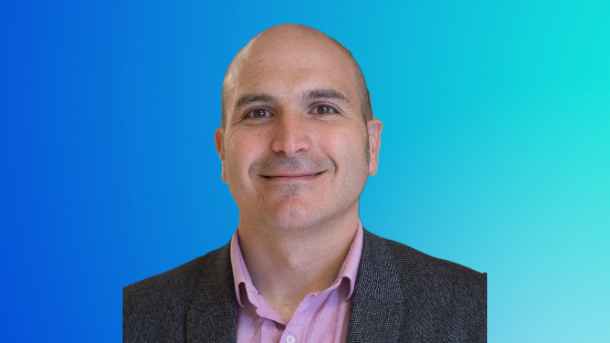
Anthony Perrotta – Vice Principal, MEd Student, AQ Instructor & Filmmaker

Anthony Perrotta – Vice Principal, MEd Student, AQ Instructor & Filmmaker
About Anthony Perrotta

A graduate of Humber College’s prestigious Film and Television Production program, Anthony’s (@aperrottatweets) experience in Canadian film and new media production is extensive and diverse. From corporate film experience to independent film and new media works, Anthony’s love of film/new media led him to a career in teaching that has been equally and deeply rewarding.

With a specialization in Communications Technology and Broad-based Technological Studies, Anthony has been committed to providing students with culturally relevant learning experiences. From nurturing students to tell their own stories through video production and sharing their “why” through digital portfolio design and social media branding, Anthony continuously works to cultivate spaces of learning where students feel empowered to show what they know and who they are.

With a commitment to professional learning, Anthony has held a number of positions that allowed him to leverage his expertise in digital media to serve teacher professional development. From 2011 – 2014, Anthony was a Resource Teacher with 21st Century Learning and AICT at the Toronto Catholic District Board. In this role, Anthony worked to support teachers across the TCDSB with the integration of 21st Century teaching and learning strategies and skills with a focus on digital media production, media literacy and the implementation of eLearning. In this resource role, Anthony was the District eLearning Contact for the TCDSB and was the Principal of Continuing Education eClass for a number of years.

With a commitment to student learning and the love for the classroom, Anthony ventured back to the classroom where he became the Department Head of Business and ICT Studies at Chaminade College School. During his time as Department Head, Anthony was responsible for the development of a Communications Technology program enriched by experiential teaching and learning practices. From industry partnerships with Disney Canada to collaboration with film and new media academics and industry professionals, his goal was to provide students with an experience that transcended the traditional classroom space. Furthermore, while at Chaminade College School, Anthony worked with partners including design thinker Dr. Marlyn Morris to develop a culturally relevant pedagogy framework to empower students to become global citizens with a focus on efforts to address anti-Black and BIPOC racism.

With all of this, Anthony is now a Vice Principal with the Toronto Catholic District School Board and is committed to servant leadership with the goal to empower teachers and students to be leaders of change in school and beyond. Anthony is currently Vice Principal at St. Anne Catholic Academy, School of Virtual Learning. In this role he works to support nearly 30,000 FDK-12 students who are being schooled online during the global COVID-19 pandemic.

Anthony holds an Honours Diploma in Film and Television Production from Humber College, a BA in Film Studies (with Distinction) and a Bachelor of Education in Communications Technology from Brock University. Currently, Anthony is completing his Master of Education in Media Literacy at Queen’s University.

Anthony has written media / technology curriculum for Niagara University, Queen’s University, OECTA, OPHEA, Nelson Education, Catholic Curriculum Corporation and other institutions across Canada and has presented at a number of leading educational conferences including Reading for the Love of It, STAO, Connect and When Faith Meets Pedagogy.

Connect with Anthony: Email | Twitter

Listen Now

Listen to the episode now on Apple Podcasts, Spotify, or on your favourite podcast platform.

Resources Mentioned

Anthony’s Personal Website

Film and Television Production at Humber College

Film Studies at Brock University

Media and Communication Studies at Brock University

Masters of Education at Queens University

Toronto Catholic District School Board

21st Century Learning and AICT at the Toronto Catholic District Board

Chaminade College School

St. Anne Catholic Academy, School of Virtual Learning

Ontario English Catholic Teachers Association (OECTA)

OPHEA

Nelson Education

Catholic Curriculum Corporation

Reading for the Love of It Conference

Science Teachers’ Association of Ontario (STAO)

When Faith Meets Pedagogy Conference

The Transcript

**Please note that all of our transcriptions come from rev.com and are 80% accurate. We’re grateful for the robots that make this possible and realize that it’s not a perfect process.

Sam Demma (00:00):
Welcome back to another episode of the High Performing Educator podcast. This is your host and youth speaker, Sam Demma. Today’s guest Anthony Perrotta is actually someone that I connected with on Twitter. And I just, I’m just coming back from taking eight months off social media. I’ve been on Twitter for a little while and we met through mutual educator connections, and I asked him if he’d come on the show. He has a very unique that led him into education and he has some very grounded, genuine perspectives and experiences that I think would be super helpful to hear about. From the onset of his early career in education, Anthony Perrota has been compelled and dedicated to knowing and empowering students in telling their stories.


Sam Demma (01:21):
With no surprise, he has a huge interest in film as well. As Vice-Principal, Anthony continues in his journey as a leader, committed to creating safe, equitable and inclusive spaces for all students. All while intentionally addressing anti-black and BIPOC racism. Anthony has a very unique again, journey into education. You’re gonna get a ton out of this interview today. I can’t wait for you to hear it, and let me know what you think. Buckle up and I will see you on the other side.


Sam Demma (01:49):
Anthony, thank you so much for coming on the High Performing Educator podcast. Huge pleasure to have you on the show. Why don’t you start by sharing who you are; introducing yourself, and a little bit behind what led you to the work you’re doing in education today?


Anthony Perrotta (02:03):
Well, thanks for having me, Sam. I’m not sure how high performing I am but we’ll have a good conversation I’m sure. So right now I am a Vice-Principal, a secondary school Vice-Principal with the Toronto Catholic District School Board. I’m part of the St. Anne’s Catholic Academy school of virtual learning team. This was Toronto Catholic’s response to COVID impacted pandemic learning. This is a fully virtual school, K to 12. There’s over 25,000 students, and I see your mask jump up there. And, and there’s a, you know, great team of teachers, of educational support workers, secretaries, administrators; like it really is a fulsome school in terms of how we want to serve students. And it’s you know, been really, really quite a fulfilling experience to be part of this type of I guess mechanism. I hate to say that word, but it feels like it at times because it is so big.


Anthony Perrotta (03:13):
And prior to becoming an administrator, I was a very passionate and still very passionate about education, classroom teacher. My background’s in film and so I was fortunate to have experience in film production and then transition into the world of education, where I taught communications technology, media studies, and really engaged in a unique experience where I could learn from students and then provide them opportunities to share their story. And for me, becoming a teacher was really about leaning into my experience as a documentary filmmaker, which was really the, the forte that I, that I entered upon finishing film school in the early 2000s and where some people say, well, you went to become a teacher, perhaps because you couldn’t make it in film. Well, anyone who has any experience in Canadian film knows that it’s never about money. It’s, it’s, it’s not Hollywood.


Anthony Perrotta (04:24):
Especially when you make documentary films, you really aren’t making these, these movies for personal wealth. You’re making them because you’re passionate about a particular story you want to unlearn and relearn through the narrative that you’re hoping to bring to life. And it was through a documentary that I was producing in Tanzania, where I met a group of students where my thinking around education was really, I think, reaffirm that young people have a transformational power about them and similar to yourself with your volunteer work and, and your social your social initiatives. And I wanted to be part of, I think that world really, and, and getting to know kids through more of a mature lens, stripping away assumptions of what we think, especially about teenagers and really support the empowerment of their voice. And, and that’s where my mindset was when I became a teacher and, you know, finished schooling, University, teachers college, and all those types of things.


Sam Demma (05:35):
You know, you brushed over Tanzania and you got me so curious, like how, how did that experience reaffirm this idea that, that young people have this transformational power about them? What happened in Tanzania that really shifted or, or affirmed your perspective?


Anthony Perrotta (05:50):
Yeah. Yeah. Well, let me peel it back a bit. So I went, I grew up in Niagara falls and then I went to study film at hum college in Toronto. And I was there from 1999 to 2002. And during that three year period, two of my years was working as a resident assistant counselor within the student residence. So my first year as an 18 year old going to film school, living in residence was about the party. And, you know, it was a great first year being 18, 19 years old, living away from home. My gosh, I’m surprised that I could wake up for classes some days. But then second and third year, I really became invested in the culture of the community and wanted to give back. And so I was successful in becoming a resident, assistant a counselor and living in the residence as a student, but also supporting my, my peers on my floor.


Anthony Perrotta (06:46):
And that provided me, I think, with an affirmation that yes, being part of the film industry, learning how to tell these stories, learning how to leverage technology and economics and get something made was quite compelling, but there’s something quite human and relational about working with people. And even as an RA and as a counselor, I was really invested in that experience. I was like really motivated to engage with people, to help them and, you know, learn from them. And it was quite unique and it shaped me, I think, exponentially. And so when I finished film school and I was working in the film industry in Toronto and different unique experiences, I started leaning into documentary because I found I would have more creative control. I found that my political and social sensibilities could be addressed. I was, was an am still very politically minded. And there was an opportunity to work with a Catholic organization called the missionaries of the precious blood, where they wanted to document their work in Tanzania, developing water windmills.


Anthony Perrotta (08:03):
And it was a unique partnership because they helped fund the project. I received government funding outside of that particular group, it had a formal release, so to speak and tr terms of what a documentary would be a Canadian made documentary. So at 22, it was quite a significant project for me. And what was wonderful was I made really two films. One was the one for the missionaries. And then the other was mine, which was looking at the intersectionality between water international aid and pretty much mindsets around development. And so it was quite a unique piece. And when I was there, there was a group of teenagers from Camloops BC that were there traveling with me when I was making the film. So part of my film was then sh documenting some of their stories and perspectives. And it was amazing because here I am, as this 23 year old young filmmaker with, you know, independent and government funding, I, you know, it’s quite exciting.


Anthony Perrotta (09:16):
It was at the time where film was transitioning from cell, you know, from 16 millimeter to digital, like, you know, the little mini DV cams, like the new technology was exciting. It was expensive as hell, but it was exciting. And I just found myself really invested in finding out who these kids were, who I was traveling with. And I was really just amazed that at 15, 16, they were going to give up their summers and travel halfway across the world and come together as strangers, some of them and contribute to this cause. And then I thought about who I was at 15 and 16, and my experience was definitely not going to Tanzania to develop and work on windmills. I was working at Swiss and, you know, washing dishes on the tourism strip in ARA, which are humbled roots, but it was very, very separate from social consciousness and community engagement.


Anthony Perrotta (10:15):
So I was really, really motivated by these young people and just really admired how them being there, tore away at how sometimes adults think about teenagers and what they are able to contribute. And even, you know, within the world of education, there will be so much that we celebrate around teenagers, but there’s often times where they’re trapped within some type of stereotype. So I was motivated to peel back the stereotype. And I just had a sense that the idea of filmmaking was going to change quite rapidly, that how we make films and tell films and share stories and what we perceive a film to be was changing quite rapidly. And this was before YouTube. This was before Facebook, right? This is really us just recognizing digital technology with the birth of Napster, which would’ve been when I started film school at the end of my grade 13, that wait a minute, the mechanisms of production were going to shift.


Anthony Perrotta (11:22):
So when I became a teacher finally in 2005 and started in 2005 as a full-time teacher with the Negar Catholic district school board, that was really where I was introduced to not only my students, but this whole, whole new democracy around the telling of stories that now we had YouTube, which I never had as a student, for example. Right. So now the way I tell stories and the way I share them shifted the power game. So it was just a very, you know, transformational for me in awakening. So to speak when I met these young kids and just thought to myself, you know, I could still make films, the type of films I want to make that are small scale that are very personal, very intimate. And like when I was an RA at hum college residence play a different role. And, and that’s where the film world and the teaching world converged.


Sam Demma (12:25):
So filmmaking, is that something that you still do now


Anthony Perrotta (12:29):
And oh yeah. Yeah. So there’s no separation be between me and film. Like I happen to be a secondary school vice principal, but on the weekends, you’ll find me blogging about the MCU on Disney plus, or, you know, a film, a popular film that I’ve seen on TV. For me being a filmmaker as the priority, you will allows me to be a better educator. Mm. Because it’s my film making roots that allow me to be responsive to situations. And this is not to say that I look at life in some type of hyper real existence where life is like a movie, but I have to tell you studying how to make films, having a degree in film theory, going to teachers college. I’m just finishing my masters in media literacy at Queens university, looking at how popular film or any type of film, really media literacy, if you will, is very much cultural literacy allows me to be very, very open to the people I work with and the people I year to serve.


Anthony Perrotta (13:44):
So I’m a filmmaker first because that’s how I kind of see the world around me as story that everywhere I go, there’s a story, you know, right now there’s a gentleman in the backyard of my house putting together a Barbie, I’m terrible at putting together things. My wife is way better at instructional design and organizational matters than I am. I, I, I think I might have like undiagnosed ADHD. So I just kind of am outta control sometimes in terms of my thinking pattern. So if you say put together a barbecue, I’m just like, oh my gosh, like, this is not for me. Yeah. So I there’s a gentleman in the backyard now. And before he even started putting together the barbecue, like I chatted with him for about 45 minutes. So I don’t know if he’s gonna charge me for that 45 minutes that it was part of the the hourly fee. But that’s to say, I found his story so unique. Here’s this young guy coming, you know over to the house to put together a barbecue laid off during the COVID experience has leaned into taskrabbit.ca to it has made this as permanent gig. And so for 45 minutes, I was really just wanting to find out who’s this guy who’s over the house. He might be thinking, I just wanna put together your stuff and, and get outta your,


Anthony Perrotta (15:00):
But he had, you know what I have to say, we had a really nice, good conversation. And I could tell that he was like, whoa, this guy’s actually taking the time. Speak to me. Like, he’s not just, here’s my barbecue. And here’s, you know, a sectional that I want you to put together in the backyard. It was a, you know, we had gave him an espresso, he had a coffee and we chatted. And so that’s the filmmaker side of me that I love to dive into story. Right. And that makes you a great teacher. Hopefully I don’t wanna say that. I didn’t great by any means, but the greatest teachers I’ve had are the teachers that really wanted to know who Anthony Prada was.


Sam Demma (15:40):
Mm. You just basically answered the question that was bubbling up in sad while you were speaking, which was, why is stories so important? Why is understanding people’s stories super important?


Anthony Perrotta (15:53):
So when we think about story, even as a parent, I talk a lot about this with my own kids who are 10 and seven years old. There’s a humbling of one’s self. When you engage in story, it’s when you actually say, I want to listen. I want to observe. I want to unlearn and rele. And so when we provide, especially young people, safe and inclusive places to be who they are without prejudice, without judgment, without assumptions. When we start actually rumbling with the power structure of our institutions, our classrooms, for example, where we re eyes, it’s not about, you know, Anthony Prada, the classroom teacher it’s about who are potentially the 25, the 30 students in my classroom. Are they going to be given with intentionality, not by accident, not some morning chat that we start the week with. I mean, real instructional intentionality to ensure that the curriculum that I design is responsive to who they are.


Anthony Perrotta (16:59):
Mm. So the story means everything because it speaks to then as an educator, what type of content am I going to be engaging my students in? And that’s really the hot topic today. When you think about EC, when you think about the type of material that we are engaging in the whole debate around, for example, what is perceived to be a classic to kill a Mockingbird, right? Do we need to be teaching a kill a Mockingbird? Do we need to be using that artifact as a vessel to engage in conversations about equity and race? I would argue, no, I will argue no there’s many other books written by black authors, people of color that provide a more humanized and more representationally profound discourse to engage in story who are the students that compose our classrooms. There is once a time. Very recently, I remember I would often show one particular film with a group of great 10 students.


Anthony Perrotta (18:08):
And I would show back to the future and I would scream back to the future in class, peel it back, talk about its kind it’s dangers around representation. Because when you look at back to the future, everyone celebrates it as this classic eighties film, but it’s a Reagan night artifact. It rises out of 1985, Reagan America. It’s directed by Robert Zeus. Who’s, you know, quite conservative. And the film is really there to make a pronunciation around whiteness and classism that only at the end, when Marty’s father stands up to the bully, when Marty’s father asserts himself to be an American man, does he rewrite the history? And then Marty’s family, this white wealthy unit. And when they’re wealthy, then their problems don’t exist. And the only black character we see is the mayor who we don’t really get to know until, unless he’s serving in the diner.


Anthony Perrotta (19:11):
So I was showing that film and having some conversations, but then I just recognized that the climate of my classroom was changing, that the students were, you know, perhaps not responding to that film. And I learned the value this many years ago of saying, Hey, what choice do you wanna make here? This is what we could watch. What, what, what, you know, connects to you and the students would guide the conversation. And so that’s all to say that the artifacts that we are using in class to engage in whatever type of, of experience we’re hoping to build, hopefully then allows students to be as real, if you will, as possible. So that’s why story to me matters story to me matters because it allows me to understand people. It allow me to kind of check my own biases, my own blind spots. You have to be open to that.


Anthony Perrotta (20:18):
That takes a lot of work, right? That takes a lot of work for you to be able to lean into your own vulnerability and say, yeah, you know, I need to change. Or my thinking in this way is not right. It’s potentially harmful and dangerous. And then when you’re thinking about young people, you are saying, Hey, I’m just the facilitator of this space. This space is yours. I’m here to serve you and people get rattled. When there’s this thinking around servitude in education that as a teacher, I’m here to serve you. And I’ve said that to colleagues, not as an administrator, I mean, teacher to teacher I’ve said, Hey, what’s the rigidness around assessment, or what’s the rigidness around being more culturally responsive in some of our or practices. Why are there these barriers when we’re there as public servants paid for by the ministry of education?


Anthony Perrotta (21:18):
Yeah. With taxpayers dollars, we are there to be in service to the child in front of us. And that child in front of us is perhaps the one thing that somebody else loves more than anything in the world. And I have the privilege to be in that shared space for 72 or 75 minutes a day. And it’s going to be about me. It can’t be when I send my own children to their Catholic elementary school, I’m sending to that school. The two things that I care about the most in the world. And I would hope when they’re there, they’re teachers who are fantastic. And I say this with utmost confidence, they respond to them in elementary school. Teachers, I think tend to do this more naturally with my, with my bias because they’re with students all year round from September to June, got it. In high school.


Anthony Perrotta (22:18):
We tend when we’re teaching to be so content driven. I’m in math. I need to get through the curriculum. I’m in comp tech. I need to get through the curriculum. I’m in geography. I need to get through the curriculum. And then the big daddy of them all, I have to prepare these students for post-secondary. Mm. Right? If I showed you Anthony Prada, transcripts from kindergarten, all the way to grade 13, it would seem as if nobody was preparing me for university. But Hey, at this point, come fall. When I finish my masters, I’ll have a college diploma, two university degrees in a master of education, not bad for someone who other people may have felt was falling through the cracks from K to grade 13. So that’s just to say that the experience of schooling has to really be about not the educator. What about the kids, student centric, student centric, and your work. When you talk about student servant leadership, that’s what it’s about. Mm it’s about saying, how am I going to help you? What is my time here really about? And unfortunately, if in the world of education within the classroom, there can exist a great ego. And sometimes the ego that exists is that of the teacher. It’s my space. It’s my I’m giving you a test. I’m giving you a quiz. Well, within that space, then where does the student fit? Is the student just a vessel to meet the, the end game that you’ve prescribed?


Anthony Perrotta (24:02):
Right? It it’s, these are challenging ideas. And this is not to say that teachers aren’t doing wonderful work. Oh my gosh. I know so many wonderful teachers. Okay. I, I I’ll, I will never say I ran into, or I’ve worked with a teacher that I don’t believe in because the potential that is exponential, the work I’ve witnessed is fantastic. It’s transformational. However, there are time where we have to ask some real critical questions about our lesson design, about our assessment strategies. Are we really there about the students now in that too comes another tough, tough one, especially when you think about high school. And we say, well, I’m preparing students for university or college. That one there kind of always gets me a little bit worked up in terms of having a good conversation, because if you’ve been an educator who’s been far removed from university or college, then how do you know what works?


Sam Demma (25:07):
Hmm.


Anthony Perrotta (25:09):
Why are we, you know, working within a prescribed near of preparing students for university and college, when act, and when in actuality, the college and university in the post-secondary world is evolving and it’s transforming that their, their game is starting to change Yet. We say, you know, I’m, I’m still working. I need to, I can’t make this change for example, because I have to fit this curriculum piece in because of college or university. I don’t know. I’ve never seen an Ontario piece of curriculum that actually states check mark, I’m prepared child, a child for college or university. I’ve never seen it.


Sam Demma (25:51):
And who’s to say that, you know, every single student in that classroom, that’s what they wanna be prepared for


Anthony Perrotta (25:58):
Ex exactly. Right. And if I look at myself as an example, my experience was not a positive one when it came to content. Mm. I didn’t really connect with material, especially in high school, other than in my art in media classes. Cause I was really, you know, very early on, very, very much grounded in where can I tell story? Where can I have control of the mechanisms of storytelling? And so visual arts media classes really spoke to my sensibilities. I knew enough to play the game of schooling. I was respectful. I would get my CS and maybe a couple of bees here and there. I knew enough that, of course I wasn’t going to flunk out by any measures. Okay. But content, the content wasn’t speaking to me and what really spoke to me more was learning about process. And luckily how having really good teachers in unique courses that allowed me opportunities to be resilient, to construct new knowledge on my own, to be curious.


Anthony Perrotta (27:17):
And when we think about education today and what’s called 21st century learning, or are learning that as grounded in global competencies, we think about the critical thinking. We think about the collaborators. We think about skilled communication, for example, using digital multimodal medias to show what students know, we’re talking about a lot of the things that make filmmaking so exciting to me. And then when that student arrives to their post-secondary space, wherever that is, they will be able to thrive. And, and I’m, you know, I’m kind of proof of that because when I went to film school, probably teachers that said goodbye to me in June of 1999, when I graduated, they probably never thought that I’d be showing up in 2005 as a colleague teaching in that same high school as my first full-time job. And you know, what I gained outside of content was what was really invaluable.


Anthony Perrotta (28:25):
It was all about the pro us. And so when we can provide students with the freedom to make mistakes, to grow, when we provide classroom cultures where we’re committed to feedback, ongoing feedback, so a student can rework and be committed to mastery when we provide these opportunities, what we’re also providing our unique spaces to get to know the students. Mm. And the type of feedback I give to student a, in student E is going to be perhaps quite different. The way they respond to that feedback is going to be quite different. And so within that difference, our unique stories. Mm. And that was what excites me when I was as an educator, when I was in the classroom. And as an administrator, that’s what excites me when it comes to helping students and their families get through pro perhaps difficult times or supporting students, you know, to go to the next level, it’s the opportunity to pause and ask myself, how can I help you? And before I can even help, I need to get to know you.


Sam Demma (29:44):
Yeah. Ah, that’s so powerful. I love that. And you, you know, at the beginning of this interview, you mentioned this idea that the school you’re at now is so large, you know, sometimes it feels mechanical or like a mechanism because of how big it is. Can you tell me more about what the school looks like? It’s, I’m assuming it it’s a fully virtual school.


Anthony Perrotta (30:02):
It’s a fully virtual school from K to 12. Got it. Over 25,000 students. And again, in response to, COVID a fantastic team at all levels, like really transformational, really doing something at a scale that was never done before. Yeah. And I can only speak for myself, but the main difference is when you’re in a building as an administrator and you believe like I did having my door open and being in the hallways very rarely when I was in a school as an administrator. And it was only a short time that I wasn’t an administrator in a school because then COVID hit. And I, and I made a transition to the virtual. I was in the hallways all the time cuz that’s where the action was. That’s where the students were. That’s where you get a sense of what’s happening. And when you’re in your school and you’re responsible to a particular community and you’re serving that community, you get to know that community.


Anthony Perrotta (30:57):
That’s the big difference between being in such a, when I said mechanical is I’m reaching sometimes to students who I don’t really know them. So the conversations perhaps don’t have the nuance that I would have with a student in my homeschool, in a physical building. Got it. But that just means that some of the conversations I have within the virtual space, they take a little bit longer that, you know, I take my time and I, and I, and I allow the conversation room. So if a parent wants to share a piece of their story in terms of why something is happening, for example, they have that safe place to do so. And I will say, I talk on the phone a lot throughout the day. And some of the conversations are longer than they perhaps need to be in terms of the more technical piece that I’m trying to solve.


Anthony Perrotta (31:52):
But if I call a parent and that parent perhaps senses in my voice or in my approach that this is a safe place to chat, maybe they just need the chat. And there’s been many times where I must have gotten a parent or even a student on a day where they felt maybe alone and unheard and they just needed to have someone listen. And that’s really the most exciting part of being an administrator is that you get the privilege to listen to all, all of these unique stories. And it’s not about me. These are, you know, these are opportunities that are free of bias of prejudice because I recognize really now fully mature in my 15 years of teaching, that I’ve been blessed with so much growing up, I’ve been blessed with the privilege of schooling. I’ve been blessed with a wonderful wife with wonderful children that there’s been so much privilege in my existence that it’s not for me to pass judgment on anyone else. Mm. Because my world is going to differ greatly than some of the worlds in which I’m trying to navigate with students and their families.


Sam Demma (33:16):
I love that. I got it. That’s a, that’s a great point. And 25,000 students, that’s like a, that’s like a university. You’re like a huge campus. Yeah,


Anthony Perrotta (33:30):
It’s massive, man. It’s massive. And there’s so many administrators. We have a wonderful lead principal, Joe Russo. Who’s at the helm like really great, great family, man, there’s job, a great team of administrators, elementary and secondary superintendents. But really it comes down to the teachers, the support workers, everyone who is in that trench with the child, so to speak, I hate to use that metaphor of the trench. Right. but in that playground then if you will, of the classroom, the digital classroom,


Sam Demma (34:01):
I get that makes sense.


Anthony Perrotta (34:02):
Thinking I lost you there a little bit. But it’s a, it’s a huge mechanism. Oh, can you hear me?


Sam Demma (34:11):
Yes.


Anthony Perrotta (34:13):
Can you hear me?


Sam Demma (34:14):
Yep.


Anthony Perrotta (34:15):
I can’t hear you.


Anthony Perrotta (34:19):
There you go. Now I can hear you. Okay.


Anthony Perrotta (34:22):
So when it goes, when it comes to the a virtual school, you know, it’s been a transformational experience in, in, so the Toronto Catholic school board has reasons to be proud in, in so many ways because it really is this collective effort coming together to support students in a time that none of us thought we would ever encounter, I, or thought that I would encounter in my educational career, let alone my life, something at this scale. And I think if you look at it through an objective point of view, it really is about recognizing that each student that we serve, each family is unique. So we want there to be the most holistic experience possible. That’s not to say that it’s not imperfect. It is by, you know, everything we’re we’re human beings. So none of us are, are perfect. Right. But the intentions are sound in regards to the work that I’m doing now with the virtual school and in regards to COVID teen and pandemic learning, I think we’re all in education going to really need to pause and reconfigure what teaching and learning really means.


Anthony Perrotta (35:38):
And you talked to me earlier about servant leadership, and I think we’re going to have to do a lot more around that and continue the good work we’re doing, because what COVID has shown us is it’s not about content. It’s not about tests and it’s not about quizzes. It really is out that relational human leadership that is needed. And I see it with the wonderful teachers that work with my son and daughter, they know how to gauge the kids. They know when it’s time to put away the work. And more importantly, they’ve created safe places for them. They go to school mask on happy. They don’t like when they’re put in quarantine or when they’re on lockdown, they wanna be in those spaces. Why not? Because of just the fact that they like to learn. They have my wife’s side. They are very much self-directed learners and, and, and love schooling.


Anthony Perrotta (36:37):
They do their homework. They’re excited about that type of stuff. I was excited about schooling because of the social side. I was never the tiny rule doing his homework. Yeah. but they love all aspects of, of schooling. And I think any educator that puts kids first truly first, like who is that child in front me and how can I best empower them to be the very best that they can be? And as a Catholic educator, what drives me is how can I support this student in being what God intends them to be, whatever that is. Am I providing the safe place for that? I always thought that as a teacher and imperfect, you know, there’d be times, you know, and if I had my students here, many of them would tell you, this is, you know, we’re a production classroom. Yeah. So we would produce movies.


Anthony Perrotta (37:39):
We had a end of year showcase. Every school I taught at was driven by this end of year, bigger than life showcase. And for the last six years, when I taught at an all boys school SHA not college school, the end of year showcase was happening at Yorkdale silver city. One of the biggest multiplexes in the city of Toronto and the whole year was guided towards the end of may, when all of our short films, digital movie posters, graphic media would be on display, not only projected on the big screen, but taking over the concession area. And it would be our end of your showcase on the most Grandes of scales, we had filmmakers who were partners. We were doing work with Disney Canada. We would have video with academics, with filmmakers. I mean like major Hollywood filmmakers. We would go see Steven Spielberg movie and then have a Skype with the screenwriter of that Steven Spielberg movie.


Anthony Perrotta (38:31):
Everything was exponential to the max, which was quite exciting as somebody who just loves that world. But within that space, there could be a lot of imperfection. I could lose my cool, I could pass judgment without perhaps thinking I could lose my patience. And one of the things I pride pride myself on, even as a parent, is my ability to apologize. And I would apologize to the students if there was a morning where we weren’t meeting the demands of production and, you know, I forgot where I was and maybe became impatient, right. And raised my voice, or maybe made someone feel unwelcome. Right. We’re all IM perfect. What mattered next was, do I respect that human being in a way that will make them feel welcomed and right. That will make them feel and know that I value them. And that would only happen with, Hey class yesterday. I lost my cool on Sam. That wasn’t cool of me. I apologize.


Sam Demma (39:38):
Mm.


Anthony Perrotta (39:39):
Right. Sam matters, Sam, I’m sorry, buddy. Right. I didn’t really have many high school teachers who would do that.


Sam Demma (39:46):
Yeah.


Anthony Perrotta (39:48):
And I would do that because I respected the kids, their stories, their uniqueness. So very much the first two of admit that I’m imperfect, but I will do the work to try to limit how many times that imperfections taint my journey.


Sam Demma (40:07):
I love that. That’s it’s, it’s, it’s so important I think, to own up to MI to mistakes or imperfections and we all have them. So it’s a great reminder, even for everyone listening, because it, I’m sure we could all, you know, point fingers at ourselves at those moments. But like, you’re right. What what’s important is that we, we acknowledge them and we bring them to light and apologize and make up for them. Right.


Anthony Perrotta (40:31):
Yeah. And you know, and I, no, I believe that even as a parent, you know, I, there’s been many times where, and what I love about Mike kids. They’re very, very, very self efficient as a 10 and 70 year old. And their self advocacy is like through the, through the, through the roofs, like level four, they will stand up for themselves. And that’s very much something. My wife and I have instilled in them. And that’s very much my extroverted personality where I will stand for what I believe in. I was the person in staff rooms that would say, Hey, you know, that’s perhaps not the conversation to have here. I’ve been in really courageous conversations in staff meetings where, you know, I would stand up and say, Hey, right, have we thought about this? Have we thought about this? Is it us? Are we not doing the job?


Anthony Perrotta (41:22):
And that can make people kind of uncomfortable, but that self advocacy or that willingness to engage in courageous dialogue is something I believe in and something I try to instill in my own children. So as a parent, if I discipline and let’s say, I raise my voice to my son, for example, he has no problem saying, Hey, this doesn’t make sense. Why are you raising your voice at me? Why am I being penalized when this, and this happened? And at 70 years old, old, he’ll say it. And he’s not saying it to be rude. He’s not talking back. He’s sharing what’s on his mind. And you know, I grew up first generation immigrant. My parents are Italian fresh off the boat and we didn’t talk back to our parents. Right. We didn’t as a child, I didn’t say to my dad, oh, by the way, I think you’re understanding of the, this this, this consequence is unfiting like, you’d be like, are you kidding me?


Anthony Perrotta (42:18):
Like it would be nuclear apocalypse. You know, we parent differently. And there’s been many times when I’ve said to my own children, Hey, you know what, sorry, I lost my temper there. Or you know what you were right. Right. I jumped to conclusions that didn’t happen the way it did, you know, let’s talk it out. And I think that shows my kids, hopefully that I actually do value, right. Their perspective and their sense of self worth. And that’s something I think we have to model in, in our everyday encounters with young people, the kids that are sent to us, right? These are not. So imagine the great responsibility we have when another parent or caring adults, guardian grandparents sends you this human being. It’s a huge responsibility. So we have to really ensure to check our ego out the door as much as we can.


Sam Demma (43:13):
I love it. And I think when you have those crazy conversations and you allow the other party, whether it’s a young person or, you know, any human being to, to give you feedback in any way, shape or form, it also shows in that there’s a safe space and that, you know, their opinion and voice matters. As much as it might be uncomfortable for you to hear it, you know, as it is for most of us to hear feedback that we don’t, you know want to hear at certain times, but that’s arguably when we need it most Anthony, this has been a great conversation. We talked about so many different things. Thank you so much for taking the time to do this.


Anthony Perrotta (43:49):
No, no problem. I hope by, you know, made sense to some of the ideas that I shared. I think to summarize who I am as an educator, and I’m still growing, I’m still growing really is shaped. Believe it or not by all of that film work. Hmm. You know, the two worlds are not disconnected. There’s a transcendence between the two, there’s an interconnectivity between to, and my mindset around teaching and learning. I don’t think it would be there without studying film production, knowing how to mobilize and tell the story and then sharing that with kids. I don’t think I would be where I am in terms of education and being an educator without living in a college dorm and being a counselor. I, I don’t think that the type of films I was working to tell and documentary, which were really community minded, really about being responsive to other people’s stories. Without those, I, I don’t think I’d be as open to making sure that my classroom wasn’t about me. And that’s really, for me, the end game about teaching and learning that it is not about me. It’s not about any type of prescribed rendering. I may have. It really needs to be responsive to who the student is, their families. And if that means I have to do a lot of unlearning, then that’s what I need to do. That’s what I’m called to do.


Sam Demma (45:32):
I love it. The, the student-centric like, that’s the main take. That’s my main takeaway, listening to this, you know, the students be the center of everything we do,


Anthony Perrotta (45:40):
It’s student, student students. And you know, that is could be complicated at times, especially when you’re working with adults. Right? Yeah. And I just live every day, whether I was a classroom teacher. And now as a vice principal, I’m still a teacher. I still see myself as a teacher, even though the roles are different. Yeah. Every day that I’m working, it really is what’s best for students. Got it. And that’s the guiding, that’s the guiding compass.


Sam Demma (46:09):
I love it. And if someone is listening to this and is inspired and just wants to have a conversation to dive deeper in some of your own philosophies and maybe exchange a, you know, a nice conversation, what would be the best way for them to get in touch with you?


Anthony Perrotta (46:23):
They could reach me on Twitter. I, I love using Twitter as a professional learning network, so many wonderful educators. So anyone who would like to chat and, you know, have a good dialogue about education and what teaching and learning is now and what is potentially going to need to be, please reach out. This is all part of the learning. There’s no right or wrong concept or thinking. It’s all about that shared experience of having a good dialogue. So yeah, look forward to it.


Sam Demma (46:49):
Awesome. Anthony, thank you so much. And keep up the great work.


Anthony Perrotta (46:52):
Thank you, buddy. Thanks so much.


Sam Demma (46:54):
And there you have it. Another amazing guest, an amazing interview on the High Performing Educator podcast. As always, if you enjoy these episodes, please consider leaving a rating and review so other educators like yourself can find this content and benefit from it. And here’s an exclusive opportunity that I mentioned at the start of the show; f you want meet the guest on today’s episode, if you wanna meet any of the guests that we have interviewed, consider going to www.highperformingeducator.com and signing up to join the exclusive network, you’ll have access to networking events throughout 2021 and other special opportunities. And I promise I will not fill your inbox. Talk to you soon. I’ll see you on the next episode.

Join the Educator Network & Connect with Anthony Perrotta

The High Performing Educator Podcast was brought to life during the outbreak of COVID-19 to provide you with inspirational stories and practical advice from your colleagues in education.  By tuning in, you will hear the stories and ideas of the world’s brightest and most ambitious educators.  You can expect interviews with Principals, Teachers, Guidance Counsellors, National Student Association, Directors and anybody that works with youth. You can find and listen to all the episodes for free here.


Jason Schilling – President of the Alberta Teachers Association

Jason Schilling – President of the Alberta Teachers Association
About Jason Schilling

Jason Schilling (@schill_dawg) was elected president in 2019 following two years of service as vice-president and more than eight years of service as district representative for South West. Prior to his election as President of the ATA, Schilling taught English and drama teacher at Kate Andrews High School, in Coaldale, where he worked for 17 years.

Schilling is a proud graduate of the University of Lethbridge. Schilling’s assignments as president include chairing the CTF (Canadian Teachers’ Federation) Committee, serving
as a member of the Strategic Planning Group and the Teacher Salary Qualifications Board, and acting as Provincial Executive Council liaison to the English Language Arts Council. He also represents the Association on the CTF Board of Directors.

Connect with Jason: Email | Instagram | Twitter

Listen Now

Listen to the episode now on Apple Podcasts, Spotify, or on your favourite podcast platform.

Resources Mentioned

Alberta Teachers’ Association (ATA)

English Language Arts Council at the ATA

Kate Andrews High School School Website

Drama at the University of Lethbridge

Canadian Teachers’ Federation (CTF)

The Transcript

**Please note that all of our transcriptions come from rev.com and are 80% accurate. We’re grateful for the robots that make this possible and realize that it’s not a perfect process.

Sam Demma (00:00):
Welcome back to another episode of the High Performing Educator podcast. This is your host and youth speaker, Sam Demma. I’m super excited for today’s interview with Jason Schilling. He was the elected President in 2019 for the Alberta Teachers Association, following two years of service as vice president, and more than eight years of service as district representative for Southwest. Prior to his election as president of the ATA, Schilling taught english and drama at Kate Andrews High School in Coaldale, where he worked for 17 years. Schilling is a proud graduate at the University of Lethbridge, and his assignments as president include chairing the Canadian Teachers Federation Committee, serving as a member of the strategic planning group and the teachers salary qualifications, board, and acting as provincial executive council liaison to the english language arts council.


Sam Demma (01:27):
Ah, that’s a lot of words. He also represents the association on the CDF board of directors. All that aside, Jason is an awesome human being with a lot of wisdom to share. I hope you enjoy today’s episode and take something valuable away from it. I’ll see you on the other side, enjoy. Jason, welcome to the High Performing Educator podcast. Huge pleasure to have you on the show today. Why don’t you start by introducing yourself and sharing a little bit behind why you’re so passionate about the work you do in education?


Jason Schilling (01:56):
Well, thanks Sam for having me in it. I really appreciate the opportunity to be here and have a conversation with you today about the things that I love, which is education and teaching, and I’ve always found teaching to be a joy. It’s one of the things that has been a great fit for me as a profession because I, I love working with children. I love working with students and helping them in the capacity of helping them grow and learn. I teach english and drama. Those are my two main areas. I am a drama major actually, but you can’t always find a drama job so you end up teaching other things as well. But I fell into English because there’s a, there’s the way those two really marry together quite nicely and, and things like that as well.


Jason Schilling (02:38):
From the Lethbridge area, I taught around Lethbridge my entire career and it’s started off in a small school in Vulcan teaching junior high and then worked my way up into high school. Then I switched to where I was teaching before I became President at Kate Andrews in Coaldale. And when I became president of the association, I had to go on leave from my teaching job and relocate to Edmonton in order to do this work and I knew that was a factor that I’d have to do in my life, but the day that I had to leave my school was one of the hardest days of my career because I, I built these relationships up with students and colleagues and the community over 17 years; and so then when I left, it was, it was pretty hard. And I miss teaching every day, but it’s also a really good reminder of why I do the work that I do now as association President.


Sam Demma (03:30):
I love that. And if you take me back to, you know, younger Jason, not that you’re old or anything, but like, you know, Jason right before St. Art in your career as a teacher how did you know that that was the path for you? Was there educators in your life that directed you down that path because they thought you had those associated characteristics and skills or from a young age, did you just know, you know, this is what I wanna do. Like, you know, gimme more context on how you landed in this profession.


Jason Schilling (03:59):
No, that’s a great question. When I was in junior high, you know, I was that typical kind of socially awkward little weird kind of kid in junior high, right? Yeah. And so I had this really great language arts drama teacher in grade seven. And I just always thought in my mind during that point, this would be all right. That would be a cool job, you know, and, you know, she was really great. And she, she worked with us really well and I felt it was one of the first times I remember in school feeling like somebody saw me. Right. Mm. And, and, you know, I had great teachers all through school, but this was a, you know, this, I was just something about this teacher that really kind of, kind of hit that mark. And that’s always in the back of my mind, but it was interesting when I went to university, I was a marketing major.


Jason Schilling (04:47):
I was going to get into advertising. That was my, my initial plan. And I remember, you know, university left bridges where I got my undergrad degree. It’s a liberal arts university. So you have to take all of these other subjects within the list requirements as they like to detail of them. So I ended up taking drama, which I never taken drama before. I was too shy. I was too chicken to do it as a junior high kid, no way would that ever happen. And I just remember my prop, I had there just said to me, he goes, this economics marketing thing that you’re doing, doesn’t sit you on you. Well, it doesn’t fit you, you well. And the drama class was just super easy. And then he, he tapped me on the shoulder to be in the main stage production at the university.


Jason Schilling (05:29):
And just from there, I, I changed my major. I got into drama education because it was a way to to take sort of the things that I, I really enjoyed working on. I think students really grow through the fine arts courses especially in drama. I’ve been able to, to work with students who are super shy and awkward. Like I was as a, you know, junior high kid and put them into a, a, a play where they just shine and they come out of their shell and they, and you see this growth and it’s phenomenal. And, and you kind of learn that through university when you’re working on that with students. And it just sort of came from there. And once I got into that sort of drama education part in university it changed the whole dynamics of going to university. It was suddenly became much easier. It was a joy to be there. The work was hard and the hours were long, but I didn’t mind doing it because it was, I was doing something that I love. And I, I’m very fortunate that I had on people who kind of pushed me in that direction to, to do that because you know, I, you know, some days are hard, but it’s what you love. And so you just keep doing it. So it’s great.


Sam Demma (06:32):
You, you mentioned that the day you left your school to move into the, you know, this president role of this association was one of the toughest days of your life. But that reminds you now why the work you’re doing is so important. What do you mean by that? Tell me more about the work you do now and how it relates to education and why you think it’s so important.


Jason Schilling (06:52):
Well, part of my role as, as association president is that the ATA you is you know, part of our mandate is to promote an advanced public education in Alberta. Nice. And I’ve just seen the benefits of public education for my students myself you know, I’ve gone to public school. All my university degrees are from pub arcade or from public universities in Alberta. I just know the benefits of public education and we need to fight for it because I always believe, and I’ve, I’ve said this a few times in other places as well. I think you, you fight for what you value and what you believe in. Hmm. And that’s why this role is important to me, it’s challenging. There’s some good, like everybody else, there’s some good days in there some bad days. But I carry with me, you know, that it experience of my, my teaching career. And I’ll end up probably going back to teaching once I’m done with this role as well with my colleagues and my students, and just knowing that education’s important to them as well, because they value it and they believe it as well. And I took a bunch of my mentors that I had in my classroom that I have collected over the years, and I have them in my office in Edmonton, because they’re just there as a visual reminder as well of the reason why we’re doing the work that we’re doing


Sam Demma (08:07):
Beautiful. And COVID 19 introduced some interesting challenges not only in, you know, every school, but I’m, I’m assuming also in the association and everywhere could the world, what are some of the challenges that have, that have come up and how have you and your team trying to tried to address them and overcome them?


Jason Schilling (08:28):
Well, definitely. And it’s been, it’s been a huge challenge and a difficult year for teachers and even staff working at the association because every way that we’ve normally have done things has changed and has been altered. And the things that we thought would be temporary have become sort of these permanent mainstays in our lives right now. And, you know, we still have lots of pandemic ahead of us. And so we’ll still be doing these things for, for months to come, even though vaccinations are coming, but we’re still seeing an increase in, you know, variance and other things around that as well for teachers, they literally had to change how they were interacting with their students overnight when classes were canceled last March. And they did a phenomenal job. Some days weren’t great. Some things worked, some things didn’t work. It was hard to connect with all of our students because one of the things I think the, the pandemic EC has done as well is highlighted the inequalities that we have within our system.


Jason Schilling (09:19):
Not every student has access to technology, not every student is able to you know, connect at home because they might be sharing a computer with their parents and their siblings, or, or just a multitude of things that came up, you know, poverty, income, security, all sorts of came up with this as well. And so that was a lot, a big challenge for us to manage at that time and still to do that at this point, as well as trying to deal with health protocols and now, you know, close it or schools that might have to close because they have a COVID case and moving everybody online, then coming back in for myself as a, you know, president, I usually tens of thousands of kilometers a year. Yeah. And so it’s it’s a little bit of isolating in that fact that a lot of my work has done sort of how we’re talking today through zoom. But you know, it’s, it, you just keep doing it, you just get up and you keep working to make sure that you’re connecting and engaging with members and being able to hear what they’re saying in terms of their experience, and then turning around and advocating for them down the road with you know, ministry staff and such.


Sam Demma (10:23):
And I also believe that every adversity challenge, you know, also plant there’s a seed somewhere planted of an opportunity within that adversity year challenge. And, you know, one of them is to create more, you know, equitable school. I’m curious to know what are some of the opportunities that you’re seeing as well, or the shifts that you’re seeing that you think are great and are good to be having in conversations that are happening within schools and within the association?


Jason Schilling (10:51):
Well, I know through the last little part in March and June, where teachers were working online, a lot of collabo between teachers in terms of making, you know, talking to one another and their school leaders or principals about connecting with kids and connecting with parents and making sure that lessons were being delivered. And it really started to spark a conversation towards the end of the school year about assessment and what are we assessing in school and what are the things that we need to be assessing in what’s a priority and what’s important. And those are really good conversations to have, because teaching it to me is always reflective, look back at what you’re doing, where you’re going with with things like that. And then to analyze that. So the, the conversation around assessment has been a really good one. Like, do we need to have diploma exams and provincial achievement tests?


Jason Schilling (11:37):
Like, are they capturing what students are truly learning? And we know that they don’t. And so to keep those things going forward is important. And it’s also really highlighted, I think the importance of relationships, we know that relationships are key when it comes to teaching with students, with each your colleagues in the building with their parents in the community that really highlighted that over this last year. You know, I talked to teachers who they don’t like having to go online because they want to be in the room with their students face to face, even though they’re wearing a mask and have to do, try to do social distancing as best as they can. They still want to be in that space with their students, working with them in that capacity, because trying to connect with people is really difficult through a screen.


Jason Schilling (12:20):
And for a variety of reasons you know, some kids might not turn on their cameras and and things like that. So that makes it even harder. And we also kind of learned, you know, the inequities that we have with some of our students and that we have a greater need in terms of society to address those things such as poverty even connected to the wifi is one of them. And of course, I think one of the biggest conversations that we’ve been having and still need to have in the future will be around mental health and supports around mental health as well.


Sam Demma (12:52):
I love that. And you, and we’re living in a time where students bedrooms have been transformed into the classroom, and some students are rolling outta bed and turning on their, you know, computer to join class. And it’s just as stressful and difficult for the teachers sometimes. And I would even assume yourself, like, I, I’m not sure if you’re, you’re doing this interview from an office or for, you know, from a place in your home, right. You have beautiful pictures behind you and it looks great which is awesome. You have a nice microphone, which is great. But how do you balance that work in life when they’re both? So, you know, closely intertwined personally? I just, just a very curious, personal question.


Jason Schilling (13:27):
No, it’s, it’s, it’s a really a great question because I’m actually, yeah, I am talking to you today, actually from my apartment in, in Edmonton. So I I’m working from home today because I’ve had that, that luxury being able to do that, but I do go to the office quite a bit as well, just to find that balance and that normality in life, I think COVID is really altered a lot of the normals that we, we normal. We, I’m gonna keep saying normal over and over again. Yeah. It’s gonna alter, it’s all altered the way that we’ve done our lives professionally and personally. And so I do go to the office just because some days it’s easier to, to do that, the work that I need to get done that day there, but also it allows me periodically to see other human beings.


Jason Schilling (14:10):
Right. So I might, you know, I try to time things sometimes with my assistant, because maybe there’s some, some documents I need to sign, or we need to talk about some things that are in the, the plans and works like that. So we try to, to focus that as well, or if we have a big media event such as the curriculum was just released here on Monday some of the com the communications people might come into the office as well. And, and then we’re able to do that work together because it’s easier that way. So finding that balance is it’s hard it’s because when you’re working from home and I’m not sure about your situation, Sam working from home, your work is just sitting on the kitchen table. Yep. Right. And it’s always there. And so you just end up working longer and, and, and things like that. And it’s, it’s important to find balance and to, to, you know, get outside and, and do the things that you can in a safe manner that are, are protecting yourself and others.


Sam Demma (14:59):
It brings, it brings the conversation back to that topic of mental health, right. Addressing student mental health, but also staff and human, mental health, the whole, the whole world should be addressing that. What do you, you think is important around, you know, addressing mental health in the next couple of years? Like, what do you envision or think should be happening more in schools to support that in relation to students and staff?


Jason Schilling (15:22):
Well, that’s a great question. And I think it’s a great question that a lot of us need to have conversations with our elected officials about because you know, I’ve, I’ve insane that I don’t think anybody is untouched by the effects of the pandemic. Some will feel it differently than others and that’s just human nature. That’s the way that we are. But I think one of the things, you know, coming from a small rural school is you, we would only have a counselor in our building maybe one day a week. Right. But the, the the effects of the pandemic make, or the mental health needs of our students, they come to school every day. And so we need more support that way in terms of having counselors in buildings working with students helping staff as well in terms of the support that they have.


Jason Schilling (16:05):
I mean, staff are able to access health benefits if they have them substitute teachers don’t necessarily have those support, but other staff do, and to make sure that they’re, they’re taking care of themselves and getting over the stigma of taking care of your mental health as part of your health, I’ve always been saying to teachers through this whole time, and I, I’m a victim of it myself, you know, it’s okay not to be okay. And it’s okay to have bad. I have them too, but just work and, and, and chat with people and try to support that and, and making sure that you’re taking care of yourself. That’s key. And we also need to make sure that you know, government is providing those means of support for that and making it a priority as we move forward.


Sam Demma (16:50):
I agree. And I’ve experimented with some like, different things like meditation, and, you know, there’s stigma along with that too. Right. Like, you know, just talking about mental health is, is it shouldn’t be, but it, you know, historically has been a touchy topic. But you tell someone, oh, I’m meditating. And you know, my friend’s like, what are you a monk? I’m like, no, what are you talking about? Like, this is something that I do to quiet my thoughts, quiet my mind, and start my day off on the right foot. And I think it’s so important to normalize those things in schools. Like I, I don’t know. Do you think in the next couple years, wellness will be like a, you know, something that’s very implemented in schools and social, emotional learning.


Jason Schilling (17:29):
Yeah. I think we need to make the idea of wellness as, as normalized as part possible that these are just the things that I do, whether you meditate, I run, right. And so you know, I get out there and I strap my shoes on and I, there’s not a, I say, there’s not a, there’s not a problem. I can’t solve on a good 10 mile run. Nice. And and things like that as well. And I’ve actually even said to students in the past, you know, I could have marked these assignments, but I went for run instead. Just because I’m going to be a much happier teacher for you today because I went for a run yesterday and I’ve actually had students in the past. Sometimes that we’ve, if I’m might be having a particularly cranky day, they’ll like, could you go for a run today when you’re done school?


Jason Schilling (18:12):
And, and then maybe when you come back tomorrow, you might be a little bit more pleasant and I’m like, duly note it. So, I mean, we all have those things in there that we, it just, we have to make this an ingrained part of our life and know that wellness is important for us in all aspects of our lives. And the pandemic is really showing that as well, because it’s really highlighted the things that we’re missing from our lives, maybe in terms of personal relationships and our professional relationships, and then trying to find a way to rectify that so that we can just be better or happier as we move down the road.


Sam Demma (18:45):
I agree. I totally agree. And, you know, we, we mentioned relationships earlier and how, you know, that’s one of the things that you noticed, you know, as a, something that’s super important that came up during COVID 19 and maintaining relationships how do you think we continue building relationships virtually? Is it by just, you know, phone calls and checking in with the teachers and, you know, having them check in with their students, like, yeah. How do you think we build those relationships?


Jason Schilling (19:11):
Well, ideally, I mean, in person is always gonna be better. Yeah. I mean, we, we do have these virtual things and there’s ways to, to stay connected with that. I don’t know you know, I talk to a lot of my colleagues and, you know, my friends and family I’ll do the zoom thing, but periodically I just like to pick up a phone yeah. And just call somebody. So instead of, you know, I always say if my email chain gets more than five, I’m phoning that person just to talk to them about it because after a point you just lose that. And so it’s hard and it’s not ideal, but you just do the things that you can do. And I know Christmas holidays was difficult for a lot of people and I didn’t have the chance to spend it with my family for the first time in a long time. And so we, we still managed to have Christmas dinner. We just did it by FaceTime. And we were kind of weird at first, but then at the end it was, it wasn’t bad. It was okay actually. And it wasn’t, it wasn’t too bad. And, you know, when it came dishes time, you could just, instead of having to do them, just click end then,


Sam Demma (20:09):
And then you put on your shoes and went for a,


Jason Schilling (20:12):
Yeah. I’m not sure it’s Christmas time. It was kind of cold, but I don’t know if I would,


Sam Demma (20:17):
So, yeah, that’s awesome. That’s amazing. And you know, if you could give advice, there’s educators listening to this right now who maybe burnt out right now, who may also, you know, couldn’t see their family for Christmas, who, who have been question whether or not the work they’re doing is making a difference. And, you know, they may even be thinking about, you know, leaving or quitting. You know, what advice could you share as someone who knows how important education is and educators are on the lives of our youth? What advice could you share that might be helpful? You know, imagine you were talking to a friend of yours, who’s a teacher.


Jason Schilling (20:50):
Well, and I have these conversations with teachers all the time over this last year about feeling overwhelmed or burned out by the requirements and, and things like that, of what they have to do, or working with the health protocols or carrying the stress of, you know, trying to keep a class of the 30 kids safe through the course of the year so that they don’t get ill. Is that time it’s okay to, to step back a little bit from the pressures and it’s okay to say no to some things, and I’m, I’m not, I’m not doing that. Or I’m not running book club this year. If I was at school, actually in the classroom right now, there would be no way I’d be doing a drama production this year. Just on top of everything else that needs to be done. It’s okay to take a break from that stuff.


Jason Schilling (21:33):
It’s also, I would just say, you know, talking to people we sometimes get stuck in our heads over things, or we, we, we see a lot of negativity maybe within social media, stuff like that. And, and it’s hard to put that down but to put it to, to try to find ways to support mental health and, and things like that as well. And also talking with your colleagues, because if you might be struggling with some aspect on something, they might be as well. And just finding ways teachers work very well collaboratively. And so finding that space in that time, I was really appreciative of this last year. We had a couple school boards in the fall, actually changed a couple of their PD days into just wellness days and just gave everybody the day off. And it was around the remembrance day weekend.


Jason Schilling (22:18):
And I thought that was a really good approach. Not saying, okay, well, kids, you have the day off teachers, you have to do all this extra work. And they just said, no, here’s the day off. And so I think that’s important for employers as well to, to look at what’s happening and saying, okay, we need breaks. Let’s not try to cram everything in cuz this year’s not normal. And I’ve always cautioned people from normalizing this year. Nothing about this year is normal. Nothing about the way that you’re teaching is normal. And it’s okay if you don’t get to everything because a resilient I’ve, you know, I’ve taught for English 20, 30 for 20 years. I know what I need to do in the curriculum as a professional to make sure that my students are reaching the outcomes that they need to have in order to move on to the next grade, teachers are professionals and they’ll do that. And so it just, you know, having that conversation with them and saying, you know, it’s all right, it’s, we’re all in the same boat together. And, and to just reach out that way. So


Sam Demma (23:13):
I love that I was talking to another educator the other day and, you know, we were, you know, talking about the situation, but trying to make it a little more lighthearted by like laughing about some things. And she said, you know, we’re all in the same boat and the boat’s the Titanic. I was like, relax. Like I, I know I totally get it. And you know, like yourself, I’ve had lots of conversations on this with this project on this podcast. And yeah, I think it’s important to have those people in your life that you can talk to and have conversations with and realize that it’s okay to take a day off. I’m curious to know personally what is, what is the first thing you’re looking forward to once this passes blows over the world opens up per like what is the first thing that you’ll be doing at that moment?


Jason Schilling (23:58):
Joe, what’s funny is I’m, I’m often known for not being a hugger. And so I, you know, when I keep saying to people, when this is all over, I’m still going to keep that six foot rule away from me at all times. And there people are like, we are gonna give you a hug. That’s great. I think it’s one of those things is I’m just looking forward to being able to spend time, you know, with my parents and my family. And, you know, I have a sister who lives in the states and that, and being able to see them in and for probably well over a year now. Right. And so just getting to, to be around people in that capacity, we’re, you’re just not afraid at the time and, and, and stuff like that as well. So that’ll be the biggest one. Yeah, yeah.


Sam Demma (24:40):
Yeah. You know, as long as everyone stays six feet apart, right.


Jason Schilling (24:42):
As long as there’s just not some big hug I’ll be working with.


Sam Demma (24:46):
That’s awesome. Jason, thank you so much for taking the time to chat today about education and you know, it’s important and why you’re so passionate about it, and some of the things that you’re observing and seeing. If someone wanted to reach out, you know, send you an email you probably already have a lot of those, but if someone did wanna reach out to you, what would be the best way for them to get in touch and maybe have a conversation?


Jason Schilling (25:06):
Actually the best way is just through email and it’s just jason.schilling@ata.ab.ca. And I always, I always say to teachers, I try to get back to everybody. Even the hate mail that I get, I always respond to those as well but not always as quickly as I would like to sometimes; just always depends on what’s going on.


Sam Demma (25:28):
Sounds great. Again, thank you so much. This was awesome and I look forward to staying in touch and watching the great work you do.


Jason Schilling (25:34):
You bet, Sam. Thanks very much. I appreciate it.


Sam Demma (25:36):
And there you have it. Another amazing guest, an amazing interview on the High Performing Educator podcast. As always, if you enjoy these episodes, please consider leaving a rating and review so other educators like yourself can find this content and benefit from it. And here’s an exclusive opportunity that I mentioned at the start of the show; f you want meet the guest on today’s episode, if you wanna meet any of the guests that we have interviewed, consider going to www.highperformingeducator.com and signing up to join the exclusive network, you’ll have access to networking events throughout 2021 and other special opportunities. And I promise I will not fill your inbox. Talk to you soon. I’ll see you on the next episode.

Join the Educator Network & Connect with Jason Schilling

The High Performing Educator Podcast was brought to life during the outbreak of COVID-19 to provide you with inspirational stories and practical advice from your colleagues in education.  By tuning in, you will hear the stories and ideas of the world’s brightest and most ambitious educators.  You can expect interviews with Principals, Teachers, Guidance Counsellors, National Student Association, Directors and anybody that works with youth. You can find and listen to all the episodes for free here.

Brandi Rai – President of the Alberta School Councils’ Association

Brandi Rai – President of the Alberta School Councils’ Association
About Brandi Rai

Brandi Rai (@rai_brandi) has a passion for public education – to ensure it prepares children to be leaders in our world.

Married, with five children in grades 5 through 10, and many pets, Brandi lives in Edmonton. She has served as an executive on multiple school councils, is involved with fundraising societies, and is a frequent school volunteer, with a lifelong goal of serving others.

She is drawn to ASCA’s support of school councils in the province because it ensures that all parents have the opportunity for engagement and the ability to determine their definition of effectiveness within their local communities.

Parent voice in education is crucial to student success. Education is a foundational pillar in society and having equitable access to public education is vital for Albertans.

Brandi attended her first ASCA Annual General Meeting (AGM) in 2014 and was elected as a Board Director at the 2016 AGM. She was elected Vice President at the 2018 AGM, and elected President at the 2020 AGM.

Connect with Brandi: Email | Twitter

Listen Now

Listen to the episode now on Apple Podcasts, Spotify, or on your favourite podcast platform.

Resources Mentioned

Alberta School Councils’ Association (ASCA)

Alberta School Council’s Association Conference and AGM

Expanding Mental Health Supports in Schools

The Transcript

**Please note that all of our transcriptions come from rev.com and are 80% accurate. We’re grateful for the robots that make this possible and realize that it’s not a perfect process.

Sam Demma (00:00):
Welcome back to another episode of the High Performing Educator Podcast. This is your host and youth speaker, Sam Demma. I’m super excited to bring you today’s interview. Our guest, our special guest is Brandi Rai. Brandi has a passion for public education to ensure it prepares children to be leaders in our world. She is married with five children in grade five through 10, and has many pets.


Sam Demma (00:58):
She is also from Edmonton and she has served as executive on multiple school councils, is involved with fundraising societies, and is a frequent school volunteer with a lifelong goal of serving others, and it’s very evident that that’s something that is very close to her heart as you will learn in today’s interview. She is drawn to ASCA; the Alberta School Council Association support of school councils in the province because it ensures that all parents have the opportunity for engagement and the ability, the ability to determine their definition of effectiveness within their local communities. Being that she is a parent of five kids, she definitely wants to make sure that her schools are being run as effective as possible. She believes that parent voice and education is crucial to student success and at the heart of everything she believes is that education is a foundational pillar in society, and having equitable access to public education is vital for Albertans, but for everyone in the world. I hope you enjoy today’s interview. Brandy Rai is a phenomenal human being doing such amazing work in education. I will see you on the others side, enjoy. Brandi, thank you so much for coming on the High Performing Educator podcast. Huge pleasure to have you on the show this morning. Why don’t you start by introducing yourself and sharing a little bit behind the reason why you’re so passionate about the work you do in education today.


Brandi Rai (02:22):
Thank you so much for having me. And so I am the mother of five children who are neurodiverse, they are biracial, and they are queer. And so having, having a family that is full of diversity and full of wonderful young souls who are trying to navigate a world that is not always made for them has really inspired me to lean in and to volunteer and to actively work, to create an education system that is equitable and meant for all children. And then additionally, I am married to a teacher, and so education is in every aspect of our life, whether we’re volunteering or we’re working or we’re trying to help our children through their, through their lessons. So I’m very involved because I need to be involved. These are my people and I want to do good for them.


Sam Demma (03:09):
I love that. And you know, you mentioned your kids, all five of them that you have. Are they a big motivator and driver behind the work that you do and, and why? Like if you had to give me some, some reasons?


Brandi Rai (03:23):
Well, I think that, I think that most parents are engaged and involved in their children’s education. And I know that it looks very different depending on what families, what their work schedule looks like or what their culture looks like. And also what experiences they’ve had in education a four, because they, they may not have always been positive for that family and the generations before them. And so for, for me, it has been, you know, my children are going away from me and they’re learning and they’re navigating their life and their relationships in, in, in school and class. And I think that what the, the light bulb moment that happened for me is my children are spending more time away from me during a school year than they are with me. Yeah. And so those people and those interactions are really shaping the young citizens that my babies are going to be.


Brandi Rai (04:10):
And so I am, of course I am their parent and I am an expert in my child, but schools are the resources that I am using to help them educate and navigate the world. And so it is very important that I remain connected to those schools that I volunteer in those schools and that I have a voice in the education system in terms of advising you know, my principal and my school board, even the education minister. So I show up because my kids matter to me and all children matter to me. And so, because I have the time and the, and the ability to do these things at this season of my life, that’s why I’m doing what I do.


Sam Demma (04:47):
Ah, that’s so cool. And when did you start getting involved? Like was your whole career in education or when you started having kids, you decided to get involved? Like what, tell me a little bit about how it actually manifested in your life.


Brandi Rai (05:01):
Yeah, so I actually, so I had children young, so my first child was born when I was 20. Yes. And so then whenever they went into kindergarten you know, just volunteering in the classroom, it just looks like, you know, going and helping cut things and do things with art and then it really morphed into yes, parents are important volunteers, but did you also know that they have a role in advising principal? Did you know that they have a role in understanding board policy and influencing board policy? And I didn’t know those things until I knew those things. And so once I got a taste of it’s really important that I’m, you know, reading with the, with the students or I’m you know, helping fundraise for, you know, more technology that, you know, because education is vastly underfunded in our province. So whether I’m doing those things or I’m sitting down with a principal and, and looking at time tables and saying, yeah, this would really work for junior high and this is how families feel about this. When those things came into focus for me and I realized I could have a piece of that voice I lit up and I leaned in. Mm.


Sam Demma (06:04):
Ah, so that’s so awesome. And what did your initial involvement look like? I know now, you know, you have a huge role with the all of Alberta, but when you first started, what was the, what, what did the initial role role look like?


Brandi Rai (06:17):
Well, I, so initially I started as a volunteering classrooms, you know, going on field trips in the classroom fundraising, and then for school council, I went and I was a, I was a school council member who attended and listened to the meeting, participated when needed. And then when we had our elections, I became secretary. And so you take the minutes for the school council and used, send out the agenda, you do the things that your chair would need you to do. And that’s how I started. And then it, it, you know, I became vice chair and, you know, at one point I had four children. I had five children in four different schools. And so I was on the executive of each school council and I might have been in different roles, but I was active in all those. And, and, and so there was a huge time commitment right.


Brandi Rai (07:02):
To doing that. And then eventually my school council, we, we went to the Alberta school council’s association conference and AGM. And so a trustee had talked to me about that. And a principal had talked to me about that and a fellow council member had talked to me about that. And, and I went, and I was amazed at the professional development opportunities that were available for parents to be engaged partners in education. And that was the next step that I took. I said, okay, this is how I’m impacting change locally. This is how I’m making my school community a more vibrant, inclusive space. And now I can lend my voice to a provincial landscape. And so that was the next step that I decided to take.


Sam Demma (07:40):
And as the parent of five kids yourself, who obviously you were super engaged in all of their, you know, student activities and within all of their schools, why do you believe that parent engagement is so essential and important in relation to student success? And how do we engage more parent during this interesting, crazy time?


Brandi Rai (08:03):
So that’s a, that’s a wonderful question. Thank you. And I think that so studies have shown that parents who are engaged and involved in their education, those students have higher success rates. And sometimes that can be defined as completion of high school or, you know, higher on standardized tests, those sorts of things. But what I really look for is that parent engagement that helps students become global citizens who are well regulated and can co-regulate their peers. And, and it’s that success that I believe that parents have a wonderful hand in because the school is helping with curricular outcomes. The school is helping with, you know, basic behavioral standards, but it’s the parents who re enforce that whenever those children come home, it’s the parents who, who say, oh, tell me more. They lean in and they nurture their children. And then they nurture their school communities whenever they volunteer and they help shape the culture at those schools.


Brandi Rai (08:52):
So I think that it’s, it’s the parents that solidify the learning that happens at school. And that’s why that relationship is so important. And then additionally, I think that it’s important that systems recognize that parents are partners in education. And so they do more than just inform inform the parents about decisions that are being made because and I think that we can all recognize this when you take the time to engage and consult with stakeholders and parents are a major stakeholder in education, they have more buy-in to whatever decisions are being made. So if you tell me that something is happening, but you don’t include me in any of the process, I may, I may not agree with it. I may revolt against it. I may not be an active participant in making sure that it becomes meaningful meaningfully implemented. But if you engage me the whole time, if you consult with me the whole time, then I have buy-in. I see my voice, I see the, I see the, the need for these changes to happen, and then I help with implementation. And so I think that from a system perspective, student success is impacted when parents are brought a lot on the journey rather than being told what the journey is.


Sam Demma (09:58):
Mm oh, I love that. That’s awesome. And how do we bring more parents into the journey right now? So like, I know I would assume, and I could be wrong yeah. That with COVID maybe parents feel a little more disconnected to their students and their school activities. Maybe it’s the reverse. Maybe, maybe you can tell me what you guys have been seeing in the province of Alberta and how can we still get parents involved and engaged during this crazy time?


Brandi Rai (10:24):
So I think that, yeah, so this, so the last year and a half has been, you know, obviously an anomaly. And so there is a huge disconnect that’s happening for many parents across Alberta, because we are not physically able to go volunteer in the schools. There is different communications that are happening because most of our communication is now based on emails. Or we hold our school council meetings virtually to, you know, in order to be able to respect health protocols. And so you don’t have the support of your parent community. You’re not talking to each other at pickup or after, you know, a dance performance or those sorts of things. You are extremely disconnected from your parent community. You’re additionally disconnected from your admin because all communication comes in either black and white or through a virtual platform. And so you, you’re not having the same opportunities, which means that you also don’t feel connected or, and you also don’t wanna step on toast.


Brandi Rai (11:15):
So you don’t wanna say, well, I don’t really sense some of the things that are happening, but you don’t wanna be a burden in asking for clarification or, or the ability to give your input, because you already know that the system is stressed, the adminis stress, right? So there has been, this has been a huge year of disconnect across our province in many ways. And then the flip side of that is when there’s disconnect, we are, we are wired for connection. Yeah. So when there is disconnect, we will actively seek solutions to fill in those gaps. And so we’re having council meetings virtually we’re, we’re increasing, you know, school councils and parents are increasing sharing things on social media. And that is why that, that is the, there has been an uptake in the things that are happening in education in a different way this year, partially because everybody’s getting a lot of information on social media, because that is the only connection point that they might have.


Brandi Rai (12:06):
And so, and we know how that, that can be good and bad, but we know how easy that is. So maybe I, you know, maybe I’m at the end of the day and I don’t have time to go through, you know, on my school zone or, or my power school and like read all the things. But if I connect to my school council Facebook page, or if I’m on Twitter and I see some things that are coming out around the new curriculum that might peak my interest, that’s an engagement point. That’s a touch point that lights a fire in me to do more in education. So there are some positive, even though we have been extremely disconnected this year.


Sam Demma (12:37):
I love that. And I think there’s always positives, even in every negative situation. It’s just up to us to go ahead and look for them. Right. without darkness, you can’t have a bonfire. Bonfires are beautiful. Right?


Brandi Rai (12:50):
I love that. Yes.


Sam Demma (12:51):
Right. Question for you, you, what exactly is a school council, I would consider you and your association like the experts of school councils what exactly is a school council and why are they so important and essential to schools?


Brandi Rai (13:08):
Well, no pressure to get that question. Right. Thank you for that. So, so yeah, so a school council and, and it might look different across the province, depending on that school community, but a school council. They have members parents or community members that would like to be part of the school council. The principal is also a member of the school council and a teacher designation, and then a, a teacher designated representative. And then additionally, if you’re in older grades, you might have a student representative attends. And so basically it’s, it’s parents and community members and possibly students who come and they, they work with admin on issues related to the school. And so a school council’s job is to advise the principal on any issue relating to the school. So maybe that’s the school’s plan. Maybe that’s the, like the, the school’s, you know, in, and some of the districts, they schools have three year plans.


Brandi Rai (13:57):
And so maybe you’re advising towards that. Maybe you’re maybe you’re advising towards the budget, you know, schools get budgets. And what are the priorities that parents also identify are really important places to spend that money knowing that the principal has final decision making in any decision related to a school then additionally school councils also in buys to their school boards. And so their school board might be engaging them on any changes that are happening within the district, you know, related to transportation or fees, or scheduling those sorts of things. And then higher, higher things such as right now, you know, the new curriculum draft, those are things that boards would be engaging with school councils around. And then additionally the Alberta school council’s association is the provincial voice for school councils in our province. And so school councils, can we, we have a variety of resources that help school councils understand their role.


Brandi Rai (14:49):
And so we believe that the empowerment and the respect and engagement of school councils is important for student success. And the way that we help that happen is we empower schools to learn how to be active in their own communities and to be local advocates, to, to affect change in their communities as needed or to support the culture as it is. And then we have we have an upcoming conference in AGM where we provide professional development for school council members. And then additionally, we have our AGM where members themselves have put. And so when we say members, we actually mean the school council as a whole, so not individual parents, but those school council members have put forward resolutions that then become advocacy policies that we advocate for. So for example, you know, years ago, there was a resolution that came forward related to class size and the importance of there being lower class size numbers for supporting student success.


Brandi Rai (15:41):
And so that then became an advocacy policy that we then advocate for. And it can be utilized in a variety of ways, not just in standard years, but specifically in a year where there has been COVID the importance of having smaller class sizes to mitigate the risk of spread. So that was a really long answer to say lots of things. But the, the main thing that I think that is important is that their, you know, school captures school councils are captured in legislation and regulations, and they have a role. They have a legitimate role in education. Parent voice is, is locally important. And then it goes all the way up to every table that we can carry that voice to through ASCA, as we talk with like trustees, superintendents, secretary treasurers the teachers association, any other major stakeholder group in education the Alberta school, council’s Associa this caring parent voice through school councils to that table.


Sam Demma (16:35):
And if you could speak to, you know, educators and principals outside of even Alberta and everywhere and be the bridge between, you know, a student and what they need to know about students right now, because you’re a, you’re a parent of five kids who are all in school. Like what could you share with a, you know, a principal or an educator who might not have kids that are in school right now and say, Hey, like, this is what kids or my kids are struggling with, which probably is the same struggles for most kids in certain ways and shapes like what could you relate to them to kind of say like, this is what you’re not seeing or not hearing right now.


Brandi Rai (17:10):
So I think that it’s, I think that right now what most parents and school counselors are talking about is mental health. And so they’re saying that, you know, my child’s mental health has been severely impacted and there is no support system readily available that my child can access in a timely or affordable manner to, to help with these, these issues that are happening. So that’s one thing that I know right now that parents on school councils are bringing up. The other thing is that through the years, we have really talked about the importance of, of school community. So teachers and admin, you know, relating to their students in ways that let the students give feedback and the students own the culture. And that’s really important because I can say, well, this is what my child is, is experiencing, and this is what they need.


Brandi Rai (17:54):
But as a parent, I believe that it is, it is actually more important that the teachers in the admin listen to my babies, they need to be talking to my babies about what the culture looks like in a school at their level, because we can have policies place. We can have wonderful conversations and metrics that we measure things by. But if the lived experience of those students does not reflect those policies and the intent of those policies, then it’s all for not. And so that is why it’s important that that educators be looping back to students and then be including parents in that dialogue as well.


Sam Demma (18:26):
And you started this interview by talking about the important of, you know, equity in equality in schools. What does an equitable school in your eyes look like? And, you know, how can we strive towards creating more equity within our schools?


Brandi Rai (18:41):
That is the, that is the universal question of, of how to how to solve all the problems in education. So just so, so no pressure, I guess, no pressure. So I think whenever I try to just collapse it down to the core of what it is that I’m asking for, I’m saying that equity and education and equitable access means that students in rural locations have the same opportunity and quality of education that students in metros would have. And I think that that is, and also the same inclusivity and the same opportunities. So, so I think that there is, there are definitely barriers when you travel across Alberta in terms of location and funding. And, and I think that equitable to me means that there is consistent quality and standards that are applied across education so that all, all students have access to the same opportunities within education that, that we know are meaningful for them.


Brandi Rai (19:37):
And for, for so long, I think that we’ve talked about you know, we’ve, we’ve boiled it down to, to funding and all of these different pieces. And one of the conversations I think that needs to be had as a collective with an education and is what do we identify as a basic quality education? So if we’re saying we’re providing a basic education to every student in Alberta, what does that basic education look like? How are we informing that? And then how are we measuring that to make sure that it is equitably applied and also inclusivity? So how are students with learning needs? How are they being in, into their school communities, all across the province? And, and what does that look like and what are the resources being given to make sure that it’s equitable inclusion? And then additionally, how are student, how are minorities, how are they, how is their lived experience being positively impacted across the province?


Brandi Rai (20:28):
And, and what about our queer kids? You know, how, how are they living this? And so when every student irrespective of their learning needs or their, or their racial composition or their you know, gender identity or sexual orientation, when I can say that every baby has a quality education where they felt loved and valued and seen in their community and in their curriculum, then that to me is actually equitable education. And I know it’s gonna take a long time, but I’m here for a long time. So I’m willing to keep doing this work


Sam Demma (21:03):
Awesome brand. This has been a, such a passionate conversation. Like it’s so clear that this is something so close to your heart, which is amazing because we need empathetic and heartfelt leaders. If you could give your younger self one piece of advice when it comes to fighting this good fight to end off this interview here today, like, what would you tell younger Brandy to know?


Brandi Rai (21:26):
Oh, that’s a really good question. I would just say to her oh it’s this metric that I now have that I wish I had learned a long time ago is will it matter in five minutes? Will it matter in five months? Will it matter in five years? Mm, because I think that lots of times we put our energy to putting out small fires right now. And I have learned to measure for myself if it’s going to matter five months from now, I need to give this a significant amount of energy. If I need this to look drastically different five years from now, I need to make a roadmap to make that happen. And, and that is a hard learn lesson that I have learned in my own life and in my own children’s life that if I could have given myself that 16 years ago, oh goodness, how much more could I have done with my time?


Sam Demma (22:18):
Hmm. Love that. And if an educator is listening right now and enjoying this conversation, what would be the best way for them to get in touch with you?


Brandi Rai (22:27):
So they can go to the Alberta School Council’s website and then go if they go there, we have our contact information there so they can get in contact with me directly through our executive director or our communications coordinator. And I am always willing to have a chat to help in any way that I can to get, to get the spark going, because I know that if I can help just make a tiny spark, everybody else in that community can continue to fan it into the flame that will, as you said, create a bonfire in the darkness and I’m willing to do that so thank you for that.


Sam Demma (23:01):
Oh, I love that. Awesome. This has been a great conversation, Brandi. I appreciate you taking the time to come on here and share some of your perspectives and philosophies around education. Keep, keep up the amazing work and I hope to meet you one day in person soon.


Brandi Rai (23:14):
Thank you so much.


Sam Demma (23:16):
And there you have it. Another amazing guest, an amazing interview on the High Performing Educator podcast. As always, if you enjoy these episodes, please consider leaving a rating and review so other educators like yourself can find this content and benefit from it. And here’s an exclusive opportunity that I mentioned at the start of the show; f you want meet the guest on today’s episode, if you wanna meet any of the guests that we have interviewed, consider going to www.highperformingeducator.com and signing up to join the exclusive network, you’ll have access to networking events throughout 2021 and other special opportunities. And I promise I will not fill your inbox. Talk to you soon. I’ll see you on the next episode.

Join the Educator Network & Connect with Brandi Rai

The High Performing Educator Podcast was brought to life during the outbreak of COVID-19 to provide you with inspirational stories and practical advice from your colleagues in education.  By tuning in, you will hear the stories and ideas of the world’s brightest and most ambitious educators.  You can expect interviews with Principals, Teachers, Guidance Counsellors, National Student Association, Directors and anybody that works with youth. You can find and listen to all the episodes for free here.
Marco LeBlanc – Vice President of the New-Brunswick Student Leadership Association

Marco LeBlanc – Vice President of the New-Brunswick Student Leadership Association
About Marco LeBlanc

Hooked on Leadership and Community Service since 1999, Marco LeBlanc is doing leadership right! He’s been teaching since 2009 and has taken students to local, provincial, national and global student leadership conferences.


Married to the wonderful Sindy and father to Kate, Marco has also adopted his 29 year old cousin after the sudden passing of his Mother. Scott lives with a mental and physical disabilities but gives an entire new and positive meaning to quality time, he is amazing!

Marco is currently a director on the board of the Canadian Student Leadership Association, the Vice- President of the New-Brunswick Student Leadership Association, President of the Local Association for Community Living, where we run a learning center for 35 adults living with mental and physical disabilities as well as a community residence for 7 adults, and Co-President of a Drug Free Community Committee. He’s a Grad and Student Council Advisor and Homestay Coordinator for Atlantic Education International finding host families to give an amazing experience to international students.


Winner and Recipient of the 2008 UNB Unsung Hero Award, 2014 Tom Hanley Leadership Award, 2014 and 2018 NBSLA Community Outreach Award, 2015 CSLA Leader of Distinction Award, and 2019 New Brunswick Teacher’s Association Teacher Recognition Award.

Connect with Marco: Email | Instagram | Linkedin | Twitter

Listen Now

Listen to the episode now on Apple Podcasts, Spotify, or on your favourite podcast platform.

Resources Mentioned

Canadian Student Leadership Association (CSLA)

Canadian Student Leadership Conference (CSLC)

New-Brunswick Student Leadership Association (NBSLA)

Atlantic Education International (AEI)

New Brunswick Teachers’ Association (NBTA)

The Transcript

**Please note that all of our transcriptions come from rev.com and are 80% accurate. We’re grateful for the robots that make this possible and realize that it’s not a perfect process.

Sam Demma (00:00):
Welcome back to another episode of the High Performing Educator podcast. This is your host and youth speaker, Sam Demma. I’m super excited. Today’s guest is Marco LeBlanc. He has been hooked on leadership and community service since 1999. That’s right; the year I was born. Not to age Marco, he’s a phenomenal dude. And he has been doing leadership right since that day. He’s been teaching since 2009 and has taken students to local provincial/national global student leadership conferences.


Sam Demma (01:03):
He’s married to the wonderful Sindy and father to Kate. He has adopted his 29 year old cousin after the sudden passing of his mother. Scott lives with the mental and physical disabilities, but gives an entire new and positive meaning to quality time and Marco believes he is absolutely amazing. He is currently a director on the board of the Canadian Student Leadership Association, the Vice President of the new Brunswick Student Leadership Association, the President of the Local Association for Community Living, and the Co-President of a drug free community committee. He’s a grad and student council advisor and home state coordinator for Atlantic Education International, finding host families to give an amazing experience to international students. His bio goes on and on. Marco has done so much in the world of education, so much for young people, and it’s really inspiring. And I hope some of his stories that he shares today in his podcast really touch your heart.


Sam Demma (01:54):
Marco is the winner and recipient of the 2008 UNB Unsung Hero award 2014, Tom Hanley Leadership award 2014 and 2018 new Brunswick Student Leadership Association Community Outreach award, 2015 CSLA Leader of Distinction Award, and 2019 New Brunswick Teachers association Teacher Recognition award. There’s a reason for all of that and you’ll hear about it on today’s podcast. And I hope that his stories really touch your heart and remind you why you got into teaching. I’ll see you on the other side, enjoy. Marco, welcome to the High Performing Educator podcast. Huge pleasure to have you on the show here today. Why don’t you start by introducing yourself and sharing a little bit, why you got into the work you’re doing in education today?


Marco LeBlanc (02:41):
Well, my name’s Marco LeBlanc. I’ve been an educator for about 12 years and a student council advisor for about 10. I’m part of the New Brunswick Student Leadership and the Canadian Student Leadership Associations. And I guess I would’ve gotten into this leadership journey because it was offered to me as a student and I just grabbed onto it. Totally fell in love with being of service in my community, whether that be in my direct community or my school community. And from there, I mean, I just wanted to share that passion with students and give them some purpose and, and things to do while they’re at school and so it’s been working great.


Sam Demma (03:29):
And what made you back when you were a student? What made you want to grab onto that opportunity of getting involved in the student leadership? Was it the, did encourage encouragement from another educator or were there other things in your life that really like drove you towards wanting to get involved?


Marco LeBlanc (03:49):
So that’s a great question. It was an another educator for sure. And she’s actually a colleague of mine now, which is kind of odd, but it, it works. We team tag now, so it’s partnership. But basically as a student, I wouldn’t, I would not have been involved very much in, in school and probably on the path to making a few wrong decisions consecutively in, in, in my teenage journey. However, this teacher was adamant that, you know, she saw that I was always willing to help. And then from there she just used that as the spark and always made sure that I had a project going. And so she kept giving me these projects and I kept falling into it and, and taking it by the horns and planning activities, doing fundraising is being involved and having something to do. And from then on, I was hooked on this leadership thing.


Sam Demma (04:50):
That’s awesome. I love that. And when you say hooked, I mean, if that’s the analogy we’re using now, you’re like a professional fisherman then, because you’re you know, you’re heavily involved with the school you’re at, you’re also heavily involved with the new Brunswick student leadership association. At what point in your, you know, your educator career, your teaching career, did you start getting involved in the new Brunswick, you know, leadership association and, and what drove you to get involved there? You know, cause I’m, I’m sure you were heavily involved at your school, but I’m assuming that took it to a whole new level as well.


Marco LeBlanc (05:22):
Yeah. So in, in my last year, as a high school student, I was able to finally take part in a new Brunswick student leadership association conference. And, you know, that was a wonderful experience. I networked so much by just being an attendee and, and learning many new things. And when I went into college and university, I mean, I still took part in, in some social clubs and, and I did a, a working group from the university as well. So when I returned into education at a school after, I mean, I, I dipped my feet in to get my first year under my belt, but starting second year, we went right into let’s get a student council going. And after that first year of having a student council connected with the new Brunswick student leadership Associa, and then have never looked back, went through as a, as a director. And then now I’m vice president and loving what, what we do and the opportunities we provide for our New Brunswick youth.


Sam Demma (06:32):
That’s an amazing story. And I’m curious to know, like, I’m, I’m sure there’s other educate who you share your experiences with with student leadership that are very fascinated by it. And there’s also other educators who sometimes think like, why is this stuff so important? You know, like what makes student leadership such an impactful and essential part of school? Like, we’re not, you know, we’re not teaching them math or science here, it’s, it’s life skills and other, you know, other things, what would you share with another educator who might be thinking to themselves? I don’t understand why this stuff is so essential and so important. Yeah. In your opinion, why is this this work around student leadership, very foundational to learning and growing as a young person?


Marco LeBlanc (07:17):
Well, I think, I think given the anything with student leadership is a lot about finding, finding out who you are and, and tuning into you know, the, the skillset you have and, and the things you want to develop and, and maybe try out, it’s also having that ability to take a risk also. And so once, once these students start entering into these, these leadership opportunities, you really see them develop and, and, and turn into, you know, students who wanna make a difference, wanna make an impact, wanna serve their community. And, and there are still those students that want to be at the background, and that’s fine because that’s still a foundational element of, of anything. And so in speaking with, with educators, I would say that the best thing would be, you know, the, the importance of this is that students find like their, their niche. They find something that they can and hook onto. They can invest in it and they see what happens. You know, they, there’s, there’s an automatic response. So it’s either, you’re gonna see that people are enjoying themselves at an, a event you’re running, or you’re gonna see that people are getting involved in a fundraising effort for a cause, whatever it be, if it’s social awareness and, and just that networking that happens, the connections, the community, partnerships, all these things, follow them beyond school. And, and that will be where the benefits will show.


Sam Demma (08:57):
Yeah, that’s a, I love that. And I mean, from the perspective of an educator, you’ve also seen the impact firsthand in your own life, but also in the lives of the students, in your schools and communities. And I’m curious to know, like if I had described the state of the world right now, I would say, it feels like sometimes it feels like someone has taken a large blanket and just dropped it on top of the planet. And it seems a little dark at times. And a little lonely at times, and student leadership provides a light, a light for students. And I’m curious to know in your experiences, if you’ve seen firsthand, you know, student transformations occur maybe because of student leadership or because of a, you know, a caring adult or educator, and do any of those stories come to mind. And if they’re, if they’re very serious, you can change a student’s name just to keep it private. And the reason I’m asking you just to be transparent to share it is because I think another educator listening can be reminded of why the work they do is so important. We hear about these transformational stories.


Marco LeBlanc (09:59):
Yeah, I guess the, the one thing that I always go back to is a story of I’d say about six or seven years ago, I had a student council election coming, and I had a student who was basically peer pressured by his buddies to, to join in, but it was, it was as a joke. It was as a first, it wasn’t going to be an authentic commitment and whatnot. And anyways, we went through the election process anyways, and I knew that, that this had occurred, but I wanted to see what the results were. And after student vote basically I had a tie for who was going to be leading the student council. And so this individual had received almost 50% of the votes from the student body. And so I sat down with the student with the two individuals, and I said, you know, I think this is an opportunity to, to work as a team show that teamwork is possible.


Marco LeBlanc (11:02):
That one position can become two, and maybe we can you know, have more success this way. And obviously the voice of the building was saying that they, they really think that that person might, you know, do the job real well and represent their student by. And so we went for it and everybody was in agreement. We had a wonderful year, tried new events. Everything went well so much success, but in the end, at the end of the year, we had what we call a turnaround award in our, in our school district. And that’s that award is actually created so that students who have totally flipped their lives, they were experiencing some difficult circumstances in their lives or academic, behavioral, troubles, whatever it’d be. And they’ve shifted their life around fully. And, and this student one, I mean, he had, because of peer pressure, he was obviously in a bad place, poor choice, poor decision making, but went for it anyways, got into student leadership, found out that it was a passion. And he obviously brought forth a major skillset that was lacking in our student council. From there, you know, then he, he just built upon, totally changed his perspective. Everything got better. His relationships got better. His academics got better. He looked into post secondary, which he wasn’t even considering before. And he was the recipient of that turnaround award. And, you know, it, it was the best kind of full circle moment at the end of a school year.


Sam Demma (12:41):
That’s such a great story to share. And that student any chance you stay in touch with him to this day or, oh,


Marco LeBlanc (12:50):
Yes, for sure. That student is working full time and started a new family and everything’s in the up and up. Yeah.


Sam Demma (12:58):
That’s amazing. Thank you for sharing that. I appreciate it. And did he have any realizations as he got into it? Like I’m sure at first he might have not been the most confident in himself, but through student leadership, did you see a change in him? Like how did he transfer form personally throughout the journey as well?


Marco LeBlanc (13:18):
Yeah, he, he definitely transformed because he, wasn’t going to start this with any level of, of knowing what to expect. And so he was coming at it quite blind. He didn’t know what to expect, what his role was going to be. And, and obviously he wanted the, the appearance to peers was a major concern of his if, if he’d be accepted or not, and, and what would be the repercussions of that. But his revelation was probably his first successful event and how many people knew his name would say hello in the hallway would start to, you know, ask him questions and, and suggestions of new ideas. And he took it on and he really felt that he got the student’s voice vote. And so he needed to commit to being there for them. And the minute he started doing that, I mean, it was, it was wonderful just to see how he could blossom early.


Sam Demma (14:22):
Yeah.


Marco LeBlanc (14:23):
Yeah.


Sam Demma (14:24):
Oh, awesome. And this year, obviously things are a little different.


Marco LeBlanc (14:30):
Very different. Yeah.


Sam Demma (14:32):
A little comedic, you know, but I’m curious to know, despite the, despite the challenges that are going on, I, I think that with every challenge, there’s an equal opportunity if we really try and find it and look for it. So I’m curious to know one, what are some of the challenges and two, what do you think some of the opportunities are as well during this time?


Marco LeBlanc (14:54):
So, I mean, a different a definite challenge is the fact that, you know, a lot of activities are not following the distancing protocols and so on and so forth. So they’ve been put on hold for the year and with a lot of activities that in involve having a lot of students gather it’s been a lot, a lot more difficult for our student council members to digest and, you know, to, to understand that those limitations exist. However, we do talk about limitations are often opportunity as well. So you need to check what can we do? And how can we flip this around so that people get to, to enjoy it too? So I mean, meetings are not in person. Meetings are virtual. We do theme days, we still plan classroom events. So if they’re in already in their bubble, we’re, we’re able to have those classroom events. And we’re starting now that the weather’s nice in new Brunswick, we’re starting to do some of the activities outside because we’re allowed to have a little bit more people outside. So, yes. Yeah. And I mean, they’re, they’re still committed. They’re still doing their part, it’s different, but they know that any, any time they commit and anything they do for the benefit of somebody else, then it’ll come back as being a successful thing.


Sam Demma (16:23):
And correct me if I’m wrong. But I also believe that this, there might be an opportunity of a reminder that reminded us how important relationships were. Yeah, I think it really showed us how important it was to maintain relationships and build relationships with not only our fellow colleagues and family, but the students in our classrooms. What is your philosophy on relationships? And how can we try and still build relationships during this like weird time?


Marco LeBlanc (16:52):
Yeah. I mean, relationships, so are key. That’s, that’s just, that is the foundation. If you don’t have the ability to sustain relationships and make relationships, then you know, leadership is very difficult. So you need to be very open to that. What students are, what I’m noticing here this year is a lot of, of youth empowerment is happening. We, we want positive messages out there. We want to tell people they’re okay. We want to have these moments of celebration and, and make sure that, that we take that time to do it because maybe before it was a little bit, you know, something that we just, we were too busy or caught up with with our own lives. But now we’re really intentional with the fact that we need to celebrate the successes. We’re having the great things that are happening. We need to tell people that we love them and why we love them. And we need to tell them why we appreciate what they’re doing for us. And I think not only do we need to say it, but people are really starting to show that they feel it too. And so you know, I think students are learning. There’s still a, a curve. Some people are struggling through this, obviously, but others are, are taking that advice and they’re, they’re going with it. They’re offering some positivity and it’s, it’s working for us.


Sam Demma (18:13):
Awesome. It’s so true. And you’ve been doing this for a while. Not to age you, you’re not old, but, but


Marco LeBlanc (18:26):
Yeah, no kidding.


Sam Demma (18:28):
You’ve been doing this for a wow. I’m sure you’ve, you’ve changed your own philosophies around education since you’ve started teaching from now. And I’m curious to know if you could go back in time and speak to Marco when he first started teaching, what advice would you give yourself knowing what you know now and from learning from so many, the other awesome educators?


Marco LeBlanc (18:50):
I think I’d actually go back to that relationship piece. When I was starting into education. I mean, it was all about the content and it was all about delivery and it isn’t about that. It’s about the relationship with the people you have in your class. You make sure that they feel valued. You make sure that they understand that they’re worthy and, and then you can get to content because they’re comfortable in your class and they’re ready and willing to learn. And I, I think I’d tell myself back then that it, it’s very important to spend a lot of time on building relationships and then the rest will come.


Sam Demma (19:23):
Mm, love that advice. That’s awesome advice. Awesome. Marco, this has been a, a great short but jam packed conversation and I appreciate it. For everyone who’s listening to this, Marco and I recorded an earlier episode about two months ago, and we had both some technical difficulties so he was kind enough to come back on and rerecord, and I’m so glad that we did. If, if an educator is listening and wants to reach out to you just to share some ideas or have a conversation, what would be the best way for them to get in touch?


Marco LeBlanc (19:53):
So the best way would be through email probably. So it’s quite simple; marco.leblanc@nbed.nb.ca. I can also be reached through any student leadership platforms, whether that be the Canadian one or the New Brunswick one. So feel free, reach out.


Sam Demma (20:10):
Awesome. Cool, Marco, thank you so much for calling on the show.


Marco LeBlanc (20:14):
Thanks Sam. Keep doing that amazing work of yours. We appreciate that.


Sam Demma (20:18):
And there you have it. Another amazing guest, an amazing interview on the High Performing Educator podcast. As always, if you enjoy these episodes, please consider leaving a rating and review so other educators like yourself can find this content and benefit from it. And here’s an exclusive opportunity that I mentioned at the start of the show; f you want meet the guest on today’s episode, if you wanna meet any of the guests that we have interviewed, consider going to www.highperformingeducator.com and signing up to join the exclusive network, you’ll have access to networking events throughout 2021 and other special opportunities. And I promise I will not fill your inbox. Talk to you soon. I’ll see you on the next episode.

Join the Educator Network & Connect with Marco LeBlanc

The High Performing Educator Podcast was brought to life during the outbreak of COVID-19 to provide you with inspirational stories and practical advice from your colleagues in education.  By tuning in, you will hear the stories and ideas of the world’s brightest and most ambitious educators.  You can expect interviews with Principals, Teachers, Guidance Counsellors, National Student Association, Directors and anybody that works with youth. You can find and listen to all the episodes for free here.