Guidance Counsellor

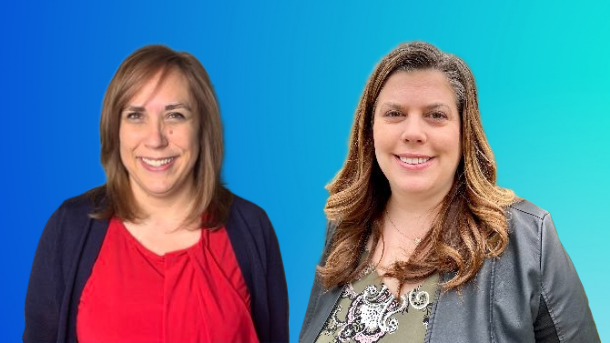
Katie Lewis-Prieur & Sarah Abrams – Consultants at the Ottawa Catholic School Board

Katie Lewis-Prieur & Sarah Abrams - Consultants at the Ottawa Catholic School Board
About Katie Lewis-Prieur & Sarah Abrams

Katie Lewis-Prieur (@klewis_prieur) has been in education for more than 25 years, many of it in the classroom teaching English and Drama before working in system-level positions at the Ottawa Catholic School Board.  She is blessed to be part of the Specialized Pathways team as the Experiential Learning consultant for K-12.

Sarah Abrams(@SarahMAbrams) has been with the Ottawa Catholic School Board for the past 22 years.  She spent the first 20 years of her career as a high school teacher and Guidance Counsellor and is currently the Guidance and Pathways Consultant for the board.  Sarah is passionate about helping students discover their pathway and supporting guidance teams in breaking down barriers for students to access whatever post-secondary path they wish to take.   

Connect with Katie: Email | Instagram | Linkedin | Twitter

Connect with Sarah: Email | Twitter

Listen Now

Listen to the episode now on Apple Podcasts, Spotify, or on your favourite podcast platform.

Resources Mentioned

Ottawa Catholic School Board (OCSB)

Specialized Programs – OCSB

New Teacher Induction Program (NTIP)

Carleton University – BA in Journalism

Brock University – BA in English Language and Literature

The Transcript

**Please note that all of our transcriptions come from rev.com and are 80% accurate. We’re grateful for the robots that make this possible and realize that it’s not a perfect process.

Sam Demma (00:00):
Welcome back to another episode of the High Performing Educator podcast. This is your host and youth speaker, Sam Demma. Today we have on a pair of guests, not just one person, but two people, two very incredible influential people that I’ve done a ton of work with, but are also just phenomenal human beings that I call two of my friends now. We have on Katie and Sarah.


Sam Demma (00:59):
Katie has been in education for more than 25 years. Many of it in the classroom, teaching English and drama before working in system level positions with the Ottawa Catholic School Board. She is blessed to be part of the specialized pathways program team as an experiential learning consultant through K-12. But the reality is she’s actually moving on to a new position. So stay tuned because maybe we’ll do a follow up episode with her next year and her partner in crime Sarah is also on the show today who has been with the Ottawa Catholic School Board for the past 22 years. She spent the first 20 years of her career as a high school teacher and guidance counselor, and is currently the guidance and pathways consultant for the school board. She is passionate about helping students discover their pathway and supporting guidance teams in breaking down barriers for students to access whatever post-secondary path they wish to take.


Sam Demma (01:49):
The two of them bring together a wealth of knowledge. I was a part of one of their career fairs about six months ago now, or maybe four, three months ago and they do such amazing work. So I hope you enjoy this episode as much as I enjoy chatting with them, and I will see you on the other side. Katie, Sarah, welcome to the High Performing Educator podcast. Huge pleasure to have you both together on the show. This is the second time only that we’ve had a group of three on the show. So I’m, I’m super excited about it. Why don’t you start by introducing yourself and sharing a little bit about why you’re so passionate about the work you do in education today. And Sarah, feel free to kick this one off.


Sarah Abrams (02:29):
Well, hi Sam. I’m Sarah Abrams. I work at the Ottawa Catholic School Board and I am the guidance and pathways consultant. So I work with the guidance departments across our school board. And I’ve always loved teaching. I love working in a dynamic environment like a school where every day is different. You never know what, what is gonna come at you that day. There’s not too many jobs where you can participate in dressup days and spirit weeks and, you know, take kids on field trips and watch watch them learn new things and get excited about things they didn’t know. And so, and also building the relationships with those young people and with my colleagues has inspired me. So, you know, for me, education has always been my passion and I love everything about it.


Sam Demma (03:15):
Love that. Awesome, Katie what about yourself?


Katie Lewis-Prieu (03:19):
Well, thanks for having us on today. I’m Katie Lewis-Prieu and I’m the experiential learning consultant for K-12 for the Ottawa Catholic School Board, and I get to work every day with people like Sarah. The reason I’m doing this job is because I think kids getting their hands in and doing practical work and exploring careers is something that’s gonna change their life, and I’m just privileged to be a part of it.


Sam Demma (03:44):
Mm love that. And when you guys both come together, you create a power house of a team and I I’ve seen the impact firsthand. What are some of the projects that you’ve run this year? Things you’ve put on and worked together and, and created that been really passionate about, or, or that went well, I know this year has been challenging. We’ve, we’ve been limited in many ways, but I feel like there was also some opportunities and you’ve taken advantage of those. And Katie, maybe you can answer this question first.


Katie Lewis-Prieu (04:12):
I think this has been an incredible year for us in spite of the pandemic. It’s my first year working as a team mate with and so it’s been incredible just to build that relationship and to see what we can do. And we usually start with what we’re trying to accomplish before we set out what our goals are. And so this year we had a nice kickoff at the beginning of the year with OCSP career week. And it was one of those weeks that had been doing well and things were happening in schools, but when the pandemic hit a huge challenge, right, because you can’t have all these presenters coming into your school to talk about their post-secondary programs or entry into the world of work. And so that was our, our first major challenge that we hit this year because we knew it was still really important for students to be able to explore these careers. So we decided to, to tackle it head on and to create a really dynamic week where teachers and students could access all sorts of activities career panels really great resources for them to leverage. And so that was, I think, our first success.


Sam Demma (05:25):
Awesome. Yeah. That’s great. And Sarah, maybe you can touch on some of the other things that have happened this year. I’m sure there’s a bunch of other things happening behind the scenes every day, each and every day


Sarah Abrams (05:35):
There absolutely was. And, and a big part of what we wanted to do was figure out how we could bring this rich experience, financial learning, and, and also one of our goals is to, to bust pathway myths. So we also, we want students to know that college and university, aren’t the only options for them that some students will go directly to the world of work. And some students will go into apprenticeship program. Some will take a gap year and, and that’s one of our big missions is to bust those pathway myths. So one of the things we did was we have created with a community partner on fee career panels. And we’ve had several of those throughout the year, this year. And the pandemic has actually opened our eyes to the possibilities with this. So in prior years you would have this career panel at one school, you’d only be able to reach a few students, but because we were in the pandemic, we had to reach rethink things. And we were able to do them virtually and bring in hundreds of students. So hundreds of students have been able to learn about careers in manufacturing and the arts in English in all kinds of areas that maybe they wouldn’t have done before. So that’s been an excellent opportunity for us.


Katie Lewis-Prieu (06:49):
And if I can just add on if, if you are not aware of the careers that are out there, how can you possibly know that this is something that you want to explore? And I know your messaging, Sam has always been go out there and taste things like it’s a, a banquet or a buffet. And that’s definitely our message as well.


Sam Demma (07:07):
I love that. And I was gonna say, you know, Sarah, you mentioned fifth years and, you know, MIS myth busting, well, if your name’s Sam DEMA, you would take a fifth year of high school, a gap year after the a fifth year go to college for two years, drop outta college and then get into the world of work after, you know, three years of trying to find things and, and figure things out. So it’s, the work you’re doing is so important and I think it needs to happen in, in every board and hopefully it is happening in every board and keep doing it because we need it. I’m curious though, we start this conversation and asking both of you, you know, why are you passionate about this work? What led you down the path of education? Like, did you have teachers in your life who deeply inspired you to, you know, take on this path or did you just stumble into it by a mistake and have been here since, like, I’m curious to know why you’re working in education today and, and Katie, maybe you can kick this one off.


Katie Lewis-Prieu (07:59):
Well, when I was little, I used to parade around in my backyard pretending I was ginger from Gillin island. So I knew that I wanted something that was engaging. I thought I was gonna be an actress when I was really little and there just weren’t the, the career classes to support that there was no ran a class in my high school when I went to school. So I had to look for something else. And being an actress just didn’t seem reasonable at the time. So I thought I want to work with people. It was just a part of who I was that I, I definitely not a solitary person. I, I like to collaborate. And so teaching in journalism were the, the two things that really grabbed me with the limited, you know, exposure to career exploration that we had at the time.


Katie Lewis-Prieu (08:48):
So I ended up actually doing a journalism degree at Carleton university. And then just as I was about to graduate from that, we were in the middle of a recession and I thought, well, I’m just not the type of person to sit back and do nothing. And I thought, well, I’m gonna go in and I’m gonna finish my English degree. And while I was doing that, I thought, you know what? I actually really like how much more collaborative being a teacher was. Cause there were a lot of people trying to scoop each other in the journalism program. And I thought I’d rather work with people as opposed to trying to top them. So that’s definitely how I started heading into teaching and was a high school teacher and taught English and civics and drama for many years before I started working at the school board. And did two terms as the arts and indigenous studies consultant. And last year had the great opportunity to sit in a leadership role for a year while my colleague was on leave. And then this opportunity opened up for experiential learning and I jumped right at it, cuz I thought this is exciting.


Sam Demma (09:54):
Cool, awesome. That, that, you know, I was gonna ask you, but I didn’t want to age you there. Let’s What’s Gilligan’s island ,


Katie Lewis-Prieu (10:03):
You’ve got to be kidding me. Gilligan’s island was the bomb. When I was a little kid, it was a little show and Gilligan was stranded on an island with six castaways. And one of them was bombshell actress who walked around everywhere in an evening gown on this deserted island. And so she was just it for me when I was a little


Sam Demma (10:25):
Kid, I love that. I’m gonna, I’m gonna go earn some brownie points with my parents with that one later


Sarah Abrams (10:30):
And


Sarah Abrams (10:32):
Sometimes we still have to tell Katie not to wear her ball gowns to work, but


Katie Lewis-Prieu (10:38):
You can’t see what I’m wearing down below. It could be, you know, heels in a full skirt.


Sam Demma (10:43):
I don’t know if you can hear it, but the whole crowd’s laughing. it’s awesome. Sarah, you know, what did your journey into education look like?


Sarah Abrams (10:55):
Mine was similar in some ways to Katie, but, but also a little bit different. I always have wanted to be a teacher, so I did follow a very linear pathway, which is something I’ve, I’m trying to bust for a lot of students. But I think part of that was because I was number one, a bossy older sister, and I had a much younger brother and he was my first student. So when I, I was about 10 and he was four, I was making him sit down and listen to me and I was teaching him to read and teaching him everything I wanted to teach him. And then the other thing was that I had a lot of family members who were in education, so that influenced me greatly. And, and I probably can remember every teacher I’ve ever had. So I really, for some, and it just, it just called to me from a young age.


Sarah Abrams (11:42):
But throughout my career, I’ve really realized that within teaching you can do so many different things. So I have, have not been static. I started out teaching history and English in high school and, and I was very much a yes person. So I was tapped on the shoulder and they’d say, we need someone to teach parenting. And I would say, okay, we need someone to teach hair styling. Okay. and so I’ve done a lot of different things within my school which culminated in a position as a guidance counselor, which I absolutely loved. I would, I could do that forever. I loved working with kids in student services, but that also then led me to this position at the board, working with the guidance teams from all of the schools. So I think education is a nice career because there are so many different things you can do. You don’t have to just stay in one path. There are a lot, there’s lots of opportunity for growth and for learning. And that’s been great for me.


Sam Demma (12:38):
I love that. And one of the most pivotal people in my high school career was my guidance counselor. She had countless conversations with me and my parents miss Diana. Yeah, Diane, her last name’s escaping me right now, but she, she would help me because my pathway was, I was trying to go to the us for soccer. And like, I can’t remember. I had probably, probably at least two dozen meetings with her in my last year of high school to try and figure things out for NCAA. So it just goes to show that every role in a school, whether it’s in the physical school or as a consultant, plays a huge role on impacting young people. And I’m curious to know, because I know you’ve, you’re not directly in touch with students, but you probably hear a lot from the schools and the principals. What do you think some of the challenges that schools and students are facing right now? And we won’t stick on this question too long because I don’t wanna get negative, but what are some of the challenges you think we’re facing and maybe Sarah, you can kick it off and then I’ll pass it back on to Katie.


Sarah Abrams (13:40):
Well, for me, and I think this would be similar for guidance folks. I can speak sort of for them a little bit. It’s the building relationships piece. I’m all about building relationships. I like building relationships with the counselors that I work with and the teachers that I work with. And as a counselor, I L loved being able to call a student into my office and have a chat and, and you build relationships with those students and that’s what, where you build the trust as well. And so with COVID and having to shut down and then start and shut down, and then we have some students going completely virtual. It is very, very hard to kind of keep those relat ships going and build new ones. So for me, that’s probably the biggest challenge, I think right now, due to COVID. I mean, lots of people are, are facing lots of personal challenges in lots of different ways, but in terms of my career, I think that has been something that I’ve really had to be conscious of and figure out how to build relationships in different ways. And I think teachers and counselors, schools are doing the same thing.


Sam Demma (14:38):
Yeah, no, I agree. Yeah. Katie, what, what do you think?


Katie Lewis-Prieu (14:42):
Well, my job is experiential learning consultant and challenge. It’s pretty hard when you’re on lockdown to, you know, when you, you start thinking about, well, what can I do? So for sure, there’s been a lot of pivoting and it’s hard. I think of just our, our theater students alone, because it’s something I’m very passionate about. And those students aren’t in most cases, not getting the opportunity to have that full theat or experience where you’re under the spotlights you’re you know, in scenes with other people, even just the, the, the acting piece where you can’t even make physical contact with someone to, you know, if you’re seen as telling, you’re trying to get somebody to snap out of it and the scene, you would normally be shaking them. You can’t do anything like that. So that was a huge challenge coming in. And I do worry about the mental health of our students as well, cause we’re social beings. But I think what Sarah was describing with those relationships is just the, the key to everything and, and still trying to give students opportunities to connect with the outside work world through things like learning partnerships has become crucial this year.


Sam Demma (15:58):
Hmm. And along with each challenge comes some form of an opportunity. I would, I would suppose that one of them is technology. You’ve probably learned a dozen new skills and tools. I mean, you’re wearing, very, no one can see it, but yeah, it looks like a pair of gaming headphones and I wouldn’t say you’re a huge gamer or who knows, you know,


Katie Lewis-Prieu (16:22):
You’d be right Sam when I play Mario Cartt my children laugh at me.


Sam Demma (16:28):
Yeah. So what are some of the opportunities you think have arise from the situation this year are some of the things you’ve learned that have been really helpful and we’ll start with Katie.


Katie Lewis-Prieu (16:41):
Well, I think Sarah alluded it to it earlier. Just the opportunity for the reach, like, you know, whereas you might have had an individual teacher setting up a session in their class where they had a guest speaker coming in, we’ve had these opportunities to do things like career panels where, you know, if we had I think one of the ones we ran for one of our other initiatives OCS B steam week, I think one of our career panels, we had over a hundred classes that’s classes wow. On the call. So in that one, I think we had three different panelists. So students were hearing from three people quick, 45 minute meet where the teacher is, you know, getting a chance to engage in that career exploration with their students. And then all sorts of crazy fun stuff have, has come out of those calls as well.


Katie Lewis-Prieu (17:37):
And I think it’s opened up our students and teachers to further inquiry. Us doing OCSP steam week actually came from the challenges that we faced with OCSP career week. And it grew into something huge. And there were a lot of teachers, I think, who, because they had opened themselves up to technology, also opened themselves up to new things like learning about stem or steam subjects. And so I think there’s just been enormous growth for everyone throughout the process and technology is allowed it, I mean, it can be so frustrating at times when things aren’t working out, but what an opportunity to reach so many more people. And also to have fun, we set up all these challenges as well. For OCS B steam weeks is stem challenges where students were doing these rub Goldberg machines. And I don’t know if you know what they are, but they’re like a chain reaction thing where they’re, you know, setting up slides, like, you know, maybe a ruler in a marbles going down there and it’s gonna hit something else and pop into something else. And we just loved seeing these students with that whole perseverance piece where they were setting up their systems and it didn’t work the first time, but they kept going. And then when you see those videos and you see their face and they are so proud of themselves, that they got it to work. That’s a huge thing.


Sam Demma (19:09):
Yeah. Oh, I, I agree. I totally agree. It’s funny, those, those contraptions, I think they happen in physics class. I might be wrong, but


Katie Lewis-Prieu (19:19):
, we had kindergartners doing it as well. Wow.


Sam Demma (19:22):
yeah. That’s, that’s awesome. So cool. Yeah, I remember it feels like yesterday I was in grade 12 and my buddy was making one for his grade physics assignment. Sarah, what do you think? Like what, what are some of the opportunities that you’ve seen arise outta this crazy situation?


Sarah Abrams (19:38):
I think I, I think Katie’s answer was bang on, but, and just to add, you know, or to, to echo what she’s saying. I think the challenge of as a history teacher, too, I think of challenges in the past, the great, the world wars with any big challenge that a society faces comes the opportunity for growth and creativity and some of our, our most amazing achievements and accomplishments come out of those tough times that we face as a, as a, as humanity. And like the, the growth in technology, especially among educate, I think is something that I have never seen before in my whole career. It’s and it’s because it was necessary, right. It was something that teachers had to do and, and we had to do as well. I’ve never learned so much about technology as I have in the last year.


Sarah Abrams (20:26):
And so I think that’s just opened up the doors to so many different things. One of the things Katie and I are involved in right now is providing, working with our partner, Algonquin college, providing our students with different virtual workshops on coding and using laser cutters and a 3d printing. And it’s all virtual, but the kids are able to learn how to do this stuff on their computers. And then at Algonquin, something will actually be 3d printed or laser cut or, or whatever. And the teachers are learning this too, and it’s making teachers more comfortable with all of the new technology that is up and coming. So I think if you look at it with a positive spin, there are a lot of challenges, but a lot of growth has come out of it.


Sam Demma (21:13):
Yeah, no, I couldn’t agree more. I think it’s, it’s great growth. Like it forced, it’s forced growth almost like you grow up as a kid and you hit your growth spurt and then you stop growing. It’s almost like we’ve been to grow more at past that point. And it’s painful. You have aching pains from the new growth spur. And not to say that the challenges aren’t there, cuz they are like, it’s a crazy time and people are struggling, but it’s cool to focus on the positives for a second. You know,


Katie Lewis-Prieu (21:42):
And neuroscience tells us that we need to be lifelong learners. We need to keep bill holding those neuro connectors. So as, as tough as it has been, and it has been tough for some people like just the new skills that we are picking up this year are definitely something to be applauded.


Sam Demma (22:02):
Yeah. No, I agree. Totally agree. And you know, I’m curious to know when you were both students, so think back what are some things that educators in your life did for you that had a huge impact? And I’m, I’m curious to know, maybe you can pinpoint one teacher in something they shared or did. Because I think educators sometimes underplay the impact they have because they don’t see it sometimes. And with this story you can share about how they’ve impacted you it’ll remind educators that they’re having an impact on their own students and also give them some ideas on what’s important in the classroom. And Katie, you seem like you had an aha moment. So oh,


Katie Lewis-Prieu (22:43):
A hundred, a hundred percent. I had an incredible English teacher when I was at St. Joseph’s high school called Mary Lynn Oche. And I had her for a bunch of years at a time cuz it was when Catholic education was just starting to get the funding. And I remember we were studying Hamlet and she would not give us her opinion on whether Hamlet was mad or whether he was putting it on. And I remember being so upset at the time that she wouldn’t tell us her opinion, cause I really did value her opinion, but it was so smart of her because it forced us to use our own critical thinking skills and to make our own mind. And that has stuck with me. And she’s also one of the people who let me teach a class about journal is one of my independent study projects. And that certainly was one of those key things that made me think, okay, do I wanna go into journalism or teaching and gave me a sense of confidence that you know, I could be engaging in front of a class and, and it was just a little thing that she did by letting me try something out that had a major impact on me.


Sam Demma (23:55):
Wow. Love that. I love that it’s like giving you a responsibility almost absolutely. To succeed or fail and either, or it would’ve been a success,


Katie Lewis-Prieu (24:03):
But with support, with support, you know, we talked about what it would look like and it wasn’t something so hugely overwhelming that I couldn’t be successful at it, but I also got good feedback. And to me, that’s, that’s an enriching, deep learning opportunity.


Sam Demma (24:19):
Love that. Love that. Sarah, how about yourself?


Sarah Abrams (24:23):
When I think back, I, like I said earlier, I can remember every teacher I had and I think each of those people had an impact on me at some point, but I do remember in particular, a grade eight math teacher and I, I wasn’t the best math student. But she always took the time with students at lunch or after school. And she was very friendly and really encouraging. And her name was Phyllis Perry. And I still think about her sometimes. And I think I wrote her a letter actually, when I became a teacher thanking her for what she did. But one of the things I think back at is I don’t remember the lessons I learned. I don’t remember the curriculum from each of those teachers that I had. I remember other things remember, you know, what they talked about or how they made me feel mm-hmm or you know, those kinds of things. And I think sometimes as teachers, we forget that it’s not all about the curriculum. It’s about that relationship building and it’s about the impact of caring adult can have on a student. And for me, those are the, when I think about the teachers I had, it was it’s really the ones who were the most caring adults in my life that, that really stick out.


Sam Demma (25:31):
Yeah. So true. So, so true. And it’s funny cuz I’m reflecting now asking this question on my own experience and teachers who change my life, did the same thing that you’re sharing now. Like they, they took the content and personalized it for every student in the class. They knew what we liked. They knew our hobbies. They, they took the time to get to know us. So I think it’s great. Yeah. It’s such a, those are all great examples. And if you could go back in time and speak to your younger self, you know, the first year you got into education, what advice would you give your younger self, knowing what you know now and yeah, Katie, you can,


Katie Lewis-Prieu (26:08):
You can


Sam Demma (26:08):
Go first.


Katie Lewis-Prieu (26:10):
Well, I remember being terrified, absolutely terrified when I, I started teaching, I didn’t have the educators in my family like Sarah did. So I really leaned on the colleagues who were at school with me. One practical piece would be not to pick up every single thing I assigned because I remember hitting Christmas and just being in tears because I had a stack of paper this high that I had to get through. And mark and I, I had gotten so busy that I wasn’t keeping up with it and it was overwhelming at the time. And I remember just being in the laundry room and crying. Aw. But it was, you know I look back and I got through it and you, you really do lean on people to give advice to you. And we’re a learning community mean if you know, a school is working well and functioning well, you’re not teaching in isolation, you’re teaching as part of a team and that collaborative piece.


Sam Demma (27:11):
Yeah. Love that. Love that great advice. Sarah, how about yourself?


Sarah Abrams (27:18):
I think for me too, it’s, it’s probably a little bit about, you know, do don’t, don’t worry as much about the curriculum. The curriculum is super important, but be yourself. I, I remember when I first started teaching, I thought, okay, I’m, I’m young. I need to go in and I need to be, you know, a mean teacher. I need to lay down the law and I need these kids to know that, I mean business and, you know, that’s the only way that they’re gonna pay attention and learn. And, and I learned very quickly that if you try to be something you’re not, students will pick up on that very quickly. And when I actually was comfortable enough just to be myself and to, you know, I’m, I’m naturally sort of a caring, motherly kind of a teacher and, and every teacher has their own style and, and every style is good. But that was my style. My style was not to be the hard nose, you know, strict disciplinarian and it worked better for me. I found my students responded better to me when I was authentic. And and when I just, just went in there as, as myself and that has worked really well for me.


Sam Demma (28:23):
Hmm. Love that, love that. Those are, I get a different answer every time I ask an educator so thank you for sharing. It is cool to see the different, you know, the different answers and examples and I appreciate you sharing. This has been a great conversation. It’s already been almost 40 minutes, so thank you both for being here and sharing in this conversation. If a teacher or an educator wants to connect with you, like what would be the best way to reach out and Sarah, maybe you can share first, you can share maybe a Twitter or an email address, whatever you prefer.


Sarah Abrams (28:52):
Well on Twitter, I’m @SarahMAbrams. So that’s definitely a way that people can connect with me, Sarah with an H and Abrams with no H and we can, we can share that with you later. And my email, absolutely. I’m happy to answer emails and it’s sarah.abrams@ocsb.ca.


Sam Demma (29:13):
Awesome. Katie, how about you?


Katie Lewis-Prieu (29:15):
And it would be the same two ways for me also on Twitter. I’m @klewis_prieur. And my school board email is katie.lewis-prieur@ocsb.ca.


Sam Demma (29:41):
Awesome, love it. Well, Katie, Sarah, thank you both for coming on the show. It’s been a great conversation. Keep up the amazing work and I will talk to you soon.


Katie Lewis-Prieu (29:50):
Thanks so much for having us; this is an honor.


Sam Demma (29:53):
And there you have it. Another amazing guest, an amazing interview on the High Performing Educator podcast. As always, if you enjoy these episodes, please consider leaving a rating and review so other educators like yourself can find this content and benefit from it. And here’s an exclusive opportunity that I mentioned at the start of the show; if you want meet the guest on today’s episode, if you wanna meet any of the guests that we have interviewed, consider going to www.highperformingeducator.com and signing up to join the exclusive network, you’ll have access to networking events throughout 2021 and other special opportunities. And I promise I will not fill your inbox. Talk to you soon. I’ll see you on the next episode.

Join the Educator Network & Connect with Katie Lewis-Prieur & Sarah Abrams

The High Performing Educator Podcast was brought to life during the outbreak of COVID-19 to provide you with inspirational stories and practical advice from your colleagues in education.  By tuning in, you will hear the stories and ideas of the world’s brightest and most ambitious educators.  You can expect interviews with Principals, Teachers, Guidance Counsellors, National Student Association, Directors and anybody that works with youth. You can find and listen to all the episodes for free here.
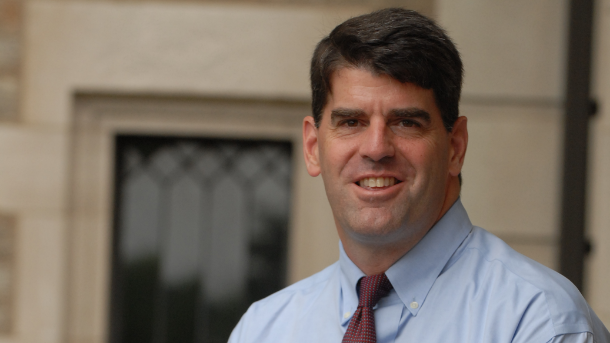
Steve Bristol – Assistant Head of School for Enrollment Management and Strategic Planning

Steve Bristol - Assistant Head of School for Enrollment Management and Strategic Planning
About Steve Bristol

Steve Bristol is the Assistant Head of School for Enrollment Management and Strategic Planning at the Hun School in Princeton, New Jersey.  He is a coach, mentor, and someone that deeply cares about the success of the young people in his school.  

Connect with Steve: Email | Linkedin

Listen Now

Listen to the episode now on Apple Podcasts, Spotify, or on your favourite podcast platform.

Resources Mentioned

The Hun School Website

US College Expo

Maine Summer Camps

Who is Gary Vee?

The Transcript

**Please note that all of our transcriptions come from rev.com and are 80% accurate. We’re grateful for the robots that make this possible and realize that it’s not a perfect process.

Sam Demma (00:00):
Welcome back to another great episode of the High Performing Educator podcast. This is your host and youth speaker Sam Demma. Today we, you have on someone that I met through an event called the US college expo. He was one of the US admissions representatives who was speaking to students about how they could pursue their education in the States. And he is the director of admissions and financial aid at the Hun school of Princeton in New Jersey.


Sam Demma (00:59):
He is also a former coach, a mentor, and someone who really cares deeply about the success of his students. It’s very evident in this episode that Steve Bristol, today’s guest has a mission to help as many students as he can while also, you know, keeping himself young by being surrounded by the contagious energy of today’s youth. I hope you enjoy this episode as much as I enjoyed recording it, and I will see you on the other side. Steve, thank you so much for coming on the High Performing Educator podcast. It is a pleasure to have you on here. Start by sharing a little bit about who you are and why you got into the work you do with young people today?


Steve Bristol (01:38):
It’s my pleasure Sam. Thanks for the opportunity to, to chat with you. I’d love to give you an altruistic reason about why I work in schools and, and how I wanna shape the youth of America and of the world so that, you know, they’ll take better care of the world, and all of that, but really my motives are pretty selfish. It keeps me young. Oh, working with kids is, you know, it keeps you in touch with your own youth. I, I took a couple of years in my career where I went and I worked business schools and in those four years, I think I gained 15 pounds, my eyesight went, I had to start where and glasses, you know, that lifestyle just didn’t work for me. I felt like I’d aged 20 years and four years. And so I came back into schoolwork because it does keep you energized and keeps you young. So my motives are, are purely selfish. I do care about the future and I think kids are, are gonna lead that charge. But but I can’t be as generous with that as I probably should be.


Sam Demma (02:46):
That’s awesome. I love the authenticity. I’m curious to know, at what point in your own career search, did you make the decision? Yep. I’m going to work in education. Was there a defining moment or was it just a progressional choice? Yeah,


Steve Bristol (02:59):
There was actually was a kind of a moment there. I’m a product of the system. I went to a, a, an independent boarding school in, in the us nice for high school. And as I worked with a college counselor there who was helping me sort of decide what kind of colleges to go to. And, and at one point, you know, I was a little bit lost and , and he said, well, you know, what would you like to do after college? And, you know, at that point, I, I wouldn’t been exposed to very much. So I said, yeah, maybe I’d like to come back to a place like this and, and teach and coach. And he said, well, in that case, you know, go here, come back in four years and I’ll give you a job. So that combined with I did a, a lot of summer camp work as a teenager. And and so you get sort of your experience working with kids that way and living with them. And, and so when I did graduate from college, I, I went right into boarding school work where I ran a dorm, coached a couple of seasons and taught classes. And so I, I was the stereotypical, triple threat. They call it boring schools where you do a little bit of everything.


Sam Demma (04:08):
That’s awesome. Tell me more about the summer camps. Were you young when you did those? Not that you’re old now, but well


Steve Bristol (04:17):
yeah, I started working summer camp camps, probably in maybe 11th and 12th grade. I think I started, I did it for I was a camp counselor for three or four years, and then I took some time off and I came back and sort of became an administrator and ultimately became a co-director of a, kind of a traditional summer camp in Maine, which, you know, little SPO, little waterfront, little camping trips, you know, a very sort of, you know, very boarding school-like kind of place where you, you want kids to have a balanced experience and, and, and get exposed to a lot of different things. One of my worries with our kids today is that they, they need to be specialists. They need to be great today. You know, as eighth grader, they need to have found their passion and pursued it and, and be a young little expert. And, and I would rather kids keep trying some new things and to continue to be beginners at things for as long as they can. And I think summer camp and school can do that for kids.


Sam Demma (05:23):
No, it’s so true. There’s advice that this marketer, Gary V always gives, and he says, you don’t have to find what you like right away. That’s why when you go to a buffet, there’s a thousand options. And the way you figure out what you enjoy is you take a little piece of each little bin, you try it and you stop eating what you don’t like, and you keep eating what you do like, and yeah, I think sometimes kids limit themselves to one little portion of a buffet instead of trying all of it and


Steve Bristol (05:47):
Absolutely true. I, I actually used the buffet analogy in my own work here as I talk to families and I talk to them about, you know, hun, where I am now being a, a, a buffet where, you know, there’s lots of different clubs and activities and sports and music and art and all of those things who knows what’s gonna capture your attention. And, and if, if there’s anything we learned, it’s, you know, kids are gonna change as they grow up. They, they don’t need to lock in quite so early.


Sam Demma (06:16):
That’s so true. And right now at hunt, I know there’s some very unique challenges that all schools are facing. And I’m curious to know someone recently told me the state of education is like throwing spaghetti on the wall and seeing what sticks . And I’m curious to know out of the spaghetti, you’ve already thrown in the challenges you’re facing, what seems to be working really well. And what are some earnings you’ve also had.


Steve Bristol (06:39):
It’s a great question. And, and it is, and the spaghetti analogy I think is, is a pretty accurate one. there’s a little more thought behind it before we throw it, but yeah. You know, obviously, you know, the hunt school, Princeton, where I am now, we’re a, we’re a boarding in day school in Princeton, New Jersey. And so we have local kids who are day students. We have domestic borders. So kids from around, you know, 18 different states in the us. And then we have kids that come from, you know, 20, we’ve got, these are trying to manage. What we’ve done is we put our kids into two teams and they come to school on alternate days. So kids come every other day for in-person classes and that’s reduced the density in our classrooms. A lot of our international kids are, are studying virtually and they’re logging in from home and attending classes that way.


Steve Bristol (07:44):
It’s, it’s a phenomenal challenge for teachers that are on the, the, the ground floor of this that are standing in a classroom with, you know, five kids sitting at a table in front of them and another seven kids on a screen behind them. And, and how do you serve both of those groups and, and, you know, and work intentionally in our classes are small and we, we want to give personal attention. And so they’re trying to engage all of those kids into the conversation and into the class, and, you know, and, and into practical work, instead of, you know, the old kind of teaching where the teacher just lectures and the kids take notes, we’ve moved pretty far away from that to where our classrooms are really dynamic and active and interactive trying to do that. Both virtually and in person at the same time is I think is a phenomenal challenge on top of that. You know, we’ve gotta keep everybody safe. You know, we, we’ve got, we’ve put in a phenomenal amount of safety and health protocols. We all get screened every morning before we come to school. Yeah. You know, I get my temperature checked and I get a little bracelet that the screener gives me that says, I’m, I’m good to go for today. But it’s, you know, the health and safety piece is, has dominated our work all summer long and, and on a daily basis.


Sam Demma (09:07):
Yeah, no, that’s, that, that makes a lot of sense. Things are definitely changing really, really fast. And sounds like unschool was doing a great job of adjusting on the fly and trying to still be of service to students as much as they possibly can. I’m curious to know when you were a student, did you have someone in your life who like maybe a coach who guided you, who pushed you that helped you when you were at a low point in your life? There might be a coach that sticks out in mind. And the reason I’m asking is I’m curious to know what that coach did for you, so that other educators listening might think about doing the same thing for their students.


Steve Bristol (09:45):
Yeah. I, I, I have a very specific experience that really set me in a lot of ways. It’s been the foundation of my own teaching coaching. I was a senior in high school and, and was a pretty serious soccer and lacrosse player, but I didn’t really play a sport in the winter. I’d done a little basketball, but, you know, I peaked on the JV team I think was as good as I ever got. And the athletic director came to me one day and asked if I would help coach the freshman basketball. They had a lot of kids out there. They had a teacher that wasn’t really, you know, he was more of a science teacher than a coach and, and kind of needed someone out there to help keep order. So, because the athletic director was also my advisor, I thought it would be a good idea to, to sort of do whatever he asked me to do.


Steve Bristol (10:34):
He where I knew it, I was coaching my own basketball team and we had a group below the freshman, you know, sort of freshman B is essentially who I was coaching. So these are the least athletic kids in the school. I’m doing it in a sport where I don’t feel a tremendous amount of confidence. You know, it, it was a recipe for disaster. So we went to our first away game and the athletic director drove the van and, and brought us there. And, and he just sat in the bench and he didn’t say a word the whole time, and I never shut up. I mean, I talked those kids through every step, every pass, every shot, I was just a, a constant voice in their ear in, in, you know, my trying to help them, you know, be successful and win the game and do all of those things.


Steve Bristol (11:22):
And, you know, when the dust settled, we, we lost by about 40 points. It wasn’t even close to being competitive. And I, you know, I’m destroyed, I, this is my first experience. It’s very public, you know, all, any coach knows, you know, your, your work is public. And so when you have a bad day, you know, there’s people watching. And so I’m kind of hanging my head and the athletic director came over to me and he said, you know, you actually did a pretty good job. He goes, but you make the kids nervous. You talk too much. Sometimes just let the kids play. And that idea that sometimes just let the kids play mm. Has guided, you know, I’ve done a lot of coaching since then and have had a fair amount of success and not every day was like that. But I can, I can think of specific games where I used that advice, where I realized I kids are doing a great job. They didn’t need me to keep coaching. The part of my job was to step back and let them be successful. It was about them, not about me coaching a win, and, and to tell yourself in those moments to just be quiet and just let, what you’ve been hoped would happen happen. Yeah. But I think coaches and teachers forget to recognize.


Steve Bristol (12:37):
And as a parent now, sometimes I gotta let my kids play and sometimes they’re gonna fail and fall and all of those things, but, you know, that’s part of teaching. And part of teaching is knowing when to keep your mouth closed and just let kids experience things.


Sam Demma (12:52):
I love that so much. That’s, that’s an amazing piece of advice. And have you in your role now maybe you can even talk about this as a coach or as a head of enrollment. Have you used that same advice personally with your students and have seen any massive transformations or some students that have been deeply impacted the same way your coach impacted you? And if there’s a serious story about how someone’s life has been changed, you can change their name for privacy reasons, but the reason I’m digging for it is because an educator might be listening right now. Who’s a little burnt out. And I wanna remind them that the work we do in education and coaching it has the power to transform lives. So if you have any stories that this take out to you it would be cool to hear. And so,


Steve Bristol (13:37):
And, and I think particularly as, as you say, under these circumstances, this is really hard. And the challenge for teachers under the best of circumstances is you don’t typically see the results yeah. Of your work. You know, you’ll have somebody come back 10 years later and tell you how impactful you were and things like that. And, and but in the moment there’s days where it just feels like I’m not making a dent here, you know, they’re, they’re just coming back. And they’re the same kids today that they were yesterday, despite everything I tried to do. So I think my best advice, advice to teachers is, is to remember, there’s a long game here. Yeah. That you, you, aren’t gonna change kids in a day, but being steady and being consistent and approaching your work with their best interests at heart does pay dividends. And, and part of that is you just have to trust that, that it will.


Steve Bristol (14:37):
For me personally, there, there’s been a lot of times where, you know, kids have come back and, and surprised me in, in what they’ve remembered that I said at one point, or, you know, a lot of times it’s embarrassing stuff where they’ll say, oh, I remember that time you did that. And I’d be like, yeah, those were the things I’ve tried to forget. . But I had a, a, a tremendously talented and had a really, really difficult time. And , and he, and I had sort of exchanged messages and I didn’t realize the extent of it. And he came into my office and, and began to talk to me about things where I could really tell something was very, very wrong and, and I didn’t realize it. And after he left his mom called and as a woman, I had a really good relationship with, for many years and, and said, I’m so sorry.


Steve Bristol (15:33):
I didn’t, you know, I didn’t tell you in advance, so you could be prepared. Mm. And what we found out is he, he was bipolar and they didn’t know it. And that came out and he was home from college with nothing to do. And, and I said, well, come to look, cross practice every day. And you’ll be my assistant coach, and you’ll stand next to me and you’ll learn how to coach and work with kids. And, and he came every day and, you know, he, as he’s learning to adjust to his new situation and medication and things like that, he had safe space to come to every day. Mm. And, you know, and to this day, you know, he’s the father of twins and in his, you know, probably mid thirties we still talk about that spring. You know, we’ve stayed in touch, he’s in great shape now. And he tells me, his mom still sends me a note once a year, that says, you know, you changed his life because you, you took him in when, when he was lost. And, you know, it was, to me, it was sort of an obvious thing to do. He is a great kid, you know, I love having him around. And, and, but it was at a time in his life when he needed somebody to invest a little extra in him.


Sam Demma (16:43):
I love that. That’s an amazing, it’s an amazing story. And you mentioned, you know, small actions in there somewhere. My teacher, Mike always told me, you know, small, consistent, massive changes. Absolutely. And it applies to education. It applies to mentorship with young people, and it just applies to everyday life, whether you’re trying to change something personally or something in a school or student’s life. If there’s a, that’s


Steve Bristol (17:07):
Interesting, I think one of the big to do is to sort of teach through the positive as opposed to the negative. I think we’re all very quick to point out when kids make mistakes and candidly, that’s really easy to do. You know, I, I can, I can watch a field hockey game and tell you when somebody makes a bad pass. I don’t have any idea how to teach someone to play field hockey and I can think the more we start to celebrate the positives that kids do and teach through their successes. That’s where I think we start to really generate a lot of momentum. And if we spend all our time just pointing out when they make mistakes, well, then that’s what they’re gonna hear.


Sam Demma (17:48):
Hmm. No, that’s so true. And on the topic of great advice for educators, if someone’s listening, who is maybe teaching for the first year and thinking like, what the heck did I sign up for? This is not what I was expecting. What advice would your current self have to give your past self or someone else listening?


Steve Bristol (17:58):
Boy, that’s a really good question. My when I started, I think it, it was, as I sort of said earlier, it was all very personal to me. Yeah. It was, you know, am, am I a good teacher? Am I doing this? Are, are they responding to me? It was very me centric. Mm. And I think, and you know, obviously, you know, you look at it now, it’s, you know, you have to get to know your kids and, and get to know them personally. So that when, you know, I, I talk about working in boarding schools as sort of being, you know, a surrogate parent. And, you know, when my kids come home from school and they’ve had a bad day, I know it.


Steve Bristol (18:49):
But before they’ve even opened their mouth, I can read their body. I can feel it in the air that this was not a good day. And we’re, we’re gonna have some work to do tonight. If teachers can get to that point with their kids in class, where you can kind of read their body language and know when they’re with you. And when they’re not boy, you can ha you know, now you can create an at fear where they can be comfortable, and if they’re comfortable, they’re gonna find a voice. And when they find that voice, they’ll start to engage with each other. And that’s when, you know, that’s when the magic happens and finding a way to make kids comfortable in your class as opposed to uncomfortable. And I think when I started teaching, I wanted them to be uncomfortable because I was so uncom, I, I just needed to control things, making sure they’re comfortable.


Sam Demma (19:40):
Hmm. That’s a great piece of advice. If I was teaching right now, I would say, thank you. good. That’s amazing. And if anyone’s listening and they, they’re inspired by this convers, they wanna reach out, maybe bounce some ideas around, or get some coaching advice from a former or former or current basketball coach. What would be the best way for them to reach out?


Steve Bristol (20:02):
I’d love doing that and I love, you know, as you can tell, I love talking about education and would welcome anyone that wants to reach out on anything. Along these lines, you know, you can reach me through the, the Hun school website at www.hunschool.org and under the admissions tab. There’s a, a funny picture of me in my email address. Or my email is SteveBristol@hunschool.org, and would welcome strangers, reaching out love, talking about this stuff.


Sam Demma (20:32):
Awesome. Steve, thanks so much for taking some time today to chat. It’s been a huge pleasure.


Steve Bristol (20:36):
My pleasure Sam. Thanks so much for creating the opportunity and, and sharing all of this information with, with folks. I think it’s real important today.


Sam Demma (20:44):
Cool. Thank you. And there you have it. Another amazing guest, an amazing interview on the High Performing Educator podcast. As always, if you enjoy these episodes, please consider leaving a rating and review. So other educators like yourself can find this content and benefit from it. And here’s an exclusive opportunity that I mentioned at the start of the show. If you want to meet the guest on today’s episode, if you wanna meet any of the guests that we have interviewed, consider going to www.highperformingeducator.com and signing up to join the exclusive network. You’ll have access to networking events throughout 2021 and other special opportunities. And I promise, I will not fill your inbox. Talk to you soon. I’ll see you on the next episode.

Join the Educator Network & Connect with Steve Bristol

The High Performing Educator Podcast was brought to life during the outbreak of COVID-19 to provide you with inspirational stories and practical advice from your colleagues in education.  By tuning in, you will hear the stories and ideas of the world’s brightest and most ambitious educators.  You can expect interviews with Principals, Teachers, Guidance Counsellors, National Student Association, Directors and anybody that works with youth. You can find and listen to all the episodes for free here.
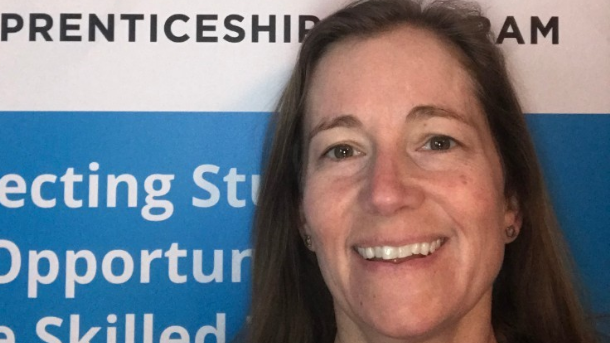
Christa Ray – Ontario Youth Apprenticeship Program (OYAP) Coordinator at the Algonquin Lakeshore Catholic District School Board (ALCDSB)

Christa Ray - Ontario Youth Apprenticeship Coordinator at ALCDSB
About Christa Ray

Christa is passionate not only about teaching & guiding the next generation but also intently interested in anything related to sustainability and the environment. She is also an Ontario Youth Apprenticeship Coordinator(OYAP) at the ALCDSB. Her career path has been very rewarding so far and she always looks forward to the lifelong learning afforded by having a job in the education sector! 

Connect with Christa: Email | Linkedin

Listen Now

Listen to the episode now on Apple Podcasts, Spotify, or on your favourite podcast platform.

Resources Mentioned

Ontario Youth Apprenticeship Program

Queens University Bachelor of Education Degree

The Transcript

**Please note that all of our transcriptions come from rev.com and are 80% accurate. We’re grateful for the robots that make this possible and realize that it’s not a perfect process.

Sam Demma (00:00):
Do you want access to all the past guests on this show? Do you want to network with like-minded individuals and meet other high performing educators from around the world? If so, go to www.highperformingeducator.com, sign up to join the exclusive network and you’ll get access to live virtual networking events and other special opportunities that will come out throughout 2021. I promise you I will not fill your inbox. you might get one email a month. If that sounds interesting, go to www.highperformingeducator.com. Welcome back to another episode of the high performing educator podcast. This is your host and youth speaker Sam Demma. Today’s guest is Christa Ray. Christa is the Ontario youth apprenticeship coordinator at the ALCDSB, the Algonquin Lakeshore Catholic District School Board. She’s passionate, not only about teaching and guiding the next generation, but also interested in anything related to sustainability and the environment.


Sam Demma (01:01):
Her career path has been very rewarding so far, and she’s always looking forward to the lifelong learning afforded by having a job in the education sector. I hope you enjoy today’s interview as much as I enjoy doing it and I’ll see you on the other side. Christa, thank you so much for coming on the high performing educator podcast. It’s a huge pleasure to have you on the show. Why don’t you start by sharing with the audience a little bit about who you are and how you got into the work you’re doing with young people today?


Christa Ray (01:27):
Sure. Thanks Sam. It’s it’s great to be here with you today. I, I’ve been in education for about 17 years now. I started at the high school that I actually graduated from and initially I was a geography teacher among a few other things, and then I jumped into guidance shortly after my career started. So I was a guidance counselor for about 10 years and then I decided to take a leap of faith and I left the school that I loved and a job that I loved and I came to the board office. And now for the last three years I’ve been working with five high schools and a couple of college, local colleges. And for the first two years, I worked with student success teachers mainly. And this year starting in September, I have a new role called the OYAP(Ontario Youth Apprenticeship Program) coordinator. So those that’s rounded out the last three years of my career.


Sam Demma (02:20):
Awesome. And what made you take, tell me more about what made you take the leap of faith. Why did you make that decision? Was there anything behind that?


Christa Ray (02:30):
Oh, that’s a good question. I, I loved what I was doing in the high school and I was coaching and I was doing a few clubs, but I was getting tired and I had needed a change of scenery and had young children at home. And so I thought I would try a different venue. And it was very nerve wracking, actually. I, I didn’t, you know, normally people change jobs when they don’t like something, but I was leaving something that I really liked to the unknown. And so it, it turned out it’s been really great for not just myself. And I’ve learned probably more in the last three years than I have in the, in the full 17 years that I’ve been teaching. So it’s, it’s been a good, a good move for me.


Sam Demma (03:16):
Oh, that’s awesome. And at what point in your own career journey, did you know, I wanna work in education. Was this something you knew from a young age? Did you stumble upon it? Did someone kind of guide you in that direction? Or how did you come to that decision that you wanted to work in schools?


Christa Ray (03:31):
You know, my sister and I always had a little Blackboard in our house growing up and we would always play school as I’m sure a lot of people do. So that was a something that we just enjoyed. But I don’t think it was really until my third or fourth year of university that I had confirmed with myself that I wanted to get into education. And my main driver was was geography actually, because I had an amazing geography teacher in high school who really propelled me into not, not the world of teaching, but the world of geography. Thanks and sustainability. And I mean, I know you have your pick waste initiative. Those, those were all things that I really wanted to to talk about with students. And I felt that the, maybe the biggest way I could have an impact on the world would be to spread my love for the environment with kids. So that’s why I mainly got into it and I didn’t foresee myself getting into guidance, but that just sort of fell into my lap. And I love that just as much so.


Sam Demma (04:29):
Oh, that’s awesome. And I’m sure the first 10, 15 years are a lot different than what school looks like specifically this year. as you exhale that’s right. I’m curious. What, what is different? I mean, what, what are the challenges that you’ve been currently faced with? I know you you’ve put put in a slightly different role this year, but what are the challenges specifically that your school board is facing?


Christa Ray (04:54):
Being the OYAP coordinator? I really rely heavily on hands on activities with students you know, bill building things and talking about the trades and the importance of tools. And so that’s probably my personal big, biggest challenge would be not being able to do the traditional activities with students. We generally try and work with our two local colleges, as I mentioned earlier, and we get students bused into the colleges to see the programs there. We’re not allowed to be busing students. So we are really having to think outside the box and do some alternative planning. And I have been going into schools and I’ve been doing like smaller presentations because I’m still allowed to travel into schools. But I find even just a small thing would be students wearing masks and myself wearing a mask while I present. It’s very unusual for teachers to see a room full of masks in front of you. And you don’t really necessarily get I mean, I’m only in a classroom for an hour at a time doing my presentation. So I feel like I don’t get to know the students very well, especially when they’re have their faces half covered.


Sam Demma (06:11):
No, that’s so true. yeah. It’s so, so true. I, I know they come out with these masks and now called mingle mask, which is like a, it’s like a clear visor. Okay. But then it has other problems, like it’s not close to the nose. It’s like, it’s a whole disaster , but it might be too early to ask, but someone described to me education, like throwing spaghetti on the wall and seeing what sticks. And I’m curious to know if there’s anything that your school board has done or tried that has stuck so far. Maybe there’s maybe one little nugget or one thing you might share about teaching online or something the schools have tried.


Christa Ray (06:49):
Yeah, I, I feel like our school is still forging ahead with some plans we have to downscale it a little bit and because we can’t get together in large groups due to COVID we are targeting a smaller classroom type activities. So for example, there’s an activity that we’re going to be doing in December, just building a birdhouse with some grade seven, eight students. Oh, cool. And hopefully they’ll be able to, to put that together. It prefab kit actually from one of our local colleges and we’ll take those out and then students can build them and maybe wrap them up and put them under the Christmas tree as gifts. Nice. And and that’ll tie in nicely with when I have my OAP presentation and where I, you know, cuz my job this year is to promote the trades with students.


Christa Ray (07:37):
And oftentimes college and university pathways are really well spoken about in school with guidance counselors, but sometimes the apprenticeship doesn’t doesn’t get highlighted the way it should. So that’s one thing that I feel even though we’re not be allowed to have 300 kids in a room at a time building a bird house, we can still have 20 or 25 building. Yeah. And, and you know, we might have to sanitize things a little more frequently than we normally would, but it’s just one of those challenges that we will, we will overcome.


Sam Demma (08:10):
That’s awesome. I love that. Mm-Hmm and I wanna go back to your geography teacher for a second. What made that teacher really impactful for you? I’m sure the content was great and, and they taught it really well, but there was probably some other characteristics that made this teacher really impactful for you personally. Is there any traits that stick out when you think about this teacher that you think made it such an impactful class?


Christa Ray (08:32):
Yeah, actually as you’re asking that question, I just got goosebumps because he was pretty amazing and I still work with him. Oh fun. Because the irony is he was my geography teacher. I went away for five years. Got my geography degree, came back to the same high school and he was still teaching. Nice. So I was his student and his colleague and I just saw him the other day, but he, I don’t know, he just made learning really fun because he was a storyteller. Mm. He had a story for almost anything and everything, any of our lessons, he, he had done a lot of traveling and I just thought that that was really really interesting. And he was very passionate. Even when he talked about things, places that he had never traveled, he, he made you feel like you were there anyway.


Christa Ray (09:19):
Mm. And so I just felt like you know, that was something that he really instilled in us was to become knowledgeable global citizens. Even though, even if you’re not traveling, you can still do a lot of research. And obviously the worldwide web is really good for checking out initiatives across across the world. And I tried to do that with my students as well. You know, we talked about some of the people that really make a difference. I mean, I was so interested to read a little bit more about your pick waste initiative that you did with your friend and you know, that it’s just two high school students picking up trash. It seems insignificant, but when you get a, when you get a bit of a following, especially now with social media, mm-hmm, you find out that you can really make a difference really fast. Yeah.


Sam Demma (10:08):
So, so small actions compounded over time. Right? Small, consistent actions. exactly. Yeah. That’s awesome. And you know, your teacher had a huge impact on you. I’m sure there’s so many stories that you’ve seen of students transforming due to education. And I’m curious to know if any story that you know of, whether it’s a student that you had, or it’s a student that you’ve heard of that had a huge transformation due to the support and care of a teacher. And the reason I ask is because there might be an educator listening right now, who’s a little bit burnt out who is maybe on the edge of even getting out of this calling and, and getting into a new job or career because they’re totally stressed out, but those stories are transformation might remind them why it’s extremely important and why the work they’re doing is so necessary and needed now more than ever. And if it’s a serious story, feel free to totally change the name to John DOE or whatever. You’d like . And anyways, yeah. Does any story come to mind?


Christa Ray (11:09):
Oh, I have a few. But one in particular that really sticks out in my mind was a student that came to our high school. He was a, a grade 12 student at the time. He came from Toronto to a small town in Beville to finish up his high school diploma. And when he came to my class, he was a grade 12 student in my grade nine geography class, cuz he had failed geography a few years prior and I’d never had a Stu an old, older student in my class and I was a little worried, but I realized really soon that he became he was kind of like a role model for the younger students. So even though the everybody else was in grade nine and he was in grade 12 and about a foot taller than everybody I, I realized that he was a really good resource for me to have.


Christa Ray (11:58):
And I mean, as a guidance counselor, I could see his transcript and I knew that it wasn’t very shiny. He hadn’t been doing really well. Due to many circumstances his life in Toronto was very difficult and not to get into too many details. He, he was trying to make his life better for himself. Hence the reason why he had moved to Bellville. And so when he came I, I think my biggest mistake was kind of pre-judging him, mm-hmm , you know, this is, this is gonna be a student where I’m really gonna have a lot of troubles and I actually didn’t at all. So near the end of his grade 12 year when he had accumulated his geography credit, which is a prerequisite to graduate in Ontario. Yeah. And he had accumulated other credits. He, he, I was so proud of him and I think he was proud of himself.


Christa Ray (12:52):
And I, I told him specifically that I don’t know what I would’ve done without him because he was a good motivator. He always had his homework done. When other students didn’t, he would sit with them and ex like, say, you know, I, I like to help you, which baffled my mind because I thought that he would just stick to himself, but he literally was a, like an older role model for the students. And he helped a few other students get through my class as well. It was like having a peer helper. Yeah. Actually, and I he went on to do welding at a college program. That’s and I’ve since lost track of him. I, I always wonder what he’s up to, but I don’t know. He, he is definitely one story that sticks out in my mind and I will remember him for as long as I live, actually.


Sam Demma (13:42):
That’s awesome. That’s such a beautiful story. And maybe this podcast is a reason to try and reach out and figure out what he’s up to these days. And if, you know, if you’re listening to this, remember that these stories are not far in between that, I think so much transformation happens inside schools or even outside the school walls with conversations because you, as an educator, you take on the role of parent. Sometimes you take on the role of teacher. Sometimes you take on the role of coach. It’s like, you’re so many things to these young minds and you can have such a huge impact. And it sometimes transforms students lives, which is pretty cool. Anyways, this has been really, really awesome. If you could travel back in time and speak to your younger self, when you were just starting teaching with all the wisdom you have now, what advice would you, would you share when you were just starting?


Christa Ray (14:36):
Hmm. I think, well, I mean, you learn more and more each year. So even though I’ve been teaching for quite some time I would tell my younger self that you’re, you’re basically on a journey. You’re not gonna know all of the answers. You’re not gonna have it all figured out in your first fifth or even 10th year of teaching. And as we all are very aware of this year has thrown everybody for a loop and we’ve had to change our teaching style significantly, especially earlier in the spring when we went to remote learning. But I just think that teachers need to not be so hard on themselves. Mm. They need to you know they need to take care of themselves so that they can take care of their classrooms. Yeah. And you might not be able to get it all done in a day.


Christa Ray (15:28):
So try not to be too overworked because I know a lot of teachers and myself included, we bring our work home with us. We try to make things as good as we can make them. And sometimes we can’t have perfection a hundred percent of the time. And I think that’s probably the biggest piece of advice I’d give people is you know, doing a good job is okay. You don’t need to do an awesome job every day because it can get very tiring. And so just do as best as you can do. And that’s good enough.


Sam Demma (15:59):
I love that. That’s great advice. And I think it applies in all areas of life. Like if you’re tr if you’re trying to be perfect, 24 7, you’re gonna burn out fast. And then instead of being great each day, you’re gonna be poor on a couple of them now, because you’re not actually able to physically perform and show up for your kids. Correct.


Christa Ray (16:18):
We, we talk a lot about, sorry to interrupt. Like, we talk a lot about mental health with students mm-hmm , but we really should also focus a mental health with teachers because I know a in particular this year, a lot of teachers are feeling very strapped. Our, our schooling system right now is in an Okta master system. So yeah. Credits are being accumulated at a very rapid pace in 23 days. And that’s, it, it’s a very different reality from what we’ve been experiencing in the past. And so I think teachers need to get sleep. They need to eat. Right. they need to do something fun on the weekend yeah. To re-energize their batteries.


Sam Demma (16:59):
So, yeah, I think it’s true. Almost like a teacher retreat or something


Christa Ray (17:03):
If yes, that’s right.


Sam Demma (17:04):
Yeah. That’s awesome. Cool. Well, Christa, thank you so much for taking some time and to come on the show, I really appreciate you sharing some stories and ideas. If another educator listening wants to reach out, have a conversation, what would be the best way for them to do so?


Christa Ray (17:18):
Well, they can email me. My email is raychris@alcdsb.on.ca. And if they want to email me, I can, I can do what I can to help.


Sam Demma (17:34):
Okay. Awesome. Thank you so much. Again, I look forward to staying in touch and watching all the cool things you do with the school board.


Christa Ray (17:40):
Oh, thank you so much for having me on. I appreciate it.


Sam Demma (17:43):
And there you have it. Another amazing guest, an amazing interview on the high performing educator podcast. As always, if you enjoy these episodes, please consider leaving a rating and review. So other educators like yourself can find this content and benefit from it. And here’s an exclusive opportunity that I mentioned at the start of the show. If you wanna meet the guest on today’s episode, if you wanna meet any of the guests that we have interviewed, consider going to www.highperformingeducator.com and signing up to join the exclusive network. You’ll have access to networking events throughout 2021 and other special opportunities. And I promise, I will not fill your inbox. Talk to you soon. I’ll see you on the next episode.

Join the Educator Network & Connect with Christa Ray

The High Performing Educator Podcast was brought to life during the outbreak of COVID-19 to provide you with inspirational stories and practical advice from your colleagues in education.  By tuning in, you will hear the stories and ideas of the world’s brightest and most ambitious educators.  You can expect interviews with Principals, Teachers, Guidance Counsellors, National Student Association, Directors and anybody that works with youth. You can find and listen to all the episodes for free here.